Exploring the rich, often unscripted history of late twentieth-century domestic life reveals a fascinating era where the concept of child-rearing was defined by an incredible level of autonomy and minimal institutional interference. Many middle-class parents operating during this specific decade prioritized a hands-off approach that encouraged children to navigate their neighborhoods and social hierarchies with absolute independence.
Over the generations, contemporary shifts toward intensive supervision and hyper-regulated safety standards have heavily conditioned the public to view these old-school habits as extreme or even dangerous. This systemic evolution leaves modern families to assume that the high-stress, highly structured parenting models of the digital age have always been the domestic gold standard. Let’s pull back the curtain on these vintage domestic archives as we explore sixteen things that were once routine for families but have since faded into history.
1. The streetlight curfew
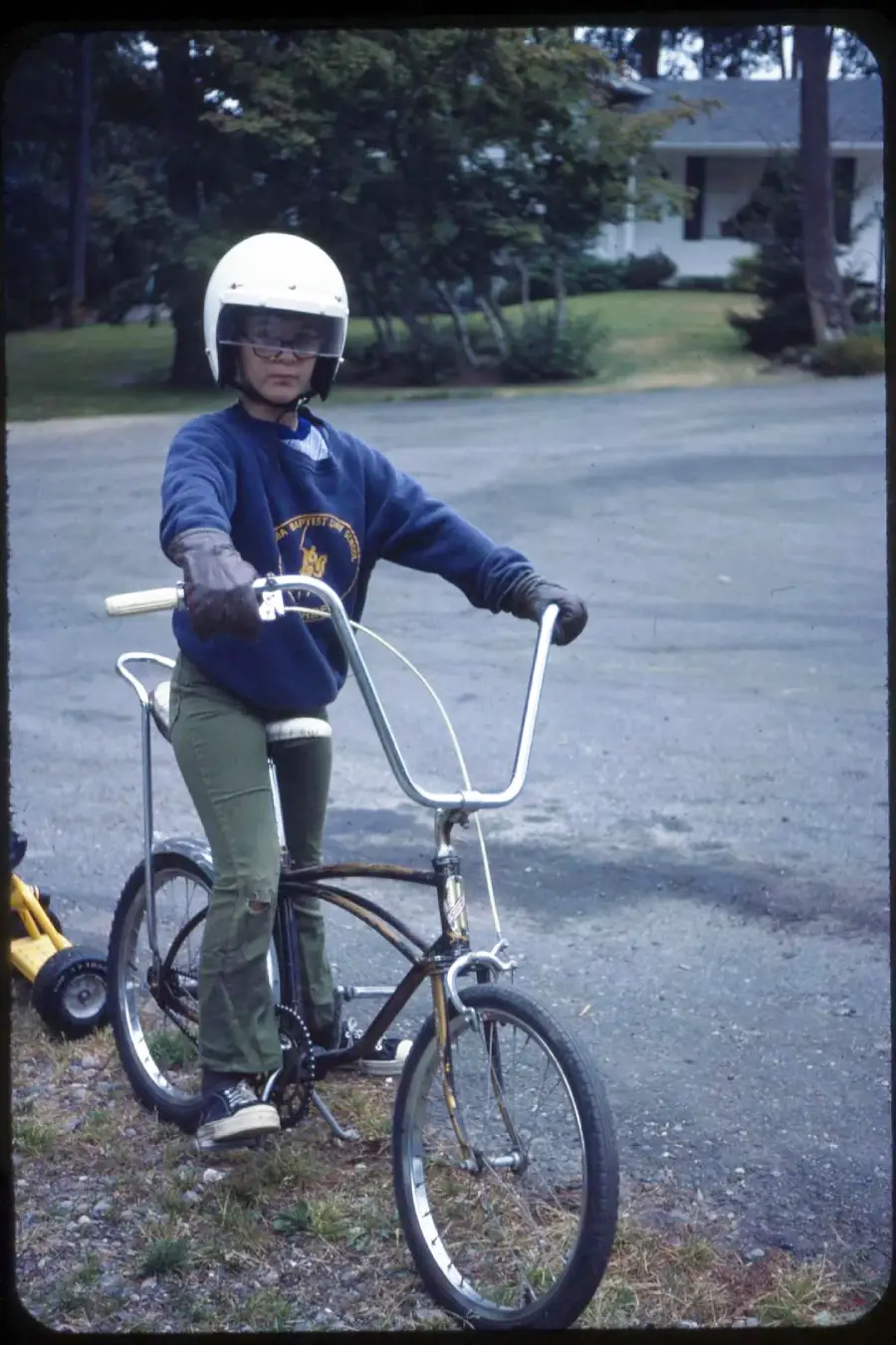
Children were granted absolute freedom to roam the neighborhood on their bicycles for hours without any form of adult tracking. The only strict rule for returning home was the illumination of the local streetlights at dusk.
2. The station wagon “way back”
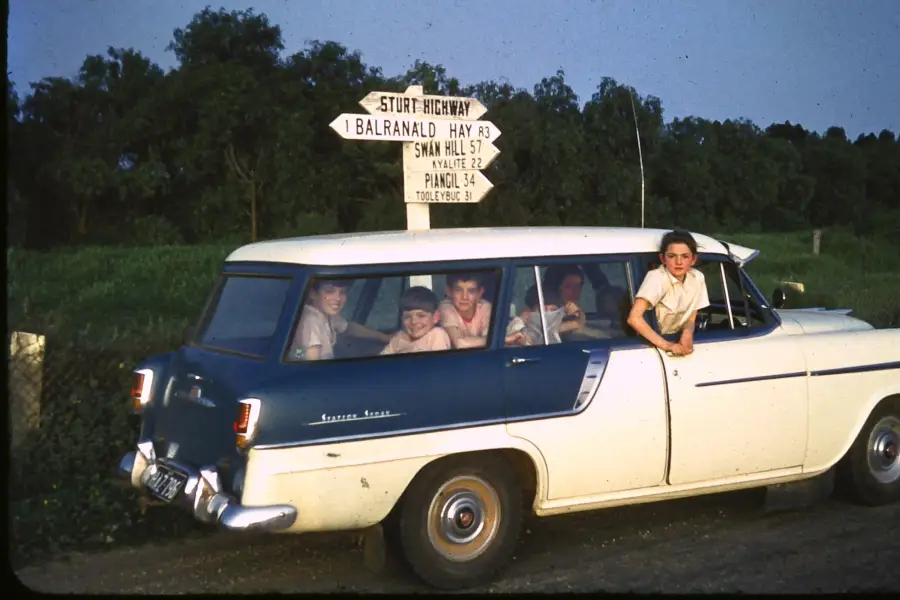
Long family road trips often featured kids bouncing around unrestrained in the rear cargo area of a wood-paneled station wagon. This unbuckled, high-energy seating arrangement was a standard highlight of every summer vacation.
3. Whiskey for teething
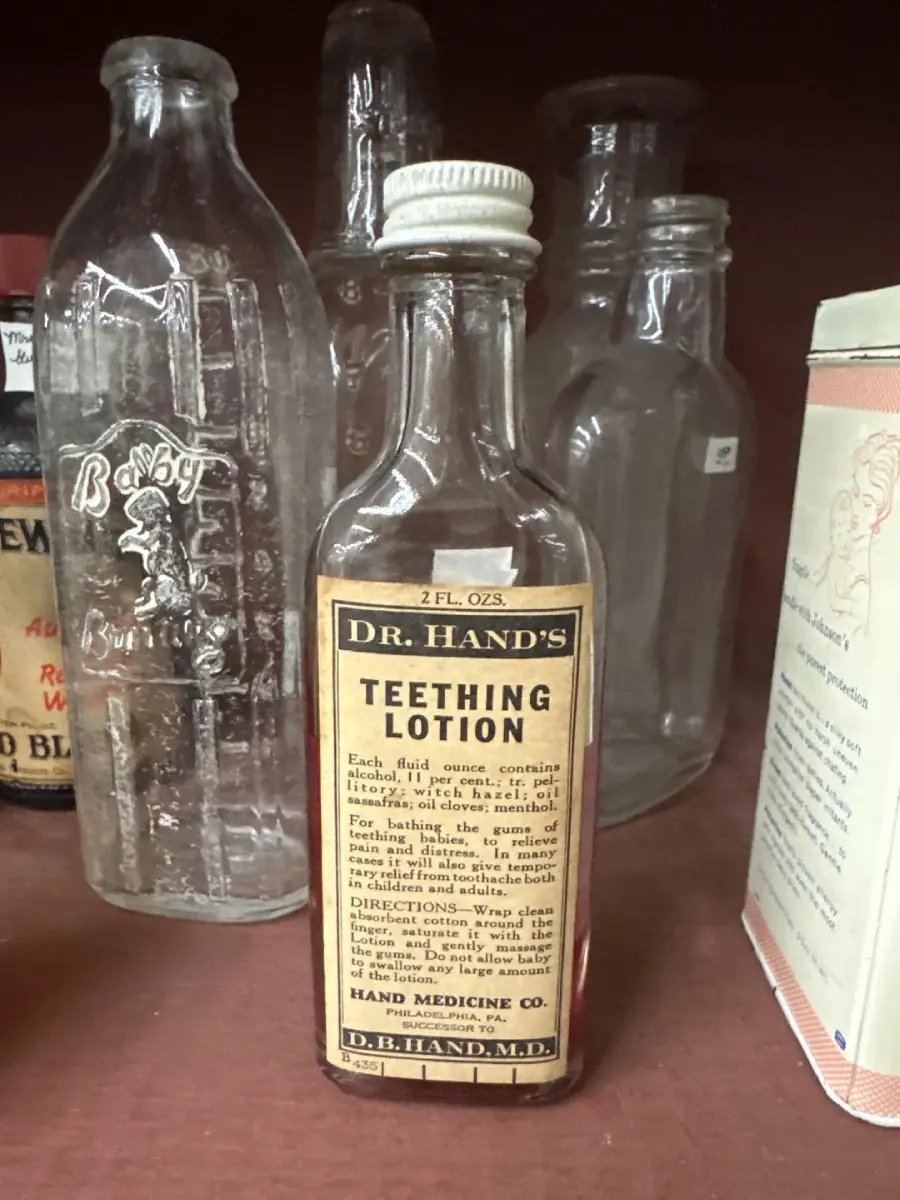
Before the boom of specialized pediatric gels, rubbing a subtle amount of whiskey directly on an infant’s gums was a common domestic remedy. It was considered a highly effective, parent-approved method to soothe the intense pain of new teeth.
4. Sending kids on cigarette runs
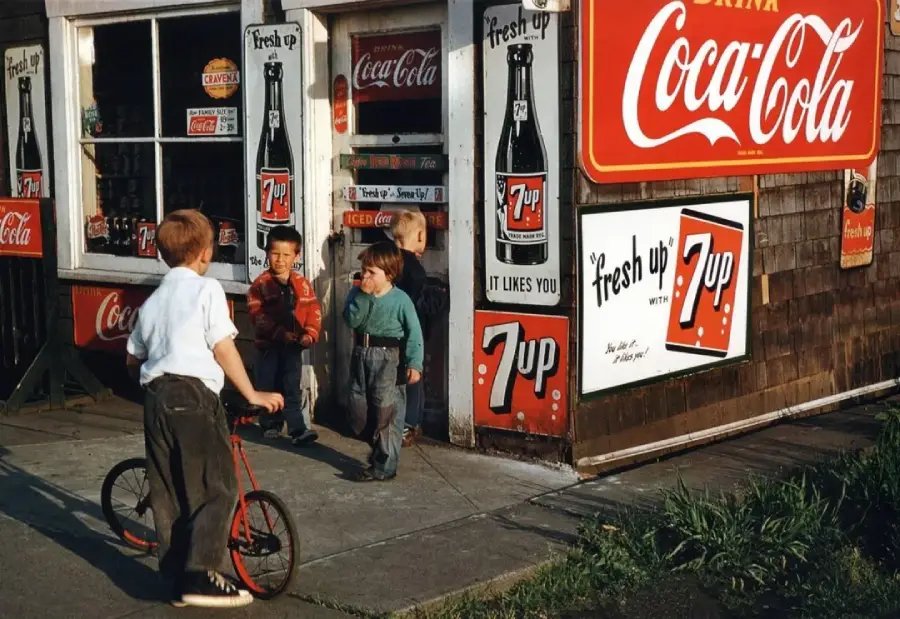
It was remarkably common for a mother or father to send their elementary-aged child to the local corner store with a handwritten note to purchase a pack of tobacco. Store clerks rarely questioned the transaction, simply handing over the product and the change.
5. Smoking inside the family car

Cigarette use was nearly universal in domestic life, and lighting up inside a small, closed-up vehicle with children present was rarely criticized. A permanent haze of smoke was simply a baseline part of the atmosphere during every family commute.
Trending on The Scroller

6. The garden hose hydration station
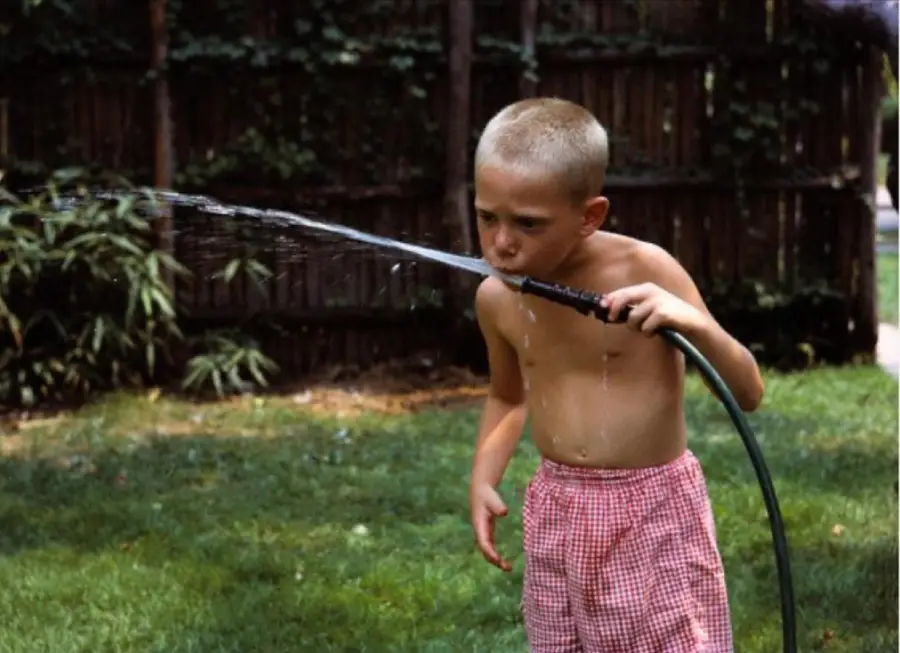
During hot afternoon play sessions, children never rushed inside for filtered water or specialized sports drinks. They simply grabbed the nearest green garden hose and drank the metallic-tasting water straight from the source.
7. Sunbathing with oil
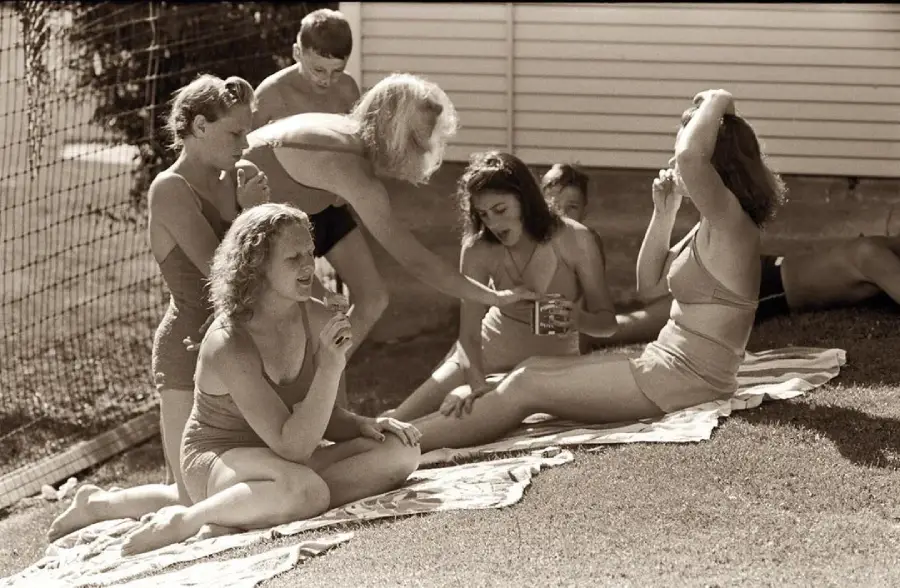
Sun safety was rarely a structural priority, and many families actively encouraged deep tanning by applying heavy layers of olive or baby oil to their skin. Sunburns were treated as a routine part of the summer ritual rather than a serious health risk.
8. Helmet-free adventures
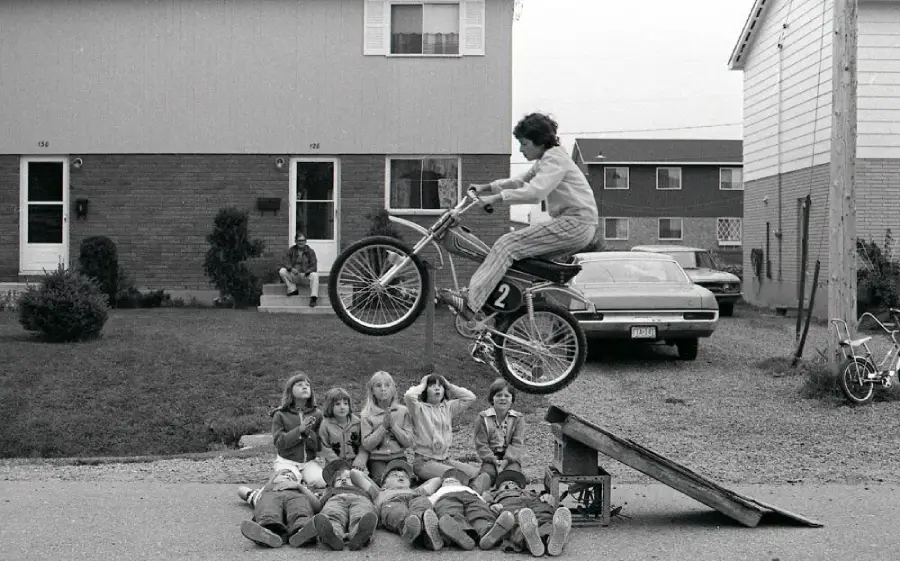
Whether riding a banana-seat bike or a motorbike, protective gear like helmets and knee pads was virtually nonexistent. The only barrier between a child and the pavement was their own sense of balance.
Sign up for our newsletter
9. Unfiltered television access
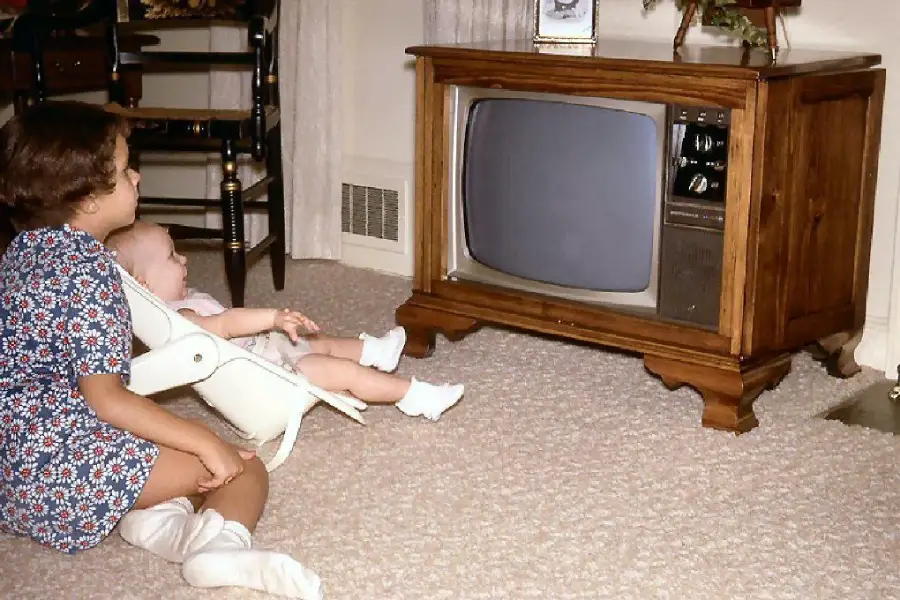
With only three or four major networks available, kids often watched whatever was scheduled during the late afternoon blocks. Parents rarely hovered over the screen, allowing children to consume soap operas and intense news broadcasts without intervention.
10. Playing in active construction sites

The skeletal remains of new suburban housing developments served as the ultimate, unscripted playground for neighborhood kids. Children spent their weekends climbing through open framing and jumping into sand piles without a single adult in sight.
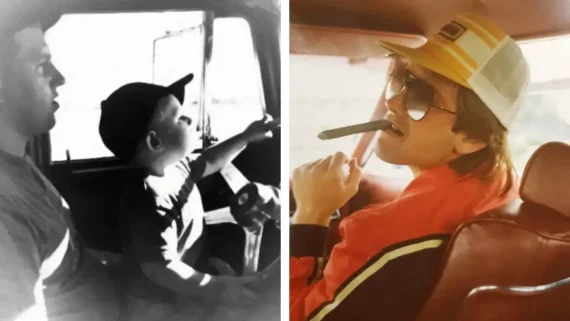
11. The lap-steering ritual
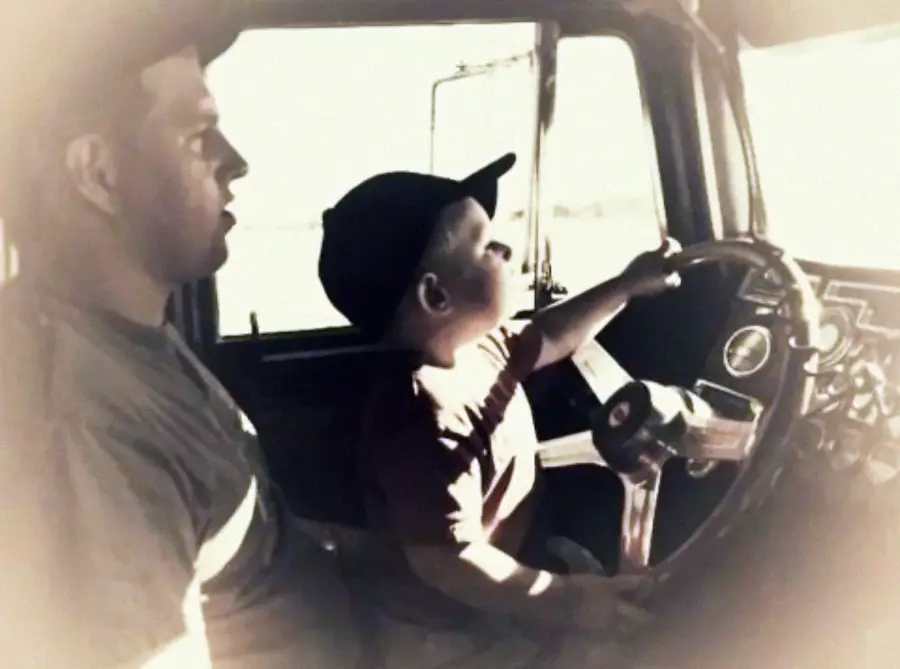
A cherished rite of passage for many involved sitting on their father’s lap and steering the car while he operated the pedals. This highly dangerous, yet common domestic activity, provided an early, unsupervised sense of mechanical control.
12. Using lawn darts at family BBQs
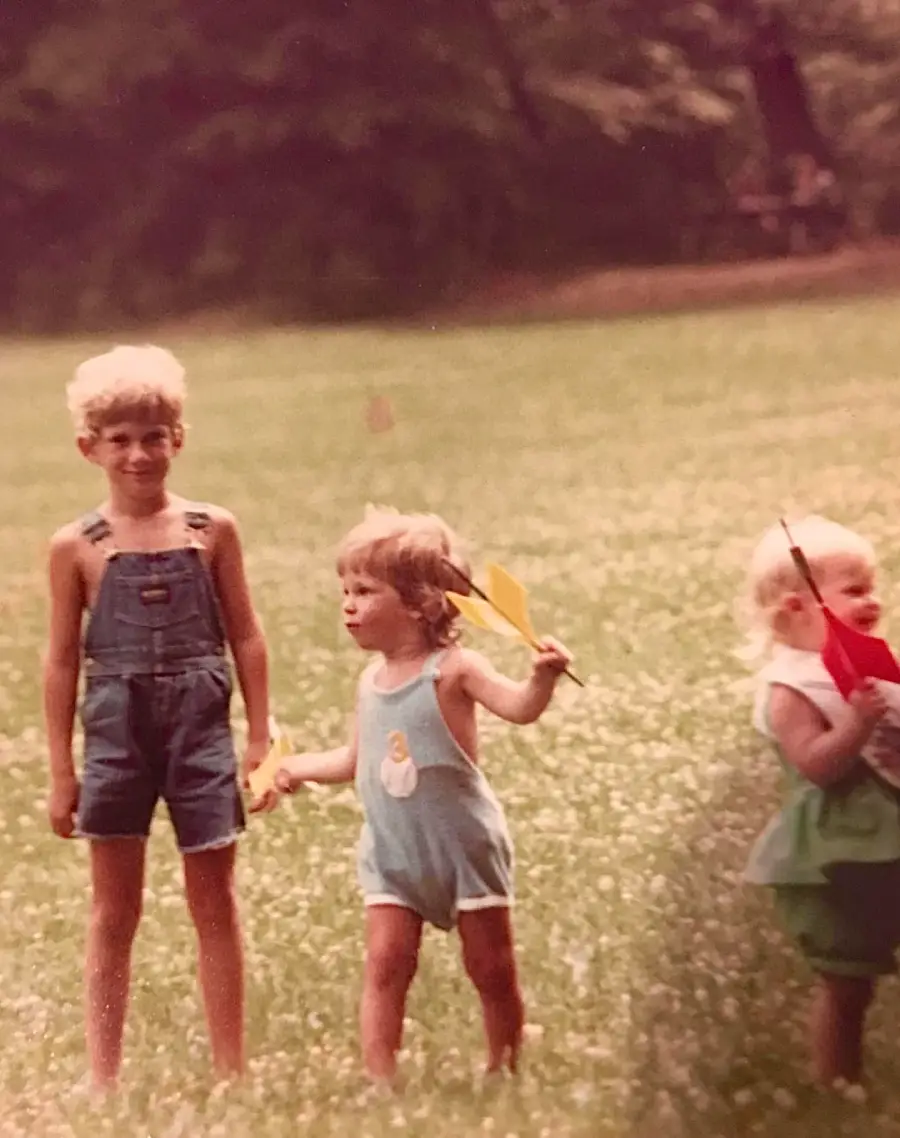
Backyard gatherings frequently featured high-stakes games using heavy, metal-tipped darts designed to be thrown high into the air. These primitive toys were eventually banned due to their incredible potential for causing serious injury.
13. Absolute open cabinet access
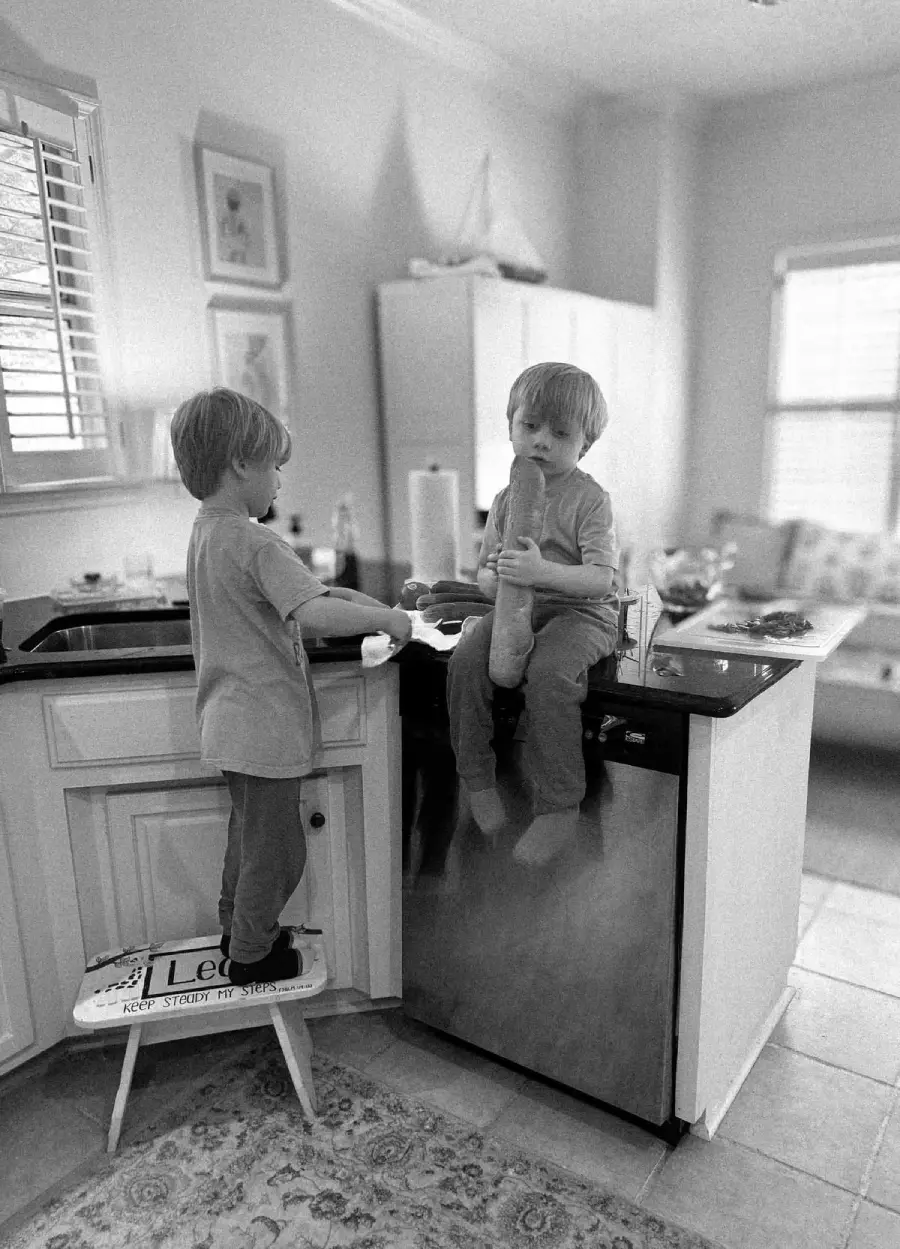
The concept of childproofing a kitchen was almost entirely unknown in the typical 1970s household. Unlocked cabinets filled with toxic cleaning supplies and sharp tools were routinely left within easy reach of curious toddlers.
14. Managing a pre-teen paper route
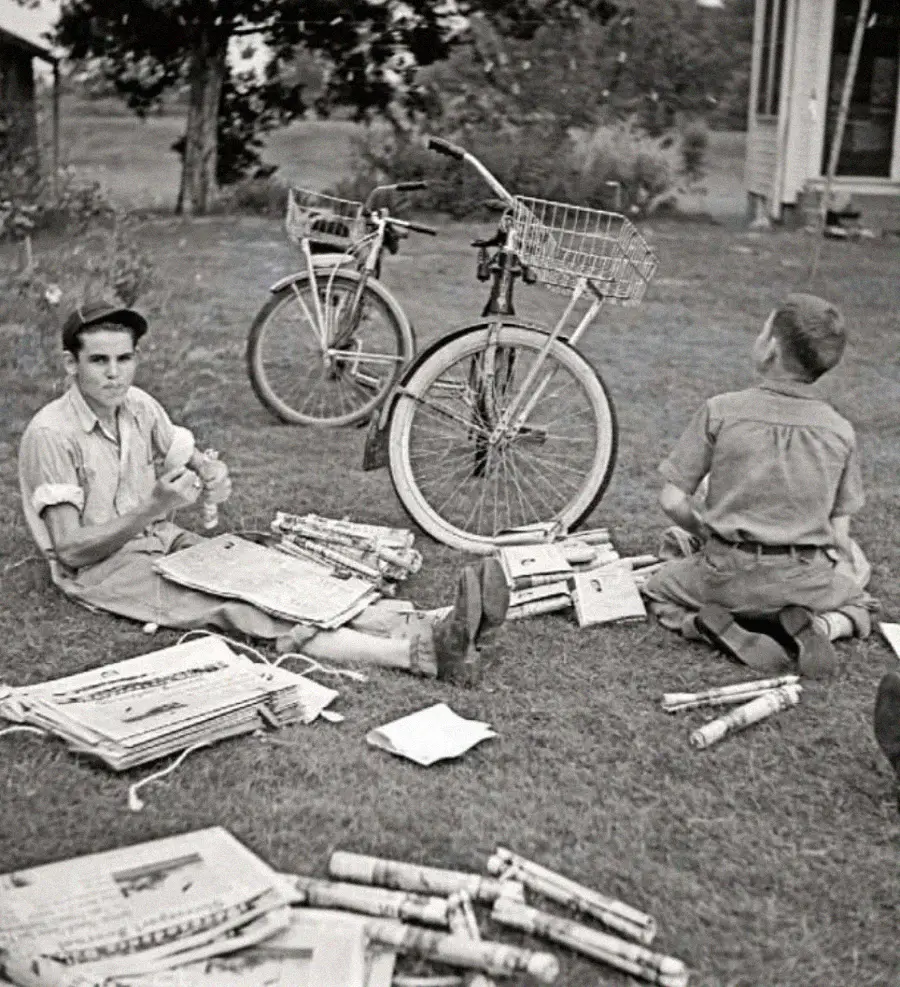
Twelve-year-olds with heavy canvas bags were the primary distribution network for every local morning and evening newspaper. These young individuals were responsible for collecting cash payments and navigating their routes alone in every type of weather.
15. The stitched knee patch tradition
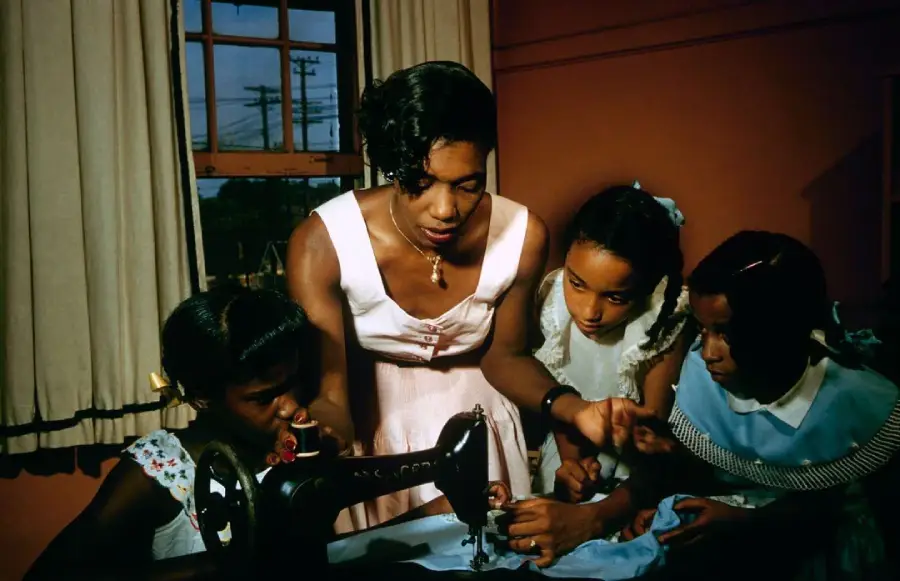
Instead of purchasing new clothing at every minor tear, mothers would stitch simple denim squares or colorful patches onto worn-out knees. Clothes were manufactured to last, and repairing them was a necessary, practical part of the household routine.
16. Mercury thermometer use
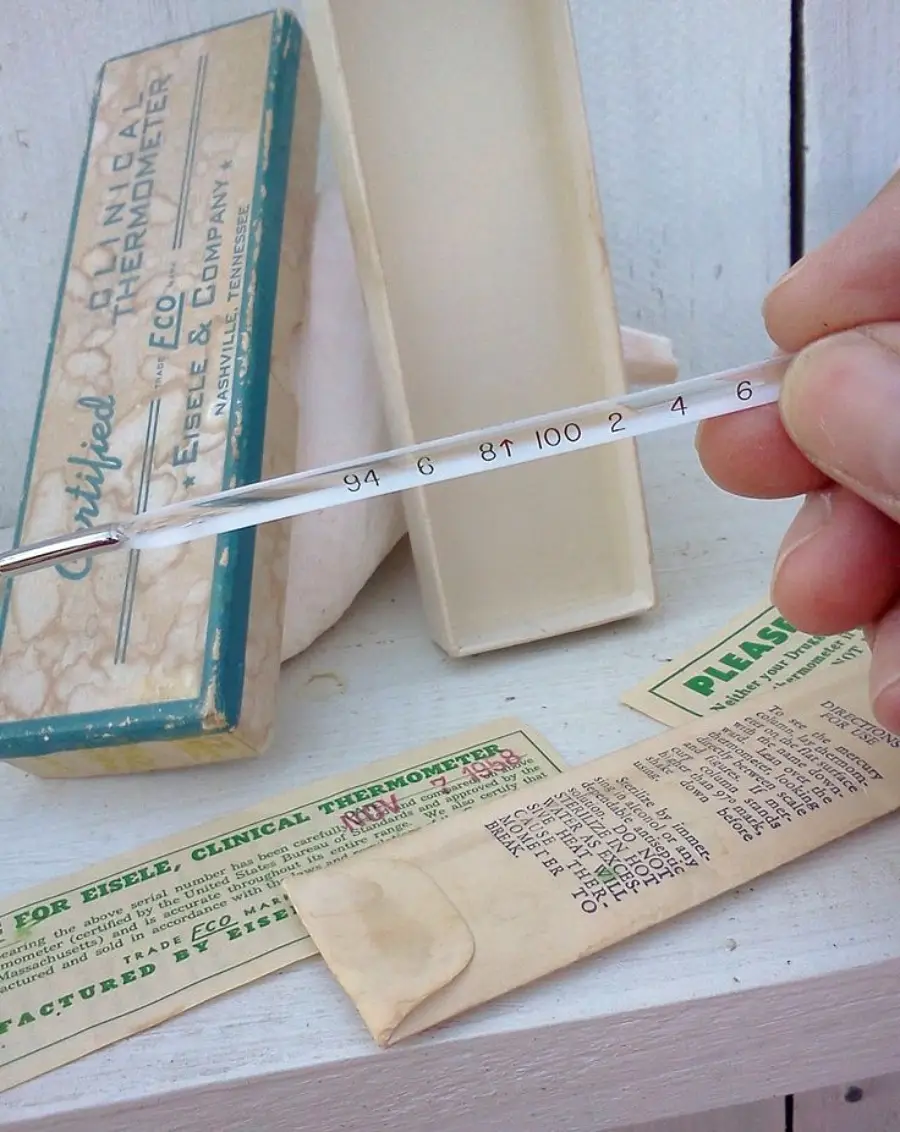
When a child felt ill, the primary diagnostic tool was a glass tube filled with highly toxic liquid mercury. If the delicate instrument ever shattered on the floor, children were often allowed to play with the shimmering silver beads.
Discover more vintage stories about parenting:
If you enjoyed this beautifully nostalgic, lighthearted journey looking back at the vanished world of our youth, make sure to explore these 18 Vintage Parenting Hacks That Look Dangerous Now, or 20 Old School Parenting Tactics That Wouldn’t Fly Today. You can also check out these 18 School Photos That Went Hilariously Wrong.