Long before instant messaging apps, online banking portals, and electronic document sign-offs transformed our daily communications, the roadside mailbox was the central hub of domestic life. Checking the daily mail was an eager, physical ritual that connected households directly to the rest of the world. Families relied entirely on postal carriers to deliver every piece of vital personal news, official documentation, commercial offers, and financial statements. It was an era defined by paper, distinct ink signatures, and the satisfying click of a metal mailbox latch on a sunny afternoon.
This daily dependence on physical paper delivery created a unique pace of life where patience and anticipation were built into every interaction. Sending something through the mail required thoughtful planning, manual writing, and a trust in logistics that feels almost legendary in our modern age of instant notifications. From sending handwritten personal updates to mailing in heavy holiday shopping catalogs, these physical envelopes shaped how we managed our personal relationships, households, and careers for generations. Let’s take a nostalgic look back at fourteen physical items people regularly sent through the mail before the digital revolution transformed how we communicate.
1. Handwritten letters
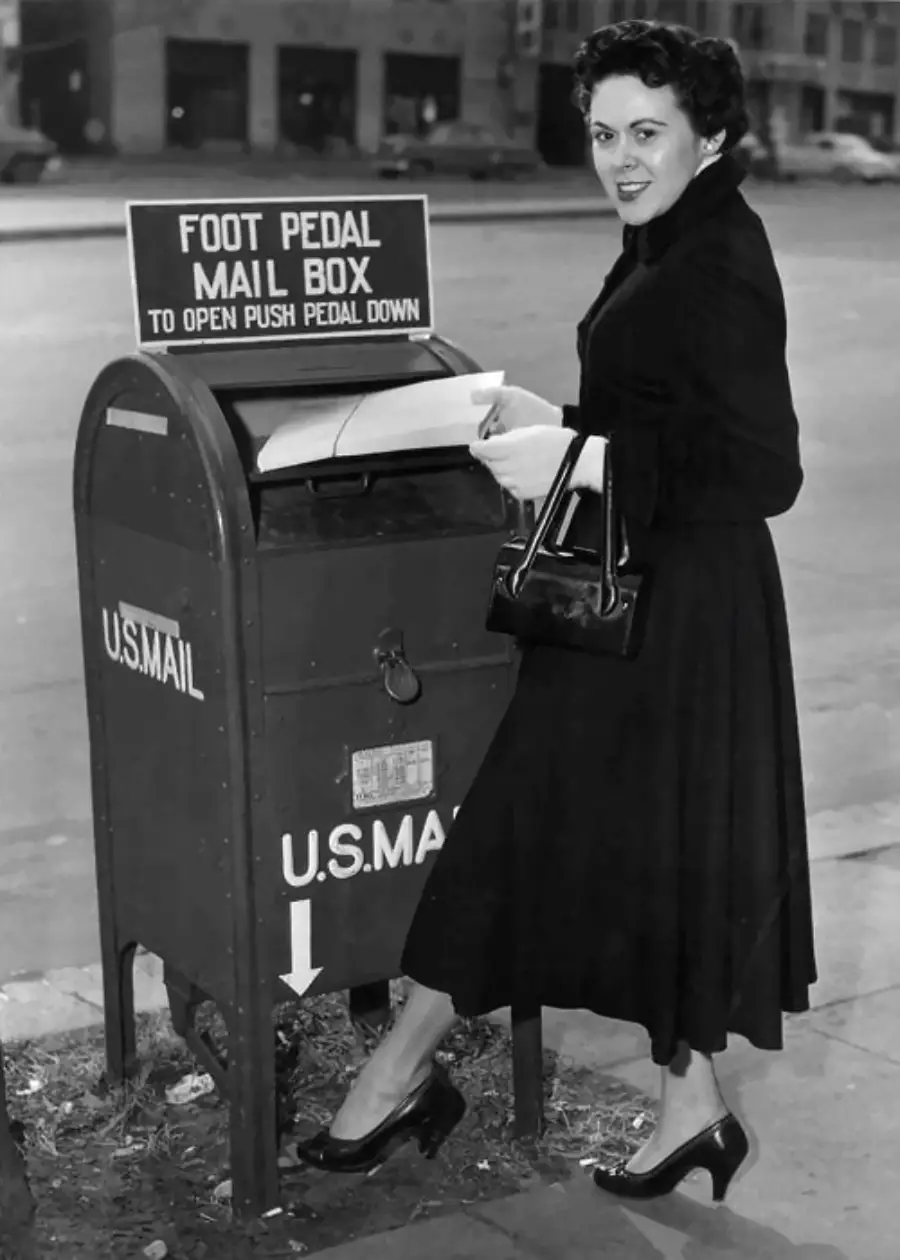
Long-distance relationships and family connections relied entirely on multi-page handwritten letters tucked inside paper envelopes with a lickable postage stamp. Waiting weeks for a reply created a deeply personal, slow-paced dialogue that made every arriving piece of news feel like a cherished family keepsake.
2. Greeting cards
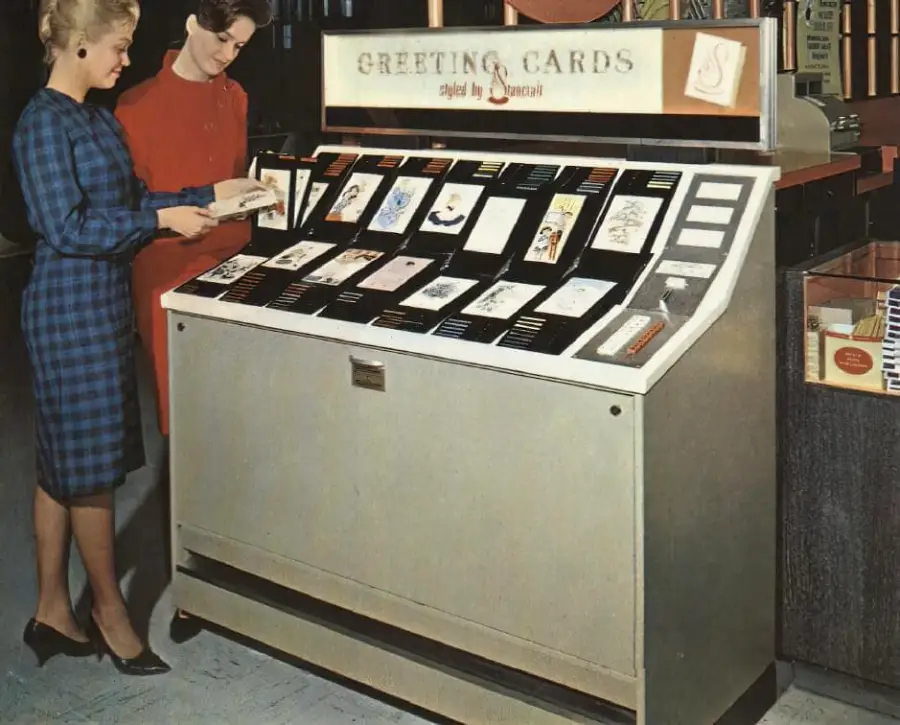
Celebrating birthdays, anniversaries, and holidays required browsing retail racks to select the perfect physical card from brands like Hallmark. People carefully signed personal notes inside, sealed them shut, and posted them days in advance to ensure their warm wishes arrived right on time for the special occasion.
3. Utility bills and bank statements
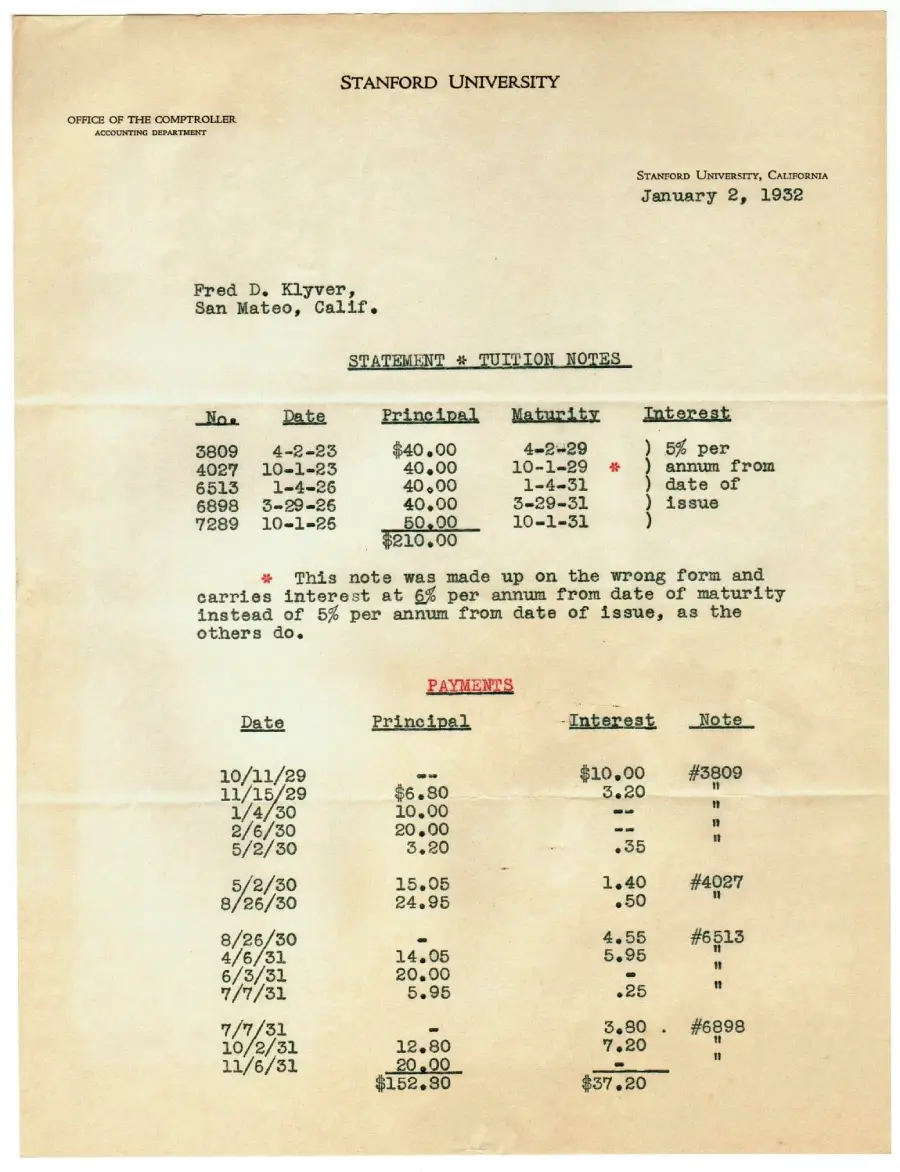
Monthly household accounting meant opening paper utility bills, credit card ledgers, and official bank statements delivered directly to your door. Families kept organized filing cabinets packed with paper records, using these monthly mailings to track every single penny spent across the year.
4. Personal payment checks
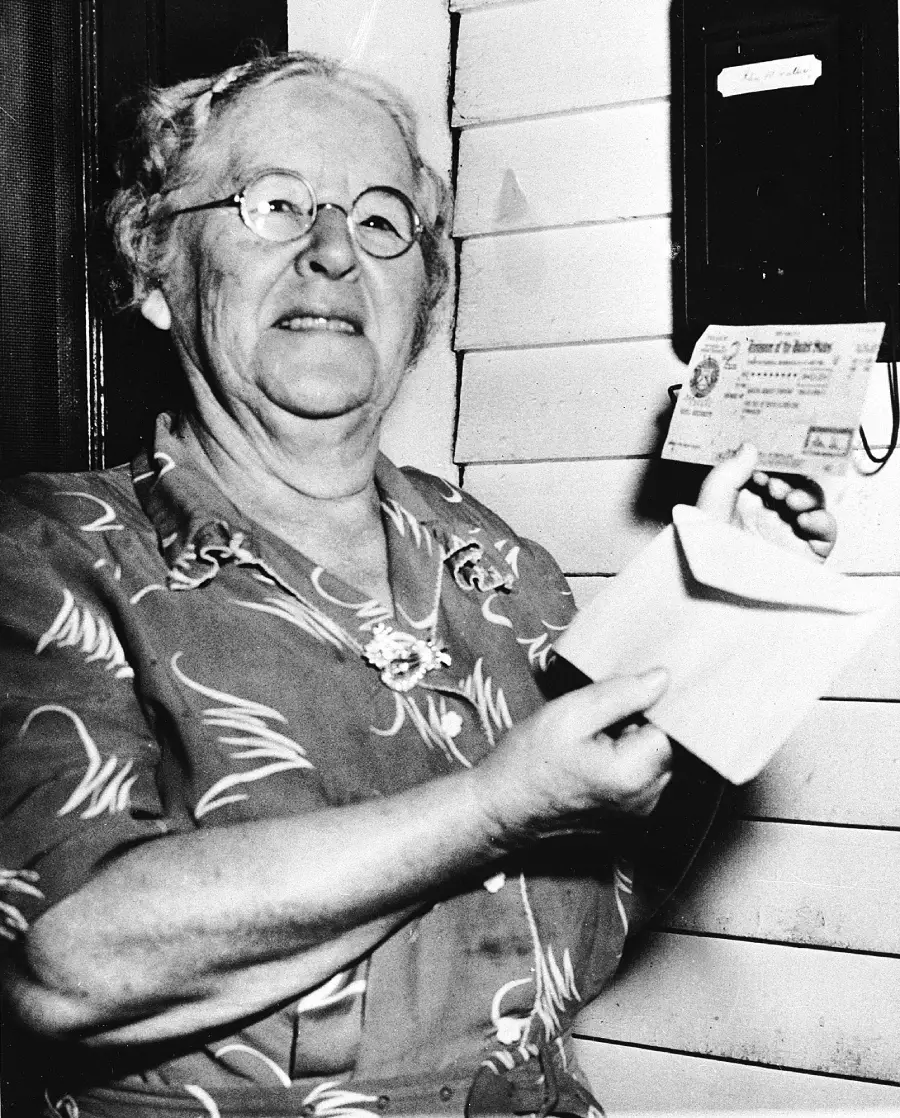
Paying monthly bills or sending financial gifts required writing out a paper check, matching the exact balance, and enclosing it inside a return envelope with a stamp. Sending money across the country was a tactile process that required balancing a physical checkbook ledger to avoid unexpected overdraft fees.
5. Mail-order shopping catalogs
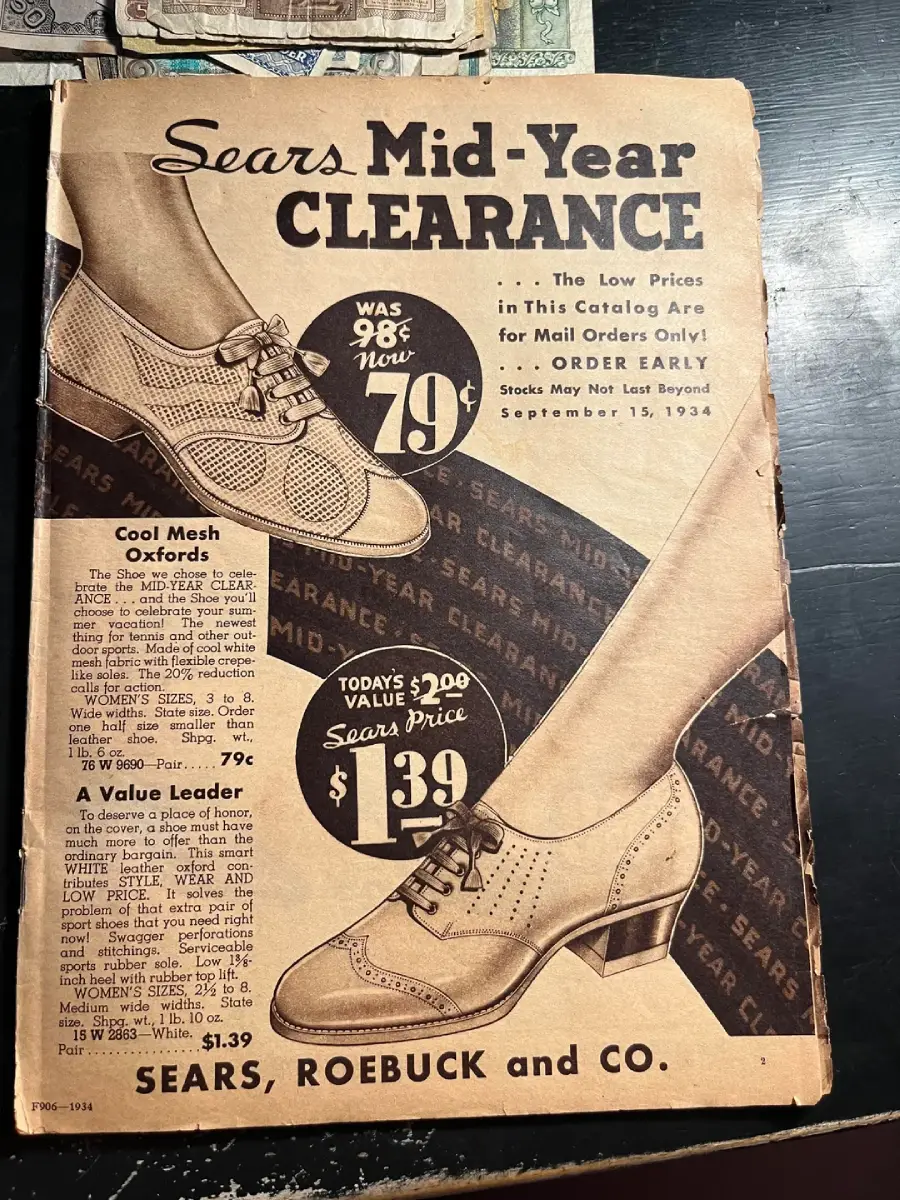
Thick, glossy shopping catalogs from retail giants like Sears, JCPenney, and Victoria’s Secret brought the department store directly to rural and suburban living rooms. Families spent hours circling items on paper pages before filling out a physical order form and mailing it in with a check to receive their goods weeks later.
Trending on The Scroller


6. Paper tax returns and forms
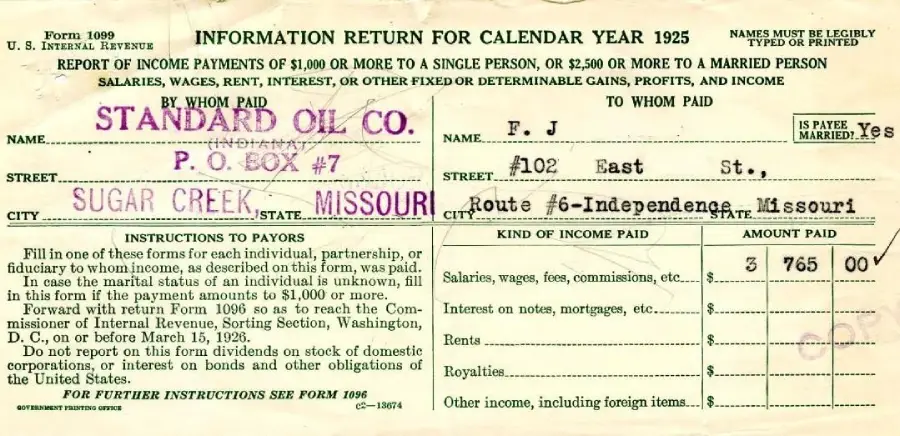
Tax season involved collecting official paper income forms, manually calculating deductions with a pencil and calculator, and filling out complex paper tax booklets. Tens of millions of citizens walked their heavy paper tax packages straight to the post office to secure an official postmark before the midnight deadline.
7. Developed photographs and family prints
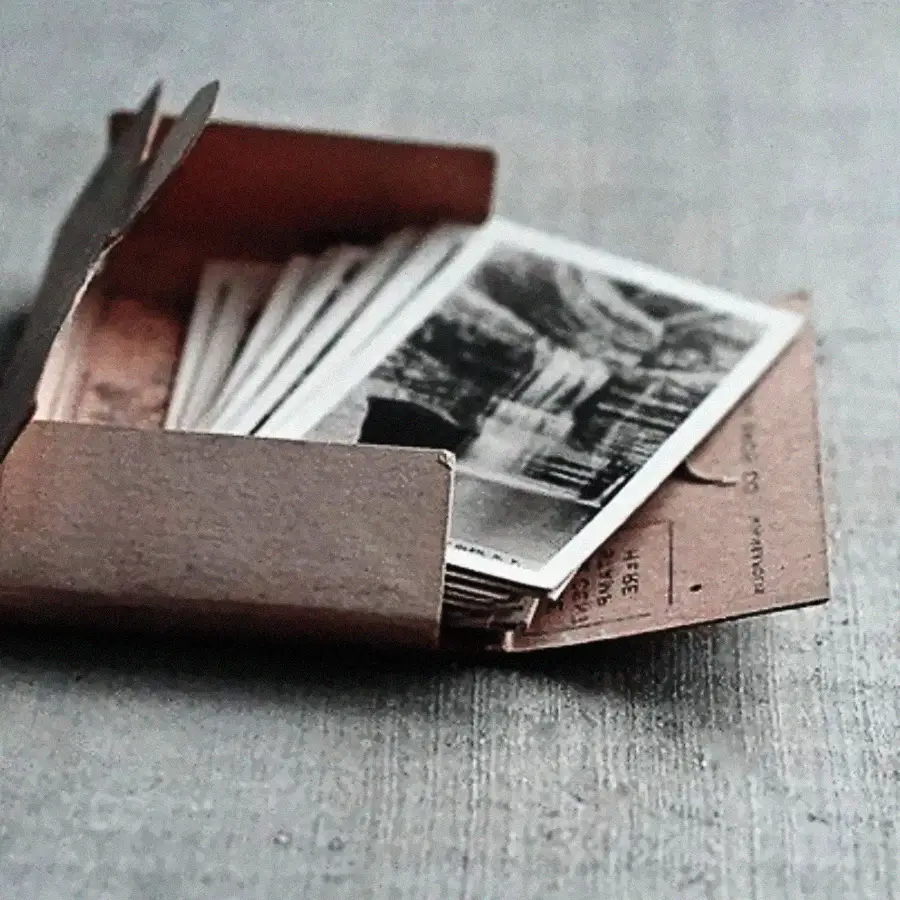
After dropping off rolls of film at local photo labs, families mailed duplicates of their developed prints to out-of-town relatives inside thick protective envelopes. Opening a mailed stack of glossy photo prints was the primary way distant grandparents saw how much their grandchildren had grown over the year.
8. Wedding and birthday invitations
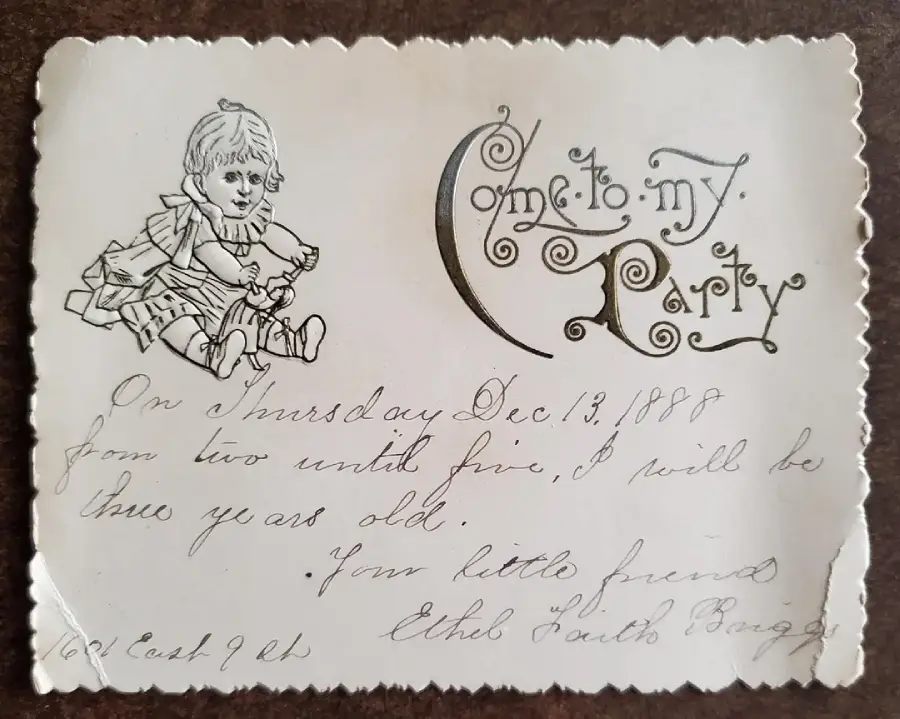
Formal social gatherings required mailing elegant, multi-layered paper invitation suites complete with tissue paper inserts and pre-stamped RSVP cards. Guests filled out their attendance choices by hand and dropped the response cards back in the post to help hosts tally their final headcount.
Sign up for our newsletter
9. Clipped newspaper and magazine articles
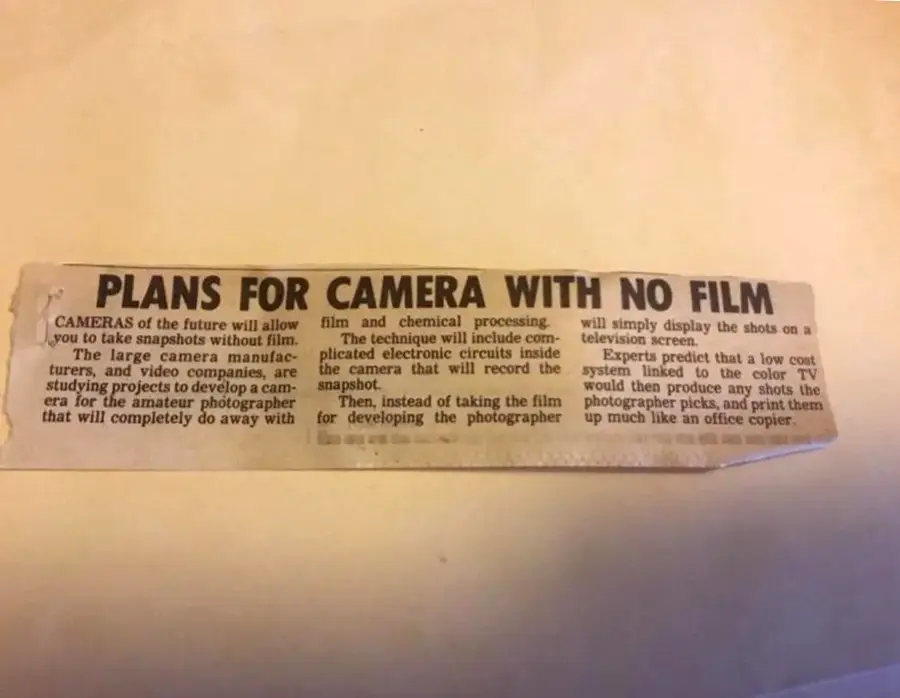
When people stumbled upon a hilarious comic strip, a helpful recipe, or an interesting news article, they used scissors to carefully cut it out of the paper. Tucking these physical news clippings into regular letters was the original, analogue version of sharing a link or sending a meme to a friend.
10. Resumes and job applications
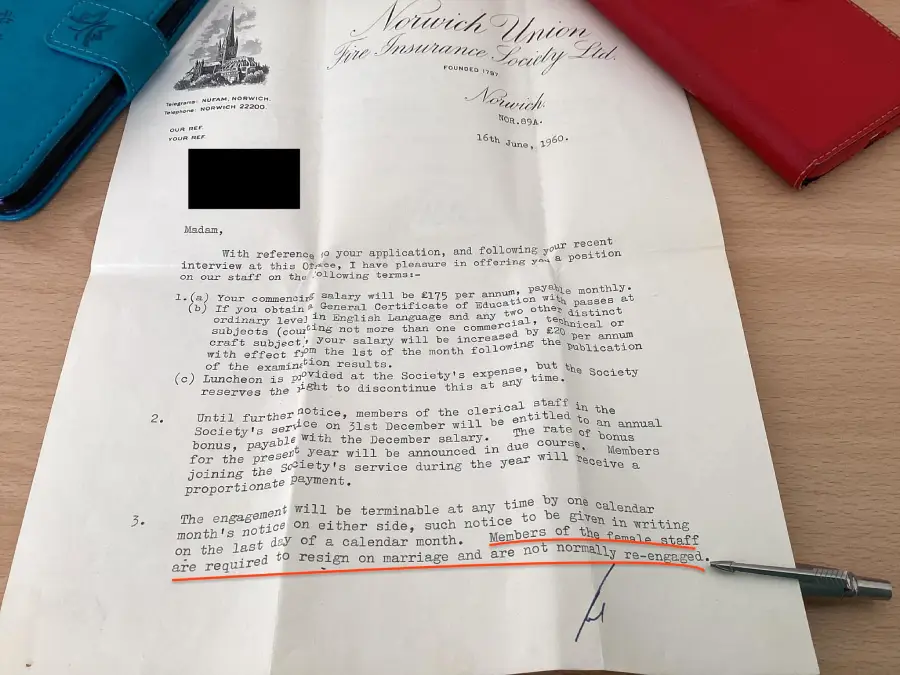
Applying for a new job meant printing resumes on high-quality, heavy paper stock, crafting customized cover letters, and mailing them in formal manila envelopes to prospective employers. Job seekers waited anxiously by their mailboxes for weeks, hoping to receive a physical interview invitation or offer letter.
11. Gift packages and care packages
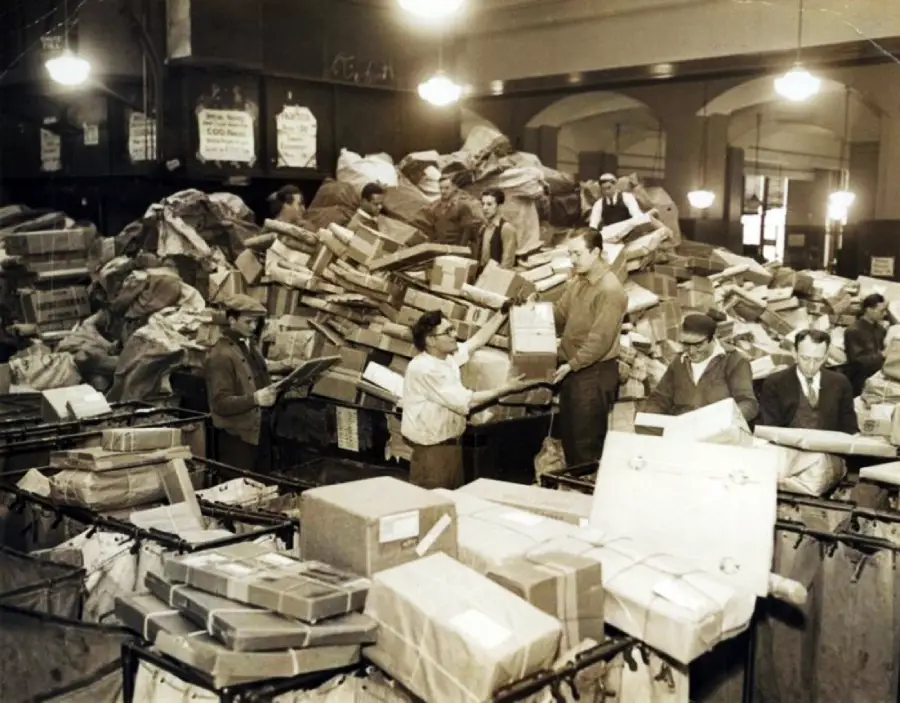
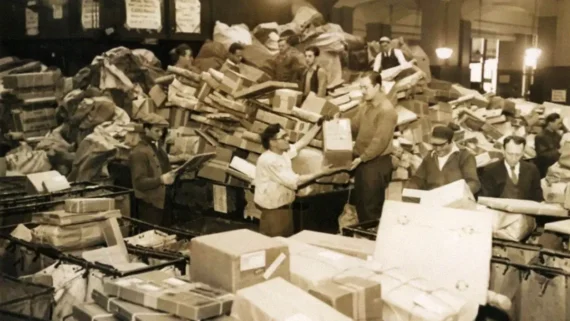
Grandparents and distant relatives regularly packed cardboard boxes with home-baked cookies, hand-knitted sweaters, and birthday presents wrapped in colorful paper. Receiving a heavy, tape-sealed care package from out of state was a major event that brought instant joy to college students and young families.
12. Subscription magazines
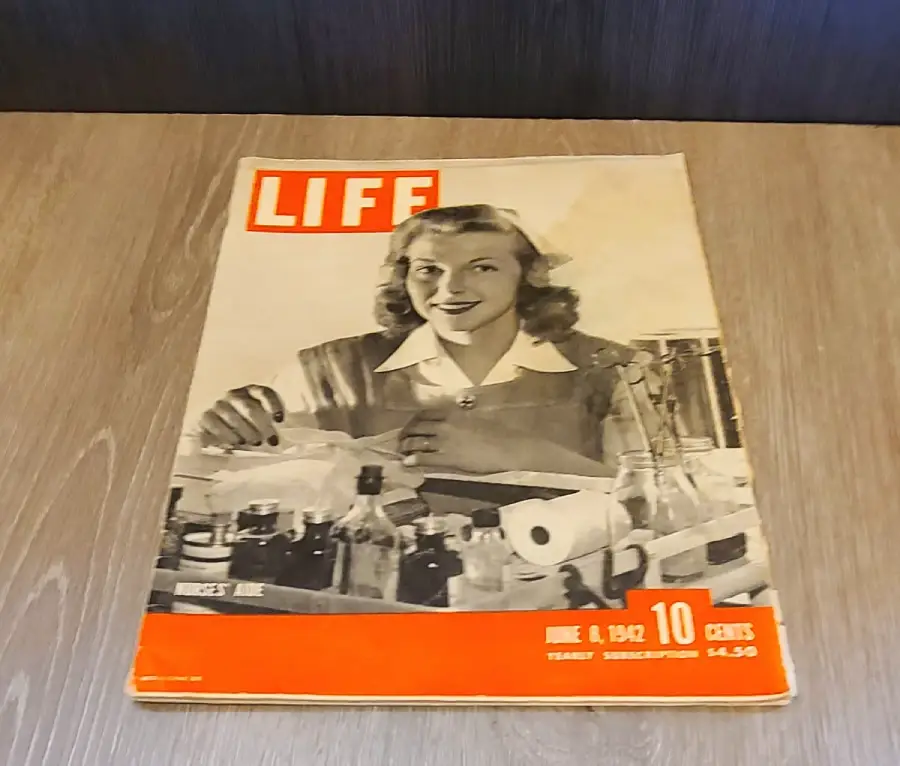
Subscribing to monthly publications like National Geographic, Time, or Reader’s Digest meant waiting eagerly for the latest issue to arrive in your postbox. Flipping through fresh, glossy pages provided hours of curated entertainment and deep reporting long before digital news feeds existed.
13. Telegrams
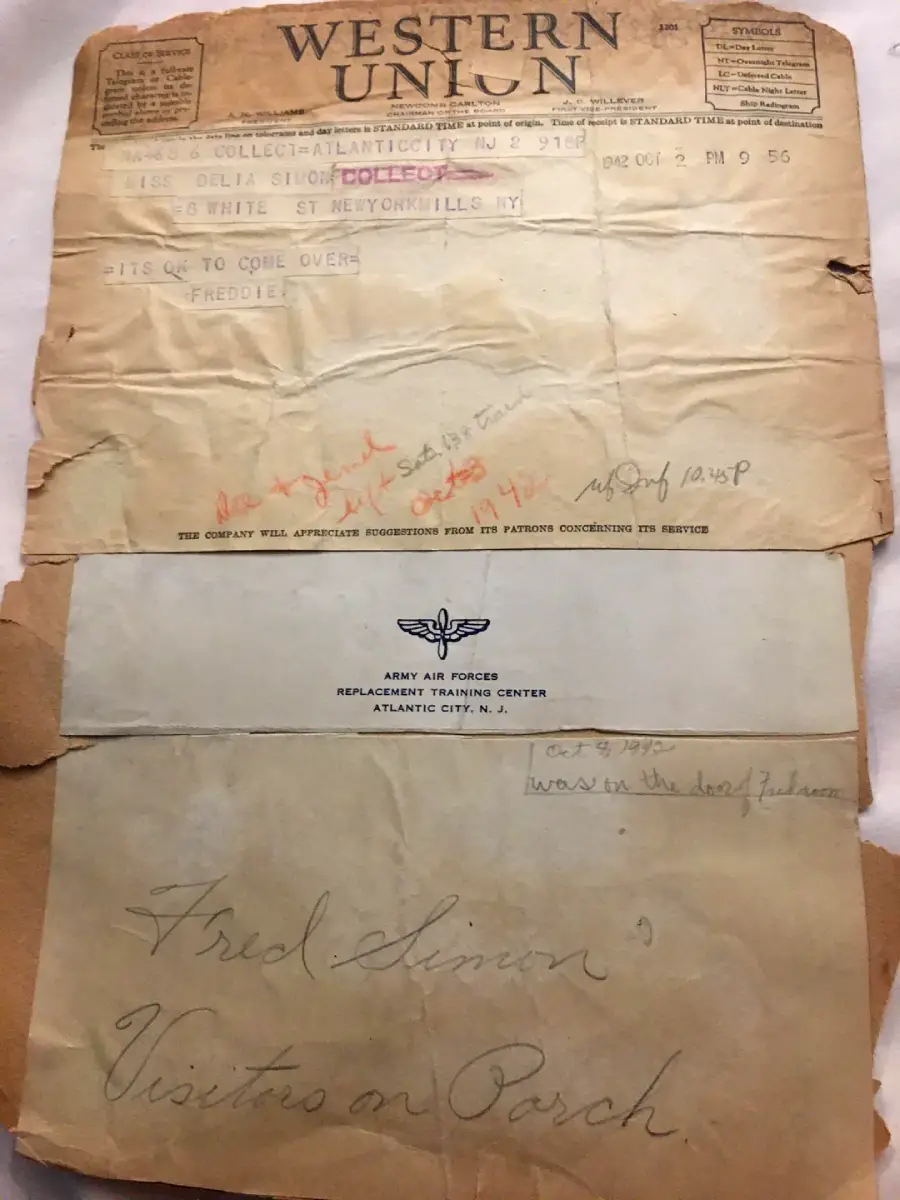
For urgent or deeply critical announcements like sudden family emergencies or formal congratulations, people sent physical telegrams through services like Western Union. Couriers delivered these brief, capital-letter paper strips directly to front doors, bringing an instant sense of drama and importance to the household.
14. Contest and sweepstakes entry forms
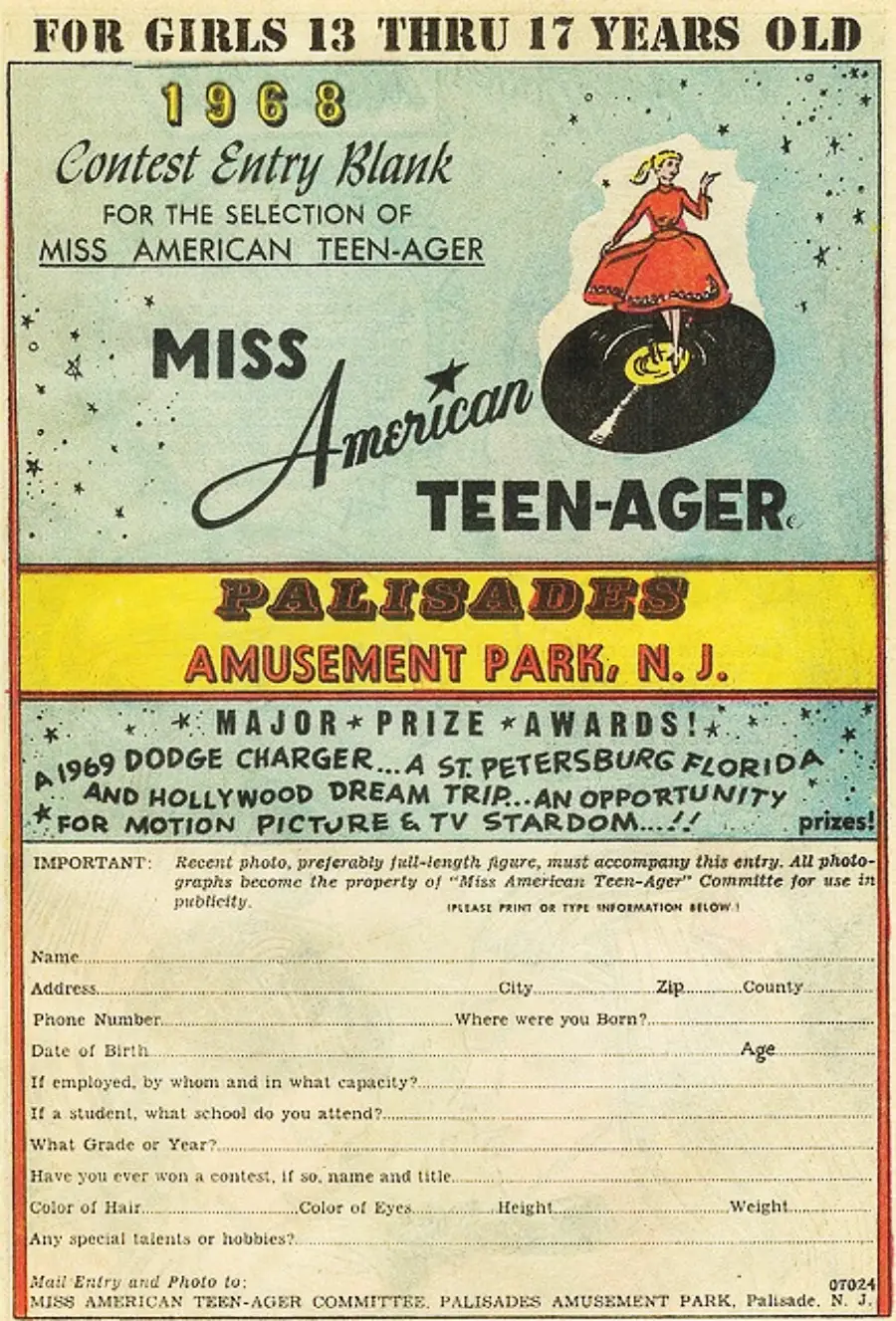
Entering major promotional contests or national sweepstakes required clipping entry coupons from magazines, filling in contact details, and mailing them off before strict deadlines. Enthusiasts sent dozens of self-addressed envelopes hoping to win dream vacations, new automobiles, or massive cash jackpots.
Explore more stories from the past:
Revisiting these classic paper communications serves as a wonderful reminder of the patience, intentionality, and tactile connection that defined daily life before the digital revolution took over. Looking back at these handwritten notes, glossy mail-order catalogs, and photo prints proves that while our modern electronic methods are impossibly fast and convenient, physical paper carried a unique personal weight. When we choose to look past the instant convenience of our current digital inbox to appreciate the rich history of the postal service, we gain a much deeper appreciation for human connection. If you loved taking this nostalgic trip back through pre-digital lifestyle history, make sure to check out these 14 Classic After School Habits From Before the Streaming Era, or 20 Things Today’s Kids Do That Shock 70s Kids. You can also take a look at these 19 Vintage Photos That Show What County Fairs Looked Like.