Before tractors, automated harvesters, and modern farming equipment became common, American farms ran on a mix of hard labor, animal power, and machinery that often required entire crews to operate. Horses and mules pulled plows, workers harvested crops by hand, and neighbors sometimes came together to help bring in the wheat. Life on the farm also meant tending livestock, maintaining barns, and finding ways to get through long days with whatever tools were available. These 16 vintage photos offer a look at American farming before industrialized agriculture transformed the countryside, from busy threshing crews to quiet orchards and tobacco fields.
1. When Harvest Season Meant All Hands on Deck
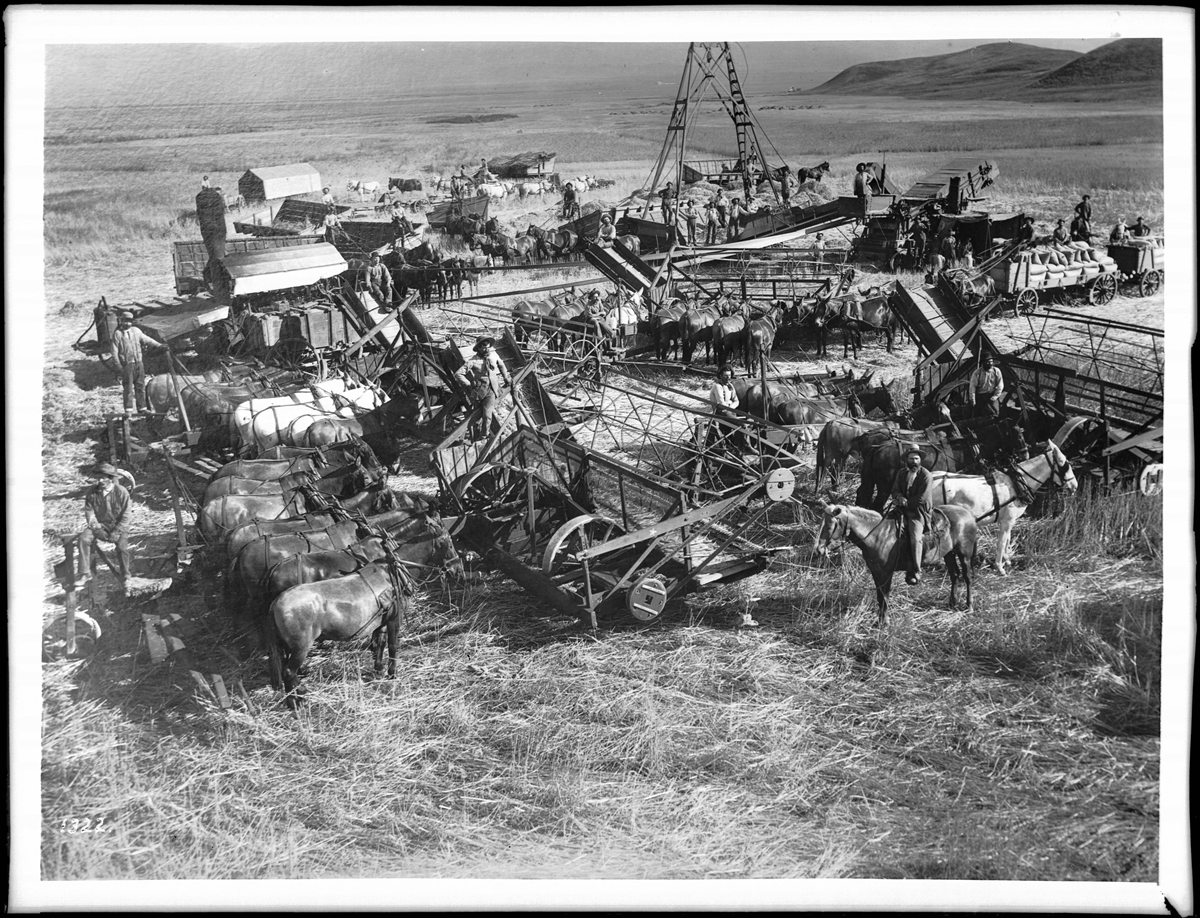
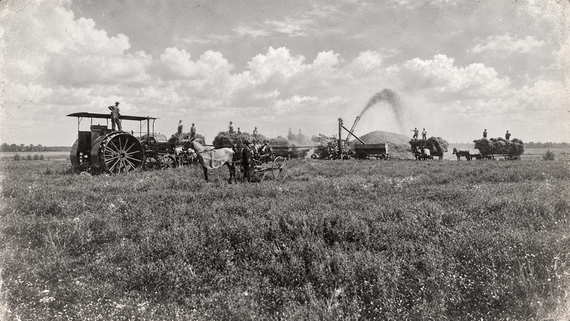
Harvest time was one of the busiest stretches of the year on American farms, especially before tractors became everyday equipment. Horses did much of the pulling, but getting grain from the field into storage still took plenty of people. Neighbors sometimes joined forces, moving from one farm to the next with threshing crews and heavy machinery that few families could afford on their own. The work was dusty, noisy, and exhausting, and a spell of bad weather could throw the whole schedule off. For many farming families, harvest season was as much a community effort as a farm chore.
2. When Steam Power Arrived in the Fields
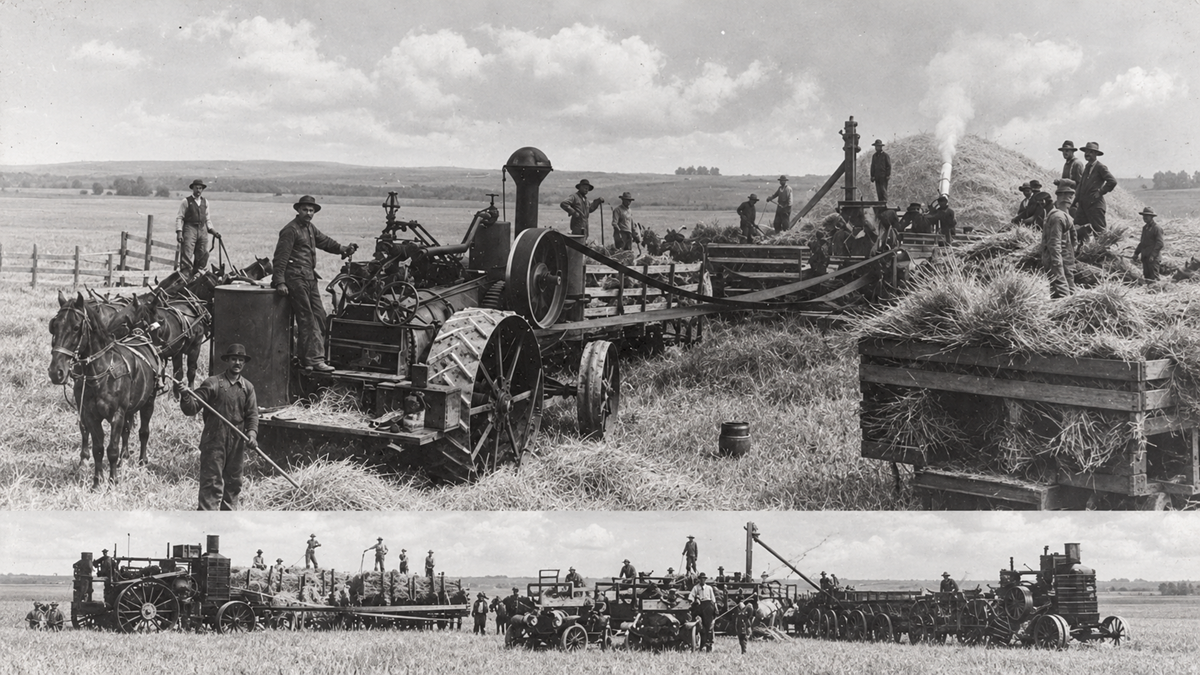
Steam-powered machinery was a major investment for American farmers in the late 19th and early 20th centuries. Large engines could run threshing machines through long belts, handling work that once required far more manual labor. They weren’t exactly convenient, though. Moving the equipment between farms, keeping the boiler supplied with water and fuel, and making repairs all took time and experienced workers. Some farmers hired traveling threshing crews rather than buying the machinery themselves. For a few busy weeks each year, an otherwise quiet field could turn into a noisy workplace filled with engines, wagons, and men hauling grain.
3. When Mules Did the Heavy Lifting
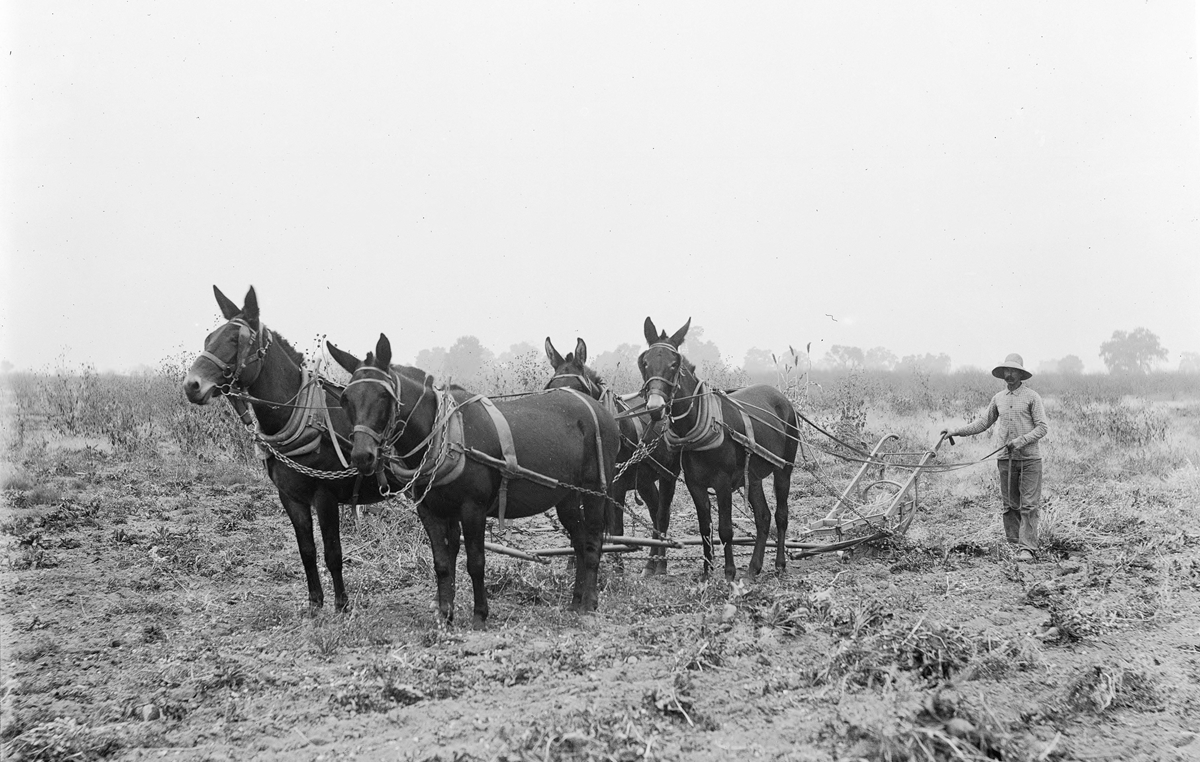
On many American farms, a good team of mules was worth its weight in gold. They pulled plows, hauled wagons, and worked through fields where farmers spent most of the day walking behind them. Mules were especially common in the South, where their toughness made them useful for cultivating cotton and other crops. Keeping them meant another set of chores, from feeding and watering to checking harnesses and tending sore hooves. And when planting season came around, there was no rushing the job. You worked at the animals’ pace, one row at a time.
4. The Long Days of Threshing Wheat
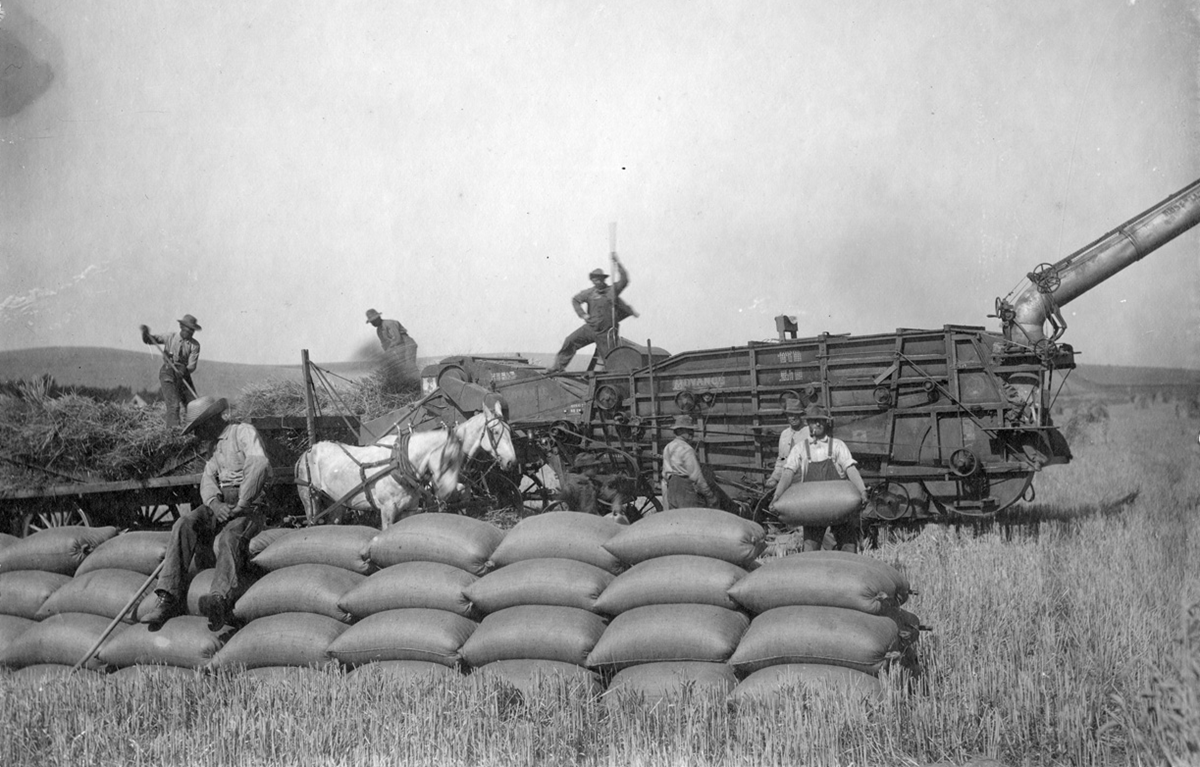
Getting wheat out of the field was only half the job. Before combine harvesters became widespread, farmers still had to separate the grain from the stalks, usually with large threshing machines and a crew of workers to keep things moving. Wagons brought in the cut wheat, men fed it into the machinery, and others collected the grain in heavy sacks. Dust got everywhere, and the work could stretch from early morning until supper. During the busiest weeks, extra hands were often hired or borrowed from neighboring farms. Nobody wanted a good crop sitting around while the weather turned bad.
5. The Backbreaking Work of Making Hay
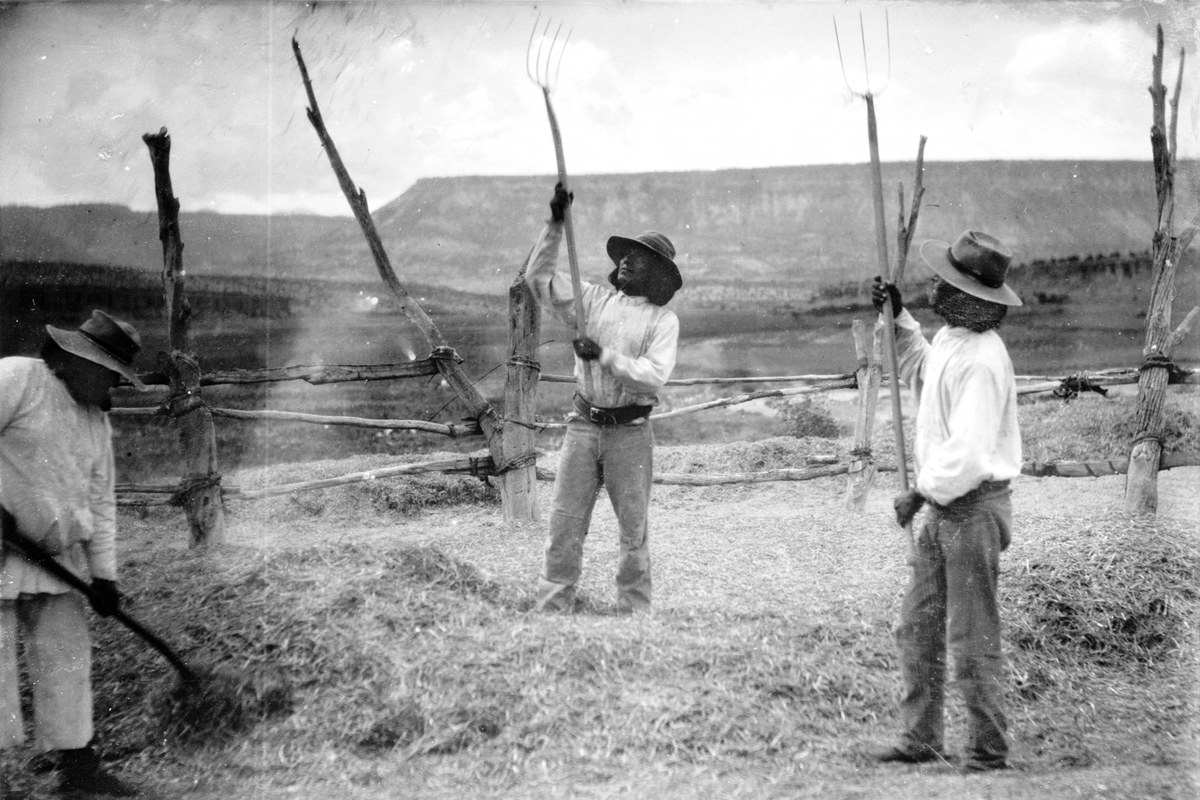
Making hay was one of those farm jobs that looked simple until it was time to do it. Before balers and modern haymaking equipment became common, workers often handled loose hay with pitchforks, tossing it onto wagons or building stacks for winter storage. Timing mattered, since freshly cut grass needed enough dry weather to cure before it could be put away. A sudden rainstorm could mean extra work turning the hay and waiting for it to dry again. On smaller farms, the whole family might pitch in, especially when there were livestock to feed through the colder months.
Trending on The Scroller


6. Winnowing Wheat the Old-Fashioned Way
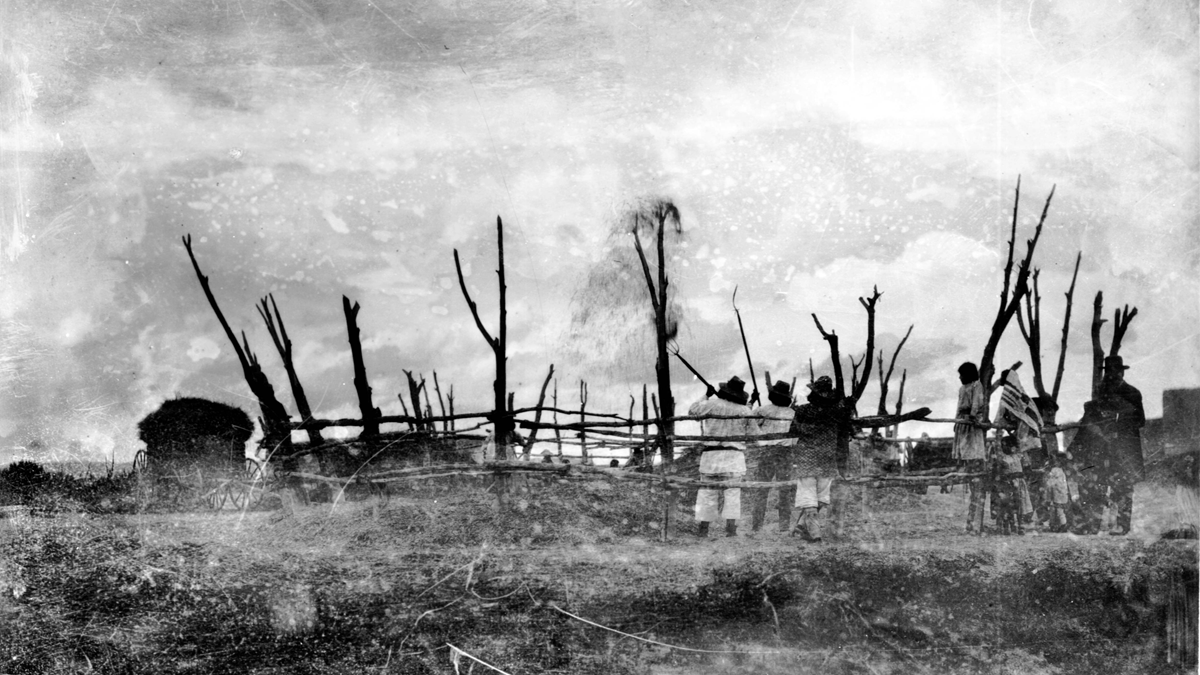
Before modern grain-cleaning machines became common, farmers relied on wind to separate wheat from its lighter chaff. One traditional method involved tossing threshed grain into the air with wooden forks or baskets, letting the breeze carry away the unwanted husks while the heavier kernels fell back to the ground. It sounds straightforward, but the weather had to cooperate. Too little wind made the job difficult, while a strong gust could scatter the grain. Winnowing was an old practice that remained useful in farming communities long after other agricultural tools had begun to change.
7. The Dairy Barns That Kept Small Farms Running
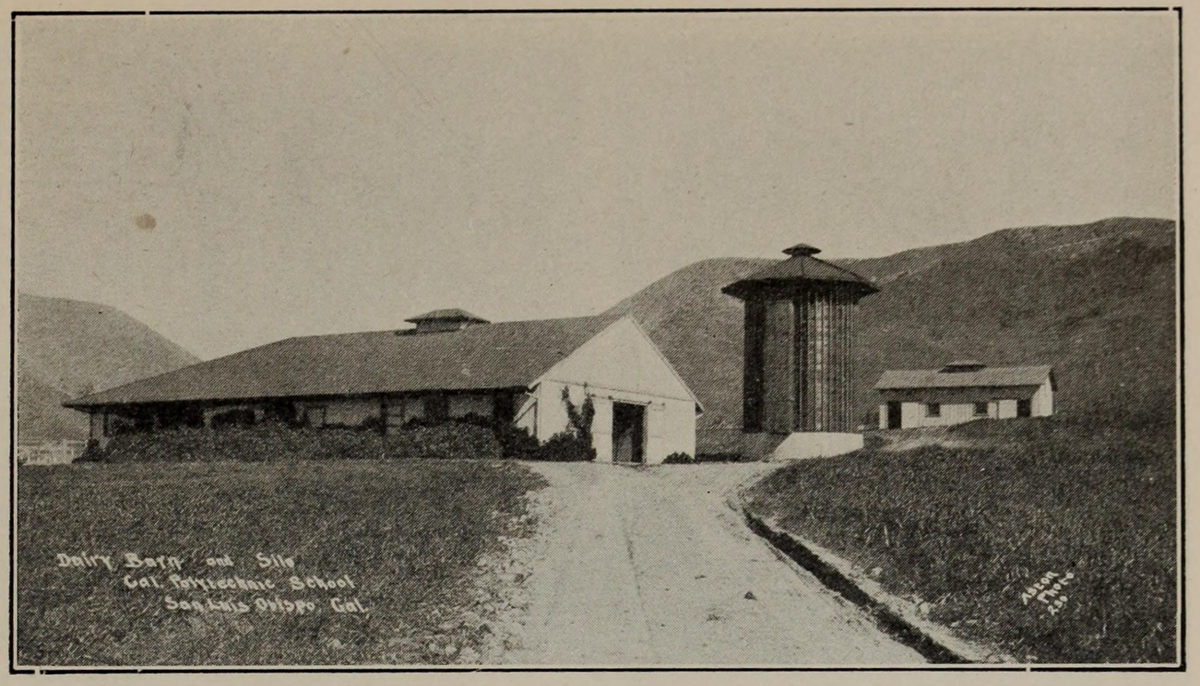
Dairy farming used to mean getting up before sunrise, no matter the weather or the day of the week. Cows needed milking twice a day, barns had to be cleaned, and fresh feed and water were constant concerns. On smaller American dairy farms, much of that work fell to the family, sometimes with a hired hand or two. Milk was often stored in metal cans and collected for delivery to a local creamery. Refrigeration and automated milking equipment eventually made parts of the job easier, but for generations, the daily routine revolved around the barn.
8. When Steam Tractors Were the Future of Farming
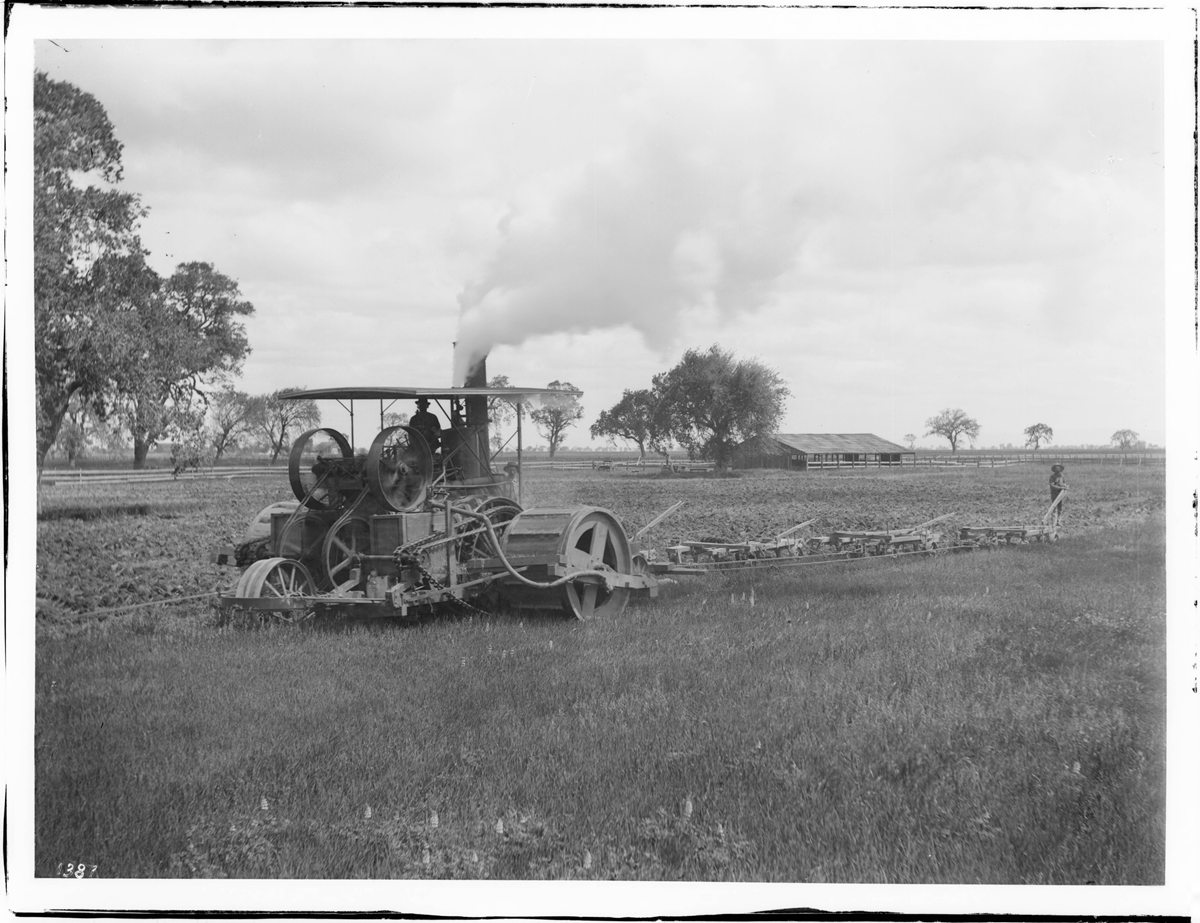
Early steam tractors were impressive machines, but they came with plenty of headaches. They could pull heavy plows across large fields, saving farmers from relying entirely on horses or mules. The catch was that someone had to keep the boiler fired, carry enough water and fuel, and know what to do when something went wrong. Their enormous weight also made them awkward on soft ground. By the early 1900s, gasoline-powered tractors were beginning to offer a more manageable alternative, although steam engines continued working on some American farms for years afterward.
Sign up for our newsletter
9. Picking Fruit by Hand in America’s Orchards
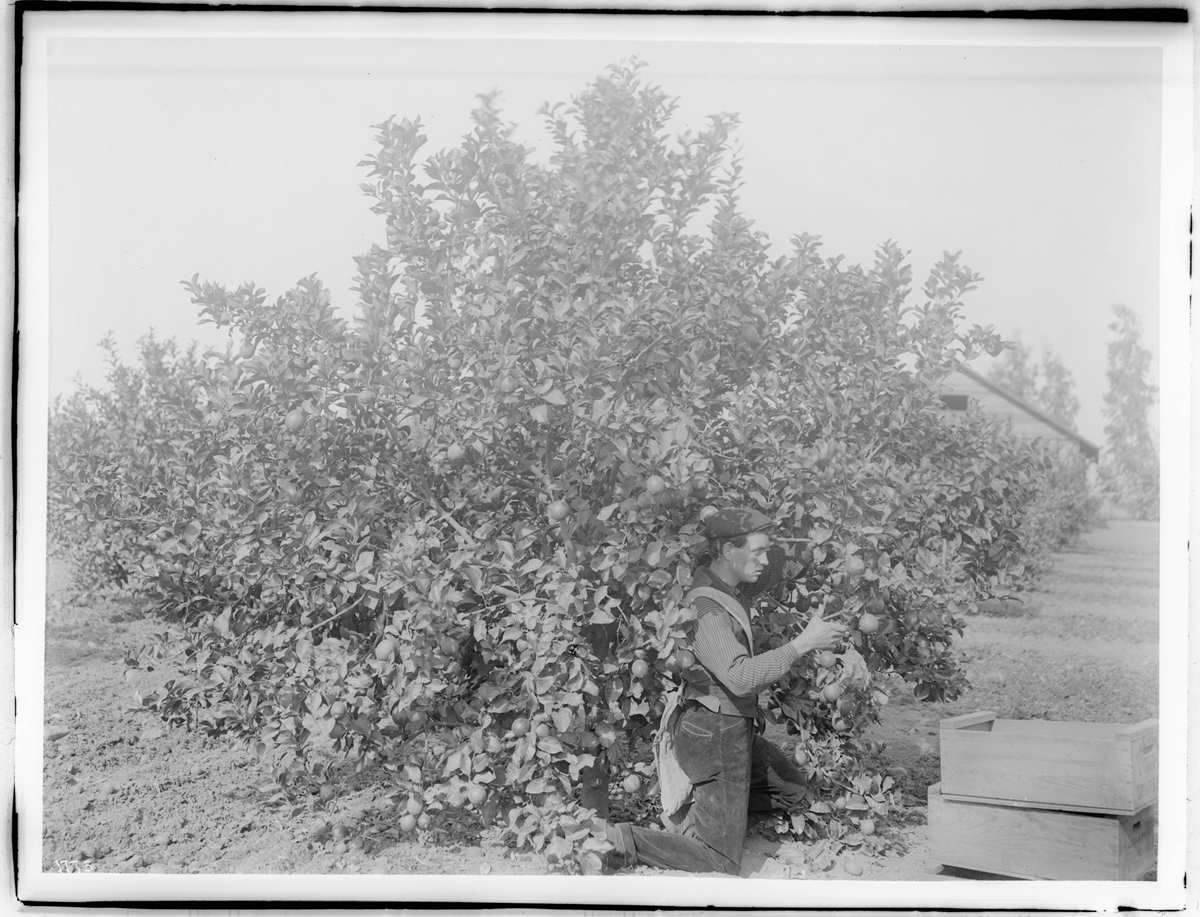
There was no speeding through harvest season in an old-fashioned fruit orchard. Apples, peaches, oranges, and other fruits were picked by hand, with workers moving from tree to tree carrying bags or baskets. Picking was only part of the job. The fruit still needed sorting, packing into wooden crates, and getting to market before it spoiled. Some growers depended on traveling seasonal workers, while smaller farms made do with family help. A few days of bad weather could cause trouble, especially when the fruit was already ripe, and buyers were waiting.
10. When Threshing Crews Traveled From Farm to Farm
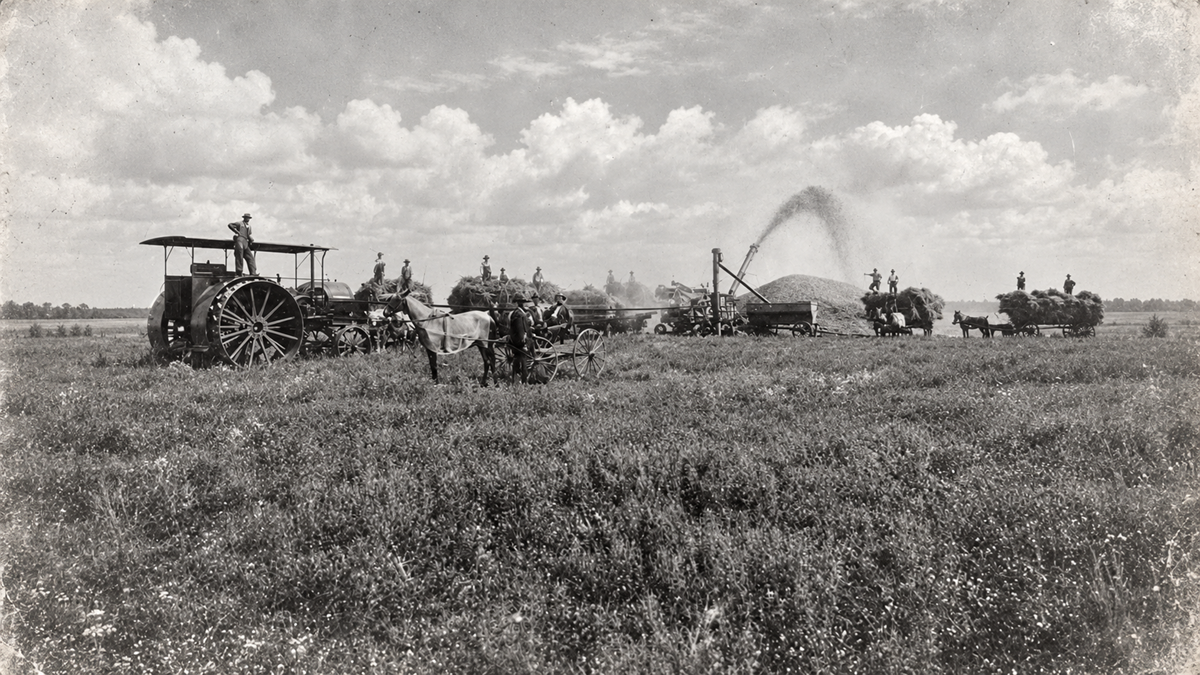
Not every farmer could afford a threshing machine, so hiring a traveling crew was often the next best thing. These crews moved through farming communities during harvest season, bringing heavy equipment and the workers needed to operate it. Some used steam engines to power the machinery, while horse-drawn wagons kept a steady supply of harvested grain coming. The work could go on for hours, with little time to spare between farms. For smaller growers, getting a place on the crew’s schedule was an important part of bringing in the year’s crop.
11. When Farm Buildings Were Made to Last Generations
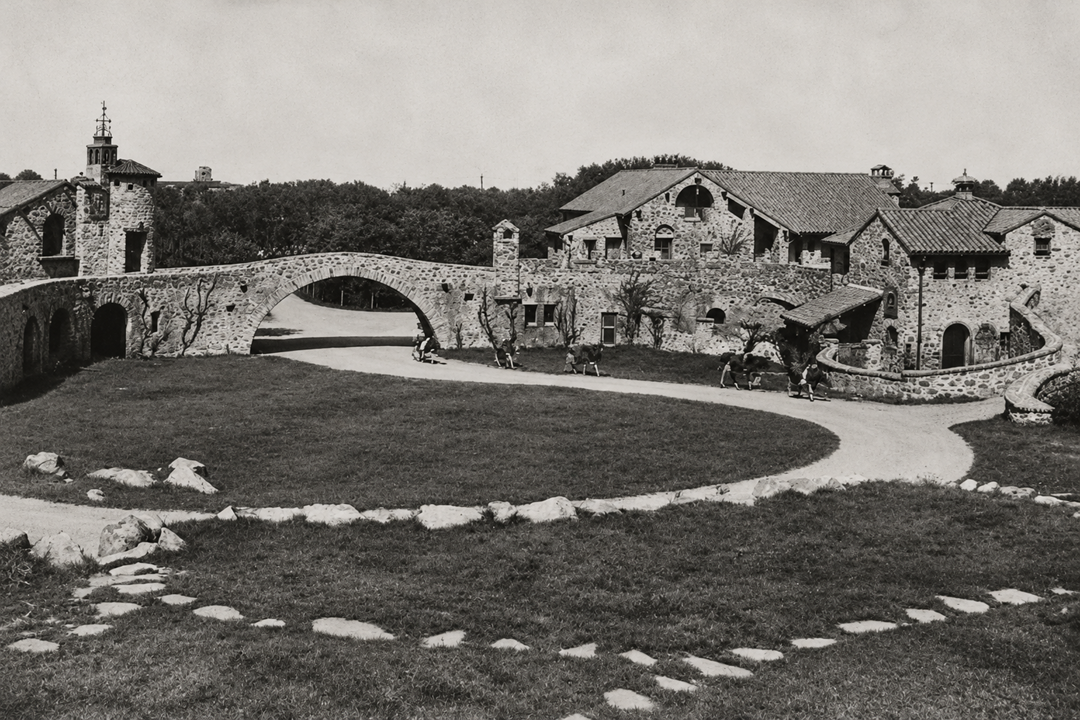
Some American farms looked more like small villages than ordinary working properties. Wealthier landowners sometimes built entire complexes of stone barns, stables, workshops, and storage buildings, with courtyards connecting everything. Building something like that wasn’t cheap, and neither was keeping it in good shape. But a sturdy barn could serve several generations, especially when it was built to withstand harsh winters and years of heavy use. Most farmers made do with much simpler structures, often repairing or expanding them whenever money and materials allowed.
12. Horse-Drawn Wagons Were Part of Everyday Farm Life
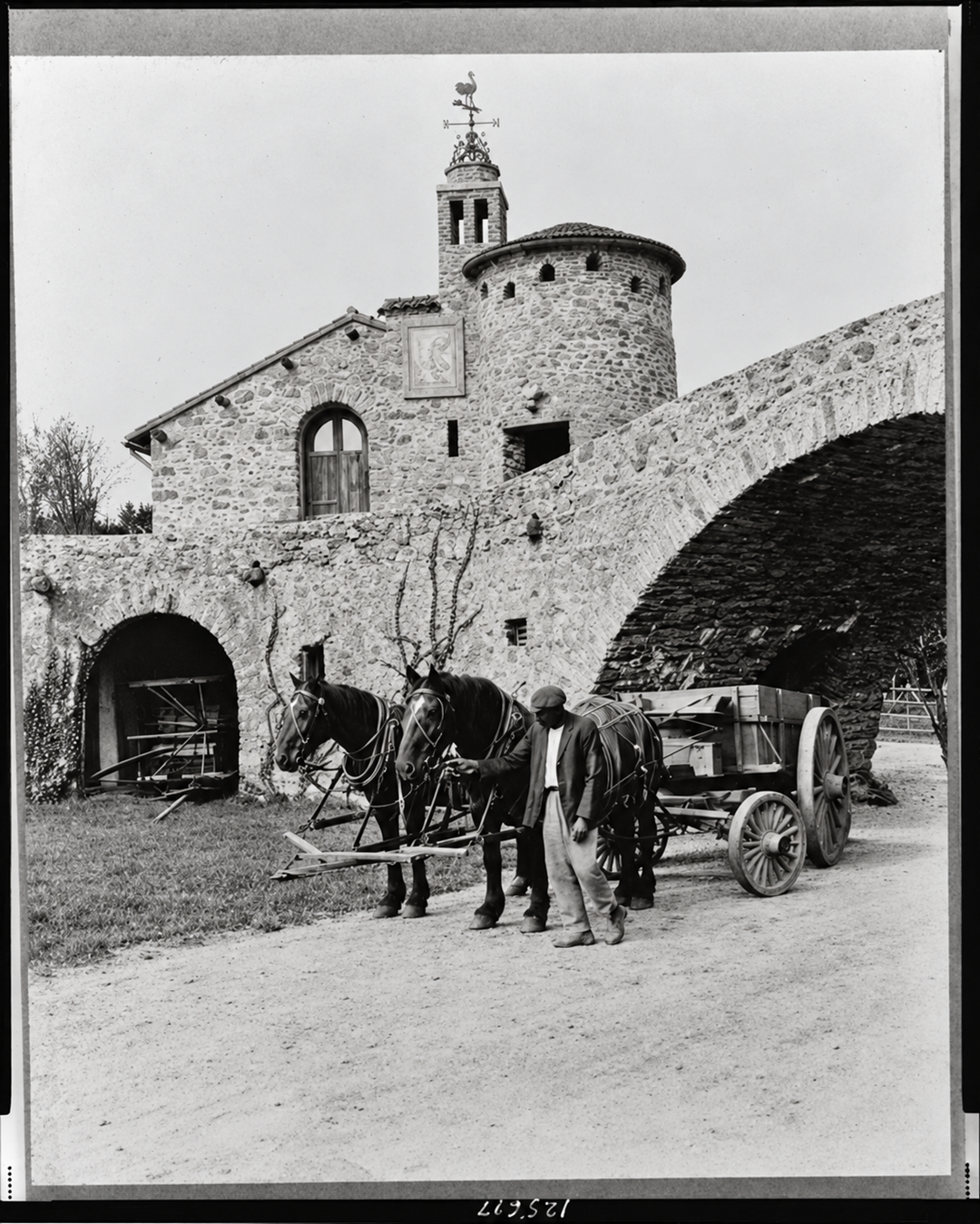
Before pickup trucks became familiar sights in rural America, horse-drawn wagons handled just about everything that needed moving around a farm. They carried feed, firewood, harvested crops, and supplies from nearby towns, sometimes over roads that turned into muddy tracks after heavy rain. A dependable wagon could last for decades with a few repairs, though wooden wheels, axles, and harnesses needed regular attention. Horses had to be fed and cared for even when there was nothing to haul. For many farming families, keeping a wagon in working order was simply part of the routine.
13. Learning to Farm on a University Campus
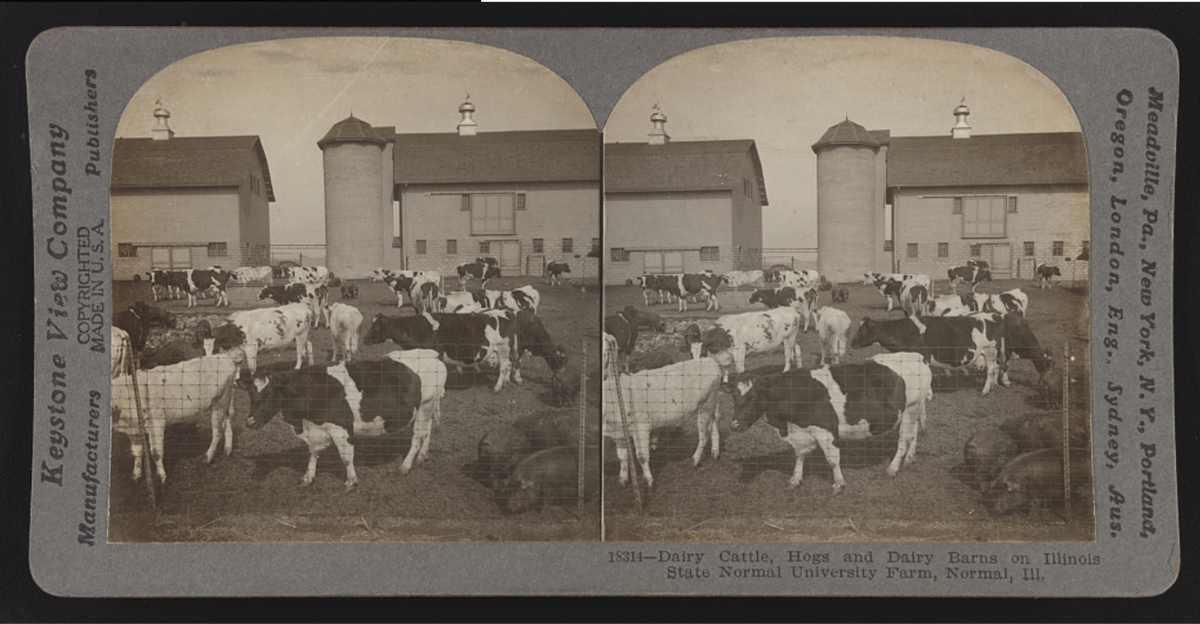
Not all university lessons took place inside a classroom. In the early 1900s, some American colleges kept working farms where students could get familiar with livestock, barns, and the daily business of agriculture. Illinois State Normal University in Normal, Illinois, had a farm with dairy cattle, hogs, and buildings much like those found on commercial farms. Caring for animals meant regular feeding, cleaning, and plenty of hands-on work. For students who had grown up in towns, it was a chance to see what running a farm actually involved, rather than just reading about it.
14. A Time When Farmland Seemed to Go On Forever
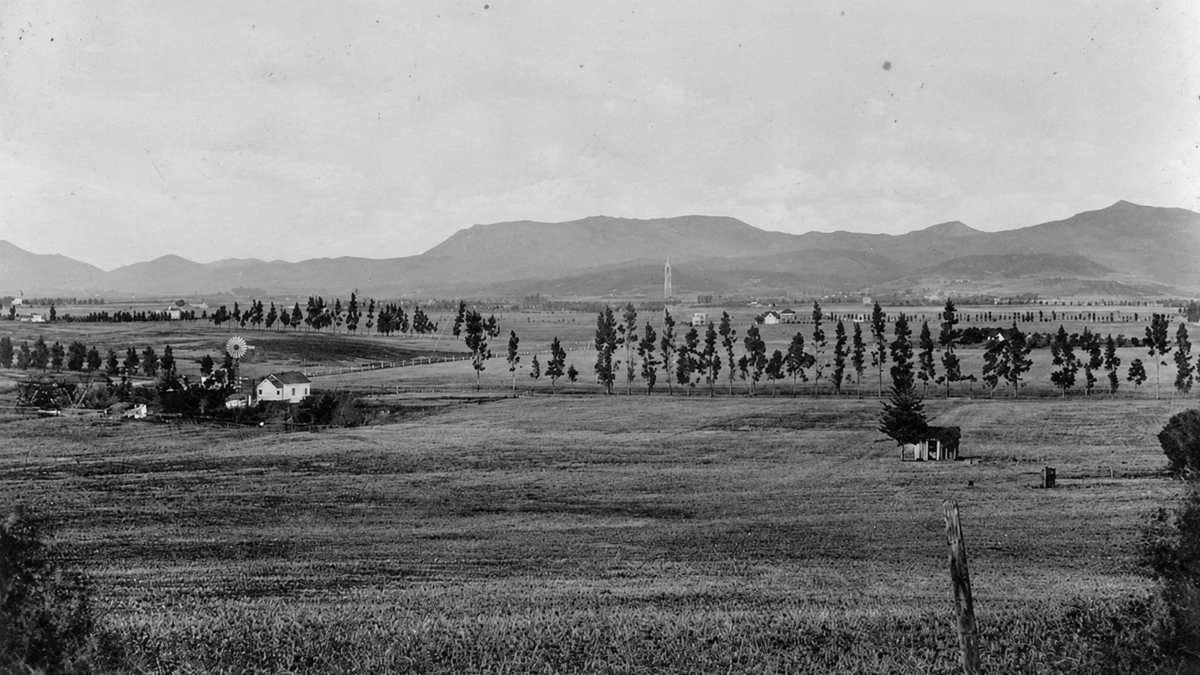
Before suburbs and highways spread into rural areas, much of America’s farmland was a patchwork of open fields, dirt roads, and scattered farmhouses. Some families worked relatively small plots, while others managed hundreds of acres, depending on the region and the crops they grew. Windmills, barns, and rows of trees often marked the few buildings visible across the landscape. Getting supplies from town could take hours by wagon, and the nearest neighbor wasn’t always close by. In many farming communities, distance was simply part of everyday life.
15. When Giant Combines Took Over the Wheat Fields
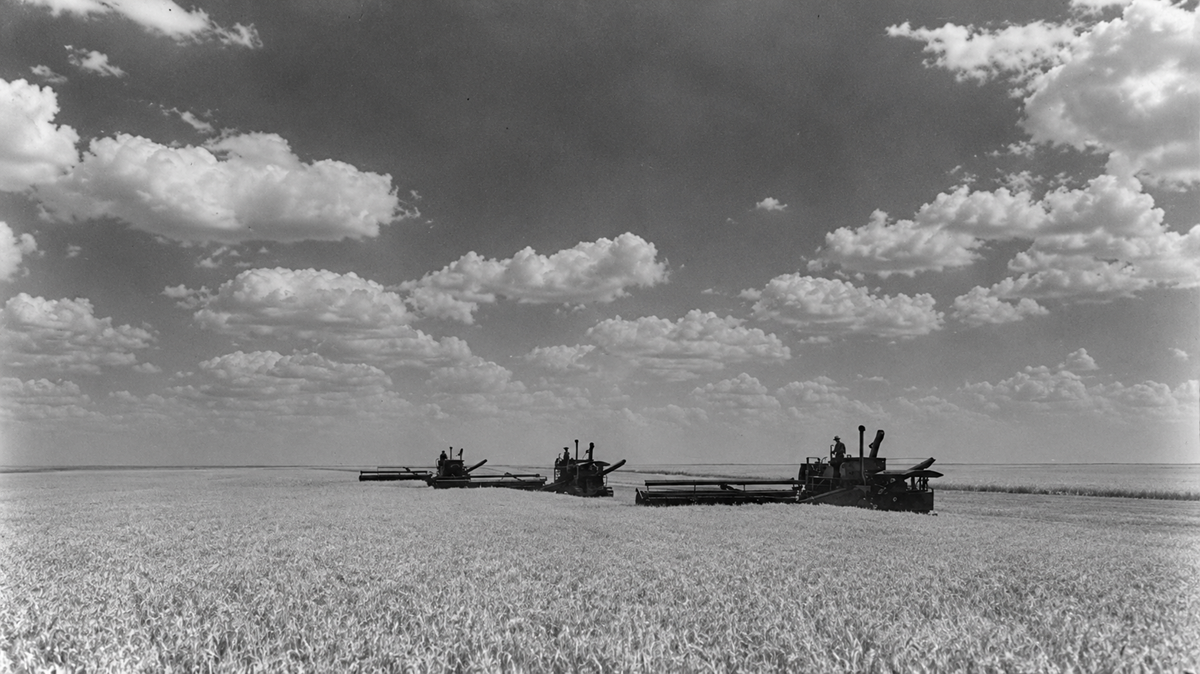
Harvesting wheat on the Great Plains was a huge job, and by the 1930s, combines were making it a little easier. These machines could cut and thresh grain in one trip across the field, replacing several steps that once kept large crews busy for days. Some were pulled by tractors, while others moved under their own power. They weren’t cheap, and repairs could be a headache when the nearest mechanic was miles away. Still, on farms with hundreds of acres to harvest, getting the wheat in before a storm was reason enough to invest in better equipment.
16. Tobacco Farming Before the Age of Industrial Agriculture
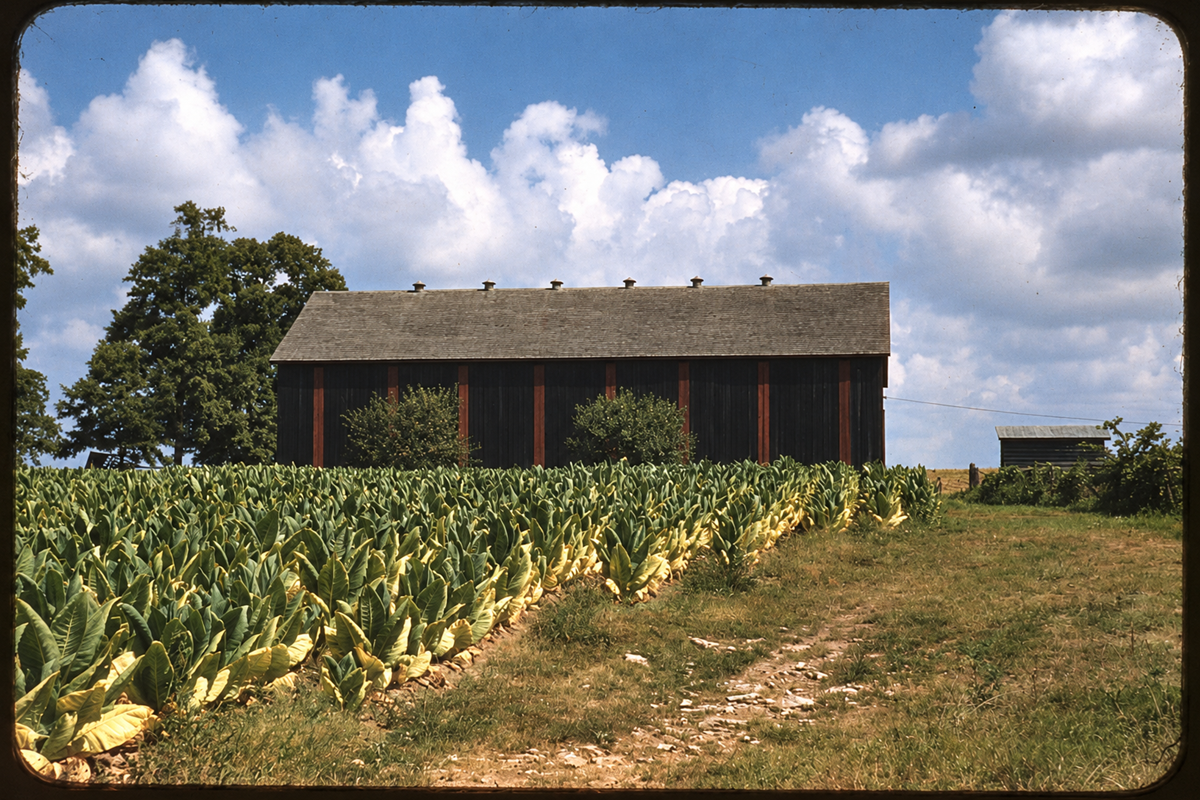
Tobacco was an important cash crop across parts of the American South, and growing it took a lot more work than simply planting seeds and waiting for harvest. Farmers often started seedlings in separate beds before transplanting them into the fields. As the plants grew, workers removed flowers and unwanted shoots to help the leaves develop. Harvesting was another demanding job, with leaves picked by hand or entire stalks cut and hung in barns to cure. For many small farming families, tobacco brought in much of the year’s cash income, but only after months of careful attention.
In the mood for more?
Check out 15 Vintage Photos That Capture the Lost World of Shoemakers, or take a look at 15 Vintage Photos of TV Workers Behind the Scenes. If you want to see more glimpses of America’s past, you can check out 20 Colorized Images Of Steelworkers and Miners in the Early 1900s.