Remarkable escapes have involved tunnels, disguises, forged papers, stolen vehicles, homemade aircraft, and plans so improbable they sound suspiciously like movie plots. The difference is that these actually happened.
Across centuries, people facing imprisonment, persecution, slavery, and political borders have found astonishing ways out. Sometimes the escape depended on months of preparation. Sometimes it required playing a role convincingly for a few terrifying hours. And occasionally, the plan was simply so audacious that it worked.
1. Airey Neave Simply Walked Out of Colditz
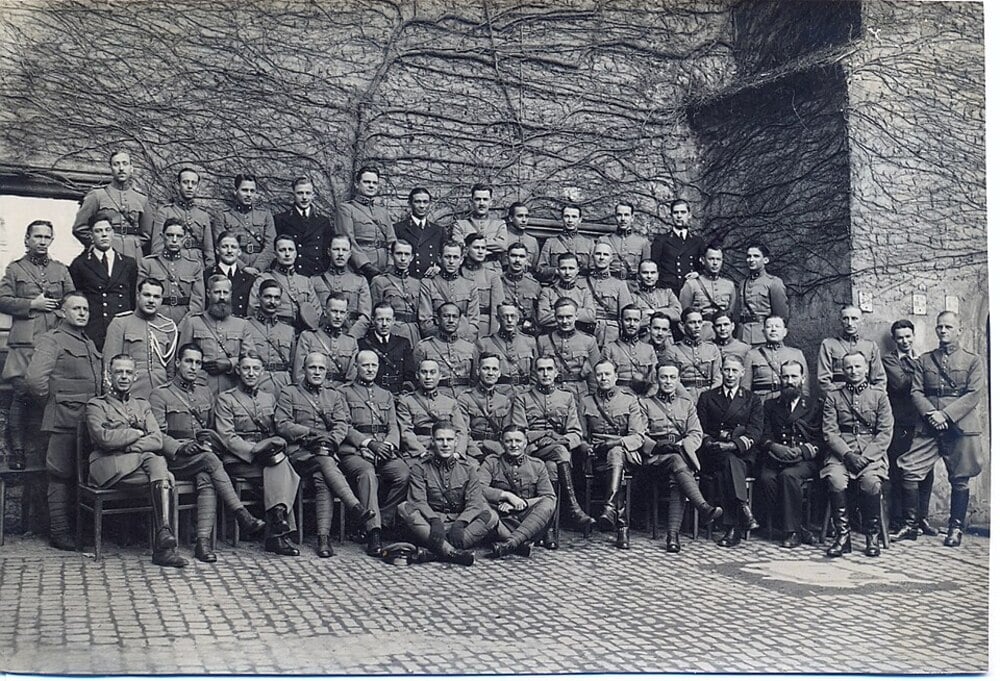
Colditz Castle was supposed to hold Allied officers considered especially difficult to contain. In January 1942, British officer Airey Neave and Dutch officer Anthony Luteyn turned that challenge on its head: dressed in German uniforms and carrying forged papers, they walked out and eventually reached Switzerland. Neave became the first British officer to successfully escape Colditz.
2. They Hid an Escape Tunnel Beneath a Wooden Horse
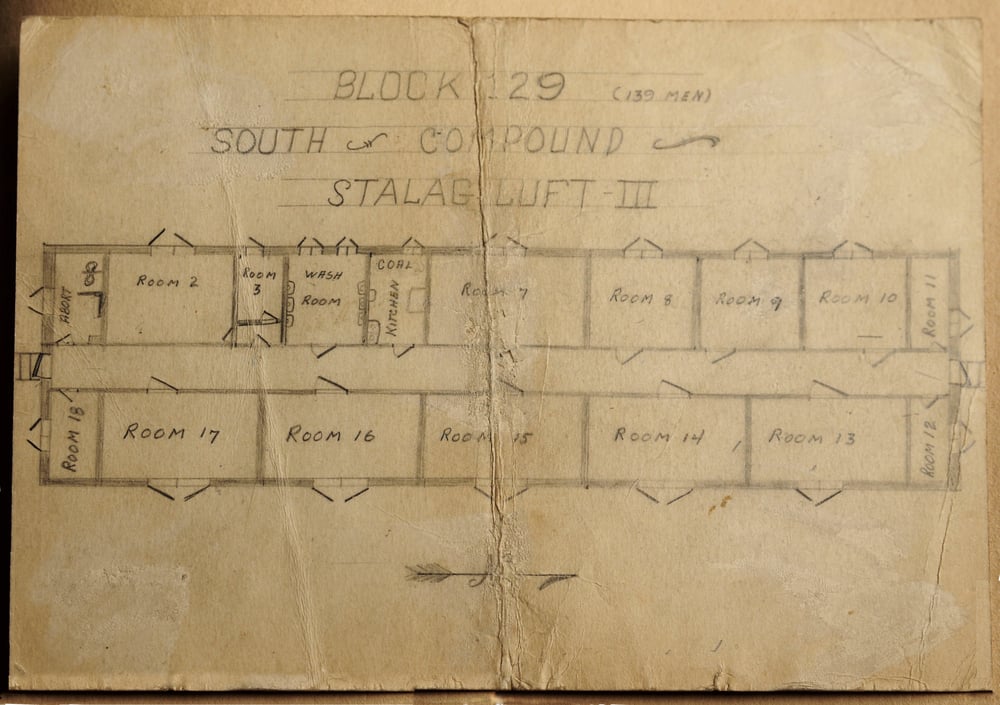
Every day at Stalag Luft III, prisoners carried a wooden gymnastics horse into the compound and exercised around it. Hidden inside was a man who climbed down and secretly dug beneath the ground while others concealed the entrance above him. After 114 days of work, Oliver Philpot, Eric Williams, and Michael Codner used the tunnel to escape in 1943. Could an escape plan possibly look more innocent from the surface?
3. Franz von Werra Kept Escaping Until One Attempt Finally Worked
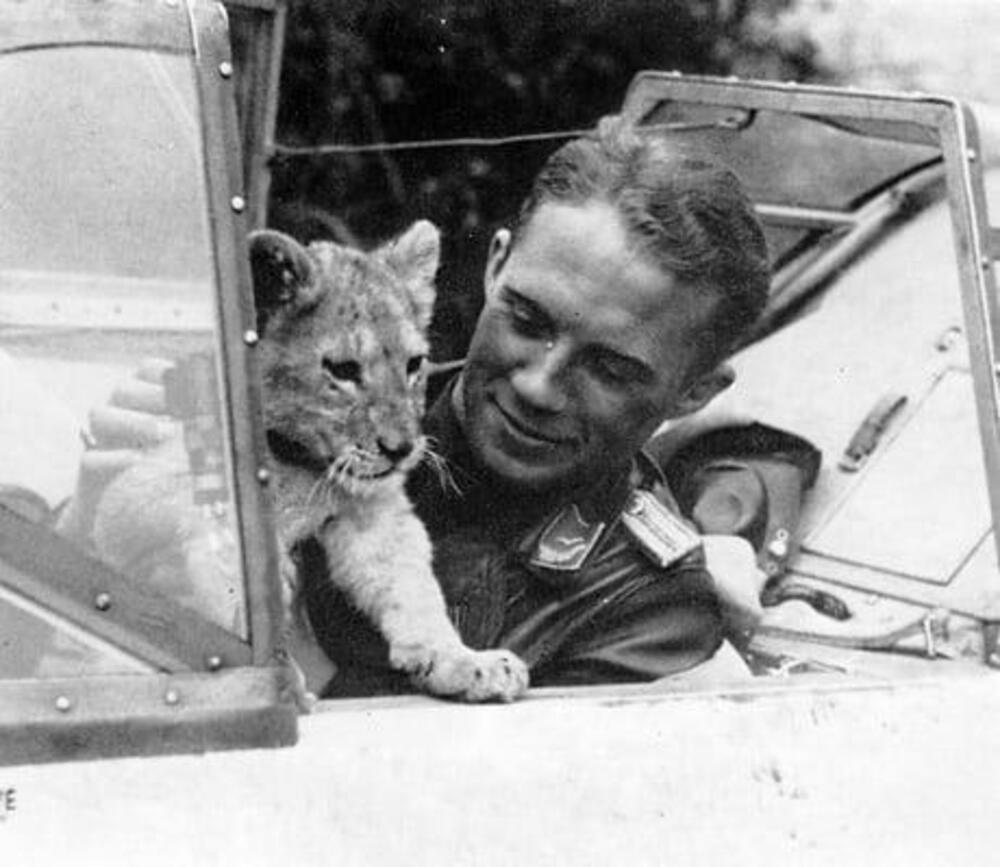
German fighter pilot Franz von Werra apparently treated captivity as a problem requiring persistence. After multiple escape attempts from British custody, he was transferred to Canada, escaped again, and crossed into the neutral United States before eventually returning to Germany. His route was so unusual that even the historical retellings can sound cinematic.
4. Four Prisoners Drove Straight Out of Auschwitz
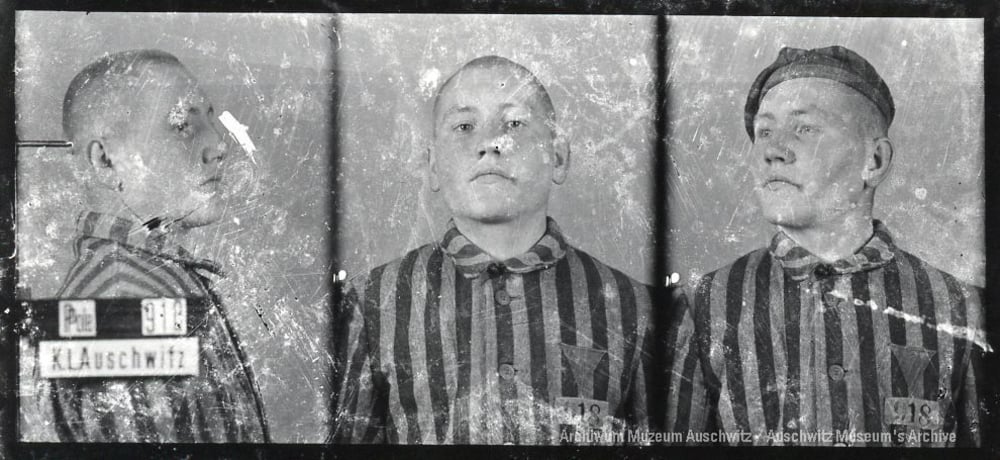
In June 1942, Kazimierz Piechowski and three other Polish prisoners carried out an escape of extraordinary audacity. They broke into an SS storeroom, obtained uniforms and weapons, took an SS vehicle, and drove toward the gate disguised as the very people responsible for guarding them. Then they made it through.
5. Vrba and Wetzler Hid Before Making Their Way Out of Auschwitz
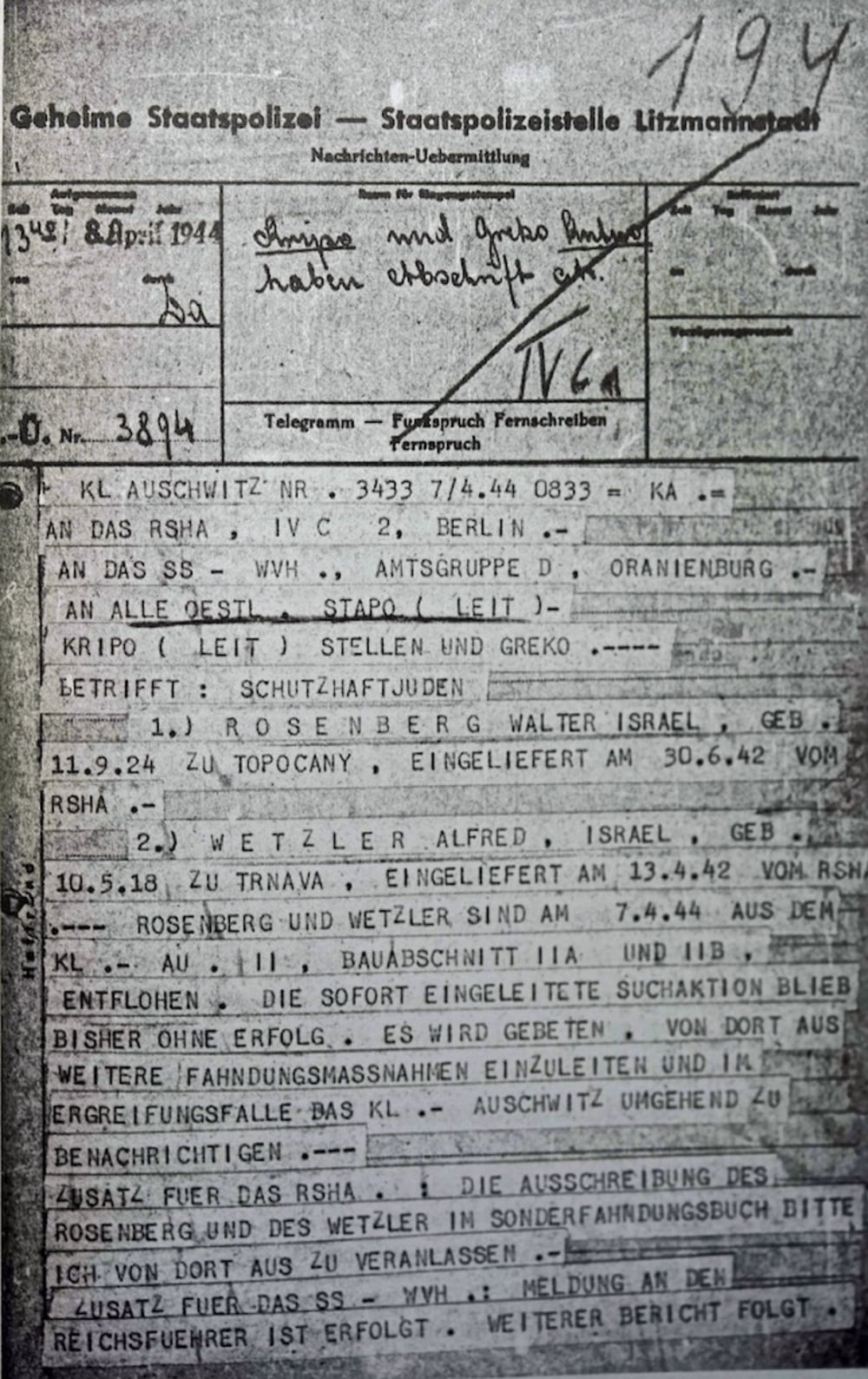
Rudolf Vrba and Alfred Wetzler escaped Auschwitz in April 1944 after first hiding from searches before making their way beyond the camp. Their escape became historically significant for another reason: afterward, they produced a detailed report about Auschwitz and what was happening there. In this case, reaching freedom was only the beginning of the story.
Trending on The Scroller

6. Witold Pilecki Escaped a Camp He Had Deliberately Entered
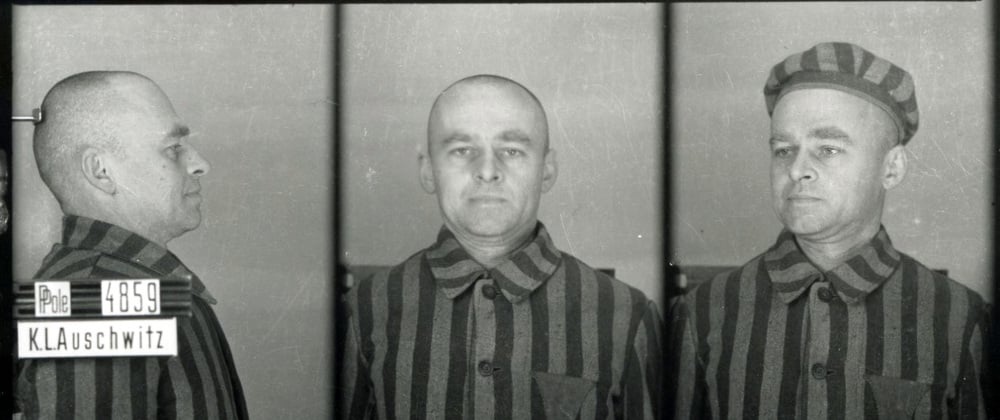
This story begins with an almost incomprehensible decision. Polish resistance fighter Witold Pilecki deliberately entered Auschwitz in 1940 to organize resistance and report on conditions inside. After more than two years there, he escaped in April 1943, completing the second half of a mission that had begun with voluntarily allowing himself to be imprisoned.
7. Two Families Built Their Own Hot-Air Balloon to Cross a Border
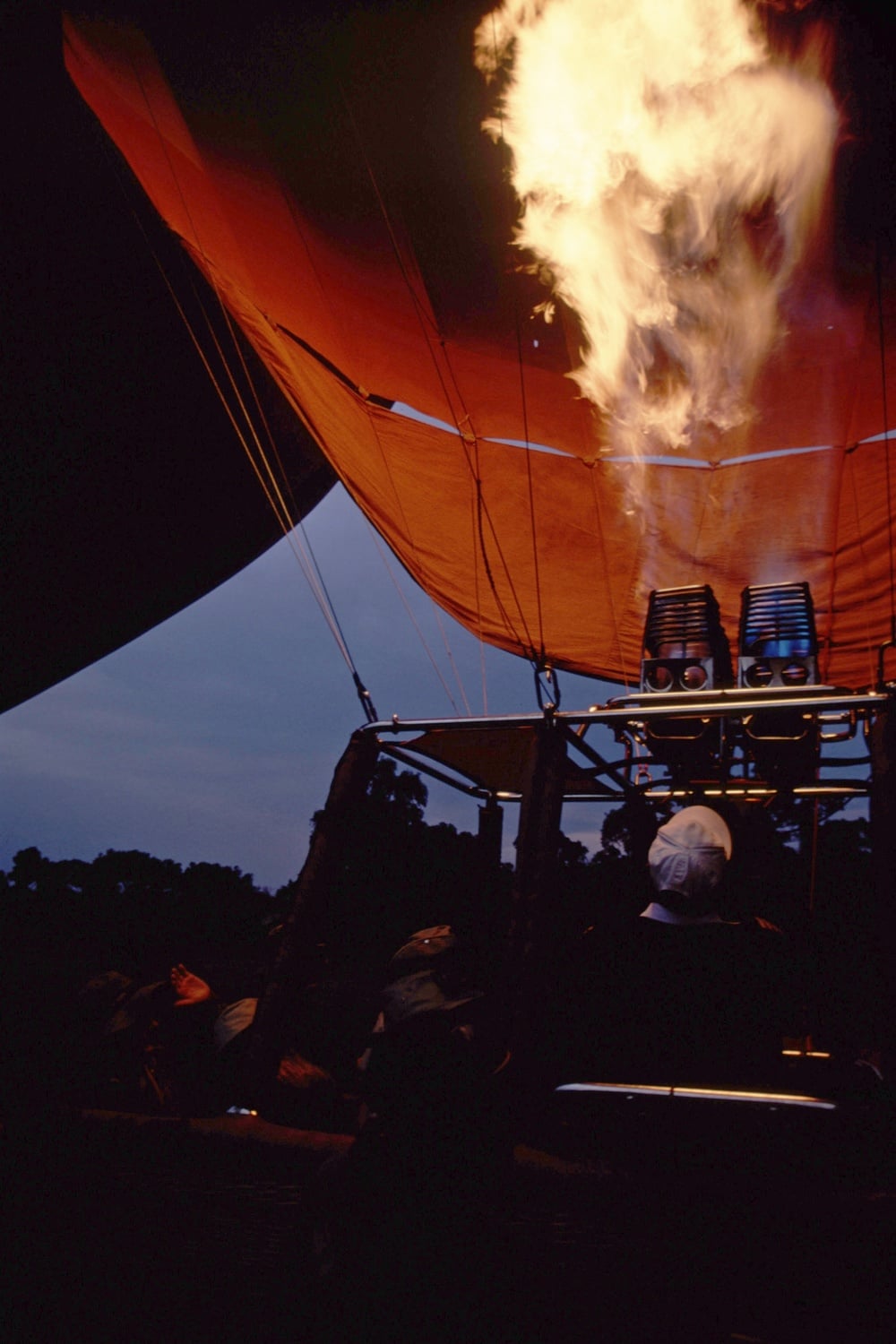
When ordinary transportation across the East German border was not an option, the Strelzyk and Wetzel families effectively invented their own. After earlier failures, they built a homemade hot-air balloon and, in September 1979, used it to carry both families over the border into Bavaria. Imagine putting your family into something you built yourself and knowing the landing point determines whether the entire plan succeeds.
8. Tunnel 57 Took an Escape Route Under the Berlin Wall
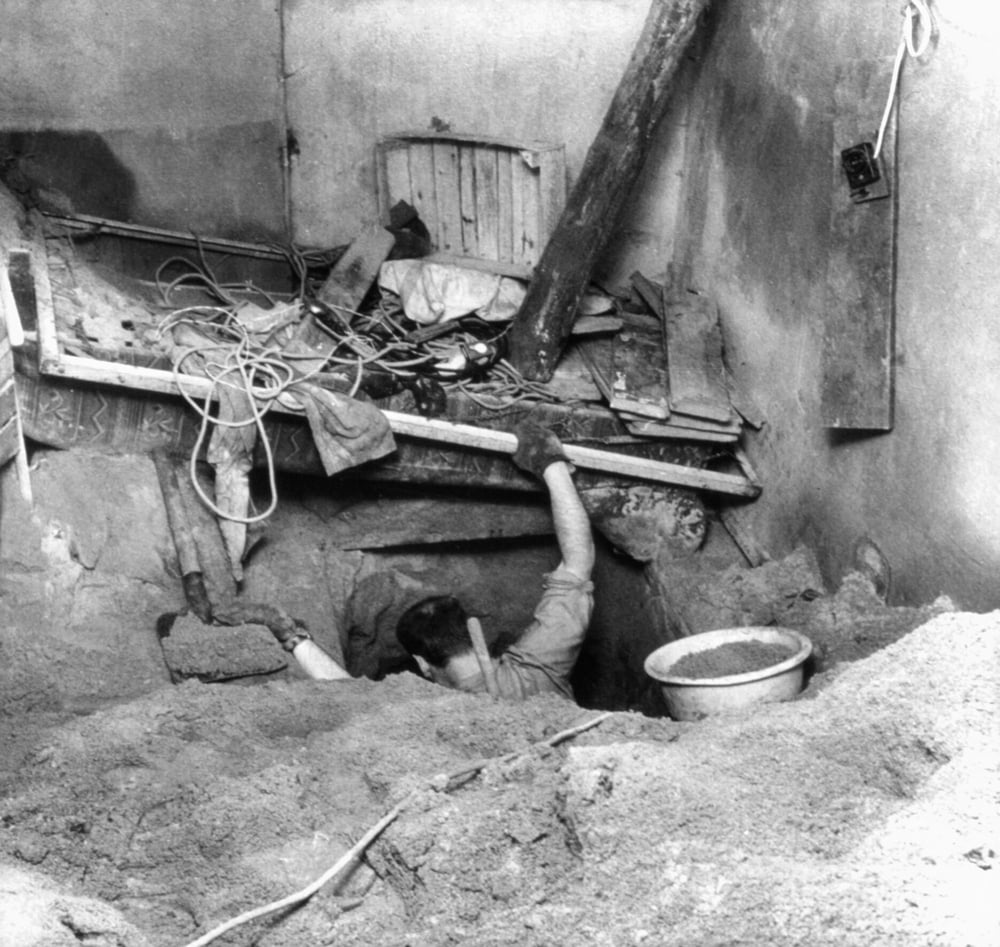
Not every Berlin Wall escape went over it. In 1964, a tunnel dug from West Berlin created a route beneath the barrier, allowing 57 East Germans to escape over two nights. The number eventually became part of its name: Tunnel 57.
Sign up for our newsletter
9. Henry “Box” Brown Mailed Himself to Freedom
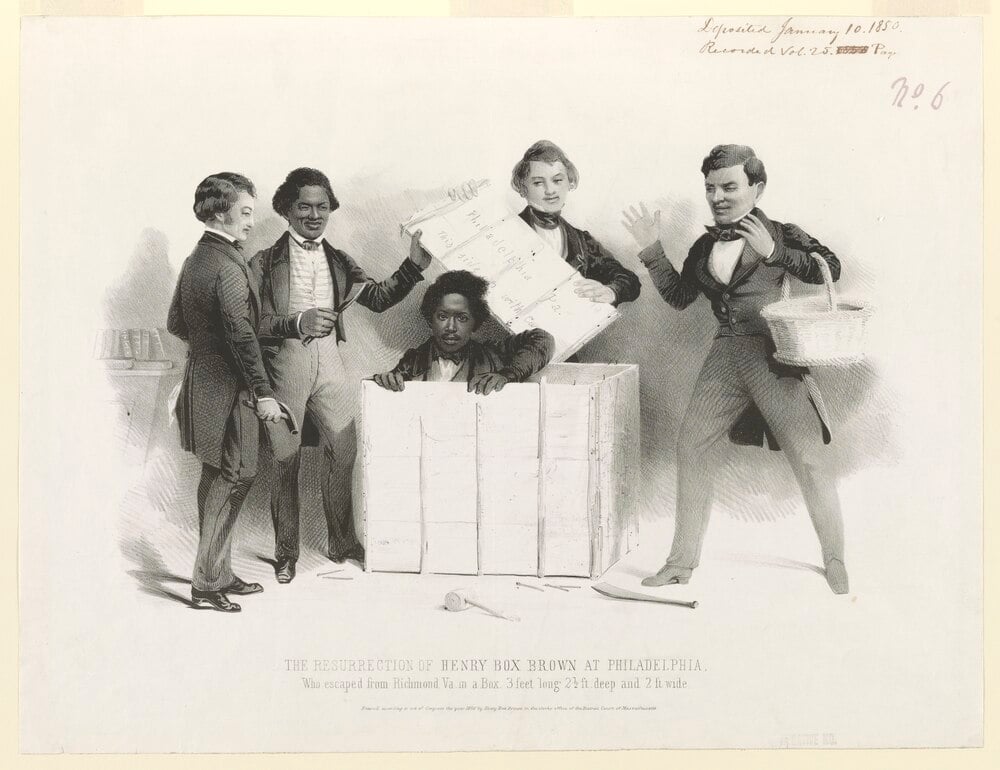
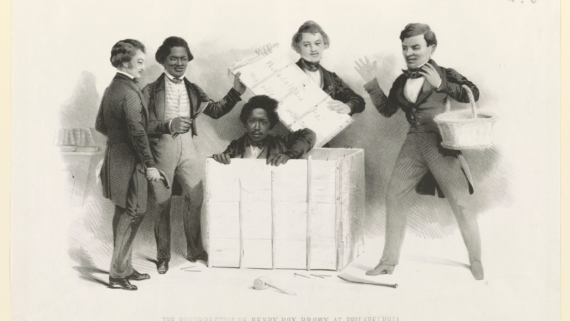
In 1849, Henry Brown escaped slavery in Virginia by climbing inside a wooden shipping crate and having himself transported to abolitionists in Philadelphia. The journey turned an ordinary piece of freight into a route to freedom, and the extraordinary method later became inseparable from his name: Henry “Box” Brown.
10. Remarkable Escapes Rarely Required a Disguise This Bold
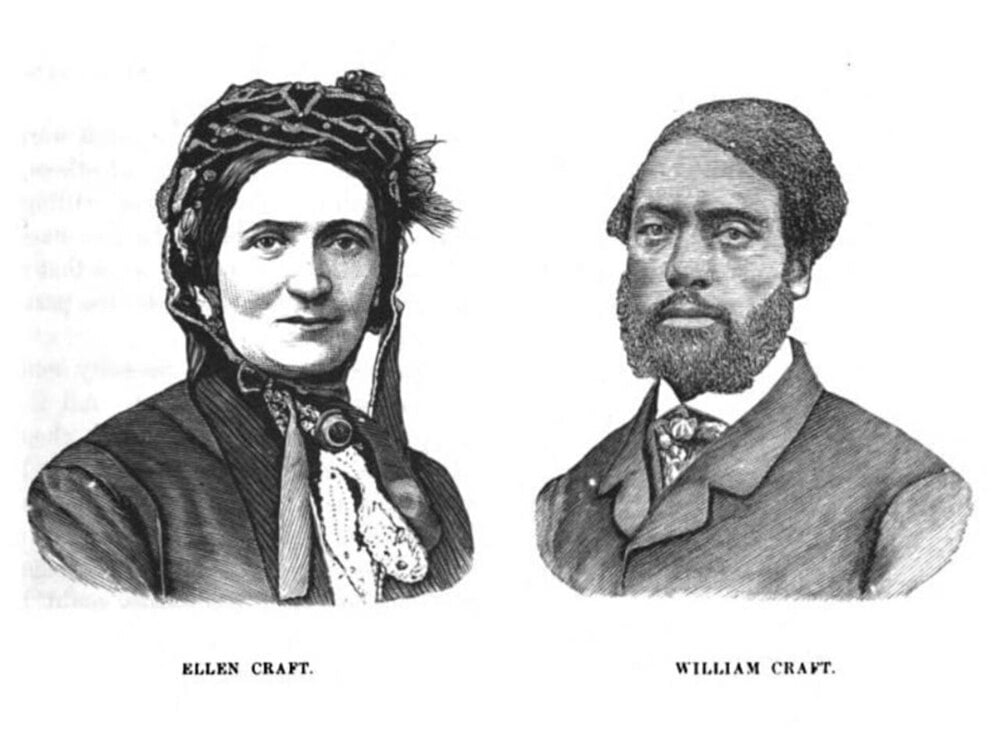
Remarkable escapes sometimes depended less on hiding than on being seen and believed. In 1848, Ellen Craft, a light-skinned enslaved woman, disguised herself as a white male enslaver while her husband William traveled as her enslaved servant. Together they journeyed north, using the assumptions of the society pursuing them as part of their route to freedom.
11. Robert Smalls Escaped by Taking a Confederate Ship
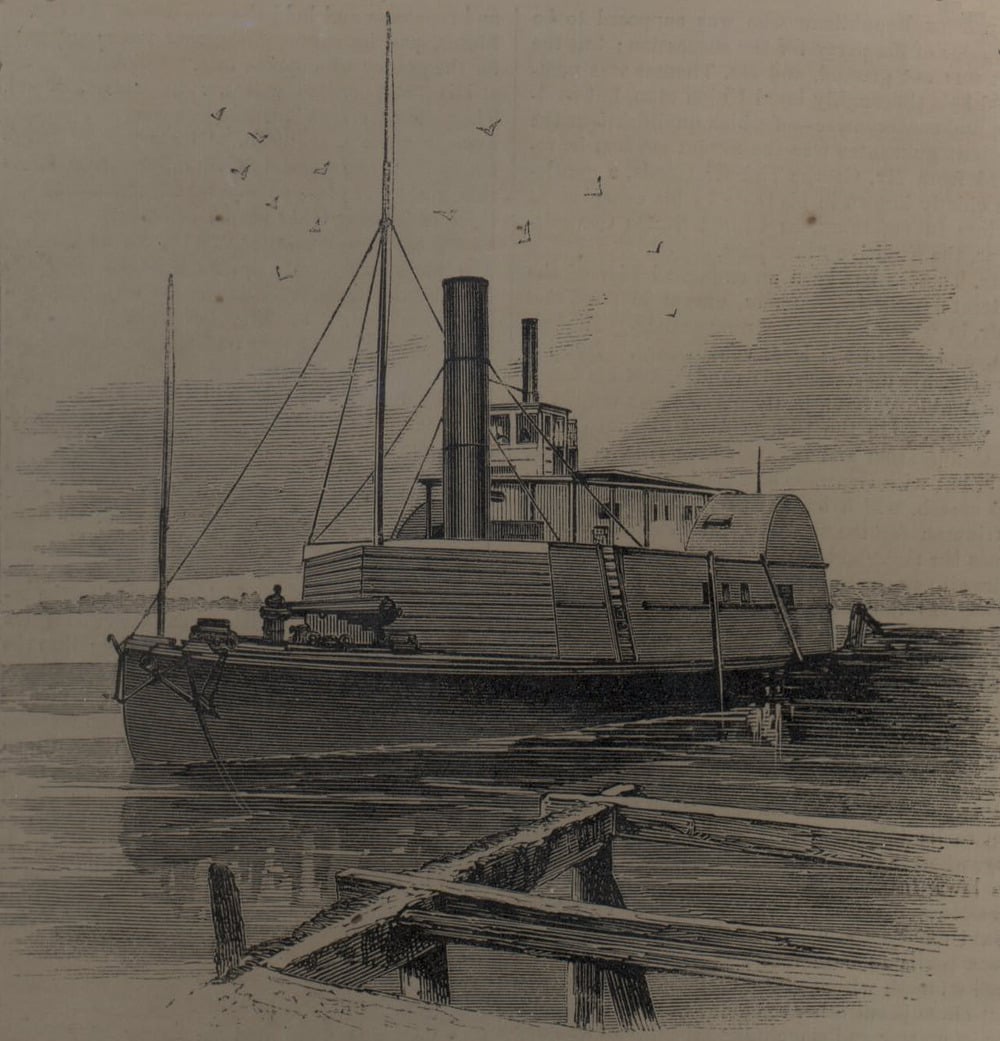
Robert Smalls did not quietly slip away. In 1862, he and other enslaved crew members took control of the Confederate transport ship Planter in Charleston, passed Confederate checkpoints, and sailed toward Union forces. Of all the possible ways to escape slavery during the Civil War, taking the ship itself was an astonishingly direct answer.
12. More Than 100 Union Officers Went Under Libby Prison
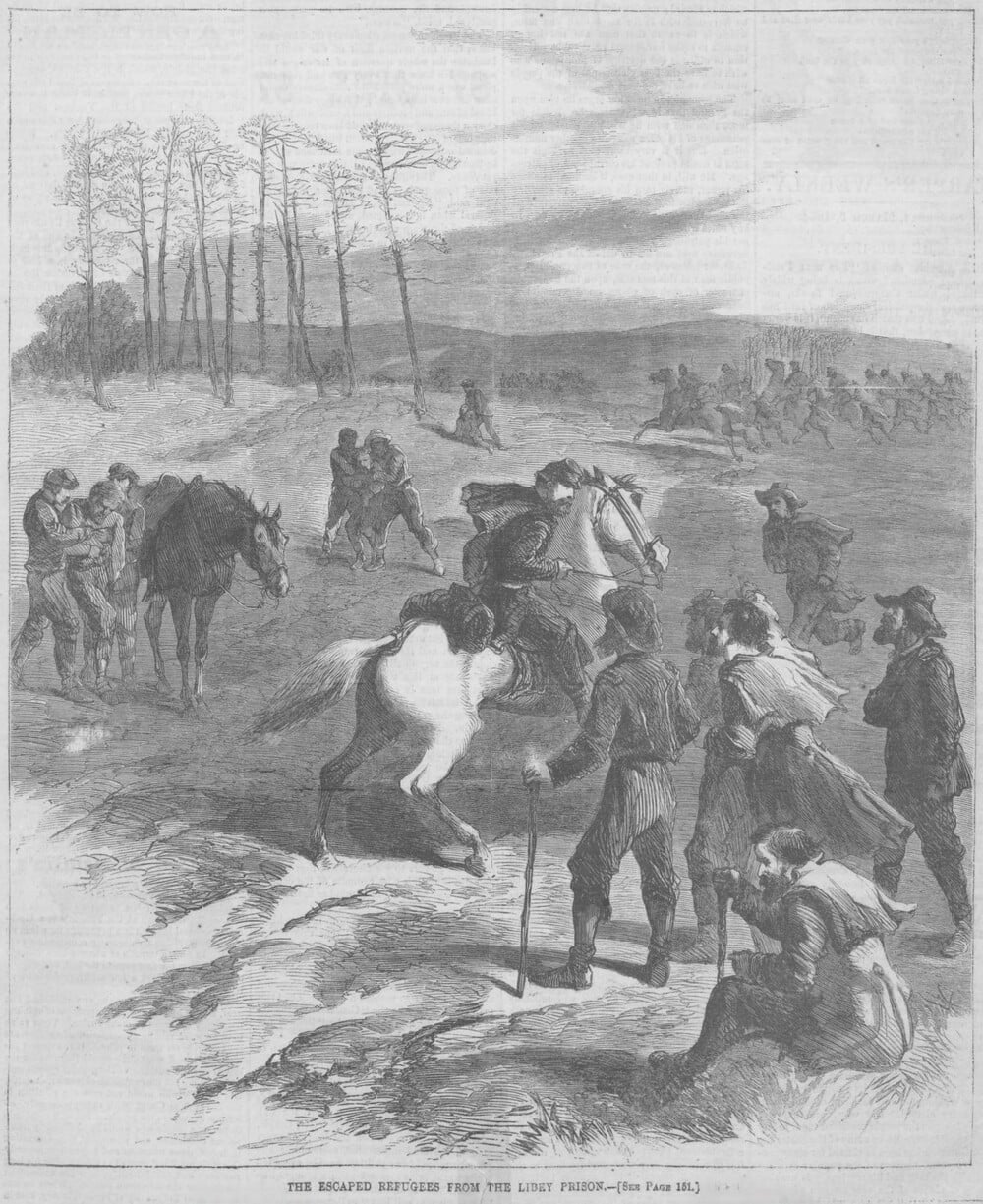
In 1864, imprisoned Union officers at Libby Prison in Richmond created their exit underground. More than 100 men escaped through a tunnel in what became one of the largest successful prison escapes of the Civil War. A prison built to keep people inside had, quite literally, been given a second exit from below.
13. John Gerard Crossed the Tower of London’s Moat on a Rope
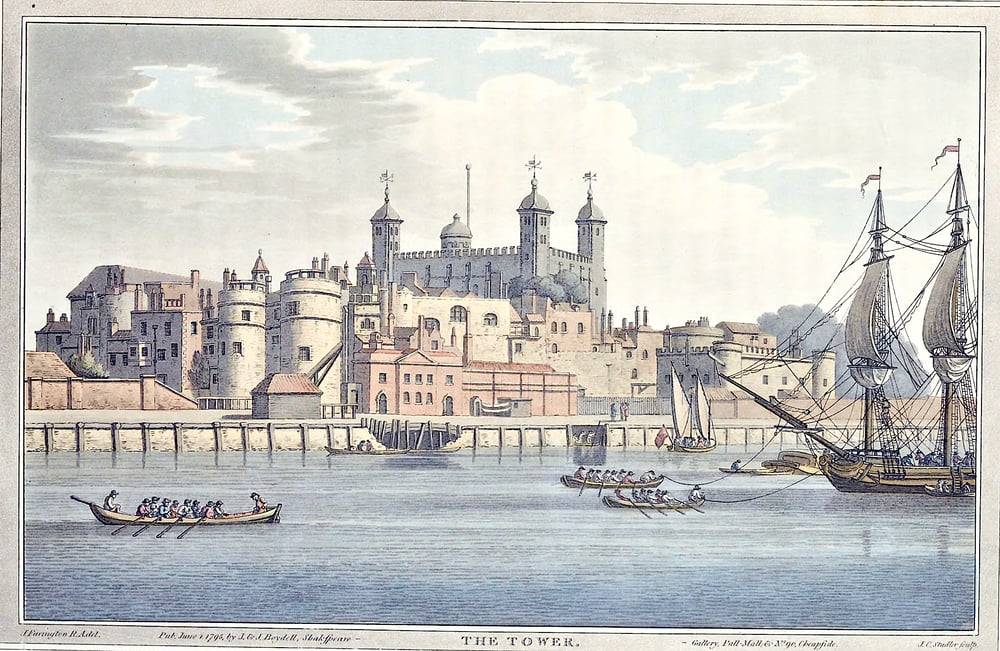
The Tower of London had walls, guards, and a moat. Jesuit priest John Gerard still escaped in 1597 after enduring imprisonment, interrogation, and torture. His route involved a rope stretched across the moat, which raises an obvious question: how desperate would you have to be before dangling over the Tower’s defenses starts looking like the safer option?
14. Casanova’s Most Famous Adventure May Have Been Getting Out of Prison
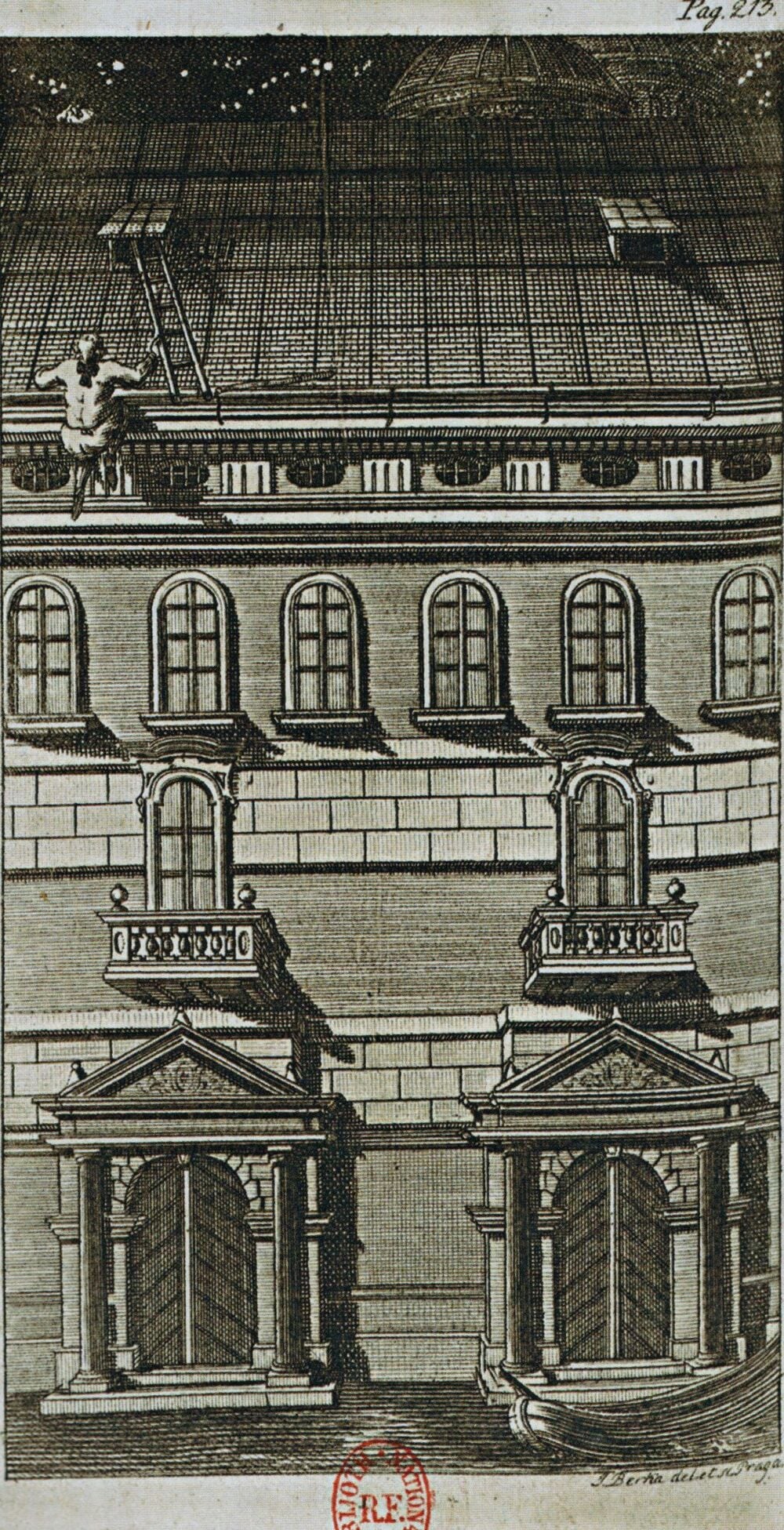
Long before his name became shorthand for romantic exploits, Giacomo Casanova had another reputation-making story. In 1756, he and fellow prisoner Marino Balbi escaped from the Leads prison in Venice’s Ducal Palace, breaking through the roof as part of their route out. Some colorful details come from Casanova’s own memoir, so his version deserves a little historical eyebrow raise, but the escape itself was real.
15. Pascal Payet Took the Helicopter Option
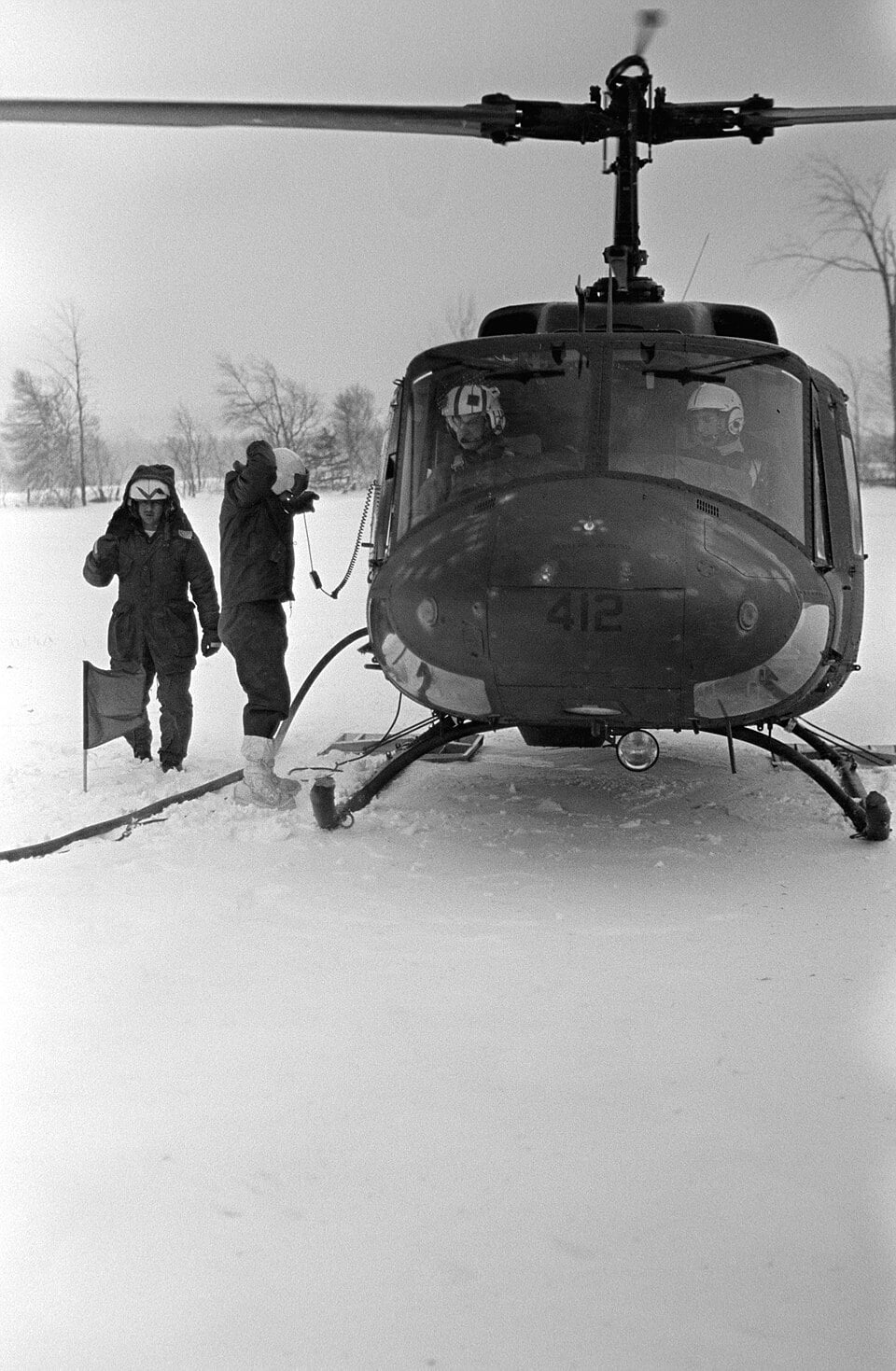
Tunnels apparently felt a little too conventional for Pascal Payet. The French prisoner escaped by helicopter in 2001 and was later involved in another helicopter-assisted breakout in 2007, making the airborne method notorious. It is difficult to imagine a less subtle prison escape vehicle.
16. Joaquín Guzmán Had a Tunnel Leading Beneath His Cell
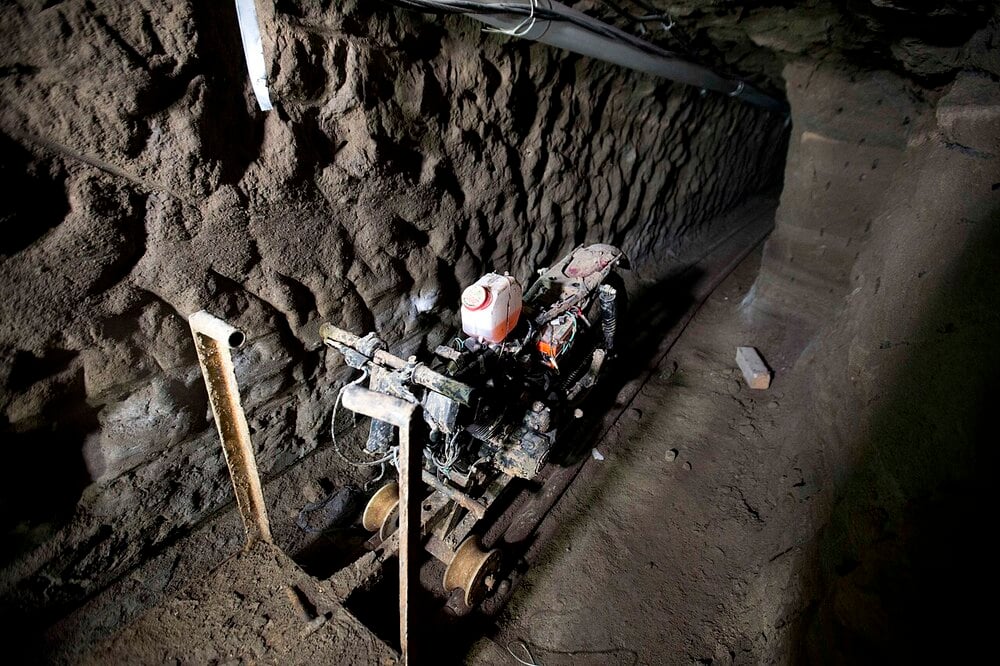
When Joaquín “El Chapo” Guzmán escaped Mexico’s Altiplano prison in 2015, the route began near the shower area of his cell and connected to an elaborate tunnel. Authorities reported features including ventilation and rails, turning what might sound like a crude underground passage into a remarkable security failure with substantial infrastructure beneath it.
17. Thirty-Eight Prisoners Went Through a Single Gate at Maze Prison
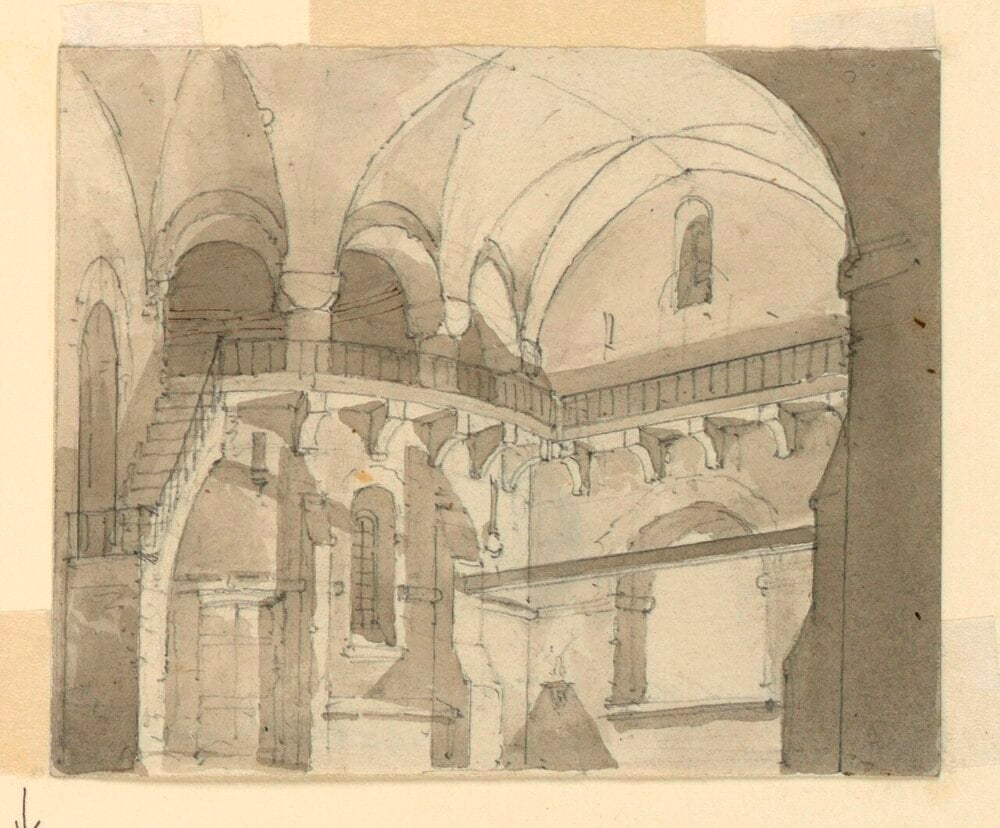
The 1983 Maze Prison escape was anything but quiet. Thirty-eight prisoners escaped from the Northern Ireland facility through a single gate in a violent breakout that became the largest prison escape in UK history. After tunnels, disguises, boxes, balloons, ships, ropes, and helicopters, this list ends with the simplest route imaginable: the gate itself.
Some remarkable escapes succeeded through extraordinary engineering; others relied on disguise, timing, nerve, or a plan nobody expected anyone to attempt. What connects them is not one clever trick, but the startling ingenuity people have shown when the barrier between captivity and freedom seemed almost impossible to cross.
Keep Exploring The Scroller
Still wondering how anyone pulled these off? Keep exploring The Scroller for more extraordinary true stories that make fiction look surprisingly unimaginative:
10 Escape Acts and Daring Feats That Left Viewers Stunned