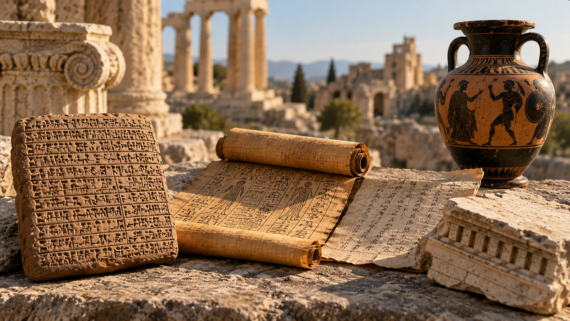
Ancient civilizations left behind much more than pyramids, temples, and archaeological ruins. They developed mathematical systems, technologies, and everyday customs that still influence how we measure time, organize cities, communicate, and understand the world.
From Roman apartment buildings to the origins of zero, many familiar parts of modern life have surprisingly ancient roots. These 18 facts reveal how the past continues to shape the present, often without us noticing.
The reason an hour has 60 minutes goes back to ancient Mesopotamia
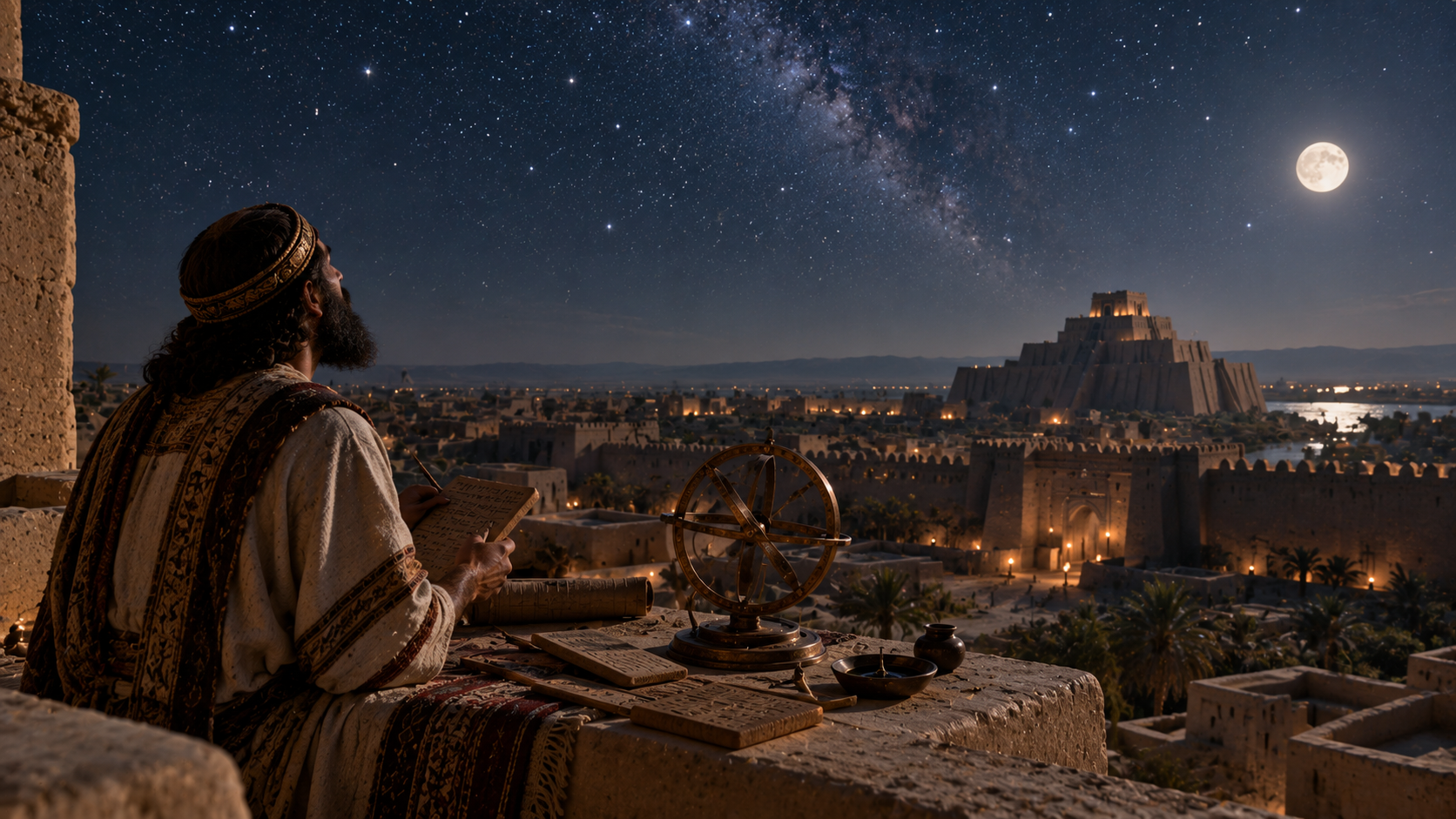
Thousands of years before digital clocks, the Sumerians developed a mathematical system based on 60, which the Babylonians later used in astronomy. Greek astronomers helped establish the divisions of time that eventually became our familiar minutes and seconds. So every time you check the clock, you’re relying on ancient mathematics, though the Babylonians probably couldn’t have predicted how often we’d check it just to avoid work.
Ancient Egyptians were already using a 365-day calendar more than 4,000 years ago
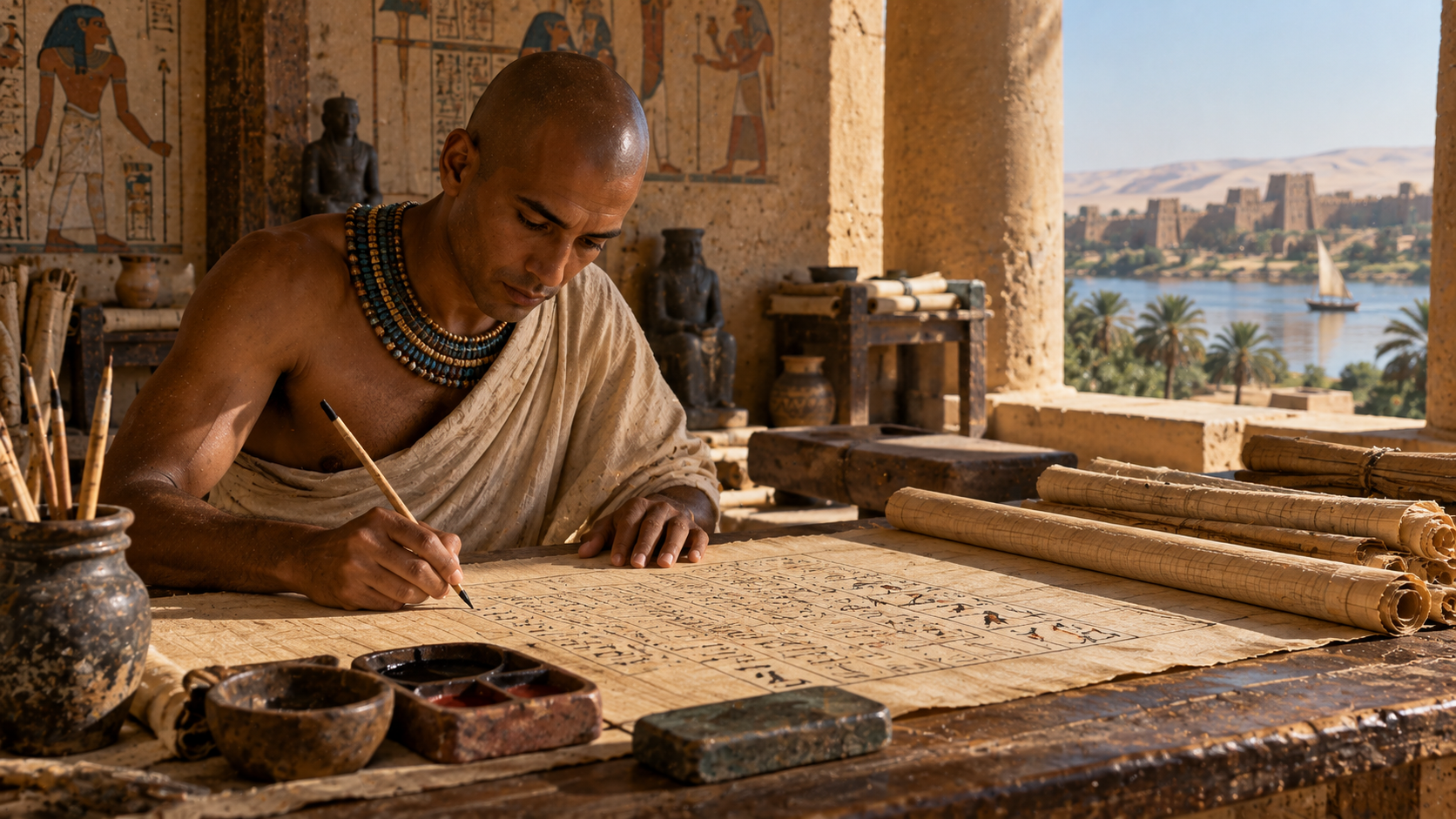
By around 2450 B.C., Egyptians had developed a civil calendar with 12 months of 30 days, plus five additional days at year’s end. Connected to agriculture and the Nile’s annual flooding, it helped organize daily life. Without leap years, however, the calendar gradually drifted out of alignment with the seasons. Even ancient timekeepers had scheduling problems, although theirs took centuries to become obvious.
Some of the world’s earliest writing was basically ancient bookkeeping
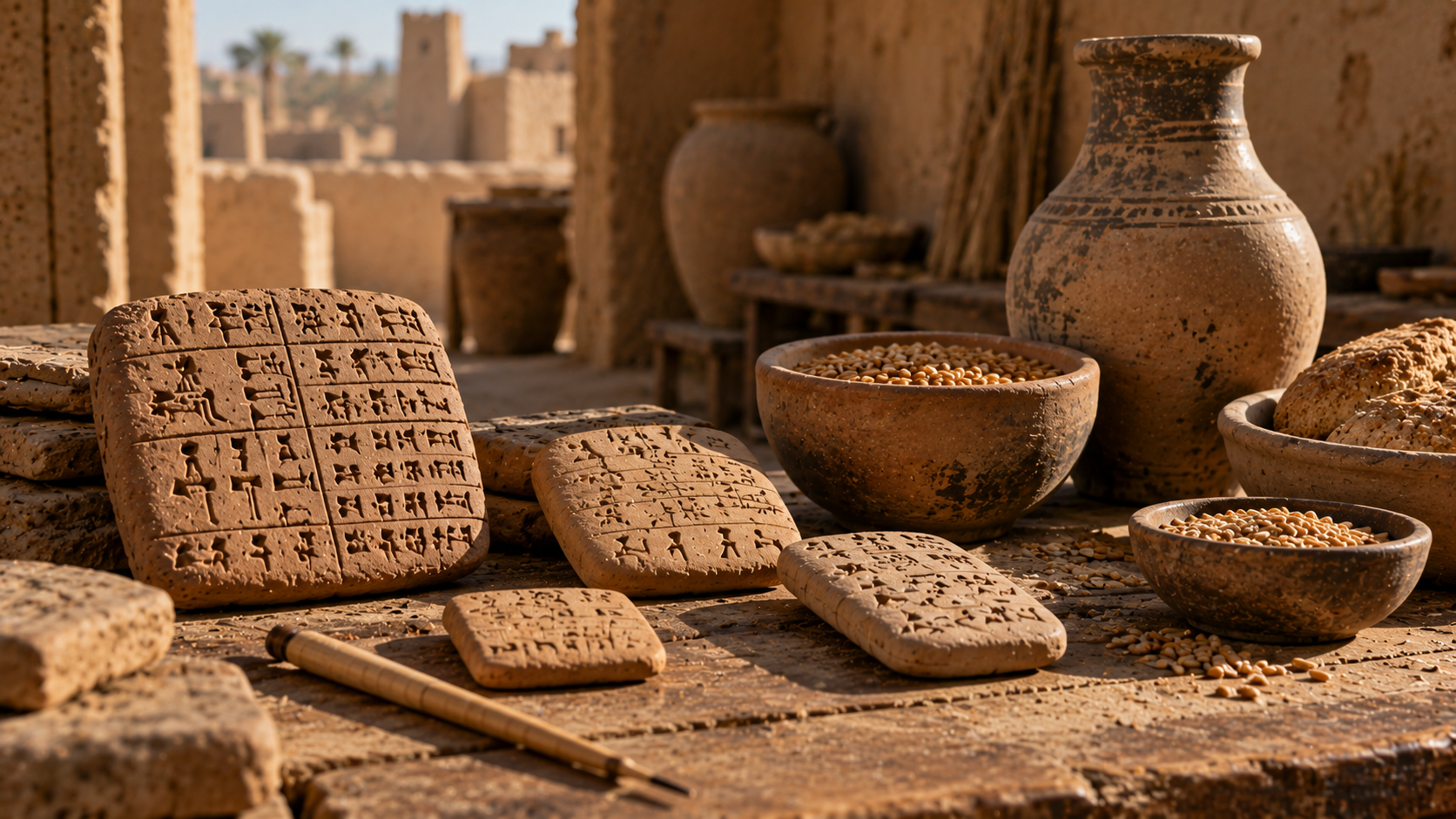
Cuneiform emerged in Mesopotamia before 3200 B.C., initially helping administrations track practical items such as bread and beer rations. Over time, the system evolved to record literature, laws, correspondence, and historical events for more than 3,000 years. One of humanity’s greatest communication breakthroughs began with inventory management. Somewhere, an ancient accountant accidentally helped change the world.
Ancient Mesopotamians had their own version of signatures and security seals
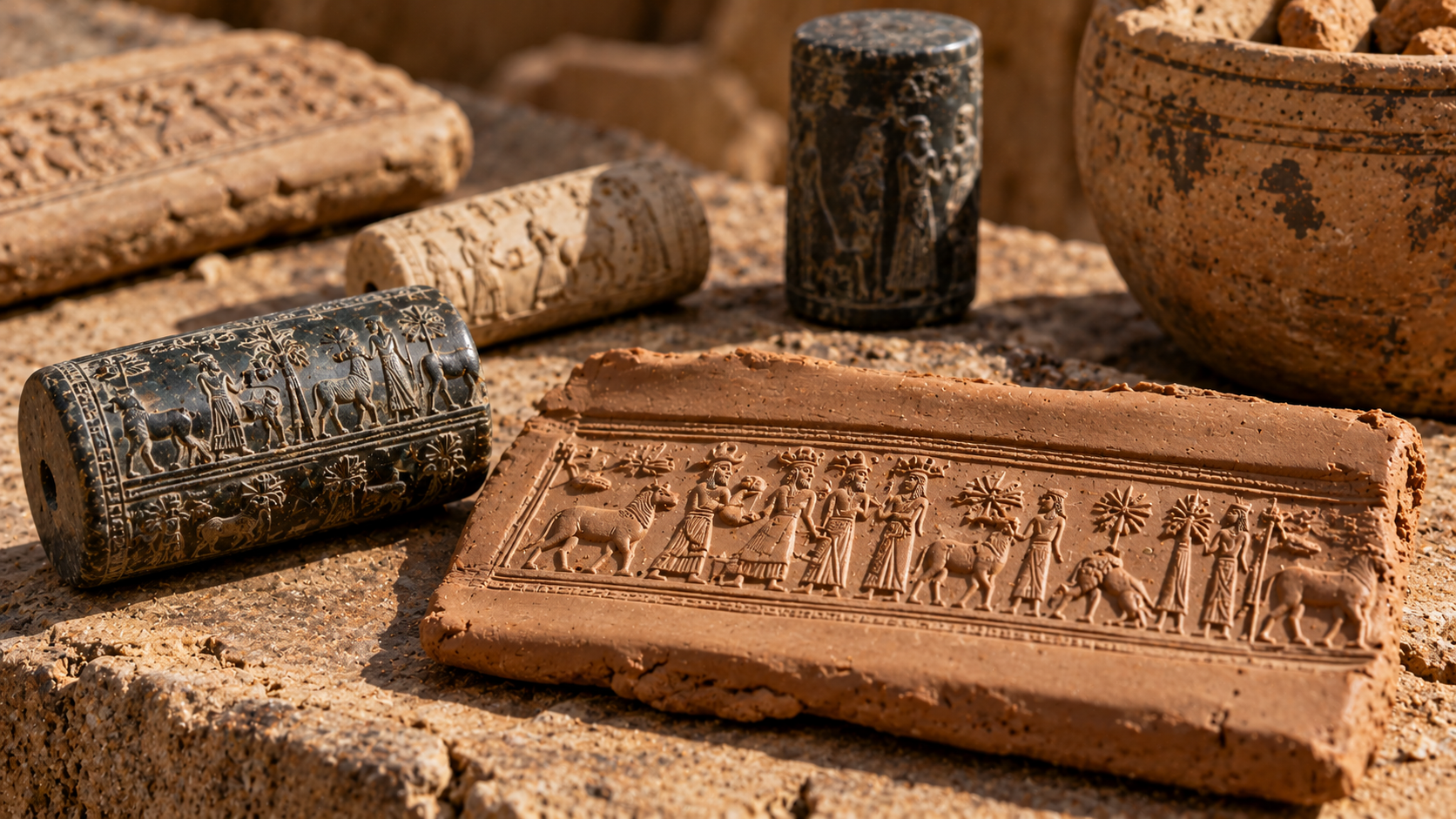
During the fourth millennium B.C. Mesopotamians used engraved stone cylinders to authenticate transactions and establish ownership. Rolling these seals across wet clay left distinctive impressions on documents, containers, and doorways. They served purposes similar to signatures, official stamps, and tamper-evident seals today. Apparently, the need to prove something is yours, and stop other people from messing with it, is older than paperwork itself.
An ancient civilization in Pakistan had sophisticated city drainage systems
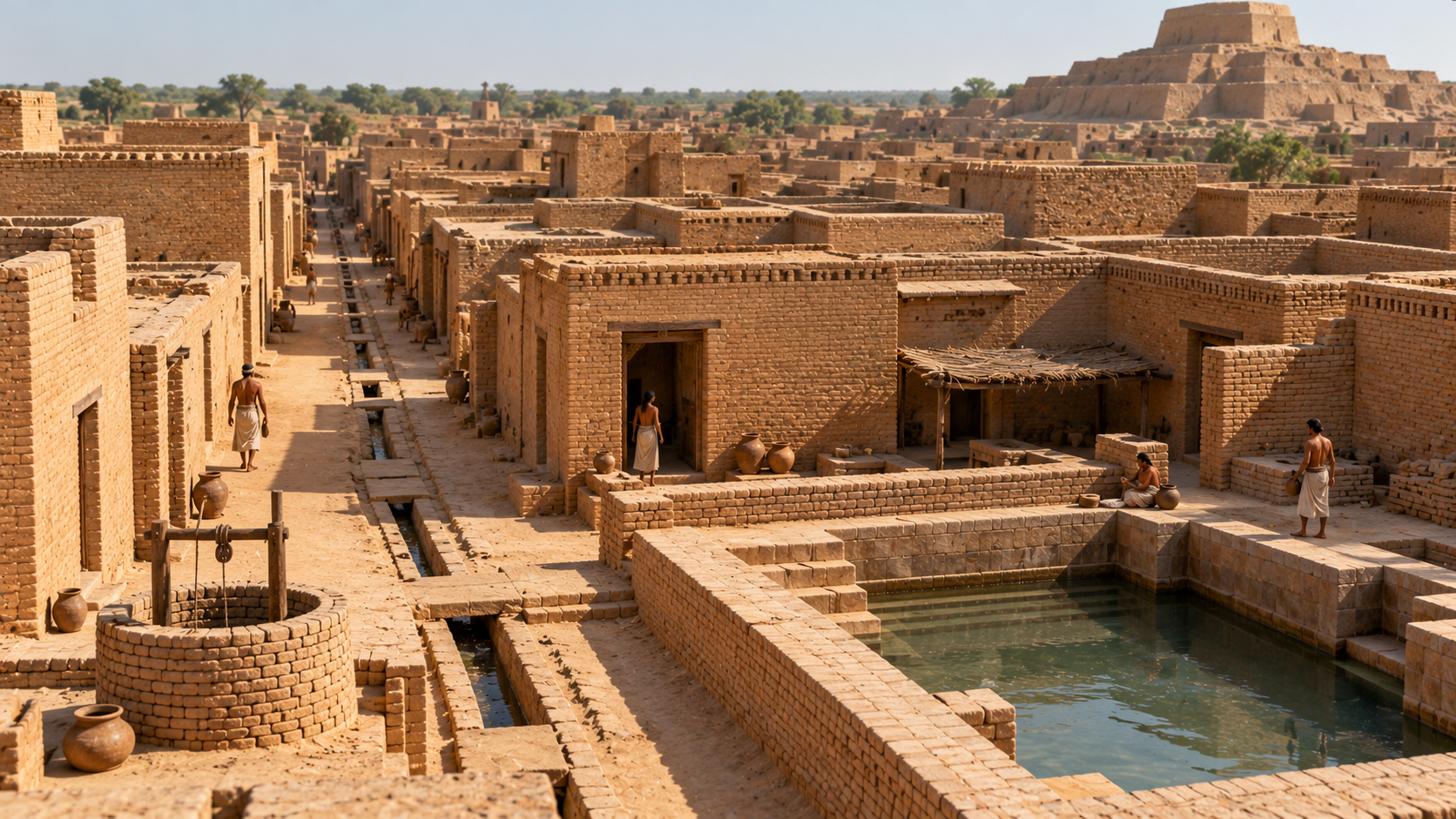
Around 2500 B.C., Mohenjo-daro, part of the Indus Valley civilization, featured brick buildings, wells, bathing areas, and an elaborate drainage network. Its streets intersected at right angles, while systems carried wastewater away from residential areas. These features reflect priorities still central to urban planning. Thousands of years ago, people already understood that a functioning city needed more than impressive buildings and someone selling snacks on every corner.
Trending on The Scroller

Ancient Persian water tunnels are still delivering water today
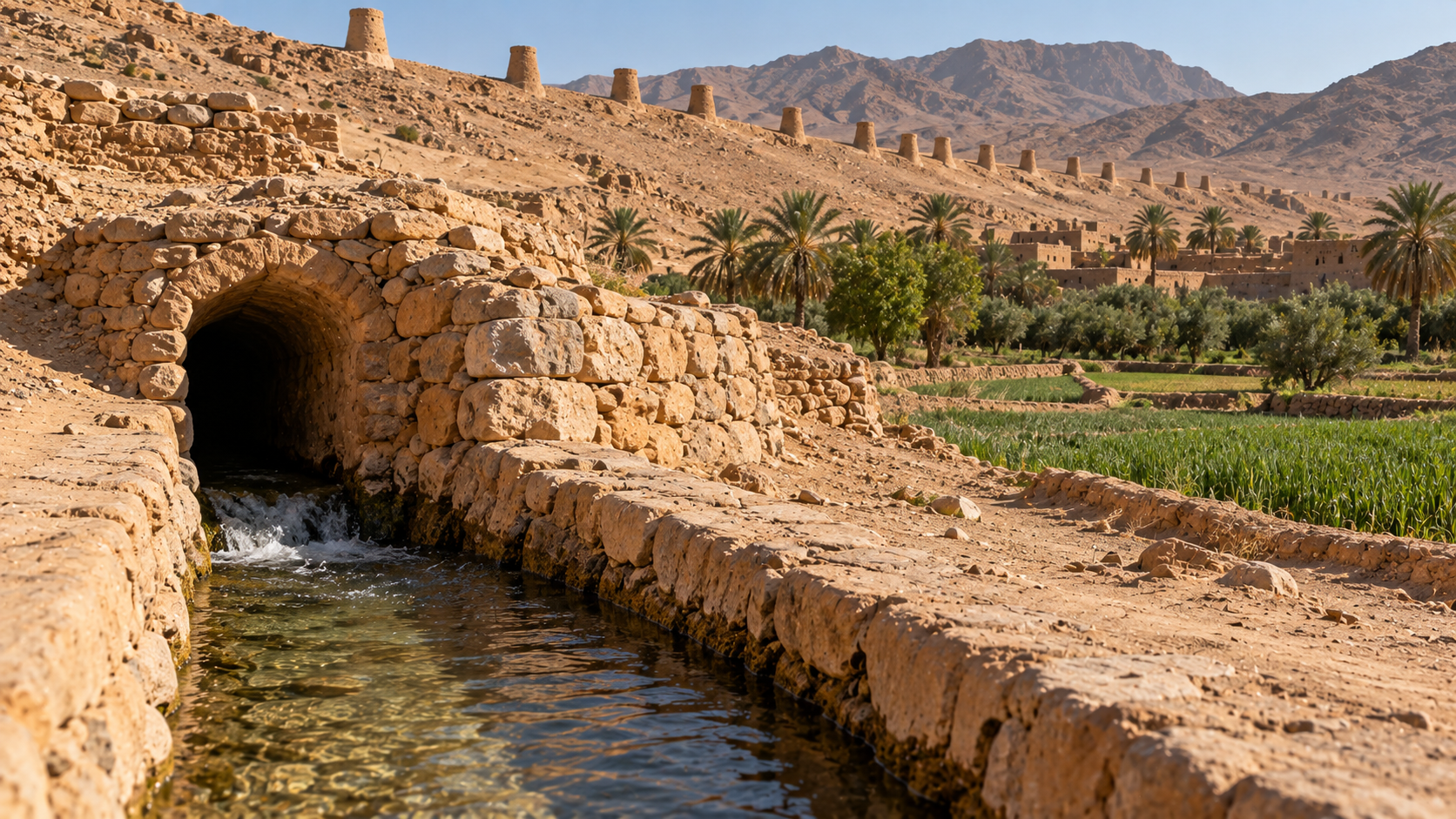
Persian engineers developed qanats, underground tunnels that transport groundwater over long distances using gravity instead of pumps. These systems allowed communities to grow crops and establish settlements in extremely dry regions. UNESCO confirms that 11 qanats included in its Persian Qanat World Heritage listing remain operational. In an age of increasingly complicated infrastructure, some communities still depend on an engineering solution devised thousands of years ago, without a single electrical bill for pumping.
Scientists are using ancient Roman concrete to improve modern construction
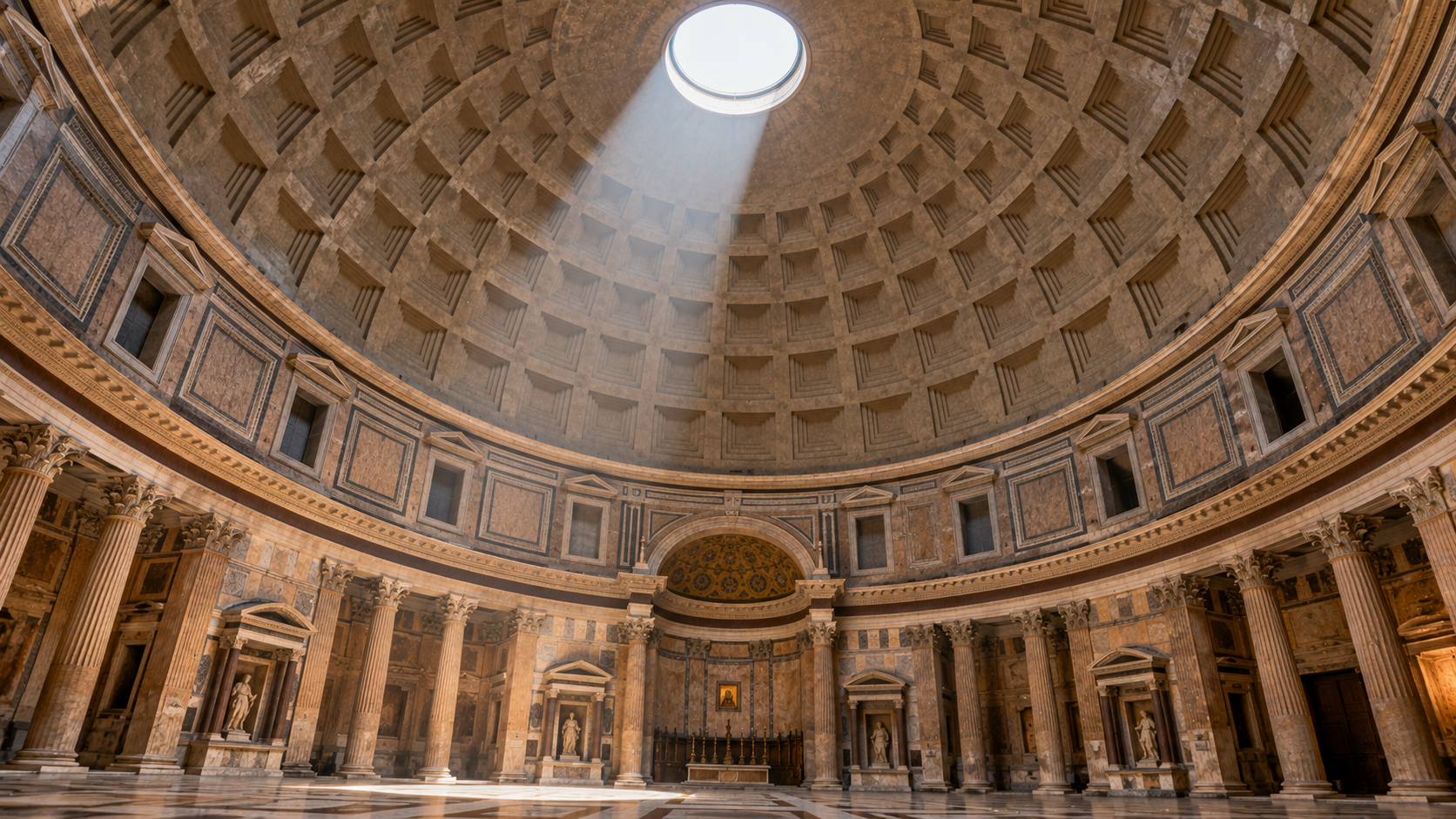
Roman concrete has helped structures such as the Pantheon survive for nearly 2,000 years. MIT researchers have investigated how ancient manufacturing techniques created concrete with self-healing properties, allowing certain cracks to fill through chemical reactions involving calcium-rich materials. In 2026, MIT reported that researchers were commercializing technology inspired by these findings. The Romans may have left us ruins, but some of their building tricks could help us build things that don’t become ruins quite so quickly.
Ancient Romans lived in apartment buildings with shops downstairs
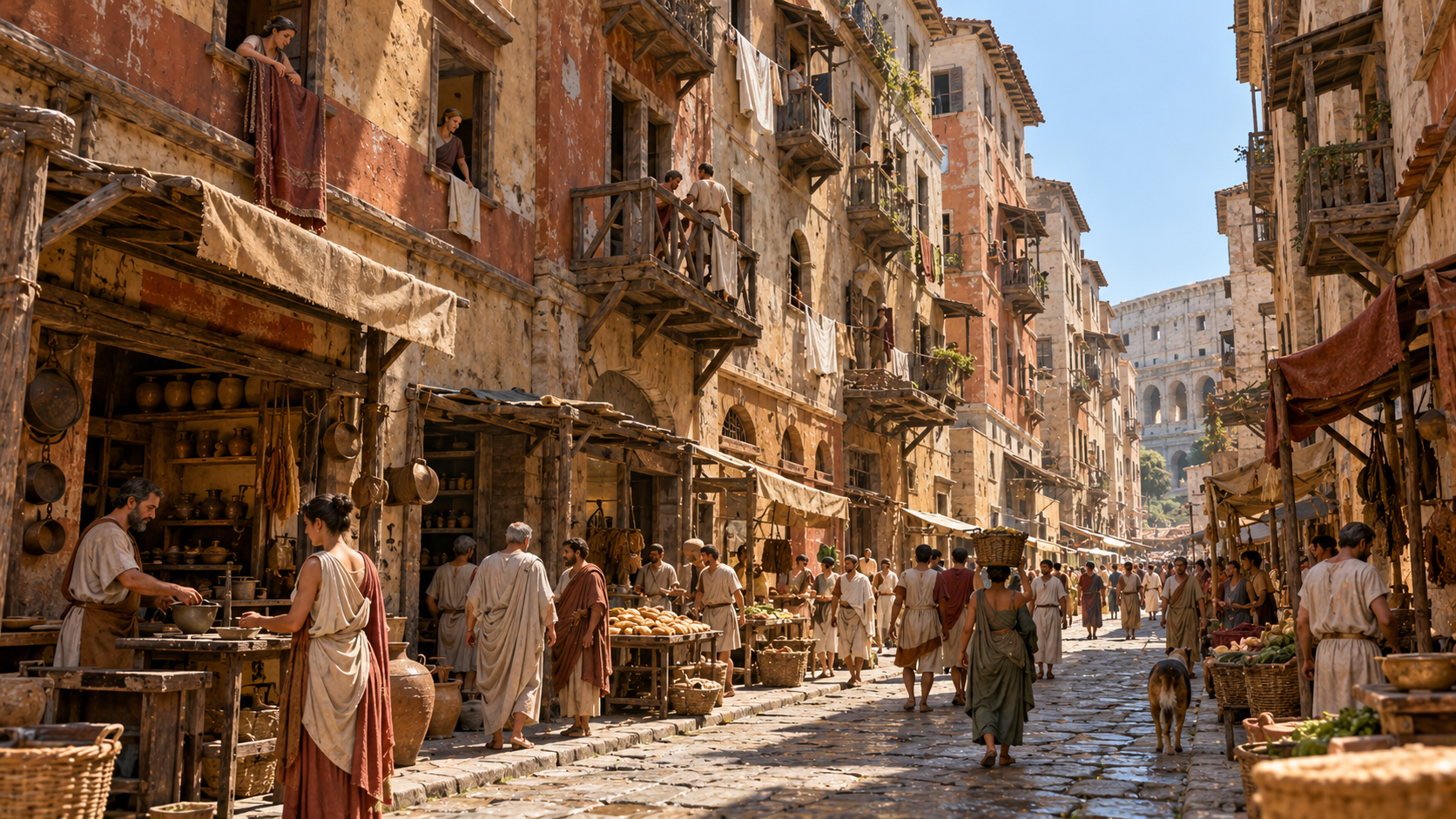
Many residents of Ancient Rome lived in multi-story buildings called insulae, which often had shops on the ground floor and rented apartments above. Wealthier tenants generally preferred lower levels, while poorer residents occupied cramped upper rooms with limited water access and dangerous conditions. The arrangement would look familiar in many modern cities. The rent, the downstairs shop, and the questionable upstairs plumbing: some urban problems have enjoyed a remarkably long career.
Sign up for our newsletter
Ancient glassmakers helped turn glass containers into everyday products
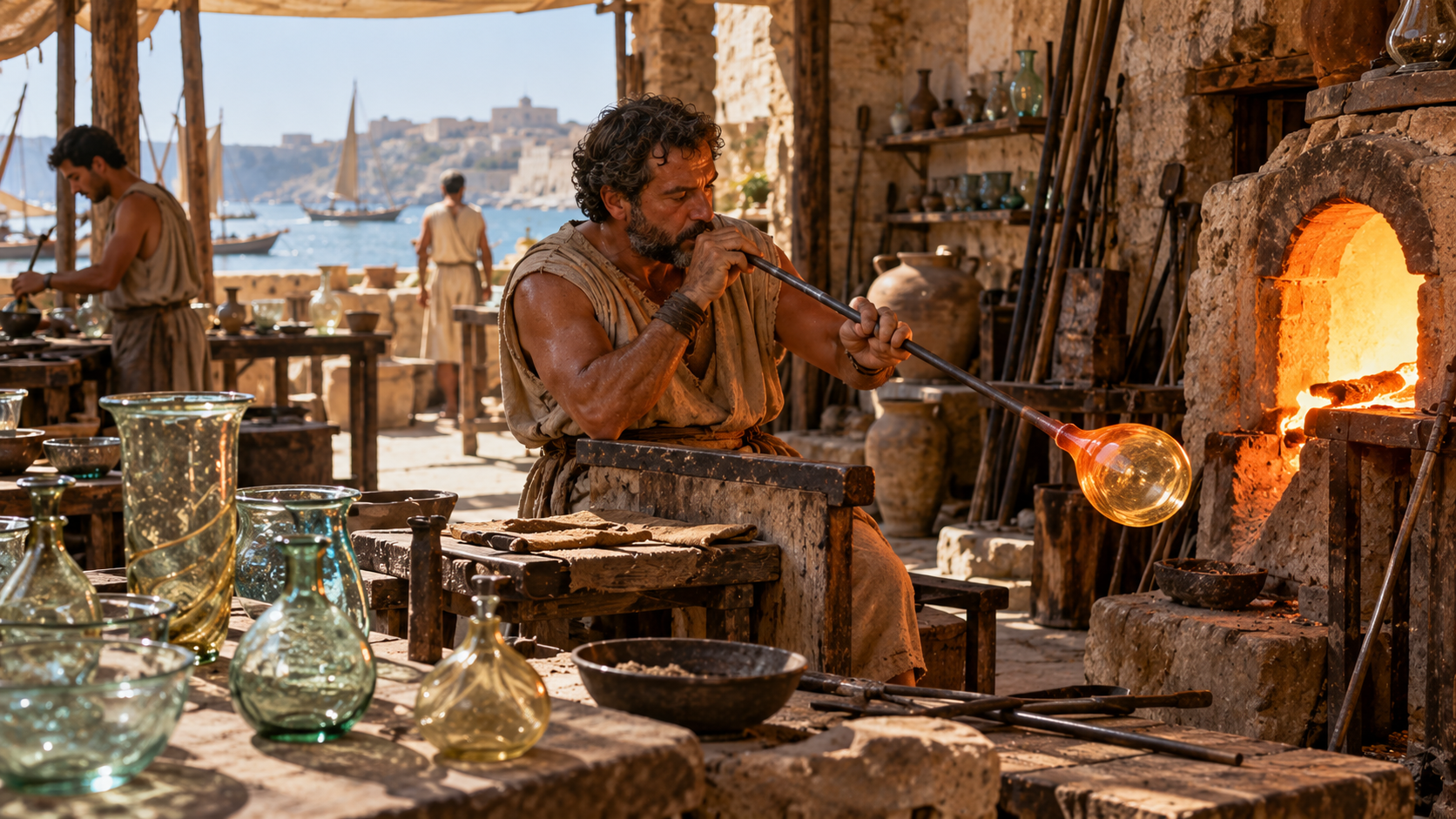
Glass containers were once expensive luxury items, but glassblowing, developed in the eastern Mediterranean during the first century B.C., made production much easier to expand. By the first century A.D., glass cups were common enough to replace many pottery drinking vessels in some settings. That innovation helped establish the tradition of everyday glassware. It’s a long journey from luxury craftsmanship to jars you use to store leftovers and then immediately forget about them.
Ancient Roman public baths helped shape later bathing and spa traditions
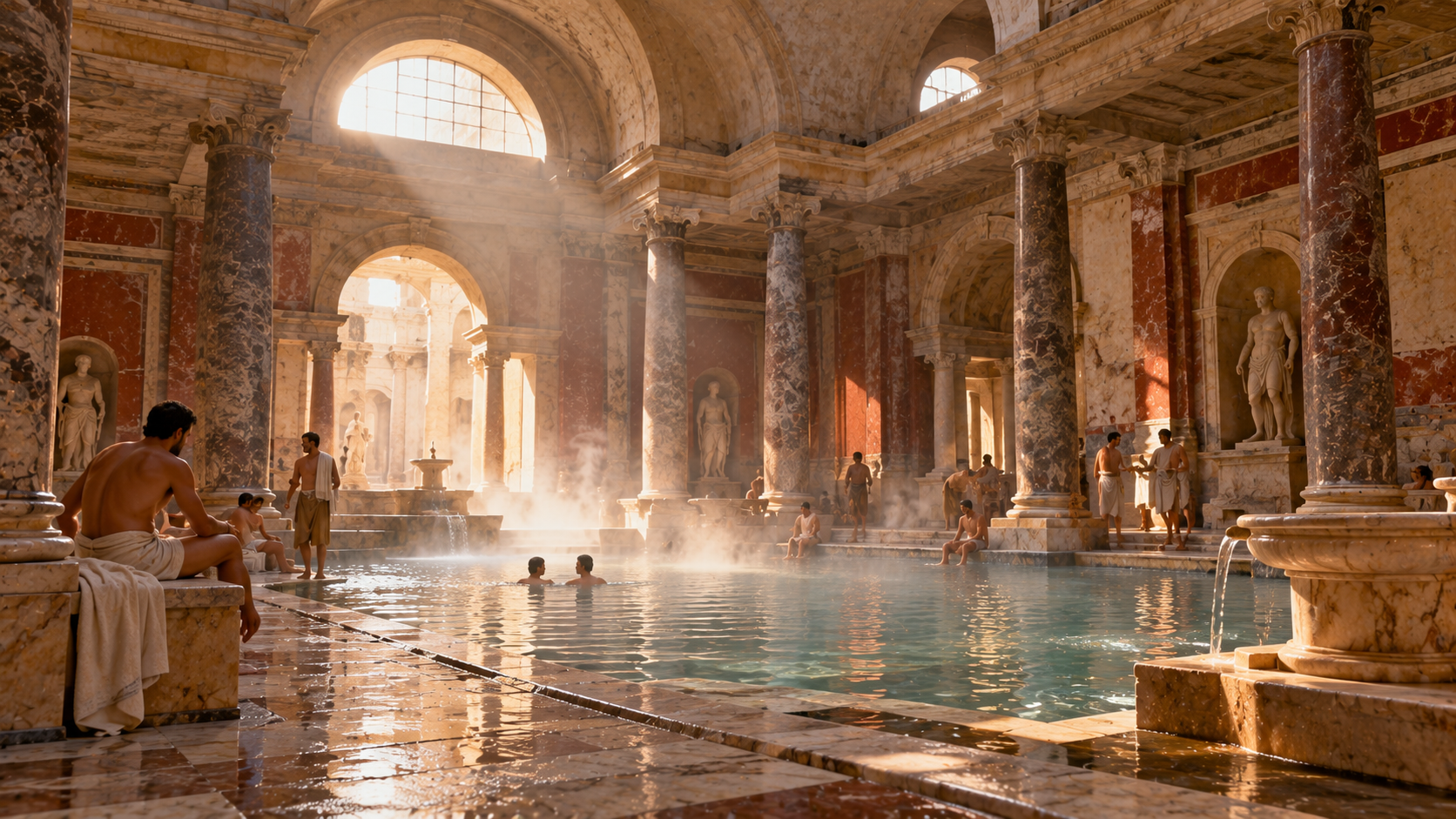
Roman bathhouses were social centers where people exercised, relaxed, and moved between hot, warm, and cold rooms. These bathing traditions continued across the eastern Mediterranean and influenced the development of hammams, whose heated chambers and communal rituals remain recognizable today. In other words, the idea of paying to relax in a warm room with strangers has some very old precedents. At least modern spas usually offer better towels.
Ancient Egyptians carried makeup kits that look surprisingly modern
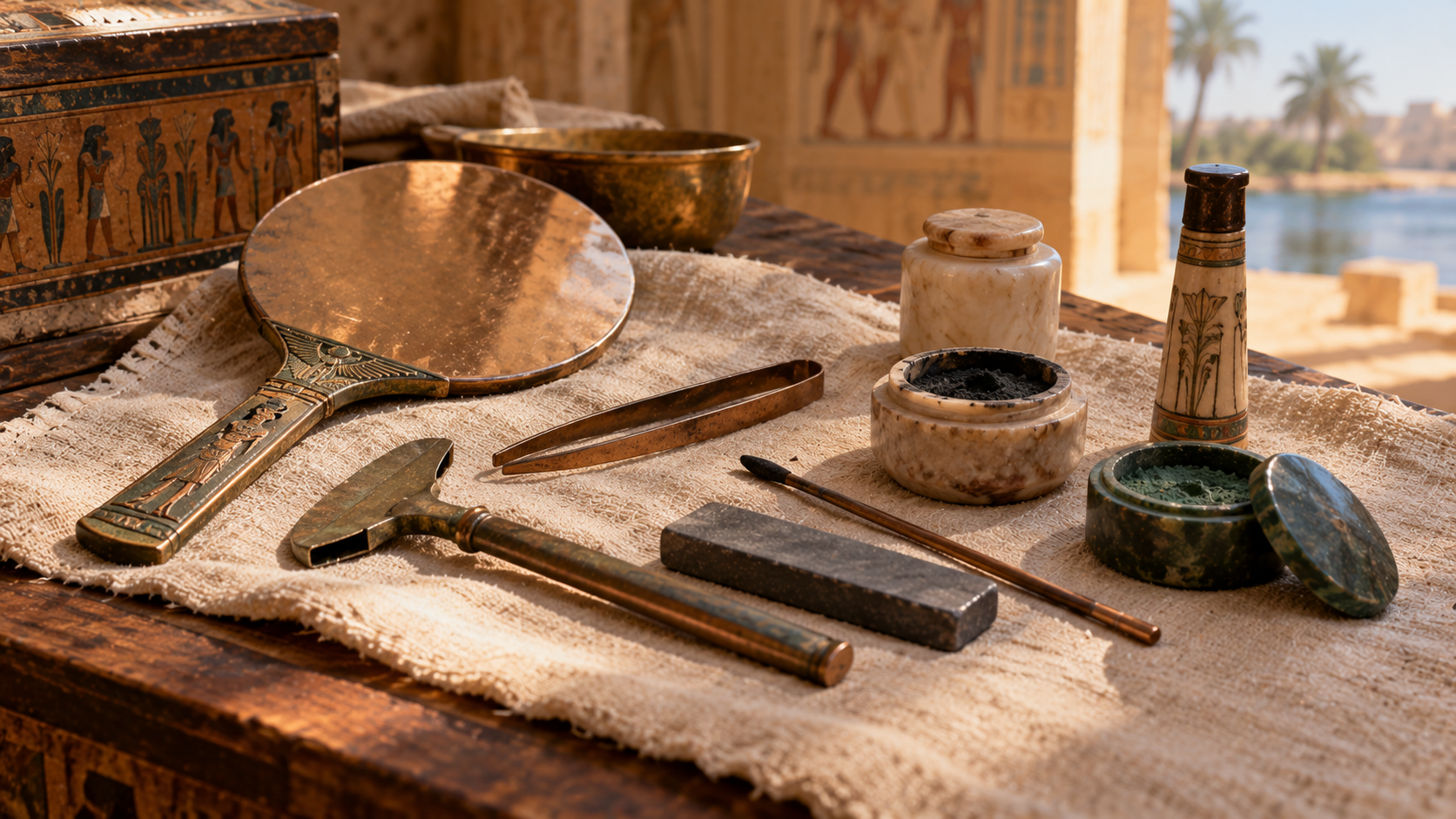
Personal grooming was an important part of life in ancient Egypt, where both men and women used cosmetics. A New Kingdom toiletry set dating to approximately 1550-1468 B.C. included eye makeup, an applicator, a razor, tweezers, a sharpening stone, and a mirror. The collection resembles a modern grooming bag. Thousands of years of technological progress, and we’re still carrying tiny tools around hoping to look a little more presentable.
The paper used around the world has its origins in ancient China
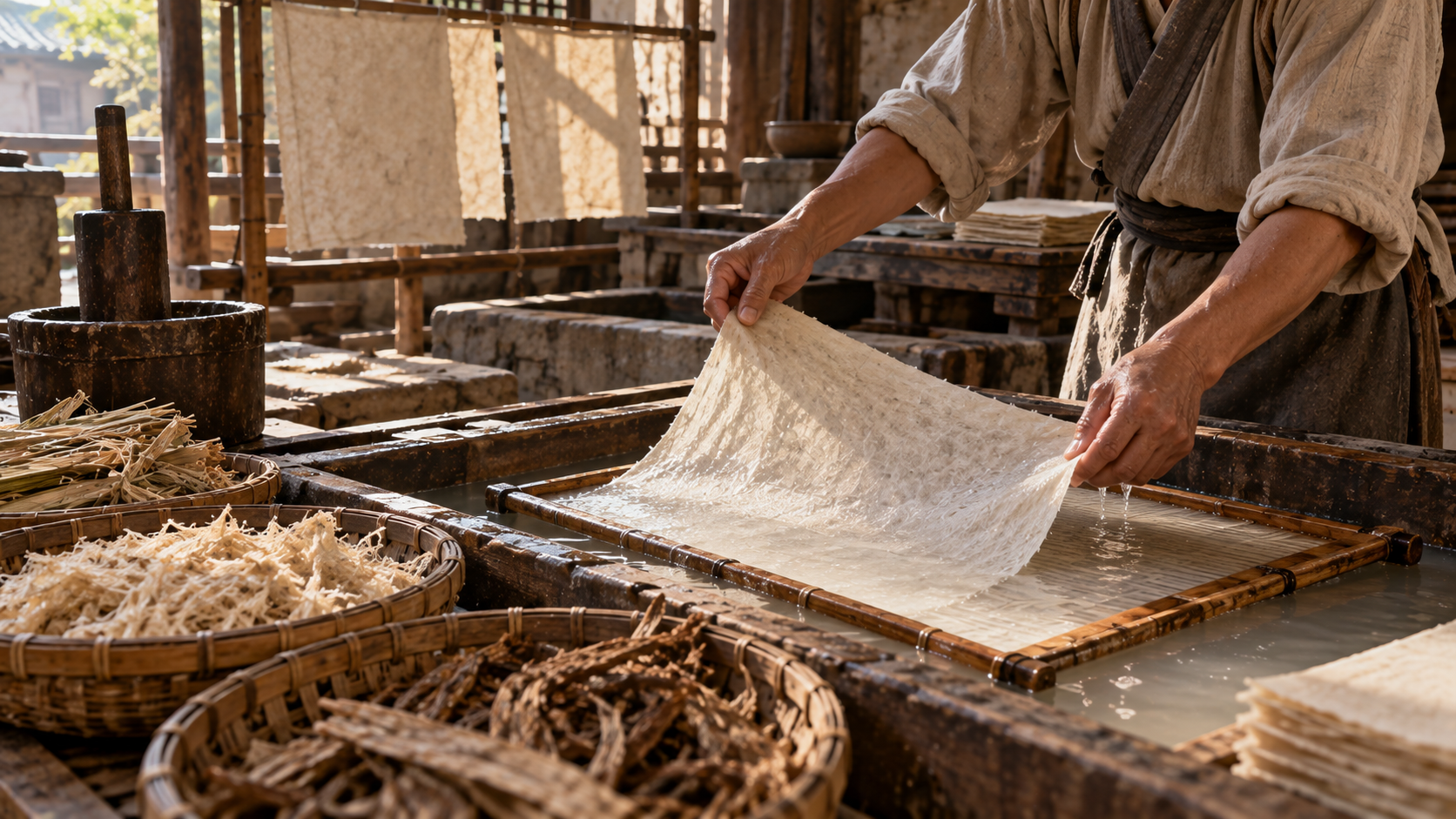
Paper existed in China by the second century B.C., and Han official Cai Lun later helped develop methods of producing it from materials such as tree bark, hemp, and linen. By the third century, paper was widely used in China before the technology spread across Asia, the Middle East, and Europe. It transformed communication and recordkeeping. Without this invention, your important documents might still involve considerably more clay and far less convenient filing cabinets.
The zero in modern mathematics owes an enormous debt to India
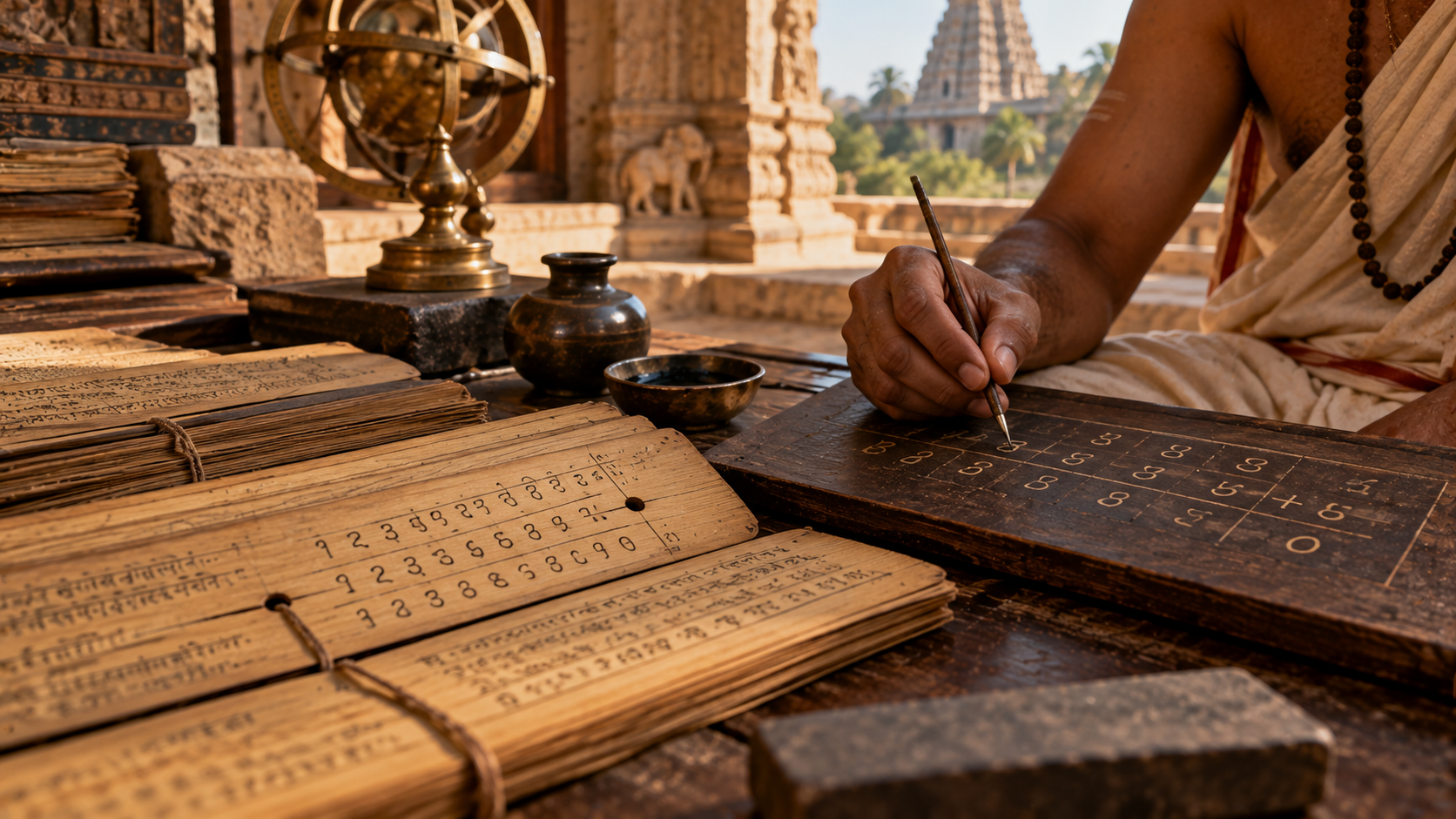
Early Indian mathematicians used a dot as a placeholder, helping pave the way for the familiar zero. In 628 A.D., Brahmagupta described zero as a number in its own right, an essential step in the development of modern mathematics. This deceptively simple concept made advanced calculation far more practical. It’s hard to imagine a world without zero, especially when you check your bank account after a particularly expensive weekend.
Ancient Maya calendars still influence ceremonial and agricultural traditions
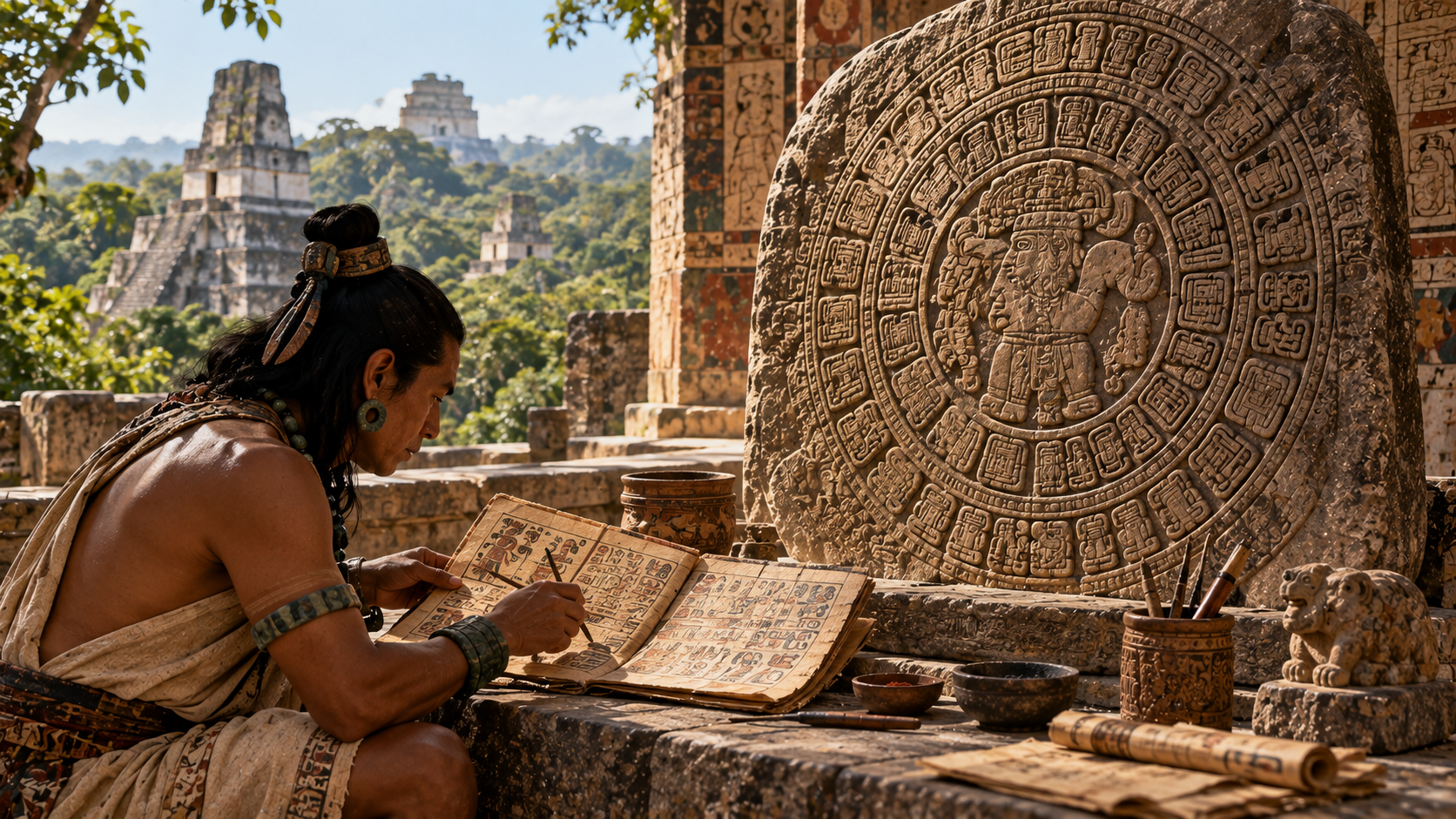
The ancient Maya developed sophisticated calendars based on observations of the sun, moon, and other astronomical cycles. These systems helped communities organize ceremonies, agricultural activities, and important dates. According to the Smithsonian, Maya calendar traditions continue to hold cultural significance in contemporary communities. This isn’t simply an ancient curiosity locked inside a museum: it’s living knowledge, still meaningful to people today, unlike most of the dates we forget immediately after entering them into our phones.
Chocolate was once so valuable that its ingredients could function as money
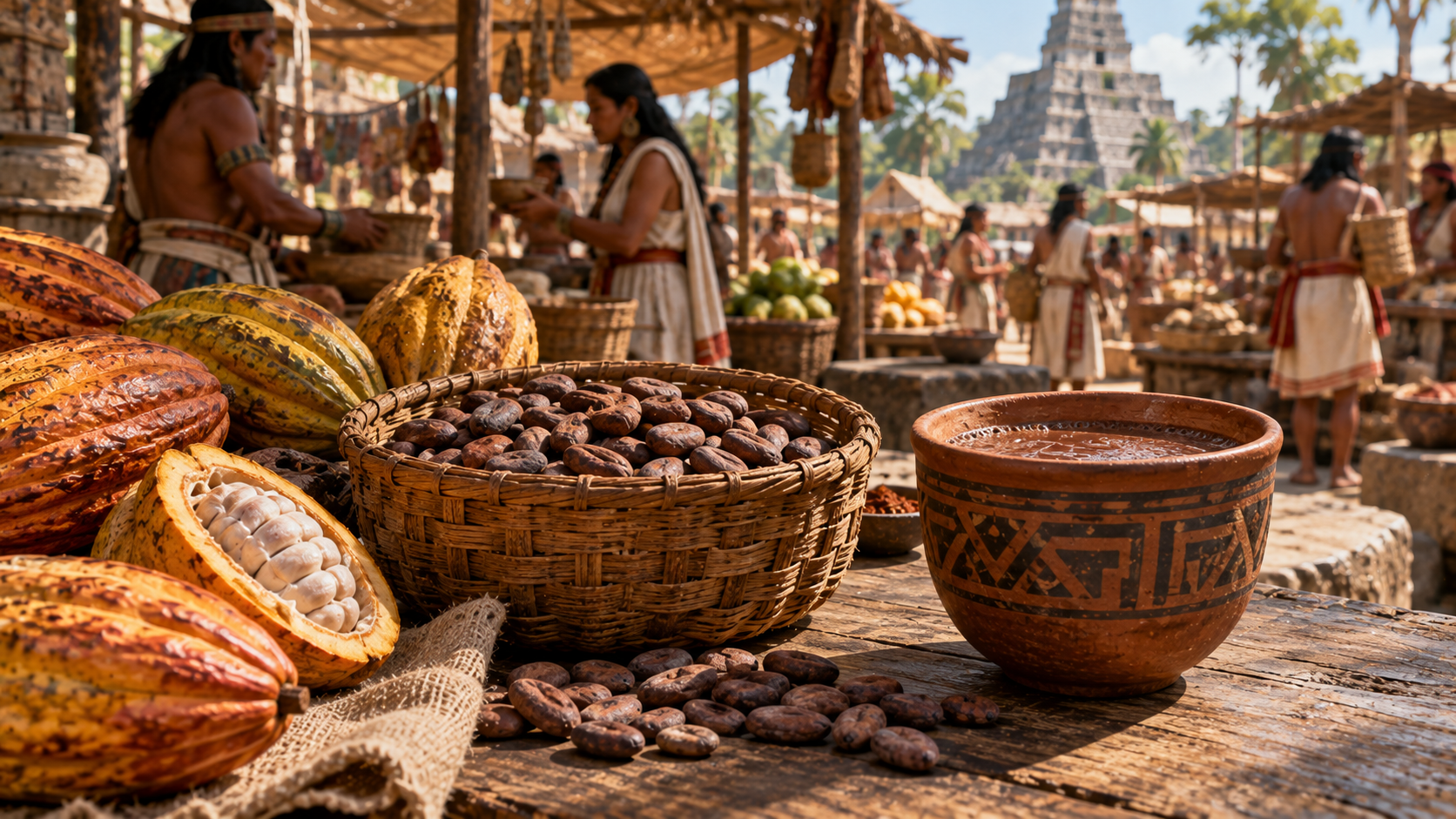
Cacao beans held significant economic and cultural value among the ancient Maya and later the Aztecs, sometimes serving as currency in everyday trade. The crop eventually became the foundation of the global chocolate industry, although early cacao drinks were very different from today’s sweetened treats. Imagine paying for groceries with chocolate ingredients. It sounds delightful until you remember that the money could melt in your pocket, or disappear before you reached the store.
Ancient Greek democracy sometimes chose officials by lottery instead of elections
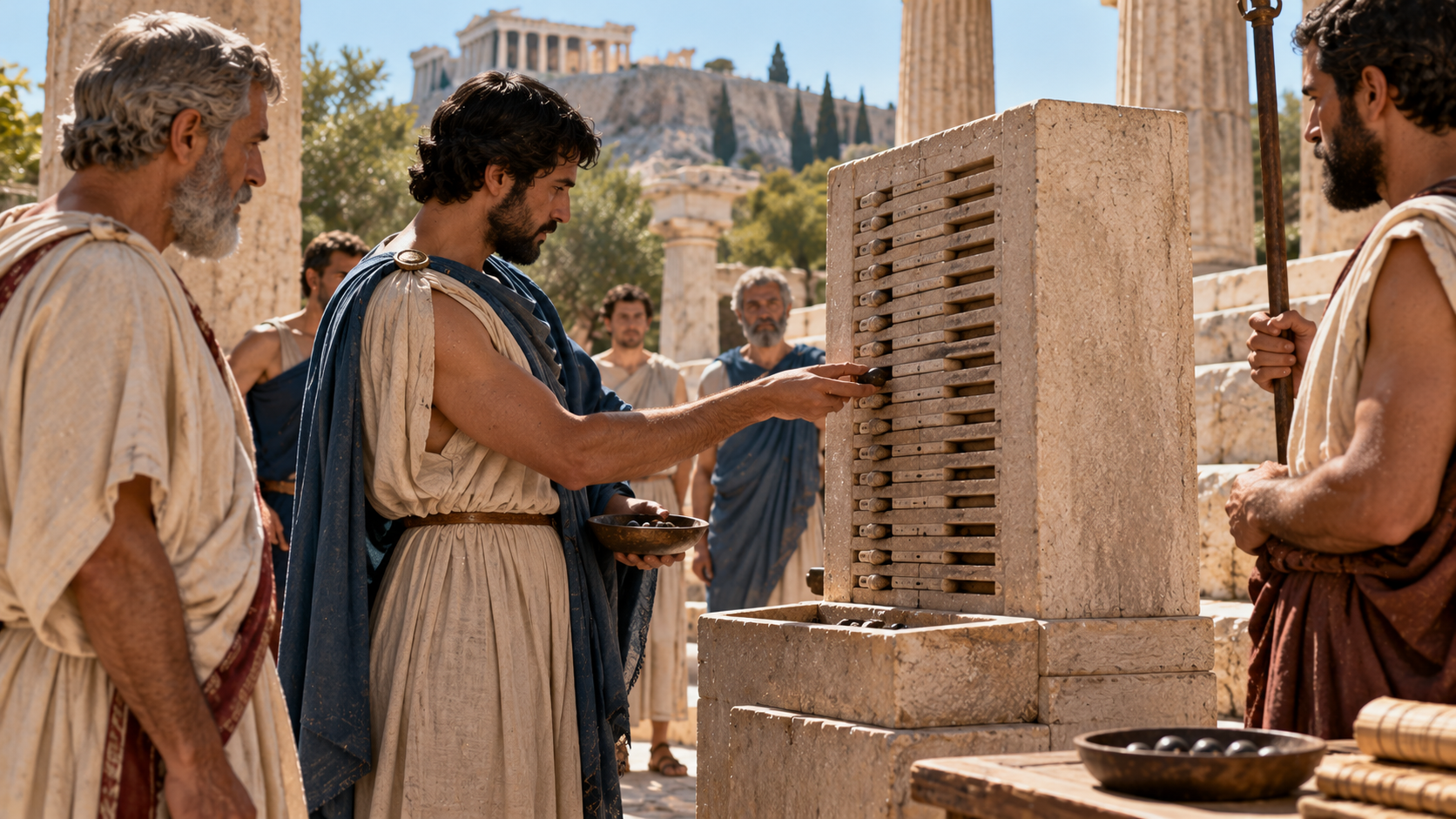
Ancient Athens sometimes selected eligible citizens for public office through sortition, a lottery system intended to prevent elections from favoring wealthy or influential people. The system offered broader participation, but citizenship remained restricted: women, enslaved people, and foreign residents were excluded. It was a different approach to democracy, with serious limitations. Randomly choosing officials might reduce campaign spending, although it wouldn’t necessarily make the resulting government any less chaotic.
Ancient Athenian courts helped establish the idea of citizens serving as jurors
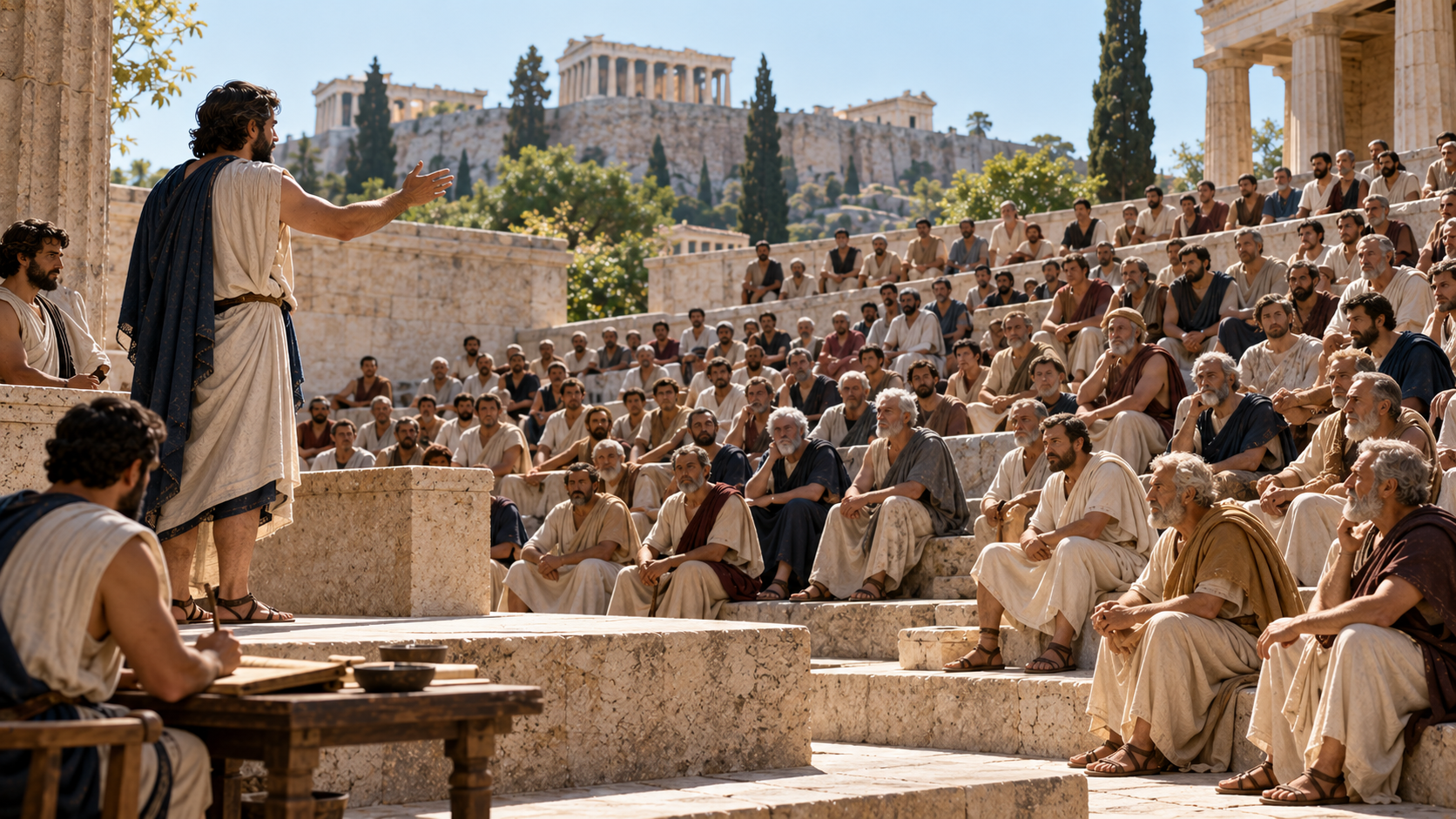
By the fifth century B.C., Athens had developed popular courts where large panels of citizens heard cases and voted on verdicts. These courts differed significantly from modern jury trials, but they helped establish the principle that legal decisions need not rest exclusively with rulers or professional officials. The idea of ordinary citizens judging a case has endured for centuries. The jury duty summons, unfortunately, remains a less glamorous part of that legacy.
Ancient Indian surgeons described reconstructive procedures long before modern plastic surgery
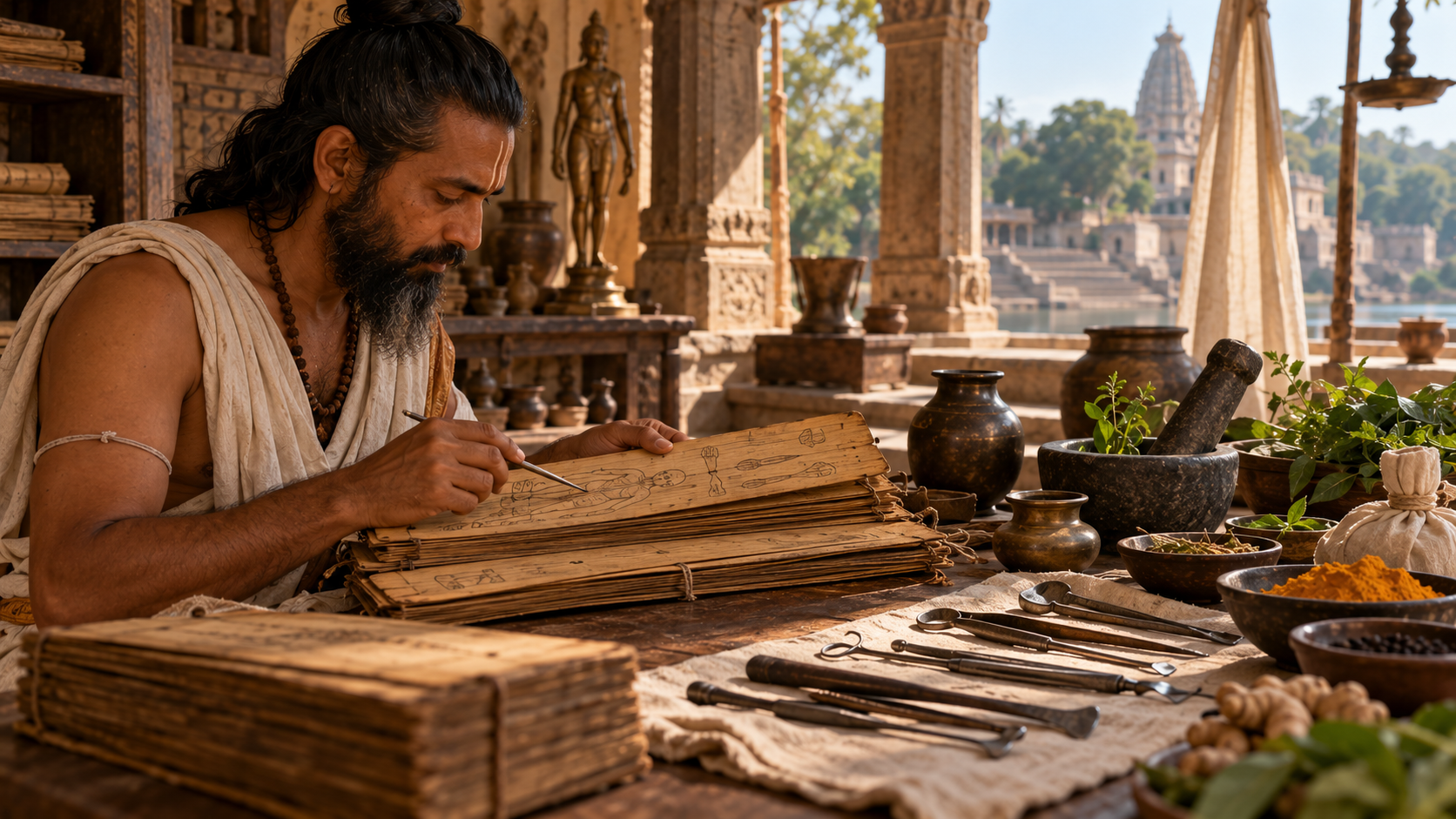
The Sushruta Samhita, an ancient medical text associated with the physician Sughruta, described techniques for reconstructing damaged noses using tissue taken from other parts of the body. These procedures contributed to the long history of reconstructive surgery, demonstrating that restoring facial features was a medical concern long before modern operating rooms. Today’s surgical technology is vastly more advanced, but the basic ambition is familiar: repair the damage and, whenever possible, give the patient a reason to smile again.