Natural cycles keep the living world running on an astonishingly precise schedule. Some animals use the moon to time reproduction, while others rely on internal clocks to know when to migrate, feed, or rest. Plants follow their own rhythms too, including movements so slow they are almost impossible to notice. Many of these patterns have scientific names that rarely come up outside biology textbooks, even though they are happening all around us.
1. Circadian Rhythms: The Body’s 24-Hour Clock

There’s a reason people tend to feel sleepy around the same time each night, even when they haven’t looked at a clock. The body follows an internal schedule that regulates temperature, hormone production, and alertness throughout the day. These patterns are called circadian rhythms, and they operate in plants, animals, fungi, and certain bacteria. Sunlight helps keep them on schedule, but the rhythms can continue even without normal changes in lighting. In humans, a tiny part of the brain called the suprachiasmatic nucleus helps coordinate this activity. It’s also one of the reasons jet lag can make something as simple as staying awake through dinner feel difficult.
2. Ultradian Rhythms: The Cycles That Repeat While We Sleep
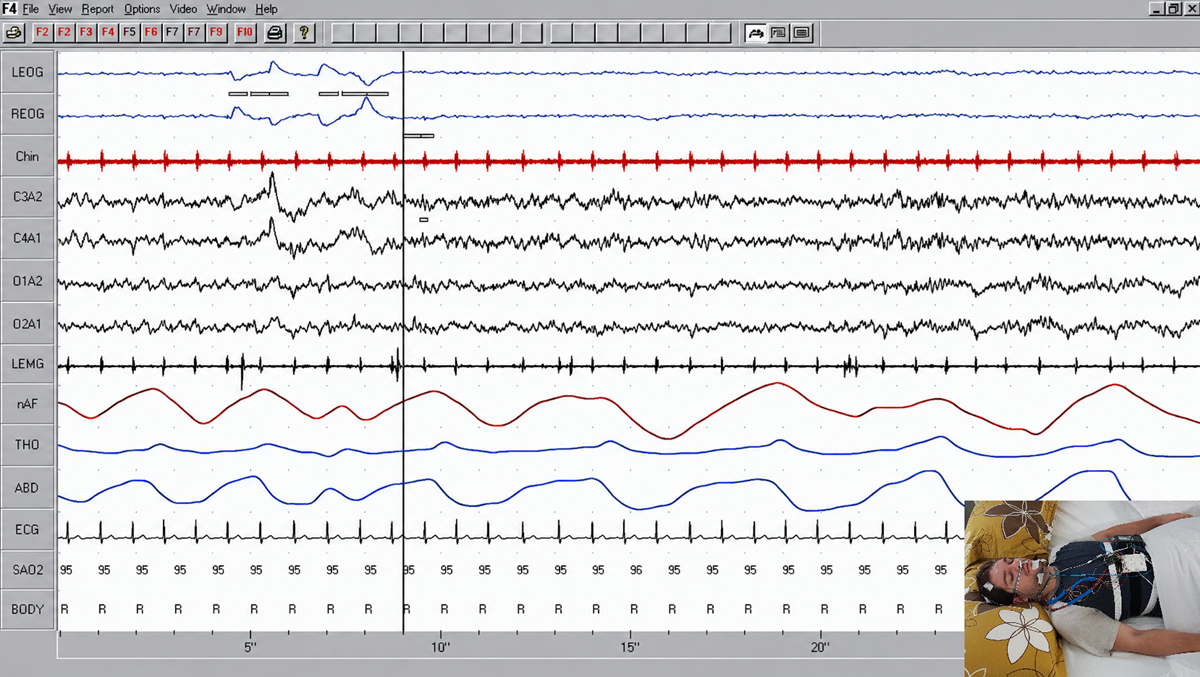
A night’s sleep isn’t one continuous stretch of the same activity. The brain moves through different stages, including REM sleep, several times before morning. These shorter repeating patterns are examples of ultradian rhythms, biological cycles that occur more than once within 24 hours. Sleep cycles often last roughly 80 to 120 minutes, although the timing varies from person to person and throughout the night. Similar rhythms influence certain patterns of hormone release, so the body keeps following shorter schedules even when we’re wide awake.
3. Infradian Rhythms: The Clocks That Run for Weeks
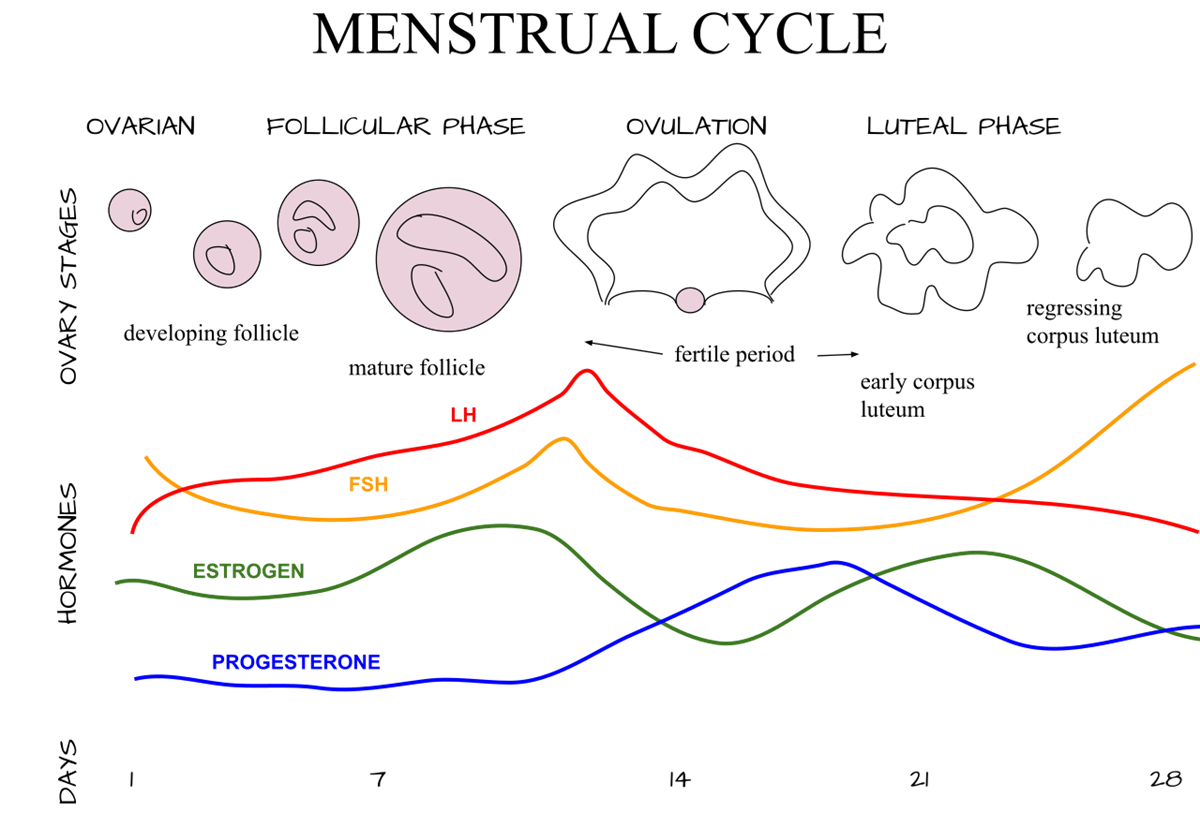
Some biological processes take considerably longer than a day to complete. Infradian rhythms are cycles lasting more than 24 hours, with the menstrual cycle being one familiar example. Certain animals also follow longer reproductive rhythms that unfold over weeks or months. These schedules depend on a combination of internal hormonal changes and, in some cases, environmental conditions.
4. Circannual Rhythms: The Calendar Inside Animals
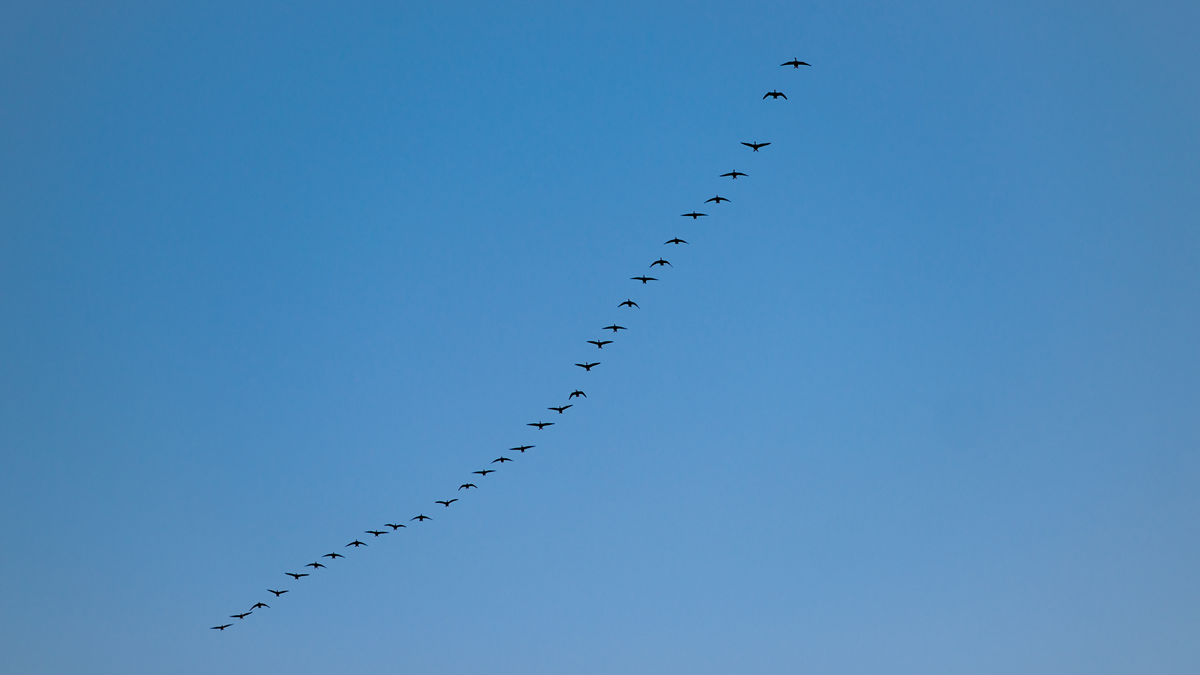
Migrating birds begin preparing for long journeys before the weather necessarily gives them an obvious reason to leave. Some build up fat reserves, become restless, and change their behavior as the migration season approaches. Daylight is an important signal, but certain species also have internal annual rhythms known as circannual rhythms. These clocks can influence migration, molting, reproduction, and hibernation. Scientists have found that some seasonal behaviors continue even when animals are kept under controlled conditions without normal seasonal changes. Apparently, checking the weather isn’t always necessary when the body already has a rough idea of the month.
5. Circalunar Rhythms: Following the Moon
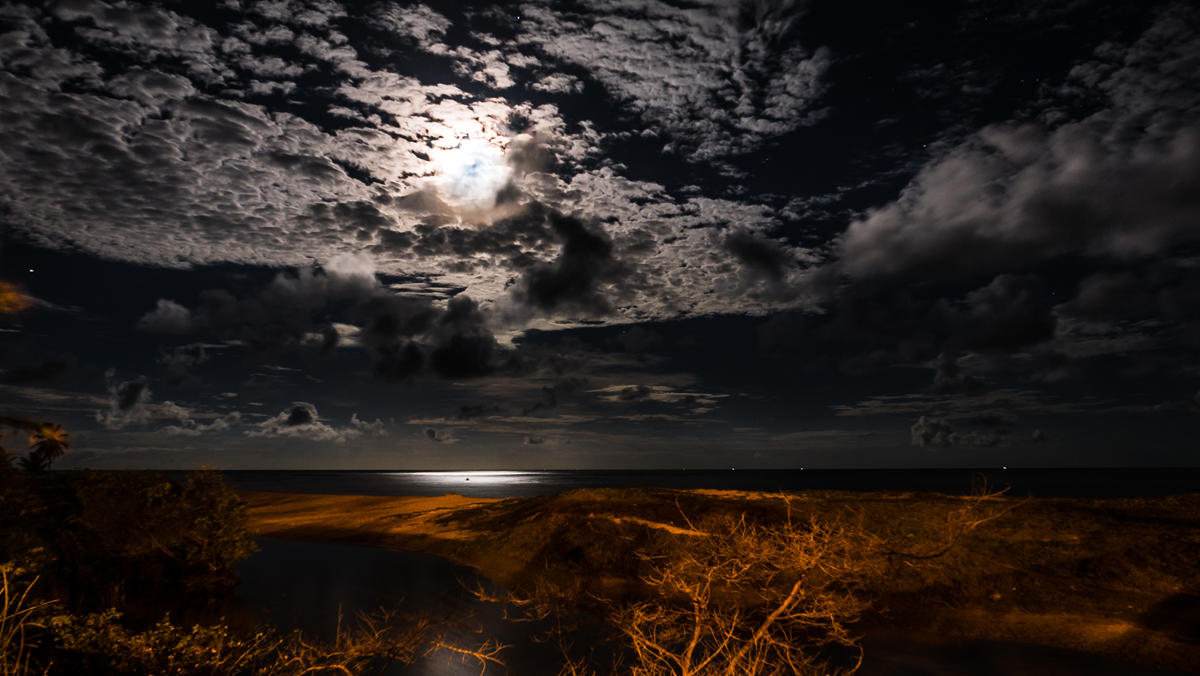
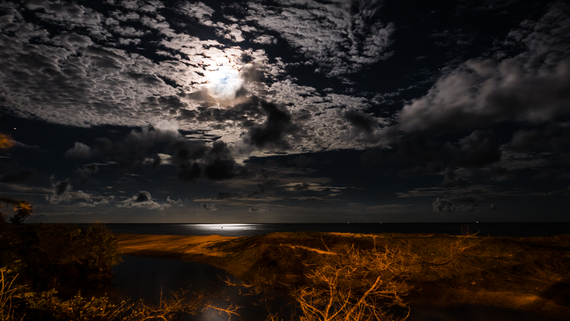
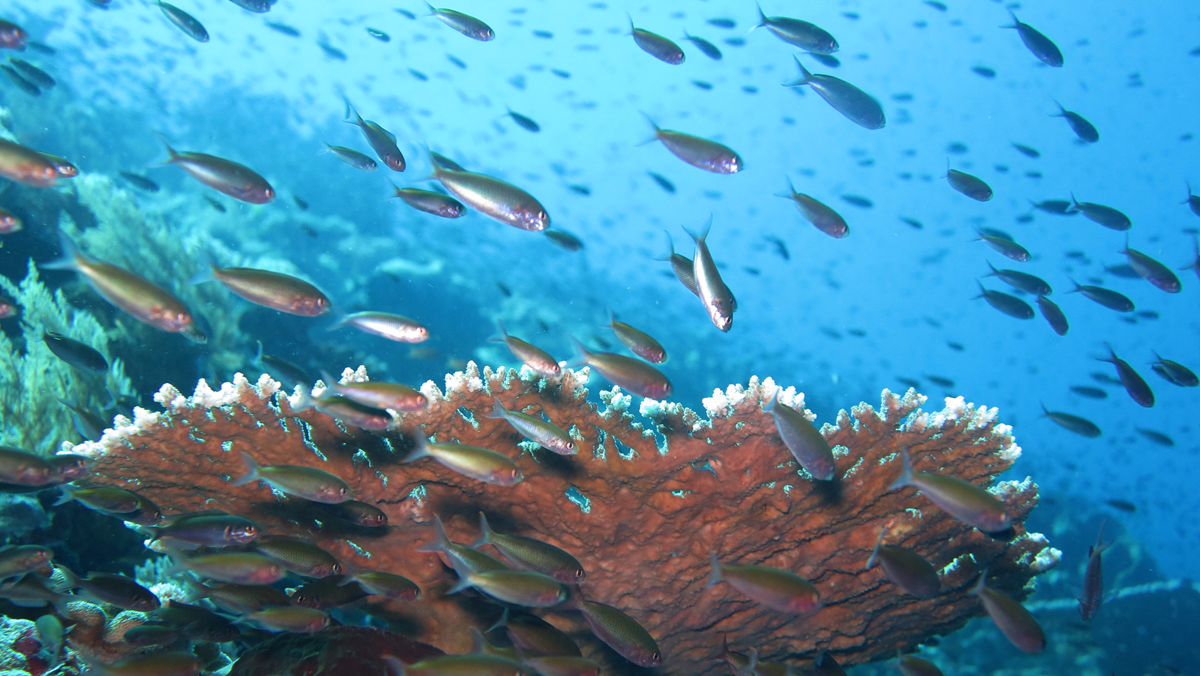
On certain nights of the year, coral reefs become the setting for an unusual reproductive event. Large numbers of coral colonies release eggs and sperm into the water within a relatively short period. The timing often depends partly on the moon, whose phases repeat approximately every 29.5 days. Scientists call biological rhythms that follow this monthly pattern circalunar rhythms. Some marine organisms use them to coordinate reproduction, while others respond to different parts of the lunar cycle. Temperature, daylight, and local conditions can also play a role, so the moon isn’t working alone.
Trending on The Scroller
6. Circatidal Rhythms: Keeping Time With the Ocean
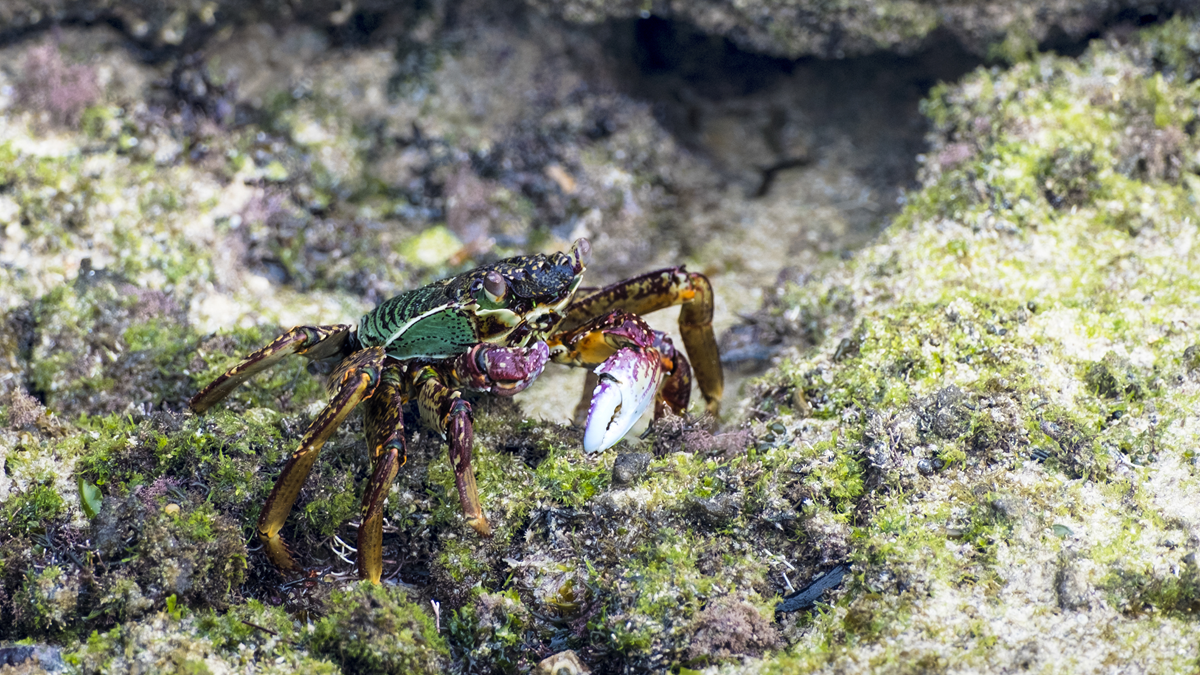
Living on a shoreline means dealing with a constantly changing environment. A feeding area can be underwater for several hours, then completely exposed when the tide goes out. Some crabs, mollusks, and other coastal creatures have internal rhythms that follow this schedule. Known as circatidal rhythms, they often repeat approximately every 12.4 hours, matching the interval between successive high tides in places with two high tides per lunar day. Researchers have even observed tidal activity patterns continuing in certain animals kept away from the shore. Their behavior doesn’t always require an incoming wave to get started.
7. Semilunar Rhythms: The Two-Week Ocean Clock

Tides don’t behave exactly the same way throughout the month. Roughly every two weeks, the changing positions of the sun and moon produce alternating periods of stronger and weaker tidal ranges. Some marine animals have biological rhythms connected to this approximately 14.8-day pattern. They’re called semilunar rhythms, and they can influence when certain fish and marine worms reproduce. Depending on the species, spawning during particular tidal conditions may improve fertilization or affect how eggs and larvae move through the water.
8. Diel Vertical Migration: The Ocean’s Night Shift
After sunset, an enormous movement begins beneath the ocean’s surface. Tiny crustaceans, fish, squid, and other marine animals rise from deeper waters, often to feed closer to the surface. Before daylight returns, many head back down, avoiding predators that hunt by sight. Scientists call this daily movement diel vertical migration. Some animals travel hundreds of meters in a single night, although the distance varies considerably. It’s among the largest recurring animal migrations on the planet, yet most people will never see it happen.
Sign up for our newsletter
9. Nyctinasty: Plants That Close Up at Night
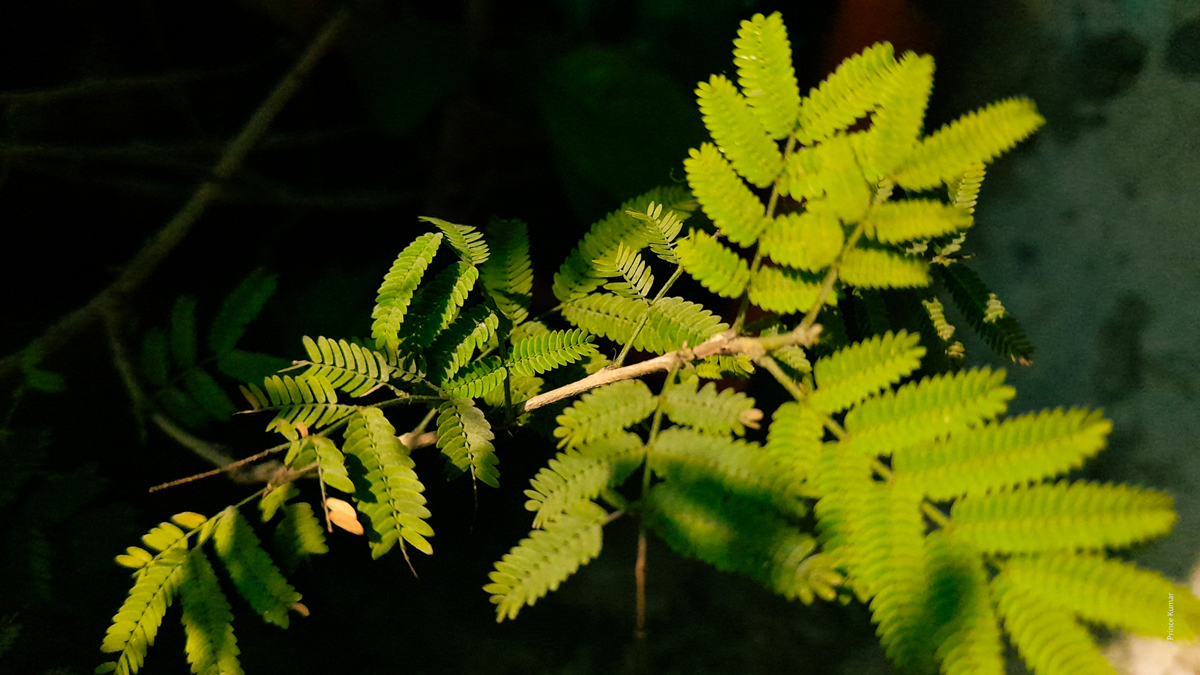
Anyone who’s grown a prayer plant might have noticed its leaves changing position after sunset. Similar movements occur in certain legumes, whose leaves fold or droop at night before opening again in daylight. This behavior is called nyctinasty. In 1729, French astronomer Jean-Jacques d’Ortous de Mairan noticed that sensitive plants continued their regular leaf movements even when kept away from normal daylight. His observation helped establish that plants could follow internal daily rhythms rather than simply reacting to sunlight.
10. Circumnutation: Why Some Plants Grow in Circles
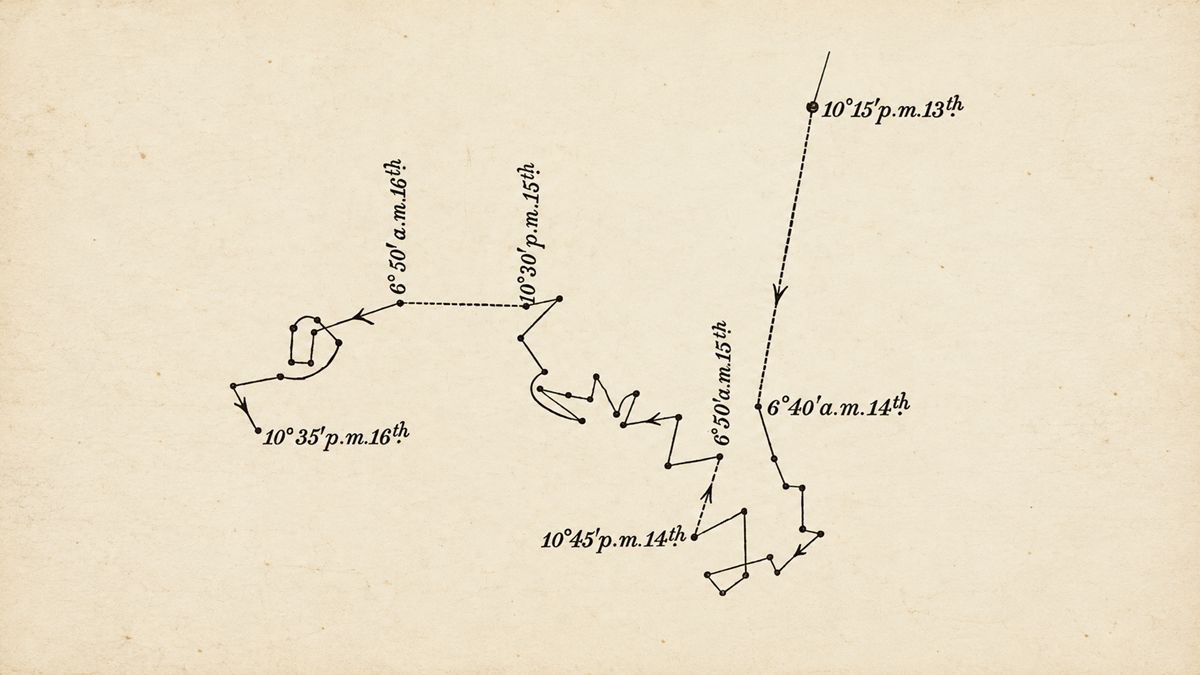
A climbing plant searching for a support doesn’t necessarily grow in a straight line. Its growing tip may slowly sweep through the air in circles or elliptical paths until it encounters something suitable. The movement is called circumnutation, and it occurs in many plants, including species that don’t climb. Charles Darwin and his son Francis investigated these movements in the 19th century. Most are far too slow to watch directly, but time-lapse footage makes them easy to recognize.
11. Photoperiodism: How Plants Know When to Flower
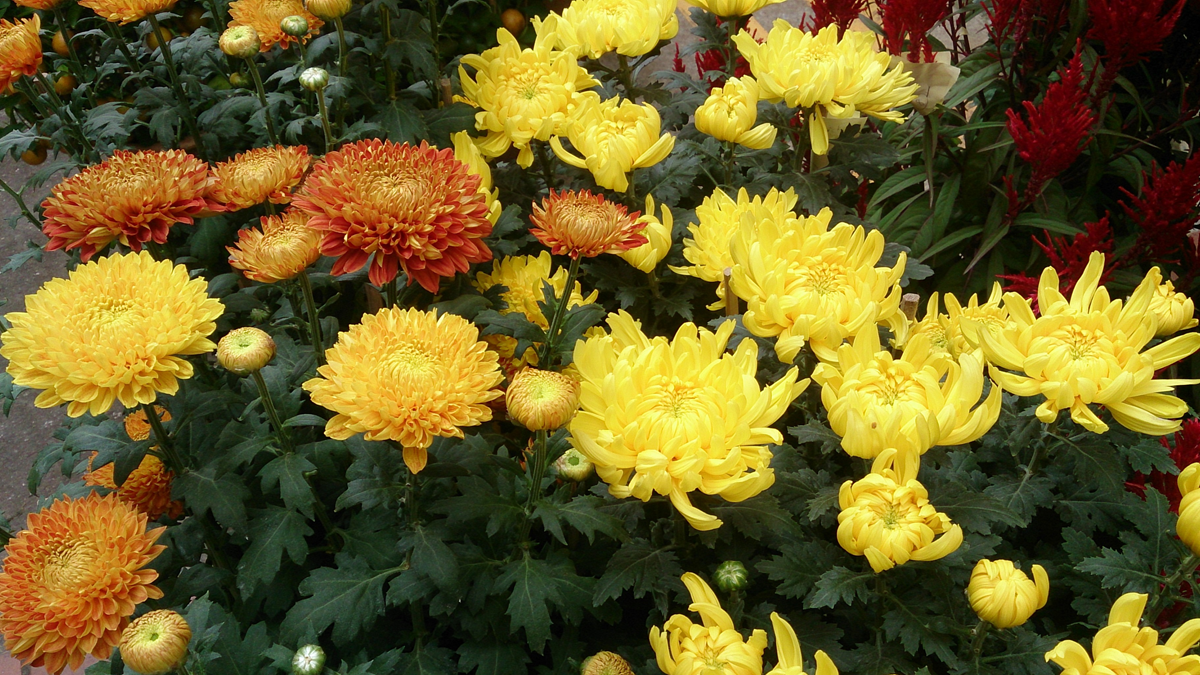
Chrysanthemums often flower as the days grow shorter, while many other plants bloom when daylight becomes more abundant. They aren’t checking the temperature alone. Many species respond to the changing length of day and night through a process called photoperiodism. For some plants, the length of the uninterrupted dark period is especially important. Animals also respond to seasonal daylight changes, which can influence breeding behavior or the growth of a winter coat. It’s a useful system in places where a warm afternoon doesn’t necessarily mean spring has arrived.
12. Phenology: Nature’s Seasonal Schedule
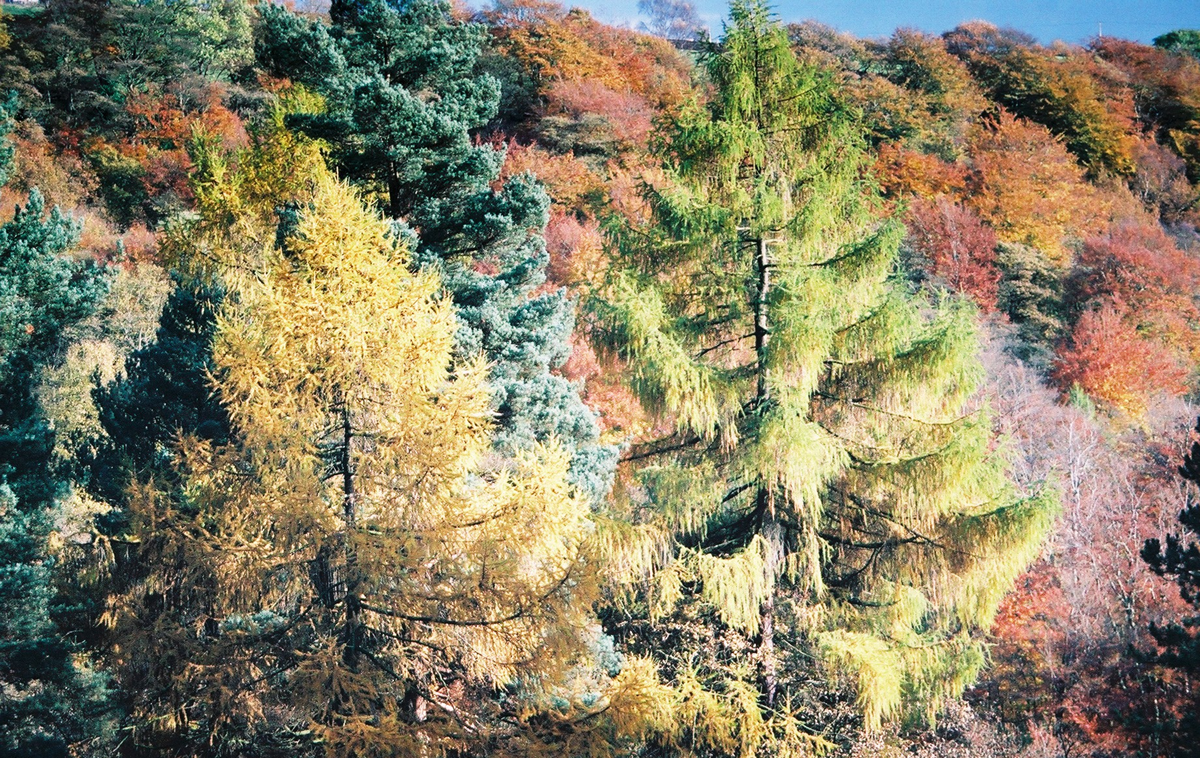
People have recorded the first appearance of spring flowers and returning migratory birds for generations. Scientists study the timing of these recurring events through phenology, a field that also includes autumn leaf changes, insect emergence, and seasonal fruit production. Comparing observations over many years can reveal shifts in when these events occur. Warmer temperatures, for instance, may cause certain plants to flower earlier, while their pollinators don’t always adjust at the same rate. That can create problems when two species that depend on each other begin following slightly different seasonal schedules.
13. Diapause: The Insects That Pause Their Development
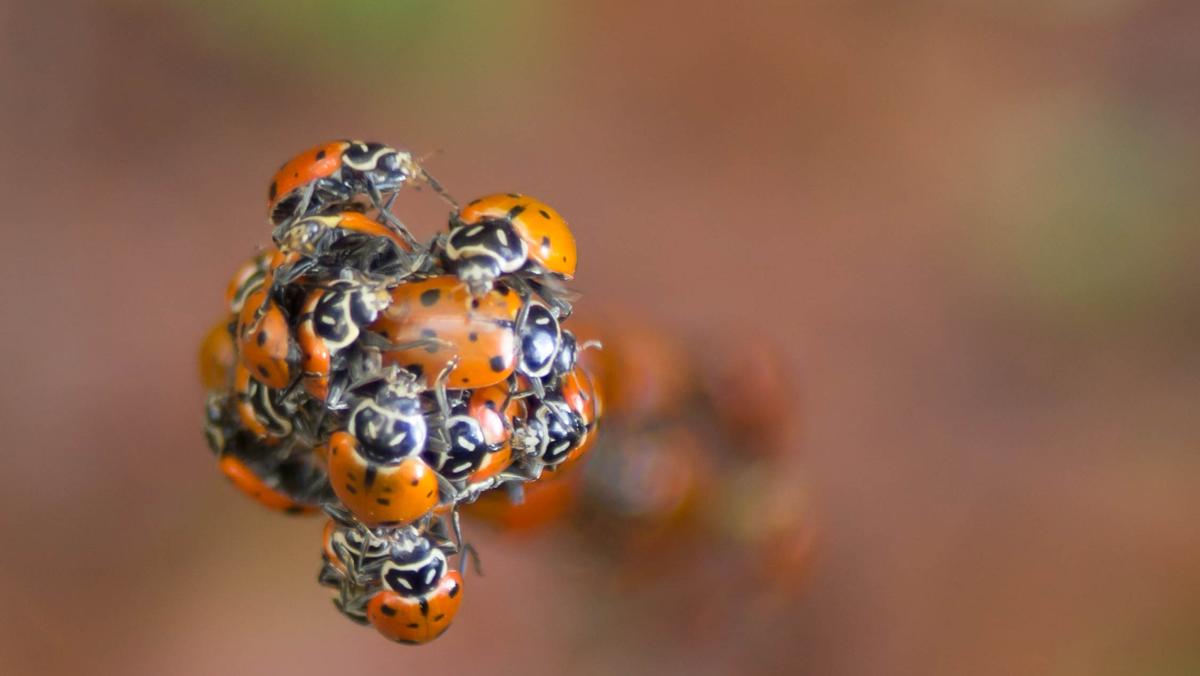
Winter can be a difficult time for insects, especially when food disappears and temperatures drop. Some species deal with unfavorable seasons by entering diapause, a regulated state in which development is suspended, or activity is greatly reduced. It can occur during different life stages, including the egg, larval, pupal, or adult stage, depending on the insect. Changes in day length and temperature often help determine when it begins. For some species, development resumes only after particular environmental conditions have been met.
14. Masting: When Trees Produce Thousands of Seeds at Once
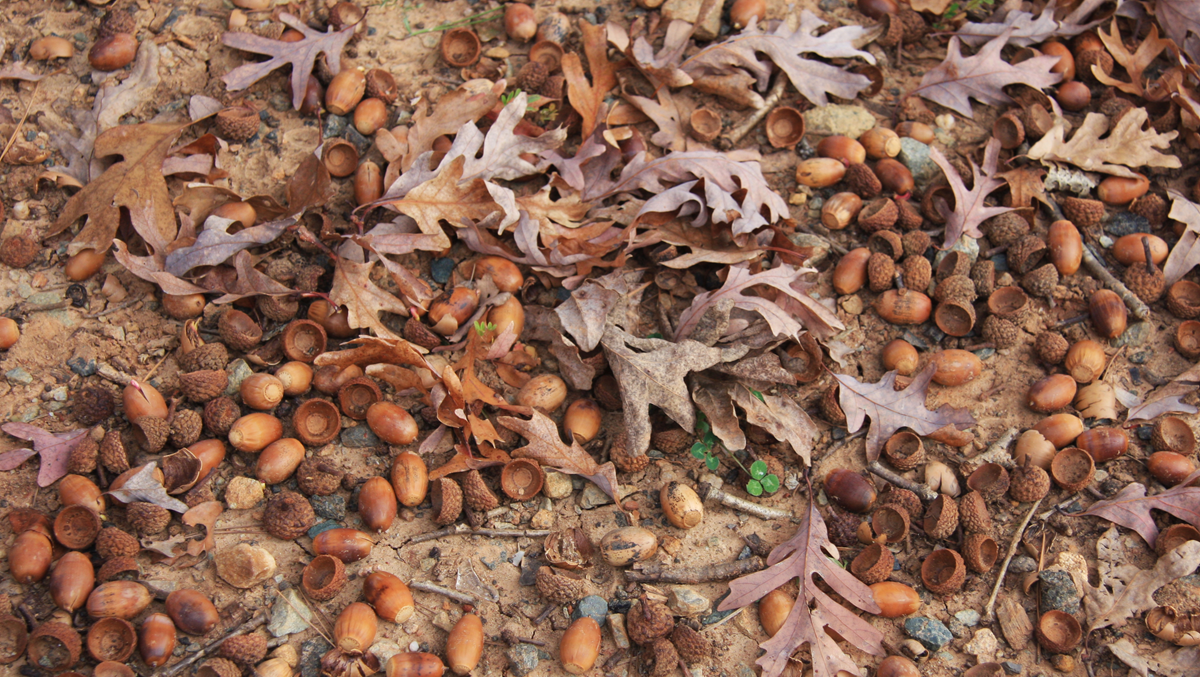
An oak tree might produce a modest number of acorns for several years, then suddenly drop an enormous crop. When many trees of the same species produce unusually large seed crops around the same time, the phenomenon is called mast seeding, or masting. It also occurs in beeches and certain pines, among other plants. Scientists have proposed several explanations, including the possibility that enormous seed crops leave more seeds uneaten because local animals simply can’t consume them all. Better pollination may be another advantage in some species. The timing isn’t perfectly regular, and the environmental conditions behind a particularly productive year can be complicated.
15. The Nitrogen Cycle: Nature’s Recycling System
Plants need nitrogen to grow, but they can’t generally take it directly from the atmosphere, even though nitrogen gas makes up most of the air around them. Instead, they depend on usable nitrogen compounds that reach the soil through several processes, including the activity of certain microorganisms. Other microbes and decomposers help recycle nitrogen from dead plants, animals, and waste. Some bacteria eventually return nitrogen to the atmosphere. The nitrogen cycle has no fixed timetable like a biological clock, but it keeps this essential element moving through ecosystems, allowing new generations of living things to make use of it.
In the mood for more?
Check out 15 Space Facts That Sound Impossible but Are Scientifically Proven, or take a look at 15 Fascinating Partnerships Between Plants and Animals That Actually Work. If you want to see more nature stories, you can check out 15 Overlooked Insects Whose Disappearance Would Cause Real Trouble.