Earth may look familiar from the outside, but the closer scientists examine it, the stranger it gets. Beneath the oceans, inside glaciers, and across seemingly ordinary deserts, our planet hides phenomena that sound like science fiction but have real geological, atmospheric, and biological explanations.
From underwater waterfalls to rocks that move across the desert on their own, these 15 facts reveal a world far more bizarre than it appears. Some mysteries have finally been solved, while others show just how much there is left to discover about the planet we call home.
The World’s Largest Waterfall Is Actually Underwater
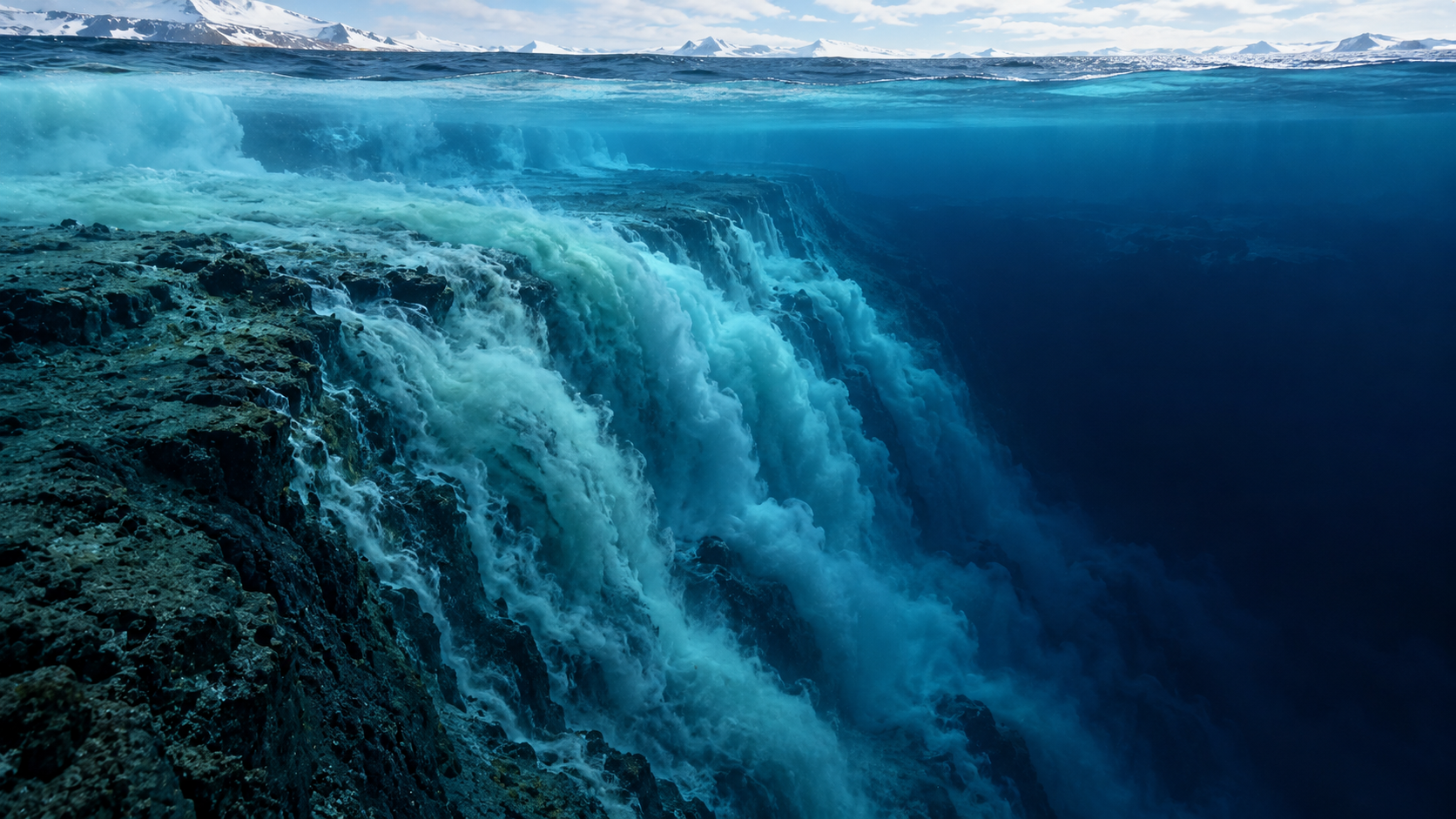
The largest waterfall on Earth isn’t Niagara Falls or Angel Falls. It’s hidden beneath the Denmark Strait between Greenland and Iceland, where cold, dense water plunges roughly 11,500 feet beneath warmer ocean water. According to NOAA, this enormous underwater cascade transports more than 123 million cubic feet of water per second. It’s a spectacular waterfall that nobody can actually stand beside and admire.
There Are Actual Lakes and Rivers at the Bottom of the Ocean
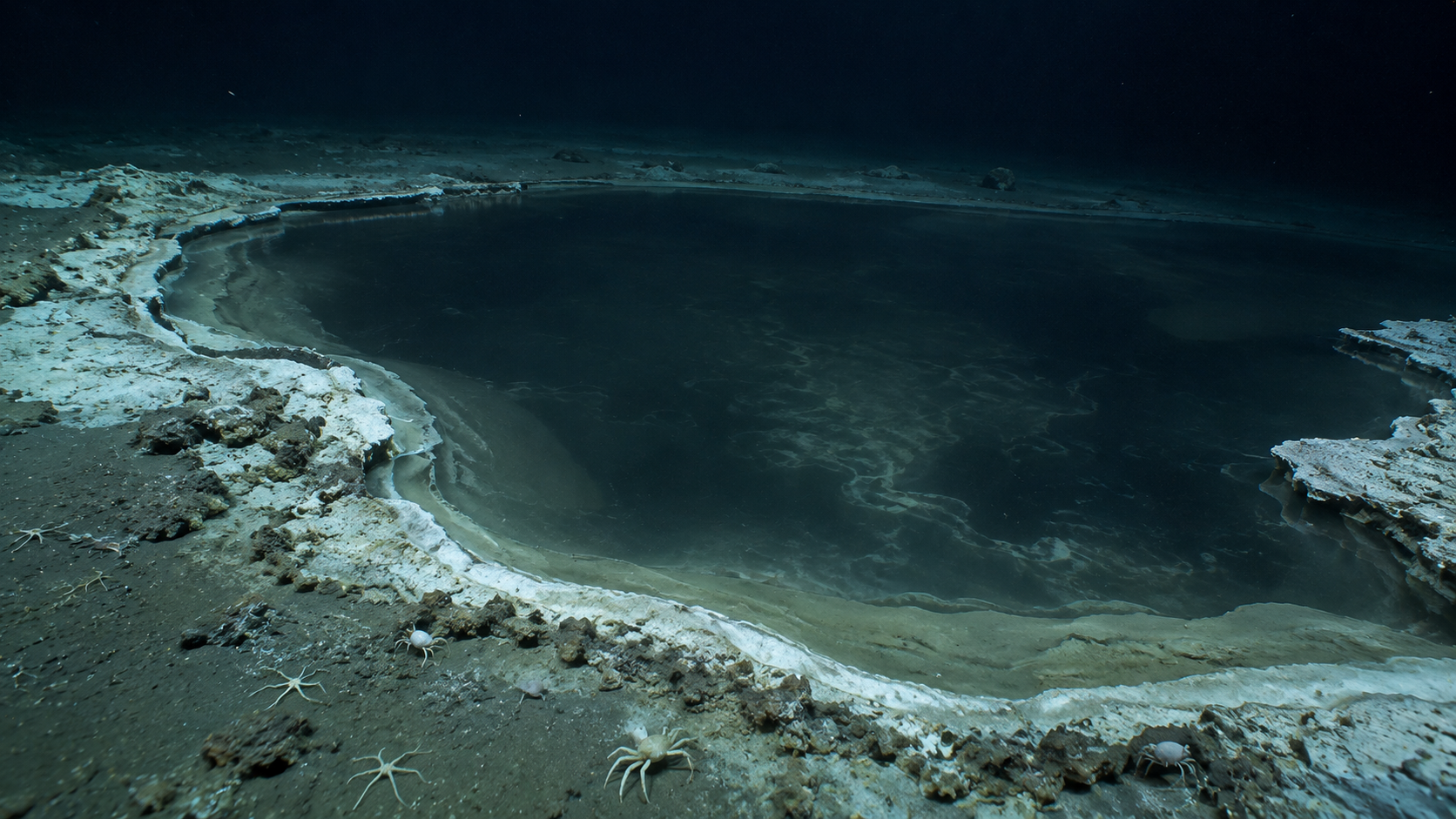
Deep beneath the Gulf of Mexico, scientists have discovered underwater lakes and rivers with distinct shorelines and even waves. These formations develop when extremely salty water becomes denser than the surrounding seawater and collects in depressions on the seafloor. Some stretch for miles, creating landscapes that resemble those on dry land. The ocean apparently decided that having one world wasn’t enough and built a few extra underwater.
Antarctica Has a Waterfall That Looks Like It’s Bleeding
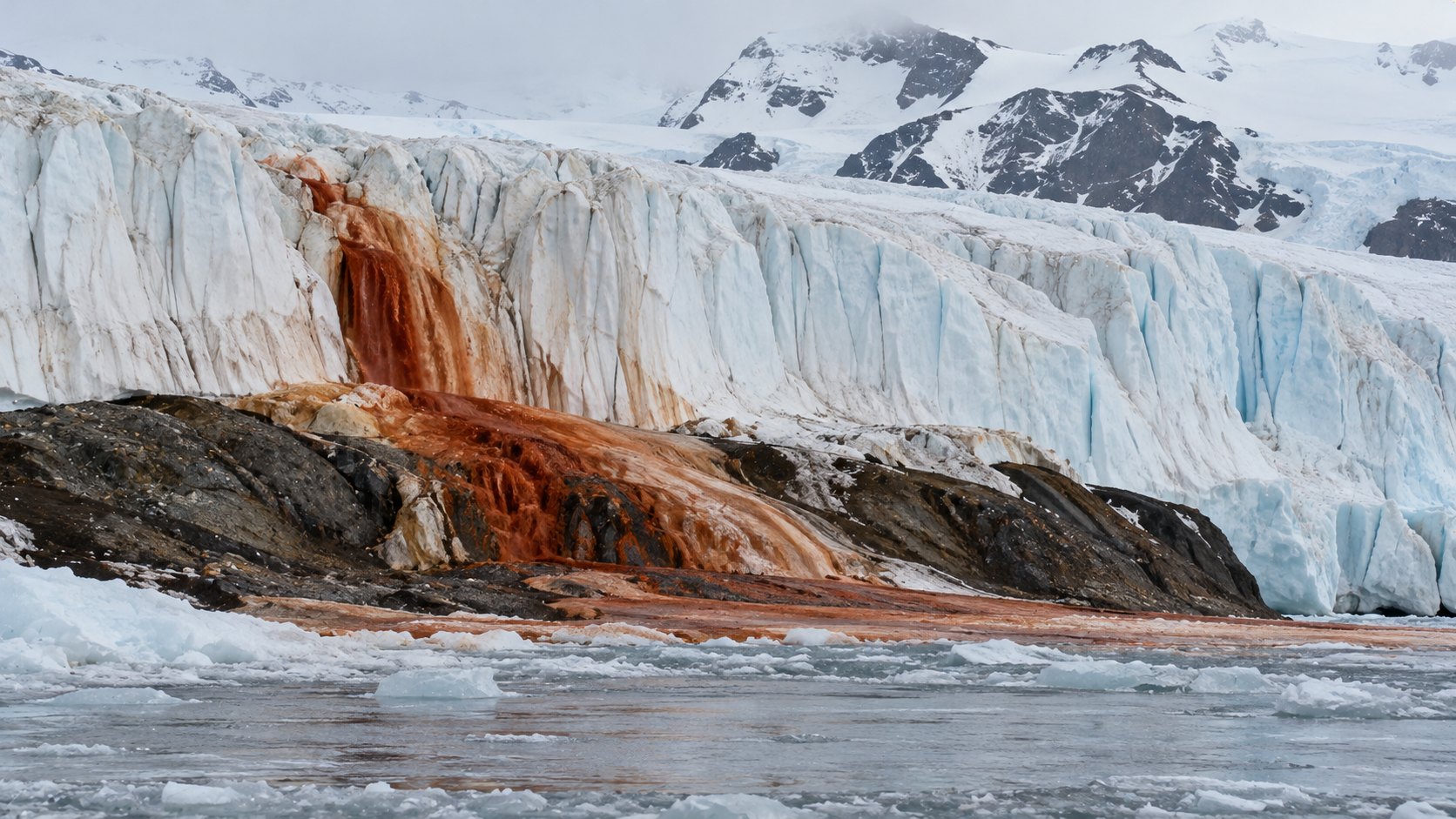
At Antarctica’s Taylor Glacier, reddish water seeps through the ice in a striking feature known as Blood Falls. The color comes from iron-rich, extremely salty water emerging from beneath the glacier, not actual blood or red algae. Scientists have also discovered microorganisms surviving in this cold, dark environment. It’s one of nature’s most unsettling sights, especially considering that the red stain comes from chemistry rather than anything alive and bleeding.
Rocks in Death Valley Can Move Without Anyone Touching Them
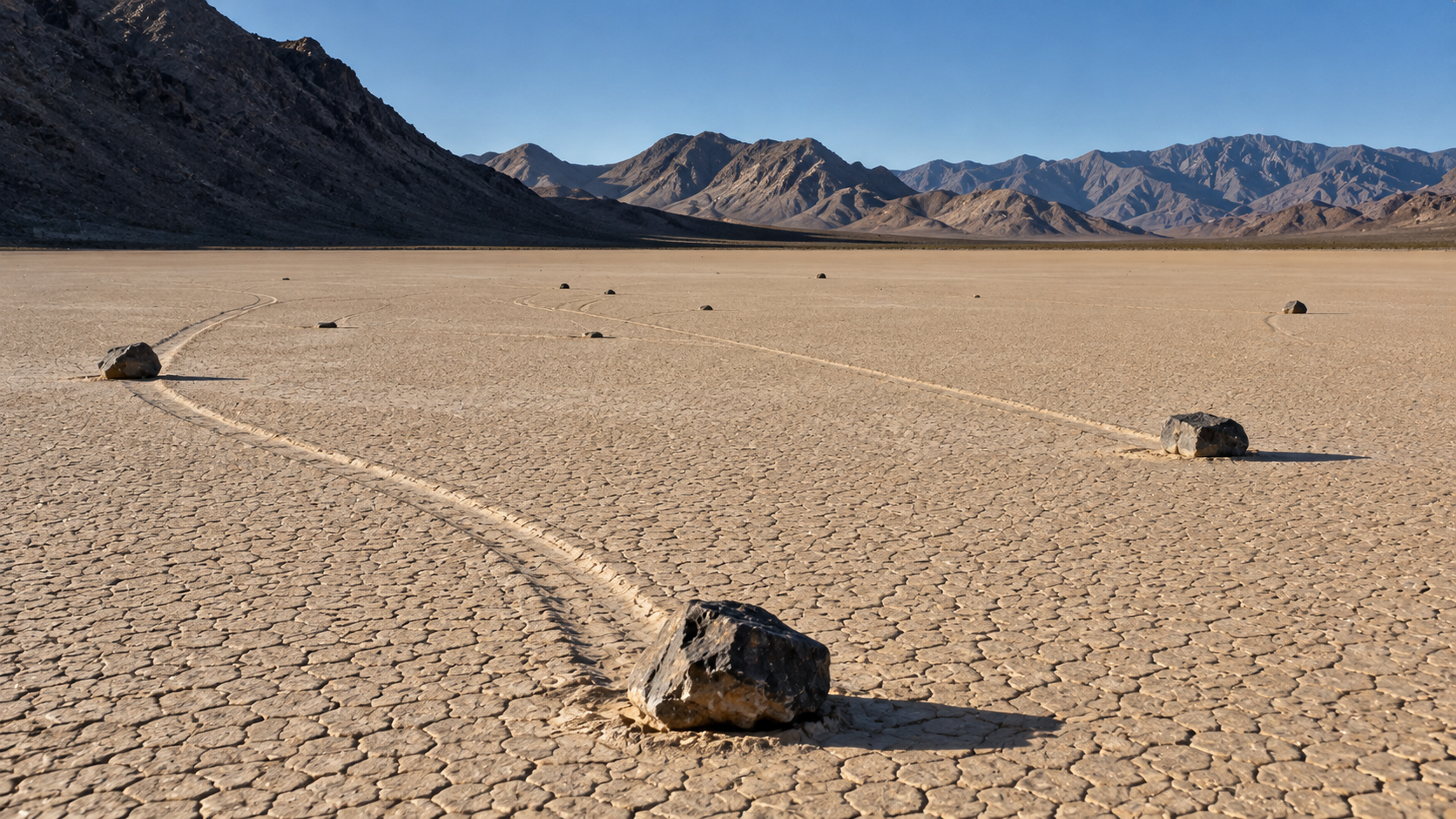
For decades, researchers puzzled over rocks that seemed to slide across Racetrack Playa in California’s Death Valley, leaving long trails in the mud. In December 2013, scientists observed the process: thin sheets of floating ice, pushed by gentle winds, slowly nudged the stones across wet ground. Some traveled more than 200 feet during a single observed event. Turns out, the rocks weren’t haunted. They just needed the right weather conditions and a little push.
Entire Sections of the Ocean Can Glow Like a Giant Light Bulb
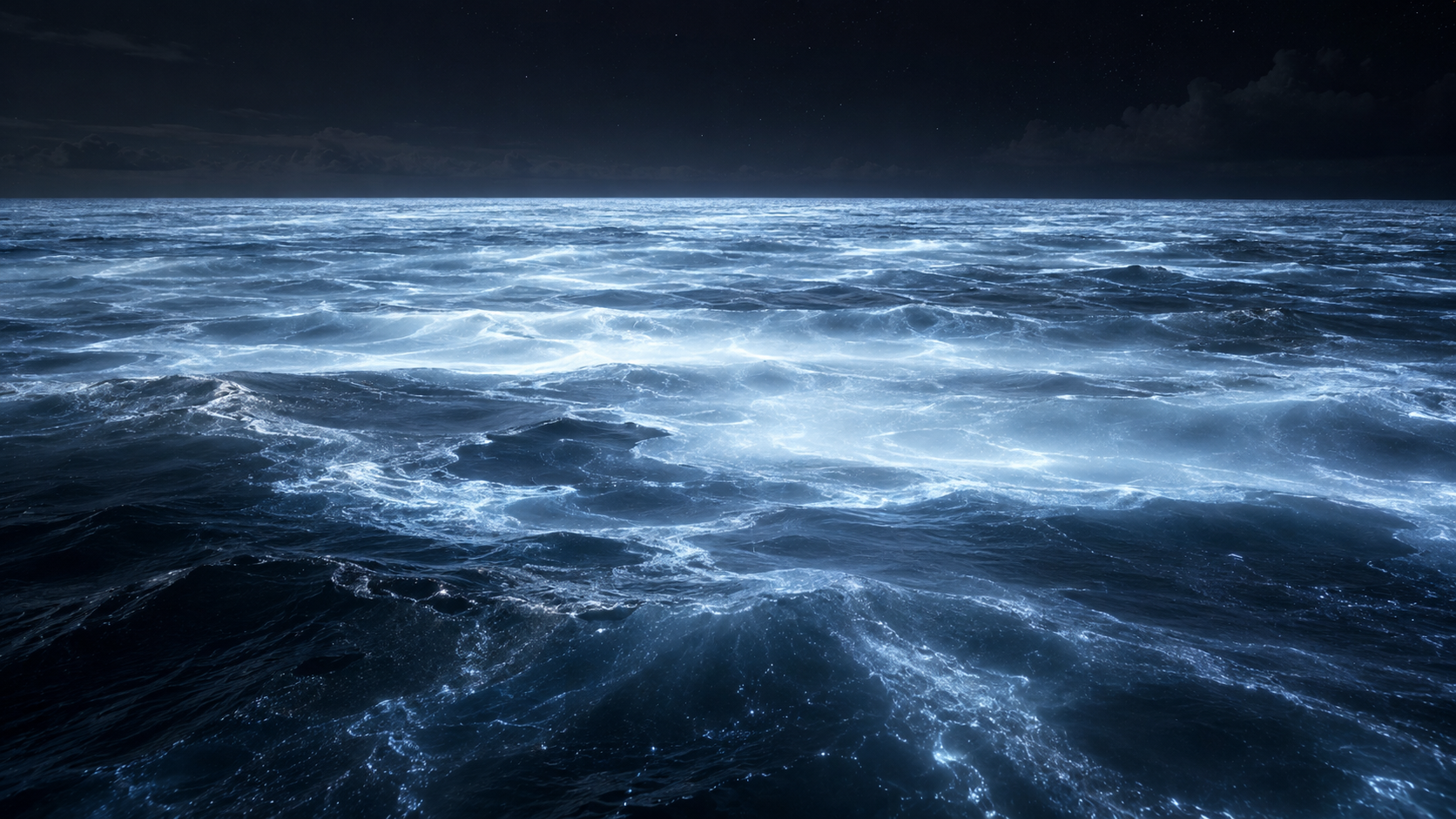
Sailors have reported enormous stretches of glowing ocean for centuries, describing water that shines with an eerie white light. Known as milky seas, these rare events have been confirmed through satellite observations and can cover astonishing areas. One event near Java in 2019 reached approximately 100,000 square kilometers, roughly the size of Iceland, with bioluminescence believed to be responsible. Imagine looking out at the ocean at night and discovering that the sea has apparently switched itself on.
Trending on The Scroller

Lightning Can Create Giant Red Flashes Above Storm Clouds
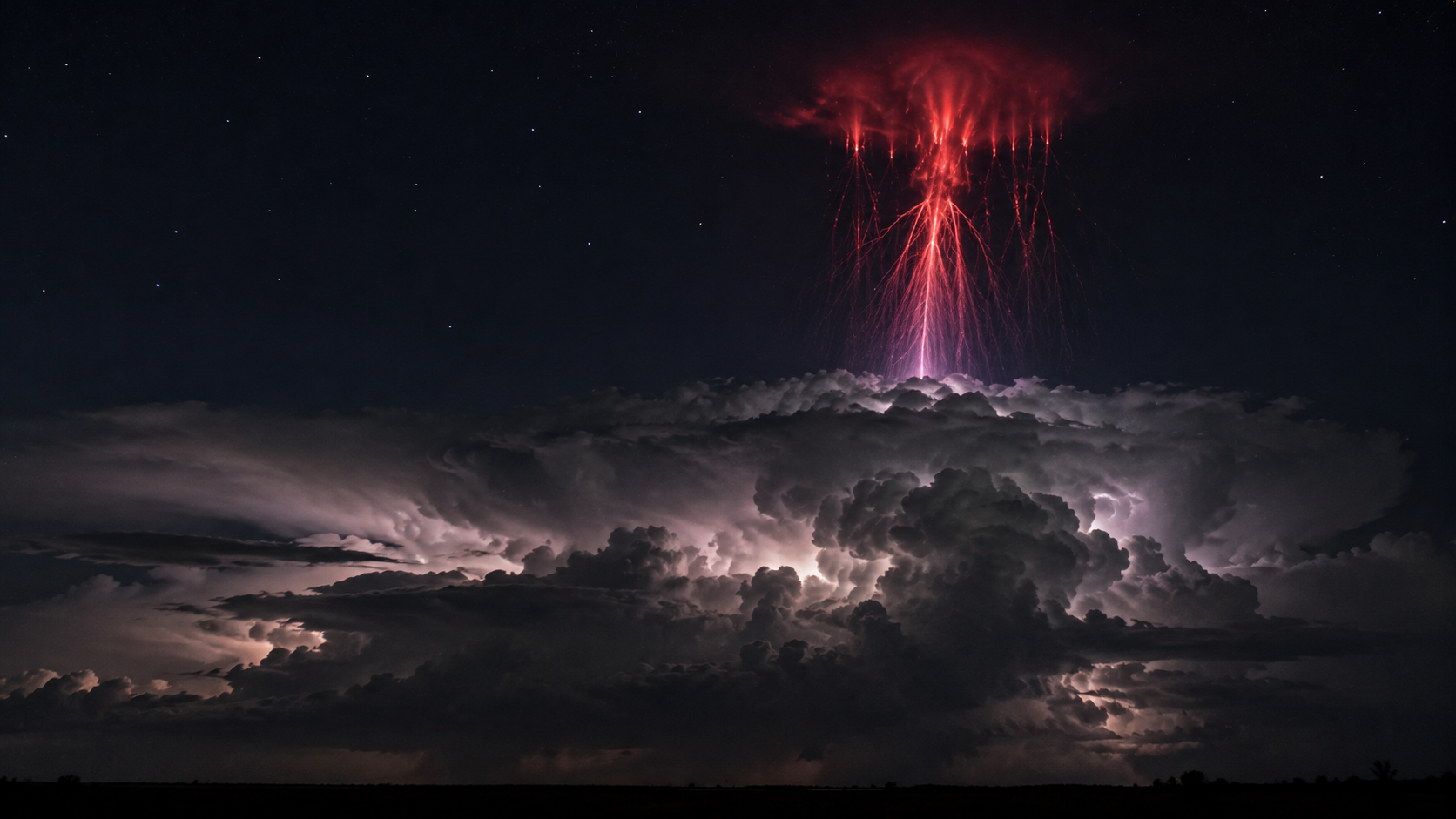
Thunderstorms can produce more than the familiar lightning bolts that strike the ground. Some generate enormous red electrical flashes high above the clouds, known as red sprites. These brief displays can resemble glowing jellyfish, with tendrils stretching through the upper atmosphere. NASA astronauts have photographed sprites reaching roughly 100 kilometers in altitude. Ordinary lightning already looks dramatic enough, but apparently the atmosphere decided to add a special-effects department.
Earth’s Days Aren’t Exactly 24 Hours Long
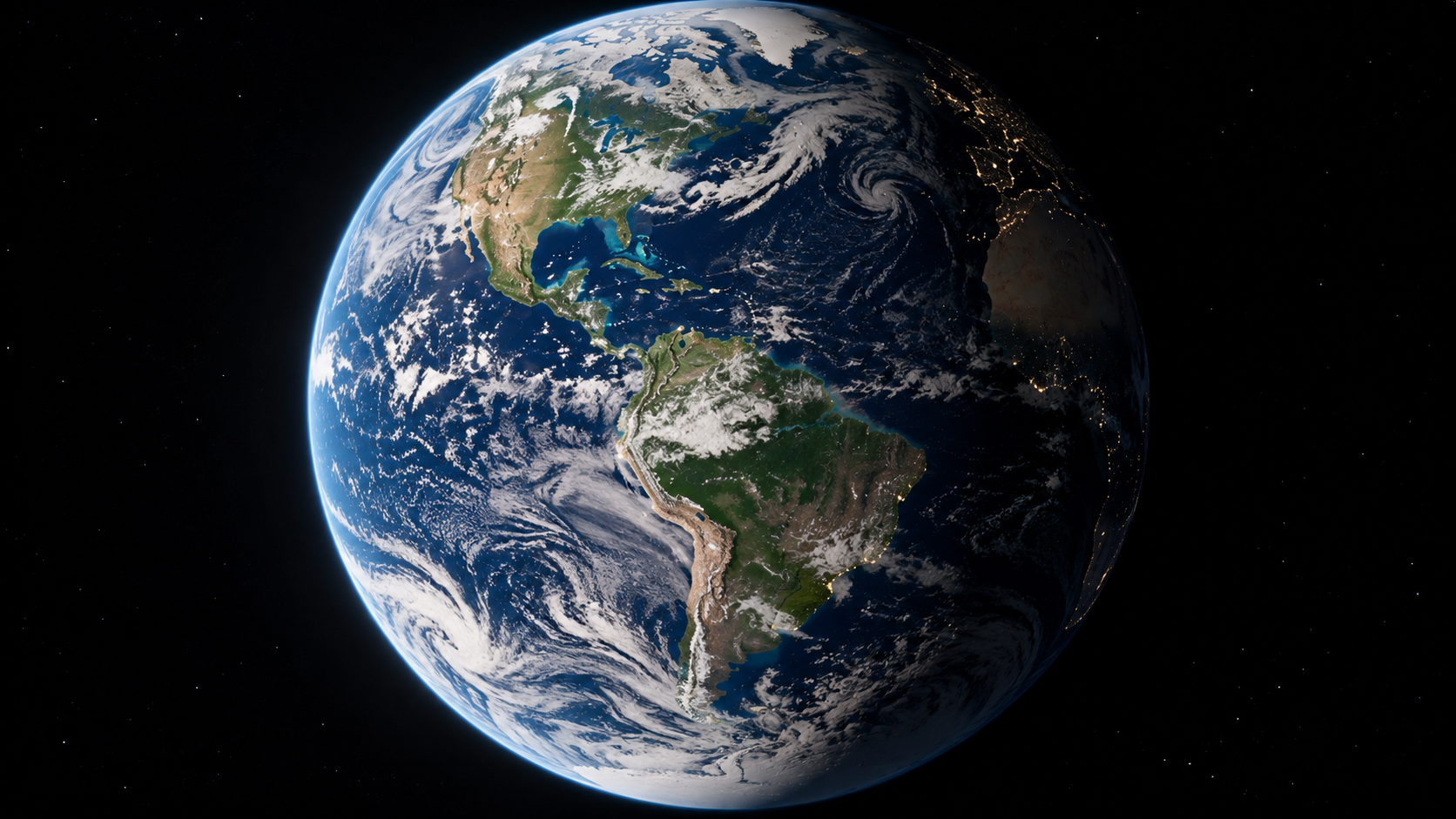
We organize our lives around 24-hour days, but Earth´s rotation varies slightly. On June 29, 2022, the planet completed a rotation approximately 1-59 milliseconds faster than the standard 24-hour day, setting a record for the atomic-clock era at that time. Over longer periods, the Moon’s gravitational influence gradually slows Earth’s rotation, while shifting ice and water can also change its speed. The planet can’t even stick to a schedule, although the delay is thankfully too small to blame for being late.
Earth’s Magnetic Poles Have Switched Places Many Times
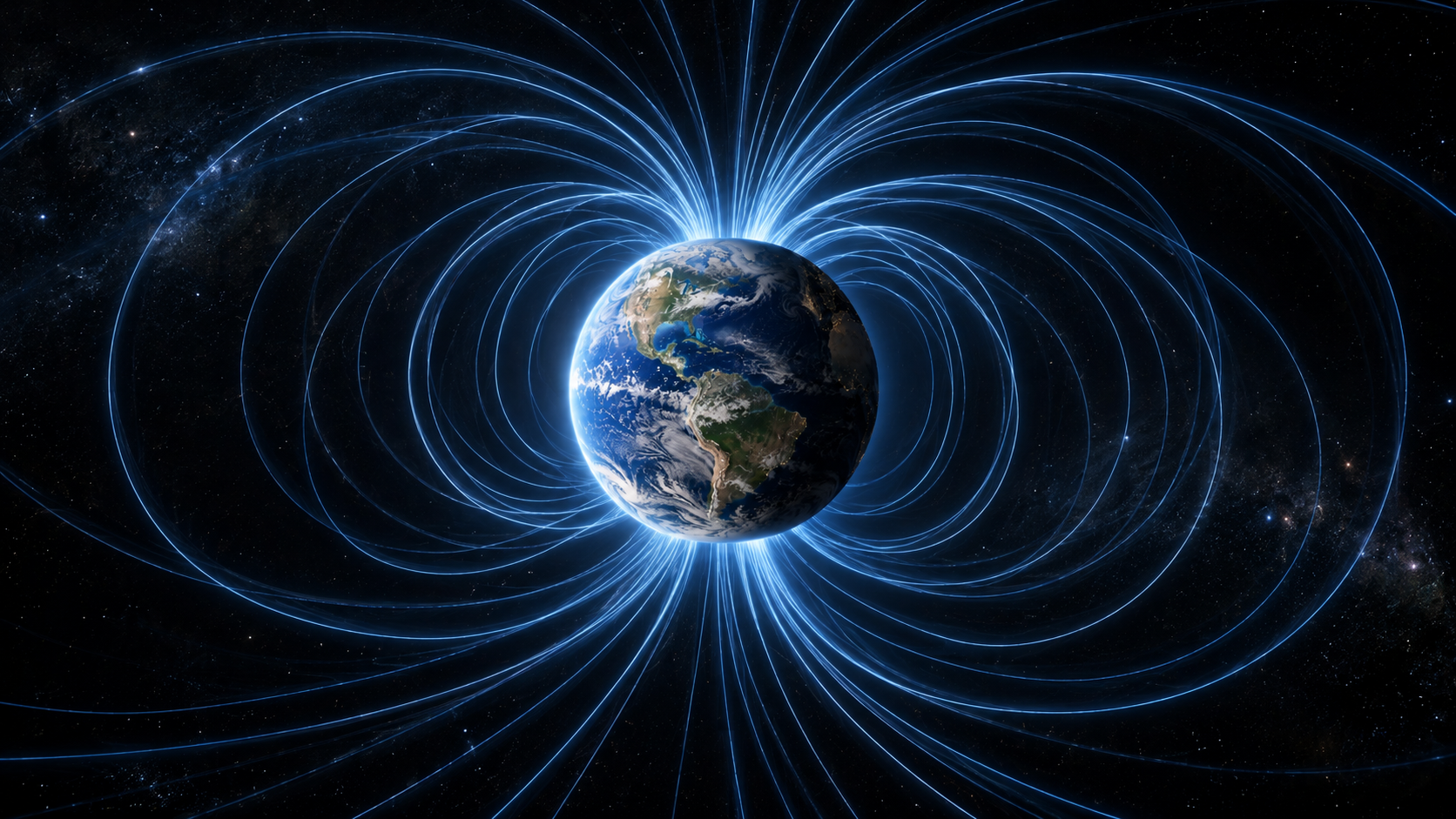
Earth’s magnetic north and south have reversed repeatedly throughout geological history. Records show 183 magnetic reversals over the past 83 million years, with the most recent complete reversal occurring around 780,000 years ago. These changes unfold over hundreds or thousands of years rather than happening overnight. A compass would eventually point in the opposite magnetic direction, although that wouldn’t mean the geographic North Pole had suddenly packed up and moved to Antarctica.
Sign up for our newsletter
There’s a Giant Bull’s-Eye in the Sahara Desert Visible From Space
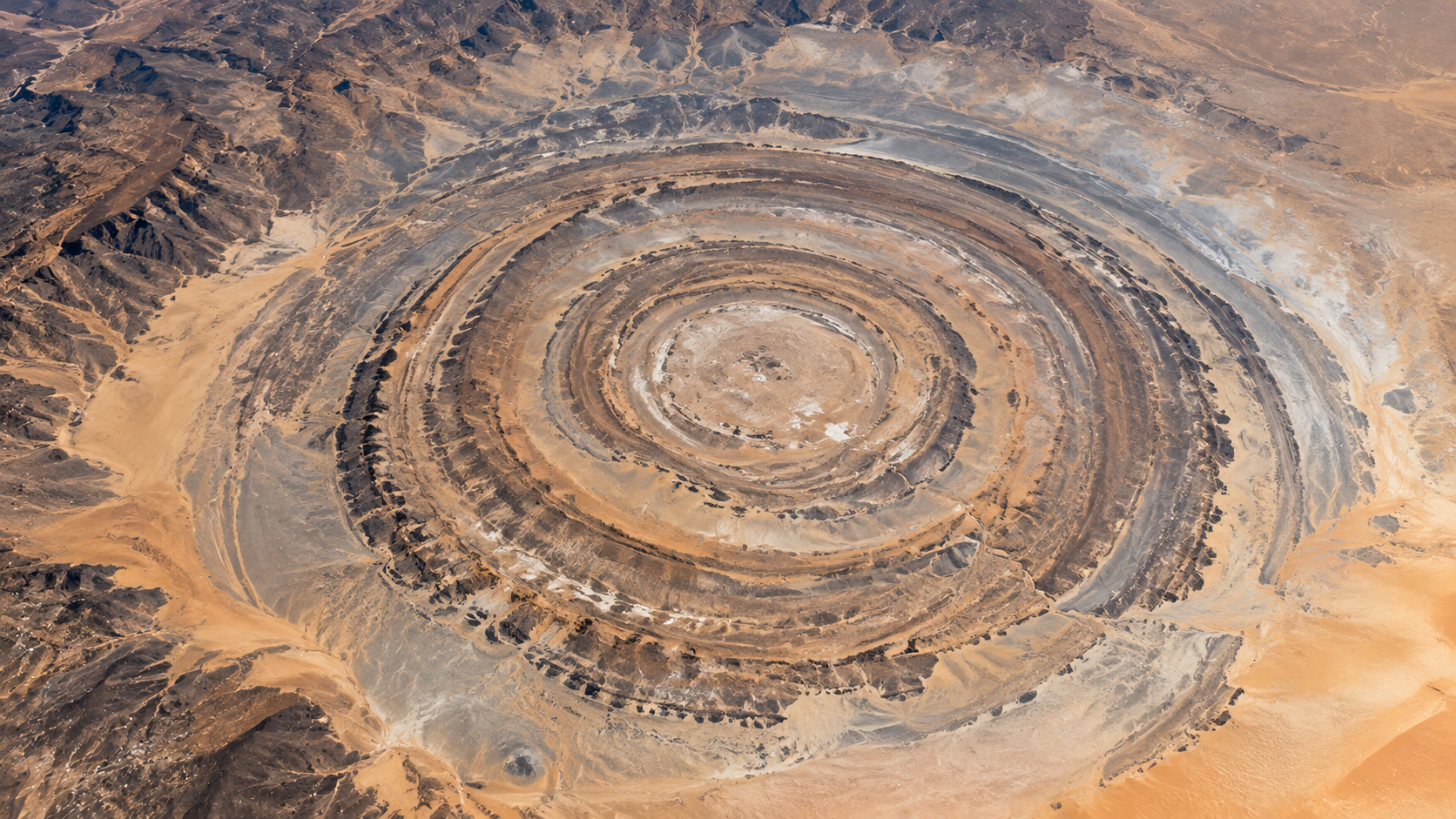
In Mauritania, the Richat Structure forms an enormous circular pattern that resembles a giant eye staring up from the Sahara. Measuring approximately 25 miles across, it was once suspected to be a meteorite impact site. Scientists now understand it as a deeply eroded geological dome, with different layers of rock creating its distinctive concentric rings. From the ground, it’s a massive geological formation; from space, it looks like Earth accidentally drew an eye on itself.
A Lake in Africa Once Released a Deadly Cloud of Gas
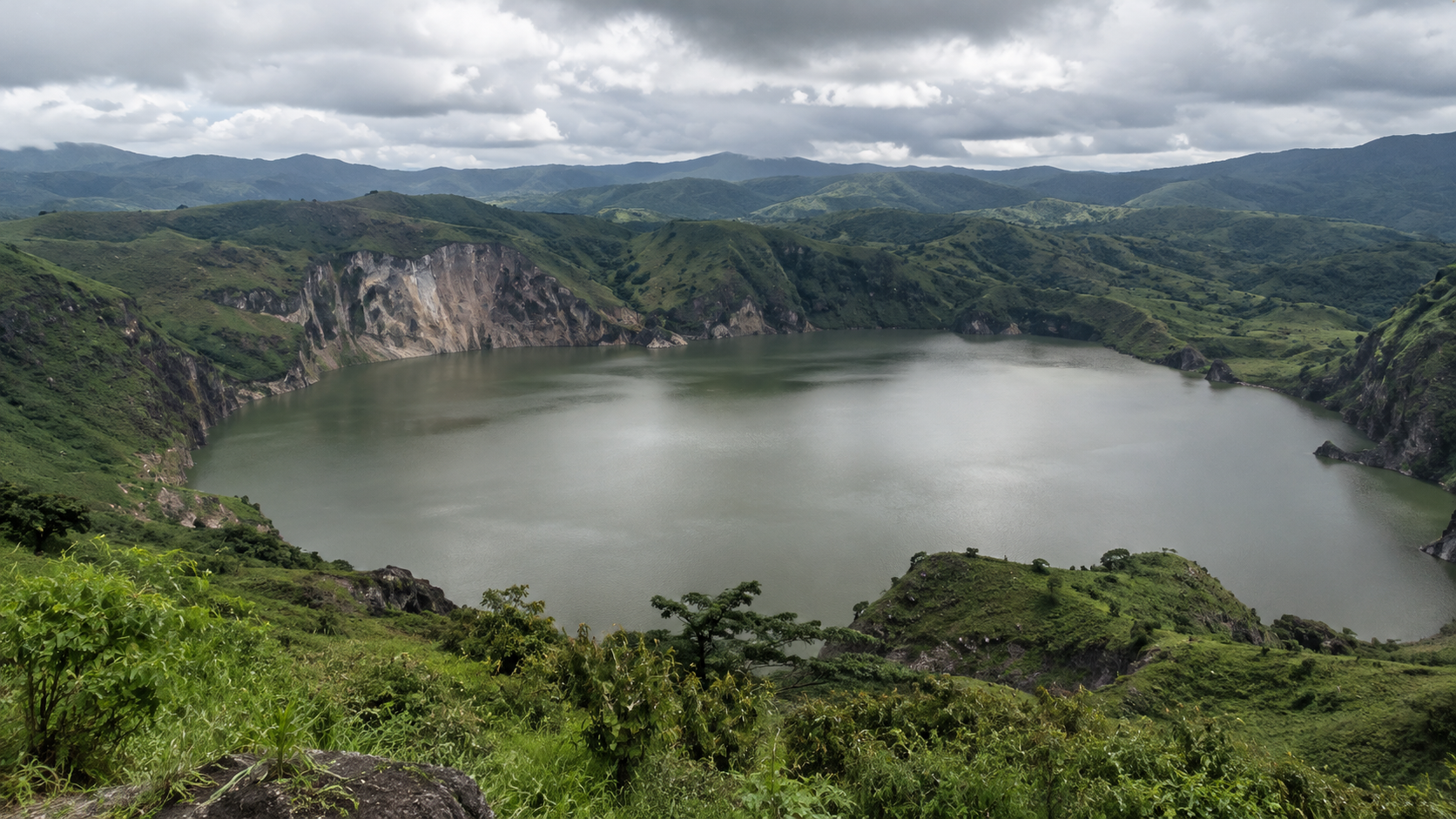
This is a sobering reminder that a beautiful landscape doesn’t necessarily mean a safe one. On August 21, 1986, Lake Nyos in Cameroon released a massive cloud of carbon dioxide that killed at least 1,700 people in nearby communities. Gas from deep underground had accumulated in the lake’s lower waters before suddenly escaping and flowing downhill. The disaster exposed a dangerous natural phenomenon: a seemingly peaceful lake can store lethal quantities of invisible gas.
New Mexico Has a Desert Made From the Same Mineral Used in Drywall
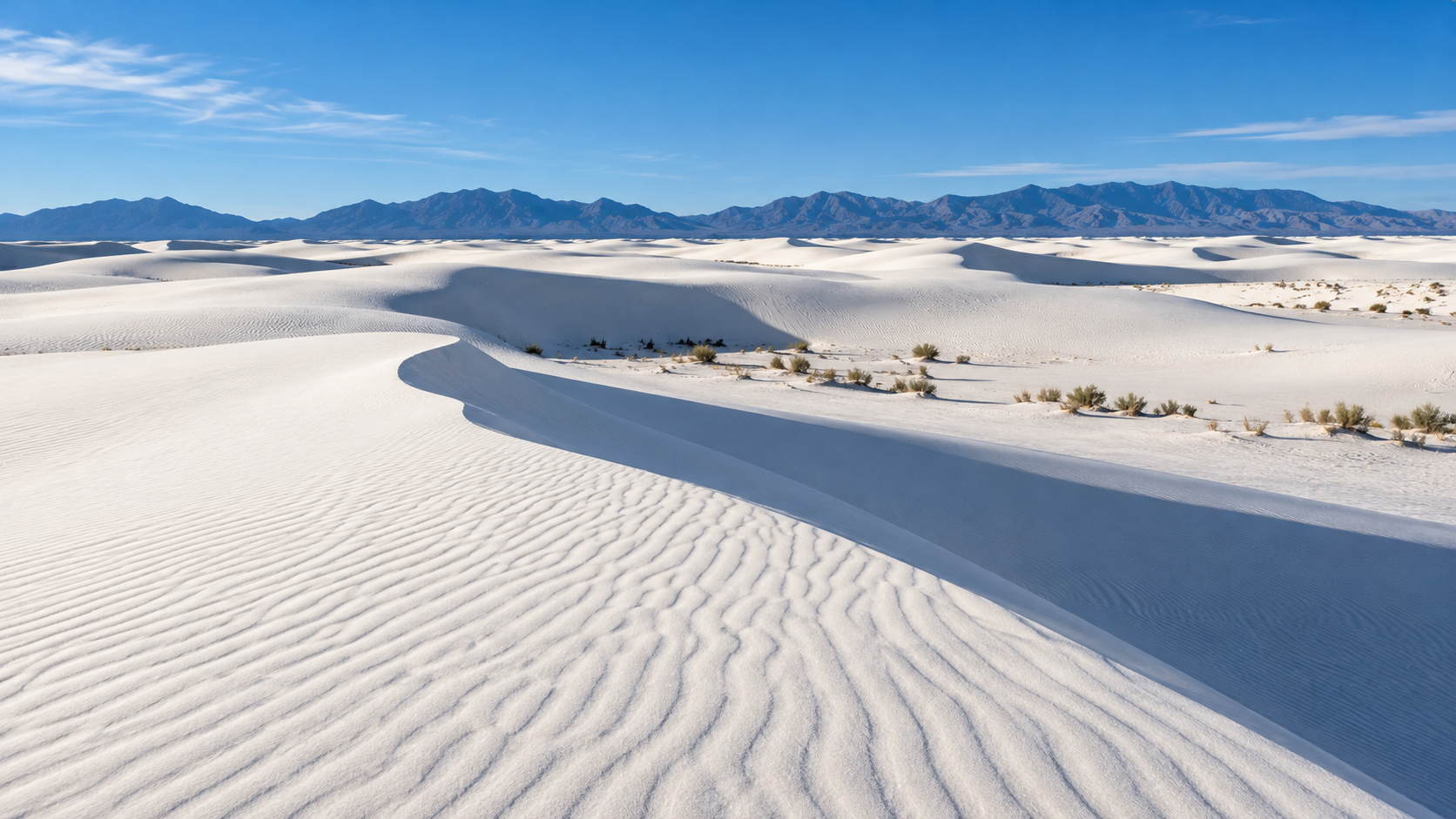
The dazzling white dunes at White Sands in New Mexico aren’t made from the ordinary quartz sand found on most beaches. They’re composed of gypsum, a soft mineral also used to manufacture drywall, and the dune field covers approximately 275 square miles. Because gypsum dissolves relatively easily in water, such a vast deposit of gypsum sand is unusual. It’s essentially a landscape made from a material you might otherwise expect to find inside a home improvement store.
It Constantly Snows at the Bottom of the Ocean
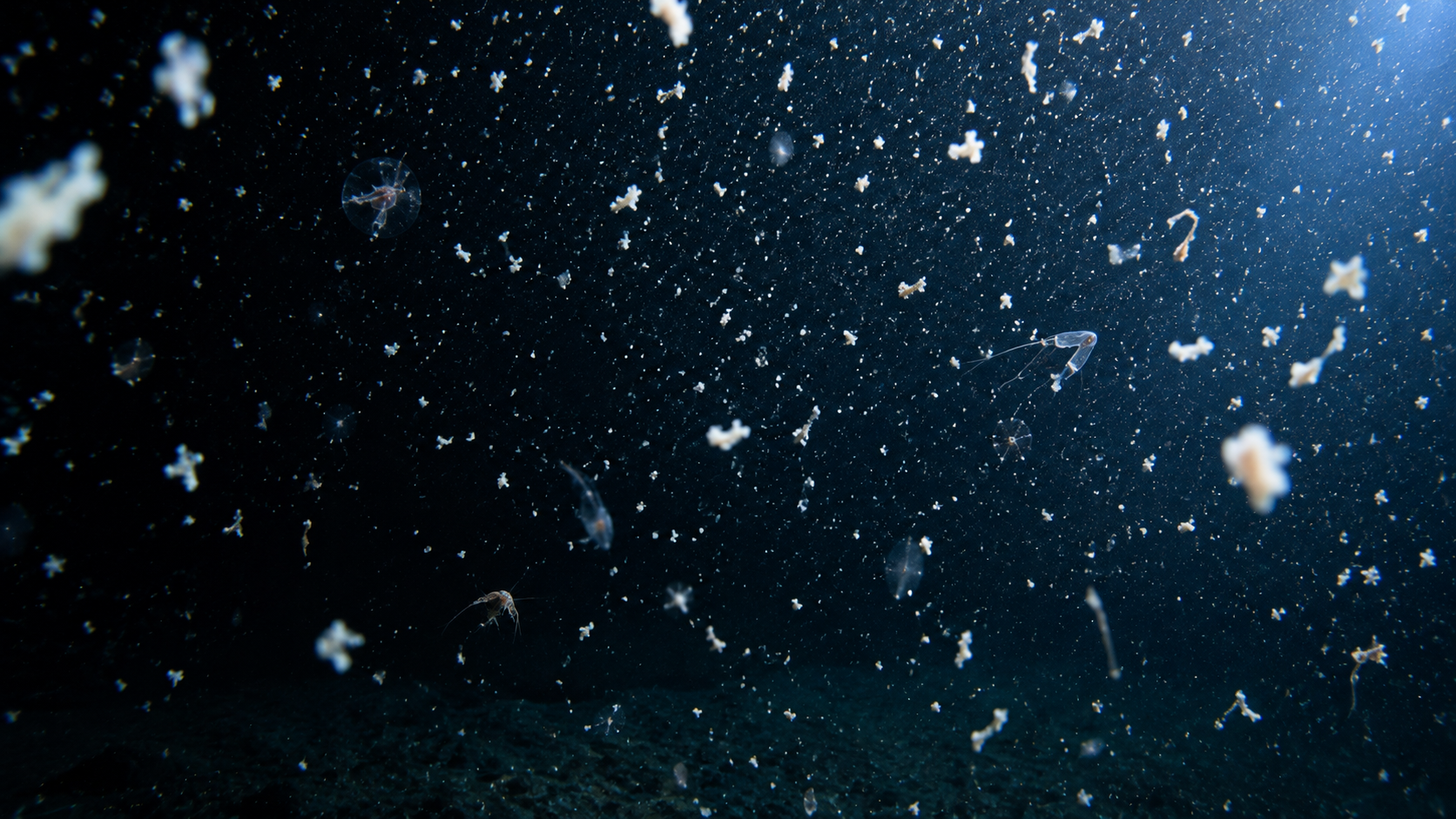
Far below the sunlit ocean surface, a continuous underwater snowfall called marine snow carries dead plankton, decaying organisms, animal waste, and other tiny particles toward the seafloor. Some of these flakes take weeks to reach the depths, providing essential nourishment for creatures living in the ocean’s darkest regions. No sunlight, no winter coats, and absolutely no snow days, just a steady supply of falling debris keeping deep-sea ecosystems alive.
Mount Everest Isn’t Actually Earth’s Tallest Mountain From Base to Summit
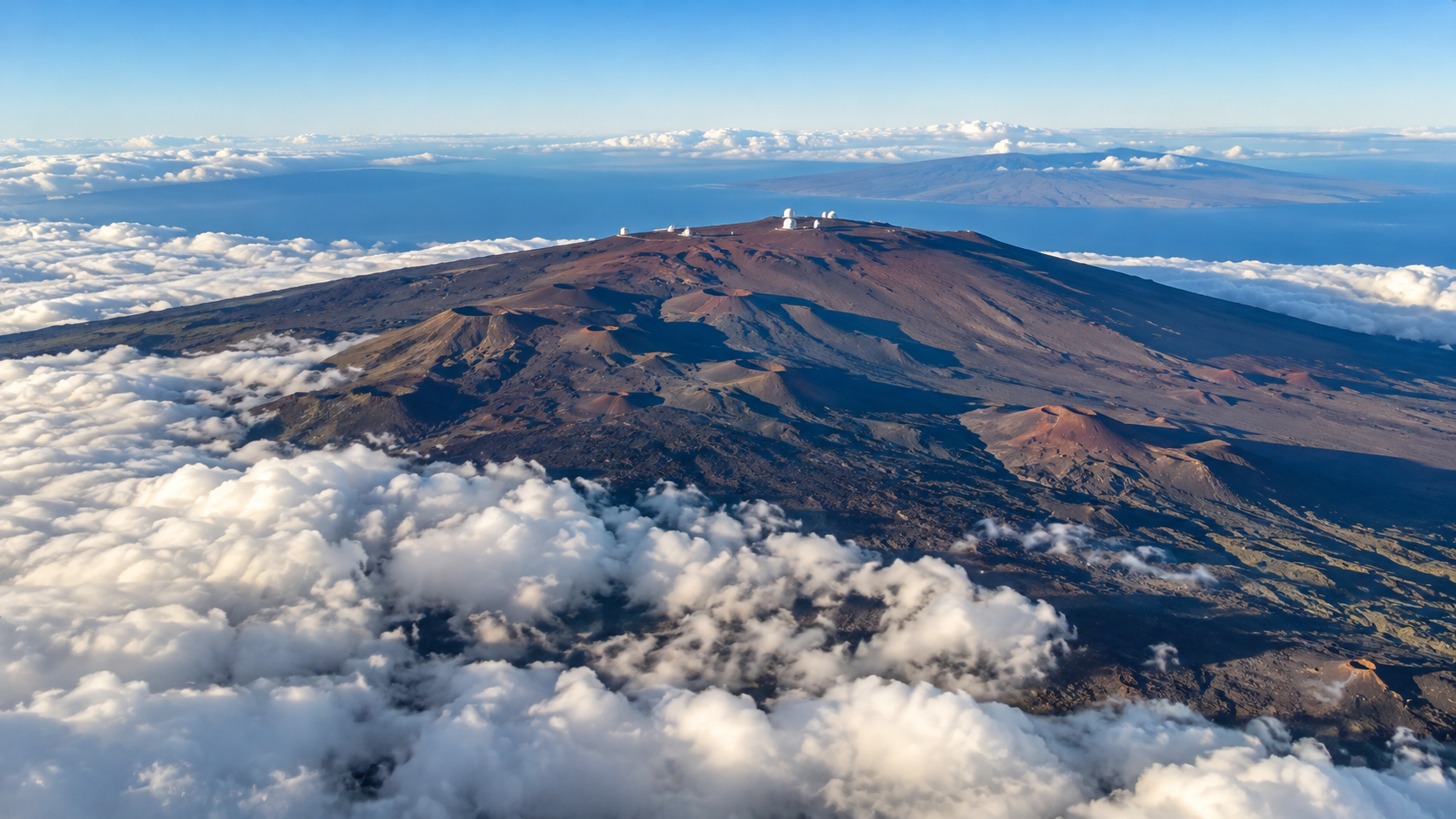
Mount Everest has the highest elevation above sea level, but Hawaii’s Mauna Kea is taller when measured from its base to its summit. Much of Mauna Kea lies underwater, giving it a total height exceeding 33,500 feet. Meanwhile, Ecuador’s Mount Chimborazo has a summit farther from Earth’s center because the planet bulges around the equator. So Everest still wins the altitude contest most people know, but mountains apparently have several different ways to compete.
The Ground Beneath Your Feet Rises and Falls With the Moon
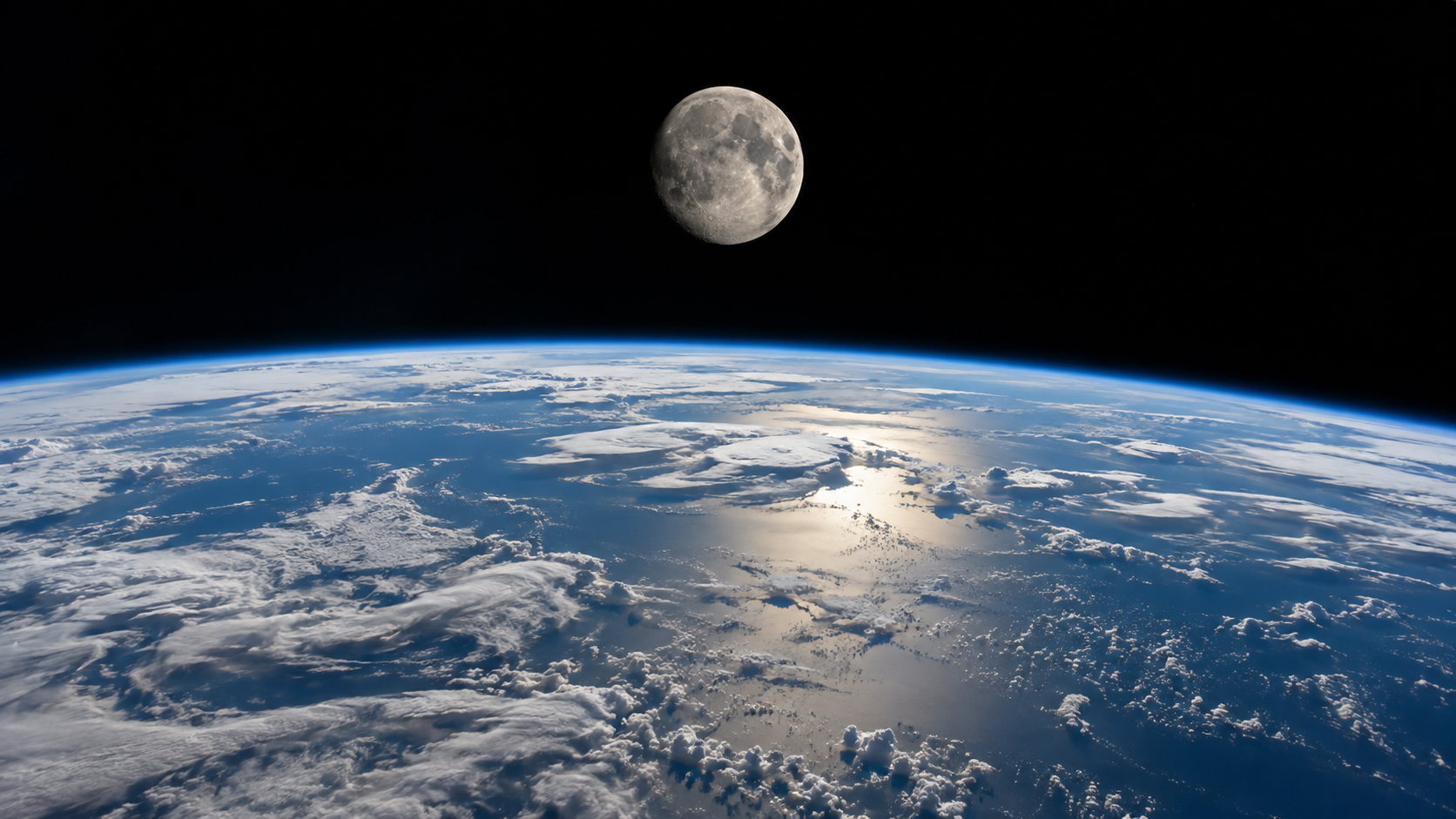
The Moon’s gravitational pull doesn’t just affect ocean tides. It also deforms Earth’s solid crust, causing the ground itself to rise and fall in a phenomenon known as solid Earth tides. Depending on location and conditions, these movements can reach several inches and sometimes around a foot. You won’t feel the ground moving beneath you, but precise instruments can detect it. Even solid ground is apparently less solid than it looks.
Scientists Once Thought the Ocean Floor Was Moving Up and Down Every Night
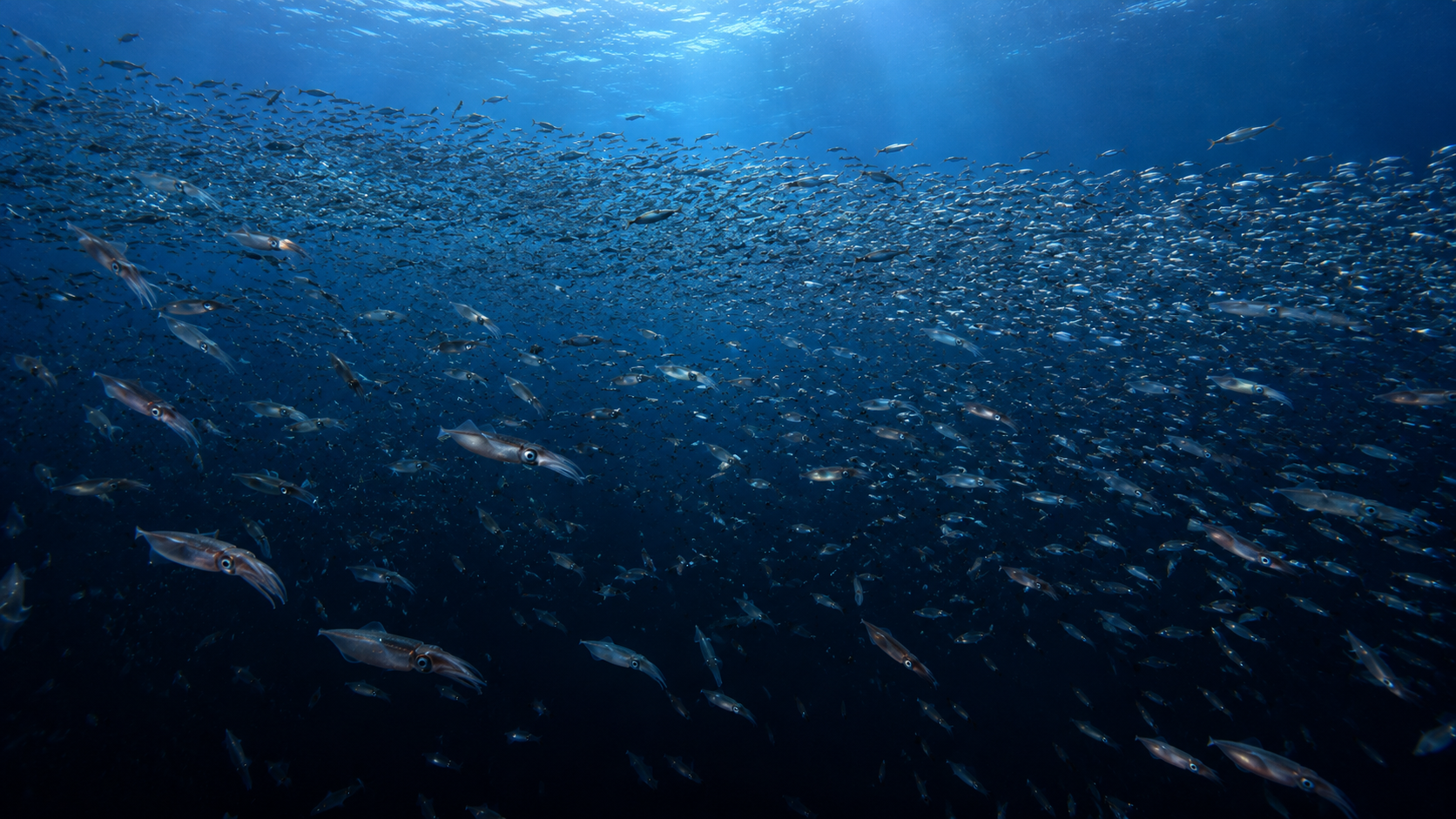
During World War II, sonar operators noticed something baffling: the ocean floor appeared to rise toward the surface at night and sink again during the day. The moving bottom turned out to be enormous concentrations of fish, squid, and other marine organisms reflecting sonar signals. Many of these creatures migrate upward after dark to feed and return to deeper water at sunrise. The ocean floor wasn’t moving at all; the animals were simply giving military sonar a very confusing picture.