Movies have built a remarkably consistent version of the Middle Ages: everything is gray, everyone is filthy, peasants spend their lives ankle-deep in mud, and somebody is always preparing for battle. Real medieval life could certainly be harsh, but it was also more colorful, organized, social, and ordinary than the screen version suggests. The period stretched across centuries and enormous regions, so there was never one universal medieval lifestyle. Still, plenty of familiar movie details owe more to modern storytelling than everyday history.
1. People Did Actually Bathe
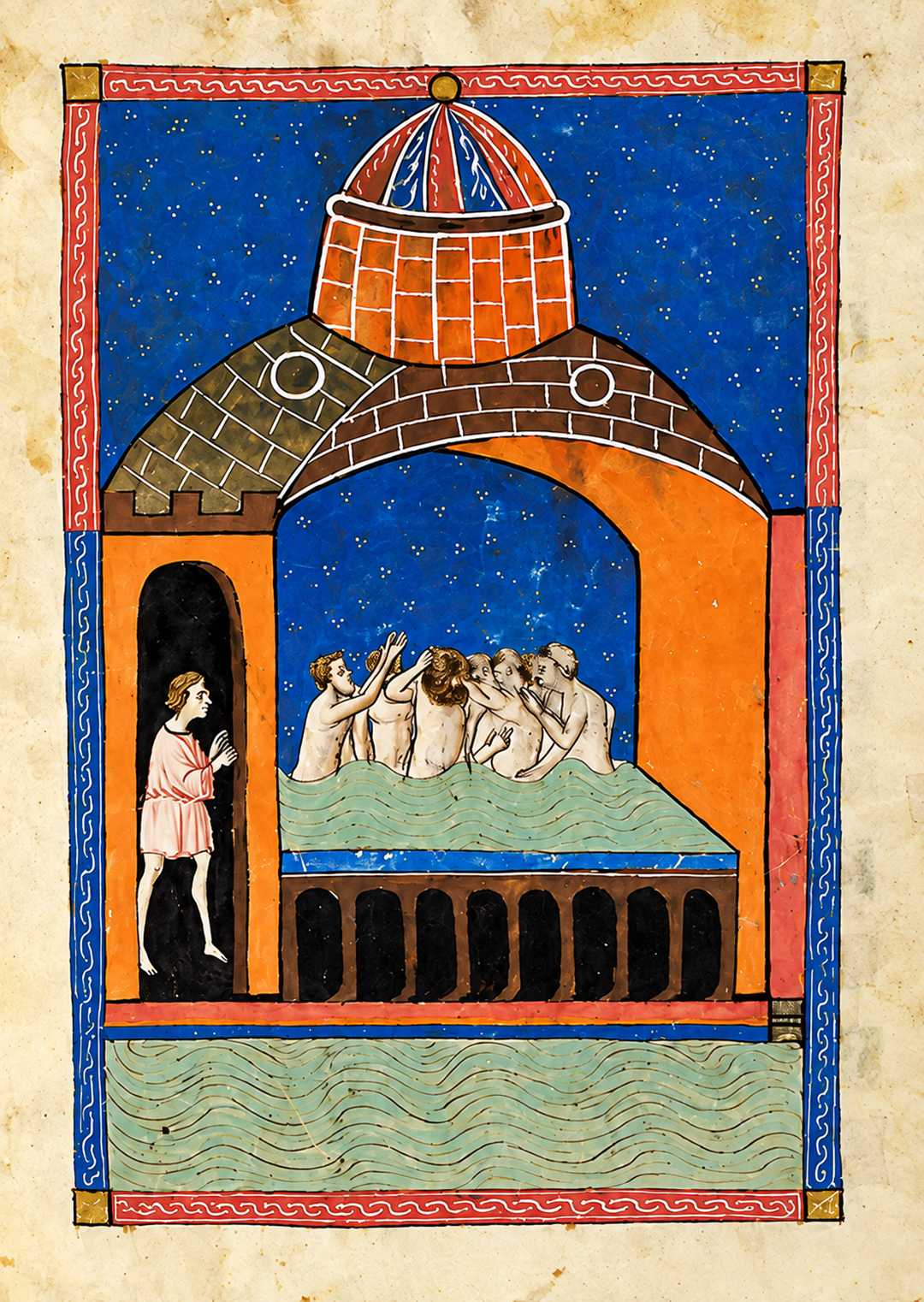
The endlessly filthy medieval European is one of cinema’s favorite background characters, but washing was hardly unknown. Public bathhouses operated in many medieval towns, while people also washed at home with basins, tubs, and heated water when circumstances allowed. Attitudes toward bathing changed depending on place, century, social class, and religious custom, but the idea that everyone simply avoided water for years is badly exaggerated. A medieval street probably did not smell pleasant by modern standards, but that is very different from saying its inhabitants had no interest in cleanliness.
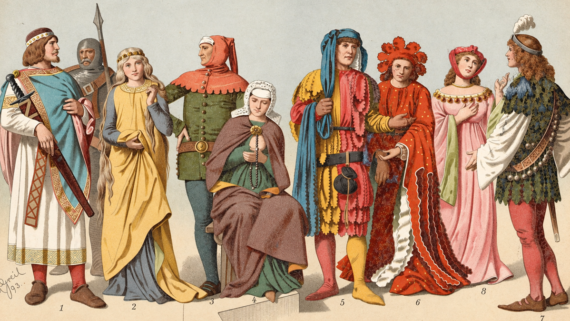
2. Their Clothes Were Much More Colorful
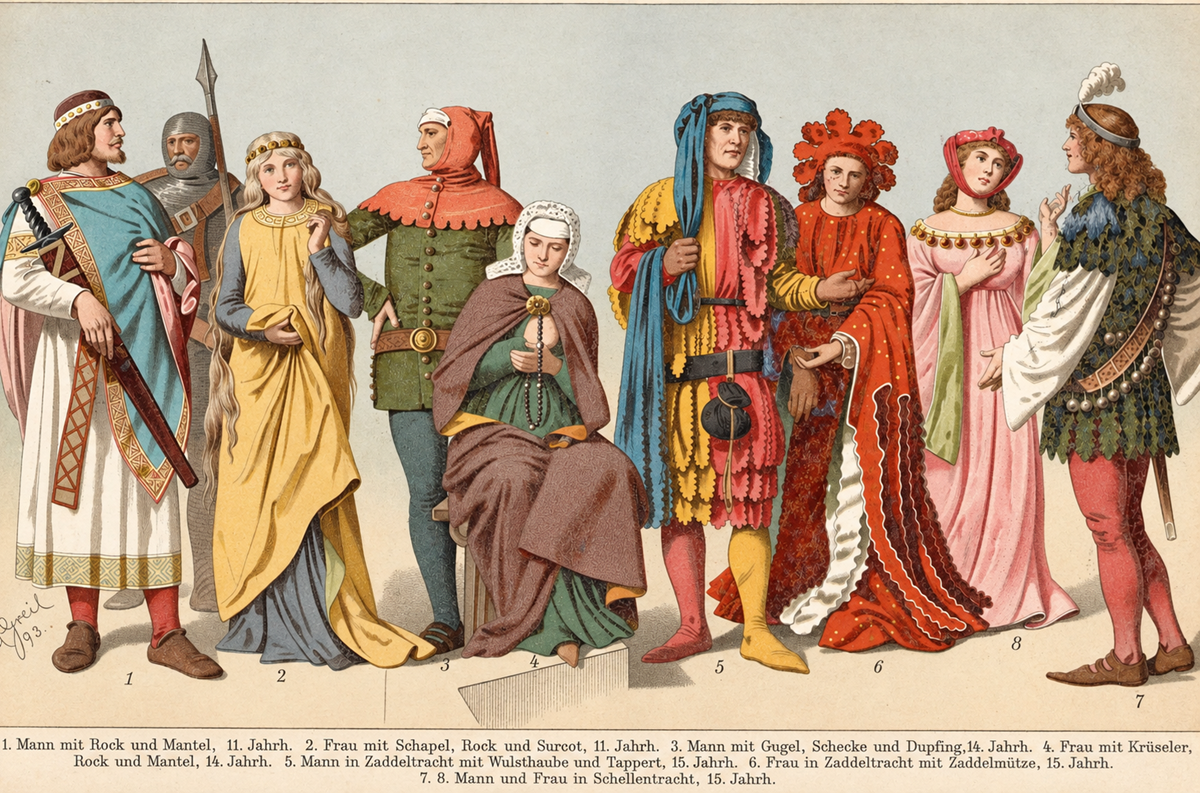
Movie villagers tend to receive the same wardrobe: brown tunic, gray cloak, more brown. Medieval people had access to dyes made from plants, minerals, insects, and other materials, and surviving artwork shows clothing in reds, blues, greens, yellows, and plenty of combinations in between. Some colors and fabrics were expensive, of course, and regulations could restrict what certain social groups wore. But a crowd at a market or festival could have looked far brighter than the muddy palette favored by modern historical dramas.
3. Most People Were Not Living in Castles
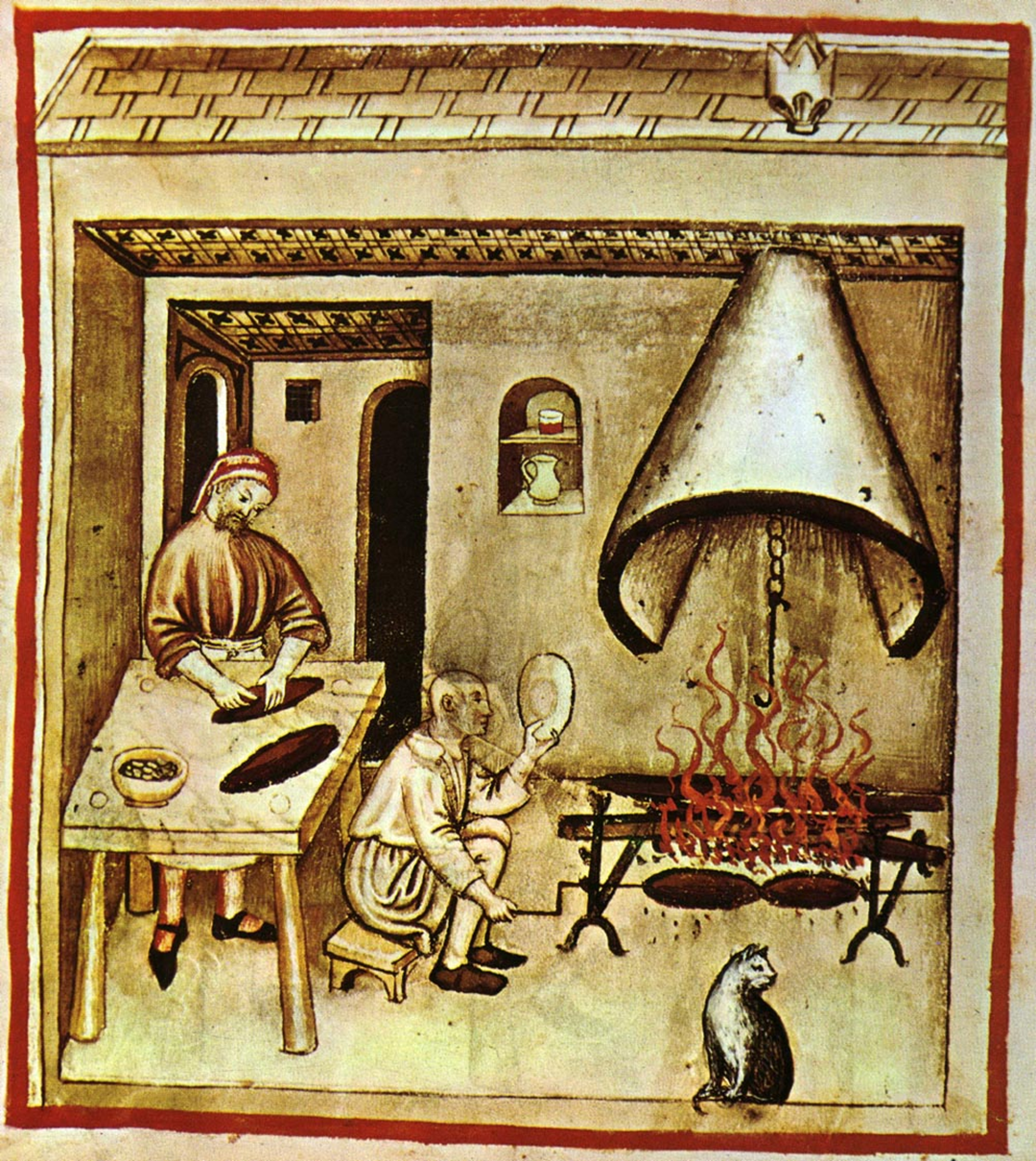
A castle makes a useful movie set, so medieval stories have a habit of placing nearly everybody within sight of one. In reality, castles belonged to a small, powerful section of society, while most people lived in farmhouses, cottages, villages, monasteries, or increasingly busy towns. Even nobles might spend time moving between several residences instead of permanently occupying one enormous stone fortress. For the average agricultural worker, the local manor, parish church, fields, and village mattered far more to daily life.
4. Medieval Food Wasn’t Just Meat on a Bone
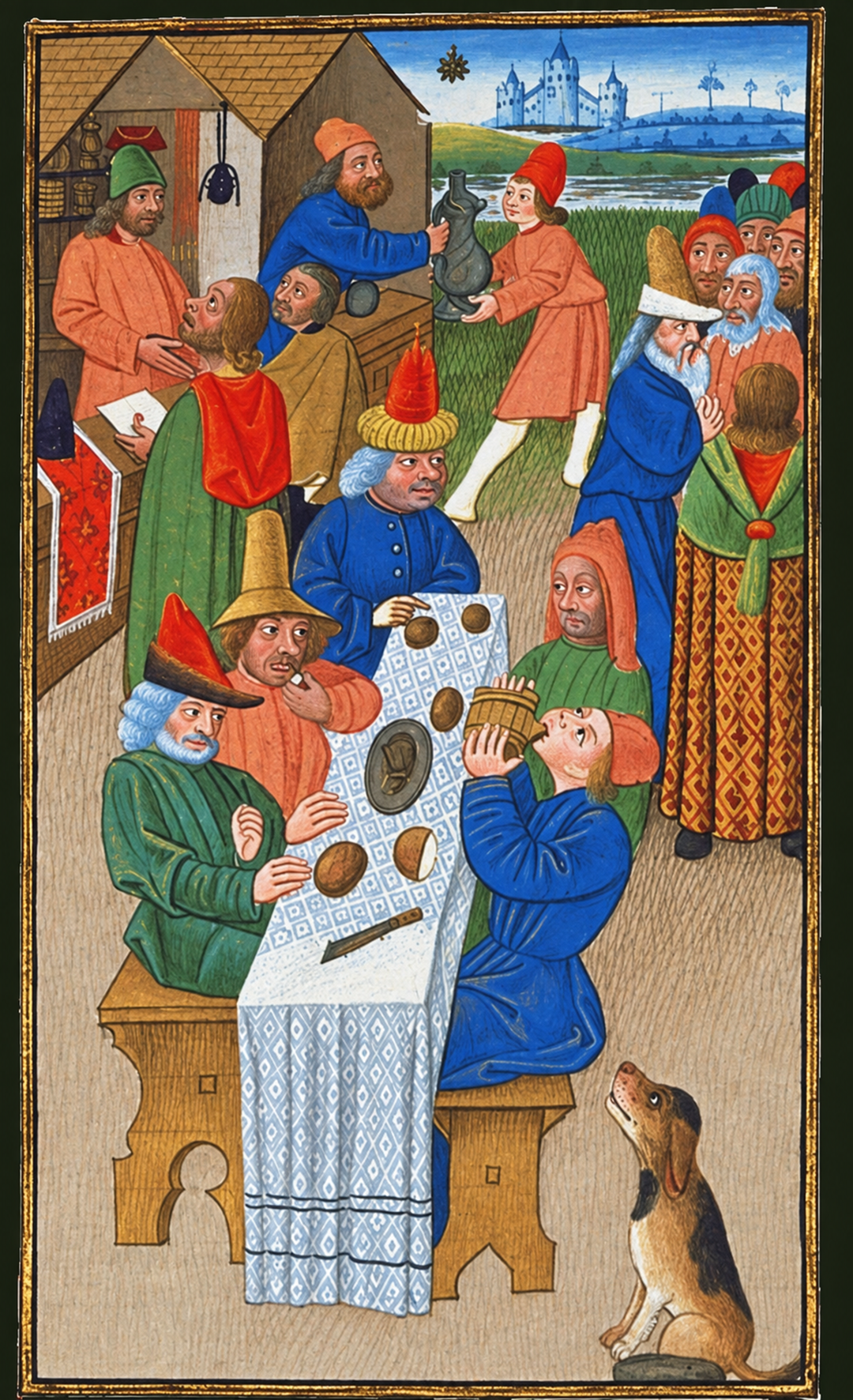
The giant roasted animal slapped onto a wooden table is almost its own movie genre. Ordinary diets were generally built around bread, grains, pottage, vegetables, legumes, dairy products, and whatever local or seasonal foods were available, with meat varying dramatically according to wealth and circumstance. Herbs, onions, mustard, vinegar, and spices could add plenty of flavor. Wealthy households might stage spectacular feasts, but that was precisely why those meals were spectacular.
5. Markets Could Be Crowded, Noisy, and Highly Organized
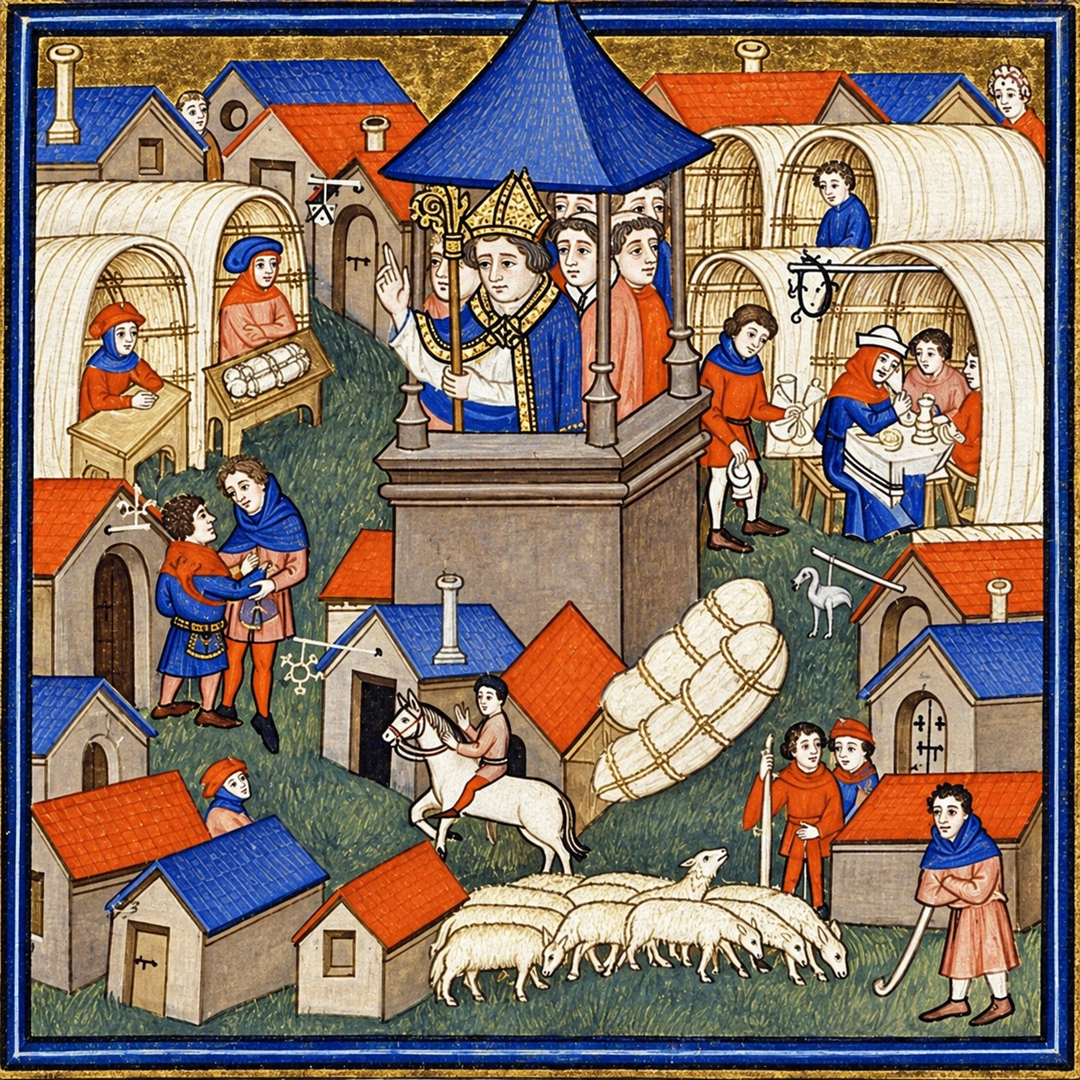
The medieval economy was not just a handful of peasants quietly swapping chickens. Town markets brought together farmers, craftspeople, traders, food sellers, livestock dealers, and customers, sometimes under detailed rules governing weights, prices, stalls, and acceptable merchandise. Larger fairs could attract merchants from considerable distances. For residents, market day could be one of the busiest and most social parts of the week.
Trending on The Scroller


6. Animals Were Part of Everyday Human Space
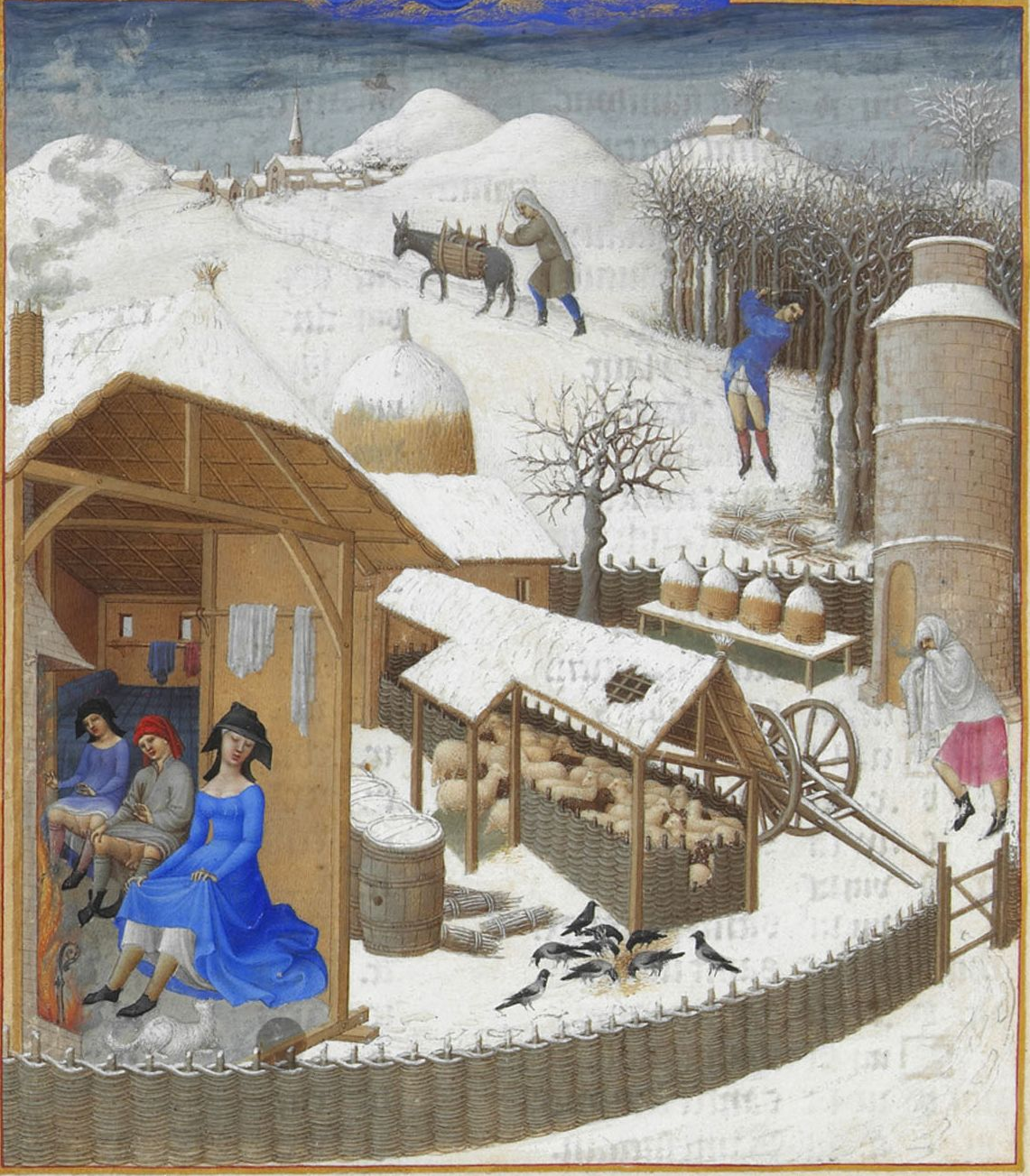
Chickens wandering through a yard are historically believable. So are pigs, horses, cattle, dogs, and other animals turning up remarkably close to where people ate, worked, and slept. Livestock was valuable, and housing arrangements did not always create the sharp separation between human and animal space that many people expect today. Medieval domestic life could therefore feel less like a neatly designed historical village and more like a working farm that happened to contain the whole family.
7. Work Followed the Seasons More Than a Clock
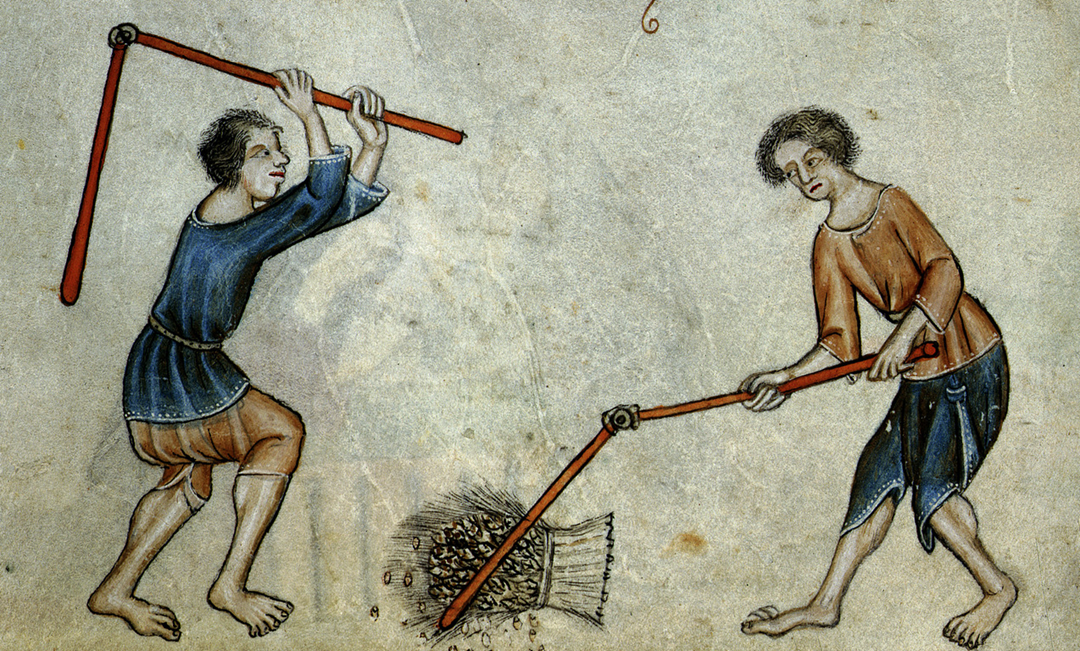
There was no universal medieval nine-to-five. Agricultural labor changed dramatically through the year, with plowing, sowing, haymaking, harvesting, threshing, pruning, and other jobs becoming urgent at different times. Daylight and weather mattered enormously. A summer harvest could mean exhausting stretches of labor, while other periods brought different rhythms, interruptions, religious observances, and local feast days.
8. Women Worked in Far More Roles Than Movies Usually Show
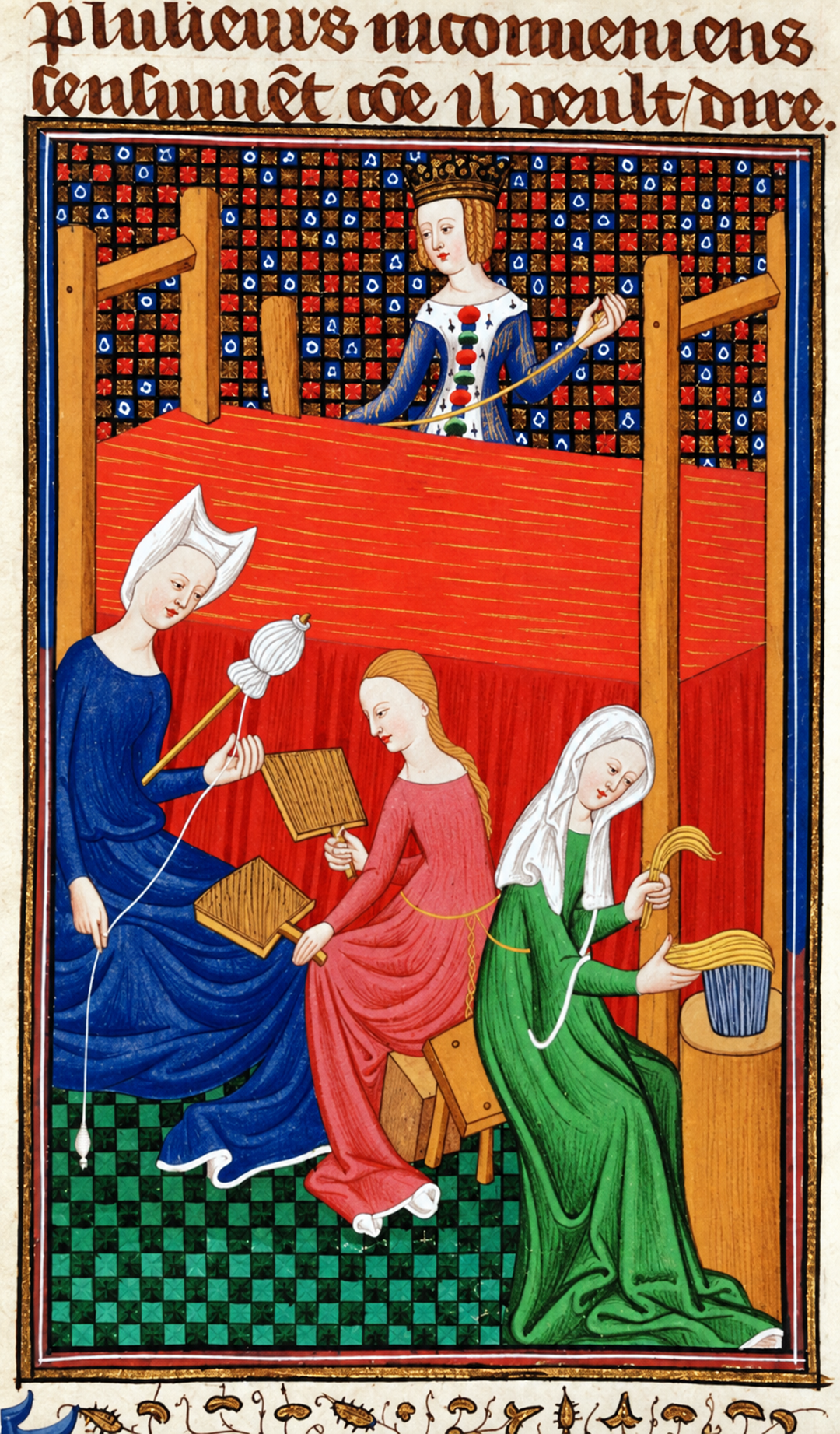
Historical dramas often divide medieval women into noble ladies, nuns, tavern workers, and people carrying baskets through the background. Actual economic life was much broader. Women worked in agriculture, brewing, textile production, food selling, household businesses, medicine, domestic service, and numerous urban crafts, sometimes alongside husbands and relatives and sometimes on their own. Their legal and economic independence varied enormously, but they were hardly absent from working life.
Sign up for our newsletter
9. Childhood Ended Earlier in Practical Terms
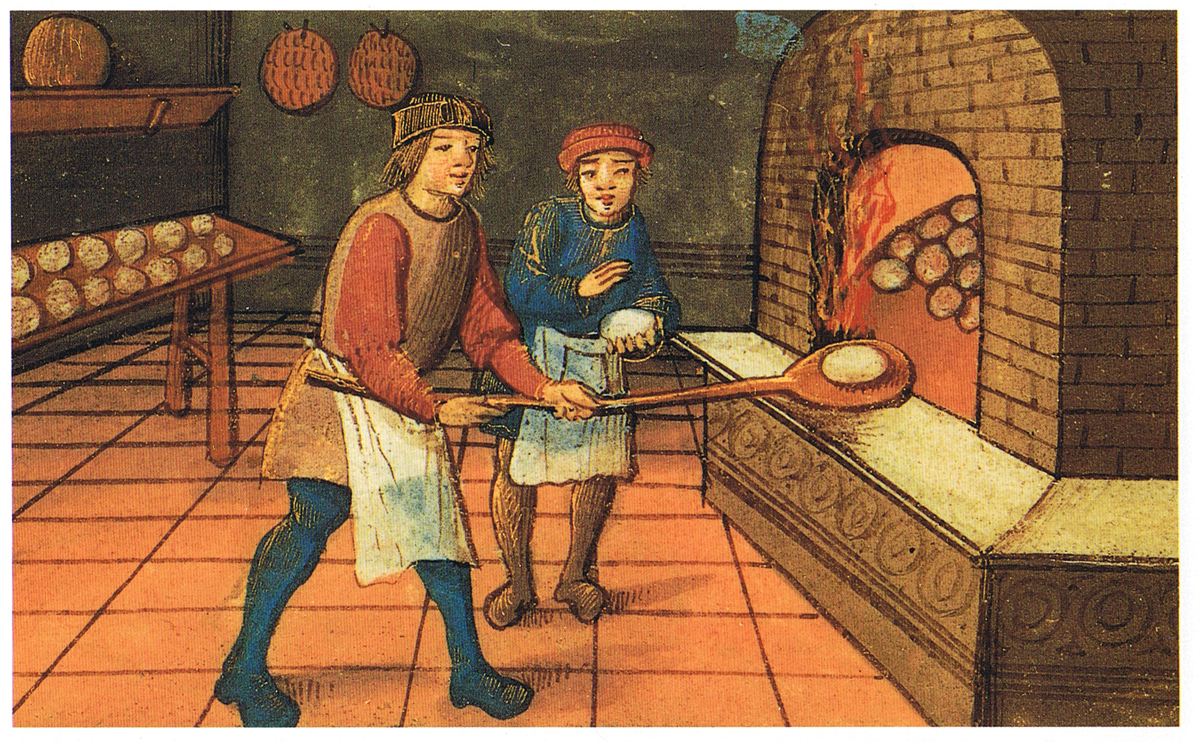
Medieval children still played, misbehaved, learned, and depended on adults, so they were not simply miniature grown-ups. But responsibilities could arrive fairly early. Children helped with household and agricultural tasks, while older boys and girls might enter service, begin apprenticeships, or leave home to learn a trade. The long modern phase between childhood and fully independent adulthood would have been unfamiliar to many medieval families.
10. Privacy Was a Luxury
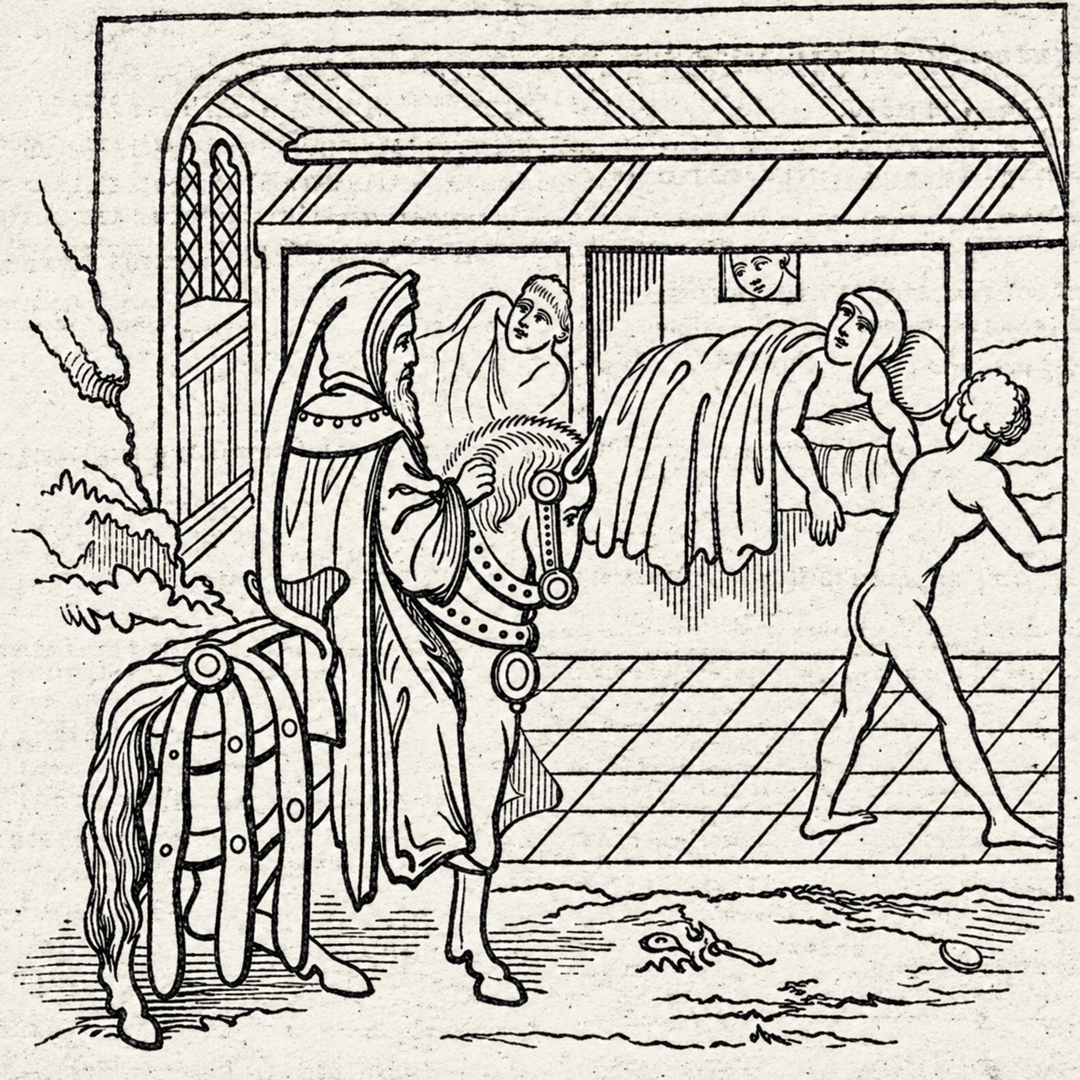
A movie castle bedroom usually gives its important character plenty of room to brood alone beside a fireplace. In actual households, sleeping spaces could be shared by spouses, children, servants, guests, or other members of the household, and beds themselves could sometimes accommodate more than one person. Smaller homes naturally offered even fewer opportunities to disappear behind a closed door. Constant proximity was simply part of life.
11. People Traveled More Than the Movies Suggest
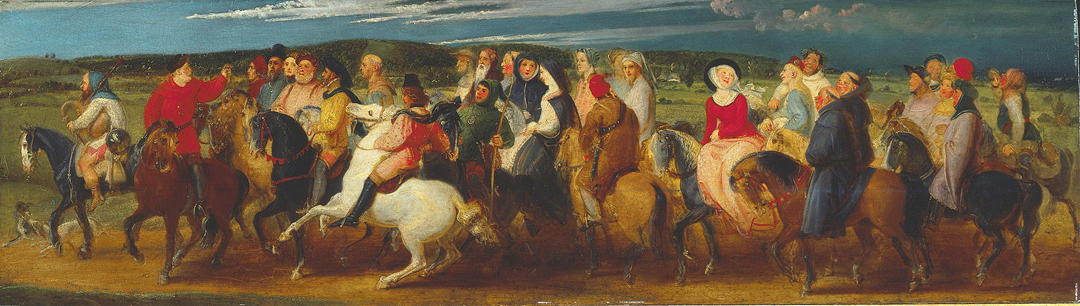
Most people did not spend their lives casually crossing continents, but medieval society was not frozen in place either. Merchants traveled for trade, pilgrims headed toward religious sites, soldiers moved with armies, workers sought employment, students went to centers of learning, and messengers carried information between towns and courts. Roads could be difficult and journeys slow, yet movement was common enough to support inns, bridges, fairs, ports, and pilgrimage routes.
12. Literacy Wasn’t Simply “Nobody Could Read”
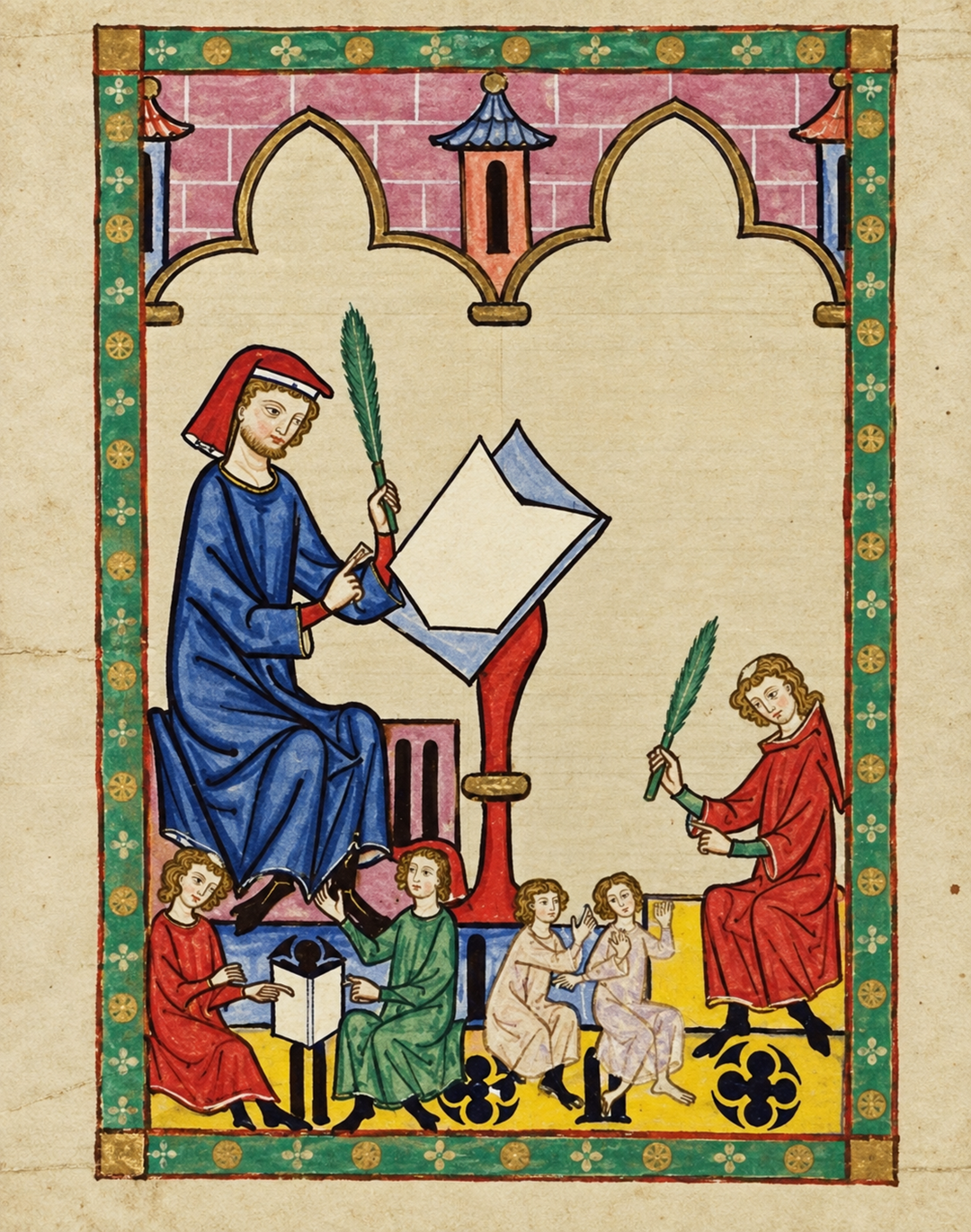
Literacy was limited compared with modern societies, and access to books was expensive, but the picture becomes misleading when movies treat reading as an almost supernatural skill. Clergy, administrators, merchants, scholars, some craftspeople, and members of elite households could possess varying levels of literacy. People might read one language but not another, or read without writing fluently. By the later Middle Ages, expanding bureaucracies and urban commerce created plenty of practical reasons for written records.
13. People Had Plenty of Ways to Have Fun
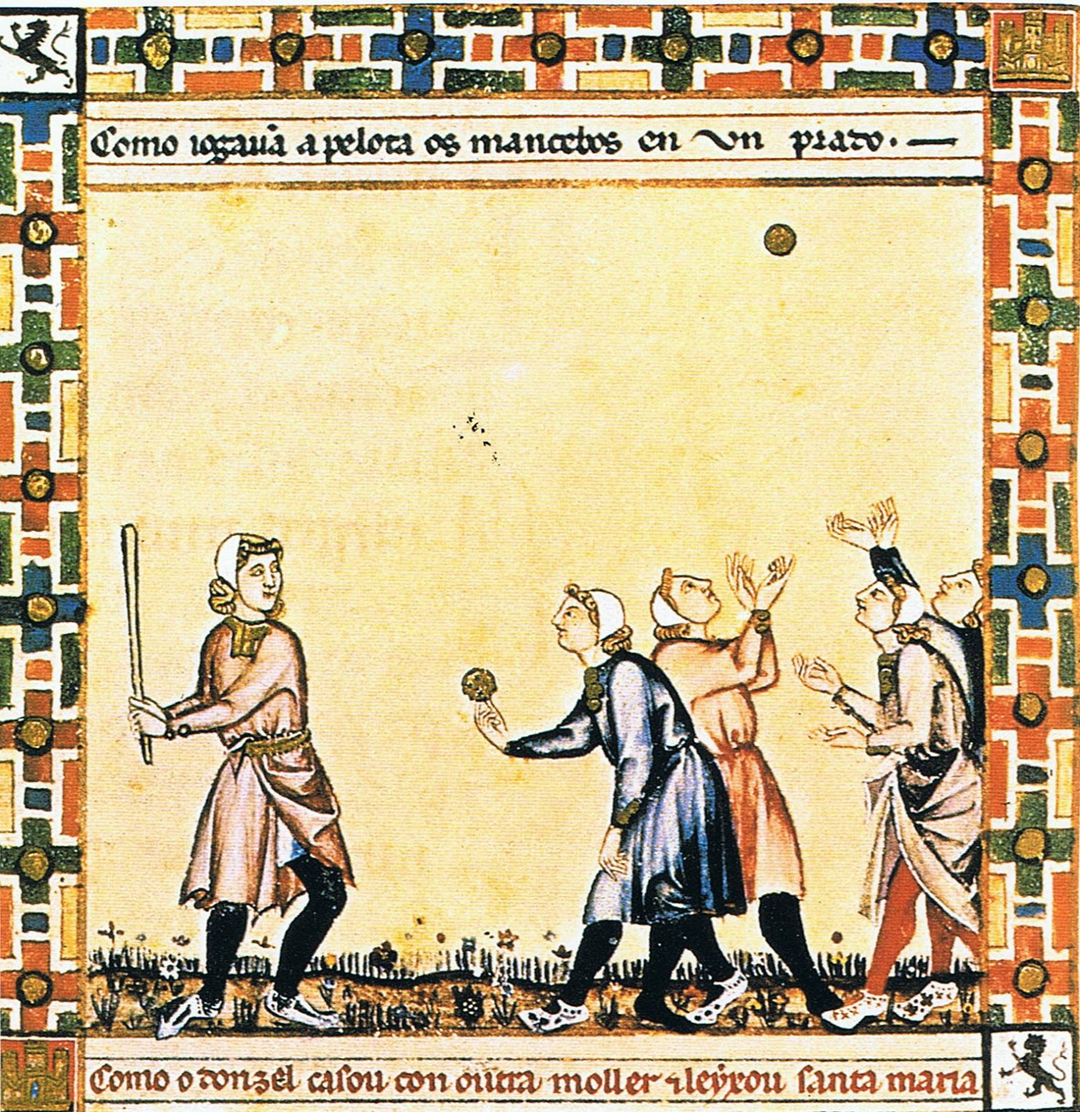
Not every evening was spent staring grimly into a smoky fire. Medieval communities danced, sang, drank, told stories, played dice and board games, watched performers, attended fairs, and joined religious or seasonal festivities. Chess appears repeatedly in medieval art, as do musicians and dancers. Entertainment depended heavily on wealth and location, but boredom was no more desirable in the 1300s than it is now.
14. Justice Wasn’t Always a Dungeon and an Executioner
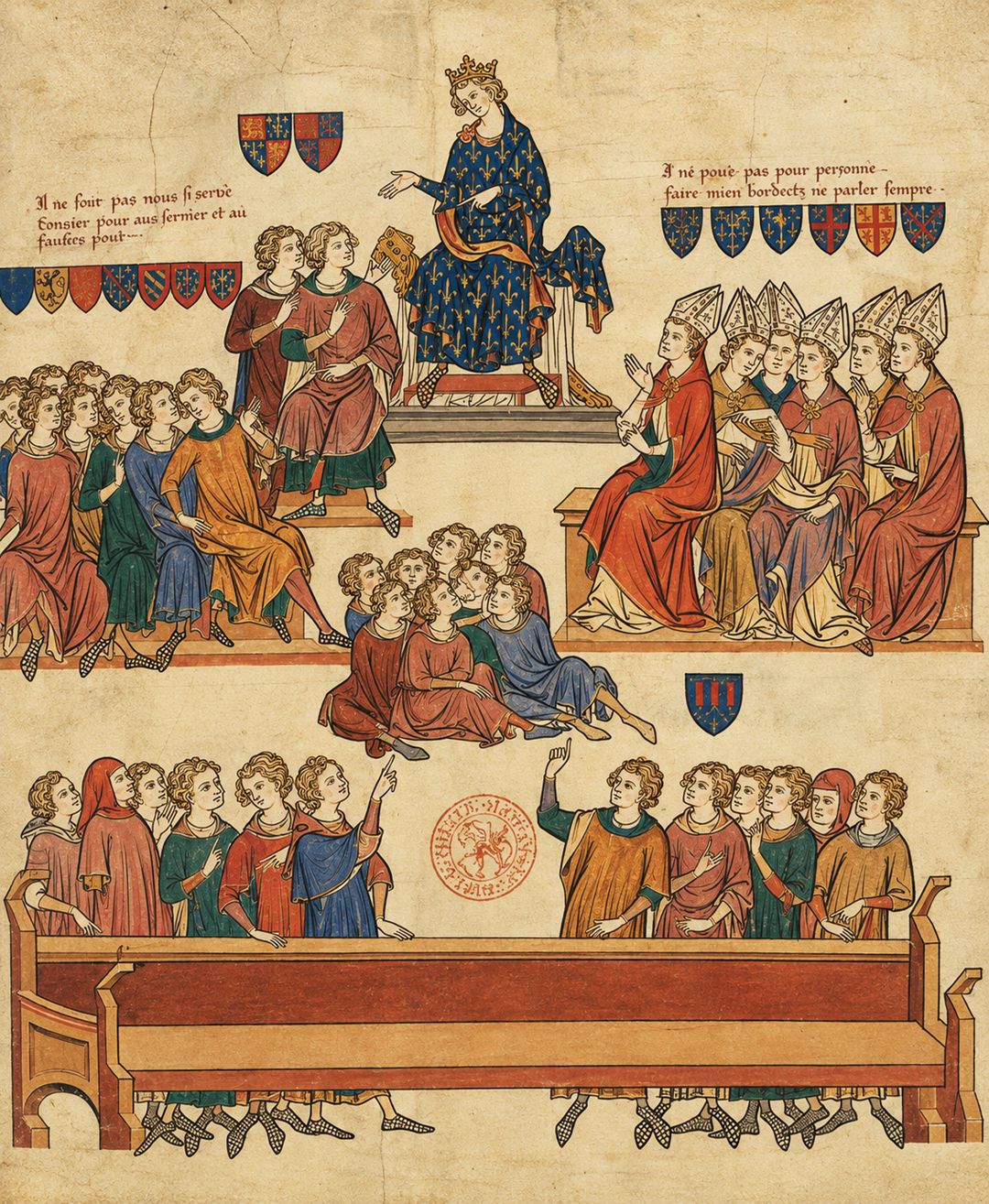
Movies understandably prefer the stocks, the gallows, and the ominous castle dungeon. Medieval legal systems certainly used harsh physical punishments, but a great deal of ordinary justice concerned property disputes, debts, inheritance, local regulations, fines, contracts, and disagreements between neighbors. Courts could depend on testimony, oaths, written documents, custom, and local officials. For many people, a legal problem was more likely to involve money, land, or an argument over obligations than a dramatic death sentence.
15. Most Medieval Lives Had Very Little to Do With Knights
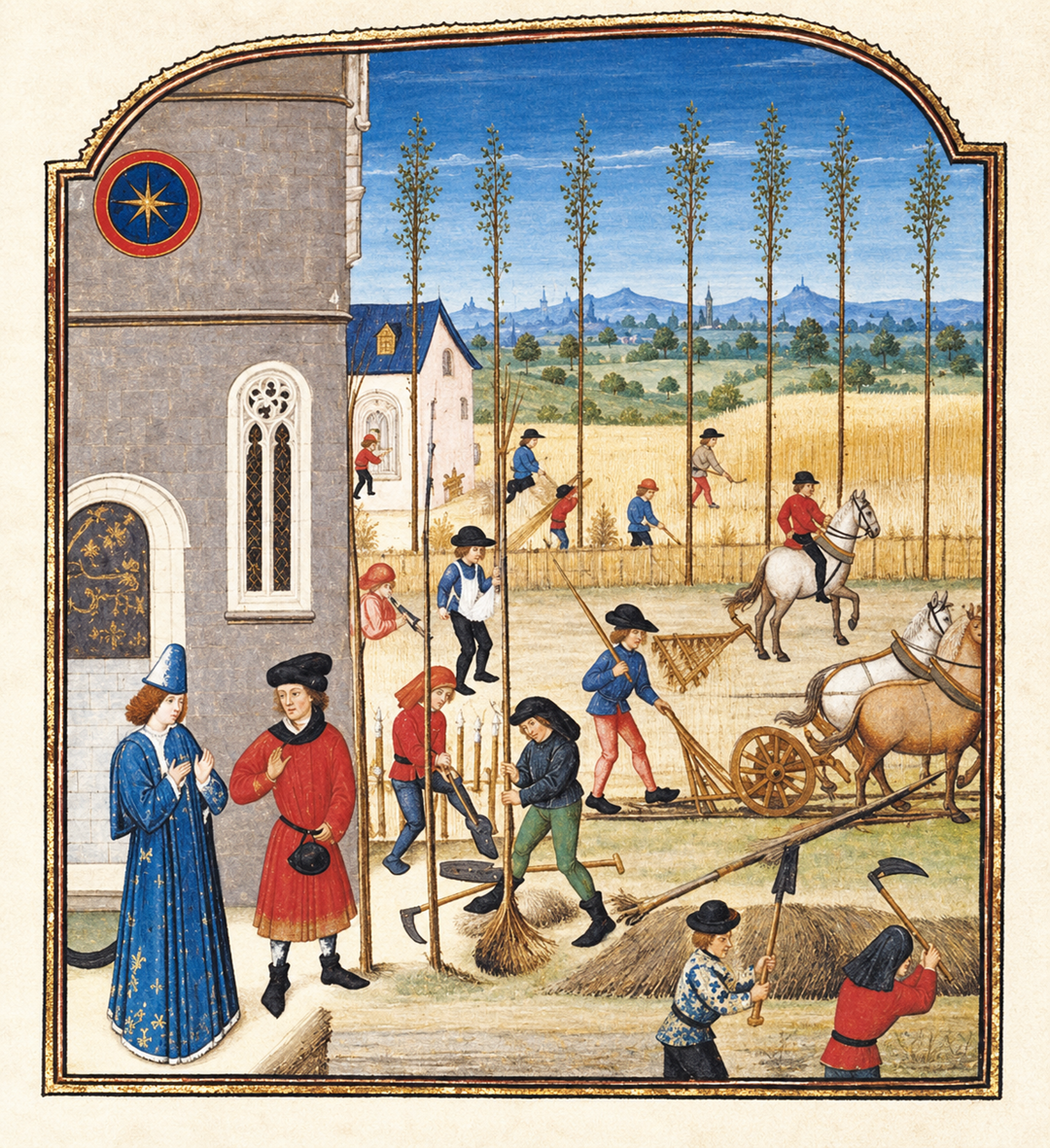
Knights dominate the screen because swords, armor, and cavalry are more exciting than repairing a fence. Yet the overwhelming majority of medieval people were farmers, laborers, craftspeople, merchants, servants, clergy, or members of ordinary households whose lives revolved around work, family, food, religion, weather, and local relationships. Wars mattered enormously when they arrived, but even in an age remembered for battles, most days contained no battle at all. The most historically accurate medieval movie might spend far more time on grain, livestock, cloth, debts, and dinner.
In the mood for more?
Check out 17 Archaeology Finds That Forced Experts to Rethink History, or take a look at 15 Historical Events That Happened at the Same Time. If you want to see more everyday history, you can check out 15 Things Ancient Romans Did That Feel Surprisingly Modern.