Nature routinely forces animals to get creative in order to survive, resulting in behaviors and physical traits that sound completely fictional. While we are used to basic survival tactics like winter hibernation or blending into the background, the natural world is full of solutions that border on the ridiculous. An animal often has to rely on strange evolutionary paths to avoid predators, find food, or simply endure extreme weather conditions.
Some of the strangest adaptations involve reproduction, hunting, defense, and even unusual ways of breathing. Every fact on this list sounds like a playground rumor, yet each one is backed by rigorous observation from museums, universities, and government agencies. From amphibians that freeze solid for the winter to deep-sea dwellers that eject their own organs, these verified strategies prove that biological reality is wildly inventive.
1. Wood frogs can freeze so solid that their hearts stop beating
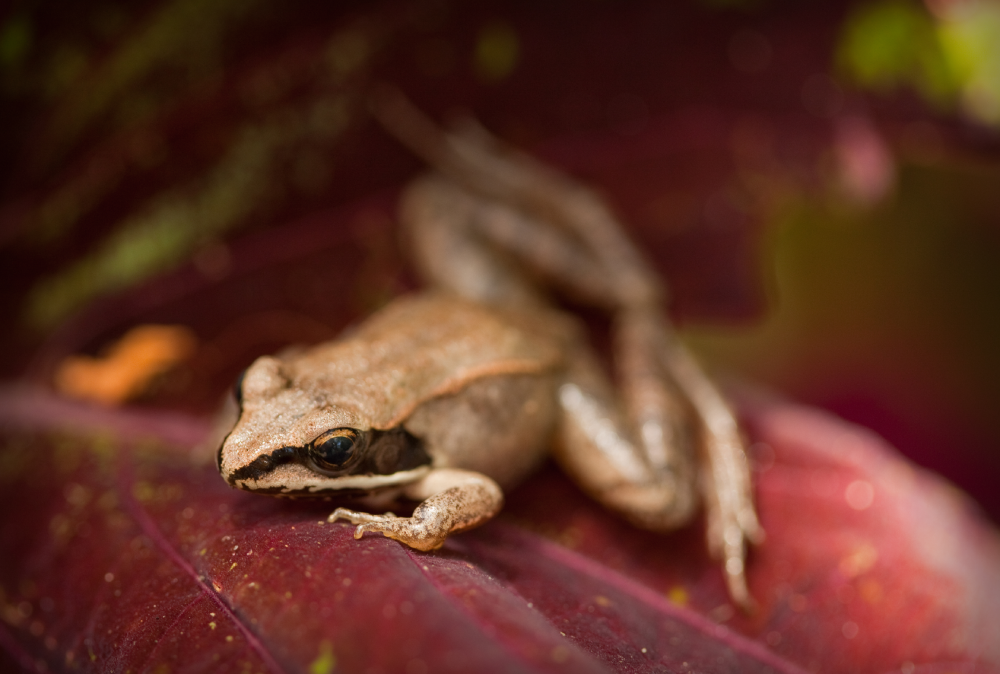
When winter arrives, the wood frog survives by essentially turning into an ice cube. The National Park Service notes that these amphibians spend the colder months partially frozen, with ice forming between their tissues and around their organs. During this extreme state, they stop breathing, and their hearts cease beating entirely. Massive amounts of glucose flood their systems to protect their cells from permanent damage. Once temperatures rise, the frogs thaw out, their hearts restart, and they hop away as if nothing happened.
2. Male seahorses get pregnant and give birth
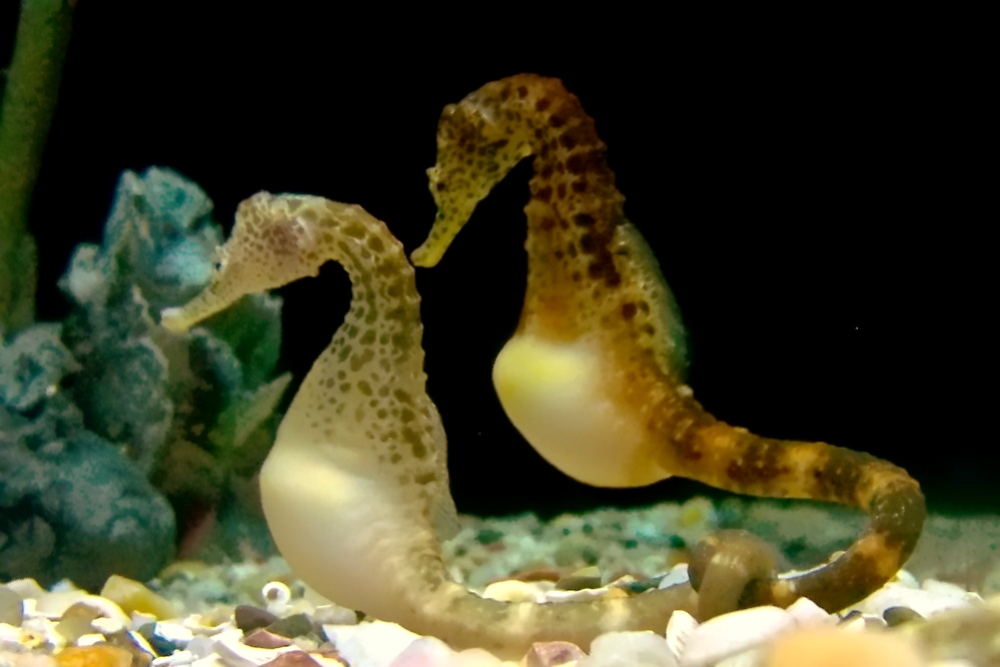
The familiar mammalian pregnancy arrangement gets completely flipped upside down by seahorses. In this aquatic family, the female transfers her eggs into a specialized brood pouch on the male. He then fertilizes the embryos and carries them as they develop over several weeks. According to marine biologists at Smithsonian Ocean, a single male seahorse can eventually give birth to hundreds of miniature babies from one pregnancy.
3. Flamingo parents feed their babies a red liquid called crop milk
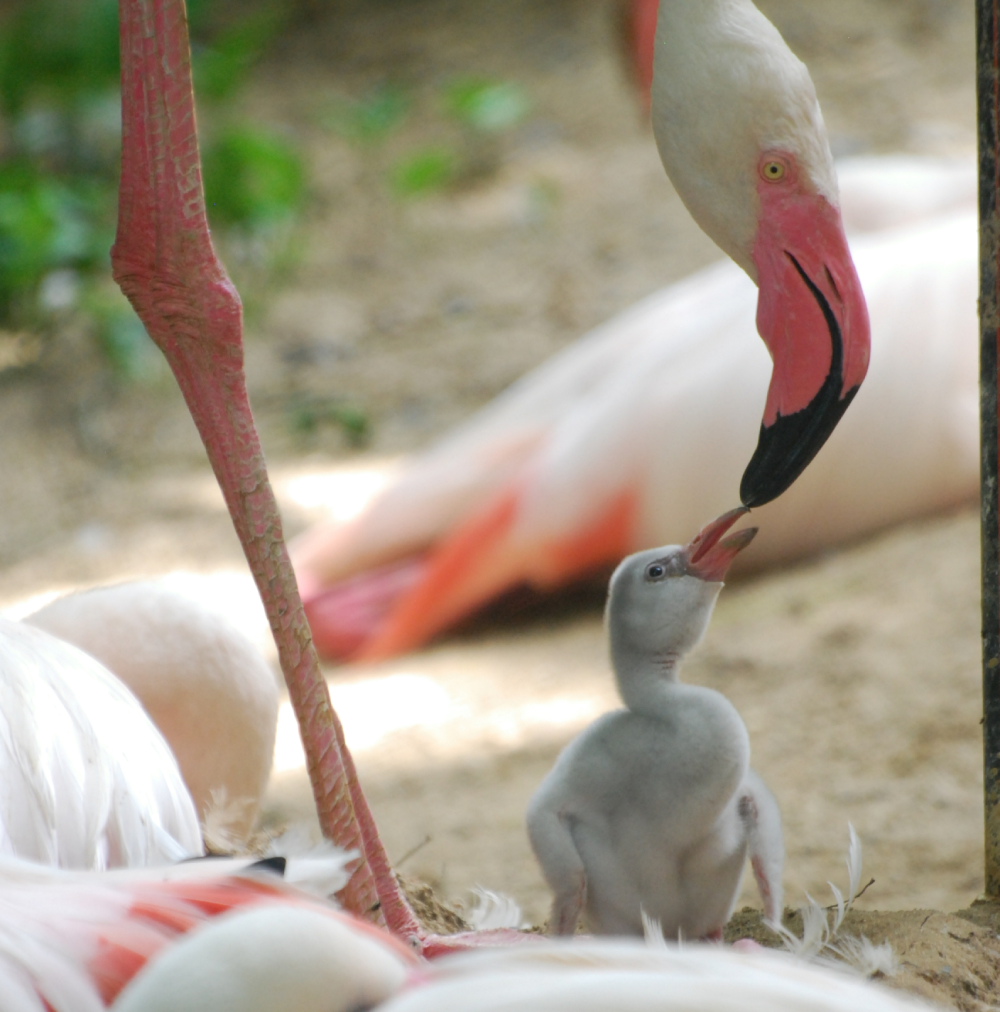
Both male and female flamingos produce a highly nutritious substance called crop milk to feed their newly hatched chicks. The fluid is packed with proteins and fats, but its appearance can be alarming to observers. The Smithsonian National Zoo explains that the milk is bright red because it contains the exact same pigments that give adult flamingos their famous pink coloration.
4. Platypuses hunt with their eyes, ears, and nostrils closed
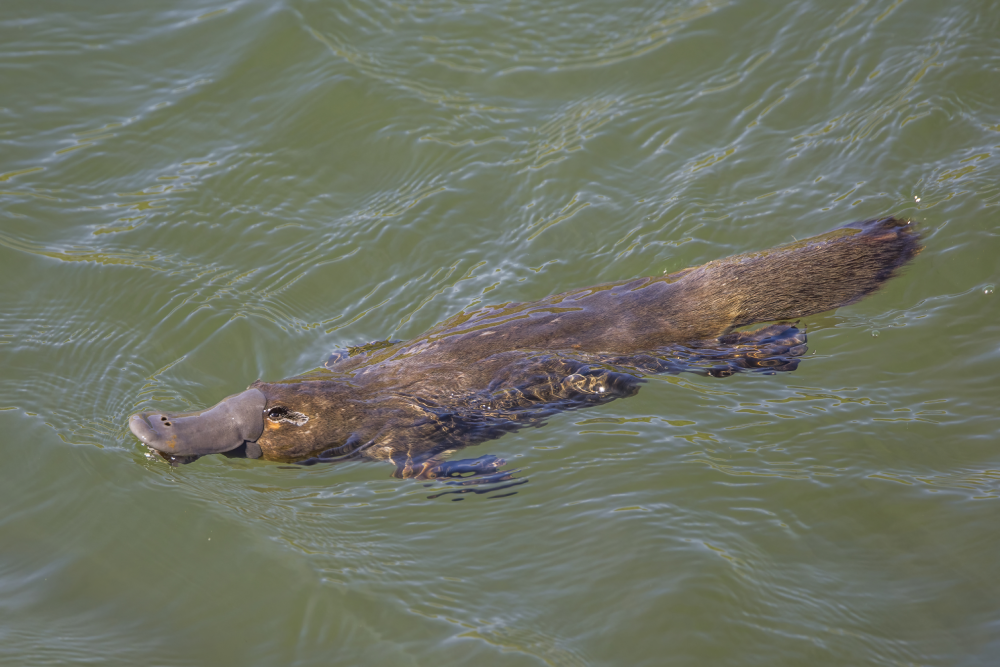
A platypus looks strange on land, but its hunting method in the water is equally unusual. When it dives for a meal, the platypus seals its eyes, ears, and nostrils tightly shut, leaving its prominent bill to do all the work. Researchers at the Australian Museum point out that the bill contains thousands of electroreceptors and touch sensors that detect the faint electrical signals produced by moving prey.
5. Some turtles can absorb oxygen through their cloacas
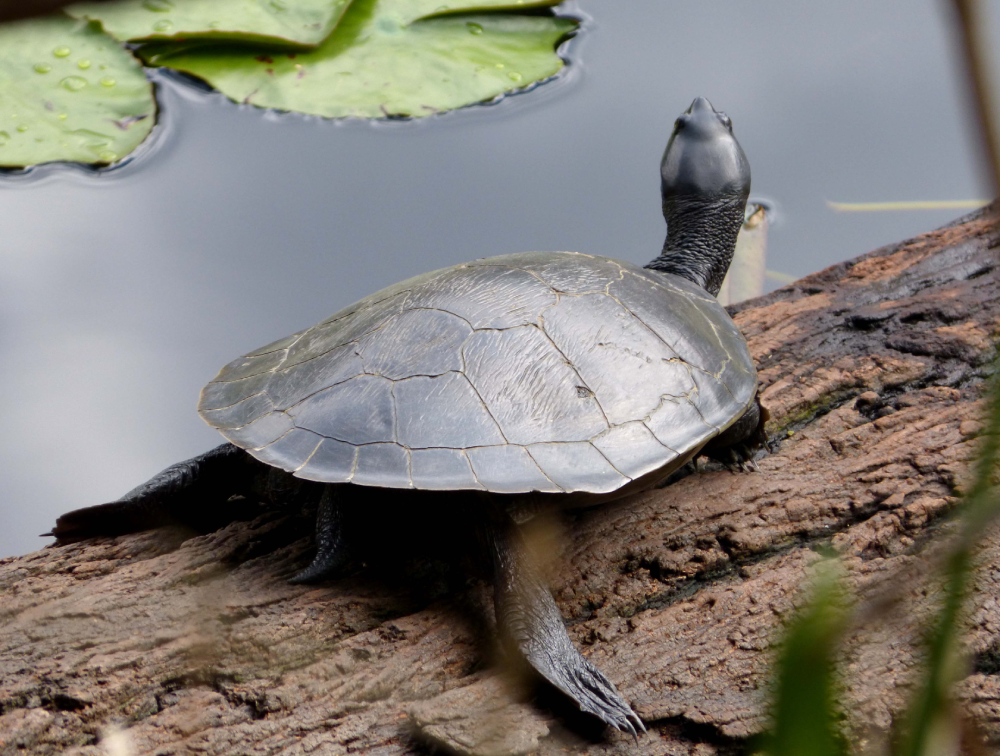
Certain Australian freshwater turtles have developed an unconventional method for staying underwater for long periods. Species like the Mary River turtle can actually absorb oxygen directly from the water through specialized surfaces in their cloaca. This multipurpose opening handles waste elimination and reproduction, but it also allows the turtle to pull oxygen from the surrounding river without surfacing for a breath.
Trending on The Scroller


6. Hagfish can unleash enormous amounts of slime in seconds
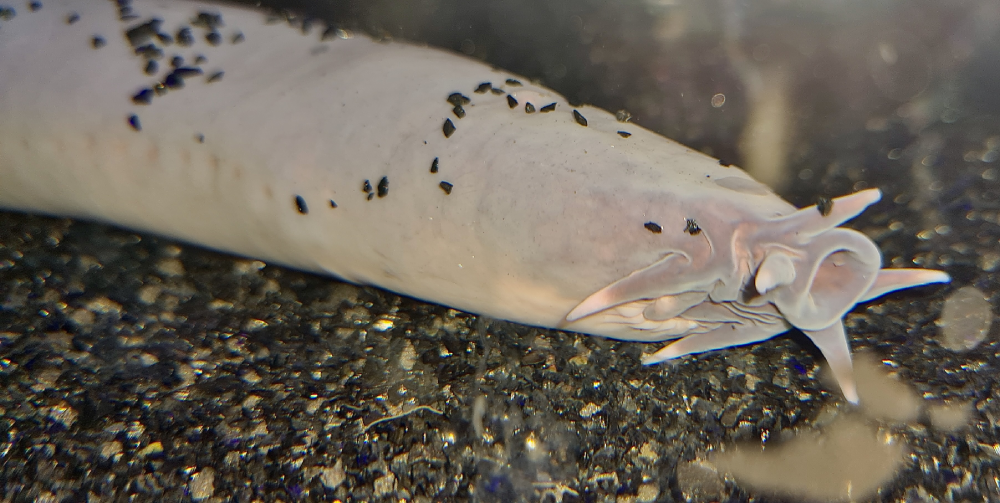
Threaten a hagfish, and you will immediately be dealing with an astonishing volume of thick mucus. The fish produces specialized protein threads that rapidly expand upon contact with seawater. The resulting slime can quickly clog the gills and mouth of a would-be predator. Smithsonian records indicate that a single disturbed hagfish can produce enough slime to fill a large bucket in a matter of minutes.
7. Bombardier beetles fire a chemical spray that reaches about 212°F
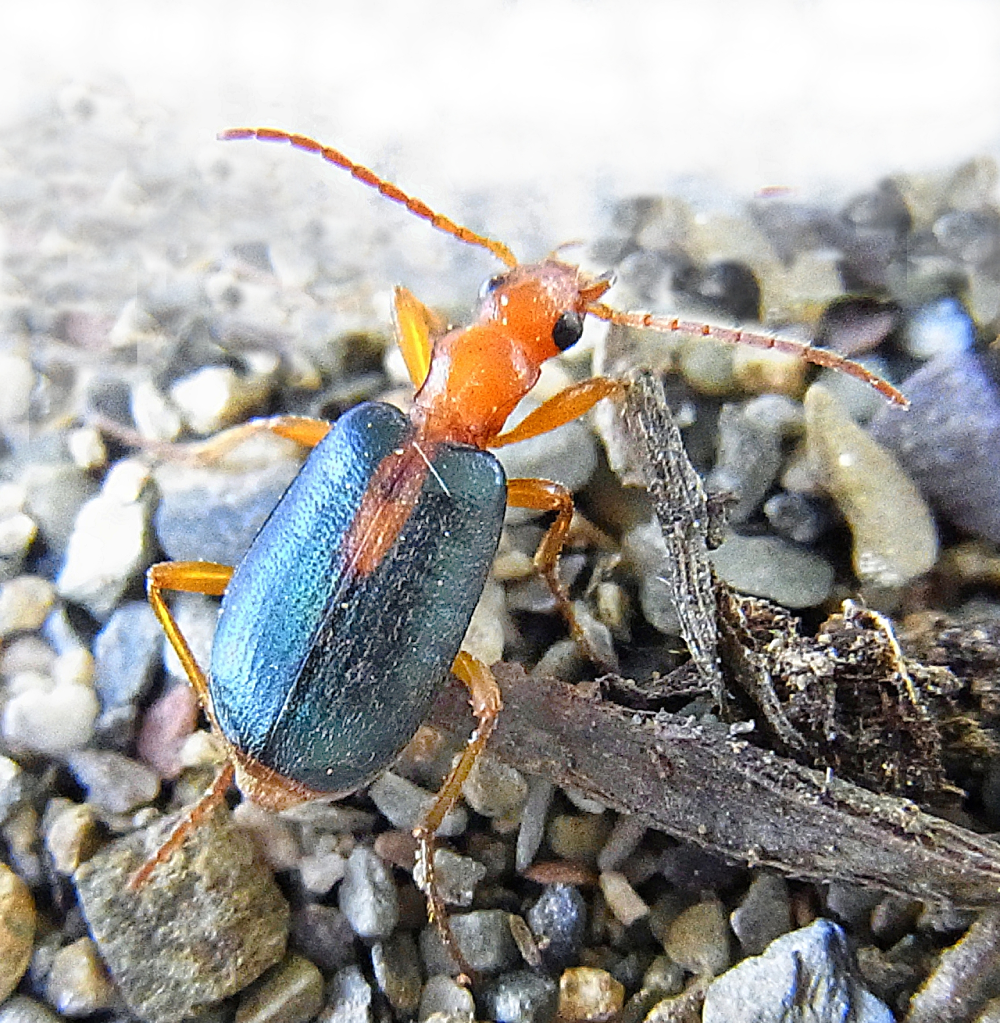
A bombardier beetle handles threats by turning its own body into a miniature chemical laboratory. The insect stores different chemicals in separate compartments within its abdomen. When attacked, it mixes them in a specialized rear chamber, triggering a violent reaction. Smithsonian entomologists verify that this reaction produces an irritating spray that reaches roughly 212 degrees Fahrenheit, accompanied by a distinct popping sound and visible water vapor.
8. Sea cucumbers can throw out their internal organs and grow them back
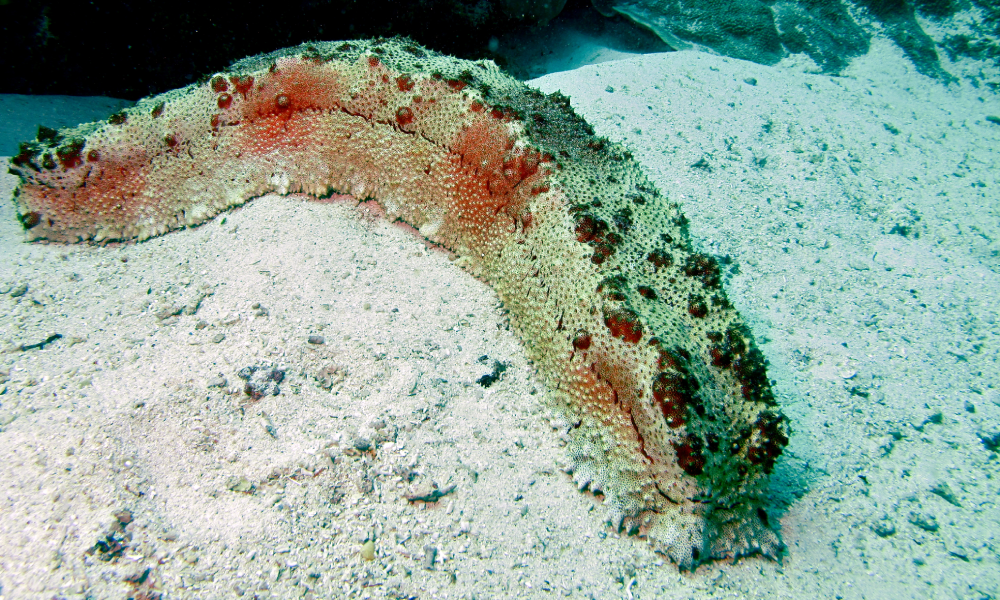
Certain sea cucumbers rely on a defense mechanism known as evisceration. When a predator gets too close, the animal can suddenly expel internal structures, which often include parts of its respiratory and digestive systems. The expelled material distracts and entangles the attacker, giving the sea cucumber time to slowly escape. Experts at the Smithsonian point out that the animal survives this extreme tactic and simply regenerates the lost organs later.
Sign up for our newsletter
9. A narwhal’s tusk is actually a giant sensory tooth
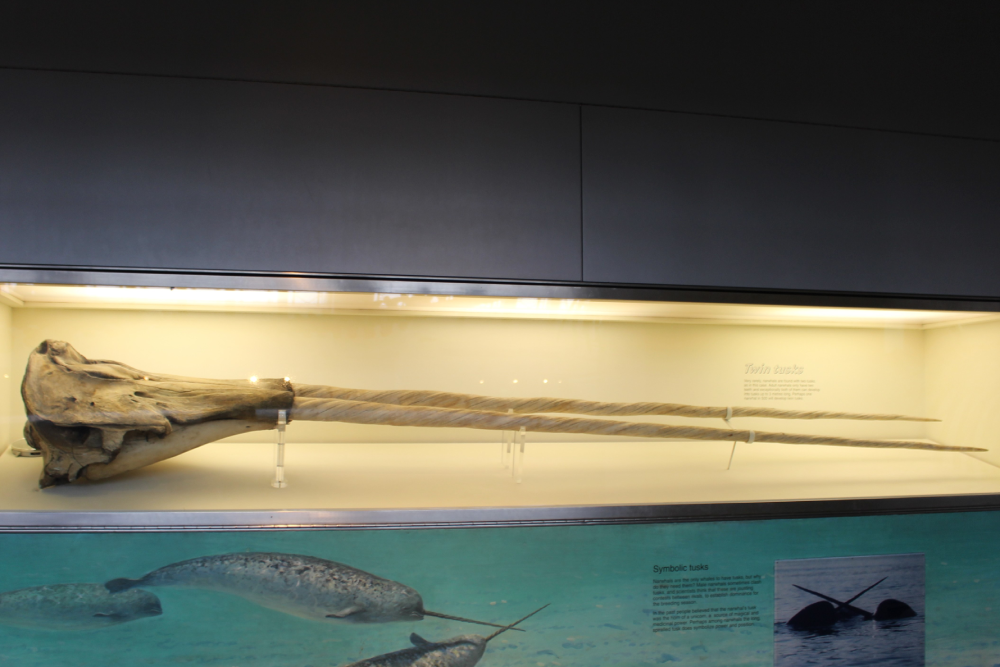
The famous spiral protruding from a narwhal’s head is completely misunderstood by most people. It is not a horn at all, but rather an enormously elongated tooth that can reach several feet in length. Usually found in males, the tusk is packed with a complex sensory system. Scientists have discovered that it can detect subtle changes in the surrounding water, including fluctuations in salinity.
10. Elephant seals can fall asleep while sinking through the ocean
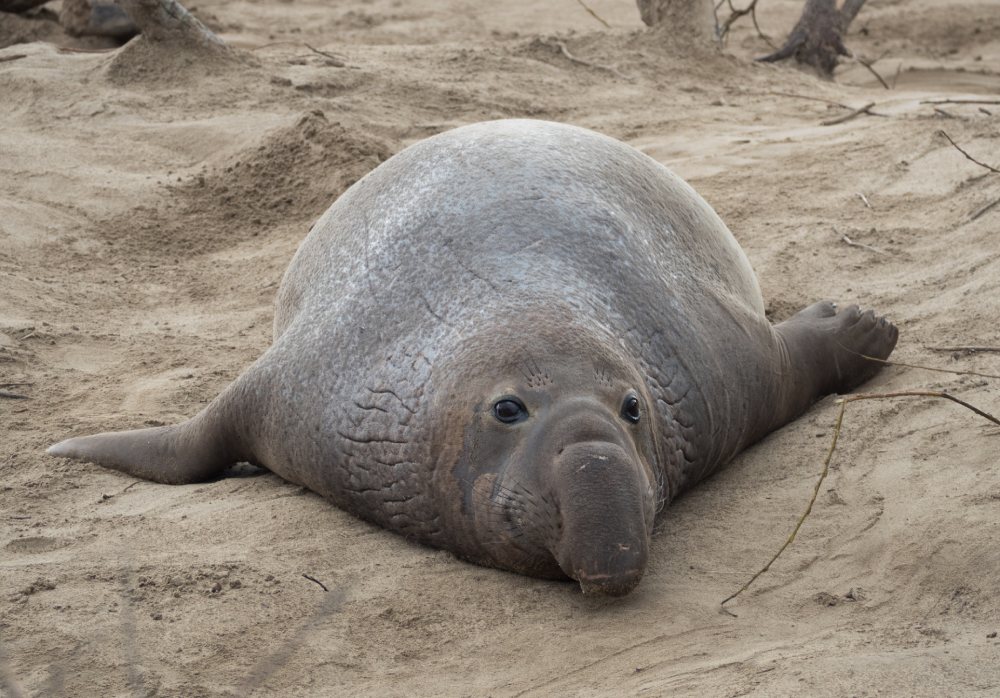
Northern elephant seals spend months migrating across the open ocean, which leaves very little time for resting on solid ground. To catch up on rest, they take brief naps during deep dives. Researchers at UC Santa Cruz monitored the brain activity of these seals and found they enter REM sleep while spiraling downward through the water column. During a foraging trip, they average just two hours of sleep a day.
11. Archerfish knocks insects down by shooting them with water
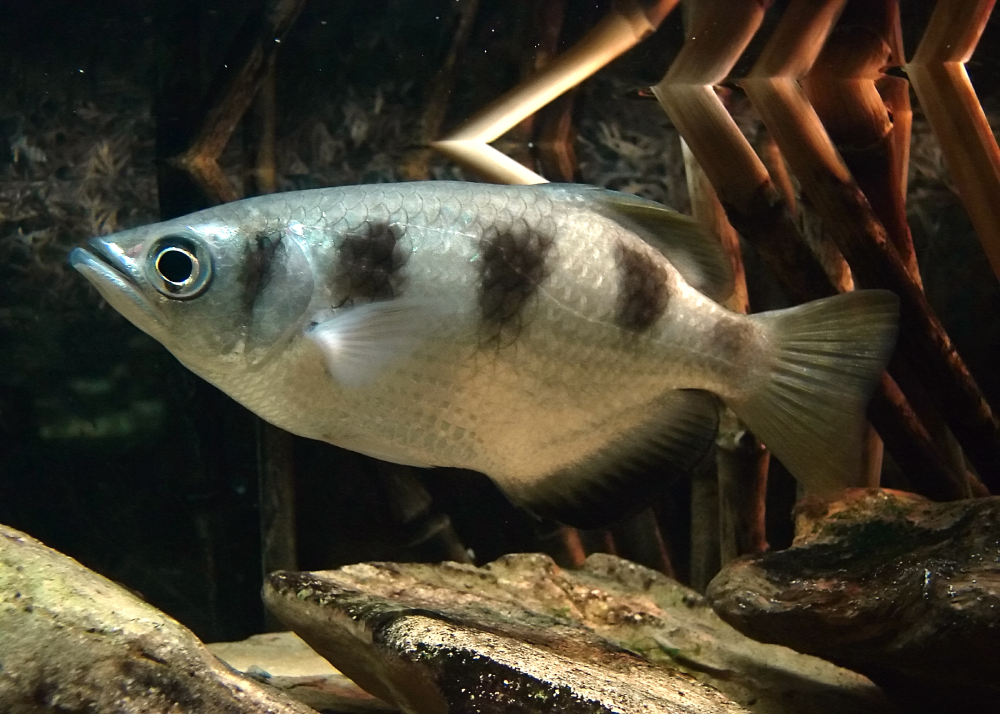
Instead of chasing aquatic prey, the archerfish hunts by looking up. The fish spots insects resting on branches or leaves above the surface and fires a highly accurate jet of water from its mouth. The stream hits the insect, knocking it down into the water where the waiting fish can easily grab it. It is an evolutionary adaptation that functions exactly like a built-in water gun.
12. Axolotls can grow entire new limbs
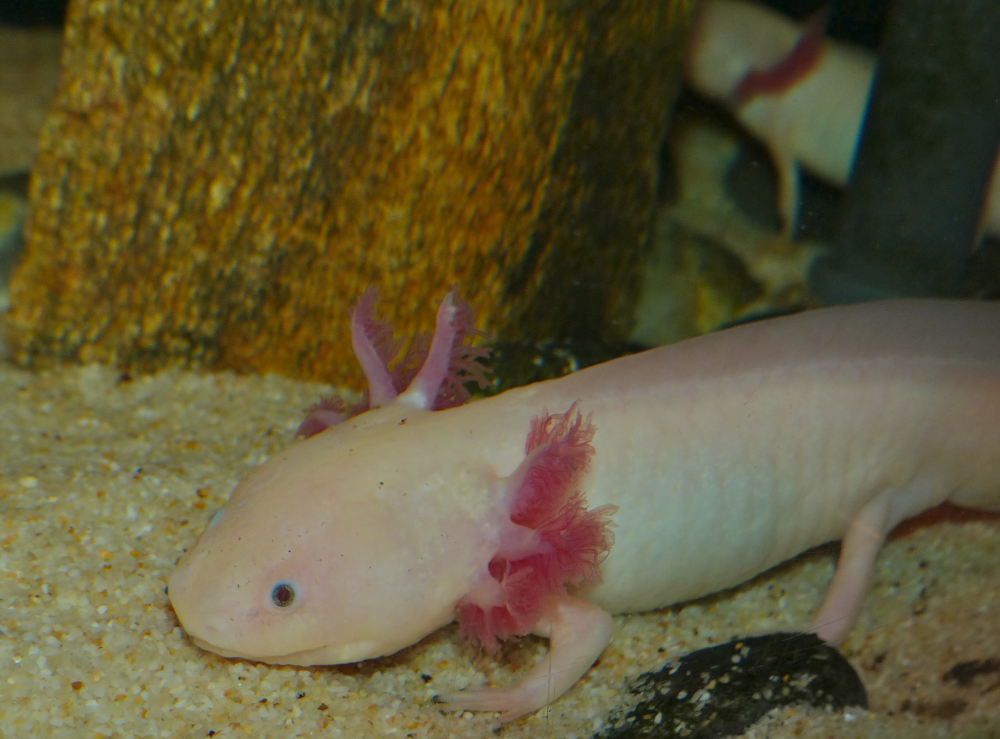
Axolotls possess a regenerative ability that scientists have studied for decades. If one of these salamanders loses a leg, cells around the wound immediately form a structure called a blastema. This cluster of cells rebuilds the bone, muscle, skin, and blood vessels needed to produce a fully functional replacement limb. The Smithsonian notes that this ability extends to regenerating other complex tissues beyond just their legs.
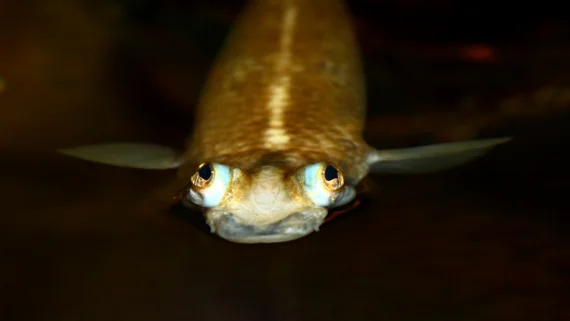
13. The “four-eyed fish” really has two pupils in each eye
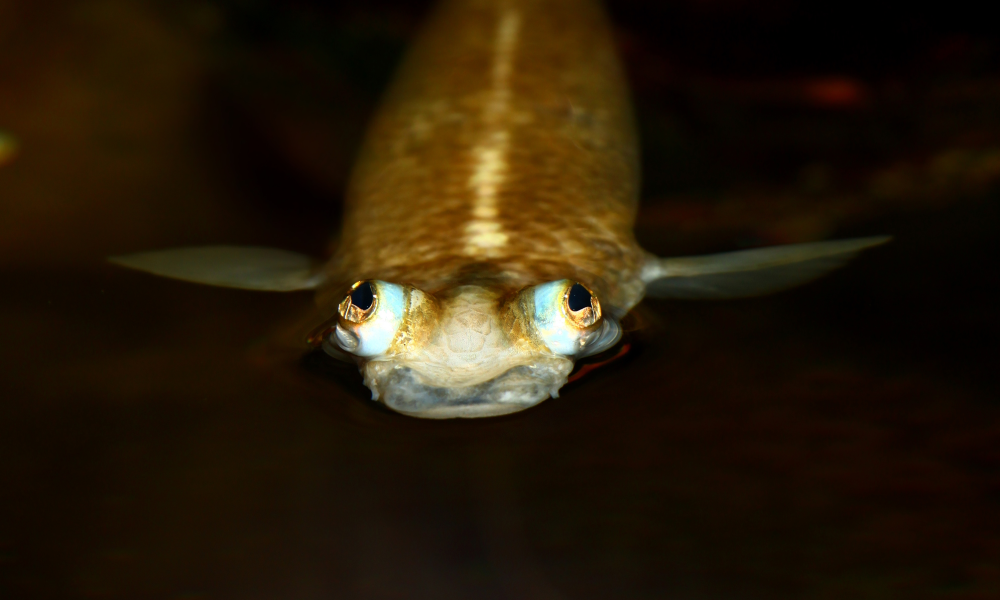
Despite the common name, the four-eyed fish only has two eyes, but they are highly specialized. Each eye is horizontally divided into upper and lower sections, complete with two distinct pupils. The fish prefers to swim right at the surface, allowing the top half of its eye to scan the air for predators or food while the bottom half monitors the water below.
14. African lungfish can spend years buried in dried mud
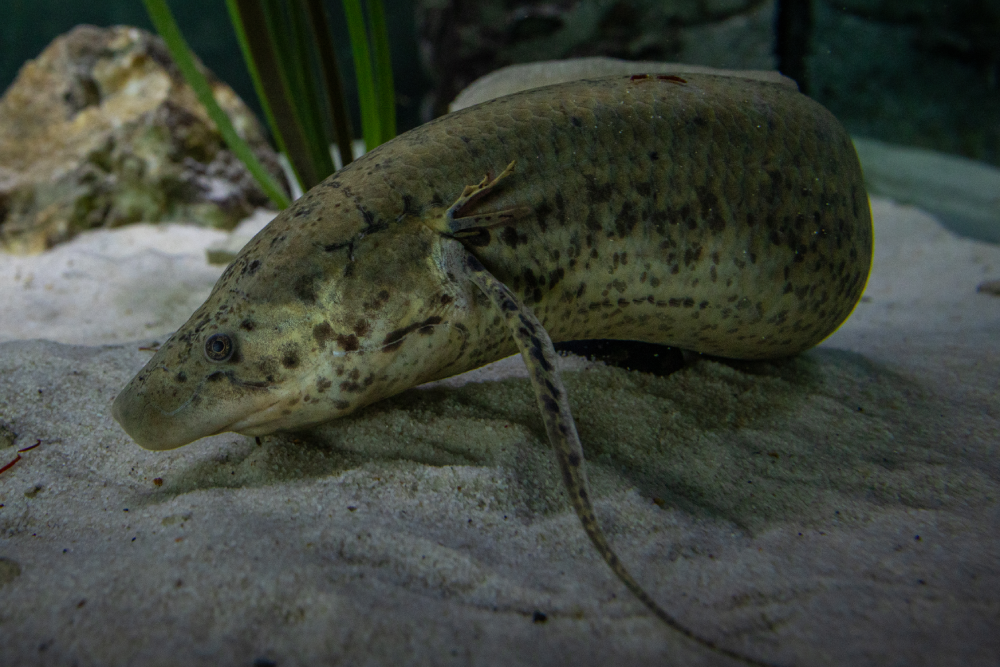
When seasonal droughts cause their watery habitats to evaporate, some African lungfish do not panic. They burrow deep into the mud, secrete a protective cocoon around themselves, and slow their metabolism to a crawl. The Smithsonian notes that they switch entirely to breathing air and can remain buried in this suspended state for years, waiting for the rains to finally return.
15. Vultures urinate on their own legs to keep cool
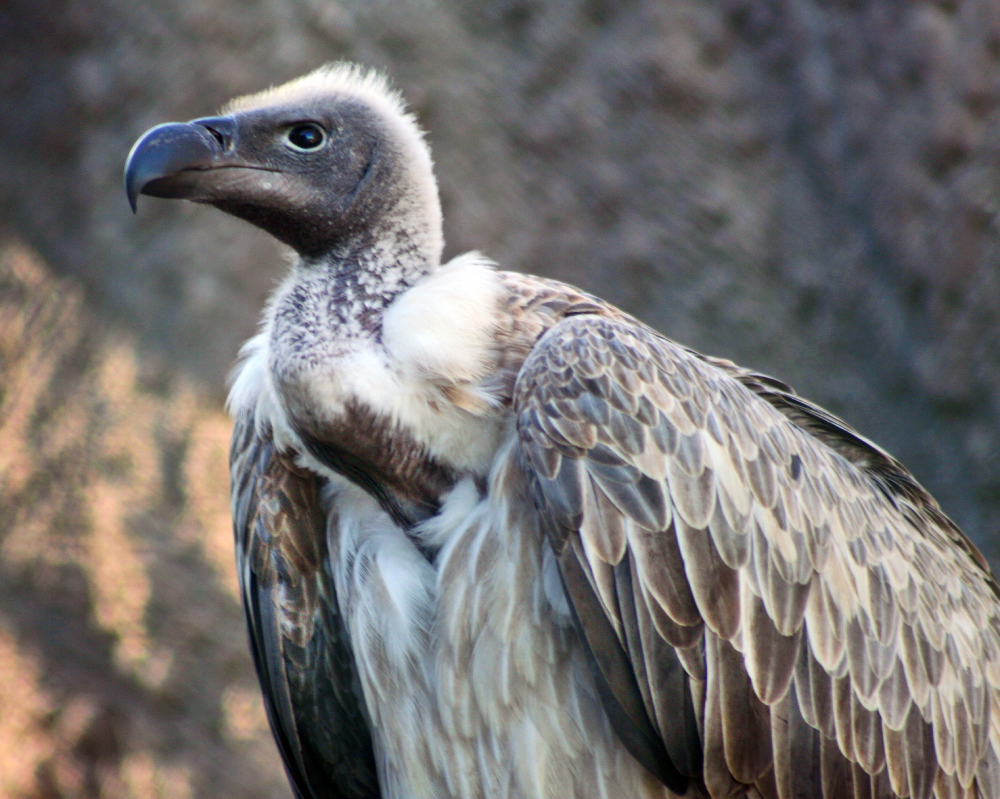
When New World vultures need to lower their body temperature on a hot day, they rely on a biological process called urohidrosis. The birds deliberately excrete urine and urates directly onto their legs and feet. The National Park Service explains that as this liquid evaporates, it pulls heat away from the bird’s body, functioning very much like human sweat.
16. A lyrebird can imitate the sound of an entire alarmed bird flock
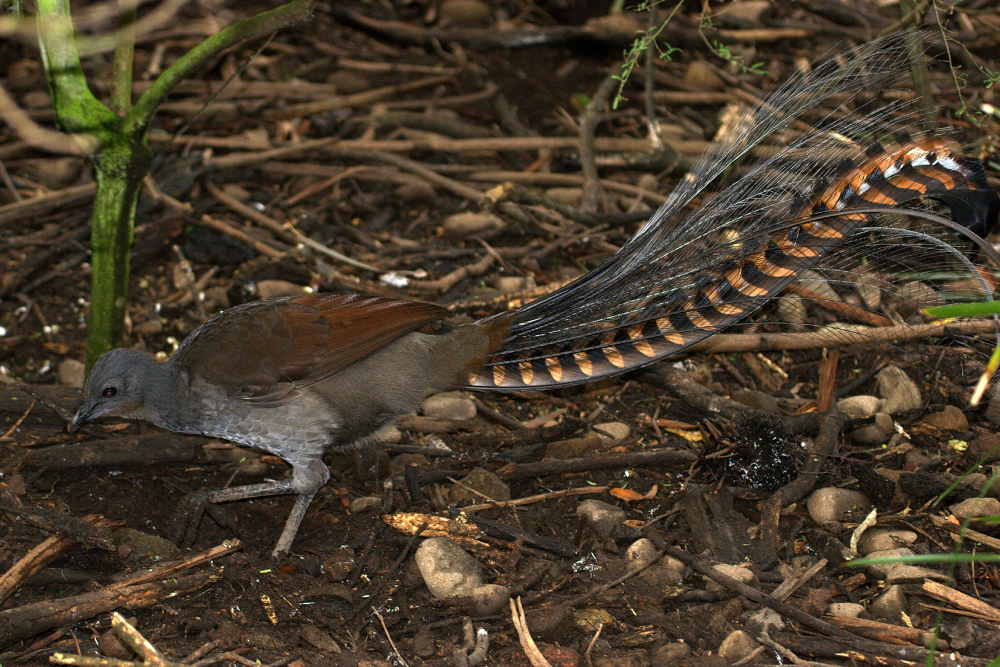
Australia’s superb lyrebird is renowned for its vocal mimicry, but researchers recently documented a highly specific trick used during courtship. Male lyrebirds can perfectly imitate the combined alarm calls of multiple different bird species simultaneously. This acoustic trick creates the convincing illusion of a large mixed flock reacting to a predator. They are equally skilled at copying mechanical and environmental sounds with absolute precision.
Check out more mind-blowing facts about nature:
Whether you are looking at amphibians that survive being frozen solid or fish that hunt with water jets, the natural world proves that survival requires endless creativity. If you’re interested in more fascinating facts about nature, be sure to check out these 16 Mind-Blowing Facts About Desert Animals, or these Myths About Dogs: 15 Things We’ve Been Told That Aren’t True. If you want more, take a look at these 14 Animal Friendships That Defy Expectations.