Myths about dogs have a habit of sticking around because many of them sound perfectly reasonable. We hear that one dog year equals seven human years, that a wagging tail means happiness, or that a dry nose signals illness, and eventually those ideas start feeling like basic canine facts. The reality is usually more interesting. Dogs communicate, age, see, play, and react to the world in ways that don´t always fit the simple rules humans have created for them. Here are 15 similar beliefs about dogs that could use a little more nuance.
1. One Dog Year Equals Seven Human Years

The math is wonderfully convenient: take your dog’s age, multiply it by seven, and suddenly you have a human equivalent. The trouble is that dogs don’t age at one neat, universal rate. Size, breed, and life stage all matter, and dogs generally mature much faster during their first years than the seven-to-one formula suggests. That gray muzzle may tell you your companion is getting older, but a calculator can’t tell the whole story.
2. Dogs Only See in Black and White

Imagine spending your entire life believing your dog sees the world as an old television broadcast. Dogs do have more limited color vision than humans, but that doesn’t mean everything around them appears gray. Their visual world includes colors, just across a narrower range. So that bright toy you’re throwing isn’t necessarily colorless to your dog. The palette is different, not absent.
3. A Wagging Tail Means a Friendly Dog

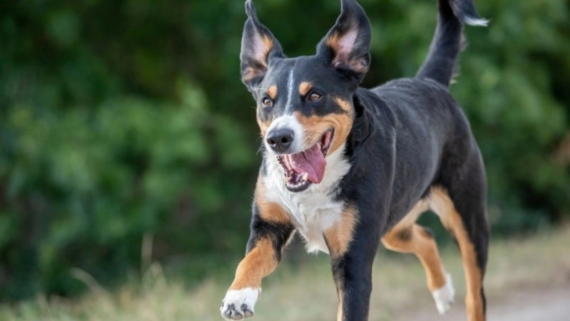
A wagging tail can look like a tiny welcome flag, but don’t let one movement speak for the entire dog. Tail wagging can accompany excitement and friendliness, but it can also appear when a dog is aroused, uncertain, tense, or reacting strongly to something nearby. Position, speed, stiffness, and the rest of the dog’s body language all provide context. Have you ever noticed how dramatically different two tail wags can look once you stop watching only the tail?
4. A Dry Nose Means Your Dog Is Sick
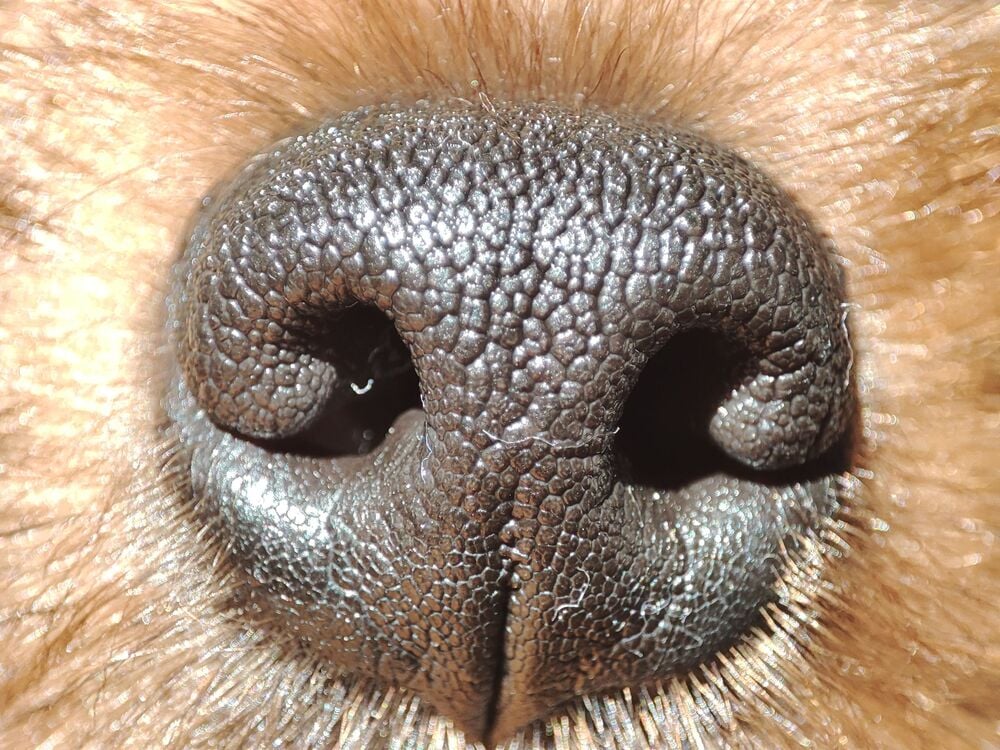
A quick nose check has become the canine equivalent of putting a hand on someone’s forehead. Yet a dog’s nose can shift between wet and dry for perfectly ordinary reasons, including sleep, weather, activity, and the surrounding environment. Nose moisture by itself isn’t a reliable health report. Changes accompanied by other symptoms deserve more attention than whether the nose happens to feel dry at a particular moment.
5. Dogs Eat Grass Because They’re Trying to Vomit

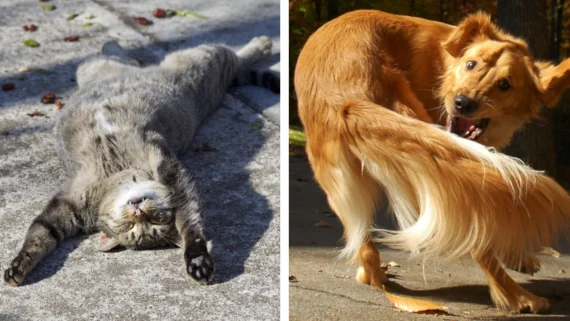
Dog eats grass. Dog later throws up. Case closed? Not quite. Some dogs do vomit after eating grass, but grass eating doesn’t automatically mean they deliberately went searching for a leafy emergency exit. Dogs may nibble vegetation for several reasons, and many don’t become sick afterward. It’s one of those myths about dogs that turns an occasional association into a universal explanation, when the behavior itself can be far less dramatic.
Trending on The Scroller

6. A Guilty Look Means a Dog Knows Exactly What It Did

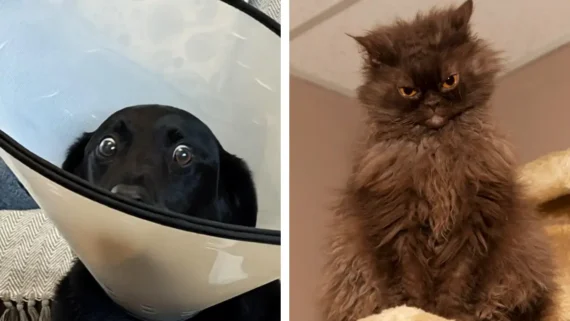
You walk into the room, spot the shredded pillow, and there sits your dog with lowered ears and the saddest little “I have made terrible choices” face imaginable. Adorable evidence of guilt? Not necessarily. That expression can be a response to your voice, posture, or tension rather than a canine confession. Sometimes the face we interpret as “I’m sorry” may be closer to “Something about this situation suggests I should become extremely small right now.”
7. Dogs Beg Because They’re Always Hungry
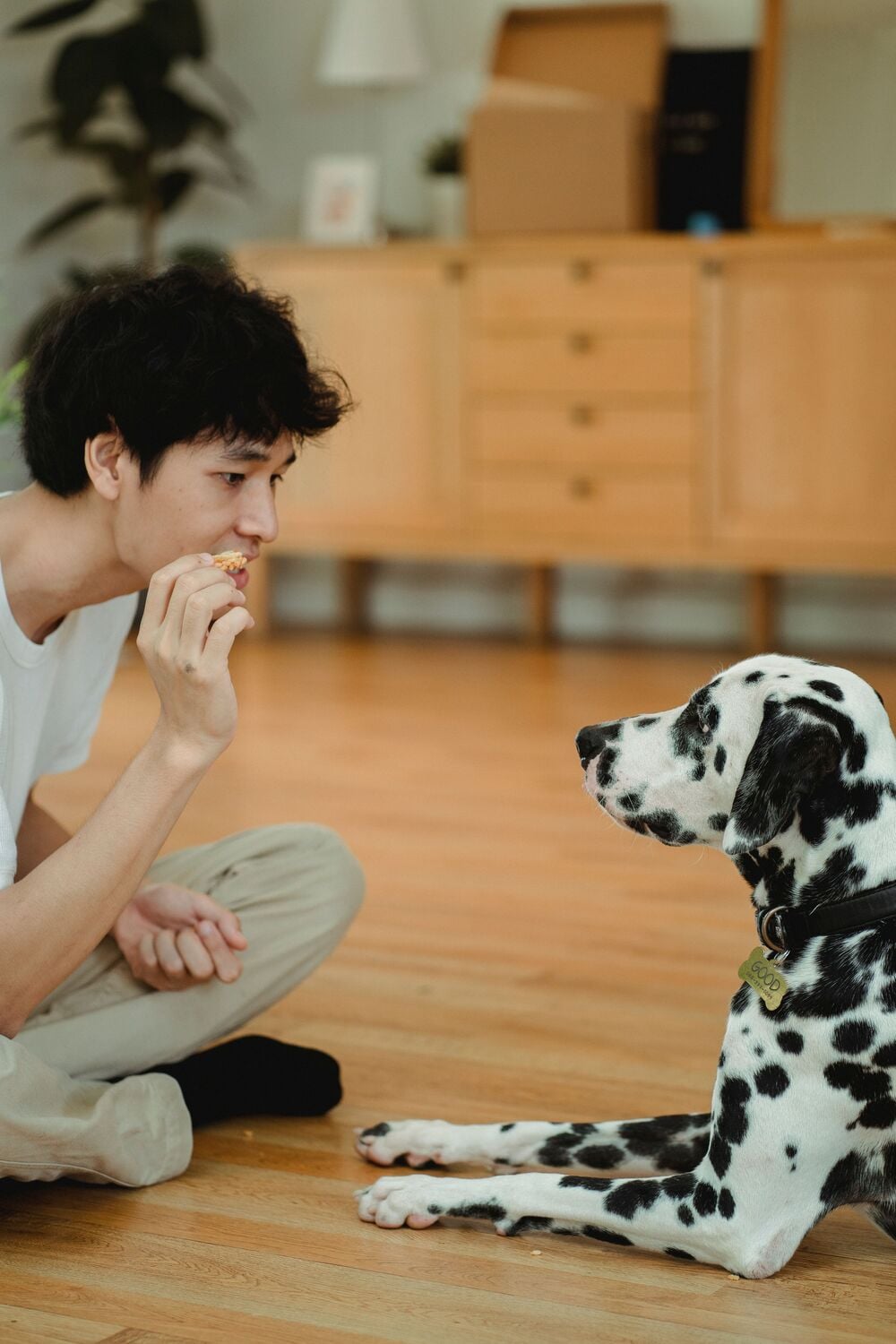
Those eyes. That stare. The tiny head tilt while you’re holding a snack. Surely this poor creature hasn’t eaten since the winter of 1847. In reality, begging doesn’t automatically mean hunger. Dogs are excellent at learning which behaviors get results, especially when the result smells like cheese. If staring at a human long enough has produced a bite before, why abandon a business model with such an impressive success rate?
8. Tug-of-War Makes Dogs Aggressive
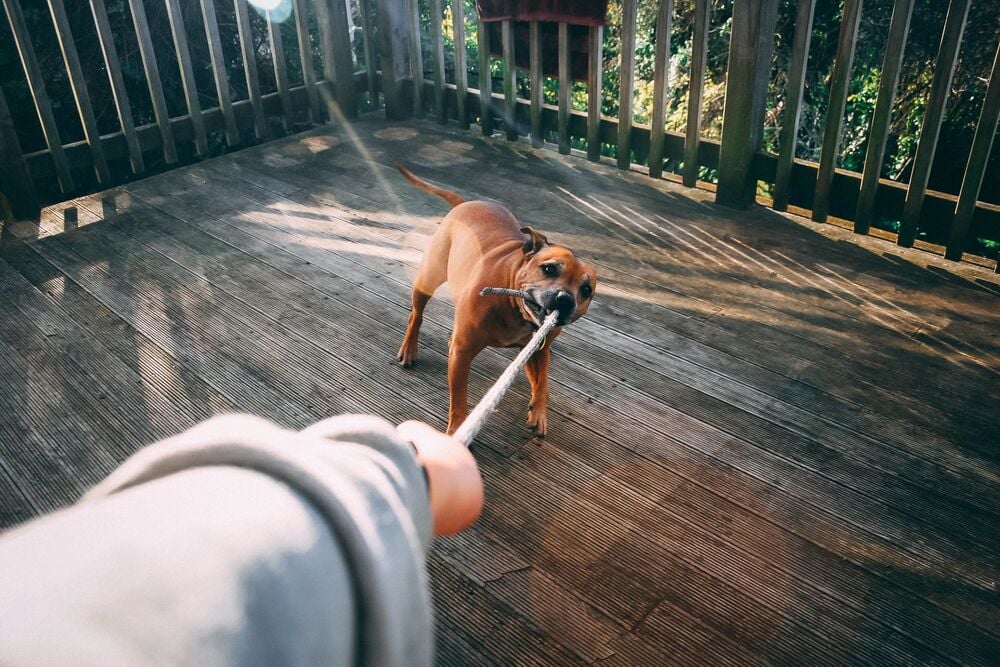
A dog growling while enthusiastically pulling on a rope can look surprisingly intense, but play doesn’t suddenly transform a sweet pet into a tiny furry gladiator. Tug can be an enjoyable interactive game when it’s played appropriately, and both dog and human understand the rules. The growls, dramatic pulling, and occasional expression of absolute determination can simply be part of the fun. To your dog, that old rope may currently be the most important object on Earth.
Sign up for our newsletter
9. Dogs’ Mouths Are Cleaner Than Human Mouths
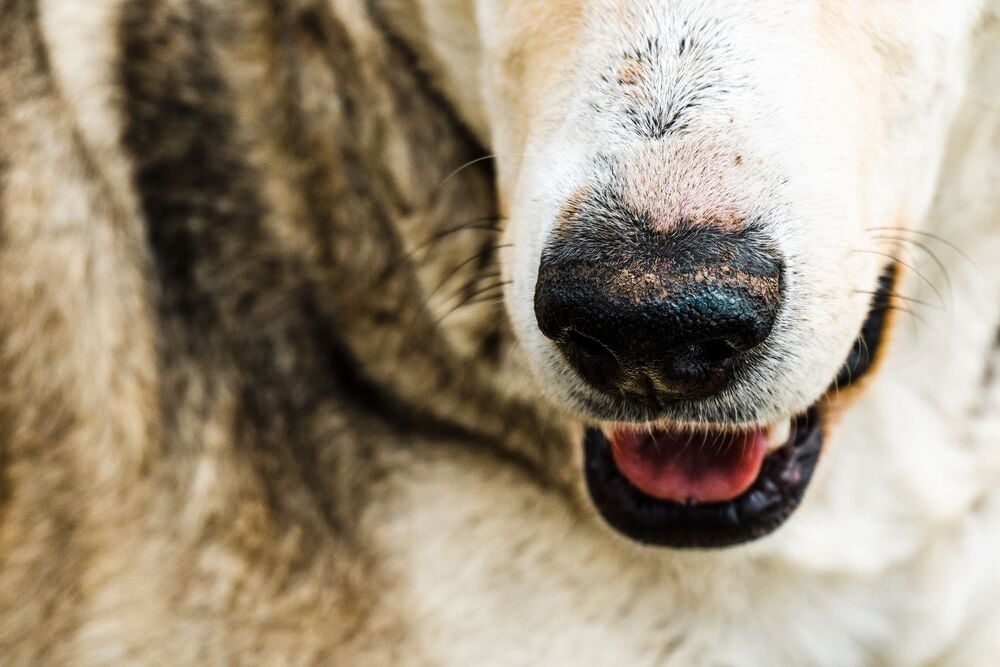
Your dog may be wonderful. Your dog may be precious. Your dog may also have spent five minutes investigating something behind a bush that you desperately wish you hadn’t seen. Dogs have plenty of bacteria in their mouths, just as humans do, although the microbial communities aren’t identical. So while a happy dog kiss can certainly feel affectionate, there’s no need to imagine every canine tongue arriving with its own microscopic cleaning crew.
10. Chewing Is Just Bad Behavior

There goes another shoe. Before declaring your dog a tiny four-legged property criminal, remember that chewing is a completely natural canine behavior. Dogs may chew while exploring, playing, soothing themselves, or simply because chewing feels good. Puppies have an additional excuse: teething. The goal isn´t necessarily to eliminate chewing altogether, but to redirect that enthusiastic set of teeth toward things actually designed to survive it. Your sneakers would appreciate the distinction.
11. Dogs’ Paws Are Basically Just Feet
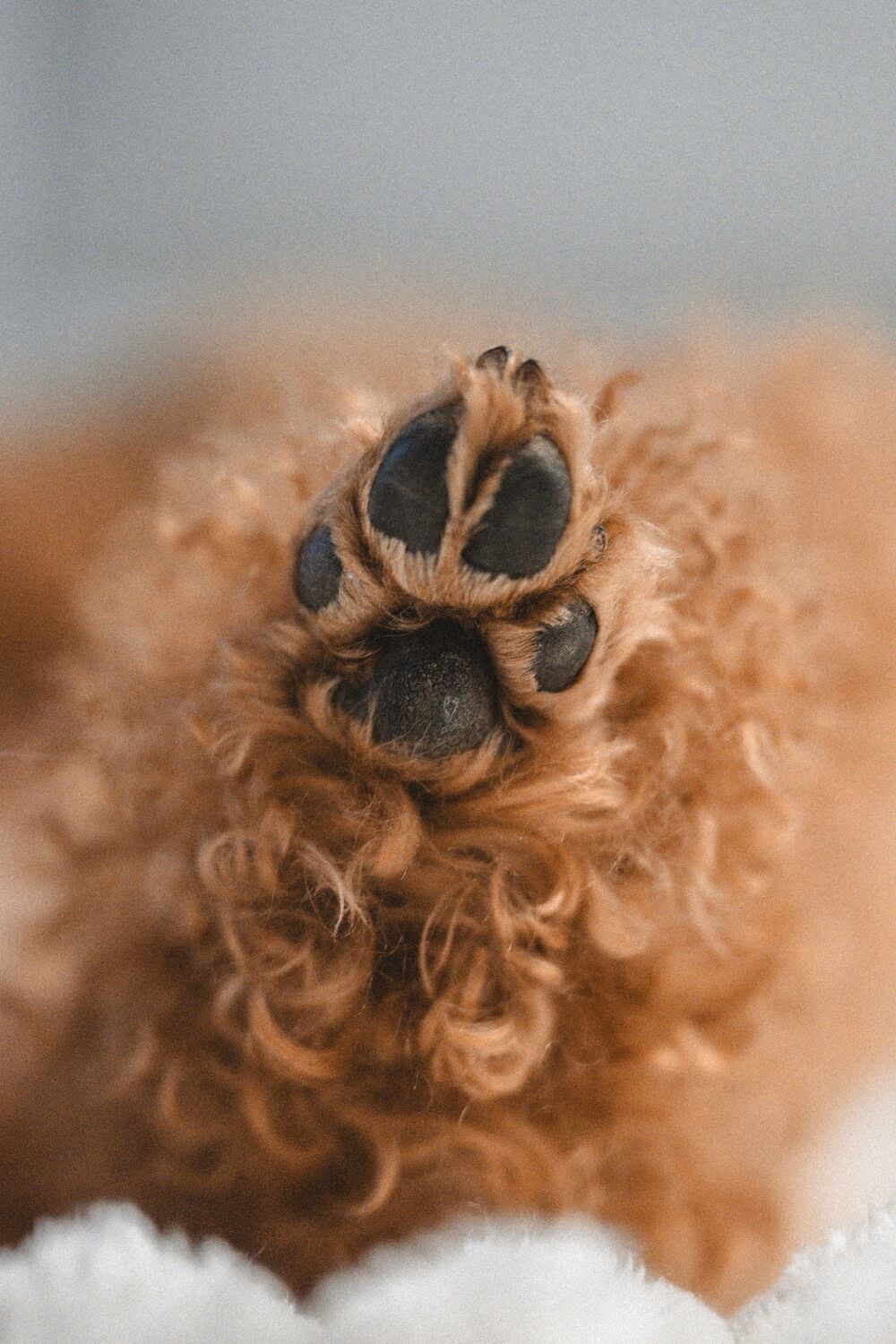
Those little toe beans deserve more credit. A dog’s paws help with movement and traction, but they’re also wonderfully specialized pieces of anatomy. The pads provide cushioning and protection while dogs explore surfaces that would have most barefoot humans reconsidering their life choices immediately. And yes, those soft little pads that somehow make even a giant dog look adorable have practical jobs beyond being irresistible to photograph.
12. Giving Dogs Bones Is Always Safe
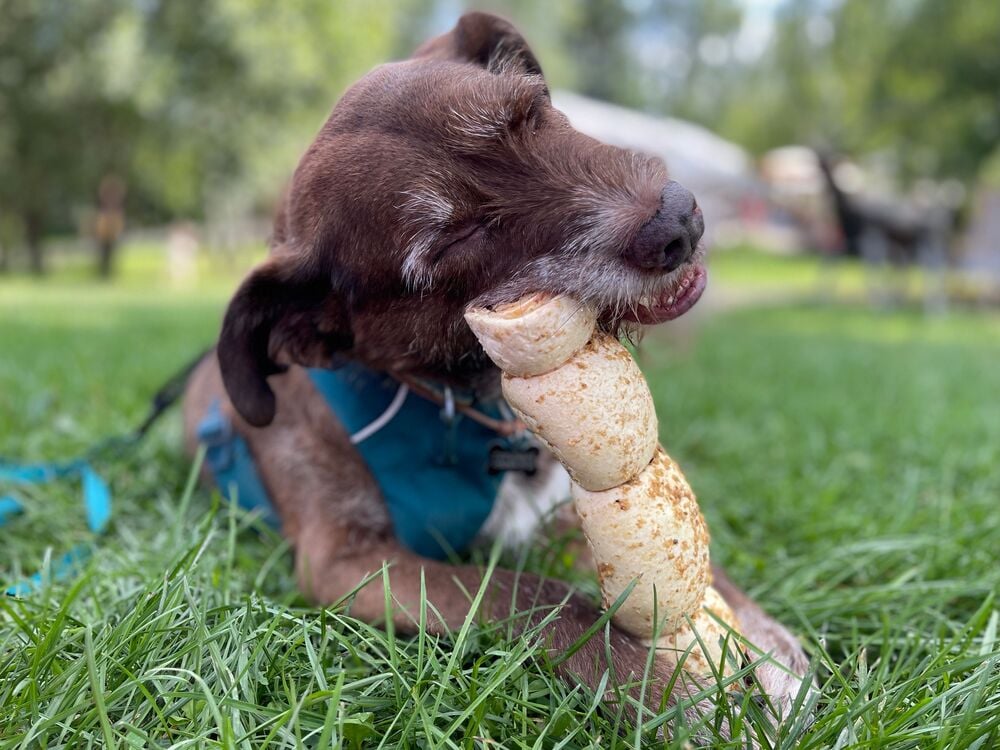
Cartoons have spent decades convincing us that dog plus bone equals perfect happiness. Real life needs a few more footnotes. Not every bone is appropriate or safe, and some can splinter, damage teeth, cause choking, or create digestive problems. So the classic image of a delighted dog trotting away with a bone isn’t a universal feeding rule. Sometimes the most dog-looking treat imaginable is precisely the one that deserves a second look.
13. Garlic Is a Healthy Natural Remedy for Dogs

“Natural” has a lovely wholesome ring to it, but nature has never promised that everything growing from the ground belongs in a dog’s dinner bowl. Garlic is one ingredient dogs shouldn’t simply be given because it has health associations for humans. Their bodies process certain foods differently from ours. Your dog can remain perfectly adorable without joining you in every culinary experiment, especially the heavily seasoned ones.
14. Aggressive-Looking Play Means a Dog Is Dangerous
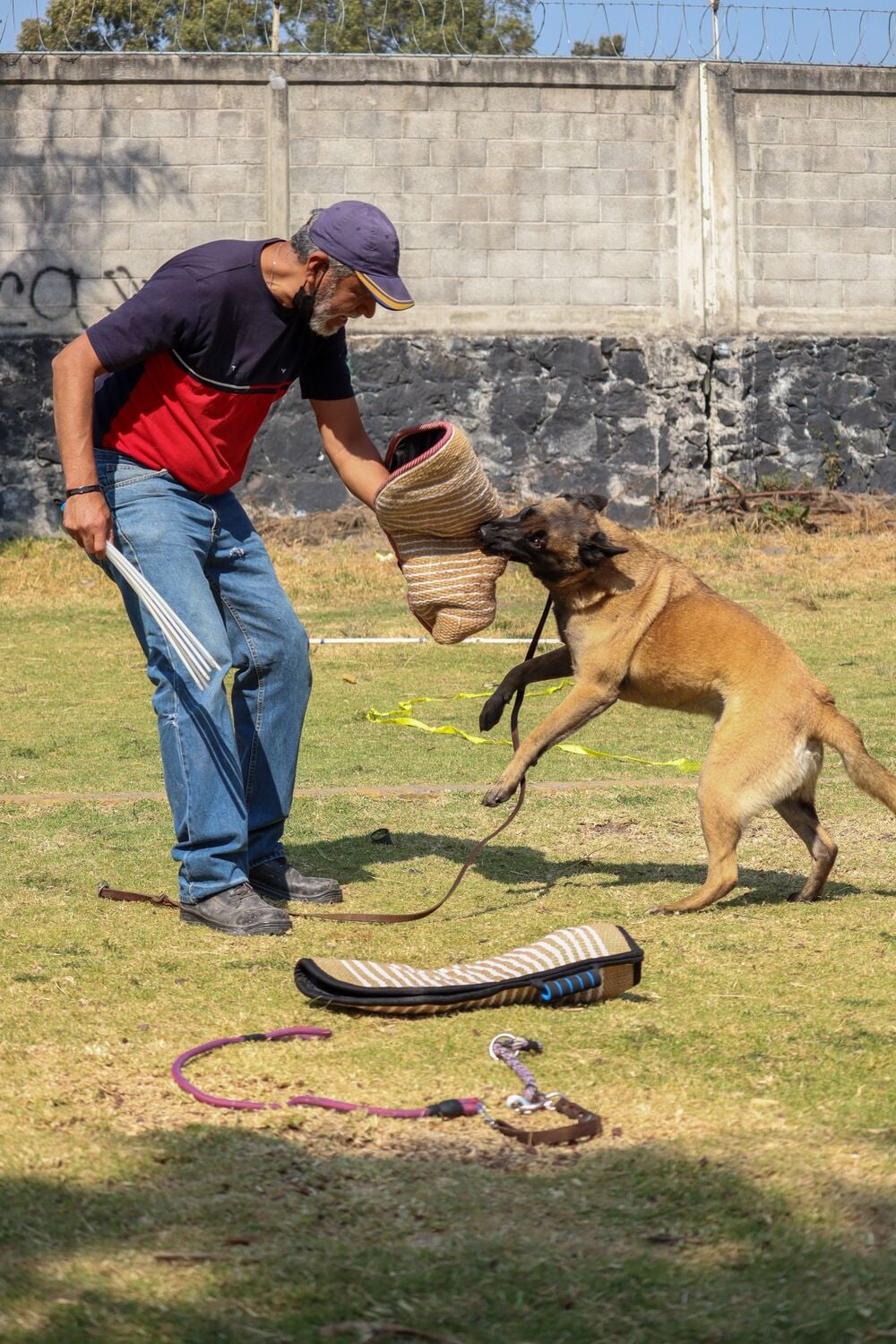
Bared teeth, growling, lunging, wrestling… dog play can occasionally resemble the trailer for a very dramatic action movie. Context matters enormously. Play behaviors can include movements and sounds that look alarming when frozen in a photograph but mean something different when viewed as part of the entire interaction. Body language, responsiveness, and the behavior of everyone involved matter more than one scary-looking second.
15. Some Dog Breeds Are Naturally Mean
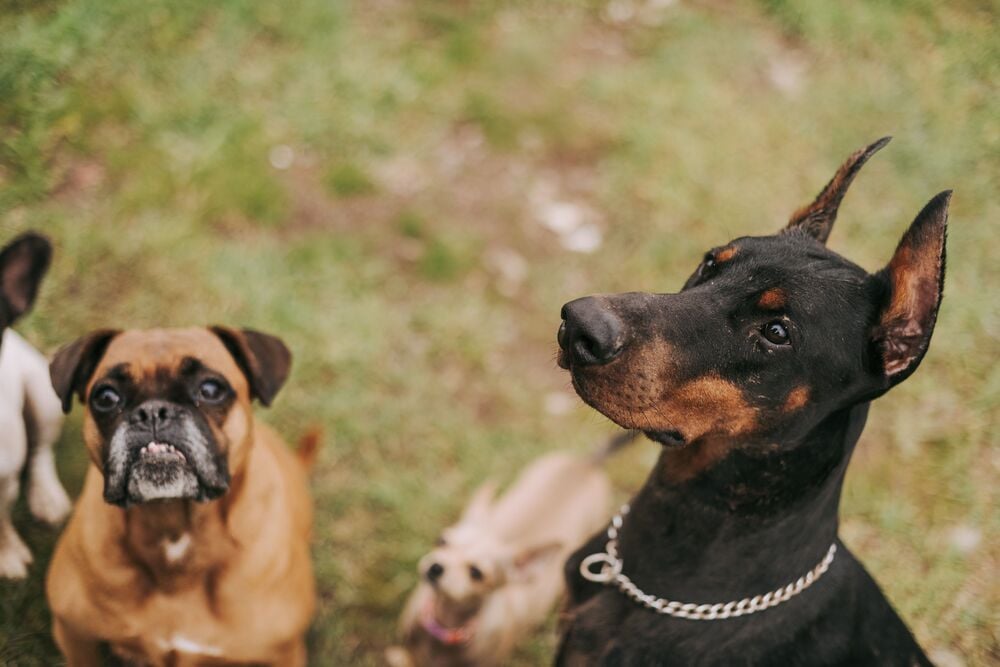
It’s tempting to reduce behavior to a breed label, especially when certain dogs arrive carrying decades of cultural stereotypes with them. But an individual dog’s behavior is shaped by far more than appearance or breed alone, including genetics, socialization, learning, environment, experiences, and handling. Two dogs that look remarkably similar can behave very differently. In other words, judging the whole personality before meeting the dog is a little like deciding how a movie ends from the poster.
Dogs become considerably more interesting once the simple rules disappear. Their wagging tails, dramatic begging faces, enthusiastic chewing, suspicious snack negotiations, and occasionally Oscar-worthy expressions all have more going on beneath the surface than many familiar myths suggest. And really, isn’t discovering that your dog is even weirder than you thought part of the fun?
Keep Exploring The Scroller
Still curious? Keep scrolling through The Scroller for more everyday “facts” that might be quietly begging for a fact-check:
18 Times People Wonder “What’s Wrong With My Dog?”
18 Things About Owning a Dog That Have Completely Changed Since the 1980s