Deserts are among the most unforgiving environments on Earth, characterized by blistering daytime temperatures, freezing nights, and prolonged droughts. For animals to survive in these hyper-arid landscapes, evolutionary adaptations that stretch the boundaries of biological possibility are much needed. Far from being barren wastes, arid regions host a surprising variety of resilient animals that have developed specialized anatomical traits and behavioral routines to navigate extreme heat and scarcity.
From creatures that can absorb moisture directly through their skin to species that tolerate dramatic fluctuations in body temperature, these desert inhabitants demonstrate remarkable survival strategies. Understanding how wild animals extract water from dry seeds, avoid scorching sand, and minimize moisture loss offers a fascinating window into biological ingenuity. Here are sixteen extraordinary facts about desert fauna and the physiological marvels that keep them thriving in harsh climates.
1. Camels store fat rather than water in their humps
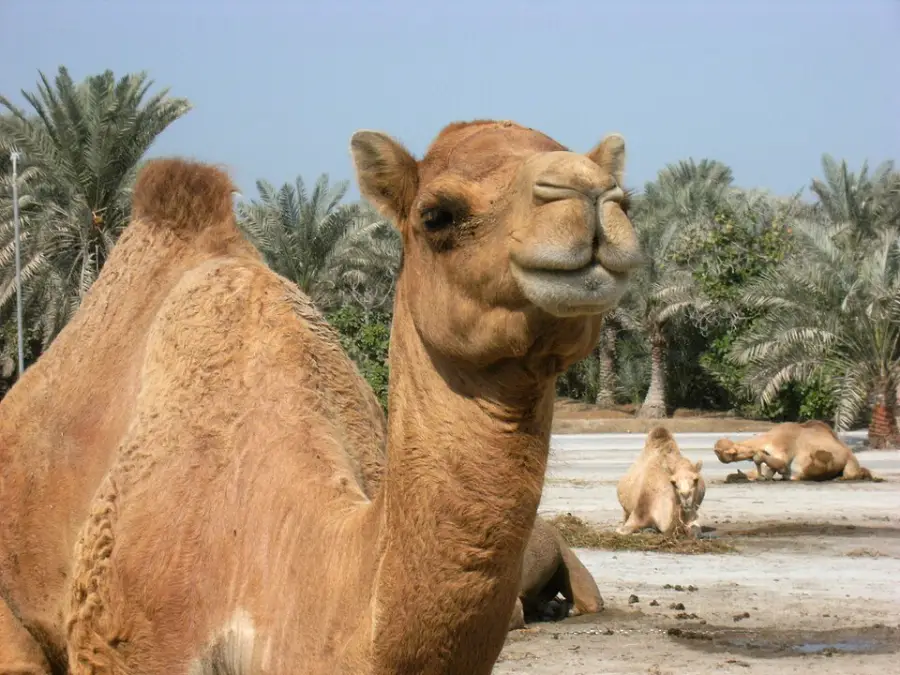
Contrary to popular belief, a camel’s hump contains dense fat reserves rather than liquid water, which minimizes body insulation and allows heat to escape through the rest of its body. As the stored fat metabolizes, it produces over a gram of water for every gram of fat processed, allowing the animal to survive weeks without drinking.
2. The thorny devil drinks moisture through its skin
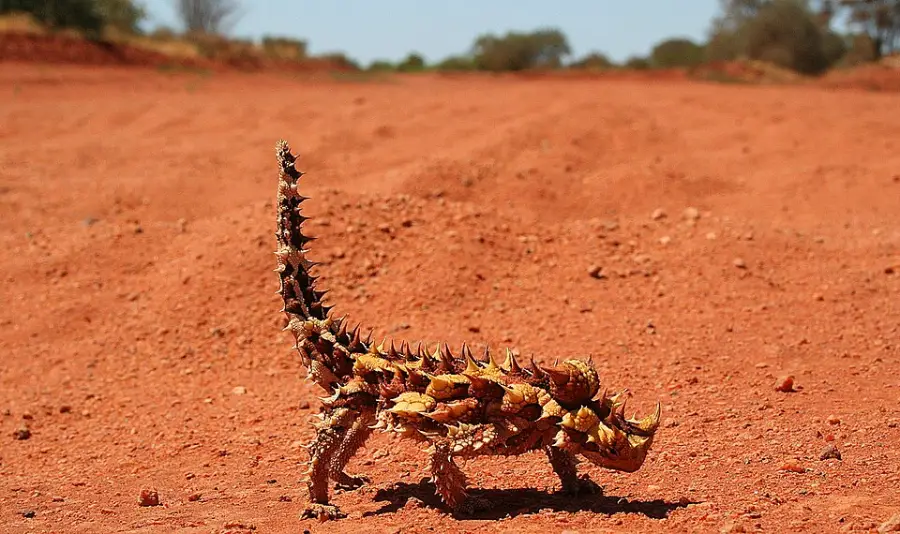
Australia’s thorny devil lizard possesses a microscopic system of capillary channels embedded across its spiky skin. By simply stepping onto damp sand or dew-covered rocks, the lizard draws moisture upward along its body directly into the corners of its mouth without using its tongue.
3. Fennec foxes use their giant ears to dissipate excess heat
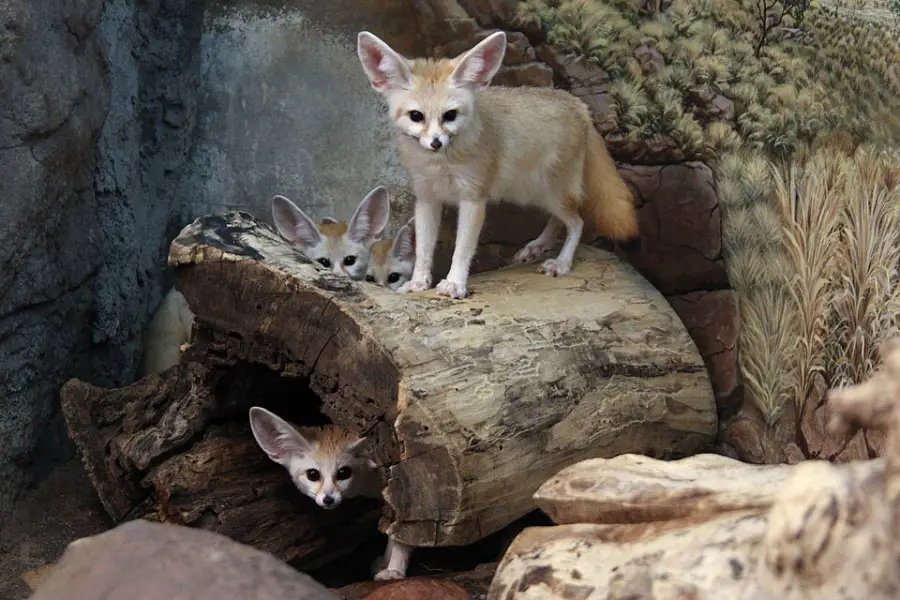
Native to the Sahara, the fennec fox boasts ears that measure up to six inches long relative to its tiny body. These large appendages are lined with dense networks of shallow blood vessels, allowing the fox to radiate body heat into the air and stay cool during peak daylight hours.
4. Sand cats have densely furred paws to walk on scorching ground
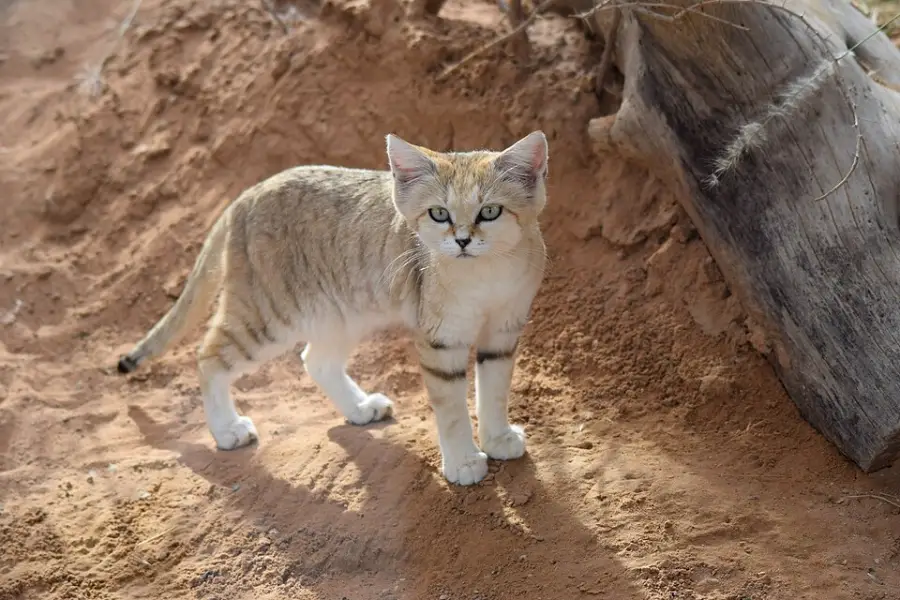
The elusive sand cat features thick fur growing between its toe pads, creating a protective barrier against burning desert sands that can reach temperatures over one hundred and sixty degrees Fahrenheit. This specialized padding also prevents the cat from sinking into loose dunes and leaves virtually no footprints behind.
5. Kangaroo rats never need to drink free water
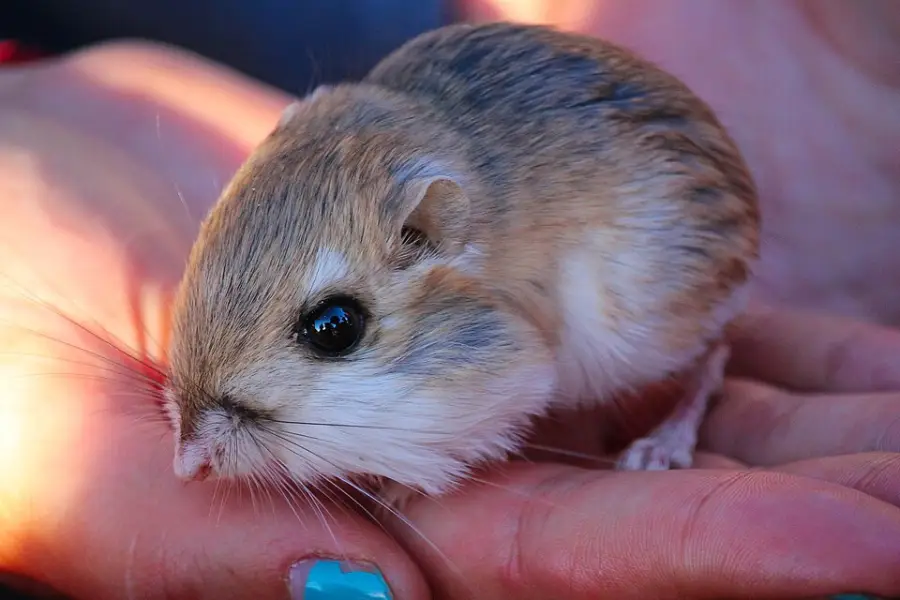
The North American kangaroo rat spends its entire lifetime without drinking a single drop of liquid water. Instead, its highly efficient kidneys extract all necessary hydration from the metabolic processing of dry seeds, while its nasal passages recapture moisture from its own breath before exhaling.
Trending on The Scroller

6. Desert tortoises store water in their bladders for over a year
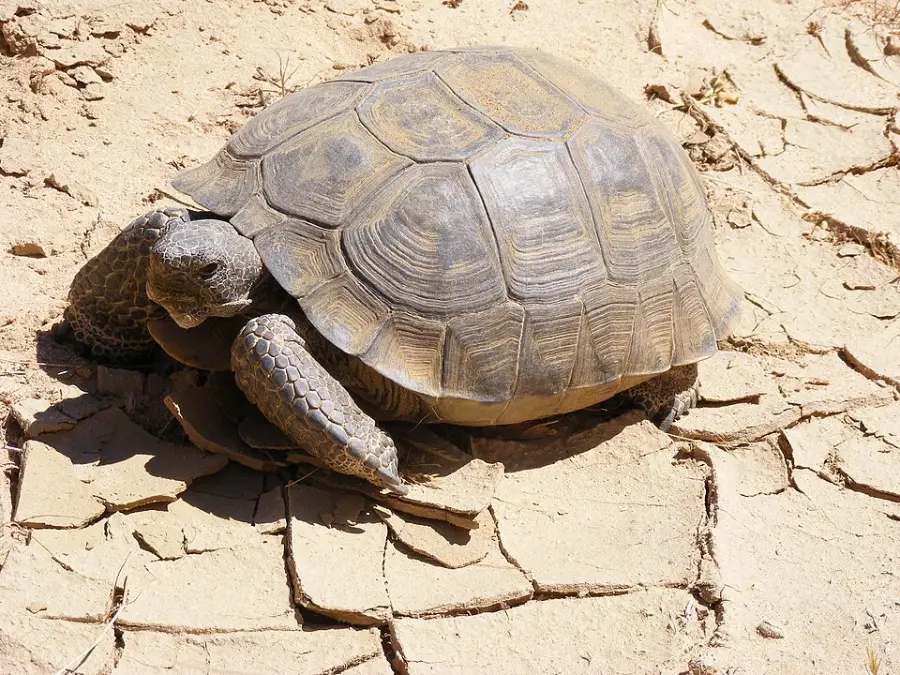
The desert tortoise can expand its urinary bladder to hold up to forty percent of its total body weight in stored water. During severe droughts, the tortoise reabsorbs this liquid reserve to survive, remaining dormant in subterranean burrows for months at a time.
7. Saharan silver ants use reflective hairs as a cooling armor
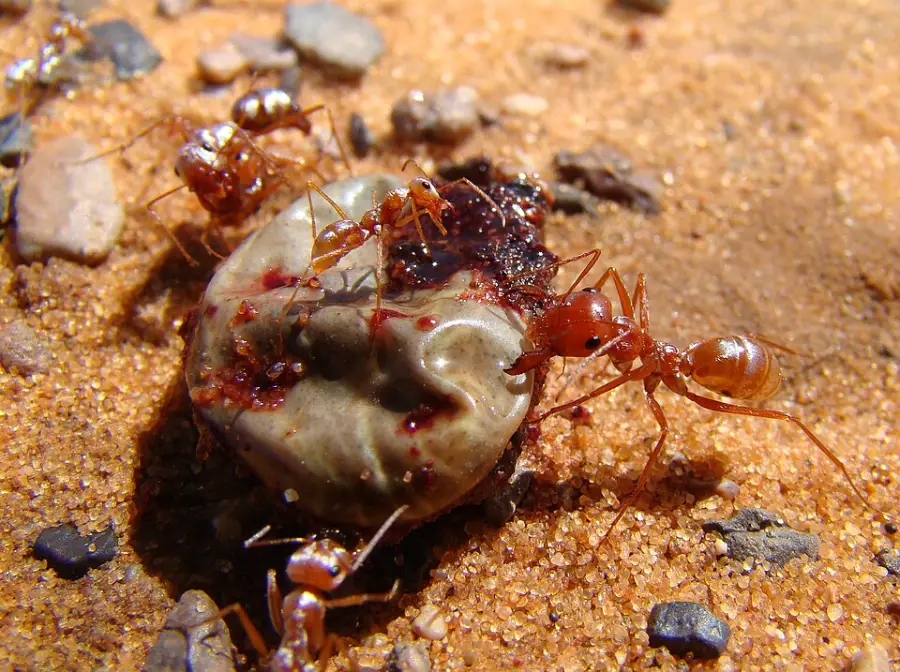
Saharan silver ants navigate midday desert heat that would prove fatal to other insects thanks to a dense coating of uniquely shaped triangular hairs. These hairs reflect visible and near-infrared light like a metallic solar shield, allowing the ants to forage on hot sand for short bursts.
8. Addaxes change their coat color to reflect summer sunlight
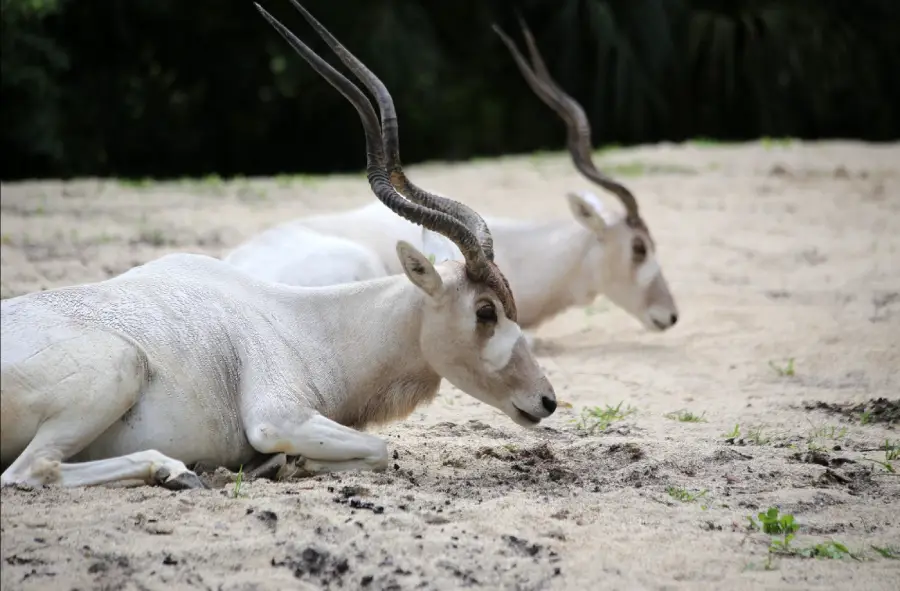
The critically endangered addax antelope alters its fur coloration depending on the season to regulate internal body temperature. During scorching summer months, its coat turns a pale, near-white shade to reflect intense solar radiation, while shifting to a darker grayish-brown in winter to absorb warmth.
Sign up for our newsletter
9. Dorcas gazelles can concentrate their urine into solid pellets
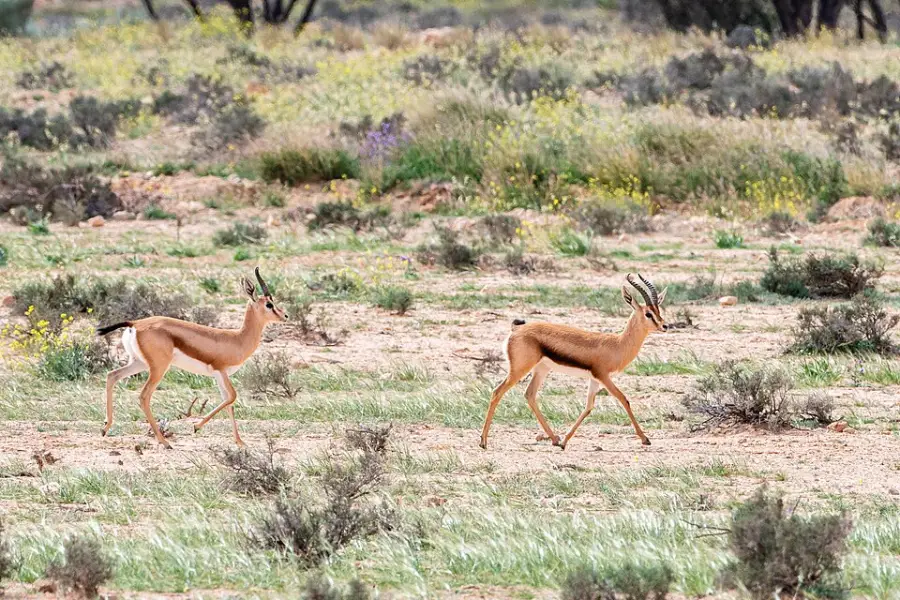
To minimize fluid loss in hyper-arid environments, the dorcas gazelle possesses extraordinarily powerful kidneys. The animal can excrete uric acid in a concentrated, paste-like form and produce extremely dry fecal pellets, enabling it to survive indefinitely without drinking water.
10. Chuckwallas wedge themselves into rocks and inflate their bodies
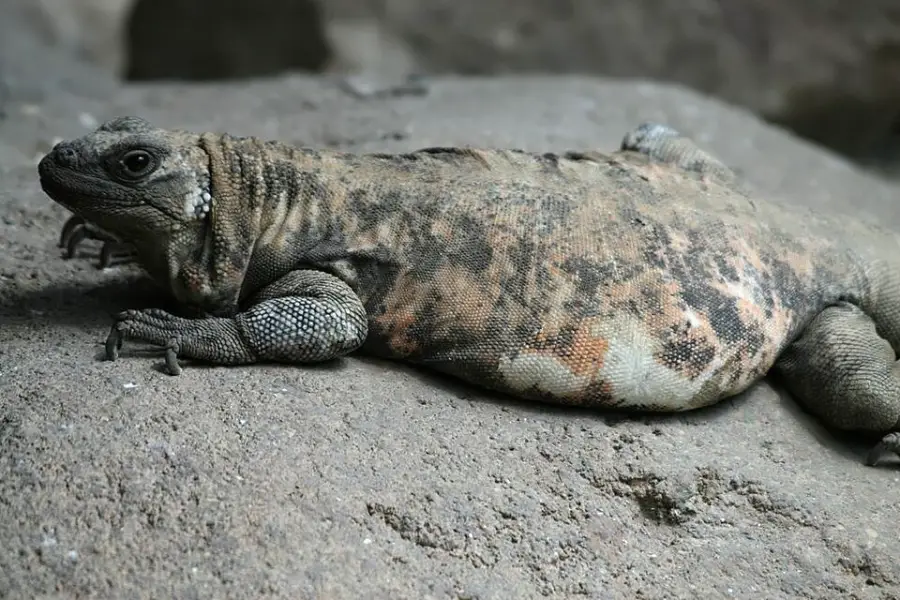
When threatened by predators in desert canyons, the chuckwalla lizard scurries into tight rock crevices and inflates its lungs with air. By expanding its body folds, the lizard locks itself securely into the stone wall, making it impossible for predators to extract it.
11. Sidewinder rattlesnakes move diagonally to avoid hot surfaces
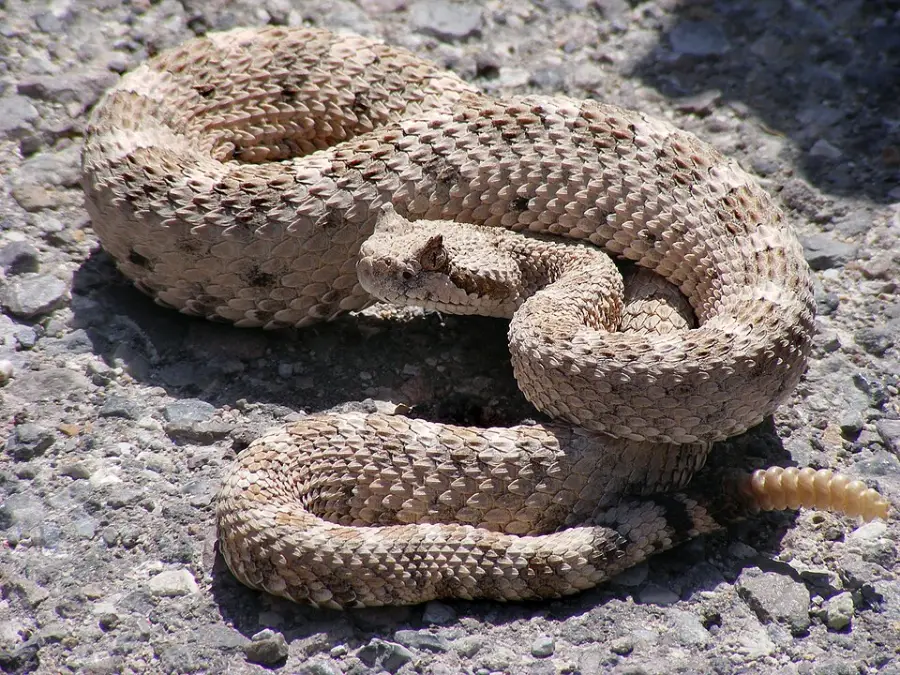
The sidewinder rattlesnake moves across loose, blistering sand using a unique lateral rolling motion that keeps most of its body elevated off the ground. At any given moment during its movement, only two small points of the snake’s body make contact with the scorching terrain.
12. Roadrunners excrete excess salt through their specialized eye glands
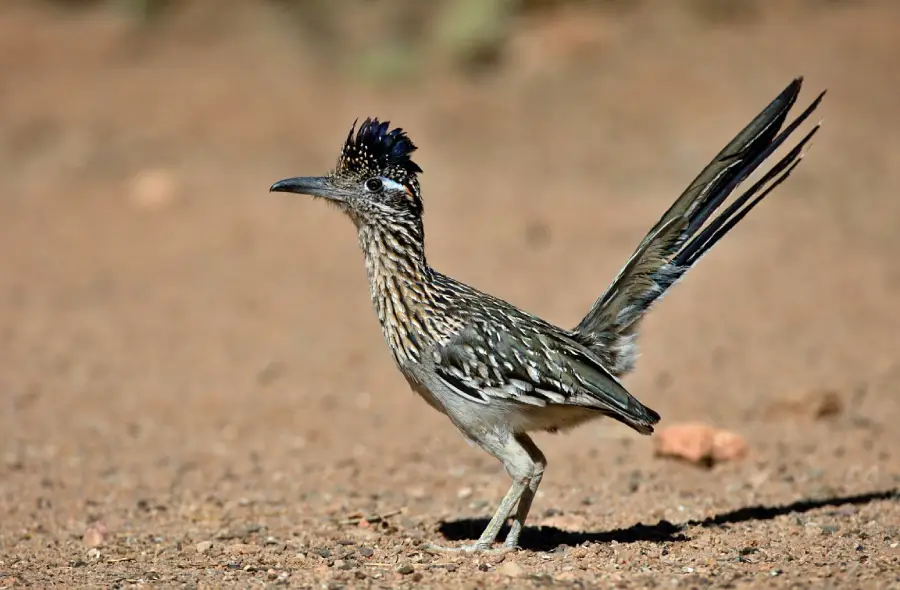
Because roadrunners derive most of their moisture from prey like scorpions and venomous lizards, they ingest high levels of salt. To expel this excess mineral without wasting precious body water through urination, roadrunners secrete concentrated salt fluids through specialized nasal glands near their eyes.
13. Gila monsters store moisture and energy in their tails
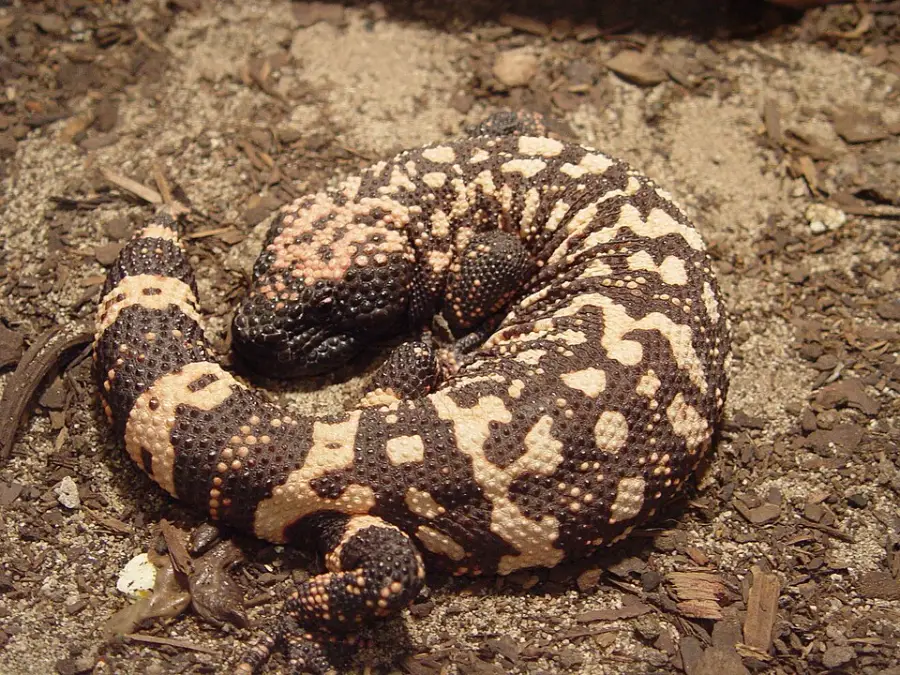
As one of the few venomous lizards on Earth, the Gila monster uses its thick tail as a primary storage organ for fat and water. After consuming large meals of bird eggs or small rodents, the lizard expands its tail reserves, allowing it to spend up to ninety percent of its life underground.
14. Namib Desert beetles catch the morning fog on their backs
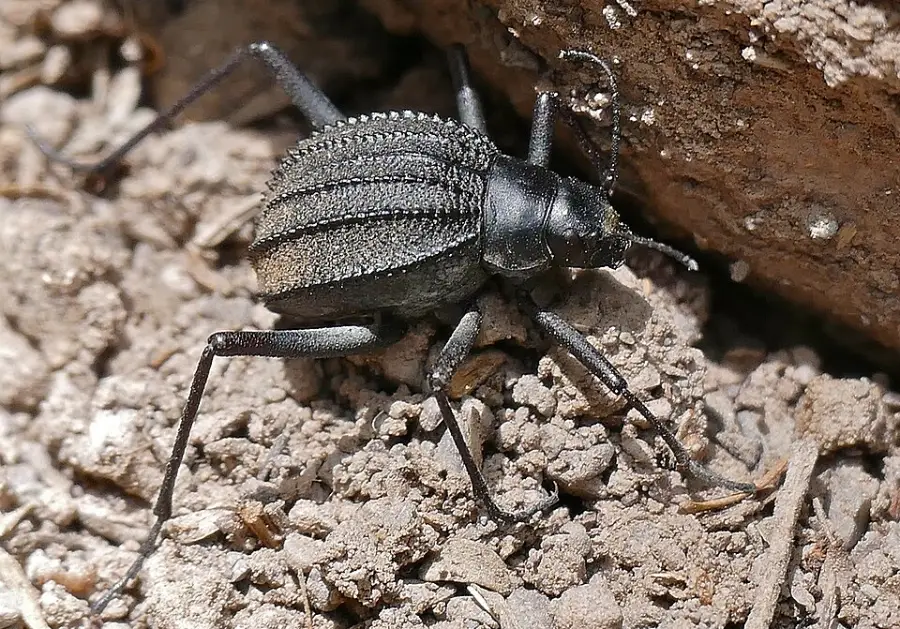
The Stenocara beetle of the Namib Desert climbs to the crests of high sand dunes during the early morning fog to collect drinking water. Its bumpy wing covers feature alternating water-attracting peaks and water-repelling valleys, which funnel condensed fog droplets directly down toward the beetle’s mouth.
15. Spadefoot toads spend years encased underground in mucus
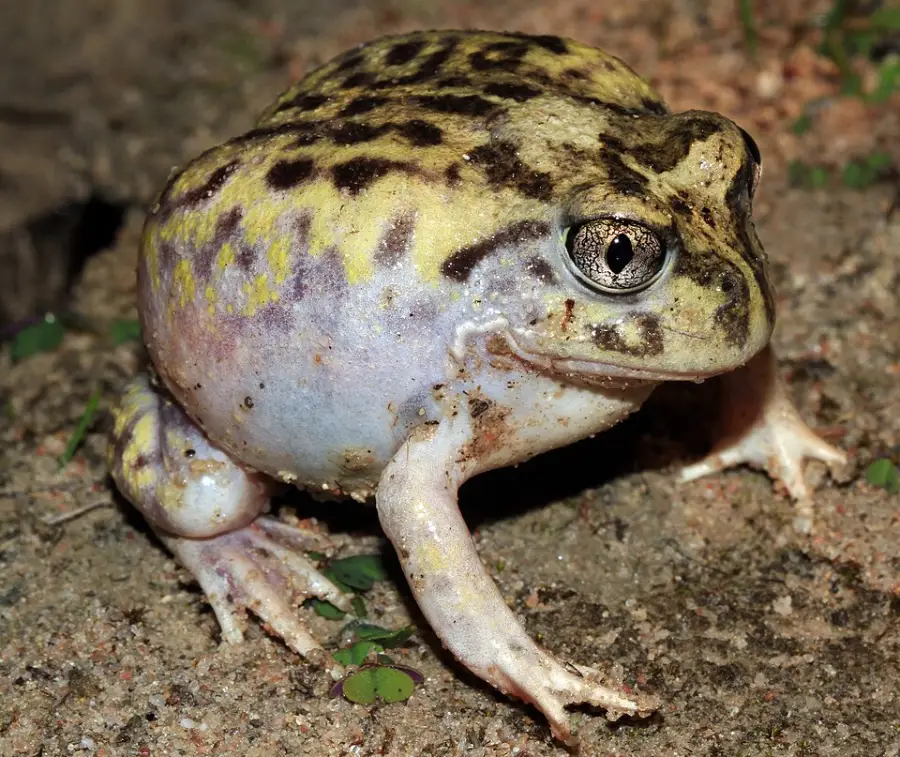
During extended dry spells, the desert spadefoot toad burrows several feet below the surface and secretes a waterproof membrane made of dried skin and mucus around its body. The toad can remain in this suspended state for up to several years until the sound of heavy rainfall vibrations awakens it to breed.
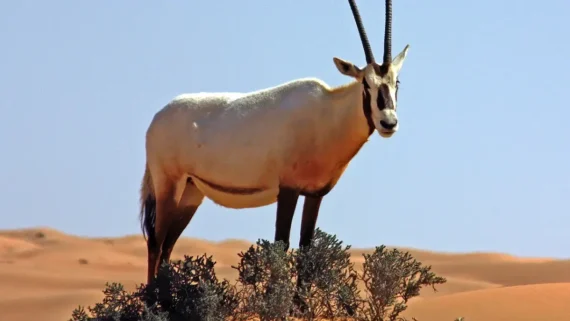
16. Arabian oryx can raise their internal body temperatures
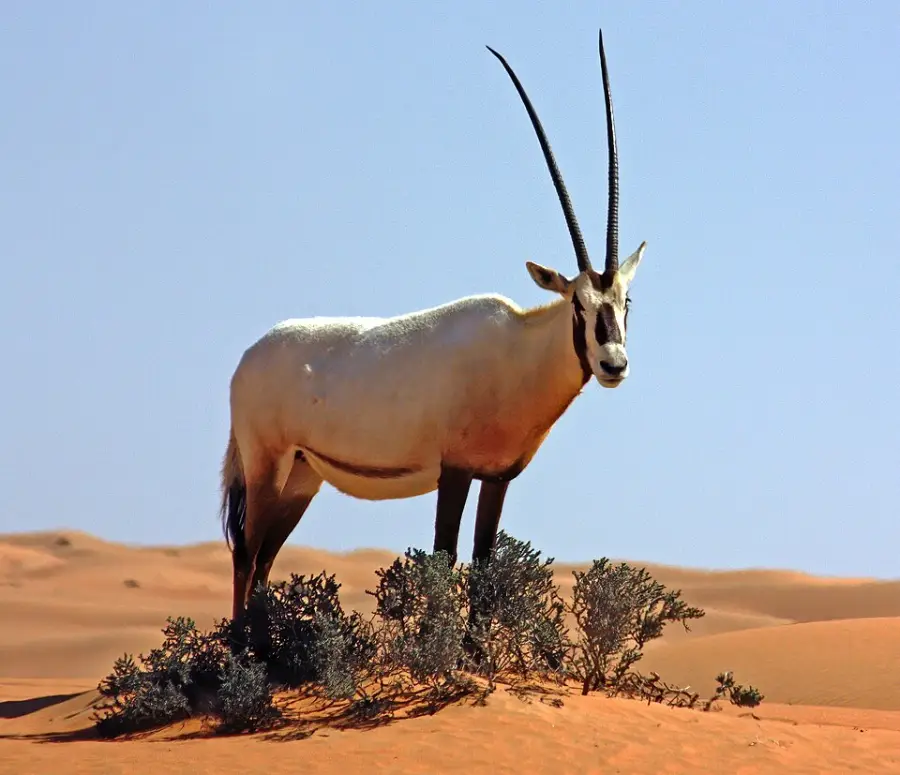
To avoid losing moisture through sweating or panting, the Arabian oryx can safely allow its core body temperature to rise to over one hundred and seven degrees Fahrenheit. A specialized network of blood vessels near the nasal passage cools blood heading to the brain, keeping the animal healthy even during extreme fever-like heat.
Explore more interesting facts about nature:
Discovering the radical physiological adaptations, water-saving tricks, and extreme temperature tolerance of these resilient animals highlights the extraordinary ingenuity of the natural world. The astonishing ways these species manage hydration, heat dissipation, and underground survival prove that life can flourish in even the most hostile environments on the planet. If you love discovering nature deep dives, fascinating animal facts, and extraordinary biological archives, be sure to check out these 16 Facts About Deep Sea Creatures and Survival, or these 16 Amazing Facts About Big Cats. You may also like these 20 Animal Facts That Sound Made Up (But Aren’t).