Most of the information we consume daily is purely transactional, helping us navigate work schedules, pay bills, or figure out what to make for dinner. Yet the human brain has an unusual capacity to hold onto deeply specific, highly impractical facts for decades. You might forget where you placed your car keys, but you will permanently retain the knowledge of how a wombat goes to the bathroom.
This collection gathers 14 completely verified, wildly specific facts that serve absolutely no practical purpose in your everyday routine. Ranging from deep space anomalies to peculiar corporate histories, these details have been cross-checked against scientific institutions and historical records to ensure accuracy. Memorizing them will not improve your credit score, but they offer the perfect mix of weird science and unexpected history to deploy at your next dinner party.
1. Wombats produce cube-shaped poop
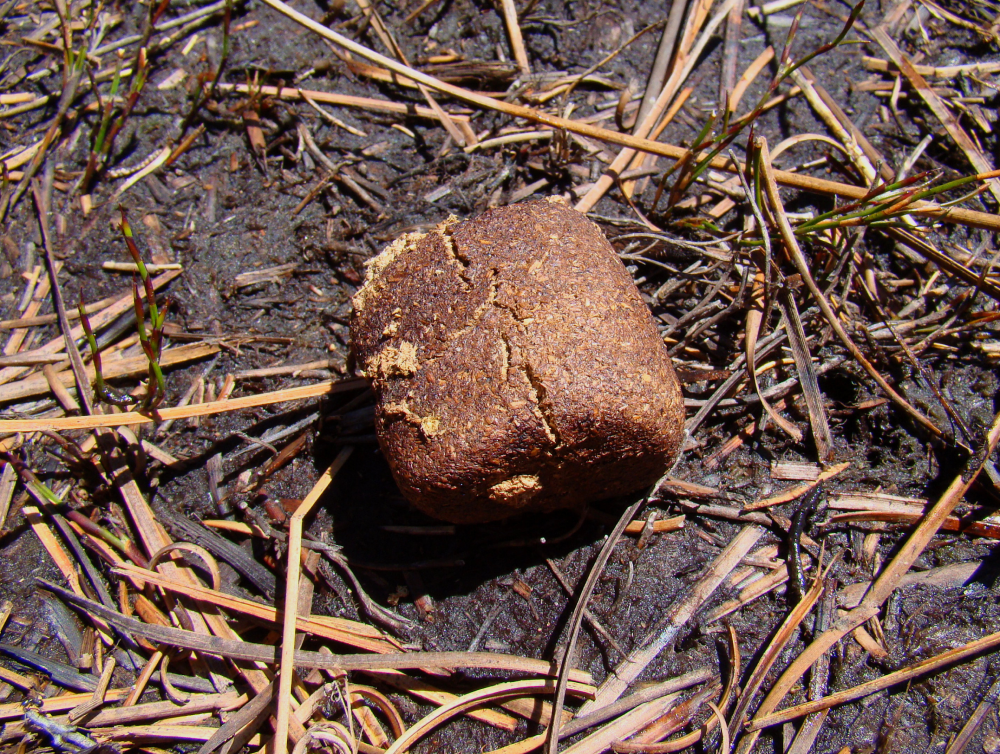
Wombats are among the strangest bathroom users in the animal kingdom because their droppings emerge shaped like little cubes. Biologists discovered that variations in the elasticity of the wombat’s intestines mold the waste into this geometric shape as it moves through the digestive tract. Some of these Australian marsupials produce up to 100 cubes a day, and researchers suspect the flat sides prevent the droppings from rolling away when used to mark territorial boundaries.
2. Bubble wrap was originally supposed to be wallpaper

When inventors Alfred Fielding and Marc Chavannes were tinkering with plastic shower curtains in 1957, they accidentally manufactured sheets of trapped air bubbles. Their initial pitch was to sell the material as textured wallpaper, which unsurprisingly failed to attract buyers. After pivoting through hundreds of alternative concepts, they eventually realized their quirky creation was perfect for shielding fragile items during shipping, giving the world Bubble Wrap.
3. Oxford University is older than the Aztec Empire
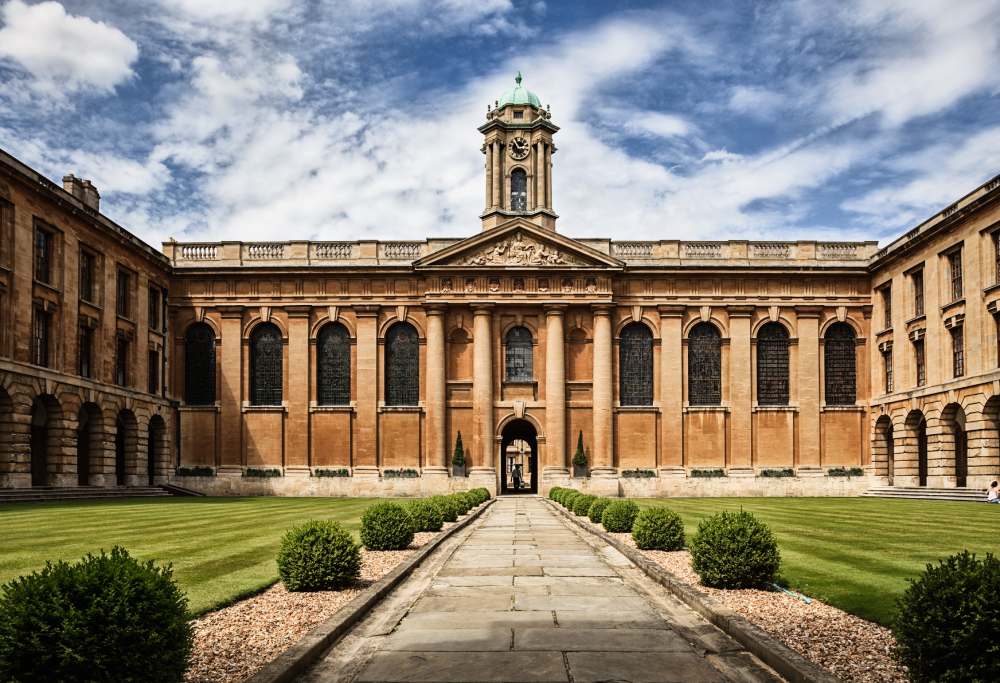
We tend to mentally organize historical eras into neat, non-overlapping boxes, which makes this timeline collision so jarring. Records show that students were already attending lectures at Oxford by 1096. Meanwhile, the Aztecs did not found their capital city of Tenochtitlán until 1325, with their larger empire forming even later in the 15th century.
4. A day on Venus is longer than its entire year
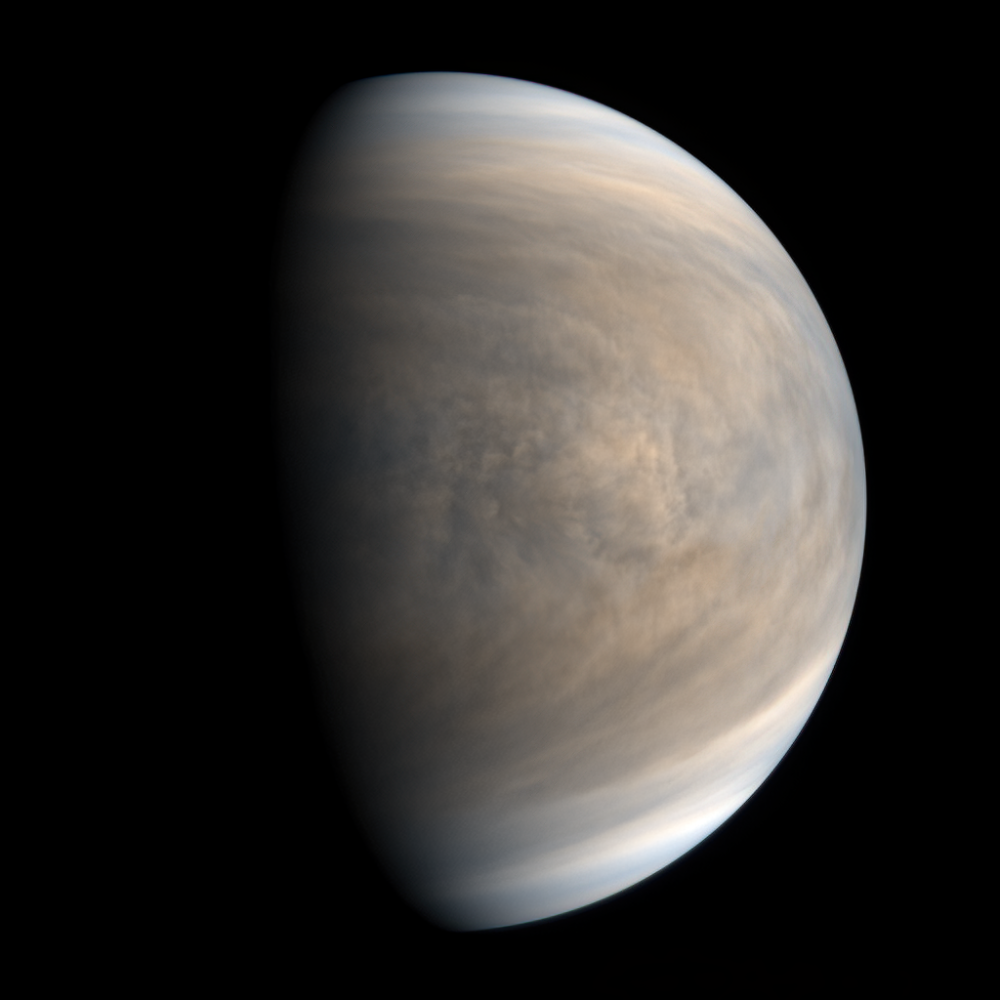
The planetary mechanics of Venus defy our basic understanding of time. The planet takes approximately 243 Earth days to rotate just once on its axis, yet it completes a full orbit around the Sun in only 225 Earth days. Consequently, a single Venusian day lasts longer than its entire year. Furthermore, the planet spins in the opposite direction from Earth, meaning anyone standing on the surface would watch the Sun rise in the west and set in the east.
5. Scotland’s national animal is the unicorn
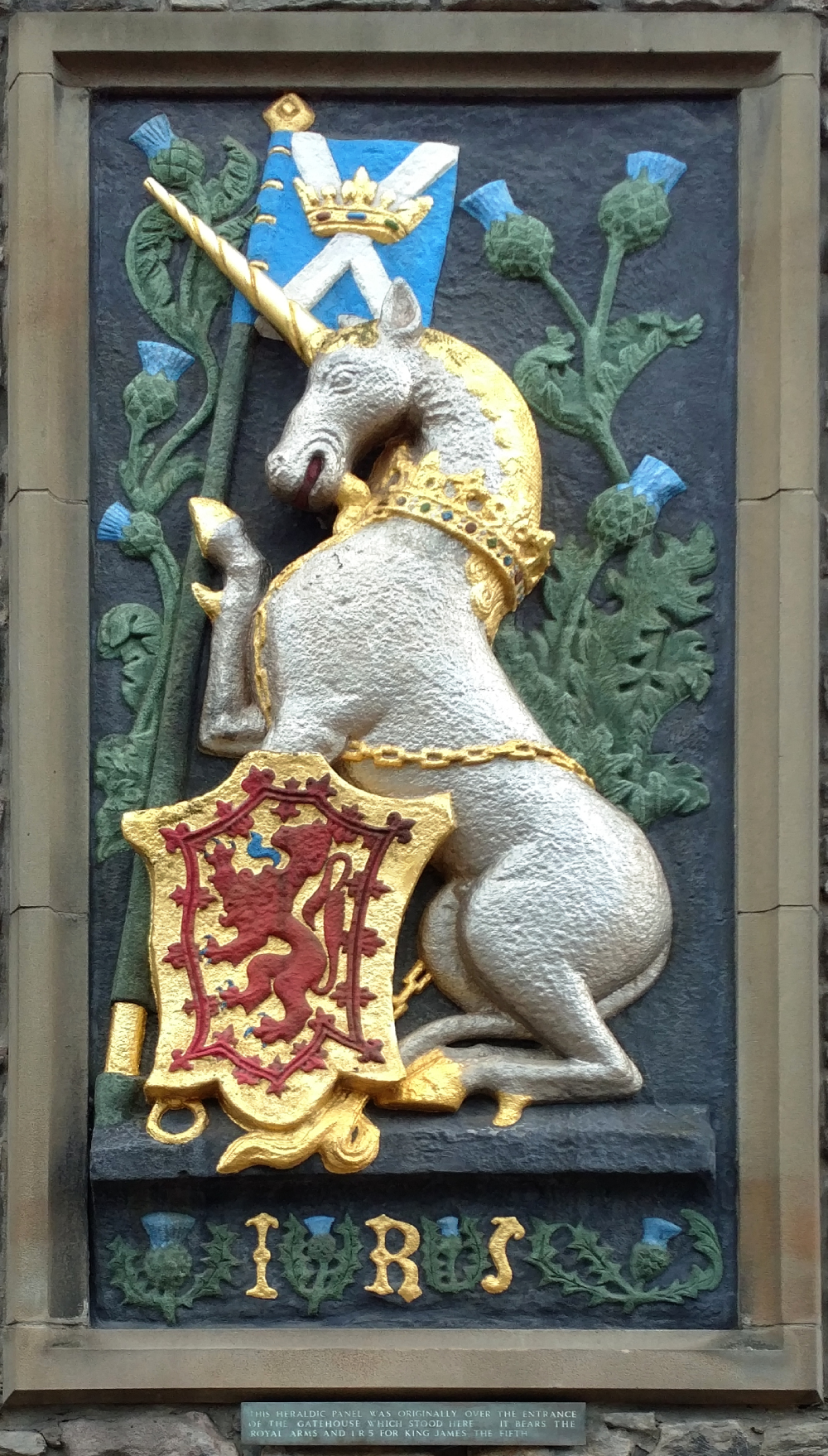
While most nations select formidable predators or local wildlife as their official symbols, Scotland opted for a mythical creature. The unicorn has featured prominently in Scottish heraldry for centuries, serving as a medieval emblem of purity, power, and strength. Far from a modern internet joke, this regal association stretches back through centuries of royal history.
Trending on The Scroller

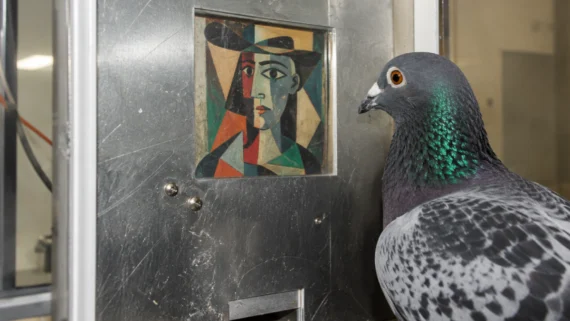
6. Pigeons can learn to tell Picasso paintings from Monet paintings
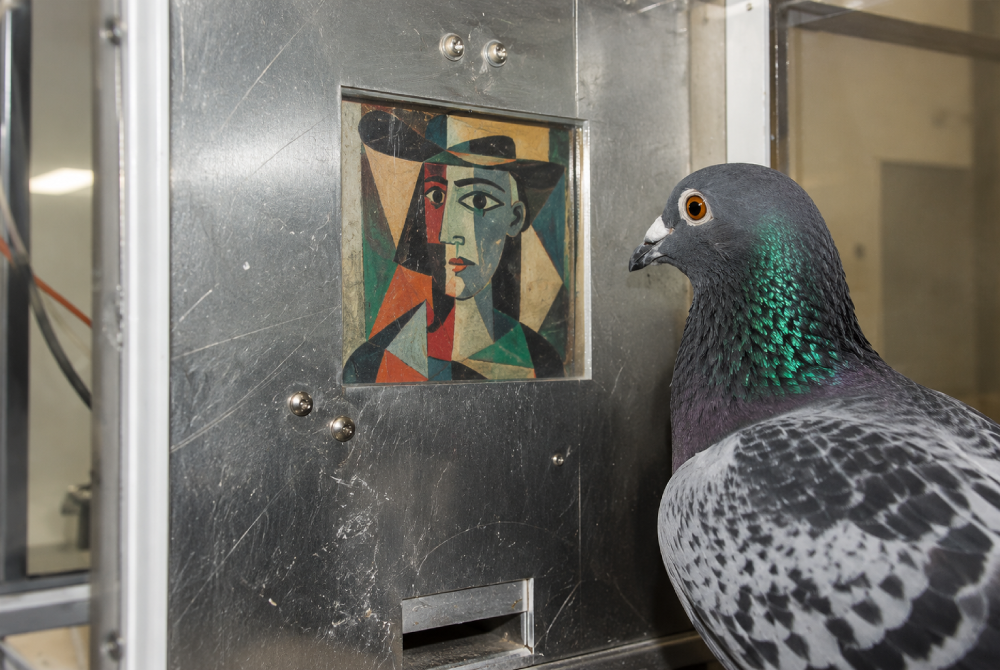
Pigeons possess a level of visual sophistication that goes well beyond finding breadcrumbs on a sidewalk. During a 2009 behavioral study, researchers successfully trained the birds to distinguish between the artwork of Pablo Picasso and Claude Monet. Rather than just memorizing a single image, the pigeons learned to recognize the underlying differences in the painters’ distinct styles.
7. Sea otters have built-in pockets for their favorite rocks
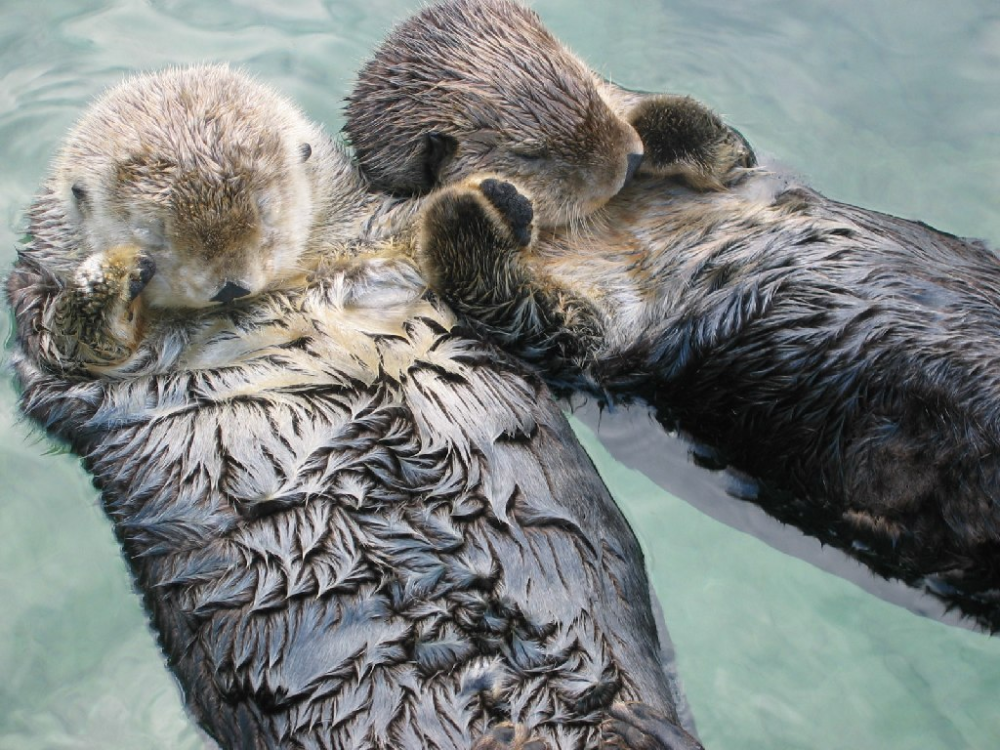
Lacking the thick, insulating layer of blubber found on seals and whales, sea otters must consume massive amounts of food to maintain their body heat in freezing coastal waters. To help secure those meals, they have loose folds of skin beneath their forearms that act as built-in pockets. The otters frequently stash their favorite rocks in these pouches, retrieving them later to crack open hard-shelled prey like clams and crabs.
8. The world’s largest desert is actually Antarctica

The word “desert” usually brings to mind scorching sand dunes and relentless sun, but the actual geographical classification depends almost entirely on a lack of precipitation. Under that metric, the icy expanse of Antarctica easily qualifies. It currently stands as the largest desert on Earth, while the Sahara is relegated to the title of the world’s largest hot desert.
Sign up for our newsletter
9. Octopuses have three hearts
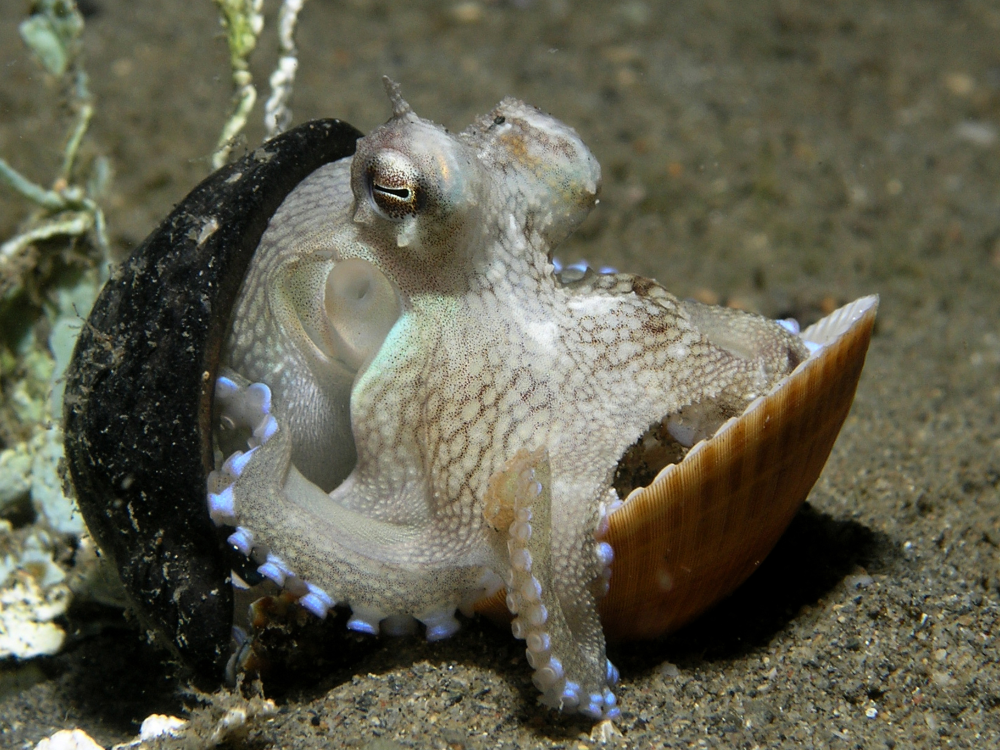
An octopus manages its circulation using a surprisingly elaborate internal system consisting of three separate hearts. Two of these organs are dedicated exclusively to pumping blood through the creature’s gills to collect oxygen. The third heart takes that oxygen-rich blood and distributes it to the rest of the body, powering an invertebrate capable of squeezing through impossibly narrow gaps.
10. Flamingos are not born pink

The famous neon pink plumage of a flamingo is entirely diet-dependent. Baby flamingos hatch with dull, grayish-white feathers and only develop their signature coloring gradually over time. Their vibrant hue comes from carotenoid pigments naturally found in the specific algae and small crustaceans they eat. If a flamingo were deprived of those dietary pigments, its feathers would eventually fade back to a pale white.
11. The Moon is slowly moving away from Earth
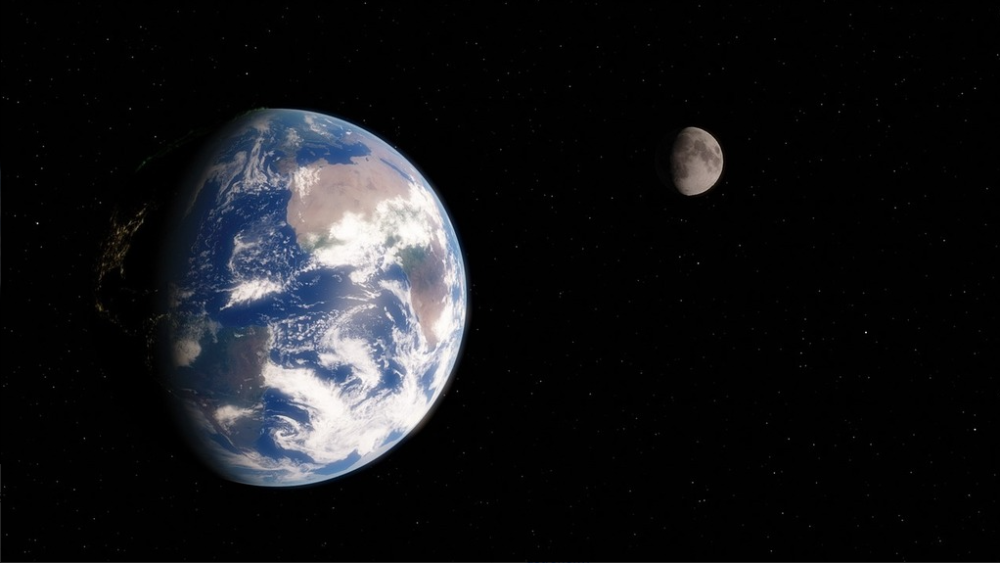
Our lunar neighbor is gradually abandoning us, drifting away from Earth at a rate of roughly 1.5 inches every year. This slow separation is driven by gravitational interactions between the Moon, our planet, and the oceans’ tides. Scientists can measure this shift with extreme precision by bouncing lasers off special reflectors left on the lunar surface by Apollo astronauts.
12. Post-it notes were invented because someone kept losing his place in church
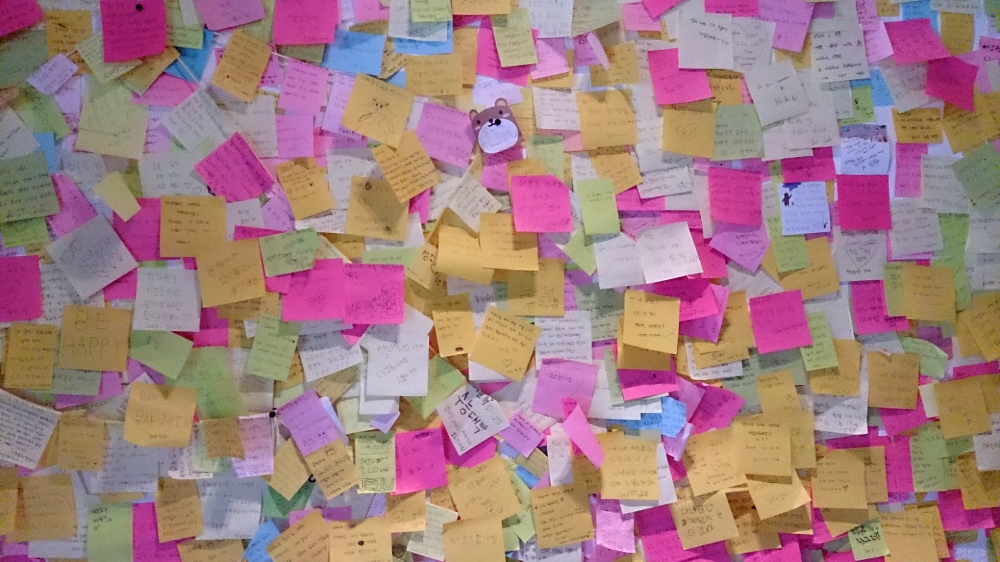
The ubiquitous office supply staple was born out of Sunday morning frustration. In 1974, 3M employee Art Fry was annoyed that the paper bookmarks kept slipping out of his church hymnal. He recalled that a colleague named Spencer Silver had previously developed an unusually weak adhesive that failed its original industrial purpose. Fry realized the mild glue was perfect for creating a removable bookmark, a concept that evolved into the Post-it Note by 1980.
13. Nintendo started making playing cards in 1889
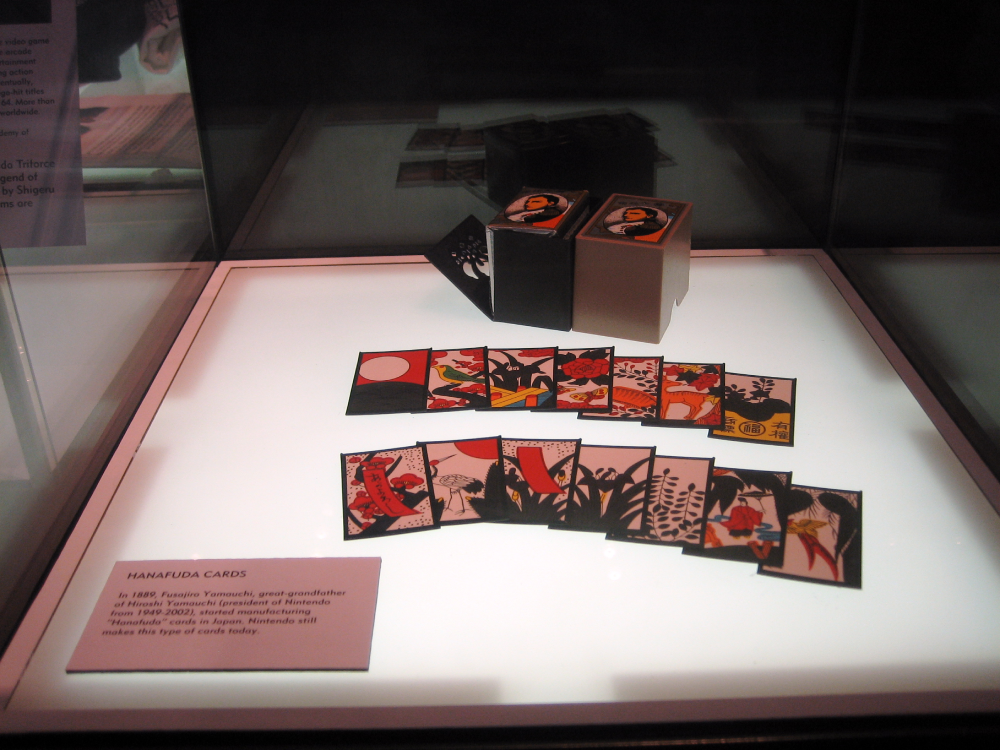
Long before the invention of the microchip or the television, Nintendo was operating as a small business in Kyoto. Founded by Fusajiro Yamauchi in 1889, the company originally manufactured traditional Japanese hanafuda playing cards. The brand spent decades expanding into various toys and physical entertainment products before finally pivoting into the digital video games that made it a global empire.
14. The shortest recorded war lasted just 45 minutes
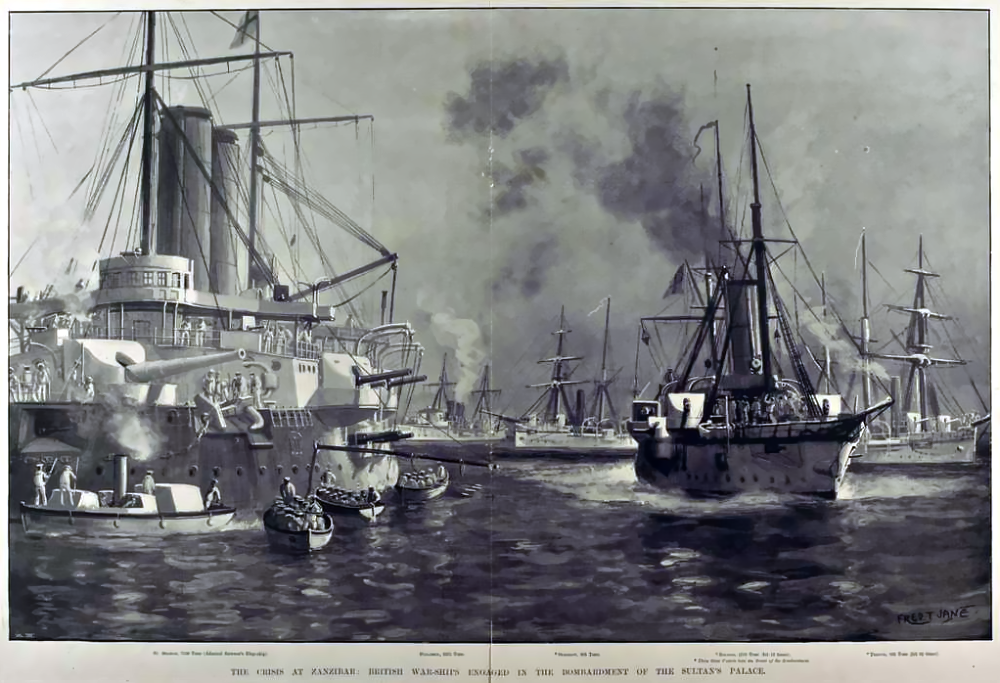
Military conflicts can drag on for decades, but the Anglo-Zanzibar War of 1896 barely lasted through an average morning commute. Guinness World Records officially recognizes the clash as the shortest war in recorded history. Sparked by a succession dispute, British naval forces began a bombardment at roughly 9 a.m. and secured a total victory by 9:45 a.m., ending the entire conflict in under an hour.
In the mood for more fun facts?
Keeping these strange details filed away in your memory might never help you in an actual emergency, but they prove that reality is frequently more entertaining than fiction. The most rewarding pieces of trivia are often the ones that serve absolutely no practical purpose beyond sparking a great conversation. Want more mind-blowing facts? Check out these 14 Interesting Facts To Start a Debate at the Dinner Table or these 13 Great Trivia Questions for Your Next Happy Hour. You can also take a look at these 15 U.S. Law Myths Movies and Social Media Get Wrong.