Movies, social media, and half-remembered advice have created some surprisingly stubborn ideas about the law. Police encounters, rental disputes, store policies, contracts, and even phone recordings often work differently from what people assume. The details can vary significantly from state to state, but several popular beliefs are simply too broad to be accurate. These 15 examples focus on general U.S. law rather than the rules of any single state, and they are not a substitute for legal advice.
1. Police Do Not Have to Read Miranda Rights the Moment Someone Is Arrested

Television has made the Miranda warning feel like a mandatory part of every arrest. The actual trigger is generally custodial interrogation, meaning police have a person in custody and are questioning them in a way covered by Miranda. Someone can therefore be arrested without immediately hearing the familiar warning if officers are not interrogating them. A failure to give the warning also does not automatically erase the arrest or make an entire criminal case disappear, although statements obtained through an unwarned custodial interrogation may be excluded from evidence.
2. Police Searches Do Not Always Require a Warrant

The Fourth Amendment places major limits on government searches, but “no warrant, no search” is not a universal rule. Courts recognize several exceptions, including voluntary consent, certain automobile searches supported by probable cause, exigent circumstances, and some situations involving evidence in plain view. Whether an exception actually applies can become a complicated legal question later.
3. Being Handcuffed Does Not Automatically Mean Someone Is Under Arrest

Handcuffs are strongly associated with arrests, but legally the situation can be more complicated. Courts have allowed officers to use them during some temporary investigative detentions when circumstances create legitimate safety or flight concerns. Handcuffing makes a stop considerably more intrusive, however, and whether it has become a de facto arrest depends on the full circumstances rather than the handcuffs alone.
4. Filming Police in Public Is Not Automatically Illegal

Several federal appeals courts have recognized a First Amendment right to record police officers performing their duties in public. That protection does not give someone permission to interfere with an investigation, cross police lines, or ignore otherwise lawful restrictions on where they can stand. The exact boundaries can also depend on the jurisdiction and circumstances, so the right is broader than many people assume but not unlimited.
5. Recording a Conversation Has Different Rules From Filming in Public

Federal law generally allows a participant in a conversation to record it without obtaining every other participant’s consent. State laws can be stricter, however, and some require consent from all parties in certain private conversations. Interstate calls can become especially complicated because questions may arise over which state’s law applies.
Trending on The Scroller


6. Saying “It’s Just My Opinion” Does Not Automatically Prevent a Defamation Claim

Calling something an opinion is not a magic legal shield. Pure opinions that cannot reasonably be proven true or false generally receive protection, but a statement framed as an opinion can still create liability if it effectively asserts or implies a false, verifiable fact about someone. Courts look at what the statement actually communicates, not simply whether the speaker added the words “I think.”
7. A Spoken Agreement Can Be a Real Contract

A contract does not automatically become meaningless because nobody signed a piece of paper. Oral agreements can be legally binding when the normal requirements for forming a contract are present, although state statutes of frauds require written evidence for certain categories of deals. Under the traditional Uniform Commercial Code rule adopted in many states, for example, sales of goods priced at $500 or more generally require a sufficient signed record, subject to several exceptions.
8. There Is No General Federal Three-Day Right to Cancel Every Purchase

The famous “three-day cooling-off period” is far narrower than many shoppers think. The Federal Trade Commission’s Cooling-Off Rule applies to certain sales made at a buyer’s home or other qualifying locations, rather than giving consumers a universal three-business-day window to reverse ordinary purchases. A normal purchase from a store does not suddenly become cancelable under federal law simply because the buyer changes their mind the next morning. State laws and individual return policies can provide additional rights.
Sign up for our newsletter
9. Stores Can Sometimes Detain Someone Suspected of Shoplifting

Many states recognize some form of what is commonly called the shopkeeper’s privilege, which can allow merchants or employees to temporarily detain suspected shoplifters under specified conditions. The exact rules vary by state, but they commonly require reasonable grounds for the suspicion and place limits on how long the detention lasts and how it is carried out. A detention that goes too far can still create legal liability.
10. A Business Open to the Public Is Still Private Property
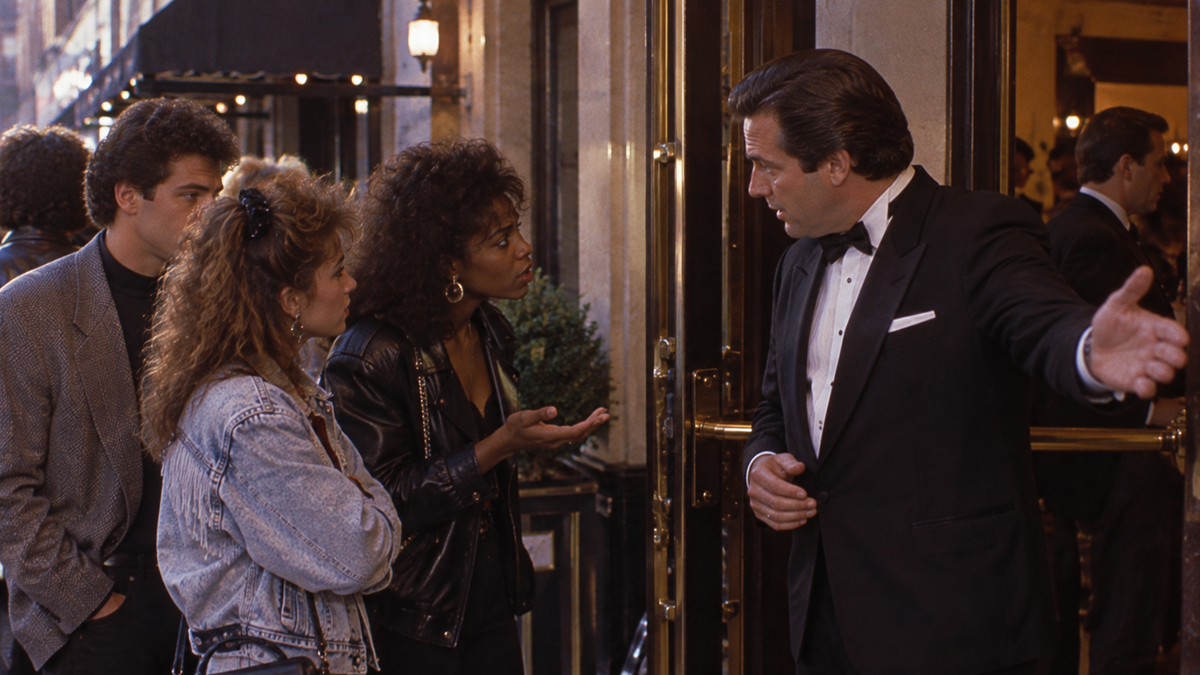
Opening the doors to customers does not turn a privately owned business into government property. Businesses generally retain substantial authority to set rules and ask customers to leave, subject to applicable laws. Federal civil rights laws restrict discrimination in certain public accommodations, while the Americans with Disabilities Act covers a much broader range of private businesses, and state laws may provide additional protections.
11. A Landlord Usually Cannot Just Change the Locks to End a Tenancy

An angry landlord cannot normally turn an eviction into an improvised lockout. Eviction is a legal process governed heavily by state and local law, typically involving notice followed by formal proceedings if the tenant does not leave. Cutting utilities, changing locks, or harassing a tenant into leaving can itself be prohibited.
12. Owning a Rental Property Does Not Mean Unlimited Access to It
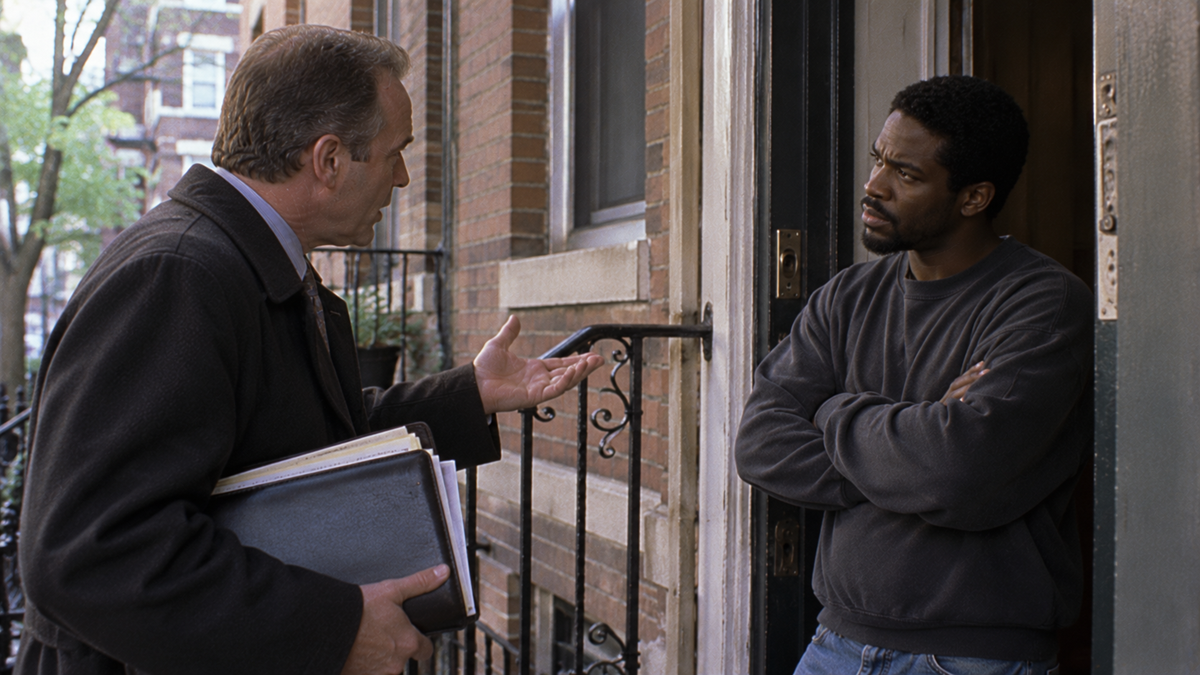
A landlord owns the property, but that does not usually mean unrestricted access to an occupied rental. State law, lease terms, and local rules often limit when entry is allowed, and many jurisdictions require advance notice for ordinary visits such as repairs or inspections. Emergencies are commonly treated differently, and the exact rules vary from place to place.
13. Refusing to Identify Yourself Is Not Always Illegal

Police can generally ask someone to identify themselves, but that does not mean every person approached by an officer is legally required to comply. During a lawful investigative stop, some states have “stop and identify” laws that can require a detained person to disclose their identity, and the Supreme Court upheld that type of requirement in Hiibel v. Sixth Judicial District Court. Whether someone must comply therefore depends on whether the detention itself is lawful and on what the law of that state actually requires.
14. Simply Staying Silent Does Not Always Invoke the Right to Silence

Remaining quiet does not always legally invoke the right to remain silent. In Berghuis v. Thompkins, the Supreme Court held that a suspect who had received Miranda warnings did not invoke that right simply by staying mostly silent during a lengthy interrogation, because the invocation had to be unambiguous. In a separate case, Salinas v. Texas, a plurality of the Court concluded that a person taking part in a voluntary, noncustodial police interview generally could not claim Fifth Amendment protection for silence without expressly invoking the privilege.
15. Copyright Protection Does Not Begin Only After Registration

A photographer, writer, musician, or illustrator does not normally have to mail something to the government before copyright exists. Under U.S. law, copyright generally arises automatically once an original work is created and fixed in a tangible form. Registration still matters greatly, however, and for U.S. works it is generally necessary before the owner can bring an infringement lawsuit in federal court, while timely registration can provide additional legal benefits.
In the mood for more?
Check out 15 Bizarre Laws Around the World That Still Apply Today, or take a look at 12 Strange 1800s Laws That Were Actually Enforced. If you want to see more everyday facts, you can check out 13 Fun Facts to Break Out at Happy Hour.