

Plenty of strange laws disappear once someone bothers to check the statute book. Others, including rules about suspicious fish, lonely guinea pigs, baby names, chewing gum, and public toilets, are very much real. Some are leftovers from another era, while others exist because governments take an unusually specific approach to wildlife, public order, or animal welfare. These 15 laws are still on the books, even if a few sound more like trivia than legislation.
1. Britain Still Has a Law About Suspicious Fish

The famous British law about “handling salmon in suspicious circumstances” is real, although the usual internet version leaves out most of the point. Section 32 of the Salmon Act 1986 makes it an offense to receive, retain, remove, dispose of, or arrange to handle certain fish when you believe, or reasonably suspect, that an offense was committed in connection with them. The provision was later broadened beyond salmon to cover trout, eels, lampreys, smelt, and freshwater fish. So looking nervous while carrying dinner is not the crime. Knowingly dealing with illegally caught or sold fish is.
2. Pet Rabbits Are Illegal in Queensland

A rabbit in a suburban living room seems harmless enough, but Queensland sees the species very differently. European rabbits are classified as restricted invasive animals, and the Australian state explicitly says they cannot be kept as pets. The restrictions exist because wild rabbits cause enormous damage to agriculture and native environments, so keeping, moving, selling, feeding, or releasing them is tightly controlled. There are limited circumstances in which rabbits can be kept for approved purposes, which makes the contrast even stranger. A rabbit may have a legitimate role in an exhibition, while simply wanting one as a family pet is not enough.
3. Singapore’s Chewing Gum Ban Is More Specific Than It Sounds

The familiar claim that chewing gum itself is illegal in Singapore is not quite right. What the country’s regulations actually prohibit is the importation of chewing gum, subject to defined exceptions that include certain health-related products and specially permitted imports. Research, re-export, and transit also have their own rules. It’s still an unusually detailed amount of legislation for something most countries sell next to the cash register.
4. A Guinea Pig Cannot Live Alone in Switzerland

Buying one guinea pig in Switzerland creates an immediate problem: you need companionship for it. Federal animal-welfare guidance states that guinea pigs may not be kept individually, reflecting the fact that they are social animals. A human owner cannot simply fill the role of another guinea pig.
5. Canada Limits How Much You Can Pay in Coins

The fantasy of settling an annoying bill with a wheelbarrow full of change runs into an actual provision of Canadian law. Section 8 of the Currency Act limits how much a payment made with particular coin denominations counts as legal tender. One-dollar coins, for example, are legal tender only up to $25 in a single payment, while five-cent coins top out at $5. The statute even retains a 25-cent limit for payments made in one-cent coins. Nobody is stopping you from arriving with a jar full of nickels, but the recipient does not have to treat an unlimited mountain of them as legal tender.
Trending on The Scroller


6. Some Baby Names in Iceland Need Official Approval

Iceland has a Personal Names Register filled with names that have already been approved. If parents want to give a child an Icelandic name that is not on the register, an application generally has to go before the Personal Names Committee. The country’s naming system is closely tied to Icelandic linguistic conventions, so choosing a first name can involve more than personal taste. There is another limit that surprises outsiders: a person can have no more than three personal names.
7. Sunday Lawn Mowing Can Break German Noise Rules

Germany’s reputation for taking quiet hours seriously has some statutory backing. Federal rules covering equipment and machinery prohibit certain outdoor machines from being operated all day on Sundays and public holidays in designated residential and other noise-sensitive areas. On working days, the same general rule also bars their use between 8 p.m. and 7 a.m. Lawn mowers are among the machinery covered by the regulation’s annex. That makes an early Sunday attempt to tame an overgrown garden a potentially more official matter than the neighbors simply glaring through the curtains.
8. Kenya Still Has a Witchcraft Act
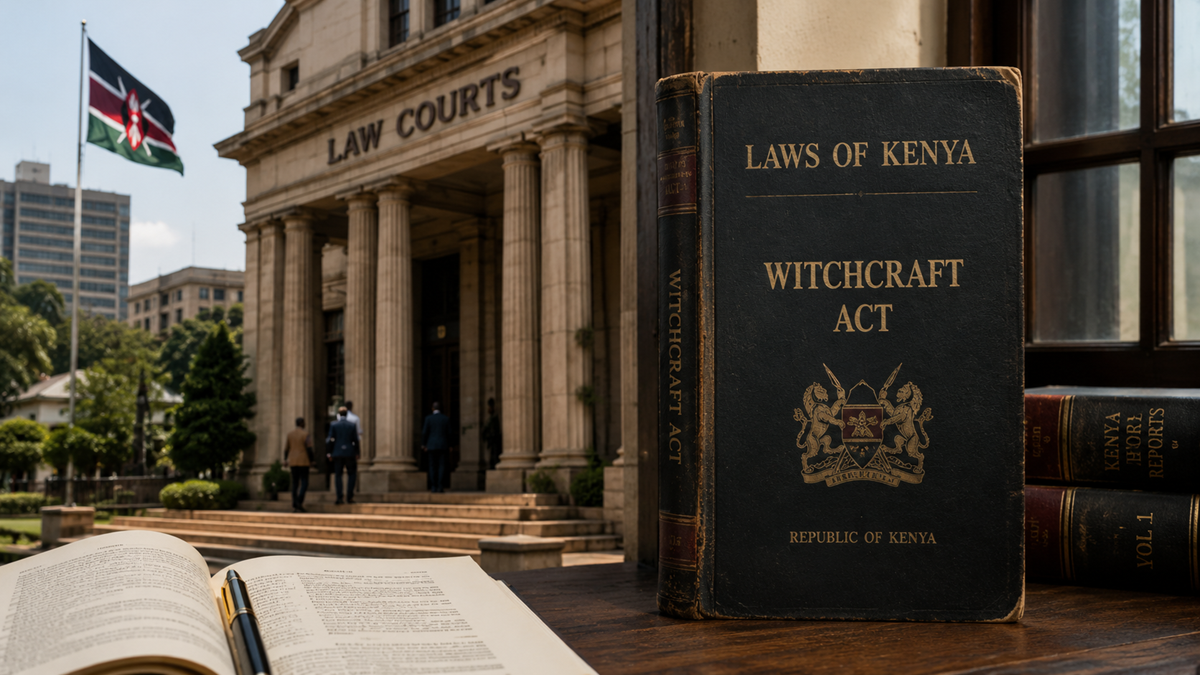
Kenya still has a Witchcraft Act covering offenses such as posing as a witch doctor, using supposed supernatural powers to cause harm, and possessing certain charms. The law remains relevant today: Kenyan courts have handled cases under it in the modern era, including a 2021 appeal involving witchcraft-related convictions.
Sign up for our newsletter
9. New Zealand Can Reject a Baby Name That Sounds Like a Rank

A creative baby name can run into the Registrar-General in New Zealand. Under the Births, Deaths, Marriages, and Relationships Registration Act 2021, a name may be rejected when it would be undesirable in the public interest. The law specifically includes names that might reasonably cause offense, are unreasonably long, or include or resemble an official title or rank without adequate justification. So a name does not have to be obscene to cause trouble at registration. Looking a little too much like an official job title can be enough.
10. Routine Dog Neutering Is Restricted in Norway

In many countries, neutering a dog is treated as an ordinary part of pet ownership. Norway takes a more restrictive approach. The Norwegian Food Safety Authority states that routine castration of dogs is not permitted under the Animal Welfare Act and says the procedure is legal only when necessary for the individual dog’s health or welfare, or when another particular reason makes it necessary. Medical conditions can justify the operation, and certain serious behavioral or working-dog circumstances may also qualify. Simply wanting to make everyday dog ownership more convenient is not automatically sufficient.
11. Switzerland Does Not Let You Simply Drop a Live Lobster Into Boiling Water
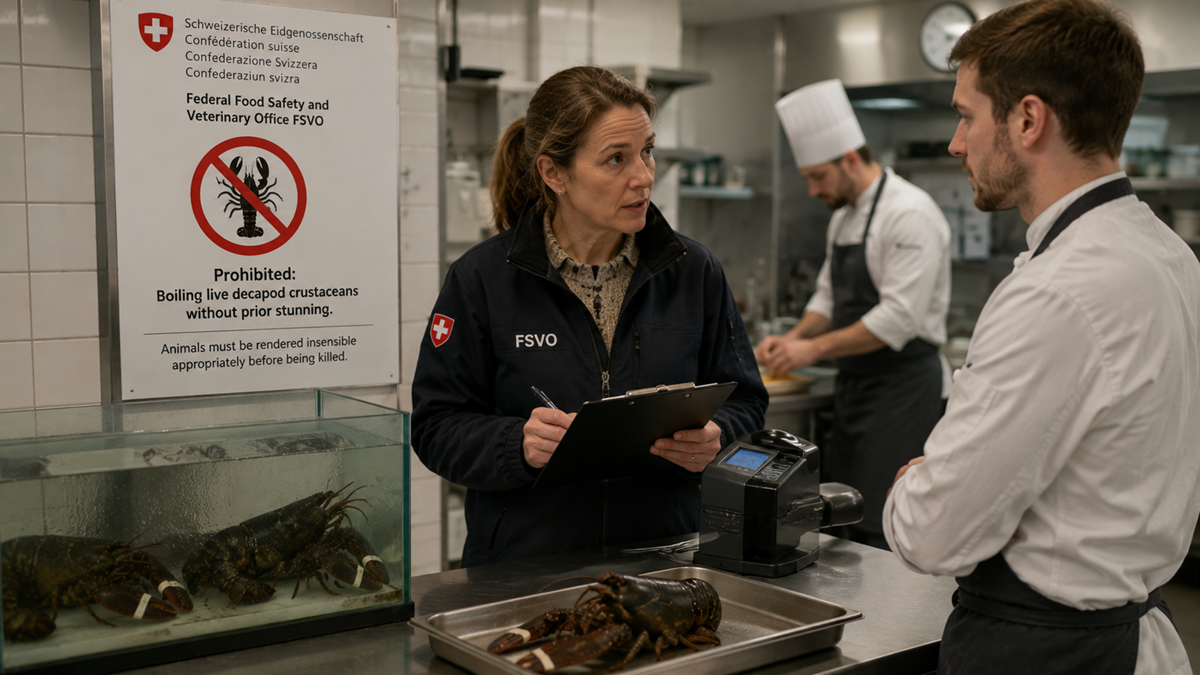
The Swiss rules surrounding lobster preparation go further than many diners would expect. The Federal Food Safety and Veterinary Office says that putting walking decapod crustaceans, including lobsters, into boiling water without first stunning them is a prohibited killing method. The animal must be rendered insensible appropriately before being killed. What looks elsewhere like an ordinary kitchen technique can therefore become an animal-welfare violation in Switzerland.
12. French Radio Stations Have Legal French-Song Quotas

A radio programmer in France cannot always fill the schedule purely according to taste or streaming trends. French law requires many private radio services to devote a minimum share of their music programming to French-language songs or songs performed in a regional language used in France. Under the general regime described by media regulator Arcom, the benchmark is 40 percent, with additional requirements involving new talent or new productions, although alternative quota arrangements exist for certain kinds of stations. Arcom was still reviewing stations’ compliance with French-language song quotas in 2025. It is a cultural-policy rule with a very practical consequence: the language of the next song on the radio can be a regulatory issue.
13. An Icelandic Horse That Leaves the Country Cannot Simply Come Home
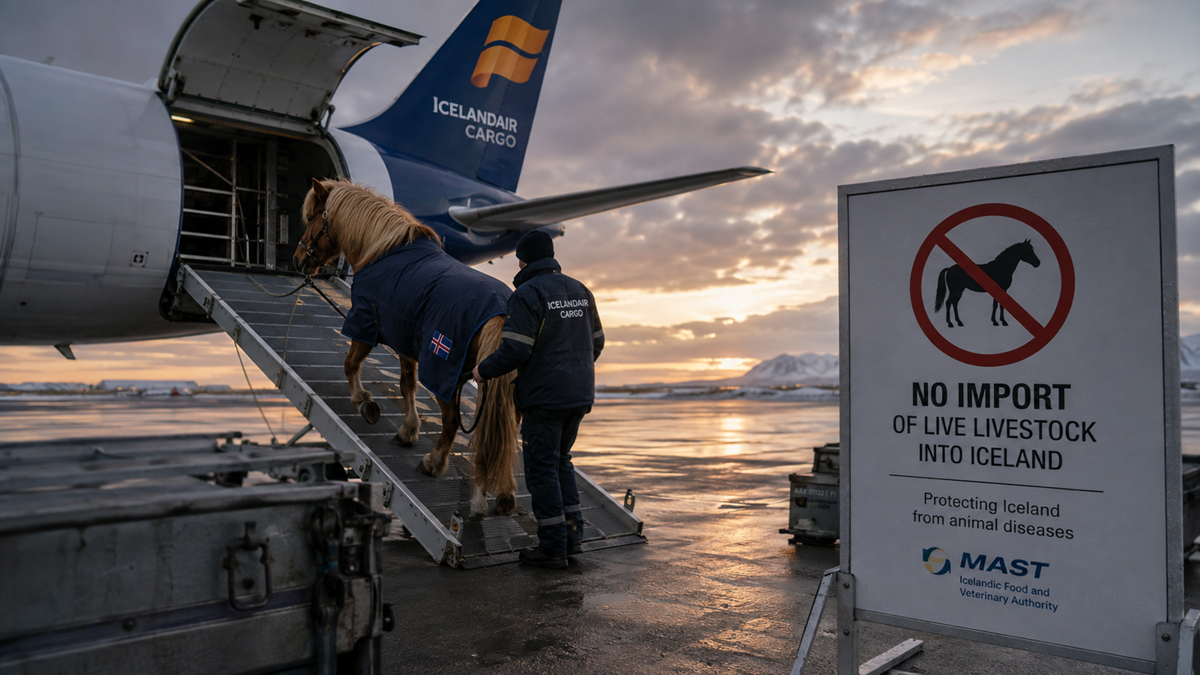
Exporting an Icelandic horse is much easier than bringing one back. Iceland maintains extremely strict protections against animal diseases, and the Icelandic Food and Veterinary Authority states that the importation of live livestock into the country is prohibited. Hundreds of Icelandic horses are exported every year, but that biosecurity barrier means leaving the island can effectively be a one-way trip for the animal. The policy is so strict that Iceland also places detailed restrictions on used riding equipment coming into the country.
14. Being Drunk Inside a Pub Can Still Be an Offense in Britain
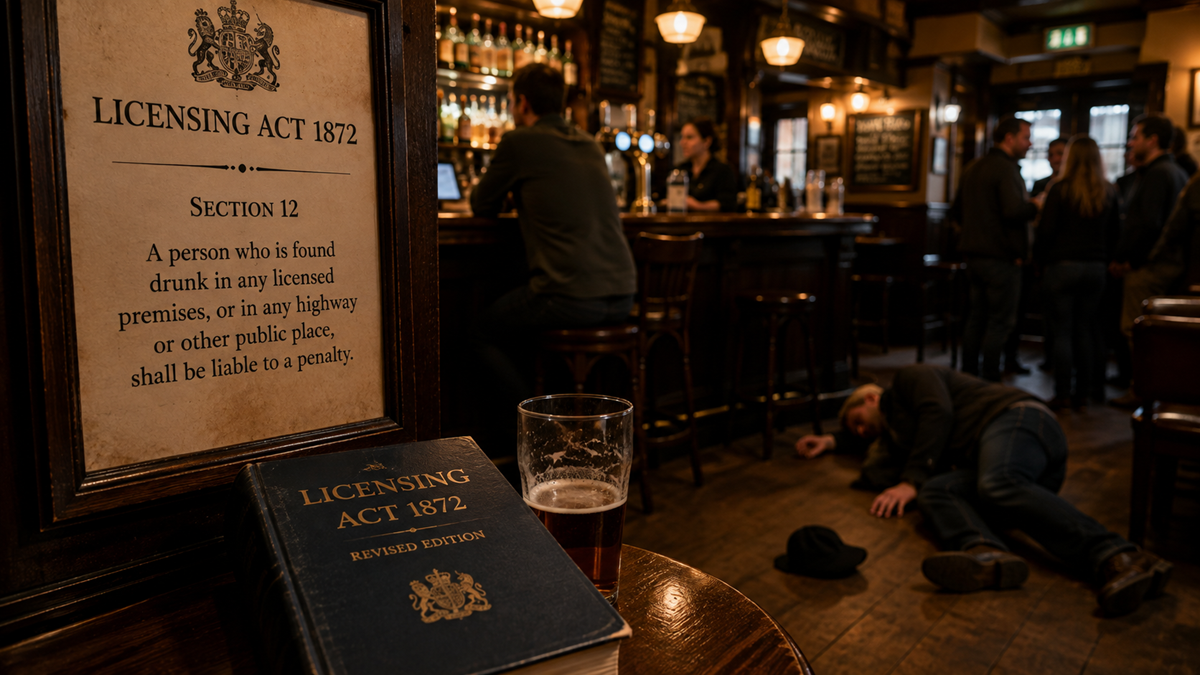
A pub seems like one of the least surprising places to encounter a drunk person, which is what makes the Licensing Act 1872 sound so peculiar today. Section 12 still provides that a person found drunk on licensed premises, as well as in a highway or other public place, can be liable to a penalty. The law has been amended over the years, including changes to the applicable fine, but the basic provision survives in the revised legislation. It is one of those rules where everyday reality and the literal statute book seem to occupy slightly different worlds.
15. Singapore Legally Requires You to Flush a Public Toilet
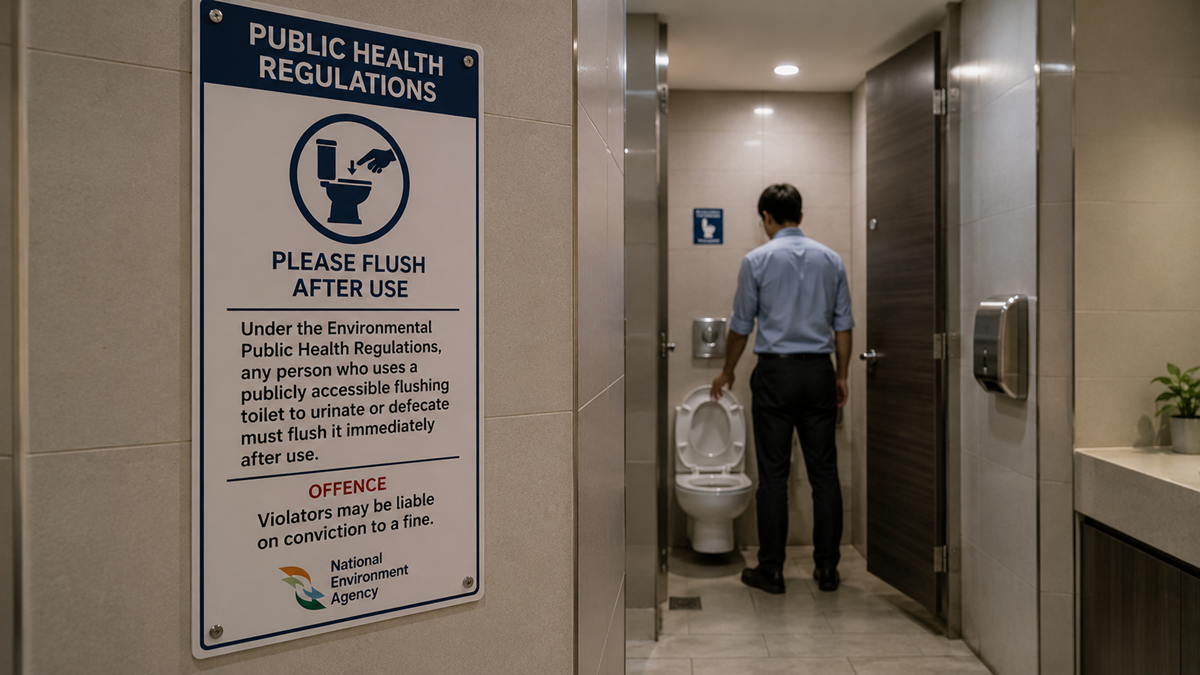
Singapore does not leave one particular piece of bathroom etiquette entirely to good manners. Its Environmental Public Health regulations state that anyone who uses a publicly accessible flushing toilet to urinate or defecate must flush it immediately afterward. The same regulations make violations offenses, turning one of the most basic unwritten rules of shared bathrooms into an actual legal requirement.
In the mood for more?
Check out 15 Polite Gestures That Can Seem Rude in Another Country, or take a look at 16 Countries That Surprise Americans With How Differently Everyday Life Works. If you want to see more unusual legal history, you can check out 12 Strange 1800s Laws That Were Actually Enforced.
Images generated by AI