Some facts are harmless until someone insists they know the answer. Then a quiet dinner can turn into a debate about food, money, science, history, or whether a childhood rule ever made sense in the first place.
These 14 facts are backed by research from universities, government agencies, museums, scientific institutions, and other reliable sources. Some are straightforward facts, while others depend on definitions or everyday traditions, which is exactly what makes them so good for conversation.
1. A tomato is a fruit, but the Supreme Court ruled it a vegetable
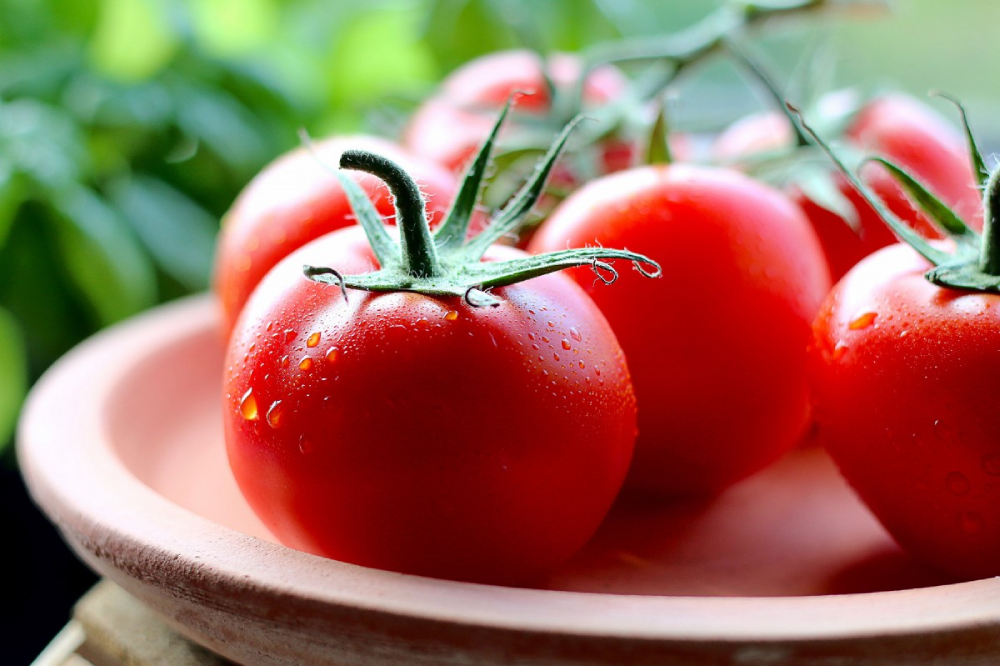
Botanically speaking, a tomato is a fruit because it develops from a flower and contains seeds. But in 1893, the U.S. Supreme Court ruled in Nix v. Hedden that tomatoes should be classified as vegetables for tariff purposes because people commonly used them alongside vegetables in cooking. The Library of Congress explains the distinction, while the Supreme Court decision makes clear that the justices were dealing with a legal and commercial question, not trying to change the scientific definition. So technically, the answer depends on which definition is being used.
2. The five-second rule has a scientific problem

The idea that dropped food is safe as long as it is picked up quickly has been repeated for years, but Rutgers University researchers found that bacteria can transfer to food in less than one second. Their 2016 study also found that the amount of contamination varied depending on the food, the surface, and how long the food remained in contact with it, with watermelon picking up more contamination than gummy candy in the experiments. As Rutgers University reported, the findings do not mean every dropped snack will make someone sick, but they do show that counting to five is not a scientifically established safety rule.
3. The United States once made a $10,000 bill
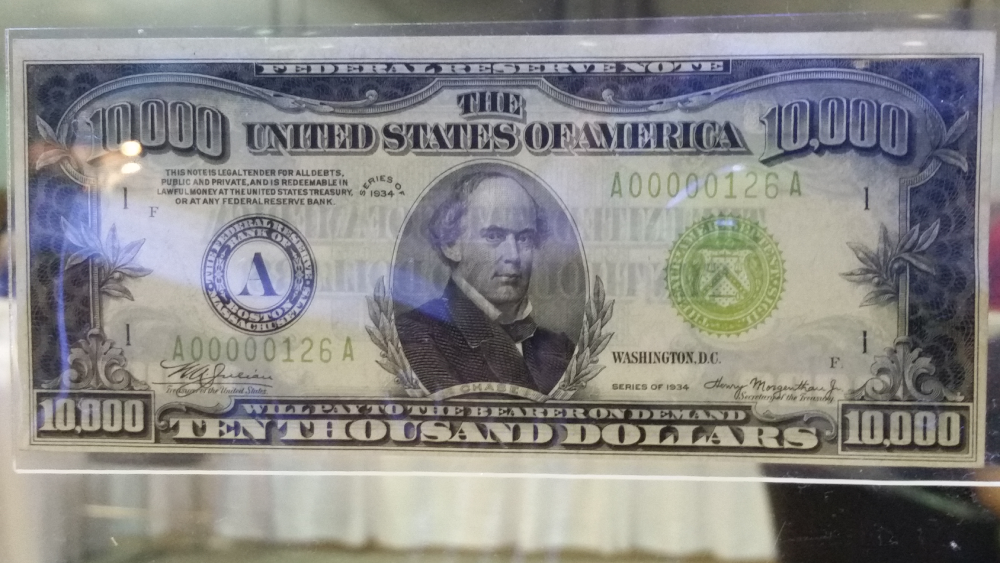
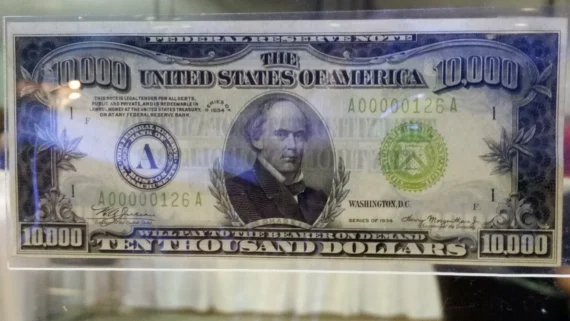
Modern cash transactions rarely involve anything close to a four-figure banknote, but the United States once issued bills worth $10,000. According to the Federal Reserve, these notes featured Salmon P. Chase, who served as Treasury secretary under Abraham Lincoln, and were primarily used for transactions between banks. High denomination currency was discontinued in 1969, although existing notes remain legal tender. A $10,000 bill would certainly make for an unusual way to pay for a grocery run.
4. The microwave oven was born from radar research
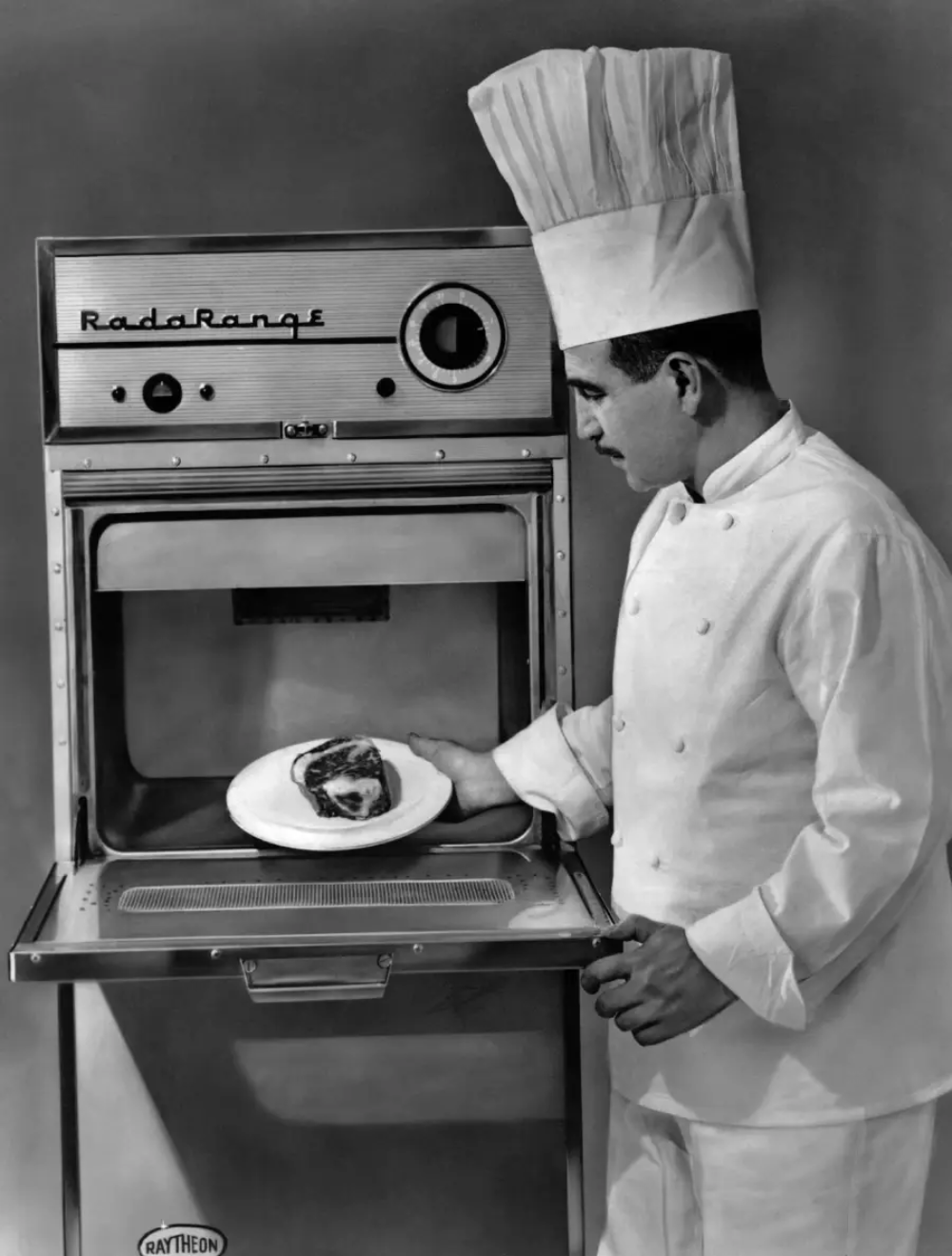
The microwave oven came from technology that was originally being developed for radar. In the 1940s, Raytheon engineer Percy Spencer noticed that microwave energy from radar equipment could heat food, an observation that helped inspire the development of the microwave oven. The National Inventors Hall of Fame notes that Raytheon’s first commercial Radarange appeared in 1947, although it was enormous and expensive compared with the compact appliances found in kitchens today. An everyday kitchen appliance ended up growing out of research that was never intended to create one.
5. Most food expiration dates aren’t actually expiration dates
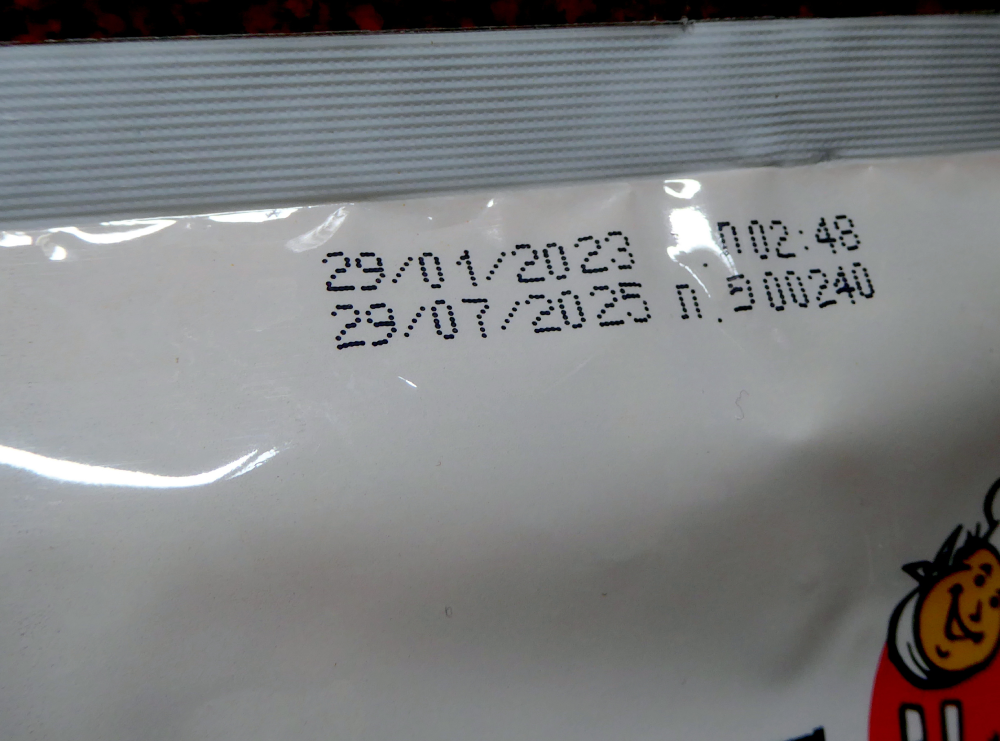
A date printed on a package does not always mean the food becomes unsafe the following day. According to the USDA’s food date labeling guidance, most food date labels are intended to indicate quality rather than safety, and federal law generally does not require them, with infant formula being a notable exception. That does not mean old food should automatically be eaten, since storage conditions, spoilage, and the type of food still matter, particularly with perishable products. The argument over whether something is “still good” can therefore involve more than just the date printed on the package.
Trending on The Scroller


6. Fortune cookies aren’t originally Chinese
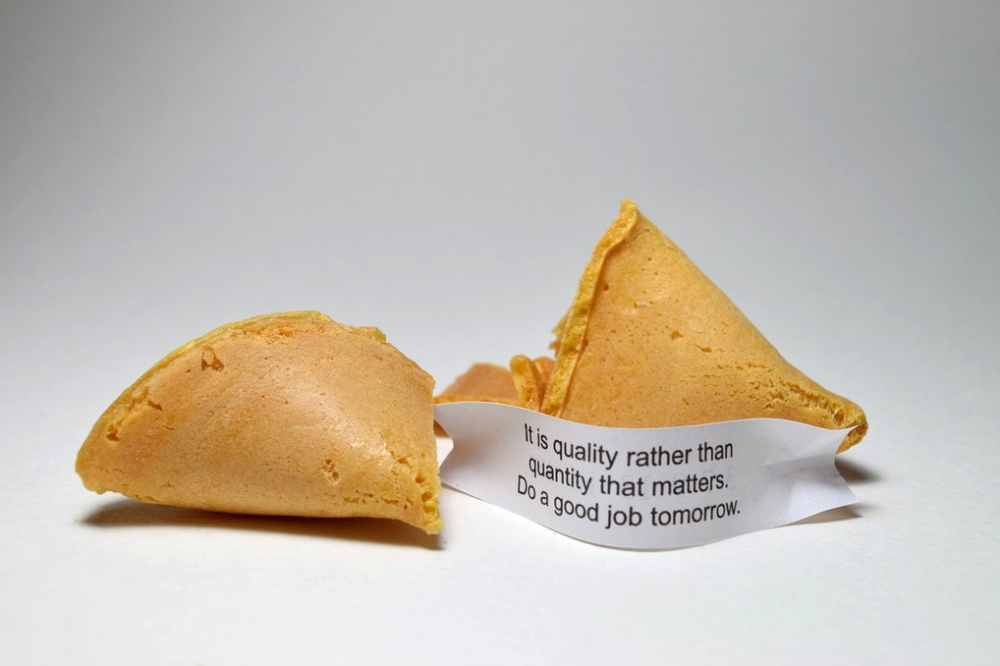
The fortune cookie is strongly associated with Chinese American restaurants, but its history points to Japan. The Smithsonian National Museum of American History explains that Japanese immigrants were producing fortune cookies in San Francisco in the early 1900s, including for the Japanese Tea Garden in Golden Gate Park. Their connection with Chinese restaurants expanded during World War II, when Japanese Americans were forcibly incarcerated, and Chinese businesses began producing the cookies. The result is one of those foods whose modern cultural identity does not neatly match its earlier history.
7. Daylight saving time wasn’t created to help farmers

The familiar claim that daylight saving time was introduced mainly to help farmers does not hold up well. When the United States adopted daylight saving time in 1918, agricultural groups actually opposed the change, partly because farming schedules were closely tied to daylight rather than the clock. History notes that energy conservation during World War I was a major reason behind its adoption. More than a century later, changing the clocks twice a year remains a subject of debate, but farmers were not the driving force behind the original policy.
8. Washing raw chicken can make a kitchen less safe
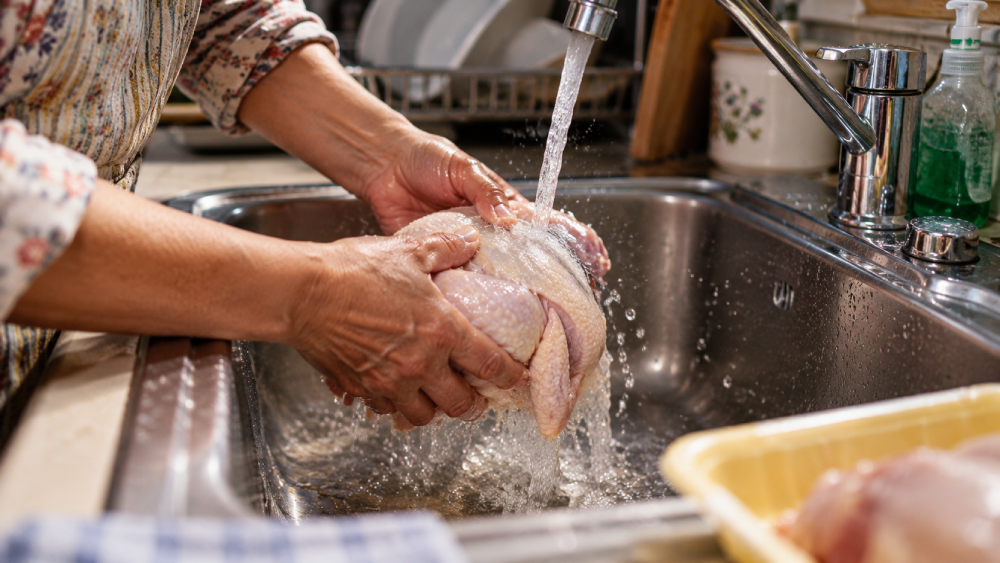
Rinsing raw chicken under the faucet may seem like a sensible way to clean it before cooking, especially in households where the practice has been passed down for generations, but the CDC advises against it because washing poultry can spread harmful bacteria to sinks, countertops, utensils, and nearby food. According to the CDC, cooking chicken to a safe internal temperature of 165°F is what destroys dangerous germs. Rinsing it does not provide that protection and can instead increase the number of surfaces that need to be cleaned, making this one kitchen argument where modern food safety advice is pretty clear.
Sign up for our newsletter
9. Americans were spending more than three cents to make one penny

A penny has a face value of one cent, but producing one cost considerably more. The U.S. Mint reported a manufacturing and distribution cost of approximately 3.69 cents for a penny in its recent estimates, a figure that helped drive the decision to suspend circulating penny production in 2025. Pennies already in circulation remain legal tender, but the numbers raise a practical question: should a coin continue being produced when making it costs several times more than its face value?
10. Humans have more than five senses

Sight, hearing, smell, taste, and touch are the five senses most people learn about as children, but they are not the complete list of ways the human body detects and responds to the world. The National Institutes of Health notes that scientists also recognize proprioception, which helps the body keep track of where its limbs are without looking at them, along with the vestibular system, which contributes to balance and spatial orientation. There is no universally agreed number for how many human senses exist because scientists can classify them in different ways, so the familiar five are really just the version most people were taught.
11. The Great Wall of China isn’t visible from the Moon

The claim that the Great Wall of China is visible from the Moon has appeared in trivia books and classrooms for generations, but NASA explains that it is not visible from the lunar surface with the naked eye and can be extremely difficult to distinguish even from low Earth orbit. According to NASA, the wall’s materials and color blend with the surrounding landscape, making it much less obvious from space than popular stories suggest. The myth has been repeated for so long that the claim itself has become more famous than the reality.
12. Lightning really can strike the same place twice

The old saying that lightning never strikes the same place twice does not survive contact with tall buildings. According to information from the Empire State Realty Trust, the Empire State Building in New York City is struck by lightning roughly 20 to 25 times each year. Tall structures are particularly exposed because of their height and position, so repeated strikes are not unusual at all. Some sayings simply survive because they sound convincing, not because they are scientifically accurate.
13. Strawberries aren’t technically berries, but bananas are
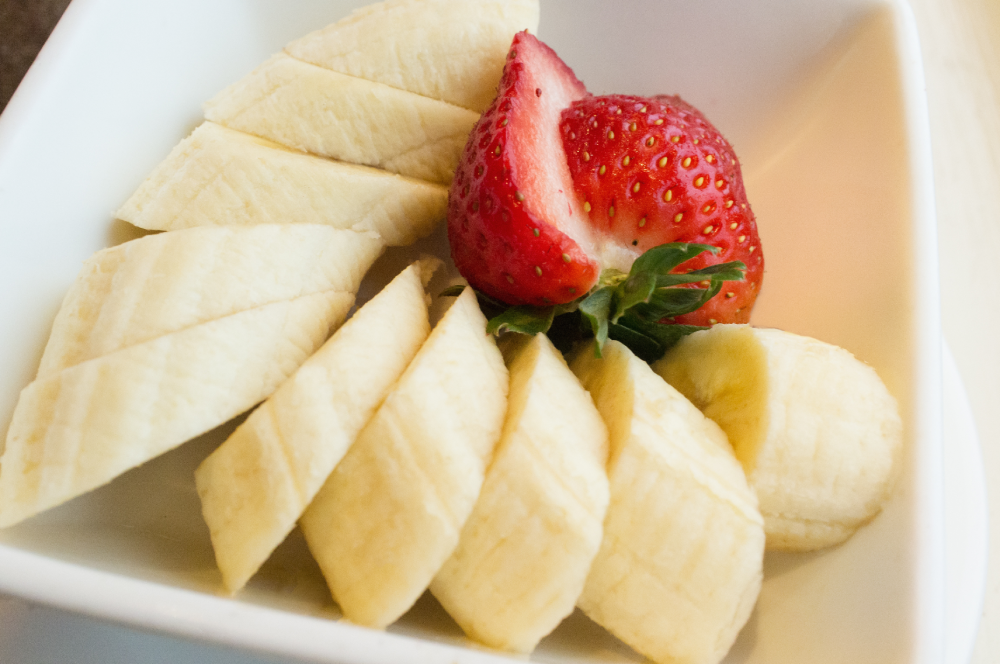
The botanical definition of a berry is not the same as the everyday definition used in the produce aisle. Encyclopaedia Britannica explains that bananas qualify as berries because they develop from a single flower’s ovary and have their seeds embedded in the flesh, while strawberries are aggregate accessory fruits, with the tiny structures on their surface actually being the individual fruits. It is one of those scientific classifications that makes ordinary food names seem much less straightforward.
14. Astronauts float even though Earth’s gravity is still pulling on them
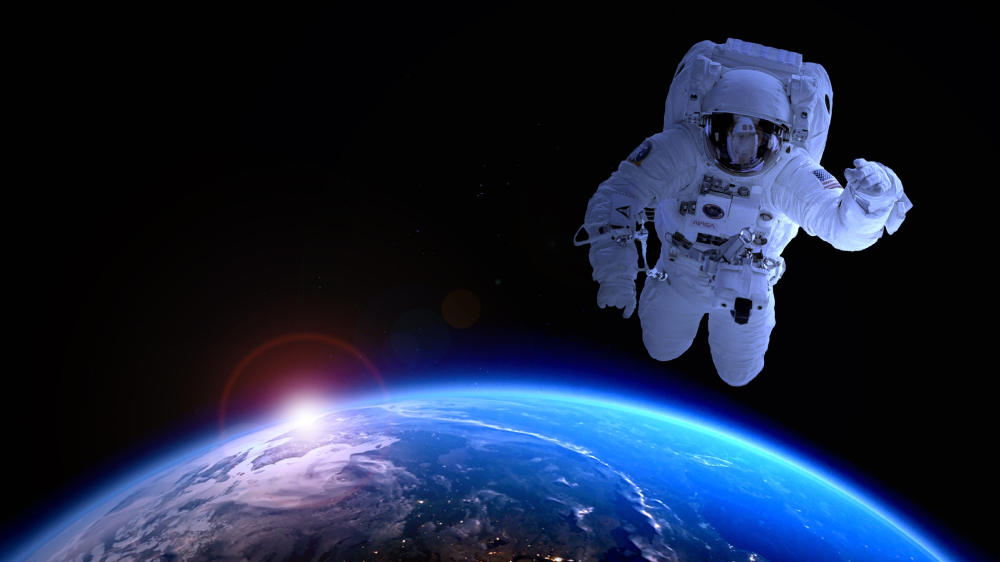
Astronauts aboard the International Space Station appear to float because of weightlessness, but that does not mean they have escaped Earth’s gravity. NASA explains that gravitational pull at the station’s altitude is still roughly 90% as strong as it is at Earth’s surface, while the astronauts and the station are continuously falling around Earth together. They remain in orbit instead of falling directly to the ground, creating the sensation of floating, so the familiar idea that astronauts are simply in a place with no gravity is not quite accurate.
Want more mind-blowing facts?
The best dinner table debates often begin with something everyone assumes is obvious. These facts show how quickly an ordinary subject can become complicated once definitions, history, science, and everyday habits enter the conversation. If you enjoy learning more about interesting facts to kick-start a good conversation, be sure to check out these 13 Great Trivia Questions for Your Next Happy Hour or these 16 Bizarre Animal Facts You Won’t Believe Are True. You may also like these 15 Geographic Facts That Make Maps Feel Completely Wrong.