
The best trivia doesn’t require a whiteboard to explain. When you’re sitting around with friends after work during happy hour, the most satisfying facts to share are quick, highly specific, and slightly absurd. You want the kind of knowledge that makes people pause with their glass halfway to their mouth, delivering a tiny piece of history or science that immediately changes how they view a familiar subject.
This list mixes history, science, geography, and everyday life to give you a solid lineup of conversation starters for your next happy hour. Each of these details was chosen because it is genuinely surprising, easy to remember, and backed by actual researchers and archives rather than vague internet rumors.
1. Nintendo started out making playing cards in 1889
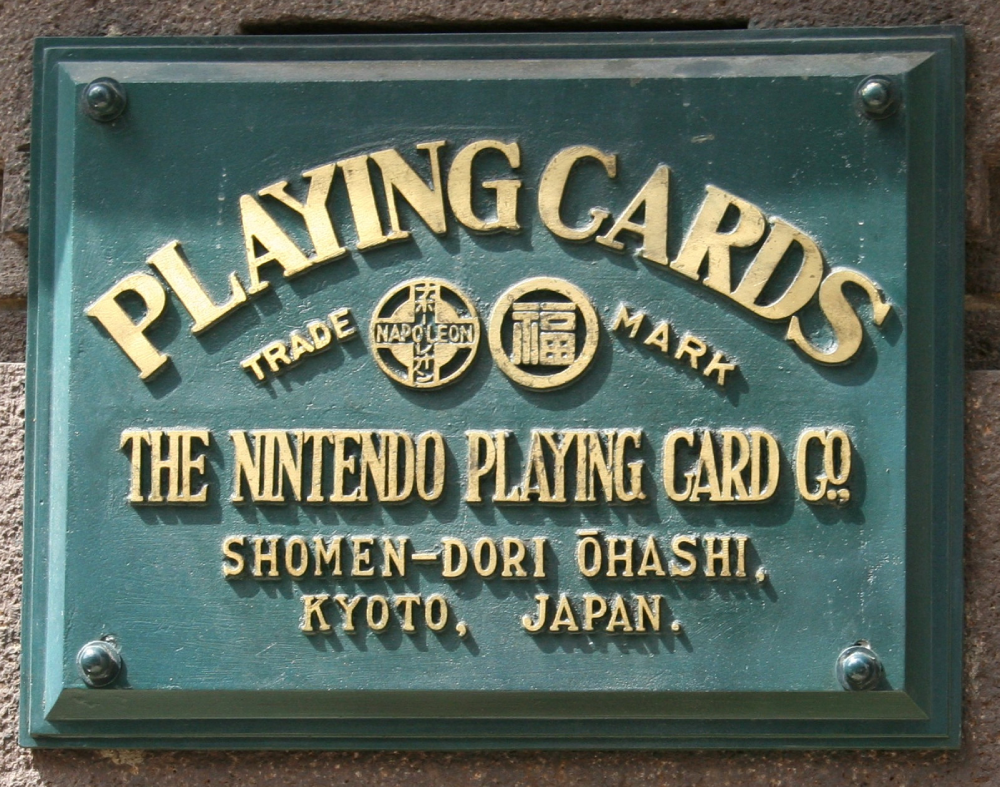
Way before anyone had ever heard of Mario, Zelda, or the Switch, Nintendo was a small business in Kyoto manufacturing traditional Japanese hanafuda playing cards. Fusajiro Yamauchi launched the company in 1889. This historical timeline means that one of the most prominent video game developers on the planet actually has roots stretching deep into the 19th century.
2. The first webcam was built to watch a coffee pot
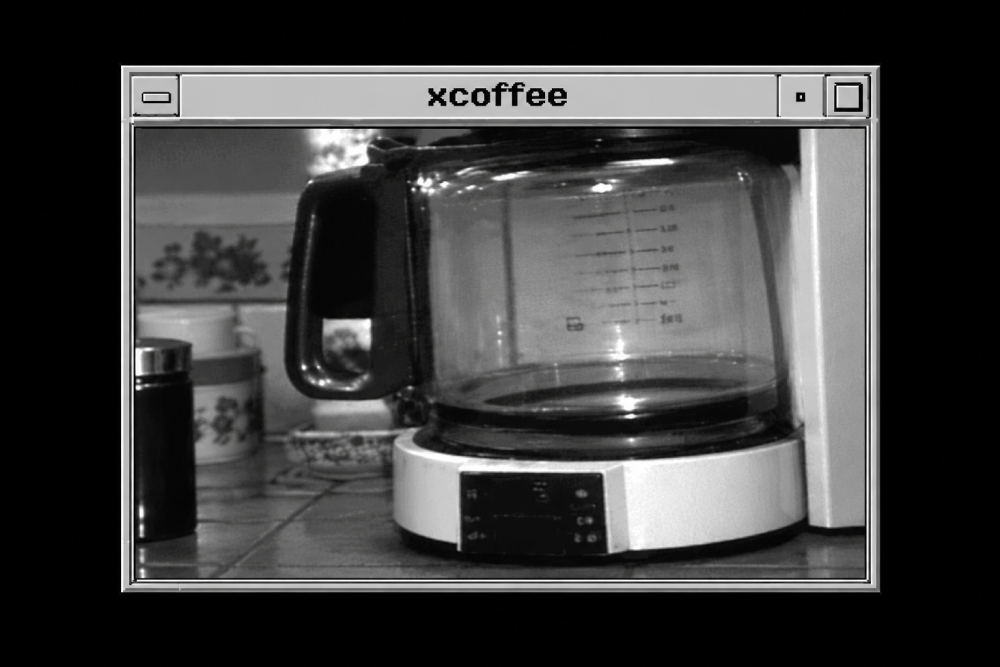
A massive leap forward in internet technology happened because computer scientists were tired of walking down the hall only to find an empty coffee pot. In 1991, researchers at the University of Cambridge set up a camera specifically to monitor the Trojan Room coffee machine so they could check its levels remotely. By 1993, those grainy images of the coffee pot were made available on the World Wide Web.
3. The first item scanned with a UPC barcode was a pack of gum
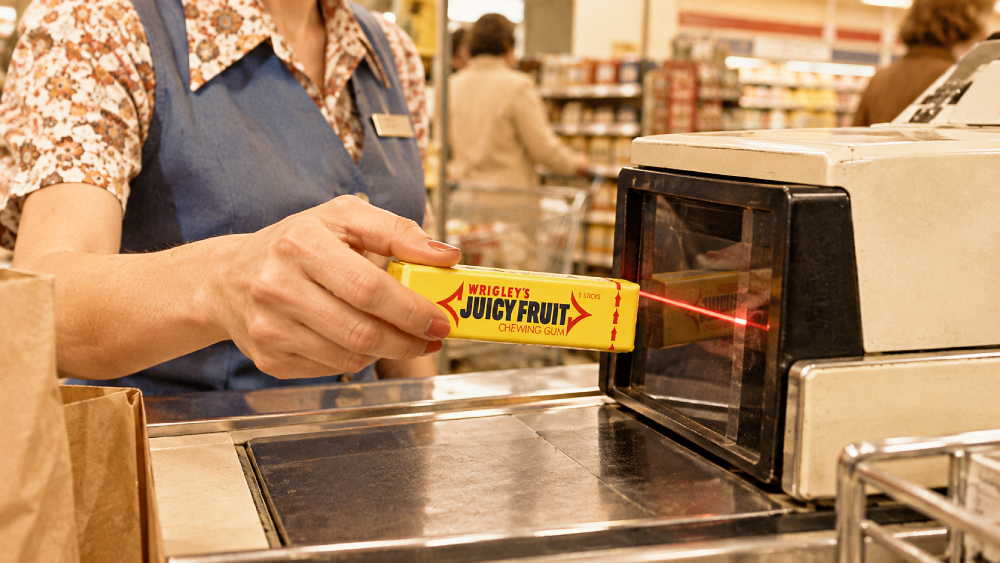
The modern retail experience officially began on June 26, 1974, in a Marsh supermarket in Troy, Ohio. A cashier scanned a package of Wrigley’s chewing gum, marking the first time the Universal Product Code (UPC) system was used for a retail purchase. According to the Smithsonian National Museum of American History, that ordinary pack of gum set the standard for how we buy almost everything today.
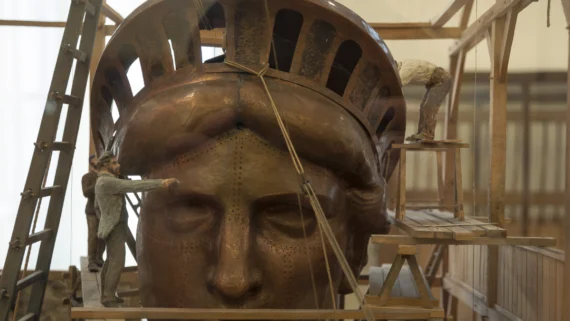
4. The Statue of Liberty’s copper skin is only about as thick as two pennies
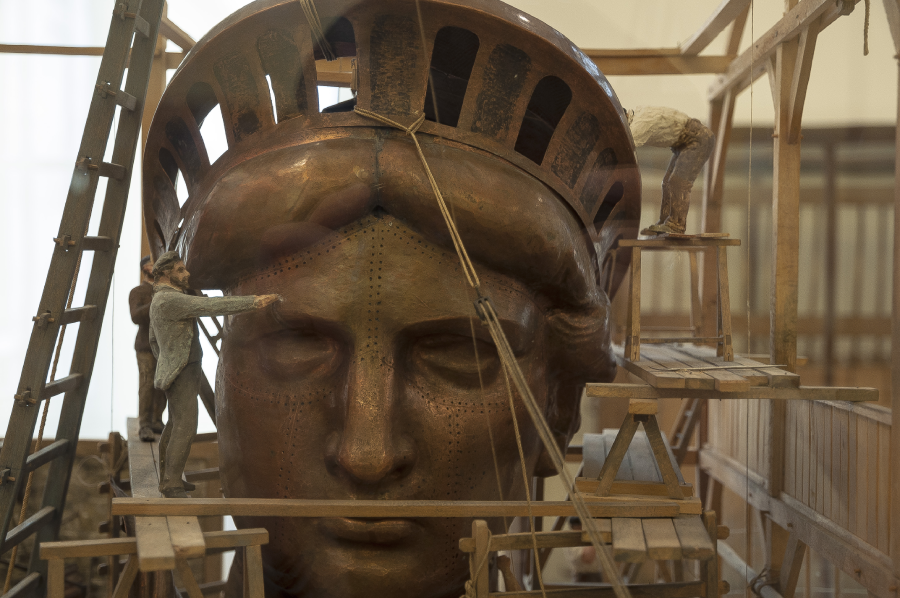
While the Statue of Liberty looks like a massive, solid monument, the copper sheets covering its exterior are surprisingly thin. The National Park Service notes that the metal is only 3/32 of an inch thick, roughly the equivalent of two U.S. pennies placed flat against each other. Even with that thin profile, the statue’s entire copper covering still weighs about 176,000 pounds.
5. A reflective layer in reindeer eyes changes color with the seasons
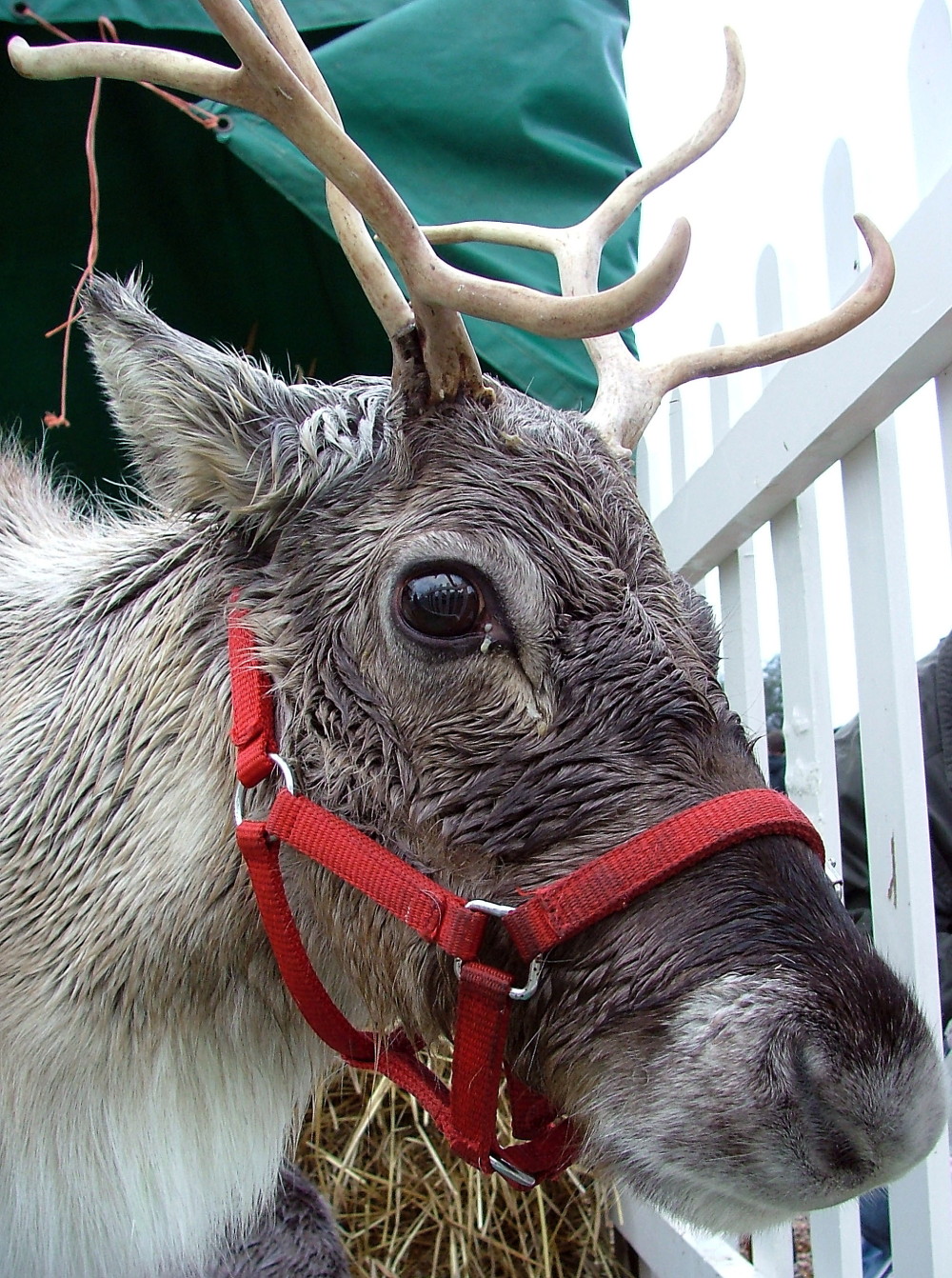
Reindeer have a physical adaptation that helps them survive extreme Arctic winters, and it happens entirely inside their eyes. Behind their retina is a reflective layer called the tapetum lucidum. Researchers at University College London discovered that this layer reflects a golden color during the summer, but shifts to a deep blue in the winter to increase visual sensitivity in dim seasonal conditions.
Trending on The Scroller

6. Sea otters have built-in pockets
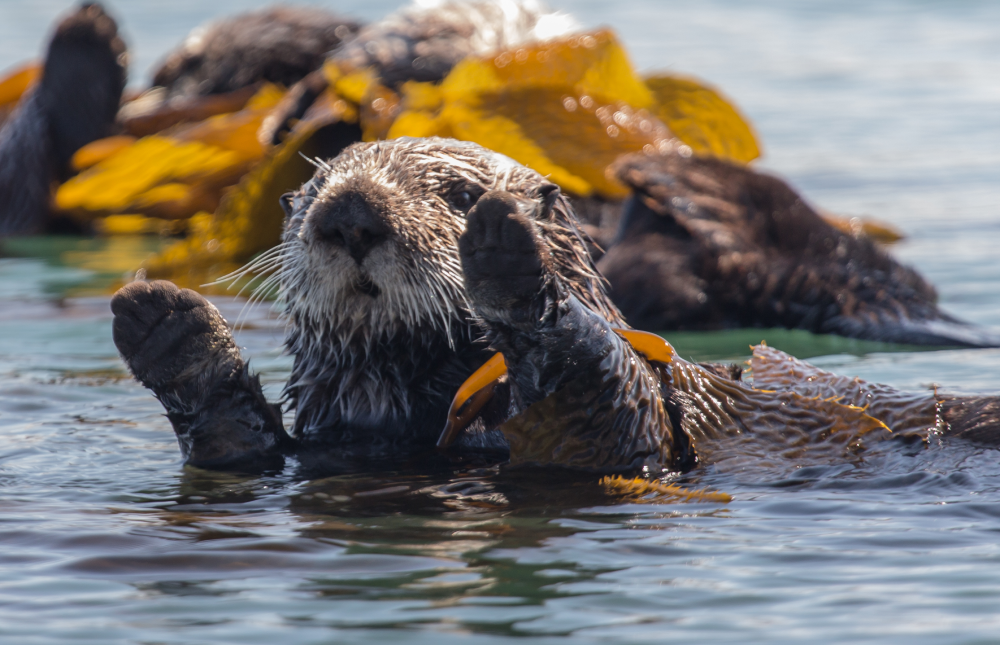
Sea otters are famous for cracking open hard-shelled prey with rocks, and they have a clever way to carry those tools around. The Monterey Bay Aquarium explains that otters have loose folds of skin beneath their forearms that function like natural pockets. When they dive, they can tuck food or rocks into these folds, keeping their paws completely free to continue hunting.
7. The Sahara was once much greener than it is today
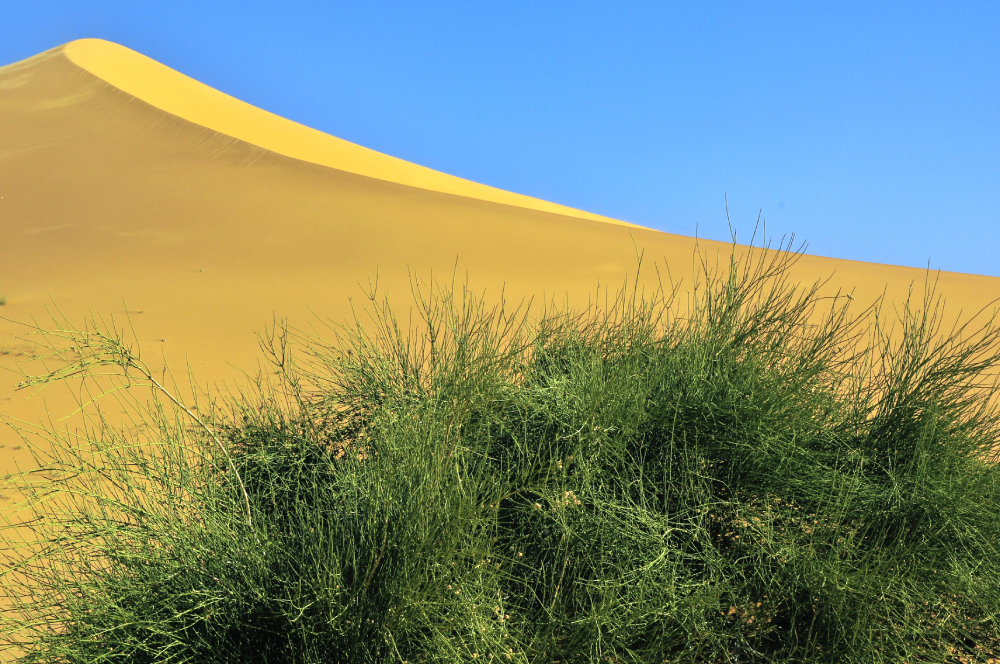
The Sahara hasn’t always been a vast, arid landscape. NASA’s Earth Observatory points out that during the African Humid Period (roughly 11,000 to 5,000 years ago) parts of the region received significant rainfall. This moisture supported wetlands, lakes, abundant wildlife, and early human communities in areas that are currently defined by shifting, bone-dry sand.
8. One fungus in Oregon covers nearly 2,400 acres
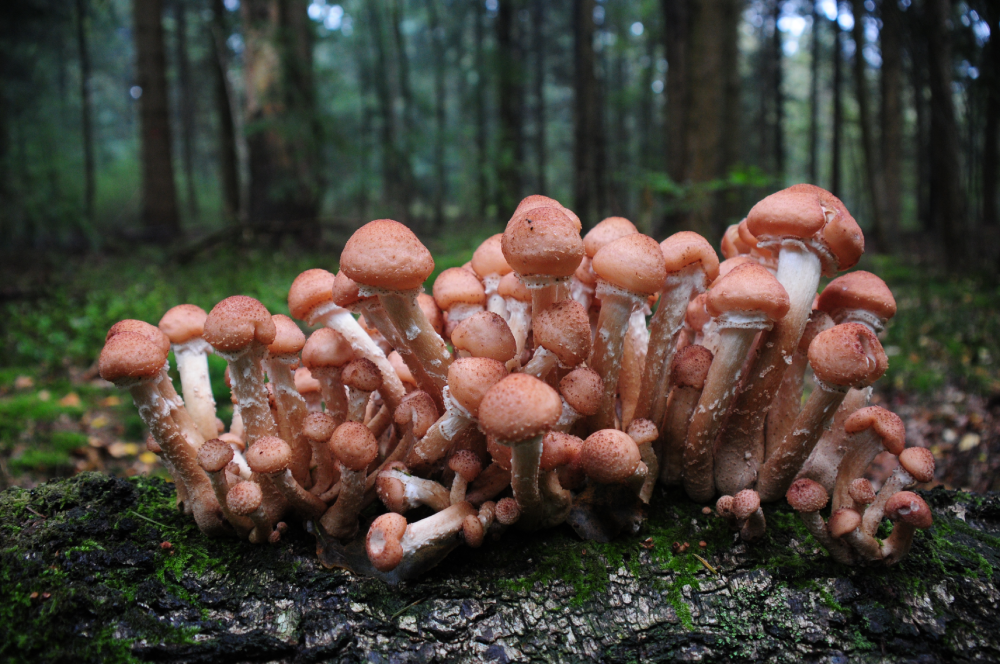
If you are looking for the largest organisms on the planet, head to Oregon’s Malheur National Forest. The U.S. Forest Service has documented a single genetic individual of the fungus Armillaria ostoyae that spreads across roughly 2,385 acres, or about 3.7 square miles. DNA testing confirmed that this massive subterranean network is part of the exact same organism.
Sign up for our newsletter
9. The shortest war on record lasted about 45 minutes
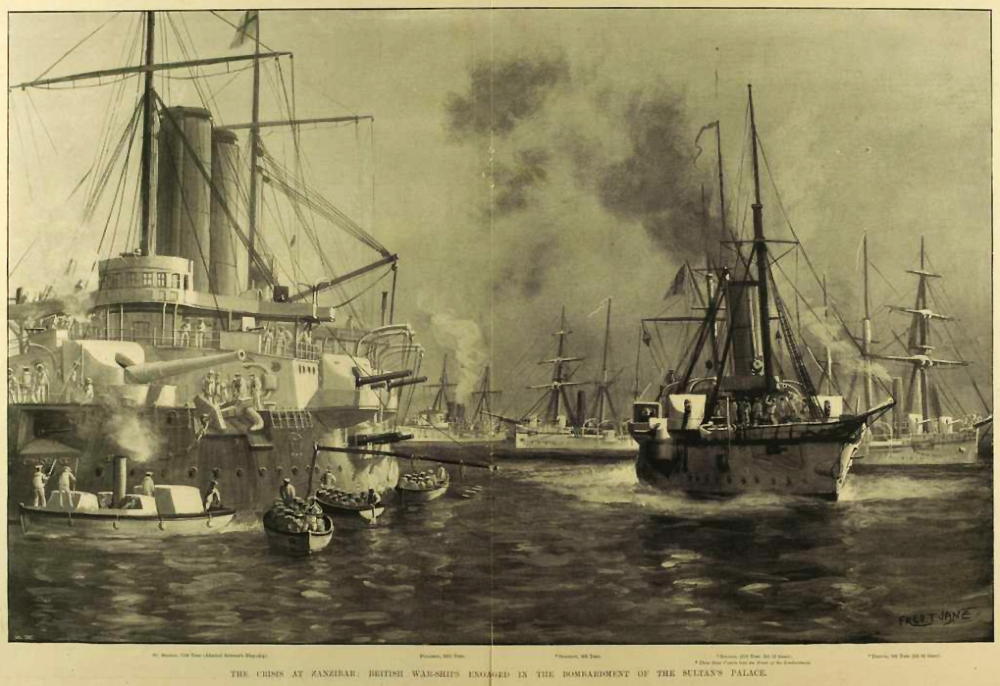
Military conflicts usually drag on for years, but the Anglo-Zanzibar War of 1896 barely lasted through breakfast. According to Guinness World Records, the fighting between Britain and Zanzibar broke out at about 9 a.m. on August 27. By roughly 9:45 a.m., the conflict was entirely over, cementing its place in history as the shortest war ever recorded.
10. Antarctica is a desert
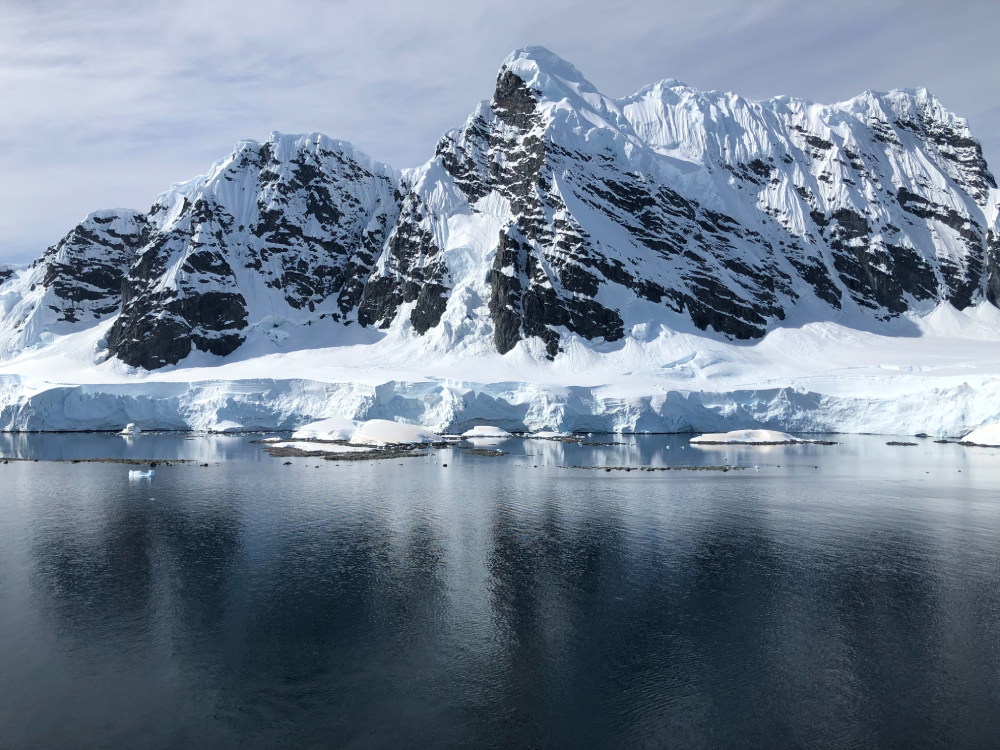
We generally associate deserts with blistering heat, but the classification is actually based on precipitation. Because of its extraordinarily dry climate, Antarctica is technically a polar desert. The National Snow and Ice Data Center describes it as the coldest and driest continent on Earth, despite the fact that roughly 98% of its landmass is buried under the planet’s largest sheet of ice.
11. Earth is not actually a perfect sphere
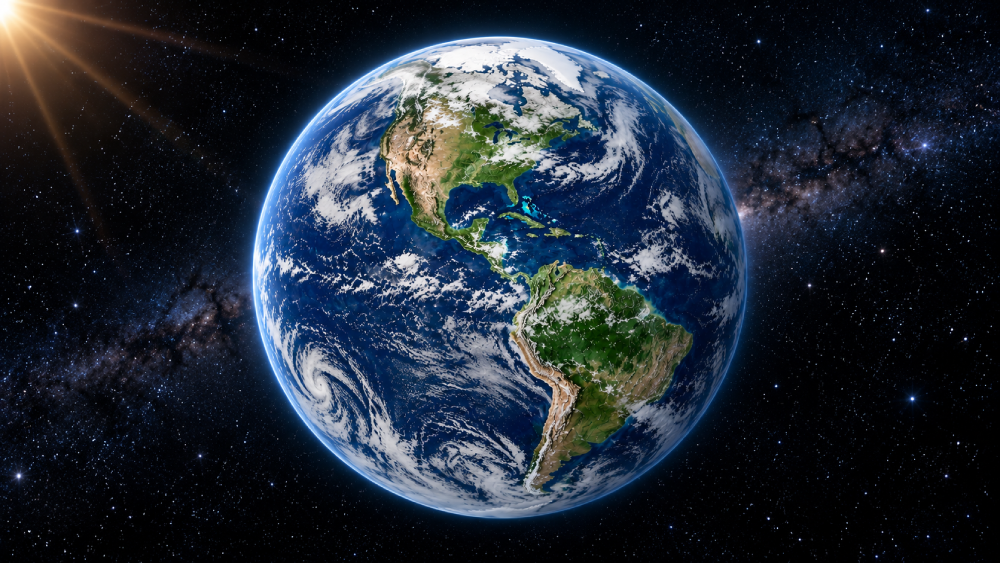
Photographs from space make our planet look like a smooth marble, but its actual shape is slightly more complicated. NOAA classifies Earth as an irregularly shaped ellipsoid. As the planet rotates, it bulges slightly around the equator and flattens out near the poles. Add in ocean trenches, mountain ranges, and tidal shifts, and the true shape is noticeably uneven.
12. Play-Doh started out as wallpaper cleaner
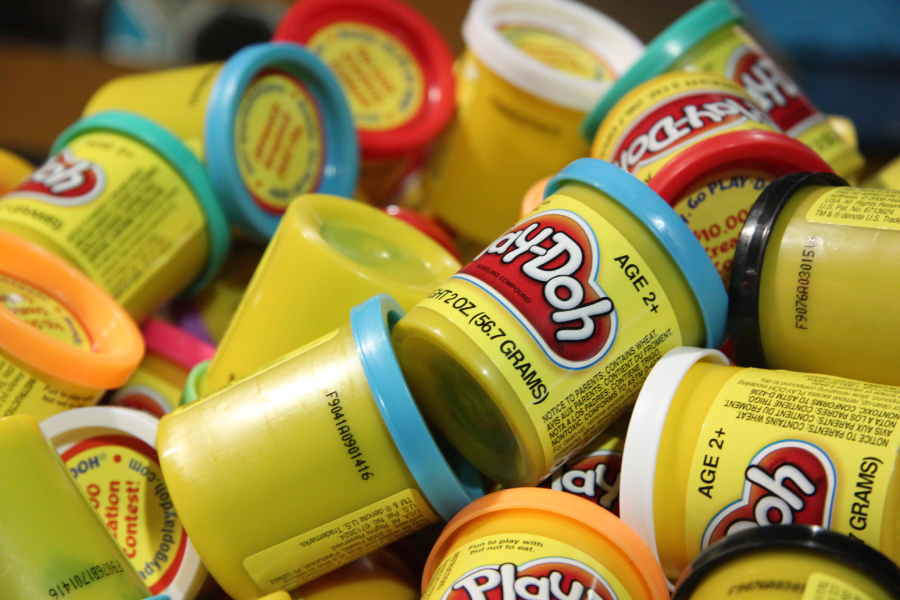
Before it became a staple of childhood art projects, Play-Doh had a highly practical household use. The Strong National Museum of Play notes that the compound was originally sold to clean soot off wallpaper. As home heating methods modernized in the 1950s and soot became less of an issue, the manufacturer cleverly repurposed the non-toxic cleaner as a children’s modeling clay.
13. An average cumulus cloud can contain more than a million pounds of water
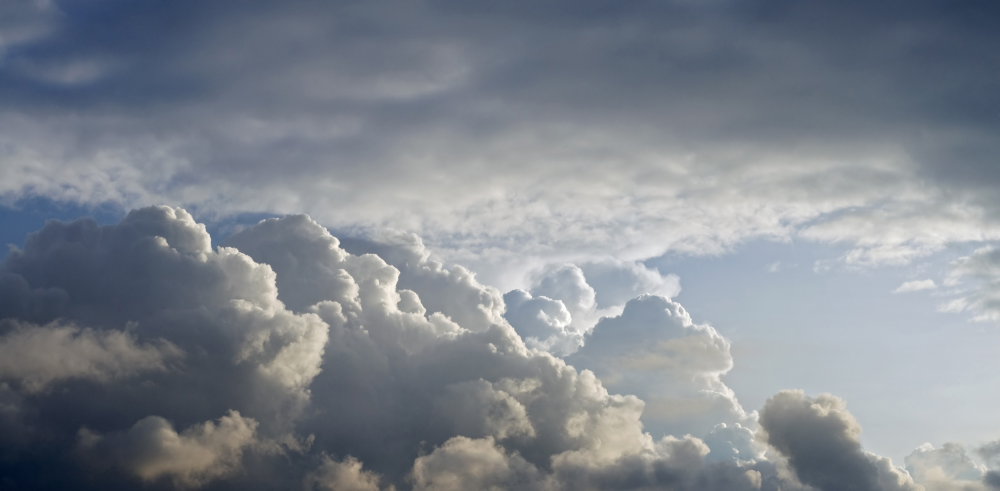
Those bright, fluffy clouds floating lazily overhead are carrying massive amounts of weight. The U.S. Geological Survey estimates that a typical cumulus cloud measuring about one cubic kilometer contains roughly 1.1 million pounds of water. That incredible mass stays suspended in the atmosphere because the water is distributed across such an enormous volume of space.
Check out more mind-blowing facts:
Whether you are trying to impress your coworkers or just want to break a quiet moment at the bar, keeping a few of these strange details in your back pocket is always a good strategy. If you want to explore more historical content, be sure to check out these 16 Mind-Blowing Facts About Mushrooms, or these 16 Surprising Facts About Famous Landmarks. Want more? Take a look at these 17 Curious Billionaire Details That Feel Almost Ordinary.

