

Billionaires are usually reduced to rankings, yachts, private jets, and numbers that are almost impossible to picture. The more interesting details often sit somewhere else, in old houses, odd salary arrangements, inherited company shares, and office furniture made from doors. Some of these stories feel surprisingly ordinary. Others show just how unusual life becomes when personal wealth reaches ten or twelve figures.
1. Billionaire Wealth Has Crossed $20 Trillion

The scale is hard to take in. Forbes counted 3,428 billionaires on its 2026 list, worth about $20.1 trillion combined. That total was roughly $4 trillion higher than the year before, based on market prices and exchange rates recorded on March 1, 2026. Most people on the list are nowhere near the very top, but a handful of enormous fortunes push the average into the billions.
2. Hundreds of New Billionaires Appeared in a Single Year

The billionaire club is exclusive, but it is not especially static. Forbes added 390 newcomers in 2026, which is more than one new billionaire for every day of the year. Some built companies. Others inherited stakes, sold businesses, or watched the value of private firms climb sharply.
3. The $100 Billion Club Is No Longer Tiny

A fortune of $1 billion is already difficult to imagine. By 2026, 20 people were worth at least $100 billion. Only two were women, Alice Walton and Françoise Bettencourt Meyers.
4. Almost No Billionaires Are Under 30

The young tech founder who becomes wildly rich before 25 is a familiar story, but it is still rare in real life. Forbes identified 35 billionaires under 30 in 2026, the largest group recorded so far, yet still only around 1 percent of the total billionaire population. Their money came from a strange mix of artificial intelligence, prediction markets, retail fortunes, and inherited family businesses.
5. The United States Is Close to Having 1,000 Billionaires

The world’s billionaires are not spread evenly. The United States led the 2026 list with 989, while China, including Hong Kong, had 610. India followed with 229. Germany and Russia rounded out the top five.
Trending on The Scroller


6. Their Fortunes Are Mostly Estimates

When a billionaire gains $3 billion in a day, that money usually has not landed in a bank account. Net worth rankings are built from estimated values of shares, private companies, property, investments, and debts. A stock can rise in the morning and make someone look billions richer by lunch, even if they have not sold a single share.
7. Warren Buffett Still Lives in an Omaha House From 1958

FRUGAL / VIA REDDIT
Buffett bought his main home in Omaha for $31,500 when he was 28. He stayed there as his fortune grew into the tens of billions. The house has five bedrooms and plenty of space, but it looks modest beside the giant estates normally associated with people at his level of wealth.
8. Amazon Once Used Doors as Desks

INTERESTING / VIA REDDIT
Amazon’s early office furniture was not designed by an expensive interiors firm. Jeff Bezos noticed that wooden doors cost less than proper desks, so the company attached legs to them and used them as workstations. The idea later became part of Amazon folklore, and versions of the door desk remained in company offices long after money stopped being tight.
Sign up for our newsletter
9. Some Billionaire CEOs Take a $1 Salary

Mark Zuckerberg has officially received a base salary of $1 from Meta. That does not mean his work is worth a dollar or that the company spends nothing on him. His wealth comes mainly from stock ownership, while Meta also covers large security and travel-related costs.
10. Elon Musk Once Had a Minimum-Wage Salary
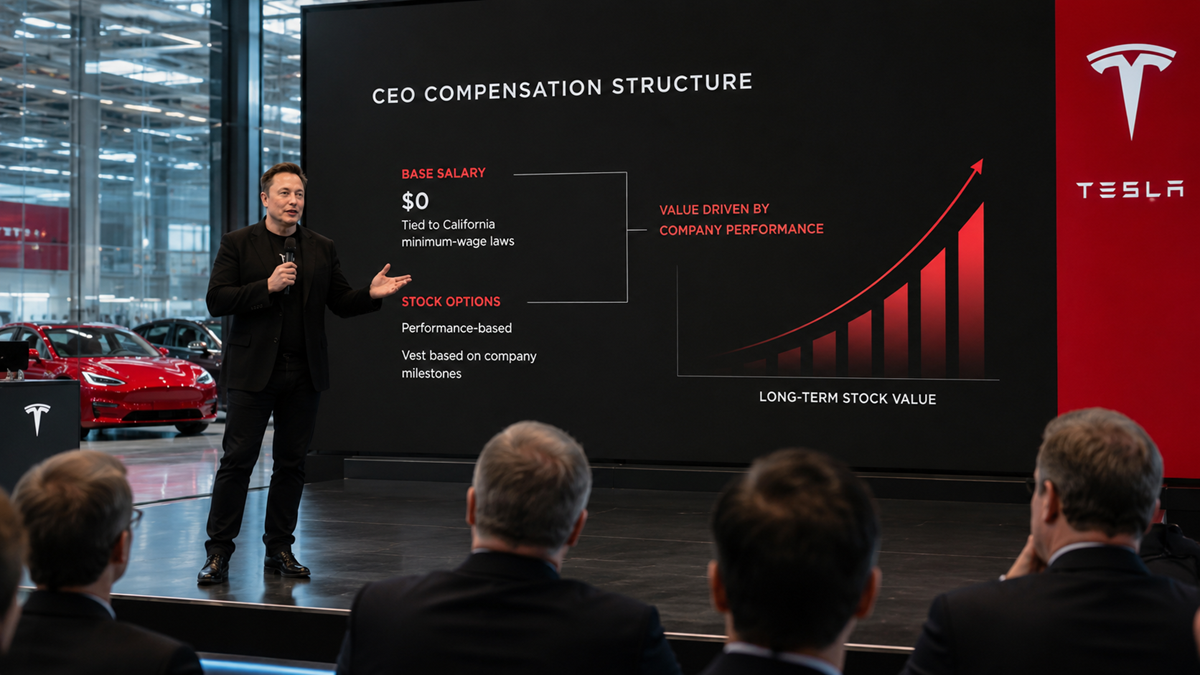
Tesla filings stated that Musk’s base salary was tied to California minimum-wage rules. The meaningful part of his compensation came from stock options connected to company performance. For founder-CEOs, the salary figure can be little more than a technical detail.
11. Giving Away Billions Is Surprisingly Complicated

A billionaire cannot always solve philanthropy by simply choosing a cause and writing a check. Large foundations employ legal teams, researchers, investment managers, program officers, and specialists who decide where money should go and how to track it. This helps explain why some fortunes take decades to distribute. MacKenzie Scott became unusual partly because she moved large sums quickly and often gave organizations few restrictions on how to use them.
12. The Giving Pledge Is Not Legally Binding

The Giving Pledge asks wealthy people to promise most of their fortunes to charity. It sounds formal, but it is not a contract. Signers decide when to give, how much to disclose, and which organizations or foundations receive the money.
13. Buffett Plans to Give Away Almost Everything

Warren Buffett has said that more than 99 percent of his wealth will eventually go to charitable causes. Since 2006, he has donated large amounts of Berkshire Hathaway stock to several foundations. His children will remain wealthy, but they are not expected to inherit anything close to the full fortune.
14. Bill Gates Set an End Date for His Foundation
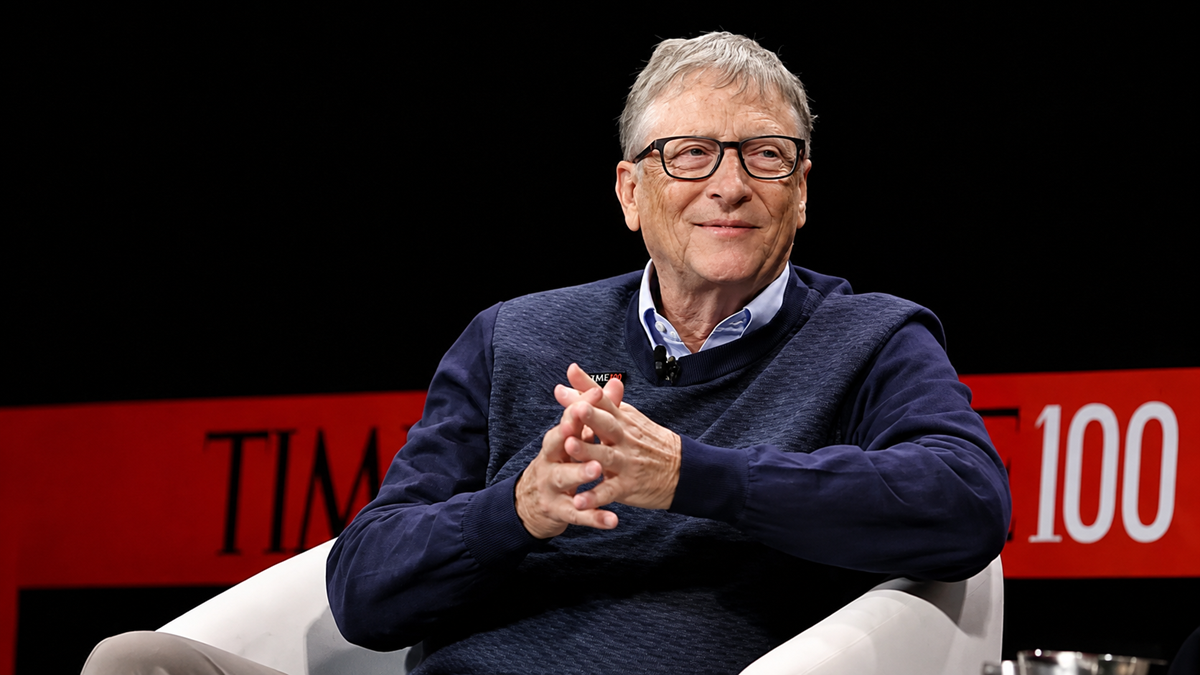
In 2025, Gates said he intended to give away nearly all of his remaining wealth over the next 20 years. He also announced that the Gates Foundation would eventually close rather than continue forever. By that point, the organization had already distributed more than $100 billion, with plans to give away far more before shutting down.
15. Entertainment Careers Can Create Billion-Dollar Fortunes

Not every new billionaire runs a software company. The 2026 Forbes list included cultural figures such as Beyoncé, Dr. Dre, James Cameron, and Roger Federer. Their wealth came from more than performance fees, including ownership stakes, licensing, investments, touring businesses, endorsements, and valuable back catalogs.
16. A Former Ballerina Built a Billion-Dollar Tech Fortune

BRAZIL / VIA REDDIT
Luana Lopes Lara trained as a professional ballerina in Brazil before moving into technology. She later cofounded Kalshi, a prediction market platform where people trade contracts tied to future events. Forbes estimated her fortune at around $1.3 billion in 2026.
17. One Family Business Can Create Several Billionaires

Walmart did not produce a single family fortune. Alice, Rob, and Jim Walton all ranked among the world’s richest people because of the family’s huge ownership stake in the company founded by Sam Walton. Their wealth is listed separately, even though much of it comes from the same source.
In the mood for more?
Check out 20 Photos of Billionaires and Their Current Net Worth, or take a look at 20 Yearbook Photos of Billionaires from Before They Were Rich. If you want to see more stories about extreme wealth, you can check out Wealthy To Worthless: 15 Millionaires Who Lost It All.