A century ago, the world was a much smaller and more expensive place, where owning certain everyday items served as a definitive marker of high social status and immense wealth. In the 1920s, many of the goods we now take for granted were handcrafted, imported from distant lands, or required cutting-edge technology that only the elite could afford. If you owned a personal refrigerator or could afford regular long-distance communication, you weren’t just a consumer; you were a member of the upper crust living at the absolute peak of modern convenience.
Today, industrial revolutions and global logistics have completely flipped the script, turning these former status symbols into disposable commodities that cost mere pennies. It is humbling to realize that the average person now lives with more luxury than the wealthiest oil tycoons and royalty of the early 20th century. By looking back at these fifteen items, we get a vivid picture of how much life has improved and how the definition of luxury is constantly shifting as technology marches forward. Let’s explore the treasures of the past that have become the bargain bins of the present.
1. Aluminum foil and cookware
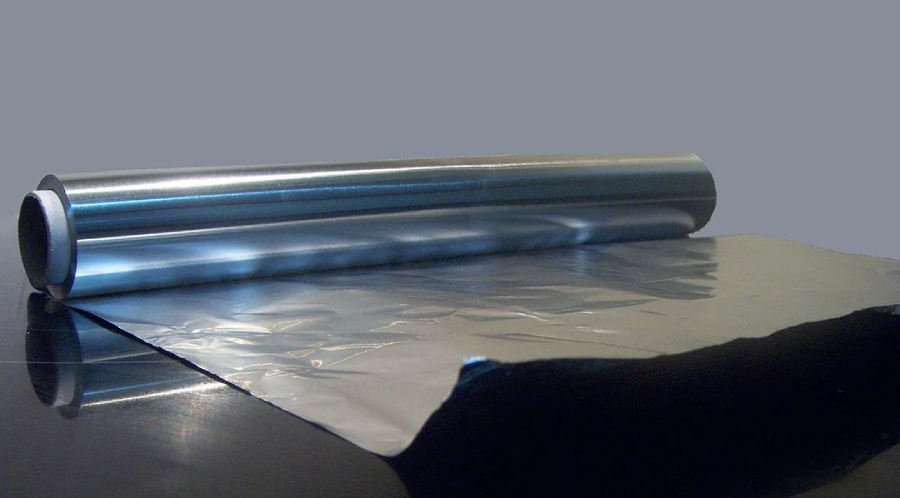
In the early 20th century, aluminum was considered more precious than silver and gold because it was incredibly difficult to extract from ore. Napoleon III famously reserved aluminum cutlery for his most honored guests while the commoners had to settle for gold. By the 1920s, while becoming more common, it was still a high-tech material used in premium kitchens. Today, we use it to wrap up leftovers and throw it in the trash without a second thought.
2. Pineapples

One hundred years ago, the pineapple was the ultimate symbol of hospitality and wealth because the fruit was nearly impossible to transport without it rotting. Hostesses would often rent a single pineapple for an evening just to display it as a centerpiece, showing their guests they had the connections to acquire such an exotic prize. Buying one was a massive financial commitment that most families could only dream of making once in a lifetime. Now, you can find them pre-cut in cans or fresh for a couple of dollars at any corner store.
3. Long-distance phone calls
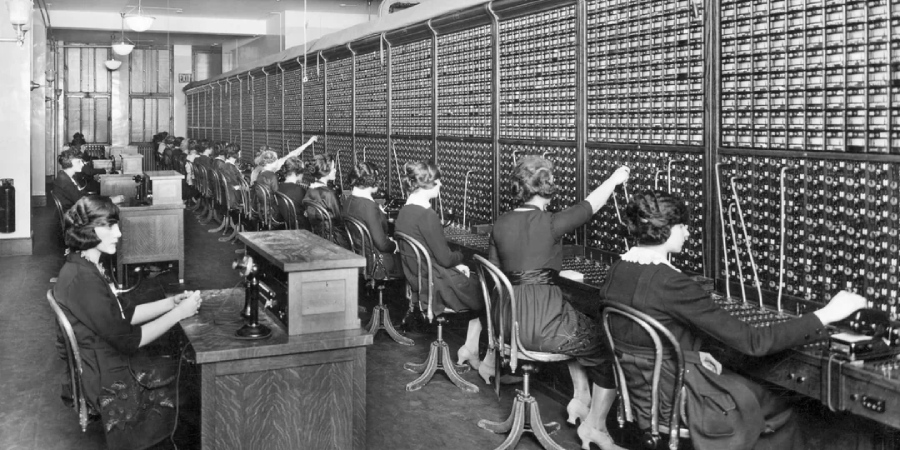
In 1926, a three-minute phone call from New York to London could cost around $75, which is the equivalent of over $1,200 in today’s money. This was a service reserved for international diplomats and the world’s most powerful business magnates. Most people lived their entire lives without ever hearing the voice of a relative in another country. Today, we make high-definition video calls across the globe for free using the Wi-Fi at a local coffee shop.
4. Silk stockings
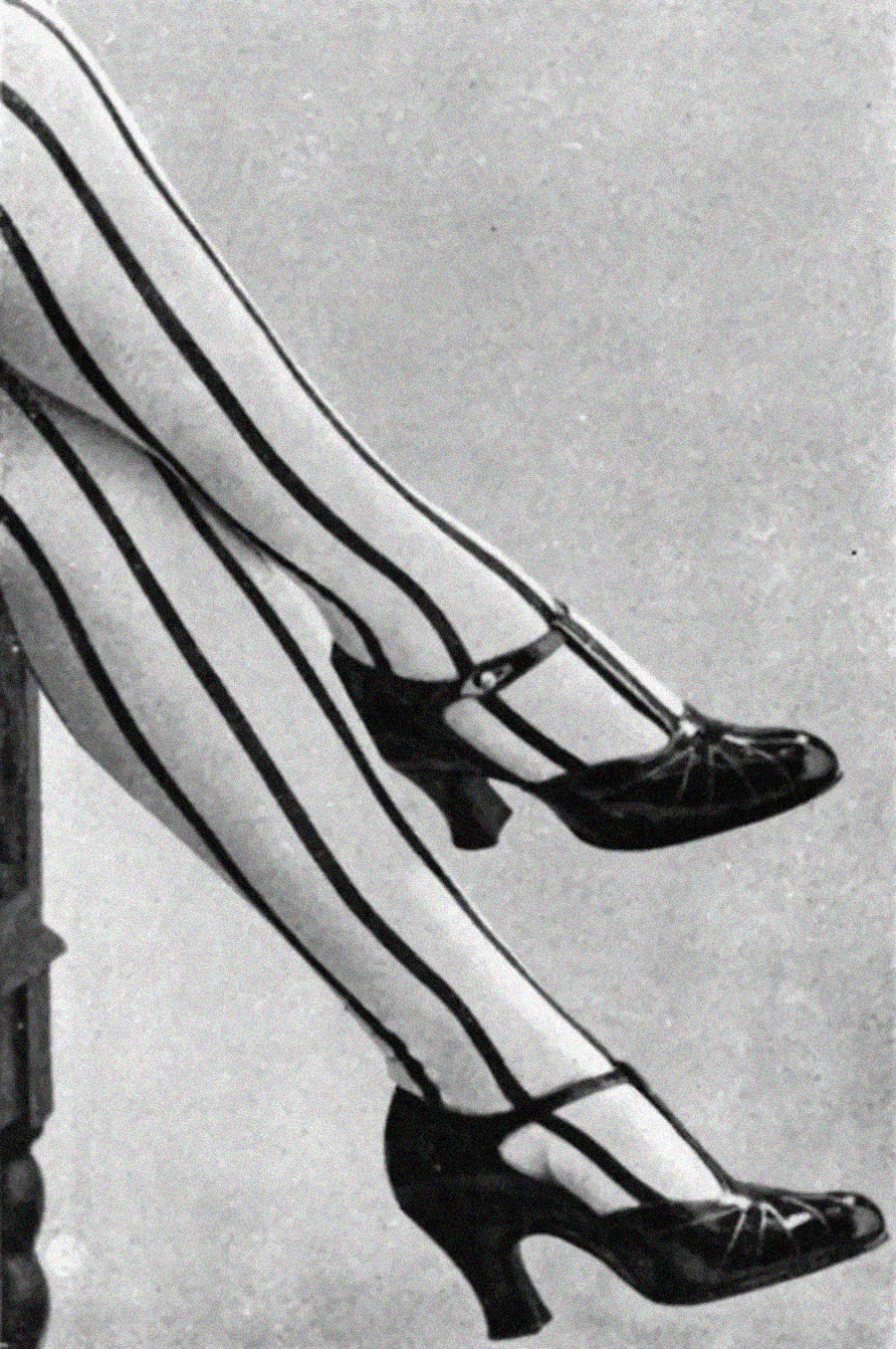
Before the invention of nylon in the late 1930s, stockings were made of pure silk and were a delicate, expensive luxury that only the wealthy could afford to wear daily. A single run in a pair of silk stockings was a minor financial tragedy for a working-class woman. They required careful hand-washing and were often treated as a major fashion investment. Today, hosiery is a cheap, mass-produced item available in every drugstore for the price of a cup of coffee.
5. Salt
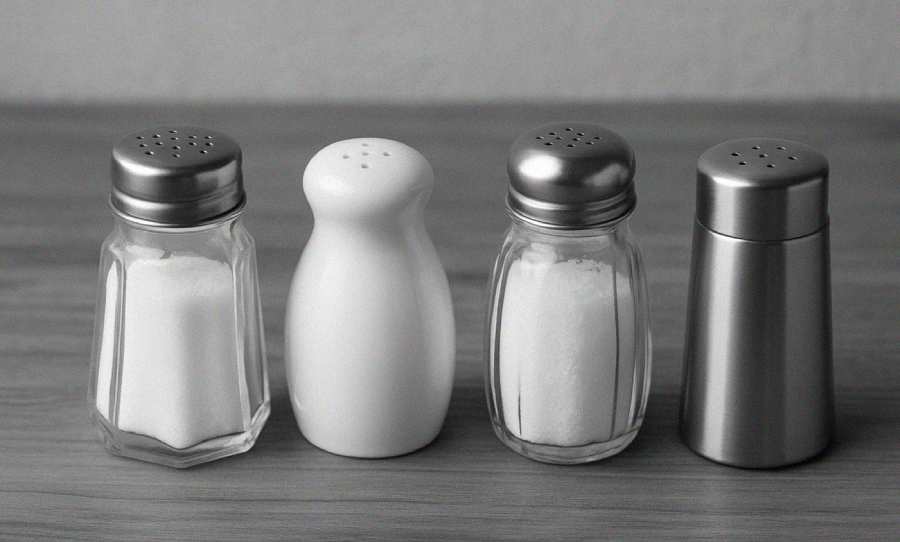
While salt had become more common by the 1920s, high-quality, pure table salt was still a commodity that carried significant weight in household budgets. For most of human history, salt was so valuable that it was used as currency and was the cause of several major wars. Having a full, white salt cellar on your table was a sign of a well-to-do home. Now, salt is so inexpensive that restaurants give it away for free in unlimited quantities.
Trending on The Scroller

6. Electric light bulbs
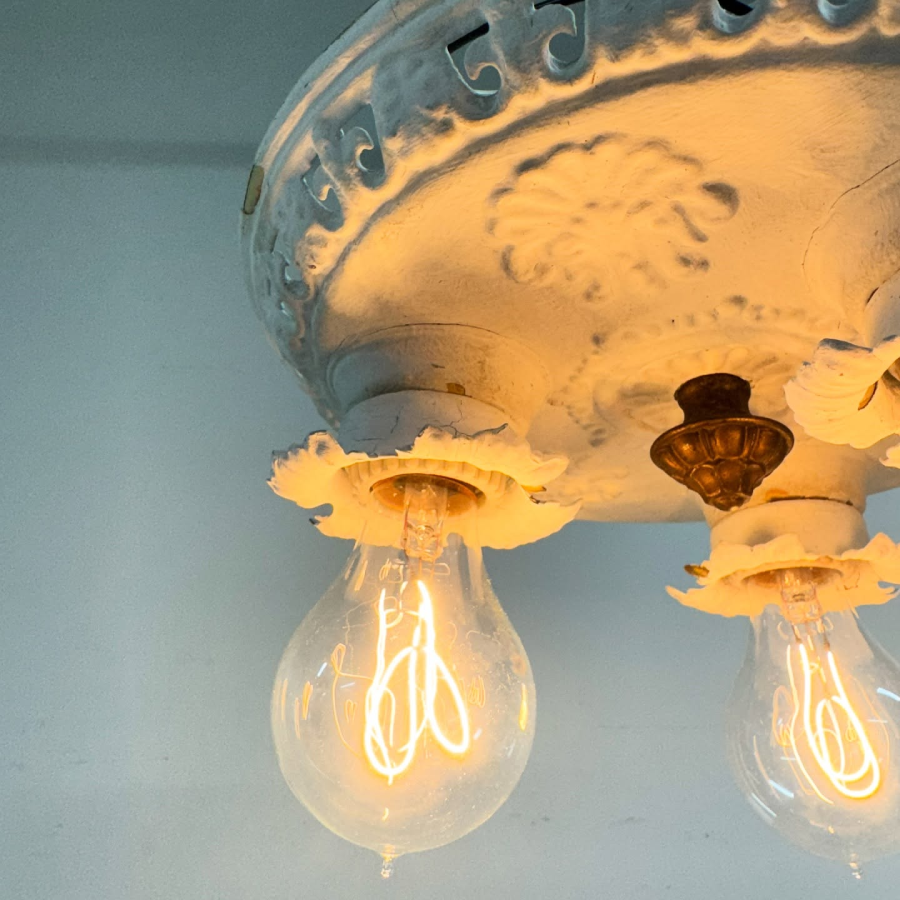
In the mid-1920s, many rural homes still relied on kerosene lamps, and having an electrified house with glass light bulbs was a massive luxury. The bulbs themselves were fragile and expensive, and the cost of the electricity to run them was a significant monthly expense. People would often only light one room at a time to save money. Today, LED bulbs cost almost nothing, last for years, and provide more light than an entire 1920s mansion.
7. Oranges in winter
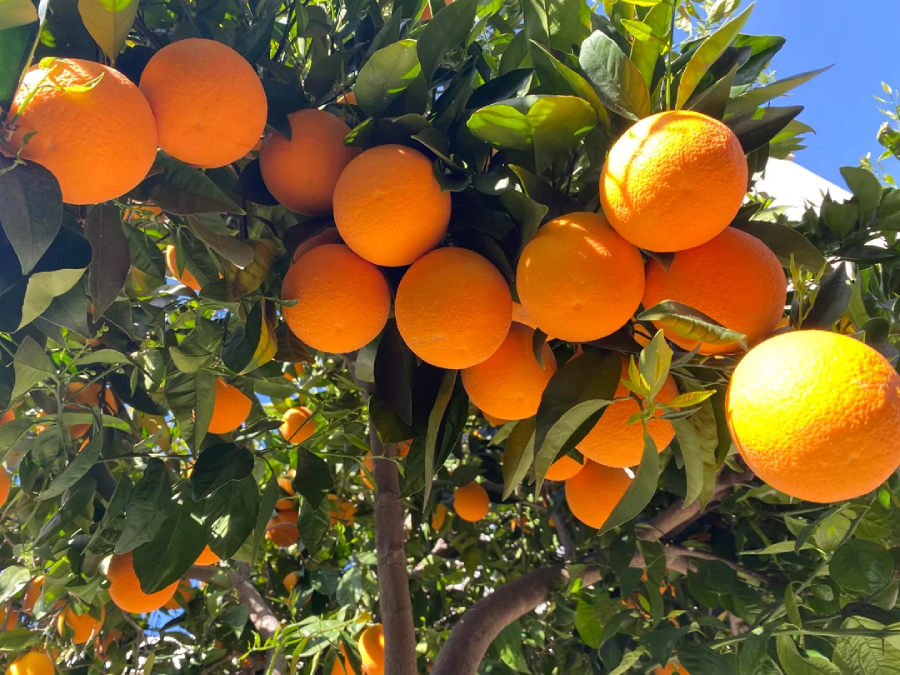
If you lived in a cold climate a century ago, seeing an orange in December was a true miracle of trade. They were so rare and expensive during the winter months that they were traditionally given as a primary Christmas gift in children’s stockings. To a child in 1926, that single piece of fruit represented the height of luxury and the taste of a tropical paradise. Today, orange juice is a basic breakfast staple that we consume by the gallon year-round.
8. Books and encyclopedias

A full set of encyclopedias was once the ultimate status symbol of an educated, wealthy household, often costing several months’ worth of wages. Owning a private library meant you were among the intellectual elite with the means to access the world’s knowledge. Information was a physical, expensive commodity that had to be bought and stored. Now, almost the entirety of human knowledge is available for free to anyone with a smartphone and an internet connection.
Sign up for our newsletter
9. Sugar
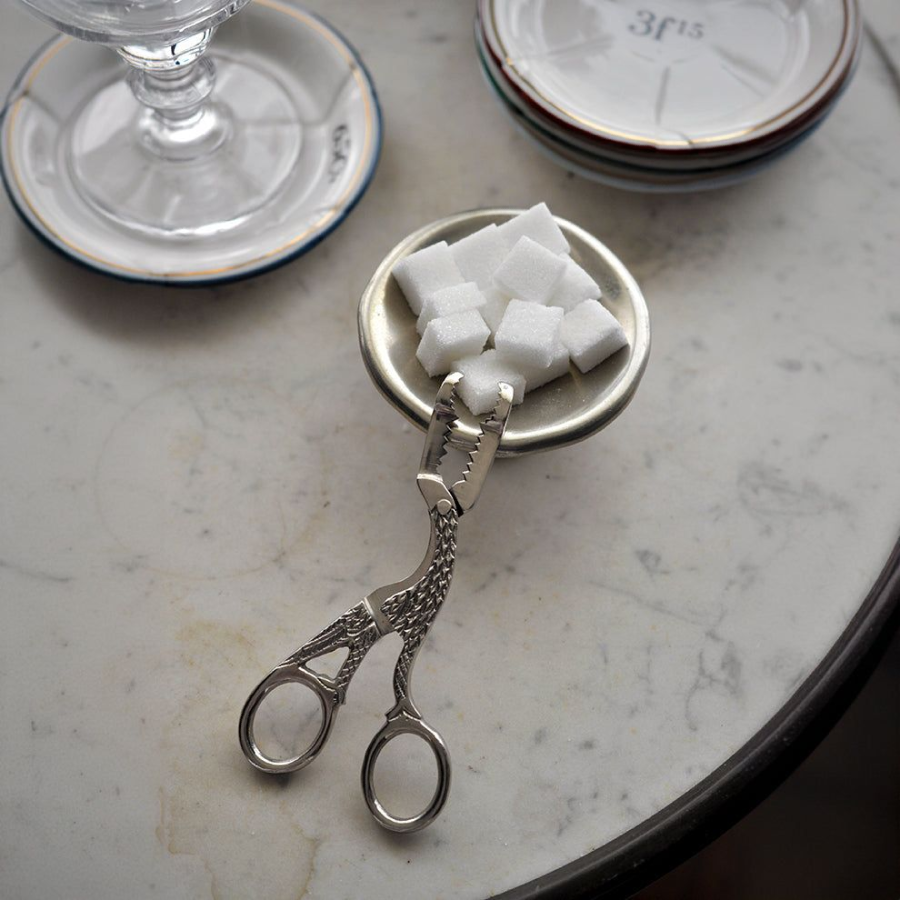
White, refined sugar was once known as white gold and was kept in locked boxes to prevent servants or children from sneaking a taste. It was an exotic import that defined high-status desserts and tea times for the upper class. Most people used molasses or honey as cheaper, less prestigious sweeteners. Today, sugar is so overabundant and cheap that it is found in almost every processed food item, becoming a health concern rather than a luxury.
10. Ice in the summer
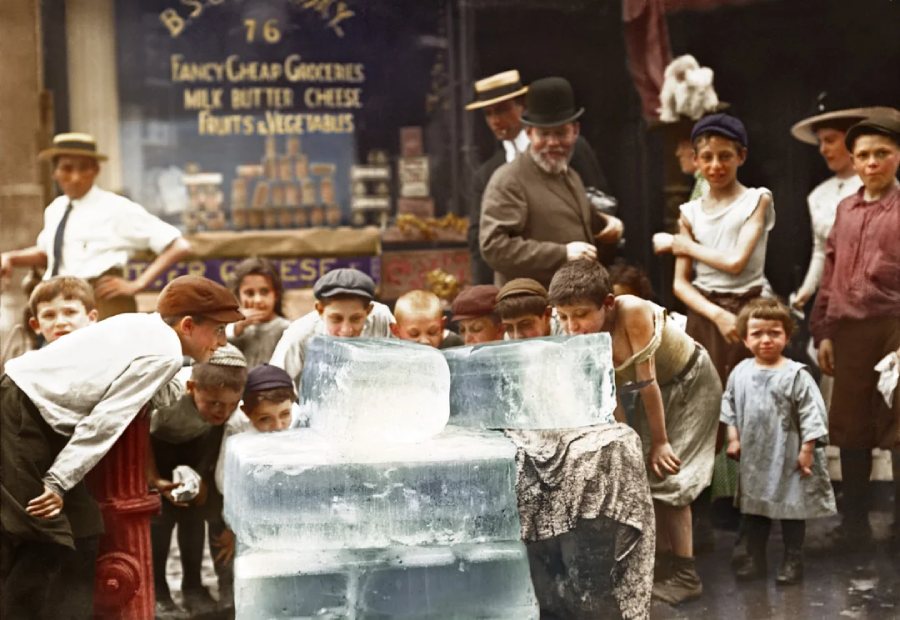
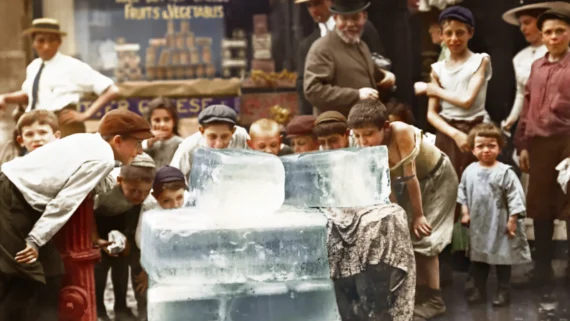
Before modern refrigeration, having ice in the middle of July was a feat of engineering that required massive ice houses and expensive delivery services. Ice was harvested from frozen lakes in the winter and stored under straw, making it a luxury that only the rich could afford for their cocktails. A refrigerator back then was literally a wooden box with a giant, expensive block of ice inside. Today, almost every modern fridge makes unlimited ice automatically for the cost of a few cents of electricity.
11. Travel to another continent
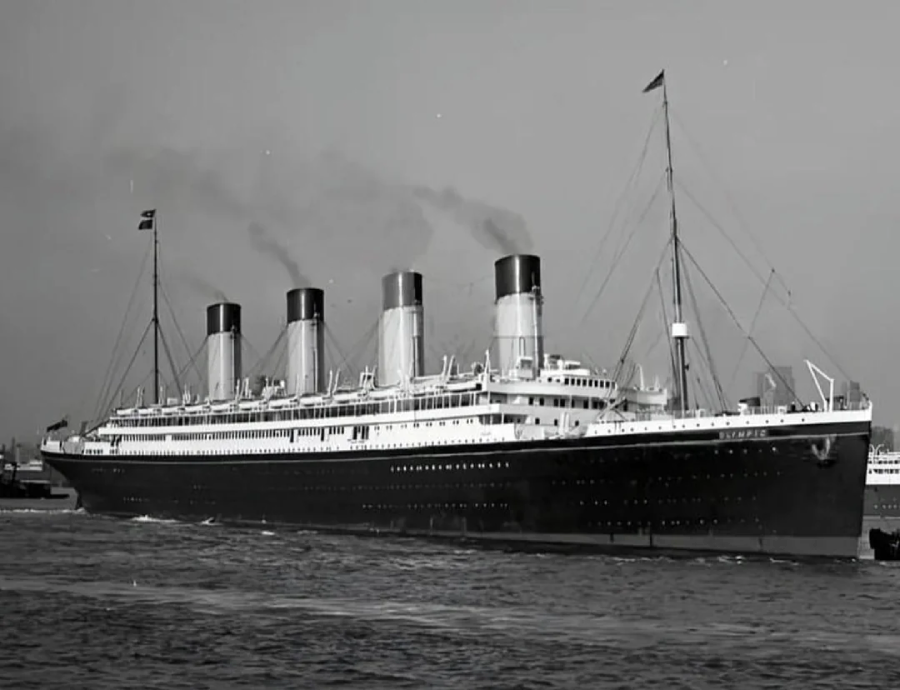
One hundred years ago, crossing the Atlantic meant a week-long journey on a massive steamship, a trip that was financially out of reach for the average worker. Only the leisure class had the time and the thousands of dollars required for international tourism. It was a once-in-a-lifetime event that required months of planning and trunkloads of formal clothing. Now, a budget airline ticket can get you to another continent in a few hours for the price of a weekend’s groceries.
12. Wristwatches
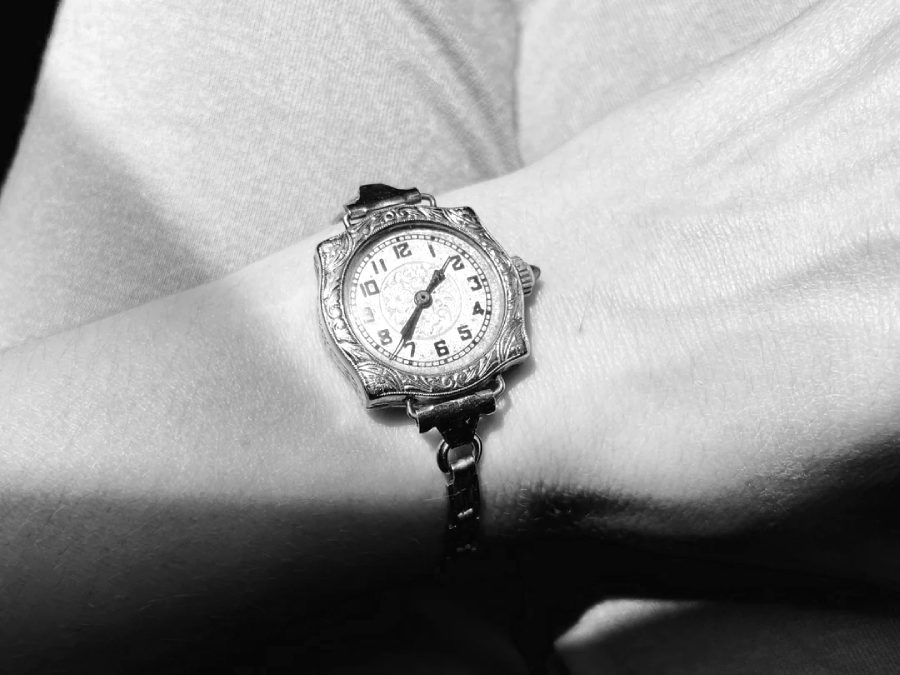
In the early 20th century, a reliable, accurate wristwatch was a complex piece of mechanical jewelry that required a master craftsman to assemble. They were expensive, delicate, and often passed down as family heirlooms from father to son. Owning one meant you were a person of importance whose time was literally valuable. Today, you can buy a digital watch that is more accurate than any 1920s mechanical masterpiece for less than five dollars.
13. Pepper and spices
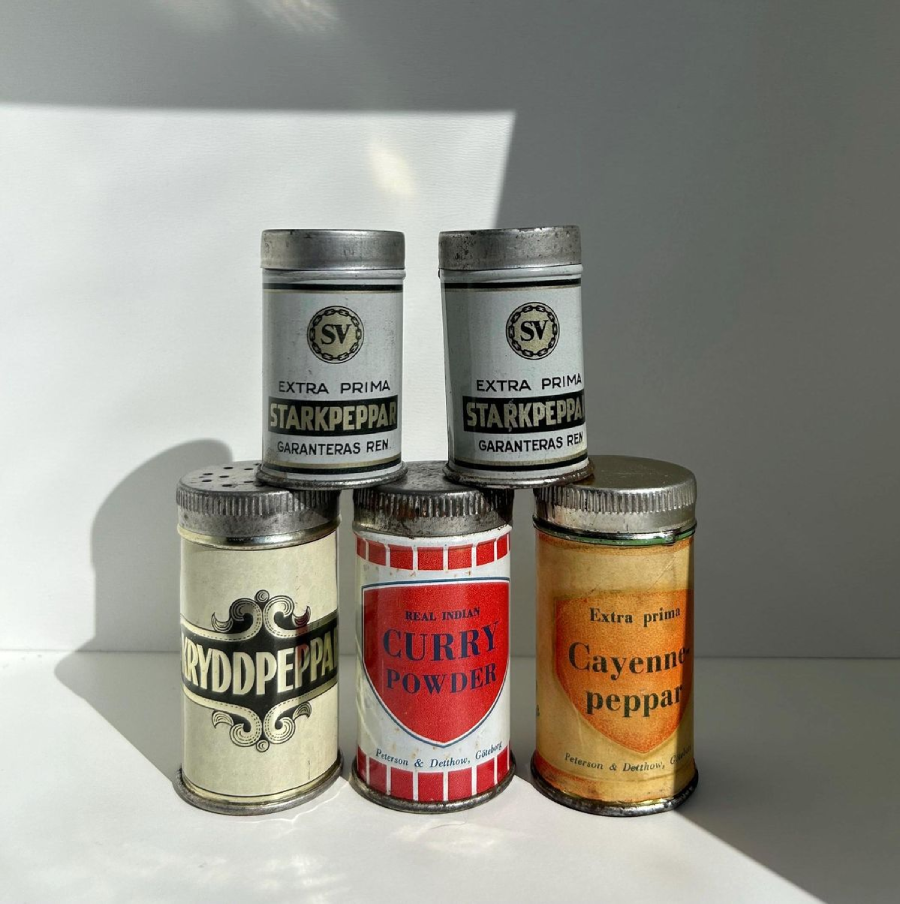
Black pepper and other exotic spices were once so expensive that they were kept in ornate, locked spice towers in the kitchens of the nobility. At various points in history, a pound of ginger was worth the price of a sheep, and pepper was counted out grain by grain. These spices were the reason for the Age of Discovery and the colonization of entire nations. Today, black pepper is so common that it is provided for free on every restaurant table alongside the salt.
14. Soap
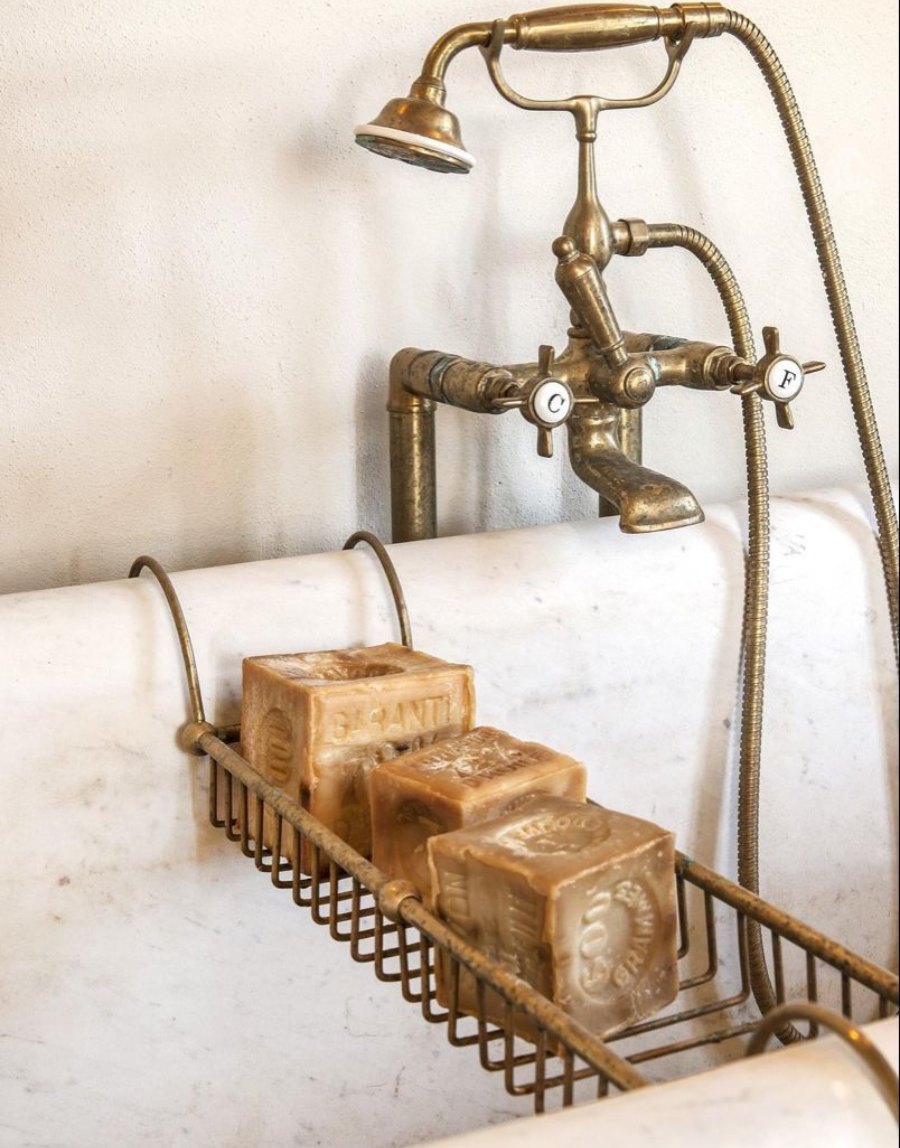
While basic soap existed, high-quality, scented bars of soap that didn’t irritate the skin were a luxury item for the wealthy. Most common folk used harsh, homemade lye soaps that were rough on the body and the clothes. Having a bathroom stocked with a variety of specialized, gentle soaps was a sign of extreme refinement and hygiene. Now, we have an endless variety of liquid and bar soaps available for pennies, often discarded half-used in hotel rooms.
15. Photography
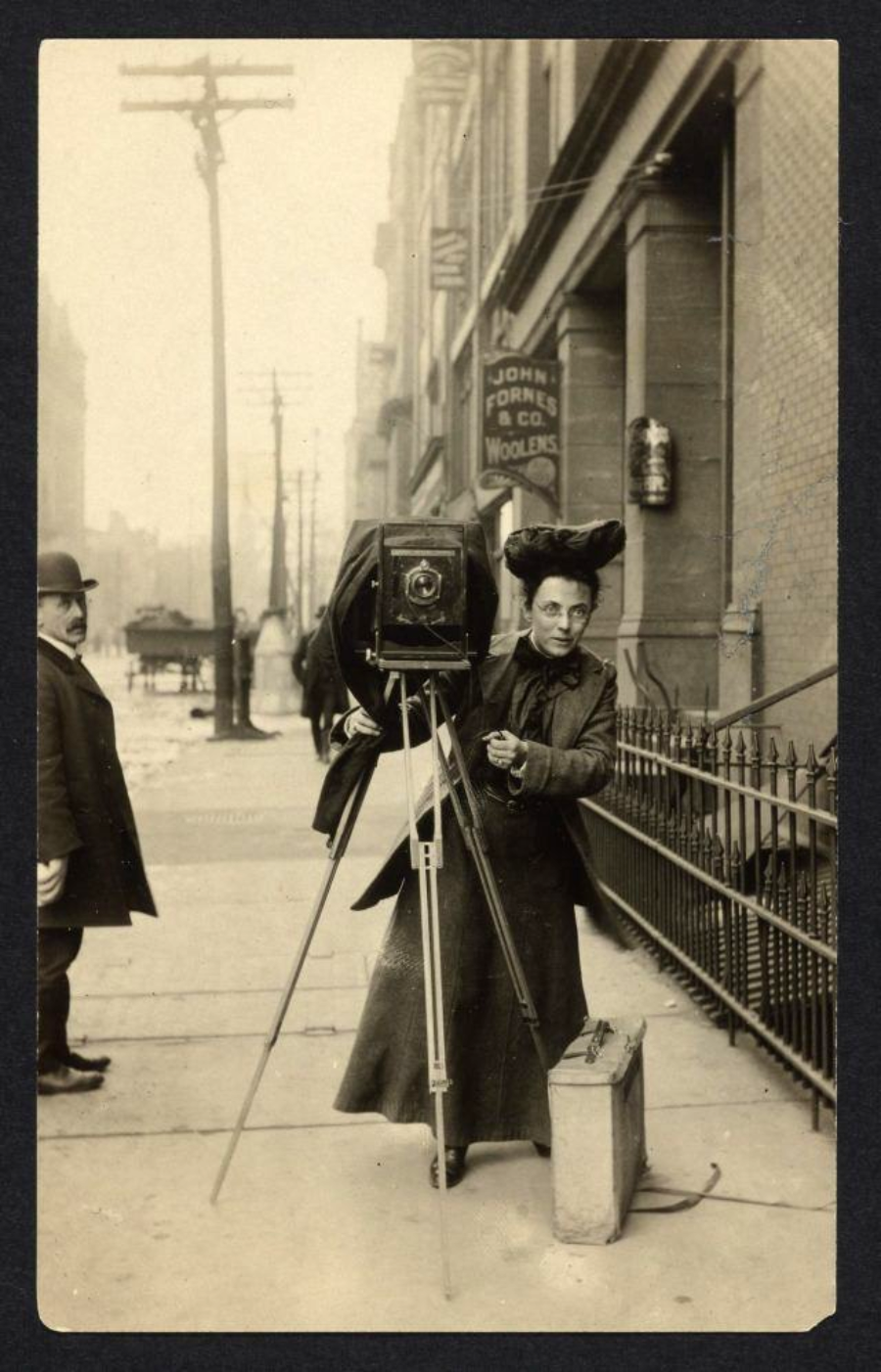
Taking a photograph in the 1920s required an expensive camera, specialized chemical knowledge, and a trip to a professional developer. A family portrait was a formal, expensive event that happened only a few times in a person’s life. You couldn’t see the result for days, and every shot cost a significant amount of money in film and processing. Today, we take thousands of high-resolution photos every year on our phones, storing them for free and deleting the ones that aren’t perfect.
Want more interesting facts about money?
It is incredible to think that we live lives that would have made the kings of the past envious. These former luxury items are a testament to human ingenuity and the power of making life better for everyone through technology. If you enjoyed this look at how the world has changed, be sure to check out these 18 Genius Money Habits Our Grandparents Swore By, or 20 Ways Seventies Families Saved More Money. You may also like these 15 Classic Side Hustles from the Pre-Digital Era.