
In an era of instant digital transfers and complex crypto-algorithms, it’s easy to overlook the simple, tactile ways our grandparents managed their money. For them, financial security wasn’t about getting rich quickly or timing the stock market; it was built on a foundation of discipline, physical savings, and a profound respect for every cent earned. These habits were born out of necessity, often following the Great Depression, creating a generation that understood the value of a dollar long before credit cards and “buy now, pay later” schemes became the societal norm.
Today, top financial advisors are looking back at these old-fashioned methods and realizing they were actually ahead of their time. By treating money as a tangible resource rather than an abstract number on a screen, our grandparents naturally avoided the psychological traps of modern consumerism. From using cash envelopes to prioritizing the repair of belongings over replacement, these timeless strategies provide a blueprint for financial freedom that is more relevant now than ever. It turns out that the secret to building lasting wealth might not be found in a new app, but in the sturdy leather wallets and glass savings jars of the past.
1. The envelope system for budgeting

Long before budgeting apps existed, our grandparents divided their physical cash into labeled envelopes for rent, groceries, and utilities. This method forced a hard stop on spending; once the entertainment envelope was empty, the fun was over for the month. Modern advisors love this because it utilizes friction, making it psychologically harder to part with physical bills than a digital tap. Interestingly, this system has seen a massive resurgence on social media as “cash stuffing” among Gen Zers looking to get out of debt.
2. Paying for everything in cash

For previous generations, if you didn’t have the paper bills in your pocket, you simply didn’t buy the item. By avoiding the plastic trap, they never had to worry about compound interest on consumer debt eating away at their future earnings. Experts now point out that people spend significantly less (up to 15-20% less) when they have to physically count out money at a register. It’s a simple psychological hack that prevents the impulse buy culture that dominates today’s online shopping experience.
3. Maintaining a rainy day jar

Our grandparents almost always had a jar in the kitchen where they dropped loose change and small bills at the end of every day. This wasn’t just for pocket change; it was a psychological safety net that reinforced the habit of saving without it feeling like a sacrifice. Over a year, those small coins could often fund a holiday dinner or an unexpected plumbing repair. Financial experts call this micro-saving, and it’s a genius way to build an emergency fund without noticing a dent in your main paycheck.
4. Adopting the “repair, don’t replace” mentality
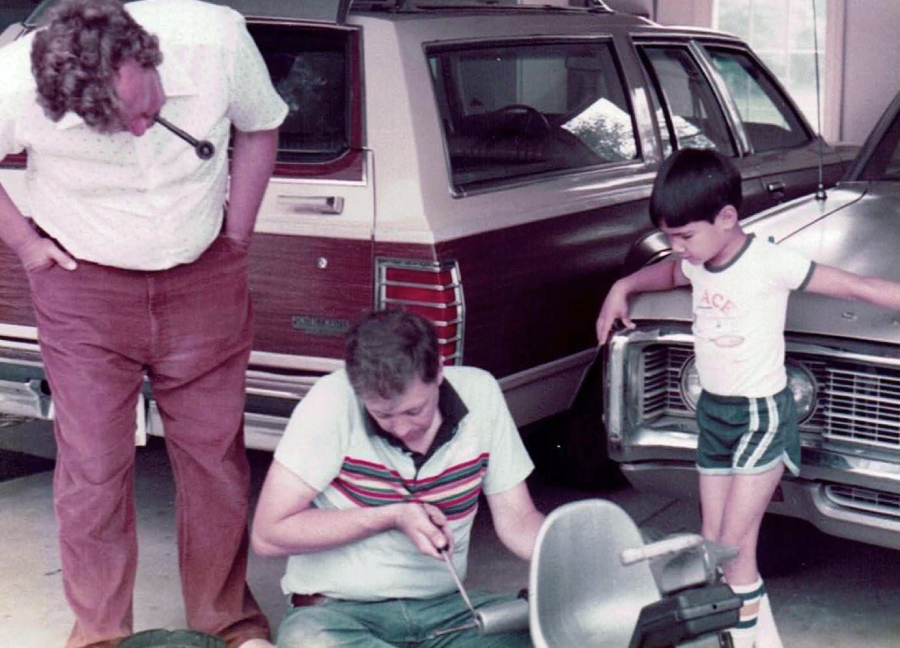
When a toaster broke or a hem unraveled, our grandparents didn’t jump online to order a replacement; they grabbed a toolkit or a sewing kit. This “make do and mend” philosophy kept thousands of dollars in their pockets over a lifetime by extending the lifespan of every household item. In today’s world of planned obsolescence, advisors suggest that learning basic repair skills is one of the highest returns on investment you can get. A fun fact is that during the mid-20th century, many high schools taught Home Economics specifically to ensure every adult knew how to maintain their personal assets.
5. Growing a victory garden to lower grocery costs
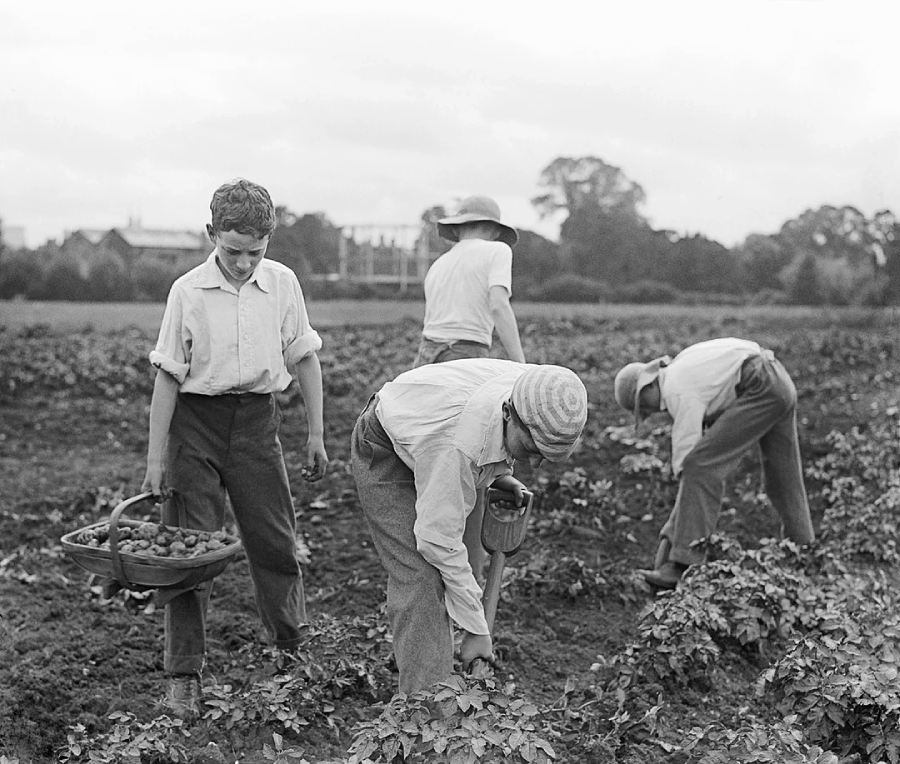
Growing their own vegetables wasn’t just a hobby; it was a strategic financial move to insulate the family from rising food prices. By producing their own tomatoes, beans, and potatoes, they significantly reduced their weekly grocery bill while eating higher-quality food. Modern financial gurus now suggest that even a small herb garden can save a household hundreds of dollars a year. During WWII, these gardens were so effective that they produced nearly 40% of all the fresh vegetables consumed in the United States.
Trending on The Scroller


6. Avoiding “lifestyle creep” after a raise

When our grandparents got a promotion or a raise, they rarely rushed out to buy a fancier car or a bigger house immediately. Instead, they tended to keep their living standard the same and tucked the extra earnings into a savings account or toward the mortgage. This discipline allowed them to build wealth rather than just a wealthy appearance. Advisors today warn that “lifestyle creep” is the number one reason high-earners end up living paycheck to paycheck.
7. Prioritizing a paid-off home
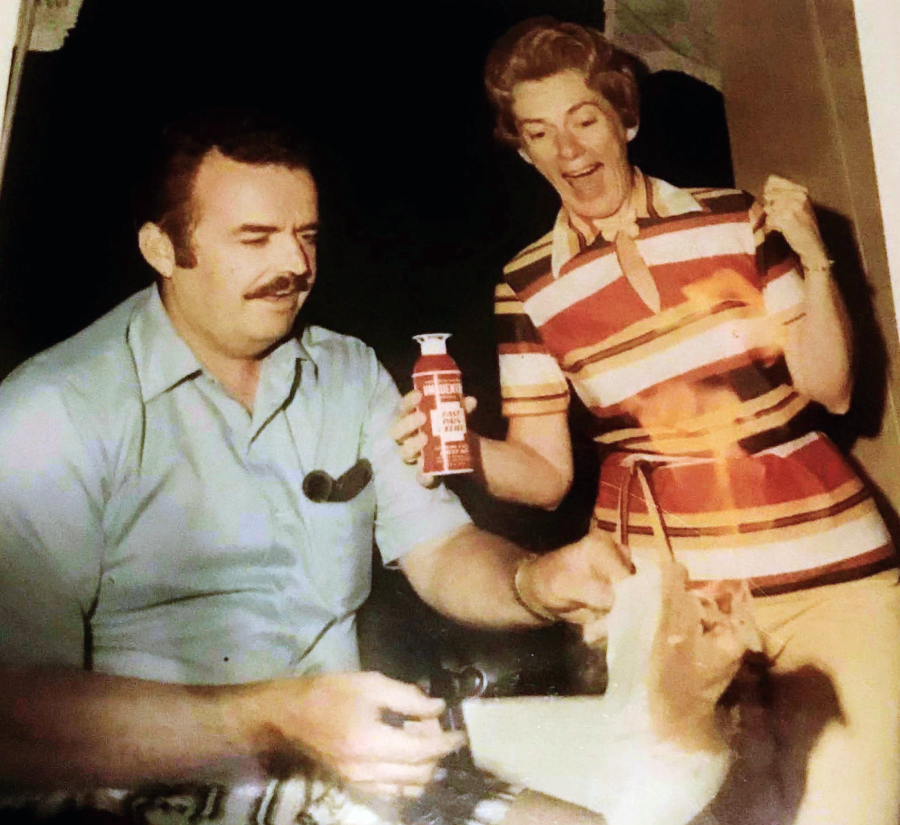
The mortgage burning party was a real cultural milestone where neighbors celebrated a family finally owning their home free and clear. Our grandparents viewed a mortgage as a temporary burden to be eliminated as quickly as possible, often making extra payments whenever they had spare cash. Financial planners today agree that entering retirement without a housing payment is the single best way to ensure your savings last. Interestingly, many of these homes were purchased on 15-year terms, which saved them hundreds of thousands in interest compared to modern 30-year loans.
8. Buying quality items once
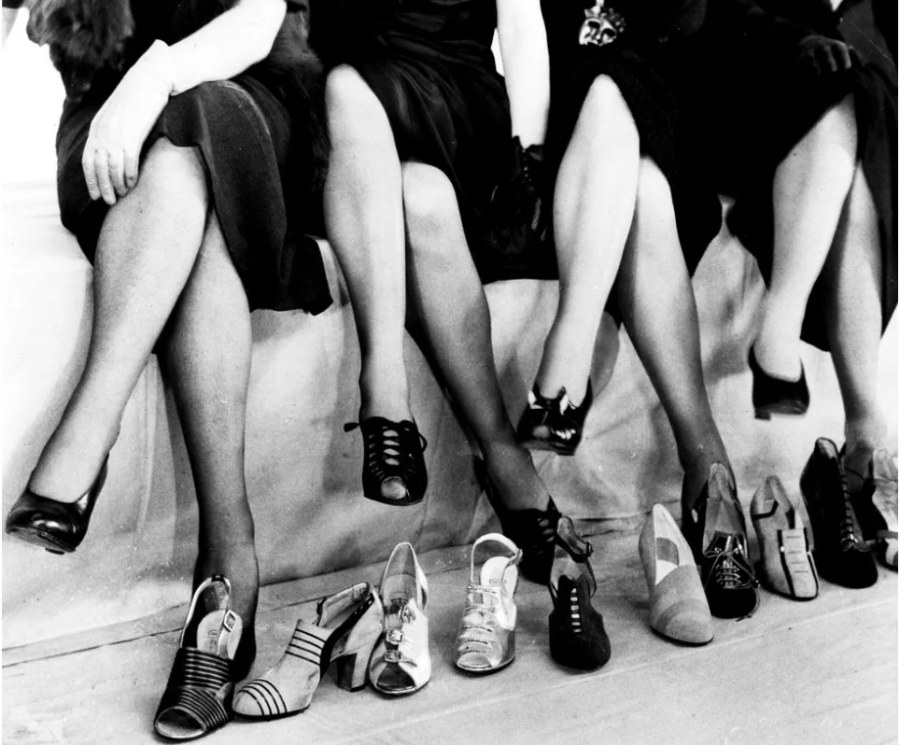
Instead of buying five cheap pairs of shoes that would fall apart in months, our grandparents saved up for one high-quality pair that could be resoled for decades. This “Buy It For Life” (BIFL) approach meant they spent less money over the long run and had better-functioning goods. While the initial price tag was higher, the cost per use was significantly lower than today’s disposable goods. Many experts now suggest that buying cheap is actually one of the most expensive ways to live.
Sign up for our newsletter
9. Never carrying a balance
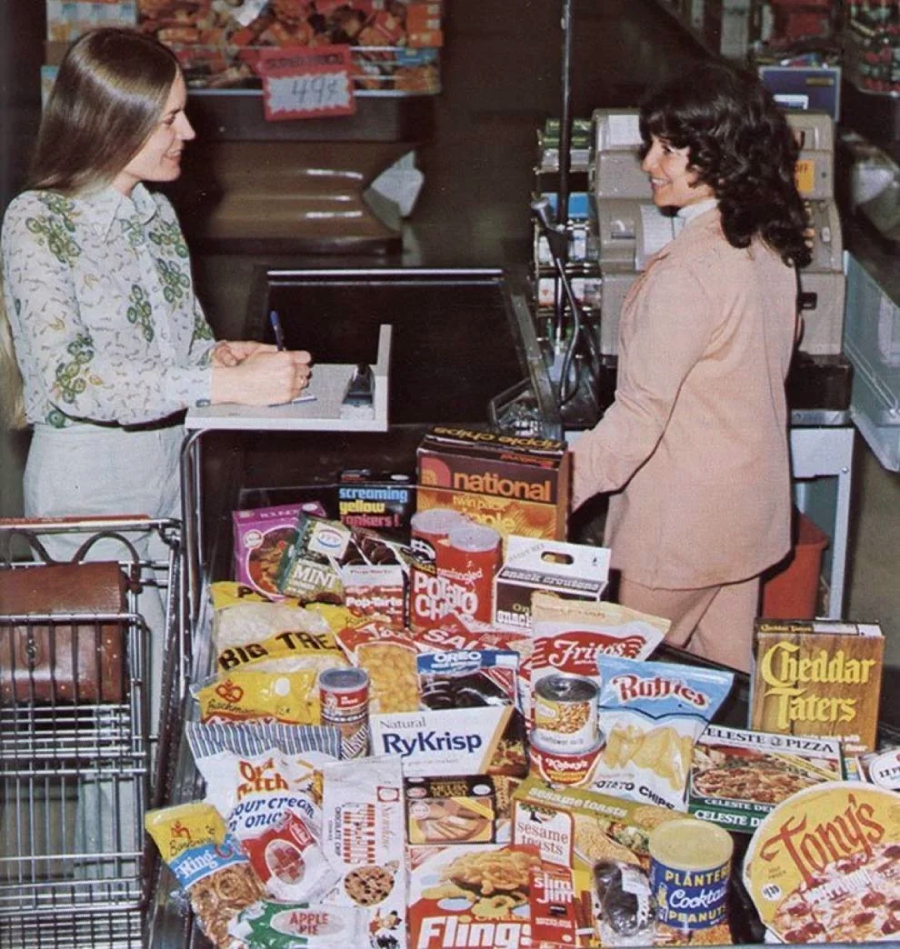
If they did use a store credit line or an early credit card, our grandparents treated it as a convenience, not a loan. They had a deep-seated fear of usury and interest, ensuring the balance was wiped out as soon as the bill arrived. This prevented the debt snowball that many modern families struggle with today. In the 1950s, the average household debt-to-income ratio was incredibly low, a metric that many financial advisors wish we could return to.
10. Cooking at home as the default
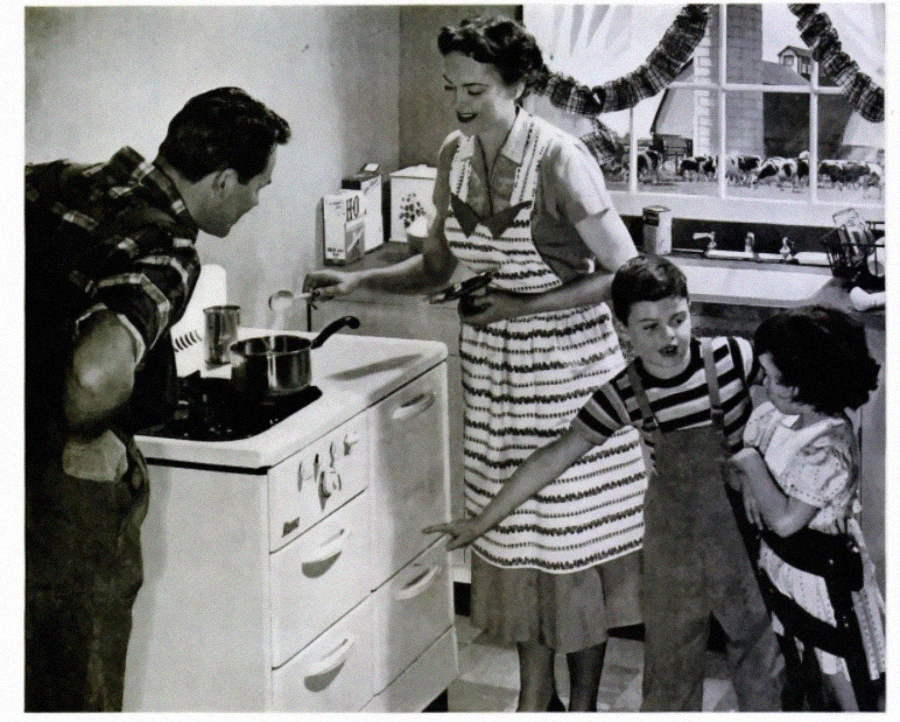
Dining out was reserved for birthdays, anniversaries, or very special occasions, rather than being a nightly convenience. By mastering a few basic recipes, our grandparents kept their food costs at a fraction of what most people spend today on delivery and restaurants. Financial advisors often call the food budget the biggest leak in modern finances, and reverting to this “home-first” rule can save thousands. A fascinating detail is that in the 1960s, the average family spent less than 10% of their food budget away from home, compared to nearly 50% today.
11. Shopping with a strict list

Entering a store without a plan was considered a recipe for financial disaster by the older generation. They meticulously planned their shopping trips, matching their lists to the weekly circulars and newspaper coupons. This prevented the browsing that leads to impulse purchases of items you don’t actually need. Studies show that shopping without a list leads to a 23% increase in spending, proving that Grandma’s handwritten note was a powerful wealth-building tool.
12. Utilizing bartering with neighbors
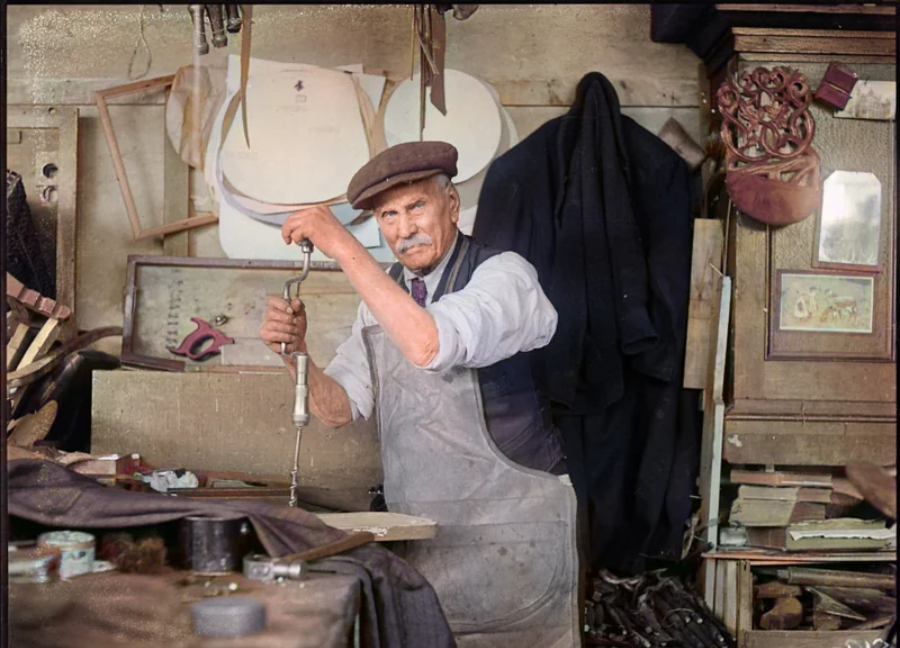
If the neighbor was a carpenter and Grandpa was a mechanic, they would often trade services instead of exchanging cash. This informal barter economy allowed them to get professional-grade work done without touching their savings or paying taxes on the transaction. It also built a strong community safety net that helped everyone stay afloat during lean times. Modern economists call this collaborative consumption, and it’s a genius way to save money while building social capital.
13. Keeping a manual ledger of every cent

Long before Excel or banking apps, our grandparents sat down at the kitchen table every week with a checkbook register or a ledger. Manually writing down every expense forced them to confront their spending habits and stay aware of where their money was going. Advisors call this mindful spending, and it is far more effective for behavior change than an automated app that you can easily ignore. The physical act of writing a number down makes the loss of that money feel more real to the brain.
14. Saving the windfalls
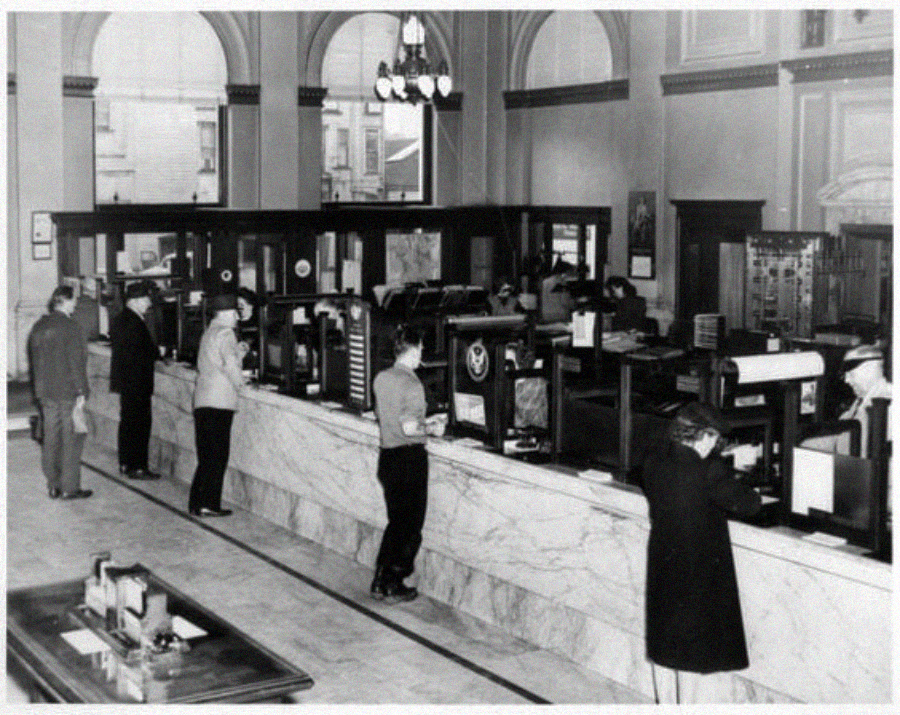
Whenever our grandparents received a tax refund, a bonus, or a small inheritance, it didn’t immediately go toward a luxury purchase. Instead, they treated it as found money that belonged in their long-term savings or investment accounts. This allowed their wealth to grow in leaps rather than just steady increments. Today, behavioral economists suggest that the mental accounting of windfalls as free money is a trap that prevents most people from ever getting ahead.
15. Prioritizing needs over wants

There was a very clear, almost moral distinction between a “need” and a “want” in the households of the past. If the old sofa was ugly but still held together, it wasn’t a “need” to replace it; it was a “want” that had to wait for a specific savings goal. This delayed gratification is a trait that many financial advisors say is the most important indicator of future wealth. Interestingly, psychologists have found that people who delay gratification end up being more satisfied with their purchases when they finally make them.
16. Using the “wait 30 days” rule
For any large purchase, our grandparents often had a self-imposed cooling-off period to see if they still wanted the item a month later. Most of the time, the must-have feeling would fade, and the money would stay in their pockets. This was a natural defense against the clever marketing tactics designed to create a sense of urgency. In the world of one-click ordering, this rule is more vital than ever to prevent buyer’s remorse.
17. Investing in productive assets

Our grandparents often preferred tangible assets that they could see and touch, such as a piece of land, a small rental property, or a reliable blue-chip stock. They understood that speculation was a gambler’s game and focused instead on assets that produced value over decades. This long-term “buy and hold” strategy is exactly what legendary investors like Warren Buffett still preach today. Their goal wasn’t a 10x return in a week, but a steady 7% return over a lifetime.
18. Teaching the next generation about money early

Grandparents often involved their children and grandchildren in money talks, showing them how to count change or explain how the utility bill worked. They didn’t view money as a taboo subject, but as a tool that required training to use properly. This early exposure to financial literacy created a cycle of wealth-building within the family. Modern experts agree that the best inheritance you can give a child isn’t cash, but the knowledge of how to manage it.
Want more money advice?
While the world of finance has changed dramatically, the core principles of building wealth remain exactly the same. Our grandparents didn’t have sophisticated tools, but they had the discipline and common sense that many of us are now trying to reclaim. By adopting even a few of these old-school habits, you can take control of your financial future and build a legacy that lasts. For more insightful life lessons, don’t miss these 20 Ways Our Families Saved Money In the Seventies, or 15 Things You Could Buy With Five Dollars in 1990. You may also like these 15 Millionaires Who Lost It All and Went Broke.