

Iconic monuments and historical structures anchor our understanding of human history and architectural achievement. While millions of tourists flock to these famous landmarks every single year to snap photographs, the fascinating stories hidden behind their construction are often completely overlooked. Behind every massive stone facade, towering spire, and ancient ruin lies a wealth of secret blueprints, strange engineering adaptations, and forgotten historical contexts.
Discovering the hidden trivia behind these global sites transforms them from simple tourist destinations into captivating historical mysteries. Whether it involves secret chambers hidden inside national monuments, accidental color choices that became permanent, or ancient building materials made from everyday food items, these details bring history to vivid life. Here are sixteen fascinating facts about famous landmarks that will completely change the way you view these iconic structures.
1. Eiffel Tower
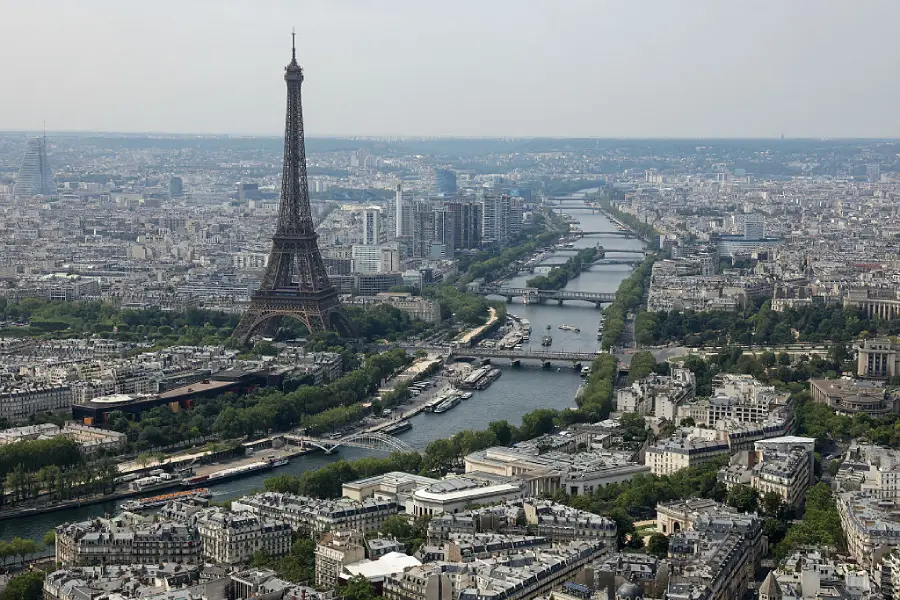
The towering iron structure actually changes its height depending on the season and the local weather. Because thermal expansion causes the metal to grow when heated, the entire tower can expand and grow up to six inches taller during the scorching Parisian summer months.
2. Statue of Liberty

French sculptor Frédéric-Auguste Bartholdi originally designed this massive copper figure to guard the entrance of the Suez Canal in Egypt. When the Egyptian government rejected the expensive project, he repurposed his early sketches and pitched the giant statue to the United States instead.
3. Great Pyramid of Giza
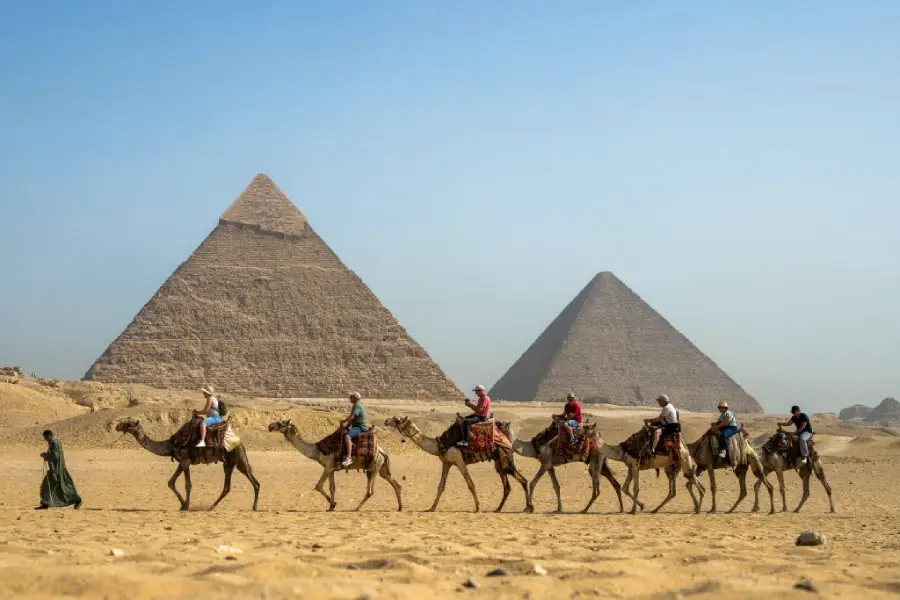
Today this ancient wonder looks like a stepped mountain of rough brown blocks, but it originally shined brilliantly in the desert sun. The entire pyramid was once encased in highly polished white limestone that reflected light so intensely it could be seen from miles away.
4. Mount Rushmore

Sculptor Gutzon Borglum carved a secret chamber deep into the rock directly behind the head of Abraham Lincoln. This hidden room was intended to serve as a secure vault holding America’s most important historical documents for future civilizations to discover.
5. Golden Gate Bridge
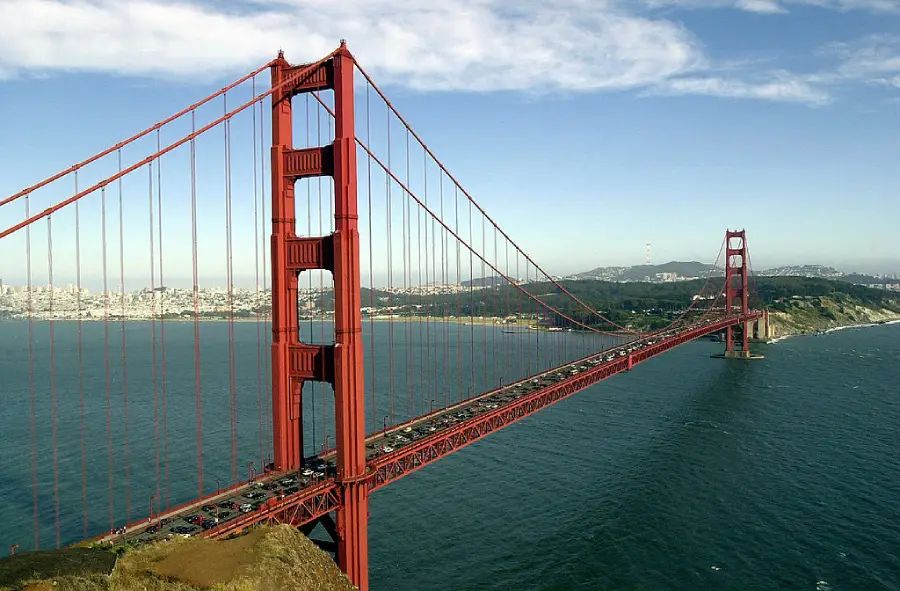
The world-famous color of this San Francisco bridge is officially called International Orange, but it was originally only meant to be a temporary primer paint. The consulting architect noticed that the vibrant primer made the bridge highly visible in the thick bay fog and convinced the city to keep it forever.
Trending on The Scroller


6. Colosseum

Ancient Roman spectators did not have to sit in the boiling Mediterranean sun while watching gladiator battles unfold. The massive arena featured a huge retractable awning system called a velarium, which was operated by a dedicated unit of Roman sailors to provide shade for the crowds.
7. Great Wall of China
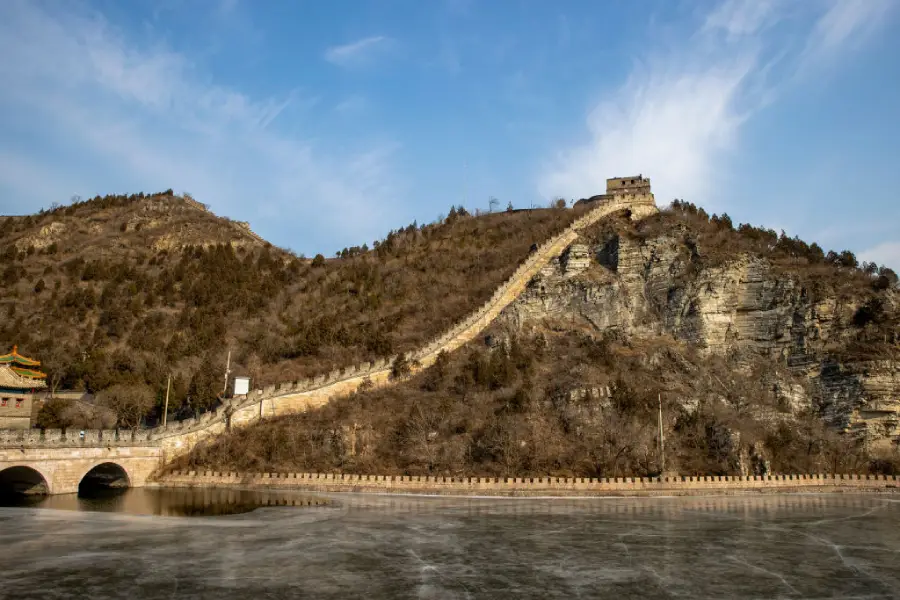
The secret to the incredible durability of this massive ancient fortification lies in an unexpected culinary ingredient. Builders mixed sticky rice soup into their standard slaked lime mortar, creating a super-strong composite material that has successfully survived devastating earthquakes for centuries.
8. Empire State Building
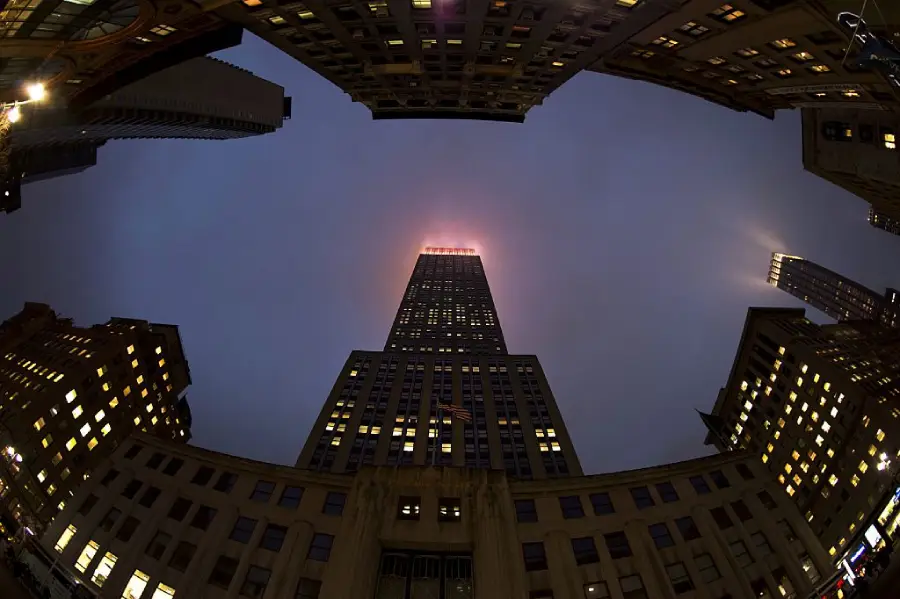
This towering New York City skyscraper is so massive and houses so many different businesses that it actually operates like its own separate town. The United States Postal Service granted the building its very own exclusive zip code, 10118, to efficiently handle the massive daily influx of mail.
Sign up for our newsletter
9. Leaning Tower of Pisa
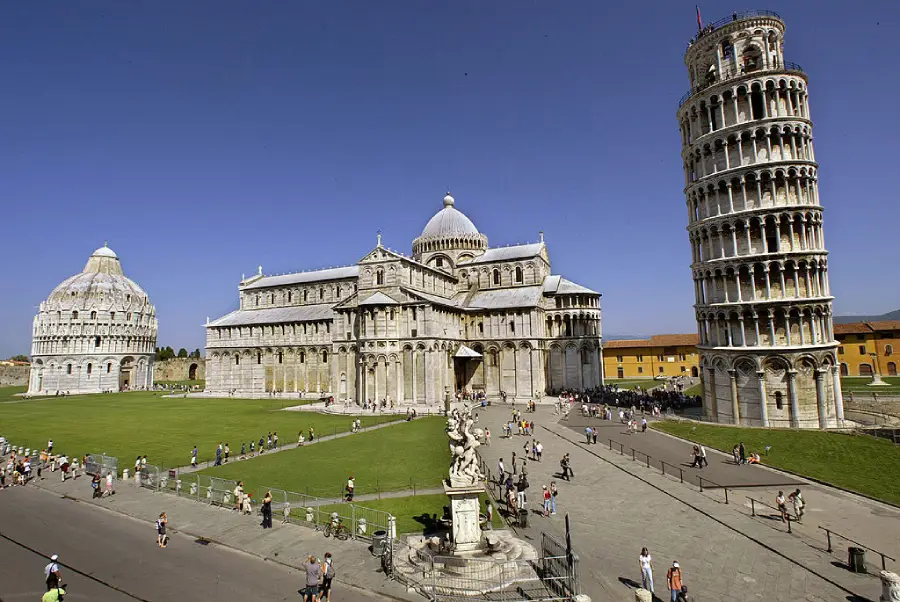
This famous Italian bell tower did not suddenly sink after it was fully completed centuries ago. The foundation actually began sinking into the soft clay soil while builders were only on the third story, forcing them to build the remaining floors at an angle to compensate.
10. Taj Mahal
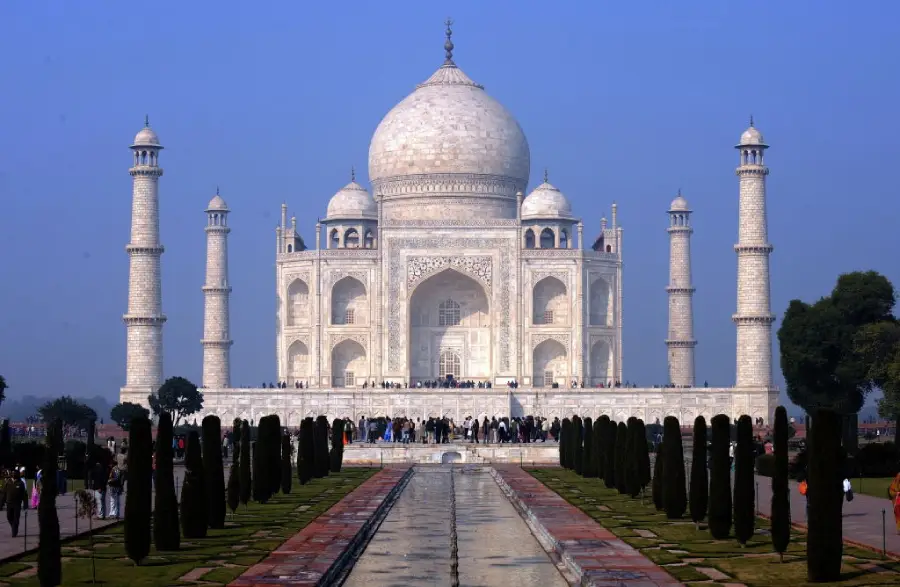
The towering minarets surrounding this majestic marble mausoleum were deliberately constructed to lean slightly outward away from the main central dome. This brilliant architectural trick ensured that if a massive earthquake ever struck the region, the heavy pillars would fall away from the tomb rather than crushing it.
11. Sydney Opera House
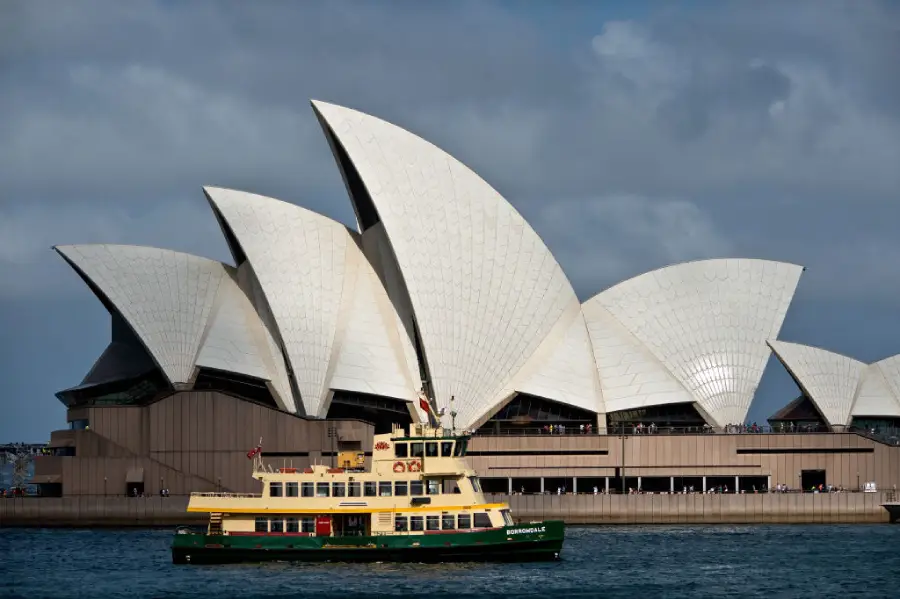
The gleaming white roof of this Australian arts center looks like a series of overlapping sails, but the complex design was actually inspired by a simple piece of fruit. Architect Jørn Utzon created the unique spherical geometry by cutting the segments of a single orange and rearranging them into the final shape.
12. Christ the Redeemer

Standing high above Rio de Janeiro, this colossal soapstone figure acts as a massive lightning rod during fierce coastal storms. The statue gets struck by lightning an average of three to six times a year, requiring a dedicated team of restoration workers to constantly repair chipped fingers and damaged stone.
13. Stonehenge
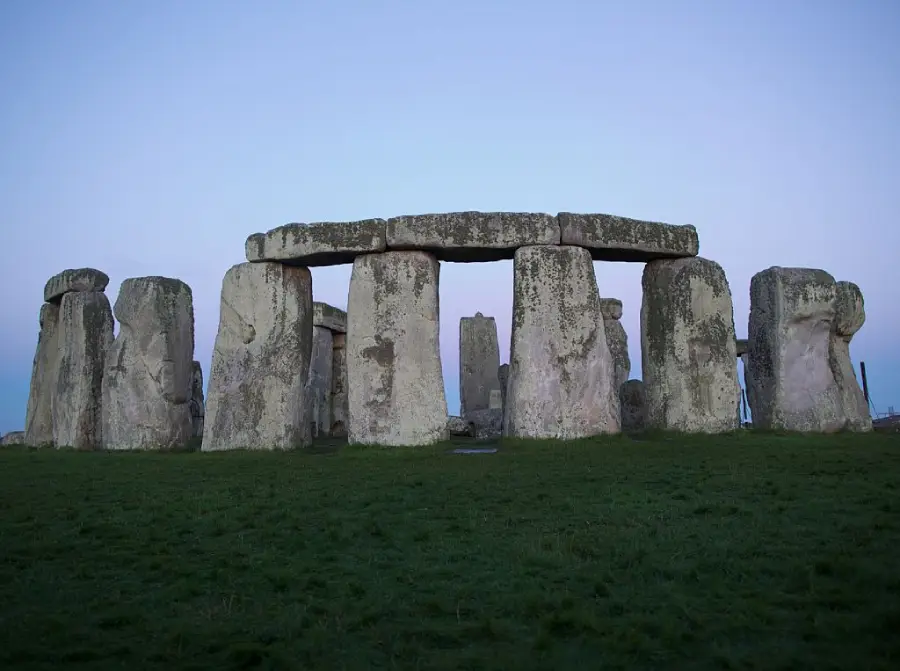
The massive upright rocks that make up the inner circle of this prehistoric monument were not quarried locally. Ancient builders dragged these heavy bluestones over one hundred and fifty miles from the Preseli Hills in Wales, accomplishing this massive feat centuries before the invention of the wheel.
14. Machu Picchu
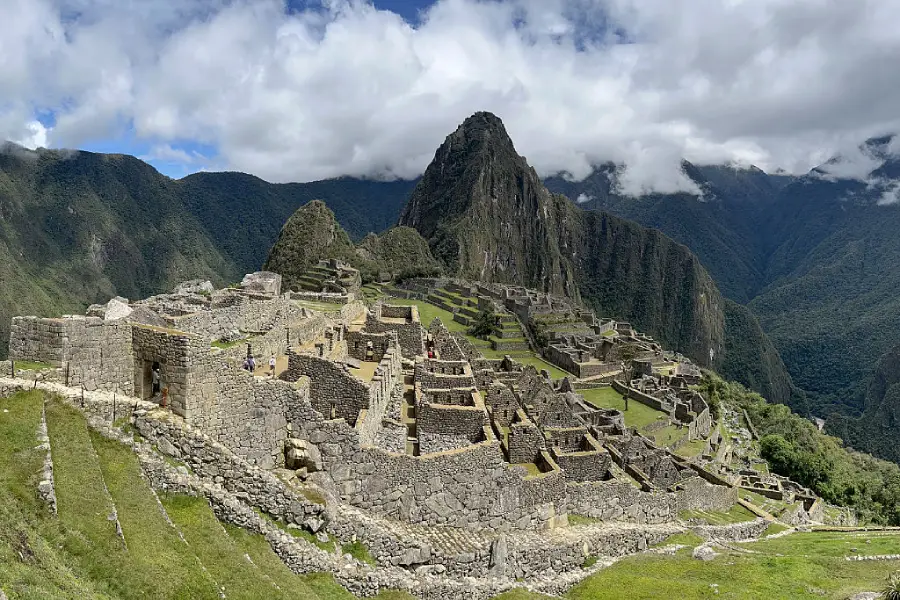
The ancient Incan engineers who built this mountaintop citadel cut their heavy granite blocks with such absolute precision that they did not need any mortar to hold them together. The stones fit together so tightly that you cannot even slide a piece of paper between them, allowing the walls to seamlessly shift and resettle during major earthquakes.
15. The Sphinx
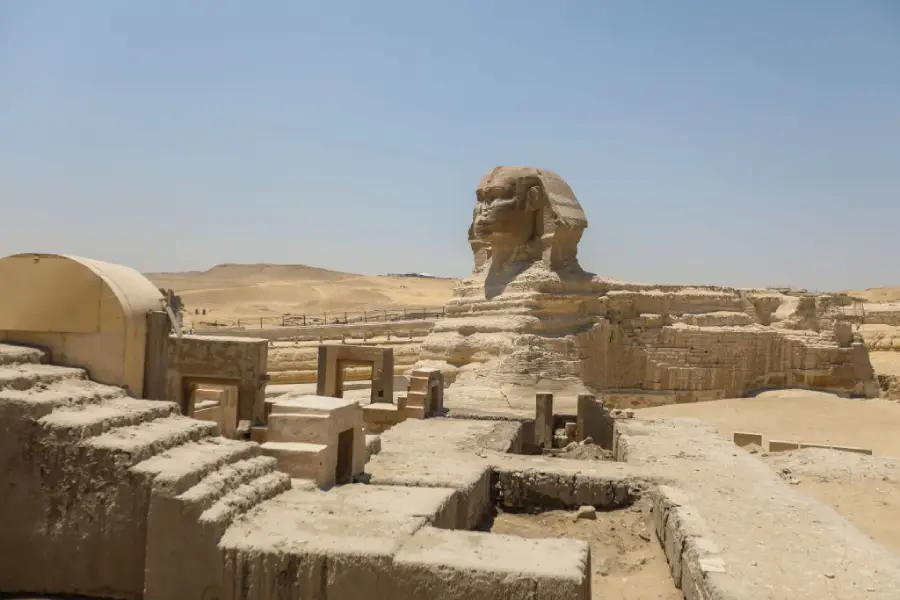
This ancient Egyptian guardian is famous for its weathered limestone face and missing nose, but it looked radically different in antiquity. Archaeologists have discovered traces of red, blue, and yellow pigment on the stone, proving the monument was originally painted in incredibly bright colors and sported a ceremonial pharaonic beard.
16. Big Ben
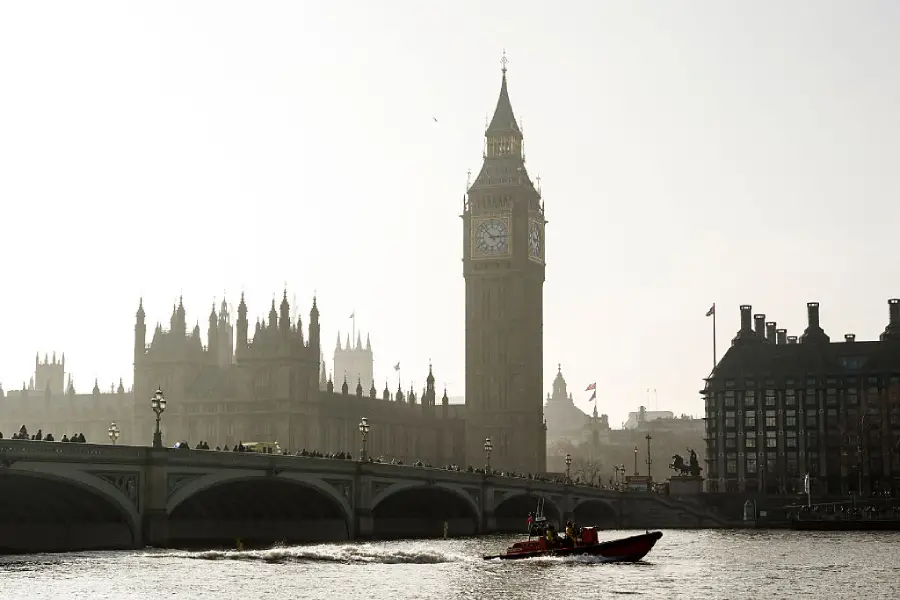
Tourists in London constantly take photos of the iconic clock tower, but they are actually using the wrong name for the massive structure. The famous moniker actually belongs exclusively to the heavy thirteen-ton bell ringing inside the belfry, while the building itself is officially called the Elizabeth Tower.
Want to know more interesting facts?
Discovering the unexpected secrets behind these global monuments proves that history is always more complex and fascinating than a standard textbook suggests. The brilliant engineering hacks, accidental design choices, and hidden details behind these structures give us a much deeper appreciation for human ingenuity. If you love exploring surprising historical facts, be sure to check out these Hidden Rooms Inside Famous Landmarks You Never Get to See, or these 17 Lost Landmarks That Time Completely Erased. You may also like these 20 Tourist Photo Attempts That Went Hilariously Wrong.