
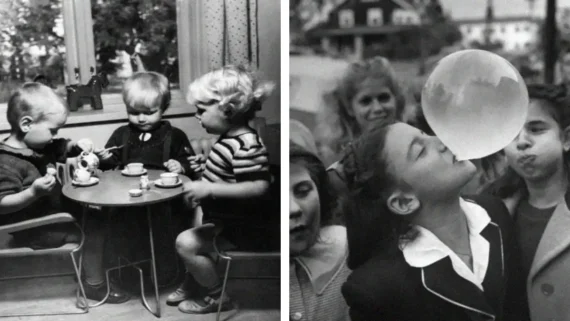
Every decade carries its own set of unwritten household rules, but the mid-twentieth century held a particularly rich collection of domestic tales. Long before the internet made evidence-based medical advice accessible at the press of a button, families navigated health, pregnancy, and child-rearing through a network of shared neighborhood wisdom. What started as simple warnings over back-fence chats or advice traded across Formica kitchen counters quickly turned into undisputed facts inside suburban homes.
These traditional belief systems offered simple, reassuring explanations for everyday physical mysteries in a rapidly changing world. Passed down from grandmothers to mothers, these popular warnings reflected the era’s unique mix of post-war optimism, lingering superstitious instincts, and traditional home remedies. While modern science eventually proved most of these colorful ideas entirely wrong, millions of people grew up convinced they were the absolute truth. Here is a nostalgic look back at fourteen classic mid-century tales that every household swore by during the 1960s.
1. Carrying high means you are having a girl
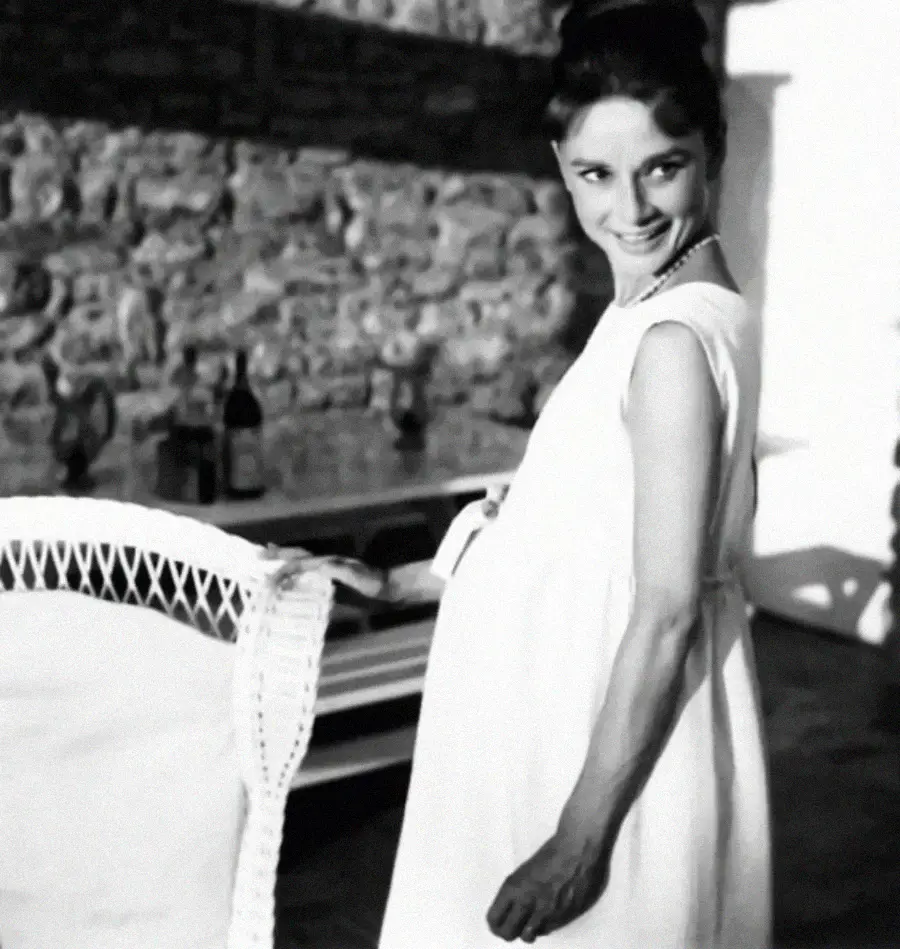
Expectant mothers in the sixties were constantly subjected to unsolicited belly shape analysis by neighbors and relatives. Popular belief held that carrying the baby high up on the abdomen guaranteed a baby girl, whereas a low, compact belly pointed directly to a boy.
2. Feed a cold, starve a fever
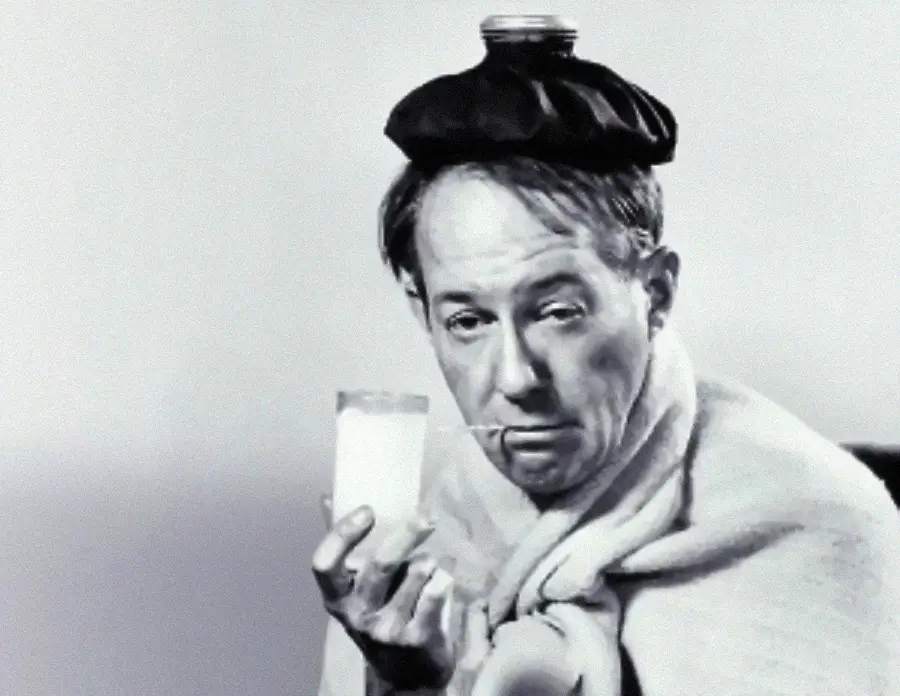
This classic domestic rule dictated meal planning during winter flu seasons across suburban households. Families believed that eating heavy meals would generate metabolic heat to fight off a common chill, while fasting was thought to cool down an elevated body temperature.
3. Sitting too close to the TV will make you blind
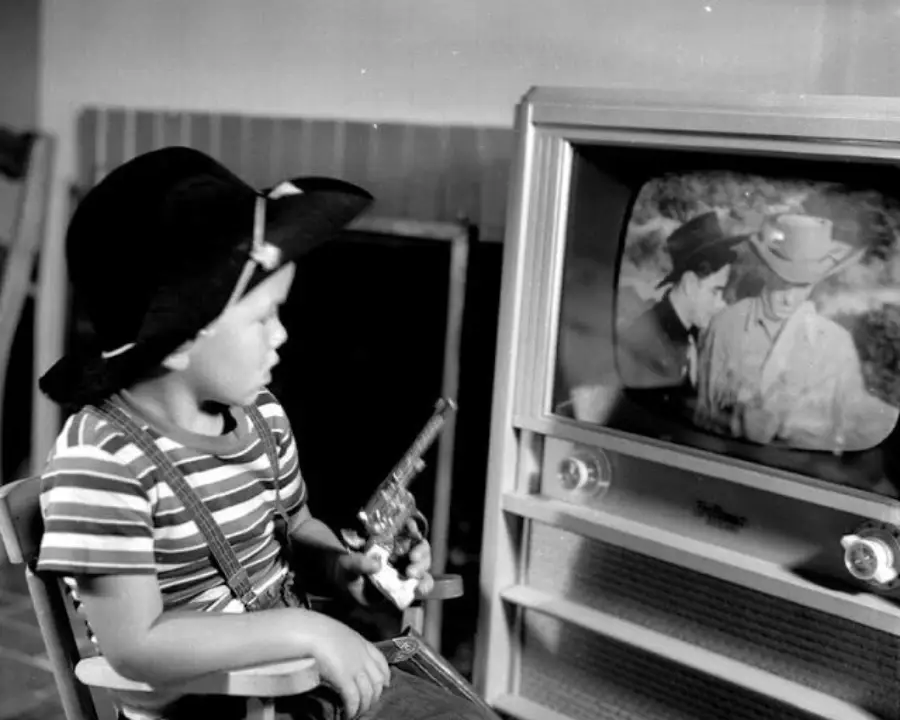
When color television sets flooded suburban living rooms in the 1960s, parents panicked over potential eye damage from cathode-ray tube emissions. Early color models did emit small amounts of radiation, leading to the long-standing belief that staring at the screen from close range would permanently ruin a child’s vision.
4. Swallowed chewing gum stays in your stomach for seven years

Children who accidentally swallowed a piece of bubble gum were met with dire warnings about its internal digestion timeline. Parents claimed the rubbery base could not be processed by human digestive enzymes, remaining completely stuck in the stomach lining for almost a decade.
5. Going outside with wet hair gives you pneumonia

Stepping out into cold autumn air right after a bath was considered a direct invitation to severe respiratory illness. While pneumonia is caused by viral or bacterial infections rather than damp hair, sixties mothers insisted that chilled scalps instantly shut down the body’s immune defenses.
Trending on The Scroller


6. Shaving makes hair grow back thicker and darker
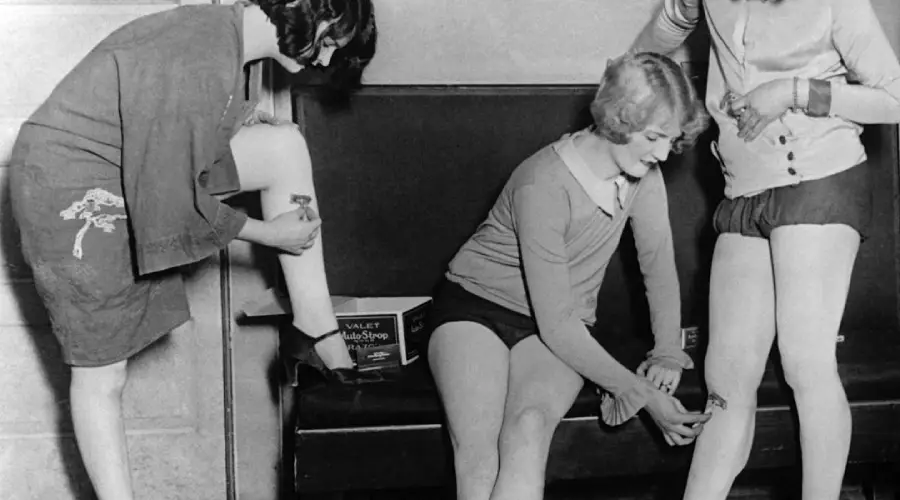
Young teenage girls entering high school were warned against shaving their legs too early in life. The prevailing belief suggested that cutting hair at the skin line altered its cellular root structure, causing future growth to emerge substantially coarser, darker, and faster.
7. Pluck one gray hair and two will come to the funeral
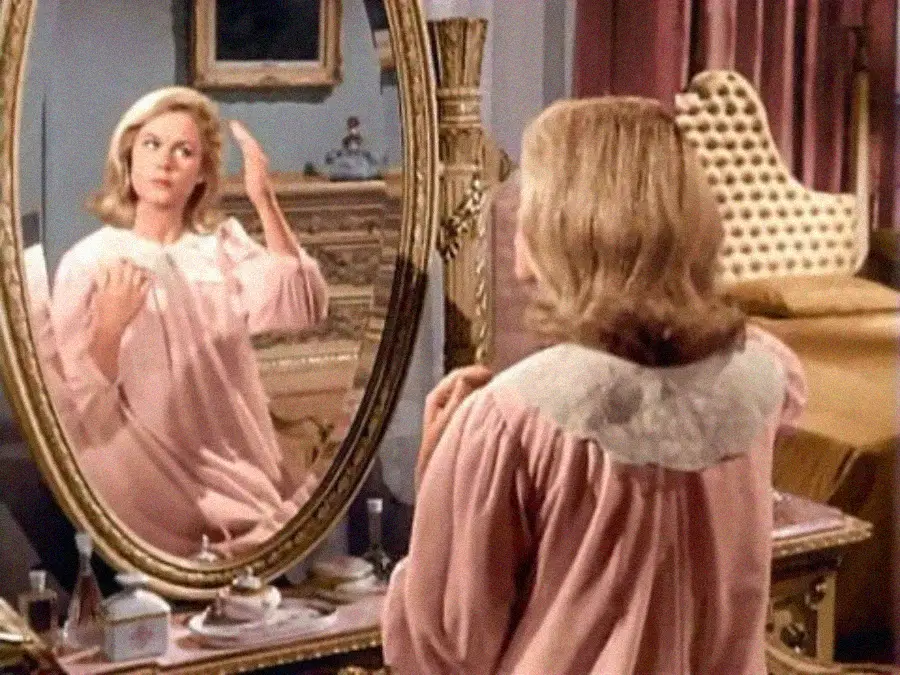
Discovering an unexpected gray hair in front of the bathroom mirror led many mid-century women to hesitate before grabbing tweezers. Folklore warned that pulling out a single silver strand damaged surrounding hair follicles, prompting multiple gray hairs to sprout back in its place.
8. Cocoa butter prevents all pregnancy stretch marks
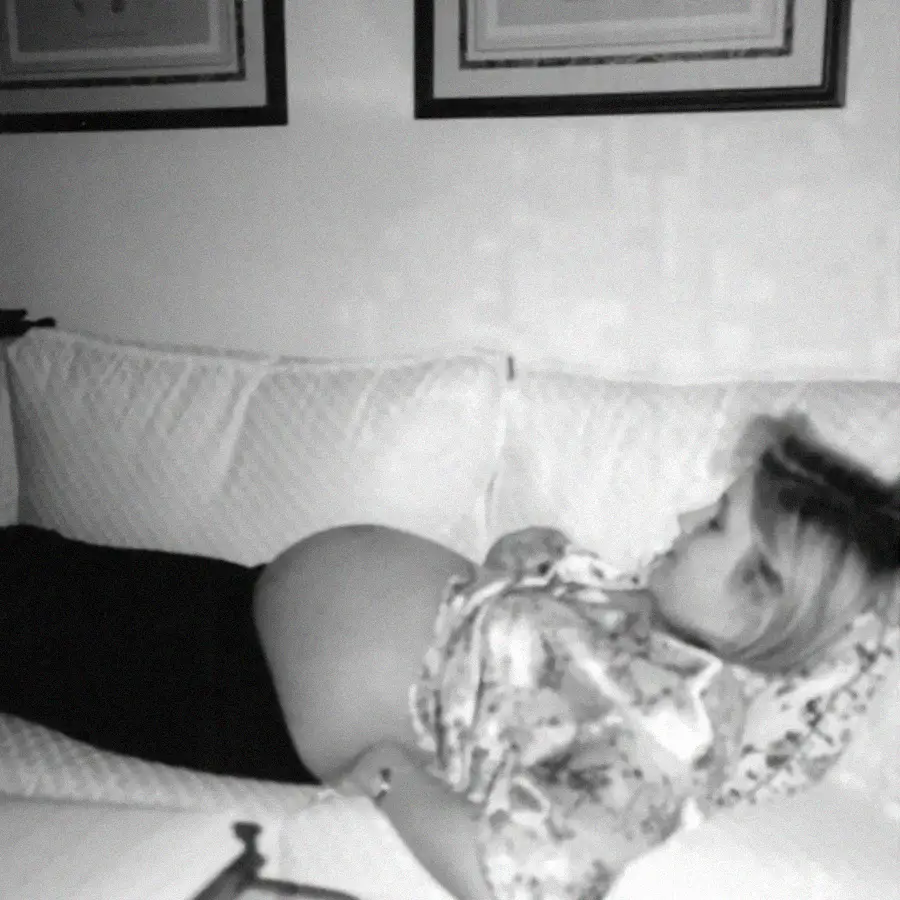
Expectant mothers in the sixties routinely rubbed thick cocoa butter onto their stomachs daily to maintain skin elasticity. While cocoa butter serves as a great surface moisturizer, modern dermatology shows that stretch marks depend mostly on genetics and rapid deep-tissue stretching rather than topical creams.
Sign up for our newsletter
9. Heartburn during pregnancy means a head full of hair
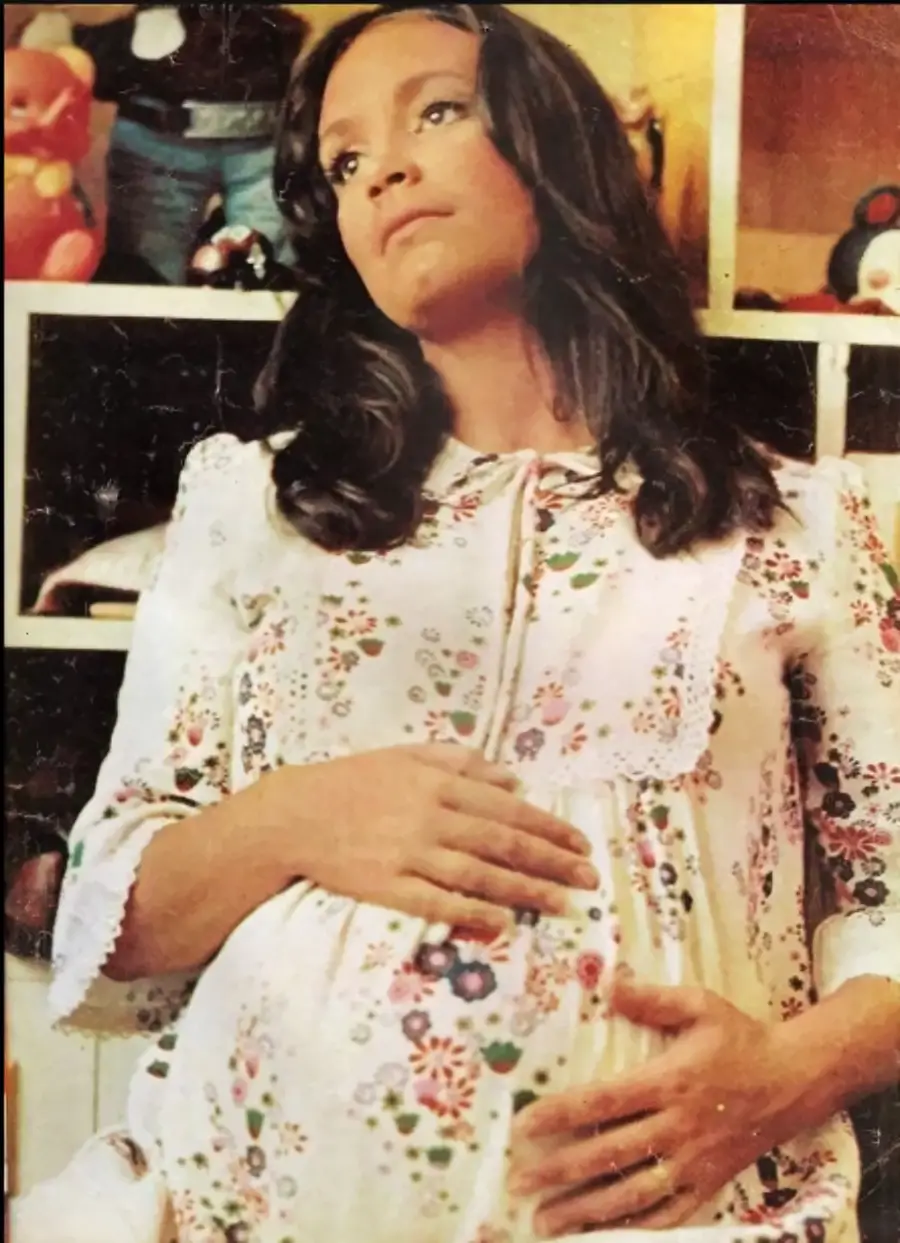
Experiencing intense acid reflux during the third trimester was viewed as a sure sign that the baby would be born with a thick mop of hair. Curiously, modern medical studies have shown a slight hormonal link between pregnancy reflux and fetal hair growth, making this one of the few myths with a grain of truth.
10. Eating bread crusts makes your hair curly
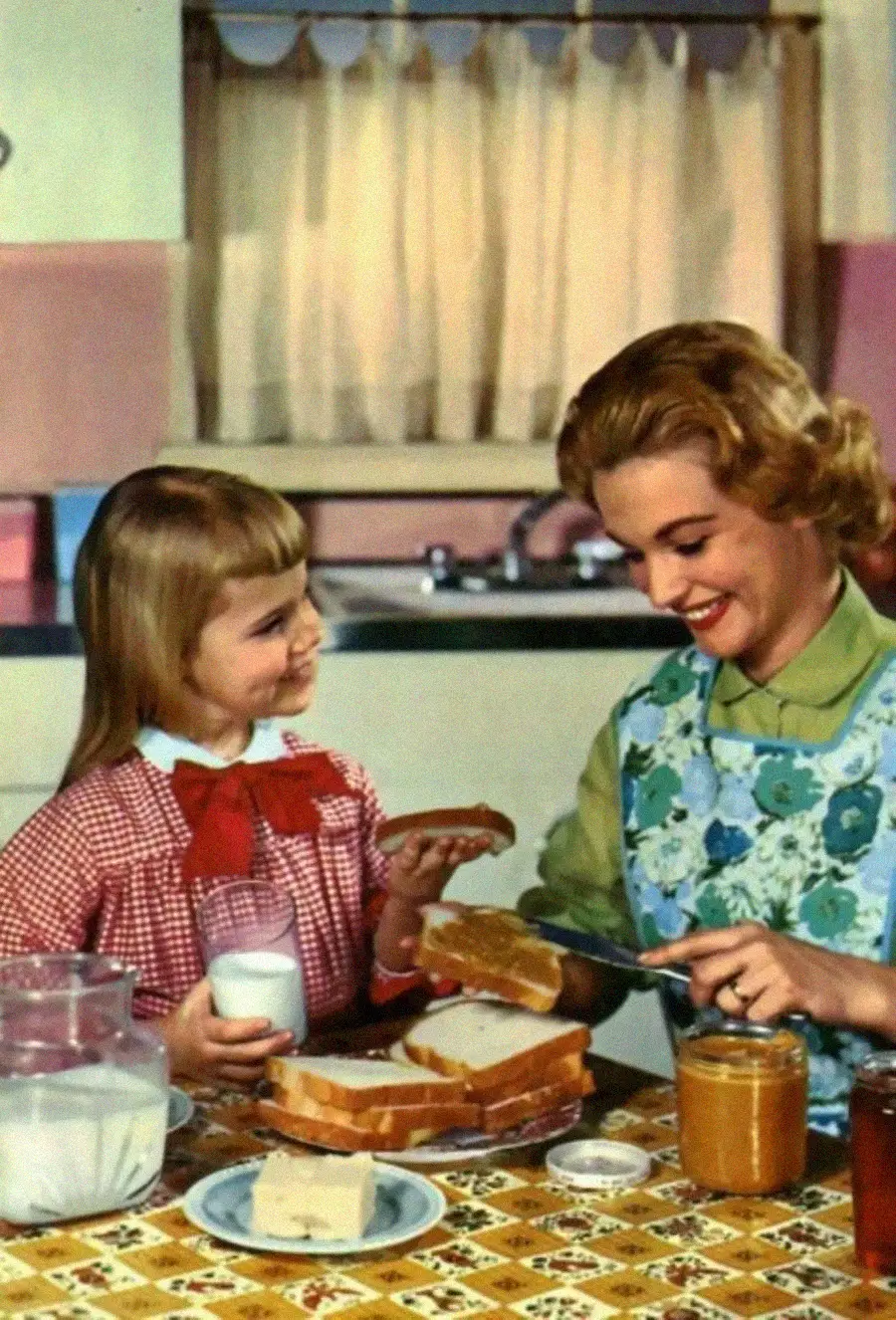
Parents trying to prevent picky eaters from trimming the edges off their sandwich bread relied heavily on this cosmetic promise. Children were told that the dense nutrition hidden inside baked bread crusts possessed unique biological properties capable of turning straight hair into lush curls.
11. Cracking your knuckles gives you arthritis
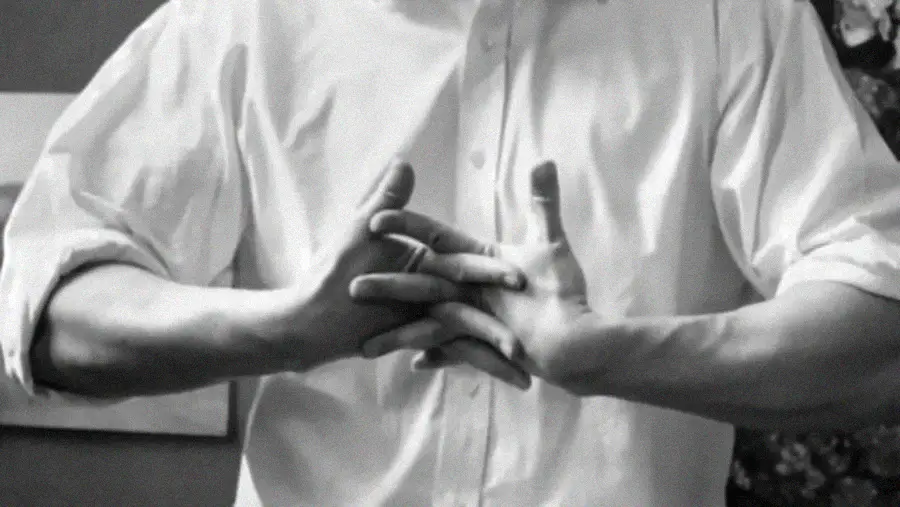
The loud popping sound of knuckles cracking in classrooms was regularly met with stern reprimands from teachers and elders. Sixties authority figures claimed that bursting fluid bubbles inside joint capsules directly degraded cartilage, leading to crippling joint arthritis in old age.
12. Drinking coffee stunts your growth
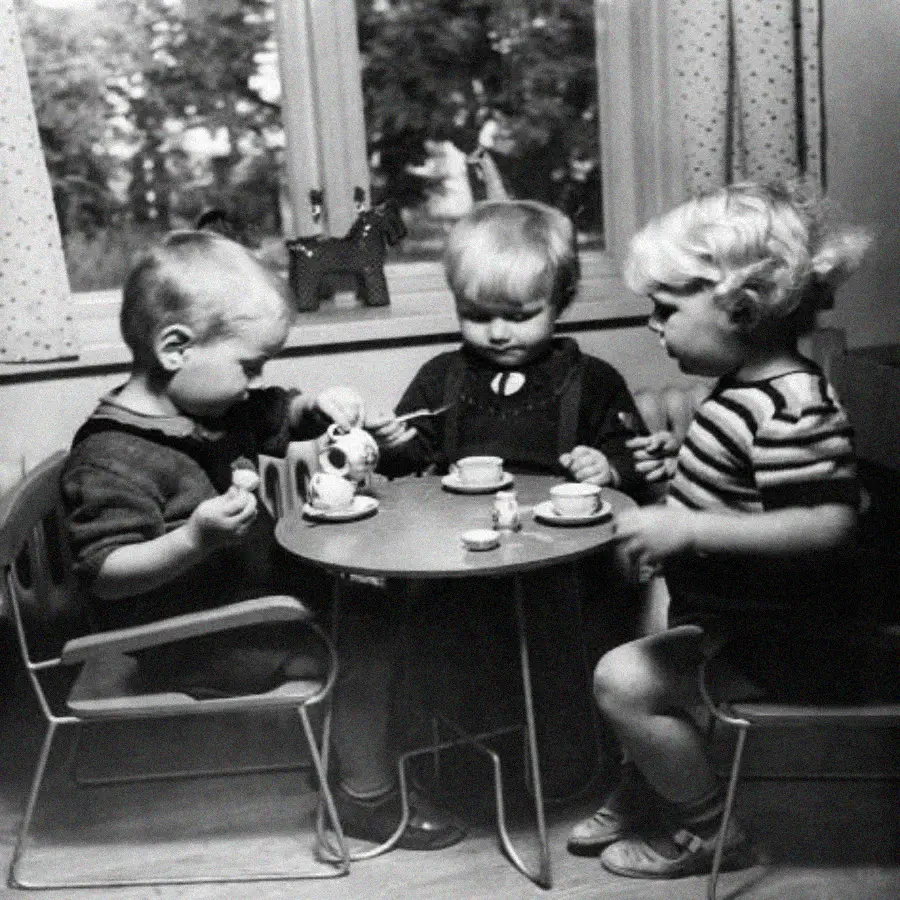
Curious children attempting to sip their parents’ morning coffee were quickly turned away with warnings about their height. Sixties folk wisdom claimed that caffeine directly interfered with childhood bone development, leaving young coffee drinkers permanently short.
13. A silver spoon in the mouth cools a burn
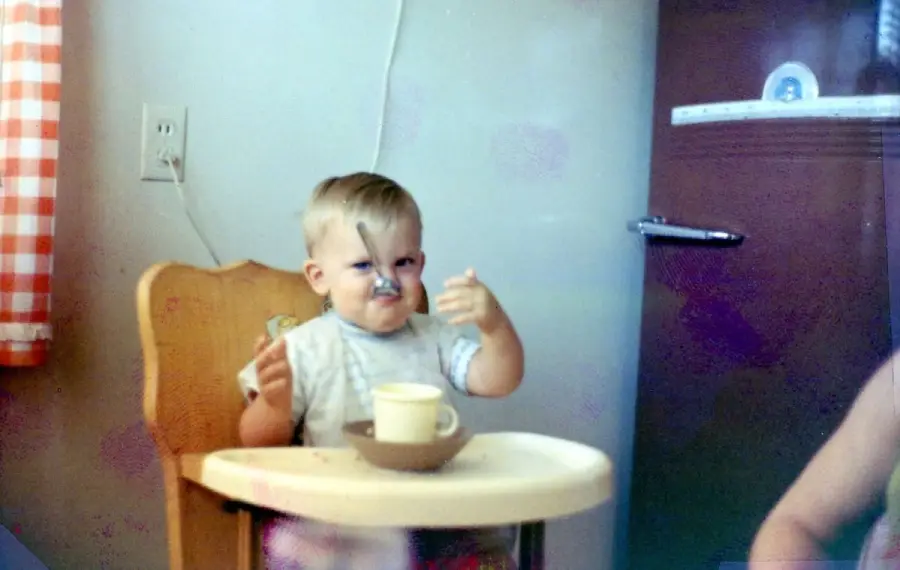
Before modern first-aid cold water protocols were standardized in home handbooks, applying cold metal to skin burns was a common kitchen remedy. Holding a heavy sterling silver utensil against a heat blister was thought to draw out the inflammation due to the metal’s natural conductivity.
14. Toads cause warts if you touch them

Children playing in summer gardens were strictly warned against picking up common garden toads. Because the amphibian’s bumpy skin superficially resembles human skin warts, people incorrectly assumed that handling the harmless creatures transferred skin infections directly to human hands.
Explore more tales from the past:
While modern medical science has debunked most of these classic warnings, revisiting them offers a charming look at how previous generations tried to navigate health, family, and home life with a dose of traditional wisdom. If you enjoy uncovering nostalgic bits of domestic history and pop culture, there is plenty more to explore with these 15 Old Wives’ Tales From The Early 1900s, or 14 Old Superstitions and the Reasons People Believed Them. You may also like these 22 Life Lessons Many People Realize After Turning 30.