
An old wives’ tale is defined as a traditional, often superstitious belief or piece of advice passed down through generations that is not based on fact or scientific evidence. In the early 1900s, these sayings were part of everyday life, guiding everything from health remedies to household habits. Many people trusted them completely, sharing the advice with family and friends as if it were proven wisdom.
Some are harmless and amusing, while others show just how differently people saw the world in the past. Together, they offer a fascinating look at the traditions and beliefs that shaped daily life a century ago. Let’s dive into 15 old wives’ tales from the early 1900s.
1. An apple a day keeps the doctor away
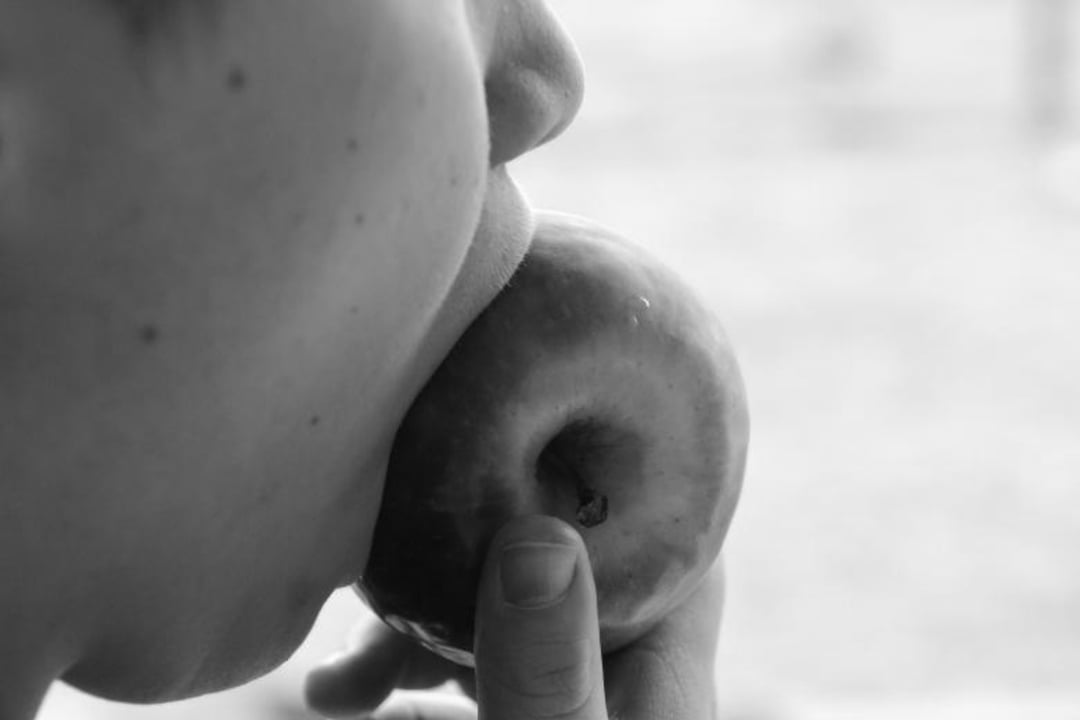
This well-known saying encouraged people to eat an apple every day to stay healthy and avoid visiting the doctor. In the early 1900s, when medical care was limited for many families, simple foods were often praised as powerful remedies. Apples do contain vitamins, fiber, and nutrients that support overall health. However, the idea that a single fruit could prevent illness entirely was clearly an exaggeration.
2. If a black cat crosses your path, bad luck will follow

In the early 1900s, many people believed that seeing a black cat walk across their path meant misfortune was coming. The belief likely grew from much older European superstitions that associated black cats with witches and dark magic. People might change direction or wait a moment before continuing their walk just to avoid the supposed curse.
3. If your ears are ringing or burning, someone is talking about you

If your ears are ringing or you have a warm or tingling sensation in the ears, it is often interpreted as a sign that someone somewhere is gossiping about you. Some people even tried to guess whether the conversation was good or bad based on which ear felt hot or which ear was ringing. The saying turned an ordinary physical sensation into a small mystery about distant conversations.
4. Eating carrots dramatically improves eyesight

People often told children that carrots would help them see clearly, especially in the dark. The belief likely spread because carrots contain vitamin A, which is important for eye health. However, the idea was exaggerated into a near magical cure for poor vision. Carrots are healthy, but they cannot fix eyesight problems on their own.
5. A ring swinging over a pregnant belly can predict the baby’s gender
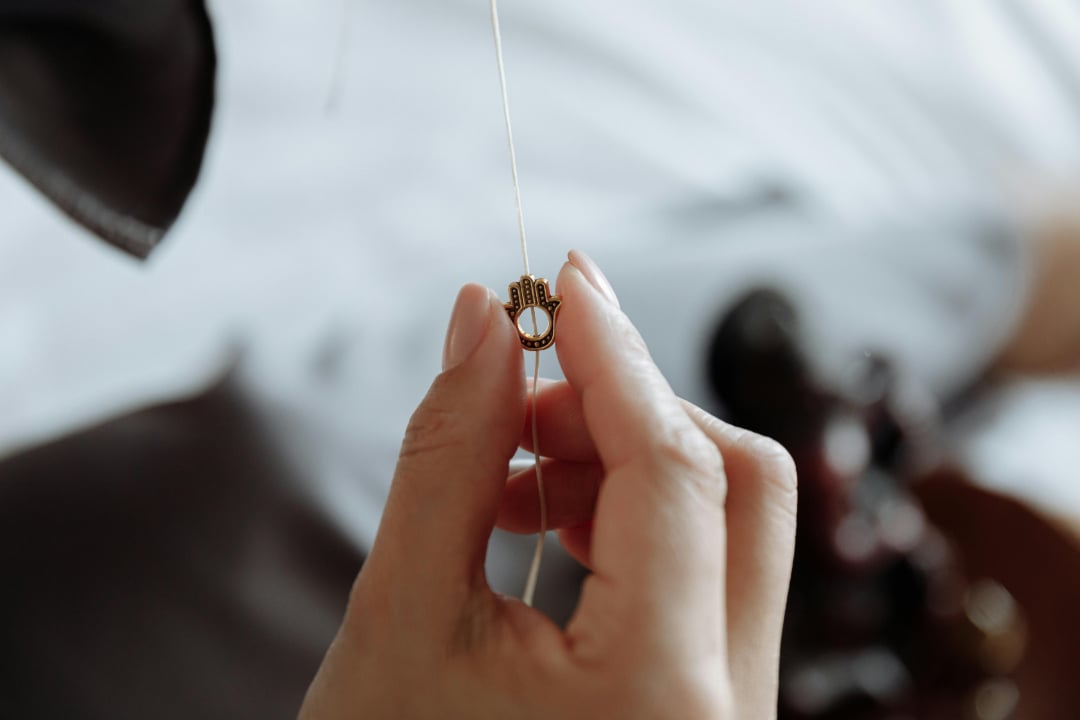
People sometimes tied a ring to a string and held it above a pregnant woman’s stomach. If the ring moved in a circle, it supposedly meant a girl, while a back-and-forth motion meant a boy. The ritual turned pregnancy into a moment of curiosity and entertainment for family members. In reality, it was subconscious hand movements that made the ring swing.
Trending on The Scroller


6. Breaking a mirror means seven years of bad luck

Mirrors used to be expensive and somewhat mysterious household items. Because reflections seemed almost magical, breaking a mirror was thought to damage a person’s spirit or fortune. The belief that bad luck would last seven years made the accident feel especially serious.
7. Reading in the dark will ruin your eyesight

Parents have warned children for years that reading in low light would permanently damage their eyes. The belief became common in the early 1900s when electric lighting was still spreading, and many people relied on weak lamps or candles for reading light. Straining to see small print can cause temporary discomfort of headaches, which made this warning believable, but in reality, reading in dim light causes no lasting damage to the eyes.
8. Eating before swimming is dangerous

Back in the day, kids were told they had to wait at least an hour after eating to go swimming. The belief was that food in the stomach would pull blood away from the muscles and cause severe cramps in the water. Parents feared that these cramps could cause a swimmer to drown. In reality, light swimming after eating is generally safe for most people.
Sign up for our newsletter
9. If you make a silly face, it could stay that way

Kids were often warned that if they kept making goofy or crossed faces, their faces might get stuck that way forever. Adults usually said it when a child was teasing someone or acting up. What started as a way to keep kids from teasing one another became something many people took literally.
10. Stepping on a crack brings bad luck
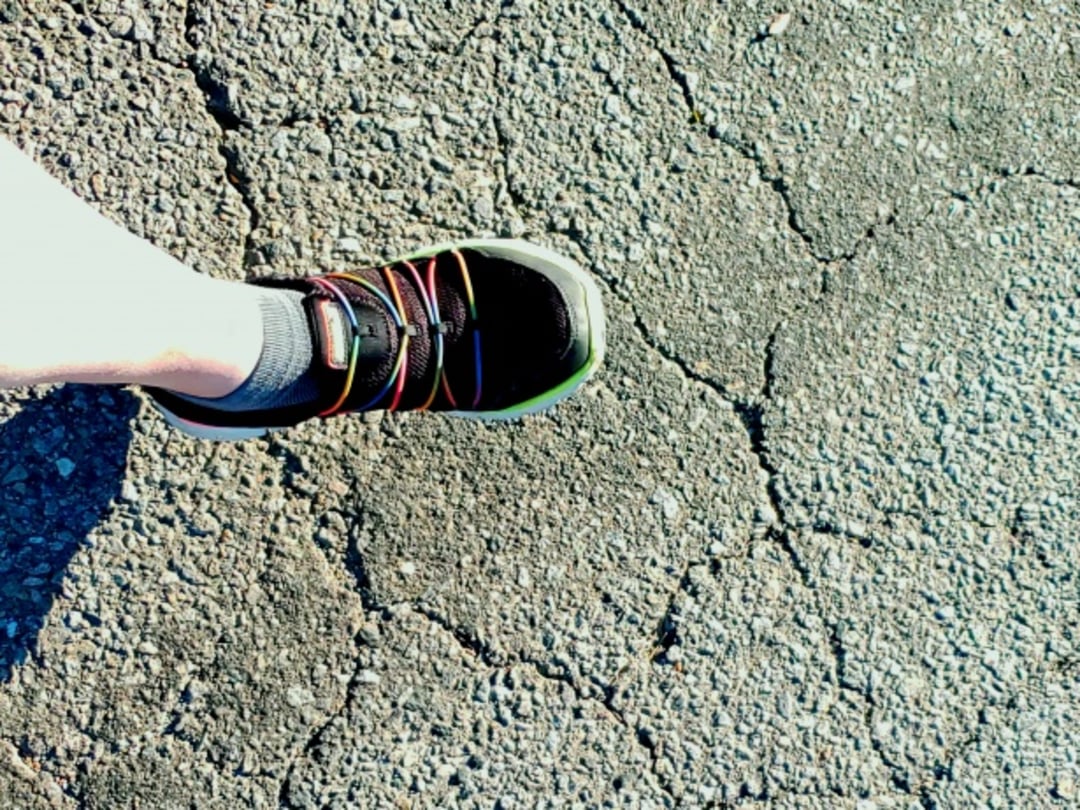
We all know the saying “step on a crack, break your mother’s back.” This game turned an ordinary walk into a careful balancing act as kids tried only to step on solid spaces. The belief had no real consequences, but it came with a playful challenge.
11. Opening an umbrella indoors brings misfortune
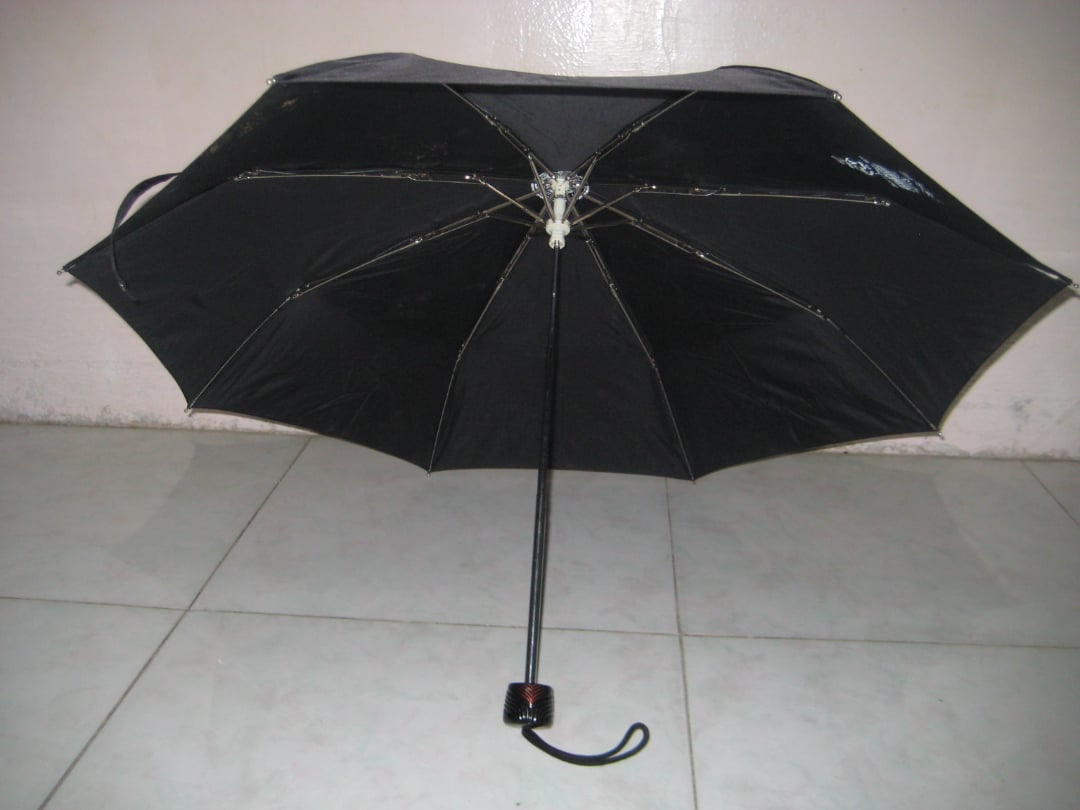
Opening an umbrella inside the house was widely believed to bring bad luck. The superstition may have begun when early umbrellas had stiff metal frames that could easily break objects or injure someone indoors. To discourage careless behavior, the warning was exaggerated into a tale of bad fortune.
12. If you spill salt, you have to toss some over your shoulder

Spilling salt was often considered a sign of bad luck. To cancel the misfortune, people were told to toss a small pinch of salt over their left shoulder. The act was believed to blind or drive away any evil spirits waiting behind you. The tradition dates back centuries, when salt was valuable and wasting it felt unlucky.
13. If a photo falls from the wall, someone in the photo is in danger

When a framed photograph or painting suddenly fell from the wall, some people saw it as a warning sign. The accident might be interpreted as a symbol of trouble or bad news on the way. In earlier times, unusual events in the home were often treated as messages from fate
14. Putting your hat on your bed brings misfortune

Placing a hat on a bed was considered unlucky in many households. Some believed it could bring sickness, financial trouble, or even death. The origin may have been practical, as hats collected dirt from the outdoors. Over time, the warning became part of household lore.
15. Hanging garlic wards off evil spirits

Everyone believed garlic had magical protective qualities against witches and other malevolent forces. Families often hung cloves in windows, doors, or around the home. While garlic has great antibacterial properties, it obviously cannot repel supernatural beings.
Want to see more content from the 1900s?
Check out 16 Animals That Went Extinct In The Late 1900s (1980s-1990s), or take a look at 15 Jobs That Died With the 1900s. Finally, if you want to see strange jobs from the 1900s, check out 15 Strange Jobs People Somehow Got Paid for in the Early 1900s.