Millions of tourists flock to the world’s most iconic landmarks every year, snapping photos of the facades and walking the designated paths. However, many of these architectural wonders hold secrets that are hidden right above the heads or beneath the feet of the crowds. From private residences built for eccentric designers to high-tech command centers tucked away in stone, these hidden spaces prove that there is often more to a monument than its public face. Exploring these restricted areas gives us a rare glimpse into the private lives and secret intentions of the people who shaped our history.
The existence of these secret rooms adds a layer of mystery to the landmarks we thought we knew so well. Some were designed as retreats from the public eye, while others served vital strategic purposes during times of war or political upheaval. Knowing that a cozy apartment sits atop a wrought-iron tower or that a vault of records is carved into a granite mountain changes the way we perceive these structures. It reminds us that even in the most photographed places on Earth, there are still corners that remain untouched by the flash of a tourist’s camera.
1. Gustave Eiffel’s private apartment at the top of the Eiffel Tower
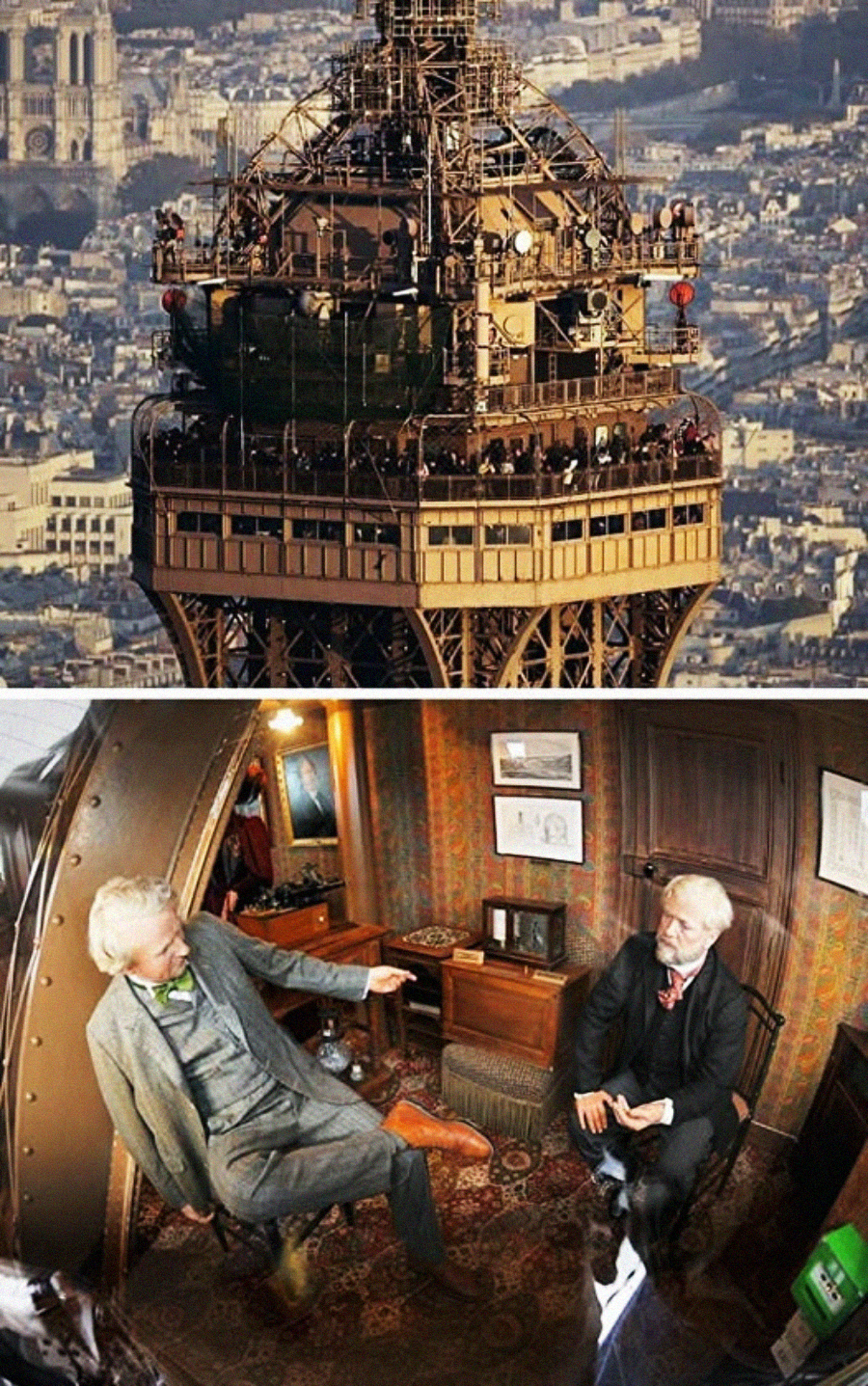
Located on the third level of Paris’s most famous icon, this cozy flat was once the envy of the city’s elite. Gustave Eiffel built it specifically for himself to host high-profile guests, including Thomas Edison, away from the noise of the crowds below. For decades, the room was kept private, but today, visitors can peer through a window to see life-like wax figures of Eiffel and Edison deep in conversation.
2. The Hall of Records in Mount Rushmore
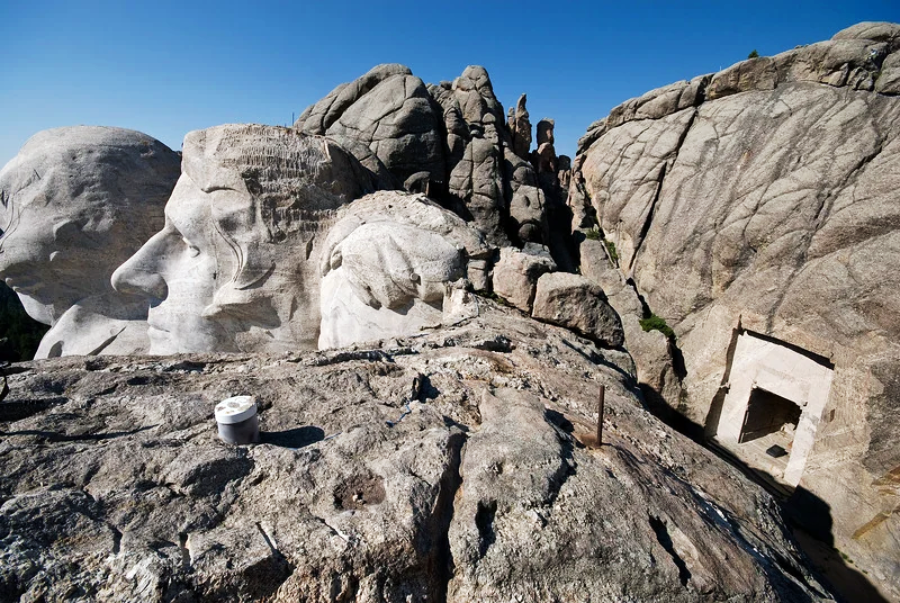
Hidden directly behind the carved head of Abraham Lincoln lies a secret chamber intended to house the most important documents of American history. Sculptor Gutzon Borglum envisioned a grand hall accessible by a granite staircase, but the project was halted due to a lack of funding in 1941. In 1998, a repository of 16 porcelain enamel tablets explaining the history of the monument was finally placed inside a titanium vault within the unfinished room.
3. Club 33 in Disneyland
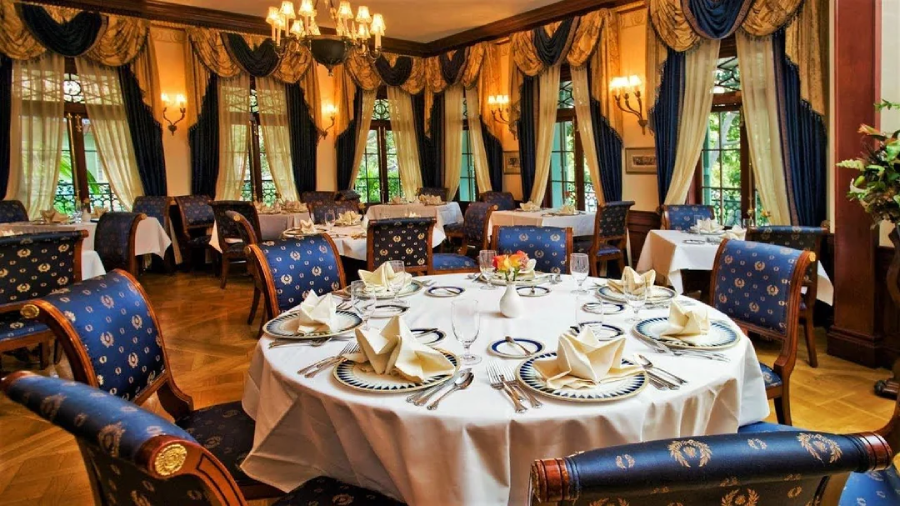
Right in the heart of New Orleans Square at Disneyland sits an unmarked door that leads to one of the most exclusive private clubs in the world. Originally intended by Walt Disney as a place to entertain corporate sponsors and dignitaries, Club 33 remains a mysterious retreat for those willing to pay a massive membership fee. It is famously the only location within the original park that serves a full bar of alcoholic beverages to its elite guests.
4. The tennis court in Grand Central Station
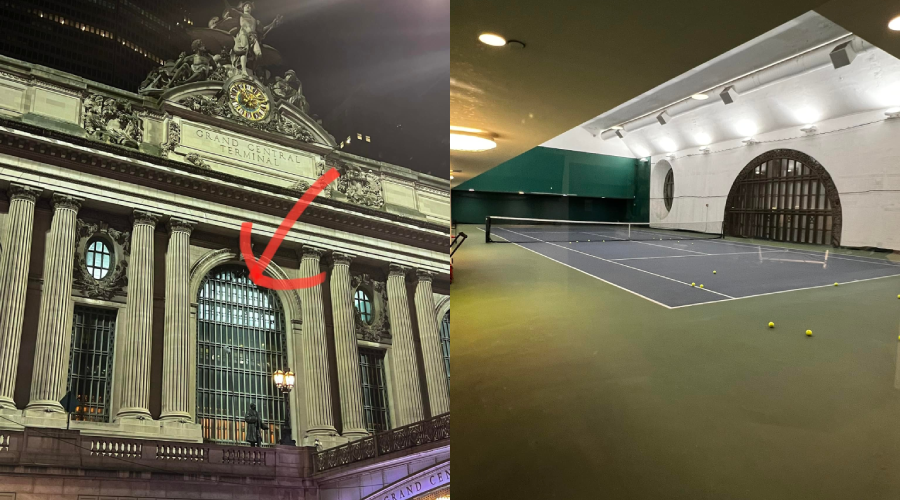
Most commuters rushing through New York’s Grand Central have no idea that a full-sized tennis court is located on the upper floors. The Vanderbilt Tennis Club is hidden behind the iconic arched windows of the terminal and is open to the public, provided you can afford the steep hourly rate. It originally started as a gallery space and even housed a CBS television studio before being converted for sports in the 1960s.
5. The secret floor in the Empire State
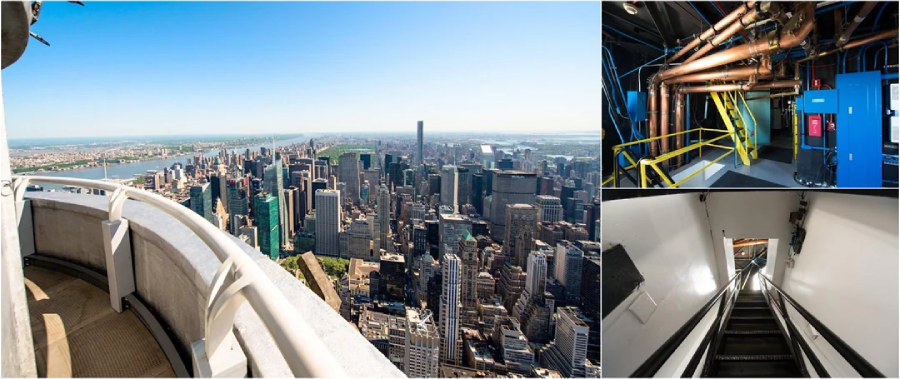
While most tourists head to the 86th or 102nd-floor observation decks, there is a “secret” 103rd floor that offers a much more terrifying view. This narrow balcony is only accessible via a series of service elevators and a steep ladder, and it features a knee-high railing that is definitely not for the faint of heart. It was originally designed as a docking station for dirigibles (blimps) back when people thought that would be the future of transatlantic travel.
Trending on The Scroller


6. The penthouse in the Woolworth Building
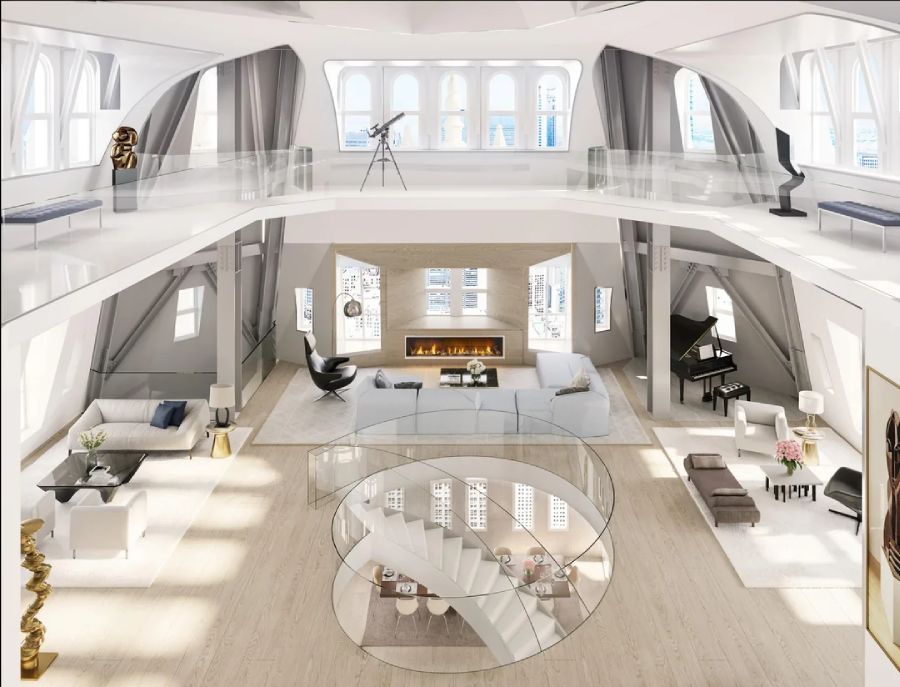
Once the tallest building in the world, New York’s Woolworth Building hides a spectacular neo-Gothic penthouse that was once the private office of Frank W. Woolworth himself. This “Cathedral of Commerce” features a room encrusted in gold leaf, mosaics, and carved wood that feels like it belongs in a royal palace. For decades, it remained a mystery to the public until it was recently converted into one of the most expensive private residences in the city.
7. The hidden police station in Trafalgar Square
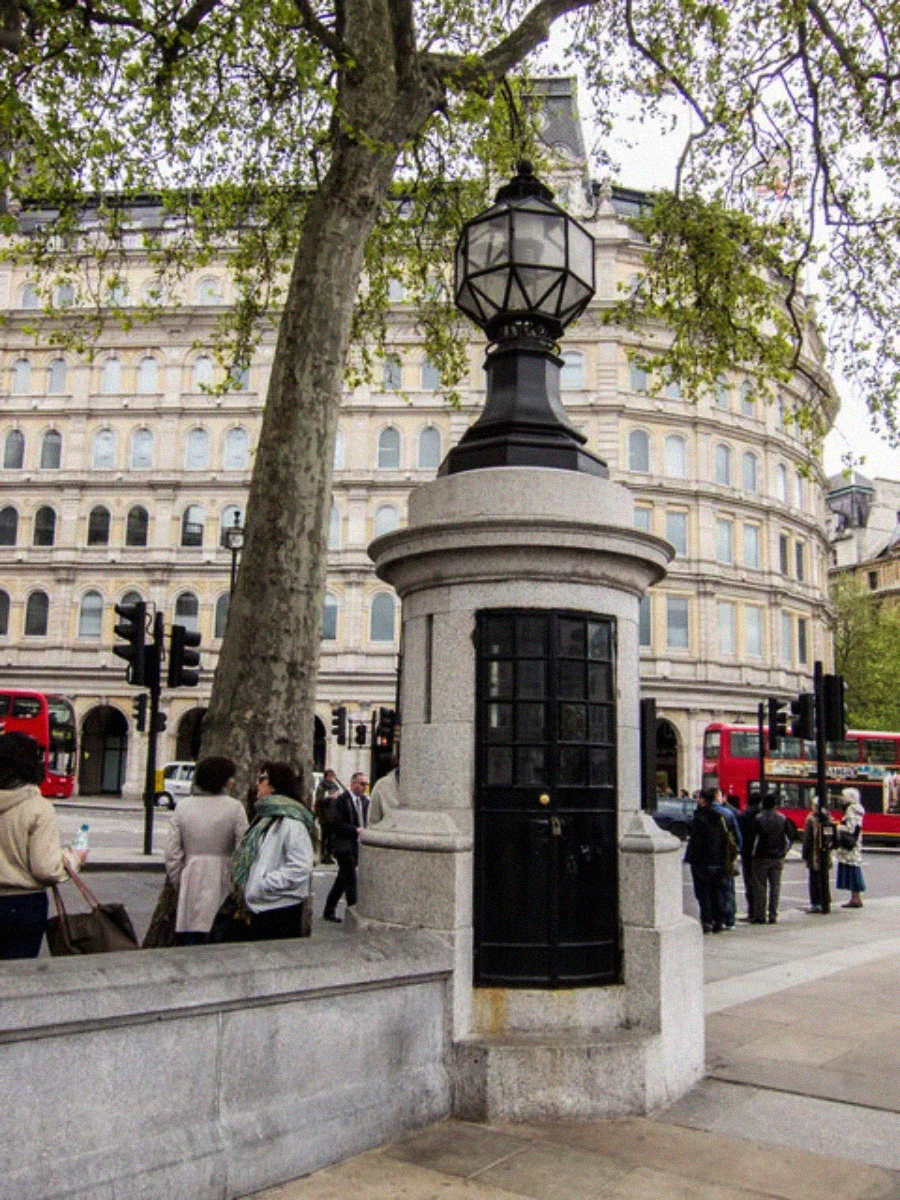
Tucked into the southeast corner of London’s Trafalgar Square is a tiny stone structure that looks like an ornamental lamp post, but it’s actually Britain’s smallest police station. Built in the 1920s, it was designed as a hidden observation post for a single officer to keep an eye on protestors and crowds without being noticed. Inside, there is just enough room for one person and a telephone line that once connected directly to Scotland Yard.
8. The secret ballroom inside Flinders Street Station
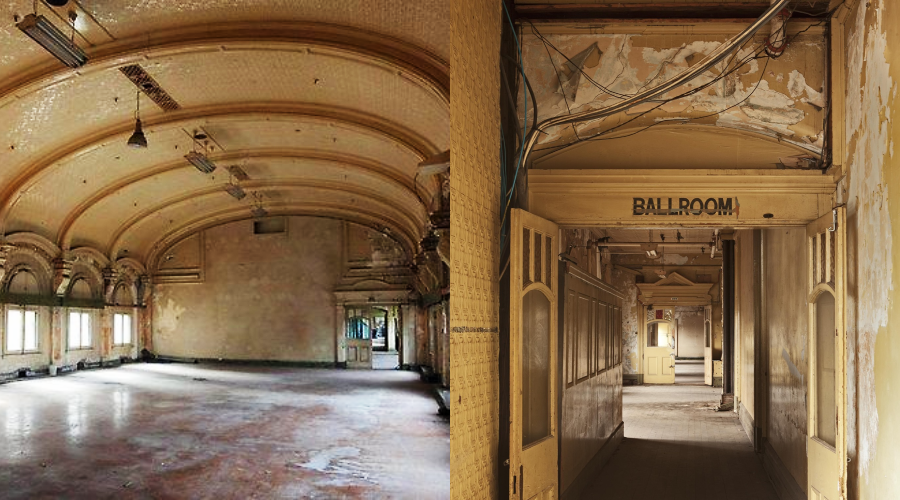
Hidden on the third floor of Melbourne’s busiest train station is a massive, decaying ballroom that has been closed to the public since the 1980s. In its prime during the mid-20th century, it was the social hub of the city, hosting dance competitions and ballroom classes for thousands of commuters. Today, the space remains a beautiful, dusty time capsule, though it is occasionally used for exclusive art installations and film shoots.
Sign up for our newsletter
9. Michelangelo’s secret room in Florence
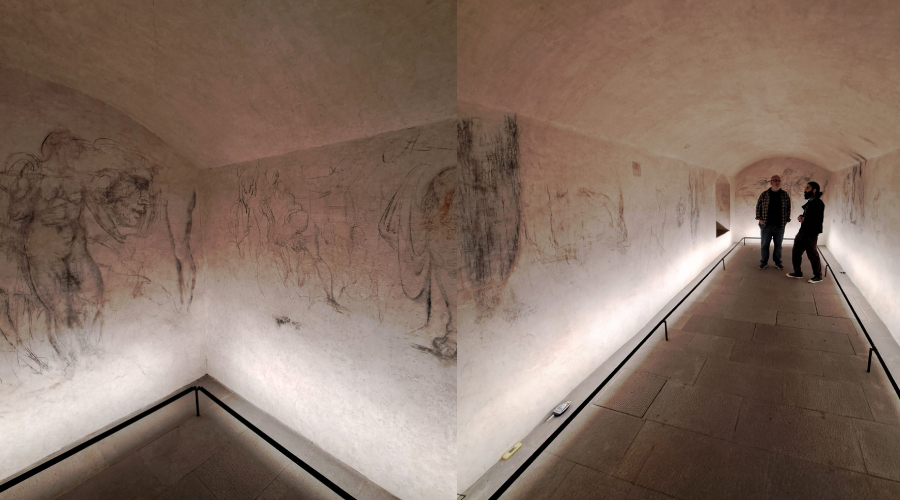
In 1975, the director of the Medici Chapels in Florence discovered a hidden trapdoor beneath a wardrobe that led to a tiny, windowless room. The walls were covered in charcoal sketches that experts believe were drawn by Michelangelo while he was hiding from a death sentence issued by Pope Clement VII. The room remained a secret for centuries, preserving the frantic, genius scribbles of one of history’s greatest artists in total darkness.
10. The wine cellar inside the Brooklyn Bridge
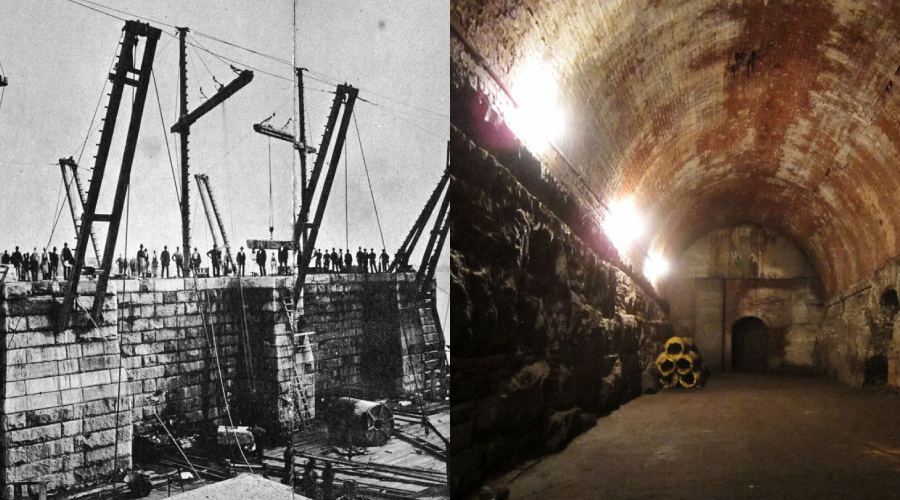
Most people walking across the Brooklyn Bridge have no idea they are standing on top of massive, vaulted wine cellars built into the bridge’s stone ramps. These “Blue Grotto” cellars were used for decades to store expensive wine and champagne because the temperature stayed a perfect, cool 60 degrees year-round. The rent paid by the wine merchants actually helped fund the construction of the bridge, proving that New York’s infrastructure was literally built on booze.
11. The abandoned hospital at Ellis Island
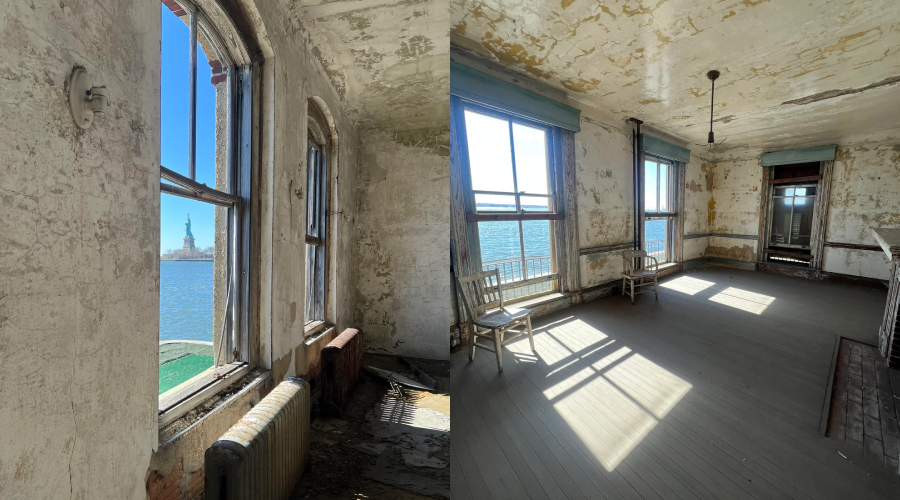
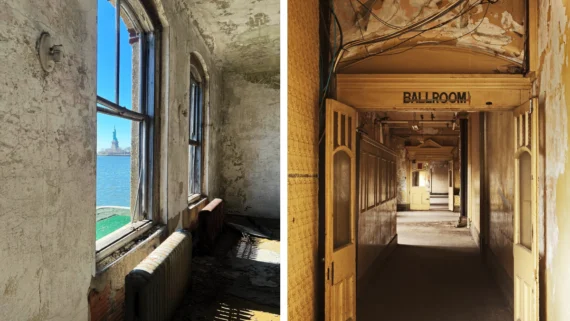
While millions of immigrants passed through the Great Hall of Ellis Island, a massive complex of 29 buildings on the south side of the island remained a forbidden zone for the public. This state-of-the-art hospital was where people with contagious diseases were quarantined in secret, tucked away from the healthy arrivals. Today, the buildings are overgrown and eerie, filled with rusted bedframes and peeling paint that tell the darker story of the American dream.
12. The Track 61 basement under the Waldorf Astoria
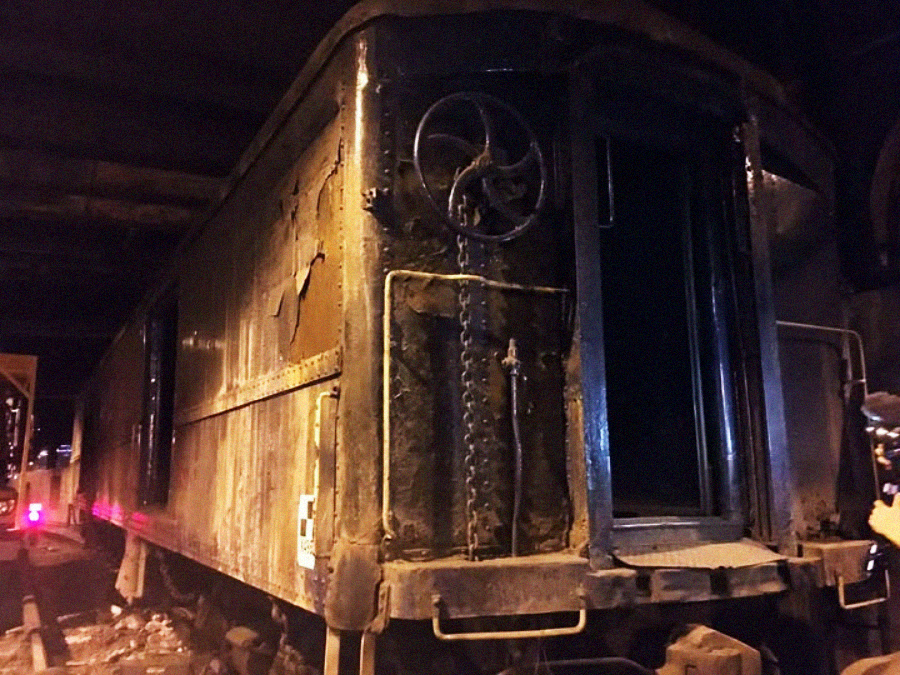
Hidden deep beneath the Waldorf Astoria hotel in New York is a private train siding known as Track 61. It was famously used by President Franklin D. Roosevelt to enter the hotel in his armored limousine, allowing him to travel from his private train car directly into the building without the public seeing his wheelchair. Today, a rusted train car still sits on the tracks, a silent witness to the secret movements of one of America’s most powerful leaders.
13. The hidden bunker in the Greenbrier
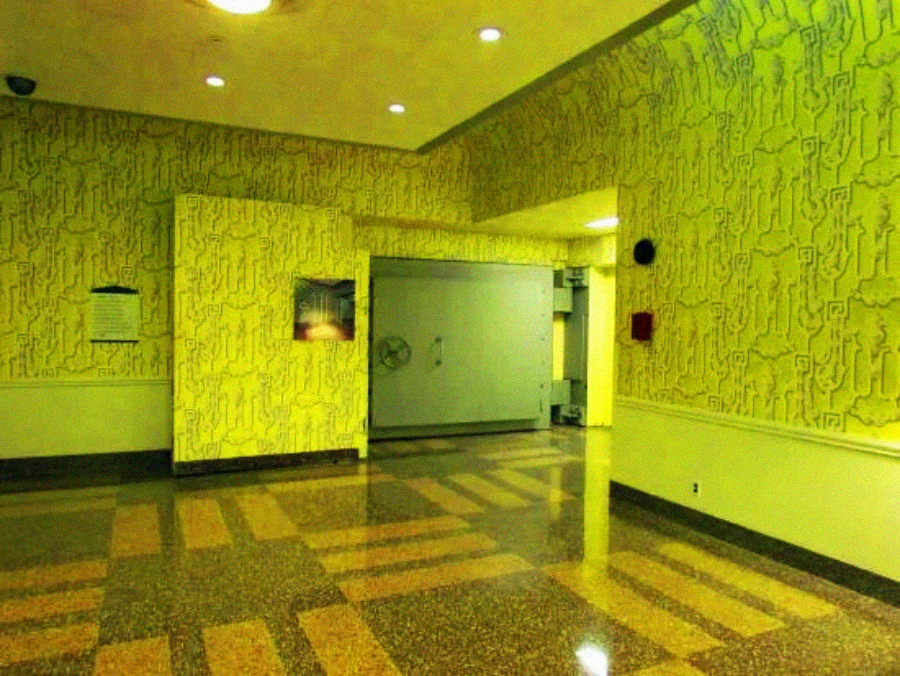
For over 30 years, a massive four-story bunker was hidden beneath the luxury Greenbrier Resort in West Virginia, designed to house the entire U.S. Congress in the event of a nuclear war. The bunker was kept a total secret from the public -and even from the hotel guests- until it was exposed by a Washington Post journalist in 1992. It featured its own power plant, a dental clinic, and enough bunk beds to sleep 1,100 people in a concrete-reinforced subterranean city.
14. The secret apartment in Radio City Music Hall
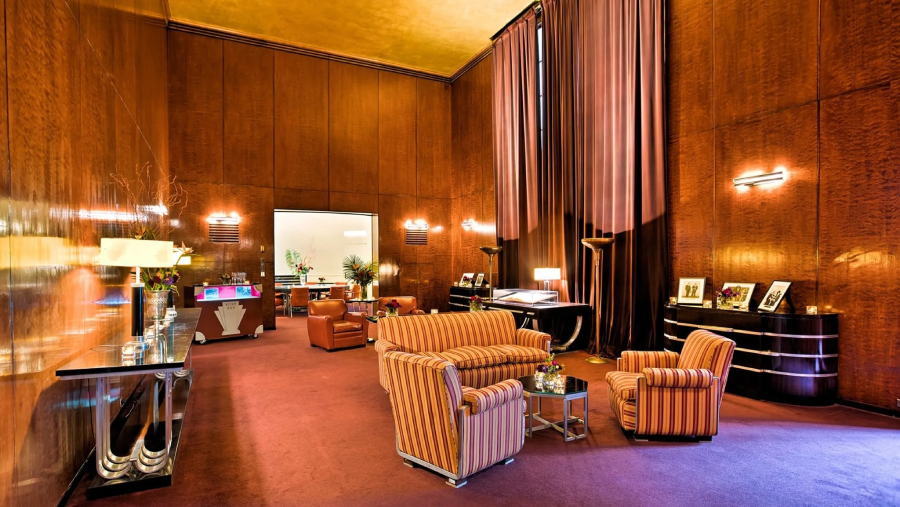
Samuel “Roxy” Rothafel, the visionary behind Radio City Music Hall, had a lavish private apartment built for himself within the theater that remains perfectly preserved today. With 20-foot ceilings and walls covered in gold leaf and rare wood, the “Roxy Suite” was designed to entertain Hollywood legends like Alfred Hitchcock and Judy Garland. It is a stunning Art Deco masterpiece that is still used to host A-list celebrities before they take the stage for major events.
15. The “Little Red House” near the Statue of Liberty
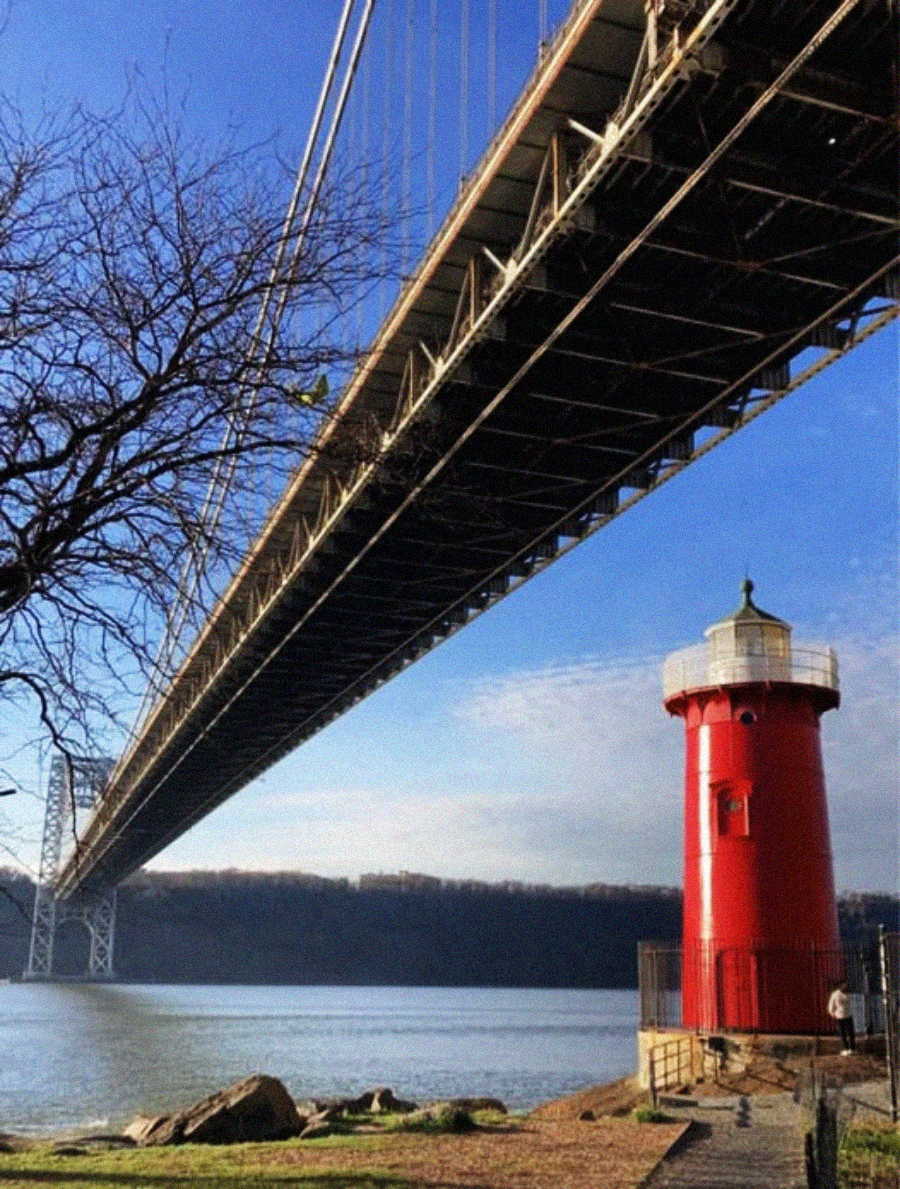
Long before the Statue of Liberty became a global monument, Liberty Island was a military outpost, and a small red brick house was built there for the lighthouse keeper’s family. While the house looks completely out of place next to the massive copper statue, it served as a private residence until the 1940s. It’s one of the few domestic structures on the island, representing a time when the statue was just a working lighthouse in New York Harbor.
Explore more fun facts:
It’s a humbling thought to realize that even as we stand in awe of these massive landmarks, we are likely only seeing a fraction of their true design. These hidden rooms remind us that history is often layered, with the most interesting stories tucked away behind locked doors or forgotten corridors. If you’re ready to uncover more mysteries of the world around us, don’t miss these 20 Reality Glitches That Are Actually Real Facts, or these 15 “School Facts” That Turn Out to Be Totally Wrong. You can also check these 18 Dark Origins Behind Items You Use Without Thinking.