We rarely stop to consider where our favorite household items came from, assuming they were simply invented for our convenience and comfort. However, the true origins of many everyday objects are rooted in much darker, more clinical, or even accidental circumstances than we’d like to imagine. From medical tools that transitioned into woodworking to snacks designed for bizarre moral crusades, the history of our belongings is often a mess of strange necessities and unintended consequences. When you pull back the curtain on these inventions, you realize that the world around you is built on a foundation of fascinatingly weird -and sometimes creepy- human ingenuity.
Exploring these unconventional origins forces us to look at our daily routines through a completely different lens. What we now consider a luxury or a simple necessity often started as a desperate solution to a gruesome problem or a tool of control. Understanding the DNA of these objects doesn’t just make for great trivia; it reminds us that human progress is rarely a straight line of “good ideas.” Often, it’s a chaotic journey where an instrument of pain eventually becomes a source of pleasure or a standard household staple. Let’s dive into the unsettling histories behind the things you use without a second thought.
1. The chainsaw was originally a medical tool
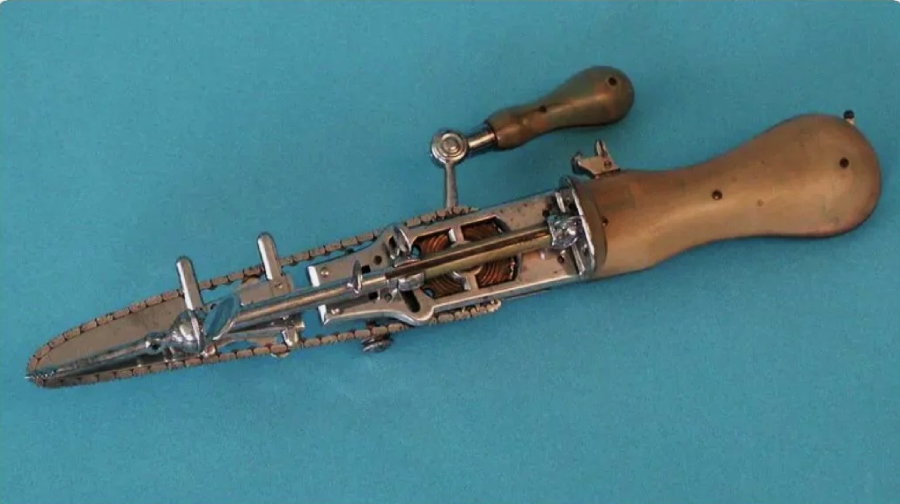
Long before it became the signature weapon of horror movie villains or a tool for lumberjacks, the chainsaw was invented by two Scottish doctors in the late 1780s. It was originally designed to assist in “symphysiotomy,” a grueling medical procedure used during difficult births to widen the pelvis. The original version was hand-cranked and much smaller, but the mental image of a doctor using a serrated, rotating blade in a delivery room is enough to make anyone shudder.
2. Corn Flakes were designed to stop “impure” thoughts
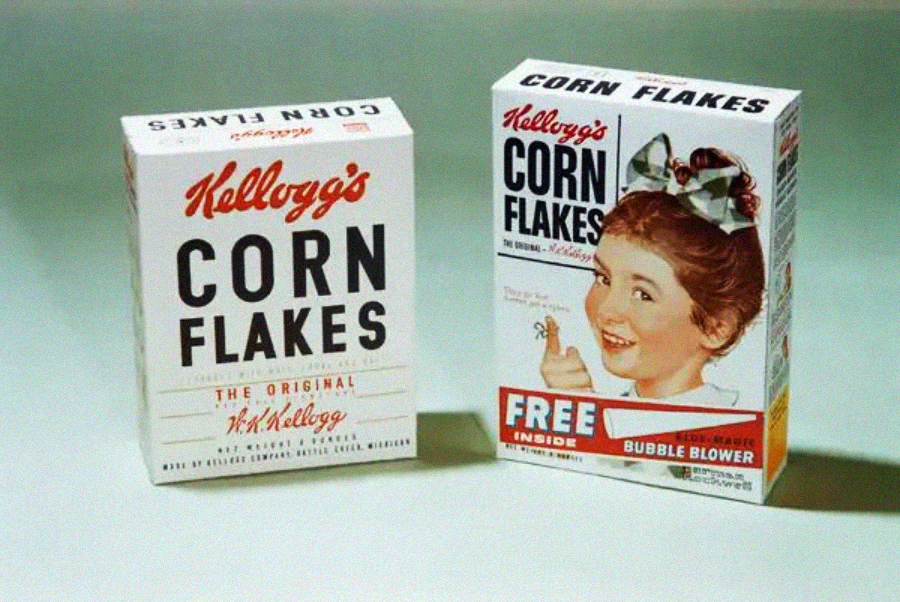
John Harvey Kellogg was a deeply religious man who believed that spicy or flavorful foods led to “sinful” physical desires. He developed Corn Flakes as a deliberately bland, plain cereal specifically to curb the libido of his patients at the Battle Creek Sanitarium. He hoped that by dulling the sense of taste, he could fundamentally change the moral character of the American public, one boring breakfast at a time.
3. High heels were cavalry equipment for men first
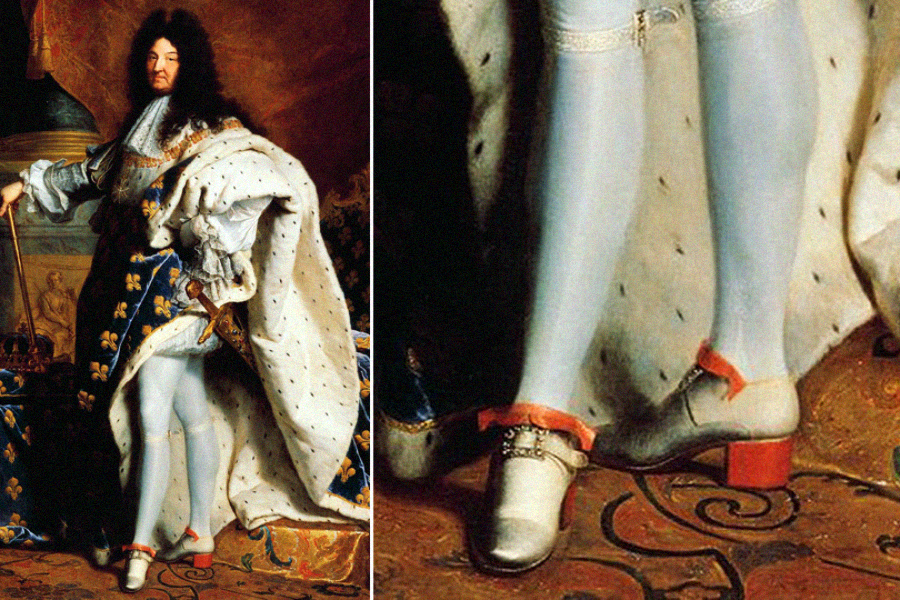
While they are now a staple of red carpets and fashion runways, the origins of high heels are strictly military and masculine. Persian horse archers wore them in the 10th century to help “lock” their feet into stirrups so they could stand up and shoot more accurately while riding. When the style reached Europe, aristocrats adopted them to appear taller and more intimidating, viewing the extra height as a symbol of virility and social dominance.
4. Listerine was first used as a surgical antiseptic and floor cleaner
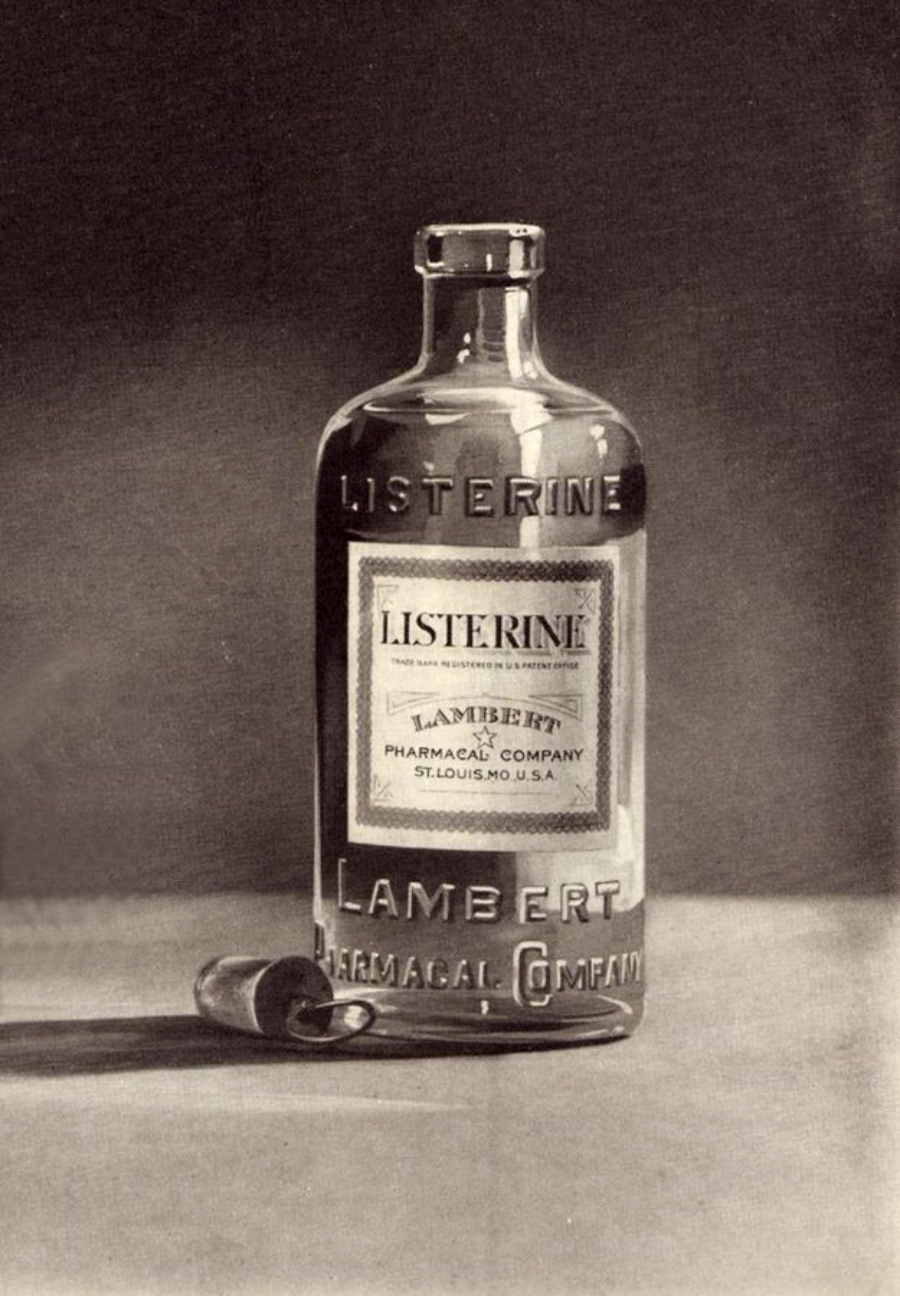
Before it was marketed as the solution to “halitosis” (a term the company practically invented to sell more product), Listerine had a much rougher start. In the late 1800s, it was used as a powerful surgical antiseptic, a treatment for sweaty feet, and even a heavy-duty floor cleaner. It wasn’t until the 1920s that a clever marketing campaign convinced the world that their natural breath was a social disease that only this chemical wash could cure.
5. Play-Doh was meant to be a wallpaper cleaner
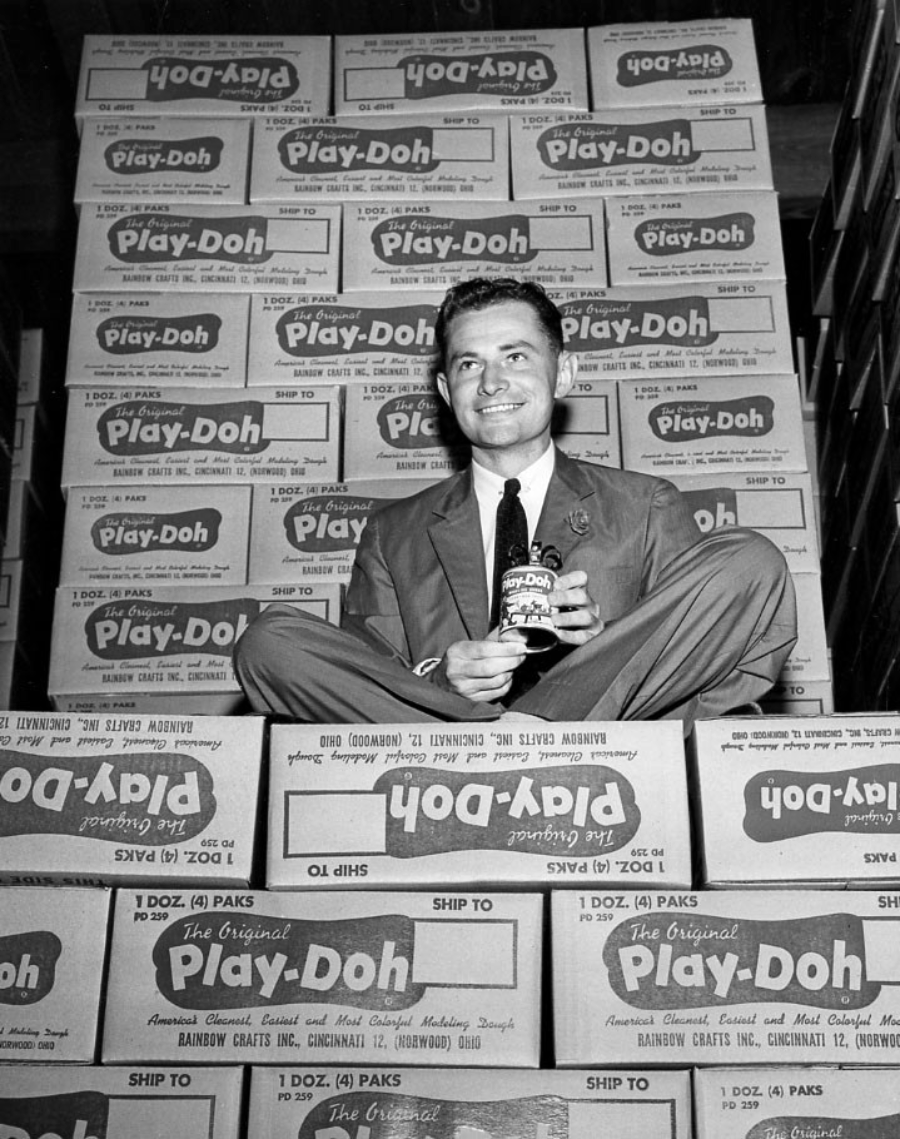
That salty, colorful dough we all played with as kids wasn’t originally meant for a toy box. In the 1930s, it was sold as a flexible, putty-like cleaner used to remove soot and coal residue from wallpaper in homes heated by coal fires. When people transitioned to cleaner natural gas, the company faced bankruptcy until the inventor’s sister-in-law noticed kids using the putty to make art, leading to a colorful brand reinvention.
Trending on The Scroller

6. Treadmills were a Victorian device for punishment
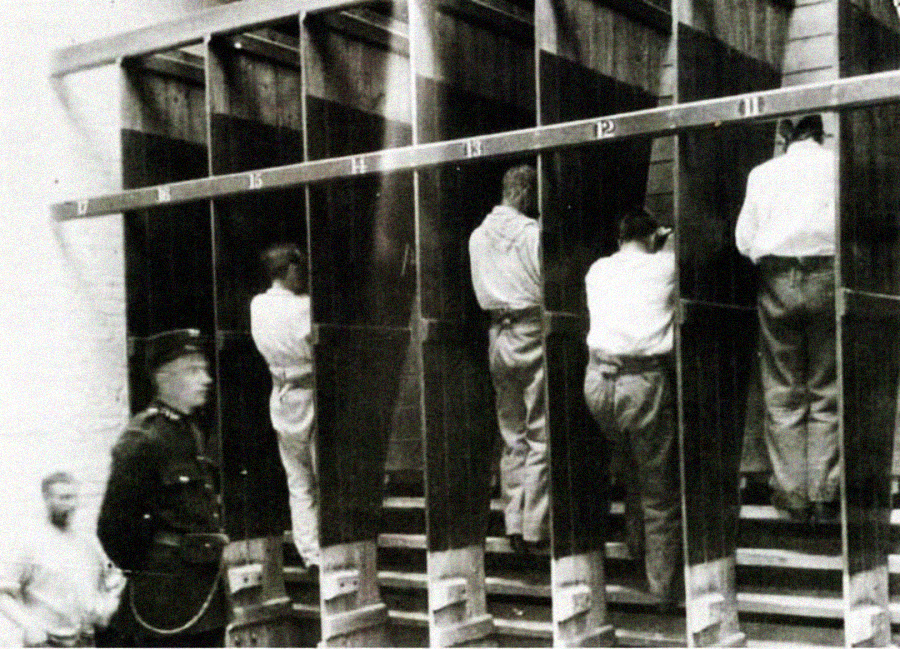
Long before people paid for gym memberships, the treadmill was a dreaded tool of “hard labor” in 19th-century British prisons. Inmates were forced to climb massive rotating wooden cylinders for hours to grind grain or pump water, purely to break their spirit through exhaustion. It was eventually banned for being too cruel, only to be reimagined decades later as the fitness machine we voluntarily use today.
7. The Victorian “hidden” mother photos
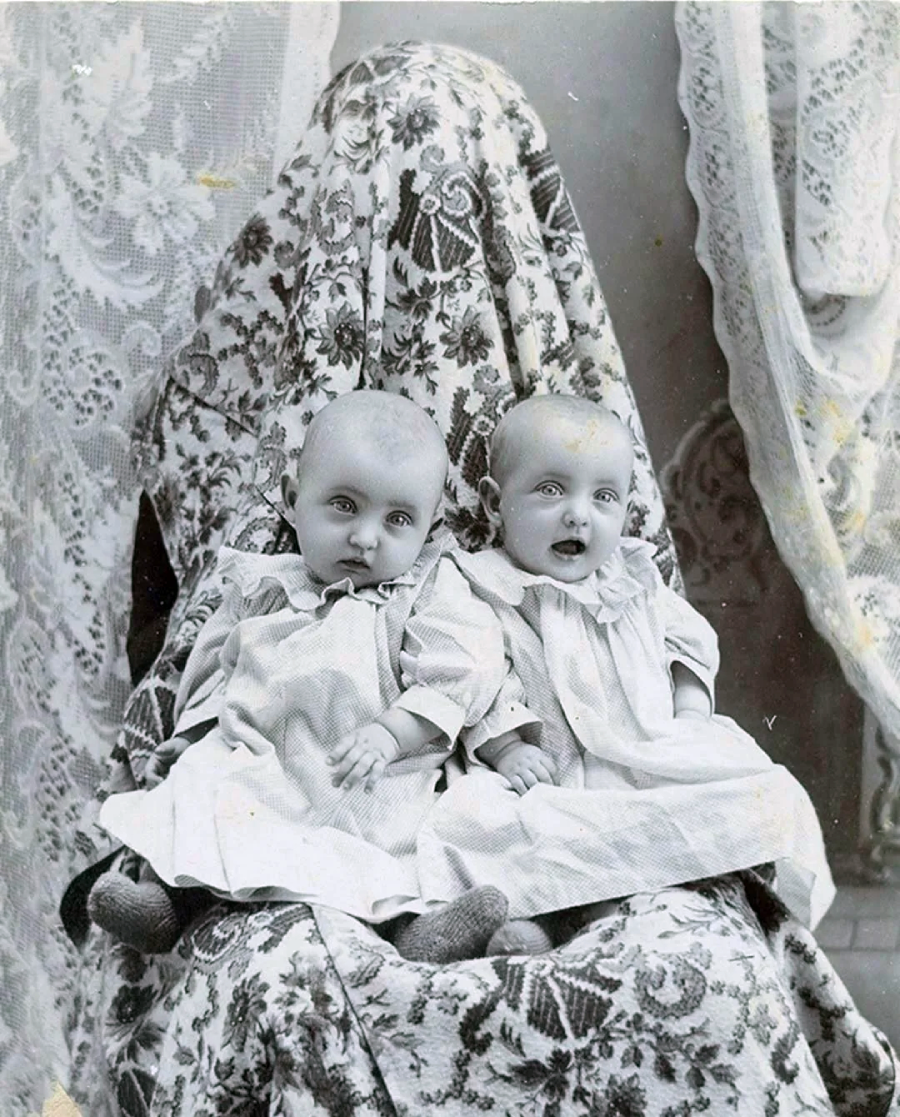
In the early days of photography, long exposure times made it nearly impossible for children to sit still for a portrait. To solve this, mothers would hide under draped fabrics or behind chairs to hold their children steady, resulting in eerie photos where a ghostly, cloaked figure is visible in the frame. These “hidden mothers” created some of the most unsettling images in the history of family photography.
8. Bubble wrap is actually a 3D wallpaper fail
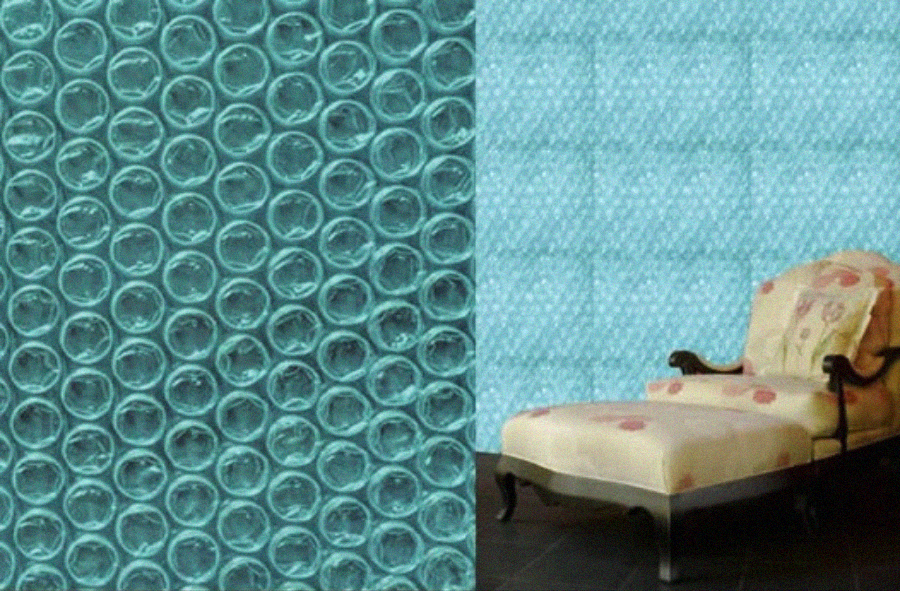
In 1957, two inventors tried to create a textured, three-dimensional wallpaper by sealing two shower curtains together with air bubbles trapped inside. The product was a total flop as a home decor trend, and they even tried to market it as greenhouse insulation without much success. It wasn’t until IBM needed to ship their new computers that someone realized the “failed wallpaper” was actually the perfect protective packaging.
Sign up for our newsletter
9. High-fructose corn syrup as a substitute for sugar

The reason almost every American snack is packed with corn syrup traces back to a massive sugar crisis and Nixon-era trade policies. When sugar prices skyrocketed, the U.S. government began heavily subsidizing corn to help farmers and create a cheaper, domestic alternative to imported sugar. This shift fundamentally changed the modern diet, turning a political solution into a global health controversy.
10. The electric chair was invented by a dentist
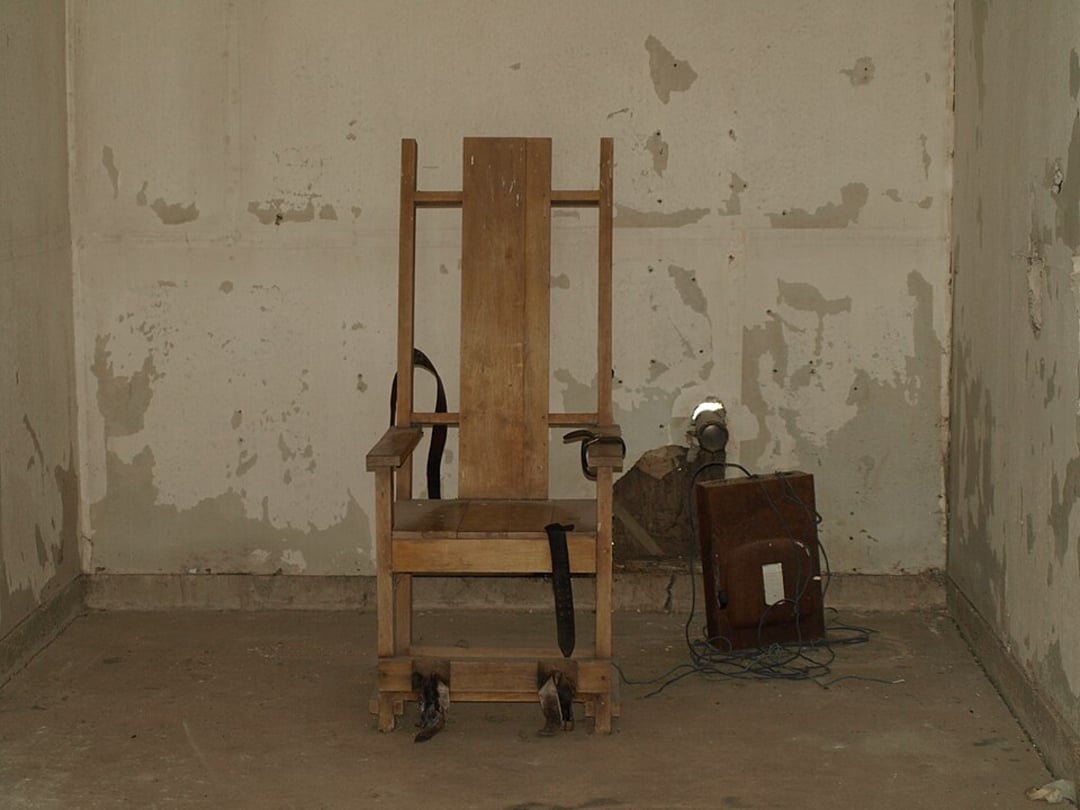
Alfred Southwick was a dentist who, after seeing a drunk man die instantly by touching an electric generator, decided that electricity was a “painless” way to execute criminals. He adapted the design of his own dental chair to create the first electric chair, believing it was more civilized than hanging. The first execution in 1890 was actually a gruesome disaster, proving the dentist’s “humane” theory tragically wrong.
11. Graham Crackers were another moral snack crusade
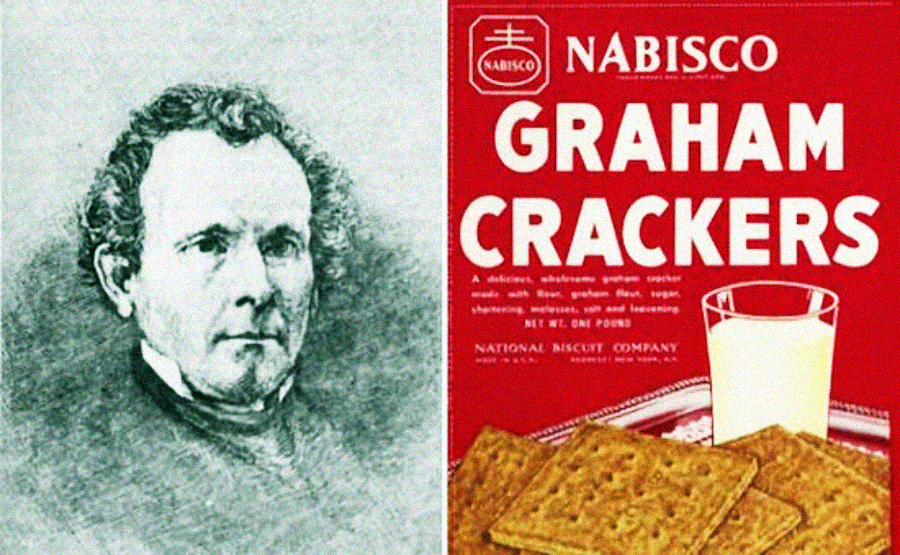
Like the inventor of Corn Flakes, Sylvester Graham was a 19th-century minister who believed that bland food was the key to preventing “carnal urges.” He created the Graham Cracker using unsifted flour and zero sugar or spices, hoping it would help people lead a more temperate, celibate life. Ironically, we now smother his “moral” crackers in chocolate and marshmallows to make S’mores.
12. Pringles cans… and the inventor’s eternal resting place
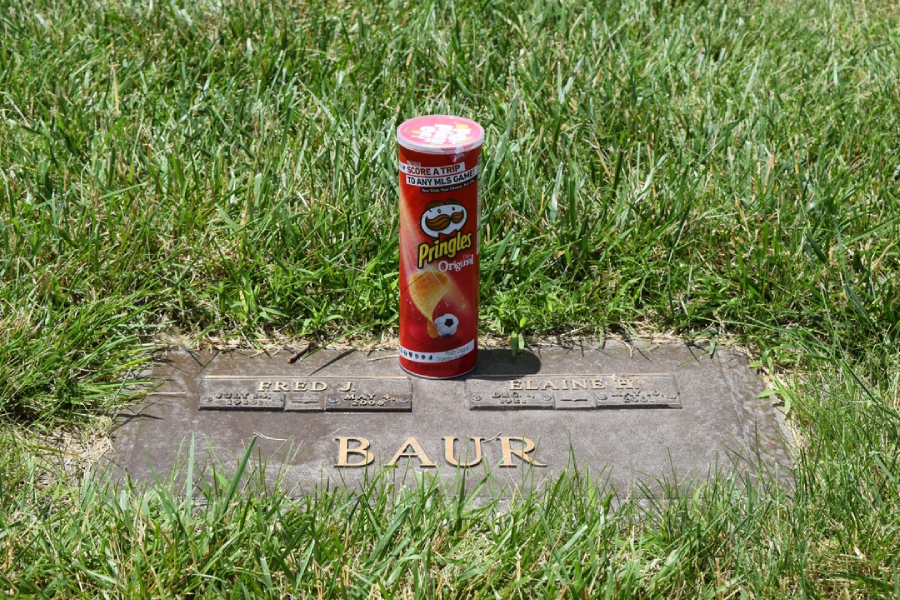
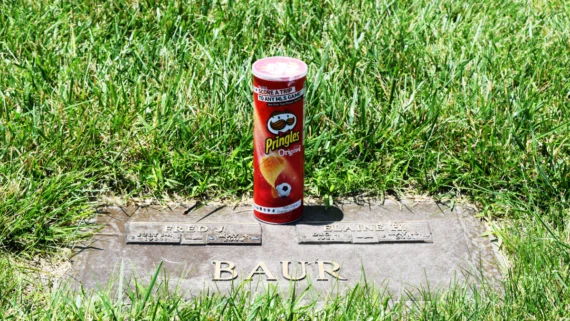
Fredric Baur was so proud of designing the iconic hyperbolic paraboloid shape of the Pringles chip and its protective can that he made a very specific final request. When he passed away in 2008, his children honored his legacy by burying a portion of his cremated remains inside a Pringles can. It is perhaps the most literal example of an inventor becoming one with his creation.
13. Kotex pads were wartime wound dressings
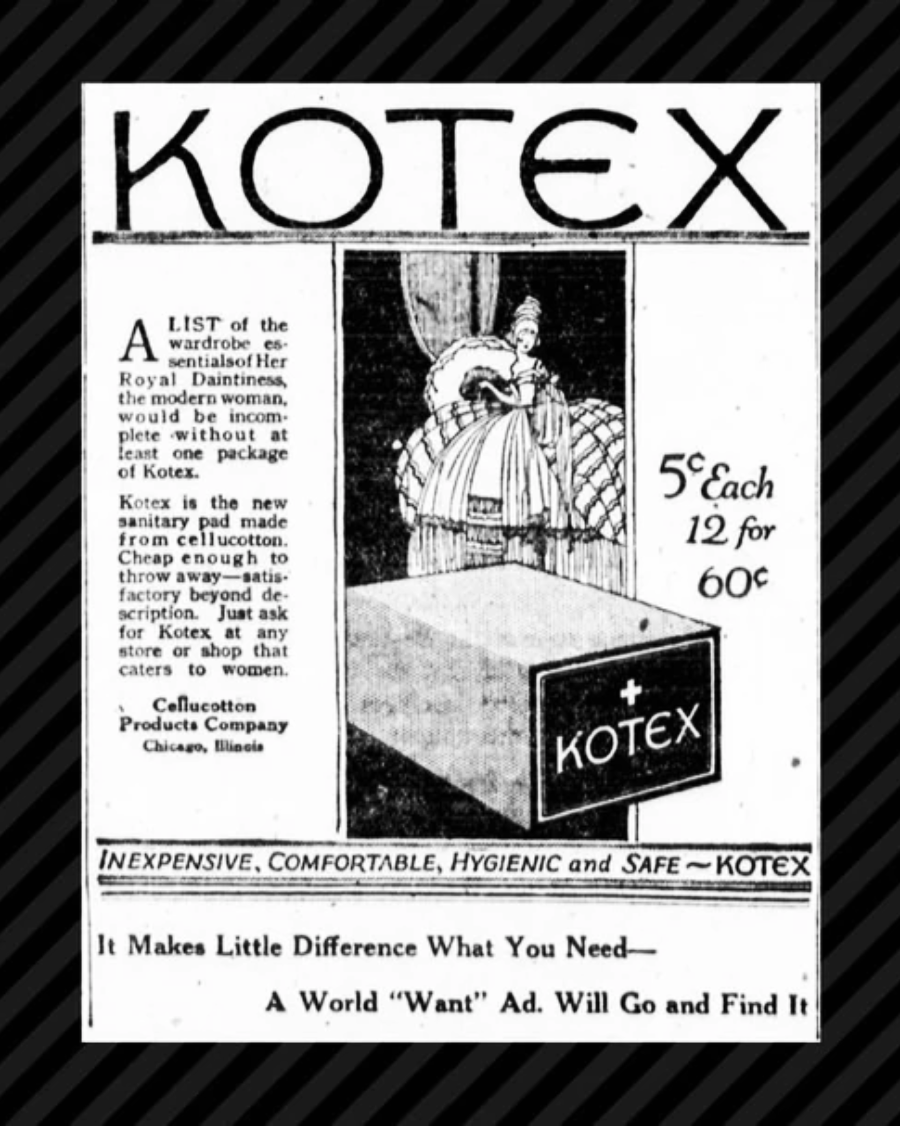
During World War I, a company called Kimberly-Clark developed “Cellucotton,” a material that was much more absorbent than surgical cotton for treating wounded soldiers. The nurses on the front lines quickly realized that these high-tech bandages were perfect for their own monthly needs. After the war, the company rebranded the surplus medical supplies as the first commercial feminine hygiene pads.
14. 7-Up originally contained lithium
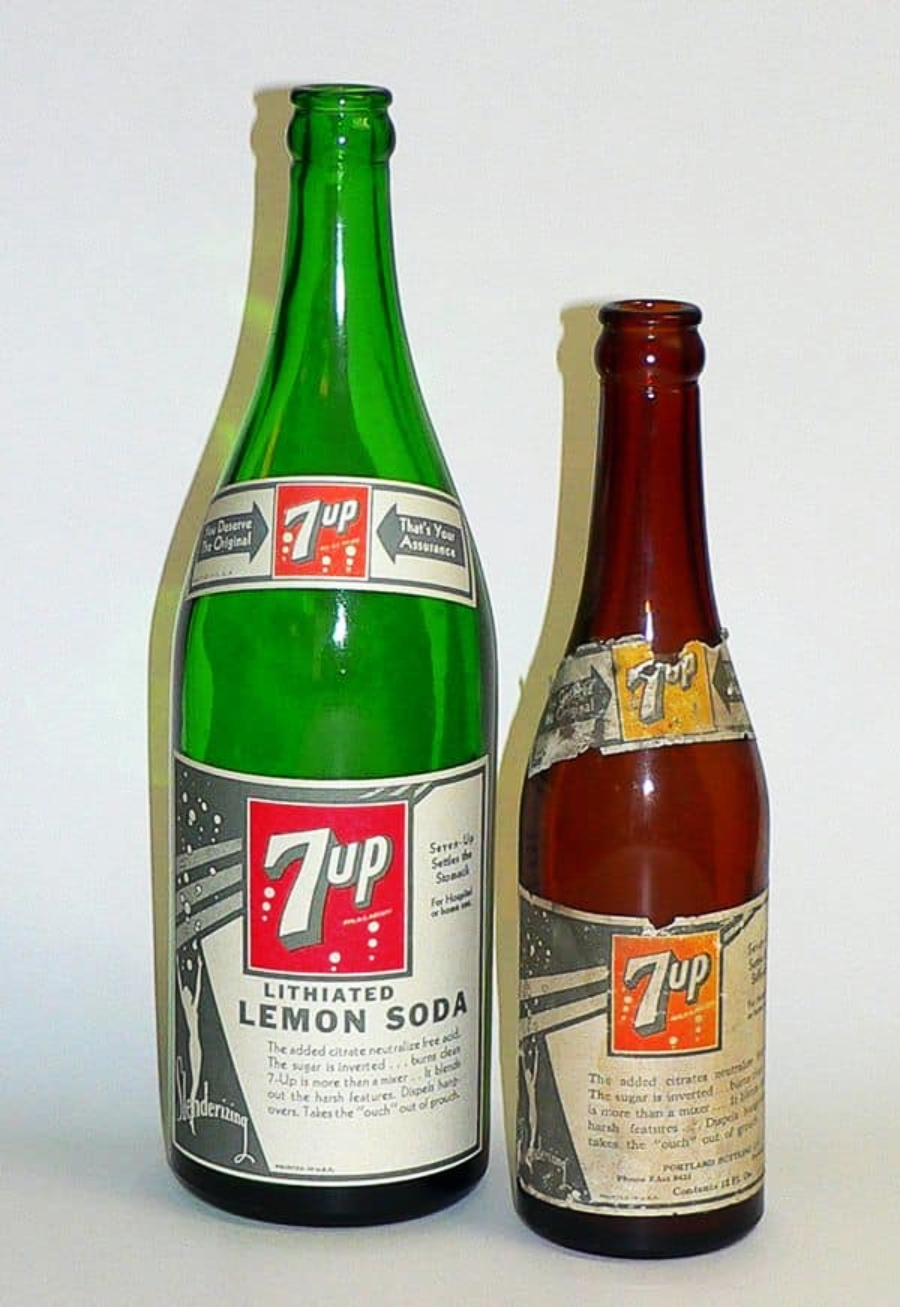
When it was first released in 1929, 7-Up was marketed as a “mood-lifting” tonic under the name “Bib-Label Lithiated Lemon-Lime Soda.” It contained lithium citrate, a mood-stabilizing drug used today to treat bipolar disorder, and was sold as a cure for hangovers and “nervousness.” The lithium wasn’t removed from the recipe until 1948, when the government began regulating the use of drugs in soft drinks.
15. The guillotine was marketed as “humane” progress
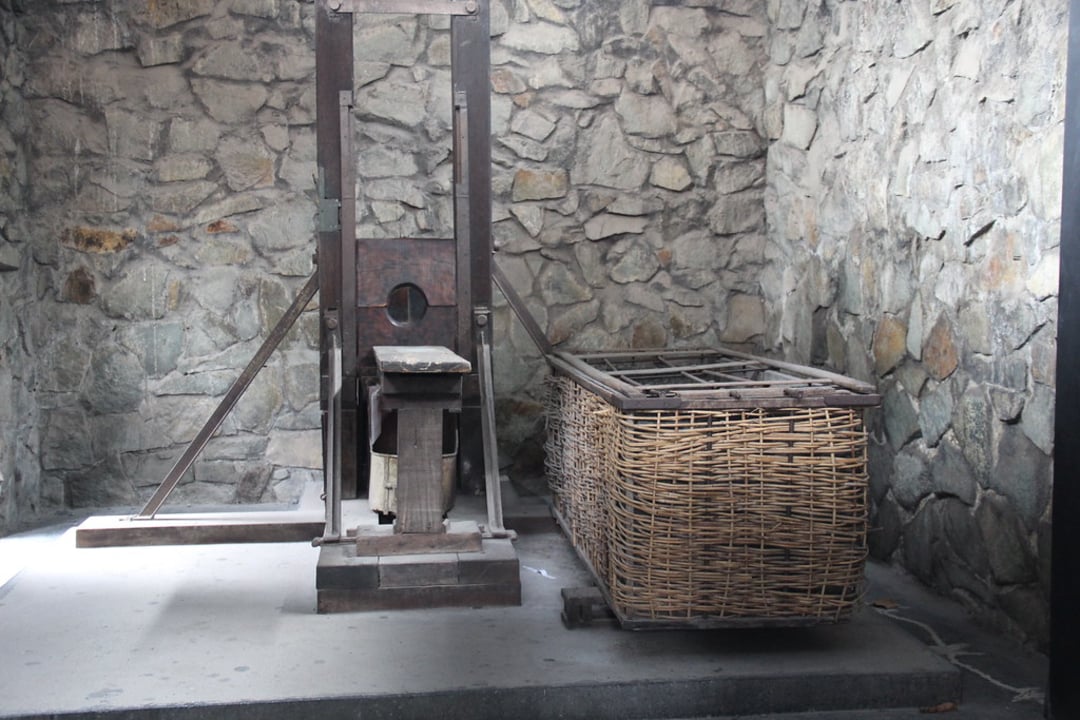
While we now see the guillotine as a symbol of terror, it was actually proposed by Dr. Joseph-Ignace Guillotin as a more “equal and humane” way to die. Before its invention, commoners were often subjected to messy, slow executions, while only aristocrats were granted a quick death by the sword. The machine was intended to ensure that every criminal, regardless of class, died instantly and without unnecessary suffering.
16. Silly Putty was a failed synthetic rubber
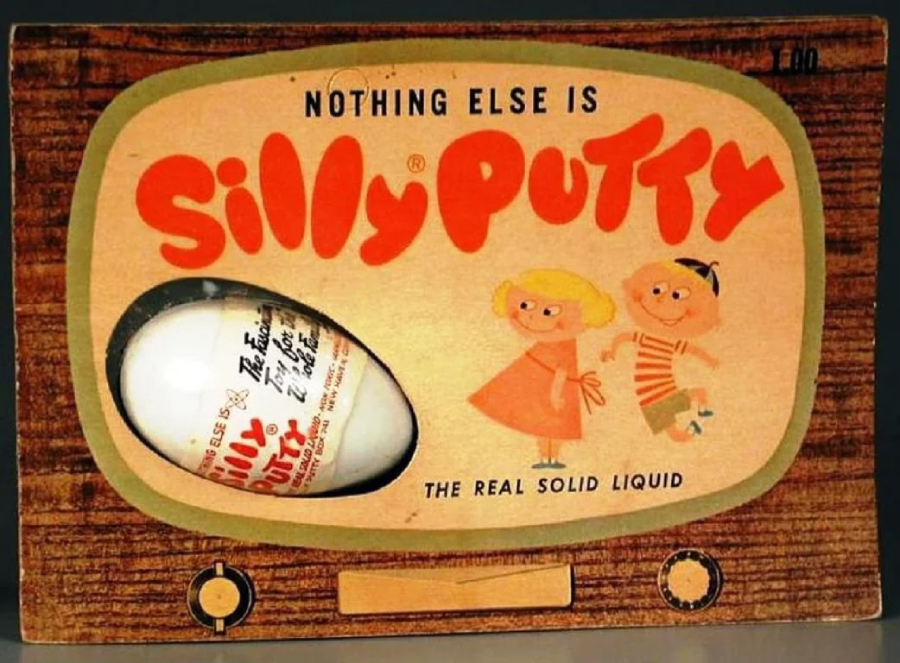
During World War II, the U.S. was desperate for a synthetic rubber substitute for tires and boots because Japan had cut off the natural rubber supply. An engineer at General Electric accidentally combined boric acid and silicone oil, creating a bouncy, stretchy goo that didn’t work for tires at all. It was considered a useless byproduct until a toy store owner saw its potential as a “nothing” toy for bored kids.
17. Matches were an accidental scrape
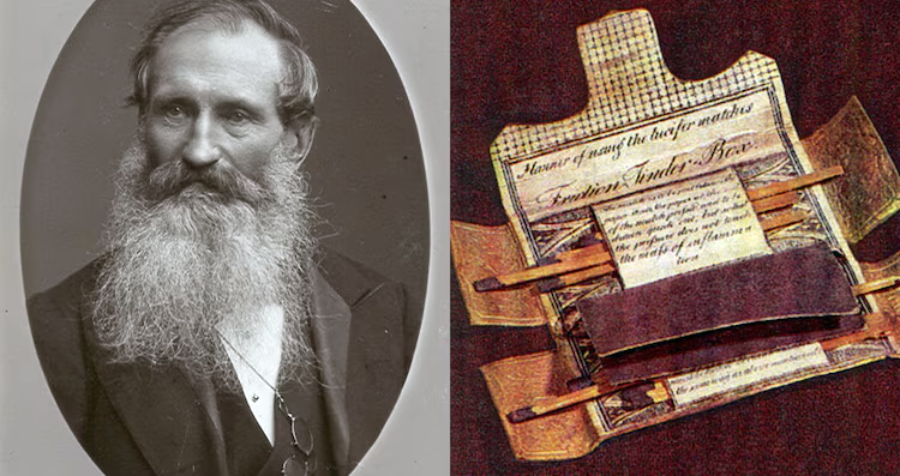
In 1826, chemist John Walker was stirring a mixture of chemicals with a wooden stick when he noticed a dried lump at the end of it. He scraped the stick against the stone floor to get it off, and it suddenly burst into flames. Instead of just cleaning his floor, he realized he had stumbled upon the first friction match, though he famously refused to patent the invention.
18. Sunglasses were first the “Judge’s mask.”
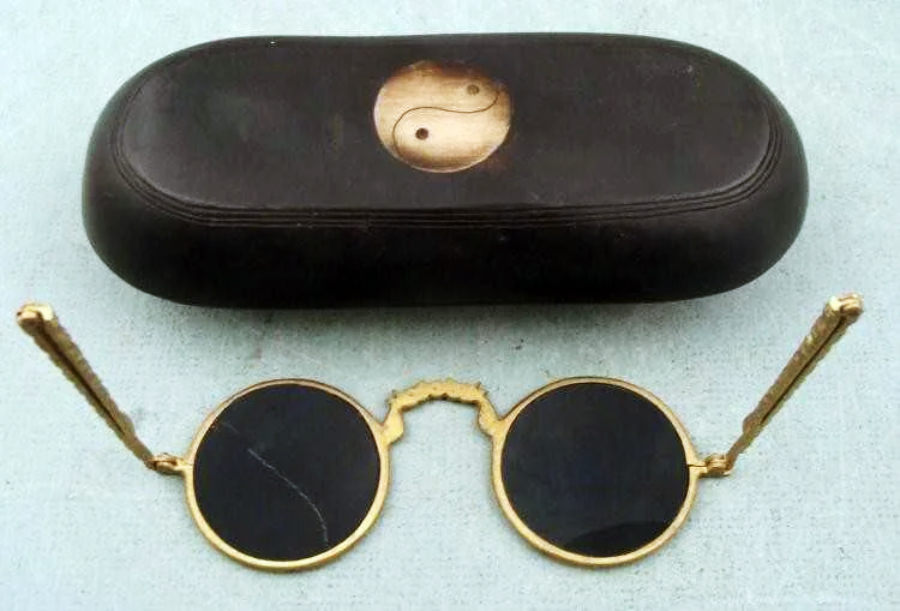
While we wear them for UV protection and style, the first sunglasses were used in 12th-century Chinese courts. Judges wore flat panes of smoky quartz not to block the sun, but to hide their eyes and facial expressions during legal proceedings. This allowed them to maintain an air of absolute impartiality and mystery while questioning witnesses.
Want more fun facts?
It’s truly wild to think that the mundane objects sitting on our kitchen counters or in our toolboxes often carry such heavy and complicated histories. Learning the origins of these items reminds us that the world is a much stranger place than it appears on the surface, and that innovation often comes from the most unlikely places. If you love discovering the hidden layers of our world, be sure to check out these 20 Fun Facts That Sound Fake (But Are Completely True), or these 20 Fun Facts You’ll Wish You Learned in School. You can also enjoy these 15 Smells That Instantly Bring Back a 1990s Childhood.