The world is a far stranger place than we often give it credit for, and sometimes the truth is more bizarre than the wildest movie script. We all love a good trivia night, but the best fun facts are the ones that make you stop, squint at the screen, and immediately head to Google to verify if you’ve been pranked. These are the “glitches in the matrix” of reality, information that defies our common sense and challenges everything we thought we knew about history, nature, and science.
Whether it’s a biological anomaly that seems to break the laws of physics or a historical overlap that makes the timeline feel like a mess, these fun facts prove that reality doesn’t always need to make sense to be true. From animals with unexpected superpowers to the strange ways our planet operates, we have rounded up twenty of the most mind-bending truths ever discovered. Prepare to question your surroundings as we dive into the facts that are 100% real, no matter how fake they might sound.
1. Sharks are older than trees
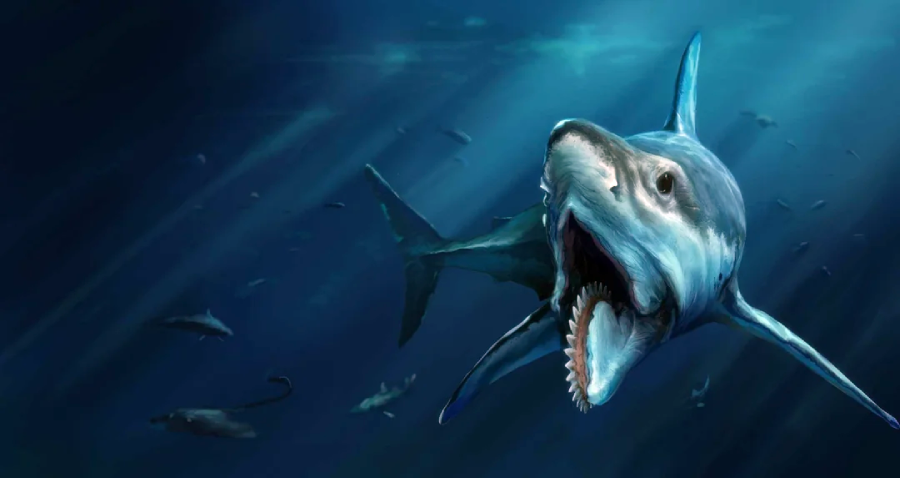
It sounds impossible, but sharks have been patrolling our oceans for about 400 million years, while the first trees didn’t appear on land until roughly 350 million years ago. These apex predators have survived four of the “big five” mass extinctions, making them true evolutionary masterpieces. This means for millions of years, the Earth was a world of deep blue hunters and absolutely no forests.
2. Nintendo was founded when Jack the Ripper was still active

While we associate Nintendo with 1980s pixels and modern consoles, the company was actually founded in 1889 as a playing card business. In that same year, the streets of London were still gripped by the terror of the Jack the Ripper investigations. It’s wild to realize that Mario’s origin story shares a spot on the timeline with the world’s most infamous Victorian mystery.
3. Scotland’s national animal is the unicorn
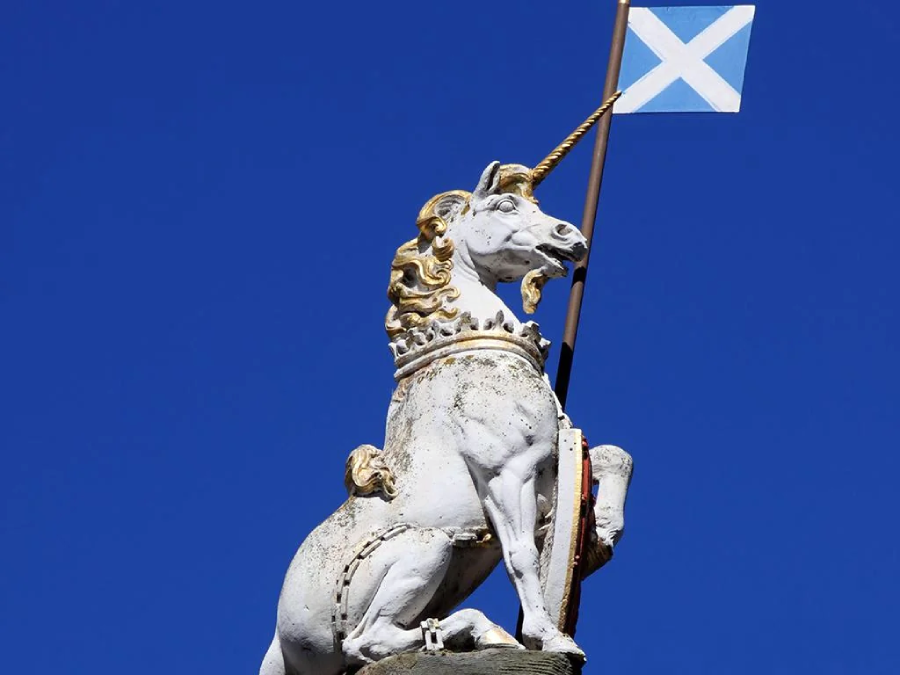
You might expect a lion or a stag, but Scotland officially chose the unicorn as its national symbol back in the 12th century. In Celtic mythology, the unicorn was seen as a symbol of purity, innocence, and, most importantly, masculinity and power. It was even depicted in chains on the royal coat of arms because, according to legend, a free unicorn was a dangerously untamable beast.
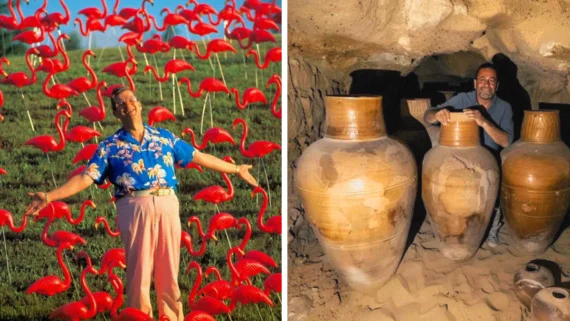
4. There are more plastic flamingos in the world than real ones
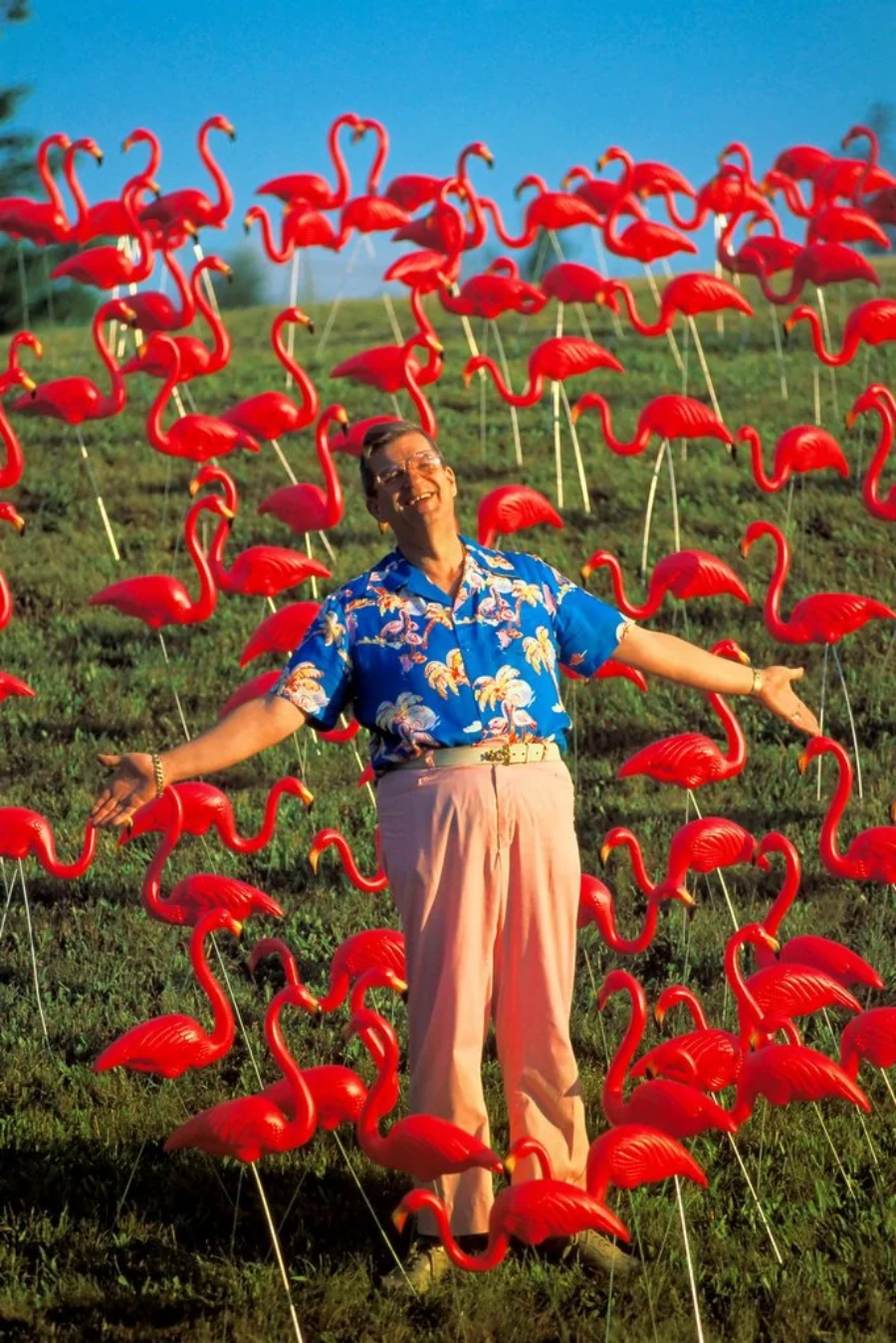
The iconic pink lawn ornament is so popular that its “population” vastly outnumbers the actual birds living in the wild. Since their invention in 1957, millions of these plastic icons have been produced, while wild flamingo populations remain vulnerable to habitat loss. It’s a strange testament to our love for kitschy decor outlasting the very nature it’s trying to mimic.
5. Cleopatra lived closer to the invention of the iPhone than the building of the pyramids
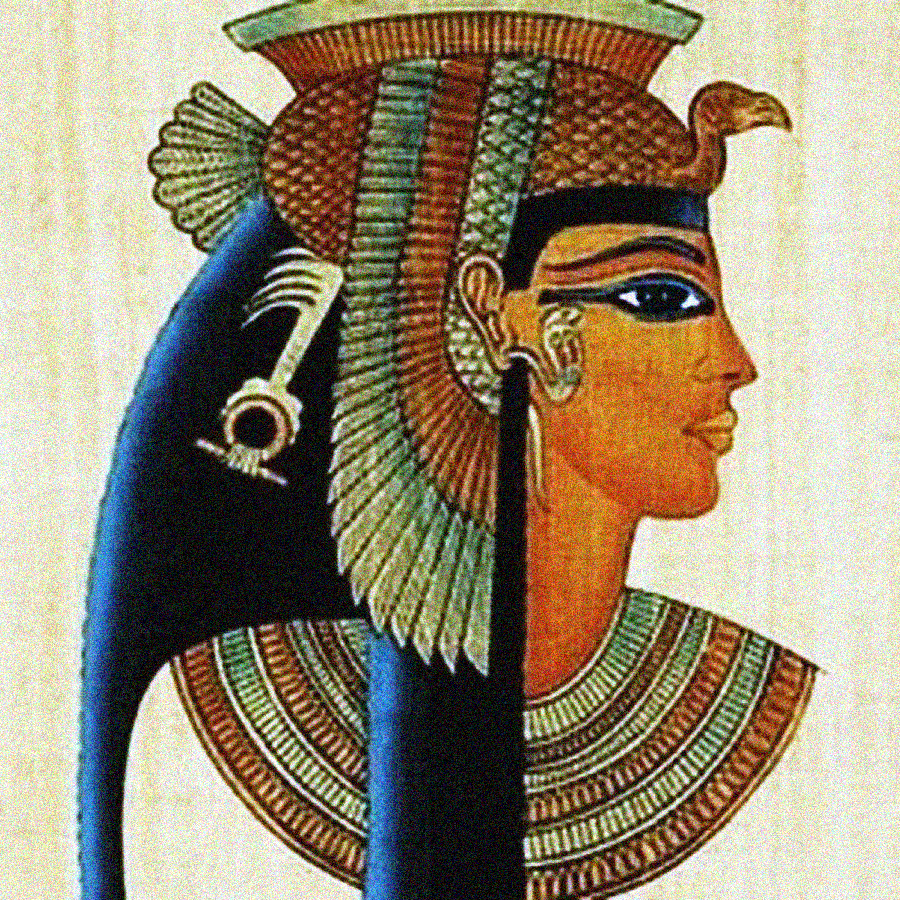
The timeline of Ancient Egypt is so vast that we often lump it all together, but Cleopatra VII lived around 30 BC. The Great Pyramid of Giza was completed around 2560 BC, more than 2,500 years before her birth. This means the Egyptian queen was more of a “modern” historical figure than a contemporary of the pyramid builders.
Trending on The Scroller

6. Mammoths were still alive when the pyramids were being built
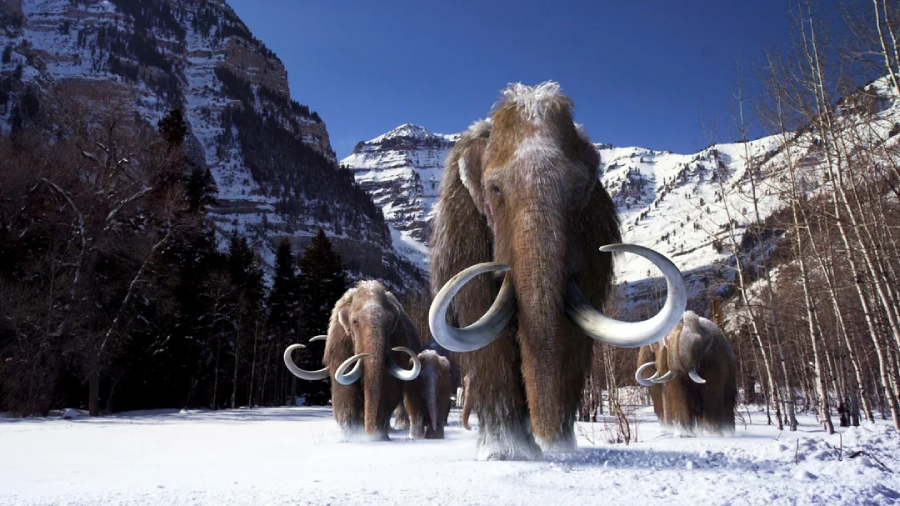
While most people think mammoths vanished during the Ice Age, a small population survived on Wrangel Island until about 1650 BC. At that time, the Great Pyramid of Giza was already a thousand years old and the Egyptian empire was in full swing. It’s a staggering overlap that places prehistoric giants and ancient architects on the same planet at the same time.
7. High heels were originally design for men
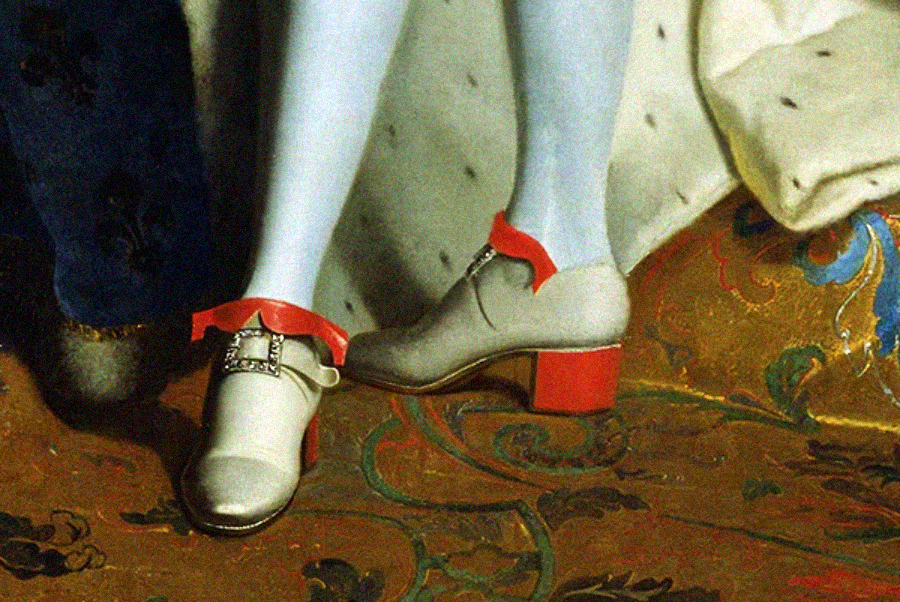
Long before they became a staple of women’s fashion, Persian cavalrymen wore heels to help them keep their feet in their stirrups while shooting bows. In the 17th century, European aristocrats adopted the style to look taller and more intimidating, viewing the heel as a sign of virility and social status. It wasn’t until later that the trend shifted toward feminine fashion as we know it today.
8. A cloud can weigh over a million pounds
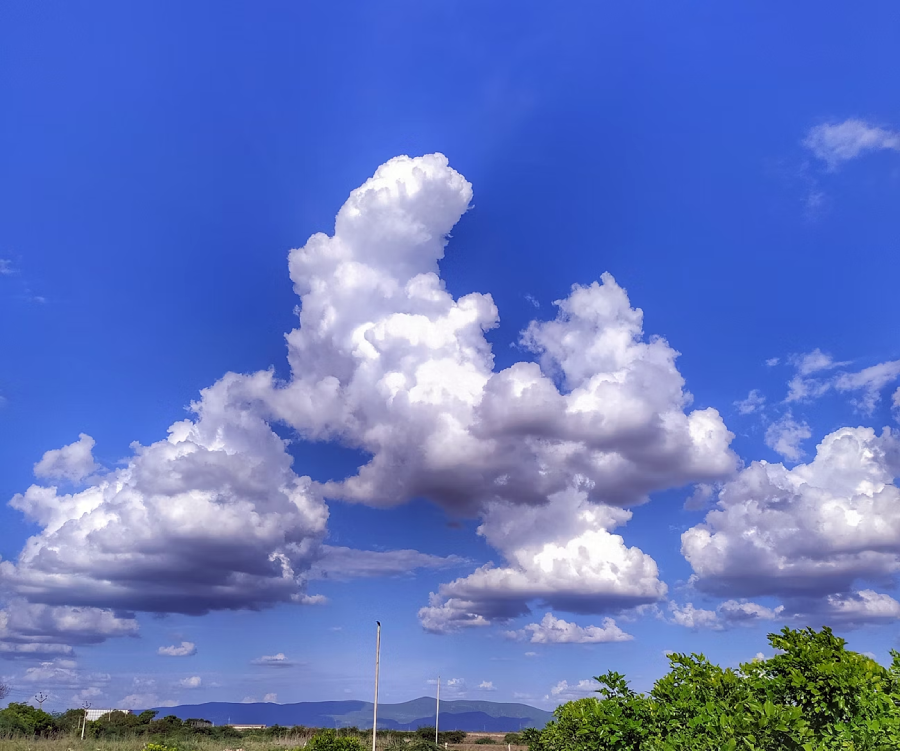
They look like light, fluffy cotton candy, but the average cumulus cloud weighs about 1.1 million pounds. This massive weight is held up by the rising warm air underneath it, which keeps the water droplets suspended. It’s the equivalent of having 100 elephants floating effortlessly over your head on a sunny day.
Sign up for our newsletter
9. Trees in Africa “talk” to each other to fend off giraffes
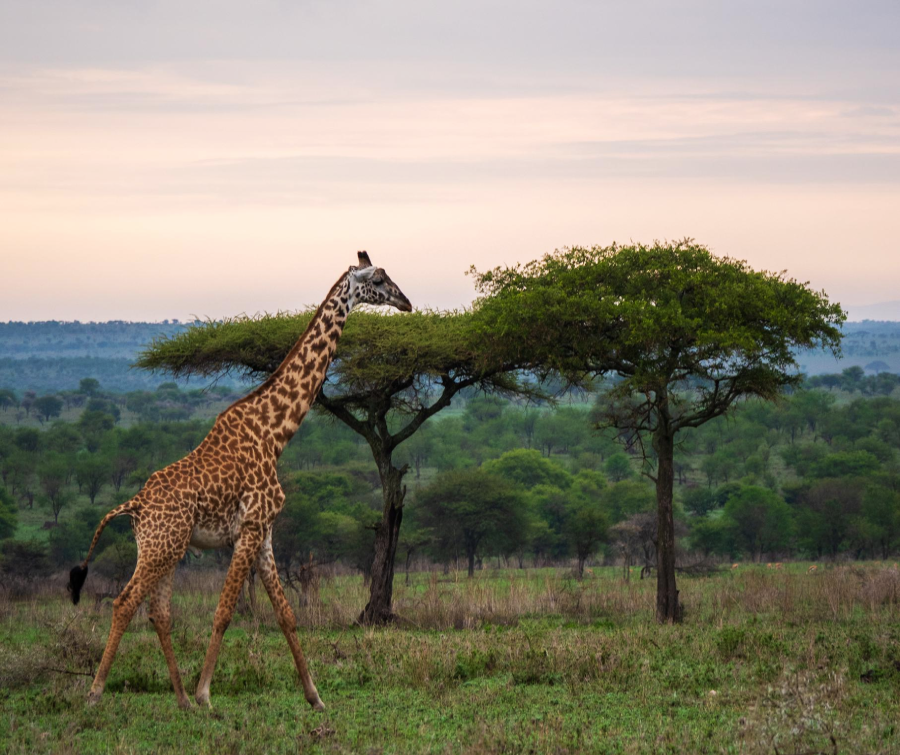
When an acacia tree is being eaten by a giraffe, it releases ethylene gas into the air to warn its neighbors of the danger. Upon “smelling” the gas, nearby trees immediately pump bitter tannins into their leaves, making them taste disgusting and potentially toxic to the hungry animal. This biological alarm system forces giraffes to always walk upwind to find trees that haven’t been warned yet.
10. The Sahara Desert used to be a lush green forest
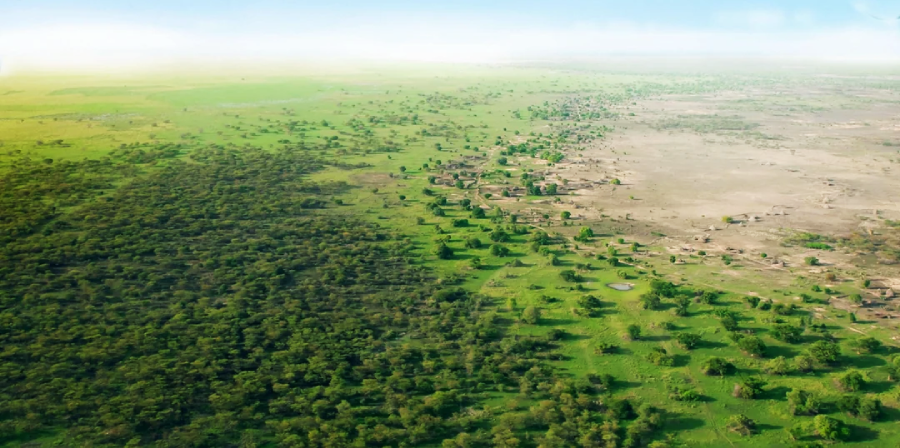
It is hard to imagine the world’s largest hot desert as a tropical paradise, but roughly 6,000 to 11,000 years ago, the Sahara was covered in lakes and vegetation. Rock paintings found in the region show ancient people hunting hippos and crocodiles in areas that are now nothing but shifting sand dunes. This “African Humid Period” was caused by a slight tilt in the Earth’s axis, which shifted monsoon rains further north.
11. You could eat 3,000-year-old honey because it never spoils

Archaeologists exploring ancient Egyptian tombs have found pots of honey that are thousands of years old and still perfectly edible. Honey is naturally acidic and low in moisture, which creates an environment where bacteria simply cannot survive. If you found a jar of honey from the era of King Tut, you could technically spread it on your toast today without getting sick.
12. There is a species os jellyfish that is biologically immortal
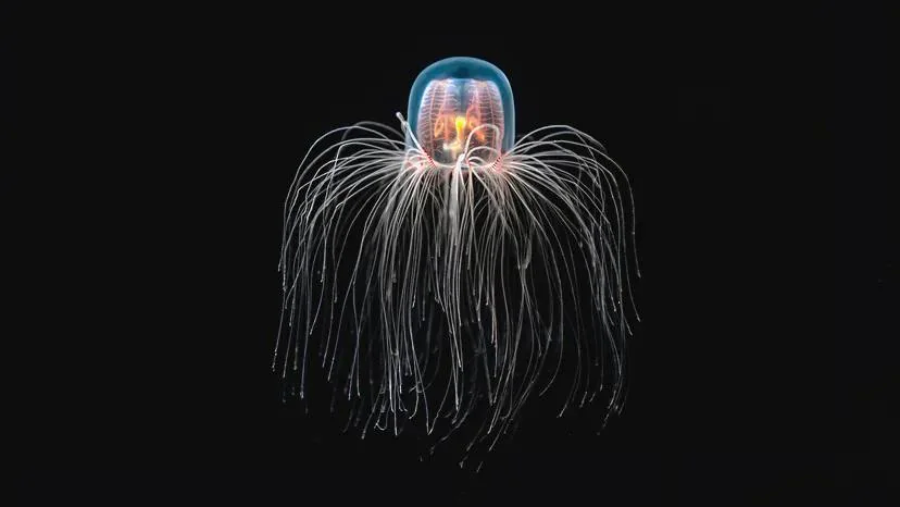
The Turritopsis dohrnii has the incredible ability to age backward when it becomes sick or injured. Instead of dying, it reverts its cells back to their earliest polyp stage and starts its life cycle all over again from scratch. This process, called transdifferentiation, means this tiny creature could theoretically live forever unless it is eaten by a predator.
13. Saudi Arabia imports camels and sand from Australia
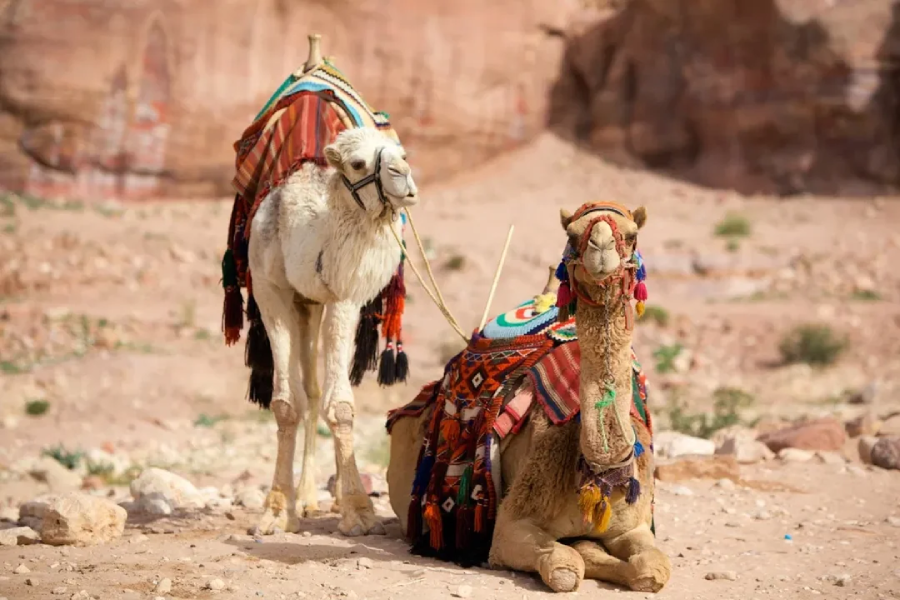
It sounds like the ultimate “selling ice to an Eskimo” scenario, but Saudi Arabia actually buys camels from Australia for their meat and racing. While the kingdom has plenty of desert sand, much of it is wind-blown and too smooth for high-quality construction projects. Consequently, they import specialized structural sand from the Australian outback to build their massive skyscrapers.
14. France was still using the guillotine when the first Star Wars came out

In 1977, as audiences were flocking to theaters to see Luke Skywalker take on Darth Vader, France carried out its last execution by guillotine. The device remained the official method of capital punishment in the country until the death penalty was abolished in 1981. It is a jarring reminder of how the “modern” world and medieval-style traditions can overlap in the same century.
15. The state of Alaska is both the northernmost and westernmost state
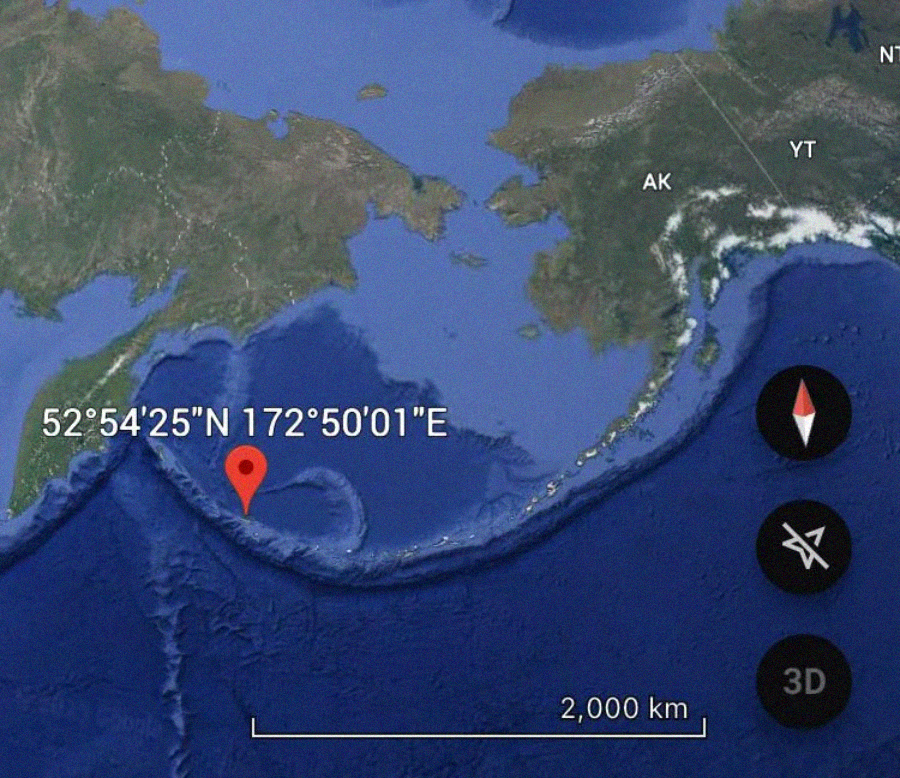
If you look at a standard map, this seems obvious, but Alaska is actually the easternmost state as well. This is because the Aleutian Islands cross the 180-degree meridian, technically placing part of the state in the Eastern Hemisphere. This geographical quirk makes Alaska a triple-threat of cardinal directions, stretching further across the globe than any other state.
16. Wombat poop is cube-shaped
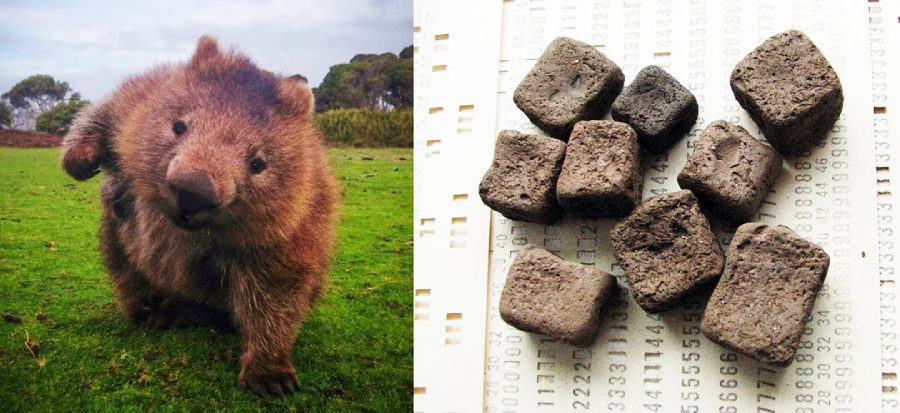
Wombats are the only animals in the world known to produce square-shaped droppings, and they do it for a very specific reason. Because they use their scent to mark their territory on rocks and logs, the cube shape prevents the poop from rolling away. Their intestines have specific “stiff” and “flexible” sections that compress the waste into 90-degree angles before it is excreted.
17. The total weight of all the ants on earth rivals the weight of all humans
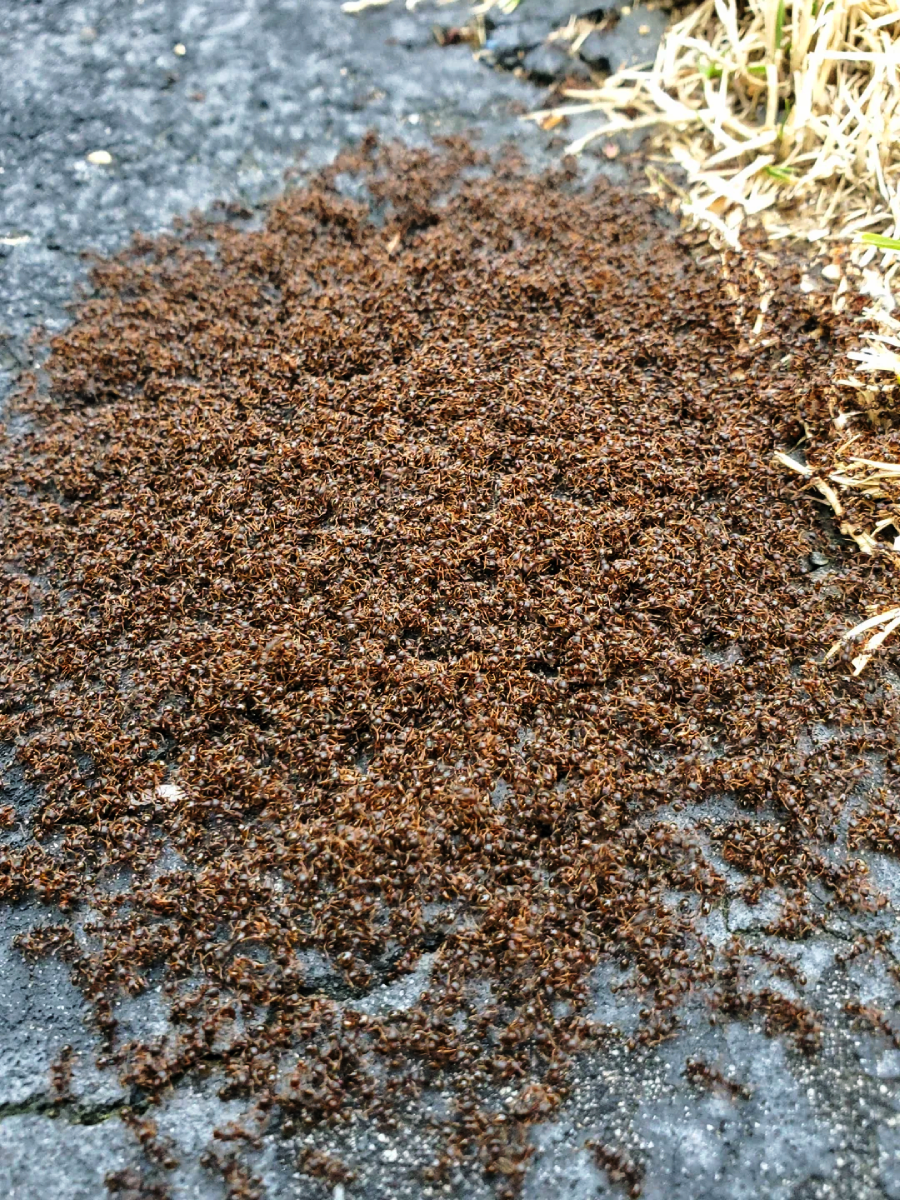
There are an estimated 20 quadrillion ants crawling across the planet, a number so large it is hard to comprehend. When you add up their collective biomass, it is roughly equal to -or even exceeds- the weight of all 8 billion humans currently alive. While we might feel like the dominant species, the sheer weight of the “ant empire” suggests they are the ones truly running the world.
18. Peanuts aren’t actually nuts; they are legumes
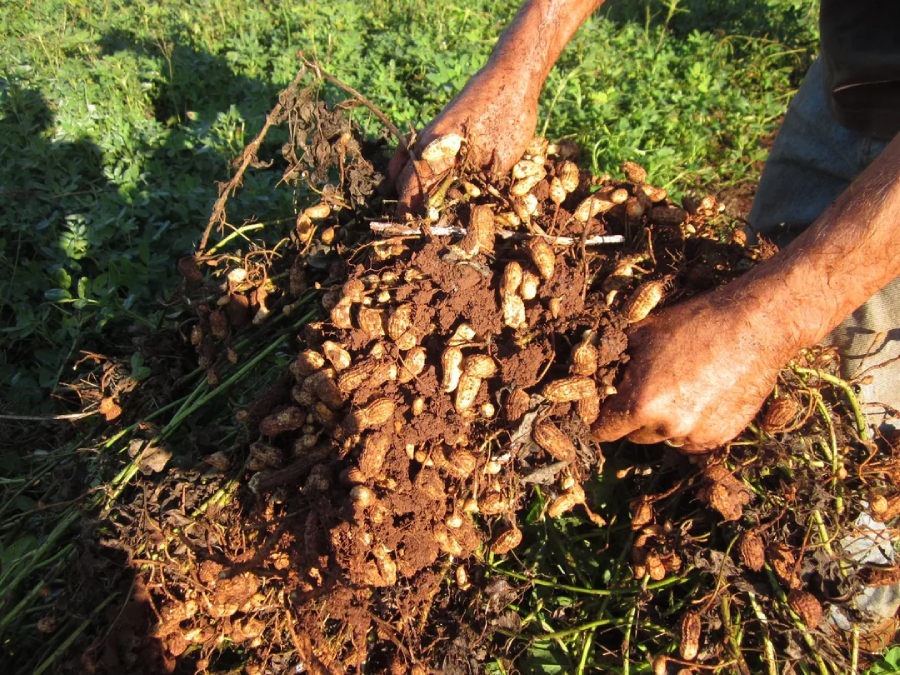
Despite their name, peanuts belong to the same family as beans, lentils, and peas. Unlike “true” tree nuts like walnuts or acorns, peanuts grow in pods underground, which is why they are often called “groundnuts.” This botanical distinction is the reason why some people can be allergic to peanuts but are perfectly fine eating almonds or cashews.
19. Venus is the only planet that rotates clockwise
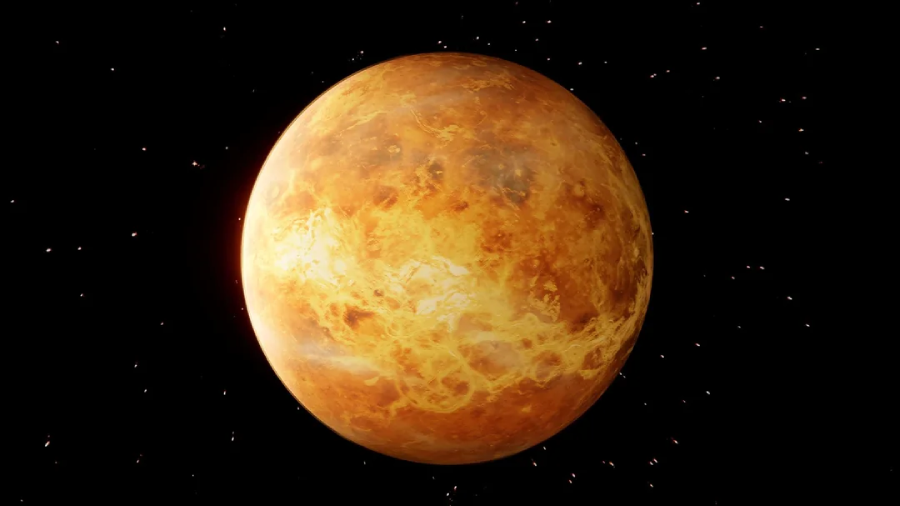
While every other planet in our solar system spins counter-clockwise, Venus decided to be a rebel and rotate in the opposite direction. Scientists believe a massive collision with an asteroid billions of years ago may have literally knocked the planet’s rotation backward. Because of this, on Venus, the sun rises in the west and sets in the east.
20. Oxford University is older than the Aztec Empire
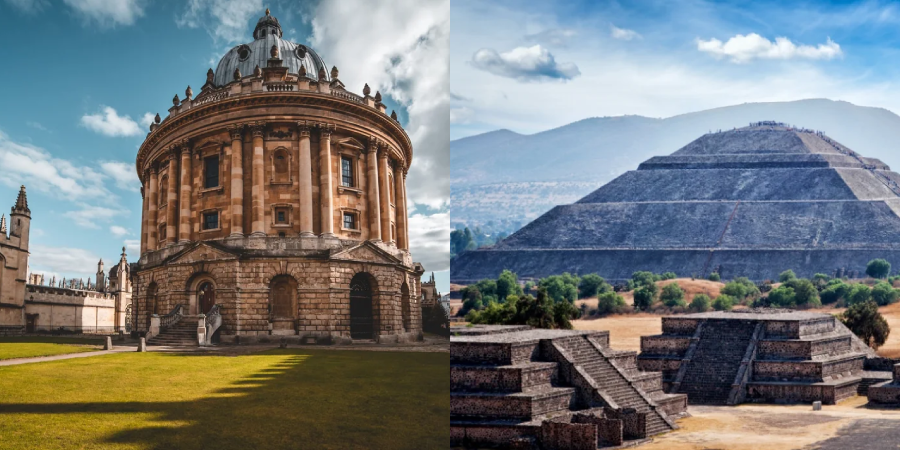
Oxford University began teaching students as early as 1096, and it was a well-established institution by the time the Aztec city of Tenochtitlán was founded in 1325. This means that for over 200 years, students were studying Latin and theology in England before the Aztec Empire even existed. It’s a stunning example of how different our global historical timelines can be.
Want more fun facts?
Learning these fun facts is a great reminder that the world is much more complex and magical than we give it credit for. Sometimes the things that sound the most like “fake news” are actually the most profound truths our planet has to offer. If you love having your mind blown by the unexpected, be sure to check out these 20 Ocean Facts That Might Spark Thalassophobia, or these 20 Animal Facts That Prove Our World Is More Mysterious Than We Thought. You can also enjoy these 20 Mind-Bending Facts About the Human Brain That Most People Don’t Know.