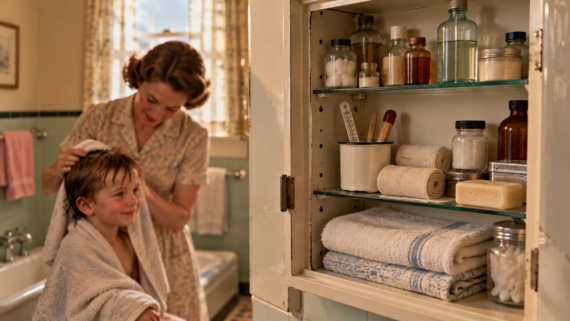
American households once seemed to have a medical rule for every minor ailment: never go outside with wet hair, wait before swimming after lunch, tilt your head back during a nosebleed, and whatever you do, don’t swallow your gun. Many of these warnings were passed down from parents to children as if they were established scientific facts.
Some were harmless folklore, while others were once accepted medical advice that changed as researchers learned more. From questionable first-aid remedies to myths that made ordinary childhood activities sound dangerous, these 13 old health beliefs reveal how much our understanding of the human body has evolved.
Wet Hair Could Give You a Cold

Generations of parents warned their children that going outside with wet hair, especially in winter, was practically an invitation to catch a cold. But colds are caused by viruses, not damp hair or chilly weather alone. Going outside with wet hair might leave you shivering, but it won’t magically produce an infection. Mom was right about the cold feeling, just not the cold itself.
You Should “Feed a Cold, Starve a Fever”

This old saying suggested that people with colds should eat plenty, while anyone running a fever should avoid food. The advice has no reliable medical basis, and deliberately depriving a sick person of nutrients or fluids isn’t recommended. The myth may have stuck because fevers often suppress appetite naturally. Apparently, it was easier to turn a symptom into a treatment than to question the rhyme.
Huge Doses of Vitamin C Would Stop a Cold

At the first sniffle, many people reached for orange juice or hefty vitamin C supplements, hoping to stop a cold before it got started. Regular vitamin C use may slightly shorten colds for some people, but taking it after symptoms appear hasn’t consistently been shown to help. The enthusiasm grew after Nobel laureate Linus Pauling promoted vitamin C in the 1970s. Unfortunately, a glass of orange juice still isn’t a force field against viruses.
Milk Made You Produce More Mucus

Parents often removed milk from a sick child’s menu, convinced that dairy would create more phlegm and make a stuffy nose worse. Research hasn’t supported that claim: milk doesn’t make the body produce additional mucus. Its interaction with saliva can leave a temporary coating in the mouth and throat, which helps explain why the myth feels believable. Sometimes, the evidence is less convincing than the sensation of having just swallowed a glass of milk.
Hydrogen Peroxide Was the Right Thing to Pour on Every Cut

The bubbling and stinging of hydrogen peroxide made it seem like a powerful germ-killing treatment for every scrape and cut. But modern wound-care guidance advises against routinely using it because it can damage healthy cells and interfere with healing. Mild soap and running water are generally better choices for minor wounds. The peroxide may have looked like it was working overtime, but all that fizz wasn’t proof your skin was healing faster.
Trending on The Scroller


Butter Was a Treatment for Burns

A kitchen burn once prompted a familiar remedy: grab some butter or grease and spread it over the injured skin. The problem is that oily substances can trap heat and worsen a burn, while also complicating care. For many minor burns, the recommended first step is cool running water for about 10 minutes. Butter probably seemed soothing straight from the refrigerator, but your toast wasn’t the only thing that didn’t need it.
You Should Tilt Your Head Back During a Nosebleed
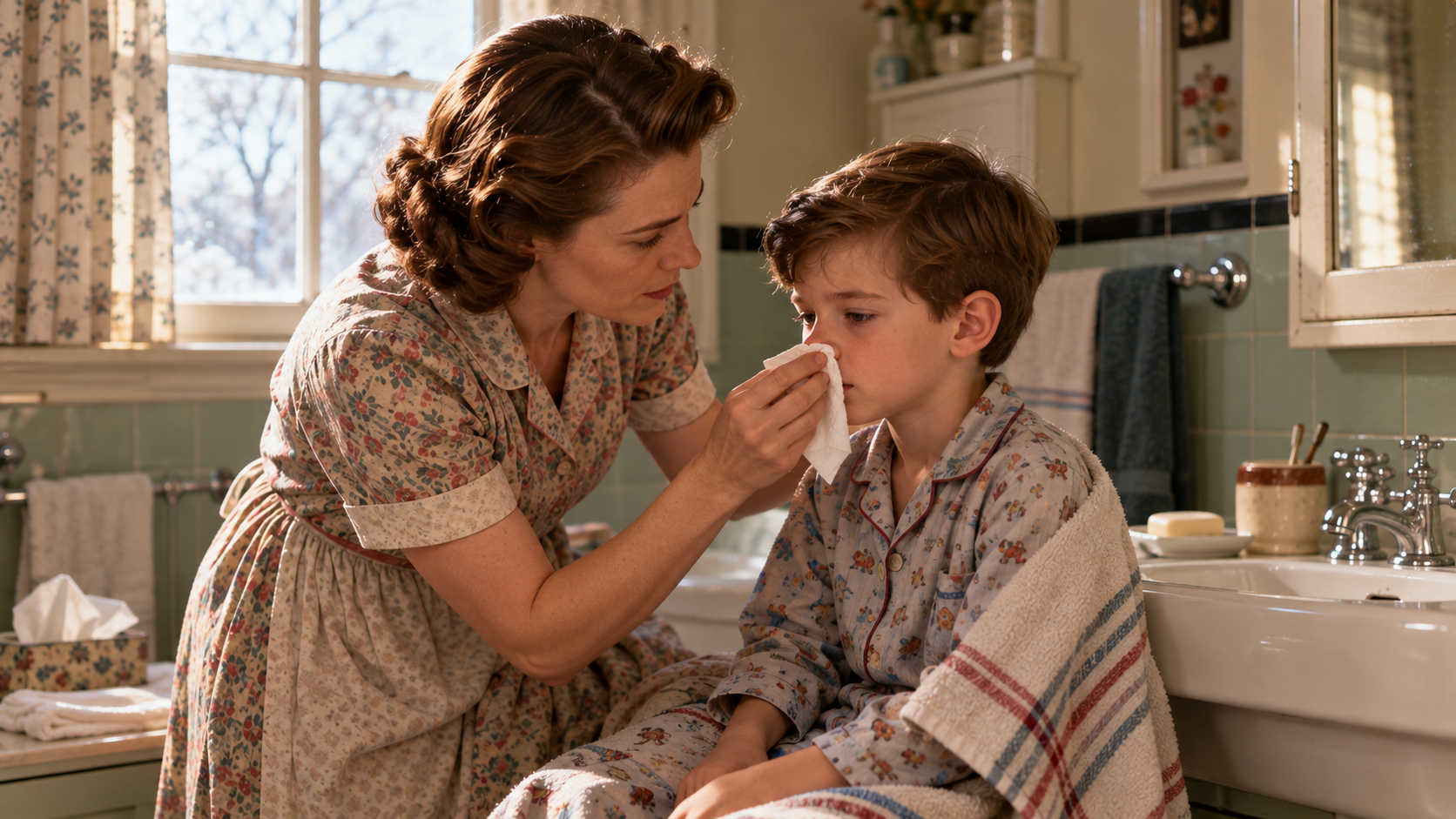
Tilting your head backward was once common advice for stopping a nosebleed, mostly because it kept blood from running down your face. Unfortunately, the blood can then flow down your throat, triggering coughing, gagging, or vomiting. The recommended approach is to sit upright, lean slightly forward, and pinch the soft part of your nose. The old method hid the mess without actually solving the problem, a rather impressive example of confusing appearances with first aid.
You Had to Wait 30 Minutes After Eating Before Swimming

Children were often made to sit on the sidelines after lunch, warned that swimming too soon could cause severe cramps and lead to drowning. The American Red Cross says there is no evidence that swimming within an hour of eating increases drowning risk, and no mandatory waiting period is generally recommended. That meant an awful lot of poolside waiting for a rule that wasn’t backed by good evidence. At least the snacks were usually worth it.
Sign up for our newsletter
Swallowed Gum Stayed in Your Stomach for Seven Years
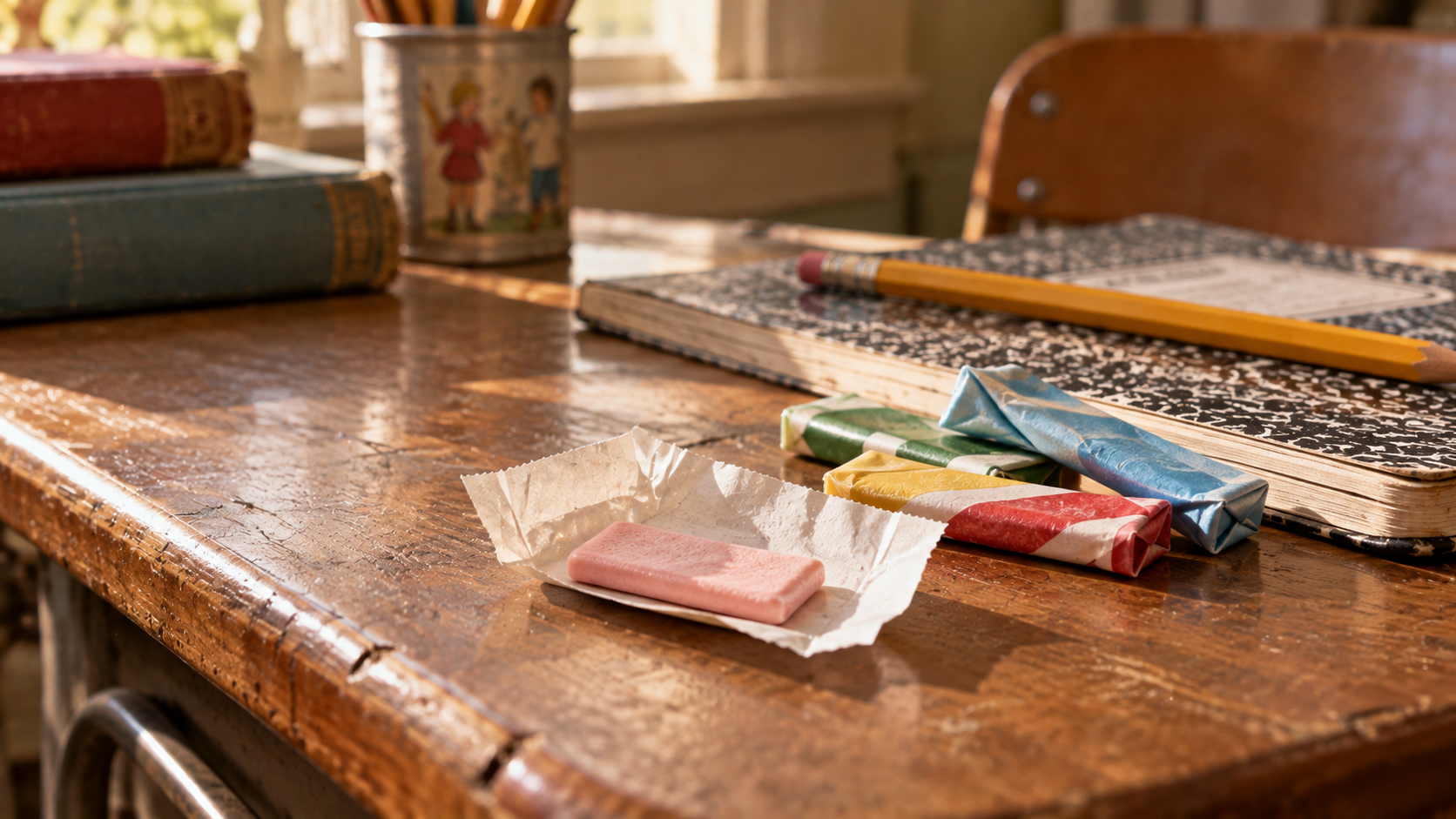
Few childhood warnings sounded more horrifying than being told that swallowed chewing gum would remain in your stomach for seven years. Your body can’t fully digest gum’s base, but it normally moves through the digestive system and leaves in stool. Rarely, swallowing large amounts can contribute to a blockage, especially in children with constipation. So swallowing gum isn’t a great habit, but there’s no need to imagine a piece celebrating its seventh birthday in your stomach.
Cracking Your Knuckles Would Give You Arthritis

That satisfying pop of a cracked knuckle was enough to earn many children a stern warning about arthritis and ruined joints. Studies haven’t found that habitual knuckle cracking increases arthritis risk. The sound is associated with changes in pressure and gas bubbles in the fluid surrounding the joints, rather than bones grinding themselves into damage. One physician even reportedly cracked the knuckles of one hand for decades to test the theory. Some people really will do anything to win an argument.
Reading in Dim Light Would Ruin Your Eyes

Reading under the covers with a flashlight often came with a warning that poor lighting would permanently damage your eyesight. In reality, dim light can cause temporary eye strain, dryness, and fatigue, but it doesn’t permanently ruin healthy eyes. Better lighting can make reading more comfortable, though it won’t necessarily make a book any less boring. Parents were right to want the lights off at bedtime; they just had the wrong medical argument.
Coffee Would Stunt a Child’s Growth

Children who wanted a sip of coffee were sometimes told it would stop them from growing. There is no established evidence that coffee directly stunts children’s height, although caffeine isn’t recommended in large amounts for kids. The myth also received a commercial boost: early-20th-century advertisements for Postum, a coffee substitute, warned that coffee could interfere with children’s development. Apparently, even growing taller wasn’t safe from a marketing campaign.
Aspirin Was a Normal Medicine to Give a Sick Child

Aspirin was once routinely used to treat children’s fevers and other illnesses, much like a thermometer was a standard household medicine-cabinet item. That advice changed after aspirin use during certain viral illnesses became associated with Reye syndrome, a rare but potentially life-threatening condition affecting the liver and brain. Current guidance warns against giving aspirin to children with illnesses such as the flu or chickenpox unless specifically directed by a clinician. This wasn’t just an old wives’ tale: it was once ordinary medical practice, and a reminder that accepted advice can change for very good reasons.