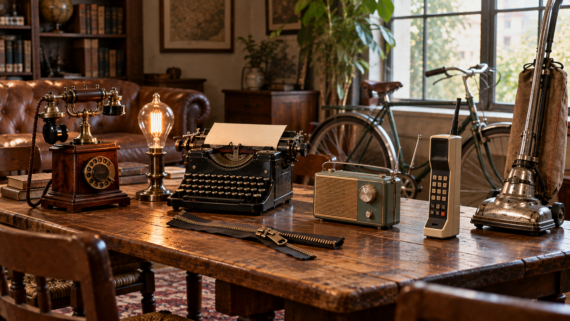
Many everyday objects are so familiar that it’s so hard to imagine life without them. But before they became household staples, items like refrigerators, electric lights, and pocket radios were impressive inventions that changed how people lived. Some were expensive, others took years to catch on, and few required people to rethink their daily routines entirely. These 15 everyday items were once cutting-edge technology, even if their modern equivalents seem pretty ordinary today.
The Telephone
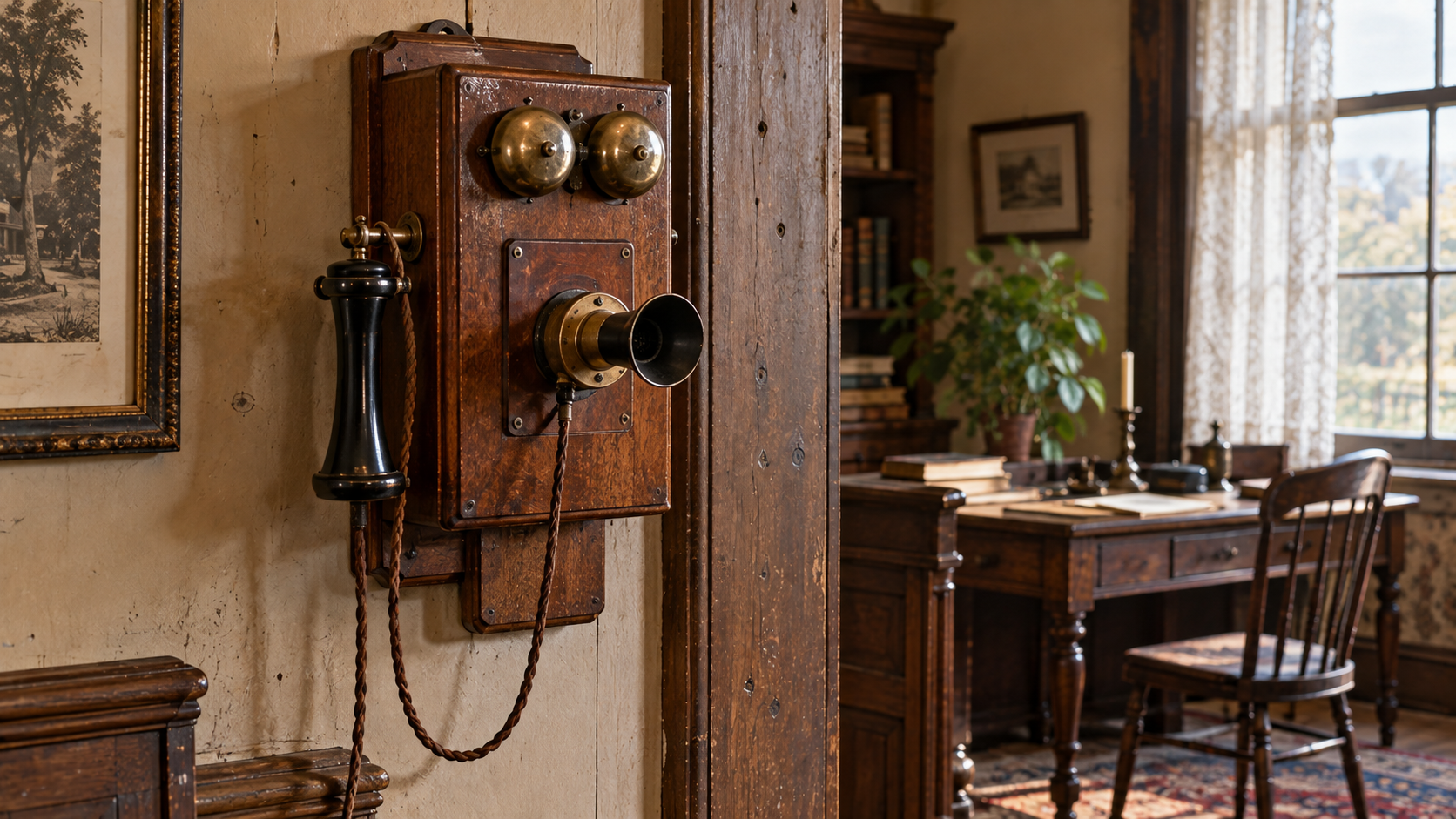
When Alexander Graham Bell received his telephone patent in 1876, transmitting recognizable speech through electrical wires was a remarkable achievement. The invention transformed long-distance communication, allowing people to speak without traveling or relying on written messages. Today, we can call someone on the other side of the planet, only to have it go to voicemail.
The Electric Light
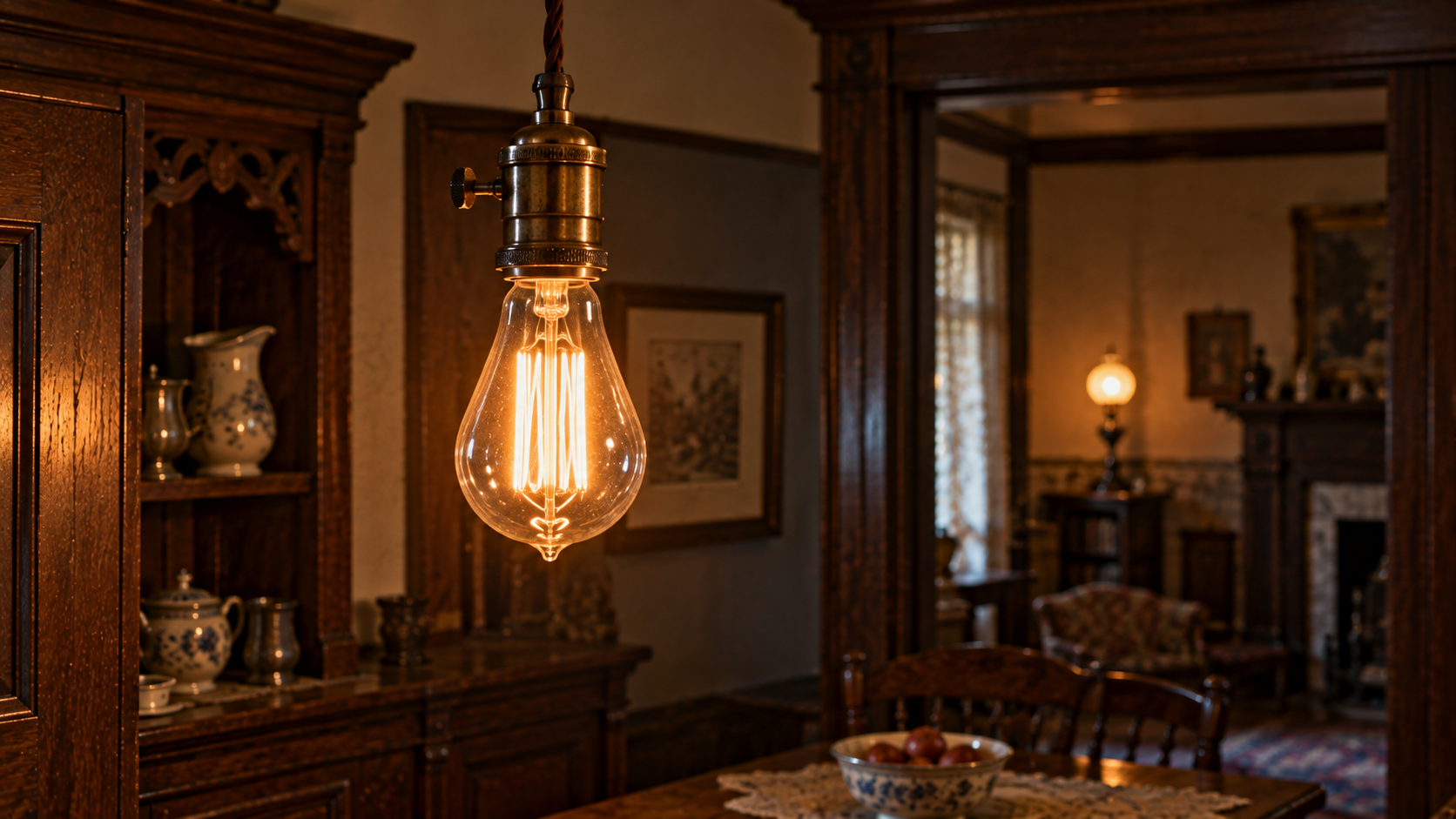
Electric lighting gradually replaced candles, oil lamps, and gas lighting, transforming homes, businesses, and city streets. Electricity was installed at the White House in 1891, although President Benjamin Harrison and his wife reportedly avoided operating the unfamiliar switches themselves.
The Sewing Machine
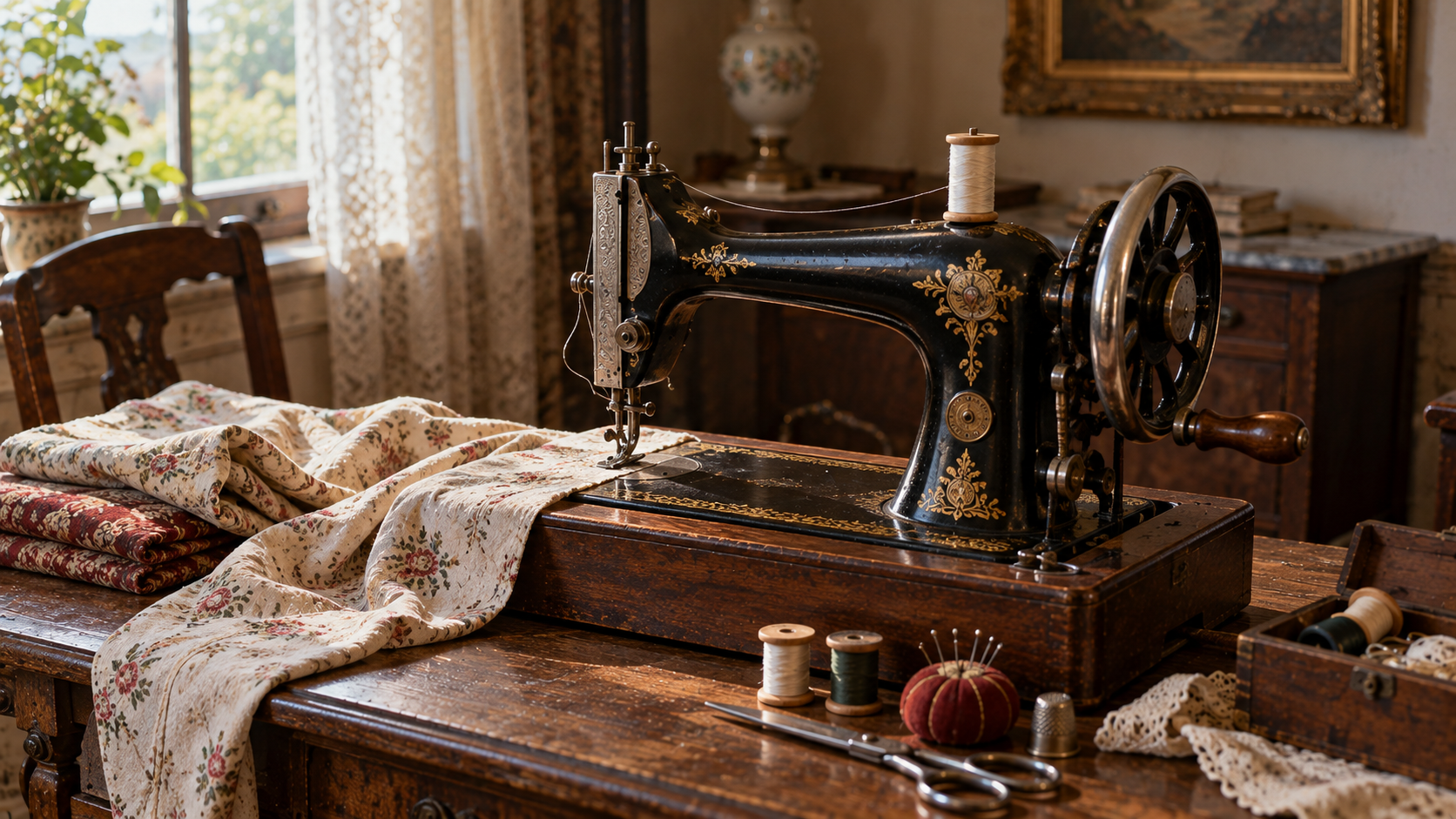
The sewing machine transformed clothing production by making it possible to stitch fabric much faster than by hand. As machines became more affordable and practical for domestic use, sewing became less labor-intensive and clothing production more efficient. Fashion became faster, although explaining to your relatives why you needed another outfit remained a timeless problem.
The Typewriter
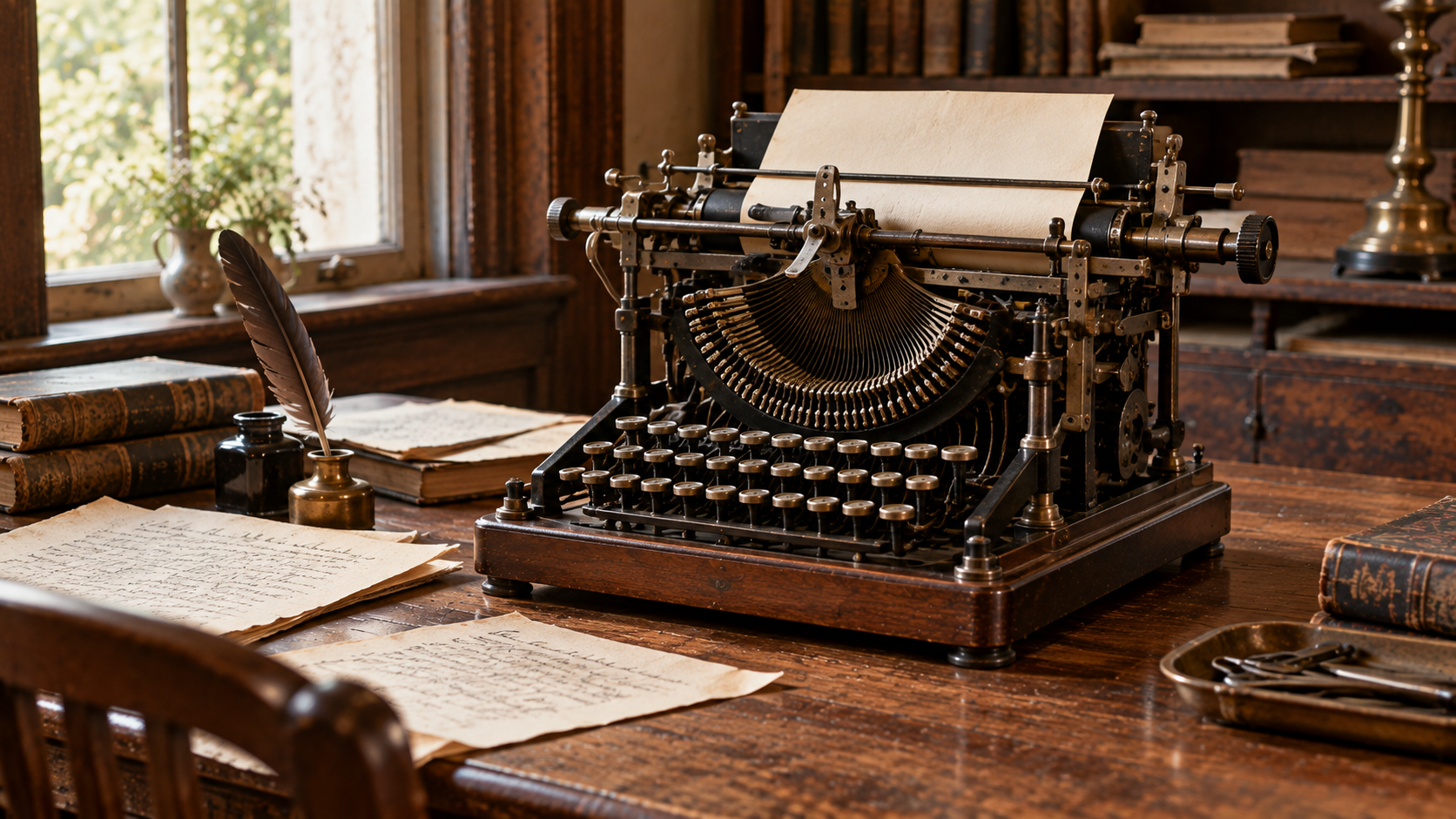
The Sholes and Gidden typewriter entered production in 1873, with early Remington No. 1 models reaching the market in 1874. It offered a faster, more uniform alternative to handwriting, eventually becoming a fixture in offices and newsrooms. The original autocorrect was a secretary with a red pencil and absolutely no patience.
The Zipper
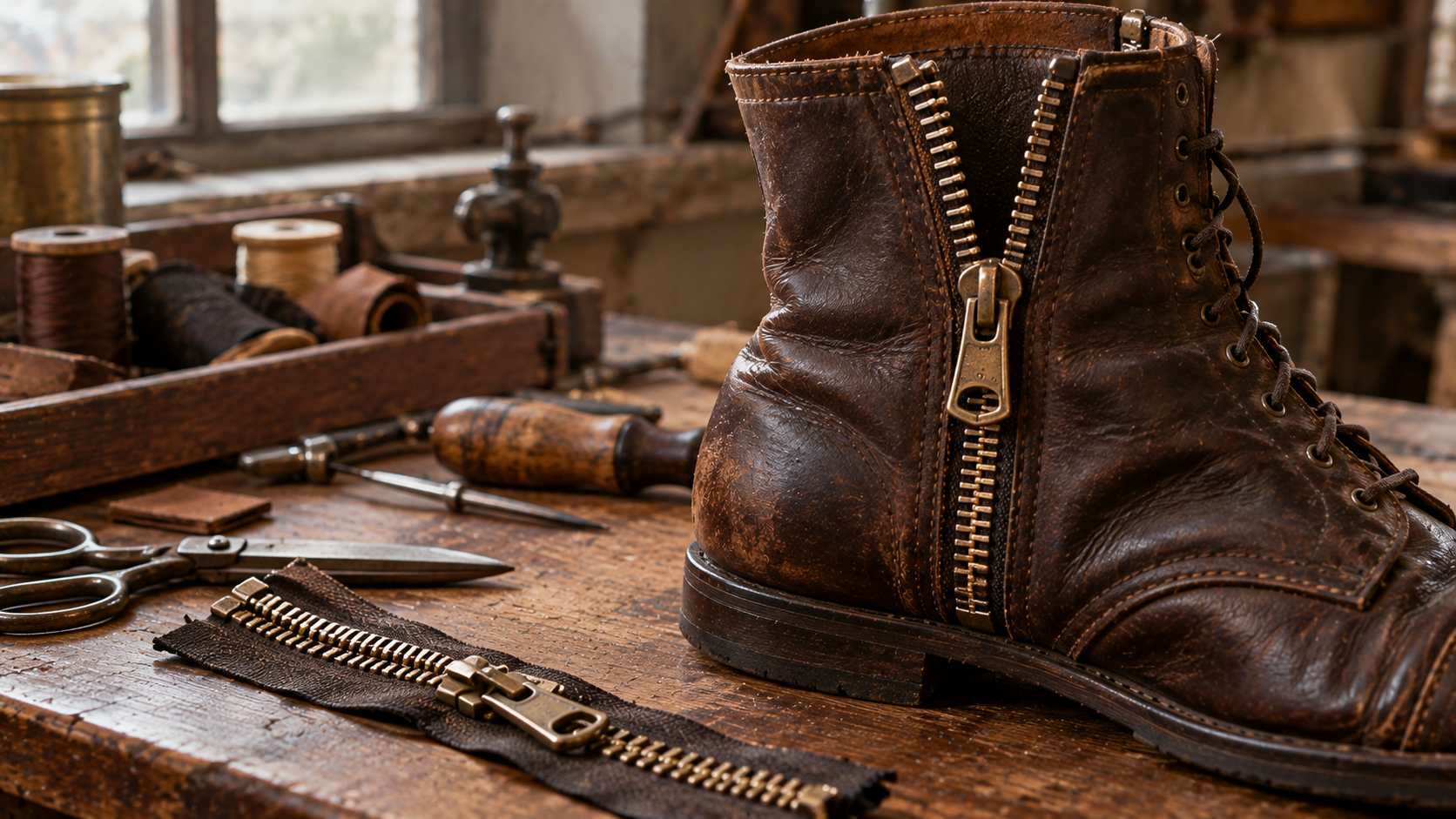
Gideon Sundback developed a more practical zipper design in the 1910s, using interlocking metal teeth and a sliding mechanism. Early versions appeared on boots and tobacco pouches before zippers became common in clothing during the 1930s. It took decades of engineering to invent a tiny device that can still ruin your morning when it gets stuck.
Trending on The Scroller

The Vacuum Cleaner
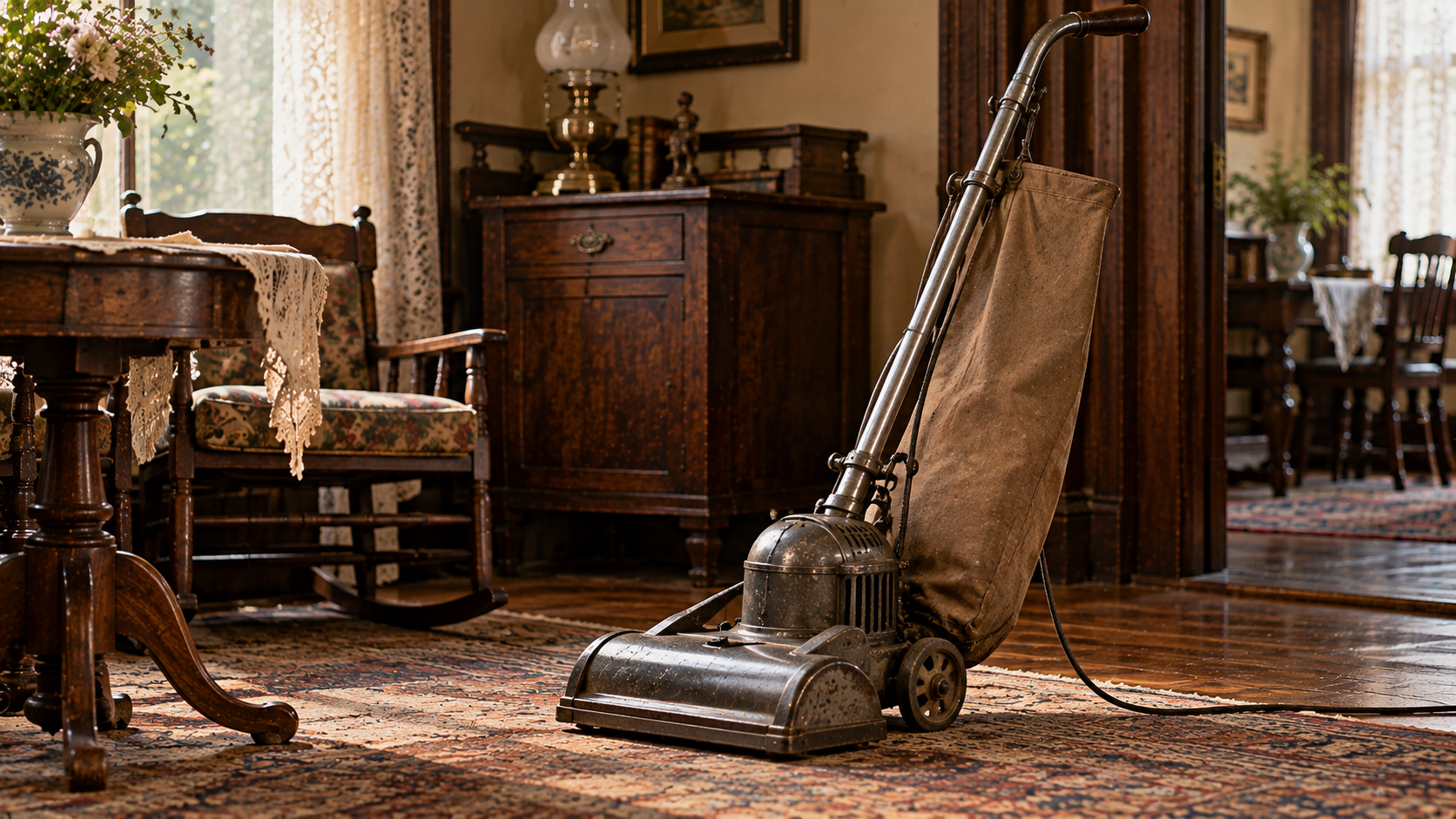
In 1907, James Murray Spangler developed an electric suction sweeper, which later helped inspire the vacuum cleaners marketed by Hoover. These machines offered a new way to remove dust without relying entirely on manual sweeping and beating rugs. The first electric vacuum was basically a household appliance with the marketing budget of a Victorian butler.
The Automatic Toaster
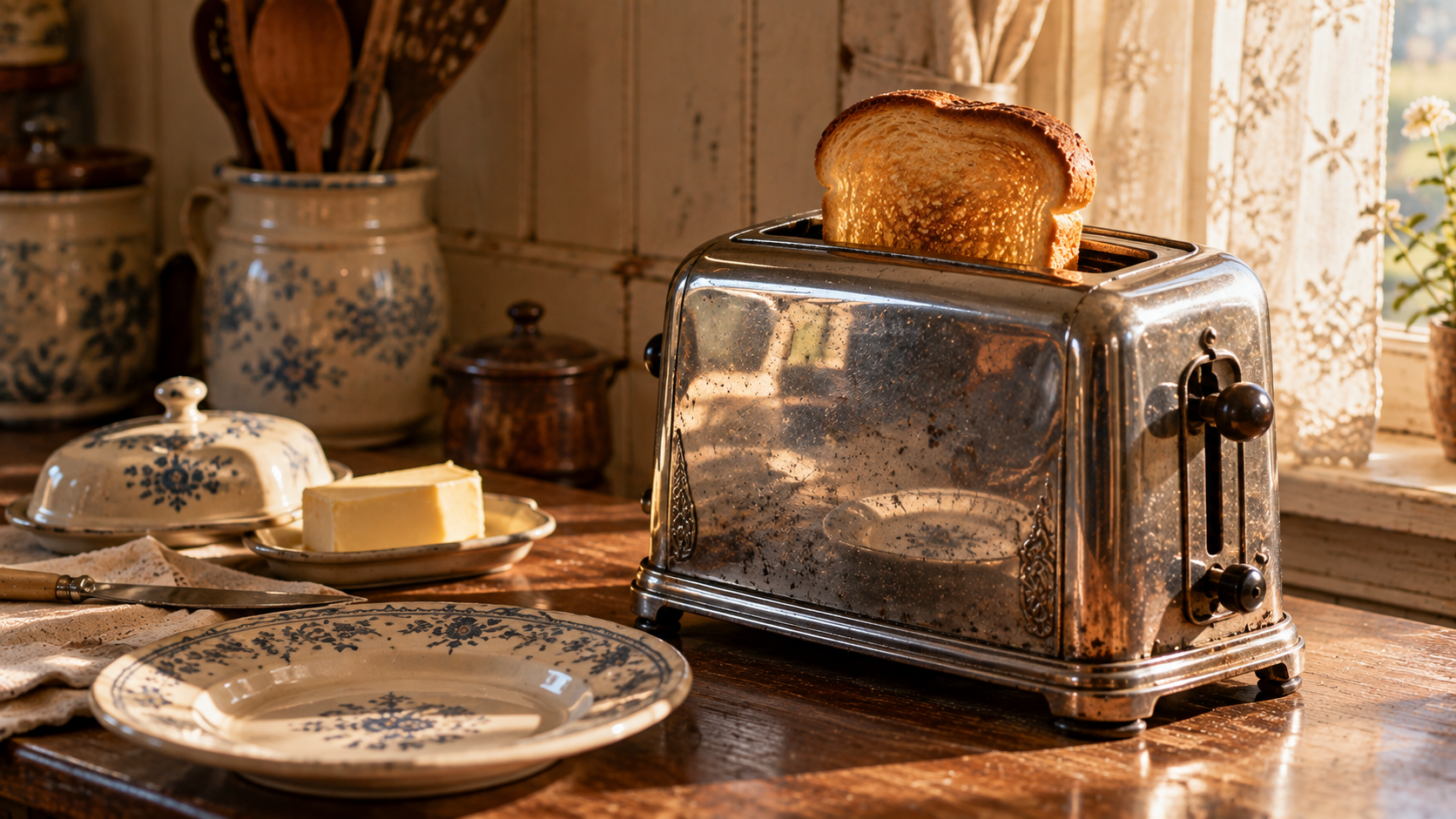
Early electric toasters heated one side of a slice of bread at a time, forcing users to flip it manually. The introduction of an automatic pop-up toaster in 1926 made breakfast easier by toasting both sides and ejecting the finished slice. Humanity finally conquered the art of making toast without standing there flipping bread like a medieval chief.
The Electric Refrigerator
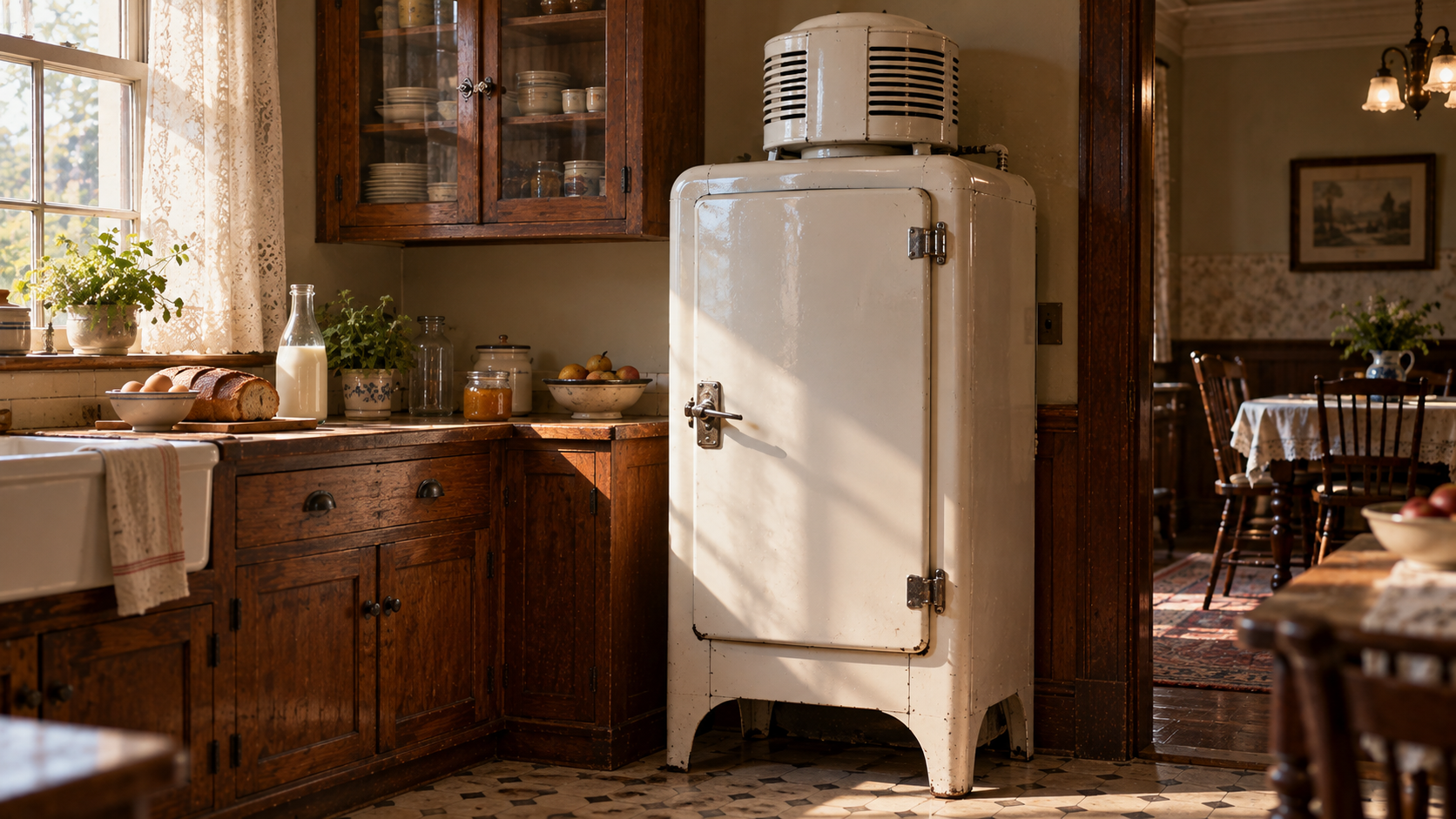
The first electric refrigerators were expensive and sometimes unreliable, but models such as General Electric’s Monitor Top, introduced in 1927, helped bring refrigeration into American homes. They transformed food storage, grocery shopping, and the ability to keep leftovers for later. Leftovers became possible. So did forgetting them in the back of the fridge until they developed their own civilization.
Sign up for our newsletter
The Window Air Conditioner
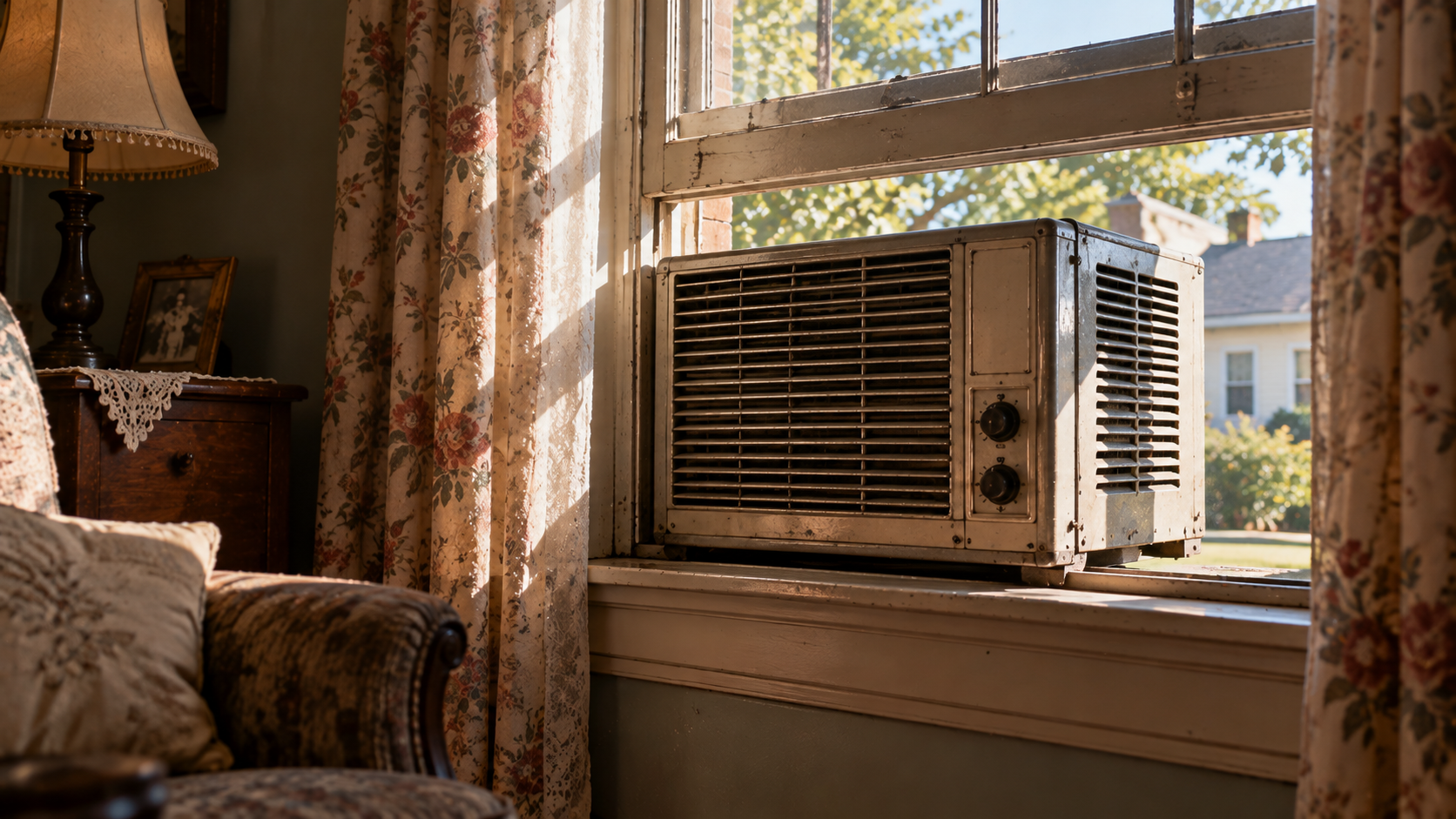
Early air-conditioning systems were large installations designed mainly for commercial and industrial spaces. Compact room and window units began appearing in the 1930s and became more attainable for households after World War II. They made it possible to cool individual rooms without installing an enormous system throughout the house. For the first time, you could fight summer without moving to another country or sleeping inside the refrigerator.
The Microwave Oven
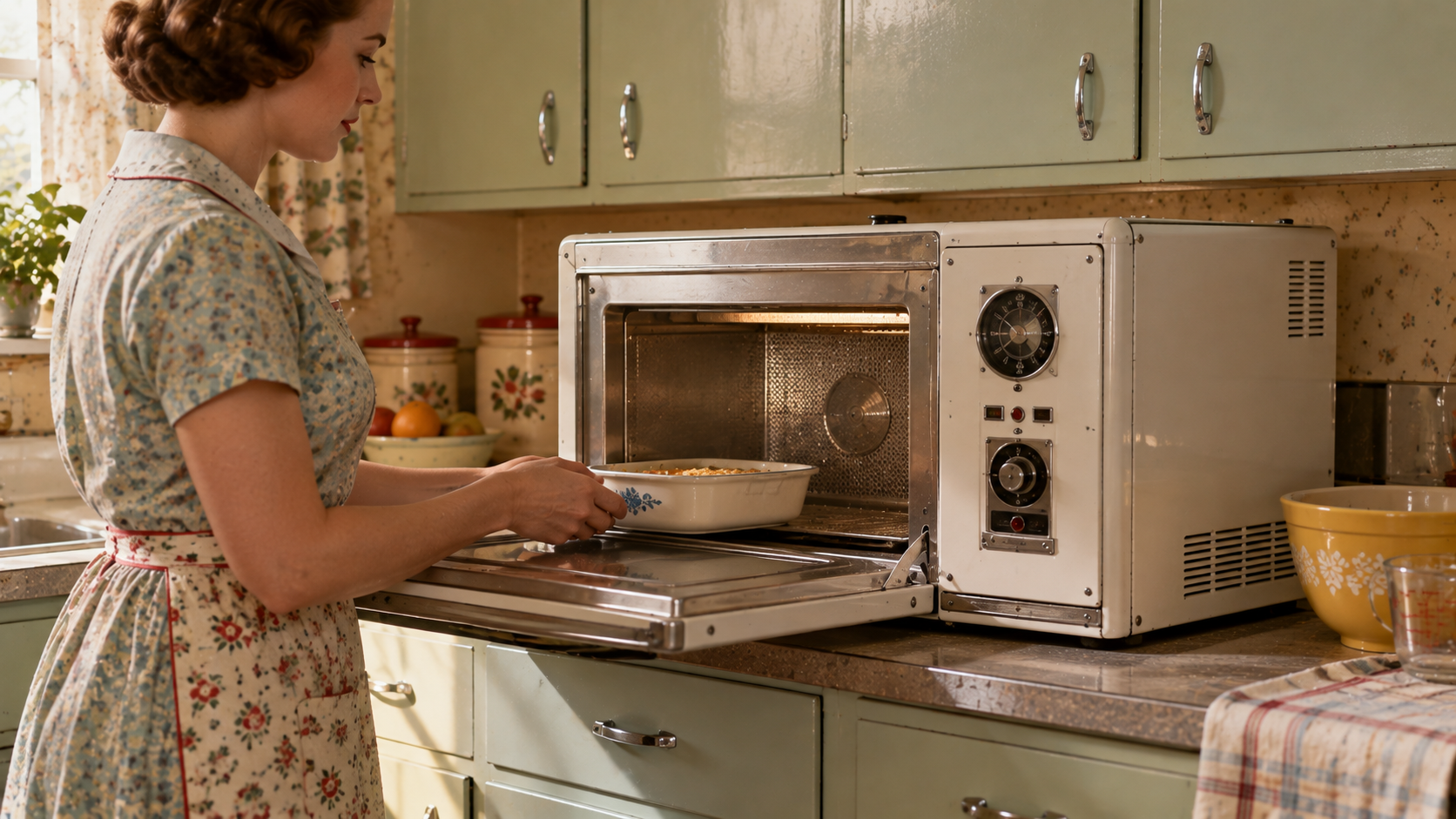
Microwave ovens emerged from radar-related technology, with early commercial models arriving long before the appliance became commonplace. Tappan introduced its RL-1 model in 1955 at a price of $1,295, and only 34 units were produced during its first year. Paying $1,295 to heat food sounds ridiculous now. Paying that much to discover your leftovers are still cold in the middle sounds worse.
The Pocket Radio
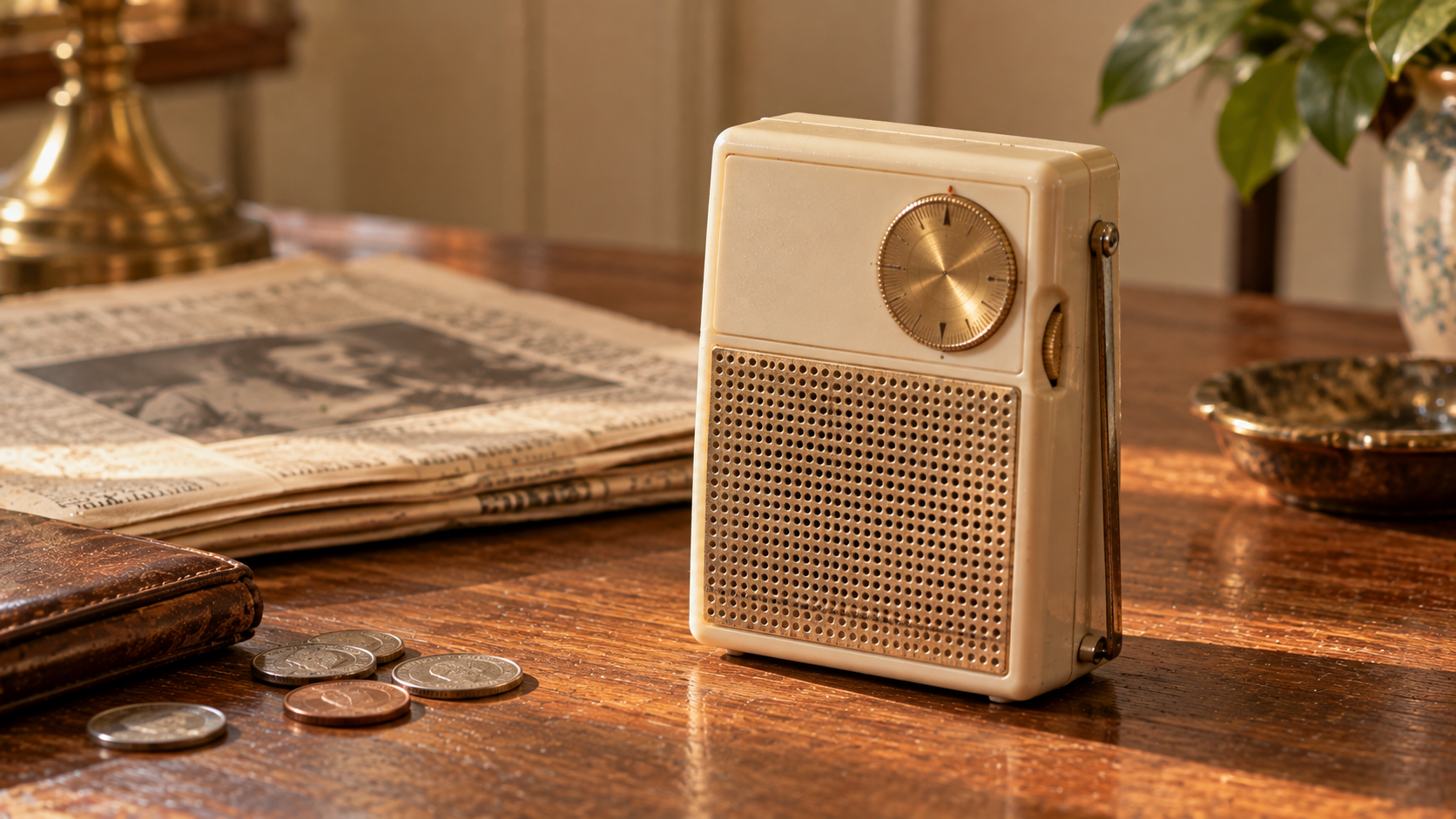
The Regency TR-1, introduced in 1954, was the first commercially successful transistor radio and made portable personal listening much more practical. Its compact design offered an alternative to the larger radios that had traditionally occupied a fixed place in the home. People could finally carry their favorite music around. Little did they know they were rehearsing for decades of walking around with headphones on.
The Pocket Calculator
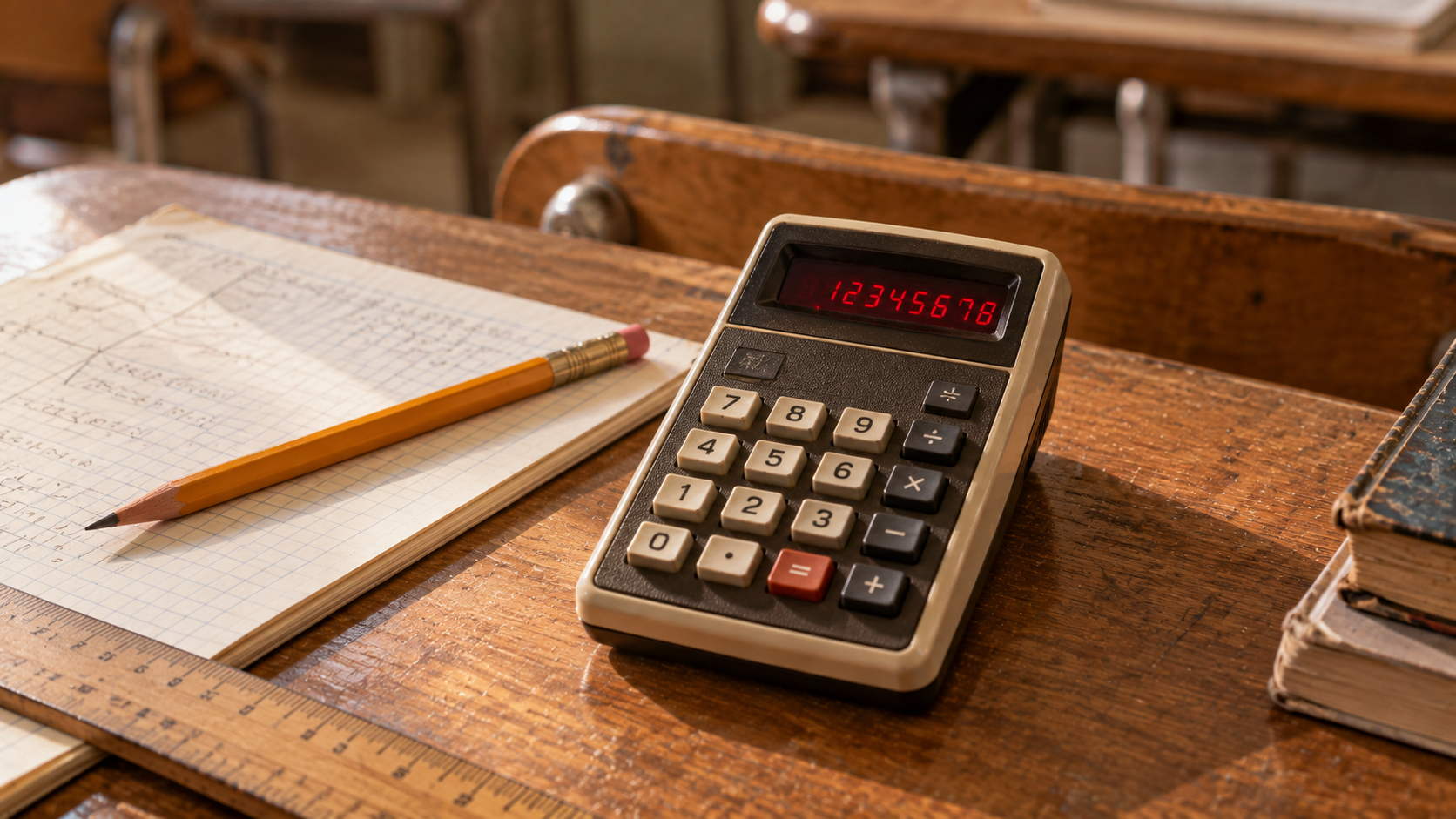
Early calculators were bulky desktop machines, but advances in integrated circuits, displays, and batteries eventually made pocket-sized models possible. Prices fell throughout the 1970s, bringing electronic calculation within reach of more students and professionals. It could solve complicated equations in seconds, but it couldn’t explain why you still got a C in algebra.
The Digital Watch
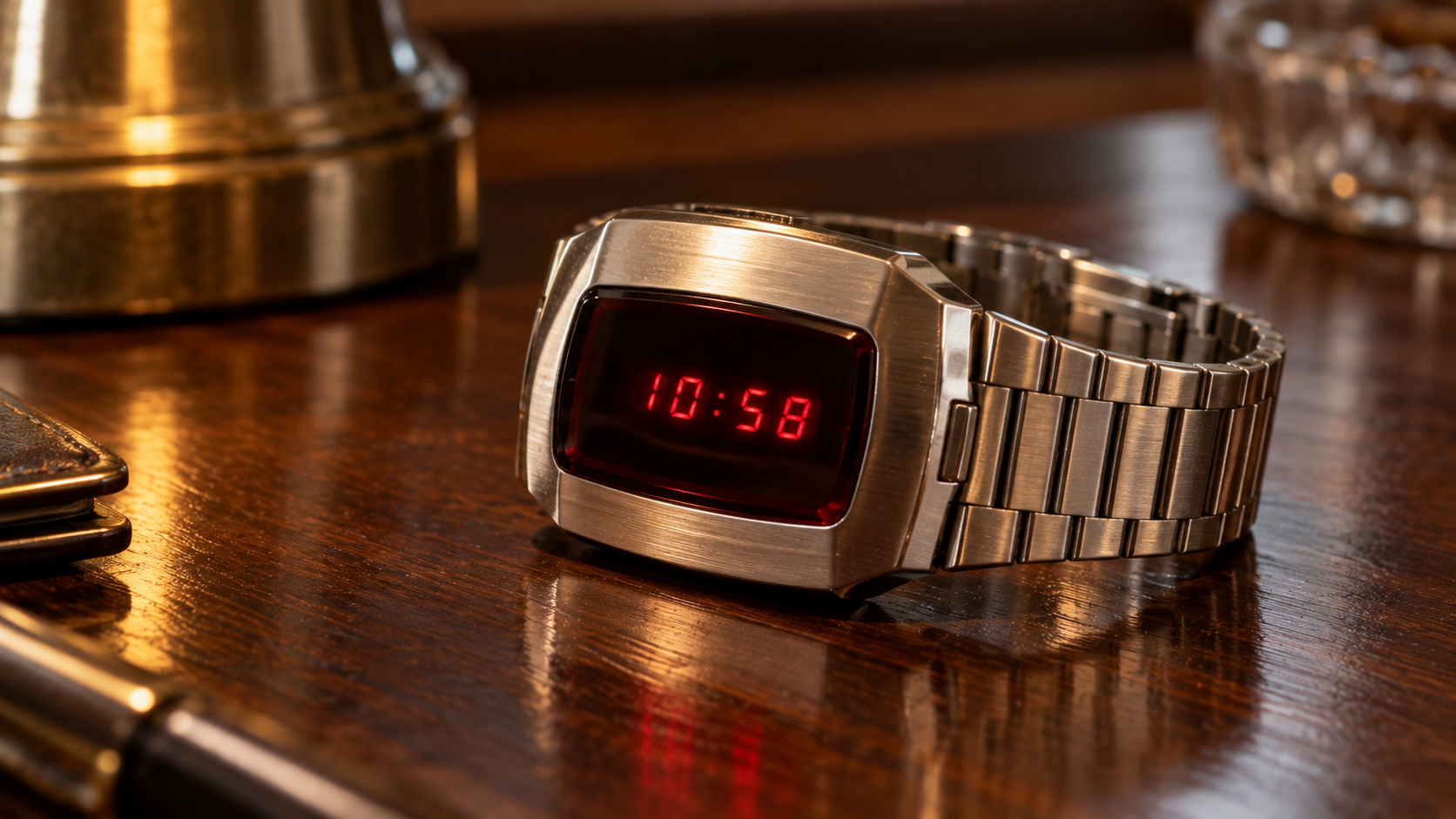
Hamilton unveiled the Pulsar digital watch in 1970, presenting it as a futuristic wrist-worn electronic device. Primitive models relied on complex electronics, while later advances made digital watches smaller and more practical. By 1974, an LCD digital watch had become the first commercial product to put an entire electronic system on a single silicon chip. A wristwatch with thousands of electronic connections was cutting-edge technology. Today, we’d complain if it couldn’t count our steps.
The Handheld Cell Phone
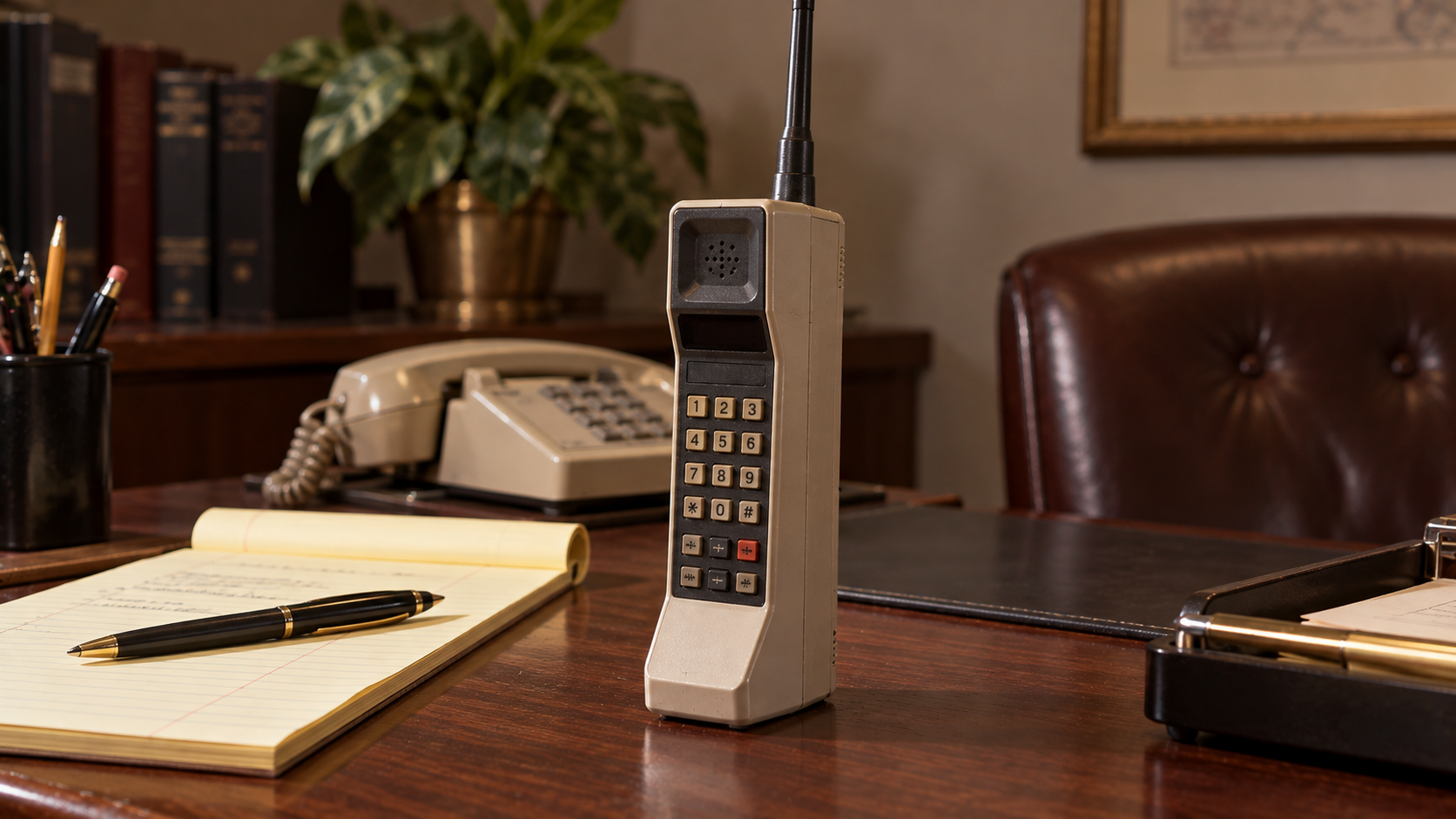
Motorola’s DynaTAC 8000X became commercially available in 1984. It weighed around 28 ounces, offered roughly 30 minutes of talk time, and cost approximately $4,000. Despite its size and price, it represented a major step toward mobile communication. For around $4,000, you could carry a brick that made calls for 30 minutes. And people thought they were getting a bargain.
The Bicycle
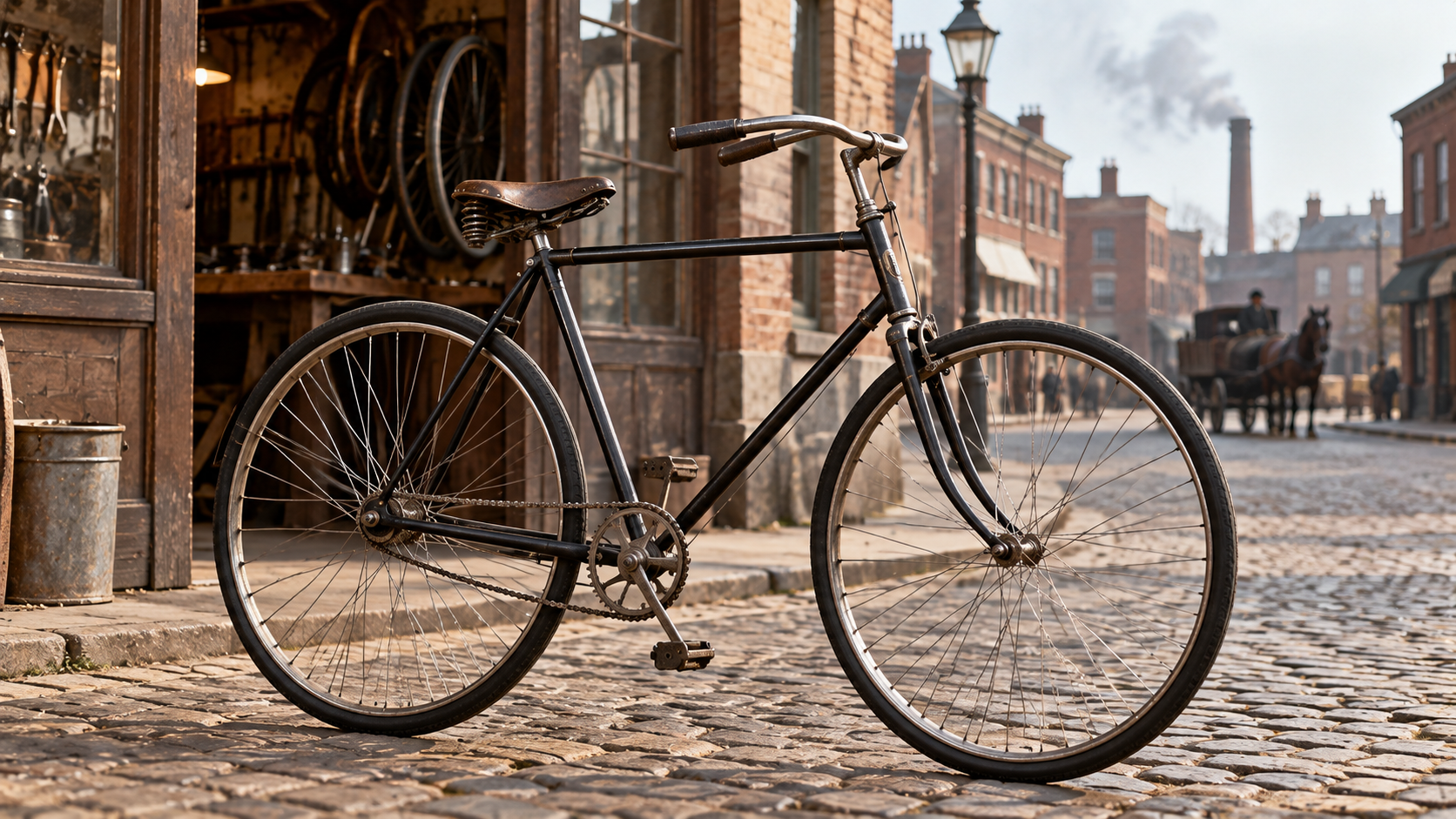
The safety bicycle of the 1880s replaced earlier designs with a much more practical arrangement of two similarly sized wheels and a chain drive. Improvements in metalworking, bearings, chains, pneumatic tires, and lighter frames helped make cycling safer and more accessible. The safety bicycle made riding less like a circus stunt and more like a practical way to get somewhere without risking a spectacular fall.