A familiar English word can mean something very different once it crosses a border. Order a biscuit in another country, and the food on your plate might look nothing like what you expected. The same confusion happens with clothing, sports, everyday objects, and even schools, where familiar names take on entirely different meanings. Some differences are easy to explain, while others are strange enough to make travelers wonder how the words ended up so far apart.
1. Biscuits: Sweet Cookies or Fluffy Bread?
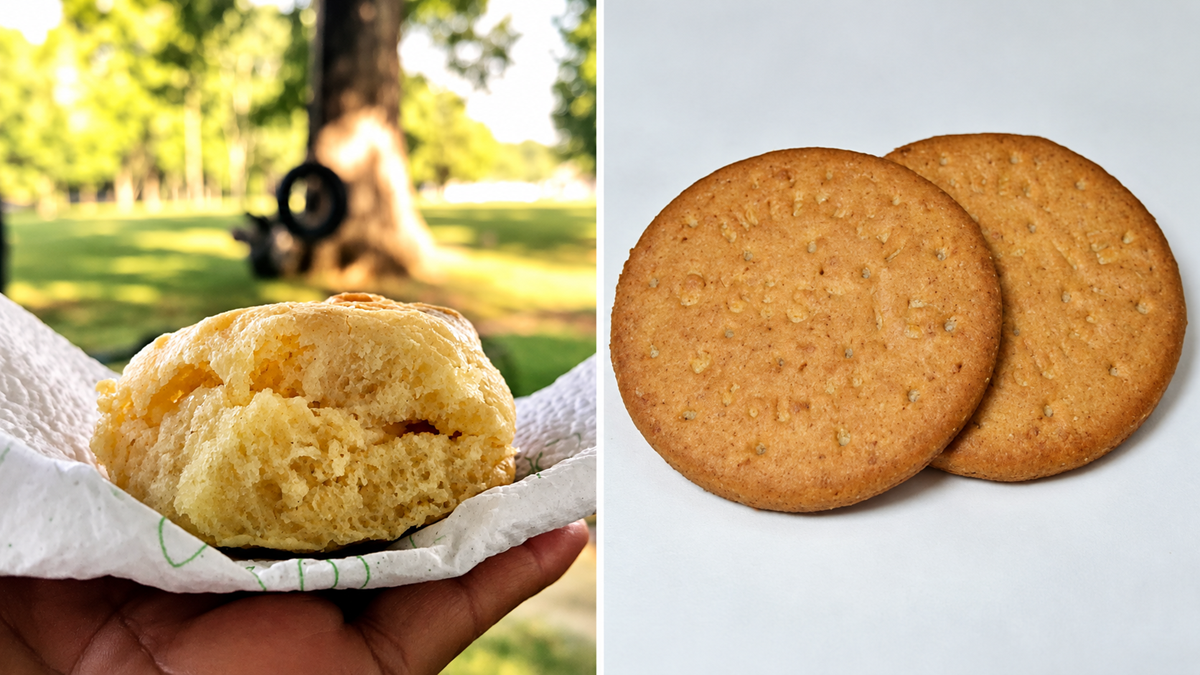
Ask for a biscuit in the United Kingdom, and you’ll probably get something crunchy, sweet, and perfect for dipping into tea. In the United States, especially in the South, a biscuit is a soft, fluffy bread typically made with baking powder or another chemical leavening agent. Americans eat them with butter, jam, or sausage gravy, sometimes as part of a full breakfast. The British version is closer to what Americans call a cookie, although the two categories don’t overlap perfectly. One word, two foods that wouldn’t look remotely alike on a breakfast table.
2. Trainers: Athletic Shoes or People Who Train Others?
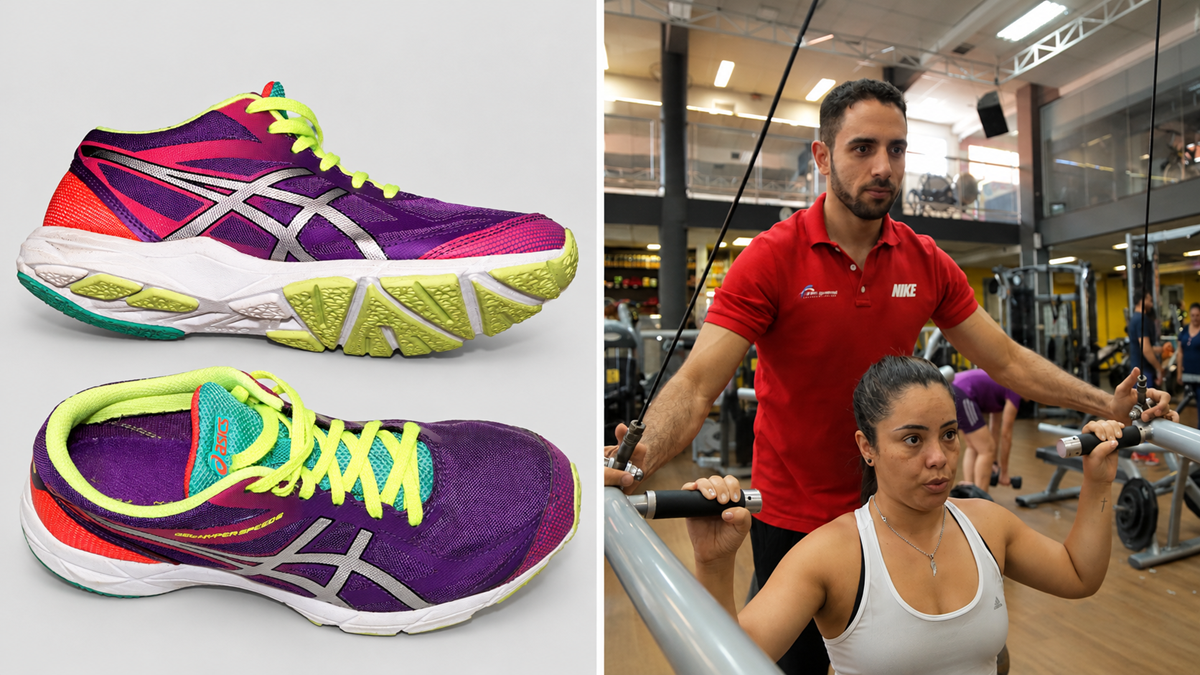
In Britain, trainers are the comfortable shoes people wear for running, exercising, or everyday activities. Americans usually call them sneakers or athletic shoes, while a trainer is more commonly a person who helps someone improve their fitness, learn a skill, or prepare for a competition. A British shopper looking for new trainers is probably heading to a shoe store, not searching for a personal fitness instructor.
3. Jelly: A Fruity Spread or a Wobbly Dessert?

A bowl of jelly in Britain is usually a colorful, gelatin-based dessert that jiggles when someone moves the plate. In the United States, jelly commonly refers to a smooth fruit spread, made from juice rather than whole fruit. It’s the kind Americans put in peanut butter and jelly sandwiches. What British people call jelly is generally known as Jell-O or gelatin dessert in the US. Both versions are sweet, but one belongs on toast, and the other usually needs a spoon.
4. First Floor: Ground Level or One Floor Above?

A hotel room on the first floor might be at street level or one story above it, depending on the country. In the United States, the first floor generally refers to the ground level of a building. In Britain, the ground floor is at street level, while the first floor is directly above it. Much of Europe follows the British system, although local terminology varies. It’s a small difference that can become surprisingly confusing when someone is trying to find an apartment, hotel room, or office.
5. Trolley: A Shopping Cart or a Streetcar?
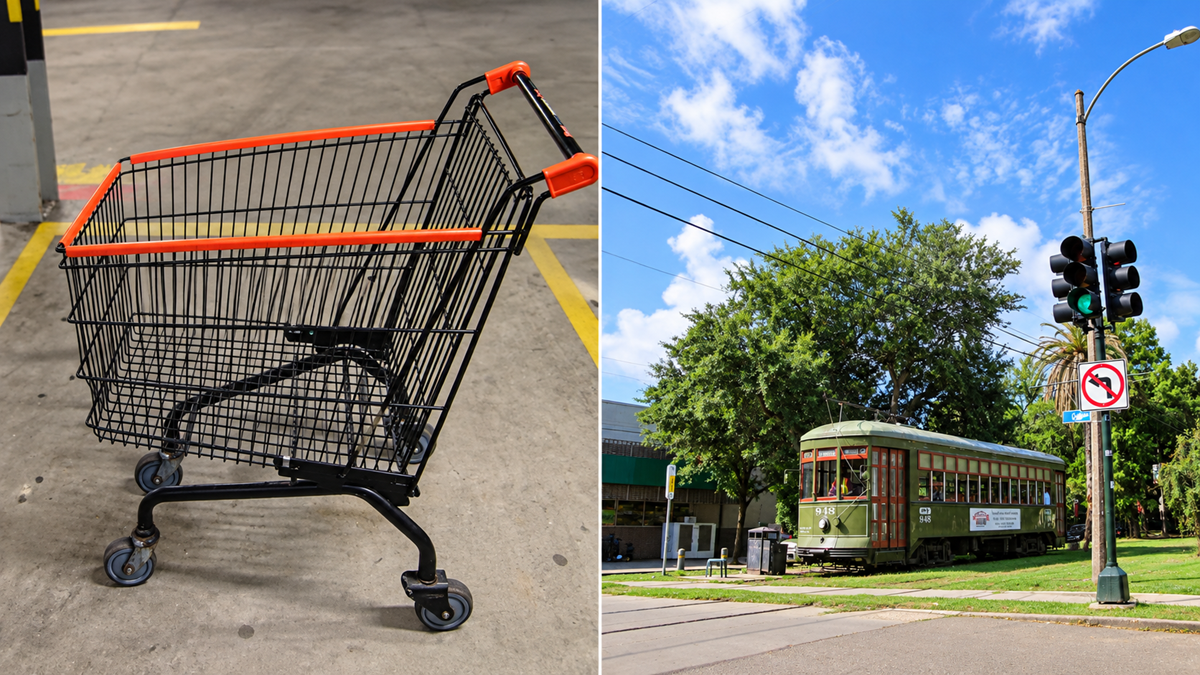
A British supermarket customer might grab a trolley before starting the weekly grocery shopping. The word commonly describes the wheeled metal cart used to carry groceries around a store. Americans usually call that a shopping cart, while trolley often refers to a streetcar or an old-fashioned electric tram. In cities such as San Francisco, tourists can still ride historic streetcars, sometimes described as trolleys. Both objects have wheels, but one carries groceries through supermarket aisles while the other transports passengers through city streets.
Trending on The Scroller


6. Boot: A Car Compartment or a Piece of Footwear?
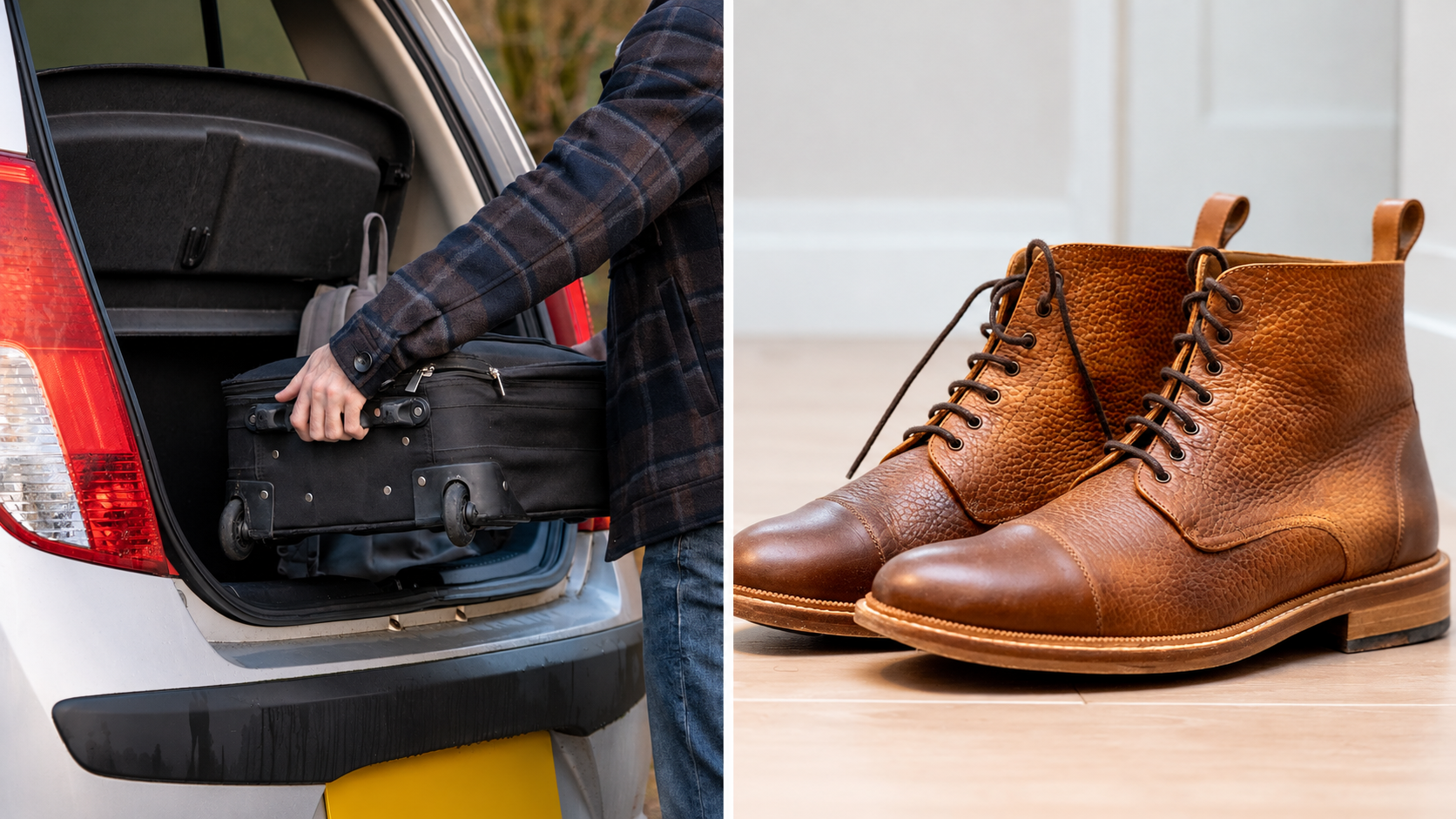
In Britain, packing bags into the boot means putting them in the storage compartment at the back of a car. Americans call that space the trunk. The word boot also refers to footwear in both countries, but American drivers rarely use it for a car’s luggage compartment. There is an additional twist in American automotive slang, where a boot can mean a wheel-clamping device used to immobilize an illegally parked vehicle. The same word can therefore describe something worn on a foot, part of a car, or a device that stops a car from moving.
7. Bonnet: A Car Hood or a Traditional Hat?
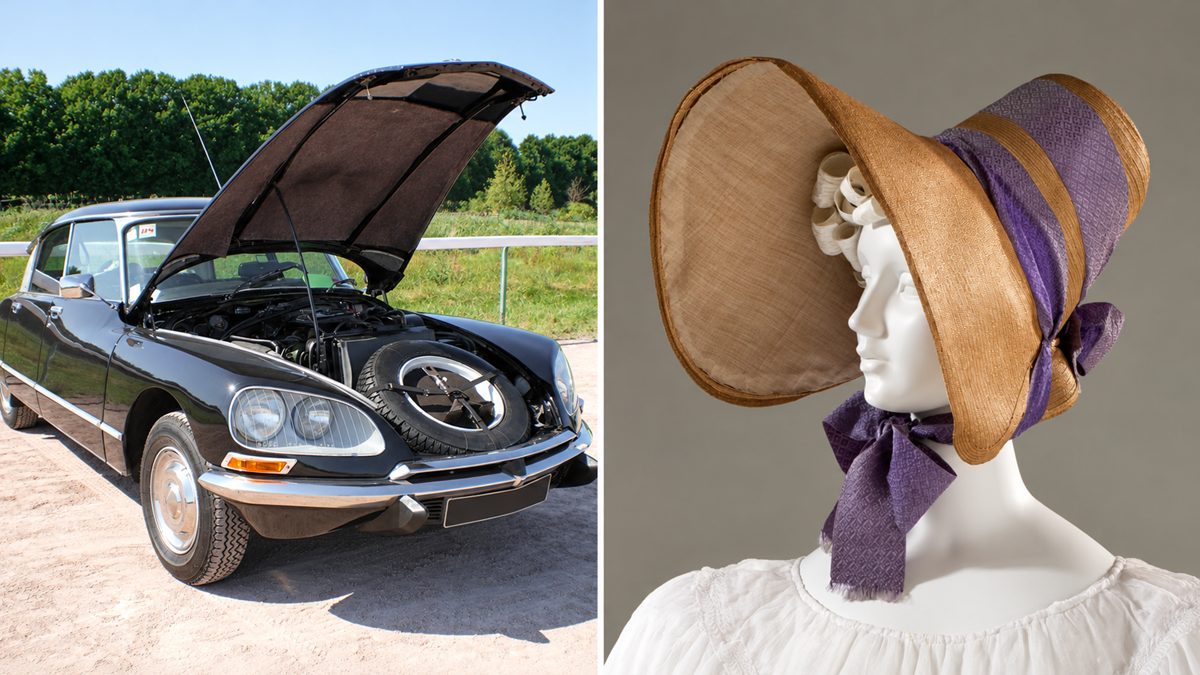
British mechanics lift the bonnet to inspect a car’s engine, while American mechanics lift the hood. In American English, bonnet is more strongly associated with a particular kind of traditional headwear, often tied beneath the chin. The word appears in descriptions of historical clothing, baby garments, and outfits associated with communities such as the Amish. British English uses bonnet for certain hats too, so the meanings aren’t exclusive. Still, an American hearing that someone damaged their bonnet in a minor accident might need a moment to understand what happened.
8. Pants: Underwear or Everyday Trousers?
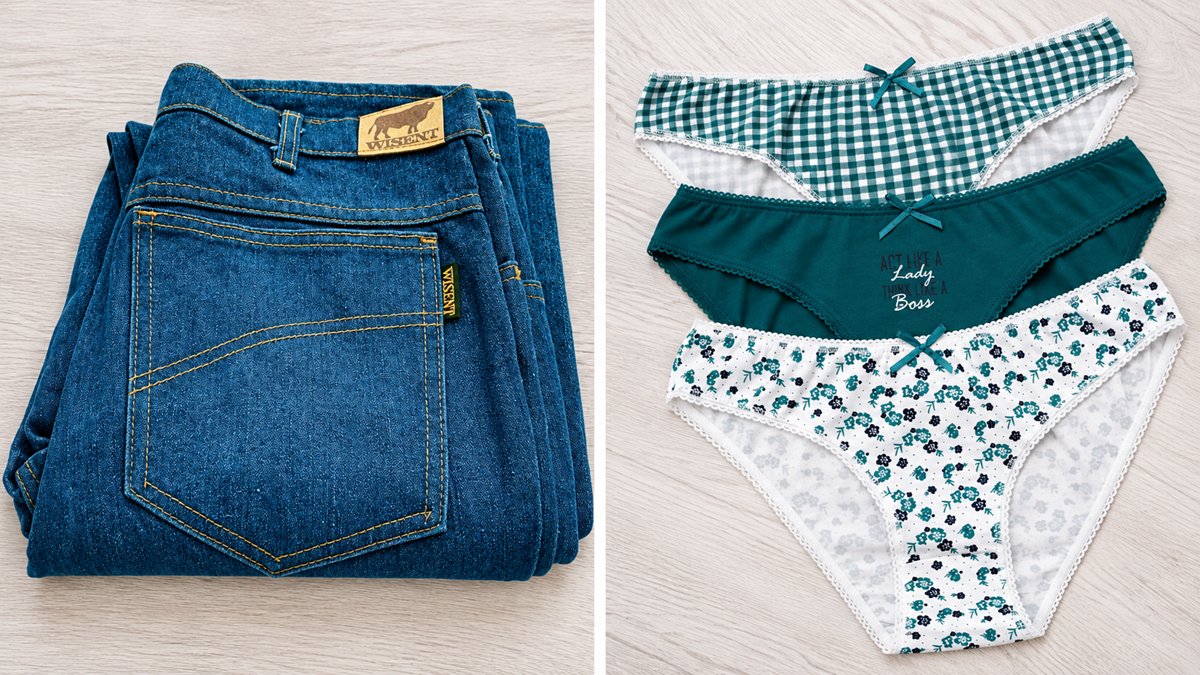
Shopping for pants in the United States is straightforward. The word refers to trousers, including jeans, chinos, and other garments worn over the legs. In much of Britain, however, pants commonly means underwear, although regional usage varies. British shoppers usually call the outer garment trousers. It’s easy to see how a casual conversation about buying new pants could become awkward, especially when neither person realizes they’re talking about different pieces of clothing.
Sign up for our newsletter
9. Jumpers: Cozy Sweaters or Sleeveless Dresses?
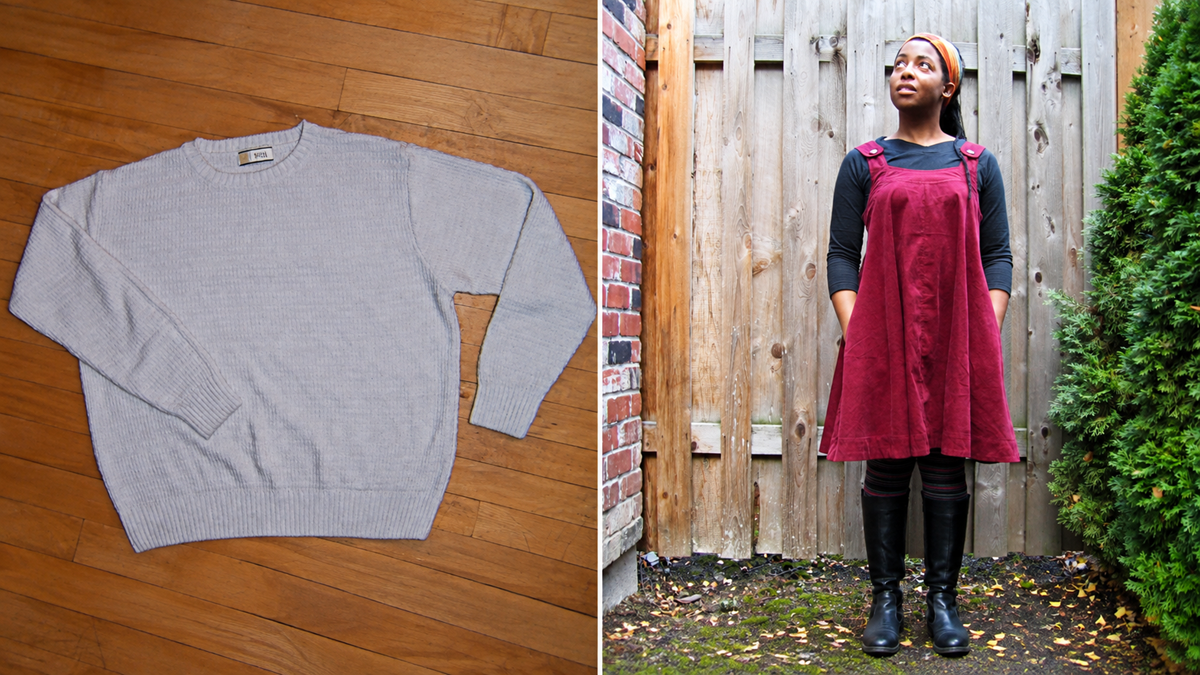
A British jumper is simply a sweater, usually knitted and worn when the weather turns cold. Americans understand the word differently, particularly in women’s clothing, where a jumper traditionally means a sleeveless dress worn over a blouse or shirt. The British garment is something an American might pull on during winter, while the American version could be part of a school uniform or a casual outfit. Both are perfectly ordinary clothes, but they’re not interchangeable.
10. Vests: An Undershirt or a Formal Layer?

In Britain, a vest is usually a sleeveless undershirt worn next to the skin. In the United States, the word commonly describes a sleeveless garment worn over a shirt, such as part of a three-piece suit. The British name for that formal garment is waistcoat. Americans also use vest for practical outer layers, including fleece vests and protective safety vests. The British meaning of underwear can make descriptions of someone wearing a vest to a formal event sound rather strange.
11. Suspenders: Holding Up Pants or Stockings?

American suspenders are straps worn over the shoulders to keep trousers from falling down. They might appear with a formal suit, vintage workwear, or even a pair of jeans. British suspenders, on the other hand, are traditionally straps attached to a suspender belt to hold up stockings. What Americans call suspenders are known as braces in Britain. It’s a distinction that matters considerably more in a clothing store than it does in a dictionary.
12. Football: Two Completely Different Sports

Few shared names cause as much international confusion as football. In the United States, football usually means the sport played in the NFL, with helmets, touchdowns, and an oval-shaped ball. In Britain and most of Europe, football refers to the game Americans call soccer. Both sports have roots in older forms of football, but they developed into games with different rules and equipment. Even the word soccer originated in Britain, as a shortening of association football, before becoming much more strongly associated with American usage. Two fans can spend an entire conversation talking about football without discussing the same sport.
13. Public Schools: Free Education or Elite Institutions?

An American public school is a government-funded educational institution, generally free for students to attend. Britain’s traditional public schools are something very different. The term historically refers to a particular group of independent, fee-charging schools, including famous institutions such as Eton College and Harrow School. These schools became associated with the country’s political and social elite, and many charge substantial tuition fees. Most government-funded schools in Britain are instead called state schools. The contrast is striking because the same phrase can describe two almost opposite educational arrangements.
14. Rubber: A School Supply or Something Personal?

In a British classroom, asking someone to borrow a rubber is completely ordinary. The word usually means an eraser, the small object used to remove pencil marks. Americans would normally call that an eraser, while rubber can be informal slang for a condom. Rubber also names the flexible material itself in both countries, so context matters. A simple request during a school lesson can sound surprisingly different to someone accustomed to American English.
15. Caravan: A Vacation Trailer or a Group of Travelers?

In Britain and Australia, a caravan is commonly a trailer equipped for sleeping, cooking, and traveling, usually towed behind a car for camping holidays. In the United States, however, caravan more often describes a group of people or vehicles traveling together, sometimes across long distances. Americans generally call the British-style vehicle a travel trailer or camper. The difference can make conversations about caravan trips surprisingly confusing, since one person might picture a mobile vacation home while another imagines a procession of vehicles on the highway.
In the mood for more?
Check out 15 Reasons People Misunderstand Each Other Constantly, or take a look at 15 Polite Gestures That Can Seem Rude in Another Country. If you want to see more curious cultural differences, you can check out 16 Countries That Surprise Americans With How Differently Everyday Life Works.