Space has a way of making perfectly reasonable numbers feel completely meaningless. Astronomers can measure distances that stretch across billions of light-years, detect radiation older than our planet, and observe objects that behave nothing like anything on Earth. Some of the strangest discoveries aren’t theories waiting to be confirmed, but well-established facts supported by decades of research. Here are 15 things about the universe that remain difficult to wrap our heads around, even when the science is settled.
1. The Observable Universe Is 92 Billion Light-Years Across
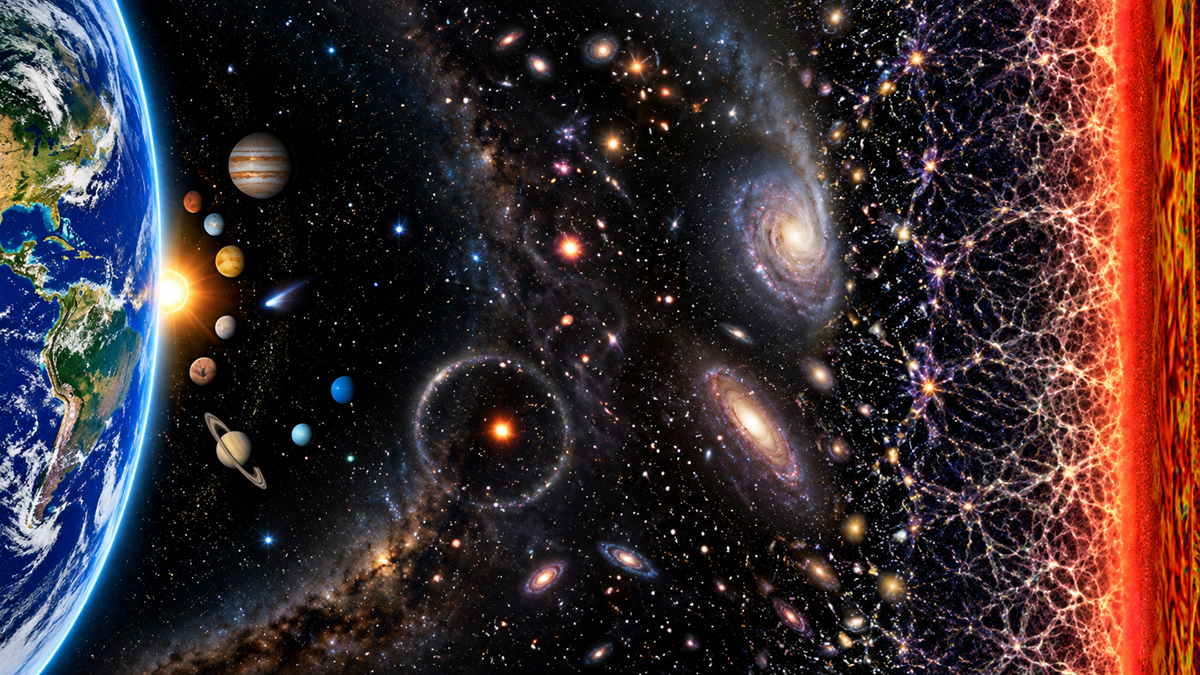
The universe is approximately 13.8 billion years old, so it might seem reasonable to assume we can only see objects 13.8 billion light-years away. But space has been expanding while light travels through it. As a result, the most distant regions we can currently observe are now roughly 46 billion light-years away in every direction, giving the observable universe a diameter of about 92 billion light-years. That doesn’t represent the full size of the universe, either. Scientists still don’t know whether the entire universe is finite or infinite.
2. Looking Into Space Means Looking Back in Time
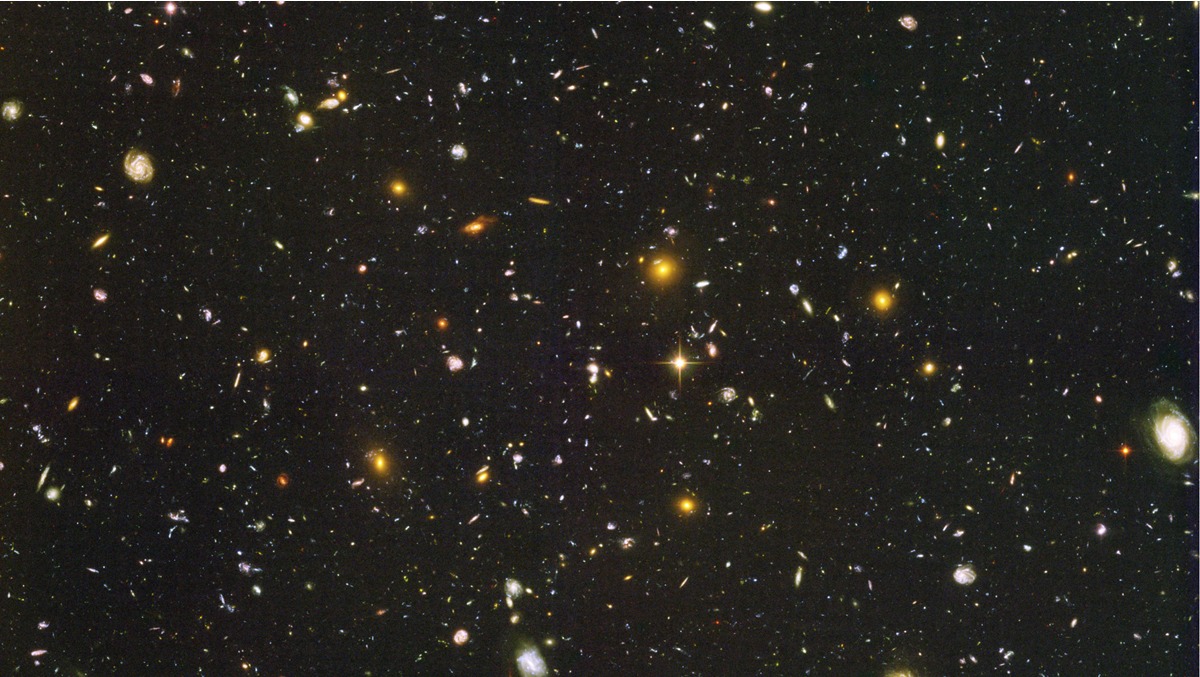
The Moon we see in the night sky is already about 1.3 seconds in the past. Sunlight takes approximately eight minutes and 20 seconds to reach Earth, while light from the nearest star beyond the Sun travels for more than four years before arriving here. The effect becomes extraordinary when astronomers examine distant galaxies. Some of the galaxies photographed by the James Webb Space Telescope appear as they were more than 13 billion years ago, long before Earth existed. Telescopes don’t simply show us distant places. They reveal different periods of cosmic history.
3. Nearly 95 Percent of the Universe Isn’t Ordinary Matter
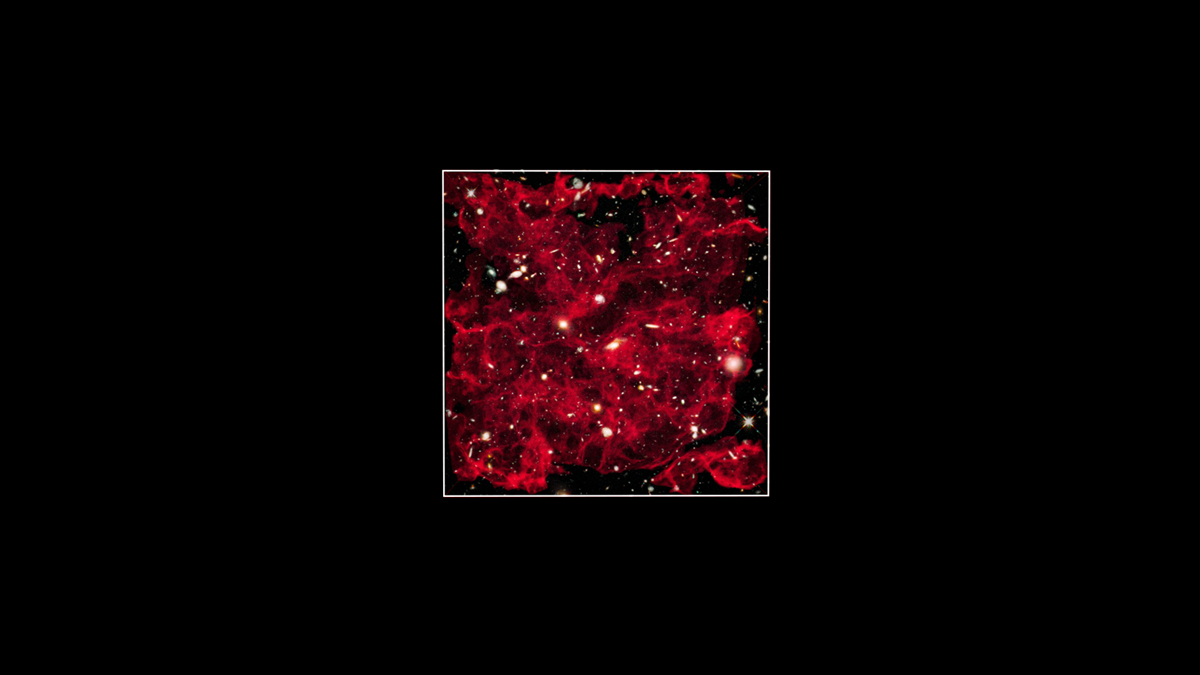
Everything familiar, including stars, planets, oceans, trees, and people, accounts for only about 5 percent of the universe’s total mass-energy content. Roughly 27 percent is attributed to dark matter, whose gravitational effects can be measured even though it doesn’t emit detectable light. Another 68 percent is attributed to dark energy, the name scientists give to whatever drives the accelerating expansion of the universe. Astronomers have considerable evidence for both components, but their fundamental nature remains unresolved. Most of the universe is made up of things that science still cannot fully identify.
4. The Sun Contains 99.8 Percent of the Solar System’s Mass
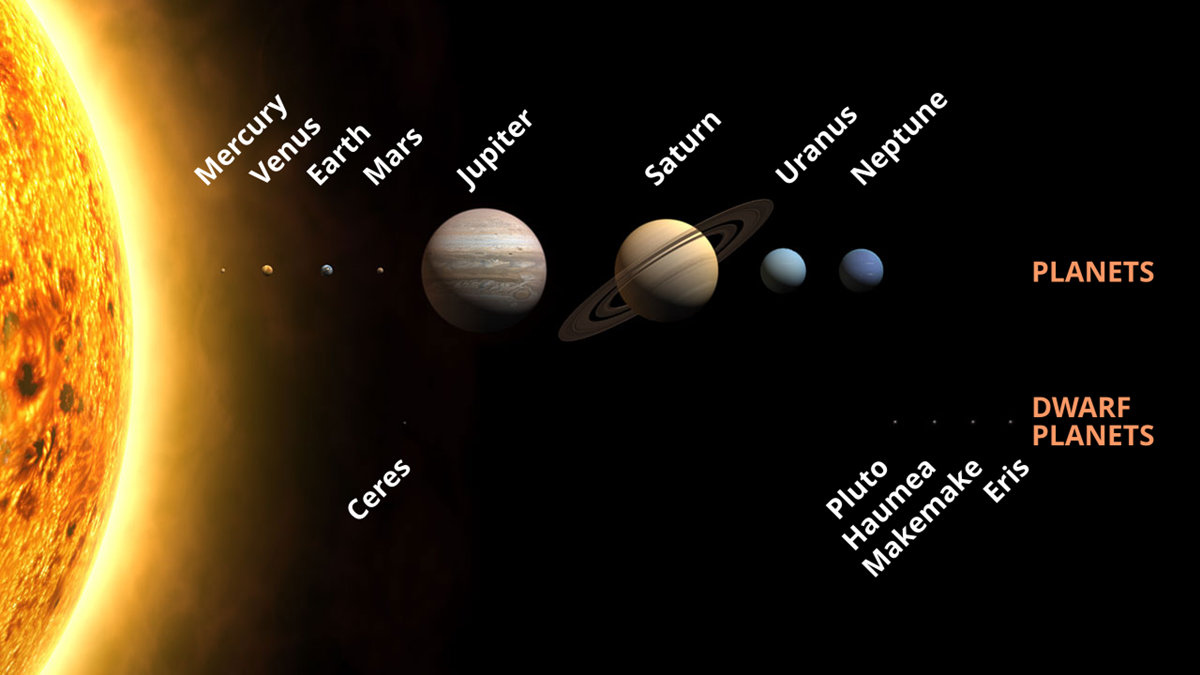
It’s easy to think of the solar system as a collection of enormous planets surrounding a star, but the distribution of mass is surprisingly uneven. The Sun alone accounts for approximately 99.8 percent of the solar system’s total mass. Jupiter, Saturn, Earth, and every other planet, moon, asteroid, and comet share the tiny fraction that remains. Even Jupiter, the largest planet, contains less than one-thousandth of the Sun’s mass. That enormous imbalance helps explain why the Sun’s gravity governs the motion of almost everything in our planetary neighborhood.
5. A Neutron Star Can Pack More Mass Than the Sun Into a City-Sized Sphere
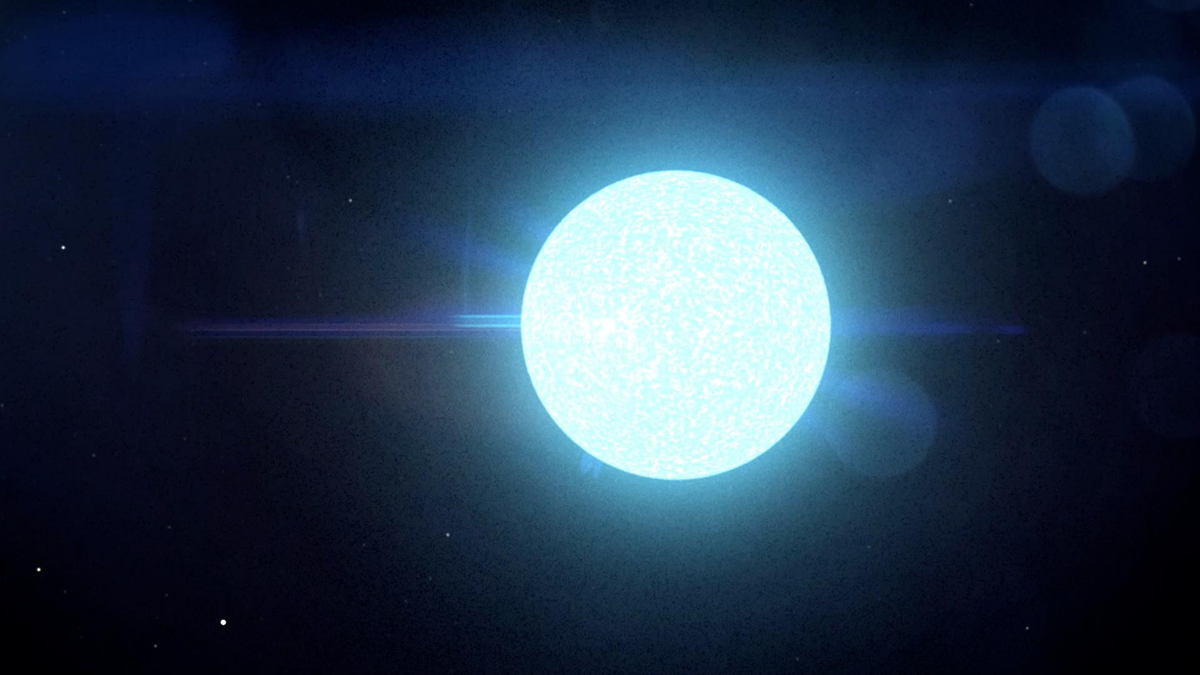
After certain massive stars explode as supernovas, their collapsed cores remain behind as neutron stars. These objects can contain more mass than our Sun inside a sphere roughly 20 kilometers across. Their matter is compressed so tightly that a teaspoon of it would weigh billions of tons under Earth’s gravity. Some neutron stars also rotate hundreds of times per second, sending out beams of radiation that astronomers detect as precisely repeating pulses. The combination of extreme density and rapid rotation makes them some of the most unusual objects ever observed.
Trending on The Scroller

6. There Are Planets That Don’t Orbit Any Star
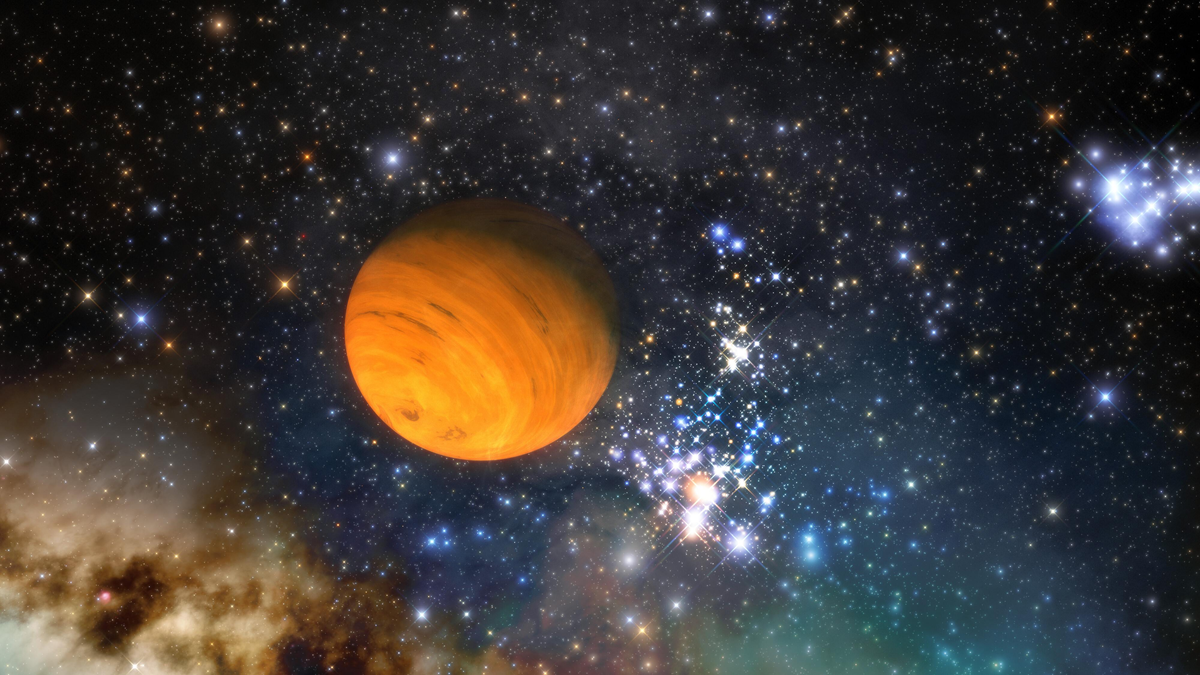
Not every planet has a sun. Astronomers have identified free-floating objects with planetary masses traveling through space without orbiting a star. Known as rogue planets, some may have been expelled from their original planetary systems through gravitational encounters, while others may have formed independently. Their existence has forced astronomers to reconsider the familiar picture of planets permanently circling a central star.
7. The Universe Is Expanding Faster and Faster
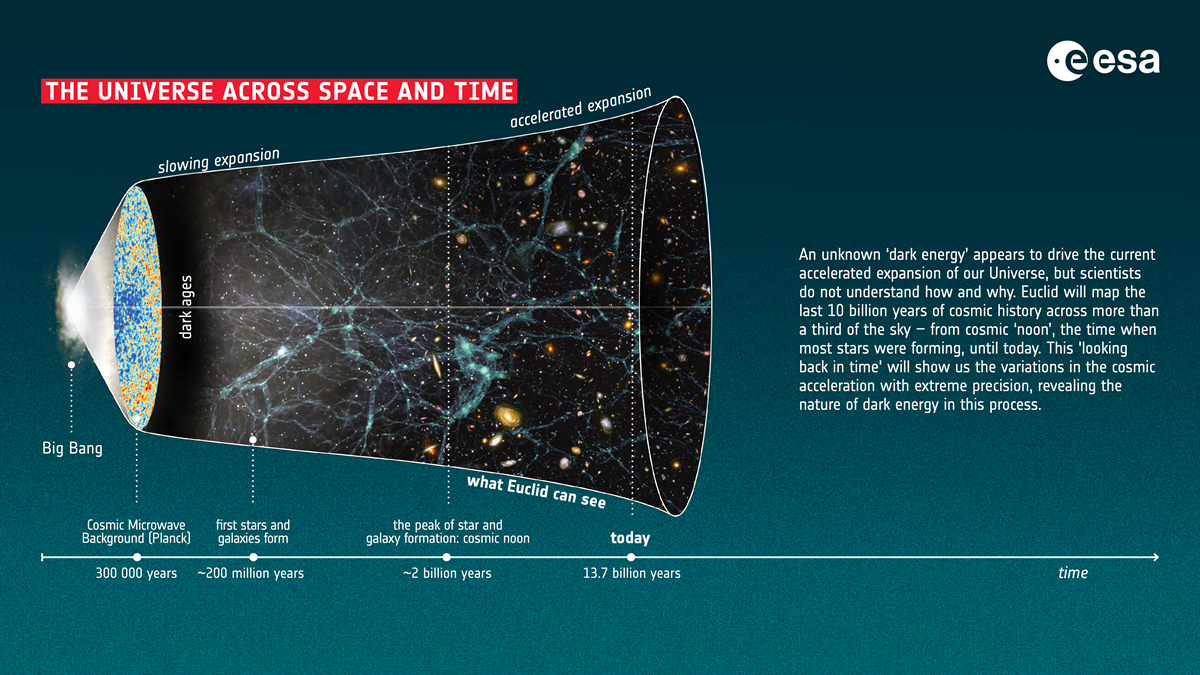
For much of the 20th century, astronomers expected gravity to gradually slow the expansion of the universe. Observations of distant supernovas in the late 1990s revealed something different: cosmic expansion has been accelerating. Further evidence from other astronomical measurements supports that conclusion, although researchers continue to investigate its cause. Dark energy remains the leading explanation. One especially strange consequence is that sufficiently distant galaxies can eventually become unreachable by signals sent from Earth, no matter how long those signals travel.
8. Saturn’s Largest Moon Has Lakes and Seas of Liquid Methane
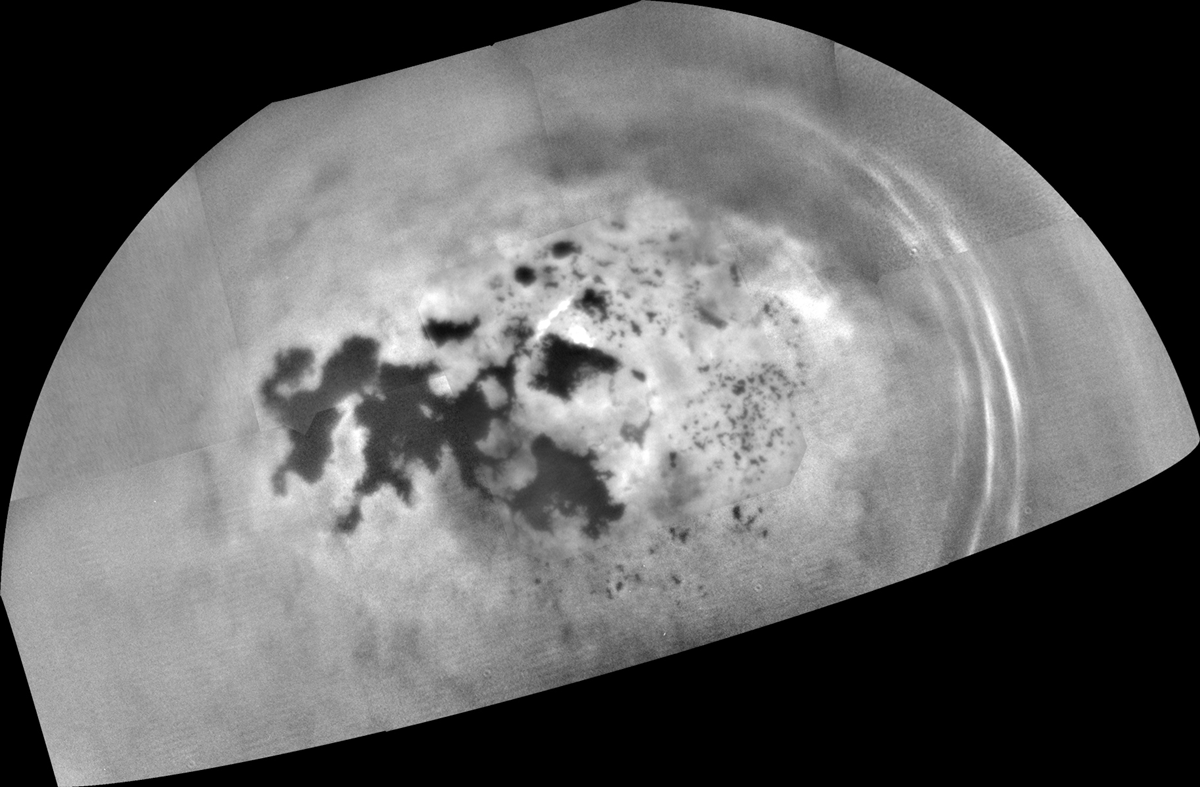
Titan has shorelines, river channels, rainfall, and enormous bodies of liquid on its surface. But temperatures there hover around minus 179 degrees Celsius, far too cold for ordinary liquid water to remain on the surface. Instead, methane and ethane fill its lakes and seas, creating a weather cycle that resembles Earth’s water cycle in several surprising ways. NASA’s Cassini mission revealed vast northern seas, including Kraken Mare, along with evidence of rainfall and seasonal changes. Titan is the only world beyond Earth known to have stable surface bodies of liquid.
Sign up for our newsletter
9. Scientists Can Detect Light From the Universe’s Infancy
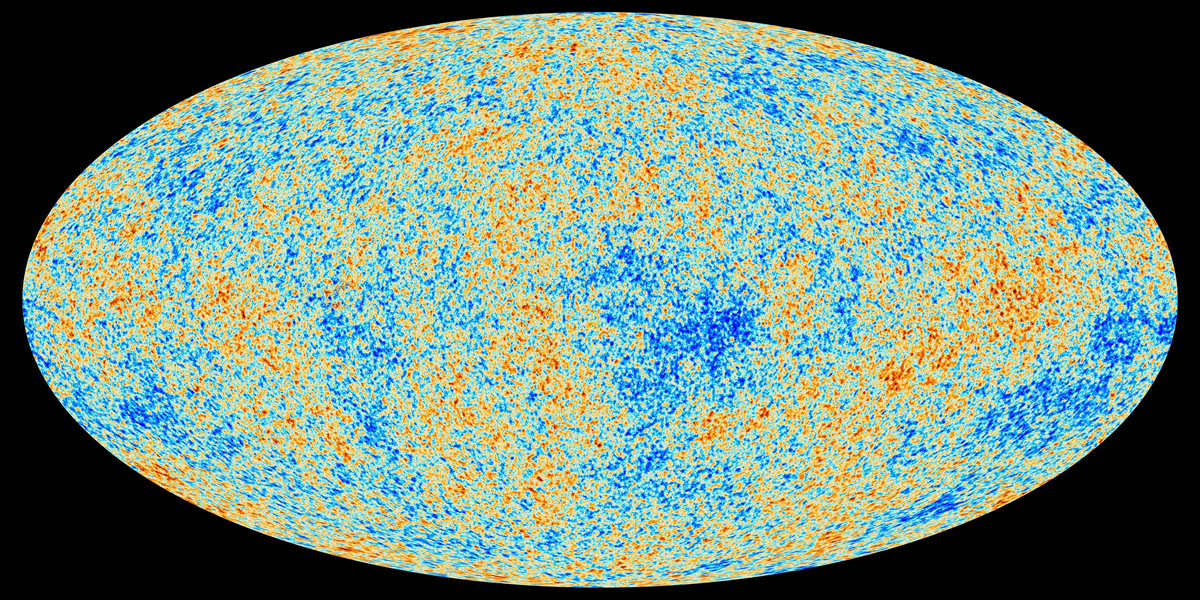
There is ancient radiation surrounding us in every direction, even in parts of the sky that appear completely empty. Called the cosmic microwave background, it was released when the universe became transparent to light, approximately 380,000 years after the Big Bang. Cosmic expansion has stretched that radiation into microwaves, leaving a faint glow with a temperature of about 2.7 degrees above absolute zero. Space telescopes have measured tiny variations in this radiation, providing a remarkably detailed picture of conditions before the first stars and galaxies formed.
10. Time Passes at Different Rates Depending on Gravity
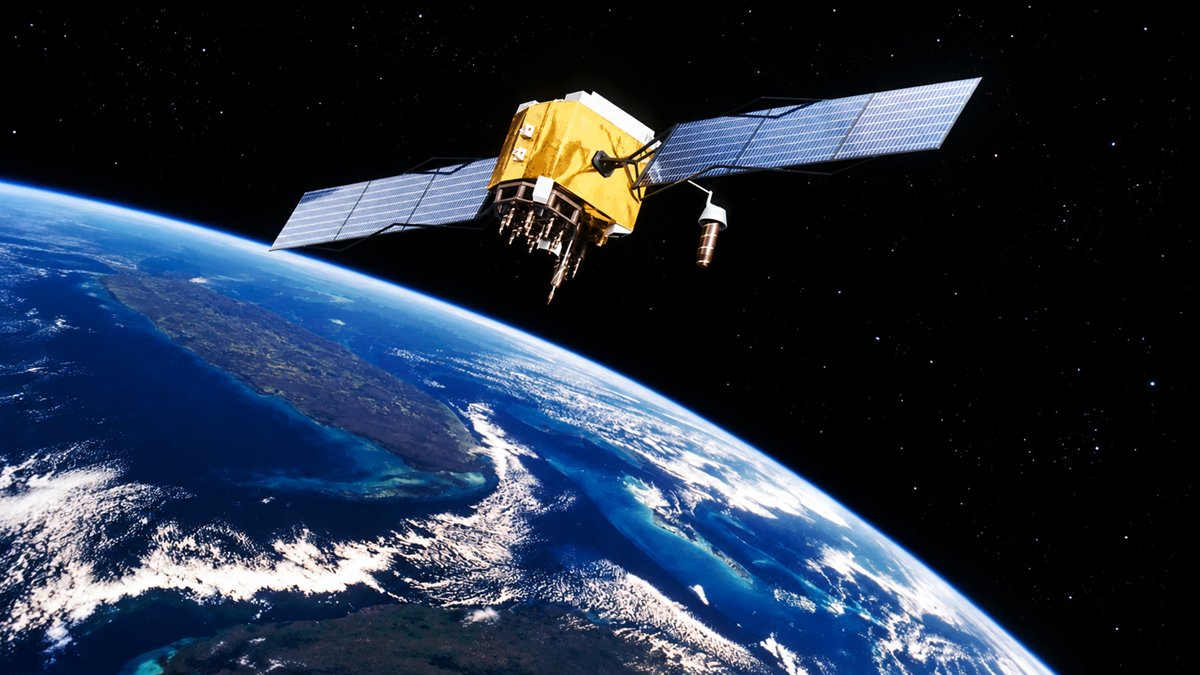
Einstein’s theory of relativity established that time doesn’t pass at exactly the same rate everywhere. Clocks in stronger gravitational fields run more slowly than clocks in weaker ones, when compared using an appropriate common reference. The difference is measurable even around Earth. GPS satellites experience slightly different rates of time because of their orbital speeds and their distance from Earth’s surface. Their clocks require relativistic corrections to keep navigation systems accurate. This is not an abstract prediction about distant black holes, but a measurable part of everyday satellite technology.
11. The Milky Way Is About 100,000 Light-Years Across
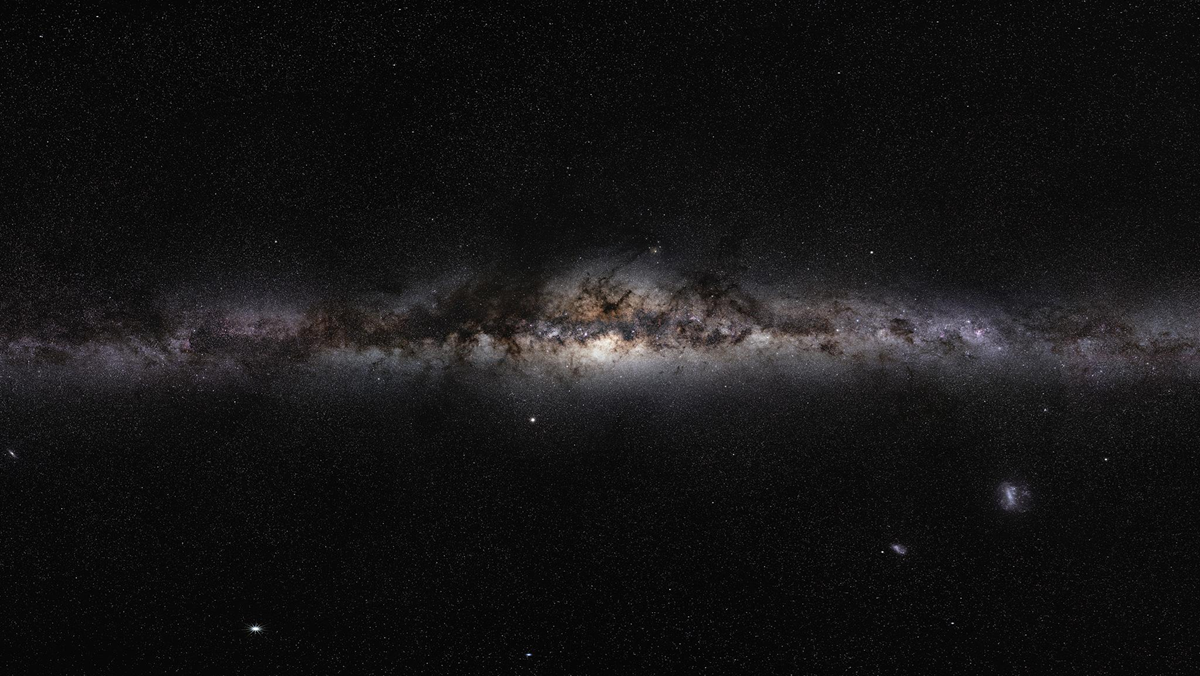
Our solar system occupies a relatively small region of a galaxy containing an estimated hundreds of billions of stars. The Milky Way’s main stellar disk stretches approximately 100,000 light-years across, meaning even a beam of light would need around 100,000 years to travel from one side to the other. The Sun itself takes roughly 230 million years to complete an orbit around the galaxy’s center. During the entire history of human civilization, our solar system has traveled through only a tiny fraction of that orbit.
12. Black Holes Can Prevent Light From Escaping
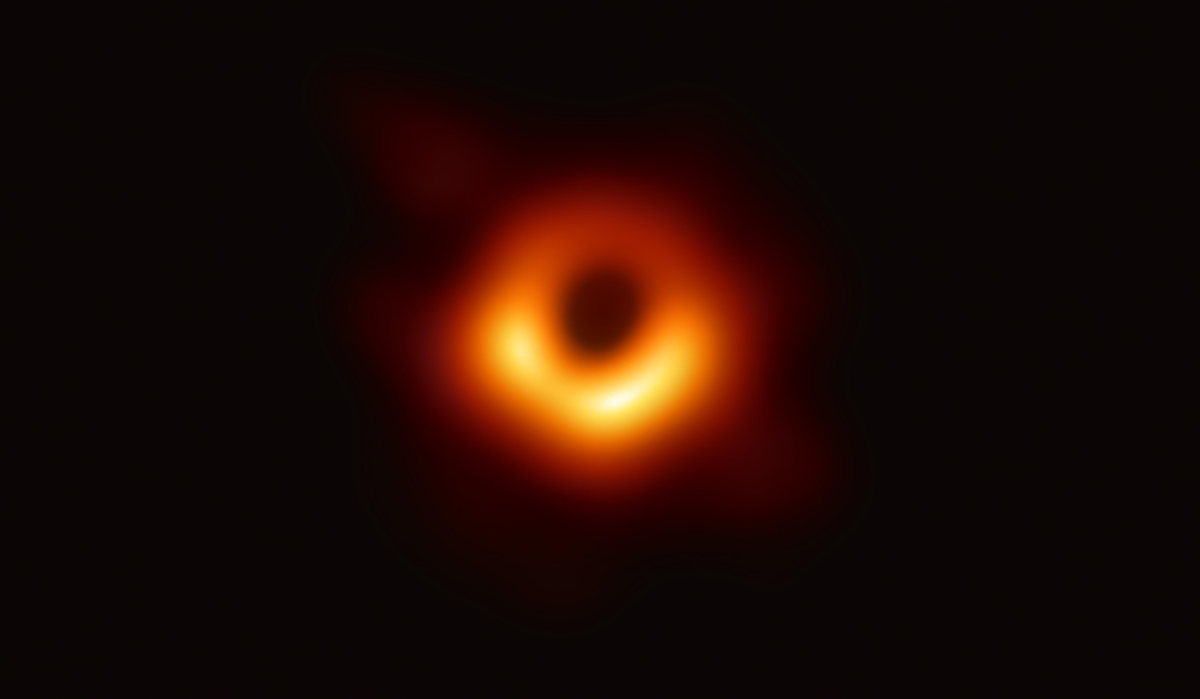
A black hole isn’t simply an unusually dark star. It is a region of spacetime bounded by an event horizon, beyond which no outward-directed light signal can escape to distant observers. Scientists have detected black holes through their effects on nearby stars, surrounding gas, and gravitational waves. In 2019, the Event Horizon Telescope collaboration released the first image showing the shadow of a black hole, located in the galaxy Messier 87. The image made visible the effects of an object whose defining boundary cannot itself emit escaping light.
13. Space Itself Can Ripple
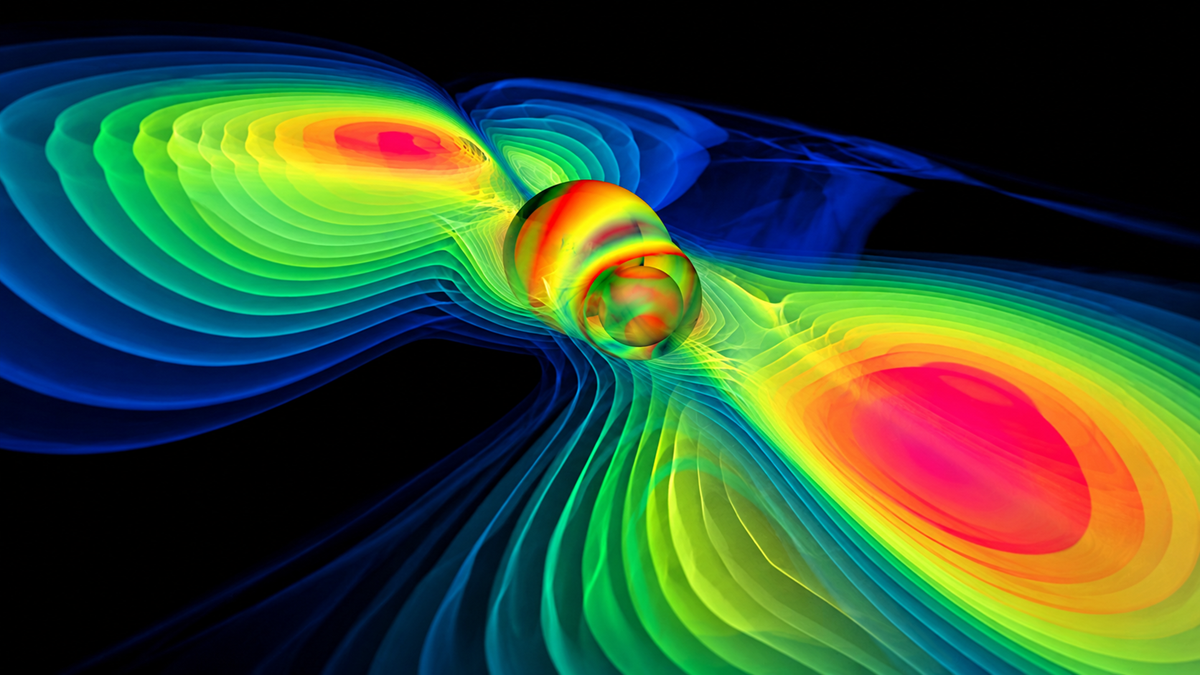
When extremely massive objects accelerate in certain ways, they create disturbances in spacetime called gravitational waves. Albert Einstein predicted their existence in 1916, but it took almost a century to detect them directly. In September 2015, instruments at the Laser Interferometer Gravitational-Wave Observatory recorded waves produced by two merging black holes approximately 1.3 billion light-years away. The signal changed the instruments’ measured distances by an extraordinarily small amount. For the first time, scientists had directly measured ripples traveling through spacetime from a distant cosmic collision.
14. Most of the Atoms in Our Bodies Came From Earlier Generations of Stars
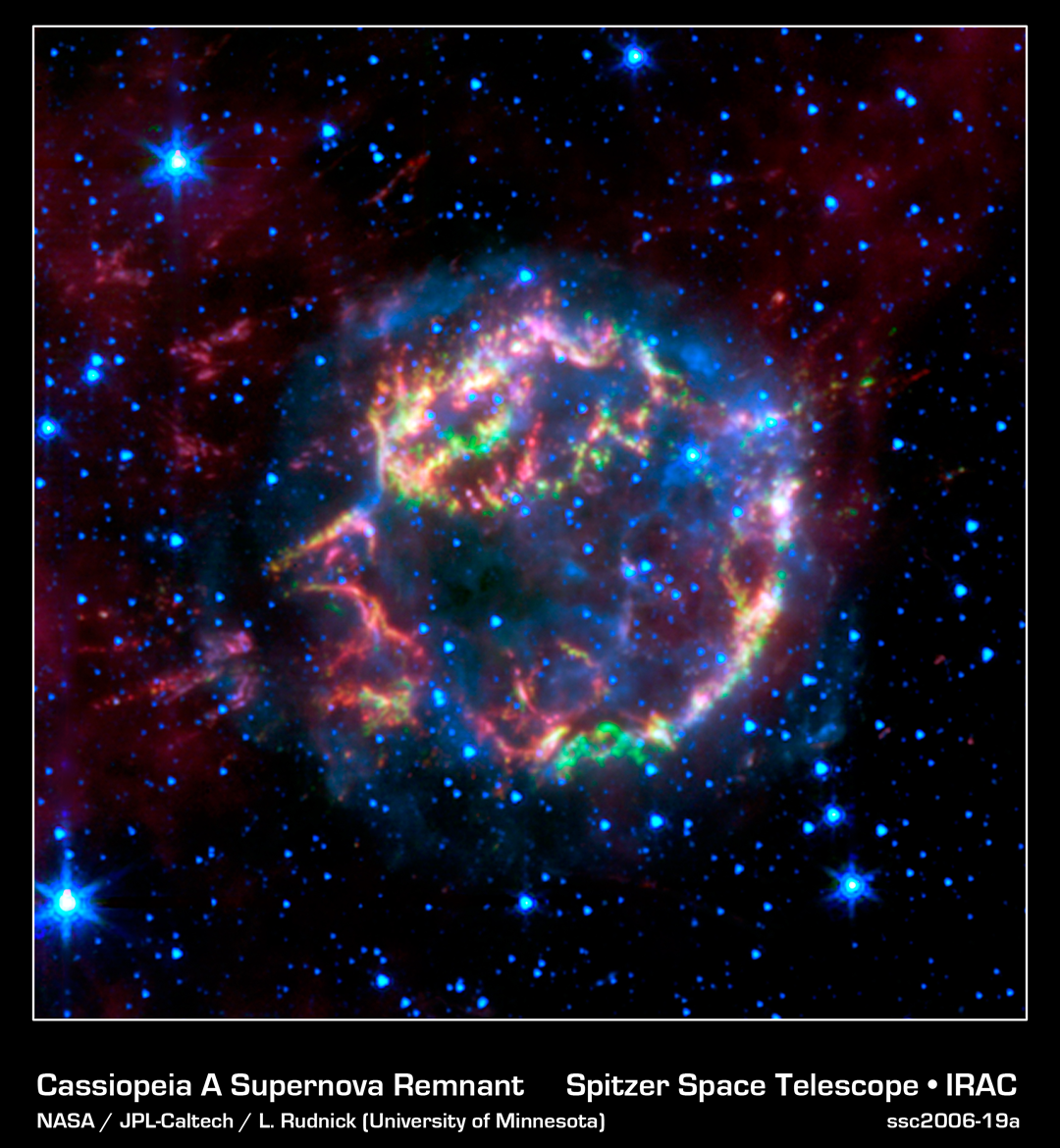
Hydrogen formed primarily in the universe’s earliest stages, but many heavier elements have a much more complicated history. Carbon, oxygen, and numerous other elements essential to life were produced through nuclear reactions inside stars. Exploding stars and other stellar processes dispersed these elements into space, where they eventually became part of new stars, planets, and living organisms. The calcium in human bones and the oxygen we breathe are connected to processes that occurred long before the formation of our solar system. Much of the material that makes up Earth had already existed in other forms for billions of years.
15. The Moon Is Slowly Moving Away From Earth
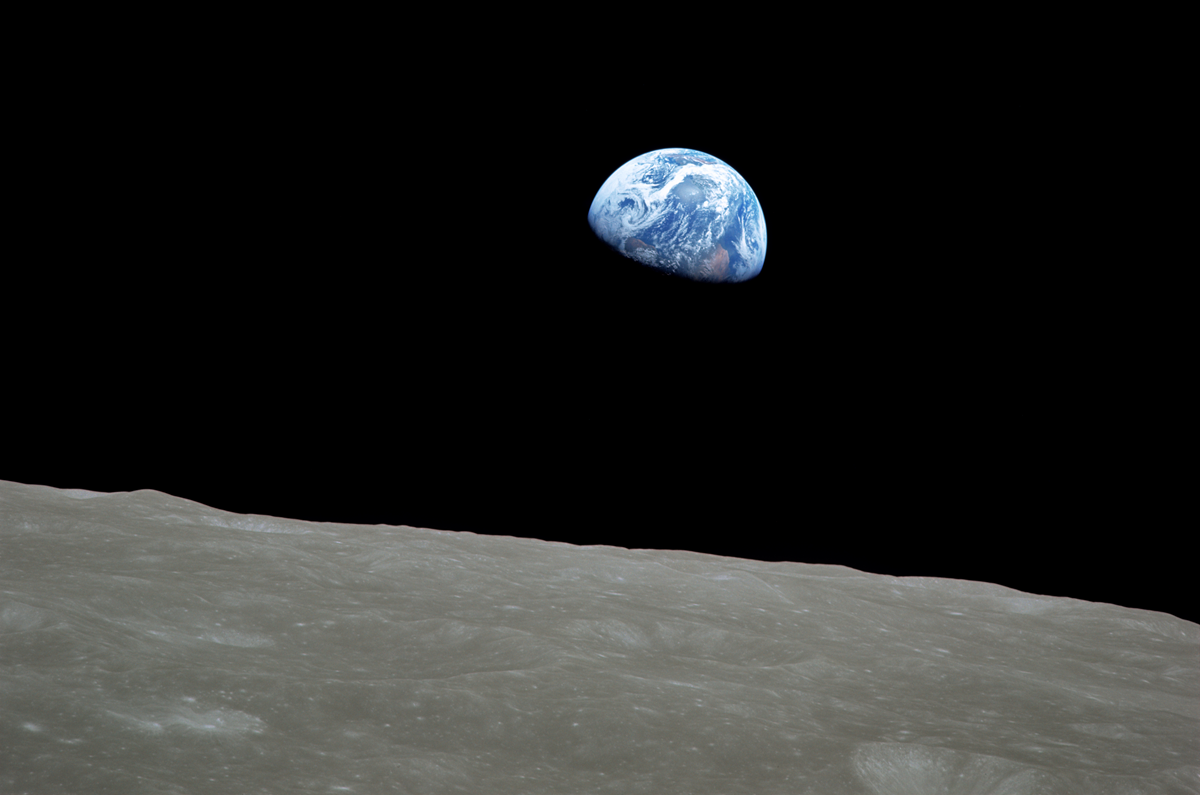
The Moon may appear to occupy a permanent position in the sky, but its orbit is gradually expanding. Measurements made using laser beams reflected from equipment left on the lunar surface show that it is receding from Earth at an average rate of about 3.8 centimeters per year. The process is connected to tidal interactions between Earth and the Moon, which transfer rotational energy and angular momentum. Earth’s rotation is also gradually slowing as a result. Over geological timescales, these small changes accumulate, meaning our planet’s days and the Moon’s orbit have not always been the same as they are now.
In the mood for more?
Check out Astronaut Myths: 17 Things They Can and Can’t Do in Space, or take a look at 15 Moments That Made NASA a Household Name. If you want to see some space history, you can check out 20 Photos from the Space Race Era (1955-1975).