
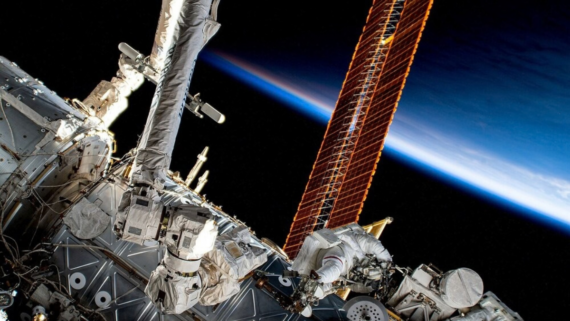
Astronaut myths often make life in orbit sound far stranger than it really is. No, astronauts aren´t floating because gravity suddenly disappears, and yes, they can eat, drink, cry, sleep, exercise, and use the bathroom. The catch is that nearly every ordinary activity has to adapt to microgravity. Liquids stop behaving the way we expect, crumbs become surprisingly troublesome, and even sleeping requires a little planning. Space doesn´t prevent humans from doing normal things. It simply removes one of the invisible forces that makes those things so easy on Earth.
1. There’s No Gravity in Space
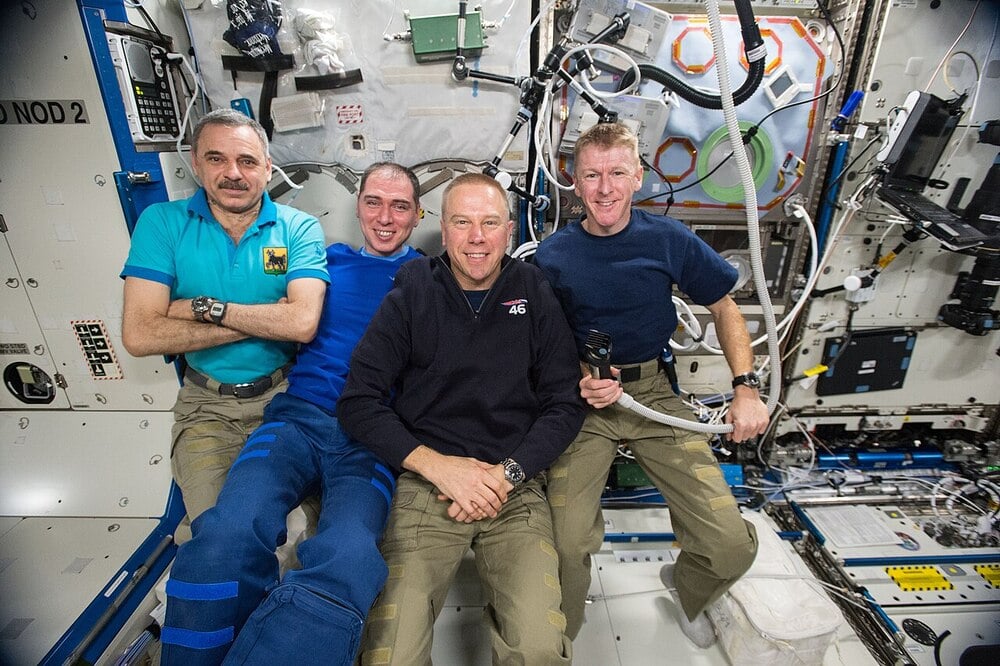
Floating astronauts make this one incredibly convincing, but gravity hasn’t disappeared aboard the International Space Station. The ISS, the astronauts, and everything floating beside them are continuously falling around Earth together. That creates the microgravity conditions we associate with life in orbit. So astronauts aren’t floating because Earth stopped pulling on them. They’re essentially falling around the planet without reaching the ground.
2. Astronauts Can’t Eat Normally in Space
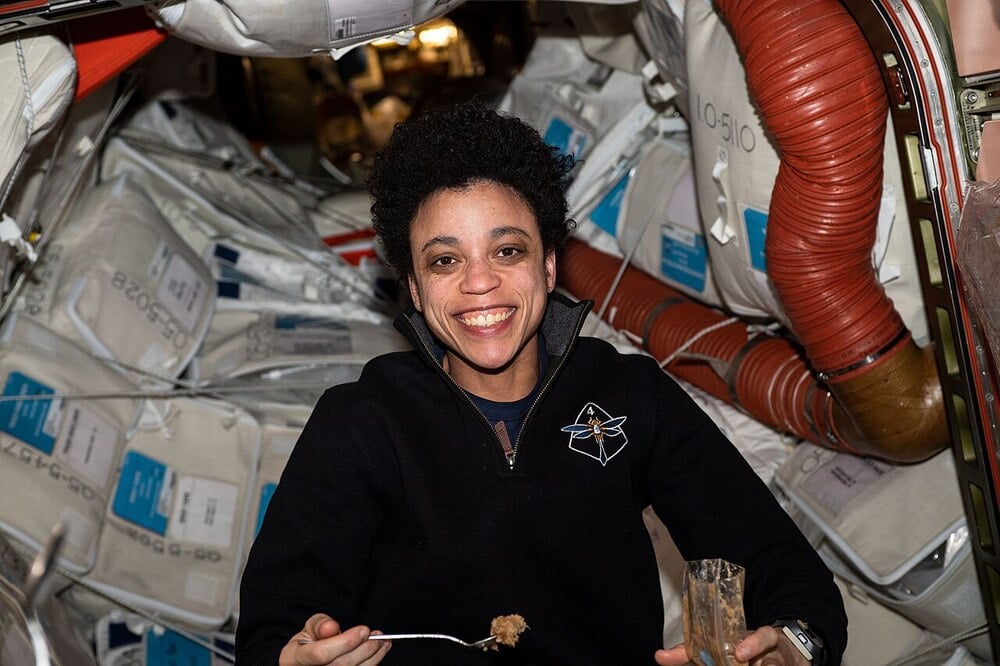
Eating still works. Swallowing still works. The complicated part is keeping dinner where it belongs. Without gravity conveniently pulling loose food toward a plate or floor, crumbs and small pieces can float away. That means food has to be handled and contained more carefully than it would be at your kitchen table. The human digestive system can handle lunch in microgravity. Lunch itself just needs a little supervision.
3. Astronauts Can’t Drink Liquids
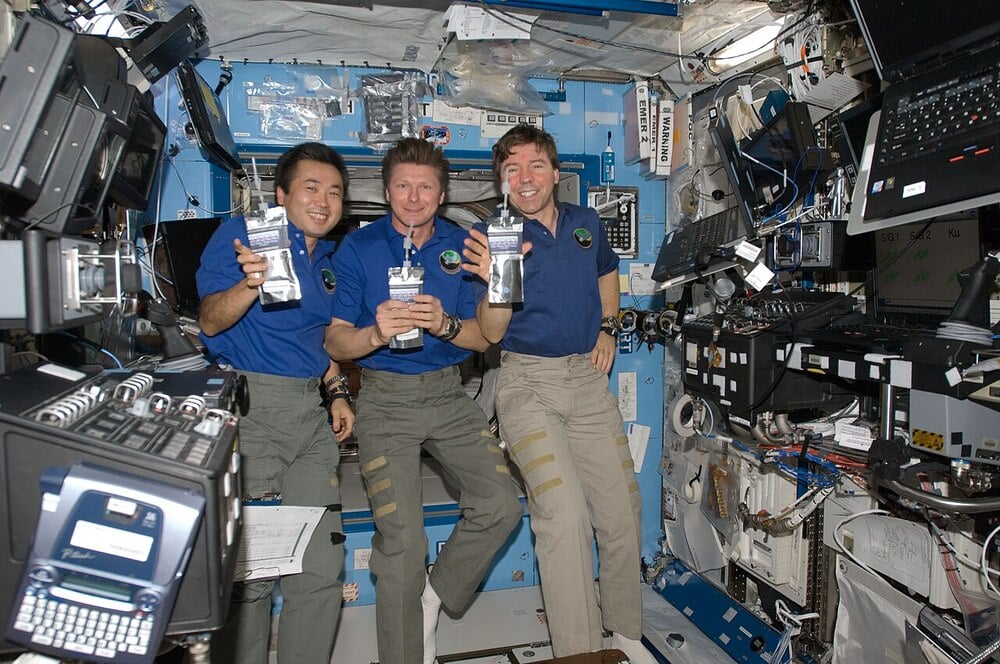
Try pouring a drink in microgravity, and the familiar rules disappear. Liquids don’t simply fall into a glass and settle at the bottom. Surface tension becomes much more important, which is why astronauts generally drink from specialized containers designed to keep liquids under control. They absolutely can drink in space, but an ordinary open cup wouldn’t behave the way your morning coffee does on Earth.
4. Astronauts Live on Freeze-Dried Food
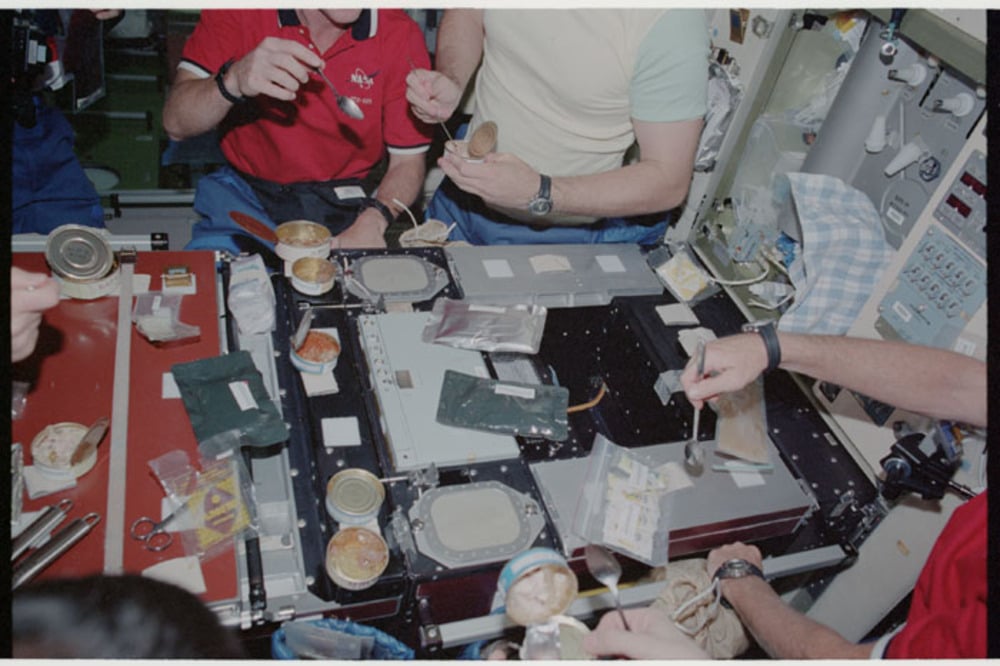
Space food has moved well beyond the stereotype of astronauts squeezing mysterious paste from tubes. Early missions relied heavily on tubes, cubes, and dehydrated foods, but modern ISS menus are considerably broader. Astronauts can eat thermostabilized, rehydratable, irradiated, and conventionally packaged foods. Space dinner still requires special preparation and packaging, but it doesn’t have to resemble something designed for a science experiment.
5. Astronauts Can’t Eat Bread
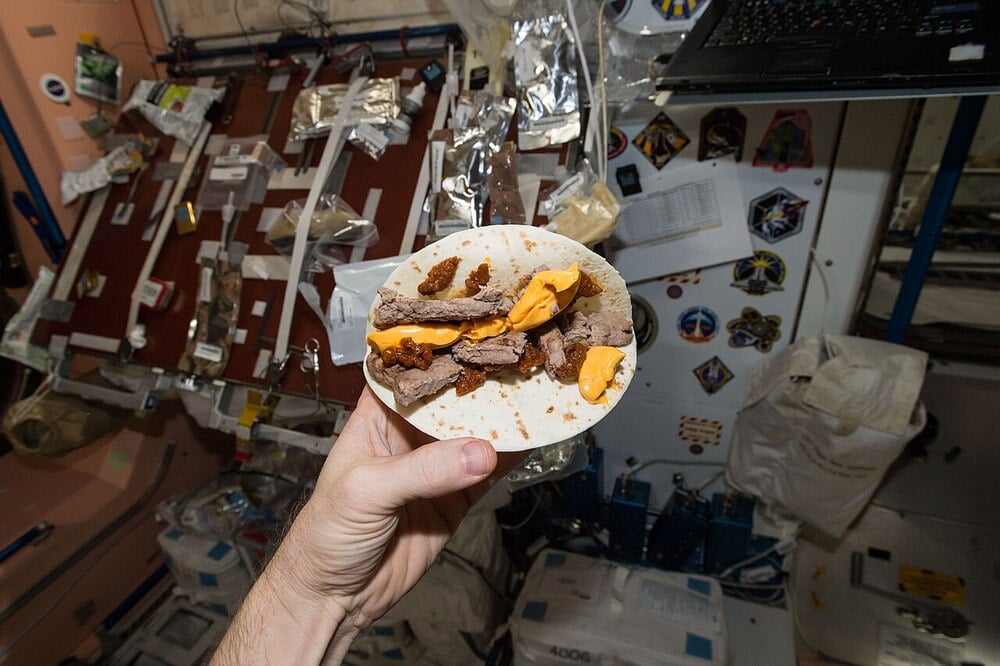
Bread isn’t forbidden by the laws of space. The problem is what happens after you bite it. Loose crumbs can float away and potentially reach eyes or equipment, making an innocent sandwich unexpectedly inconvenient. Tortillas became a practical alternative because they produce fewer crumbs. Would you ever have guessed that one of the problems with eating in orbit could be something as ordinary as cleaning up after bread?
Trending on The Scroller

6. Astronauts Can’t Cry in Space
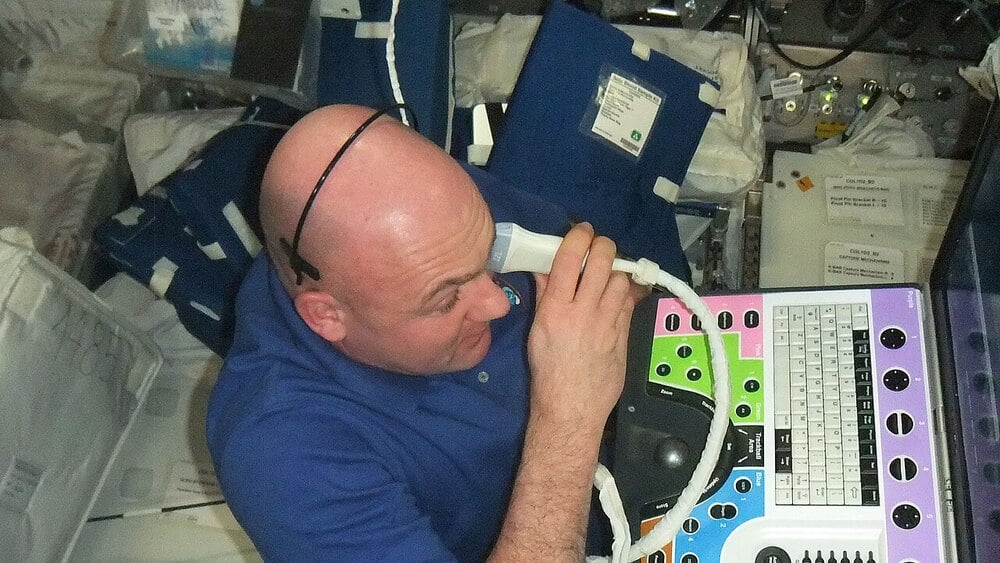
The tears still come. What changes is where they go. Without gravity pulling moisture down the cheeks, tears tend to collect around the eyes because of surface tension instead of producing the familiar tear tracks we see on Earth. So crying in space is entirely possible. It just looks and feels different when the water has no convenient reason to roll downward.
7. Astronauts Can’t Sleep Because They’ll Float Away
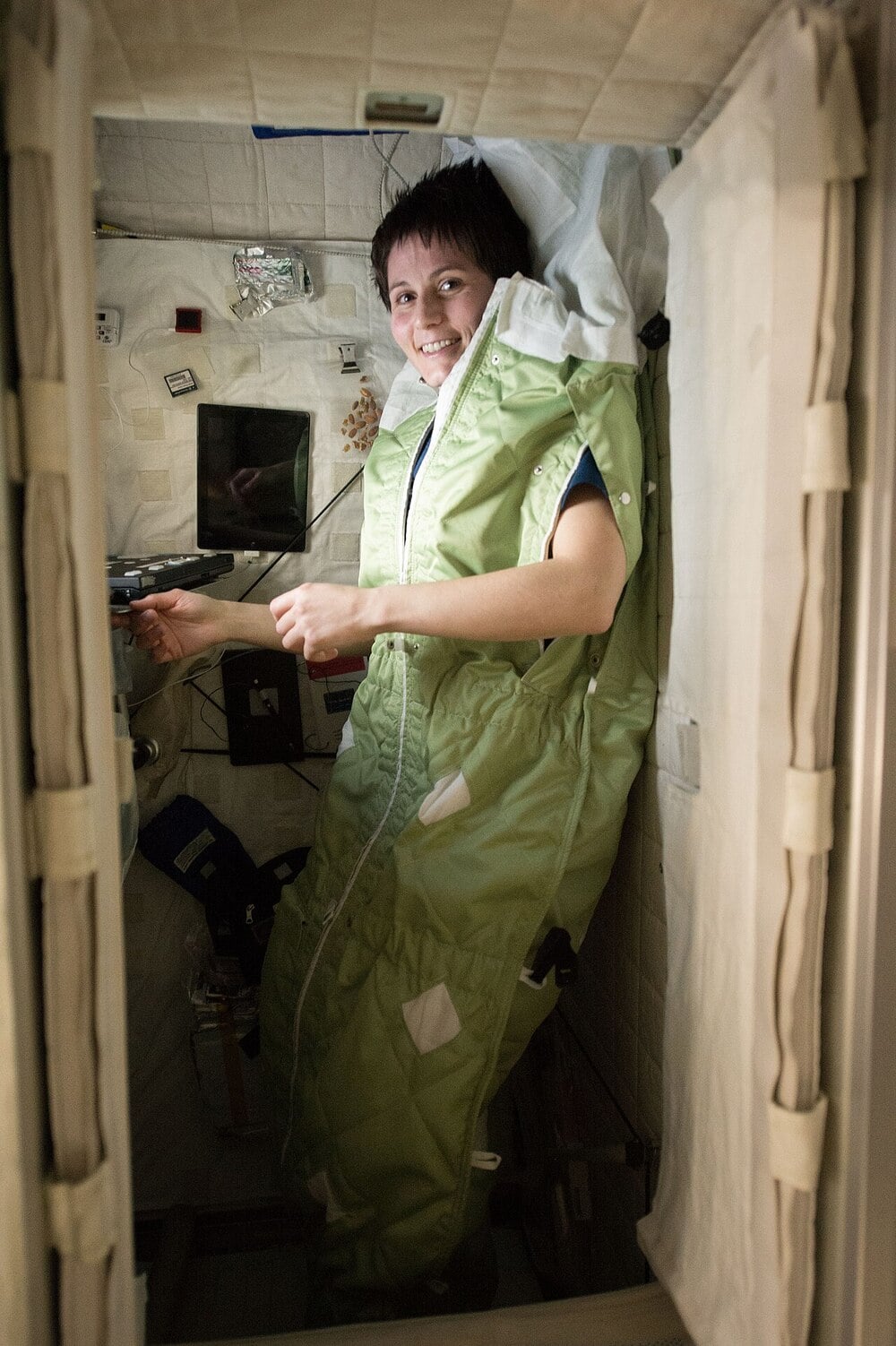
There’s no need to worry about waking up drifting through the station. Astronauts typically sleep inside secured sleeping bags, often in crew cabins, so they remain in place while resting. A mattress isn’t necessary for supporting the body in microgravity. The bigger challenges can be noise, demanding schedules, and disruptions to the body’s normal day-night rhythm. Floating may look relaxing, but getting a good night’s sleep is another matter.
8. Astronauts Can’t Use a Toilet in Space
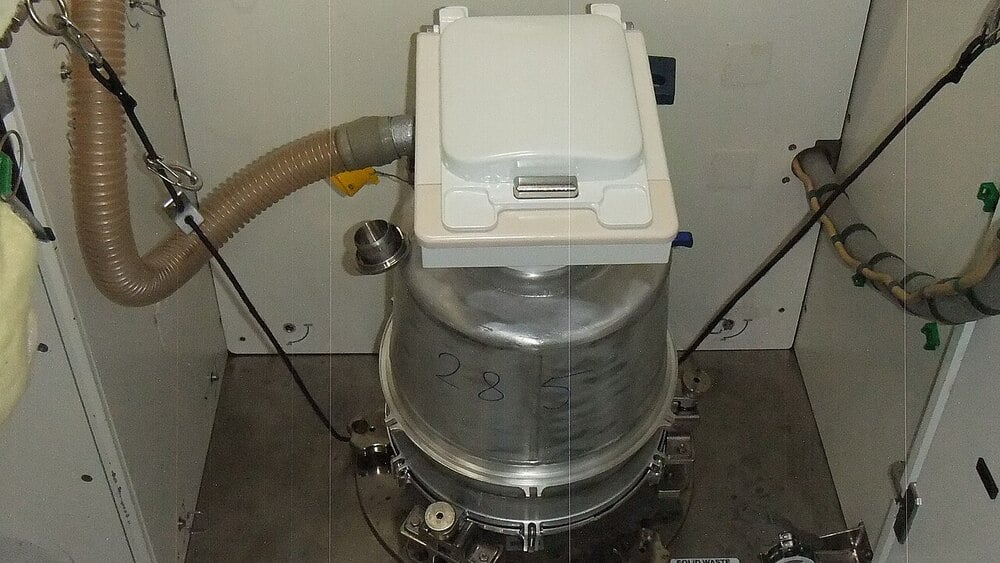
This is where astronaut myths meet some very practical engineering. Toilets work perfectly well in orbit, but gravity can’t be trusted to move waste in the desired direction. Space toilets therefore use airflow and restraints to help control the process. It’s not quite the effortless bathroom visit we’re accustomed to on Earth, but it solves a problem nobody wants floating around the station.
Sign up for our newsletter
9. Astronauts Can’t Pee Normally
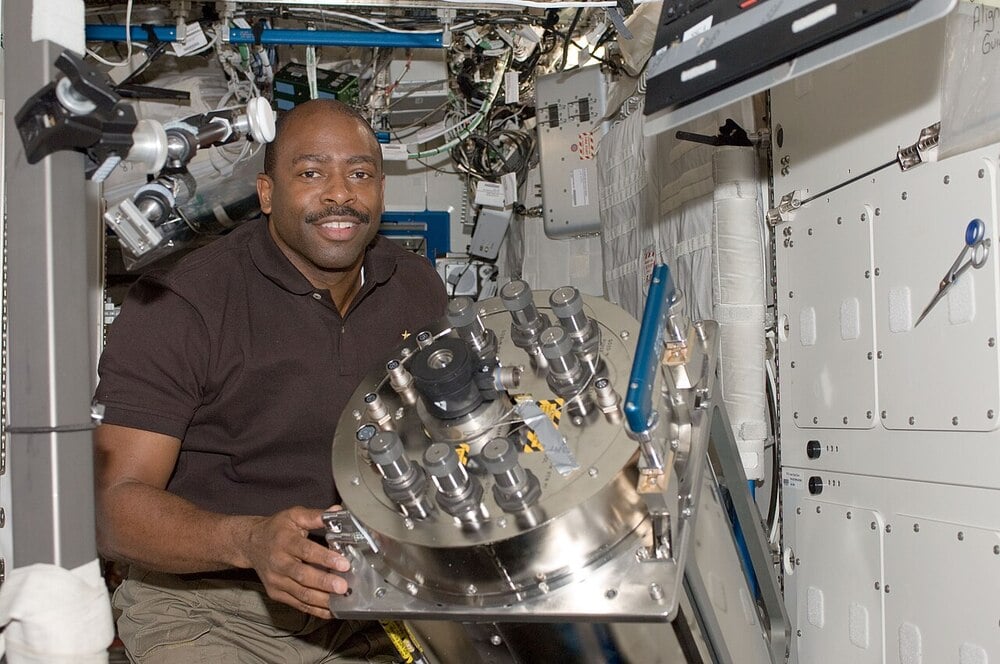
The basic biological process still happens normally. What comes afterward is much more interesting. Aboard the ISS, much of the water contained in urine can be recovered and purified through the station’s water-recycling system. In an environment where supplies are valuable, yesterday’s waste can contribute to tomorrow’s usable water. Suddenly, complaining about drinking from the office water cooler seems considerably less adventurous.
10. Astronauts Take Space Showers
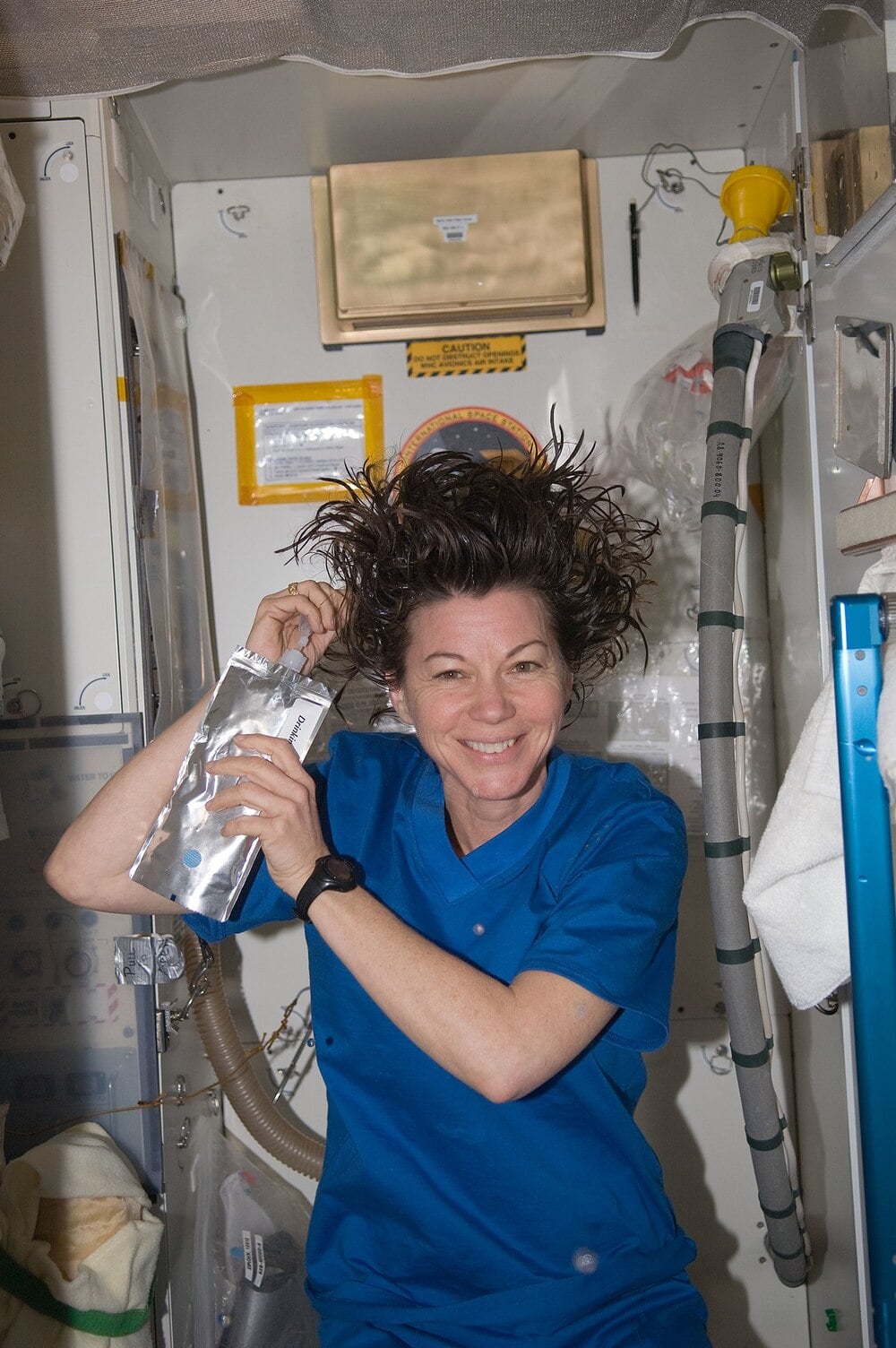
A floating shower sounds fun until you remember that the water would also be floating. Conventional showers aren´t used aboard the ISS because free-moving water is impractical and the station´s water supply is valuable. Instead, astronauts generally clean themselves using limited amounts of water and wet towels. So there´s no futuristic shower chamber waiting after a long day in orbit. Hygiene simply gets redesigned around microgravity.
11. Astronauts Can’t Shave
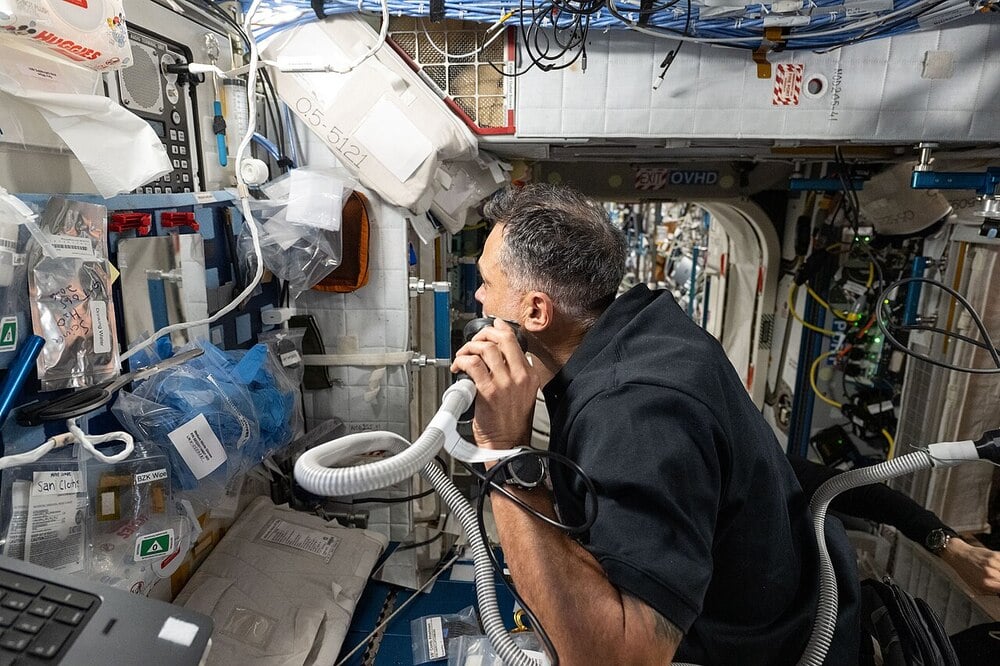
Astronauts don’t have to return to Earth with months of beard growth. Shaving is perfectly possible, but loose hair needs to be controlled so it doesn’t drift around the spacecraft. Wet shaving residue can be carefully wiped away, while electric shaving can be paired with suction. In space, even something as routine as shaving comes with an extra rule: don’t let the cleanup escape.
12. Astronauts Can’t Exercise Because Weights Are Weightless
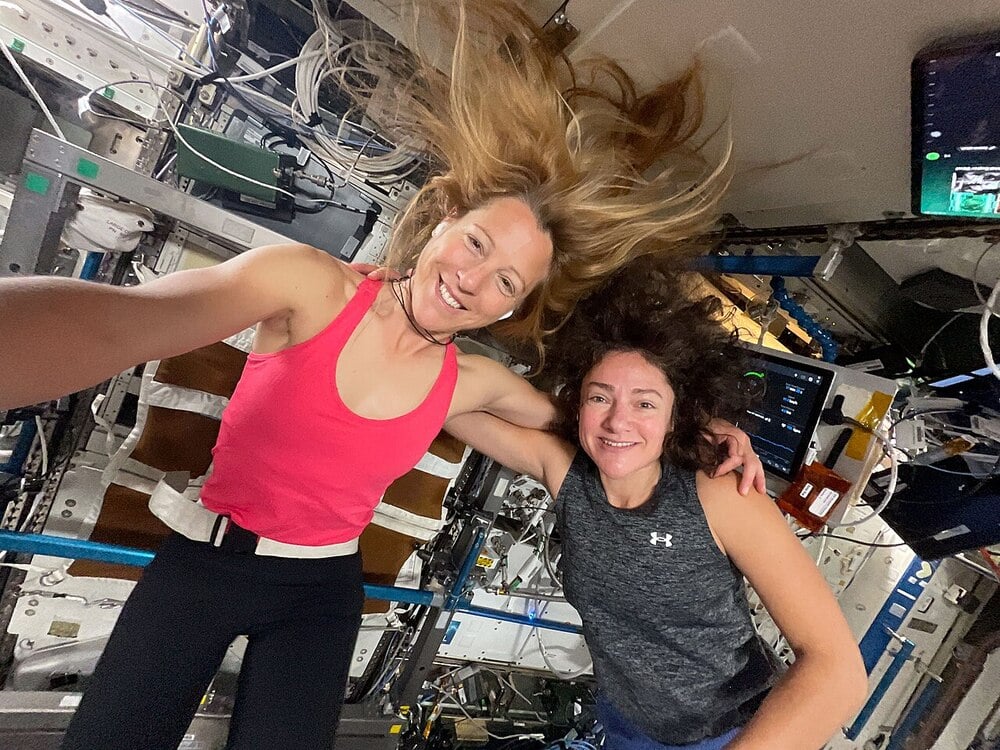
Traditional weights aren’t very useful when everything feels weightless, but skipping exercise isn’t an option. Astronauts use specialized resistance equipment, treadmills, and cycle ergometers to help counter changes to muscles, bones, and cardiovascular conditioning. Exercise is actually an essential part of living in space. The equipment just has to create resistance without relying on a stack of heavy plates being pulled downward by gravity.
13. Astronauts Stay Physically the Same in Space
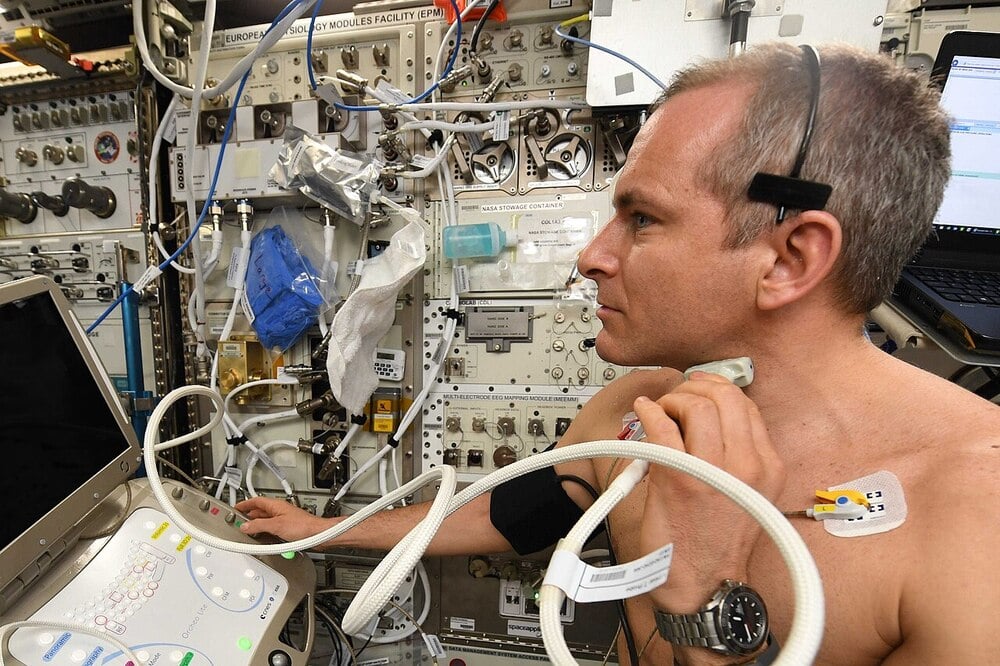
Microgravity doesn’t simply make astronauts float. It affects the body in several ways, including muscles, bones, fluid distribution, cardiovascular conditioning, vision, and sensorimotor function. That’s why researchers pay such close attention to what happens during extended missions. Humans can adapt remarkably well to orbit, but the body definitely notices when one of the forces shaping everyday life on Earth suddenly works very differently.
14. Astronauts Become Permanently Super-Tall
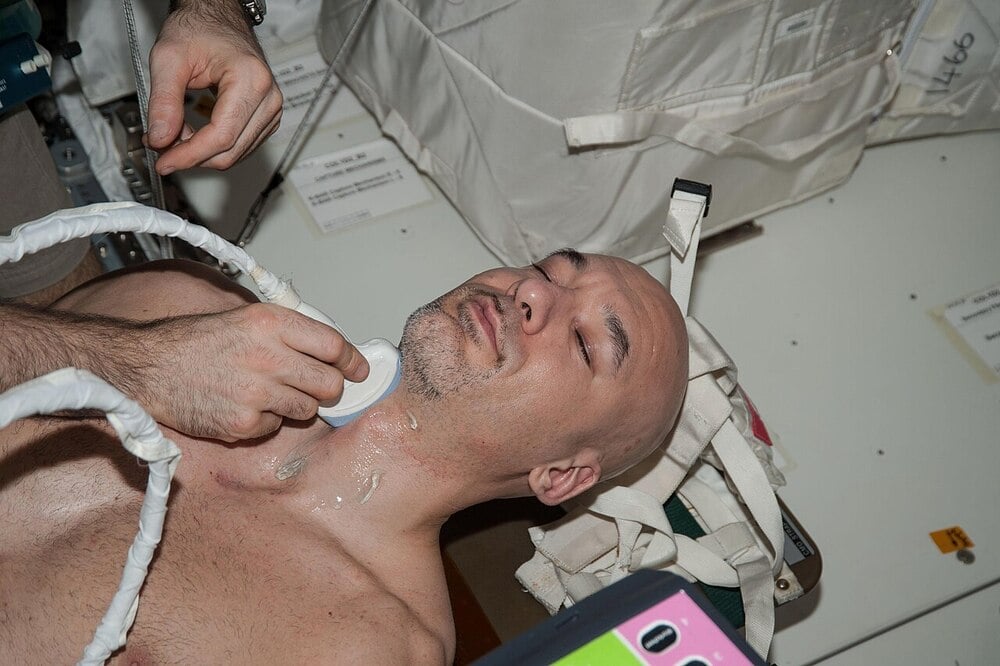
Yes, astronauts can become slightly taller in microgravity, but don’t expect spaceflight to permanently add inches to someone’s height. Without normal gravitational loading, the spine can lengthen somewhat, temporarily increasing height. After astronauts return to Earth and experience normal gravity again, much of that effect reverses. So space can provide a little extra height, but Earth eventually asks for it back.
15. Astronauts Would Instantly Explode in the Vacuum of Space
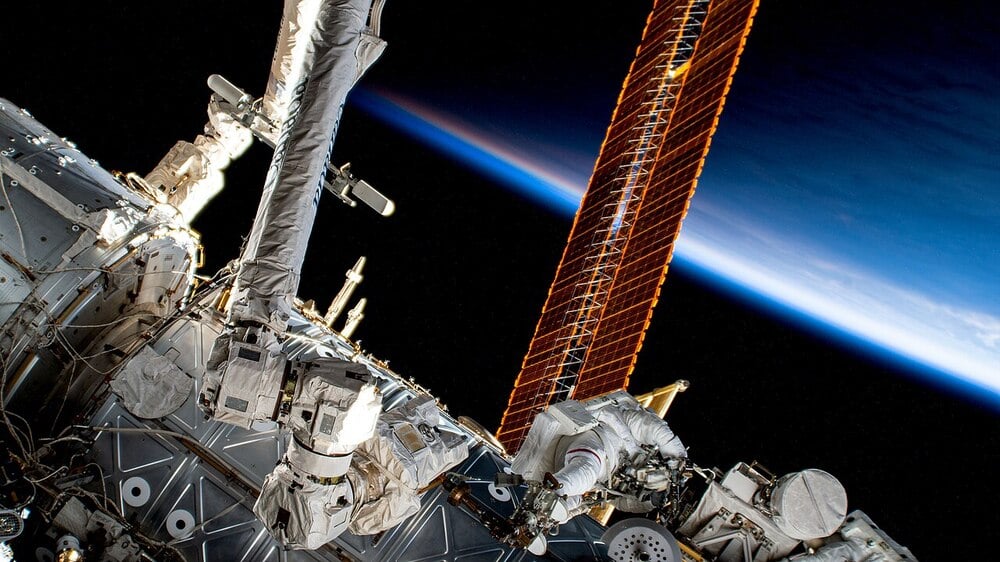
Movies have made this one particularly dramatic. Exposure to a vacuum is extremely dangerous and potentially fatal, but a human body would not instantly explode. The urgent dangers include oxygen deprivation and the effects of very low pressure. This is an important distinction because debunking the cinematic version doesn’t make vacuum exposure remotely safe. It replaces an exaggerated movie effect with hazards that are still very real.
16. A Tiny Hole in a Spacecraft Makes Everyone Get Sucked Into Space
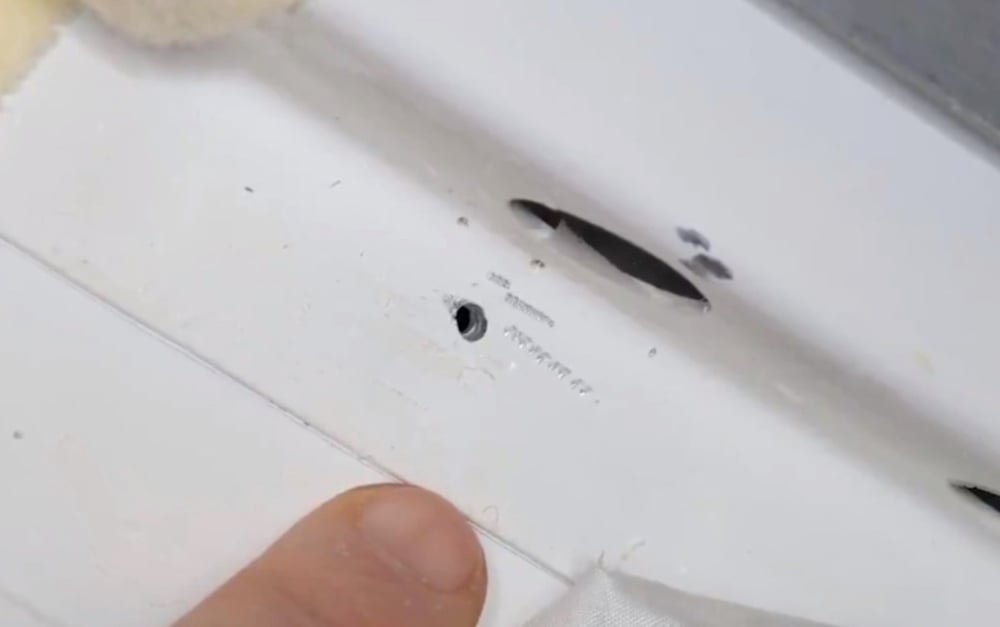
Movies love turning a small hull breach into instant chaos, with everything violently flying toward the opening. Real depressurization is more complicated. A leak is absolutely a serious hazard, but what happens depends on factors including the size of the hole, the pressure difference, and the spacecraft’s volume. A small puncture doesn’t automatically create the enormous suction effect Hollywood has trained us to expect.
17. NASA Spent Millions Inventing a Space Pen Because Astronauts Couldn’t Use Pencils
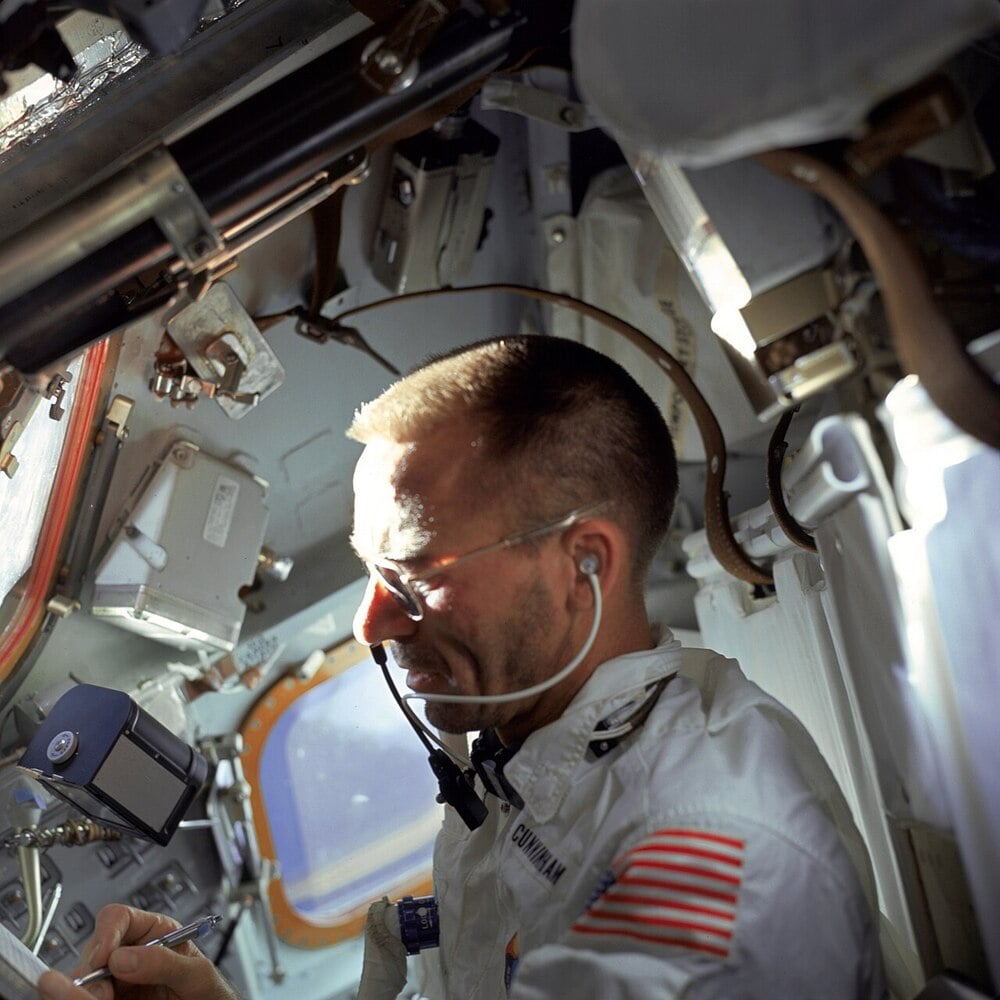
It’s a great story, but the famous Space Pen tale gets an important detail wrong. NASA and Soviet crews initially used pencils, although broken graphite and combustible debris created problems. Fisher developed its pressurized Space Pen privately, and NASA later purchased the pens rather than spending millions to invent them. Sometimes the best astronaut myths survive because the fictional version is simply too perfect.
Life in space isn’t Earth life with everything floating around for dramatic effect. Astronauts can still eat, drink, sleep, cry, exercise, shave, and use the bathroom. Microgravity simply changes the rules behind activities we rarely have to think about on Earth, which is exactly what makes the reality so interesting.
Keep Exploring The Scroller
Keep orbiting the facts and discover more everyday assumptions that science has turned upside down:
15 Things Astronauts Experience That Don’t Feel Real
19 Space Myths Almost Everyone Believed in the 1970s
15 Places on Earth That NASA Uses to Train Astronauts Because They Look Like Other Planets


