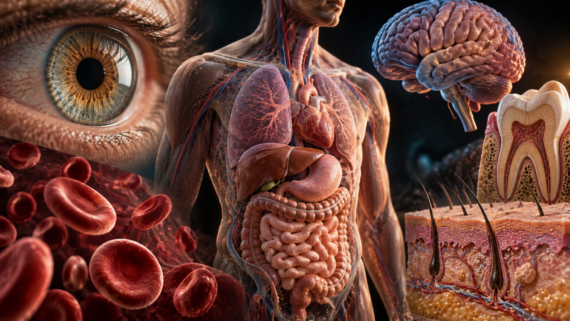
Your body is doing an absurd amount of work right now, and most of it happens without asking for your permission. It rebuilds bone, manufactures blood cells by the millions, and keeps your digestive system running even when your brain has other plans. And that’s just the beginning. From a tooth’s surprisingly tough outer layer to cells that can stick around for decades after pregnancy, these 20 strange facts about the human body prove that biology is a lot weirder than it gets credit for.
Your Skin Makes Up Surprisingly Big Part of Your Weight
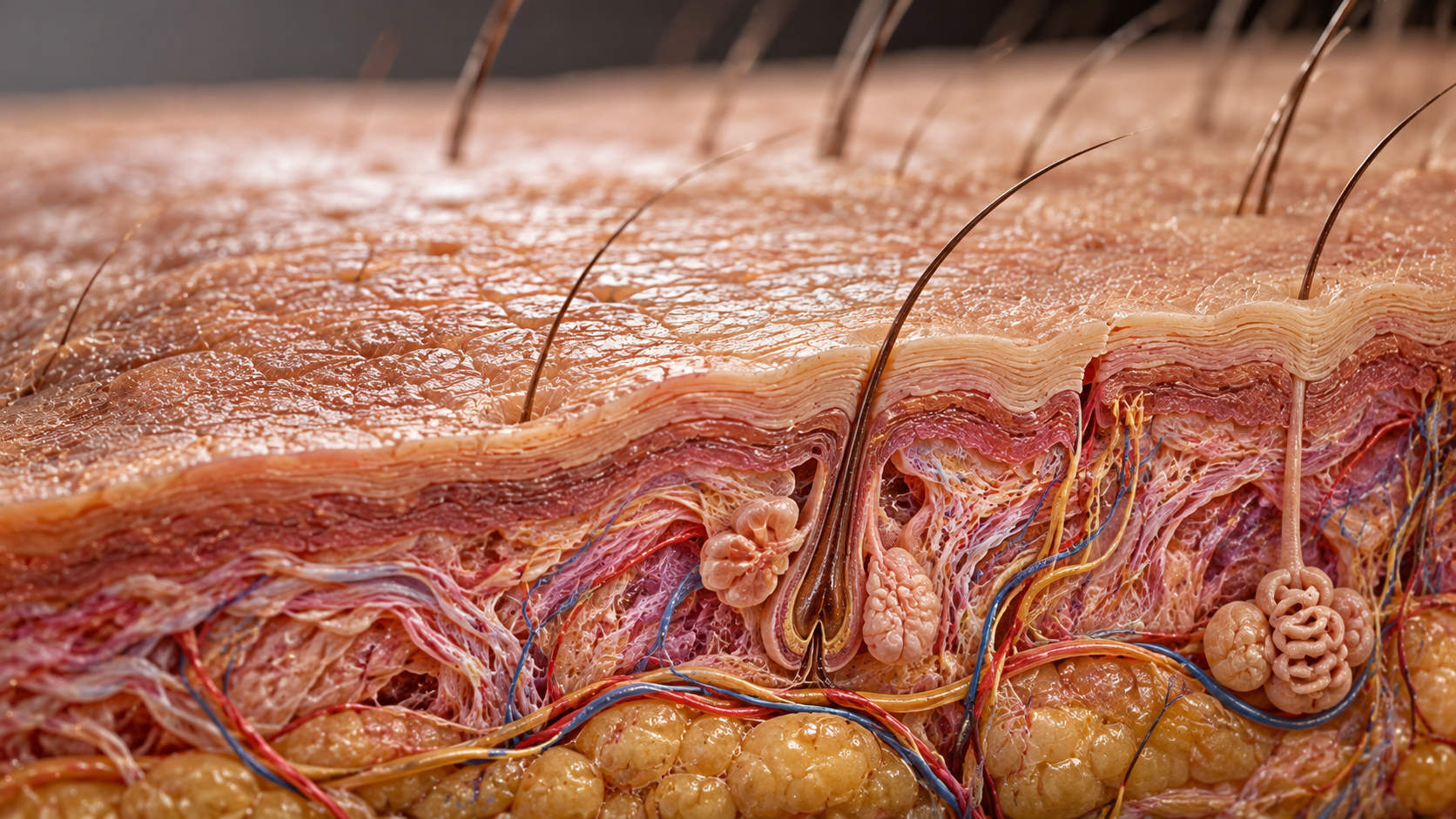
Skin isn’t just the wrapping around everything else. It’s your body’s largest and heaviest organ, weighing roughly 7.5 to 22 pounds in adults, depending on body size. It accounts for about one-seventh of total body weight and covers around 1.5 to 2 square meters. So yes, your skin is doing a lot more than making you look presentable.
Tooth Enamel is Harder Than Bone
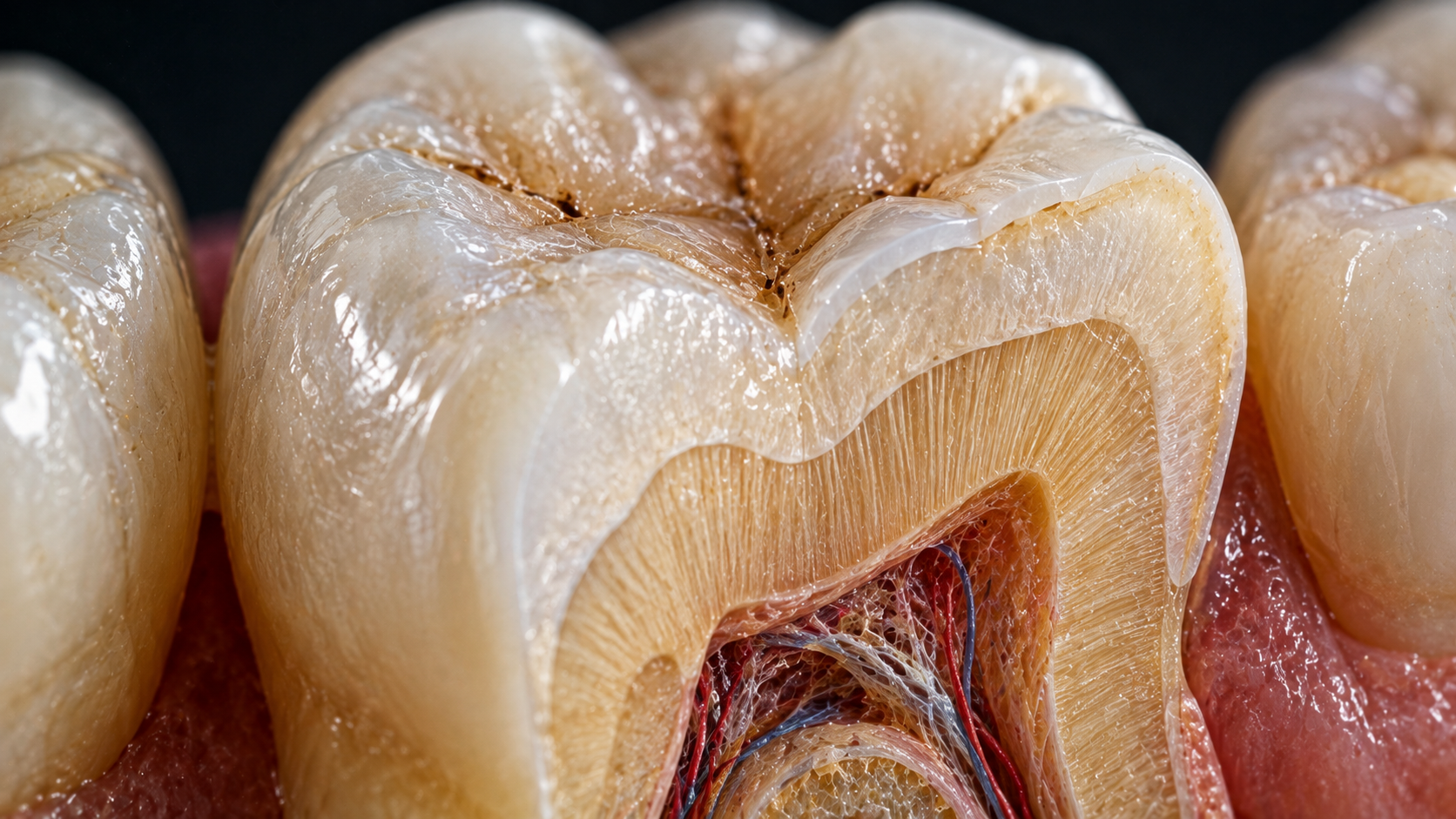
Your teeth have a serious advantage over the rest of your skeleton: their outer coating, enamel, is the hardest material in the human body. Its highly mineralized structure makes it exceptionally durable, but there’s a catch. Unlike bone, enamel can’t regenerate once it’s lost. Your teeth are tough, but they’re not exactly built for unlimited second chances.
Your Skeleton Is Constantly Rebuilding Itself
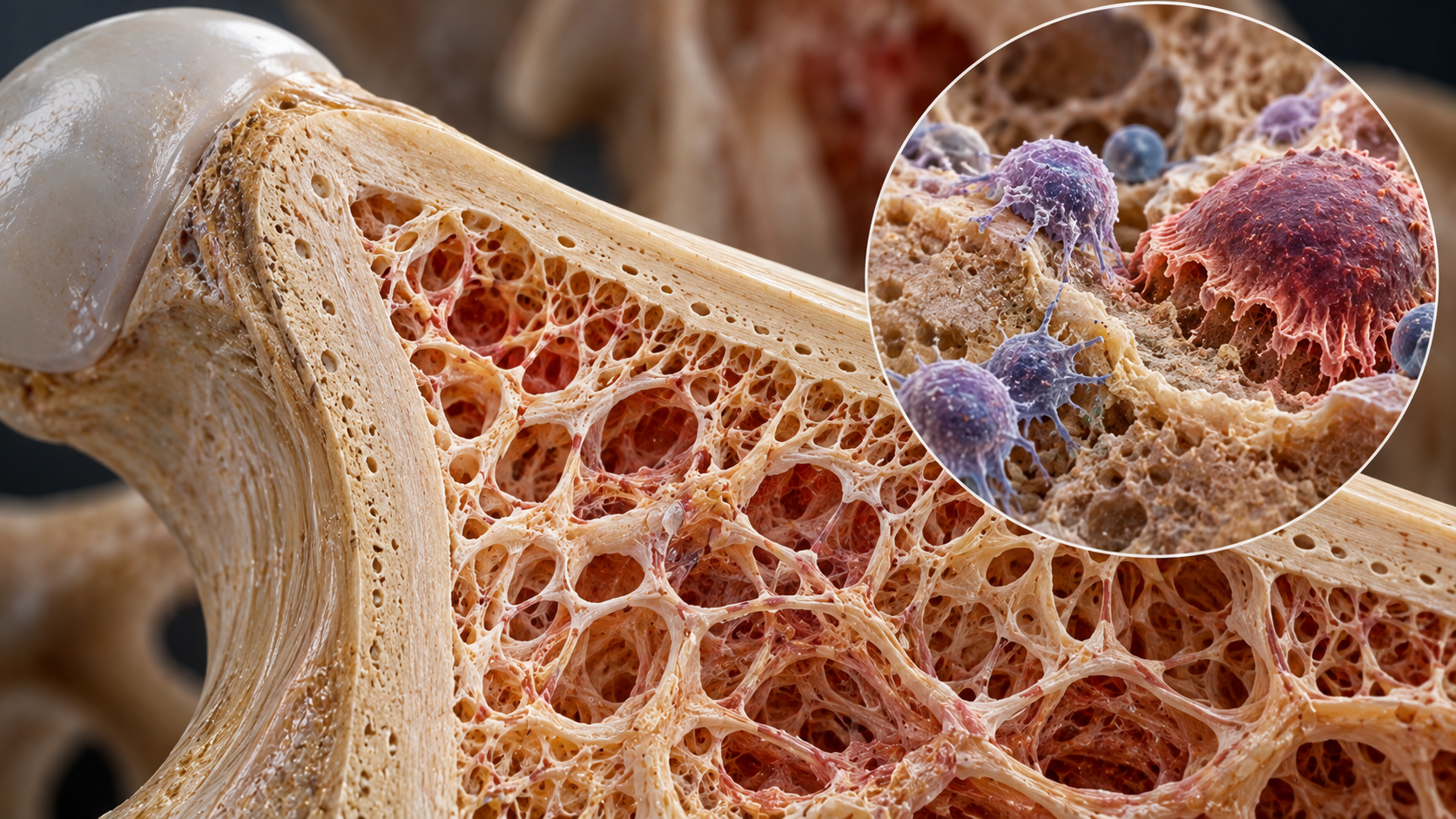
Bones might seem like permanent scaffolding, but they’re actually living tissue under constant renovation. Specialized cells break down old bone while others build new tissue, a process called remodeling. Over roughly a decade, much of an adult skeleton gets remodeled. Basically, your skeleton has a maintenance crew working around the clock, and you never even get the invoice.
Your Bone Marrow Produces Millions of Red Blood Cells Every Second
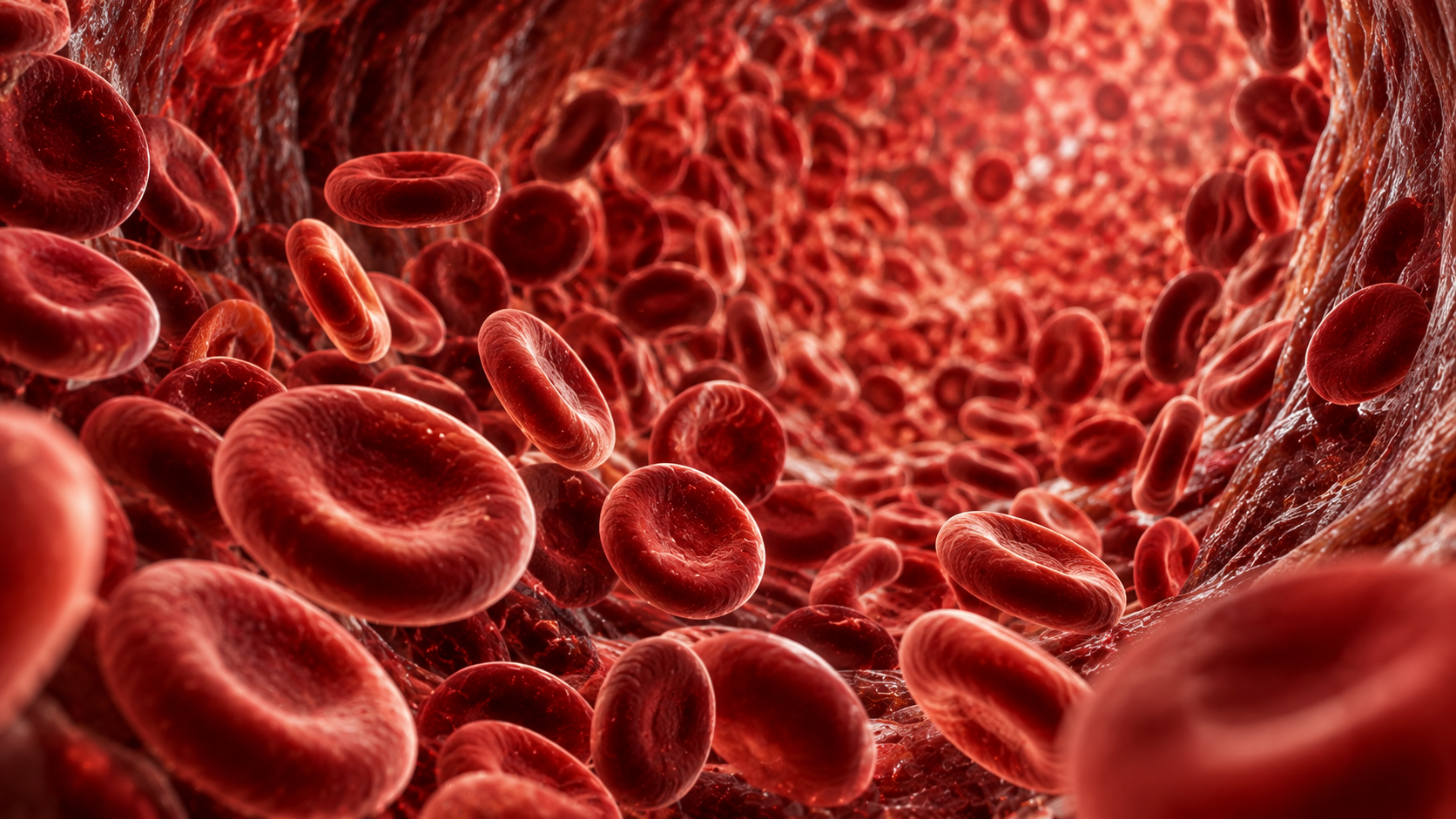
Your body needs a staggering supply of red blood cells to carry oxygen, and bone marrow handles the production. Estimates suggest it makes more than 2 million red blood cells every second to replace cells that age and disappear. That’s an industrial-scale operation happening inside you, without a single factory whistle or employee lunch break.
Mature Red Blood Cells Don’t Have a Nucleus
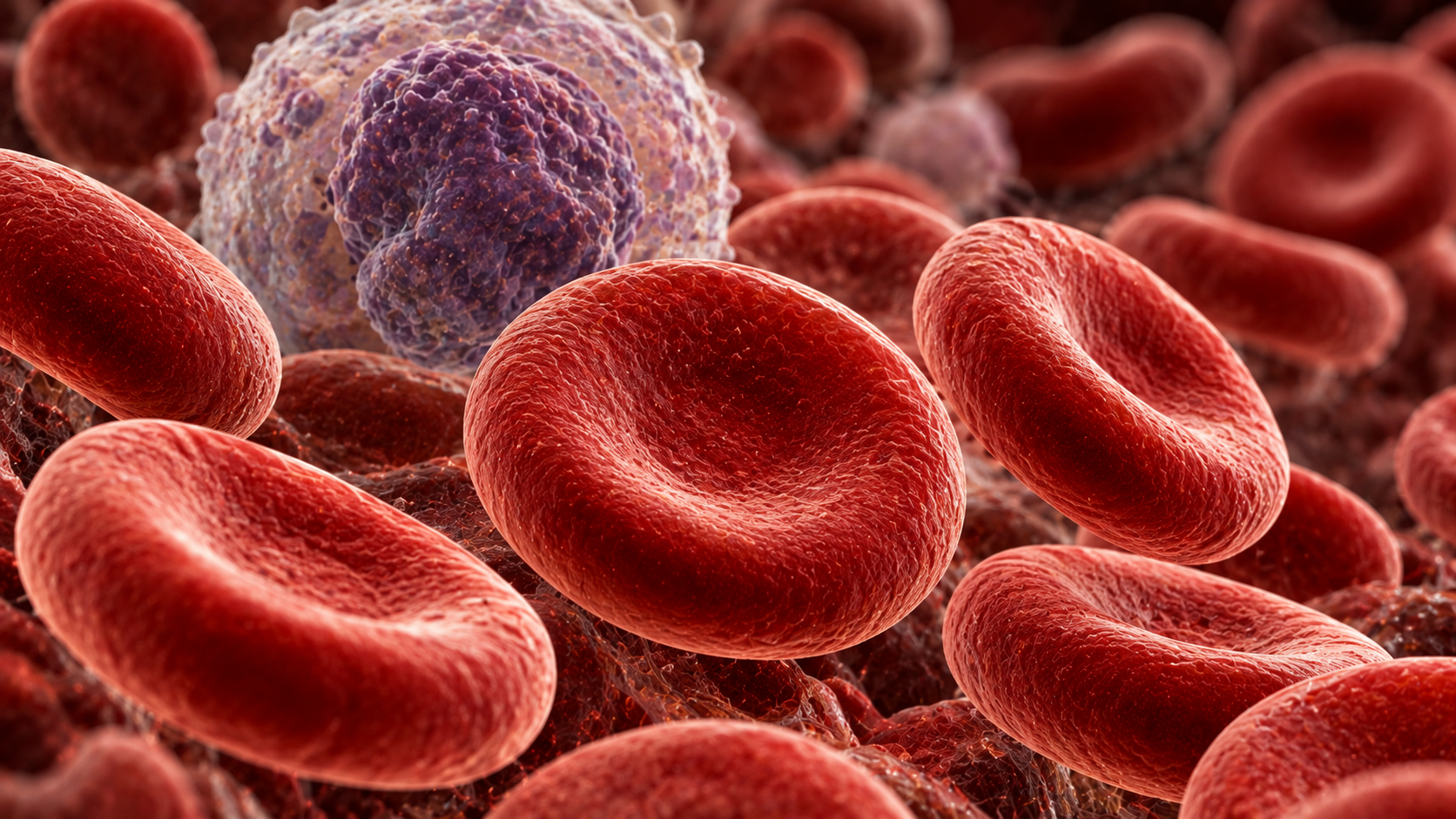
Most human cells keep their DNA inside a nucleus, but mature red blood cells ditch theirs during development. Losing the nucleus leaves more room for hemoglobin, the protein that carries oxygen. The trade-off is that these cells can’t divide or repair themselves normally, and they typically survive for around 120 days. Even your blood cells have an expiration date.
Trending on The Scroller


Your Kidneys Filter Around 150 Quarts of Blood a Day
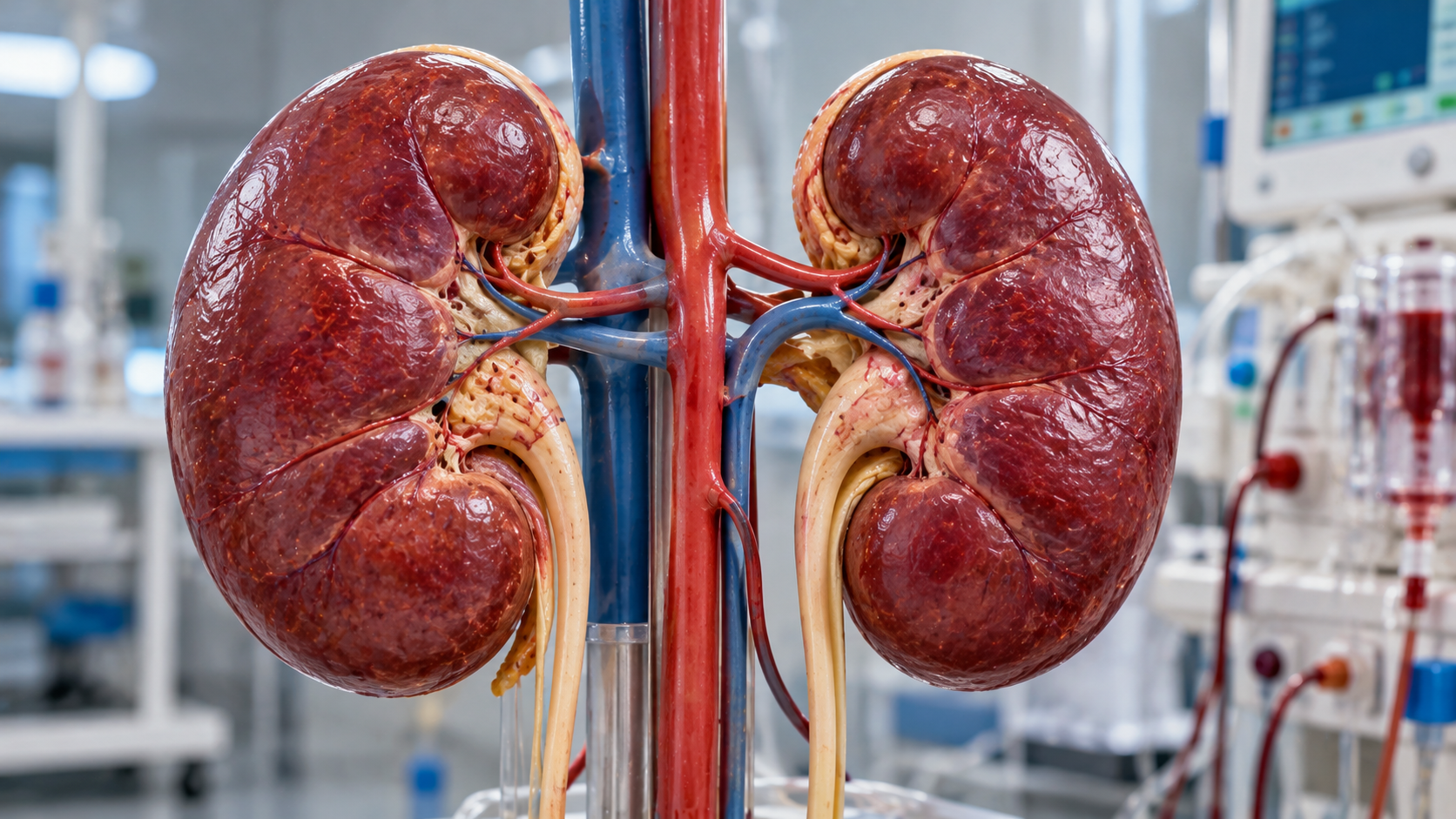
Your kidneys repeatedly process your blood, filtering roughly 150 quarts daily. Fortunately, they don’t throw most of it away: nearly all the water and useful substances are returned to circulation, while about one of two quarts typically leave as urine. It’s an impressive recycling system, and probably the only one in your life that runs continuously without reminders.
Your Liver Can Recover After Losing Much of Its Mass
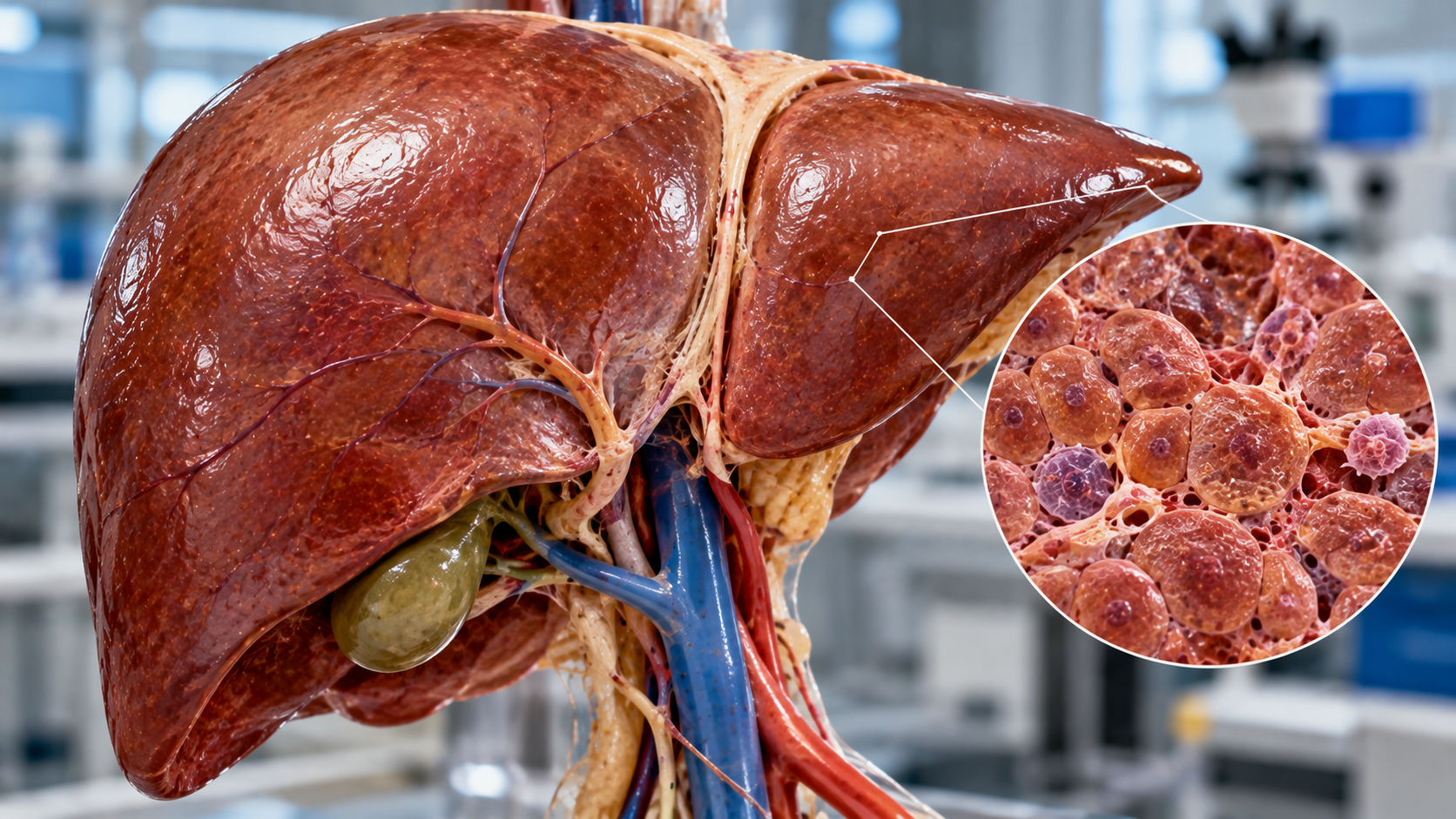
The liver has one of the body’s most remarkable regenerative abilities. Following certain surgeries in which up to 70% of liver mass is removed, the remaining tissue can grow and restore the organ toward its original functional mass over the following weeks. It doesn’t work exactly like regrowing a lost limb, but it’s still an extraordinary recovery act for an organ.
The Front of Your Eye Has No Blood Vessels
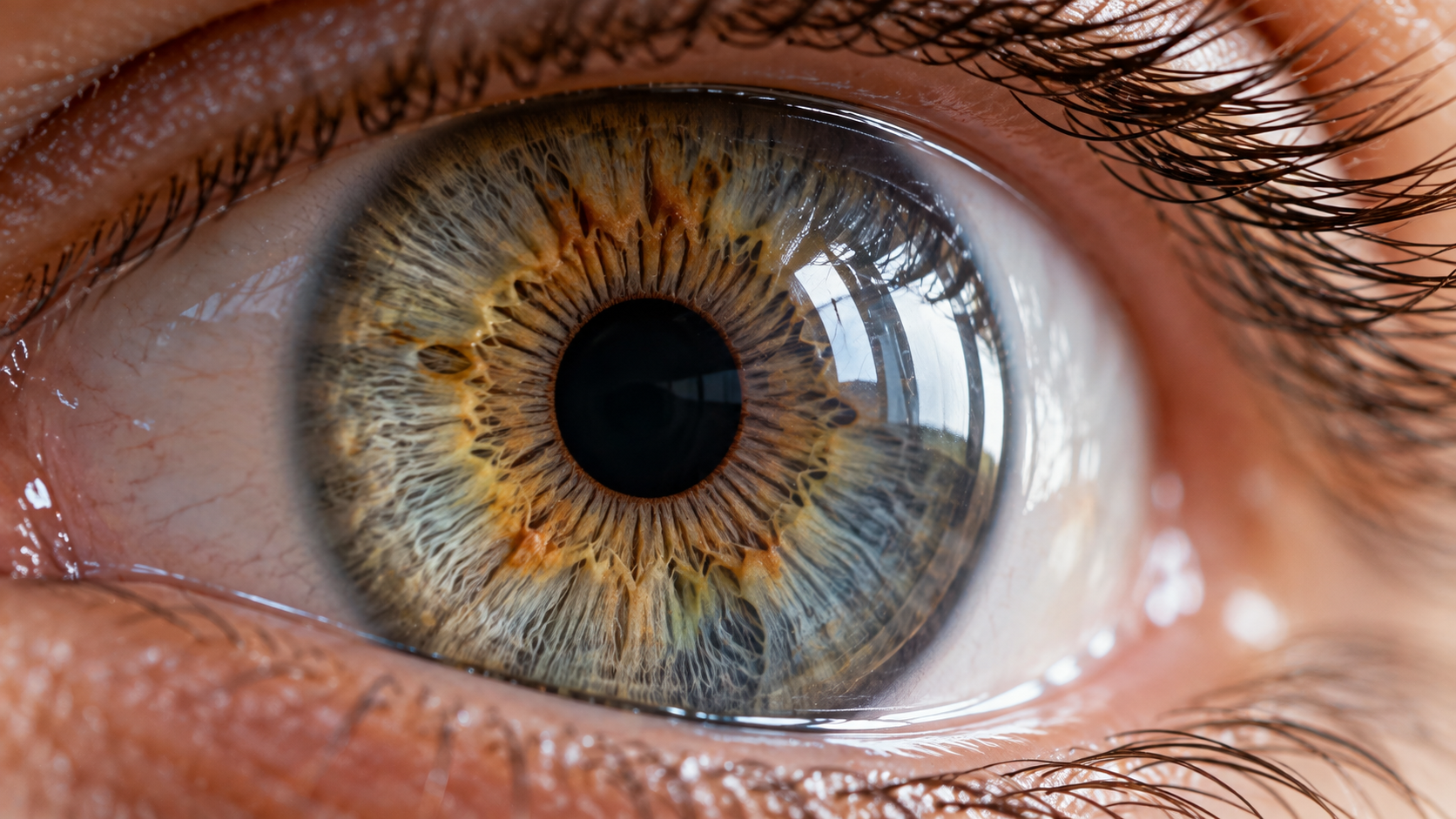
The cornea, the clear front surface of your eye, needs to let light pass through unobstructed. That’s why its central region has no blood vessels. Instead, it gets much of its oxygen directly from the surrounding air through the tear film. Your eyes are essentially relying on atmospheric oxygen for part of their upkeep. Blink, and that delicate surface gets another layer of protection.
Sign up for our newsletter
Your Left Lung Is Smaller to Make Room for Your Heart
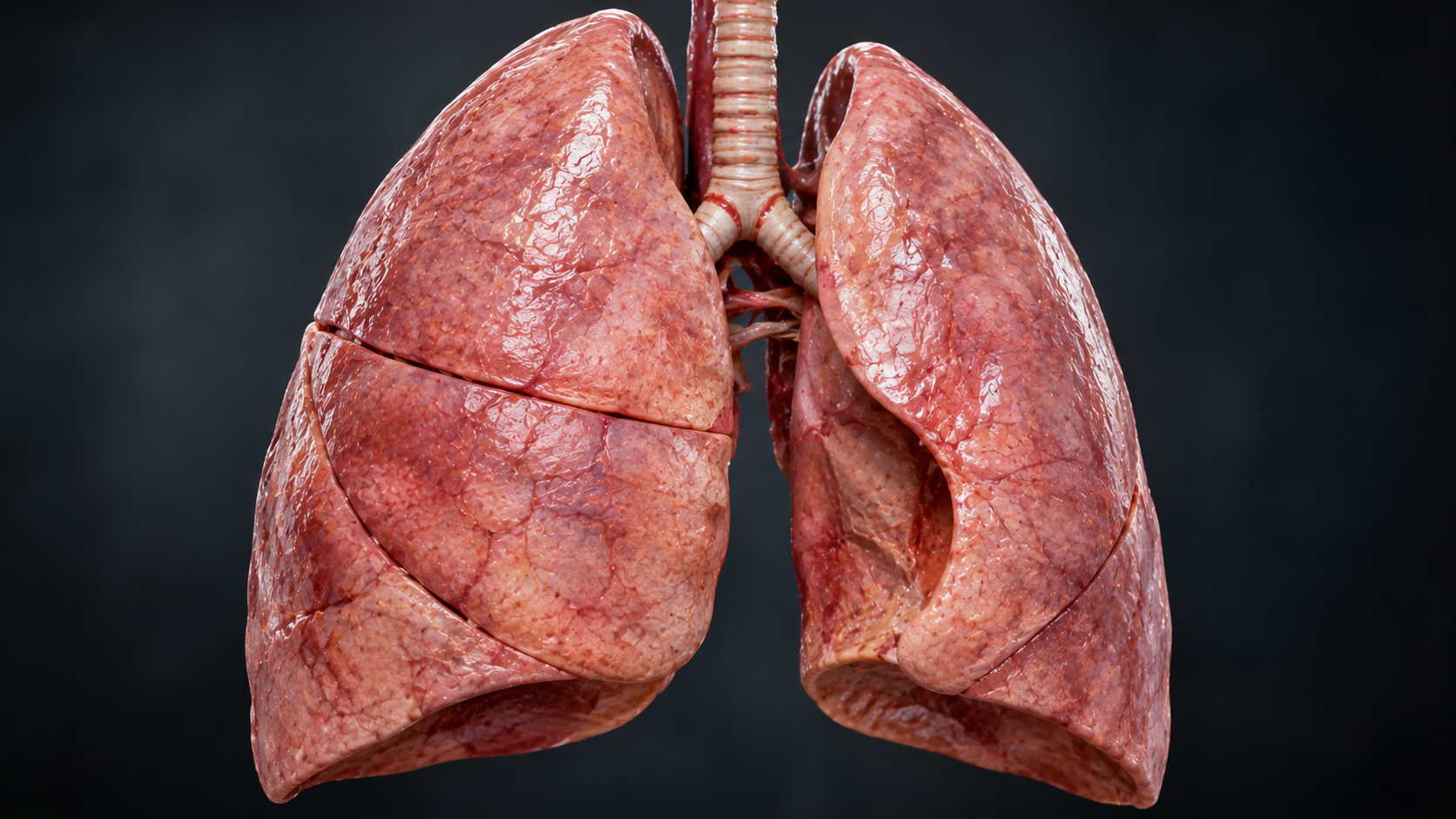
Your lungs aren’t a matching pair. The right lung has three lobes, while the left has only two and is slightly smaller. That difference leaves space for your heart, which sits toward the left side of your chest. It’s a practical bit of anatomical planning: even inside your body, not everyone gets equal square footage.
Your Brain Uses About 20% of Your Oxygen at Rest
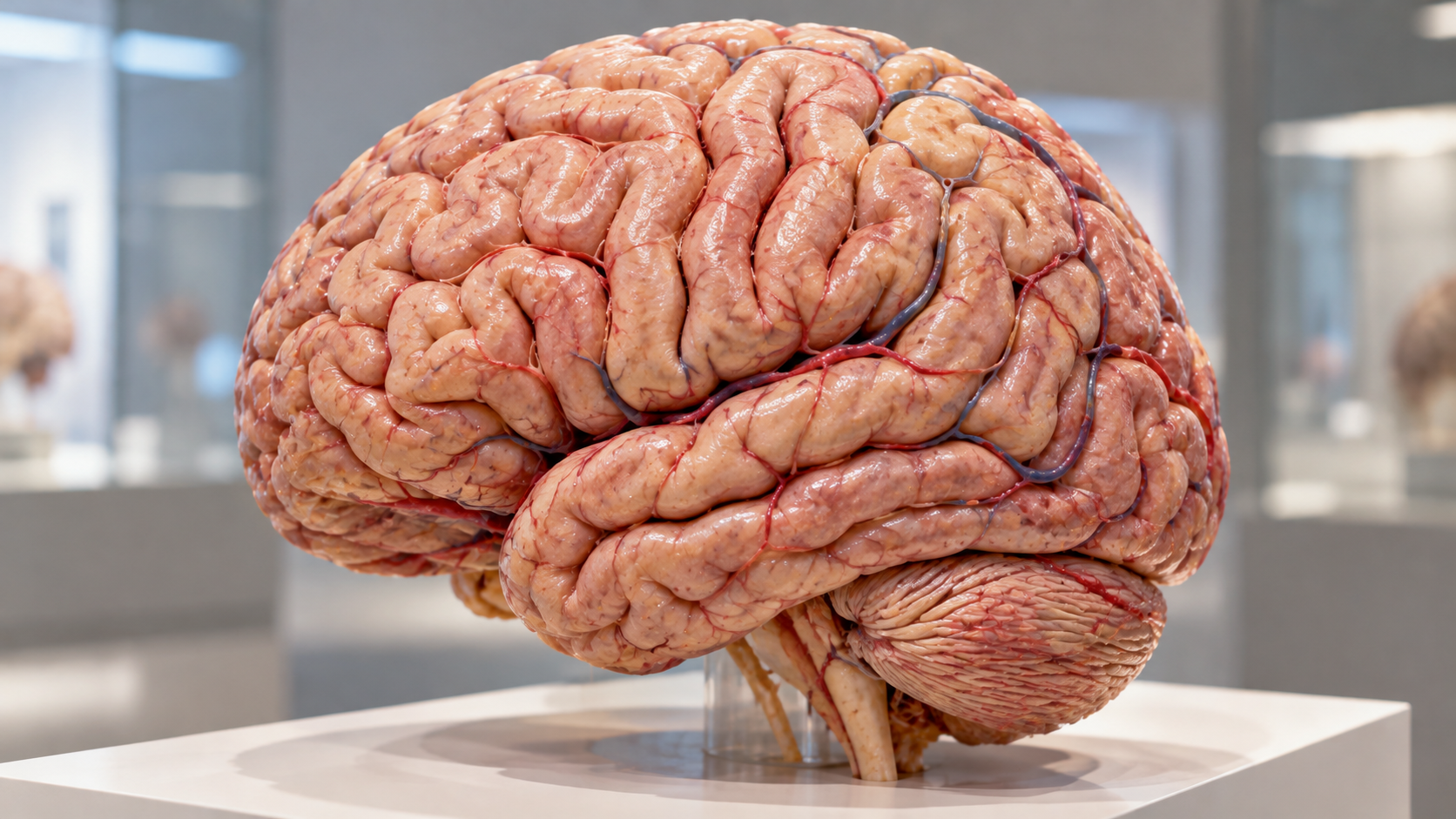
Your brain makes up only around 2% of your body weight, yet it uses approximately 20% of your oxygen and energy at rest. All that electrical and chemical activity takes serious fuel, even when you’re sitting still. So if your brain feels exhausted after a day of thinking, at least its energy bill has a scientific explanation.
Your Body Produces About Half a Liter of Fluid Around Your Brain Daily
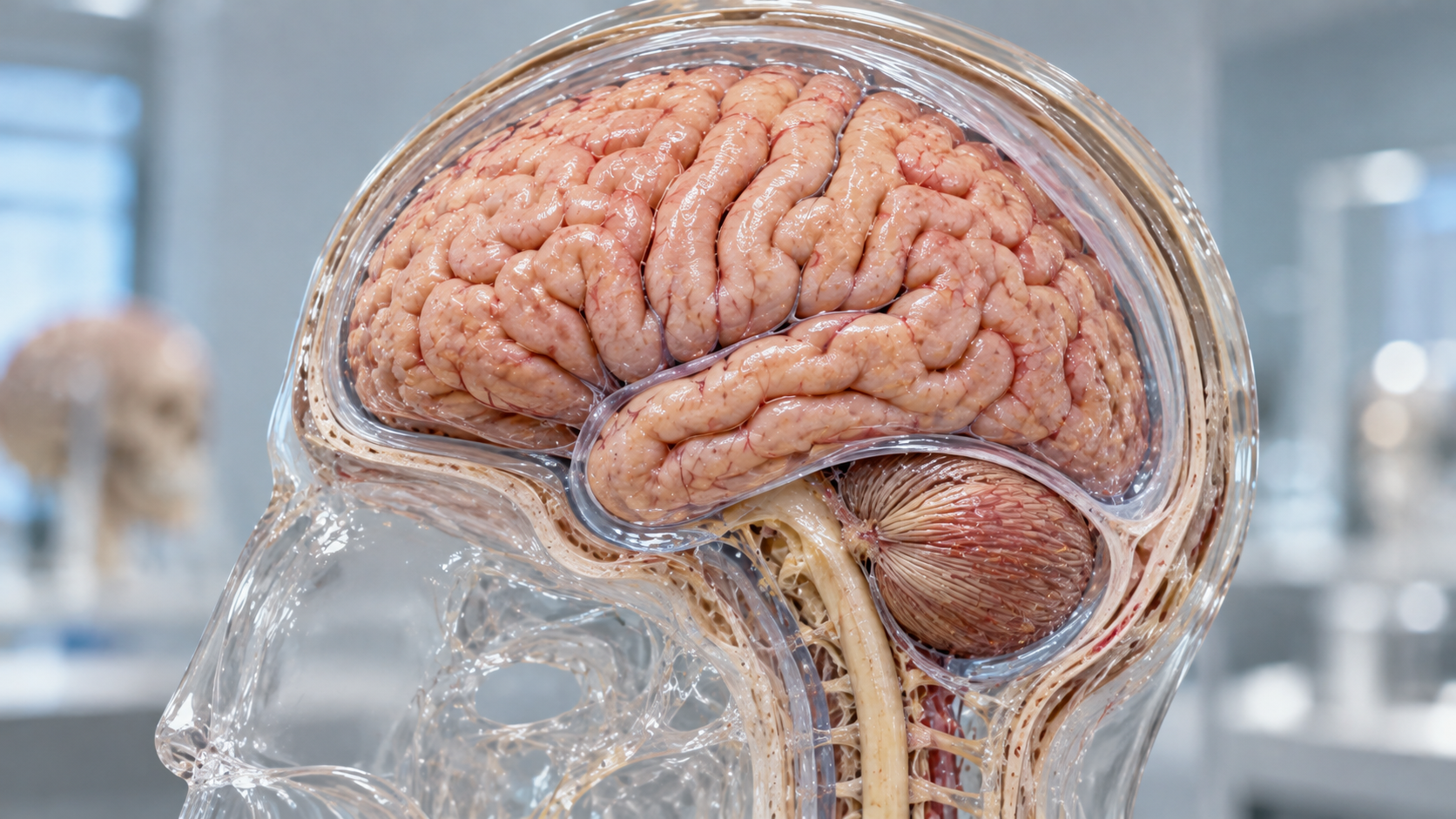
Cerebrospinal fluid cushions your brain and spinal cord, helping protect your central nervous system. Although only about 125 to 150 milliliters circulate at any given time in an adult, your body produces roughly 500 milliliters daily. The fluid is continually replaced and cleared several times a day. Your brain gets its own constantly refreshed protective environment, because apparently one safety system wasn’t enough.
You Could Blink Nearly 30,000 Times in a Day
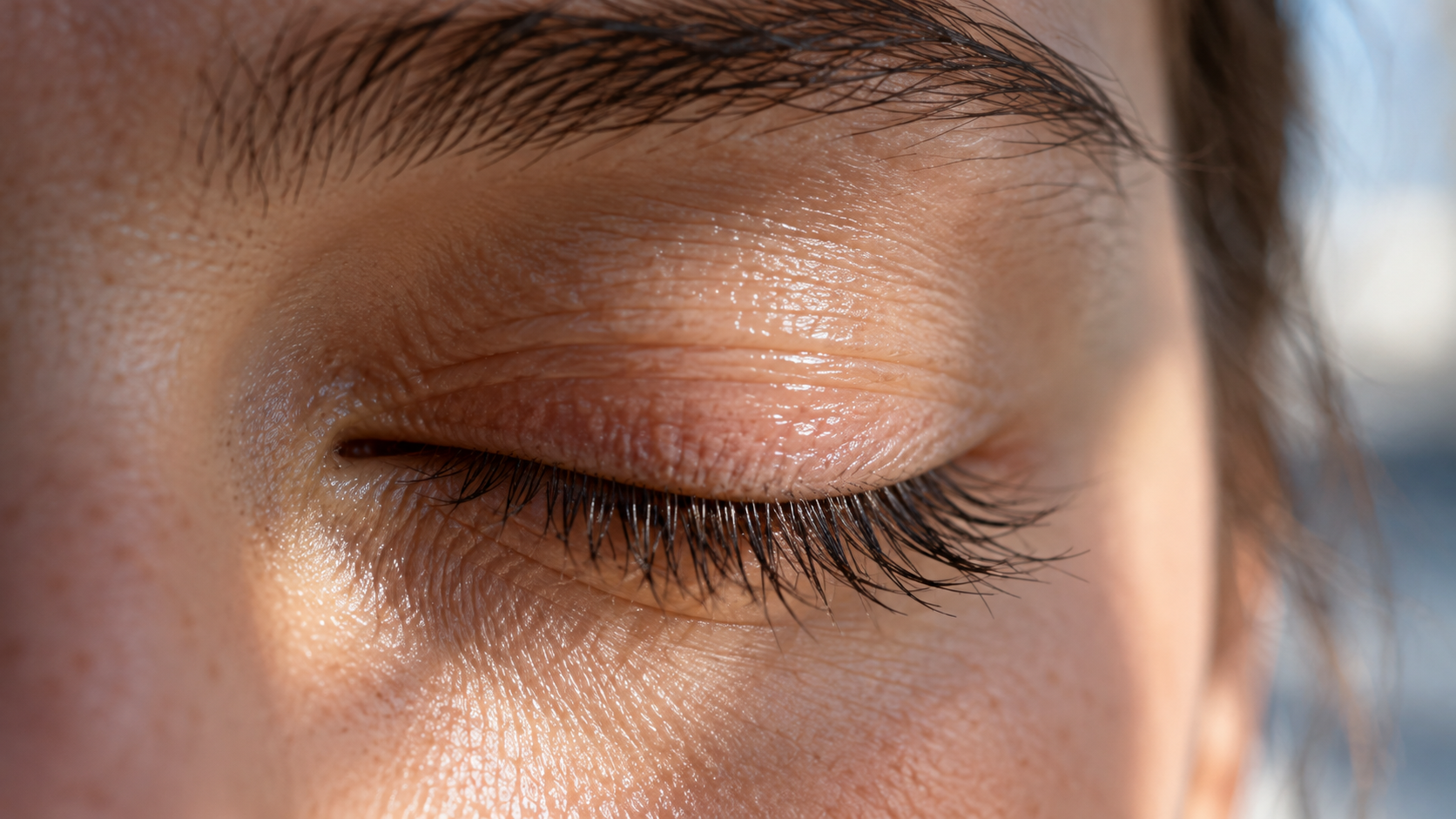
People typically blink around 15 to 20 times per minute, which can add up to as many as 28,800 blinks over 24 hours. Each one spreads tears across the eye’s surface, keeping it moist and helping protect the cornea. You probably didn’t notice any of those blinks while reading this. That’s the whole point: your body handles the little things without interrupting your scrolling.
You Can Produce About a Liter of Saliva Every Day
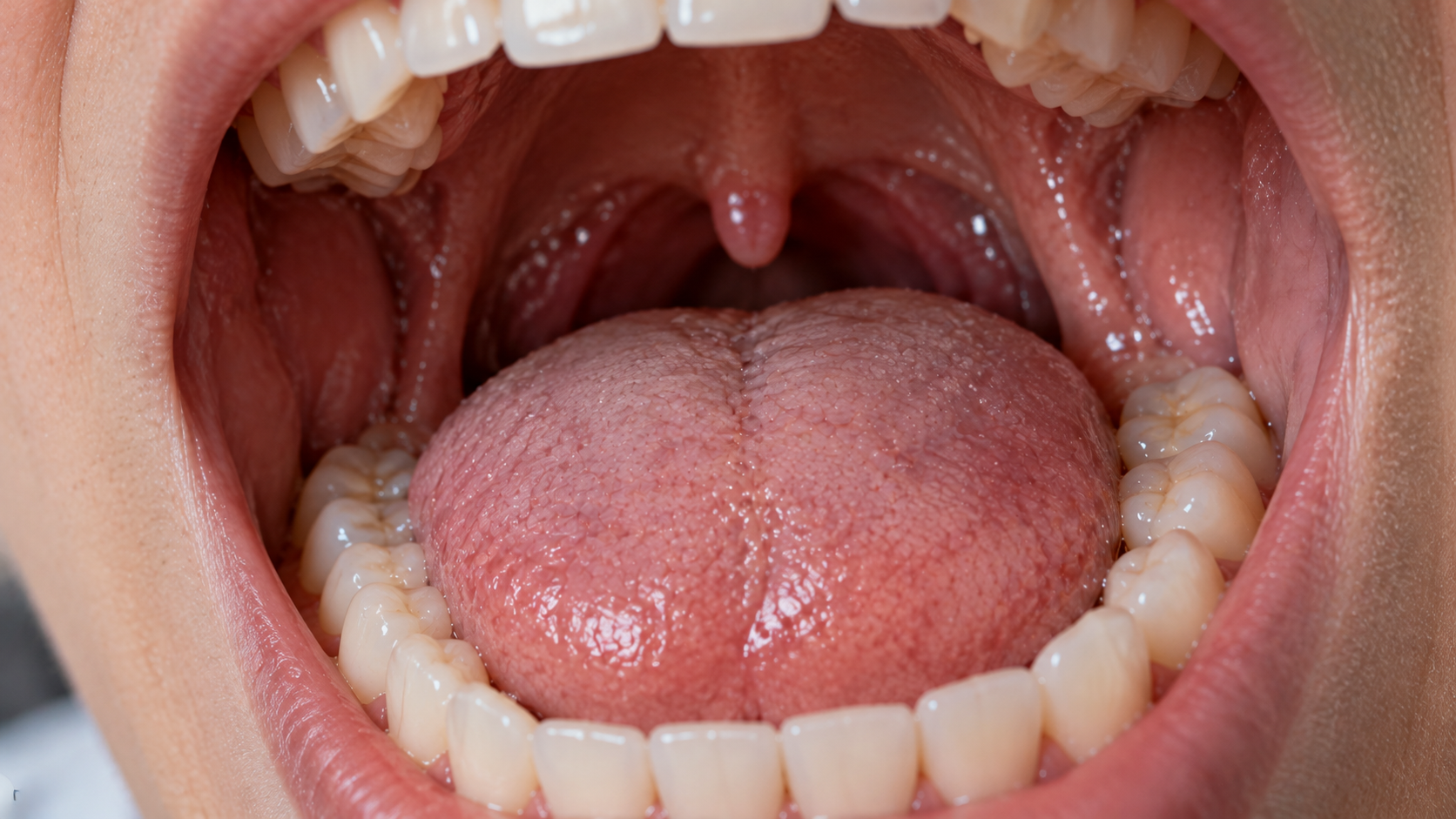
The average person produces roughly one liter of saliva daily. It helps you speak, swallow, digest food, protect your teeth, and control microbes in your mouth. It’s a surprisingly busy fluid for something you usually only think about when your mouth gets dry, or you see a particularly good meal. Your salivary glands are working even when you’re not eating.
Your Taste and Smell Receptor Cells Keep Getting Replaced
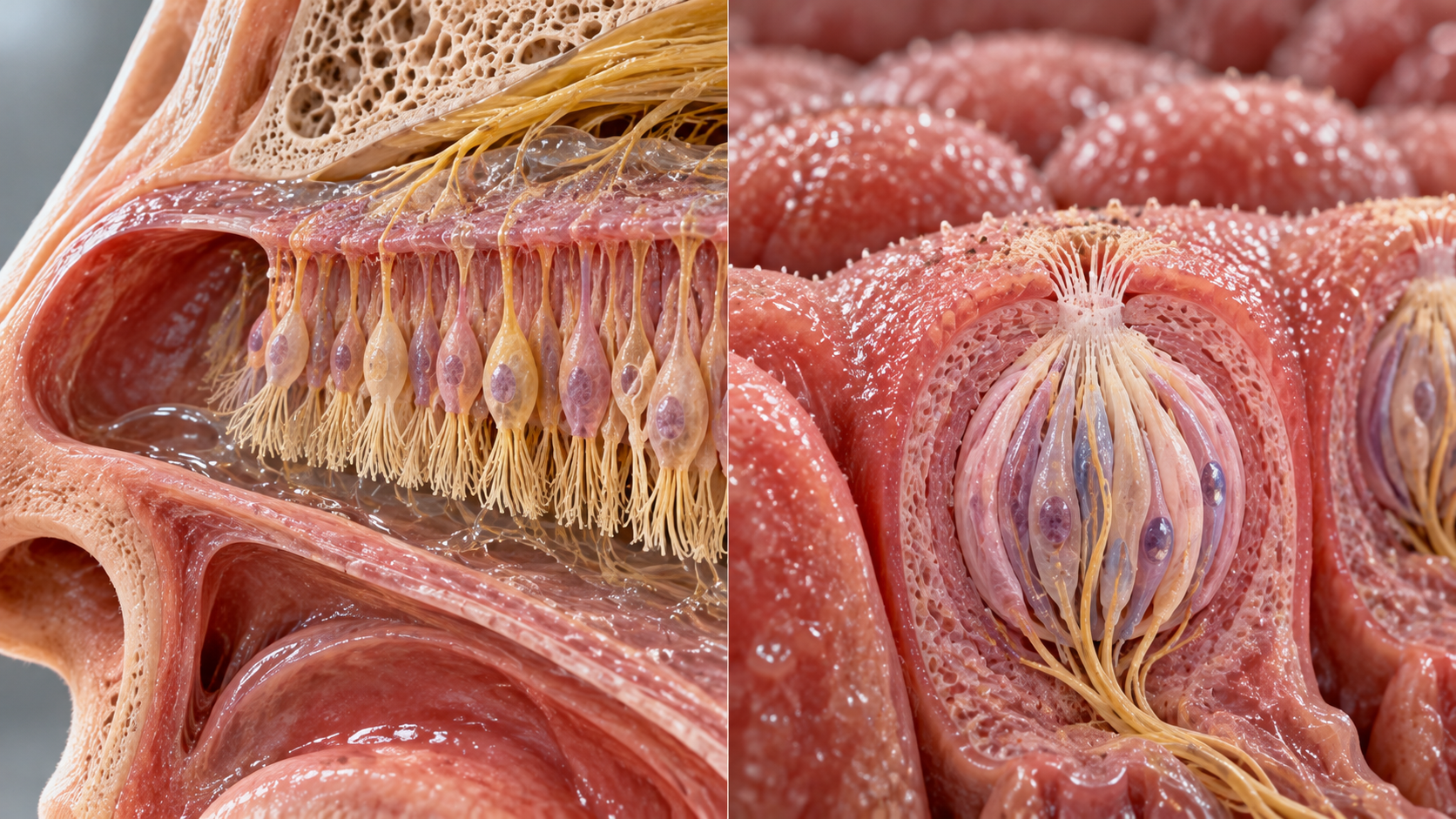
Some of the cells responsible for taste and smell are continually replaced throughout life. These sensory systems can also regenerate relatively quickly after certain types of injury. That means the cells helping you appreciate fresh coffee or detect an unpleasant odor aren’t necessarily the same ones you had months ago. Your senses have a renewal process, even if your questionable food preferences remain unchanged.
Taste Receptors Exist in Your Gut, Too
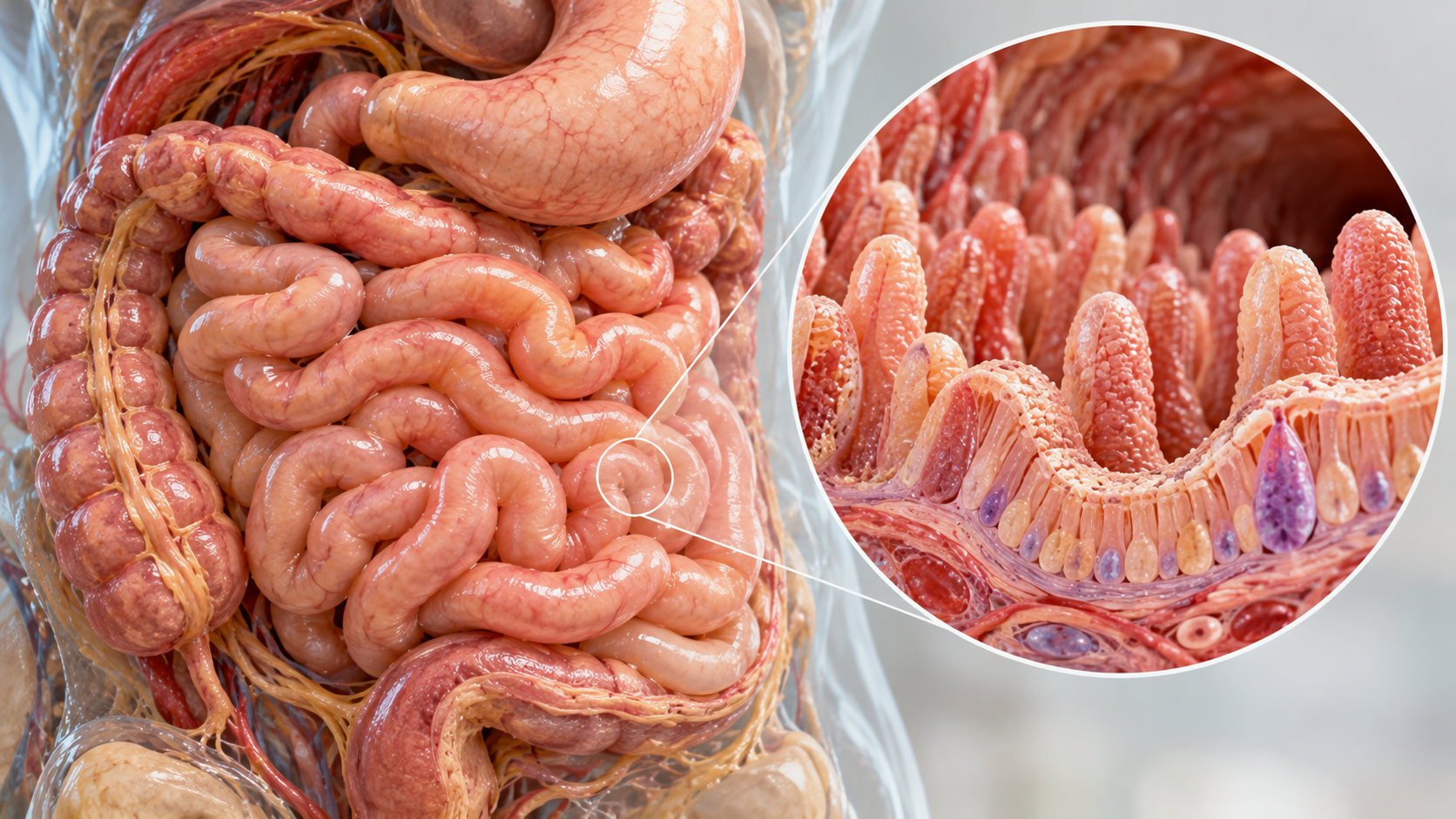
Taste receptors aren’t limited to your tongue. Research has found receptors involved in detecting sweetness in the human intestine, where they help the digestive system sense sugars and influence absorption and related hormone responses. Your gut doesn’t taste dessert the way your mouth does, but it still has ways to recognize what’s arriving. Apparently, your digestive system likes to know what’s on the menu.
Parts of Your Digestive Tract Replace Their Cells in Days
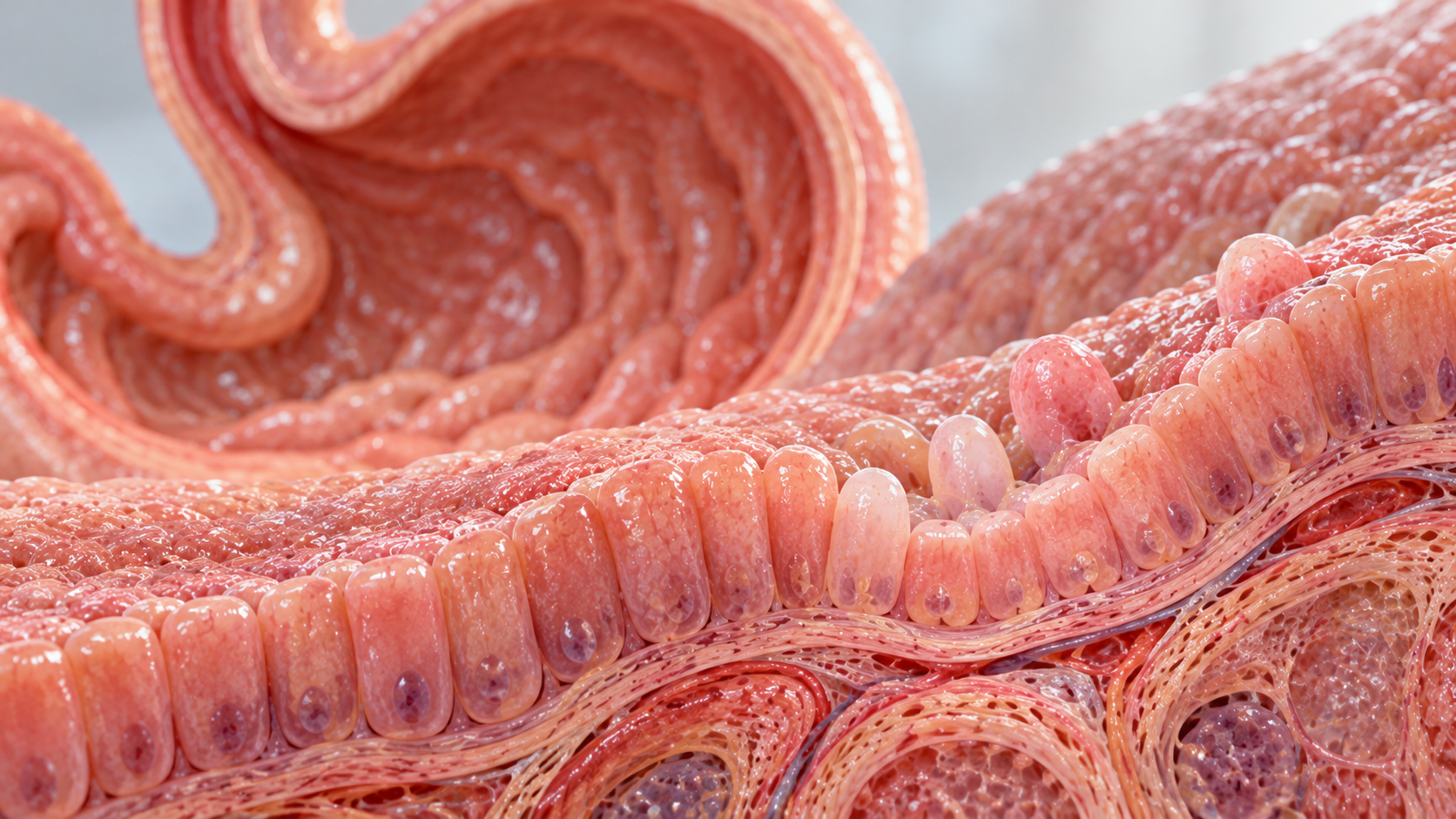
The lining of your stomach and intestines faces acid, digestive chemicals, microbes, and constant physical wear. To keep up, some of its surface cells are renewed in roughly three to five days. That’s a remarkably fast turnover compared with many other tissues. Your digestive tract is basically running a nonstop renovation project, and the old surfaces don’t get to vote on the schedule.
Your Gut Has a Nervous System of Its Own
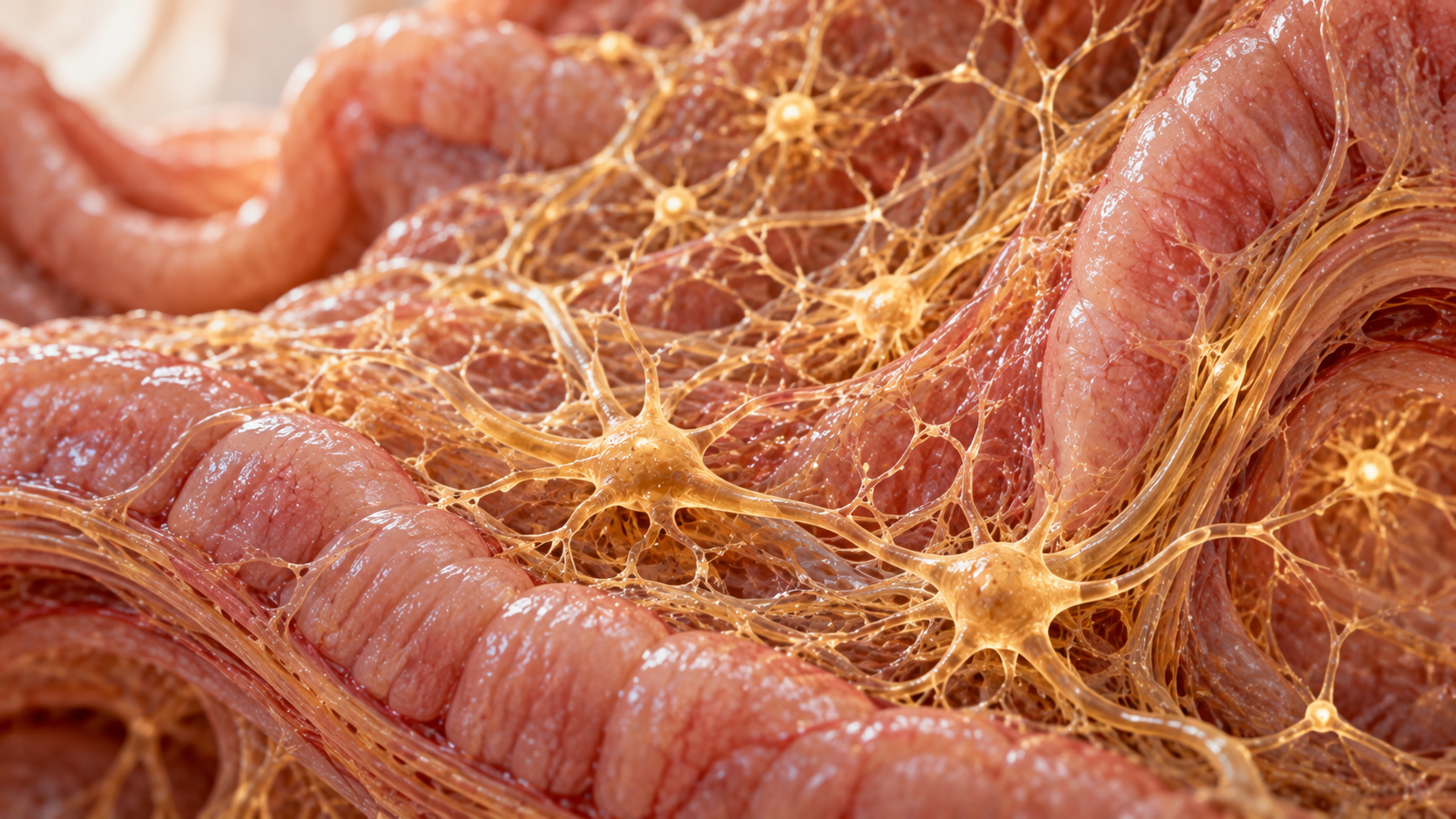
The enteric nervous system is an extensive network of neurons embedded in your digestive tract. It helps regulate movement, secretions, blood flow, and other digestive functions, and it can manage many reflexes without constant instructions from the brain or spinal cord. Estimates put its neuron count at around 100 million. No wonder it’s nicknamed the body’s “second brain”, although it probably won’t help you pass a math test.
Your Fingerprints Start Forming Before You’re Born
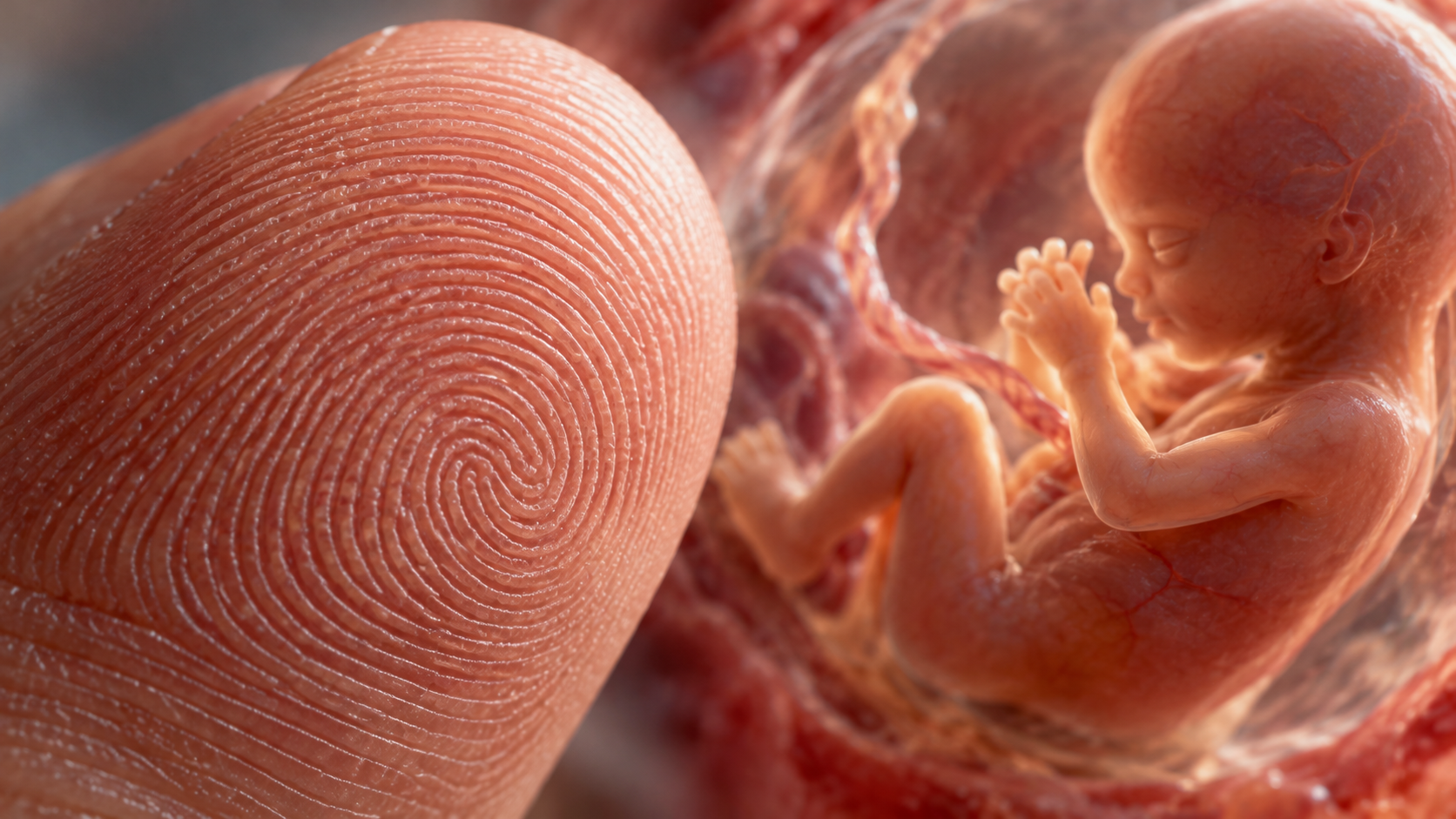
Fingerprint ridges begin developing during fetal life, and their patterns are generally established by around seven months after conception. They tend to persist throughout life unless deep tissue injury alters them. Even identical twins develop distinguishable fingerprints because tiny differences during development influence the final patterns. Your fingers arrive with their own identifying details before you’ve had a chance to touch anything.
Cells From a Pregnancy Can Remain in the Body for Decades
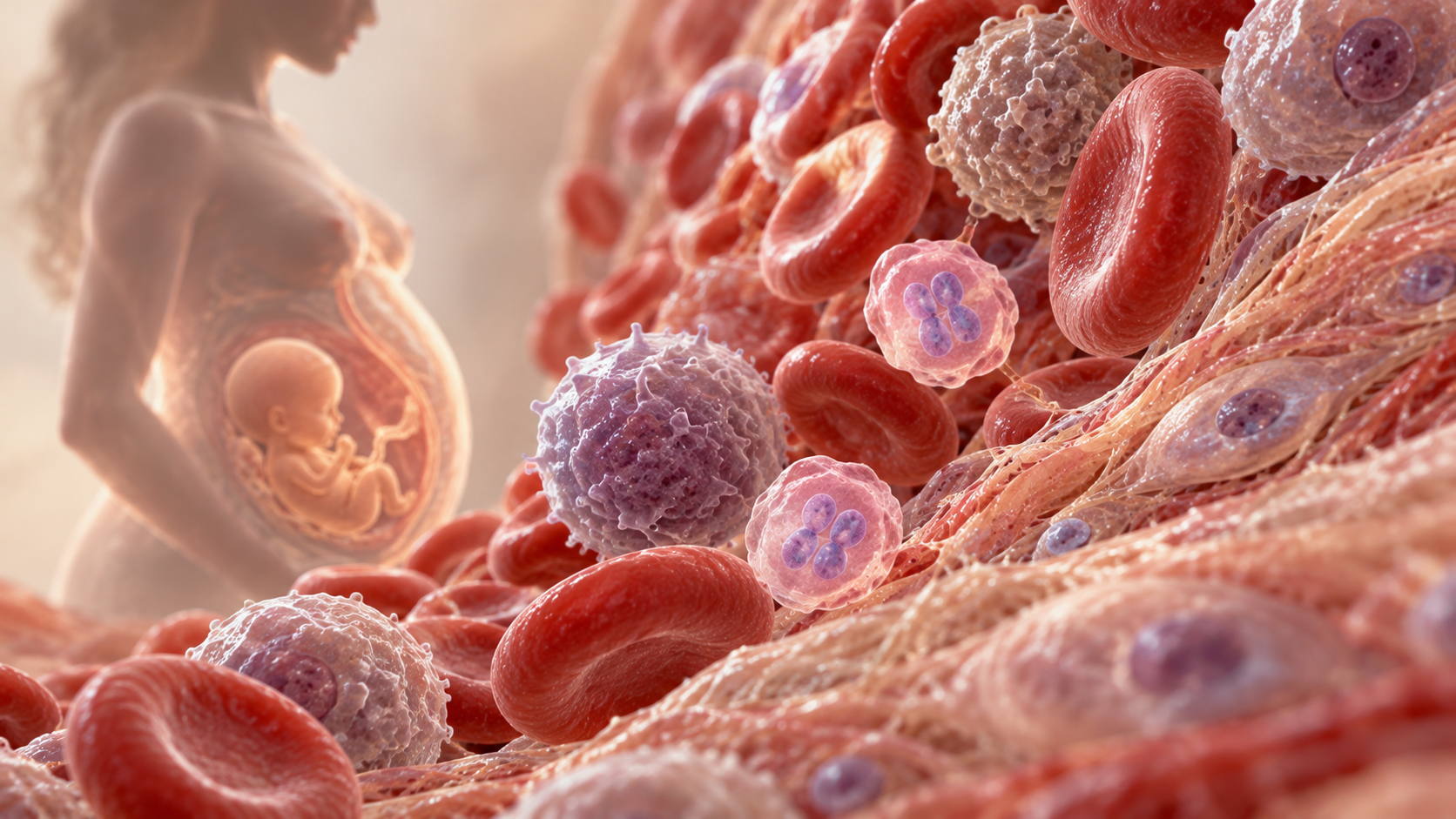
During pregnancy, small numbers of fetal cells can cross the placenta and enter the mother’s bloodstream and tissues. Some may remain for decades after the pregnancy ends, a phenomenon called fetal microchimerism. Researchers have detected these cells in blood, bone marrow, and other tissues, although their long-term effects are still being studied. Pregnancy can leave a microscopic biological trace long after the experience itself is over.
Bright Sunlight Can Make You Sneeze

For some people, stepping suddenly into bright sunlight triggers an involuntary sneeze. Known as the photic sneeze reflex, the phenomenon may affect roughly one-quarter of the population, although estimates vary. Scientists know the response is real, but its exact neurological mechanisms remain unresolved. So if someone sneezes when they walk outside on a sunny day, they’re not necessarily allergic to the weather. Their nervous system may simply be getting its signals crossed.