The 1980s gave us unforgettable music, blockbuster entertainment, groundbreaking gadgets, and a few spectacular commercial missteps. It is a decade defined by strong nostalgia, but human memory isn’t always perfectly accurate. As time passes, the timelines blur, and the actual origins of famous products and cultural moments often get rewritten in our heads.
From the true beginnings of the Walkman to the first appearance of the world’s most famous animated family, these 12 facts settle some surprisingly common debates about what actually happened during the decade. Some of the most recognizable symbols of the ’80s were invented much earlier, while other supposedly modern innovations got their start well before 1990.
1. The Sony Walkman was actually invented in the 1970s
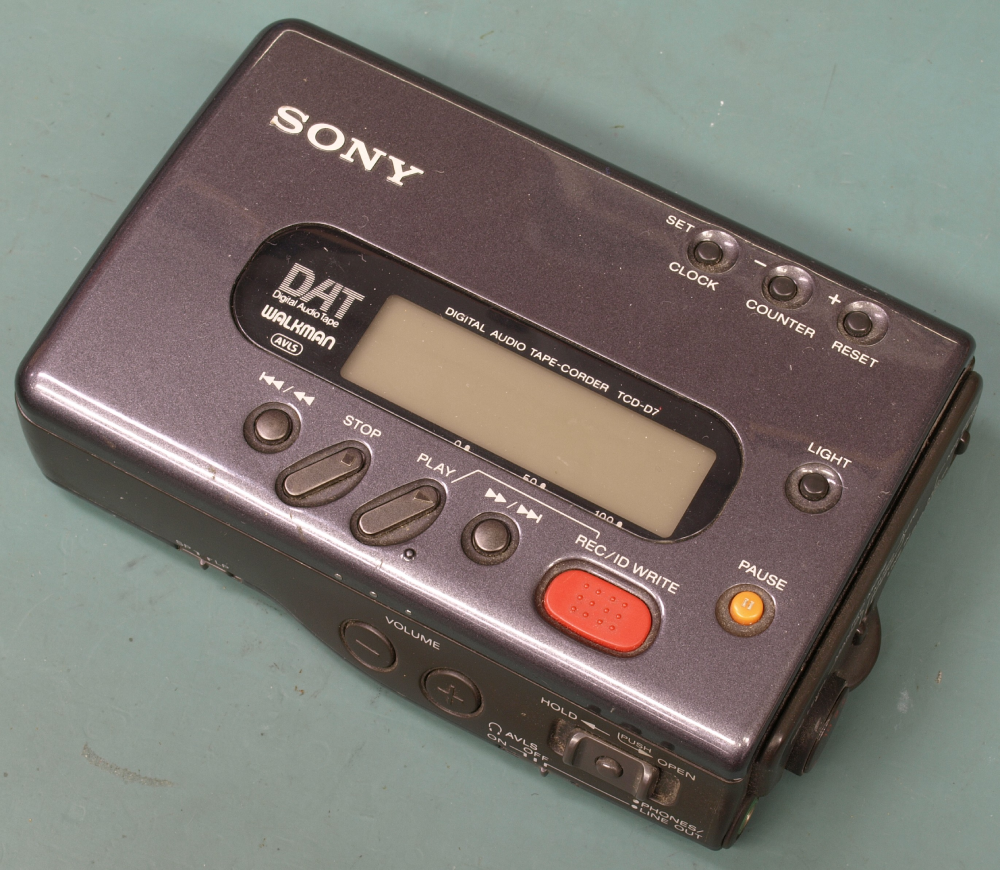
The Walkman might be one of the defining gadgets of the 1980s, but Sony actually introduced its first model, the TPS-L2, in 1979. The original portable stereo cassette player was developed partly because Sony co-founder Masaru Ibuka simply wanted a convenient way to listen to stereo music while traveling on airplanes. Interestingly, Sony’s corporate history reveals that some people inside the company seriously doubted the product would succeed because it was strictly a player and couldn’t record music.
2. The first music video on MTV was not by Michael Jackson or Madonna
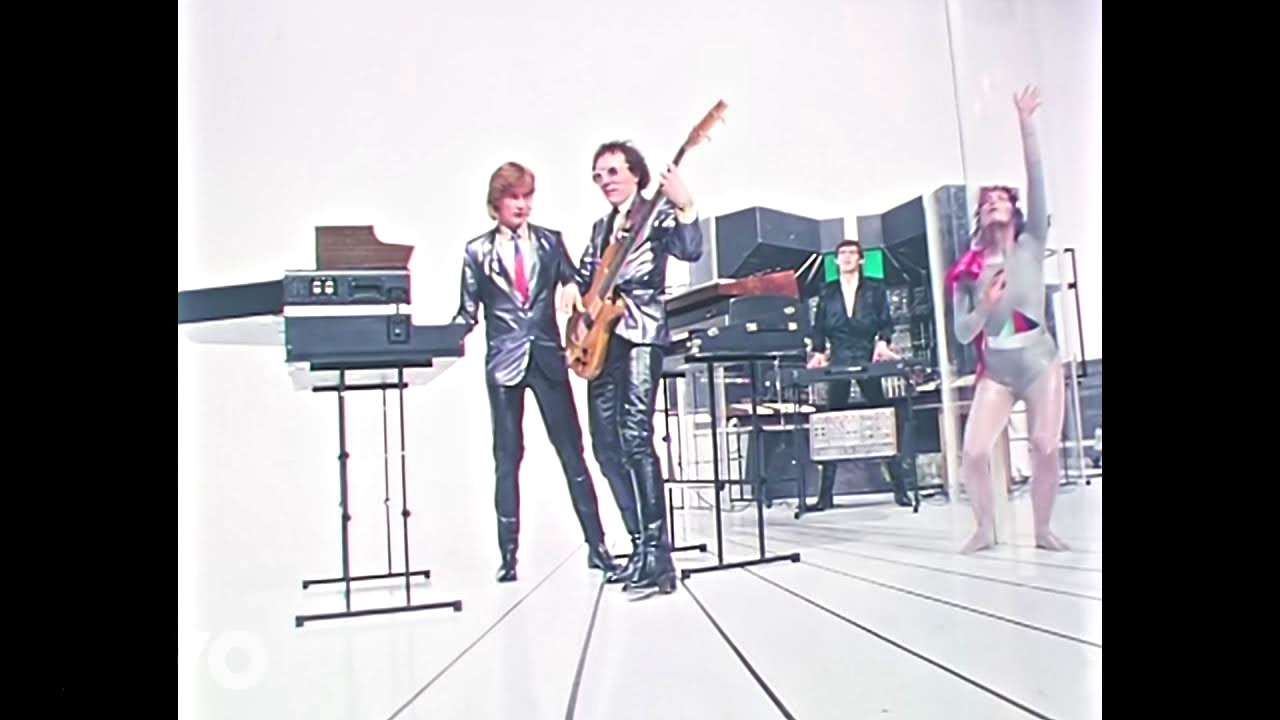
When MTV finally hit the airwaves on August 1, 1981, the first music video it played was “Video Killed the Radio Star” by the British group The Buggles. The choice was a highly deliberate, tongue-in-cheek message for a television channel built entirely around music videos. Despite MTV’s enormous cultural influence over the coming decade, Guinness World Records notes that its initial broadcast was only available in extremely limited cable markets, primarily in parts of New Jersey.
3. The Nintendo Entertainment System didn’t reach America until 1985
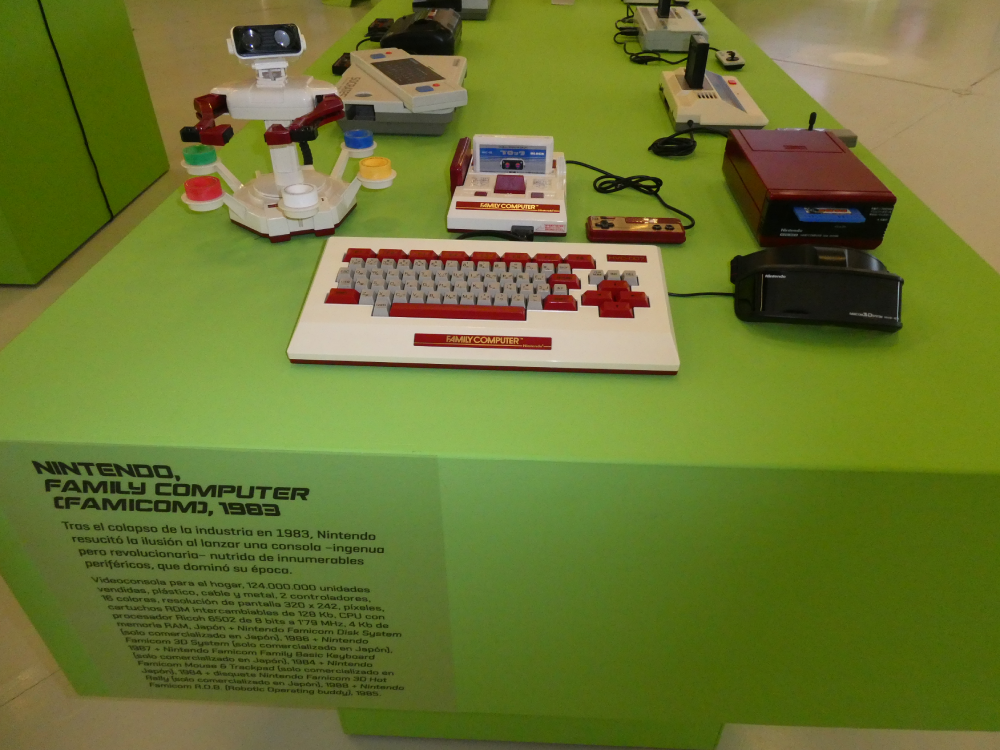
Although Nintendo’s original Famicom console debuted in Japan in 1983, the Nintendo Entertainment System did not arrive in the United States until 1985. This timeline means that American children during the early part of the decade were absolutely not growing up with the NES, despite what some nostalgic retellings suggest. Nintendo’s eventual American launch single-handedly revived the domestic industry and made home video games a massive part of late-1980s childhood.
4. New Coke lasted just 79 days before the original returned
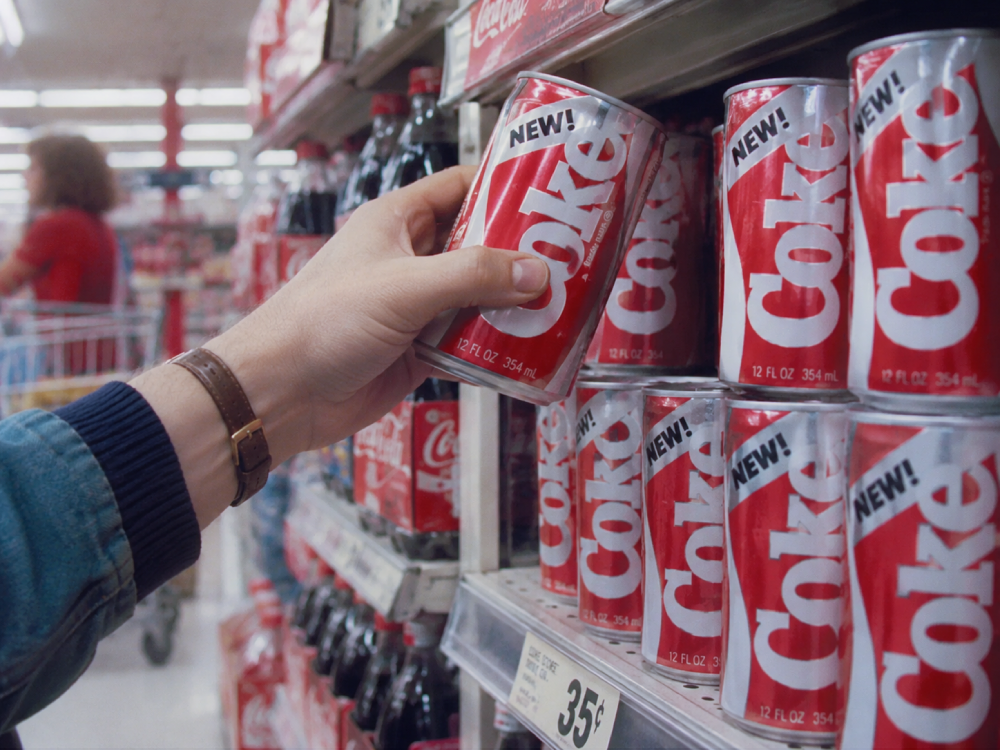
One of the biggest marketing controversies of the entire decade began on April 23, 1985, when Coca-Cola boldly announced a brand new formula for its flagship soft drink. Despite highly favorable results in initial blind taste tests, loyal customers were completely furious about losing the original flavor. The backlash was so severe that Coca-Cola brought the original recipe back as Coca-Cola Classic on July 11, just 79 days later, although New Coke itself stubbornly remained on store shelves for years.
5. Mobile phones existed in the 1980s, but they could cost $4,000
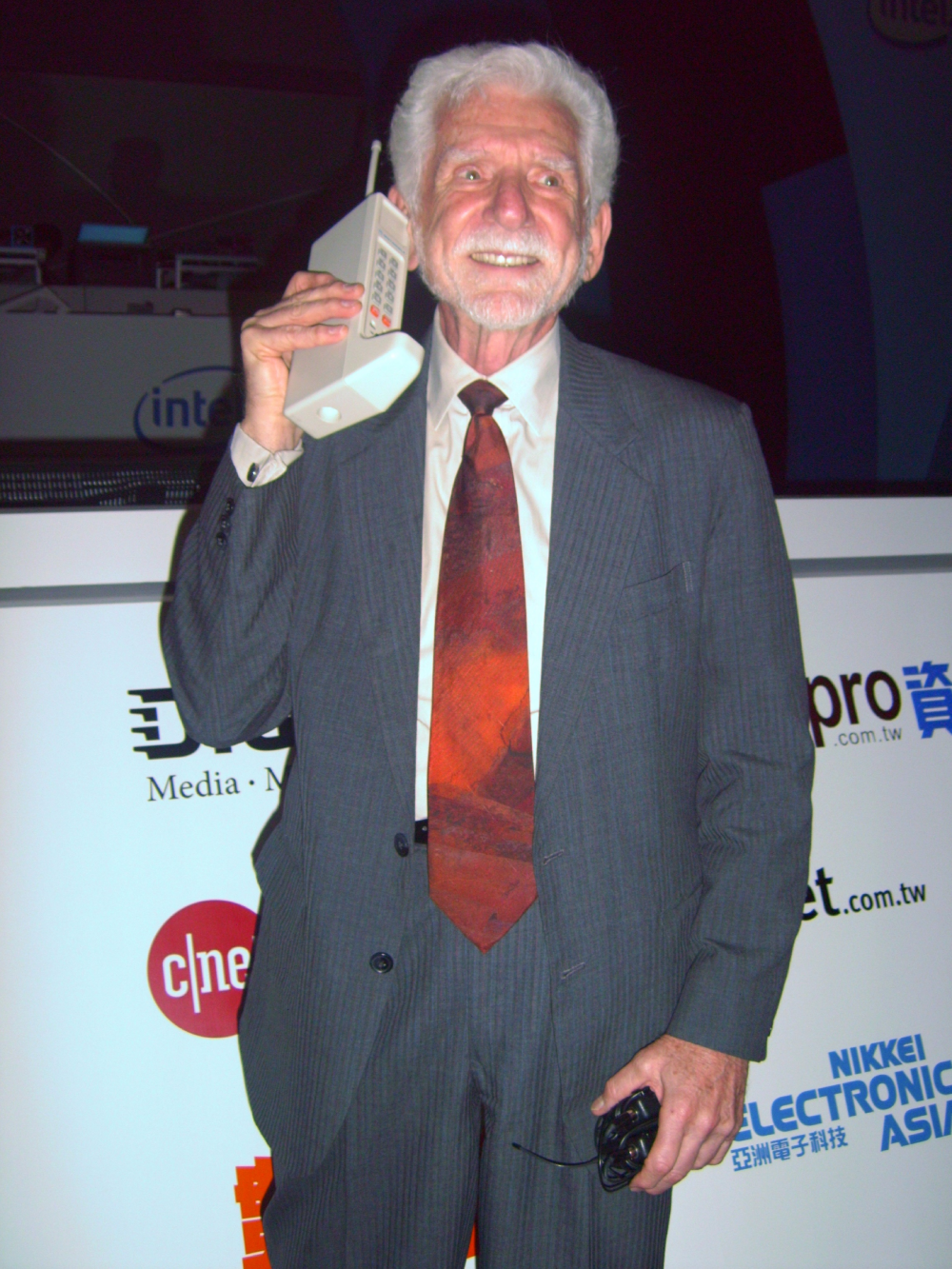
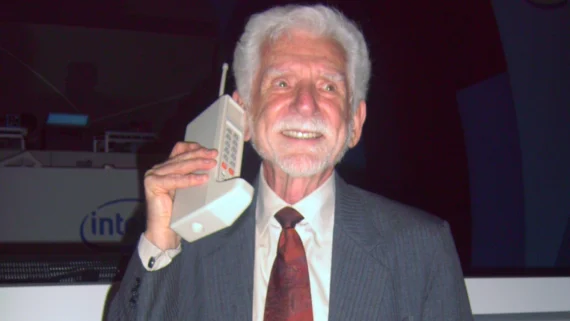
Anyone claiming cell phones didn’t exist until the 1990s is completely mistaken. Motorola’s DynaTAC became commercially available in 1984, famously looking like a massive plastic brick. According to the Smithsonian, the device weighed roughly 2.5 pounds and cost around $4,000 at launch. Its massive battery required 10 hours to charge and offered only about 30 minutes of actual talk time, making it an exclusive luxury product for wealthy professionals rather than a casual teen accessory.
Trending on The Scroller


6. Compact discs were already being sold in 1982
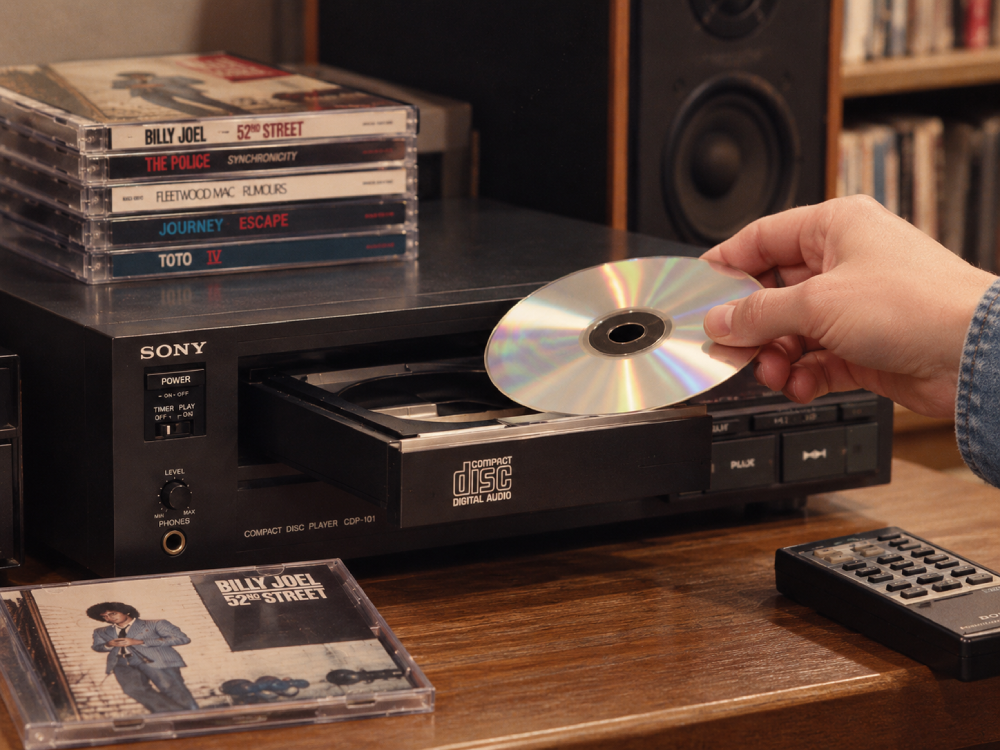
CDs are heavily associated with the massive music industry boom of the 1990s, but Sony introduced its CDP-101 player in Japan on October 1, 1982. Its launch coincided with an initial selection of 50 CD titles, including Billy Joel’s 52nd Street. The new digital format promised a durable alternative to traditional vinyl records and cassette tapes, although it would take several years before CDs became affordable enough to dominate how consumers purchased their music.
7. The World Wide Web was invented before the 1990s
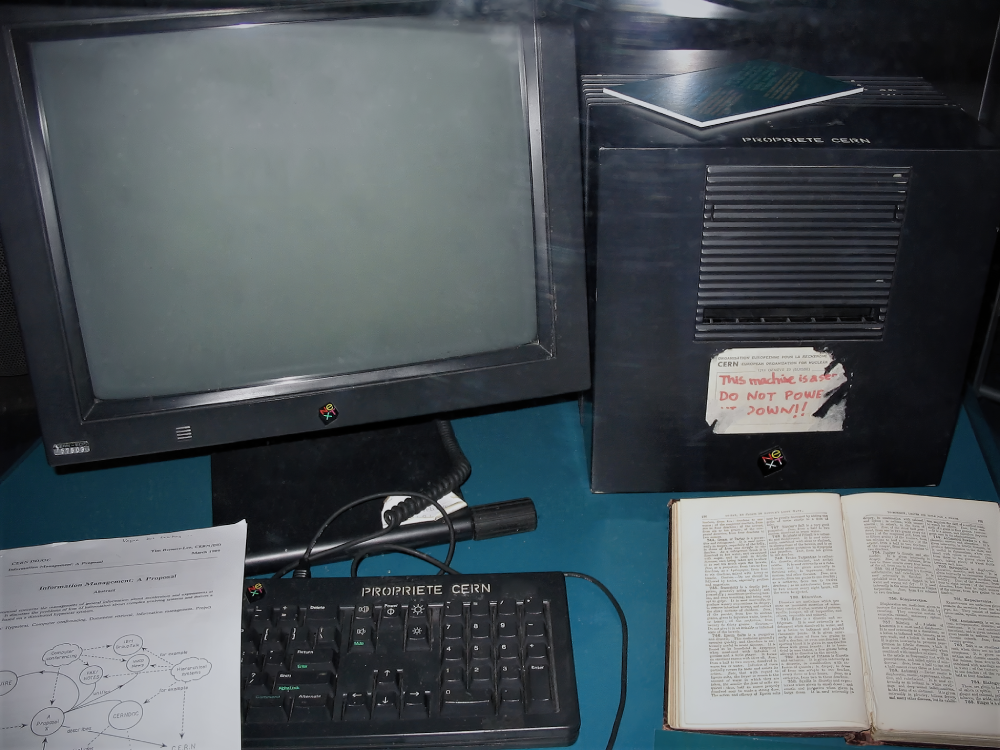
The internet and the World Wide Web are not the same thing, and the Web’s actual origins belong squarely to the 1980s. British scientist Tim Berners-Lee officially proposed the system while working at CERN in March 1989, hoping to create a structure that made information easier for researchers to share across different computers. The first working web server and browser quickly followed in 1990, laying the groundwork for the modern digital age.
8. VHS really did beat Betamax in the great videotape war
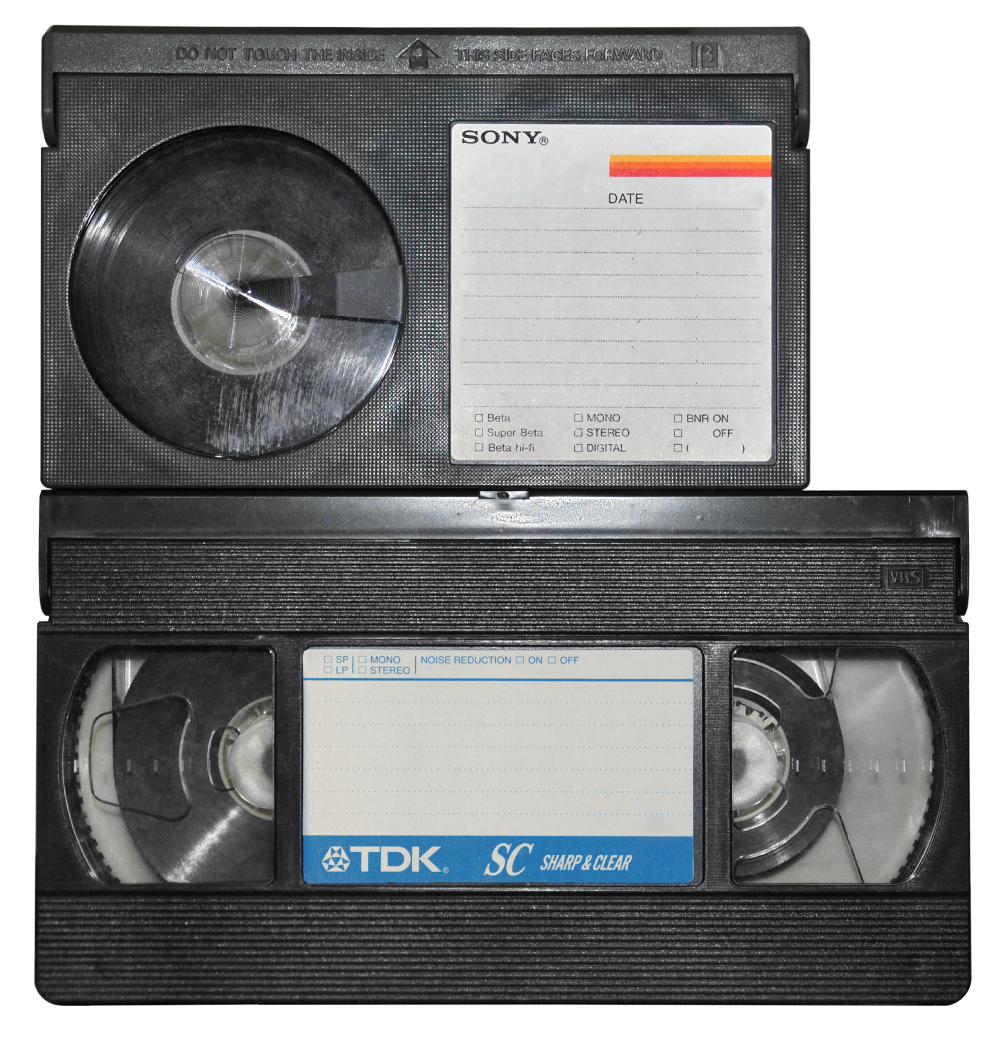
For anyone who still remembers the fierce VHS-versus-Betamax arguments, history recorded a very clear commercial winner. Both competing home videotape formats appeared in the late 1970s, but VHS aggressively won the consumer market by offering longer recording times and cheaper hardware during the 1980s. Betamax didn’t immediately vanish into the ether, however; Sony’s related professional Betacam technology enjoyed a highly successful separate career in television news production for decades.
Sign up for our newsletter
9. The Rubik’s Cube wasn’t invented in the 1980s either

The Rubik’s Cube became an inescapable 1980s craze, but Hungarian inventor Ernő Rubik actually created the maddening puzzle in 1974. Originally called the Magic Cube, it was renamed and formally launched internationally in 1980. The resulting global obsession was enormous. According to the Strong National Museum of Play, consumers bought approximately 100 million cubes within the next two years, firmly associating the puzzle with the 1980s despite its earlier invention.
10. The Simpsons actually started in 1987, not the 1990s
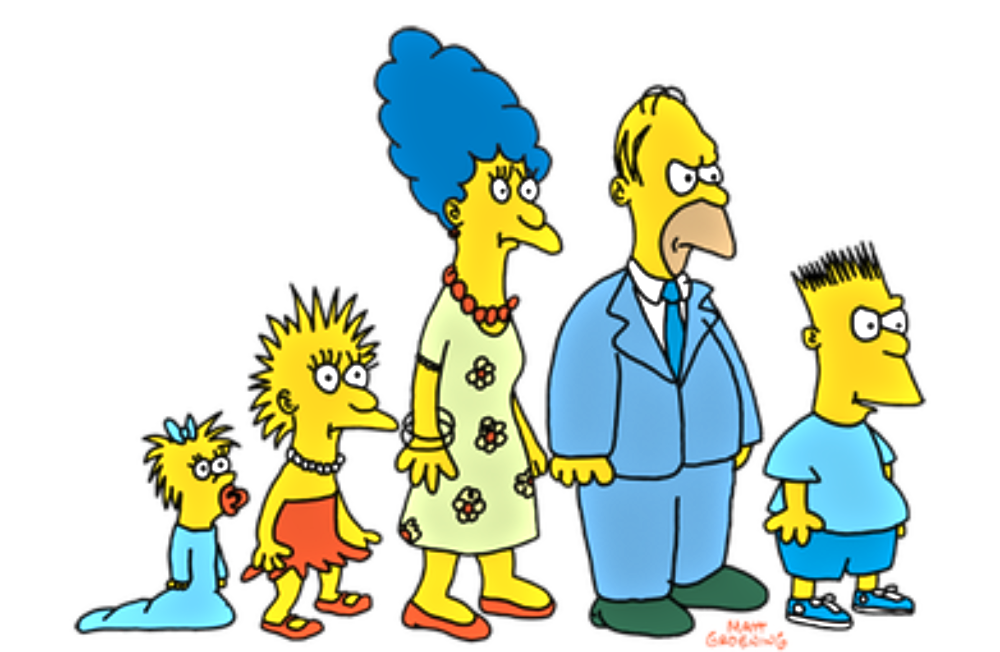
Although The Simpsons grew into one of the most defining and influential television shows of the 1990s, the animated family actually debuted on The Tracey Ullman Show on April 19, 1987. Those early appearances were short, crudely animated segments rather than full narrative episodes. The family finally received its own half-hour series on December 17, 1989, meaning the iconic show technically belongs to the 1980s as well.
11. Live Aid was actually two major concerts held on the same day
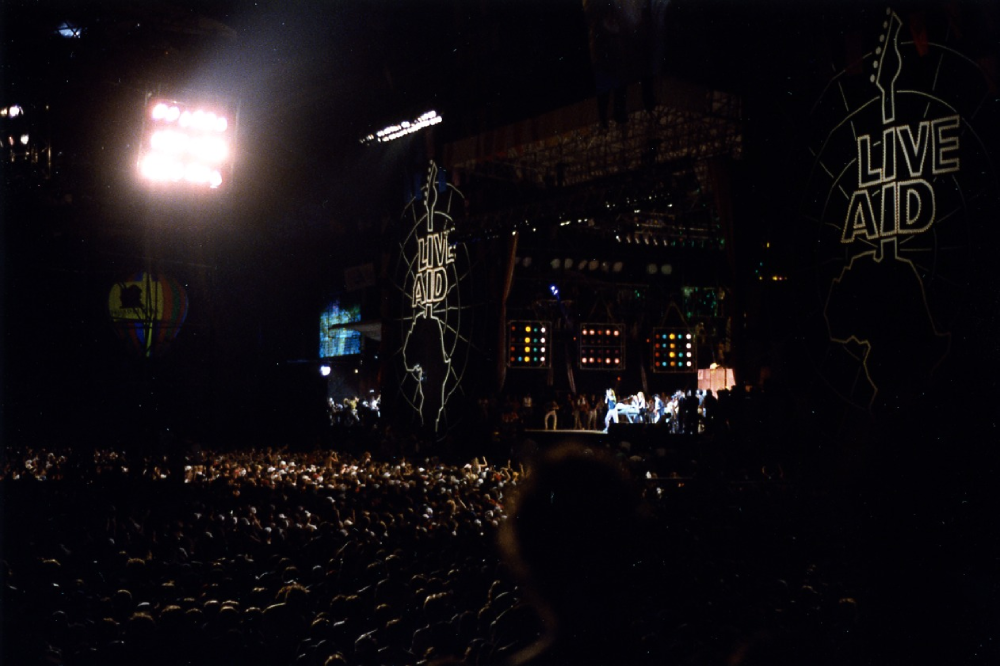
People almost exclusively remember Live Aid as the legendary 1985 concert at London’s Wembley Stadium, largely because of Queen’s historic performance. But the massive fundraising event on July 13 also included a massive simultaneous concert at Philadelphia’s JFK Stadium, with performances from both locations broadcast internationally. According to Wembley Stadium’s official history, the dual event reached more than one billion viewers across 110 countries and raised over £100 million for famine relief in Africa.
12. The Berlin Wall fell in 1989, but Germany wasn’t reunified until 1990

The Berlin Wall finally opened on November 9, 1989, after a confusing, poorly communicated announcement about travel regulations sent thousands of East Germans rushing toward the border crossings. Overwhelmed guards eventually allowed the crowds through, creating some of the most memorable and joyous images of the entire decade. However, the opening of the Wall didn’t magically reunify the country overnight; East and West Germany remained entirely separate political states until October 3, 1990.
In the mood for more interesting facts?
The 1980s were packed with wild innovations and massive cultural milestones, but the specific details are often much more surprising than pure nostalgia suggests. Sometimes the best way to settle an argument about the decade is to discover that both sides remembered only part of the story. If you need more interesting facts to win any debate, be sure to check out these 14 TV Facts That Finally Settle Classic Sitcom Debates or these 14 Unbelievable 20th Century Events That Sound Like Movies. You can also explore these 14 Interesting Facts To Start a Debate at the Dinner Table.