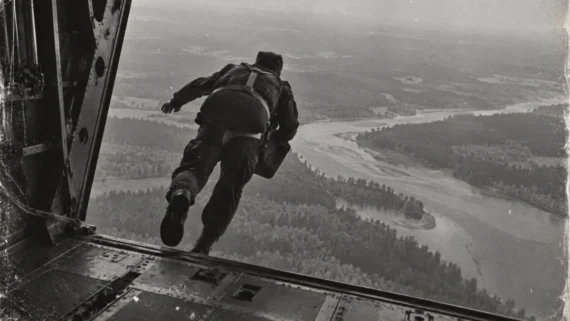
History is often taught as a dry sequence of dates and political treaties, but the reality was frequently chaotic, highly unpredictable, and bizarre. We tend to view the past through black-and-white photographs and formal archives, missing the moments when real life suddenly mirrored a Hollywood script. From elaborate wartime deceptions to mysterious disappearances and massive environmental anomalies, some of the most unbelievable stories required no screenwriters at all.
This collection highlights 14 documented events from the 20th century that sound exactly like cinematic pitch meetings. Whether the story involves secret government rescue missions, impossible prison escapes, or deeply unusual natural disasters, each of these historical footnotes proves that reality frequently outpaces fiction.
1. Boston was once hit by a deadly wave of Molasses
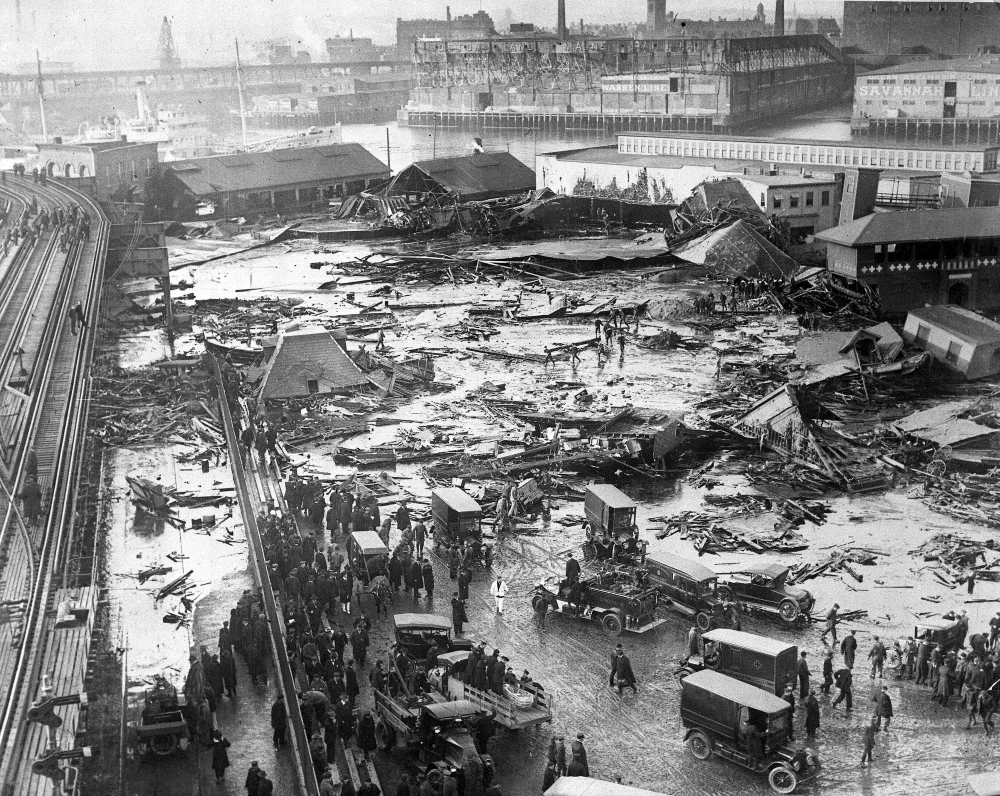
On January 15, 1919, a massive commercial storage tank ruptured in Boston’s North End, sending approximately 2.3 million gallons of molasses surging through the local streets. According to Smithsonian Magazine, the sticky flood demolished solid structures, trapped horses, and left 21 people dead alongside roughly 150 injured. Rescue workers struggled to move through the thick syrup, turning an already bizarre industrial accident into a staggering local disaster.
2. An Olympic marathon featured poison, cheating, and a car ride
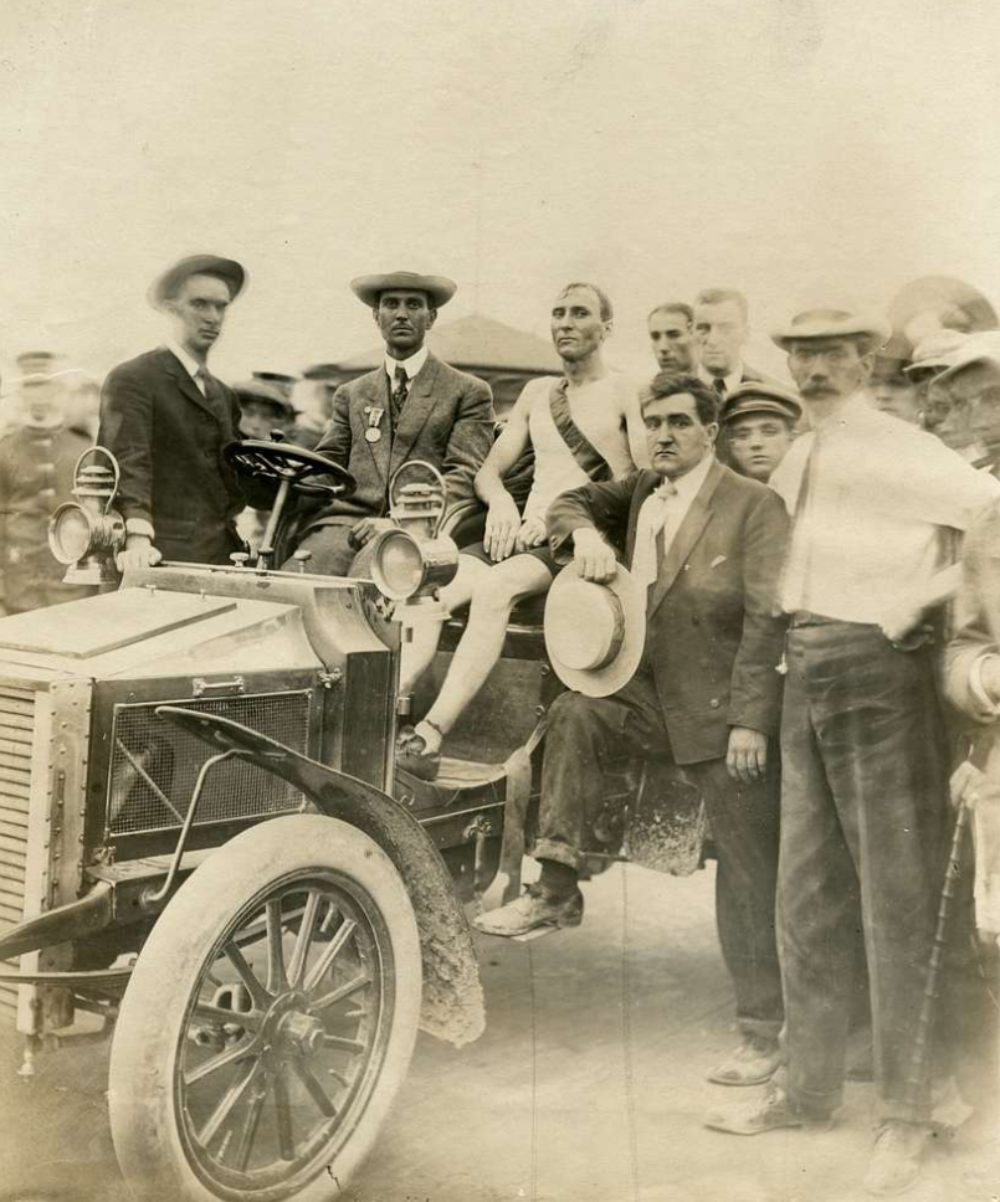
The marathon at the 1904 St. Louis Olympics unfolded more like a dark comedy than a prestigious athletic competition. Runner Fred Lorz rode approximately 11 miles in a car before returning to the course and crossing the finish line. Meanwhile, eventual winner Thomas Hicks was given strychnine, egg whites, and brandy as a mid-race stimulant. Smithsonian Magazine notes that Lorz was eventually exposed, and Hicks barely survived one of the strangest events in Olympic history.
3. British spies used a dead body to fool German intelligence
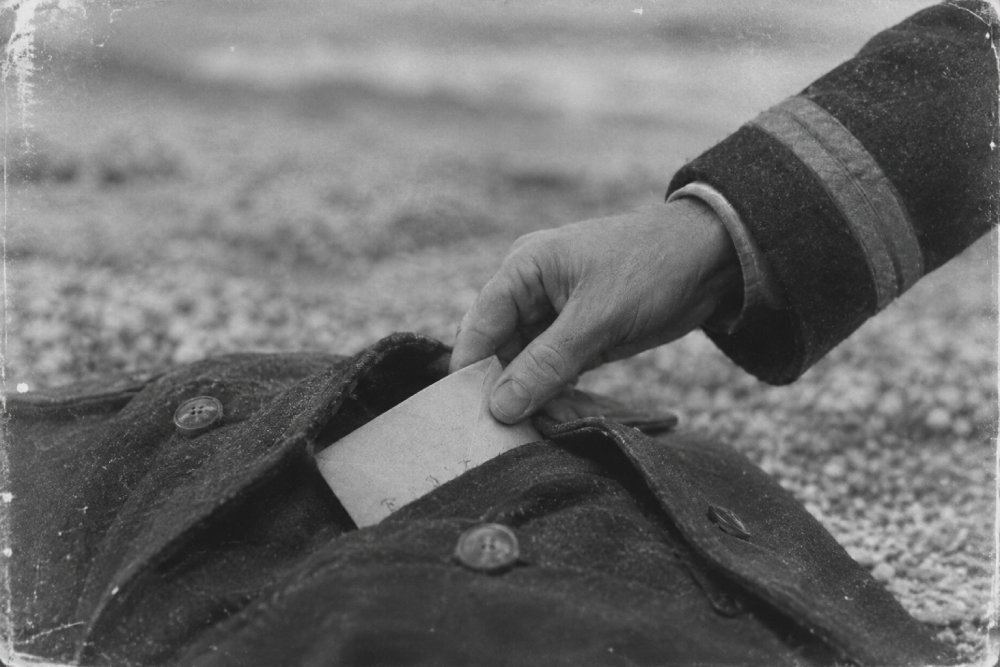
During World War II, British intelligence agents dressed a corpse as a fictional military officer and planted fake invasion documents in his pockets. The Imperial War Museums records show the body was dropped off the Spanish coast, where the documents eventually reached enemy commanders. Known as Operation Mincemeat, the elaborate deception convinced German leadership that Allied forces were targeting Greece rather than Sicily, effectively protecting the real invasion fleet in July 1943.
4. The U.S. Army created an entire fake fighting force
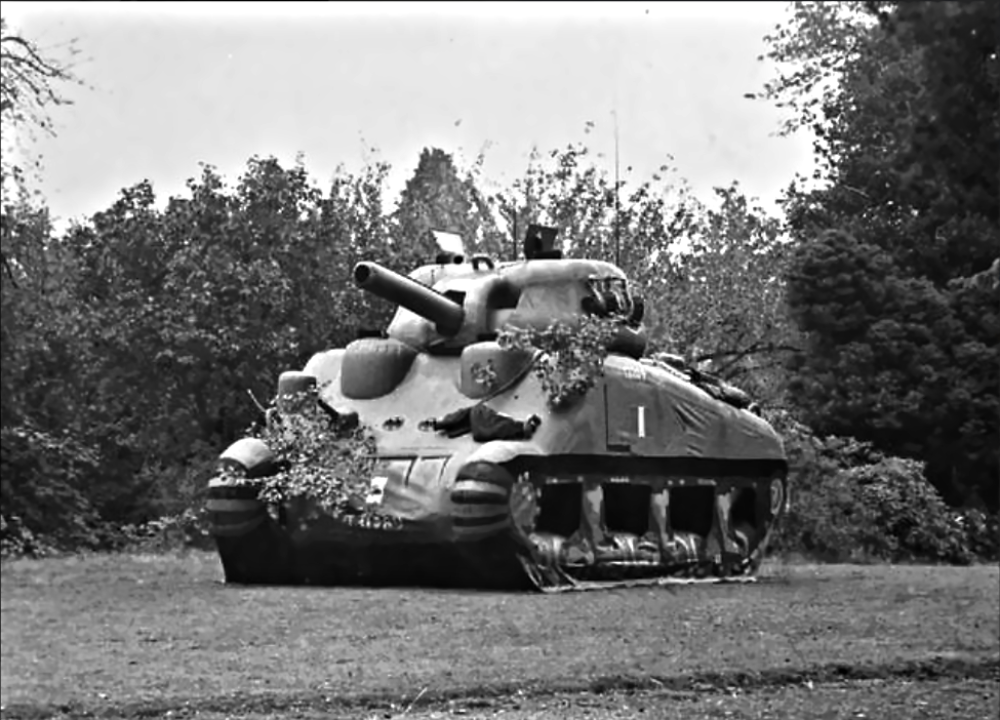
A highly classified American military unit known as the Ghost Army used inflatable tanks, fake radio messages, sound recordings, and theatrical performances to fool German troops during World War II. The National WWII Museum explains that its roughly 1,100 members successfully impersonated forces numbering around 30,000 soldiers. The group conducted 22 major deception operations, utilizing imaginary military equipment to draw attention away from actual troop movements.
5. Hundreds of sailors survived a shipwreck only to face sharks
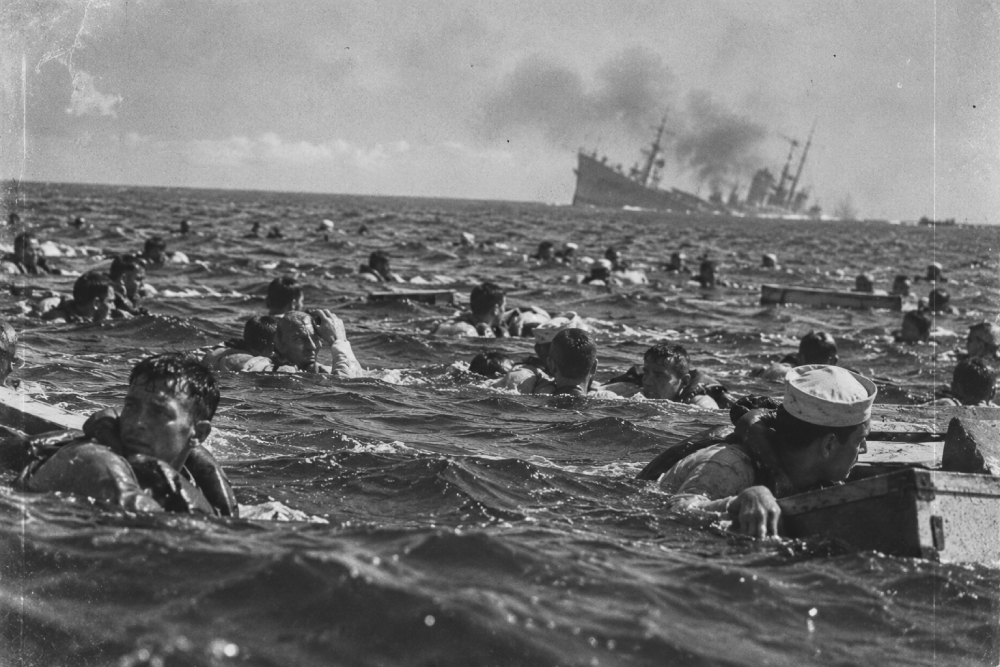
In July 1945, the USS Indianapolis was torpedoed by a Japanese submarine shortly after delivering components for the atomic bomb. The U.S. Naval History and Heritage Command notes that the ship sank in roughly 12 minutes, leaving hundreds of survivors stranded in the Philippine Sea without adequate food or drinking water. They endured extreme exposure, dehydration, and shark attacks for days before rescuers finally spotted them, with only 316 of the 1,195 men surviving the ordeal.
Trending on The Scroller

6. Three prisoners escaped Alcatraz using fake heads and raincoats

In June 1962, Frank Morris and brothers John and Clarence Anglin pulled off an impossible escape from Alcatraz after secretly enlarging ventilation openings in their cell walls. The FBI archives reveal that they placed homemade dummy heads in their beds to fool the night guards and assembled a makeshift raft from more than 50 prison raincoats. The three men disappeared into San Francisco Bay, and their ultimate fate remains one of America’s most enduring mysteries.
7. The U.S. Military lost a hydrogen bomb in the Mediterranean
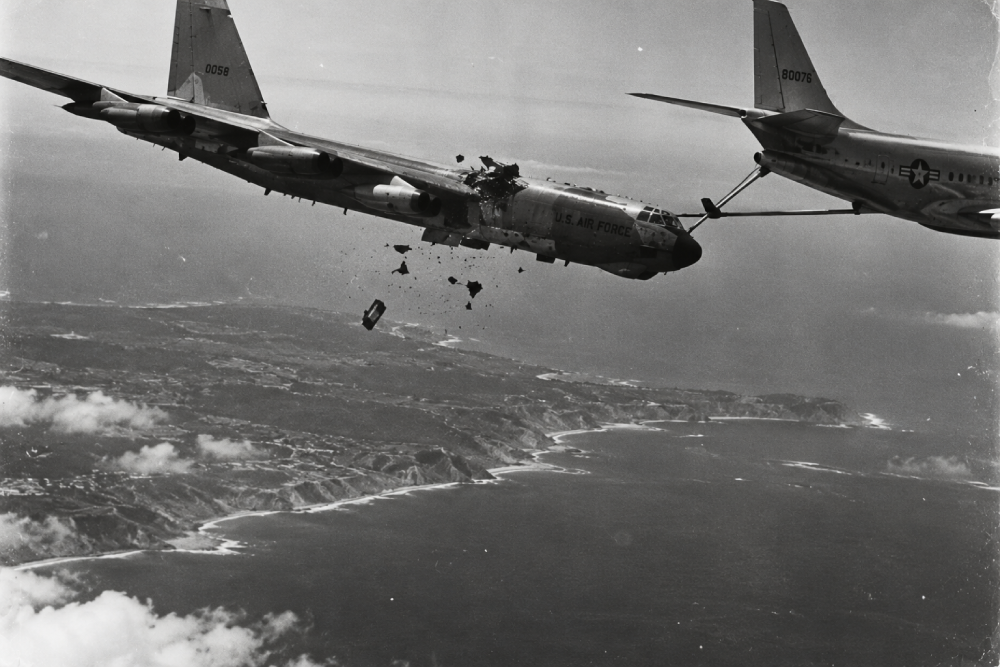
An American B-52 bomber collided with a refueling aircraft over the Spanish coast near Palomares in January 1966, scattering four nuclear weapons. One of the weapons fell directly into the Mediterranean Sea, triggering a massive search operation. The U.S. Naval History and Heritage Command details how a submersible eventually located the missing bomb nearly 2,550 feet below the surface, though an attempted recovery went wrong when a cable snapped, and the weapon slipped even farther down the seabed.
8. NASA had to rescue three astronauts stranded 200,000 miles from Earth
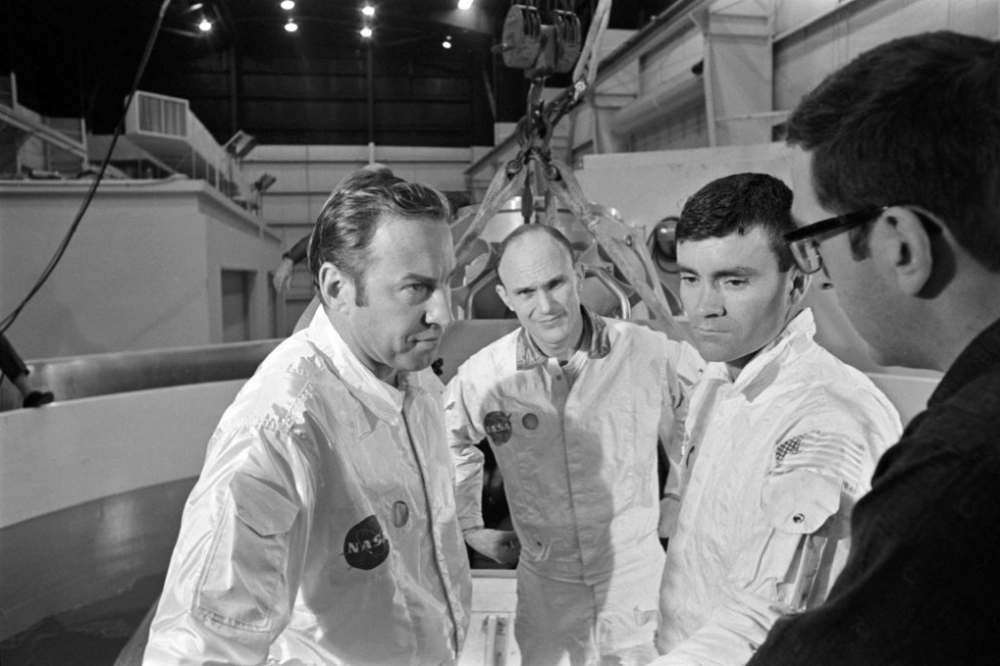
In April 1970, a routine spaceflight turned into a desperate survival mission when an oxygen tank exploded aboard Apollo 13. With a lunar landing impossible and the spacecraft dangerously short on electricity and water, the three astronauts transformed their lunar module into a makeshift lifeboat. NASA records show the crew circled the Moon and survived four tense days in freezing conditions before returning safely to Earth on April 17.
Sign up for our newsletter
9. A hijacker parachuted out of a plane with $200,000 and vanished
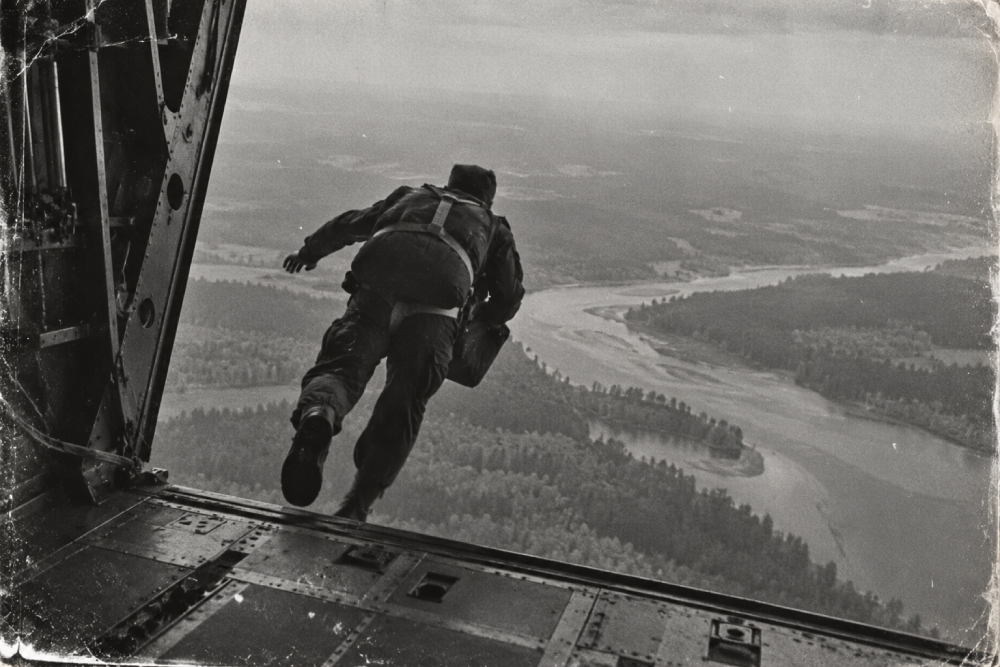
On November 24, 1971, a man calling himself Dan Cooper hijacked a commercial flight, claimed to have a bomb, and demanded $200,000 alongside four parachutes. After receiving the ransom and releasing the passengers in Seattle, he ordered the flight crew back into the air. According to the FBI, he jumped from the rear exit somewhere over the Pacific Northwest, and despite decades of intensive investigation, the man popularly known as D.B. Cooper was never identified.
10. The CIA built a fake mining ship to steal a soviet submarine
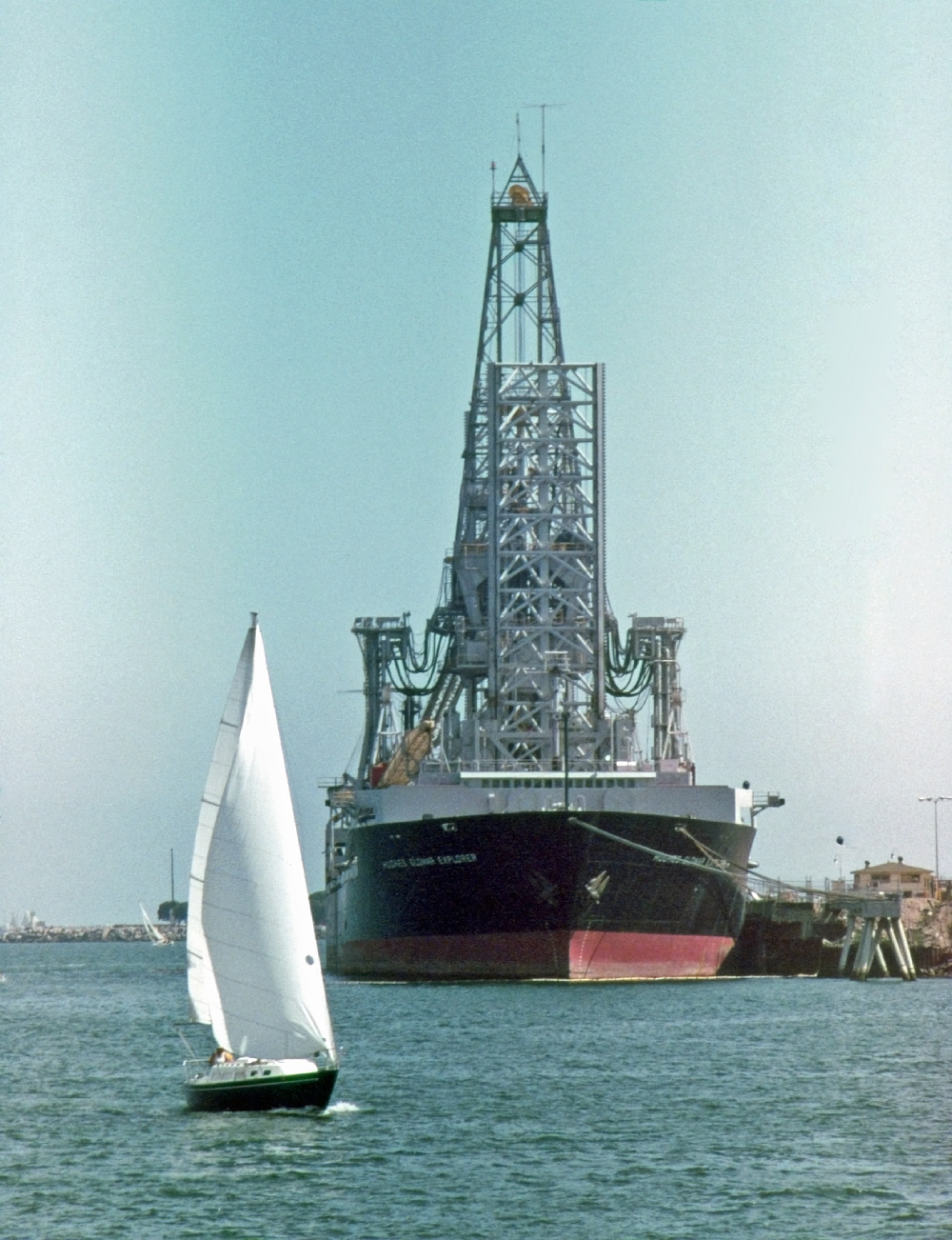
During the height of the Cold War, the CIA secretly commissioned a massive vessel called the Hughes Glomar Explorer. The public cover story claimed the ship was built for billionaire Howard Hughes to mine ocean floor minerals, but its actual mission was to recover a sunken Soviet submarine in the Pacific. CIA declassified files show the vessel attempted the extraordinary operation in 1974 right under the watch of nearby Soviet ships, though part of the submarine broke away during recovery.
11. A Japanese soldier continued fighting in World War II until 1974
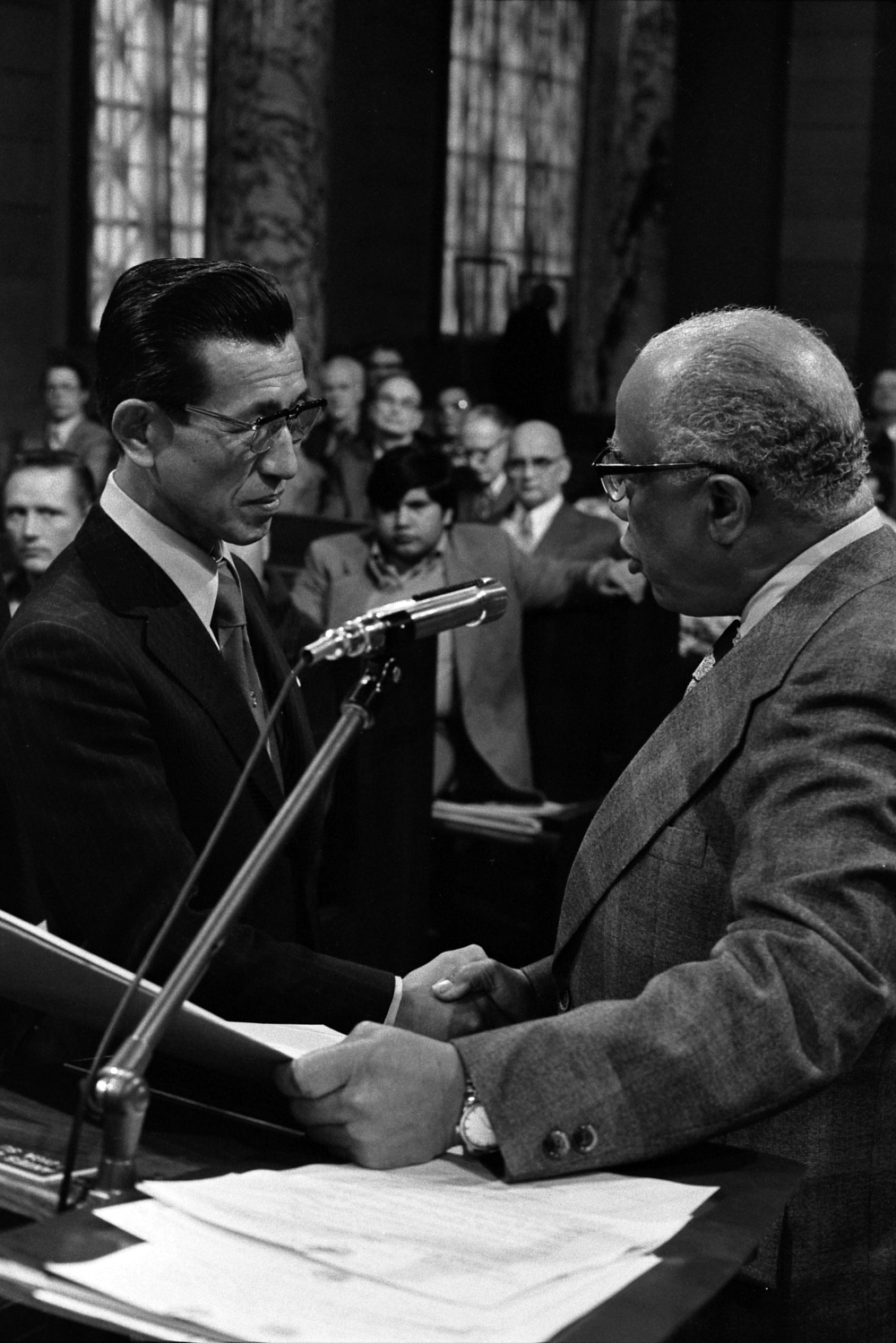
Japanese intelligence officer Hiroo Onoda spent nearly three decades hiding in the jungles of the Philippine island of Lubang because he refused to believe World War II had actually ended. Smithsonian Magazine reports that he ignored multiple attempts by search parties to inform him of the 1945 surrender, choosing to continue operating under his original wartime orders. He finally emerged in March 1974 only after his former commanding officer traveled to the island to formally relieve him of duty.
12. The CIA created a fake Hollywood movie to rescue Americans from Iran

When militants seized the U.S. Embassy in Tehran in 1979, six American diplomats managed to avoid capture and sought refuge with Canadian officials. To extract them safely, the CIA established a fake Hollywood production company and invented a science fiction movie called Argo. CIA historical records confirm they created convincing cover identities to make the Americans appear as a film crew scouting desert locations, and the daring plan succeeded on January 28, 1980.
13. One Soviet officer questioned a nuclear attack warning and avoided a potential disaster

On September 26, 1983, Soviet officer Stanislav Petrov was working the night shift when an early warning system reported that American nuclear missiles were heading toward the Soviet Union. Rather than immediately treating the alarm as a genuine attack, Petrov judged the limited number of reported launches highly suspicious and chose to log it as a system malfunction. The National Security Archive notes he was absolutely correct, making this one of the Cold War’s most chilling close calls.
14. An African lake released an invisible cloud that killed entire villages
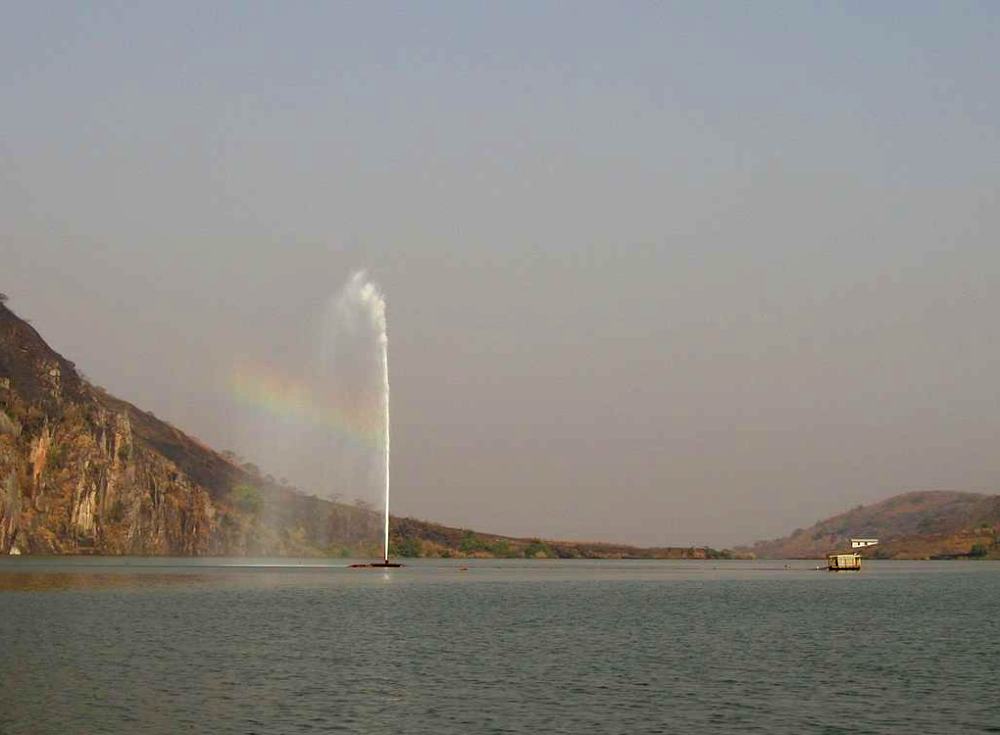
On August 21, 1986, Lake Nyos in Cameroon suddenly released an enormous, invisible cloud of carbon dioxide that flowed silently downhill into nearby villages. Because the heavy gas displaced all breathable oxygen along the ground, residents lost consciousness and suffocated. The U.S. Geological Survey determined that carbon dioxide had gradually accumulated in the deep waters before an abrupt release caused the deaths of at least 1,700 people in one of the strangest natural disasters on record.
Want more mind-blowing facts?
From prisoners disappearing into the night to spies staging elaborate international deceptions, these documented stories show exactly how unpredictable the 20th century could be. The simple fact that every one of these events actually happened makes them far more remarkable than a scripted movie. If you are in the mood for more fascinating facts, make sure to check out these 13 Great Trivia Questions for Your Next Happy Hour or these 15 Geographic Facts That Make Maps Feel Completely Wrong. You may also like these Bermuda Triangle Myths: 17 Stories Bigger Than the Facts.