Some scientific discoveries sound so strange that they seem like internet myths. Yet researchers have documented microscopic animals surviving space exposure, plants making ultrasonic sounds, and storms producing enormous flashes of red light high above Earth. From bizarre biological abilities to mind-bending astronomical phenomena, these 20 facts are supported by science. The truth is sometimes stranger than fiction, and occasionally much harder to explain at a dinner party.
Tardigrades Have Survived Direct Exposure to Outer Space
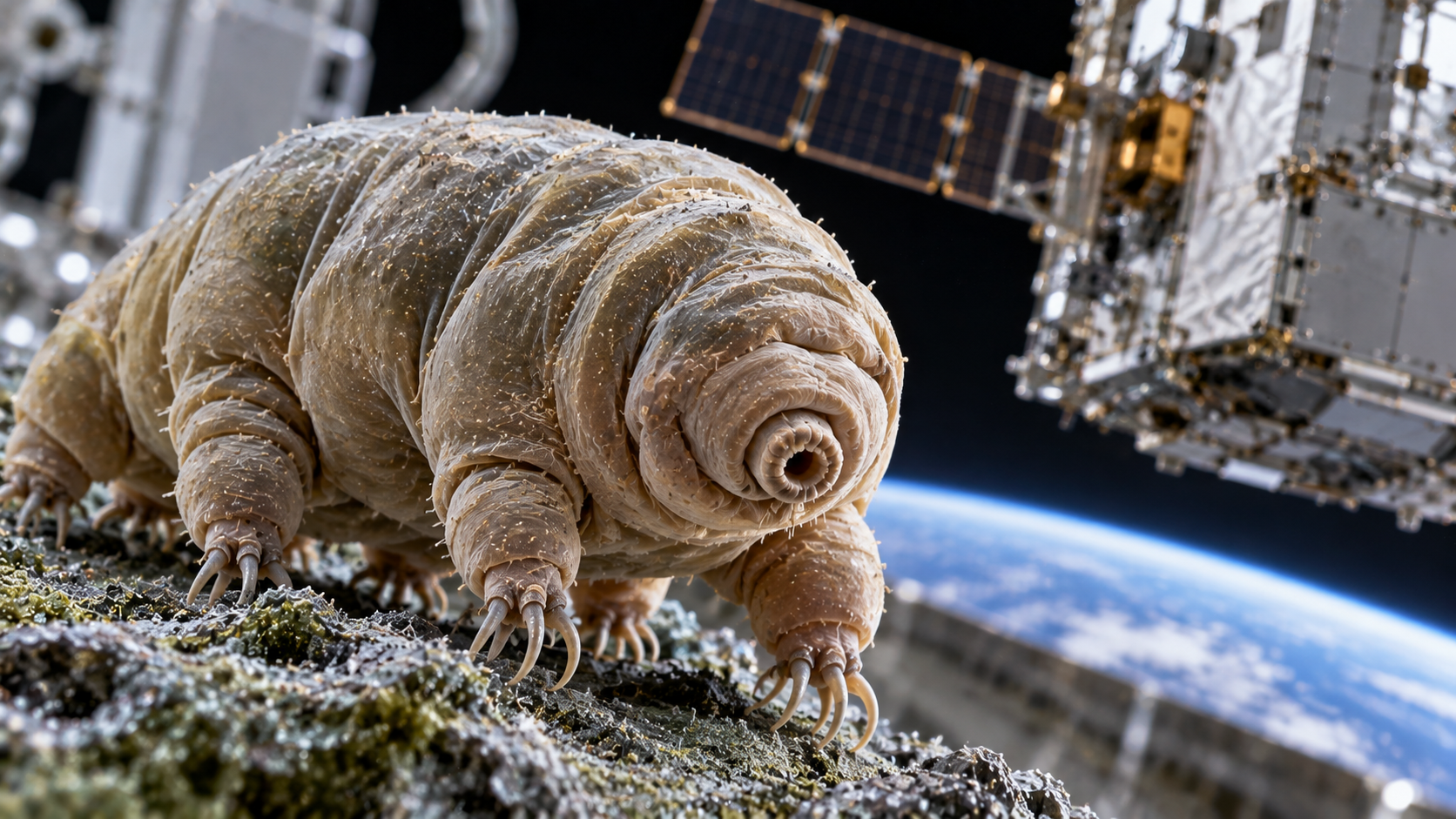
These microscopic animals, also called water bears, can shut down most of their metabolism when conditions become hostile. Experiments have shown that dehydrated tardigrades can survive the vacuum of space, and some have endured exposure to both vacuum and solar radiation. Scientists study their resilience to better understand how biological materials might survive spaceflight. They may be tiny, but their travel conditions are considerably worse than a delayed flight.
The Human Body Literally Gives Off Visible Light
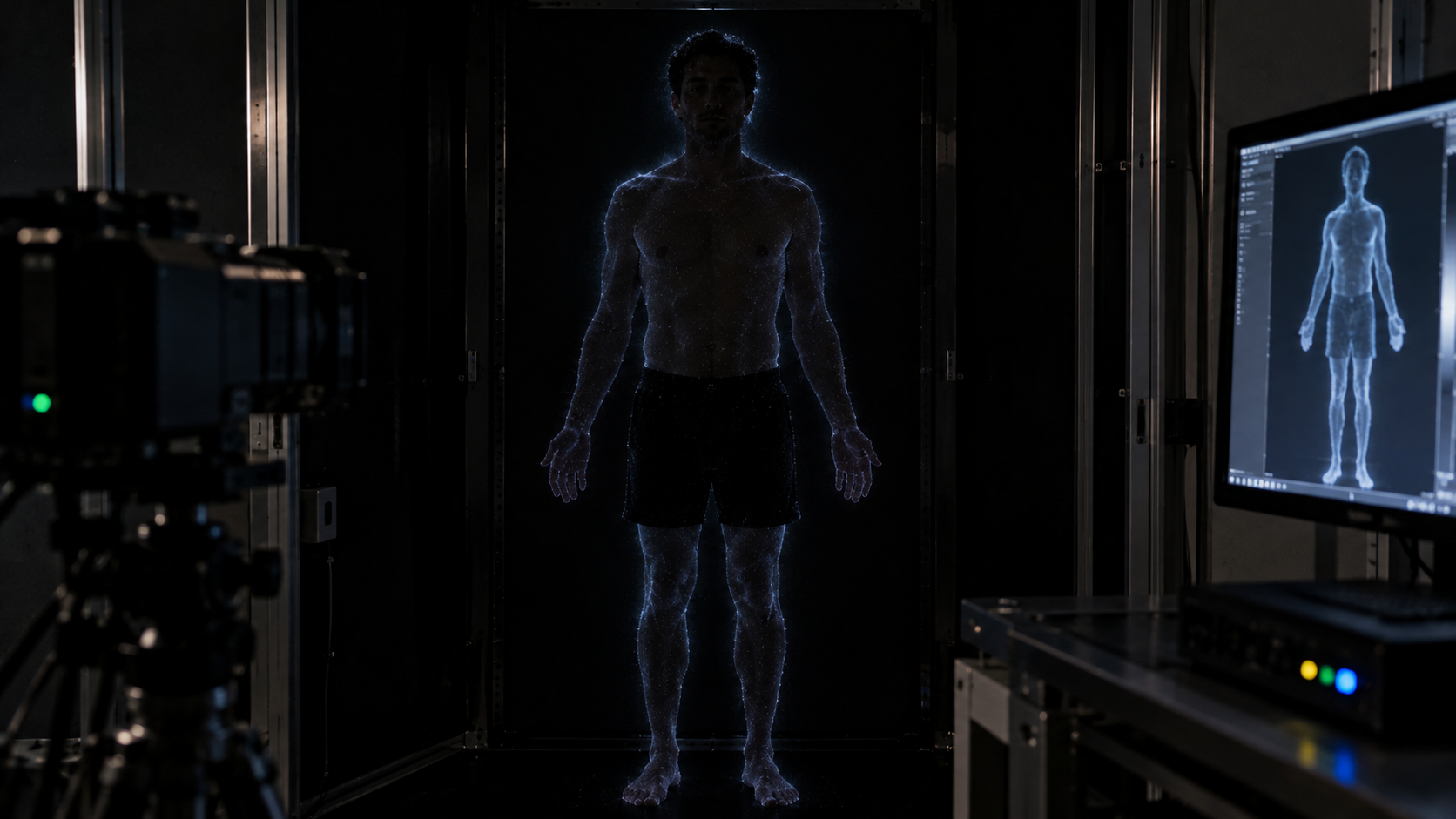
Humans emit tiny amounts of light as a byproduct of normal cellular metabolism. Researchers have photographed this ultraweak photon emission, which includes visible wavelengths, but the glow is far too faint for human eyes to detect. One study estimates it was roughly 1,000 times weaker than the threshold of naked-eye vision. So yes, humans glow, just not in a way that makes us useful as emergency flashlights.
Stressed Plants Can Make Ultrasonic Clicking Sounds

Plants aren’t necessarily silent, even if humans can’t hear them. A 2023 study published in Cell found that stressed tomato and tobacco plants emitted airborne ultrasonic sounds that researchers could record from a distance. The recordings helped distinguish dehydration from physical injury, although whether plants use these sounds to communicate remains unresolved. Apparently, even a tomato can make some noise when things aren’t going well.
Two Clocks Just a Millimeter Apart Can Tick at Different Rates

Einstein’s theory of relativity predicts that gravity affects how quickly time passes. Researchers at NIST and JILA demonstrated this effect using atomic clocks separated vertically by only about one millimeter. The clock positioned slightly higher ticked faster because it experienced marginally weaker gravity. The difference is incredibly small, but measurable. Even timekeeping has its own version of being just a little ahead.
There Is a Metal That Can Melt in a Warm Hand
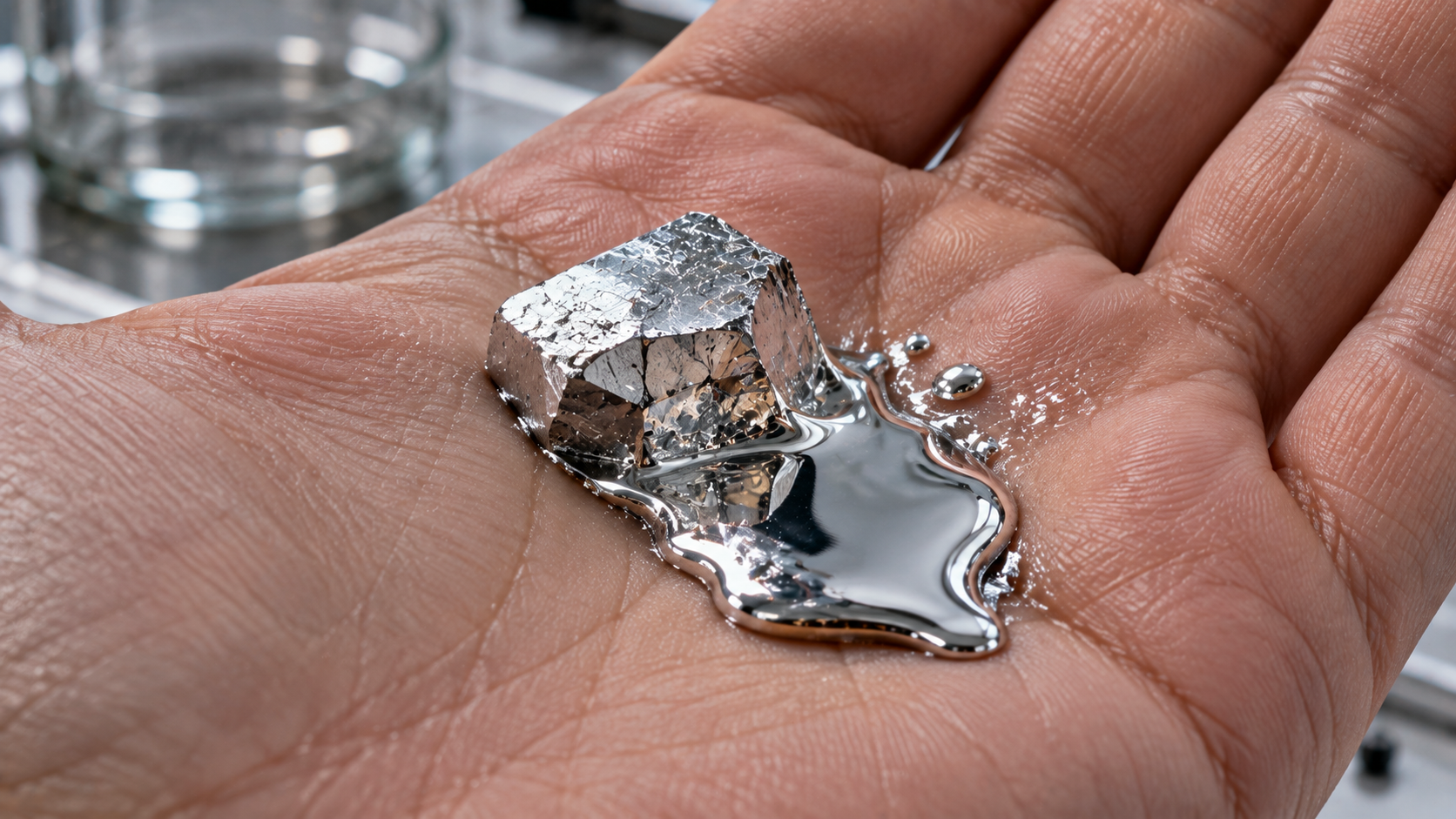
Gallium is a silvery metal with a melting point of just 29.7646°C (85.6°F). That means a piece can begin melting when held in a sufficiently warm hand, turning into a shiny liquid without a furnace. Its precise melting point also makes gallium useful as a temperature reference in scientific calibration. It’s one of the rare metals that can make holding something look like a chemistry demonstration.
Trending on The Scroller


Liquid Water Can Exist Below Its Normal Freezing Point
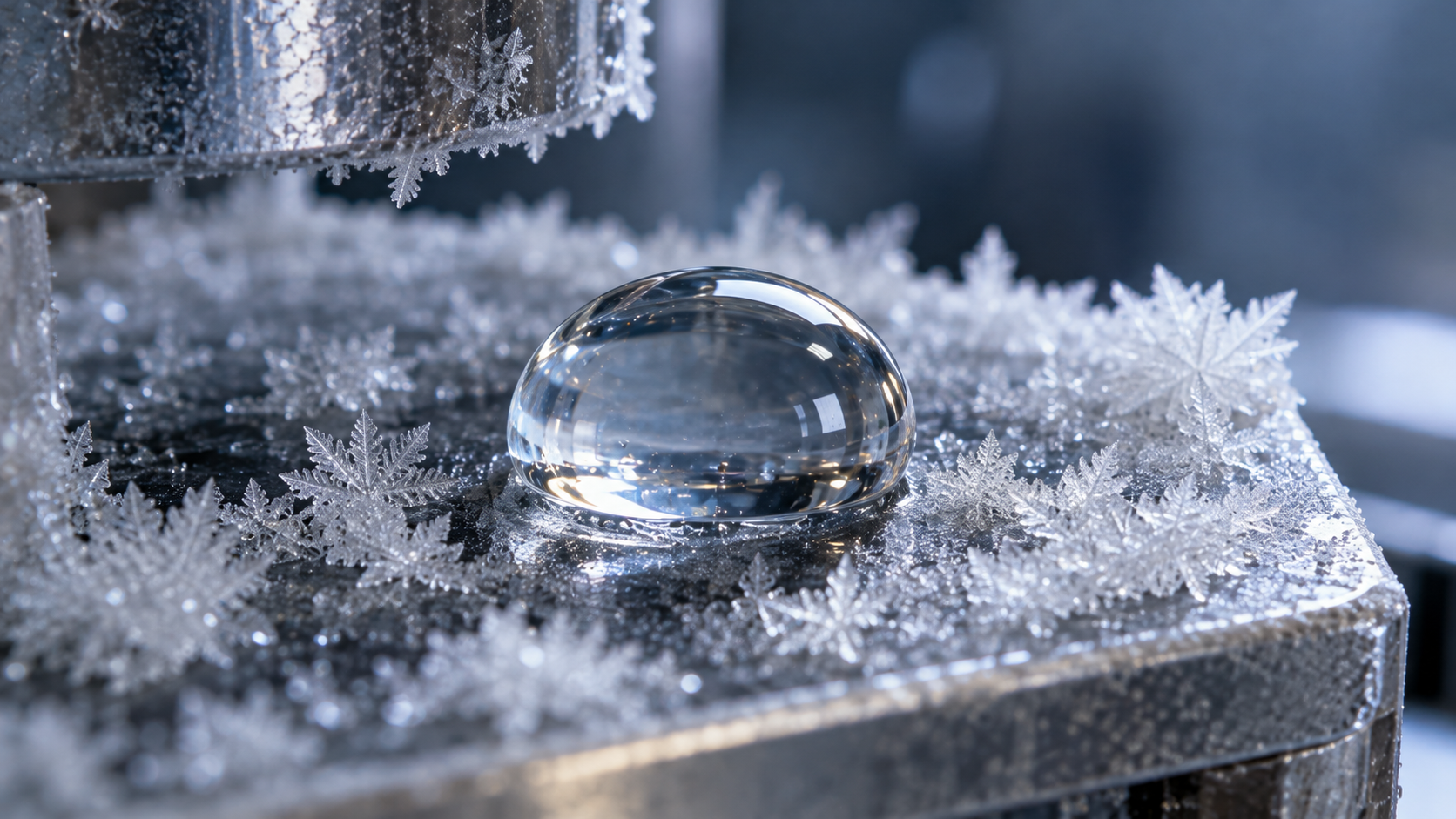
Water doesn’t always freeze as soon as temperatures drop below 32°F (0°C). Extremely pure droplets with few particles to trigger ice formation can remain liquid through a process called supercooling. NASA notes that some clouds contain liquid droplets at around 5°F (−15°C). The water is below its usual freezing point but hasn’t solidified. Winter weather, it turns out, doesn’t always follow the rules we learned in school.
A Mantis Shrimp Punch Can Make the Water Around It Boil
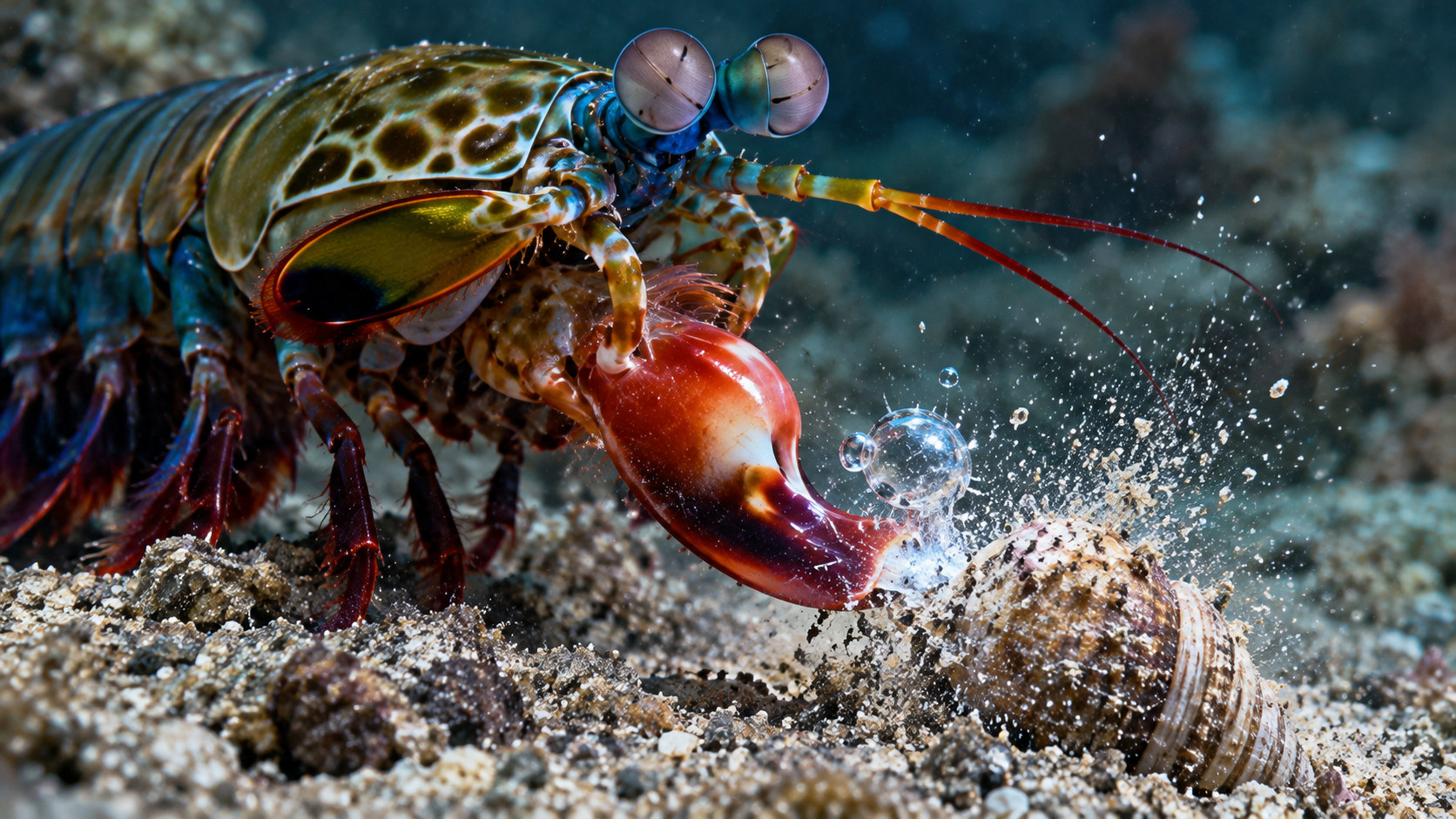
Some mantis shrimp strike their prey so quickly that their movements create areas of extremely low pressure in the surrounding water. This produces cavitation bubbles that collapse and release an additional burst of force. The process can briefly cause localized boiling, according to the Smithsonian Institution. The Shrimp’s punch is already impressive without the extra physics, but apparently one hit wasn’t enough.
Electric Eels Can Generate Shocks of Up to 860 Volts
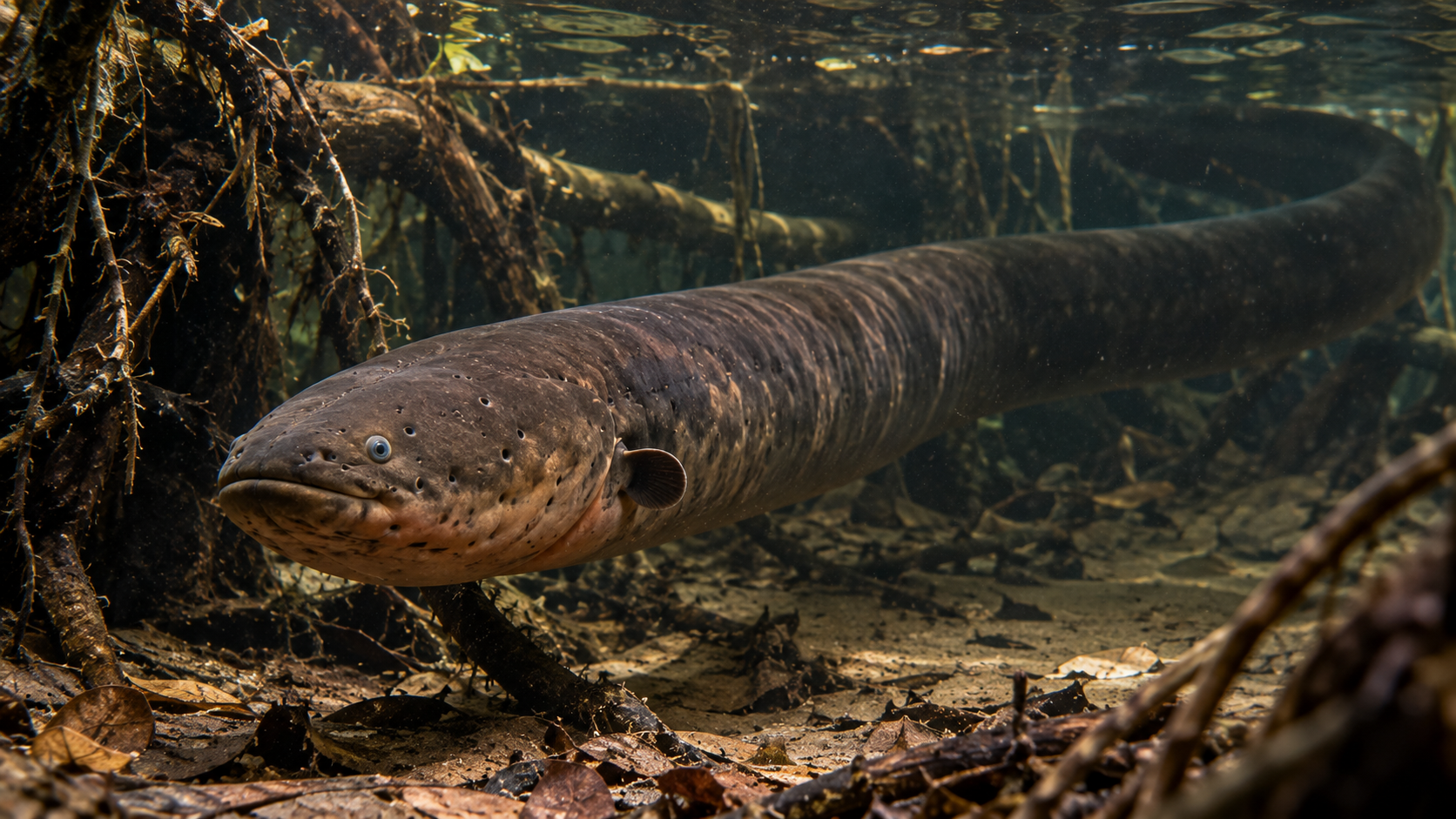
Electric eels possess specialized organs containing cells that function somewhat like biological batteries. According to the Smithsonian, species in the genus Electrophorus can produce discharges reaching 860 volts, among the strongest known biological electrical discharges. They use electricity for navigation, hunting, and defense. It’s an impressive reminder that nature developed its own electrical technology long before anyone invented the wall outlet.
Sign up for our newsletter
A Fungus Can Manipulate an Ant’s Behavior Before Killing It
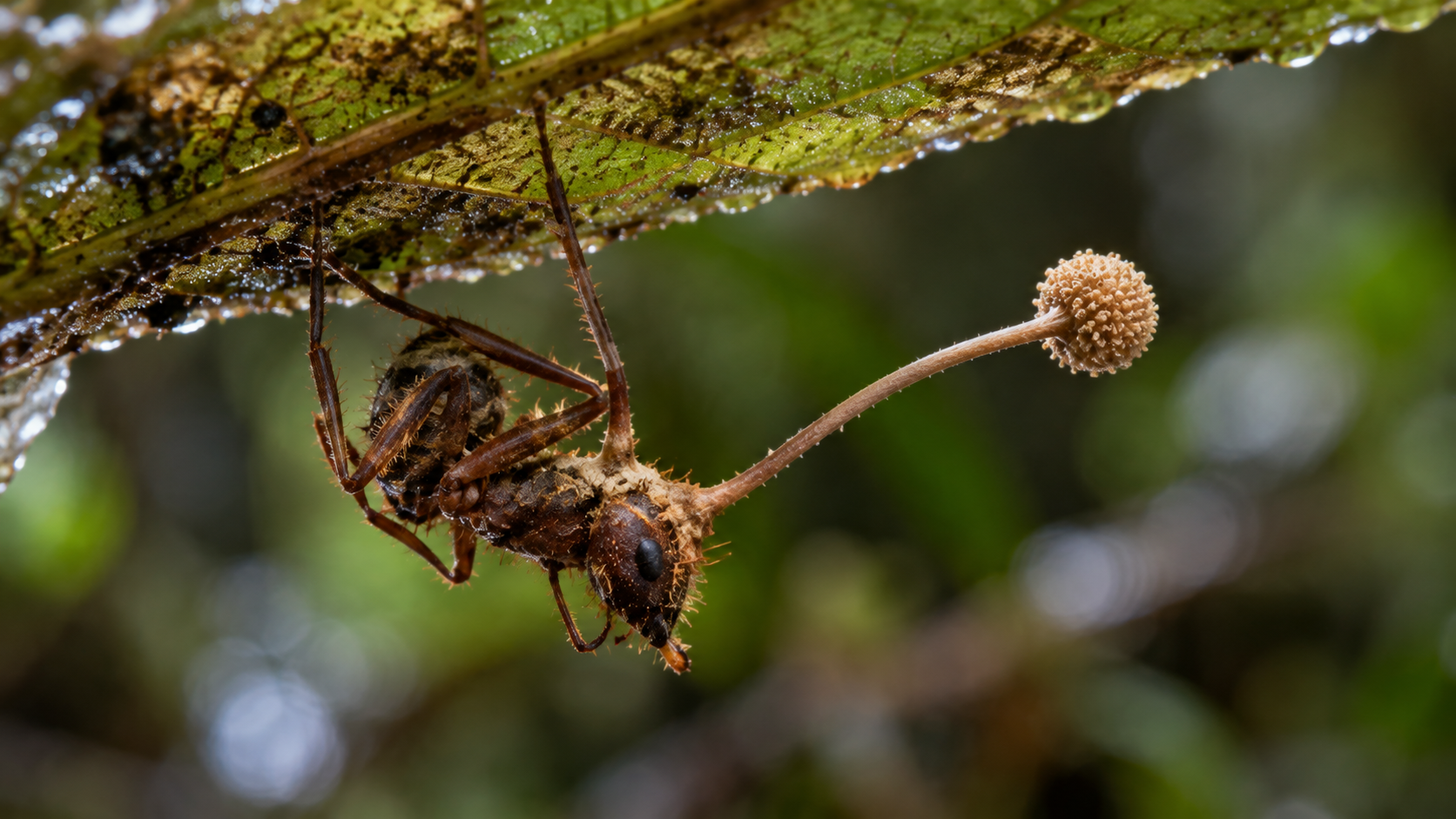
Certain Ophiocordyceps fungi infect ants and alter their behavior in ways that benefit the parasite. An infected ant may leave its usual environment, climb vegetation, and clamp its jaws onto a leaf before dying. The fungus then grows from the body and releases spores from its elevated position. Fossil evidence suggests similar parasite-driven behavior existed tens of millions of years ago. Nature’s version of mind control is considerably less entertaining than science fiction.
Some Flatworms Can Grow an Entire New Brain
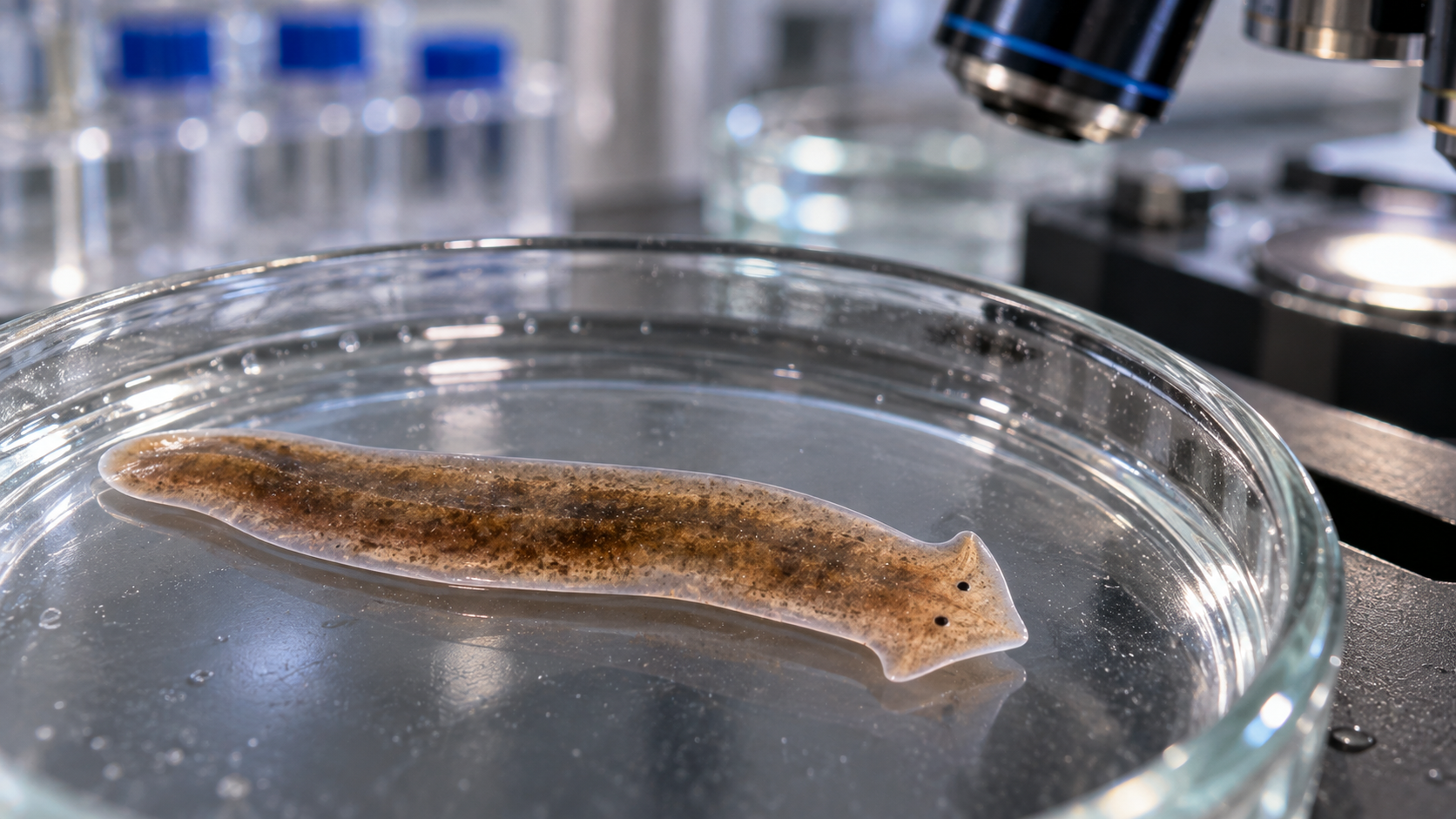
Certain planarian flatworms can regenerate a functional brain and central nervous system after losing their heads. They accomplish this using populations of pluripotent stem cells that rebuild missing tissues and neural connections. Scientists study these animals to understand how nervous systems regenerate, a process humans cannot replicate in the same way. Losing your head is generally a terrible day for most animals, but some flatworms have a remarkably different recovery plan.
A Brainless Slime Mold Can Solve a Maze
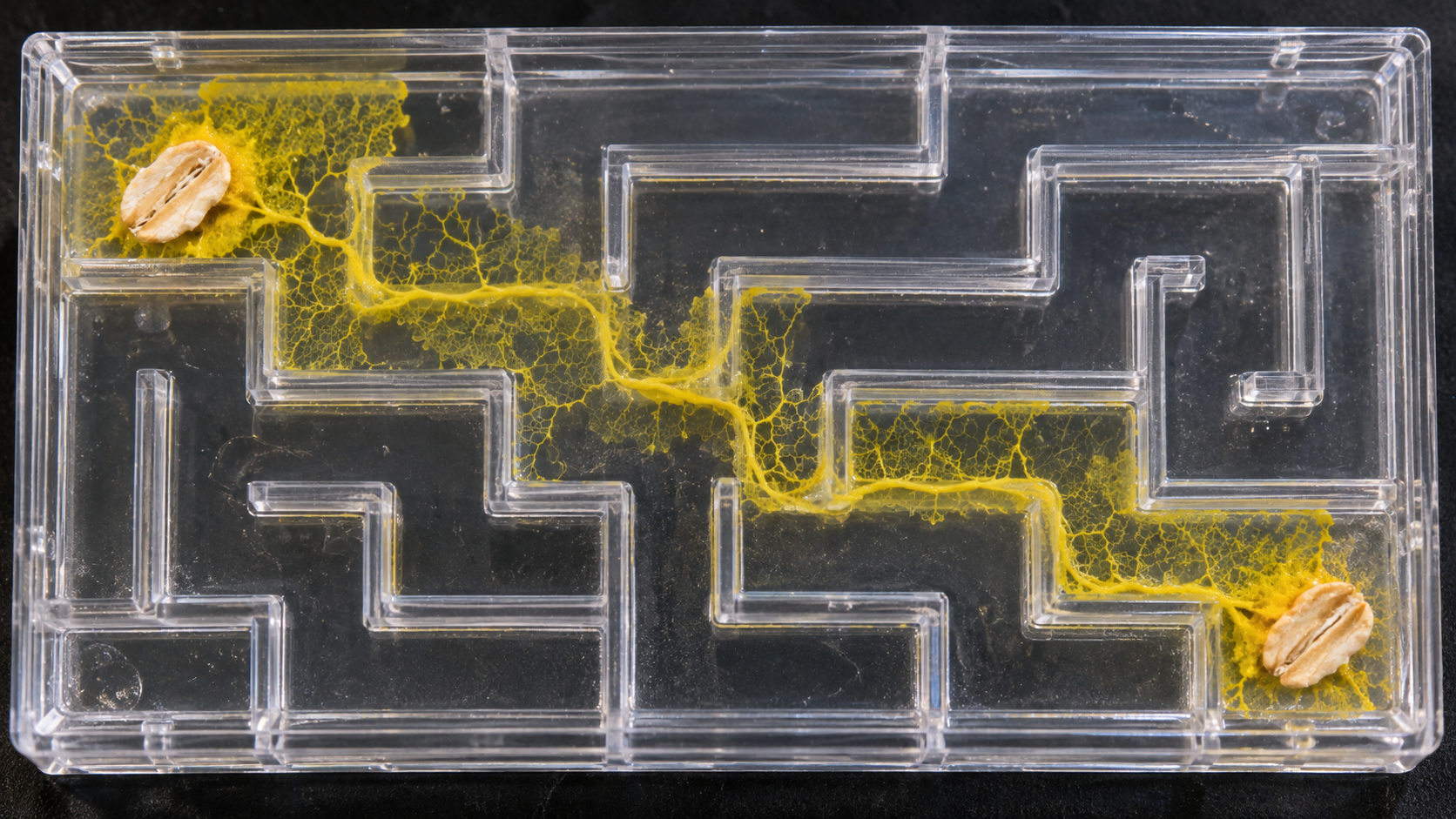
The slime mold Physarum polycephalum has no brain, yet experiments show it can form efficient routes between food sources. When researchers place food at two locations in a maze, the organism gradually withdraws from inefficient paths until its remaining network traces a short route. Scientists study this behavior to explore how complex problem-solving can emerge without a nervous system. Meanwhile, plenty of people with perfectly functional brains still struggle with GPS directions.
A Lake Once Released a Cloud of Carbon Dioxide That Killed More Than 1,700 People

On August 21, 1986, Lake Nyos in Cameroon released an enormous accumulation of carbon dioxide from its deep water. The dense gas flowed downhill, displaced breathable air, and killed at least 1,700 people, along with many animals. Investigators concluded that carbon dioxide had gradually entered the lake from deep geological sources before being released catastrophically. It was a deadly natural disaster caused by an invisible gas, with no warning sign that most people could recognize.
Earth Once Had Naturally Occurring Nuclear Reactors
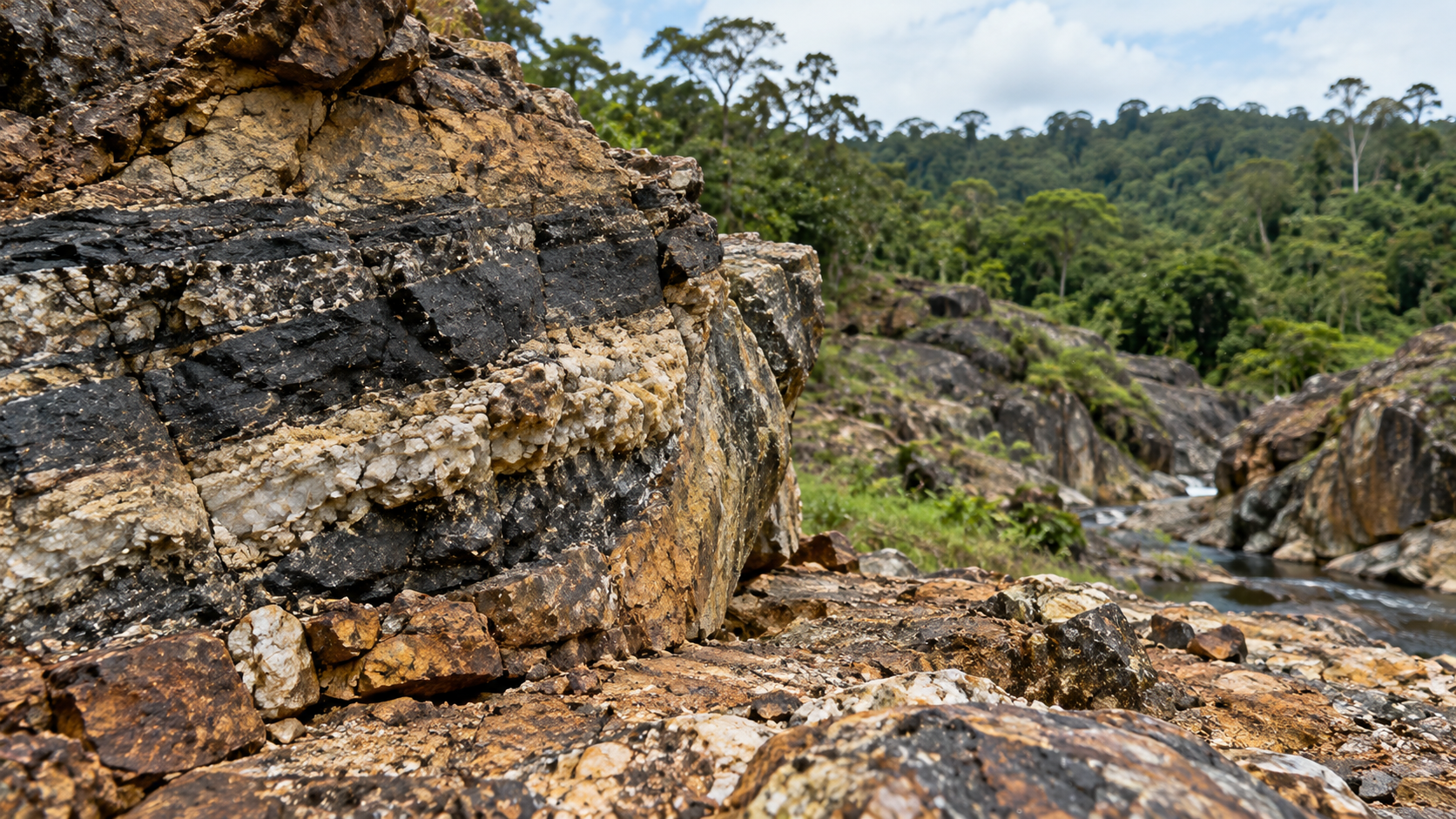
Roughly two billion years ago, uranium deposits at Oklo in present-day Gabon became concentrated enough to sustain natural nuclear fission reactions. Scientists have identified more than a dozen ancient reactor zones there. The conditions allowed nuclear reactions to occur long before humans understood atomic physics or built reactors of their own. Nature had already run the experiment billions of years before anyone could invent a lab coat.
Mercury Has Water Ice Despite Being the Closest Planet to the Sun
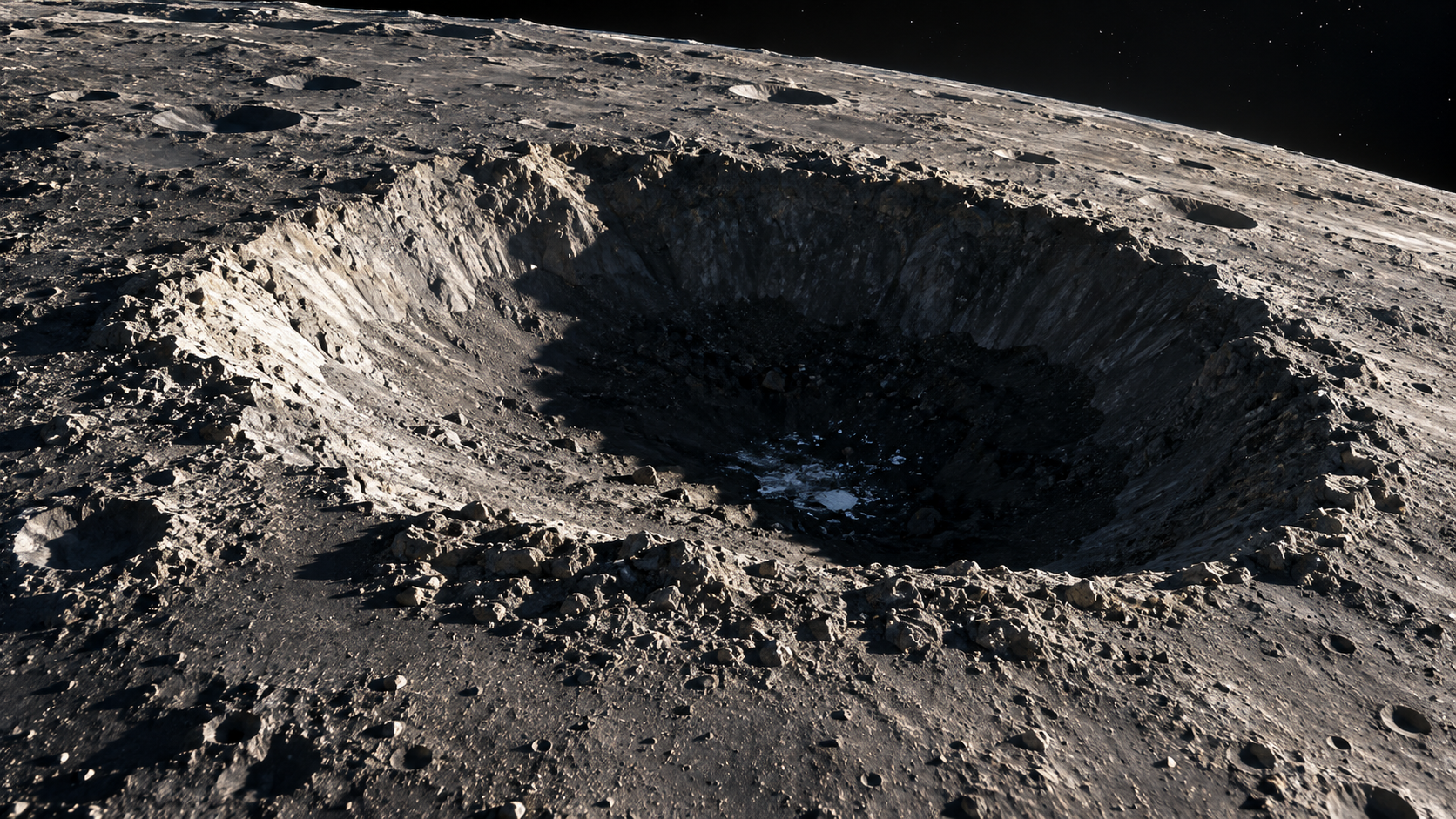
Mercury experiences extreme surface temperatures, yet some craters near its poles never receive direct sunlight. NASA’S MESSENGER spacecraft found compelling evidence that these permanently shadowed regions contain water ice, with some crater floors remaining colder than about -280°F. The contrast is possible because sunlight never reaches those locations directly. Even on the planet closest to the Sun, there are places where ice can survive.
Saturn Has a Giant Six-Sided Weather Pattern
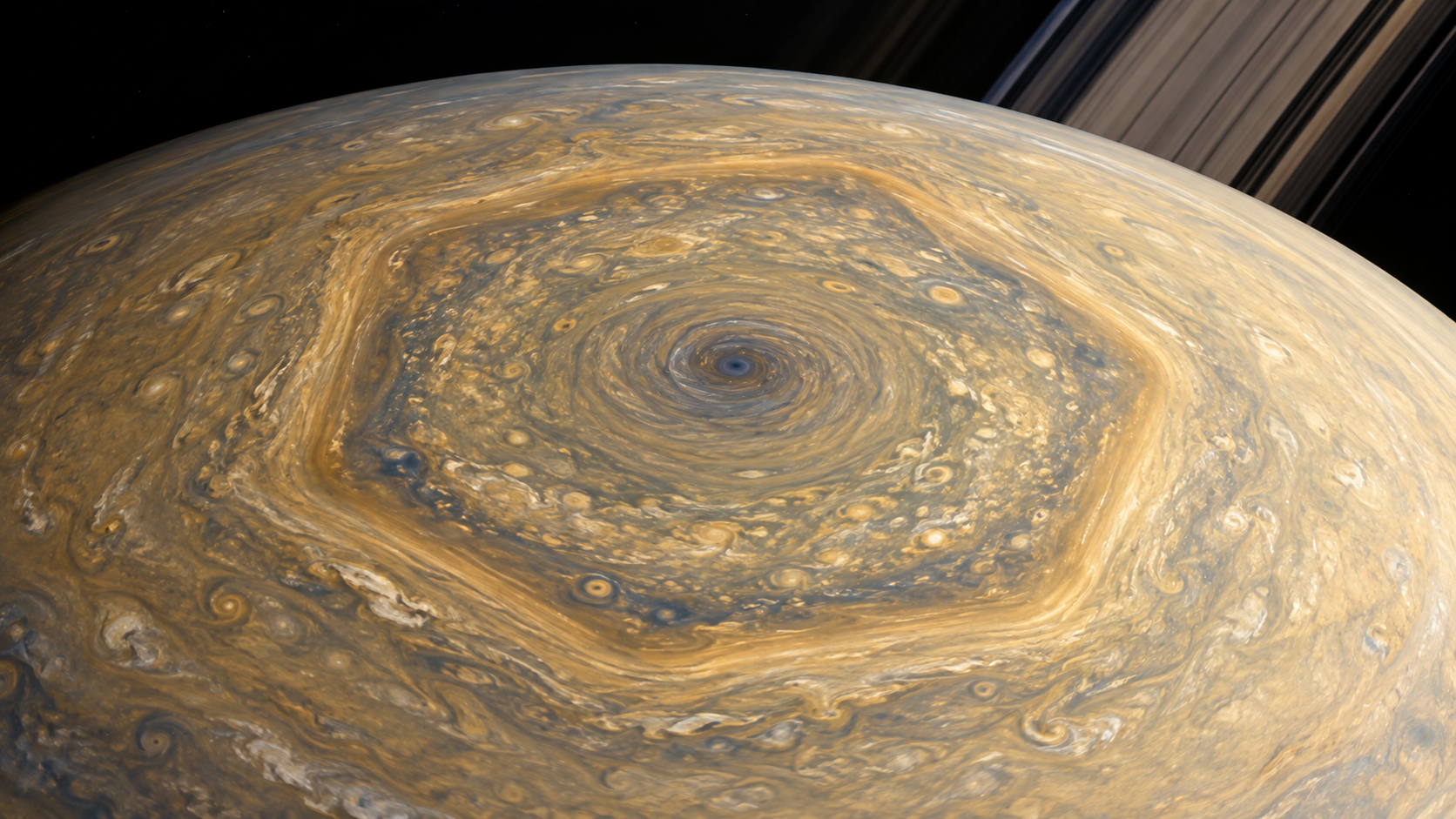
Saturn’s north pole features an enormous hexagon-shaped jet stream roughly 20,000 miles across. Winds within the pattern reach about 200 mph, and a massive rotating storm sits near its center. NASA’s Voyager spacecraft first spotted the formation, while Cassini later captured it in much greater detail. Earth has hurricanes and thunderstorms, but Saturn apparently decided ordinary circular weather systems weren’t geometrically ambitious enough.
Scientists Know of a Blue Planet Where It May Rain Glass Sideways
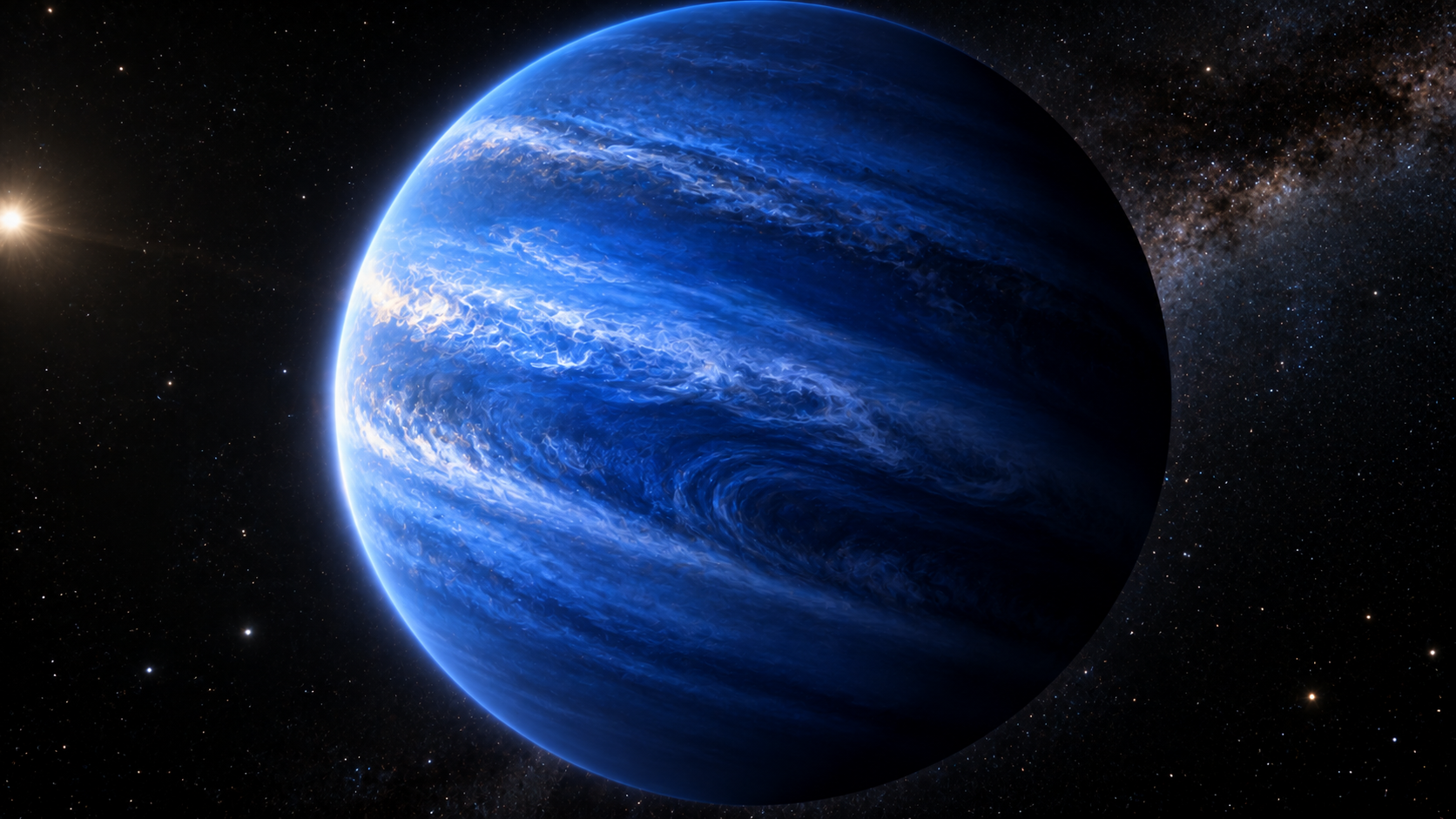
Exoplanet HD 189733 b appears deep blue, but its environment is nothing like Earth’s. NASA reports that its atmosphere reaches nearly 2,000°F and contains clouds rich in silicate particles that could form tiny glass droplets. Winds blowing thousands of miles per hour could drive this glassy precipitation almost sideways through the atmosphere. It might look beautiful from a distance, but this is one vacation destination best admired from very, very far away.
A Teaspoon of Neutron-Star Material Would Weigh Millions of Tons
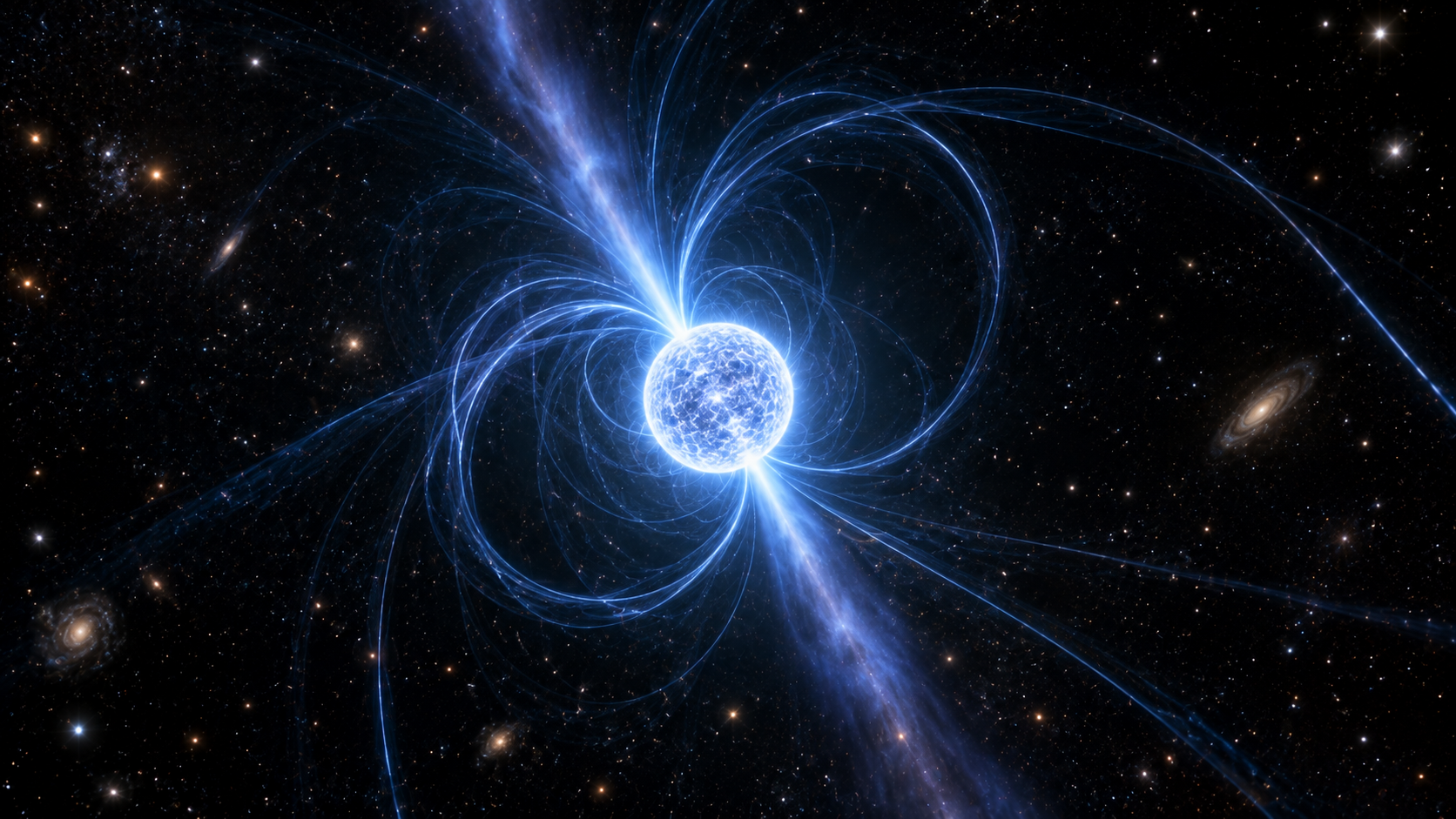
Neutron stars compress enormous amounts of matter into objects roughly the size of a city. NASA estimates that a teaspoon of neutron-star material could weigh around 10 million tons, although estimates vary depending on the star and the assumptions used. This extraordinary density results from matter being compressed so intensely that protons and electrons are forced together into neutrons. It’s a useful reminder that a teaspoon can be a very misleading unit of measurement.
You Probably Have About as Many Bacterial Cells as Human Cells
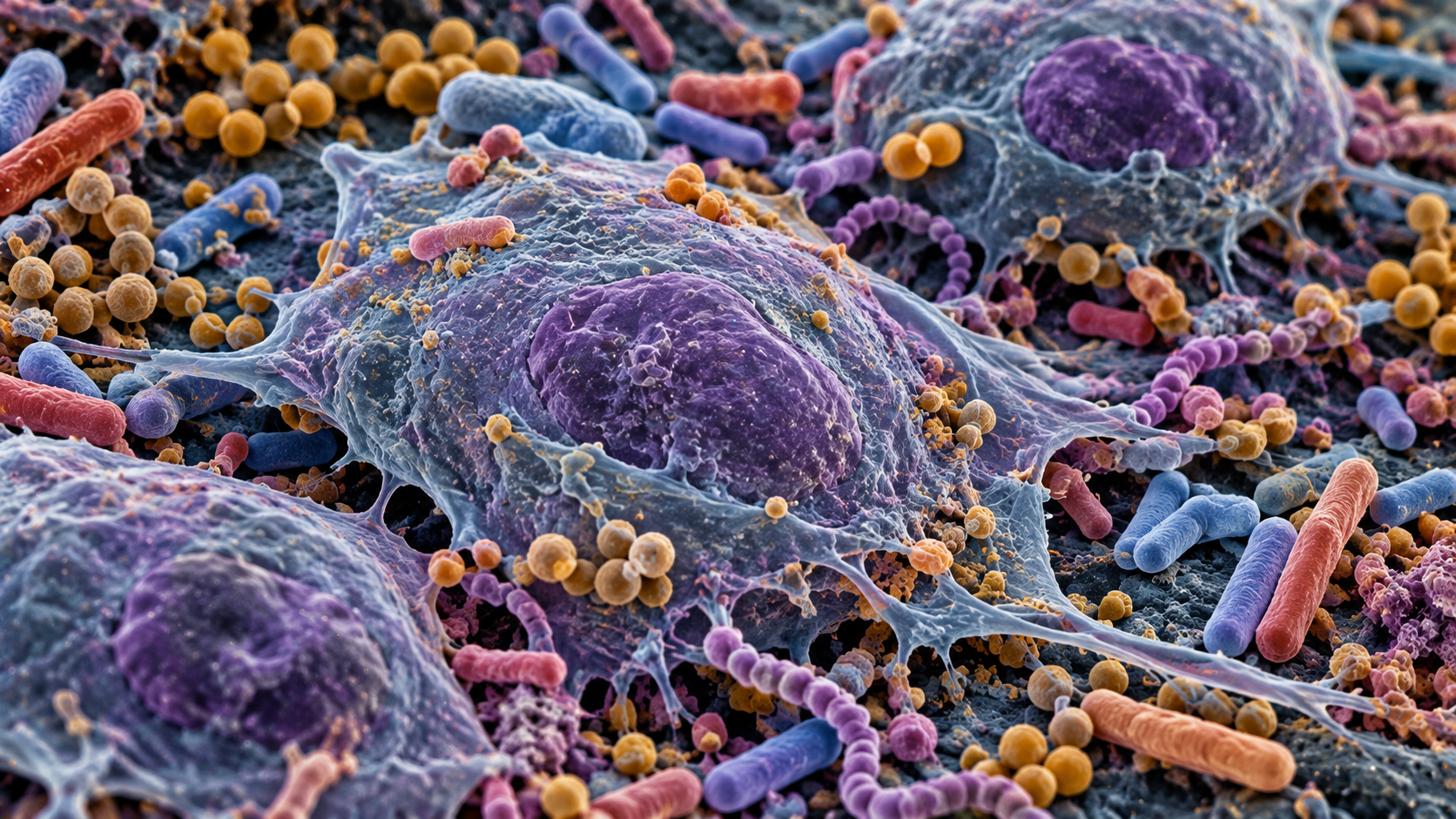
The familiar claim that bacteria outnumber human cells ten to one is based on an outdated estimate. A major reassessment calculated roughly 38 trillion bacterial cells and 30 trillion human cells in a reference adult male, bringing the ratio close to one to one. The exact numbers vary between individuals, but bacteria are a much more balanced part of the picture than the old statistic suggested. Your body isn’t quite the overwhelming microbial takeover some headlines made it sound like.
Thunderstorms Can Produce Giant Red Flashes Nearly 60 Miles Tall
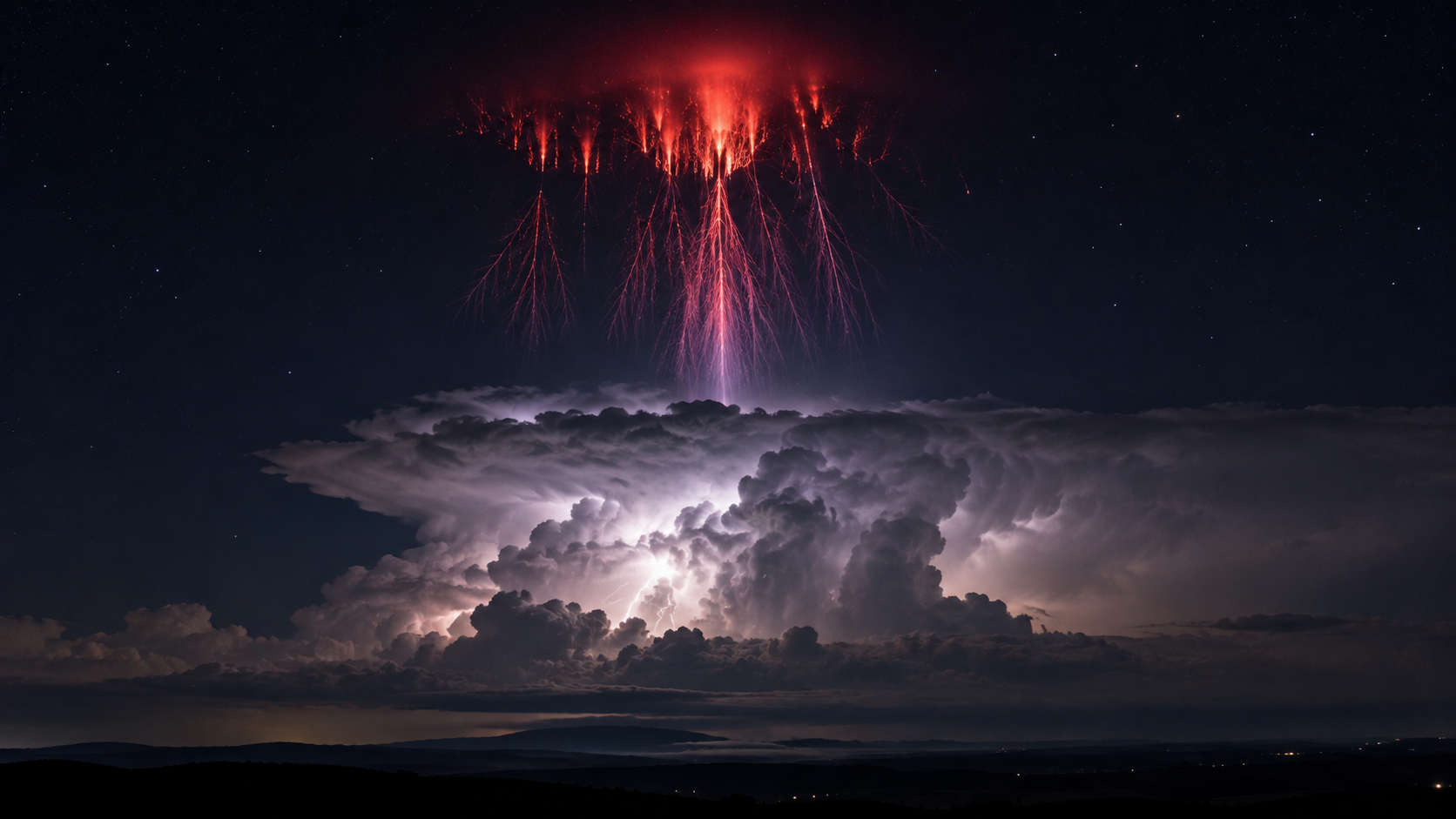
Powerful thunderstorms can generate electrical events called sprites high above the clouds. According to NOAA, these faint red flashes can extend as much as 60 miles upward from cloud tops and sometimes resemble giant jellyfish or columns hanging in the atmosphere. They are different from ordinary lightning strikes between clouds and the ground. The next time you see a thunderstorm, remember that some of its strangest activity may be happening far above the rain.
Microbes Live Nearly Two Kilometers Beneath the Seafloor
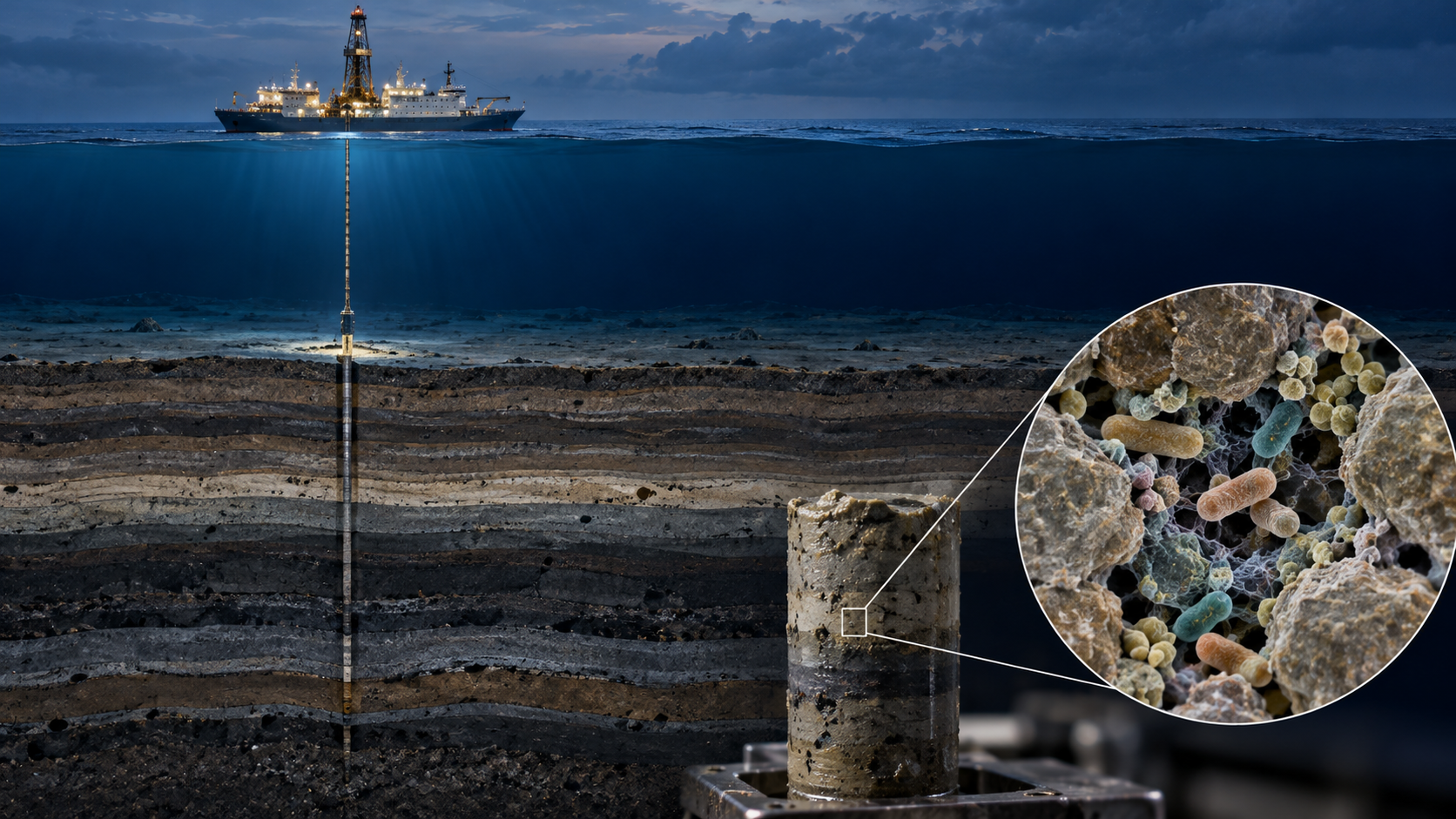
Sunlight isn’t necessary for all life on Earth. Researchers studying sediments beneath New Zealand’s Canterbury Basin detected diverse microorganisms at depths reaching 1.922 meters, or nearly 1.2 miles, below the seafloor. Other research suggests Earth’s deep subsurface may contain a substantial share of the planet’s microbial biomass despite intense pressure, heat, darkness, and limited energy. Even beneath the ocean floor, life has found ways to persist where most organisms couldn’t last a minute.