Brain myths have a way of sounding so convincing that we rarely stop to question them. Maybe you’ve heard that humans use only 10% of their brains, that creative people are right-brained, or that memories work like recordings of the past. These ideas have appeared in classrooms, self-help books, and everyday conversations for decades.
But the human brain is far more complicated than these familiar explanations suggest. From intelligence and learning to memory and sleep, these 15 popular beliefs reveal just how different the science can be from what we’ve always assumed.
1. Humans Use Only 10% of Their Brains
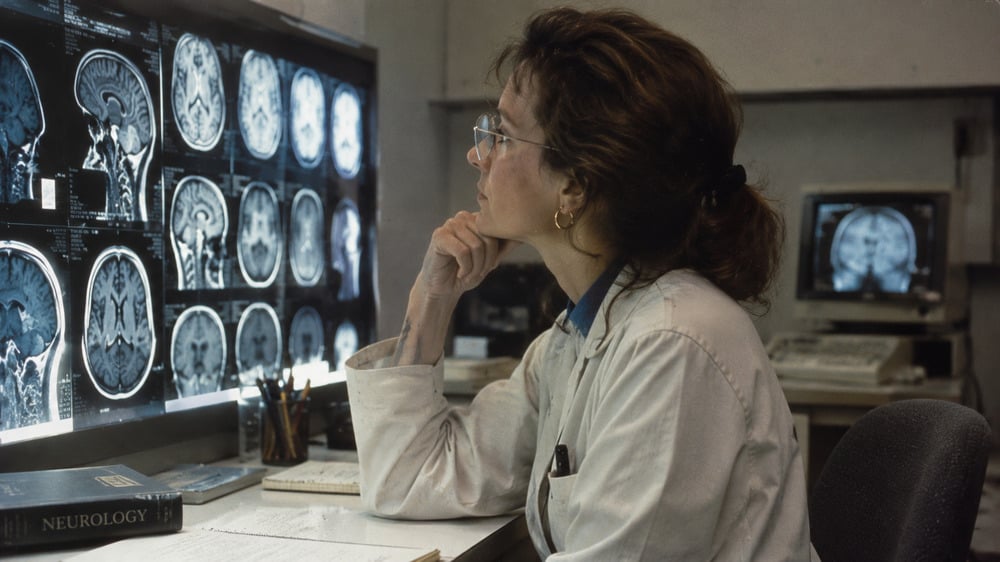
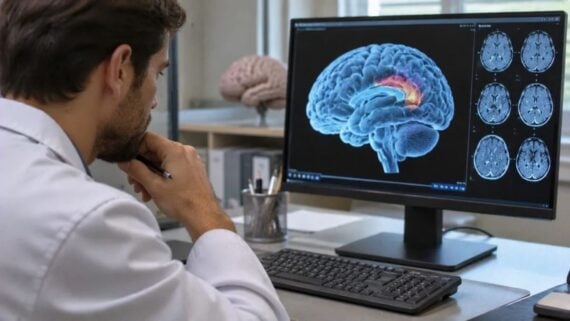
Imagine having 90% of your brain sitting around waiting to be activated. It´s an appealing idea, but neuroscience doesn´t support it. Brain scans show activity across different regions depending on what we´re doing, and even when we´re resting, the brain remains remarkably busy. Injuries affecting relatively small areas can also cause serious problems. There’s no enormous section of unused brain tissue hiding extraordinary mental powers.
2. People Are Either Left-Brained or Right-Brained
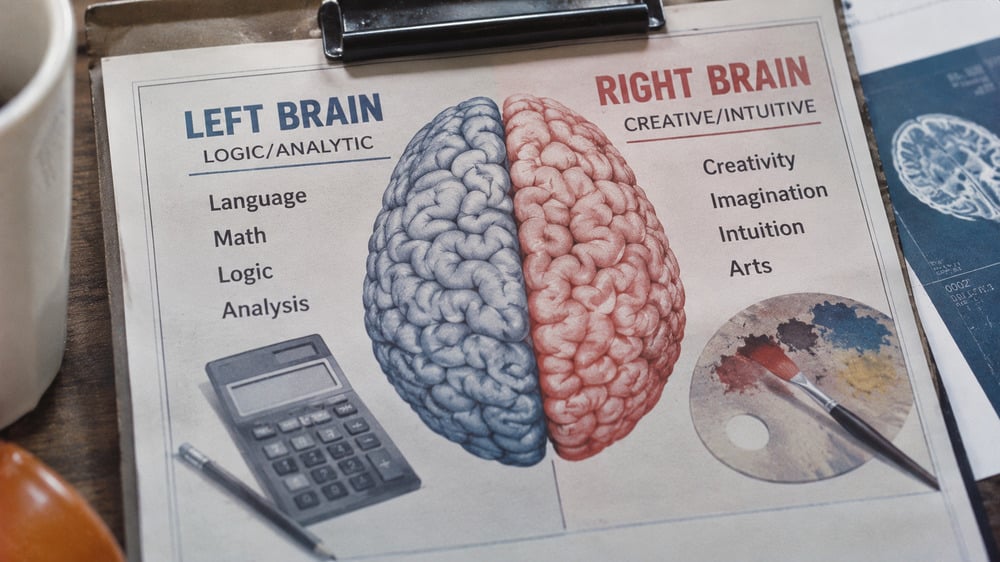
Ever been told you´re creative because you´re right-brained or analytical. After all, you´re left-brained? The distinction makes a catchy personality quiz, but it doesnñpt describe how the brain actually works. A 2013 study examining scans from 1,011 people found no evidence that individuals consistently favor one hemisphere across their entire brain. Certain functions are more specialized on one side, but creativity, logic, and personality rely on networks working together.
3. Everyone Has a Learning Style That Works Best for Their Brain
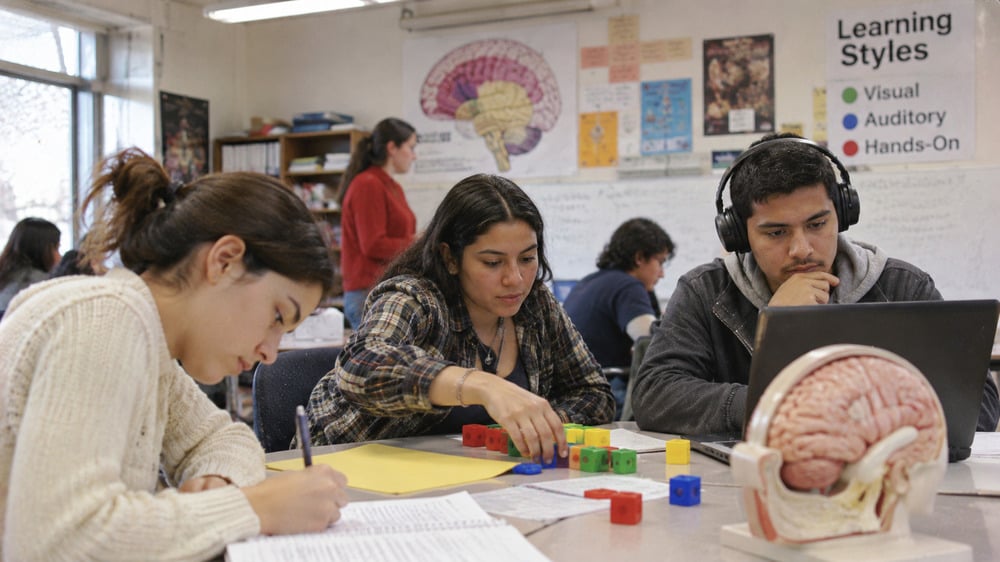
Some people prefer diagrams, others enjoy listening to explanations, and plenty learn by doing. But having a preference doesn’t mean the brain learns best only through that particular method. A major scientific review found little convincing evidence that matching lessons to visual, auditory, or hands-on learning styles improves outcomes. The most effective teaching approach often depends on the material itself, not a supposedly fixed category assigned to the student.
4. The Adult Brain Can No Longer Change or Adapt

The idea that our brains become permanently set after childhood makes learning a new skill later in life sound almost hopeless. Fortunately, research tells a different story. Neuroplasticity allows experiences and practice to reshape neural connections and even measurable aspects of brain structure throughout adulthood. Certain kinds of adaptation become more difficult with age, but the ability to change doesn’t simply disappear after a particular birthday.
5. Memories Work Like Video Recordings

That crystal-clear memory from childhood might feel like footage stored somewhere in your head. Unfortunately, the brain doesn´t come with a built-in video archive. Remembering involves reconstructing information, which means later experiences, expectations, and suggestions can influence the details. In a 2011 survey, 63% of Americans agreed with the mistaken idea that memory works like a video camera. Ever argued with someone who remembers the same event completely differently? Both versions might feel equally real.
Trending on The Scroller


6. A Confident Memory Must Be an Accurate One

Someone who recalls an event with absolute certainty can sound incredibly convincing. But confidence and accuracy aren´t interchangeable. Research shows that an eyewitness´s initial confidence can be a useful indicator under carefully controlled identification conditions. However, repeated questioning, suggestive feedback, and other influences can change how certain someone feels afterward. A confident account isn’t automatically wrong, but certainty alone doesn’t prove that every detail happened exactly as remembered.
7. The Brain Can Handle Several Demanding Tasks at Once Without Losing Efficiency

Answering emails, following a conversation, and working on a complicated project might feel like peak productivity. In reality, the brain often switches attention rapidly between demanding tasks rather than processing them, all equally well at once. Those switches can slow performance and increase mistakes. Some familiar activities can happen together successfully, but combining tasks that require serious concentration usually comes with a cost. Multitasking isn’t always the productivity superpower it appears to be.
8. A Bigger Brain Automatically Means Greater Intelligence
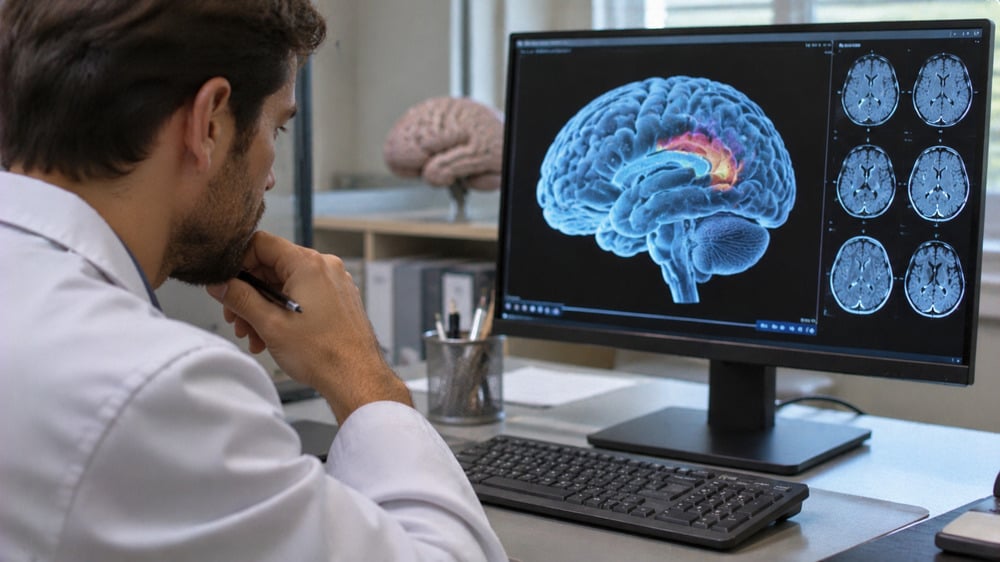
If intelligence were simply a matter of brain size, measuring someone´s head would be a remarkably easy way to identify a genius. Fortunately, things aren´t that straightforward. Research has found a statistical relationship between brain volume and intelligence-test performance, but it’s relatively modest. A 2022 meta-analysis estimated a correlation of about 0.24, with brain volume accounting for only around 6% of the variation in test scores. Size alone tells us very little about any particular person’s intellectual abilities.
Sign up for our newsletter
9. Brain-Training Games Make People Smarter at Everything
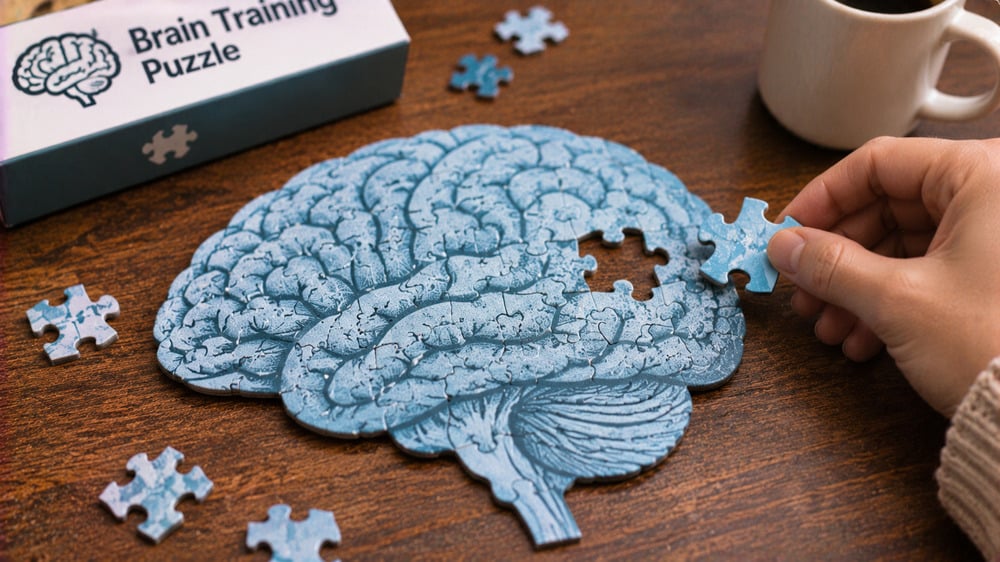
Those colorful puzzles promising sharper thinking can certainly make someone better at solving colorful puzzles. Whether that improvement carries over into unrelated activities is another question. A major 2016 review found strong evidence that practice improves performance on trained tasks, but much weaker support for broad improvements in everyday cognition or general intelligence. Some specialized training programs may offer specific benefits, but mastering a memory game doesn’t automatically mean remembering where you left your keys.
10. The Brain Contains Ten Times as Many Glial Cells as Neurons
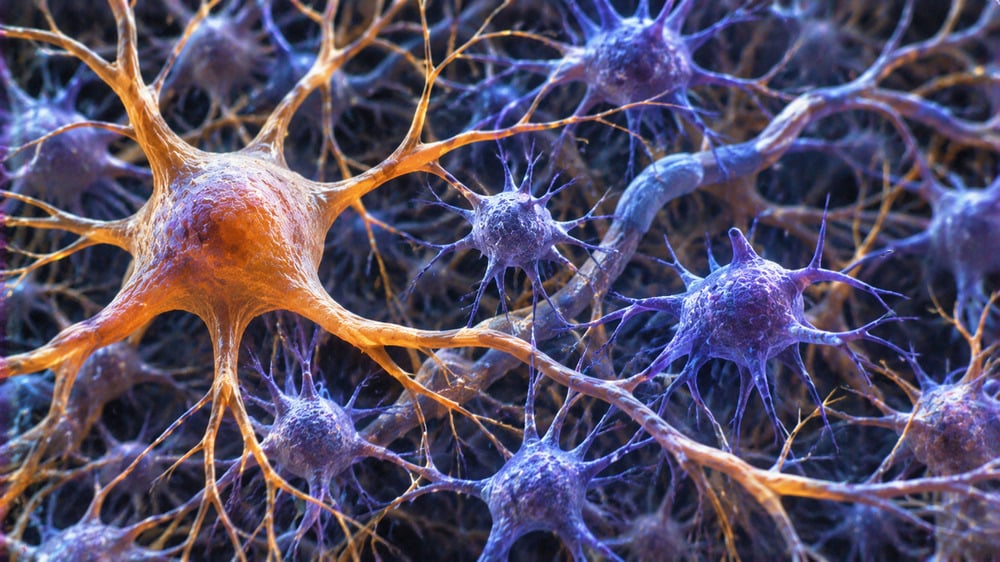
Brain myths aren’t limited to popular self-help advice. Some have appeared in neuroscience textbooks themselves. For decades, a widely repeated claim suggested that glial cells outnumber neurons by ten to one. Improved cell-counting techniques eventually challenged that figure, showing that the human brain contains roughly comparable overall numbers of neurons and non-neuronal cells. The proportions differ across brain regions, but the famous ten-to-one ratio turned out to be far less reliable than generations of readers had been led to believe.
11. The Brain Stops Producing New Neurons After Childhood
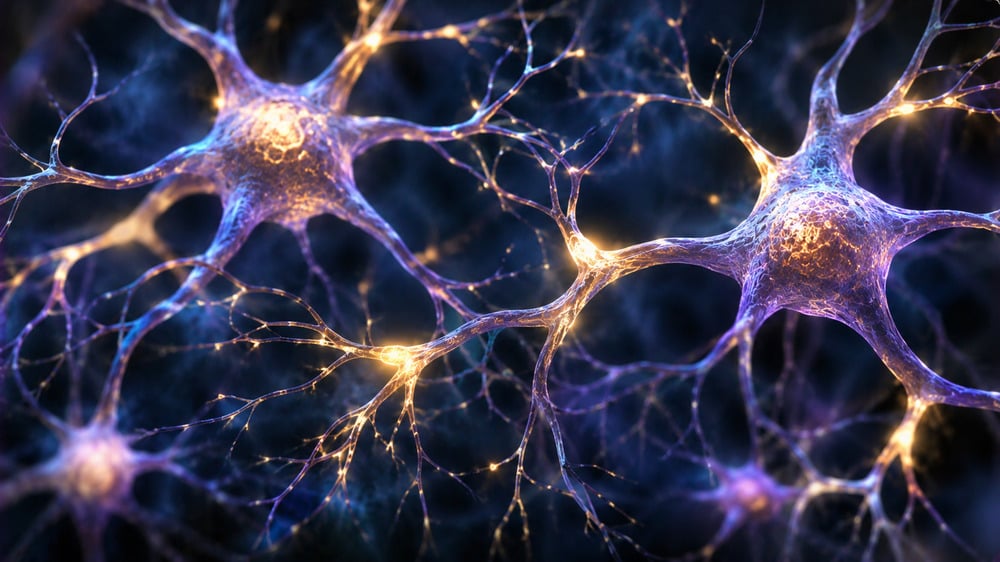
For years, the conventional explanation was that humans entered adulthood with essentially all the neurons they would ever have. Research has complicated that picture. Studies have reported evidence suggesting that new neurons may develop in parts of the adult hippocampus, a region associated with memory. However, scientists continue to debate how much adult human neurogenesis occurs, and different methods have produced conflicting findings. The old absolute rule is too simple, but the precise answer remains an active scientific question.
12. Eating Sugar Makes Children’s Brains Hyperactive

A birthday party full of candy and excited children seems like perfect evidence for a sugar rush. Yet controlled experiments haven´t consistently supported the idea that ordinary sugar consumption directly causes hyperactivity. A 1995 meta-analysis examining 23 studies found no significant overall effect on children’s behavior or cognitive performance. Researchers couldn’t completely exclude small effects in certain individuals, but the familiar explanation doesn’t hold up as a general rule. The excitement surrounding the candy may be more noticeable than any effect of the sugar itself.
13. Vividly Imagining Something Means It Really Happened

Picture an event repeatedly, add a few details, and eventually the scene can begin to feel surprisingly familiar. But a vivid mental image isn´t proof of a real experience. In a 2004 experiment, researchers found that participants sometimes mistakenly remembered seeing photographs of objects they had only imagined. The brain can occasionally confuse internally generated information with actual perception. That’s why a memory feeling detailed, emotional, or unusually clear doesn’t necessarily establish that the event occurred.
14. Hypnosis Can Recover Memories Exactly as They Happened

Movies and television often portray hypnosis as a secret doorway to perfectly preserved memories. Scientific research paints a much less dependable picture. Hypnosis can influence what people report remembering, but suggestion may also introduce inaccurate details or increase confidence in false recollections. In a 2011 survey, 55% of respondents believed hypnosis could enhance memory, despite the lack of evidence that it reliably retrieves historical truth. A memory uncovered under hypnosis still needs independent verification.
15. The Brain Shuts Down While People Sleep

Sleeping may look like the ultimate mental shutdown, but the brain doesn´t simply clock out for the night. Different sleep stages involve distinct patterns of neurological activity, and research shows that sleep plays an important role in stabilizing and reorganizing memories. Scientists have also studied how connections between neurons change during sleep. Far from being completely inactive, the sleeping brain continues performing processes that contribute to learning and memory. Who knew bedtime could be such a busy shift?
The human brain is complicated enough without the myths we’ve attached to it. Some familiar beliefs are completely unsupported, while others contain a small piece of truth that has been stretched too far. Understanding the difference reveals something more interesting than any simple brain hack: how much scientists have learned about the mind, and how many questions they’re still working to answer.
Keep Exploring The Scroller
Think you’ve figured out how your mind works? Keep exploring The Scroller for surprising science, everyday mysteries, and fascinating discoveries that challenge what we think we know:
15 Things Our Brains Do That Most People Don’t Realize
20 Mind-Bending Facts About The Human Brain That Most People Don’t Know
20 Facts About the Human Body That Are Stranger Than Most People Realize