Everyday inventions originally made for something else have some of the most surprising backstories imaginable. A toy that started with military equipment, a beauty treatment intended for eye disorders, and a popular soda once advertised as a brain tonic? Apparently, inventors don´t always know what they´ve created until someone finds a completely different use for it.
Some of these discoveries happened by accident. Others came from noticing that a failed experiment might actually be useful for something unexpected. Either way, these 15 inventions prove that sometimes the best idea is the one nobody was looking for.
1. Super Glue Was Discovered While Researchers Were Looking for Better Gun Sights
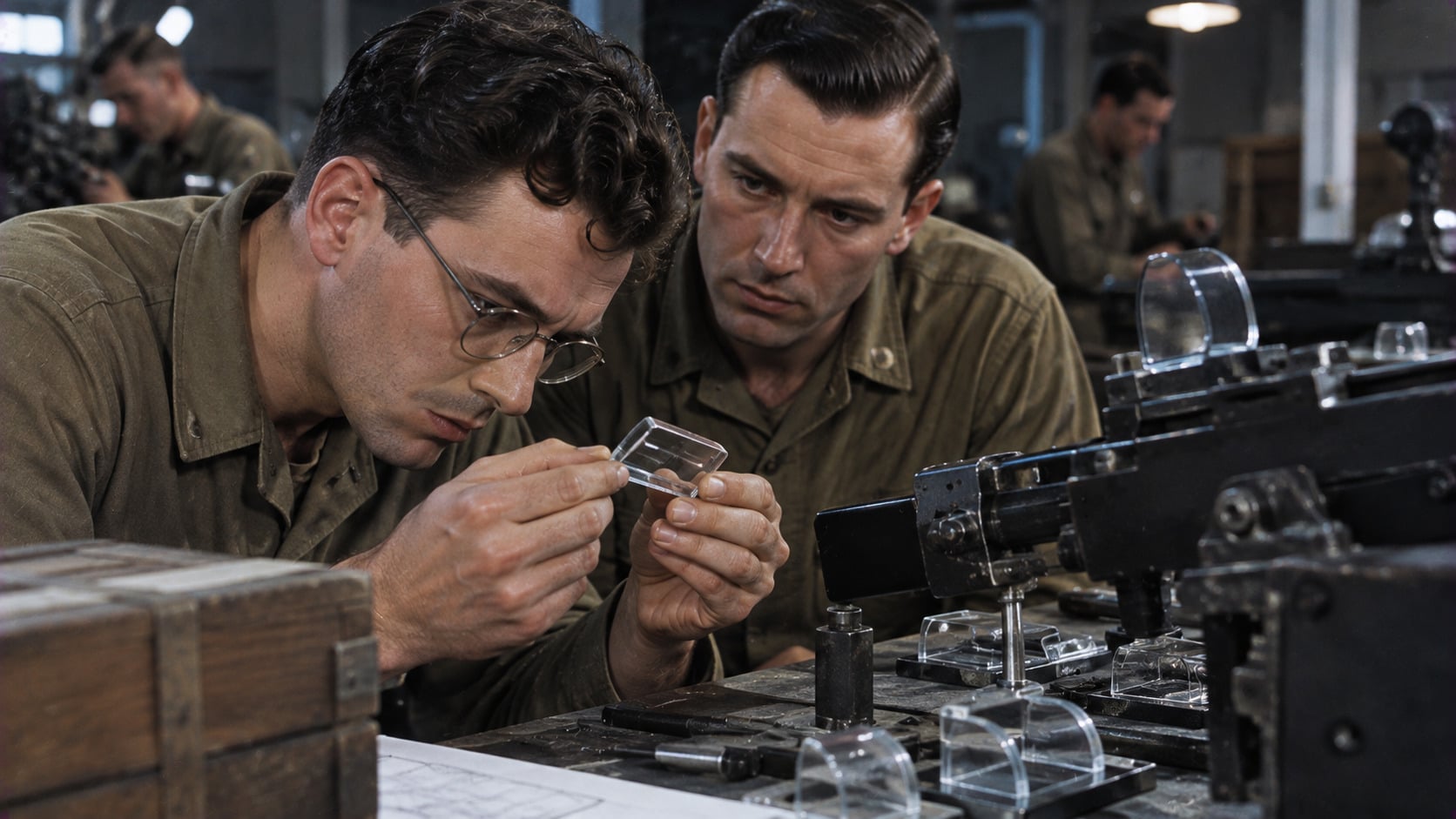
Imagine trying to invent a clear material for gun sights and accidentally creating something that sticks to practically everything. During World War II, researchers encountered cyanoacrylates, but their extreme stickiness made them frustrating to work with. cChemistHarry Coover eventually realized that the annoying property was actually the selling point. One research headache became a household essential.
2. Duct Tape Was Developed to Seal Military Ammunition Cases
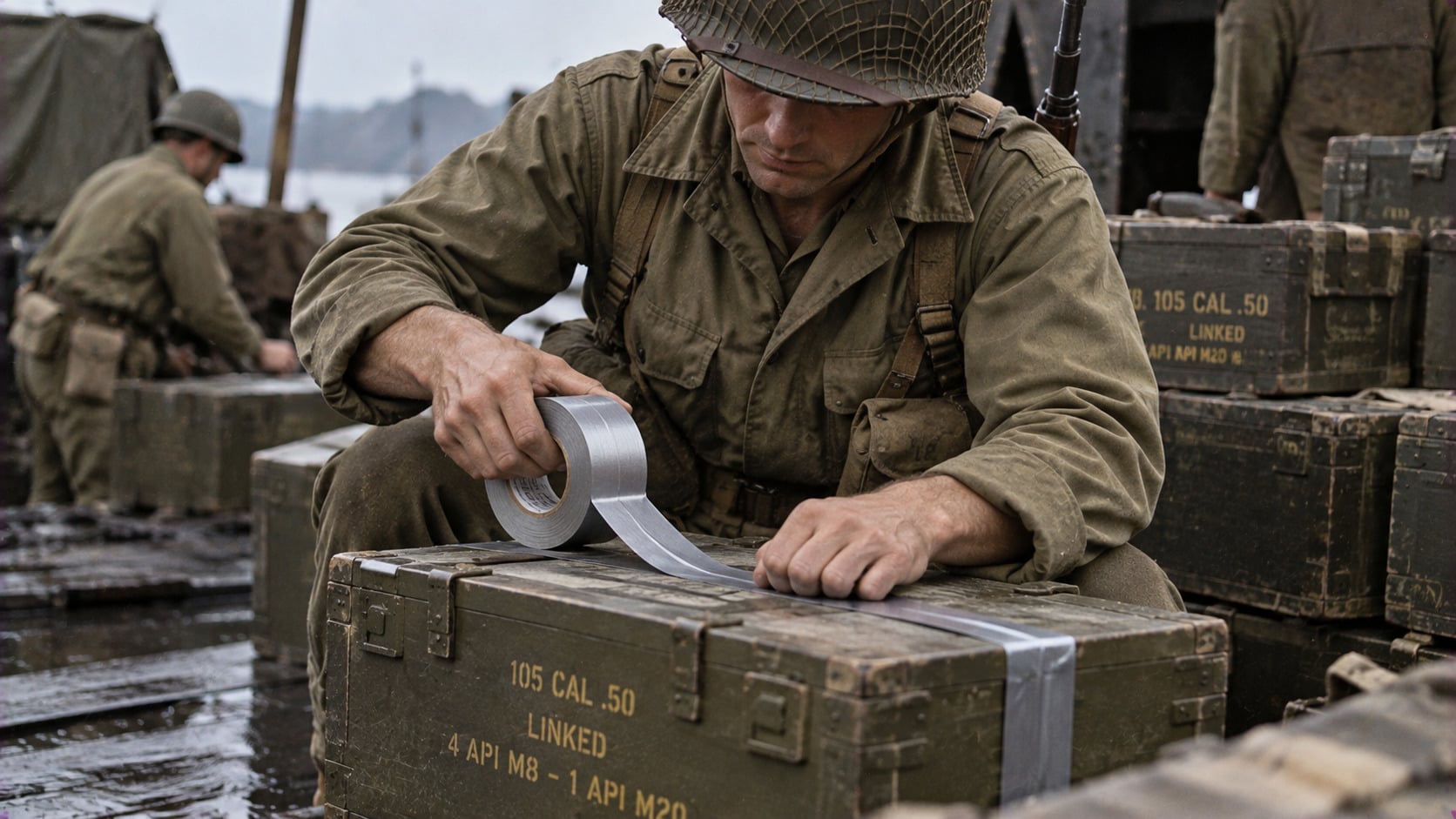
Before duct tape became the unofficial solution to every household emergency, it had a much more serious job. Developed during World War II by Johnson´s Permacel division, the waterproof tape helped protect ammunition cases from moisture while allowing soldiers to open them quickly. From military supplies to fixing just about anything, that´s quite a career change.
3. The Slinky’s Spring Was Intended for Shipboard Equipment

What do shipboard equipment and a toy that walks down stairs have in common? A spring that refused to behave like an ordinary spring. Engineer Richard James was working with tension springs during World War II when he noticed one tumble in an unusually entertaining way. Instead of dismissing it, he saw a toy waiting to happen. By the mid-1940s, the Slinky was making its way into homes.
4. Silly Putty Came From a Search for Synthetic Rubber
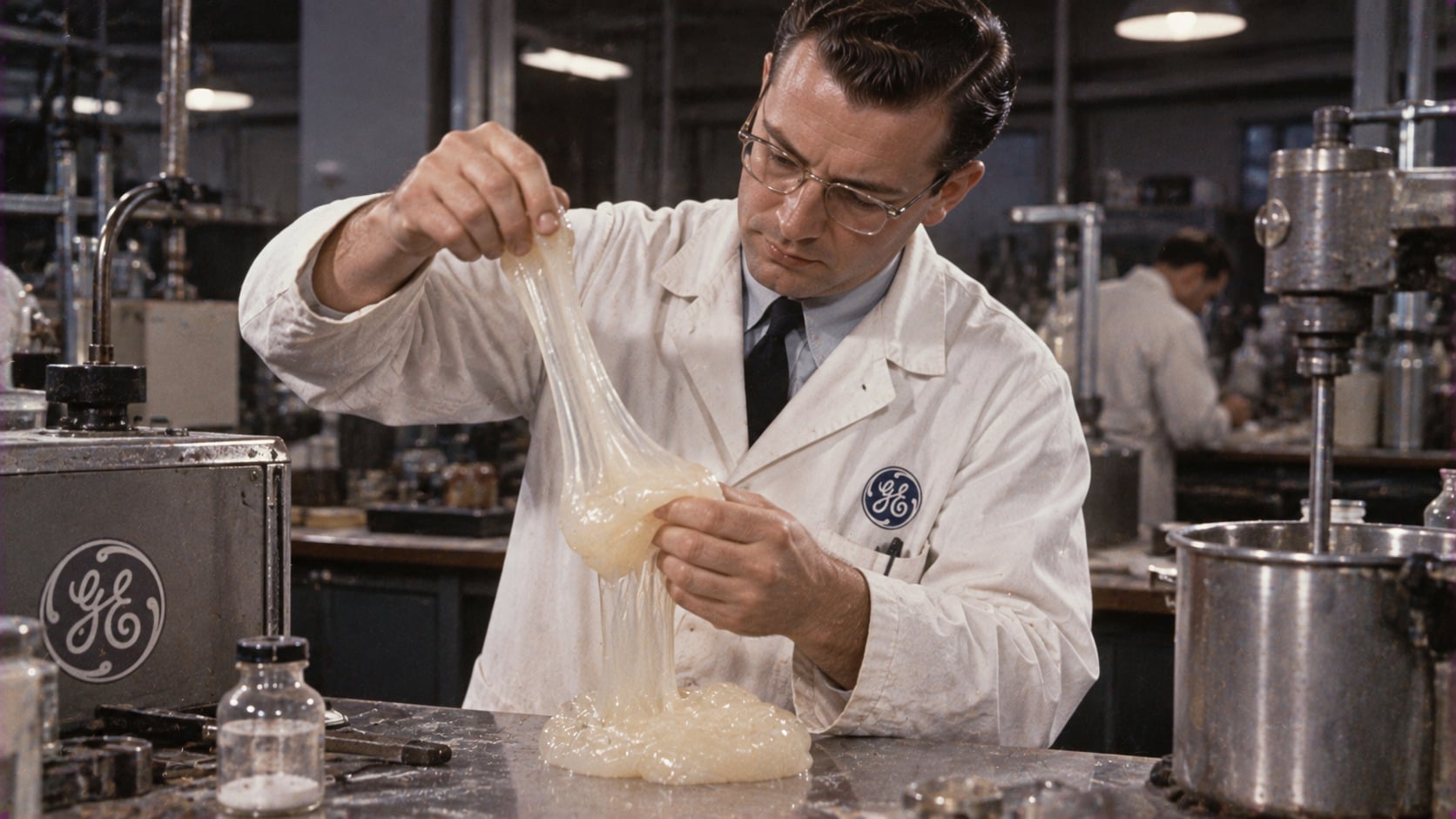
The military needed a rubber substitute during World War II. What it got was something that bounced, stretched, and eventually became a children´s toy. General Electric engineer James Wright created the unusual silicone substance in 1943, but it wasn´t useful enough for the original mission. Toy marketer Peter Hodgson later recognized its entertainment potential. Who knew a failed wartime experiment could become such a successful distraction?
5. WD-40 Was Developed for the Aerospace Industry
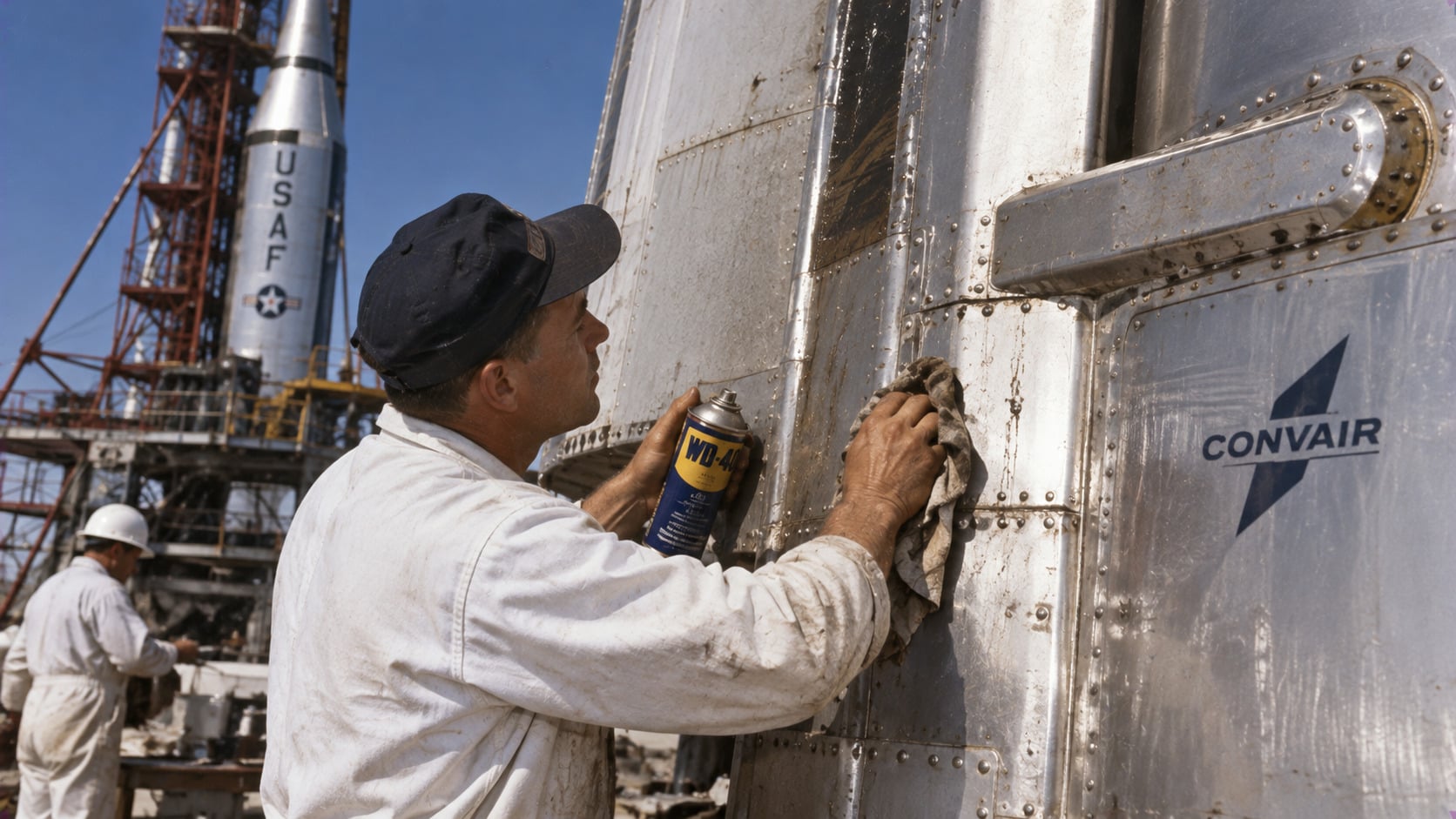
That familiar blue-and-yellow can has a surprisingly high-tech origin. Developed in 1953, WD-40 was used by aerospace contractor Convair to protect the Atlas missile´s exterior from rust and corrosion. Its water-displacing formula eventually proved useful far beyond missile technology. Today, it´s more likely to be found in a garage than anywhere near a rocket.
Trending on The Scroller
6. Memory Foam Was Developed for Aircraft Seating
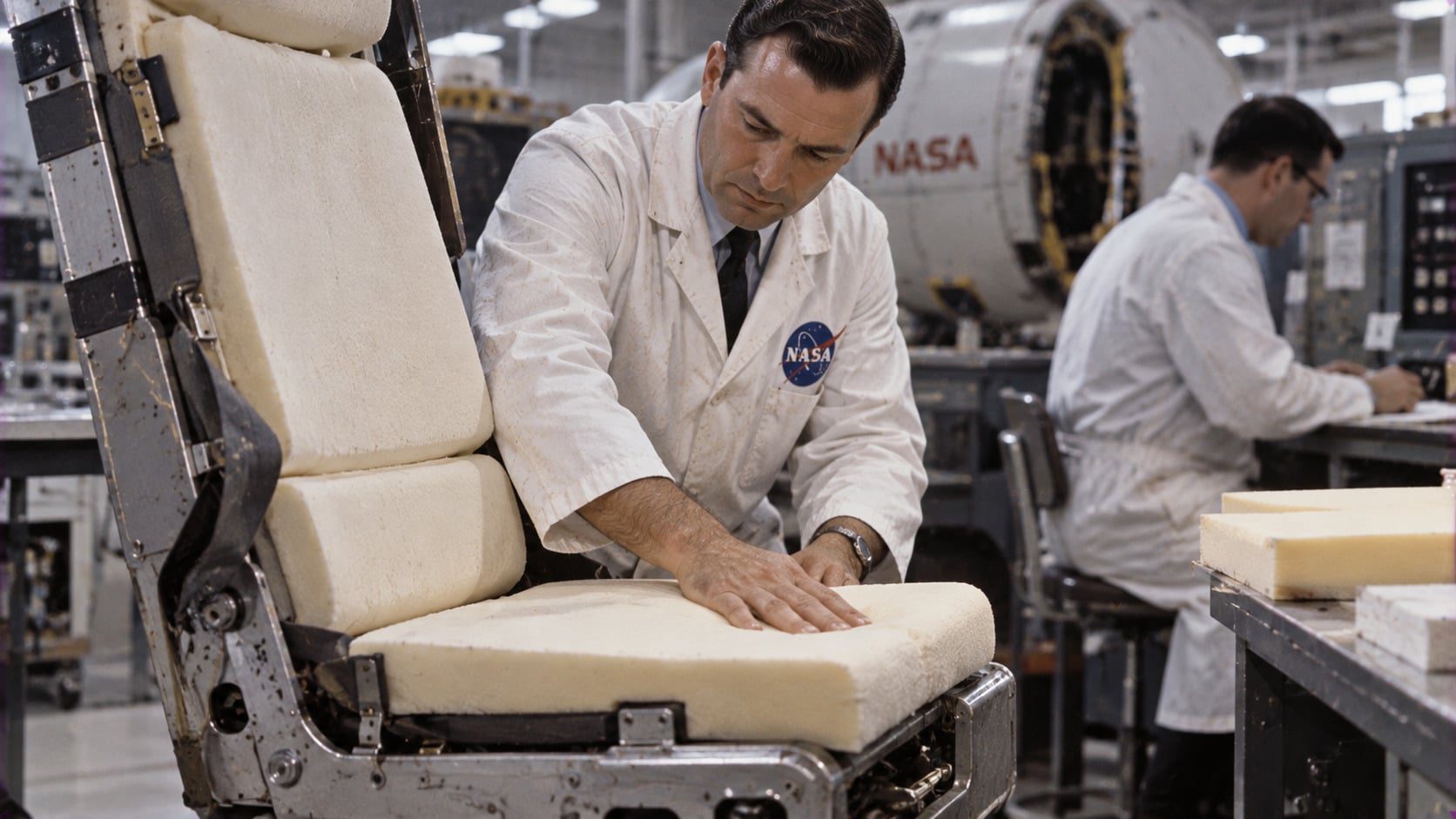
Your comfortable mattress has an aviation connection. NASA-sponsored research in the 1960s helped develop slow-recovery foam intended to improve aircraft seating by absorbing impact and distributing pressure. The material later found its way into medical equipment, protective products, and bedding. Turns out technology developed to make flying safer could also make sleeping considerably more comfortable.
7. Botox Was a Medical Treatment Before It Became Famous for Wrinkles
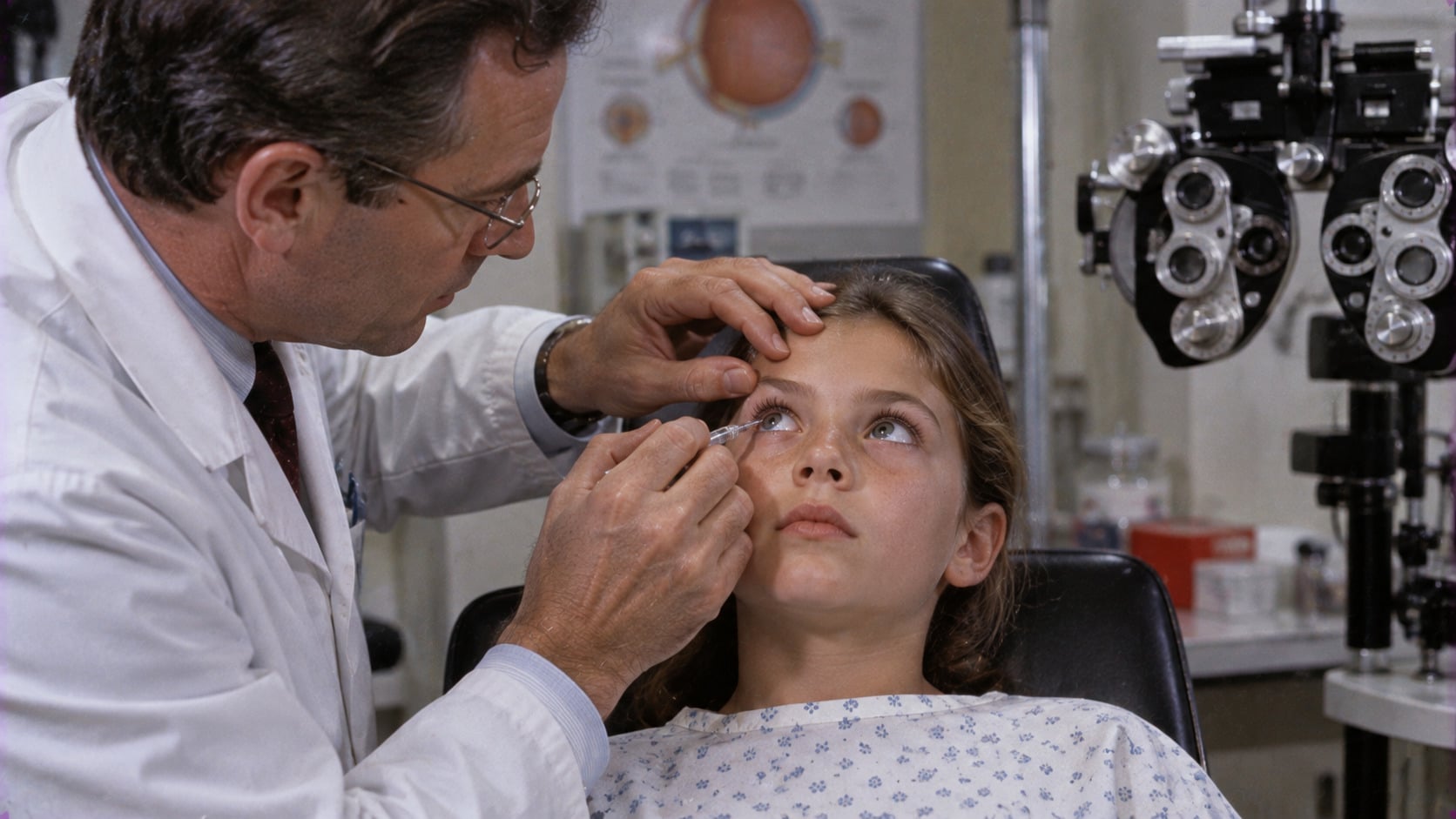
Wrinkles weren´t the original target. When the FDA first approved Botox in 1989, it was for strabismus, a condition affecting eye alignment, and blepharospasm, which causes involuntary eyelid contractions. Cosmetic approval for certain facial lines didn´t arrive until 2002. A treatment developed for eye disorders eventually becameone ofn the most recognizable names in cosmetic medicine.
8. Listerine Was a Surgical Antiseptic Before It Became Famous as Mouthwash
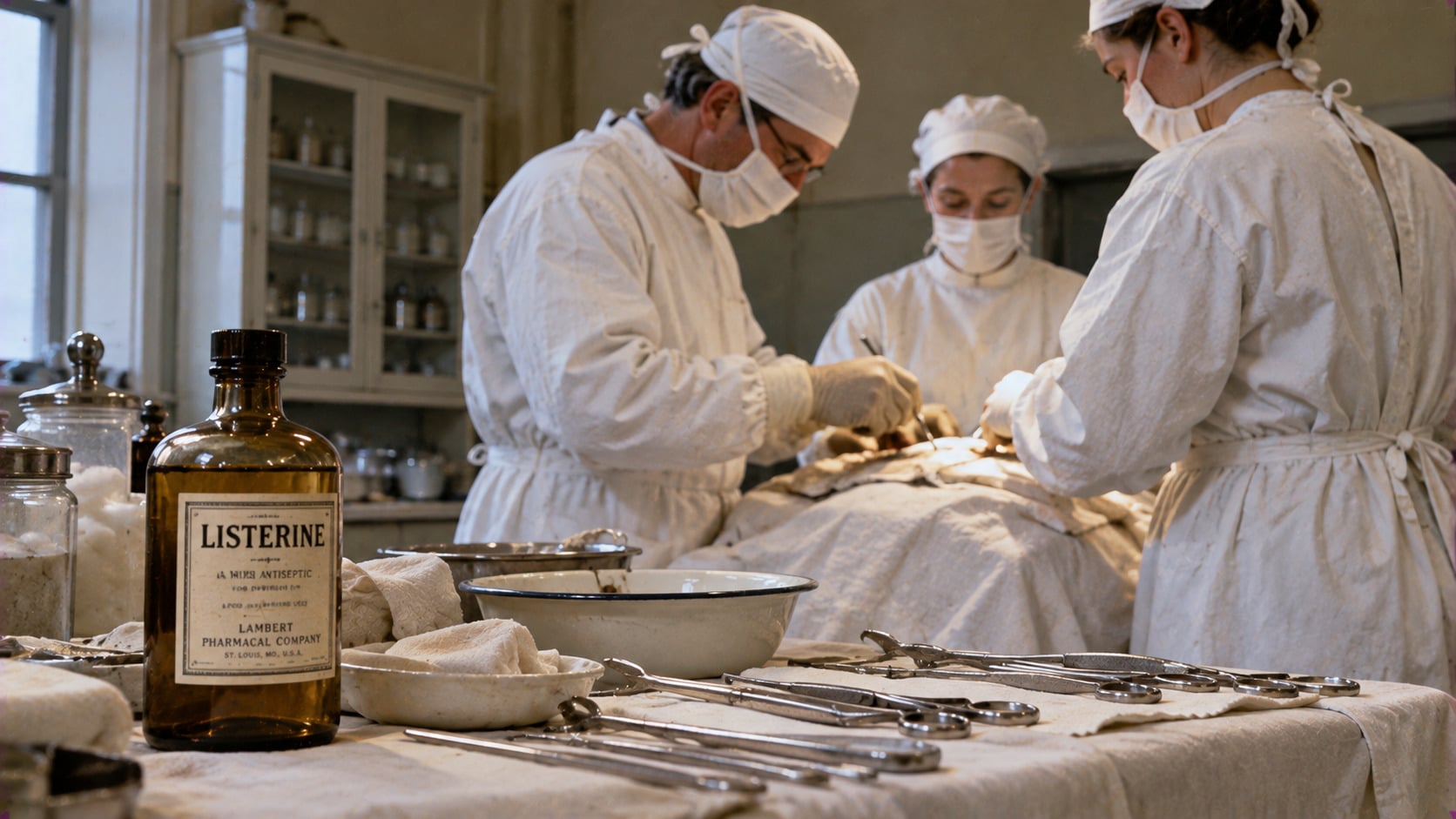
Bad breath wasn´t always Listerine´s main concern. In the late 1800s, the product was marketed as an antiseptic and surgical disinfectant, along with several other claimed uses. Then advertising in the 1920s turned “halitosis” into a problem consumers suddenly worried about. The result? A product associated with a medical disinfectant became a bathroom-cabinet staple.
Sign up for our newsletter
9. Viagra Was Developed as a Possible Treatment for Angina
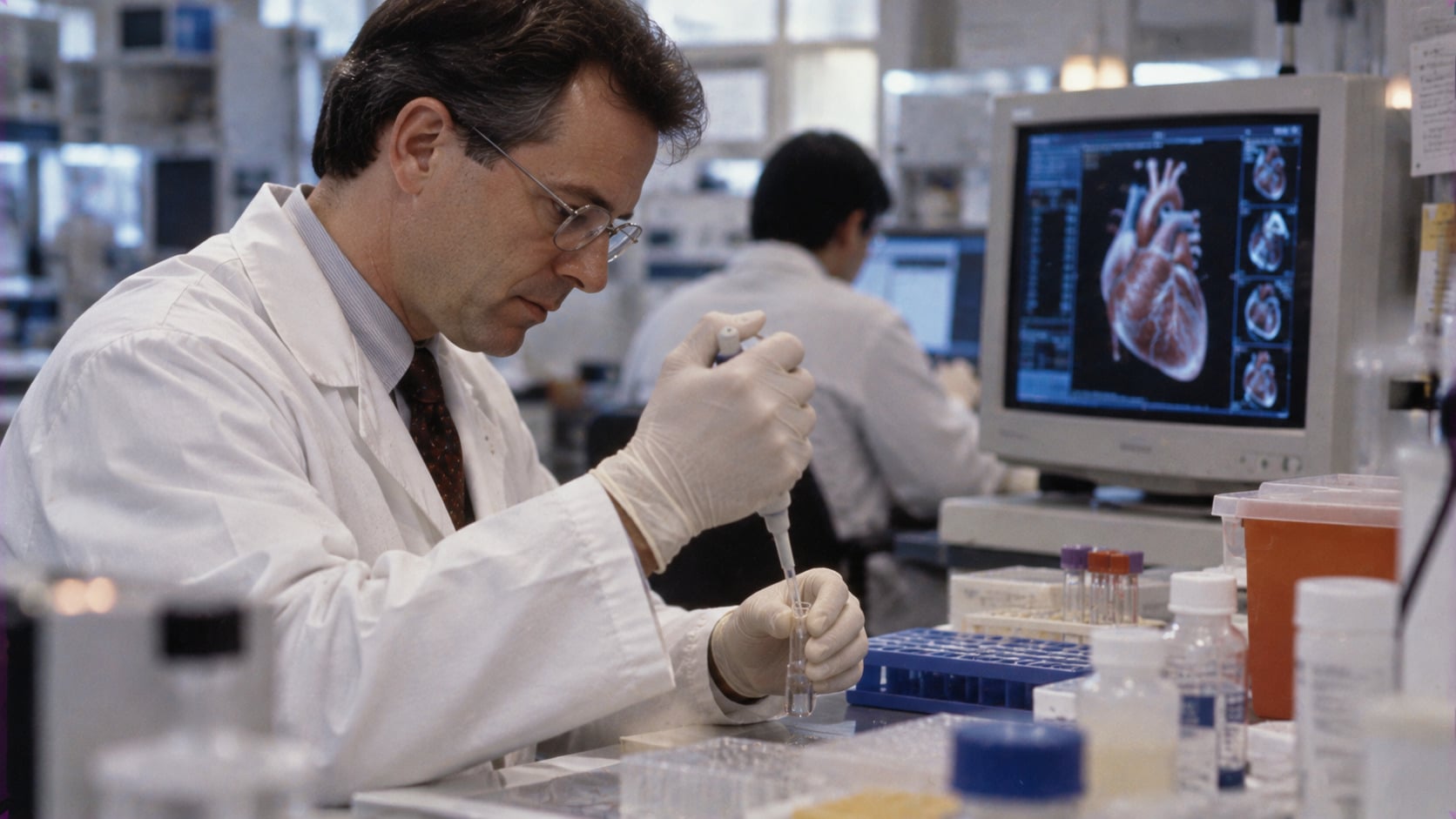
Sometimes a clinical trial reveals something nobody was expecting. Pfizer originally investigated sildenafil, later sold as Viagra, as a potential treatment for angina, a type of chest pain. The results for that purpose weren´t convincing, but researchers noticed another worth exploring. The drug eventually became famous for treating erectile dysfunction instead. Not exactly the outcome the original research team had in mind.
10. Minoxidil Started as a Blood-Pressure Drug
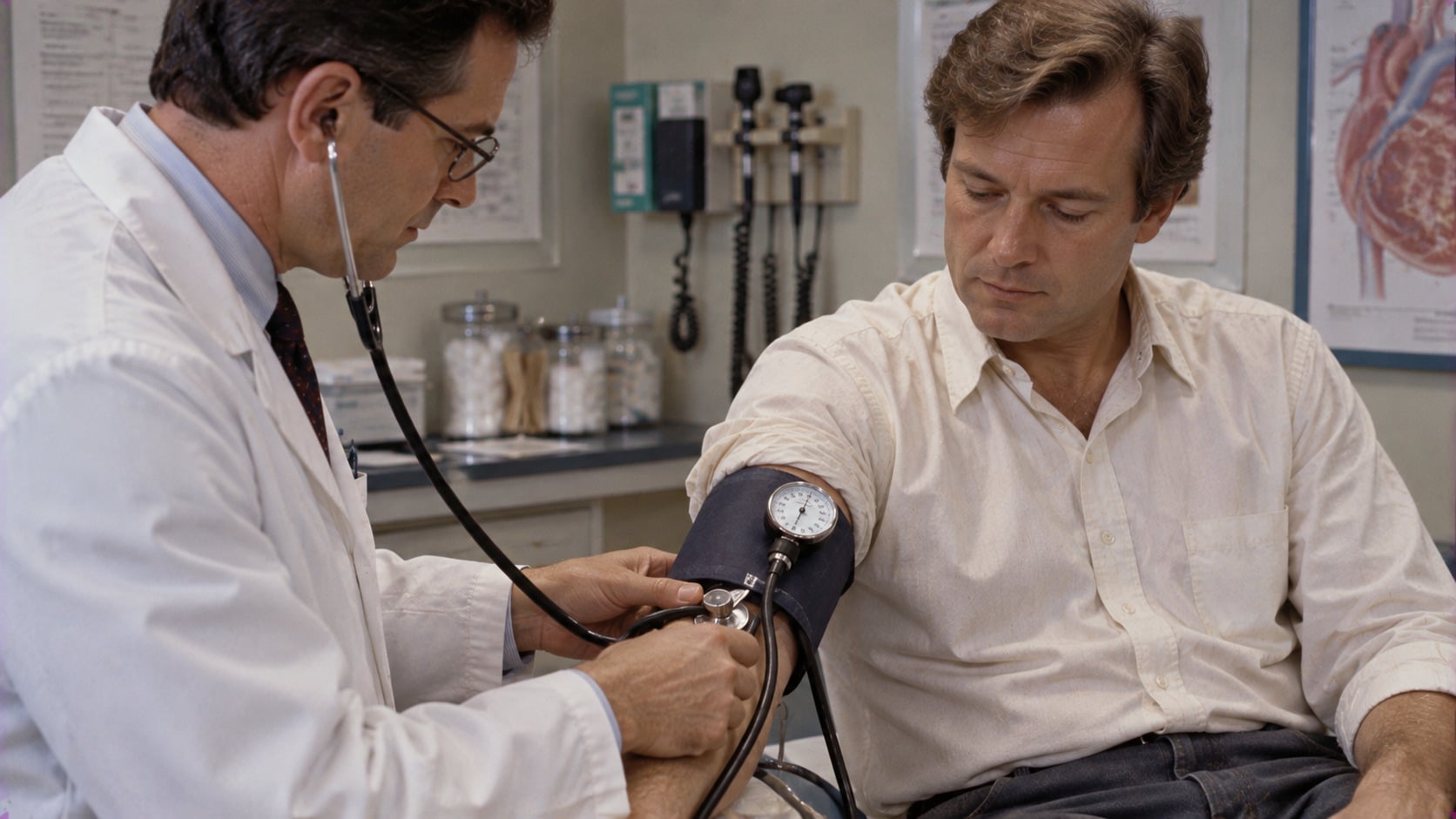
Everyday inventions originally made for something else can have some pretty unexpected side effects. Minoxidil was initially used as an oral medication for severe high blood pressure, but some patients began experiencing excessive hair growth. Researchers recognized an opportunity and developed a topical treatment for hair loss. What started as an unwanted side effect eventually became the reason millions of consumers recognized products such as Rogaine.
11. The Chainsaw’s Ancestor Was a Surgical Instrument
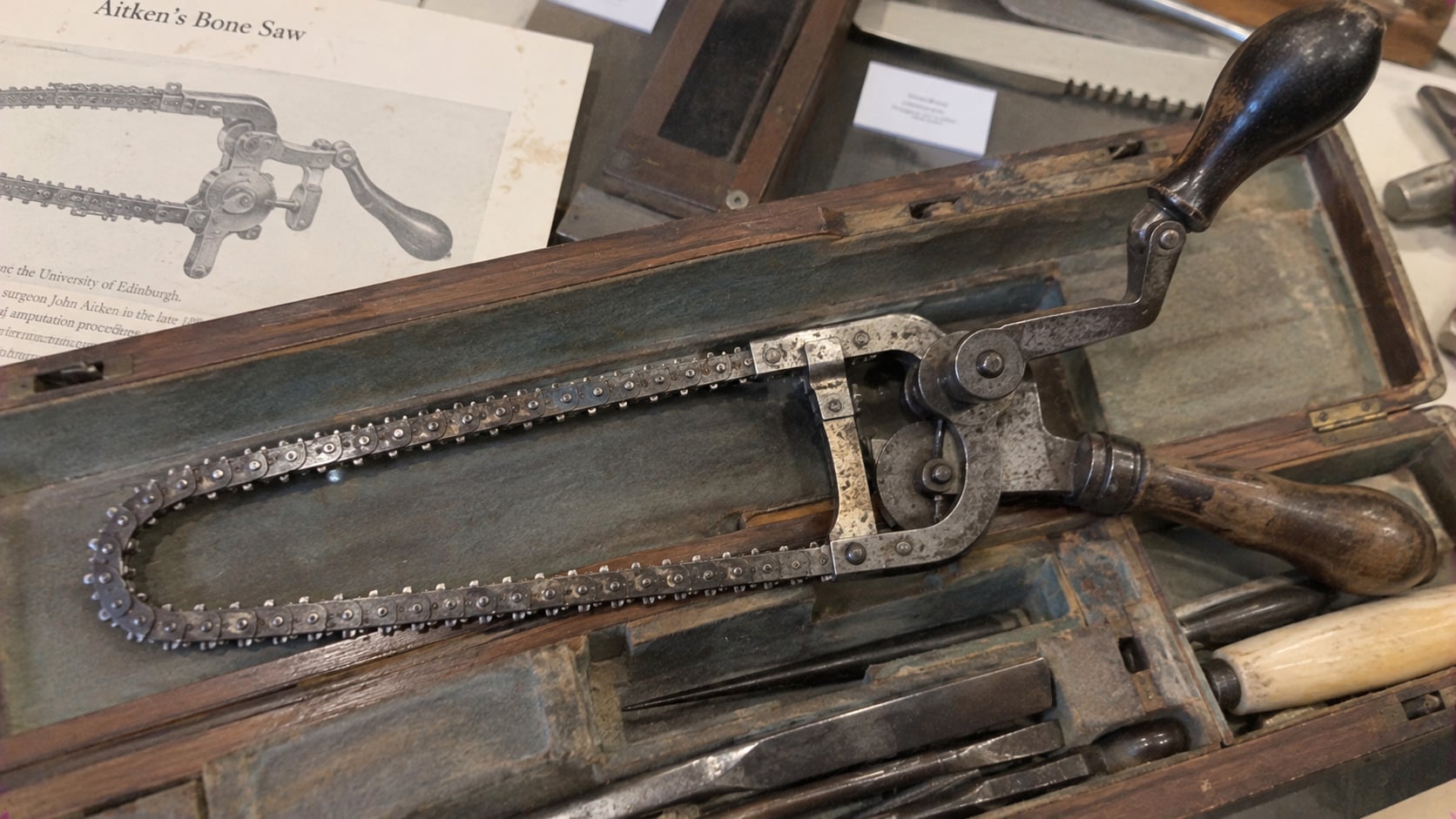
Here´s one that might make a modern operating room seem especially reassuring. In the late 18th century, Scottish physicians John Aitken and James Jeffray developed hand-operated chainsaws for medical procedures involving bone. These small instruments were nothing like today´s roaring forestry machines, but they belonged to the same technological family. Who would have expected a tool associated with cutting trees to have such an unsettling medical ancestor?
12. The Treadmill Began as a Machine for Prison Labor
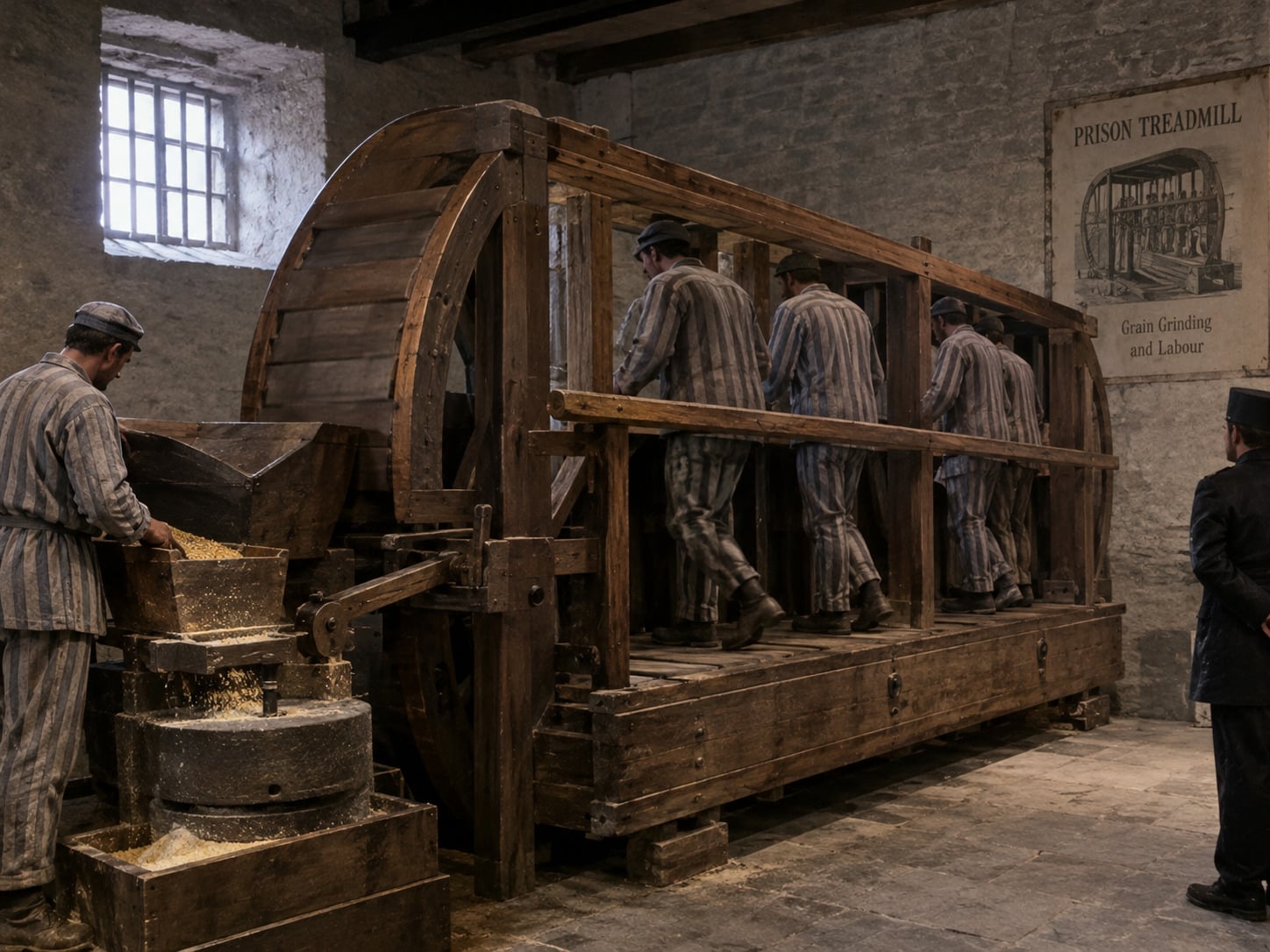
Running nowhere on purpose sounds slightly less appealing when you know the treadmill´s history. Engineer Willian Cubitt developed an early treadwheel for productive labor, including grinding corn, and British prisons adopted the machines during the 19th century. Prisoners could spend hours walking as part of hard labor. Today, people voluntarily pay gym memberships to perform a remarkably similar motion.
13. QR Codes Were Built for the Automotive Industry
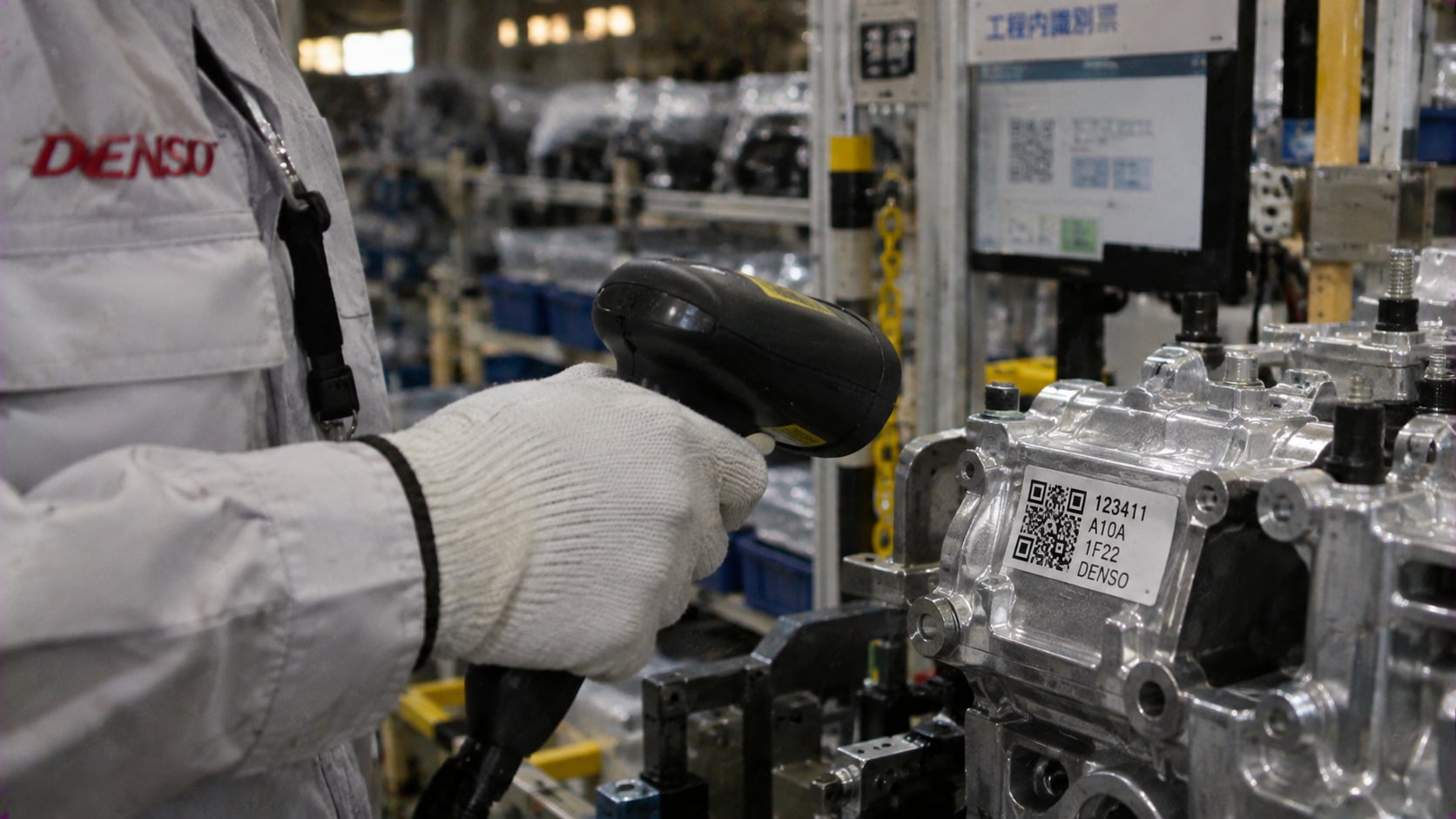
That little square on a restaurant menu wasn´t invented to help anyone order lunch. DENSO WAVE developed QR codes in 1990s Japan to handle industrial information more efficiently than traditional barcodes. The automotive industry used them for tracking parts and managing production before the technology spread into everyday life. From factory floors to coffee shops, the QR code has traveled surprisingly far.
14. GPS Was Built for Military Navigation
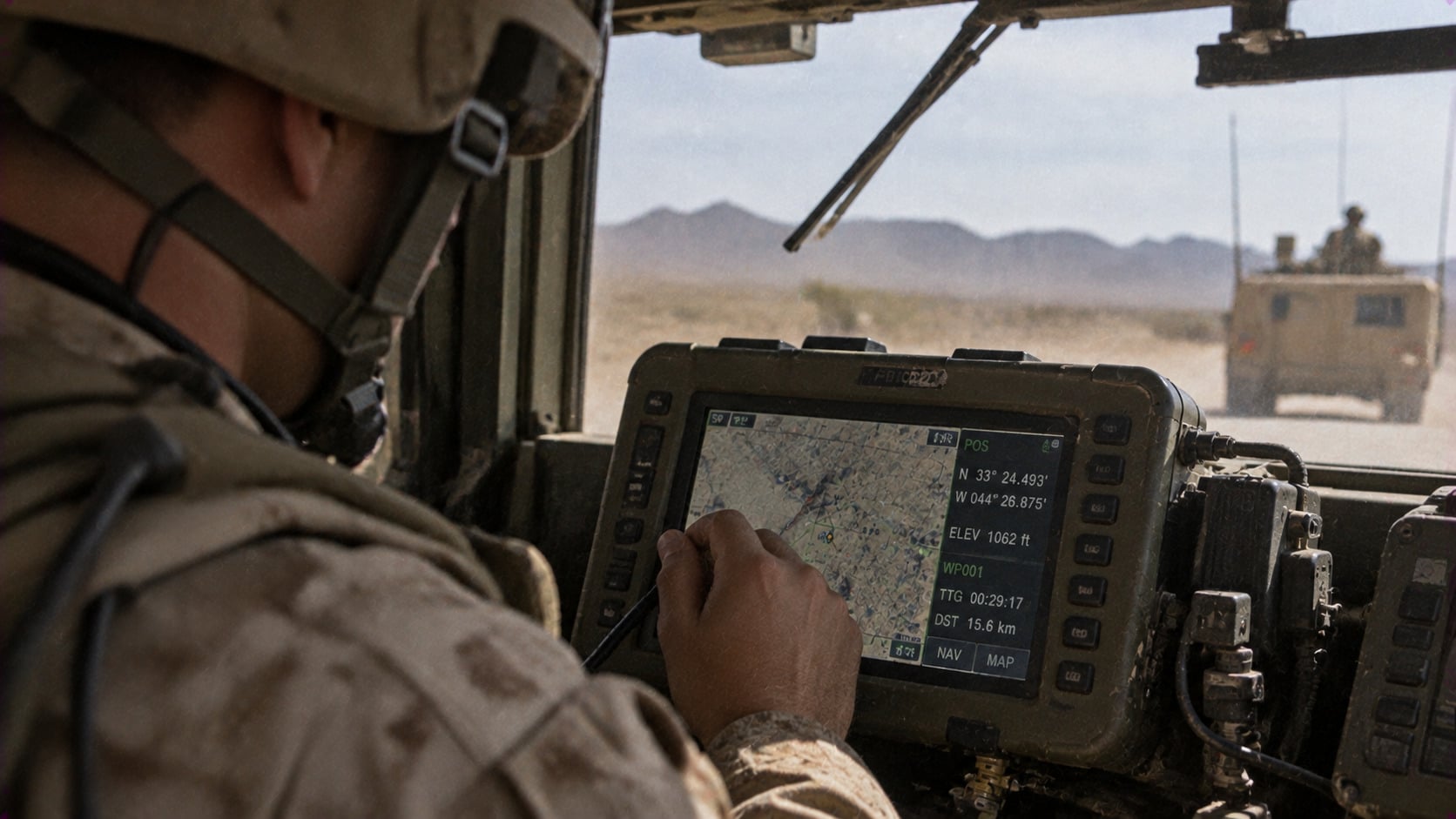
Ever wonder how a military navigation system ended up helping people find the nearest pizza place? GPS began as a U.S. Department of Defense project in the 1970s, designed to improve positioning, navigation, and timing for military operations. Civilian access gradually expanded, and the technology became essential for driving directions, deliveries, and countless everyday activities. A system built for defense now helps people avoid missing highway exits.
15. Coca-Cola Was Marketed as a Medicinal Brain Tonic
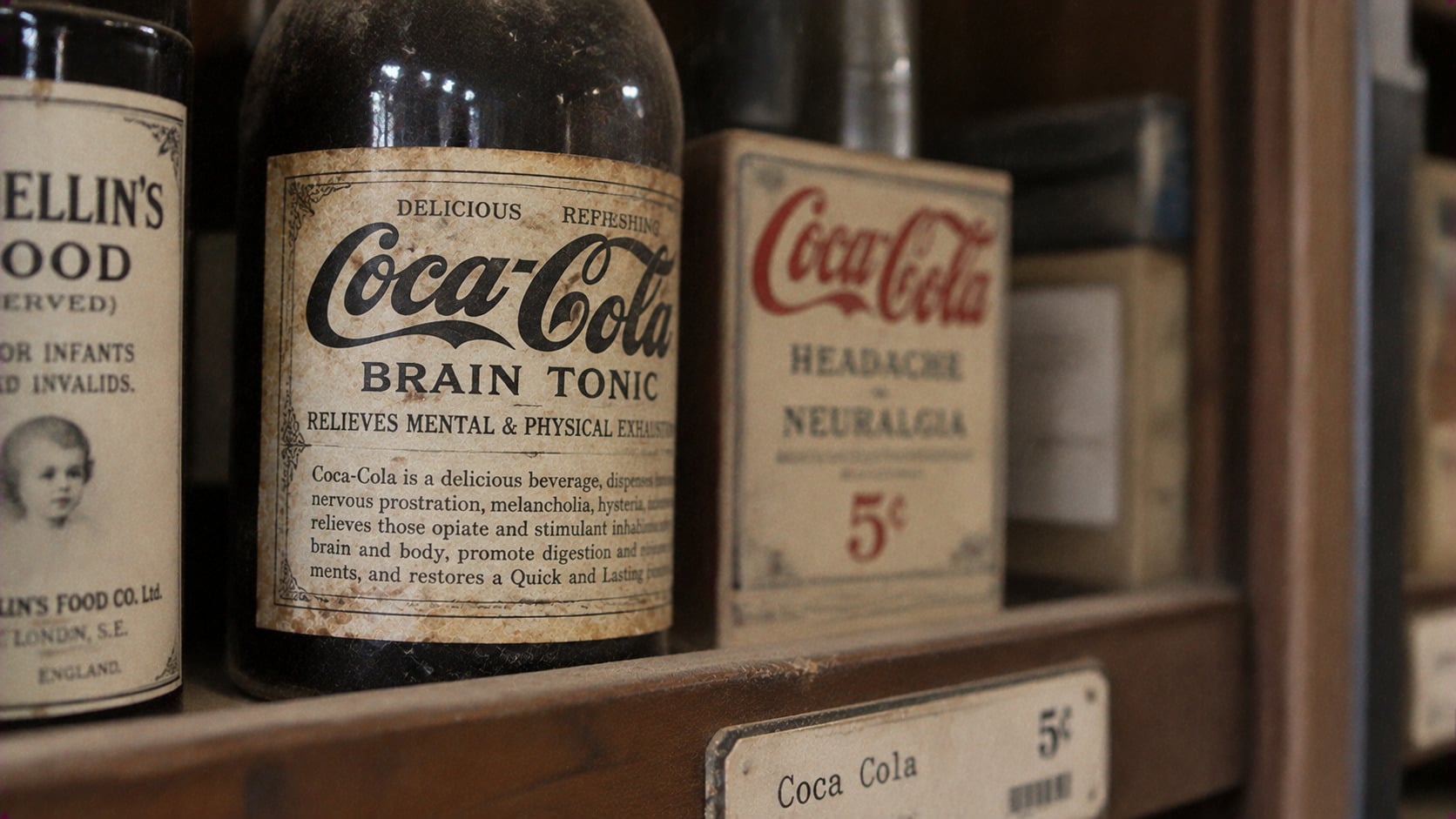
Before Coca-Cola became a soft-drink giant, it was promoted as something closer to a medicinal tonic. In the 1880s, pharmacist John Stith Pemberton advertised the beverage as a brain tonic and nerve stimulant, reflecting the patent-medicine culture of the period. Those supposed health benefits eventually disappeared from its identity. Today, people reach for a Coke because they´re thirsty, not because they expect a medical breakthrough.
From military experiments to medical side effects and failed industrial projects, these inventions show that innovation rarely follows a perfectly straight path. Sometimes the original idea doesn’t work, but something far more useful emerges along the way. The next everyday essential might already exist, just waiting for someone to realize what else it can do.
Keep Exploring The Scroller
Think the things in your kitchen, bathroom, or toolbox have ordinary histories? Think again. Keep exploring The Scroller for forgotten inventions, accidental discoveries, and the surprising stories hiding behind familiar everyday objects:
15 Weird 1800s Inventions That Sound Completely Made Up
18 Failed Inventions That Were Supposed to Change the World
15 Inventions That Changed Everything and Were Created by Complete Accident