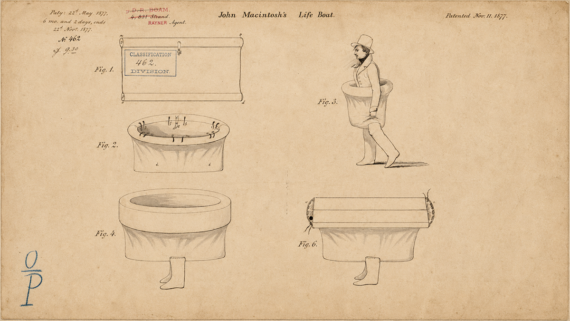
The 1800s gave the world railroads, telephones, electric lighting, and a remarkable number of inventions nobody remembers for very good reasons. Inventors were experimenting with almost every part of daily life, from clothing and transportation to bathing, personal safety, and facial hair. Some of these devices were patented or officially registered, while others appear to have gone little further than drawings and ambitious descriptions. Looking through them feels less like studying technological history and more like browsing a catalog from an alternate version of the Victorian era.
1. The Wearable Lifeboat
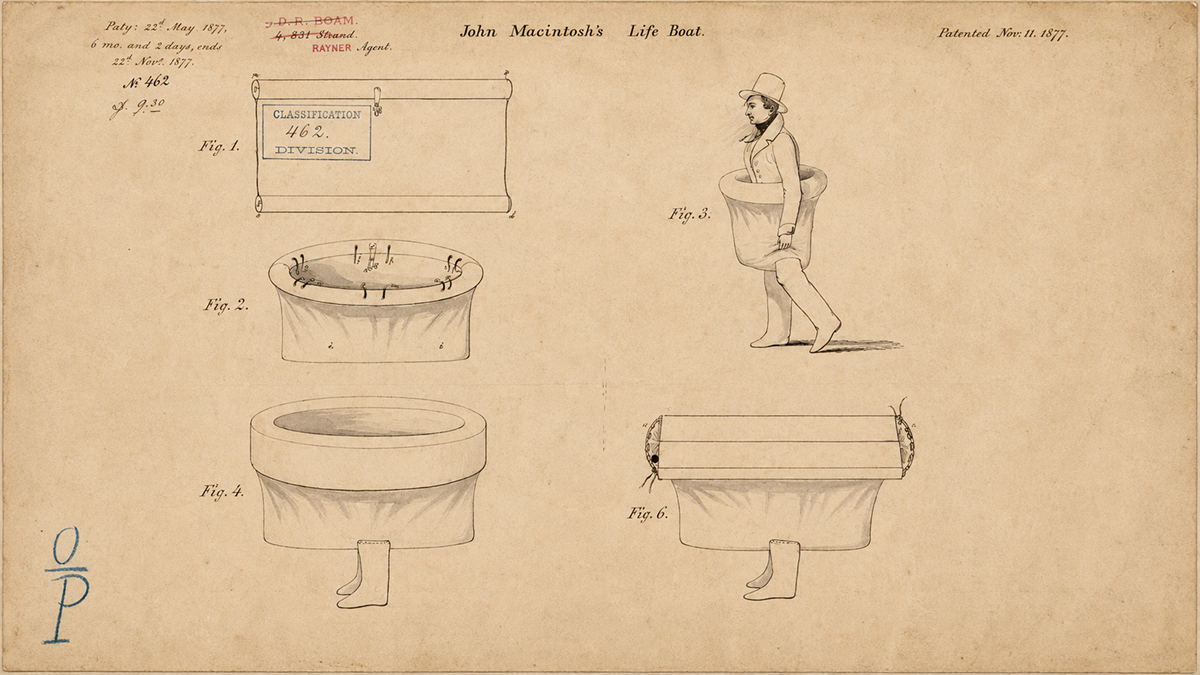
Crossing water apparently did not require an actual boat if you were willing to become one yourself. An 1837 patent proposed a wearable lifeboat made from rubber-coated canvas, complete with attached boots and air chambers intended to keep the person inside afloat. The inventor imagined it being useful not only for saving lives but also for moving troops, baggage, and other materials across rivers. Paddles could be used to steer while the wearer floated along. Whether anyone ever climbed into a working version is unclear, which is probably just as well.
2. The Lunette Parasol With Peepholes
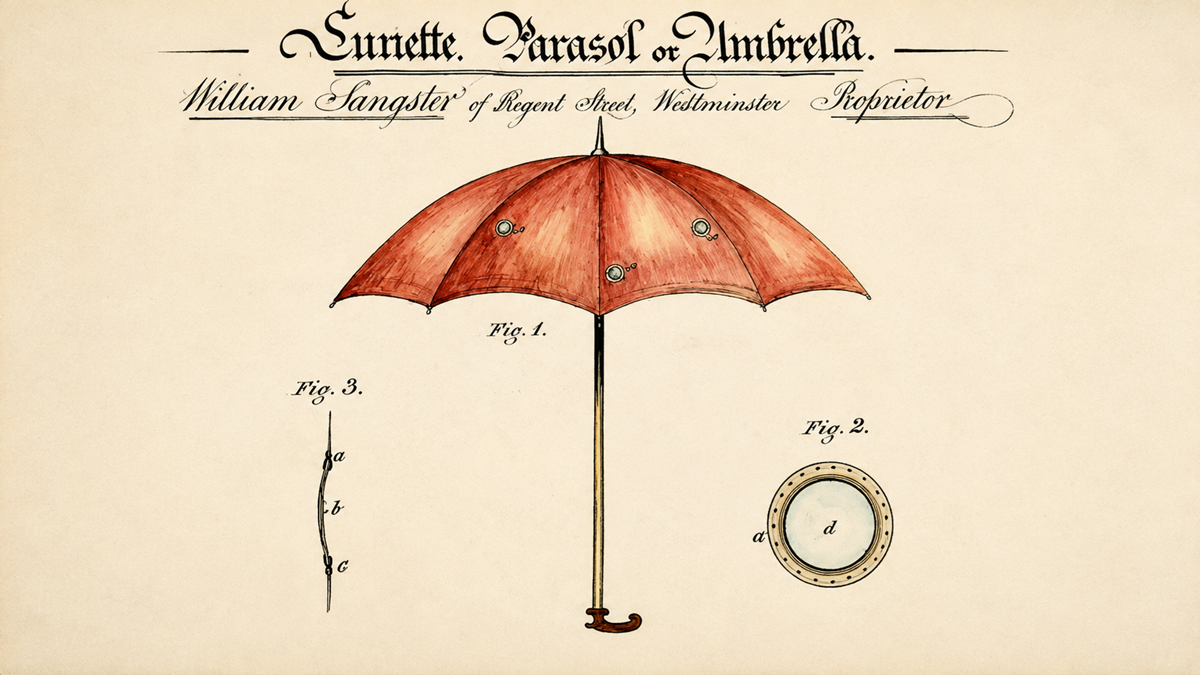
Umbrellas solve the rain problem while creating another minor inconvenience: they can block your view. The Lunette Parasol, registered in 1844, dealt with that by putting small viewing openings directly into the canopy, allowing its owner to peer through the umbrella rather than looking around it. It was essentially rain protection with windows.
3. The Artificial Leech
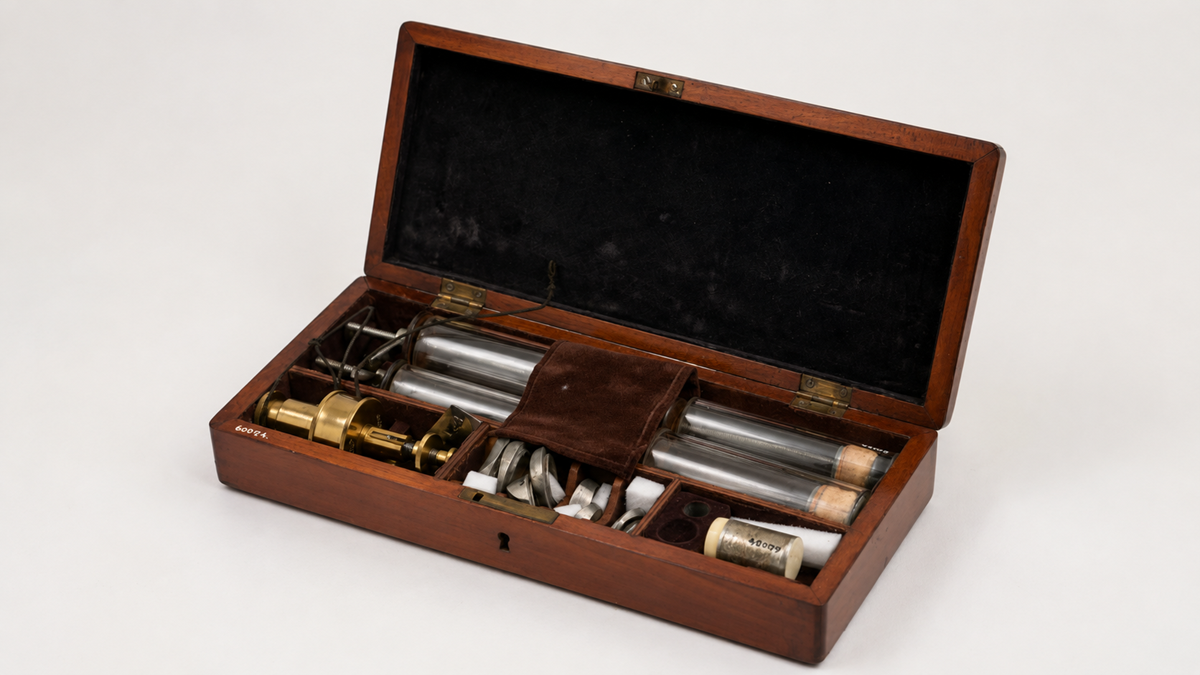
Medical leeches were used extensively during the 19th century, and demand occasionally created shortages. Inventors responded in the most Victorian way possible, by attempting to mechanize the leech. Artificial versions were registered in the 1840s, using suction after the patient’s skin had been cut to imitate the blood-drawing action of the real animal. The technology was new, but the medical idea behind it was already heading toward obsolescence as doctors gradually abandoned bloodletting for many of the conditions it had traditionally been used to treat.
4. The Four-Poster Bed That Turned Into a Shower
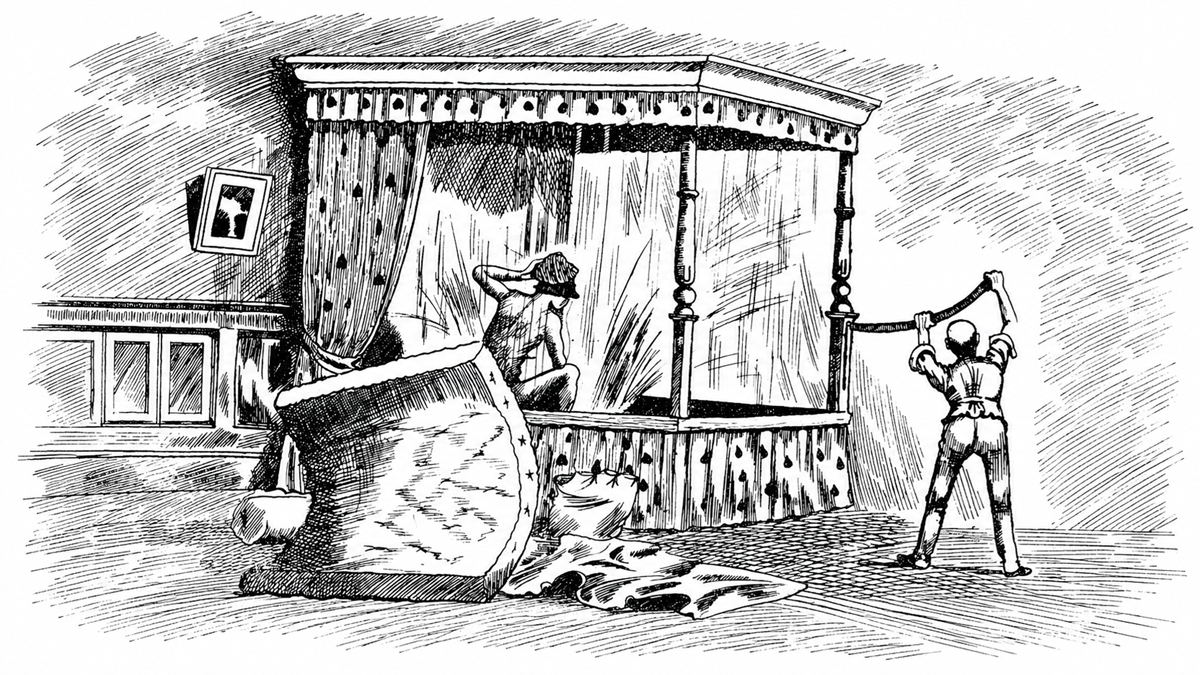
Space-saving furniture did not begin with tiny apartments. One 19th-century inventor designed a four-poster bed whose canopy doubled as a reservoir for a shower bath. Water could be pumped upward through one of the bedposts and stored above the sleeper until bathing time. The concept appeared in an 1891 issue of The Strand Magazine devoted to curious inventions, and the accompanying illustration makes it look surprisingly elaborate. A bed that becomes a shower sounds efficient until you consider how much confidence it requires in Victorian plumbing.
5. The Six-Barreled Alarm Gun
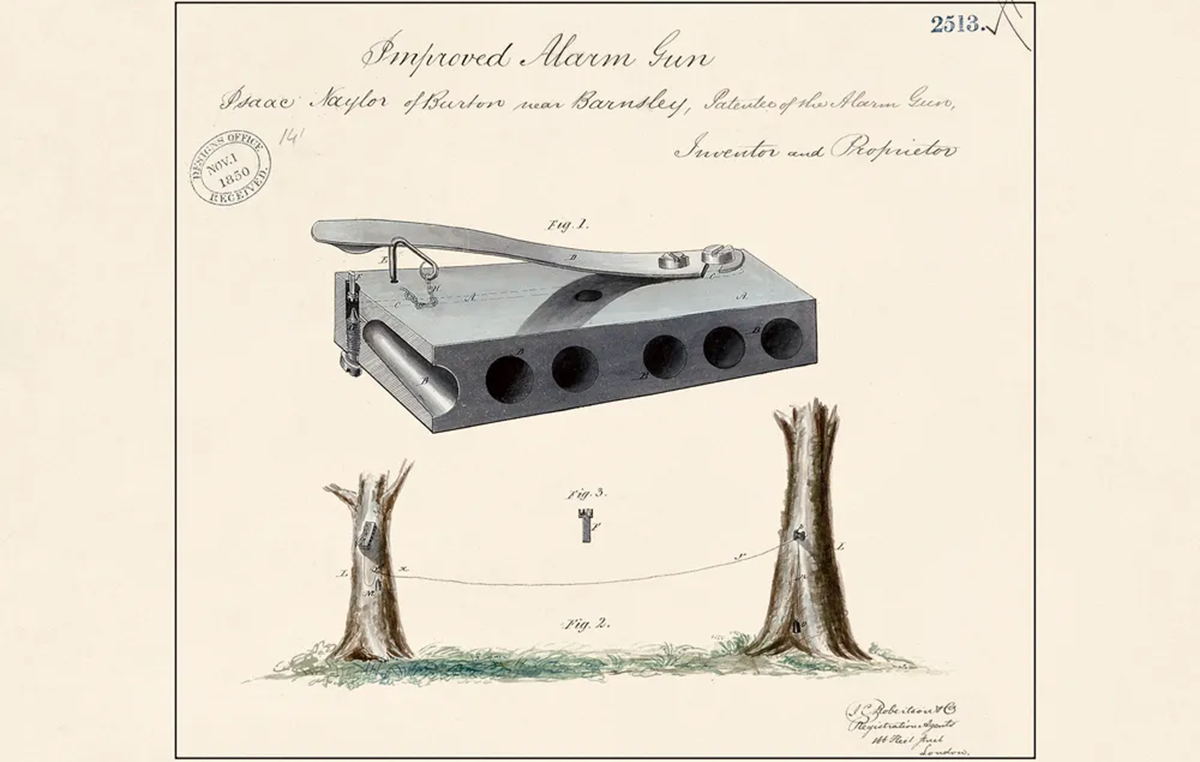
Home security could get alarmingly literal. Isaac Naylor’s 1850 Alarm Gun was a six-barreled device connected to a weighted string, which could trigger the mechanism when disturbed by an intruder. It belonged to a wider Victorian fascination with devices intended to protect property and personal safety. Modern alarm systems may occasionally wake the neighborhood, but at least they generally stop short of firing multiple gun barrels.
Trending on The Scroller

6. The Anti-Garotting Cravat
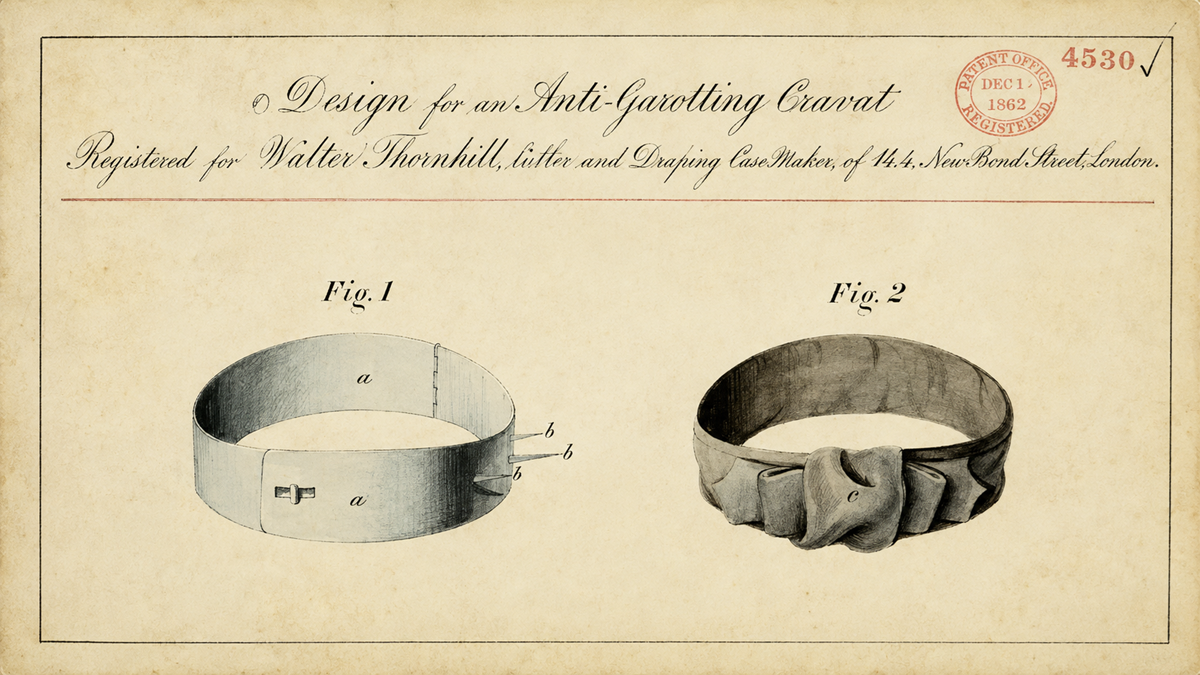
London experienced a highly publicized panic over street garrotting in the early 1860s, when newspapers focused heavily on criminals strangling victims during robberies. One response was the Anti-Garotting Cravat, registered in 1862. It looked like an ordinary neck accessory but was designed as protection against an attacker grabbing or compressing the wearer’s neck. It is a strange object now, but it makes considerably more sense when seen as a product of a very specific public fear.
7. The Portable Rotary Hair-Brushing Machine
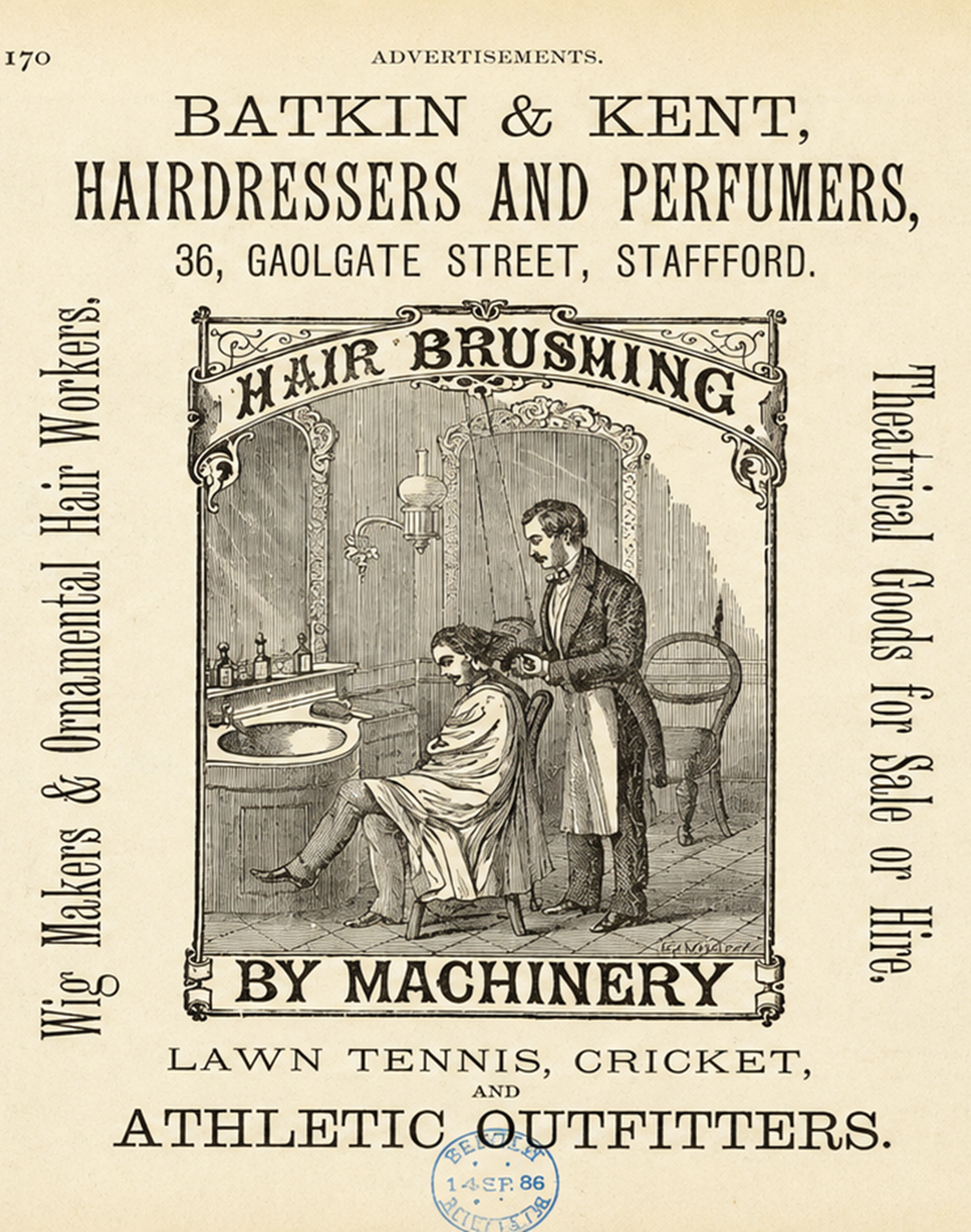
Apparently moving a brush through your own hair was too inefficient for at least one Victorian inventor. The Portable Rotary Hair-Brushing Machine, registered in 1864, mechanized the process with a rotating brush apparatus positioned around the user’s head. It belonged to a surprisingly large family of Victorian devices that took simple domestic routines and added gears, handles, frames, or other machinery. The word “portable” was doing some generous work here.
8. The Moustache Protector
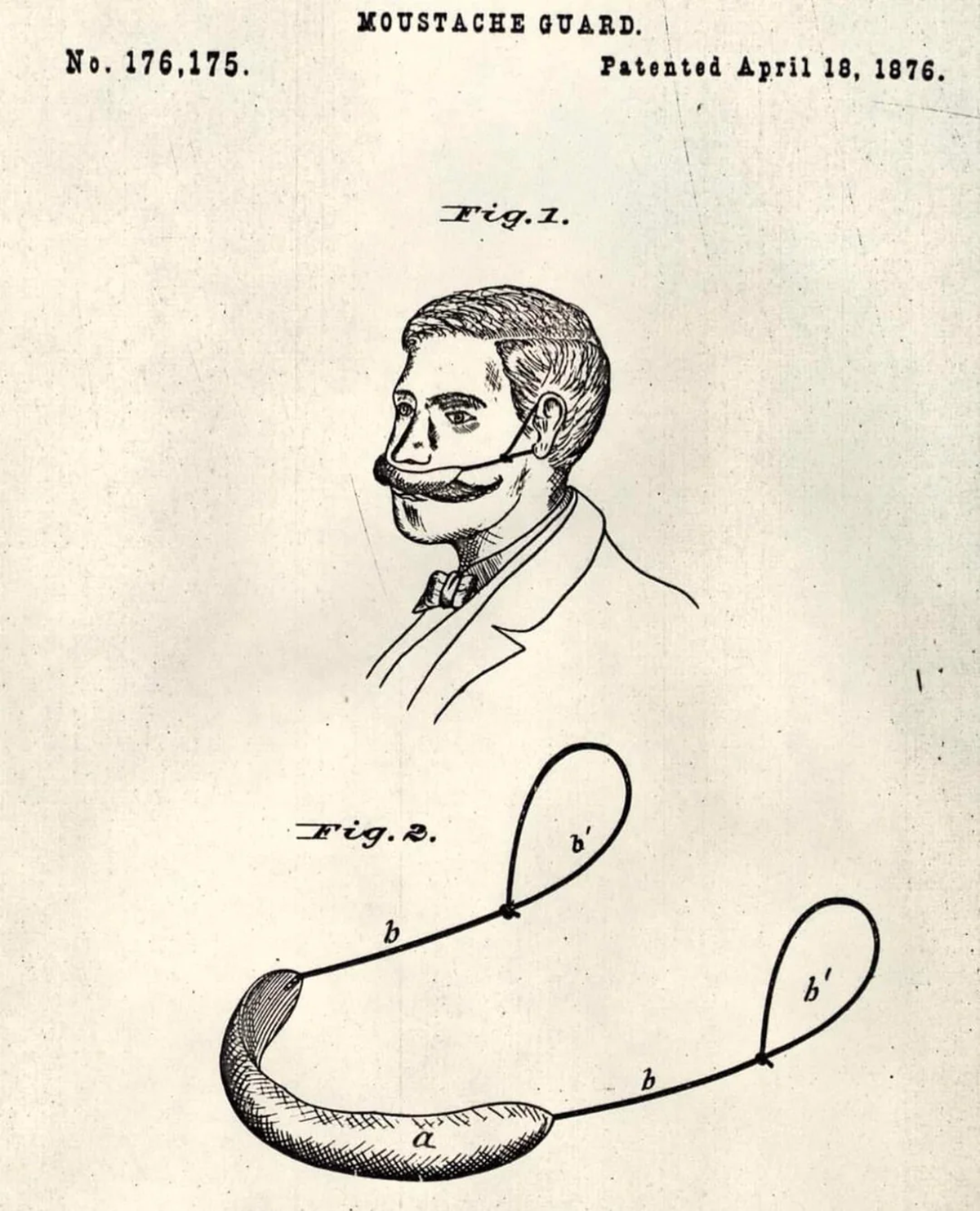
Victorian facial hair came with maintenance problems. A moustache protector patented in the 19th century was designed to keep food from getting into a man’s moustache while he ate. Later variations tackled the equally serious danger of accidentally soaking it while drinking.
Sign up for our newsletter
9. The Amphitrepolax Boot
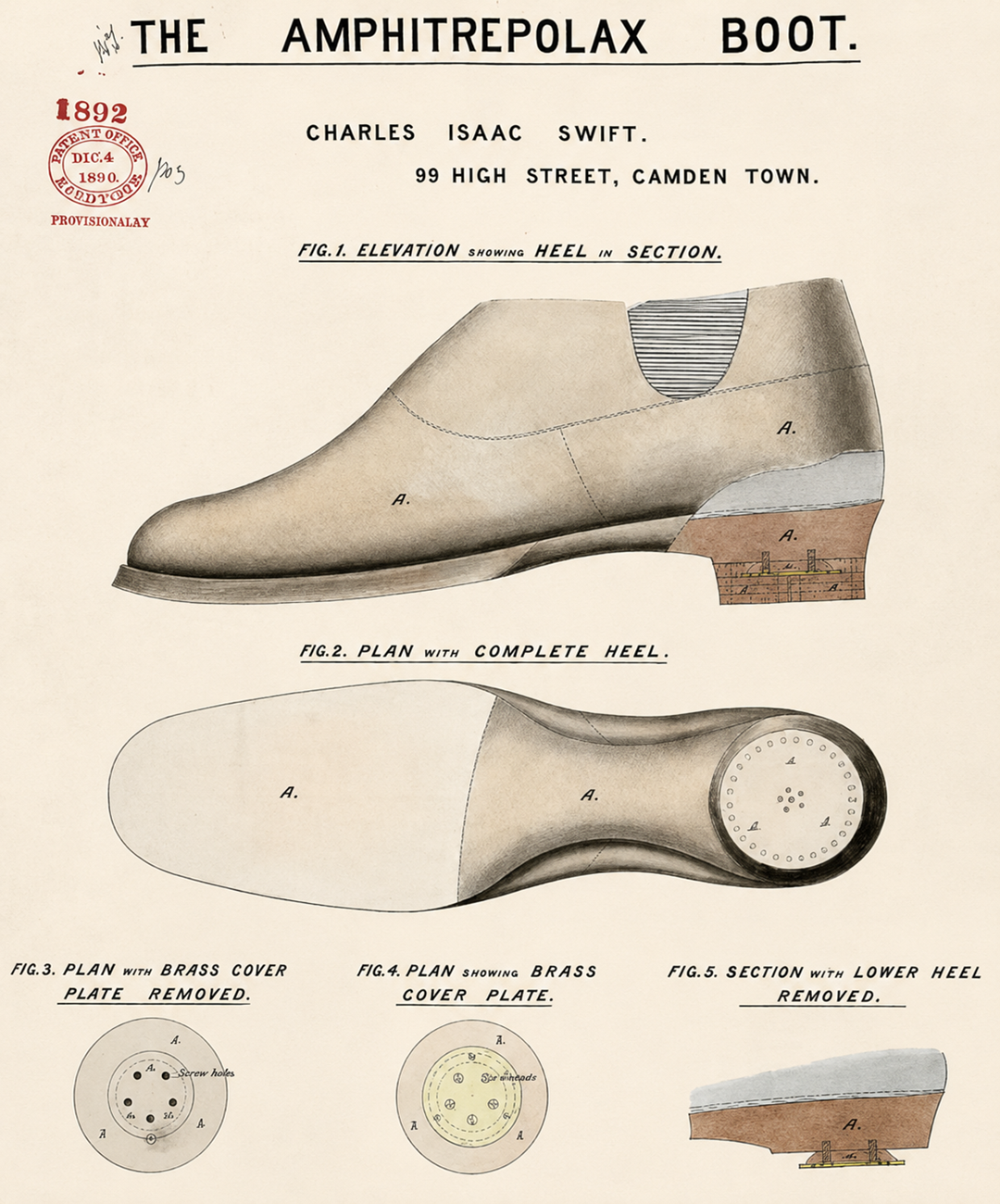
Unevenly worn heels were enough of an irritation to inspire the Amphitrepolax Boot in 1868. Its unusual feature was a cylindrical heel that could be rotated as it wore down, theoretically spreading the damage around rather than letting one side disappear first. It is an oddly logical solution to a very small problem. Instead of replacing or repairing the heel, the owner could simply turn it and continue walking on a fresher section.
10. The Diving Suit With a Bathroom Plug
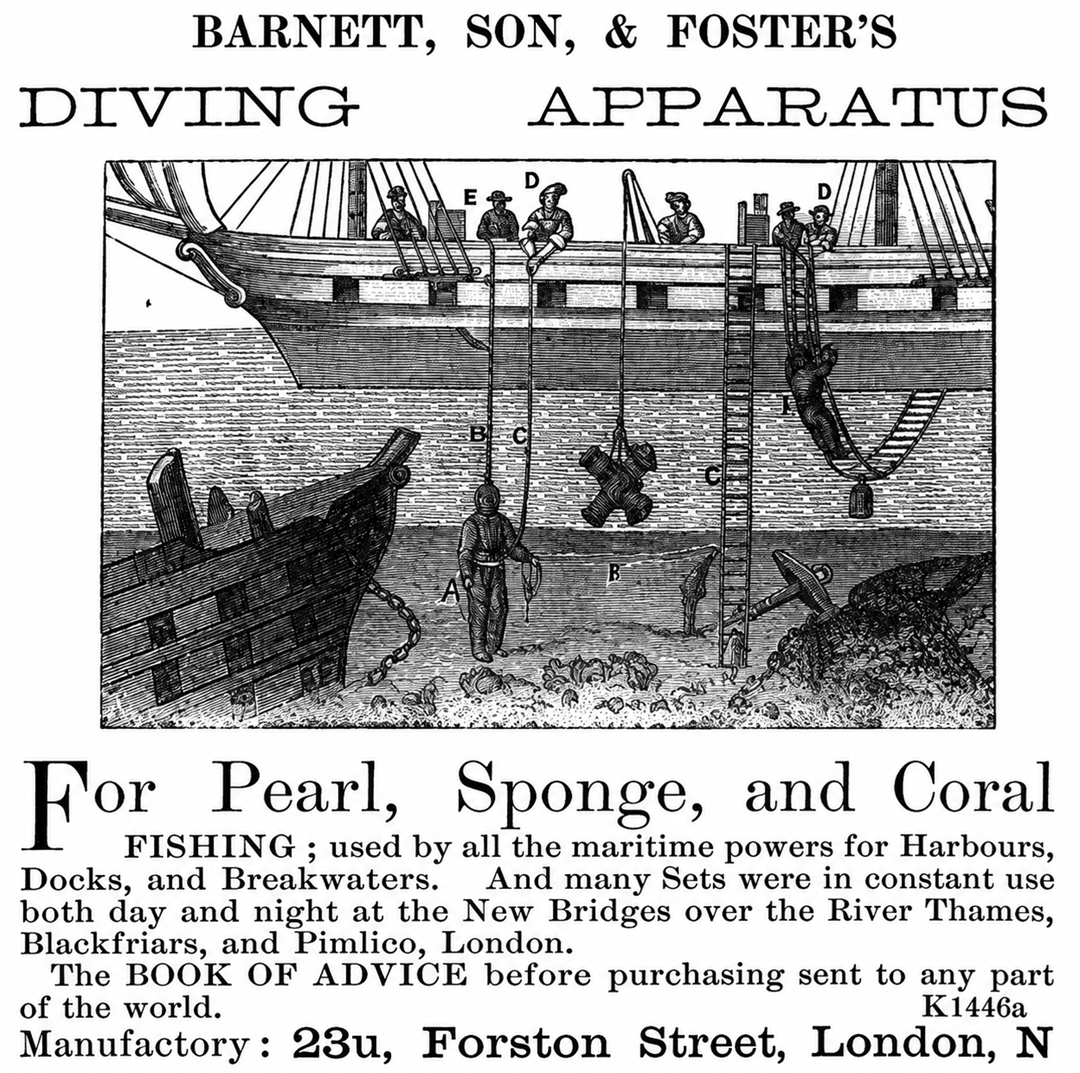
Long periods underwater created an obvious problem for early professional divers, and Samson Barnett tried to solve it with an improvement to diving suits registered in 1870. The design included a plug at crotch level that could be opened when the diver needed to urinate without removing the entire suit. There was one important limitation: the mechanism was meant to be used when the diver was not submerged. That makes the design slightly less terrifying, although not especially more elegant.
11. The Pen, Pencil, Calendar, and Tape Measure
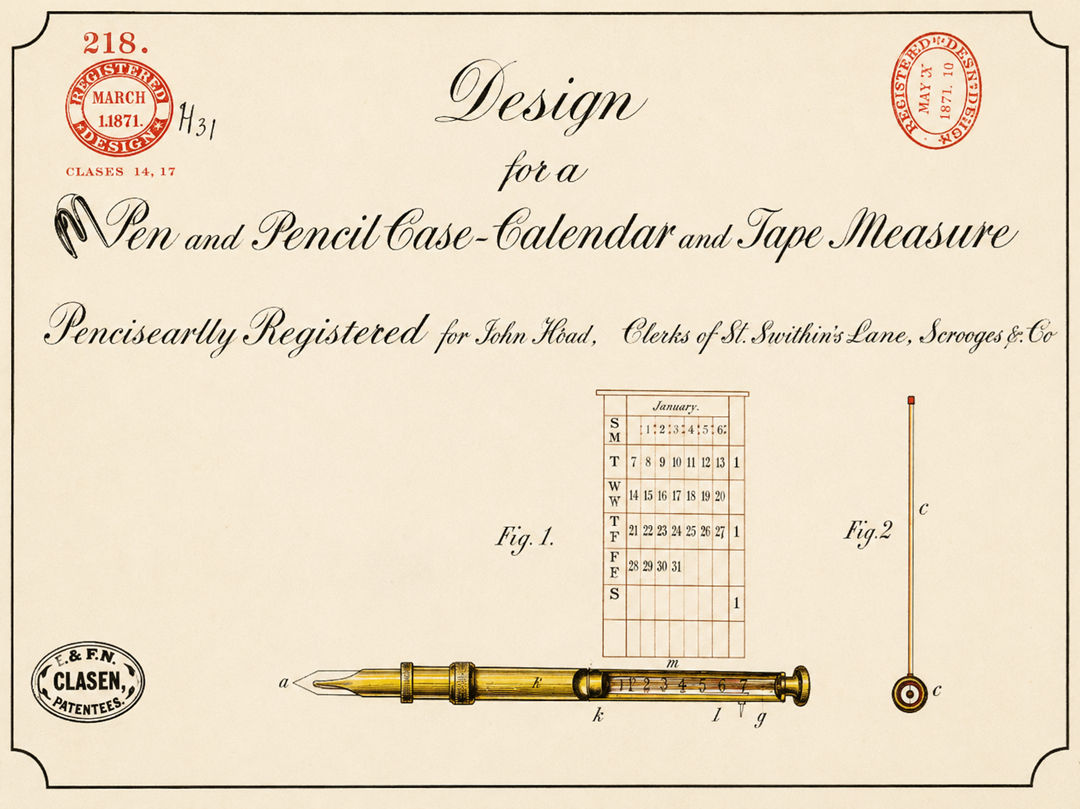
Long before multitools became a standard gift for people who are difficult to shop for, Victorian inventors were combining unrelated objects with impressive enthusiasm. A device registered in 1871 squeezed a pen, pencil case, calendar, and tape measure into one portable object. None of those functions naturally belong together, which seems to have been part of the appeal. The era produced plenty of similar combination gadgets, apparently based on the idea that an invention became more useful whenever another feature could physically fit inside it.
12. The Top Hat That Became a Bowler
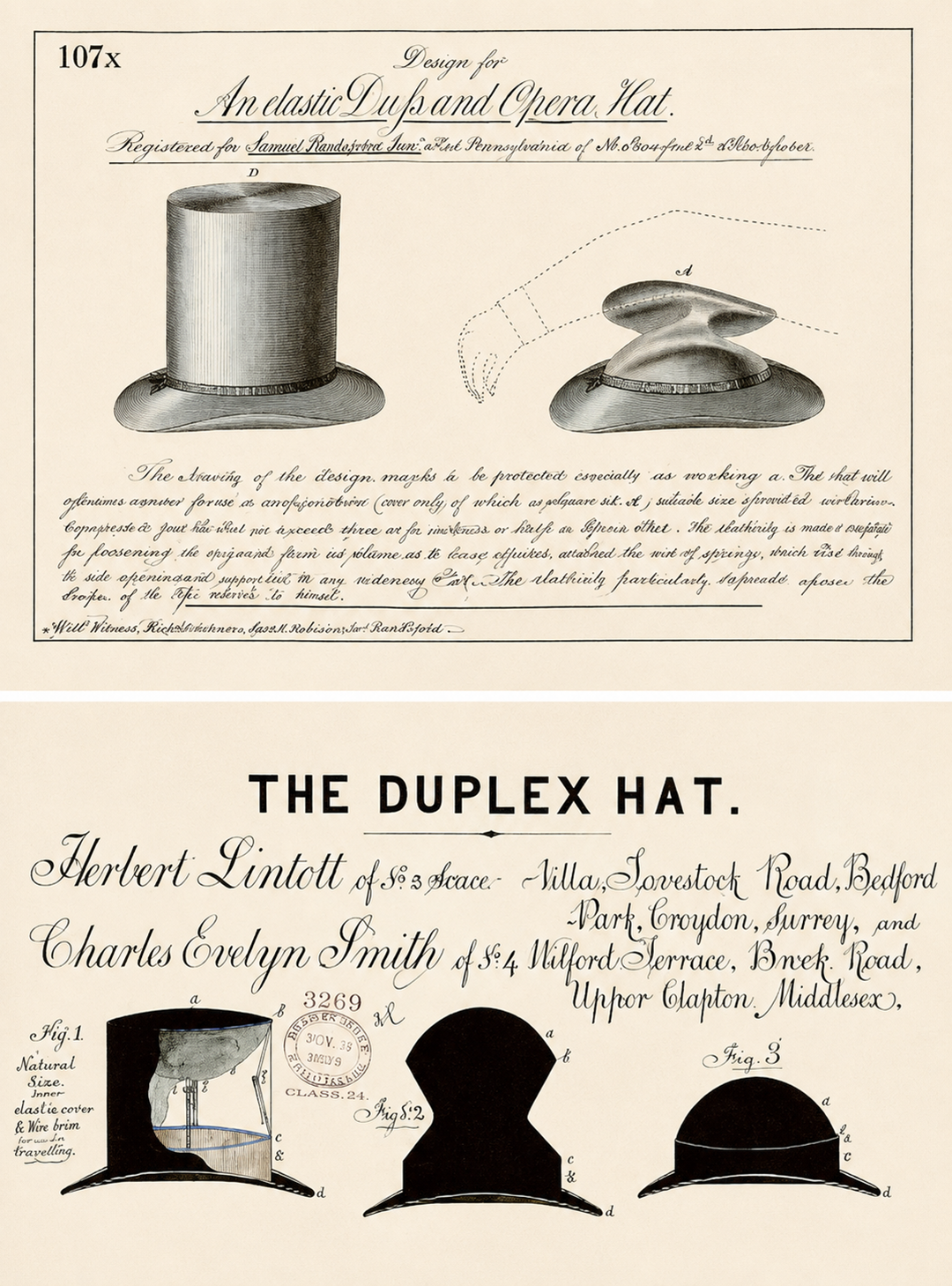
The Duplex Hat of 1878 offered two hats while requiring the owner to carry only one. A concealed mechanism allowed the tall crown of a top hat to collapse so the same piece of headwear could take on the lower profile of a bowler. It was Victorian convertible technology, just applied to something that probably did not need converting.
13. John Otto Lose’s Giant One-Wheeled Vehicle
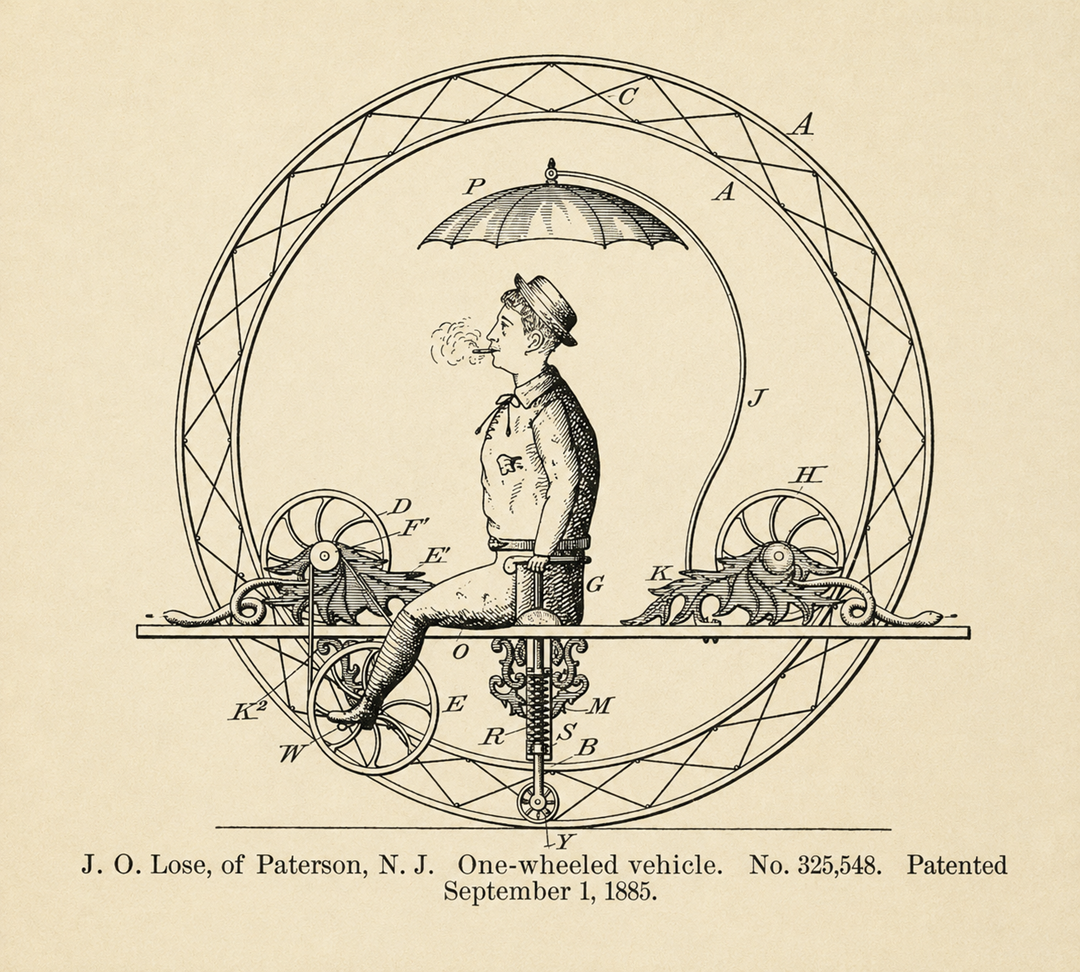
The bicycle boom encouraged inventors to experiment with almost every conceivable wheel arrangement, including putting the rider inside the wheel itself. John Otto Lose of Paterson, New Jersey, patented his one-wheeled vehicle in 1885. The enormous wheel surrounded an internal platform where the rider operated smaller treadle and driving wheels, while an umbrella mounted overhead offered some protection from the weather. Lose even designed the machine so it could stand when stopped. Mechanically, there was real thought behind it. Visually, it still resembles someone commuting inside a piece of industrial machinery.
14. The Balloon Chair for Sea-Sickness
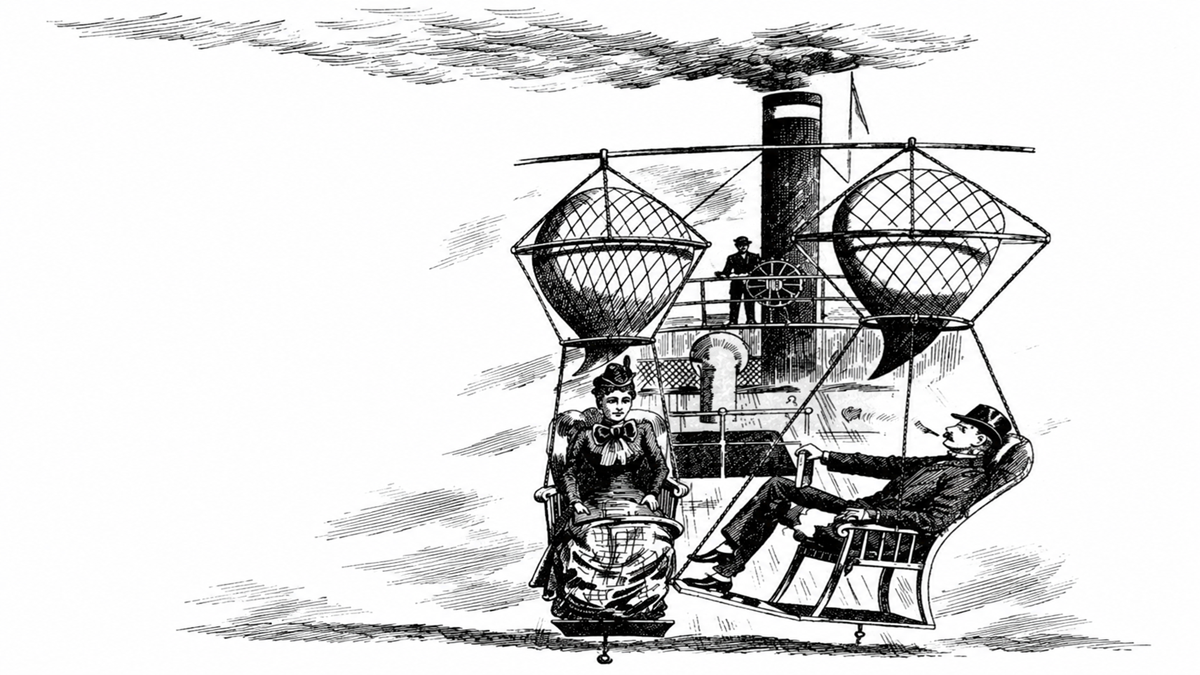
One proposed cure for sea-sickness took the unusual position that the problem was not the passenger but the chair. A device illustrated in The Strand Magazine in 1891 suspended a passenger’s seat from a balloon while connecting the chair to the deck through a ball-and-socket joint. The balloon was itself restrained by a rod to stop the arrangement from swinging too wildly. The goal was to isolate the passenger from some of the ship’s motion, though the resulting contraption seems capable of producing an entirely new category of anxiety.
15. The Electric Headache Hat
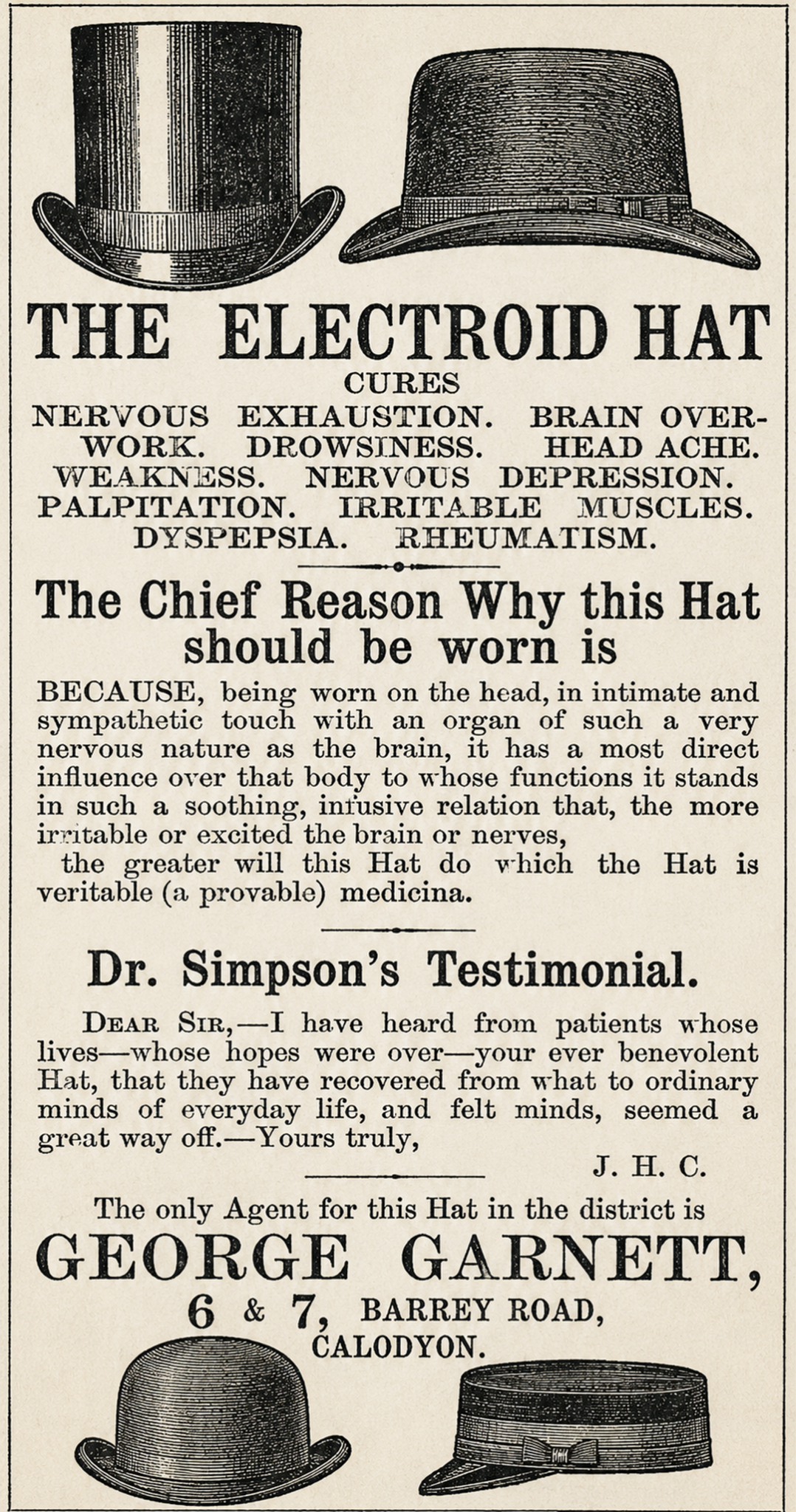
One Victorian inventor proposed treating headaches without pills, rest, or even removing your hat. The design placed combinations of metals inside headwear so that contact with the wearer’s moist skin would supposedly create a small galvanic electrical current capable of relieving headaches and other painful conditions. The invention was serious enough to be patented, even if its medical reasoning has not aged particularly well. An 1891 writer for The Strand found the idea funny enough to imagine headache sufferers keeping one hanging beside the bed for emergencies.
In the mood for more?
Check out 15 Victorian Innovations That Look Primitive but Changed the World, or take a look at 17 Revolutionary 1800s Technologies That Sound Ridiculous Now. If you want to see more history of inventions, you can check out 15 Inventions That Changed Everything and Were Created by Complete Accident.