The 1800s produced a strange kind of technological whiplash. In the space of a century, people went from sending messages at the speed of a horse to hearing recorded voices and talking over wires. Plenty of inventions that inspired crowds, investors, and newspaper coverage now look charmingly primitive, while others seem almost absurdly complicated for the job they performed. These 17 technologies were serious breakthroughs in their day, even if explaining them now can sound like describing props from an eccentric steampunk movie.
1. The Telegraph
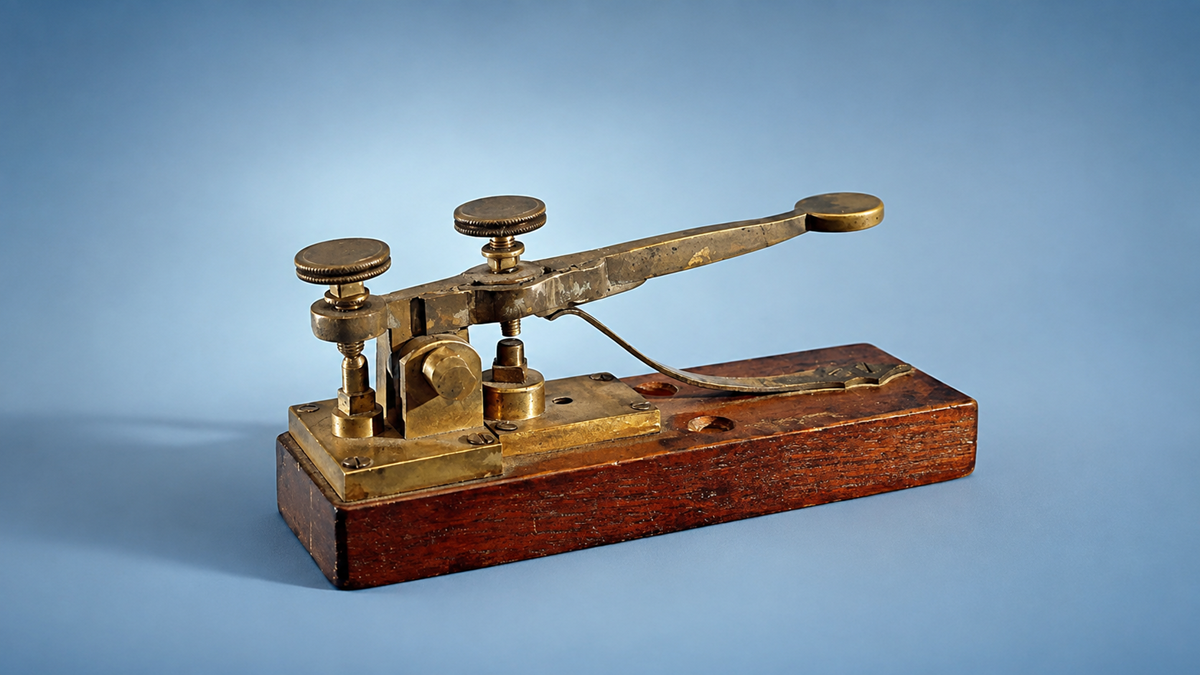
For most of history, long-distance communication could move only as fast as a person, horse, or ship carrying the message. The electric telegraph broke that rule. Samuel Morse and his collaborators helped develop a practical American system, and in 1844 a famous demonstration sent a message from Washington, D.C., to Baltimore using coded electrical signals. To people accustomed to waiting days for news, words appearing almost instantly in another city bordered on magic. From a modern perspective, though, the setup sounds wonderfully inconvenient: travel to a telegraph office, dictate a message, pay by the word, have an operator convert it into dots and dashes, then hope another operator gets everything right at the other end.
2. The Daguerreotype Camera
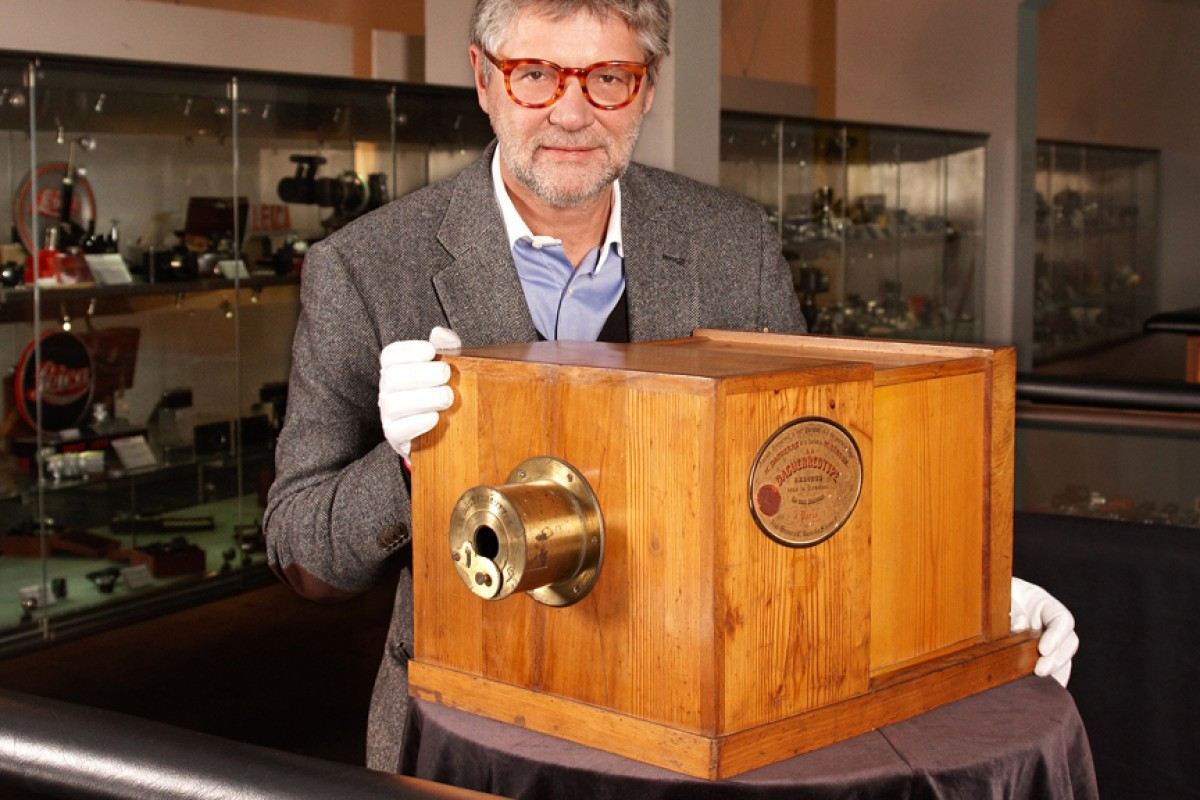
Imagine being told that the latest technological marvel could capture your exact likeness, provided you remained very still while someone worked with polished metal plates, chemicals, and a bulky wooden camera. That was essentially the appeal of the daguerreotype after Louis Daguerre’s photographic process was announced in 1839. Early exposure times could be long enough to make portraits a genuine exercise in patience, which helps explain the famously serious expressions in so many surviving images. There was no burst mode, no delete button, and certainly no checking whether someone blinked.
3. The Sewing Machine
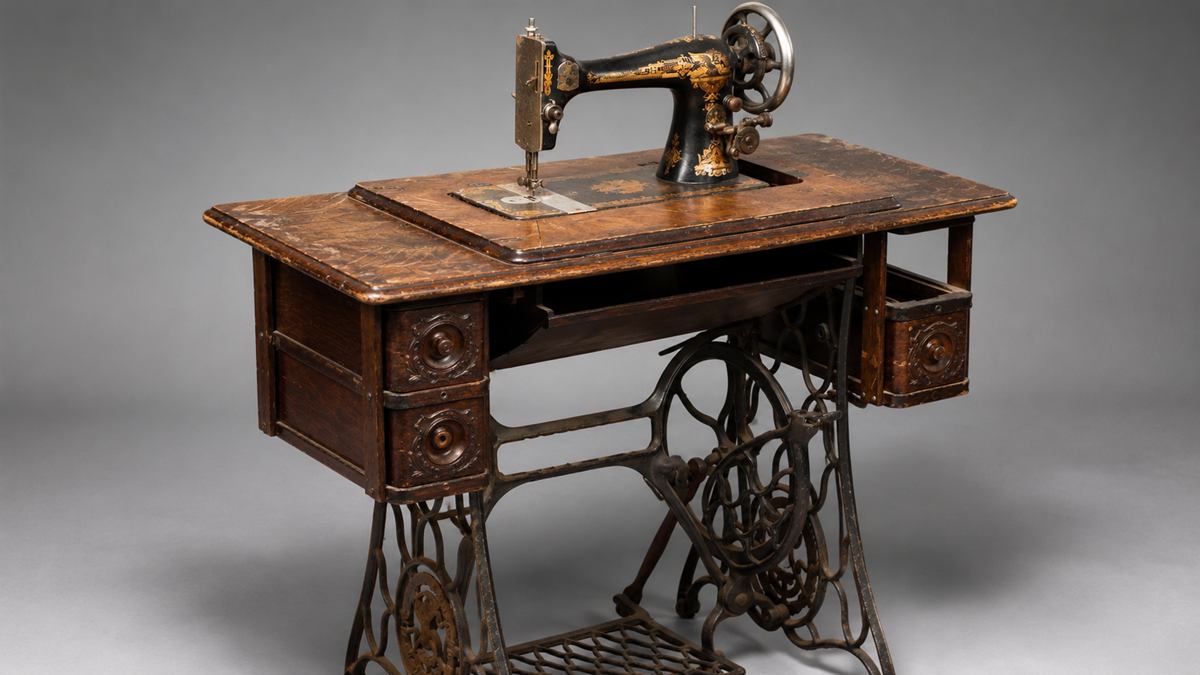
The sewing machine does not sound especially futuristic now, but in the mid-19th century it represented mechanization entering one of the most ordinary parts of daily life. Elias Howe received an important U.S. patent in 1846, and Isaac Singer later helped turn sewing machines into commercially successful household and industrial products. Garments that once demanded enormous amounts of hand stitching could be produced far more quickly. Today, a machine whose great trick is making stitches very fast hardly sounds like a technological revolution, but contemporary manufacturers and workers understood exactly how disruptive it could be.
4. The Safety Elevator
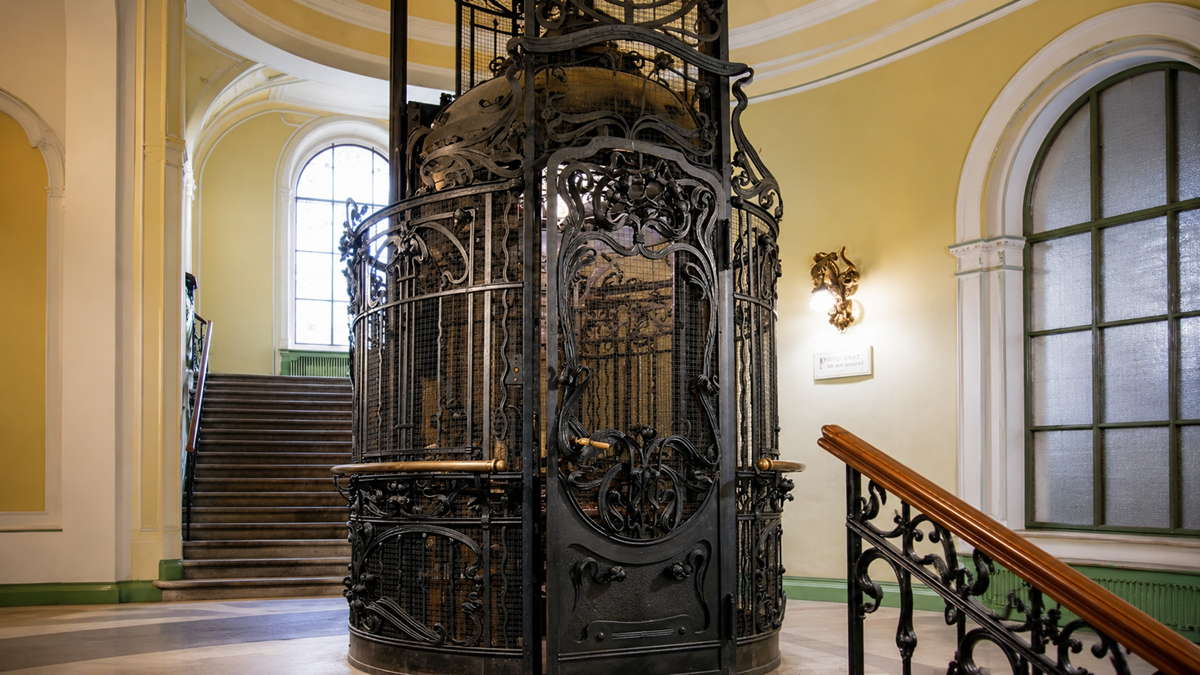
Elevators existed before Elisha Otis, but there was an obvious problem: nobody was especially eager to stand on a platform that might plunge if its lifting rope snapped. Otis became famous for demonstrating a safety mechanism in the 1850s that could stop an elevator from falling. The theatrical version of the demonstration involved cutting the supporting rope while Otis stood on the platform. Modern passengers complain when an elevator takes twenty seconds to arrive, which is probably a sign of how thoroughly the terrifying novelty became invisible.
5. The Typewriter
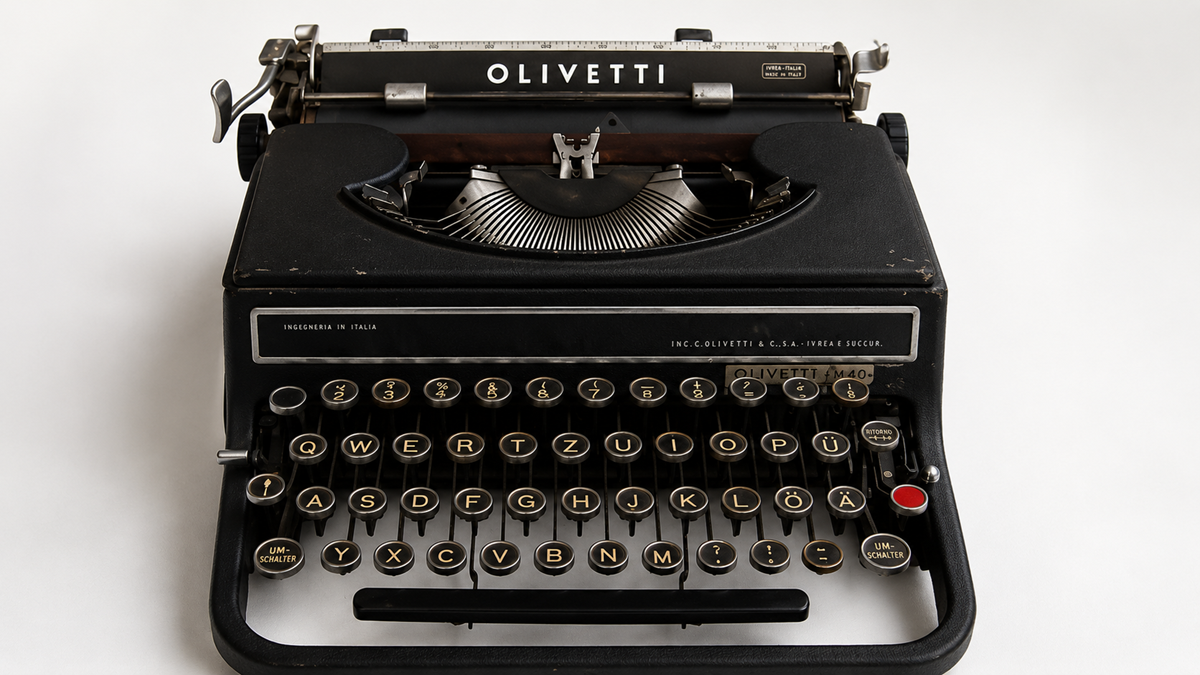
Typing once required an entire machine dedicated to putting ink on paper one character at a time. Christopher Latham Sholes, Carlos Glidden, and Samuel Soule developed an influential early typewriter, and Remington began manufacturing the Sholes and Glidden model in the 1870s. Offices eventually filled with the clatter of keys and metal typebars striking ribbons. Corrections were awkward, copies required carbon paper, and changing a sentence could mean retyping a page. Still, compared with producing every business document by hand, the typewriter looked like office automation.
Trending on The Scroller
6. Pneumatic Tube Mail
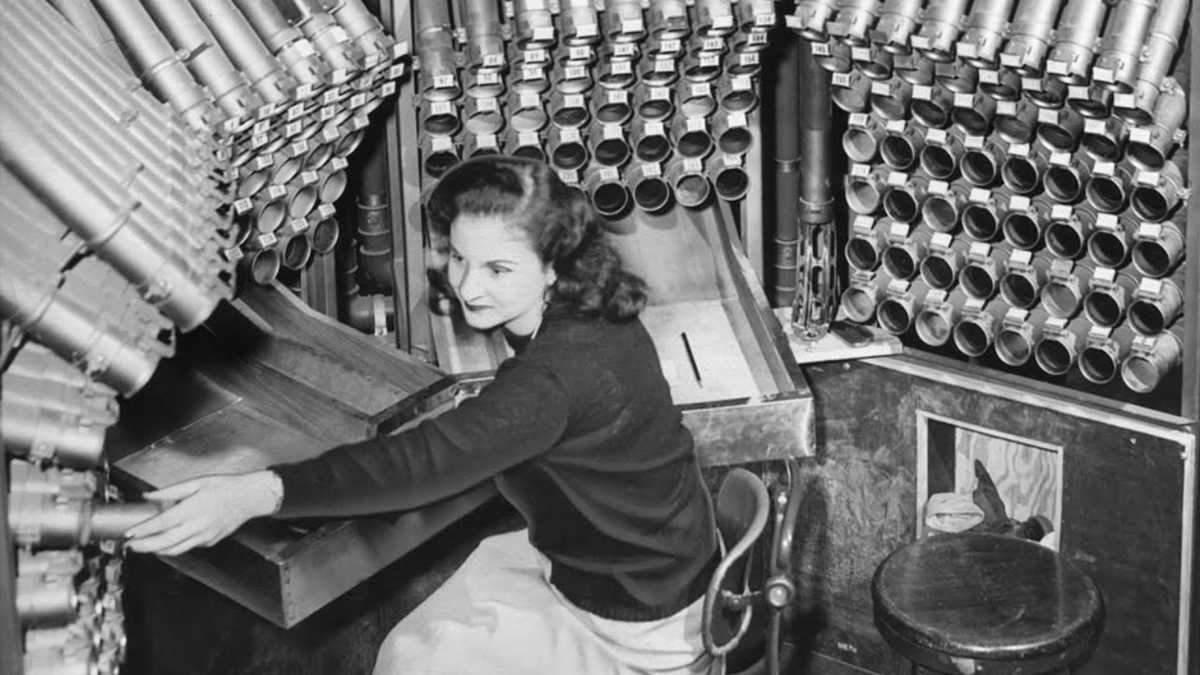
For a while, one answer to moving messages quickly through crowded cities was to put them in cylinders and fire them through underground pipes using air pressure. Pneumatic tube networks appeared in several major cities during the 19th century and were used to transport telegrams, documents, and other small items. The system sounds almost like a joke now: instead of sending an email, place your paperwork inside a capsule and blast it beneath the street. Yet versions of the same idea still survive in places such as hospitals and bank drive-throughs.
7. The Beach Pneumatic Transit
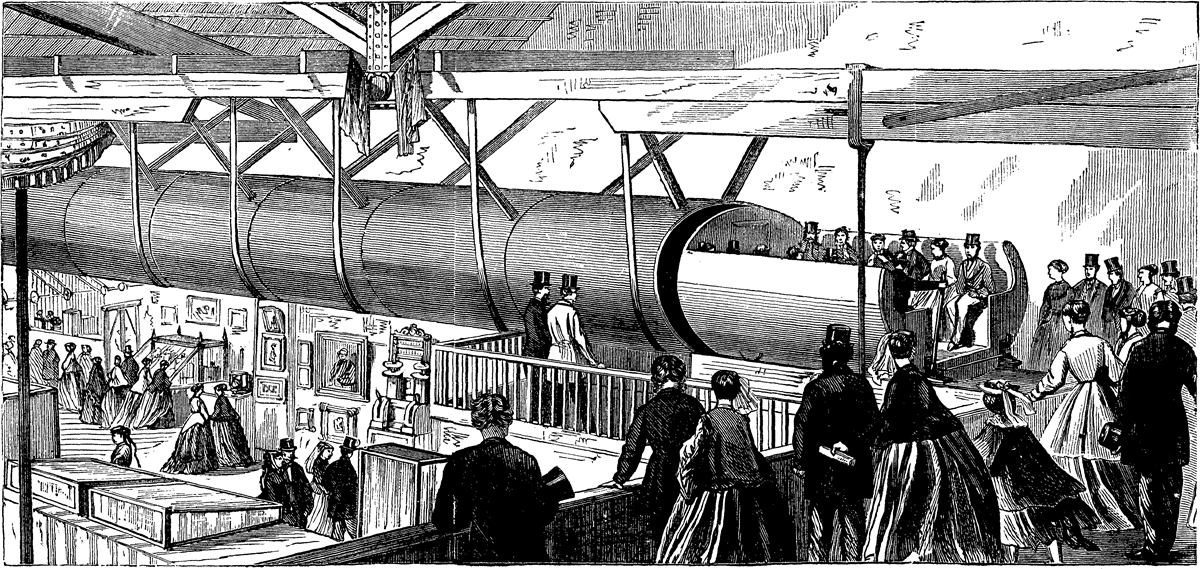
New York briefly had something that resembled a giant pneumatic tube for people. Inventor Alfred Ely Beach opened his experimental Beach Pneumatic Transit beneath Broadway in 1870, using air pressure to move a passenger car through a short tunnel. Visitors paid to experience what was partly transportation experiment and partly public spectacle. It never became the citywide system Beach imagined, and the notion of blowing commuters through tunnels with enormous fans now has the cheerful impracticality of a cartoon invention.
8. The Phonograph
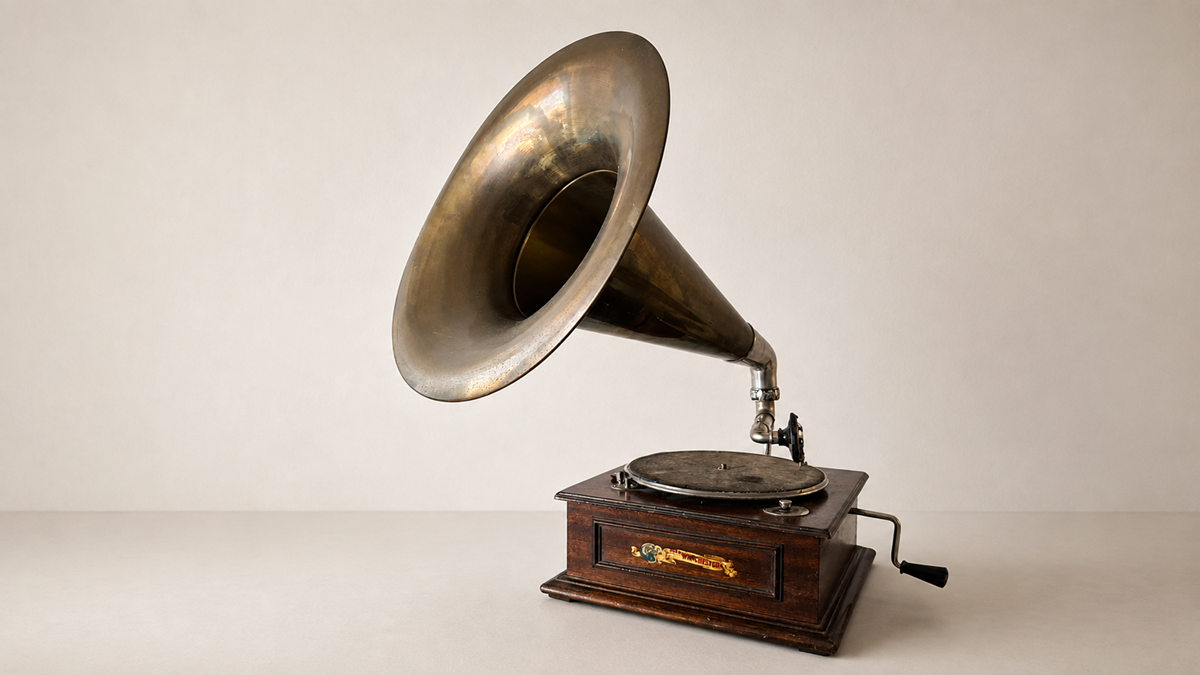
Recorded sound was deeply unsettling when people first encountered it. Thomas Edison’s 1877 phonograph could reproduce audio from physical grooves, initially using tinfoil wrapped around a cylinder. For someone who had never heard a voice except from a living person in the room, a machine speaking back was not merely convenient entertainment. It was uncanny. The early devices were crude by current standards, but the basic idea, storing a human voice so it could be heard later, was extraordinary enough on its own.
Sign up for our newsletter
9. The Telephone
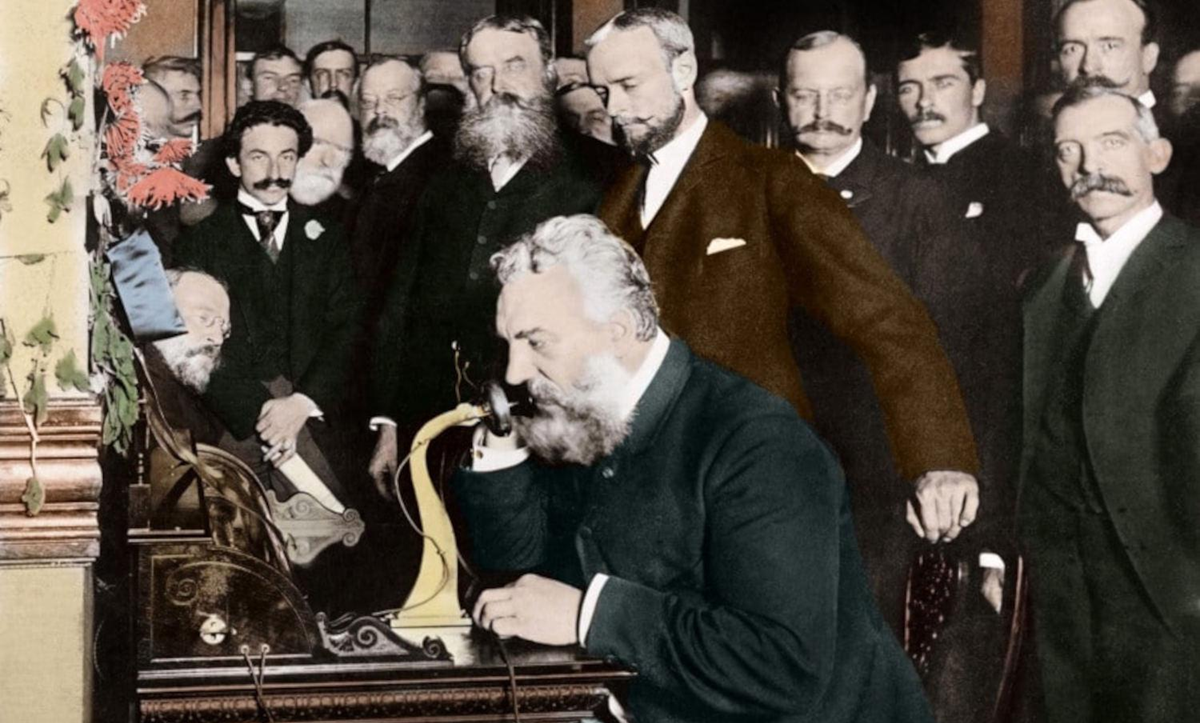
The telephone made the telegraph look almost leisurely. Alexander Graham Bell received a major U.S. telephone patent in 1876, during a period when several inventors were working on ways to transmit speech electrically. Early users had none of the features now associated with calling someone: no contacts list, caller ID, voicemail, texting, or pocket-sized device. In many systems, you spoke to an operator first and asked that person to connect you. The revolutionary experience was simply hearing someone who was not physically there.
10. Edison’s Electric Pen
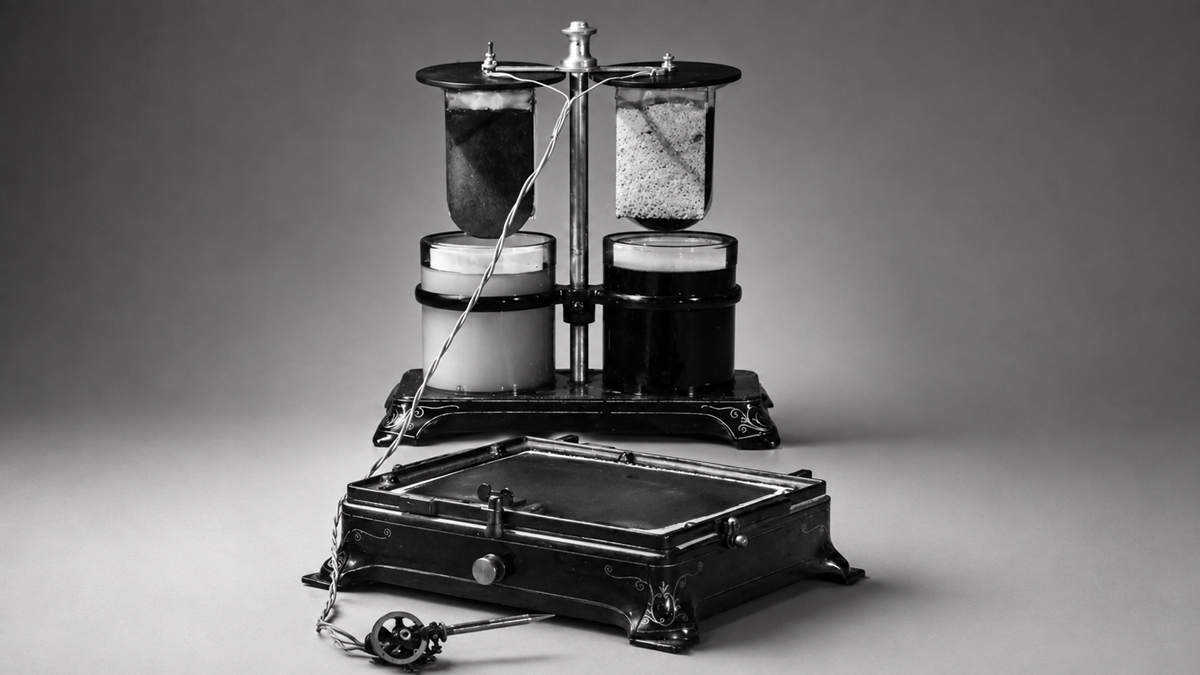
Before the electric tattoo machine, there was Edison’s electric pen. Patented in 1876, the device used a small motor to drive a needle rapidly up and down, perforating paper so copies could be produced with a stencil process. It was essentially an office gadget that buzzed aggressively while punching thousands of tiny holes into documents. The product itself never became one of Edison’s great commercial successes, but its mechanism later influenced early electric tattooing equipment. As office technology goes, it had a surprisingly sharp afterlife.
11. The Zoetrope
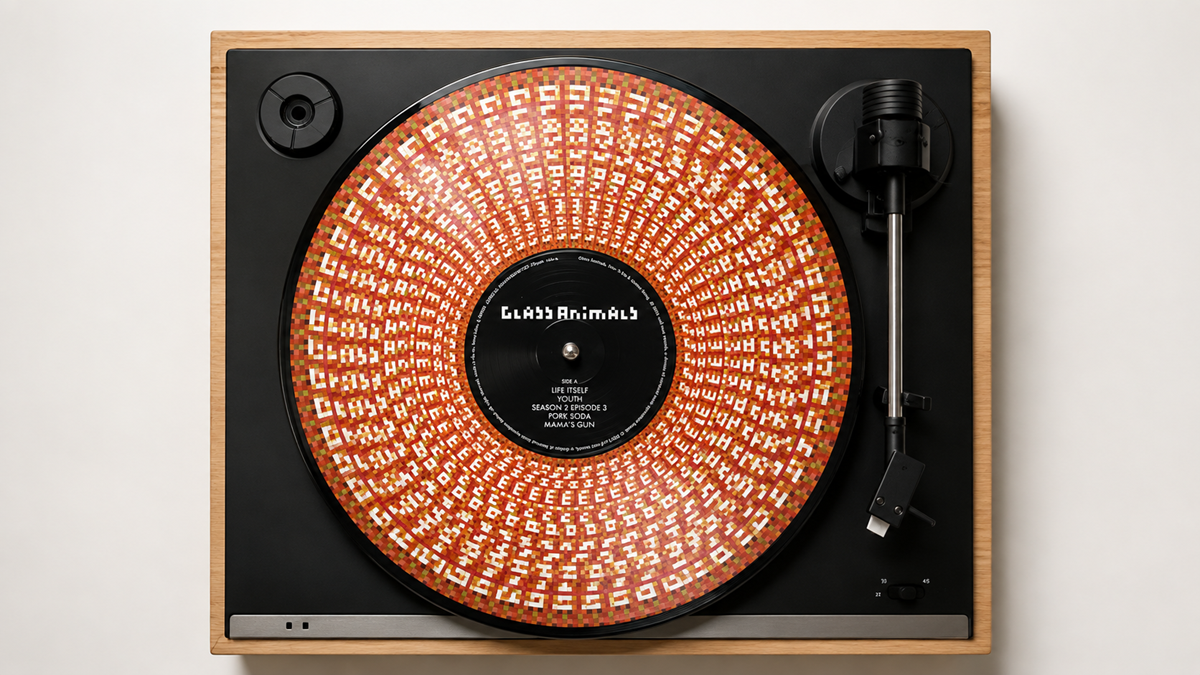
A zoetrope offered moving pictures without film, electronics, or even a projector. Images were arranged inside a spinning cylinder, and viewers looked through narrow slots as the drawings appeared to move. The illusion could be as simple as a horse running or a figure jumping. Compared with a phone streaming high-definition video, a rotating drum full of drawings sounds almost comically basic, but watching still images suddenly come alive was a very different experience in the 19th century.
12. The Pantelegraph
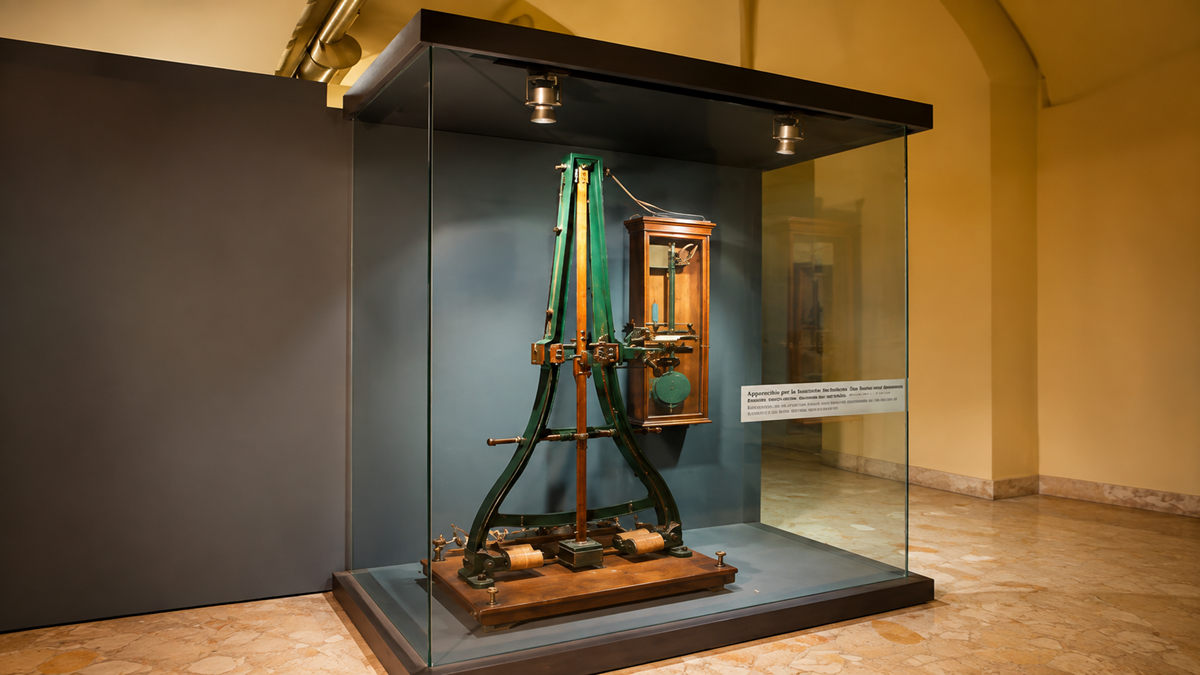
Long before the office fax machine became a familiar source of paper jams and mysterious beeping, Giovanni Caselli developed the pantelegraph. The 19th-century system could transmit handwriting, signatures, and drawings over telegraph lines by scanning an image with synchronized apparatus at each end. It was used commercially in France during the 1860s. The machinery required to send what was essentially a picture of a piece of paper was elaborate, but the underlying idea would remain useful for more than a century.
13. The Cash Register
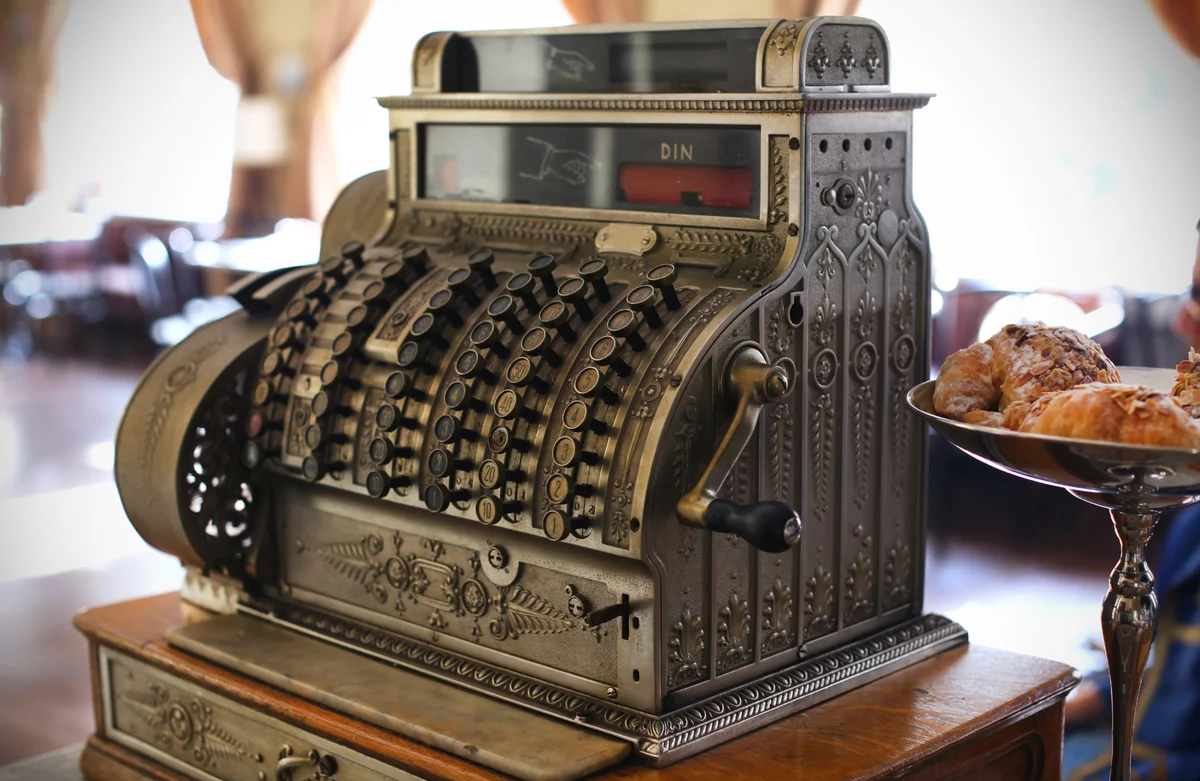
James Ritty, a saloon owner in Dayton, Ohio, was less interested in impressing customers than in keeping employees from quietly pocketing money. In the late 1870s, he developed an early mechanical cash register that recorded sales. Later versions became fixtures in shops, complete with buttons, printed receipts, and the unmistakable opening drawer. A machine whose selling point was basically “it remembers how much money should be here” sounds modest now, but for retailers it introduced a new level of control over everyday transactions.
14. The Linotype Machine
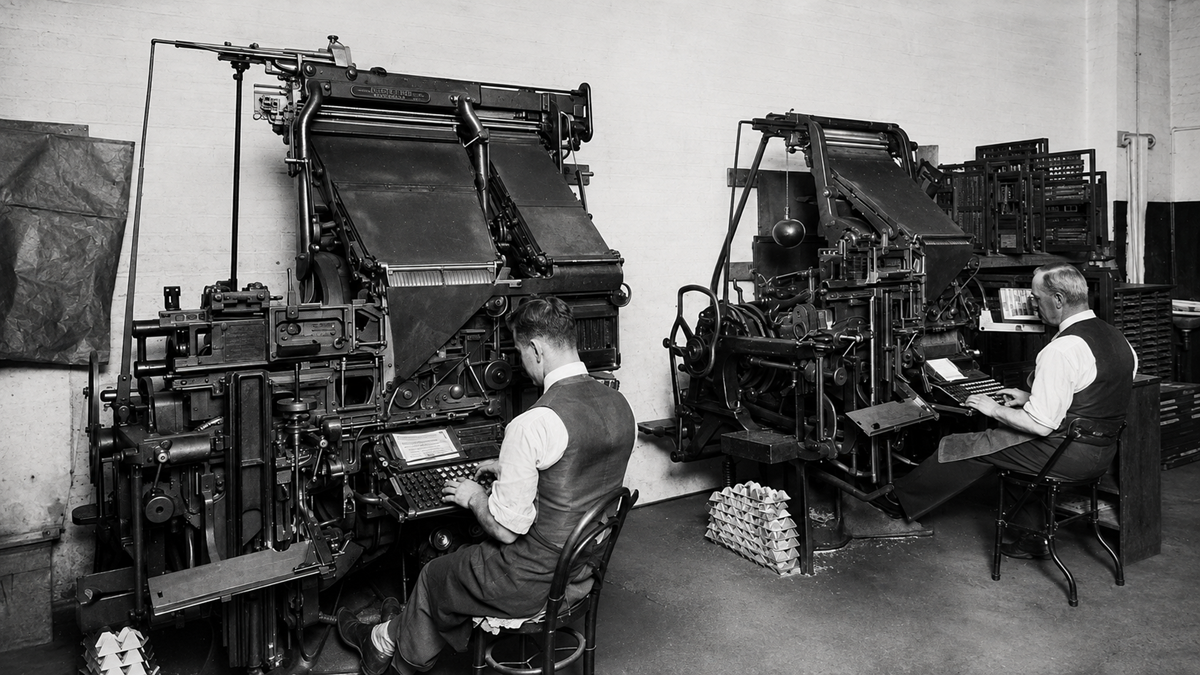
Newspaper production once required workers to arrange individual pieces of metal type by hand. Ottmar Mergenthaler’s Linotype machine, introduced in the 1880s, allowed an operator at a keyboard to produce an entire line of metal type at once. It was huge, hot, mechanical, and complicated, but it dramatically sped up typesetting for newspapers and books. Today a person can change a font with two taps, making the idea of operating an industrial machine just to create lines of text feel almost unreasonable.
15. The Kodak Camera
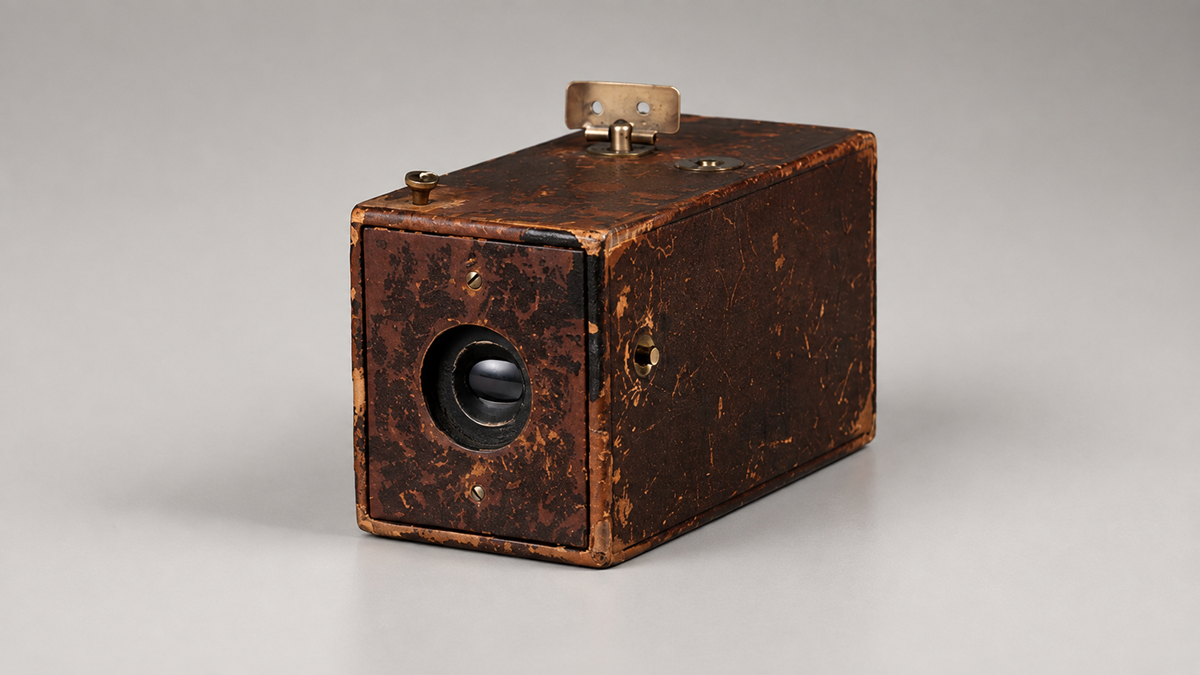
Photography became much less intimidating when George Eastman’s Kodak camera appeared in 1888. Instead of expecting ordinary customers to understand plates, chemicals, and developing techniques, Kodak sold a camera already loaded with roll film and handled the processing after customers sent it back. The company famously reduced the experience to pressing a button while it took care of the rest. Even so, the definition of “easy photography” still involved mailing the entire camera away and waiting for your pictures to return.
16. The Mechanical Dishwasher
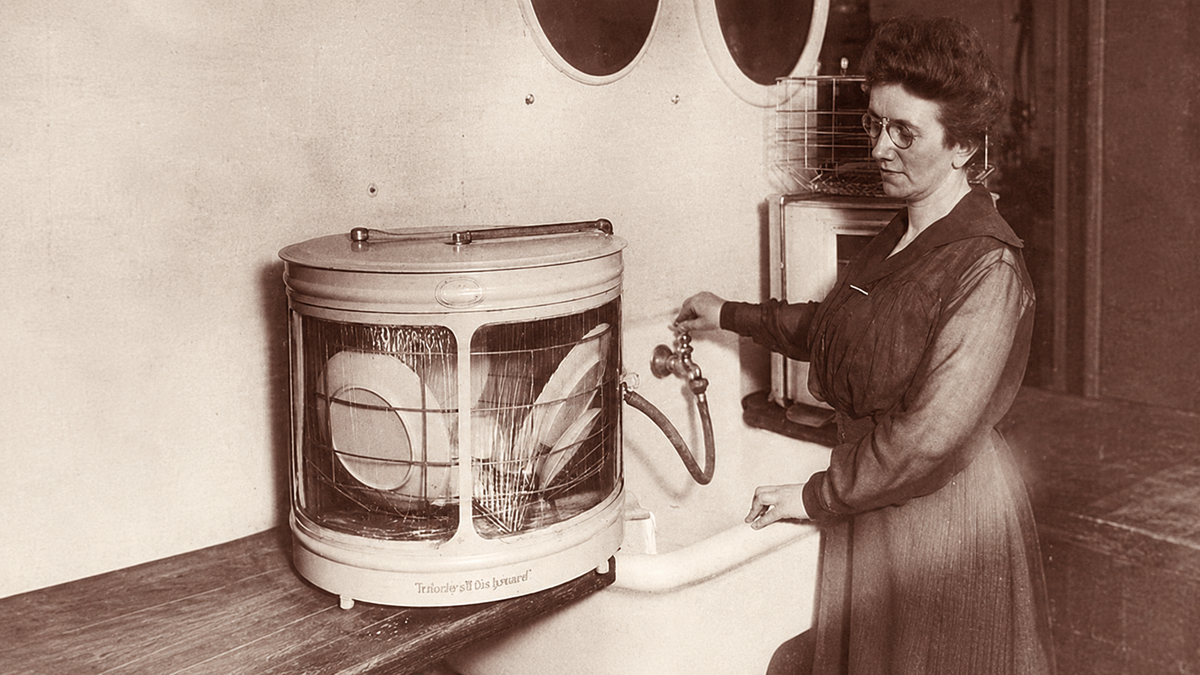
Josephine Cochrane wanted a machine that could wash dishes without people handling and potentially chipping her china. Her practical mechanical dishwasher design was patented in 1886 and used water sprayed over dishes held in racks. Early machines were expensive and better suited to commercial settings than the average kitchen. The idea was clever, but a large dedicated appliance whose great promise was “the plates wash themselves” must have sounded almost extravagantly futuristic.
17. Electric Streetlights
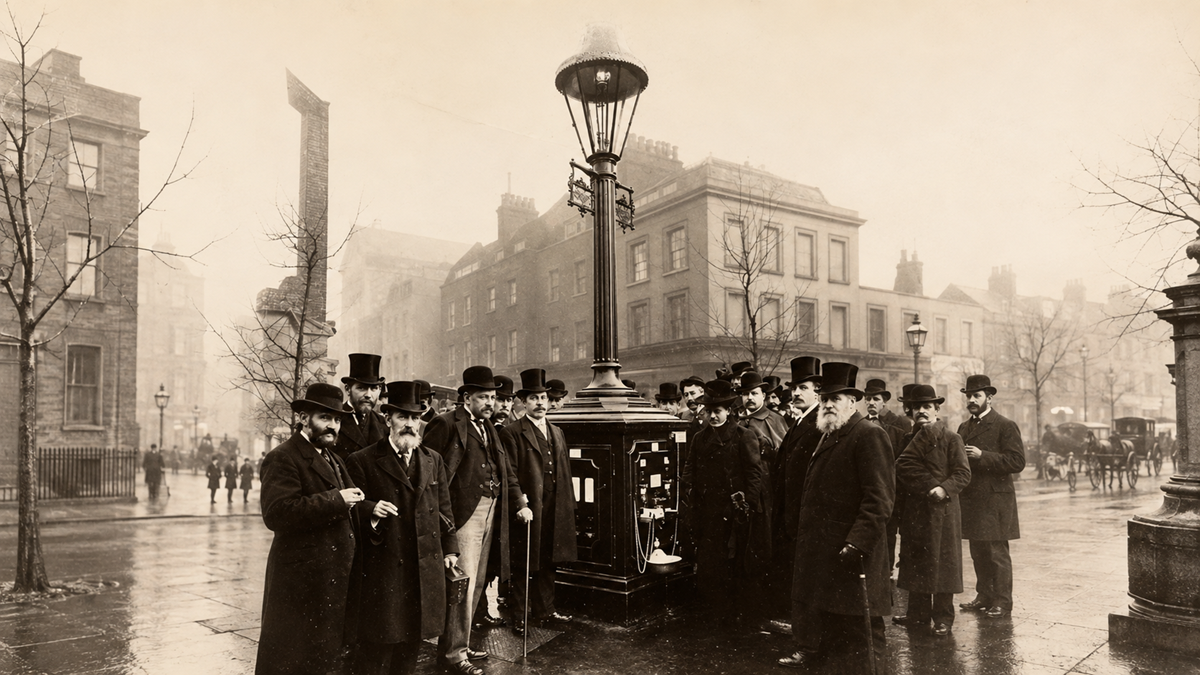
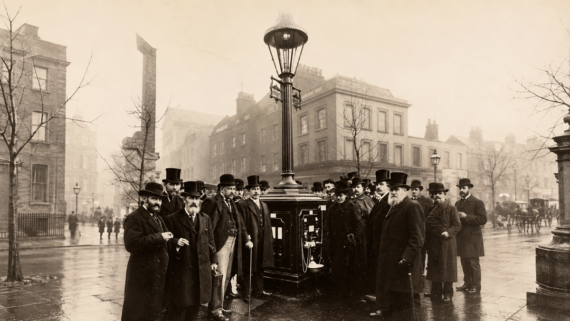
The arrival of electric lighting turned nighttime itself into a technological showcase. Arc lamps illuminated streets and public spaces during the later 19th century, while inventors including Joseph Swan and Thomas Edison worked on practical incandescent lighting systems. Crowds sometimes gathered simply to look at electric lights because artificial illumination without a visible flame was still novel. Now streetlights are so ordinary that most people notice them only when one is flickering, broken, or shining directly into a bedroom window.
In the mood for more?
Check out 14 Inventions From the Past That Predicted Modern Gadgets, or take a look at 15 Inventions That Changed Everything and Were Created by Complete Accident. If you want to see technology archeology, you can check out 15 Ancient Inventions So Advanced They Still Raise Questions Today.