Long before modern microchips, wireless networks, and high-resolution touchscreen displays revolutionized personal technology, visionary inventors were already designing early mechanical equivalents of our everyday digital devices. Throughout the 19th and 20th centuries, engineers and forward-thinking creators attempted to solve communication, automation, and entertainment challenges using the tools of their time. Utilizing intricate clockwork gears, pneumatic tubes, copper wiring, and vacuum tubes, these groundbreaking inventions laid the functional blueprints for the connected digital world we take for granted today.
While many of these early prototypes lacked the compact power, battery capacity, or mass production capabilities to become global household staples, their underlying concepts were remarkably accurate forecasts of the future. Discovering these mechanical precursors reveals that the ideas behind our smartphones, wearable tech, and automated appliances were born long before the silicon era. Looking back at these ingenious mechanical designs shows how early visionaries successfully anticipated the lifestyle needs of the modern age. Here are fourteen visionary inventions from the past that directly predicted our modern gadgets.
1. The telephonoscope – 1870s
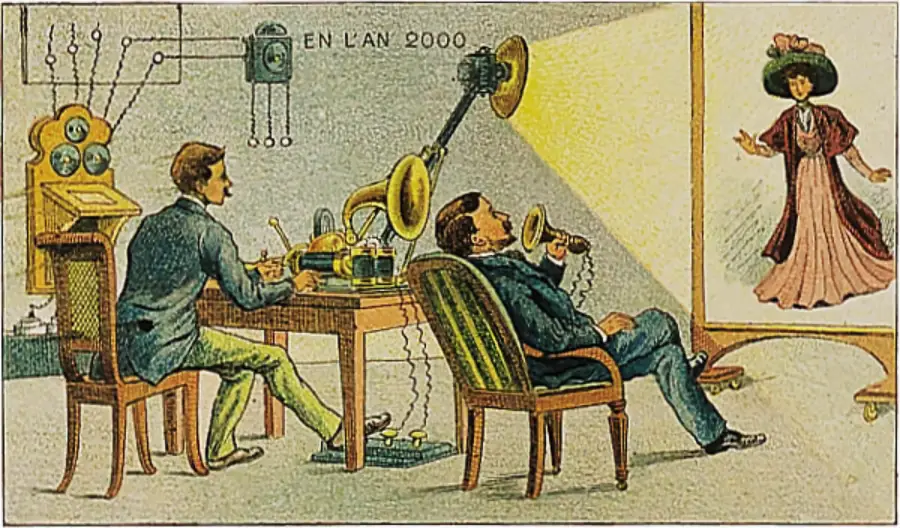
¡Designed as a conceptual combination of the telephone and early optics, Thomas Edison and various nineteenth-century illustrators envisioned a device that allowed people to transmit real-time video and audio across distances simultaneously. Long before fiber-optic internet or high-definition screens, this mechanical apparatus accurately predicted modern video calling platforms like FaceTime and Zoom.
2. The pedometer clock – 1780
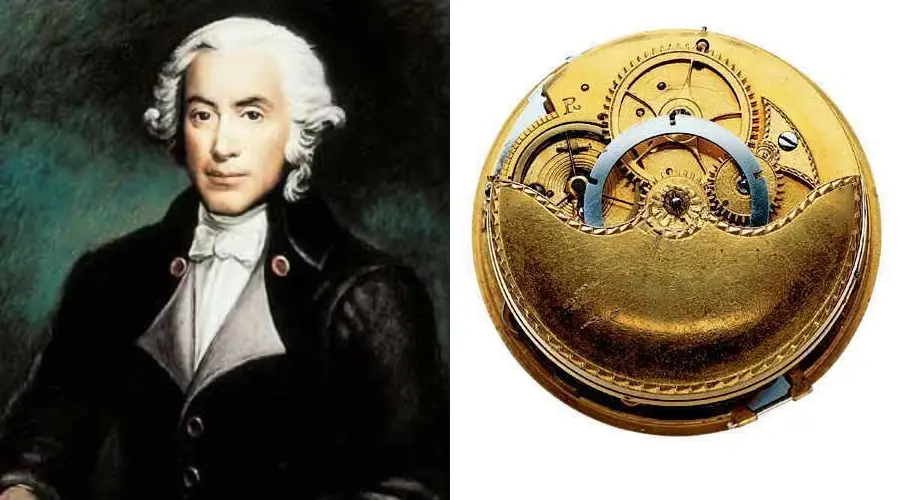
Invented by Swiss watchmaker Abraham-Louis Perrelet, this intricate pocket watch featured an internal oscillating weight that wound the mainspring automatically as the wearer walked. By converting human movement into kinetic energy to track physical activity, this mechanical timepiece served as the direct ancestor of modern fitness trackers and smartwatches.
3. The telectroscope – 1898
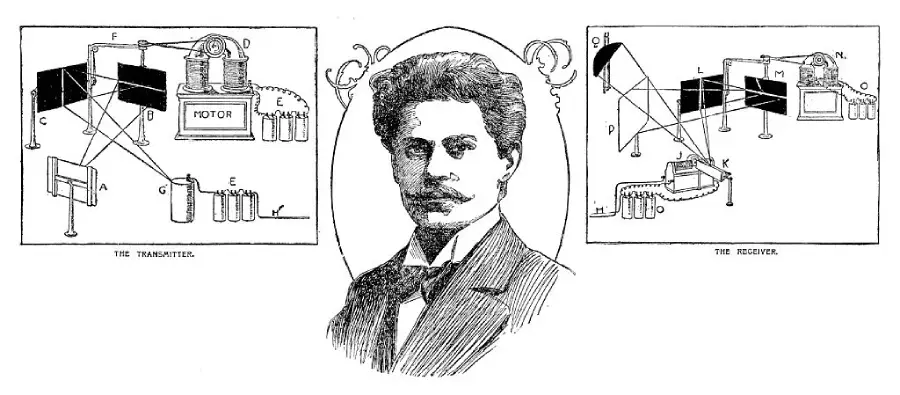
Conceived by Polish inventor Jan Szczepanik, this theoretical electro-optical system used selenium photo-cells and oscillating mirrors to transmit live colored images over telegraph wires. Designed to allow viewers to watch live events occurring thousands of miles away, it laid the conceptual foundation for broadcast television and modern live streaming.
4. The automatic sewing machine punch card system – 1804
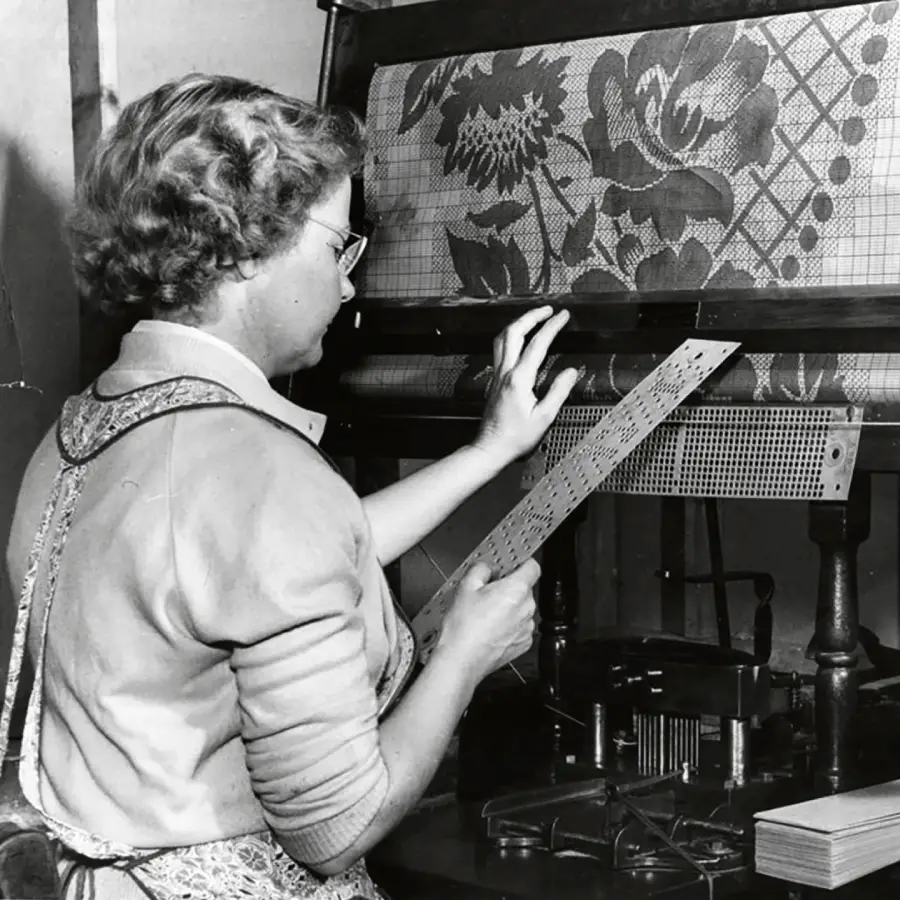
Joseph Marie Jacquard invented a loom that used interchangeable punched wooden cards to control the complex weaving of textile patterns automatically. By storing binary code on physical cards to instruct a machine’s physical actions without human intervention, Jacquard’s invention directly inspired early computer programming and automated manufacturing.
5. The sensorama – 1962
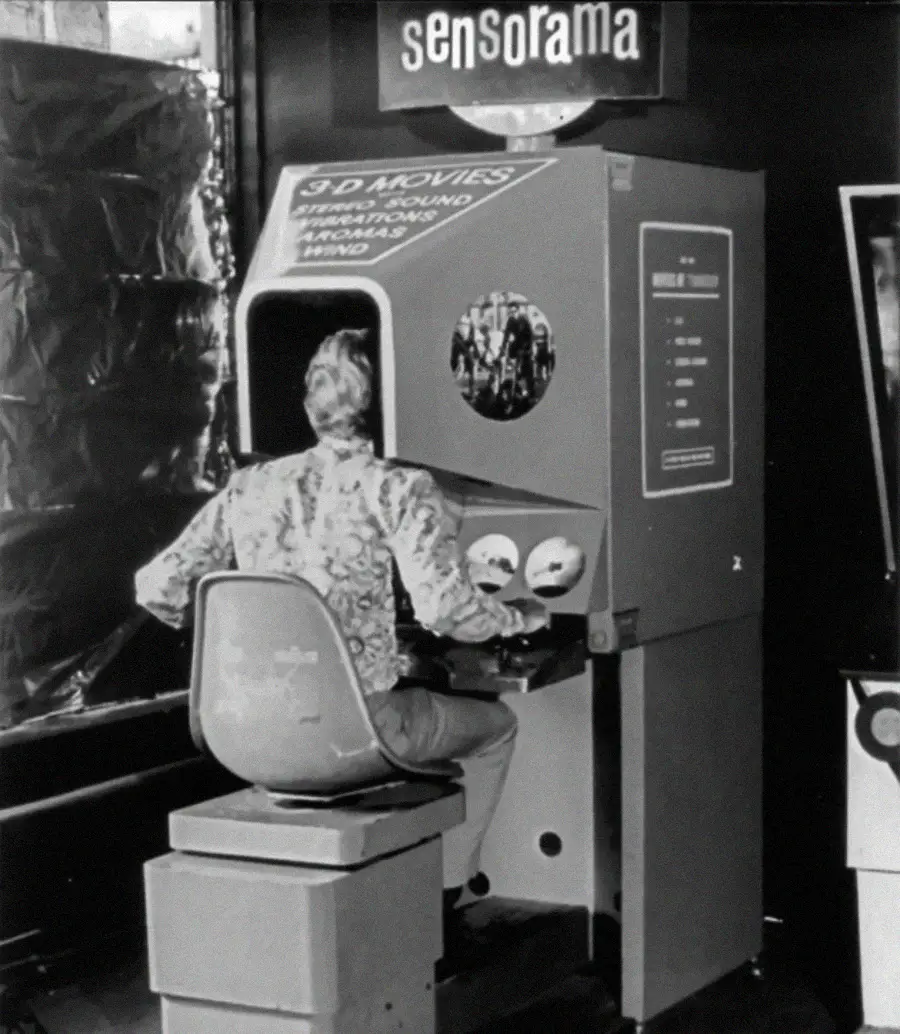
Created by filmmaker Morton Heilig, this arcade-style cabinet immersed users in a 3D movie experience complete with stereo speakers, a tilting seat, wind fans, and scented air canisters. Heilig’s mechanical multi-sensory simulator predicted modern virtual reality headsets and 4D cinema experiences decades before computer-generated graphics existed.
Trending on The Scroller

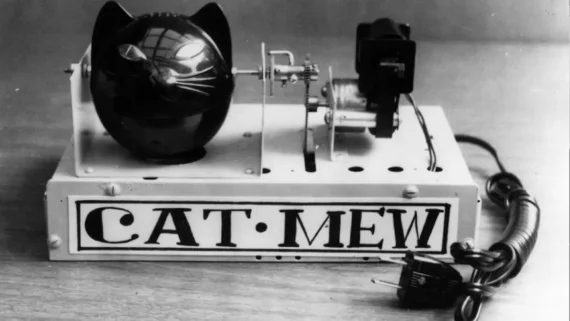
6. The automaton chess player – 1770
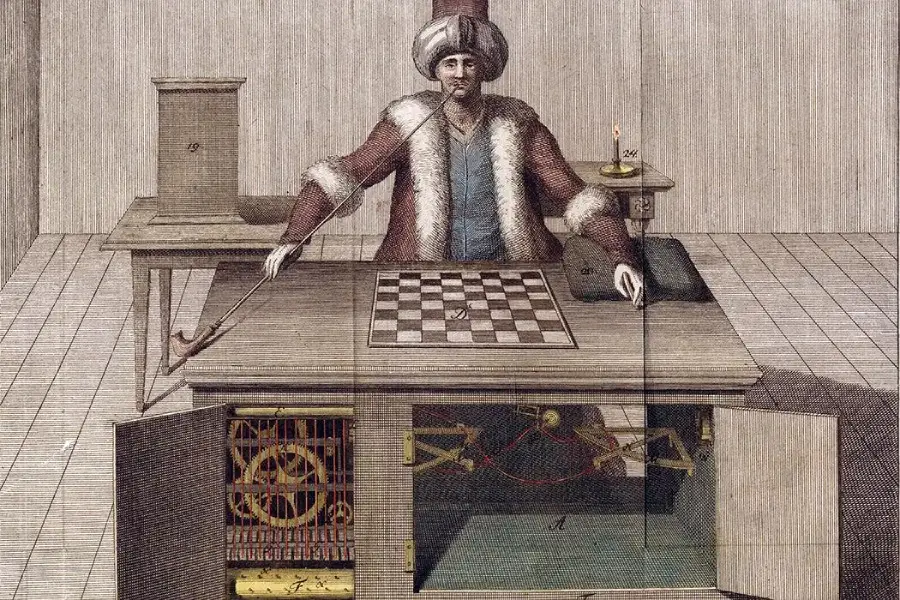
Although the infamous “Turk” turned out to be a clever hoax hiding a human chess master inside a wooden cabinet, it sparked a global obsession with creating machines that could outsmart human intelligence. The concept of a mechanical brain capable of playing strategy games directly predicted artificial intelligence systems like Deep Blue and modern chess algorithms.
7. The answering machine prototype – 1898
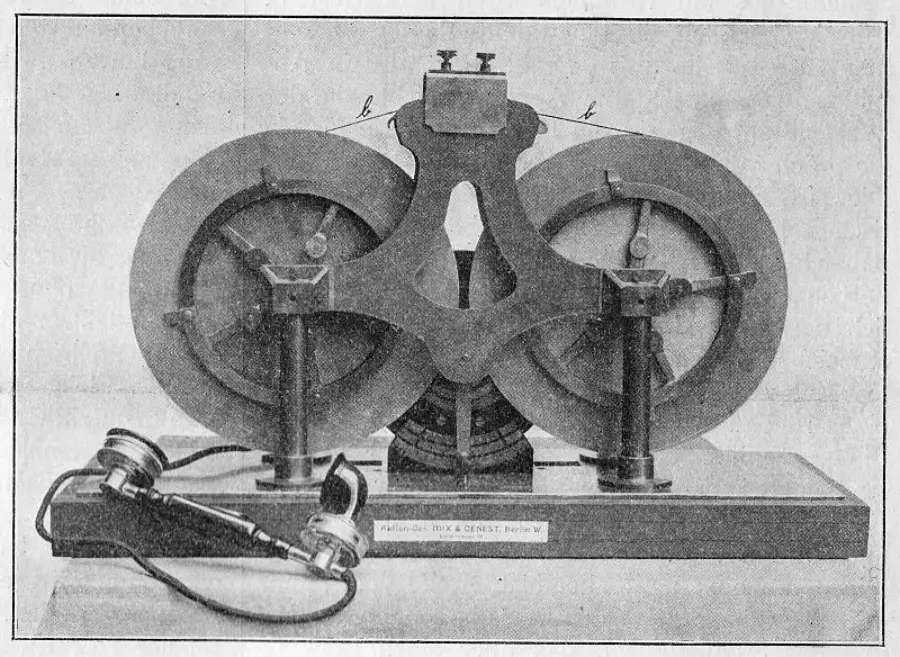
Danish engineer Valdemar Poulsen invented the Telegraphone, the world’s first device to record sound magnetically on a steel wire. Poulsen envisioned his creation connected to telephone lines to record incoming voice messages automatically when homeowners were away, successfully creating the first working digital voicemail system.
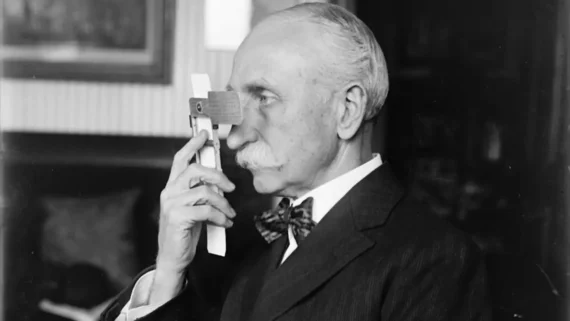
8. The pocket book reader – 1935
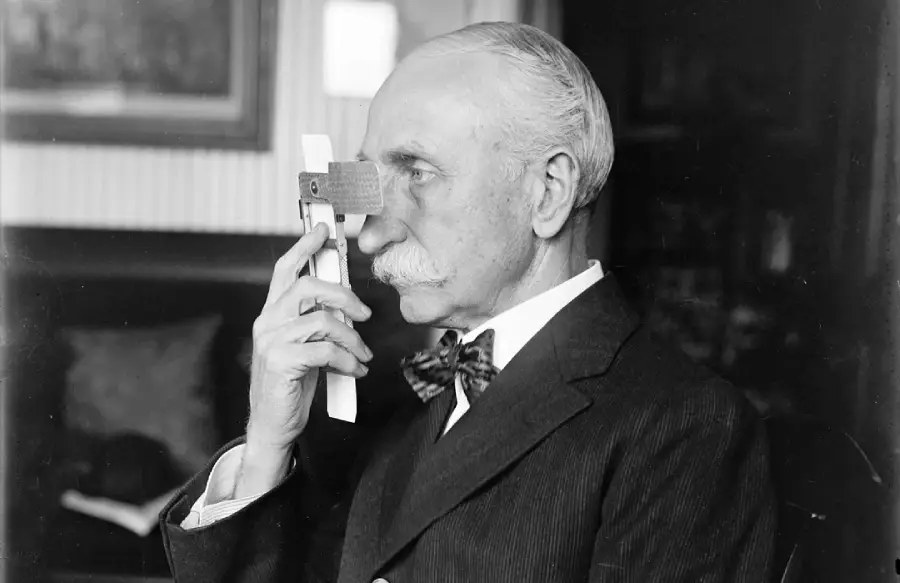
Encapsulated in Bradley Fiske’s “Fiske Reading Machine,” this handheld device used a magnifying lens to allow users to read micro-printed books on small cards. By shrinking hundreds of printed pages into a portable, pocket-sized frame, Fiske created the direct mechanical predecessor to the modern Amazon Kindle and e-readers.
Sign up for our newsletter
9. The mechanical route finder – 1932
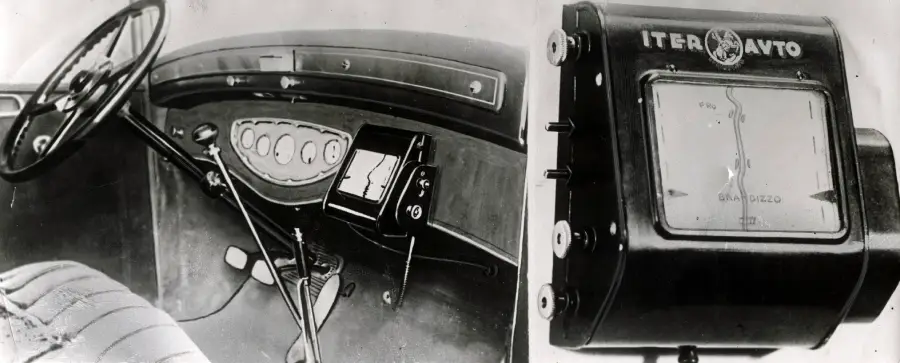
The “Iter Avto” was an early navigation device installed on car dashboards, featuring a scrollable paper map that automatically unrolled as the vehicle moved via a cable connected to the speedometer. This clever mechanical system provided real-time location tracking along a driver’s route decades before satellite GPS systems and Google Maps were developed.
10. The wireless radio wrist watch – 1940s
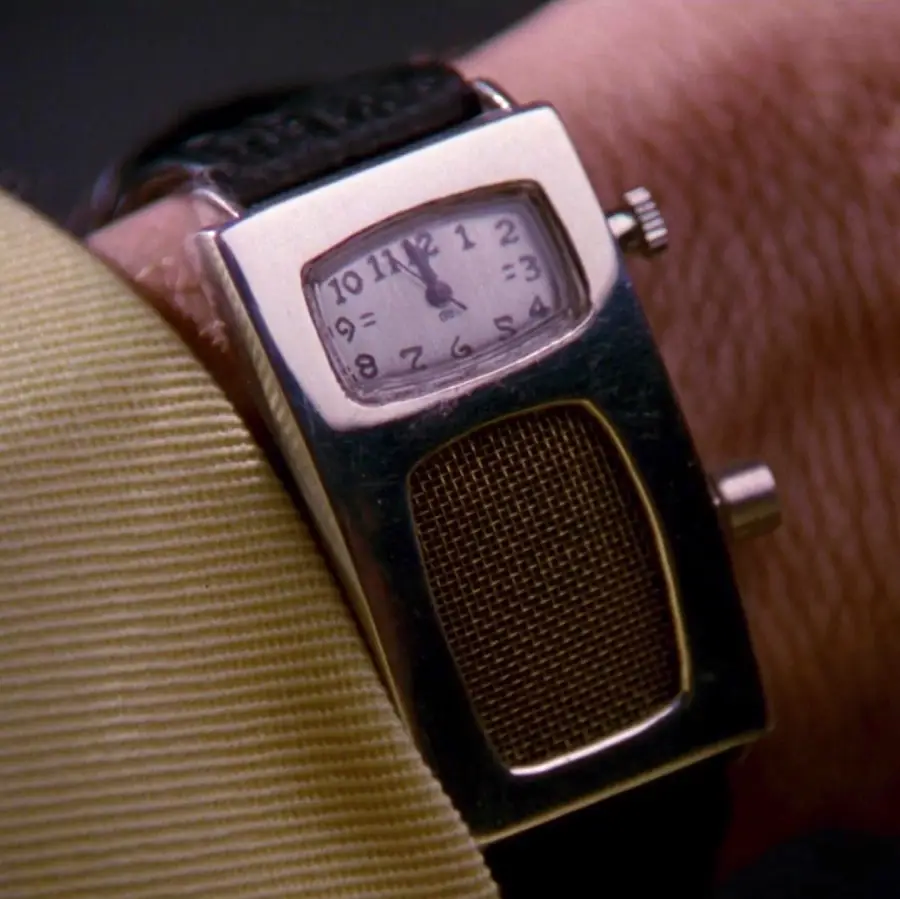
Decades before cellular networks, forward-thinking radio engineers prototyped wearable two-way radios built into wristbands for emergency responders and field workers. Popularized in pop culture by Dick Tracy’s famous two-way wrist radio, these early devices anticipated modern cellular smartwatches with built-in voice calling.
11. The hectograph – 1879
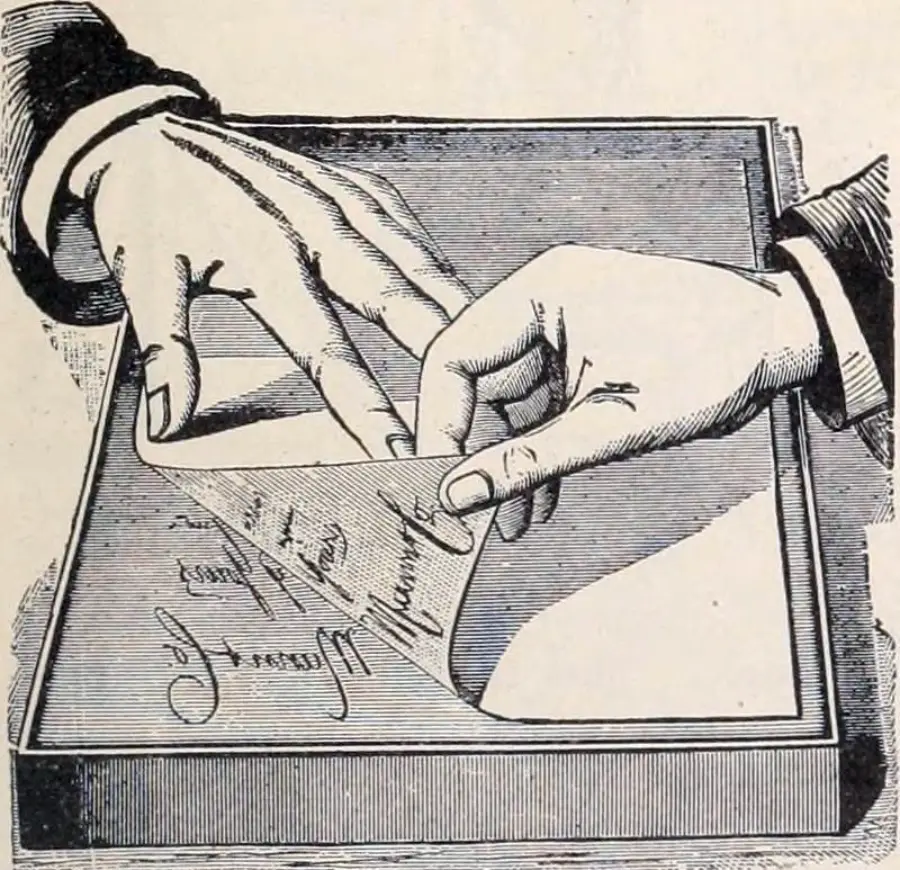
Utilizing a gelatin tray to absorb aniline ink from a master sheet, this simple manual duplicator allowed office workers to produce dozens of copies of a document in minutes without retyping. The quick, desktop duplicating method represented a massive leap forward for office productivity, predicting modern photocopiers and desktop printers.
12. The automatic tea maker – 1902
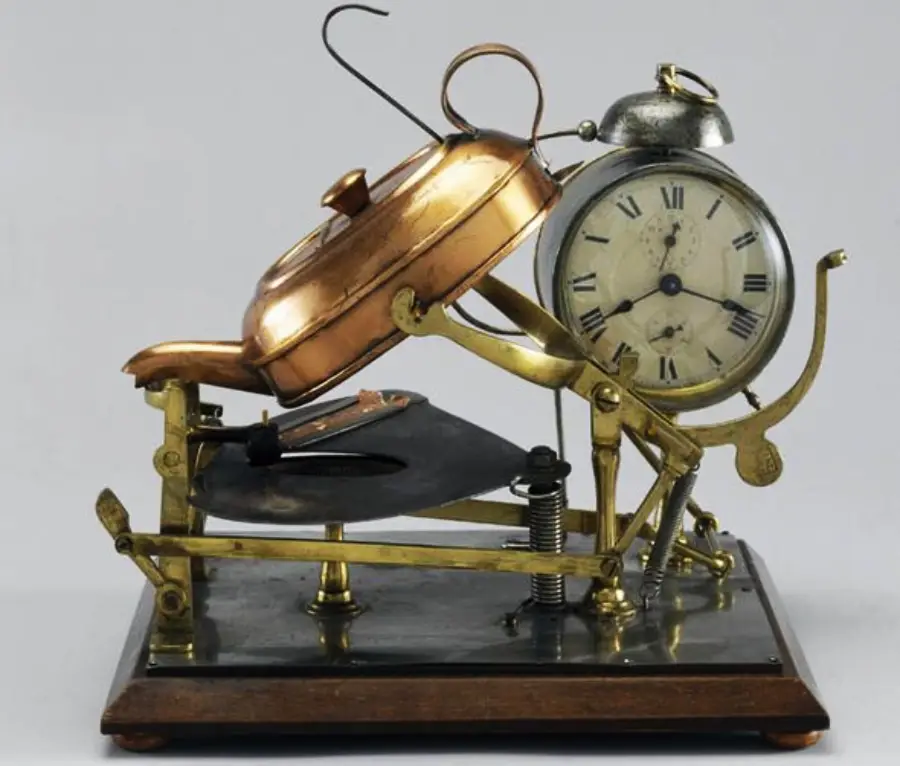
Patented by Albert Richardson as the “Teasmade,” this clockwork device combined an alarm clock, an electric kettle, and a tipping mechanism that automatically brewed a fresh cup of tea at a preset morning hour. By automating a morning domestic task through a timed appliance, it predicted modern programmable coffee makers and smart home routines.
13. The pneumatic tube mail system – 1850s
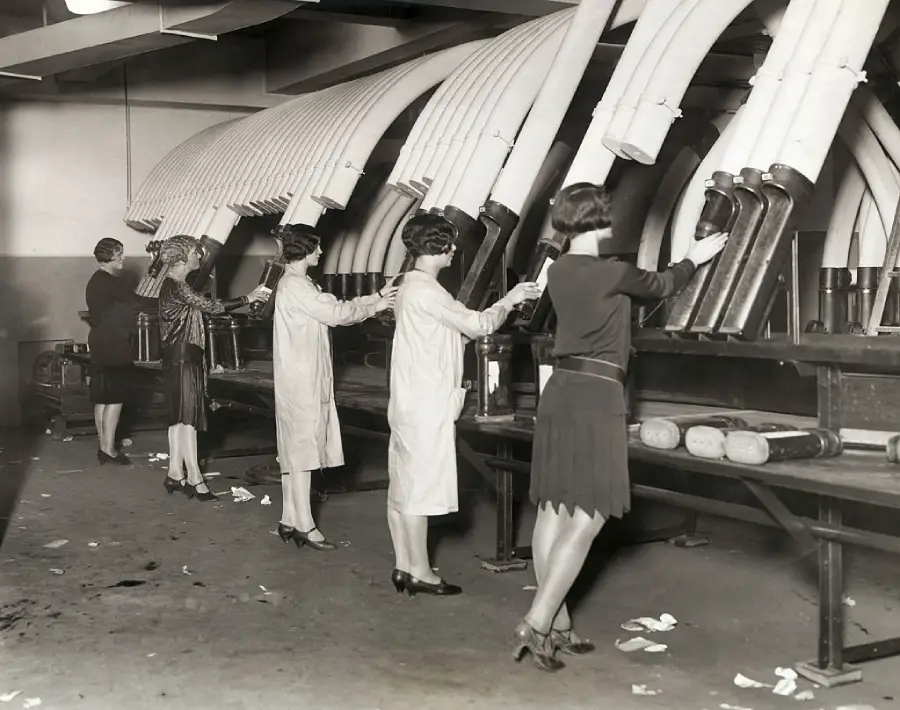
Cities like Paris, London, and New York installed vast underground networks of pressurized tubes to blast capsule-enclosed paper messages across urban centers in minutes. This high-speed, direct messaging network served as the physical, real-world precursor to instant messaging platforms and email routing protocols.
14. The musical telegraph – 1876
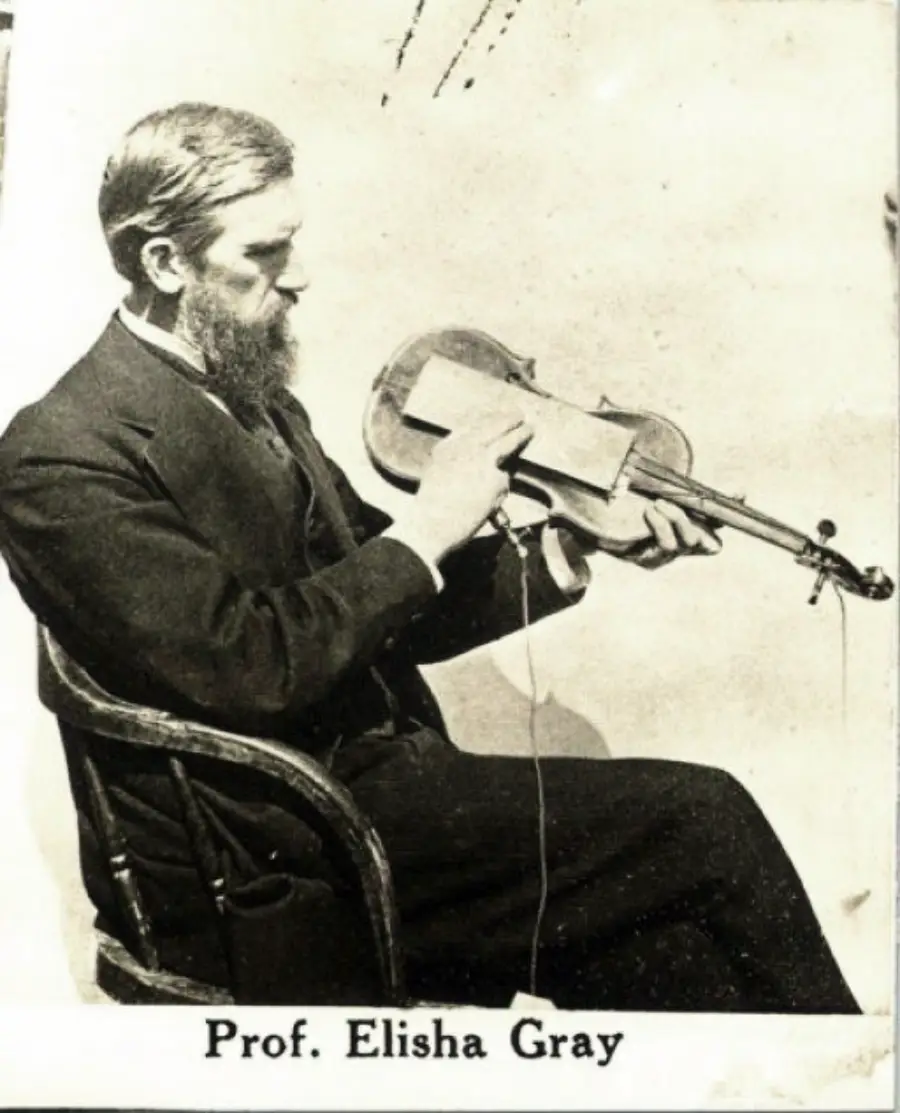
Elisha Gray accidentally discovered he could control sound from a self-vibrating electromagnetic circuit, creating one of the earliest electronic musical instruments. By using electric currents to generate synthesized tones across a piano keyboard, Gray’s invention anticipated modern electronic synthesizers and digital audio workstations.
Want to check out more interesting inventions?
Revisiting these remarkable mechanical precursors shows that our modern digital landscape was built on the foundation of nineteenth- and twentieth-century imagination. Seeing how early engineers used clockwork gears, pneumatic pressure, and basic electrical circuits to predict video calls, GPS navigation, and e-readers proves that true innovation is timeless. If you enjoy exploring historical breakthroughs, forgotten technology, and retro deep dives, make sure to explore these 14 Ridiculous Real Inventions That People Actually Patented, or 15 Mid-Century Inventions That Failed to Change the World. You can also check out these 15 Fascinating Vintage Inventions That Never Took Off.