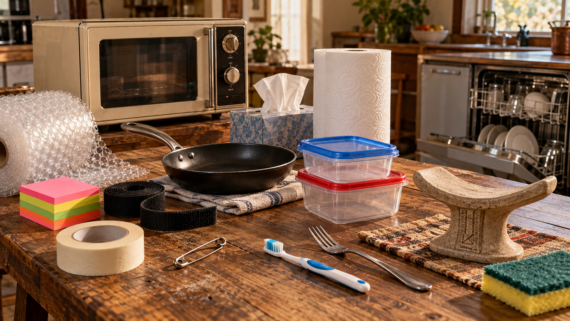
Some of the things you use every day have surprisingly unusual backstories. From bubble wrap and Post-it Notes to toothbrushes and kitchen sponges, many familiar household products were created for reasons that had absolutely nothing to do with their current purpose. Some started as military materials, others came from failed experiments, and a few were invented to solve problems that seem almost impossible to imagine today. Here are 18 household items with origins stranger than you might expect.
Bubble Wrap Was Supposed to Be Wallpaper
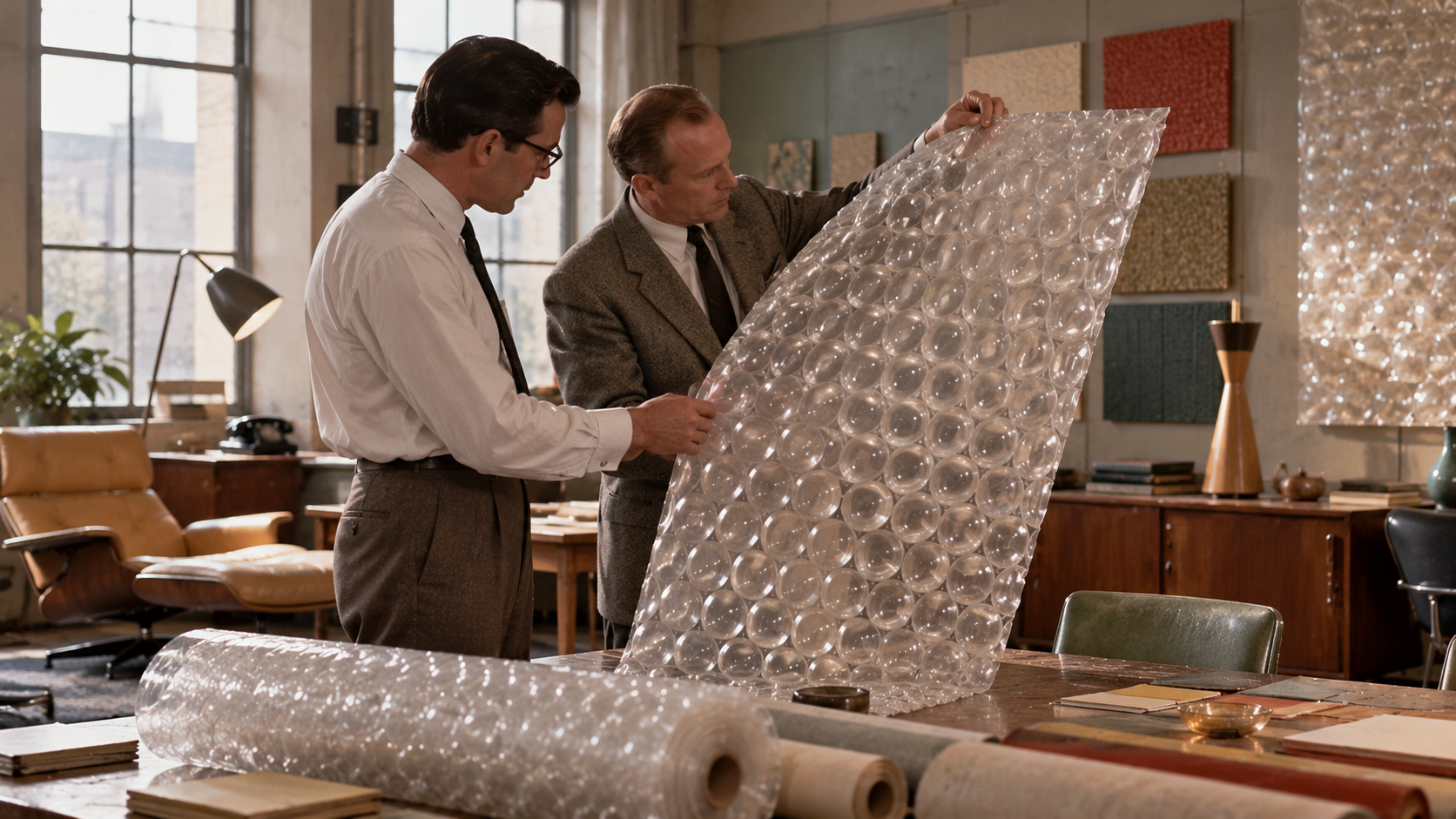
Bubble wrap wasn’t originally designed to protect packages. In 1957, inventors Alfred Fielding and Marc Chavannes tried making textured wallpaper by sealing two plastic shower curtains together. Their idea failed, as did a later attempt to sell it as greenhouse insulation. Eventually, they realized the air-filled material was perfect for protecting fragile items. At least one failed home improvement project found its calling.
Post-it Notes Came From Glue That Wasn’t Sticky Enough
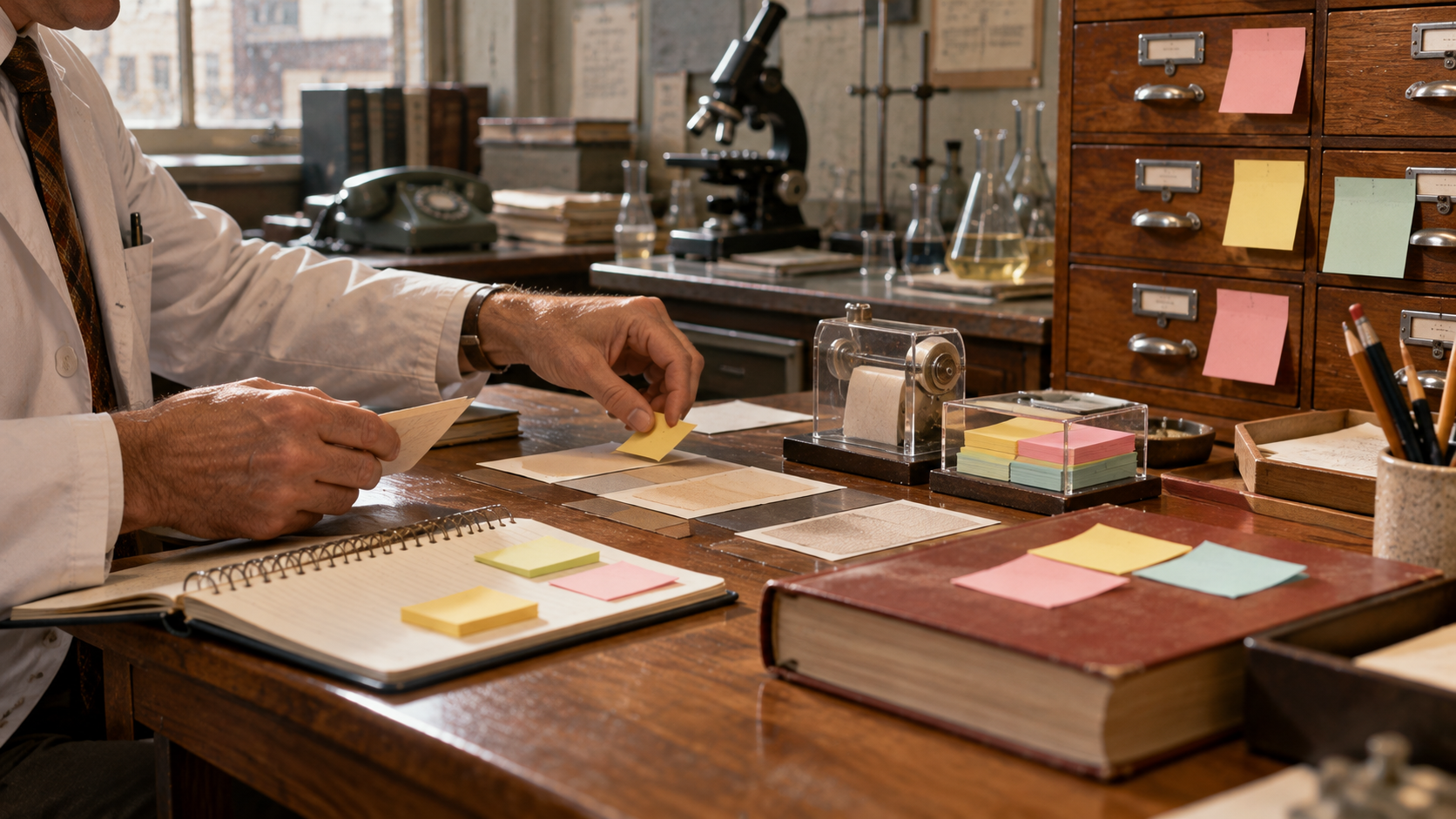
In 1968. 3M scientist Spencer Silver was trying to develop a strong adhesive but ended up creating one that barely stuck and could be removed easily. Years later, colleague Art Fry found a use for it: keeping bookmarks in his hymnal without damaging the pages. That small discovery eventually became the Post-it Note. Sometimes, a product’s greatest strength is knowing when to let go.
Velcro Was Inspired by Burrs Stuck to a Dog

In 1941, Swiss engineer George de Mestral noticed burrs clinging to his clothes and his dog’s fur after a hunting trip. Looking at them under a microscope, he discovered tiny hooks that caught onto fabric loops and hair. He spent years recreating that mechanism, eventually developing the hook-and-loop fastener associated with the VELCRO brand. Nature had already figured out the fastening system.
The Microwave Oven Grew Out of Radar Technology
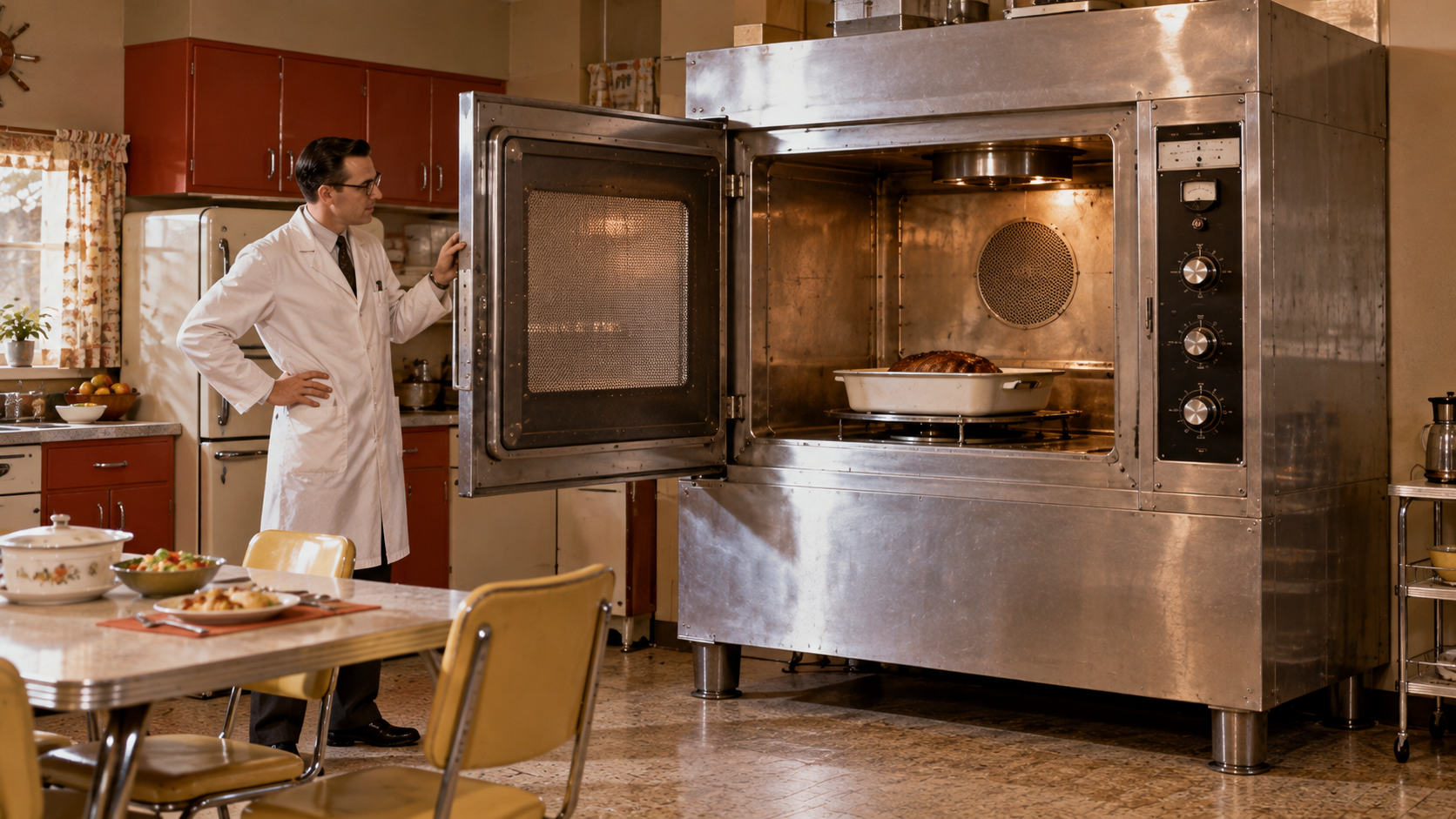
The microwave oven has its roots in technology developed for World War II radar systems. Raytheon engineer Percy Spencer recognized that magnetrons could also be used to heat food, helping launch microwave cooking. The first Tappan microwave designed for home use appeared in 1955 and cost $1,295. At that price, reheating leftovers was a serious investment.
Nonstick Cookware Came From a Search for Refrigerant
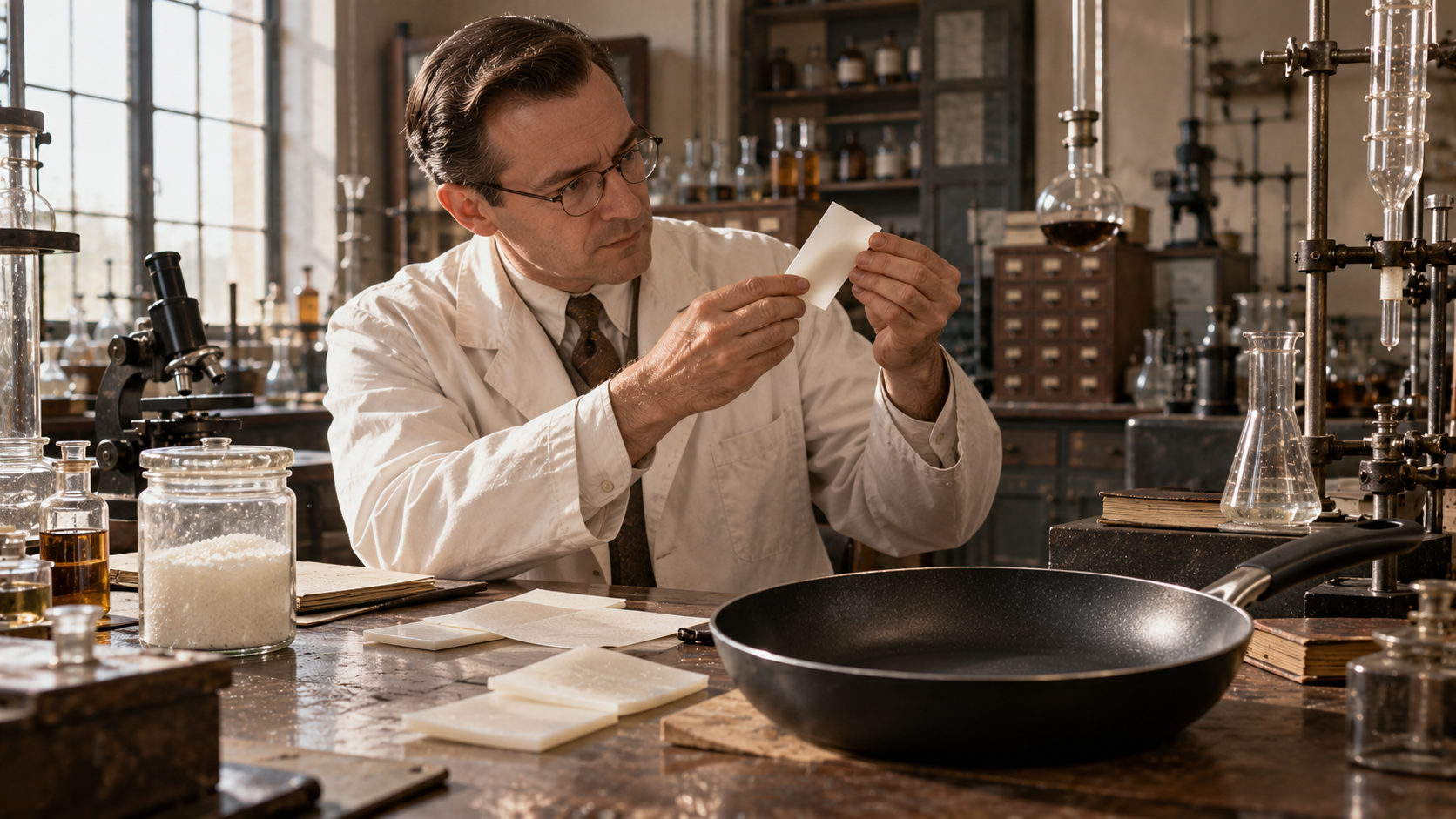
In 1938, DuPont chemist Roy Plunkett was experimenting with gases to develop a new refrigerant when one stored sample unexpectedly turned into a slippery white solid. It was polytetrafluoroethylene, later marketed as Teflon. Its chemical resistance and low friction eventually made it useful as a coating for nonstick cookware. A failed experiment made frying eggs considerably easier.
Trending on The Scroller


Disposable Sanitary Pads Grew Out of World War I Bandages
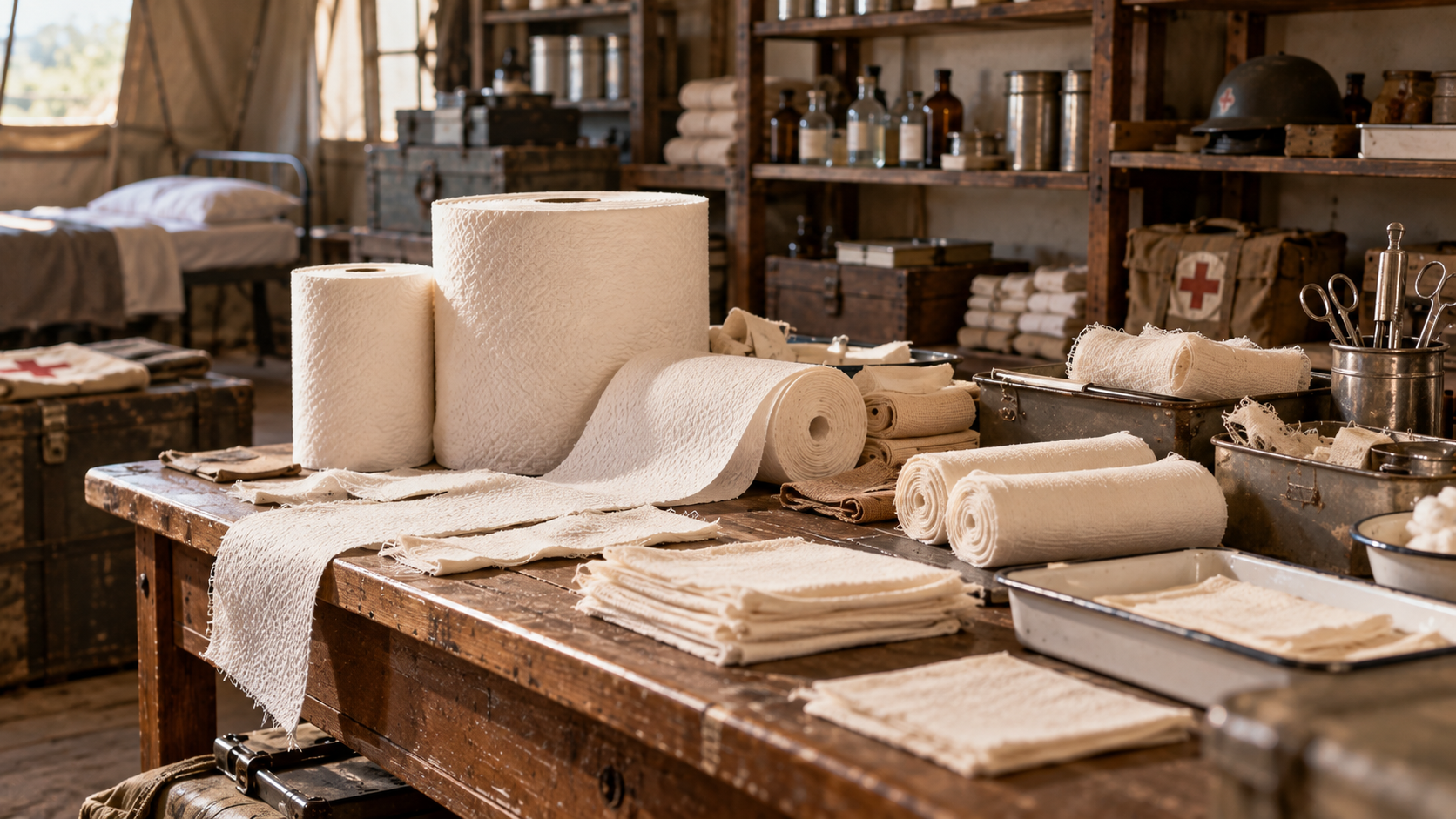
During World War I, Kimberly-Clark produced an absorbent wood-pulp material called Cellucotton for surgical dressings. Nurses discovered it also worked as a makeshift menstrual pad. After the war, the company adapted the material for consumer use and introduced Kotex in 1920. A product developed for wartime medical needs helped create an entirely new personal-care category.
Kleenex Was Originally Designed for Gas Masks and Makeup Removal
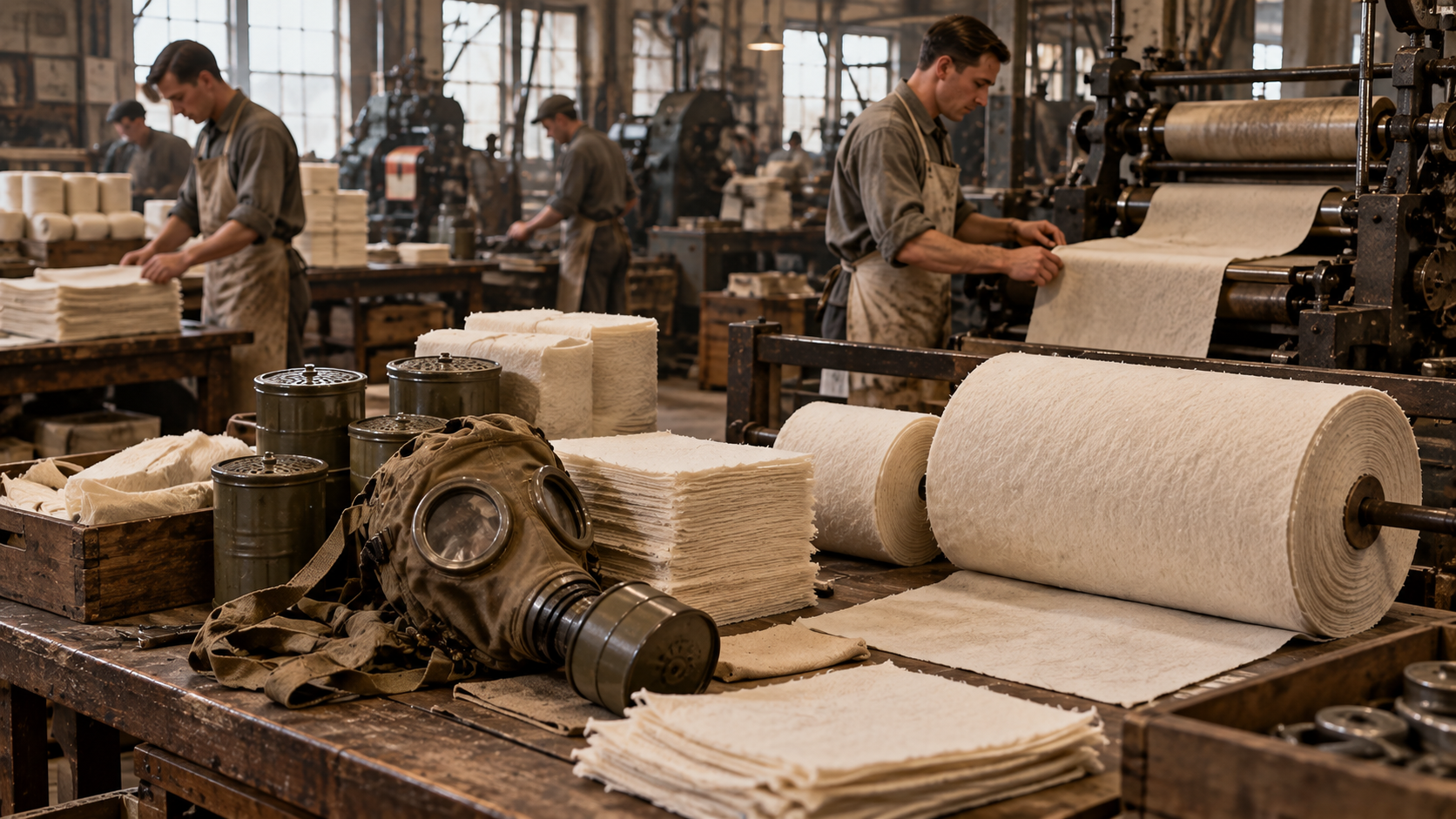
During World War I, Kimberly-Clark experimented with Cellucotton as a possible filter material for gas masks. After the war, the company refined the cellulose into a softer disposable tissue and launched Kleenex in 1924. Its original purpose wasn’t blowing your nose, though: it was marketed for removing cold cream and makeup. The tissue box had a very different beauty routine in mind.
Paper Towels Were Inspired by a School Trying to Stop Germs
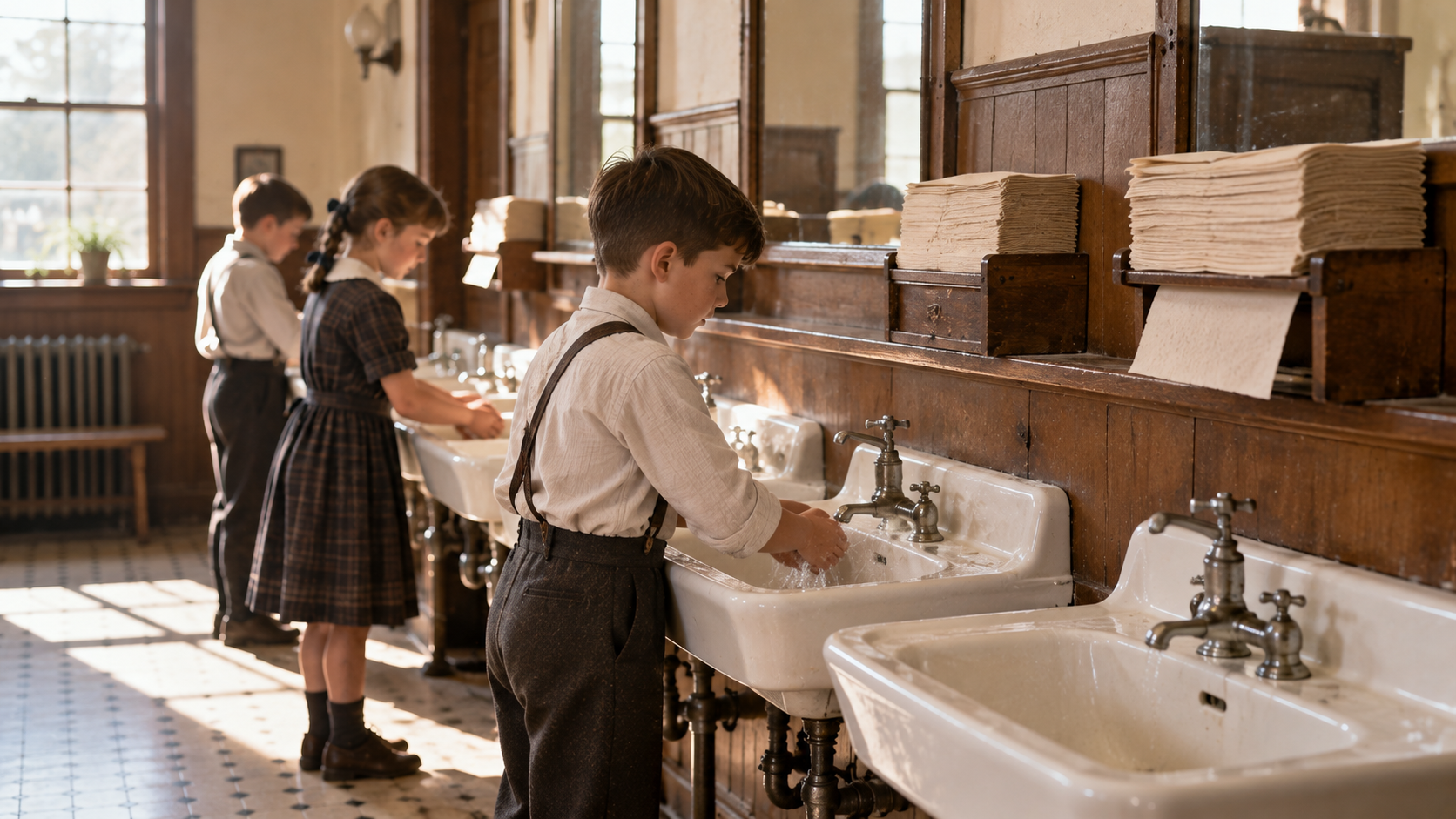
According to Kimberly-Clark’s history of Scott Paper, a Philadelphia teacher in 1907 blamed a cold outbreak on students sharing a cloth towel. She began giving them individual pieces of paper instead. Around the same time, Scott Paper had a shipment of tissue that was too thick for its intended use. The company turned it into disposable towels called Sani-Towels. A classroom hygiene problem helped change kitchen cleanup forever.
Sign up for our newsletter
The Modern Dishwasher Was Developed by a Woman Frustrated With Chipped Dishes
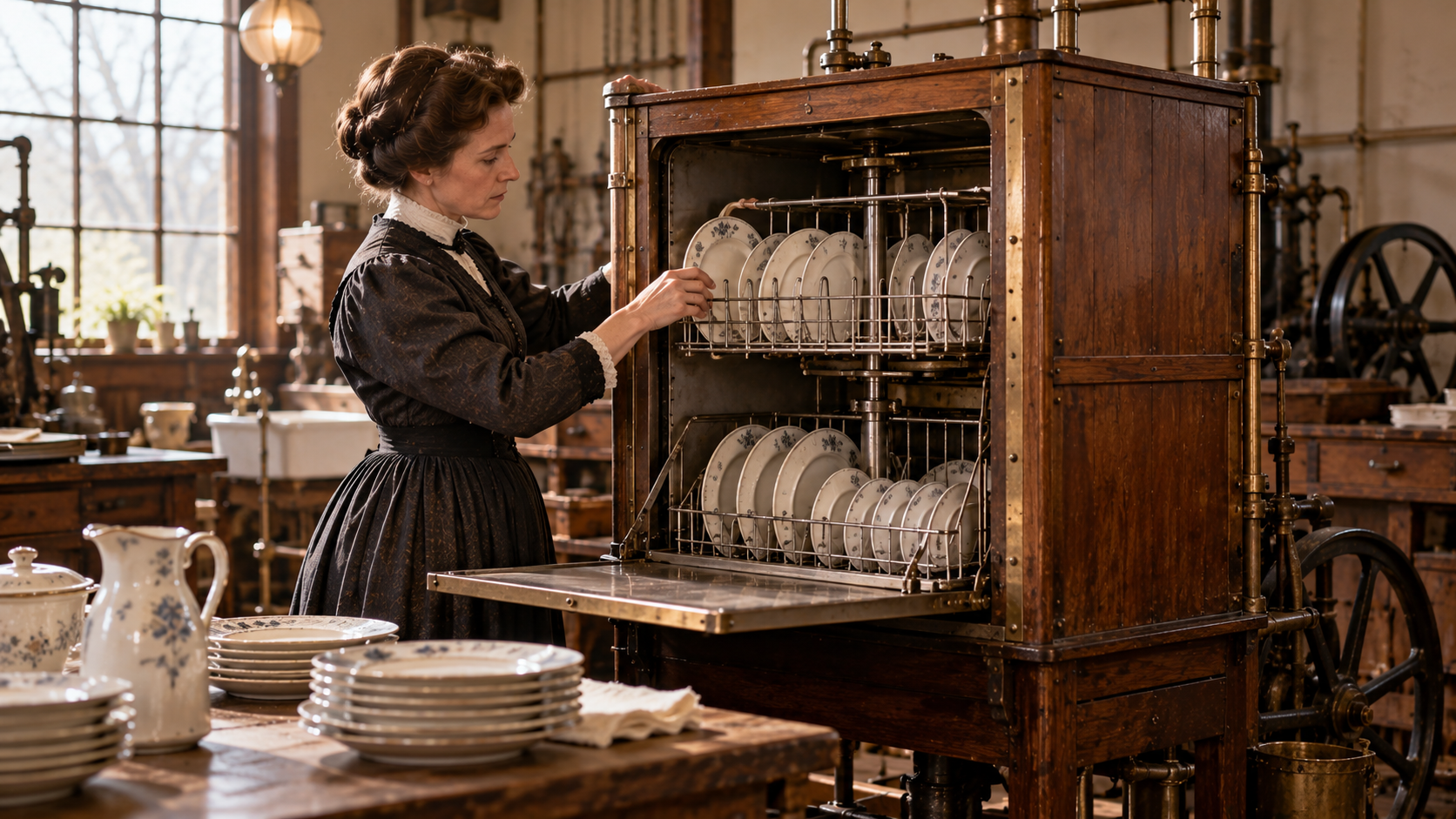
Josephine Cochran wanted a way to wash valuable dishes without constantly chipping them. Her design used racks to hold the dishes while water pressure did the cleaning, instead of relying on hand scrubbing. She received a U.S. patent in 1886, and her commercially successful machine later found customers in hotels and restaurants. A little frustration over broken china helped make dishwashing much easier.
The Safety Pin Was Designed to Help Settle a $15 Debt
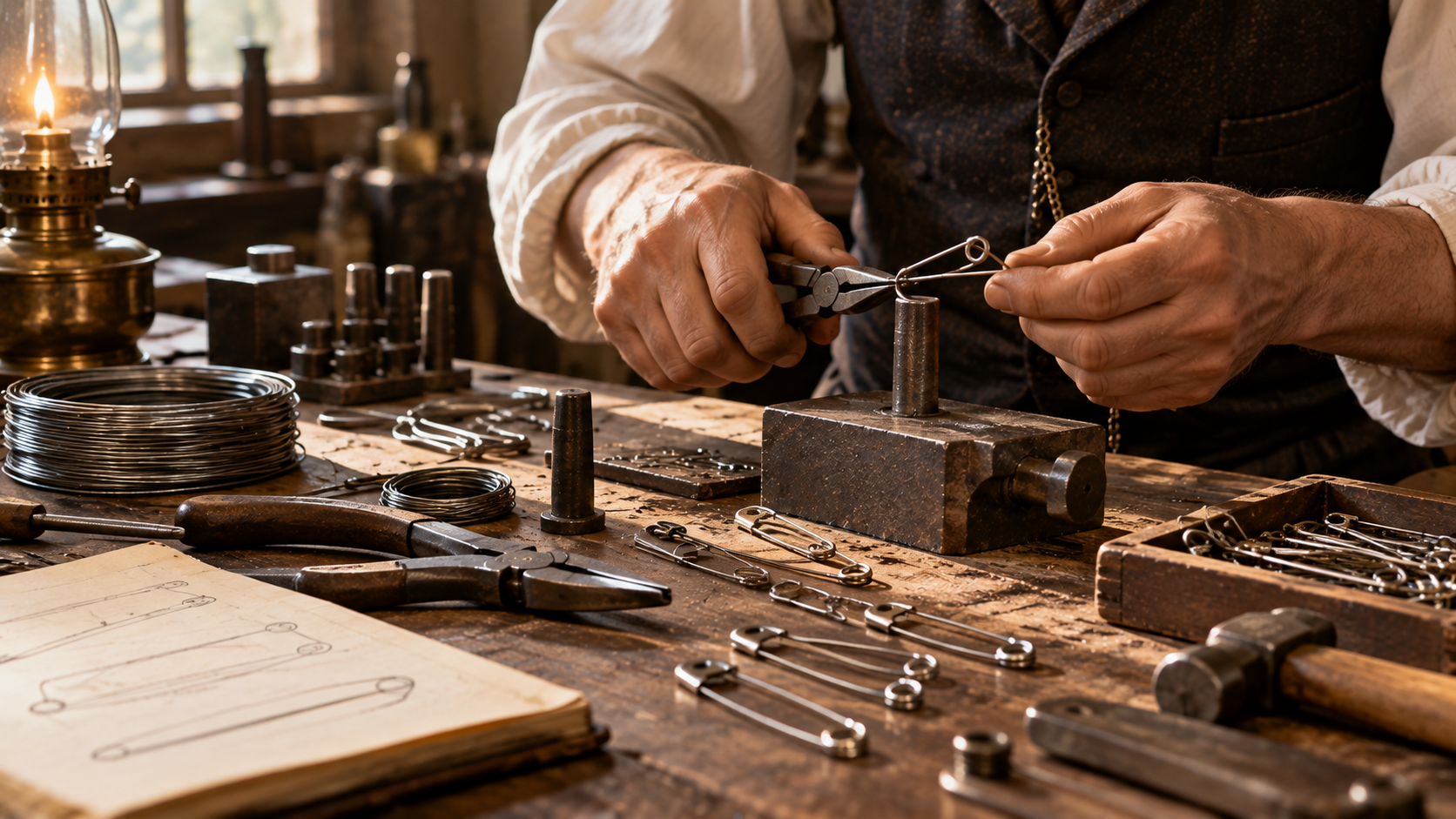
Inventor Walter Hunt came up with his version of the safety pin while trying to pay a $15 debt to draftsman J.R. Chapin. According to a Smithsonian account, Hunt shaped a model from wire and sold the idea for $400, all within about three hours. The small household essential was born out of a surprisingly productive afternoon. Not a bad return on a debt.
Tupperware Came From Oil-Refining Waste
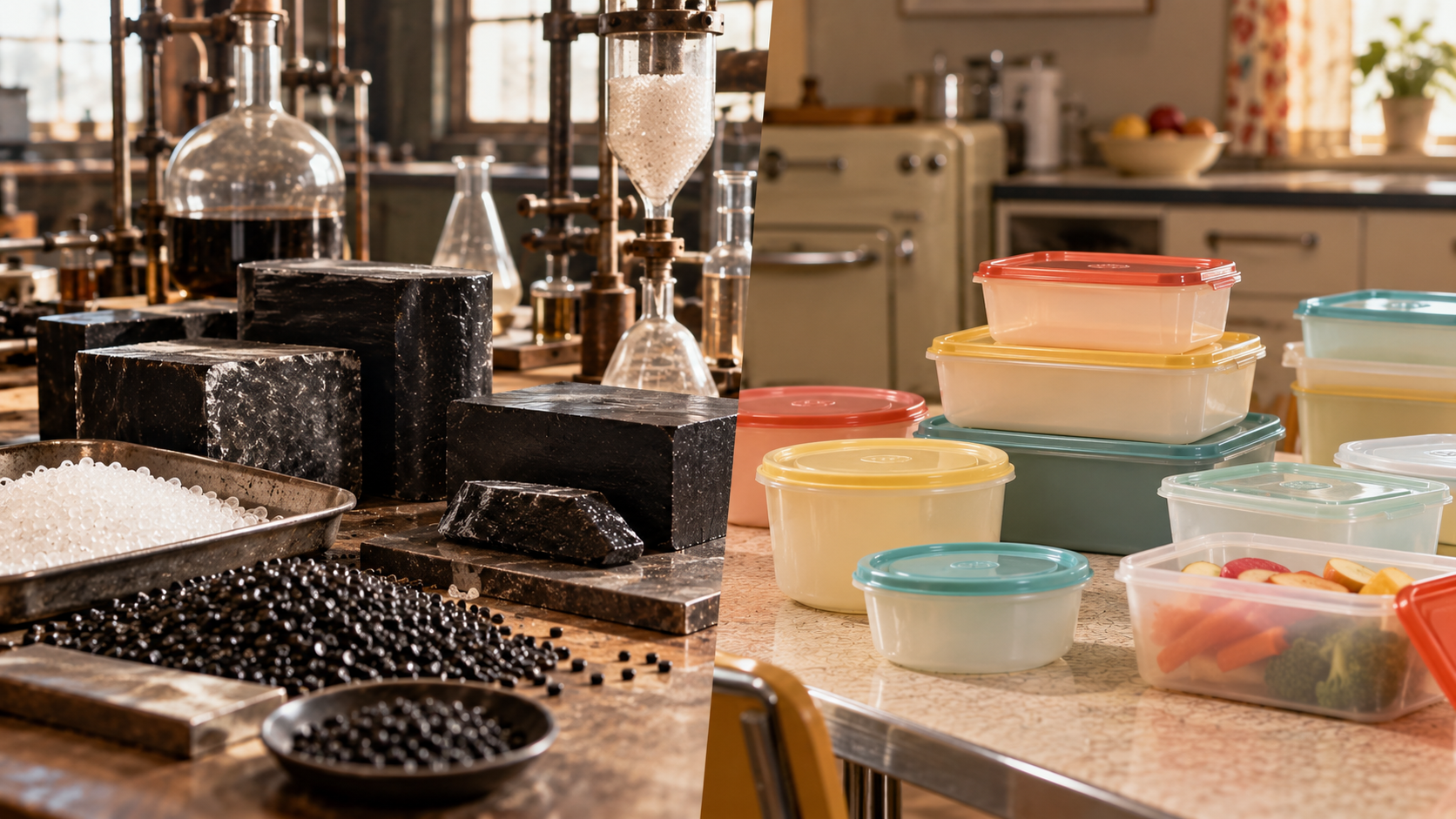
Chemist Earl Tupper experimented with polyethylene slag, a smelly black waste product from oil refining, and found a way to turn it into useful plastic. He eventually created the lightweight containers that became Tupperware. Even the famous airtight seal had an unexpected inspiration: Smithsonian records say it was modeled after the lid of a paint can. Leftovers owe quite a lot to industrial waste.
Masking Tape Was Created Because Two-Tone Cars Were Difficult to Paint
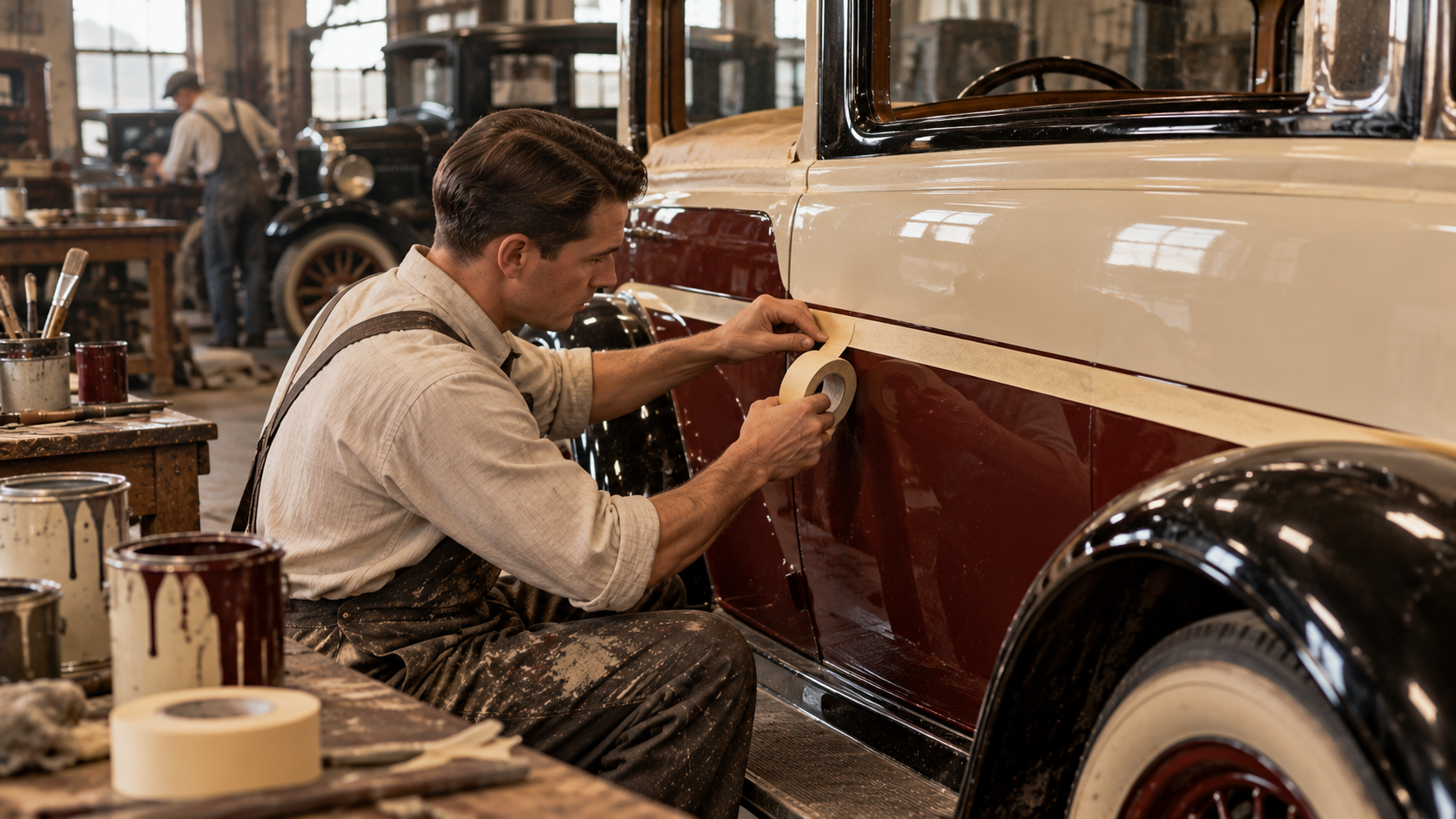
In the 1920s, two-tone cars became fashionable, but painters struggled to cover finished sections without damaging the paint or leaving residue. While delivering sandpaper to auto shops, 3M employee Richard Drew noticed the problem and began experimenting with removable tape. By 1925, his work had produced masking tape. Car painters needed a solution, and DIY projects eventually benefited too.
Transparent Tape Became a Depression-Era Repair Tool
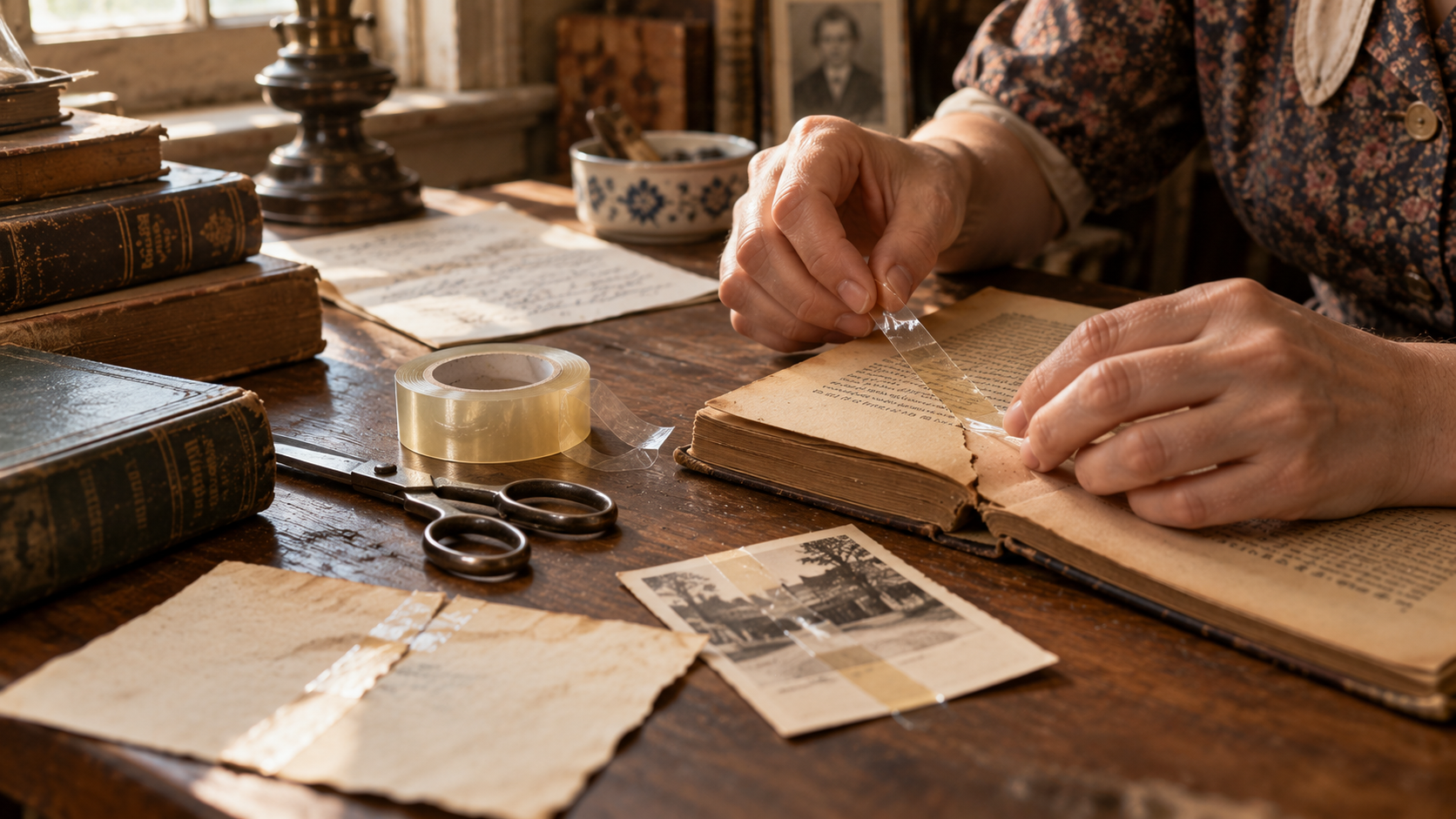
Richard Drew later developed transparent cellophane tape, patented in 1930, for packaging applications. During the Great Depression, however, people found another use for it: repairing things they couldn’t afford to replace. Books, curtains, documents, and other household objects got a second chance thanks to the inexpensive tape. It turns out that making things last was a pretty good business opportunity.
One Important Modern Toothbrush Story Began in Prison
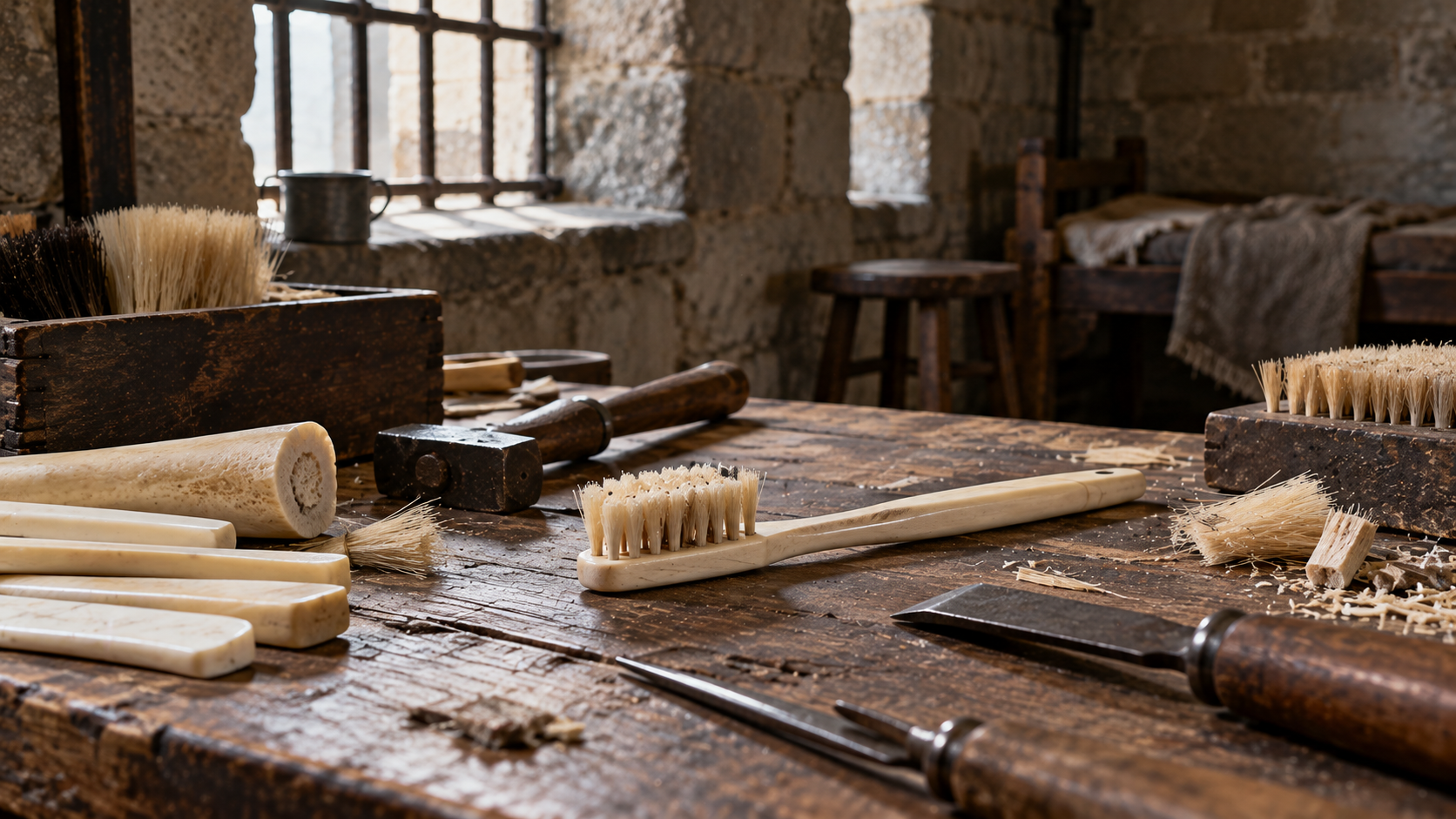
People had used sticks and brushes to clean their teeth for centuries before William Addis. However, historical dental research credits him with developing a brush resembling modern European toothbrushes while imprisoned in England around 1780. After his release, he began manufacturing them commercially, helping turn the toothbrush into an everyday household item. An unlikely place to start a dental-care business.
The Dining Fork Was Once Condemned as Immoral
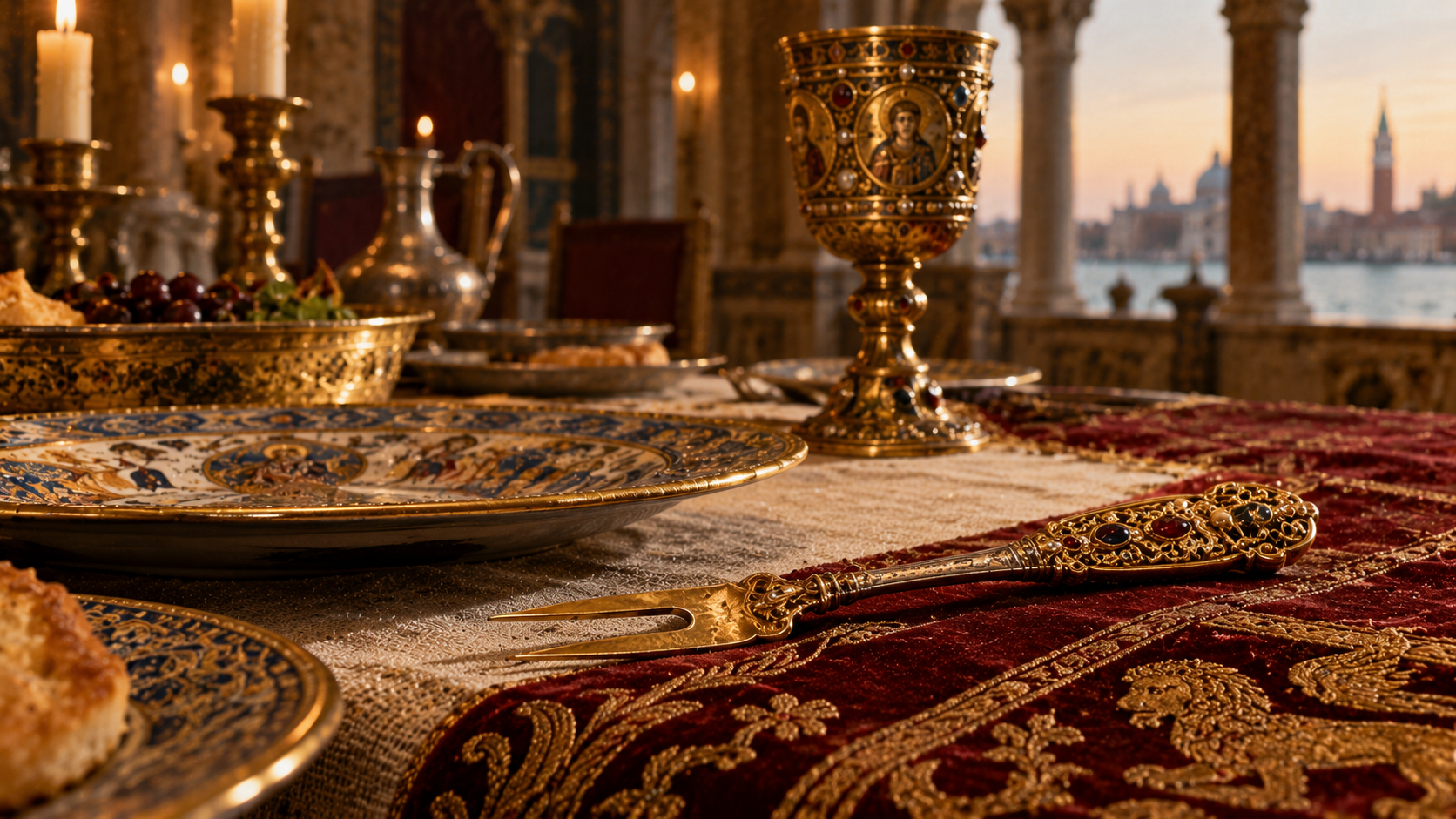
Forks were used by elites in the Middle East and the Byzantine Empire long before becoming common in Western European homes. Around 1004, Byzantine noblewoman Maria Agryropoulina reportedly brought golden two-pronged forks to Venice, shocking local observers. After her death, churchman Peter Damian condemned the luxury. Today, the fork is ordinary tableware, but it once had a reputation problem.
Some Ancient Pillows Were Made of Wood and Stone
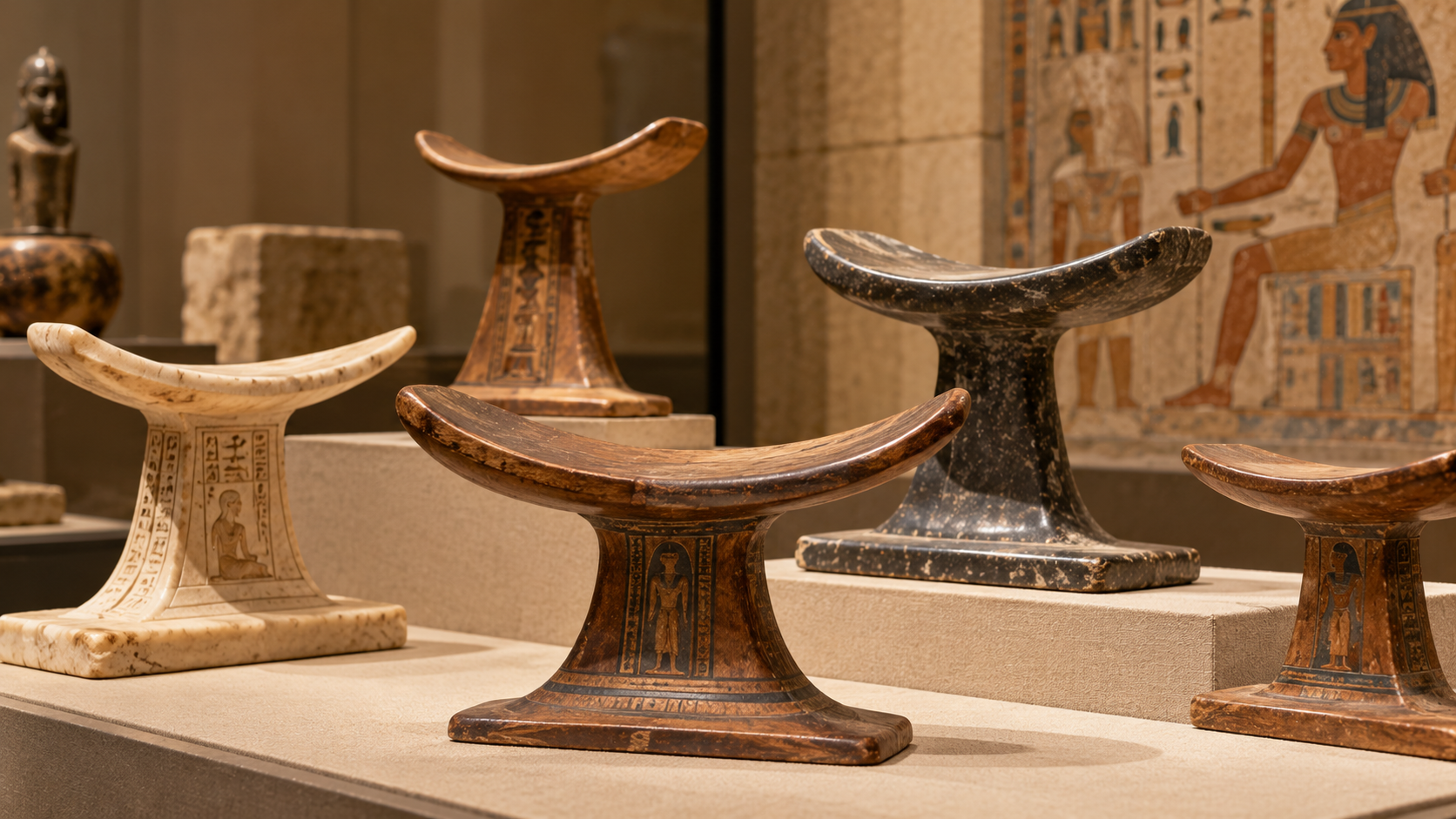
A soft pillow isn’t something every civilization took for granted. Ancient Egyptian and other early headrests could be made from wood, stone, or other rigid materials, often resembling miniature stands rather than cushions. Some were designed to support the neck instead of the head and may have helped protect elaborate hairstyles during sleep. Comfort clearly had a different definition back then.
Some Early Napkins Were Pieces of Dough
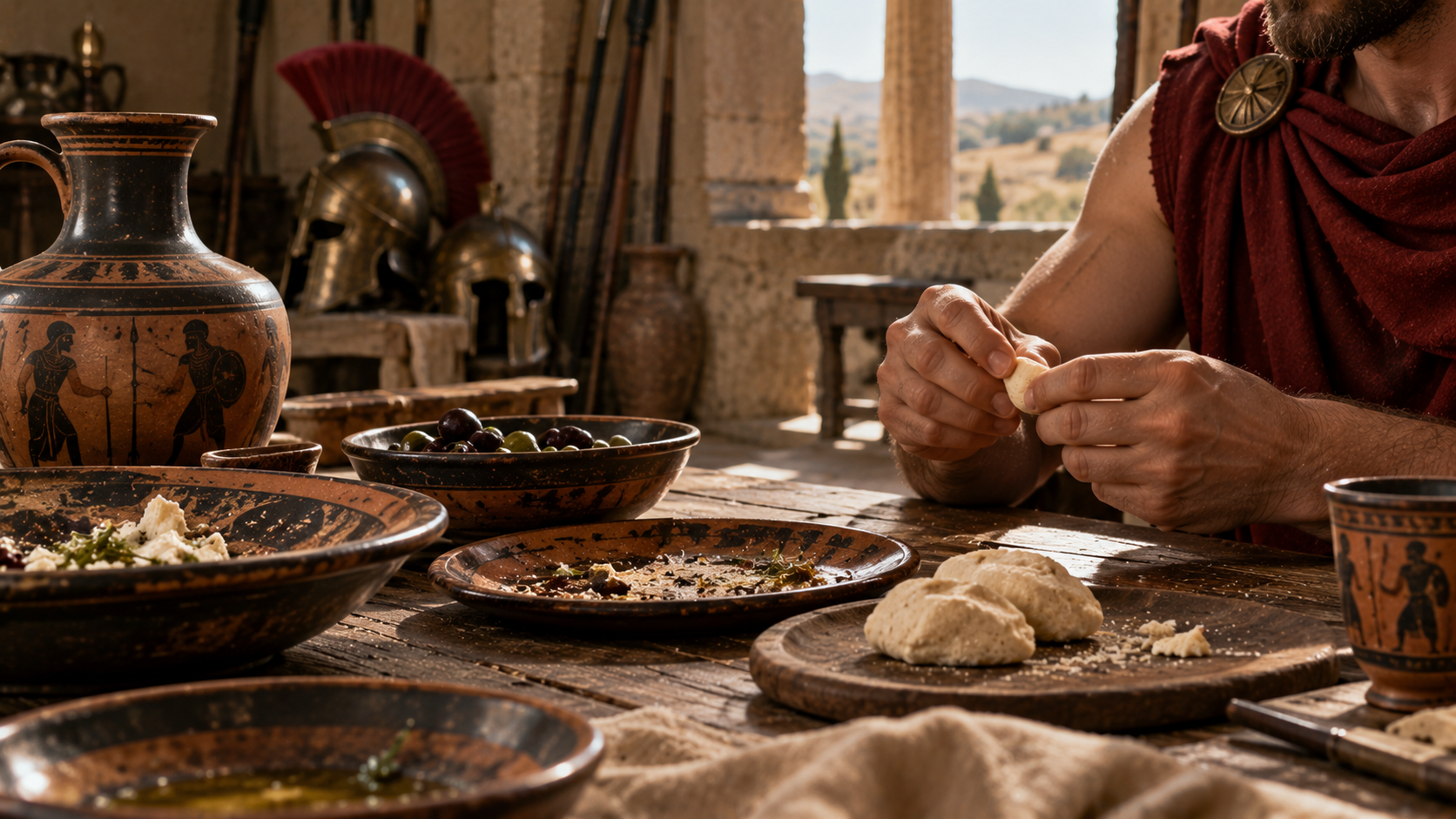
Ancient table manners included an unexpectedly edible cleaning tool. According to the Smithsonian, Spartans used pieces of dough called apomagdalie, which diners rolled between their fingers to remove grease. Once used, the dough could be tossed to dogs. It’s a far cry from today’s neatly folded cloth napkins, and probably not something you’d want to find on a restaurant table.
Scotch-Brite Cleaning Pads Started as an Industrial Product
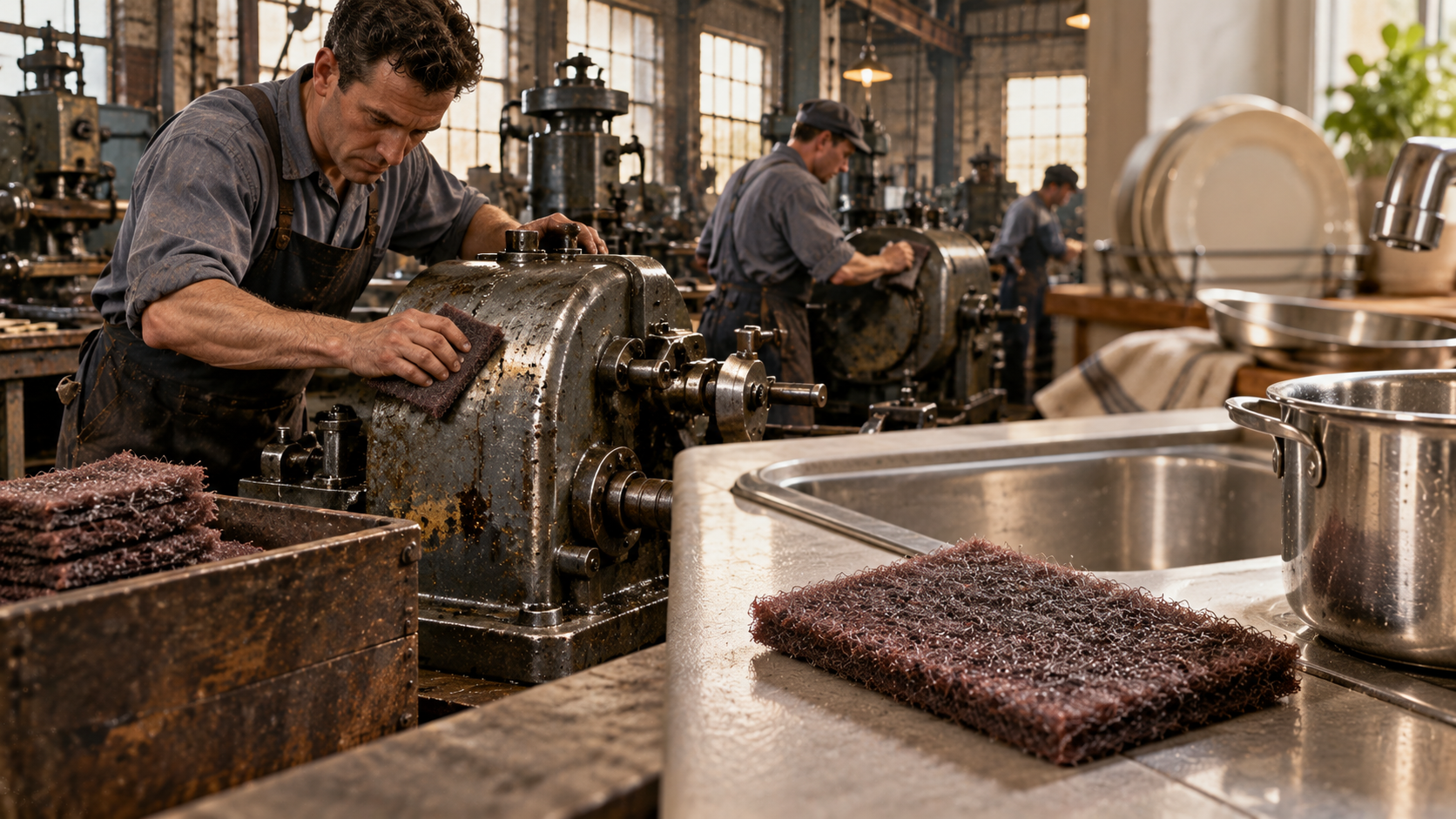
The familiar Scotch-Brite scouring pad wasn’t originally designed for home kitchens. According to 3M, its Cleaning Pads were first marketed for industrial use in 1958, using the company’s nonwoven abrasive technology for commercial cleaning jobs. Versions of the same technology eventually made their way into homes, where they became everyday tools for scrubbing cookware and sinks. From factory floors to kitchen sinks: quite the career change.