We often expect history to be a serious, logical progression of battles, political treaties, and steady technological progress. But dive into the archives, and you will quickly realize that real history is full of events so bizarre they sound more like rejected movie scripts, elaborate pranks, or internet urban legends than things that actually happened.
From a modern military struggling to defeat a flock of flightless birds to an Olympic marathon that featured poison and a mid-race car ride, the past is packed with moments that defy basic common sense. These 12 stories prove that reality can be stranger than fiction. Each fact is grounded in documented historical records, although some of the actual details are even more complicated than the legends that developed afterward.
1. Australia once sent soldiers with machine guns to fight emus
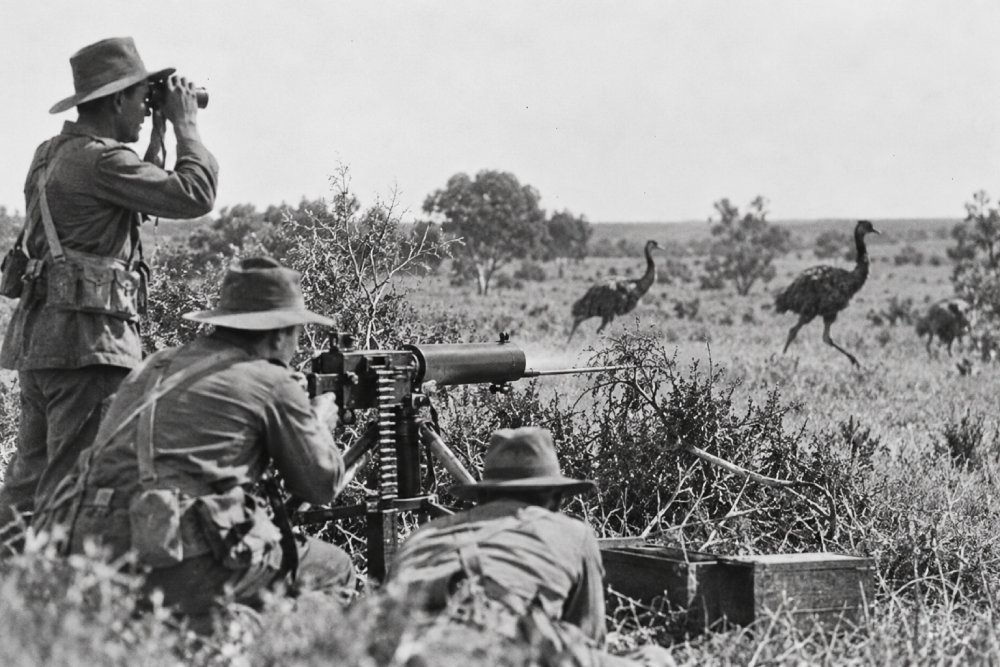
In 1932, the Australian government faced a massive agricultural crisis when thousands of fast-moving emus began destroying wheat crops in Western Australia. In an astonishing response, military forces were deployed with Lewis machine guns and thousands of rounds of ammunition to cull the birds. The operation, quickly dubbed the “Great Emu War,” was a humiliating failure. The birds simply scattered into the brush whenever the soldiers approached, and the military eventually abandoned the effort entirely.
2. A flood of molasses once killed 21 people in Boston
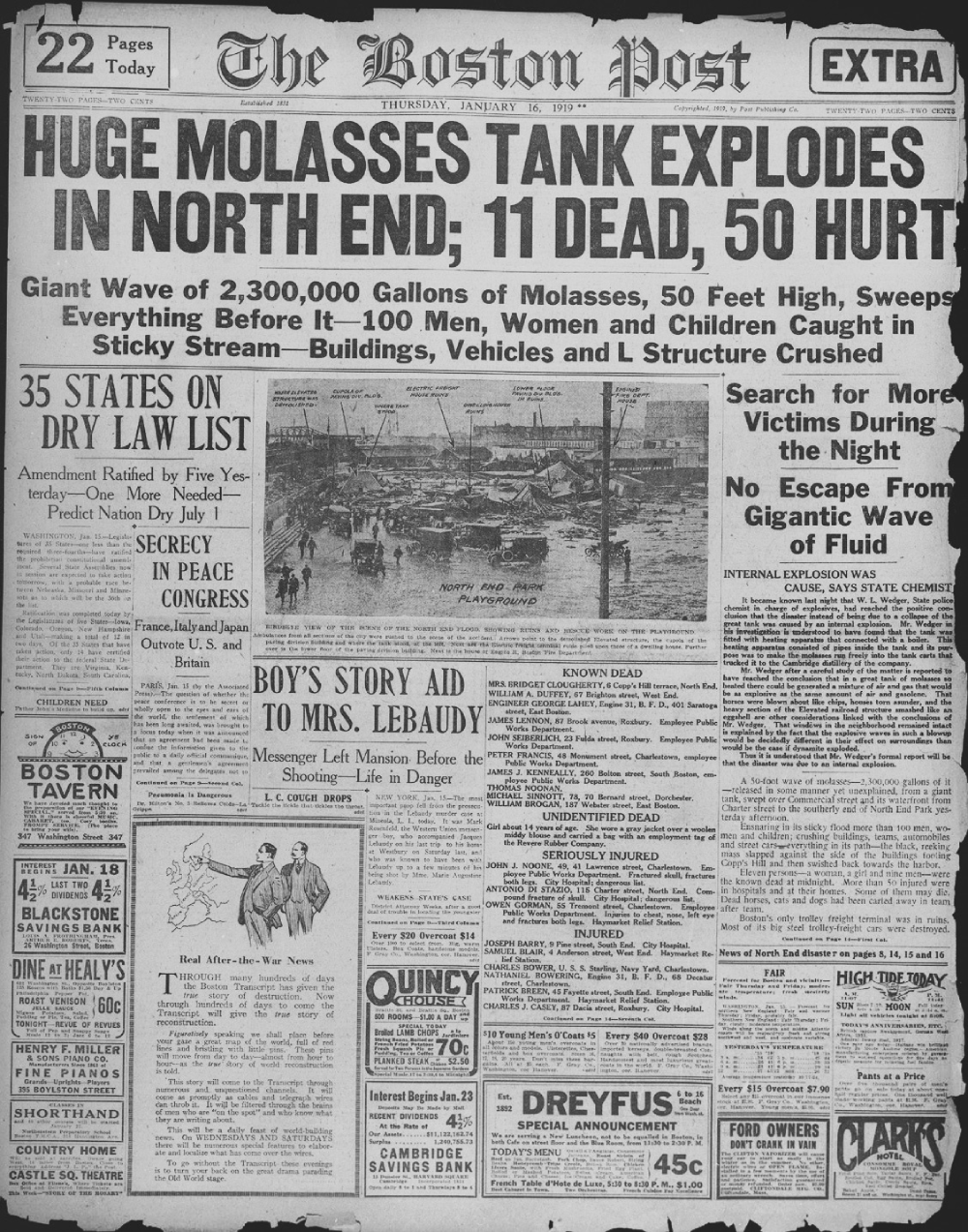
On January 15, 1919, a massive commercial storage tank burst in Boston’s North End, releasing approximately 2.3 million gallons of molasses into the surrounding streets. The thick, incredibly sticky liquid swept through the neighborhood in a devastating wave, crushing buildings and trapping people and horses in its path. The disaster ultimately killed 21 people and injured roughly 150 others, turning an ordinary baking ingredient into a bizarre instrument of destruction.
3. A war between Britain and Zanzibar lasted less than an hour
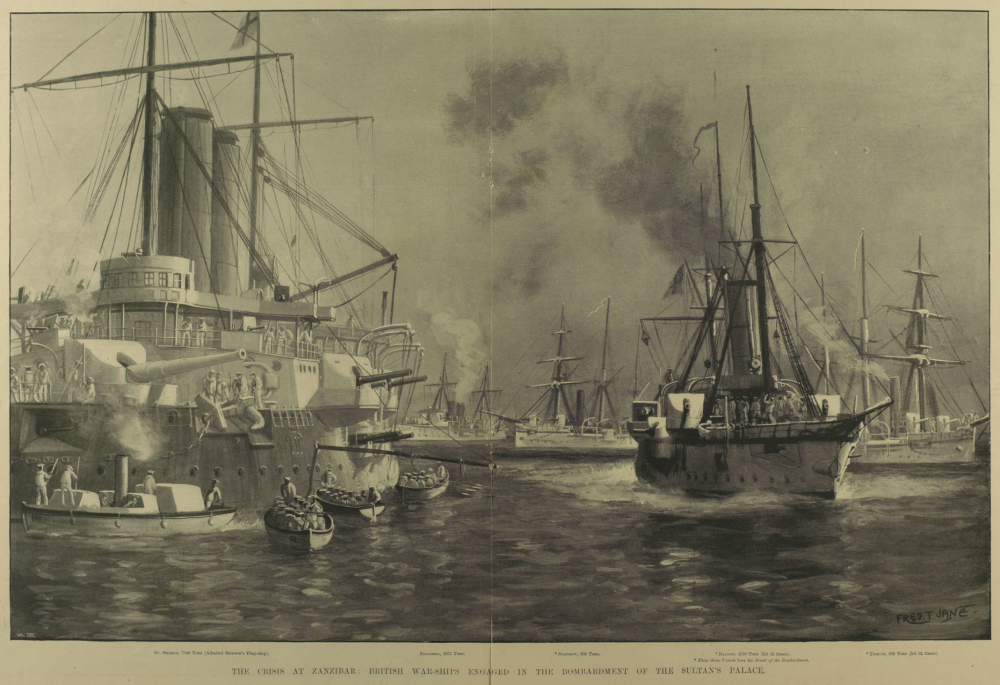
On August 27, 1896, British warships opened fire on the royal palace of Zanzibar following a tense dispute over who should rule the territory. The bombardment ended roughly 38 to 43 minutes later when the palace surrendered, making it widely recognized by historians as the shortest war in recorded history. Despite its astonishingly brief duration, the conflict was not bloodless, with more than 500 defenders reportedly killed or wounded.
4. The 1904 Olympic Marathon winner was given rat poison and brandy
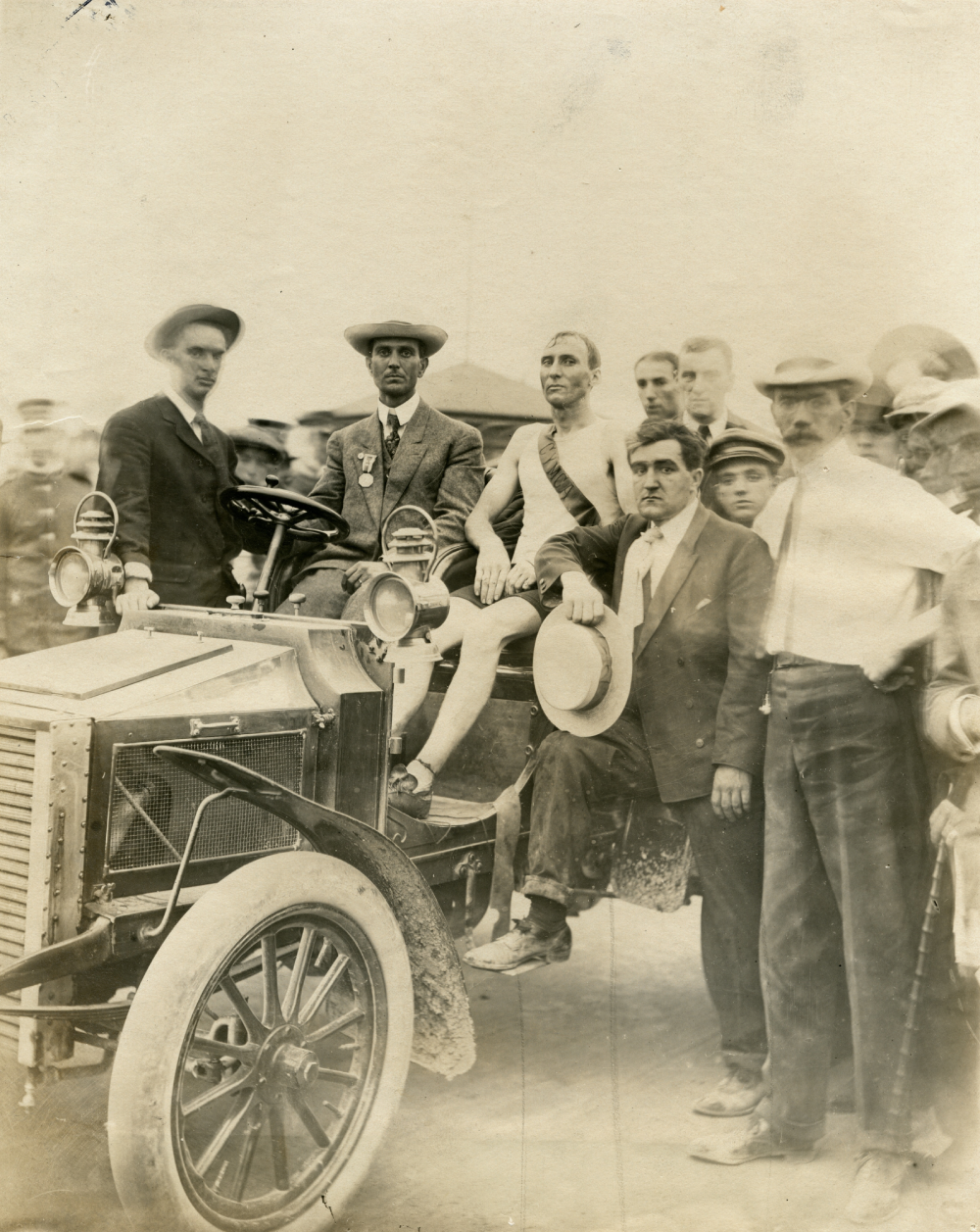
The marathon at the 1904 St. Louis Olympics was so chaotic it barely resembles a modern sporting event. The eventual winner, Thomas Hicks, struggled so badly that his handlers fed him doses of strychnine, a highly poisonous substance then used in tiny quantities as a stimulant, washed down with egg whites and brandy to keep him moving. Meanwhile, another competitor, Fred Lorz, crossed the finish line first after secretly riding part of the course in a car.
5. Britain once skipped 11 days on the calendar
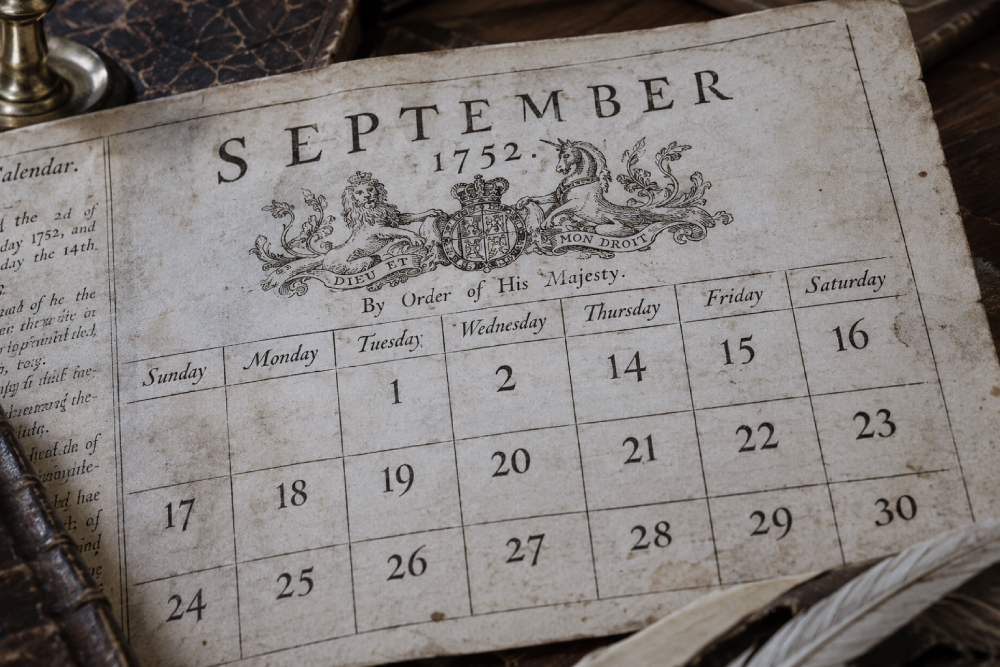
In September 1752, Britain finally adopted the Gregorian calendar to bring its dates into alignment with much of continental Europe. To make the math work, Wednesday, September 2, was immediately followed by Thursday, September 14. Nobody actually lost 11 days of their life, but anyone keeping a diary or managing a business would have seen the calendar jump almost two weeks forward overnight.
Trending on The Scroller


6. A newspaper once convinced readers that bat-like people lived on the Moon
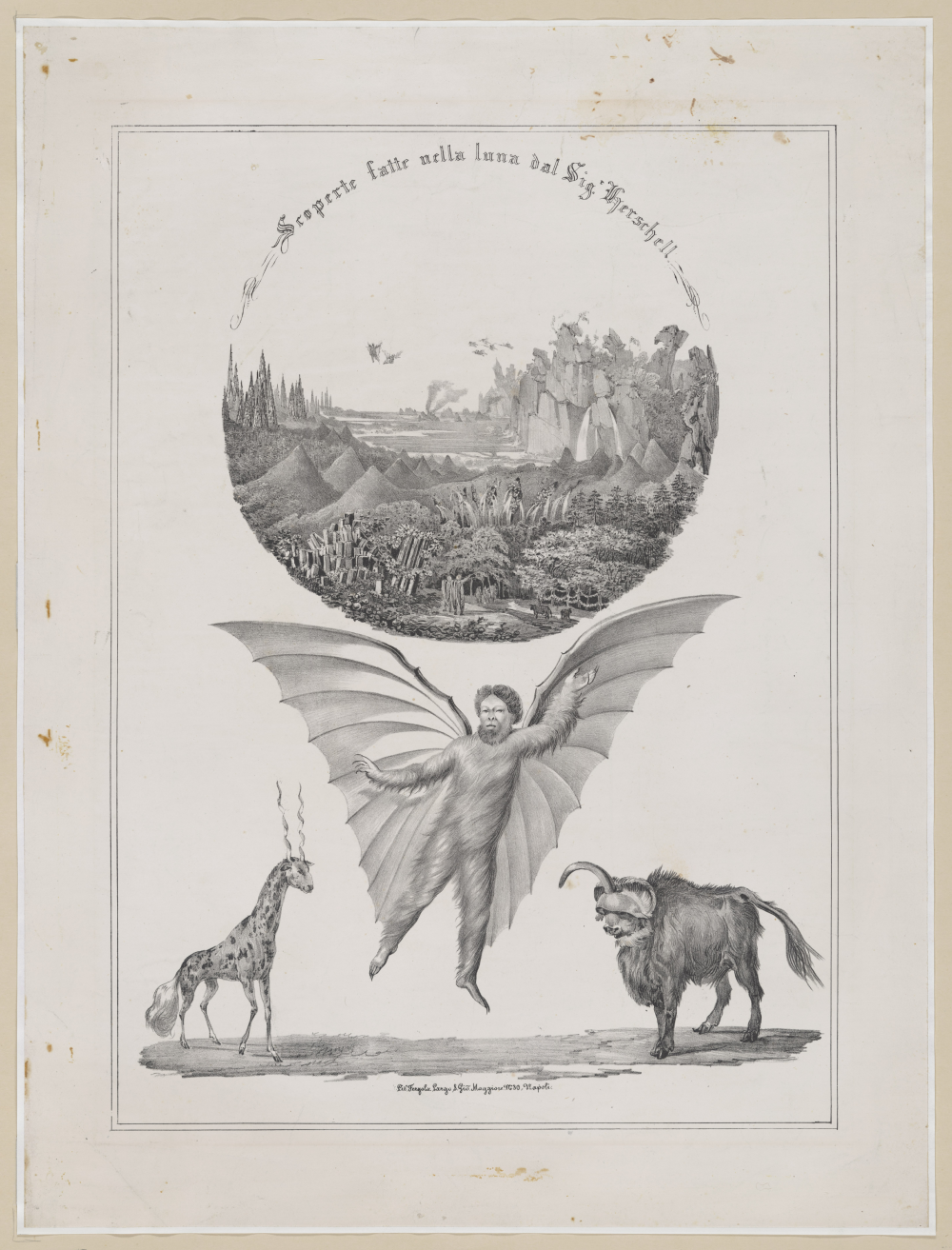
In August 1835, New York’s The Sun published a series of supposedly scientific reports describing extraordinary discoveries on the Moon. The incredibly detailed articles claimed astronomers had observed bizarre lunar creatures through a powerful new telescope, including winged, bat-like humanoids. The entire story was fabricated, but the “Great Moon Hoax” became a massive sensation and sold thousands of newspapers long before the era of internet misinformation.
7. Hundreds of people in a European city once danced uncontrollably
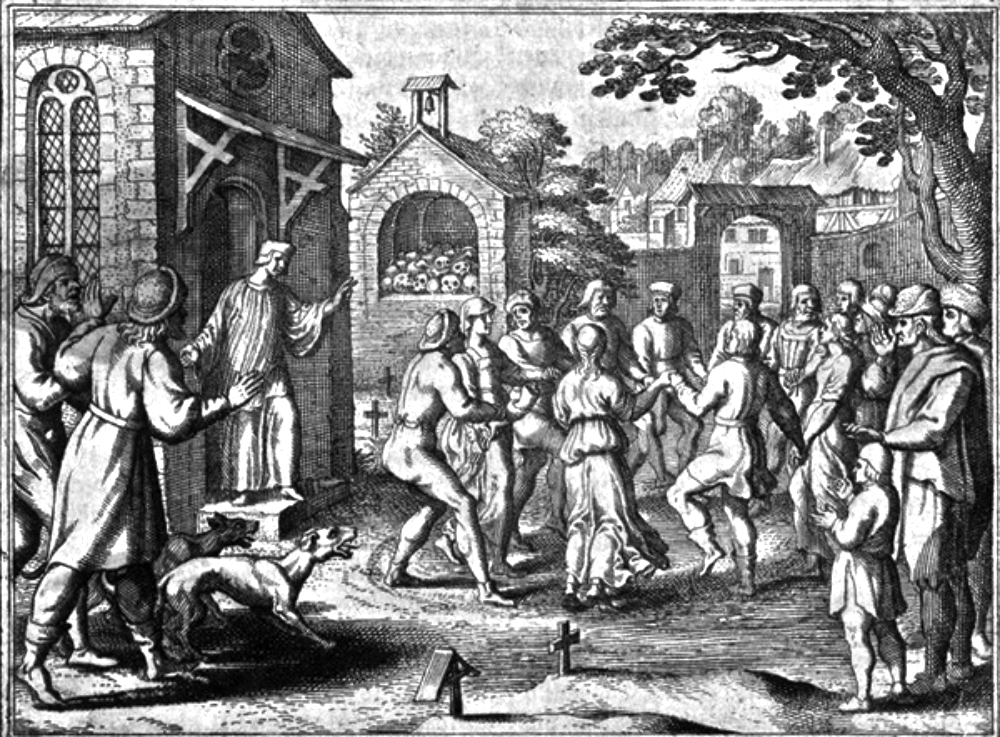
In the summer of 1518, the city of Strasbourg experienced a mysterious episode in which numerous residents reportedly danced through the streets for days despite severe physical exhaustion. Bizarrely, local authorities arranged musicians and cleared dancing spaces, apparently believing that encouraging the frenzied activity might help the sufferers recover. Known as the Dancing Plague of 1518, historians still heavily debate its exact cause and how many people actually participated.
8. Olympic gold medals were once awarded for painting and poetry
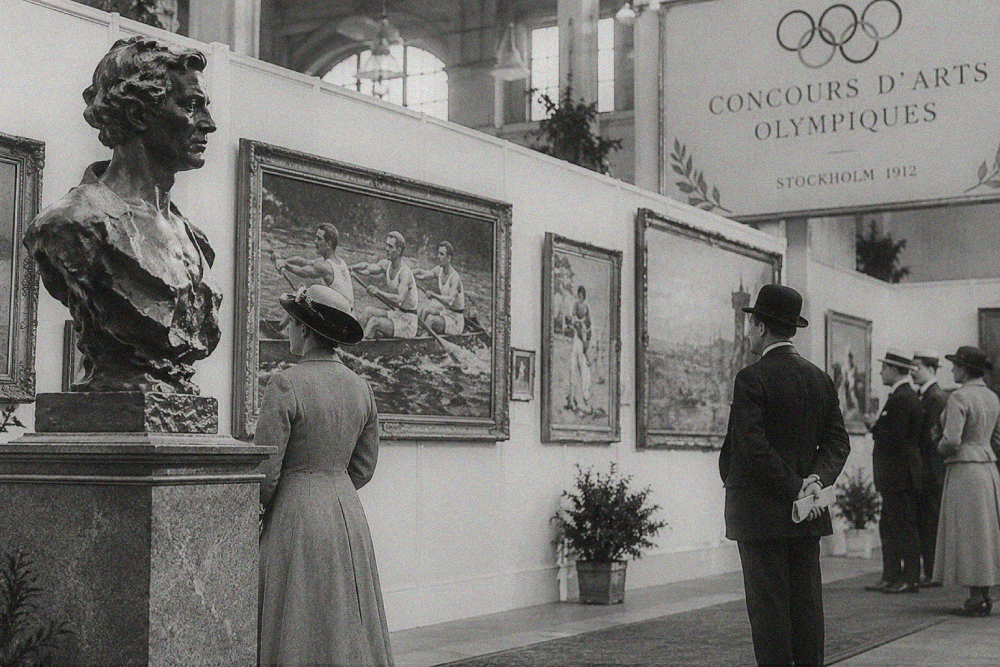
Between 1912 and 1948, the modern Olympic Games included official, juried competitions in architecture, literature, music, painting, and sculpture. Artists could win genuine Olympic medals for works inspired by sports, standing right alongside the athletes. Even more surprisingly, Olympic founder Pierre de Coubertin actually won a gold medal for literature at the 1912 Games after quietly entering a poem under a pseudonym.
Sign up for our newsletter
9. A dispute over a pig nearly triggered a war between America and Britain
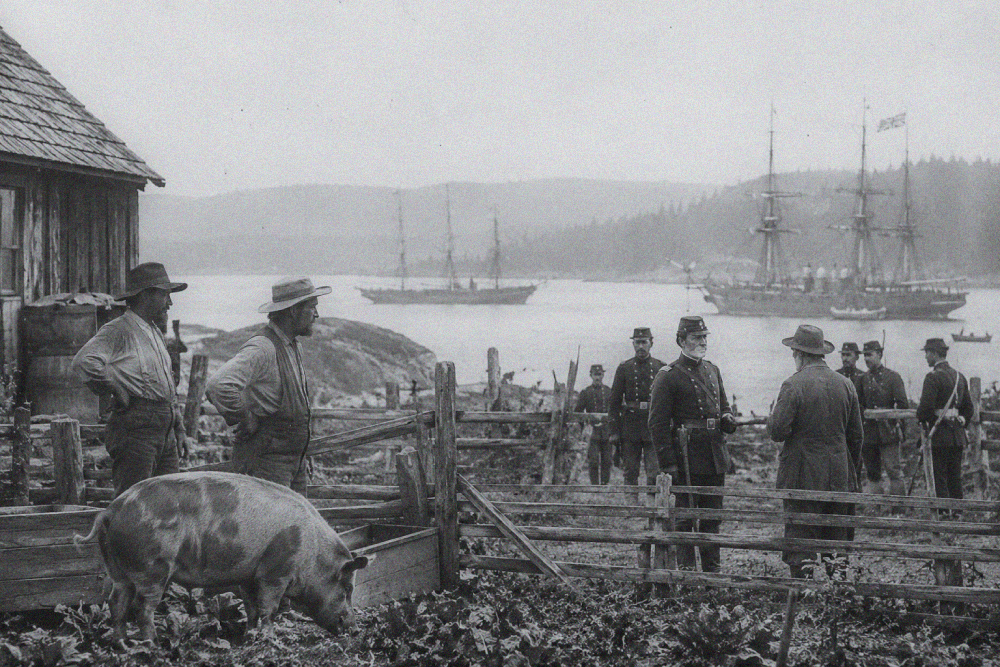
In 1859, an American settler living on San Juan Island shot a pig belonging to a British resident after the animal repeatedly dug up his potato crop. What began as a trivial dispute over livestock rapidly escalated into a major international confrontation, with armed American troops and heavy British warships arriving in the area to establish dominance. The bloodless standoff became known as the “Pig War.”
10. Japan sent bombs across the Pacific Ocean using giant balloons
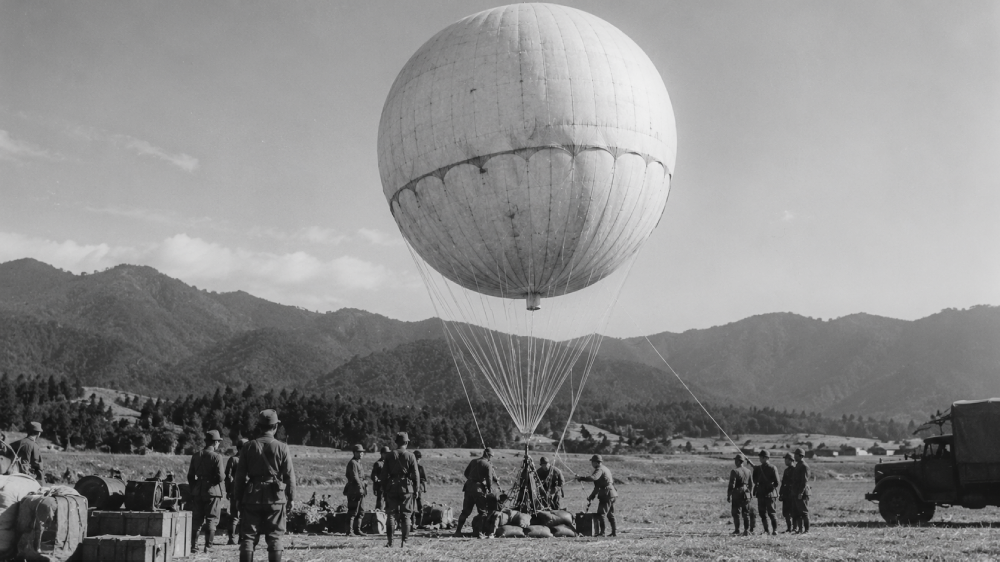
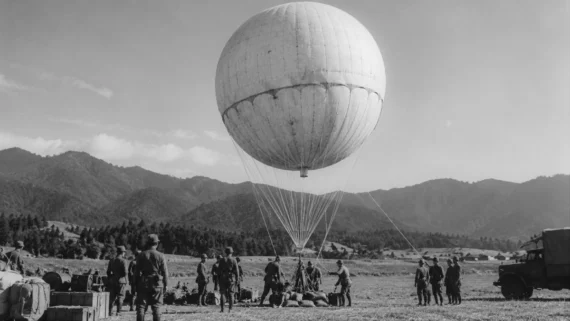
During World War II, the Japanese military launched thousands of hydrogen-filled paper balloons carrying incendiary bombs, intending for them to ride high-altitude winds entirely across the Pacific Ocean to North America. Some actually traveled thousands of miles, and on May 5, 1945, one exploded near Bly, Oregon, killing a pregnant woman and five children. It remains a haunting example of how experimental wartime weapons reached unsuspecting civilians far from the actual battlefield.
11. Sweden ordered an entire country to switch sides of the road
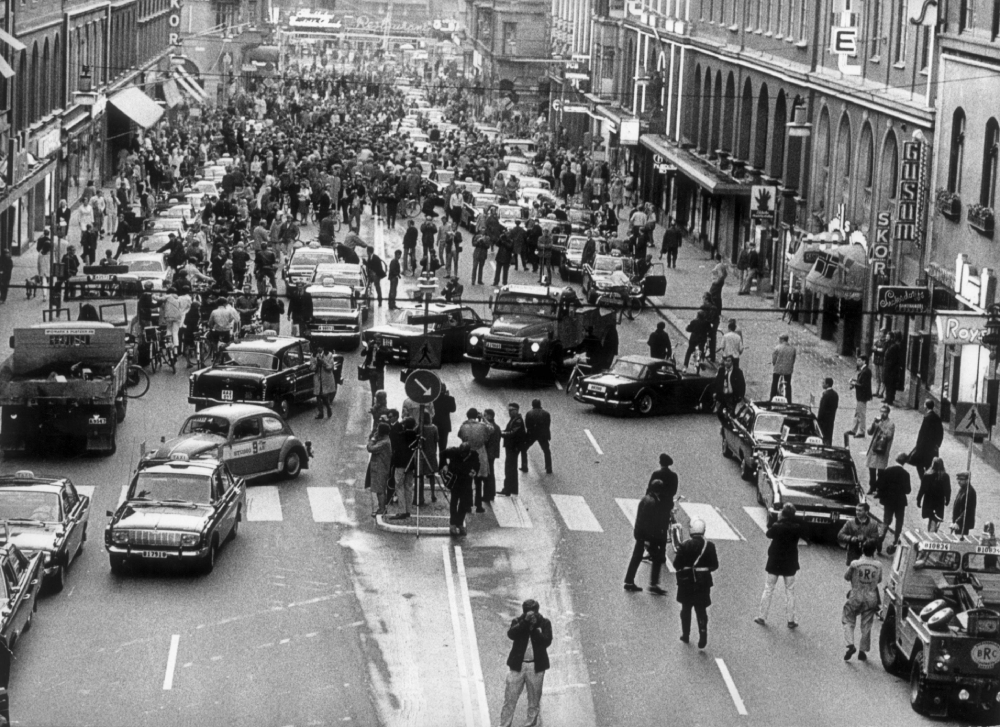
On September 3, 1967, Sweden officially changed from driving on the left side of the road to driving on the right. Drivers across the nation were instructed to stop their vehicles at exactly 4:50 a.m., carefully maneuver to the opposite side of the street, and resume traveling under the new rules ten minutes later. Even stranger, Swedish voters had overwhelmingly opposed the massive change in a 1955 referendum, but the government eventually forced the issue anyway.
12. The first submarine to sink an enemy ship also disappeared with its entire crew
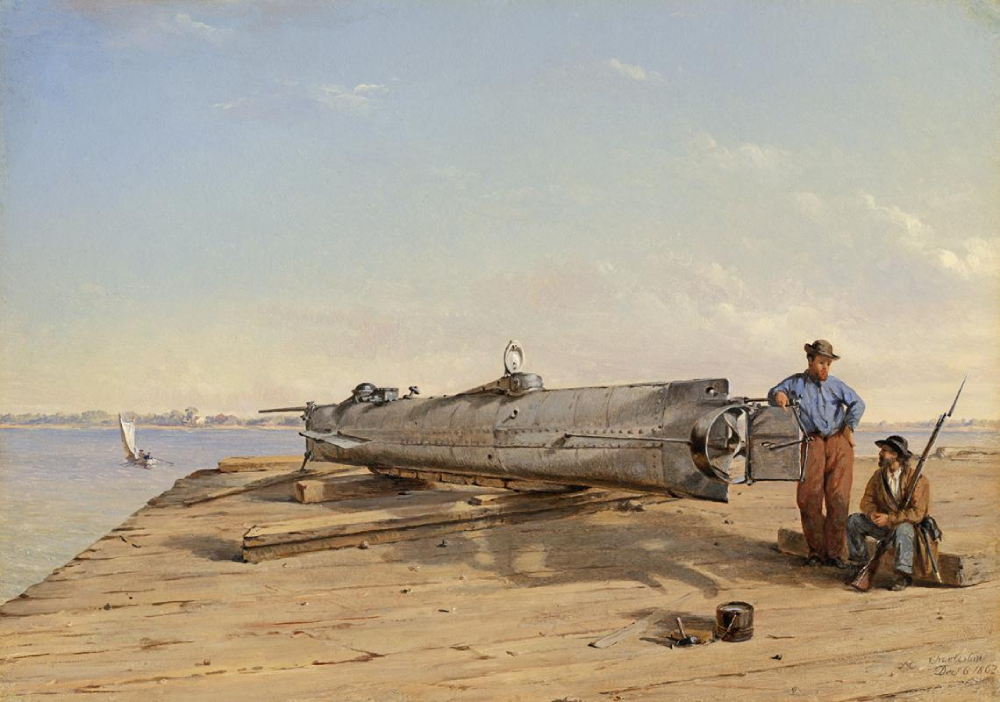
On February 17, 1864, during the American Civil War, the Confederate submarine H. L. Hunley attacked and sank the Union warship USS Housatonic near Charleston, South Carolina. It marked the very first successful sinking of an enemy warship by a submarine in combat, but the Hunley also went down that same night, taking its entire crew with it. The vessel remained lost for more than a century before it was finally raised from the seabed in 2000.
Want more historical facts?
History doesn’t always unfold in a logical or predictable way. Some of its most memorable moments are precisely the ones that would seem too ridiculous to believe if they appeared in a fictional story. If you want more crazy historical facts, be sure to explore these 14 Unbelievable 20th Century Events That Sound Like Movies or these 20 Images and Facts That Bring WWI to Life. You can also check out these 15 Revolutionary War Facts About American Independence.