World War I facts reveal a conflict that changed far more than the borders of Europe. From experimental weapons and battlefield medicine to remarkable acts of courage, the war transformed technology, military strategy, and everyday life in ways that still matter today.
Behind the familiar images of trenches and soldiers are lesser-known stories that make the scale of the conflict even more striking. These 15 details reveal how unpredictable, devastating, and historically significant the First World War really was.
1. One Assassination Set Off a Chain Reaction That Reached Across the World
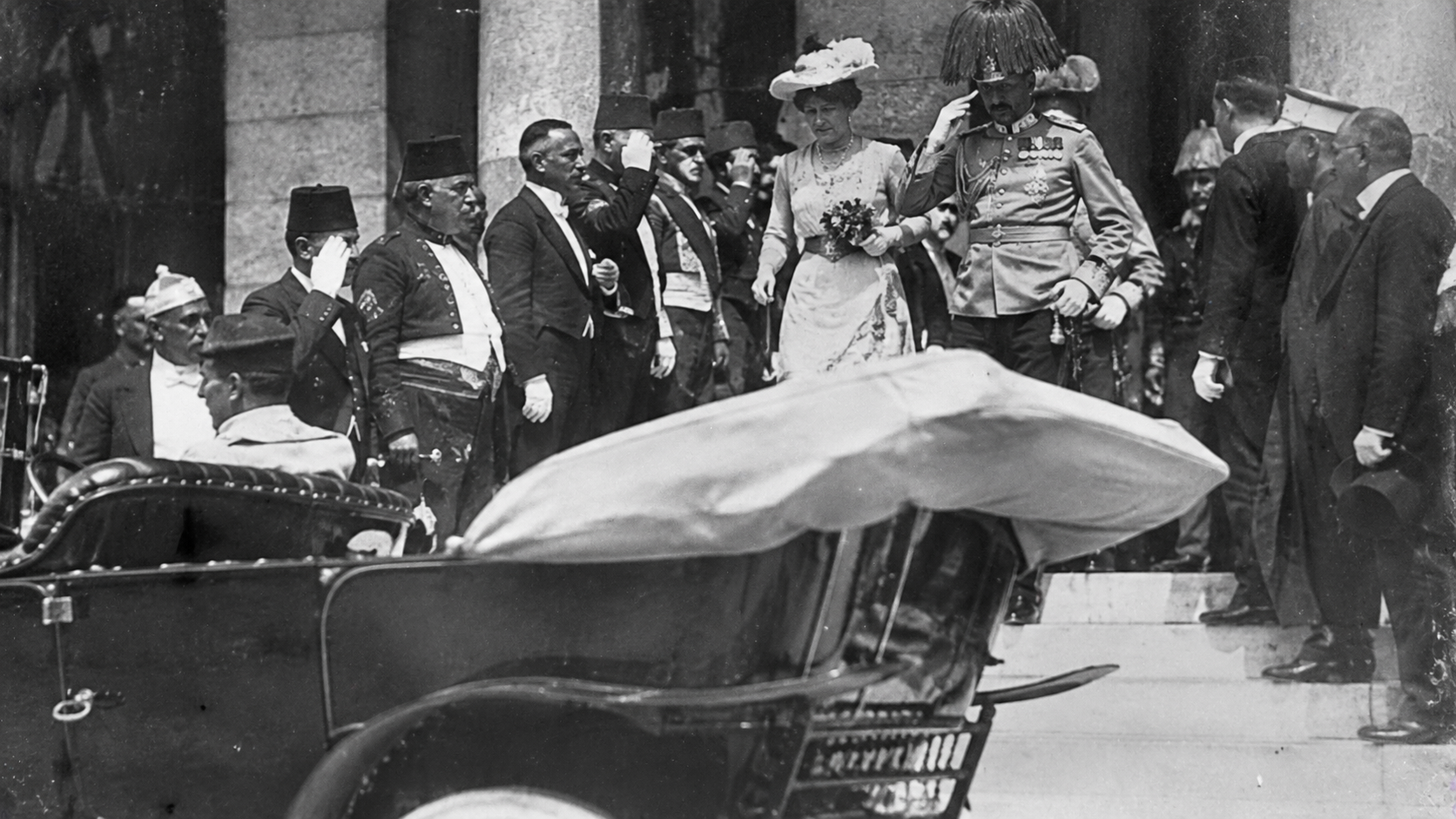
On June 28, 1914, Archduke Franz Ferdinand and his wife Sophie were assassinated in Sarajevo. Exactly one month later, Austria-Hungary declared war on Serbia. Europe´s existing alliances, military plans, and rivalries then helped transform a regional crisis into a much wider conflict within days. One assassination had triggered a chain of events that would reshape the world.
2. Soldiers Temporarily Stopped Fighting on Christmas 1914
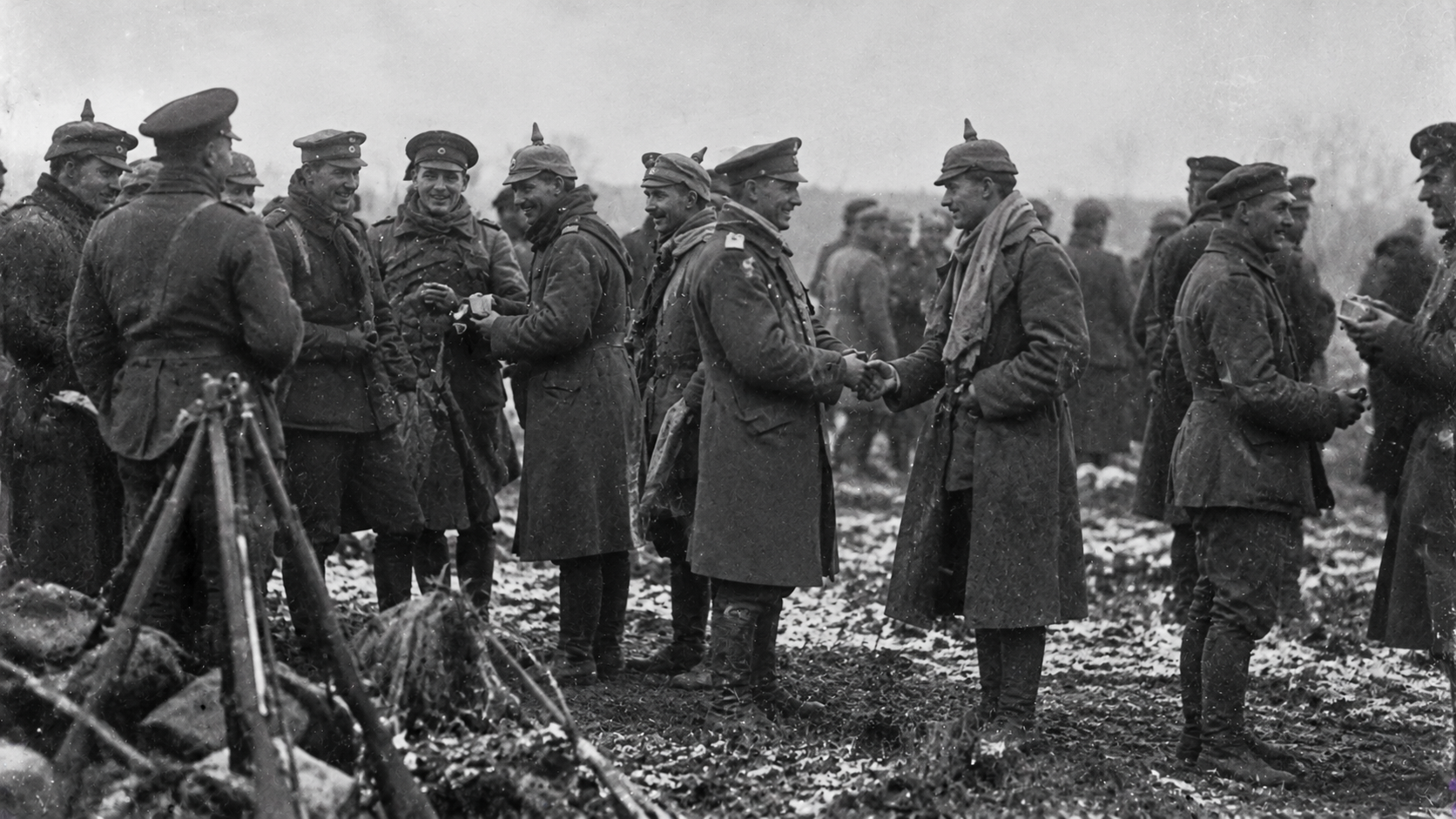
For a brief moment, enemies became acquaintances. Around Christmas 1914, British and German soldiers in parts of the Western Front emerged from their trenches to sing carols, exchange souvenirs, and speak with one another in no man´s land. These informal truces weren´t universal, and the fighting eventually resumed. Yet the encounters remain among the war´s most extraordinary moments of humanity.
3. The First Tanks Were So Unreliable That Most Never Made It Into the Fight
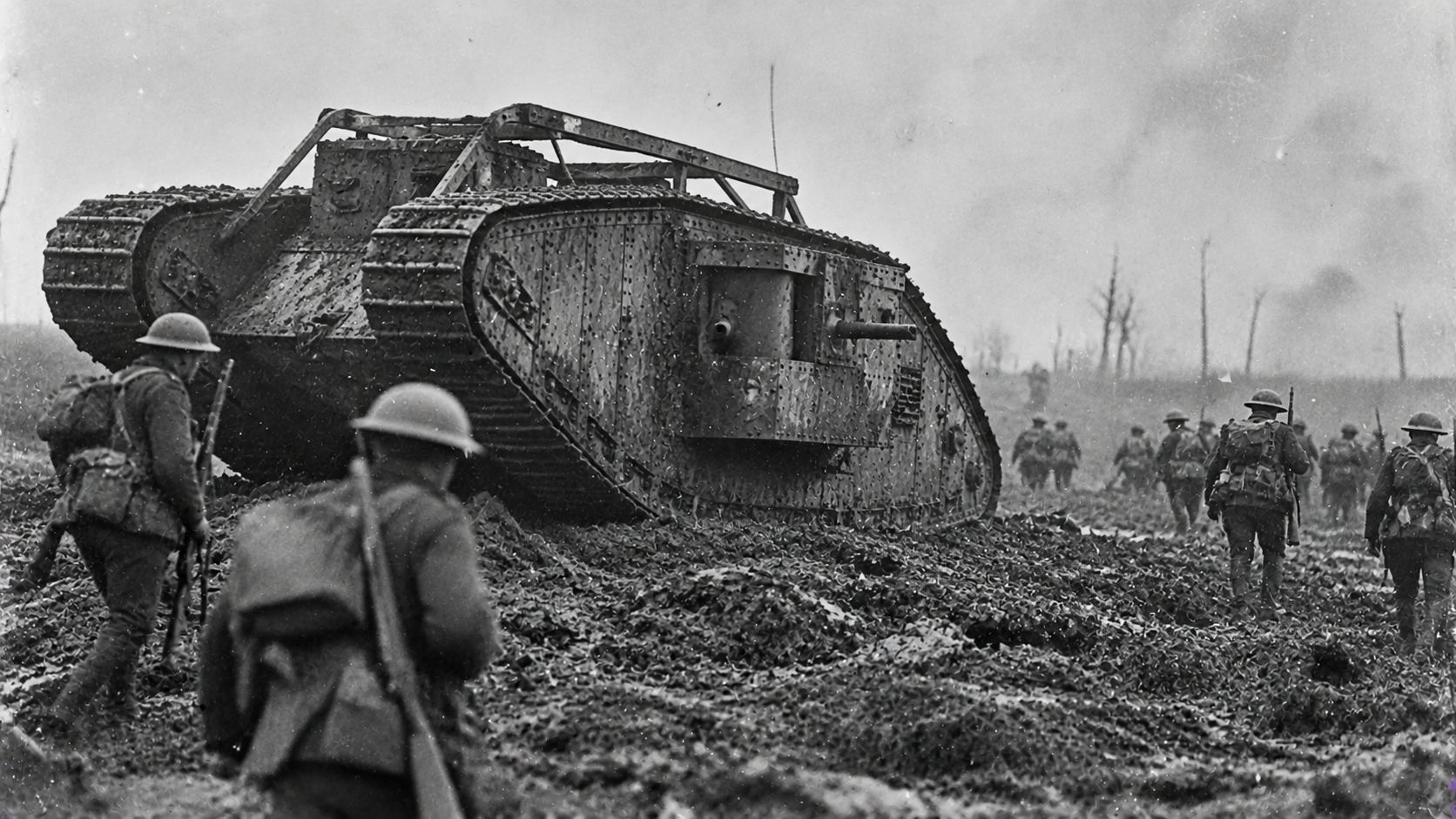
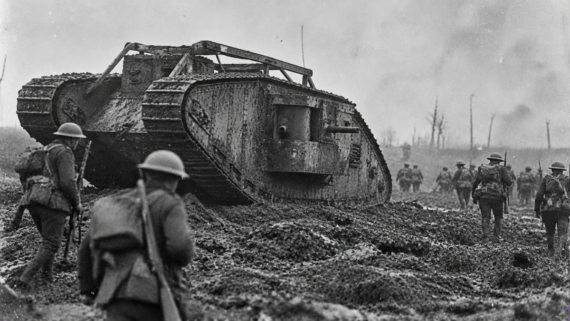
Britain introduced tanks into battle at Flers-Courcelette on September 15, 1916, but the debut was hardly a technological triumph. Of the 49 tanks assigned to the attack, only 15 actually advanced into no man´s land when the assault began. Mechanical breakdowns and other problems kept most out of action. The machines represented a new era of warfare, even if their first performance fell far short of expectations.
4. World War I Saw the First Large-Scale Poison Gas Attack
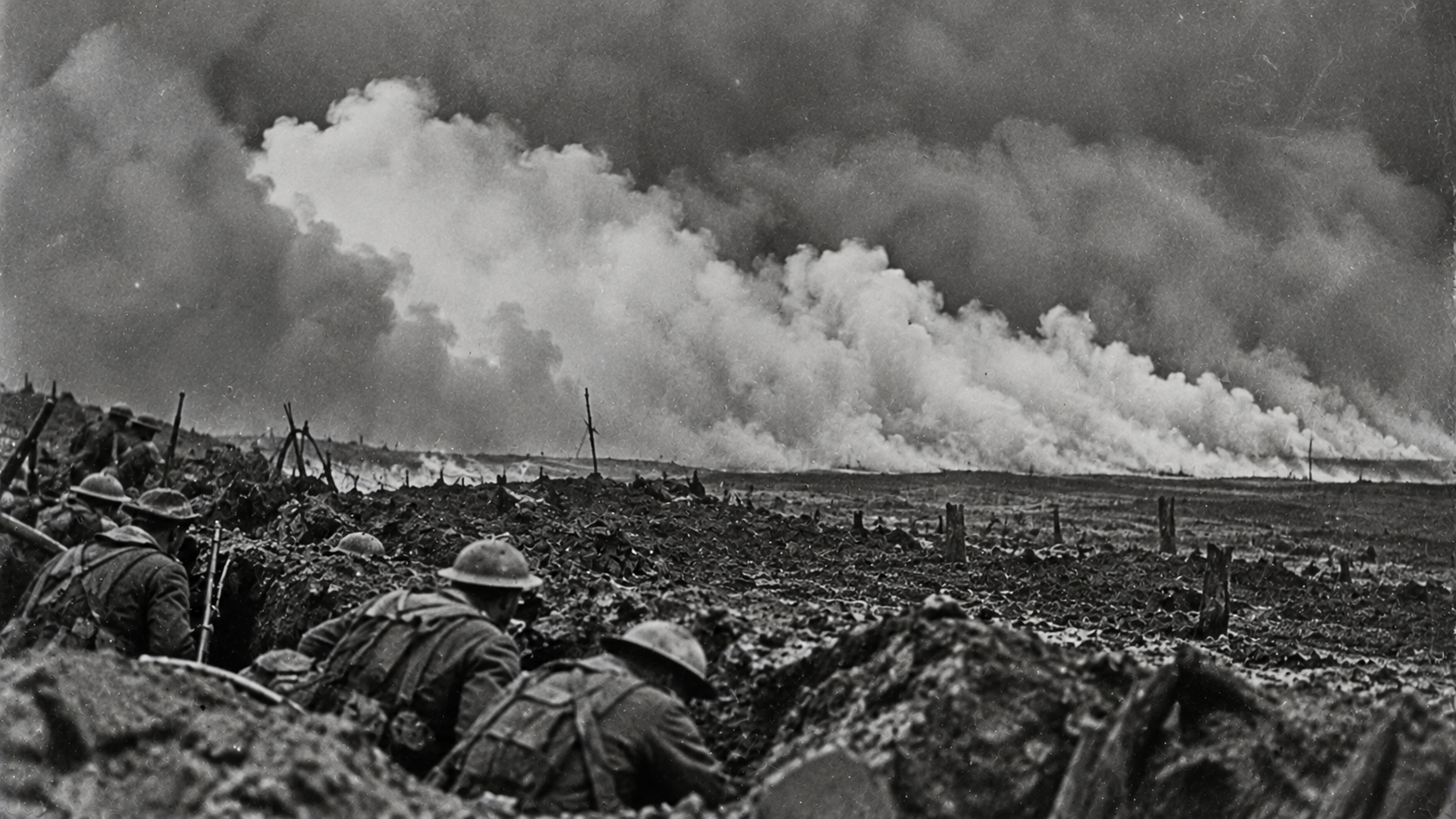
On April 22, 1915, German forces released chlorine gas during the Second Battle of Ypres in Belgium. The attack opened a gap approximately four miles wide in the Allied line and marked the first large-scale use of poison gas in warfare. What happens when the air itself becomes a weapon? World War I demonstrated the devastating consequences, as chemical attacks became one of the conflict´s most feared threats.
5. Some Warships Were Camouflaged by Making Them More Obvious
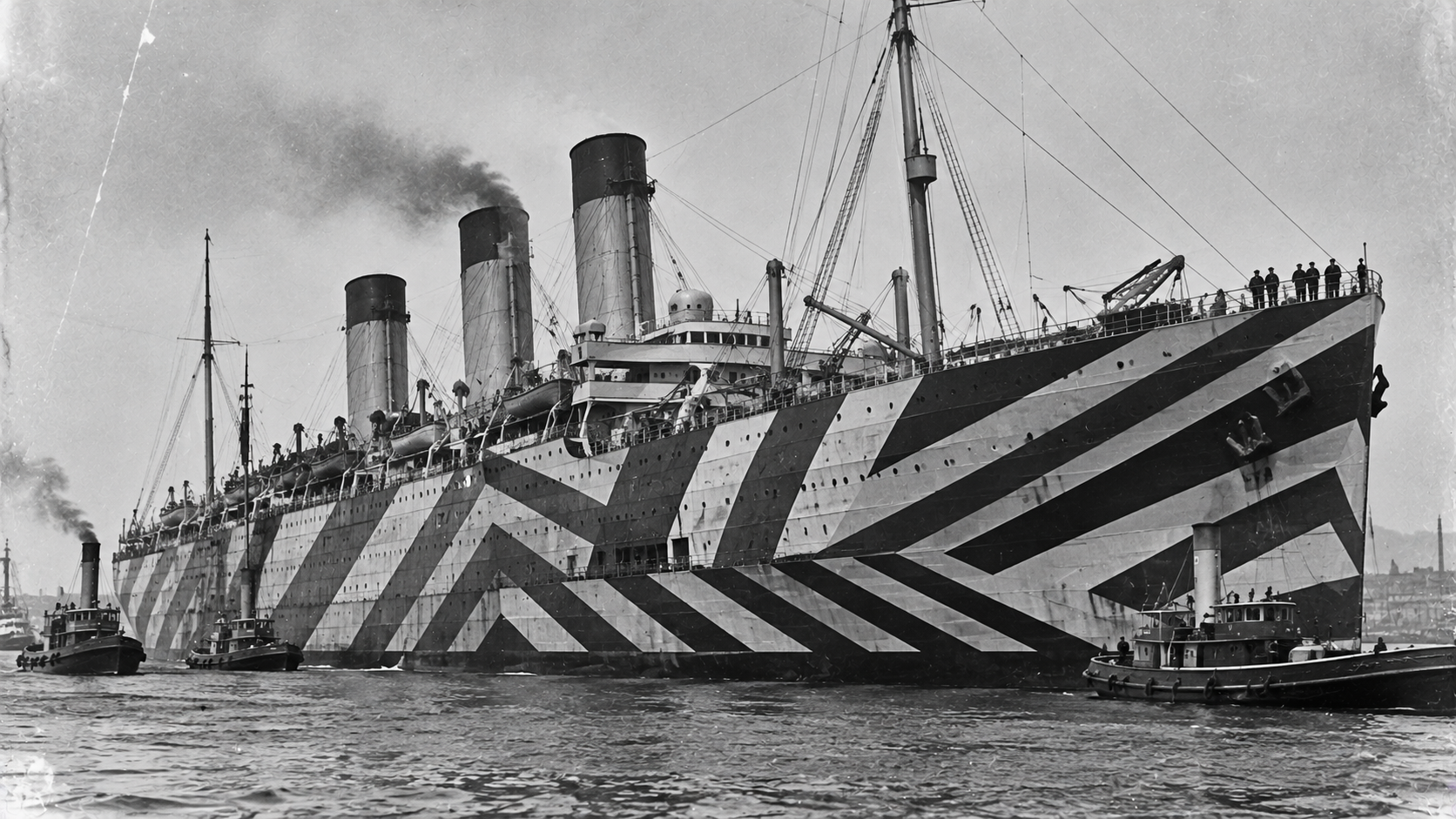
Hiding a warship usually means making it harder to see. During World War I, Allied navies experimented with the opposite approach. Dazzle camouflage covered vessels in striking stripes, curves, and geometric patterns designed to confuse submarine crews about a ship´s direction, distance, and speed. The goal wasn´t invisibility. It was making an accurate torpedo shot more difficult.
Trending on The Scroller

6. World War I Helped Establish Modern Plastic Surgery
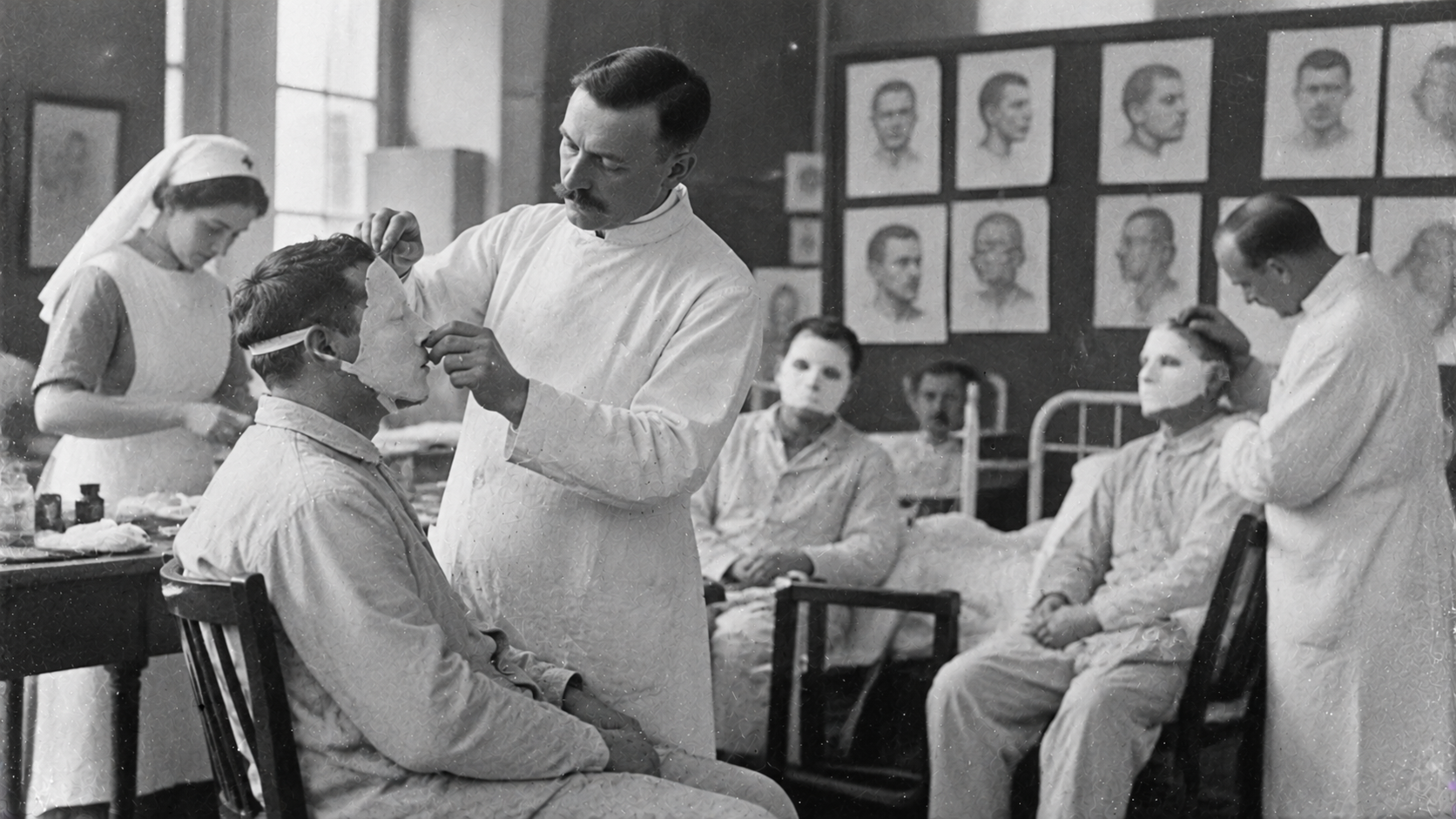
The devastating facial injuries suffered by soldiers created an urgent need for new constructive techniques. Surgeon Harold Gillies and his colleagues helped develop approaches that shaped modern plastic surgery. At Queen´s Hospital in Sidcup, approximately 11,000 facial-injury cases were handled during 1917 and 1918. Advances born from an immense human tragedy would influence medical treatment long after the war.
7. A Pigeon Helped Save Trapped American Soldiers
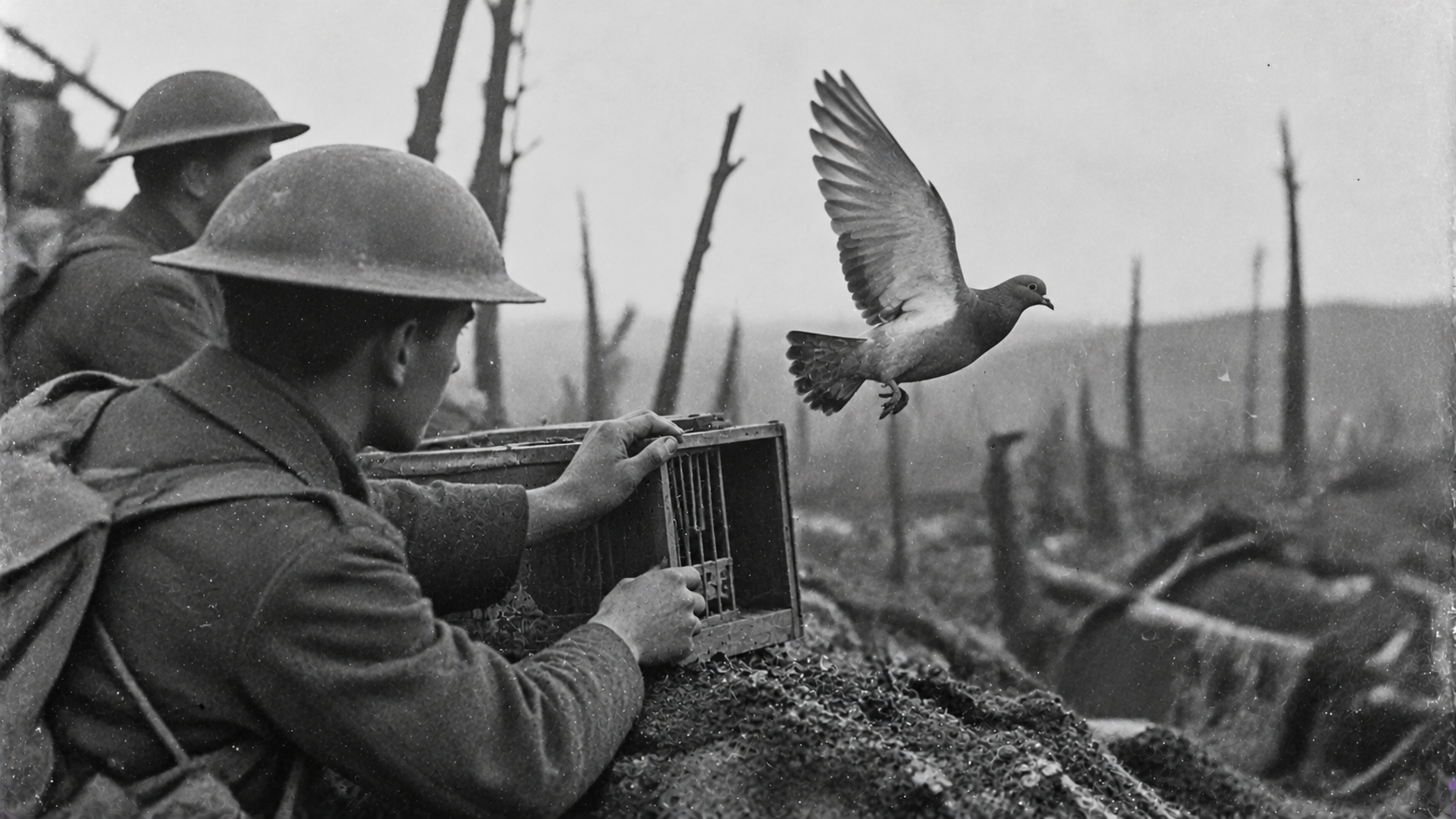
One of World War I´s remarkable messengers had feathers. During the Meuse-Argonne fighting in October 1918, a carrier pigeon named Cher Ami delivered a message that helped save members of the surrounded American Lost Battalion. When telephone lines failed, and other communication methods became impossible, pigeons could still carry vital information. In a war of increasingly sophisticated weapons, a small bird made an extraordinary difference.
8. Women Known as the “Hello Girls” Operated Military Phone Lines Near the Front
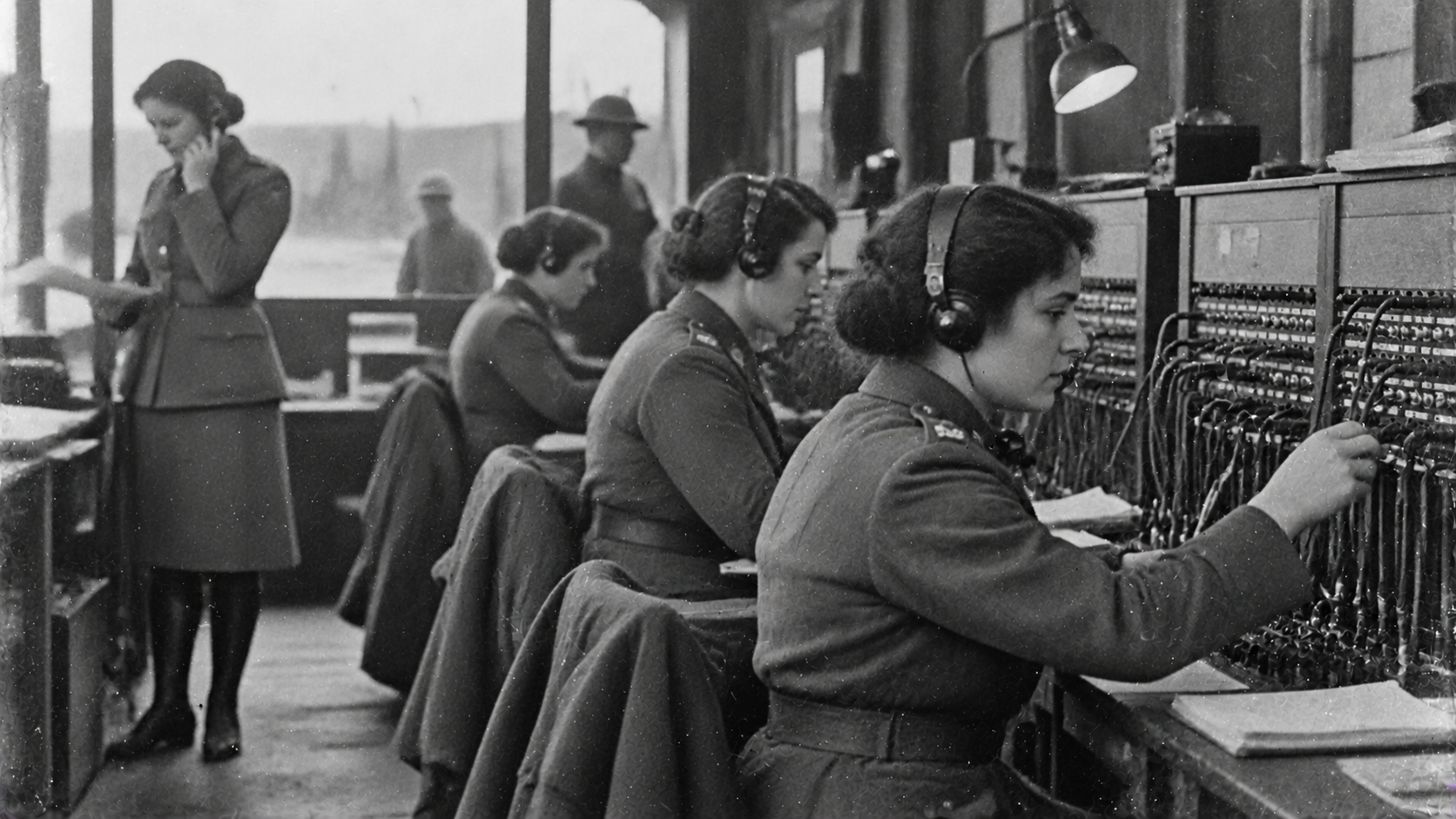
More than 200 French- speaking American women served overseas as U.S. Army Signal Corps telephone operators, sometimes working close enough to the front to come under fire. Known as the Hello Girls, they maintained crucial military communications while wearing Army uniforms and following Army regulations. Yet they were denied veterans´ status after the war. Formal recognition didn´t arrive until legislation passed in 1977, nearly six decades after their service.
Sign up for our newsletter
9. Nearly a Quarter of the U.S. Population Appeared in World War I Draft Records
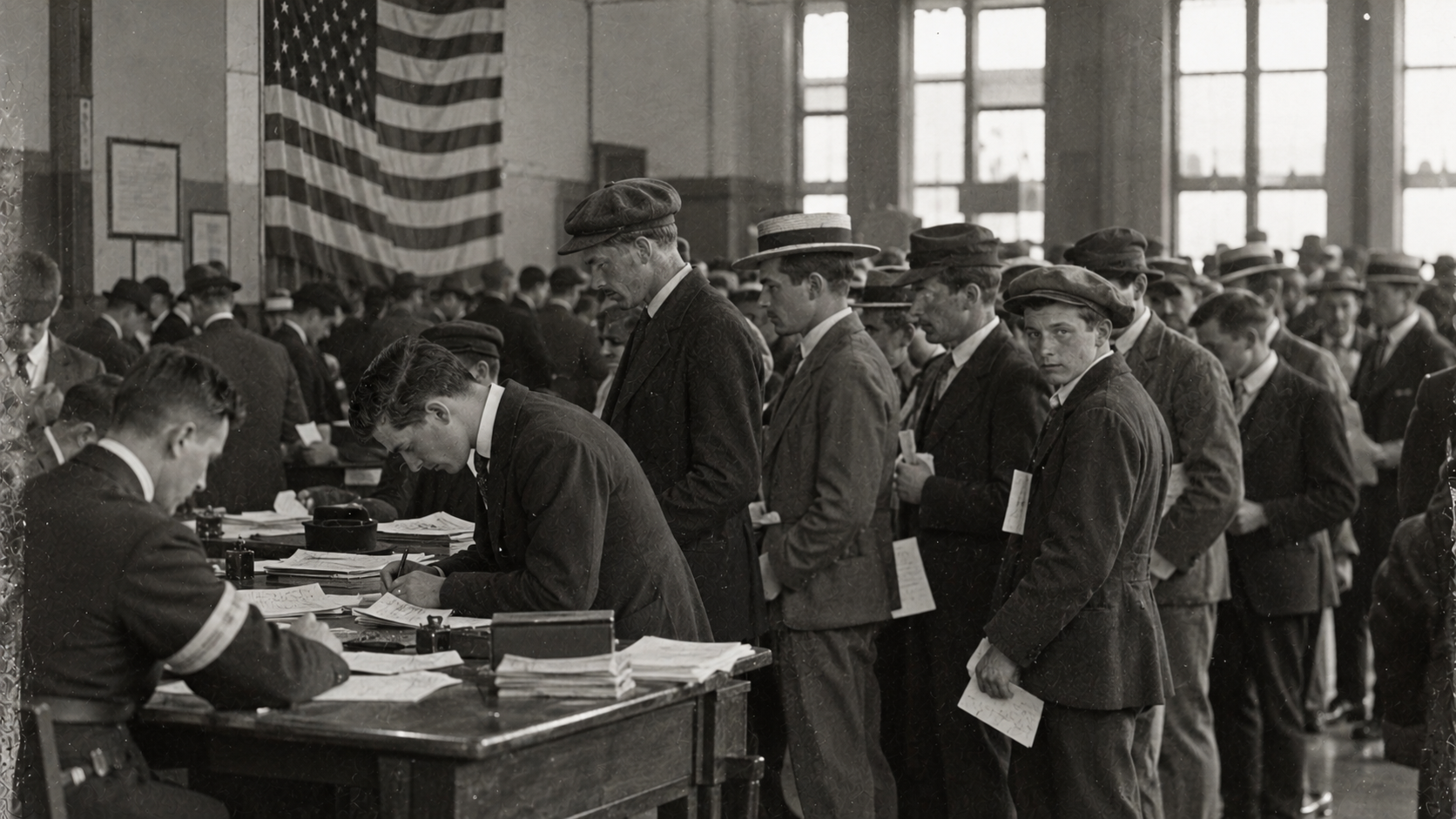
The numbers reveal just how deeply the war reached into American society. Approximately 24 million men registered for the U.S. draft, representing roughly 23% of the country´s population in 1918. Registration eventually included men ages 18 through 45, although not everyone who registered entered military service. Can you imagine nearly one in four people in an entire country appearing in a single wartime registration system?
10. The Harlem Hellfighters Spent 191 Straight Days in Front-Line Trenches
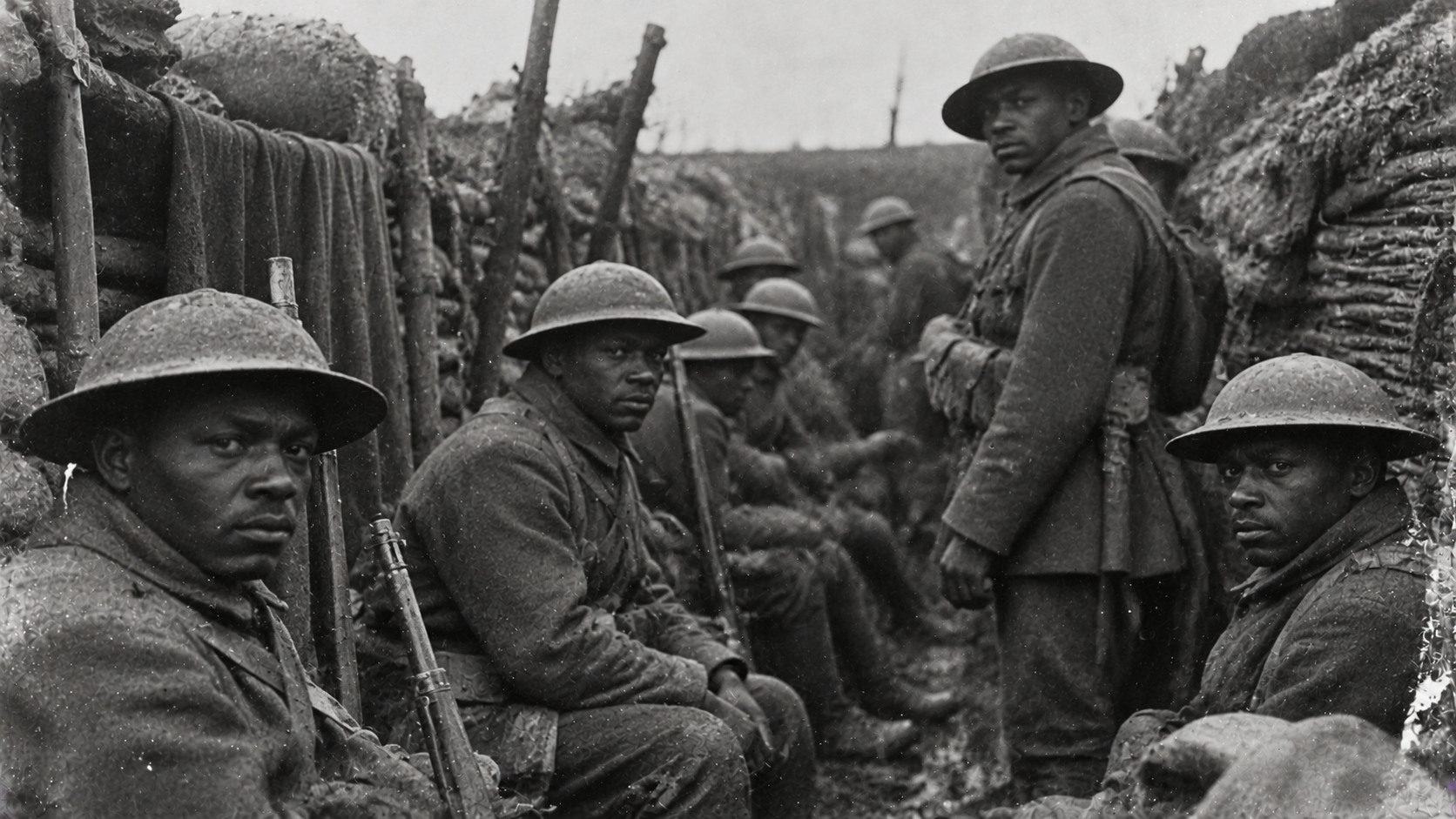
World War I facts also reveal extraordinary service in the face of discrimination. The predominantly Black 369th Infantry Regiment, known as the Harlem Hellfighters, served under French command after American military leaders initially restricted many Black troops from combat assignments. The regiment spent 191 consecutive days in front-line trenches and received France´s Croix de Guerre for its wartime service.
11. The 1918 Flu Spread Through a World Already Moving Millions of Troops
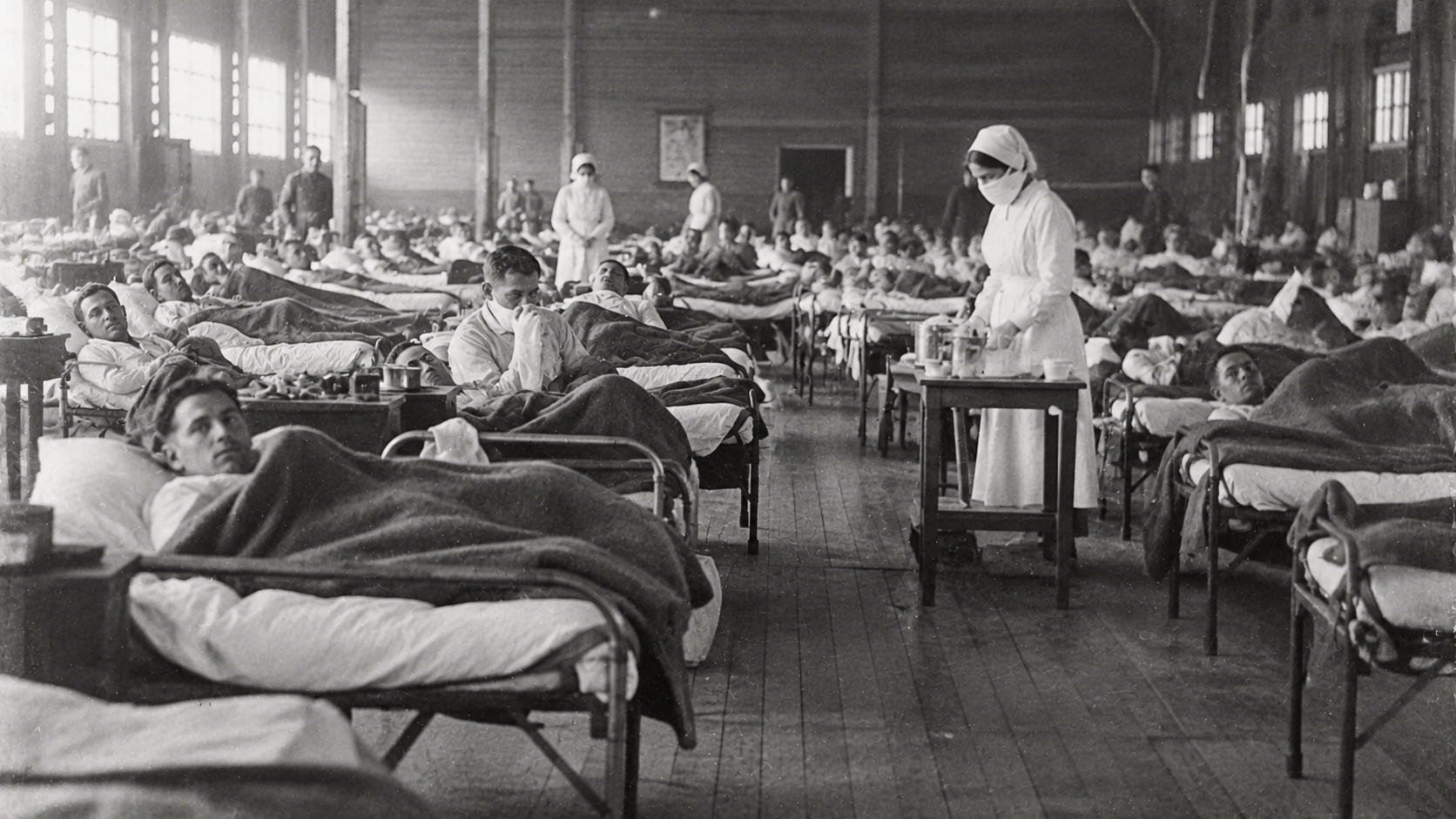
As World War I approached its end, another global catastrophe was unfolding. The 1918 influenza pandemic killed at least 50 million people worldwide, according to historical estimates from the CDC. Crowded military camps and the movement of troops across countries and oceans helped the virus spread. The war had already connected distant populations through unprecedented military mobilization, creating conditions that intensified a deadly public-health crisis.
12. Convoys Helped Defeat Germany’s U-Boat Campaign
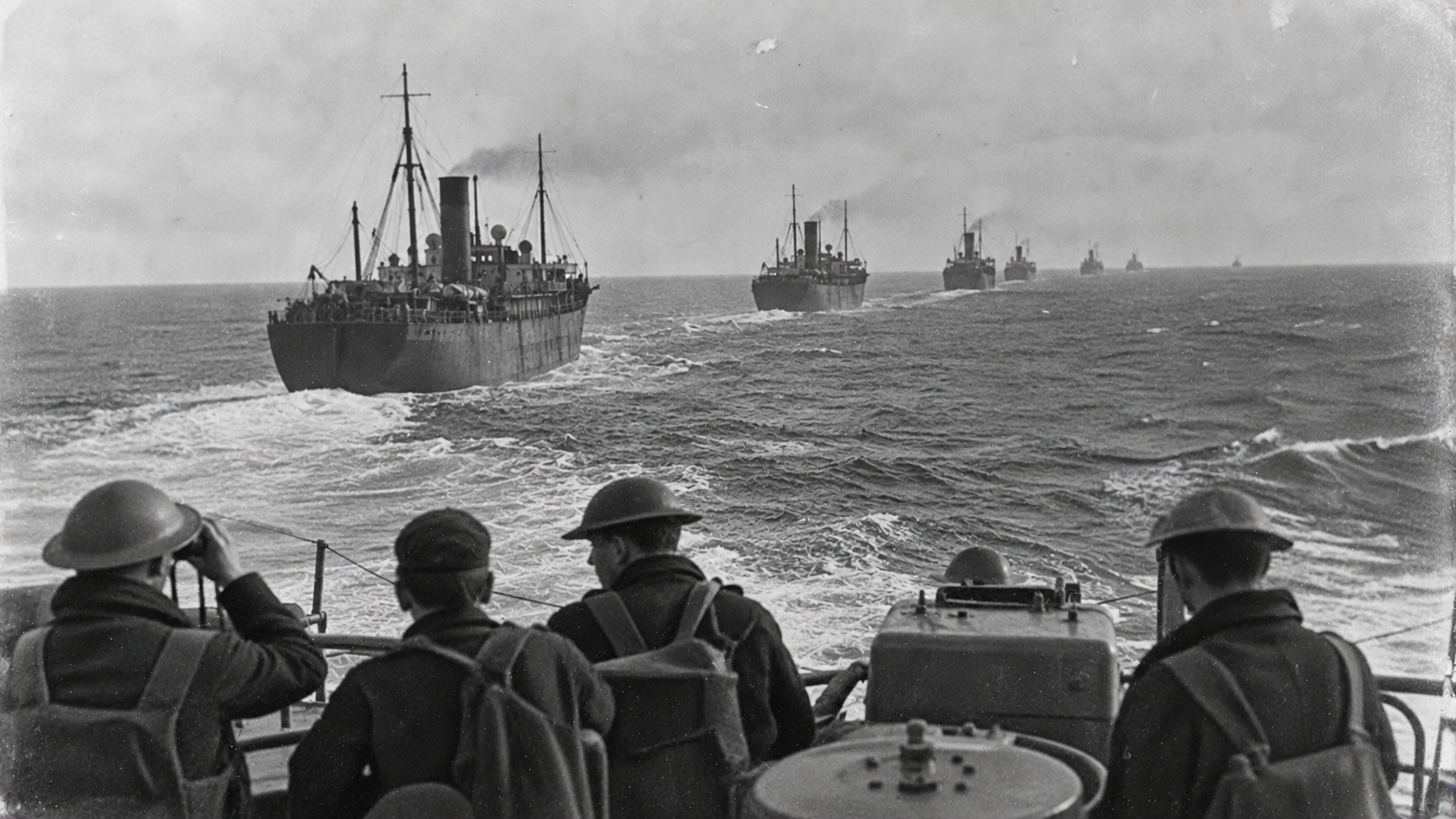
Germany´s submarines threatened the ships carrying essential food, supplies, and troops across the Atlantic. The Allied response was surprisingly straightforward: organize merchant vessels into groups protected by naval escorts. This convoy system made individual ships harder to target and helped maintain vital supply routes. More than two million American troops crossed the Atlantic during the war, supported by the shipping network that convoys helped protect.
13. Horses Were Still Essential in a War Famous for Modern Machines
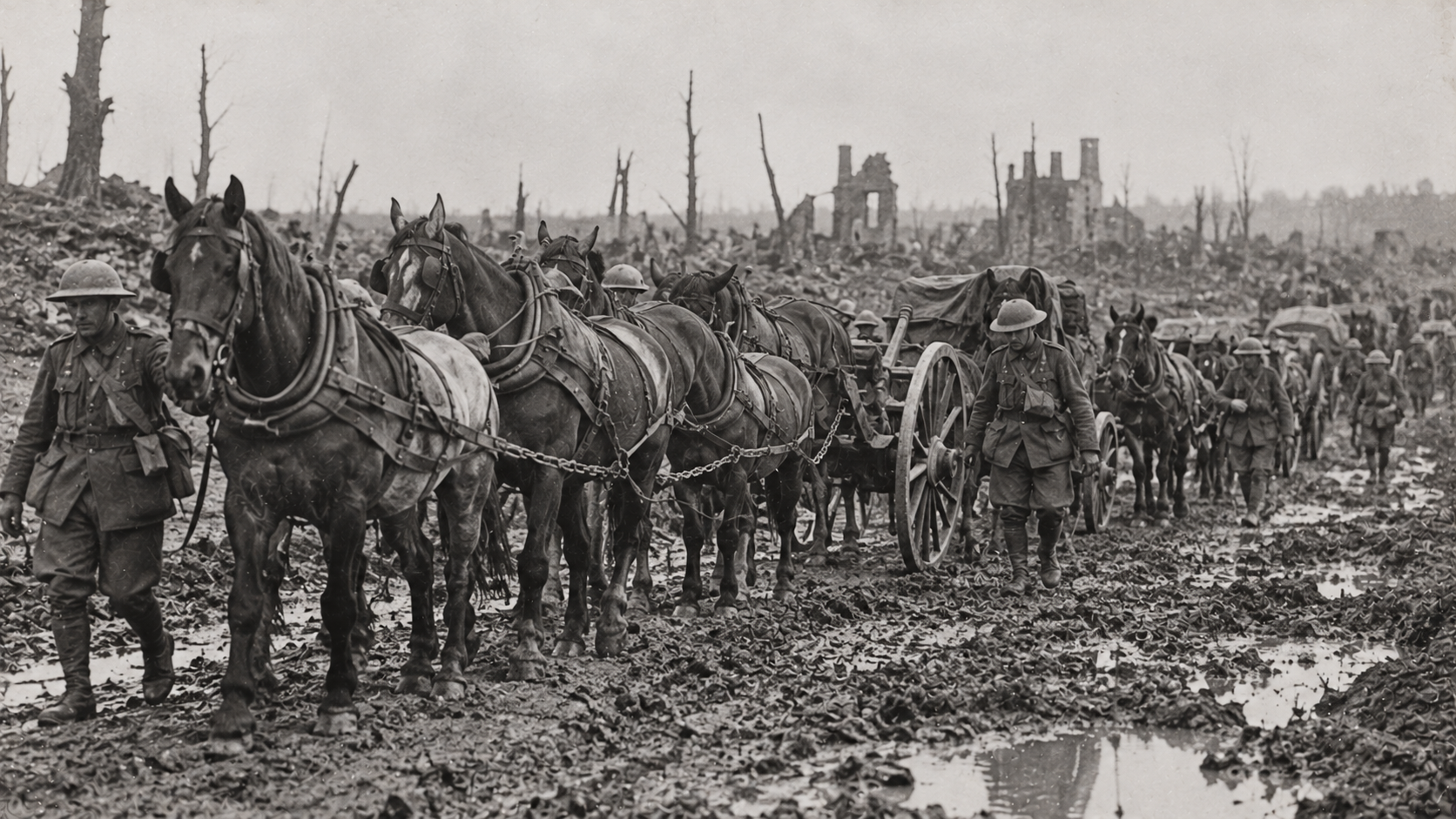
Tanks, airplanes, and submarines might dominate the history books, but horses remained indispensable. By 1917, the British Army alone had more than 368, 000 horses on the Western Front. Most weren´t charging into battle. They were hauling artillery, ammunition, food, and other supplies across difficult terrain. Even as warfare became increasingly mechanized, animals could still navigate mud and shell-damaged ground that challenged the machines.
14. The War Ended at a Strangely Memorable Hour
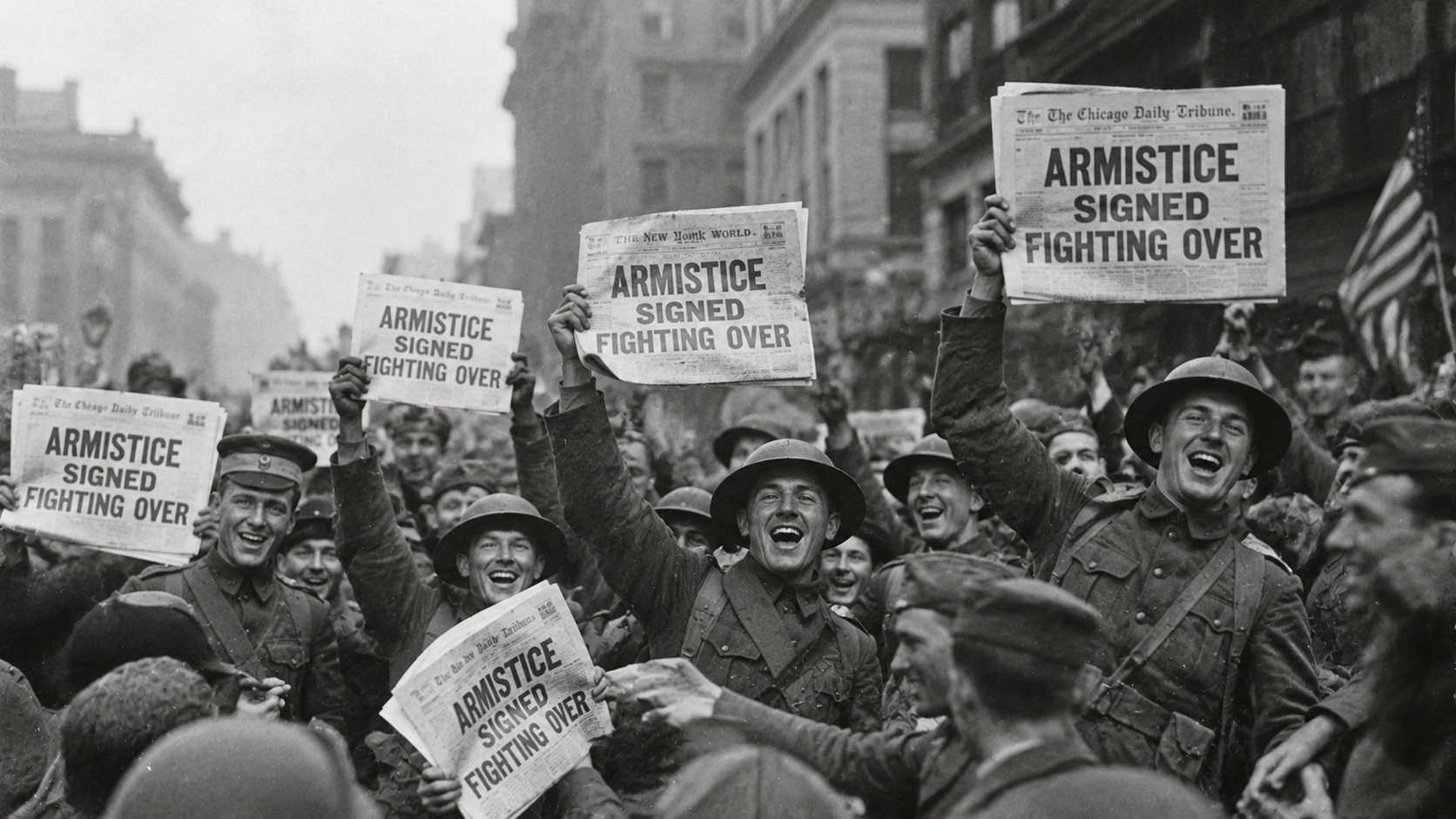
The fighting stopped at 11 a.m. on November 11, 1918: the eleventh hour of the eleventh day of the eleventh month. But that wasn´t the formal peace settlement. The Treaty of Versailles followed on June 28, 1919, exactly five years after Franz Ferdinand´s assassination. How often does the conflict of such enormous scale become associated with two dates linked by such an extraordinary coincidence?
15. At Passchendaele, Soldiers Could Drown in the Mud
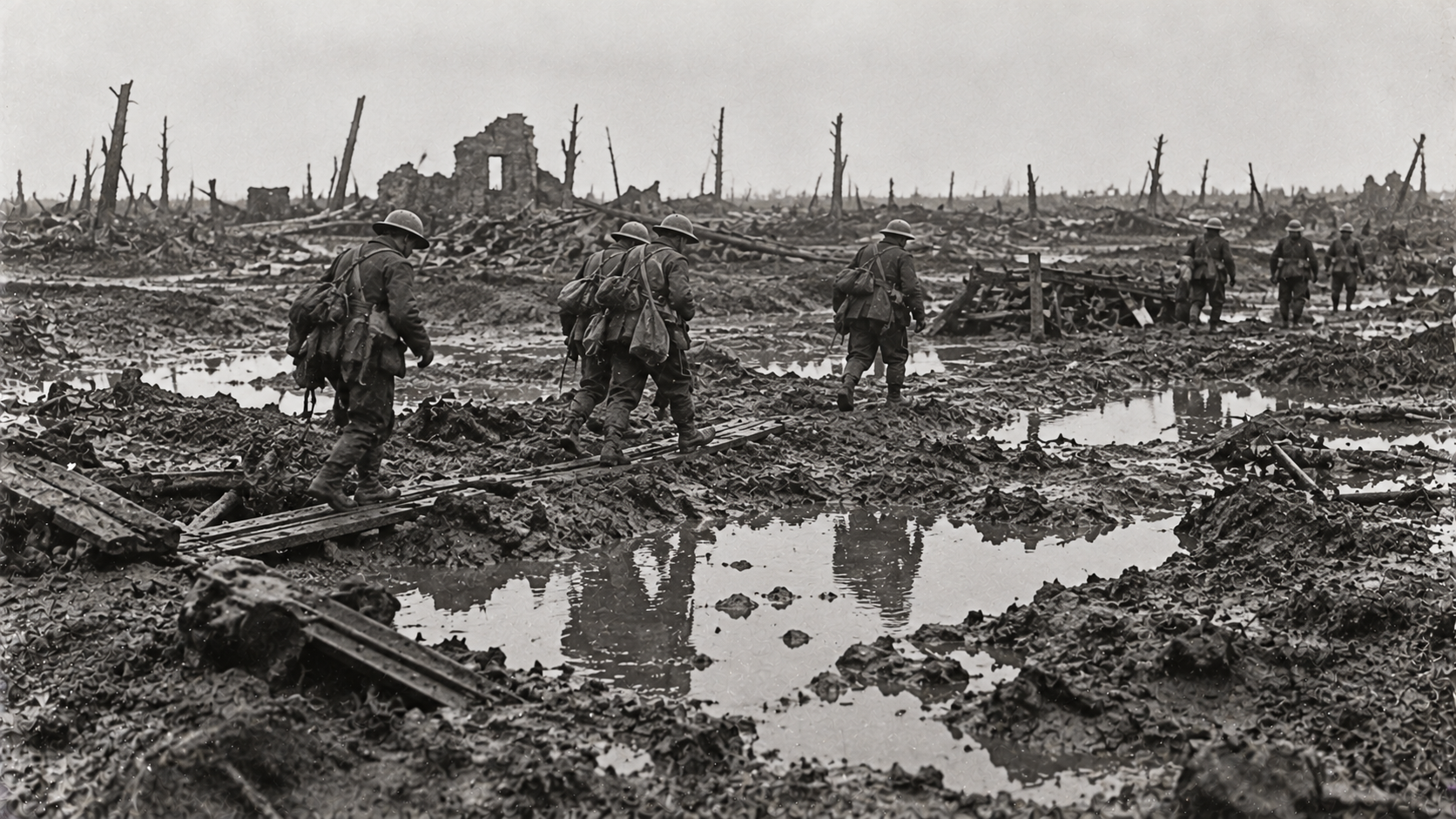
At the Third of Ypres, commonly associated with Passchendaele, relentless rain and artillery bombardment transformed the battlefield into a landscape of deep, treacherous mud. Soldiers who slipped into water-filled shell holes could drown before they could escape. Moving equipment and ammunition became extraordinarily difficult. The conditions showed how the battlefield itself could become as dangerous as the weapons used upon it.
World War I transformed the modern world through technological innovation, social upheaval, and an enormous human cost. Yet some of its most revealing stories involve individual acts of courage, unexpected solutions, and the difficult realities of life during the conflict. More than a century later, these details help explain why the war remains such a defining chapter in history.
Keep Exploring The Scroller
History’s most remarkable stories don’t always appear in the headlines of their time. Keep exploring The Scroller for overlooked moments, surprising discoveries, and extraordinary details that reveal a different side of the past: