
During World War II, resistance movements emerged across Europe and beyond, comprising brave civilians and former soldiers who fought against the Axis occupation. Lacking the industrial might of regular armies, these fighters relied on ingenuity, courage, and whatever weapons they could obtain.
Many firearms used by resistance groups became legendary not only for their effectiveness but also for the stories behind them. Here are 18 iconic firearms carried by WWII resistance fighters that played vital roles in their hands.
1. Sten Gun (UK)
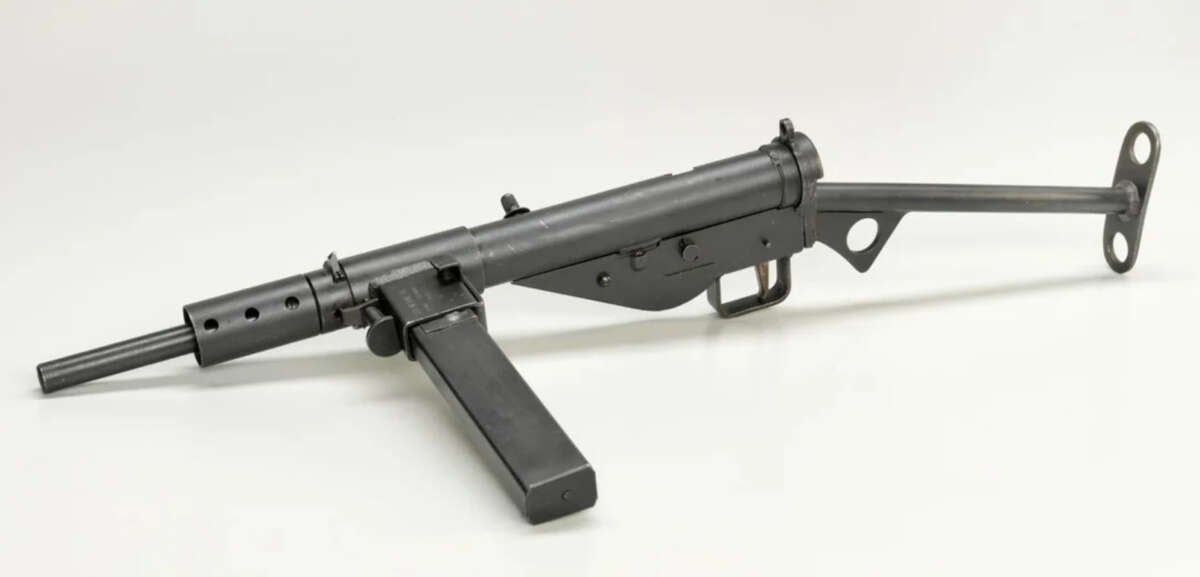
The British Sten was cheap to produce and easy to use; it was the favorite among resistance groups. Its compact size made it perfect for urban guerrilla warfare, and the British air-dropped thousands to resistance fighters across Europe.
2. PPSh-41 (Soviet Union)
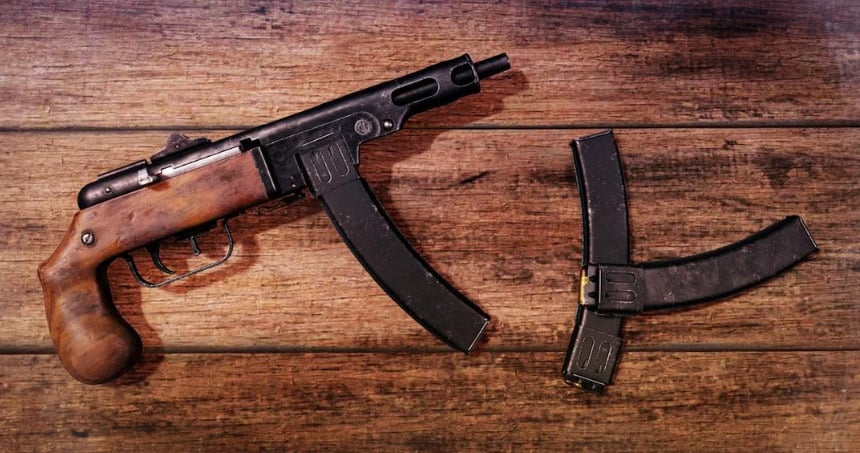
This Soviet submachine gun featured a high rate of fire and was frequently used by Eastern European partisans. Its drum magazine and rugged reliability made it a formidable weapon in close-quarters battles.
3. M1 Carbine (USA)
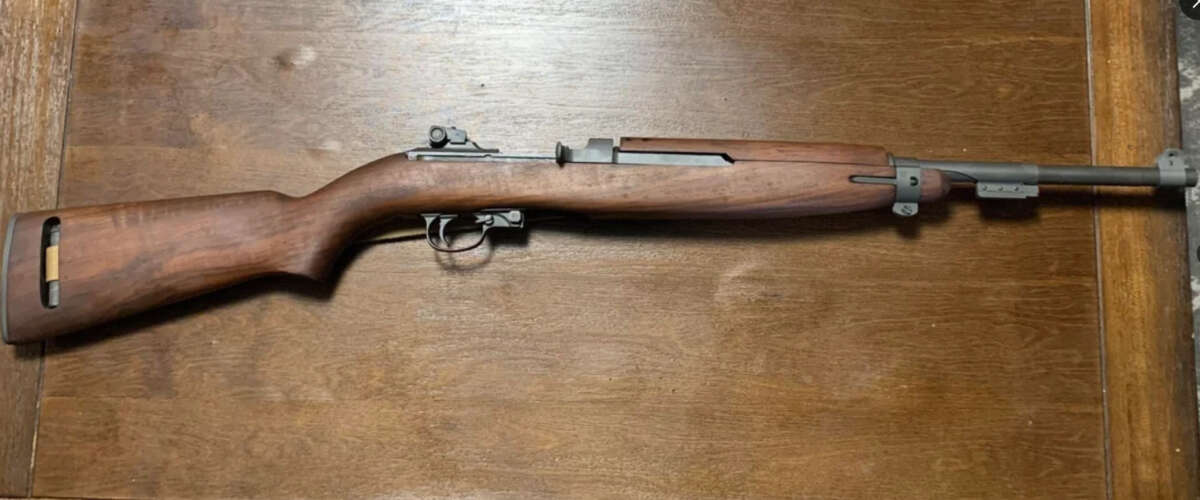
The lightweight and semi-automatic M1 Carbine was often supplied to resistance groups through Allied support. Its ease of use and decent range made it ideal for sabotage missions and ambushes.
4. Mauser Karabiner 98k (Germany)
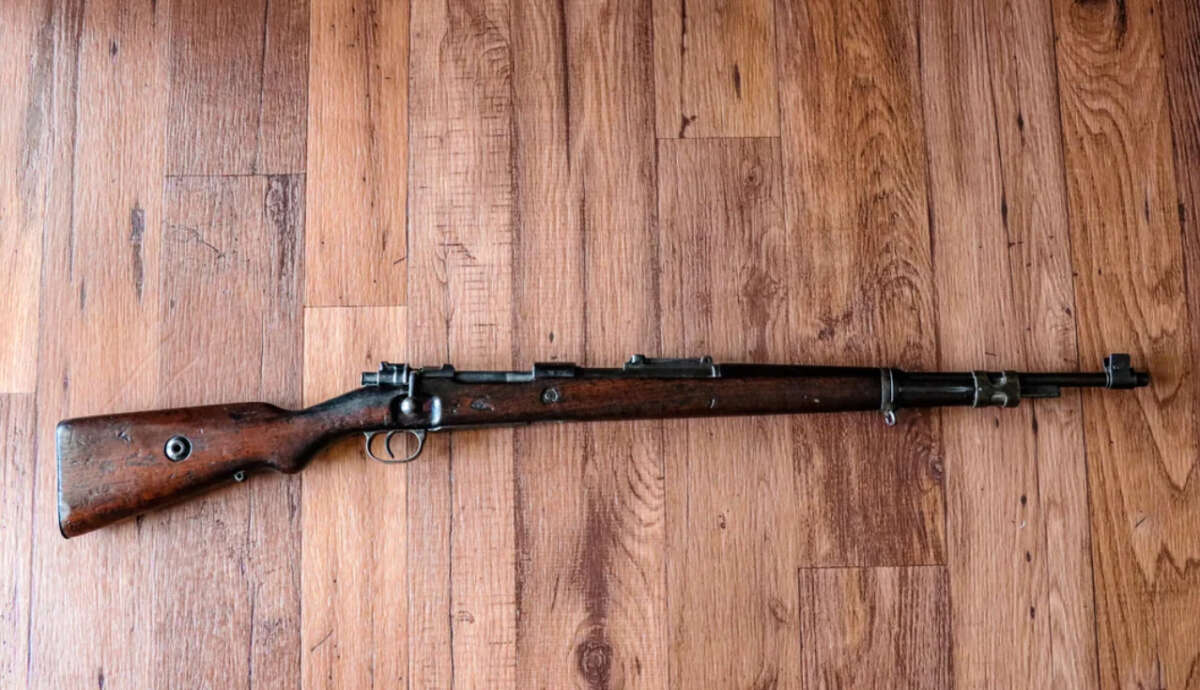
Though a standard German Army rifle, many were captured or stolen and turned against their former owners. Its accuracy made it a prized possession among well-trained resistance marksmen.
5. Lee-Enfield No.4 (UK)
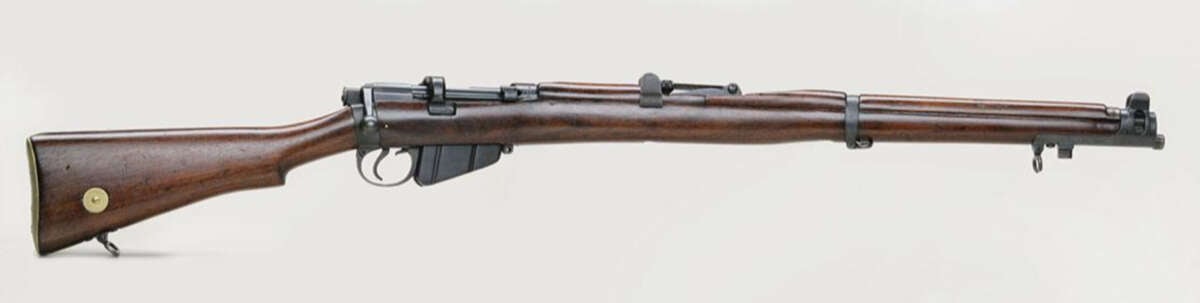
Used by British forces and distributed to resistance groups, the Lee-Enfield was praised for its fast bolt-action and robust build. It became a backbone weapon in the hands of organized resistance cells.
Trending on The Scroller
6. Thompson Submachine Gun (USA)
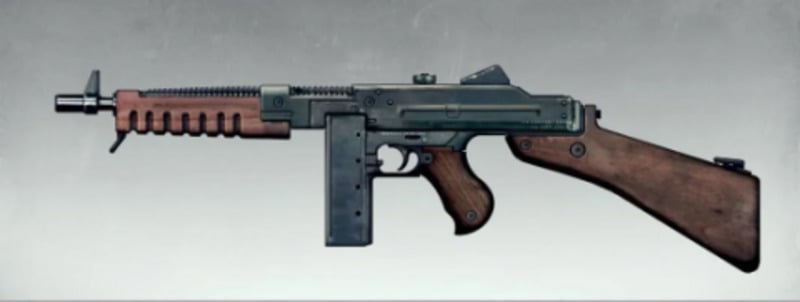
Also known as the “Tommy Gun,” this weapon was famous for its use by American forces and its iconic look. Resistance groups valued its stopping power despite its heavier weight.
7. Beretta M1938 (Italy)
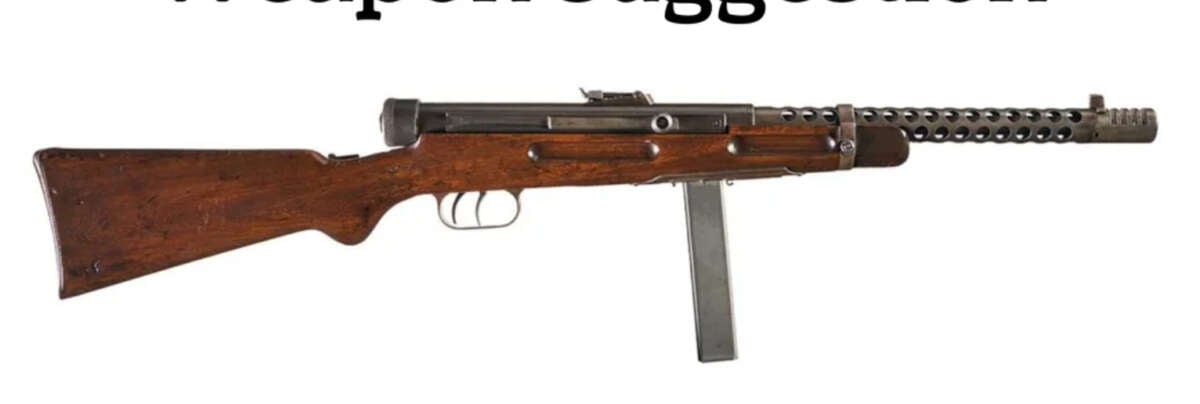
Used by both Italian forces and later by resistance groups after the fall of Mussolini, the Beretta M1938 was admired for its accuracy and controllability, which is unusual for a submachine gun of the time.
8. Luger P08 (Germany)
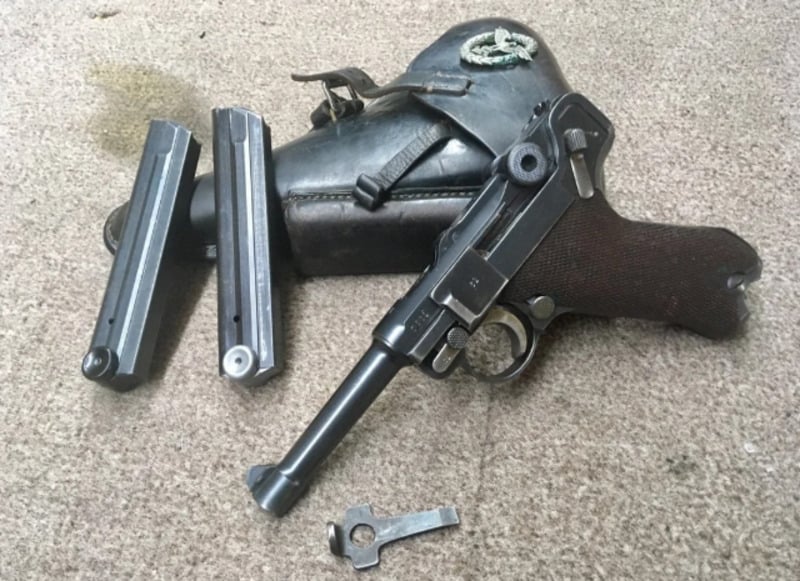
Though rare among resistance forces, captured Luger pistols became symbolic trophies. Their distinctive design and reliability made them desirable sidearms.
Sign up for our newsletter
9. Walther P38 (Germany)
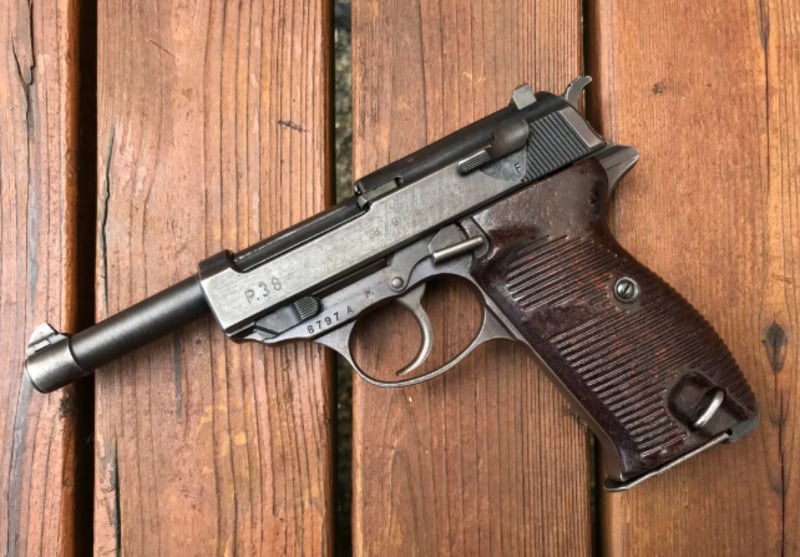
More common than the Luger later in the war, the P38 was a rugged and practical handgun. Resistance fighters often acquired them through disarmed soldiers or supply raids.
10. MAS-36 (France)
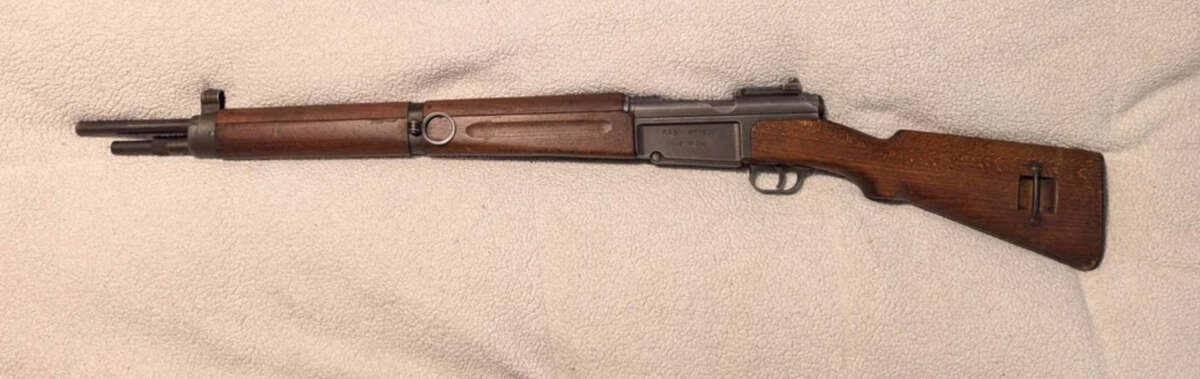
French resistance fighters relied heavily on this bolt-action rifle, which was robust and simple. It was often hidden in walls or barns until needed, playing a quiet but crucial role in ambushes.
11. MP 40 (Germany)

It was originally a Nazi submachine gun; many MP 40s were captured and turned against German forces. Easy to handle and with a moderate rate of fire, it became a symbol of irony when used by resistance fighters.
12. FN Model 1910 (Belgium)
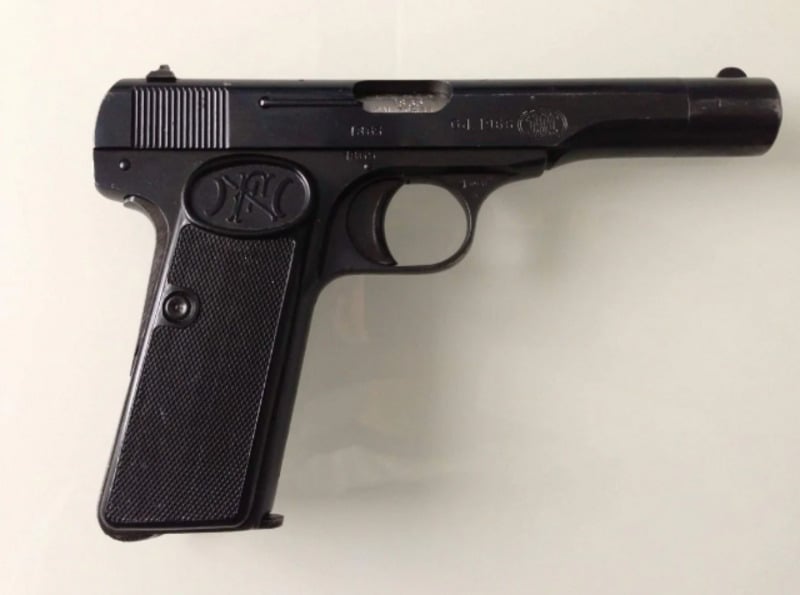
This compact and concealable semi-automatic pistol was favored for covert assassinations and espionage missions. It was especially popular in urban resistance operations.
13. CZ 27 (Czechoslovakia)

After the German occupation of Czechoslovakia, this pistol was produced for the Wehrmacht but often ended up in the hands through the black markets of disarmament.
14. Lebel M1886 Rifle (France)
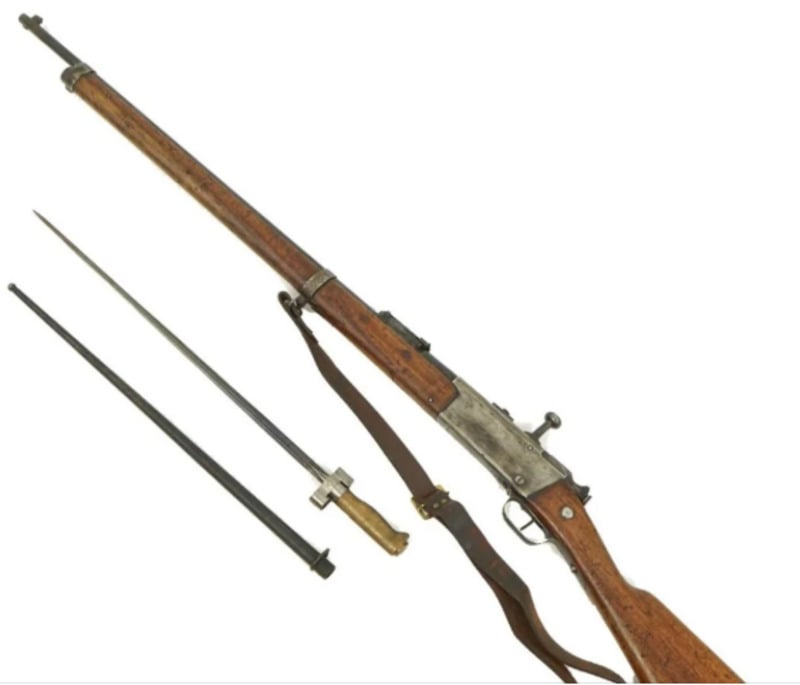
Although outdated by World War II, the Lebel rifle was still in circulation and used by early resistance groups. Its long range and powerful cartridge made it suitable for sniping in rural areas.
15. Bren Gun (UK)

Sometimes supplied to more organized resistance groups, the Bren light machine gun provided critical suppressive fire in ambushes and defensive operations.
16. Suomi KP/-31 (Finland)

It was used by Finnish resistance groups and some Eastern European partisans. This submachine gun had a high rate of fire and excellent accuracy, which was ideal for guerrilla warfare.
17. Grease Gun M3 (USA)
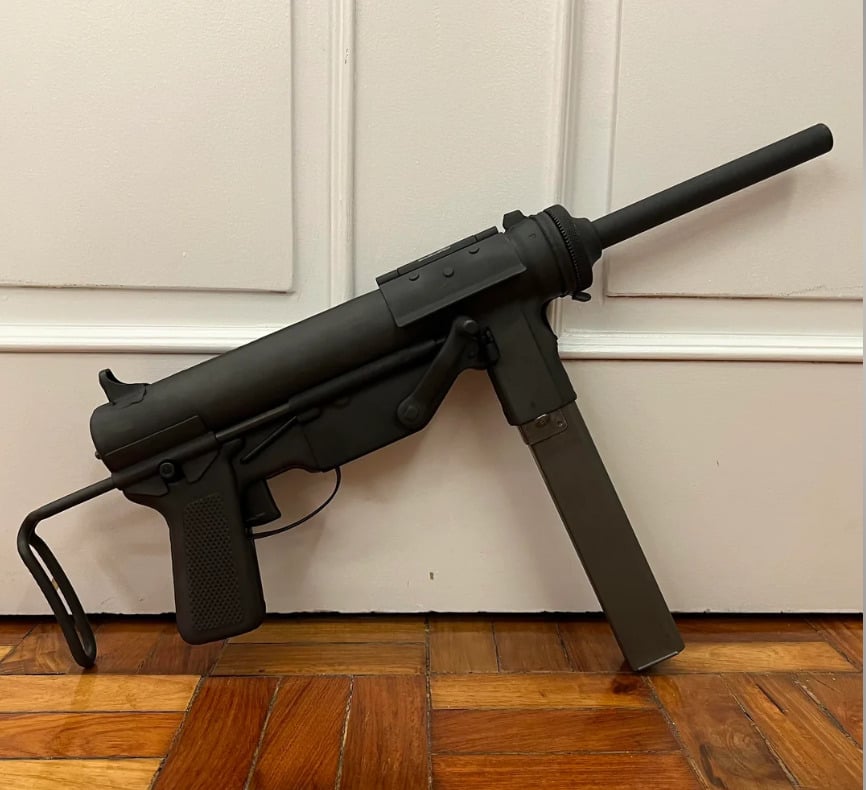
It was designed as a cheaper alternative to the Thompson; the Grease Gun was easy to drop and easy to use. Its simplicity made it perfect for fighters with little formal training.
18. Homemade and Improvised Weapons
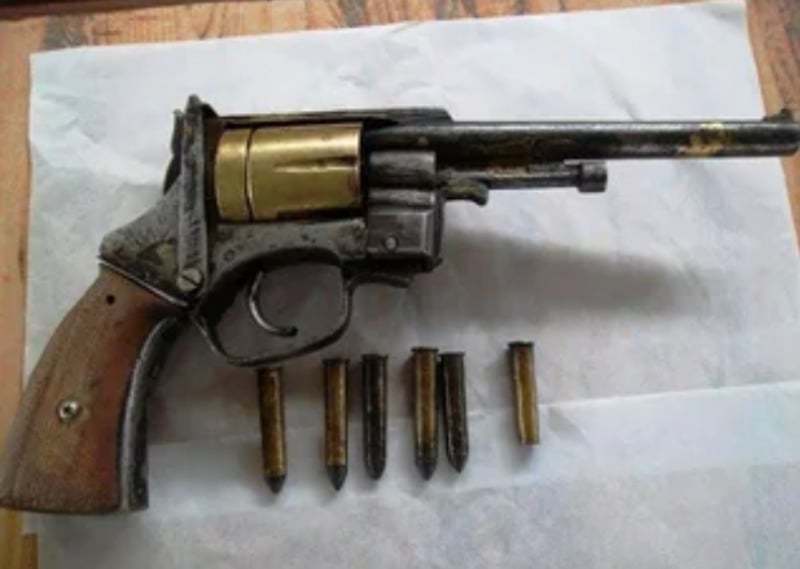
In many occupied countries, resistance fighters built their firearms or modified captured ones. From pipe guns to improvised explosives, these weapons embodied the desperation and innovation of people fighting for survival and freedom.
Explore more vintage content:
The weapons used by WWII resistance fighters weren’t just tools of war, they were instruments of hope and defiance. Each one tells a story of courage against overwhelming odds, and their presence in the hands of ordinary people helped shape the outcome of a global conflict. Some of these firearms even appear on lists of the 15 Firearms That Changed History and Its Course, while others may remind us of the 10 Cool-Looking Weapons That Were Totally Useless in contrast.