Legal loopholes in history have done more than help people sidestep an inconvenient rule. Some exposed gaps in laws that seemed straightforward on paper; others relied on exceptions lawmakers had written into the rules themselves. A few helped change elections, industries, and the way government worked.
The distinction matters. A loophole is not the same as ordinary fraud, and a legal exception is not always a hidden trick. These 20 cases show how people used gaps, jurisdictional boundaries, procedural rules, and explicit carve-outs—and what happened next.
1. Washington’s Six-Month Residency Workaround
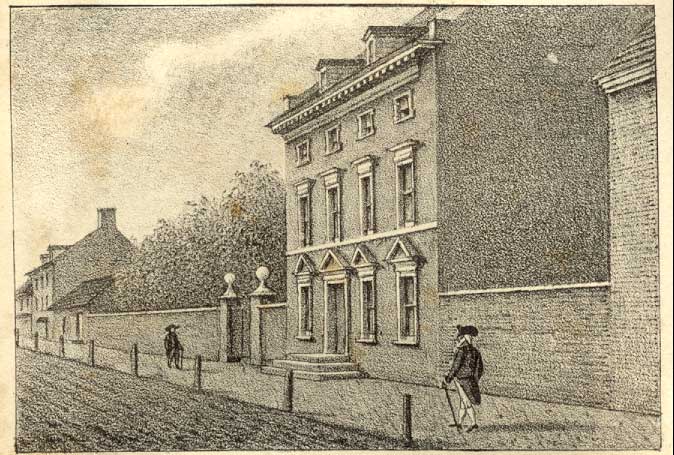
Pennsylvania’s 1780 gradual abolition law gave enslaved people brought into the state a path to freedom if they were kept there beyond six months, while its text also contained limited exceptions for certain visitors’ domestic servants. As president, George Washington lived in Philadelphia and deliberately rotated enslaved members of his household out of Pennsylvania before the deadline. The maneuver let him continue enslaving people while avoiding a rule intended to limit the practice. It was a calculated use of the law’s residency boundary, and a stark reminder that a technical exception can preserve an injustice rather than correct it.
2. The Registration Deadline That Opened a Path to Freedom Claims
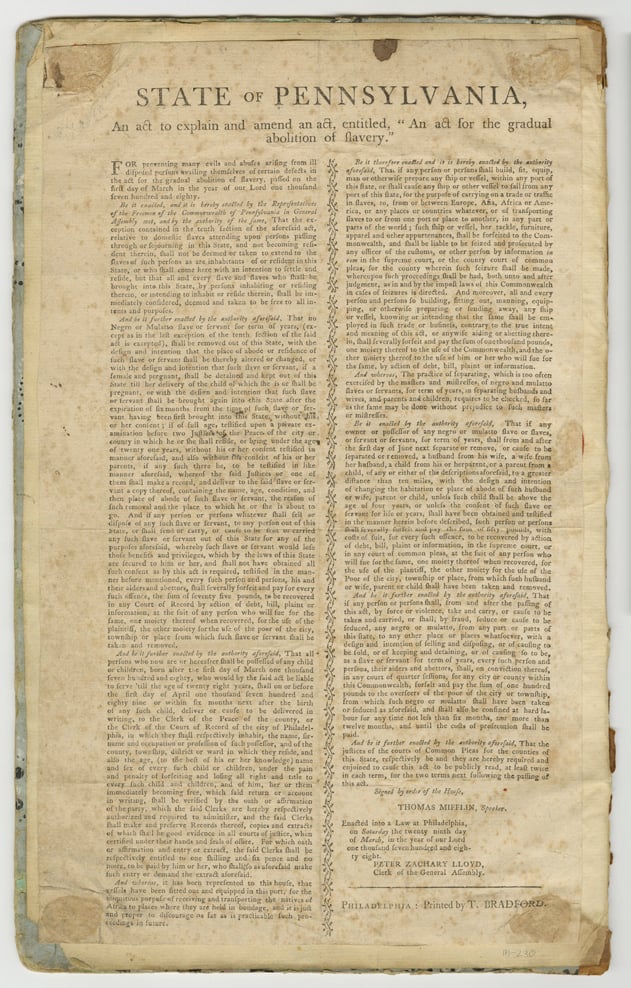
Pennsylvania’s 1780 law also required enslavers to register people they held in bondage by statutory deadlines. Failure to register could give an enslaved person grounds to claim freedom. In 1789, a freedom case brought by a woman identified in the record as Betsey showed how an administrative requirement could become a legal tool for challenging enslavement. The provision did not end slavery in Pennsylvania, and each claim depended on the circumstances and the law. But the deadline meant paperwork could determine whether an enslaver’s claim over another person would stand.
3. The Senate Rule Change That Helped Enable the Filibuster
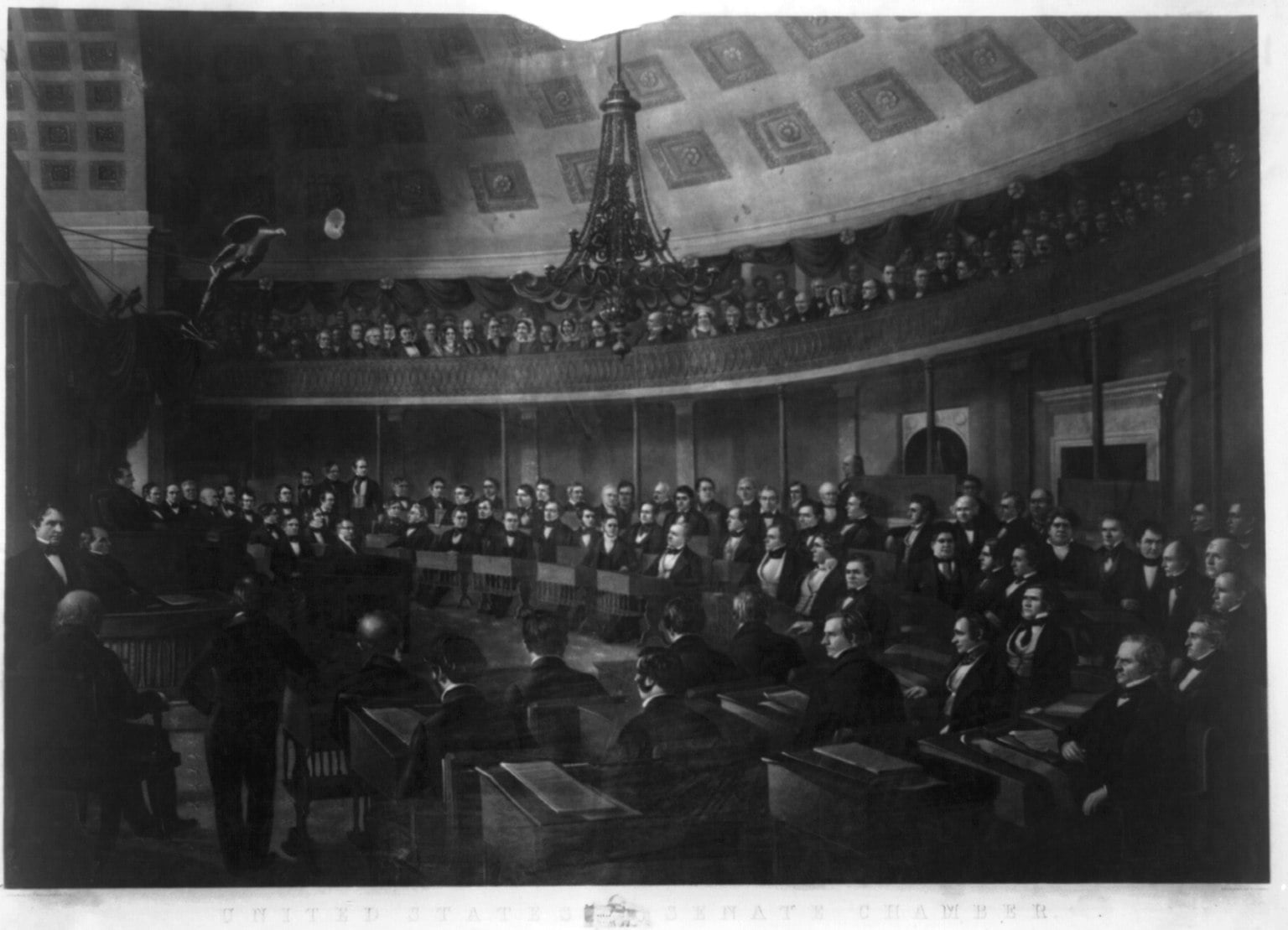
In 1806, the U.S. Senate removed its “previous question” motion, a parliamentary procedure for moving toward a vote. That change did not instantly create the modern filibuster, and historians caution against treating it as the single cause. But the Senate was left without a simple, regularly used way to cut off debate, helping create the conditions for prolonged obstruction to develop. The filibuster emerged gradually as senators tested the chamber’s rules. A procedural change that seemed minor became part of a much larger debate over majority power and minority rights.
4. The Delay Tactics the Habeas Corpus Act Tried to Stop
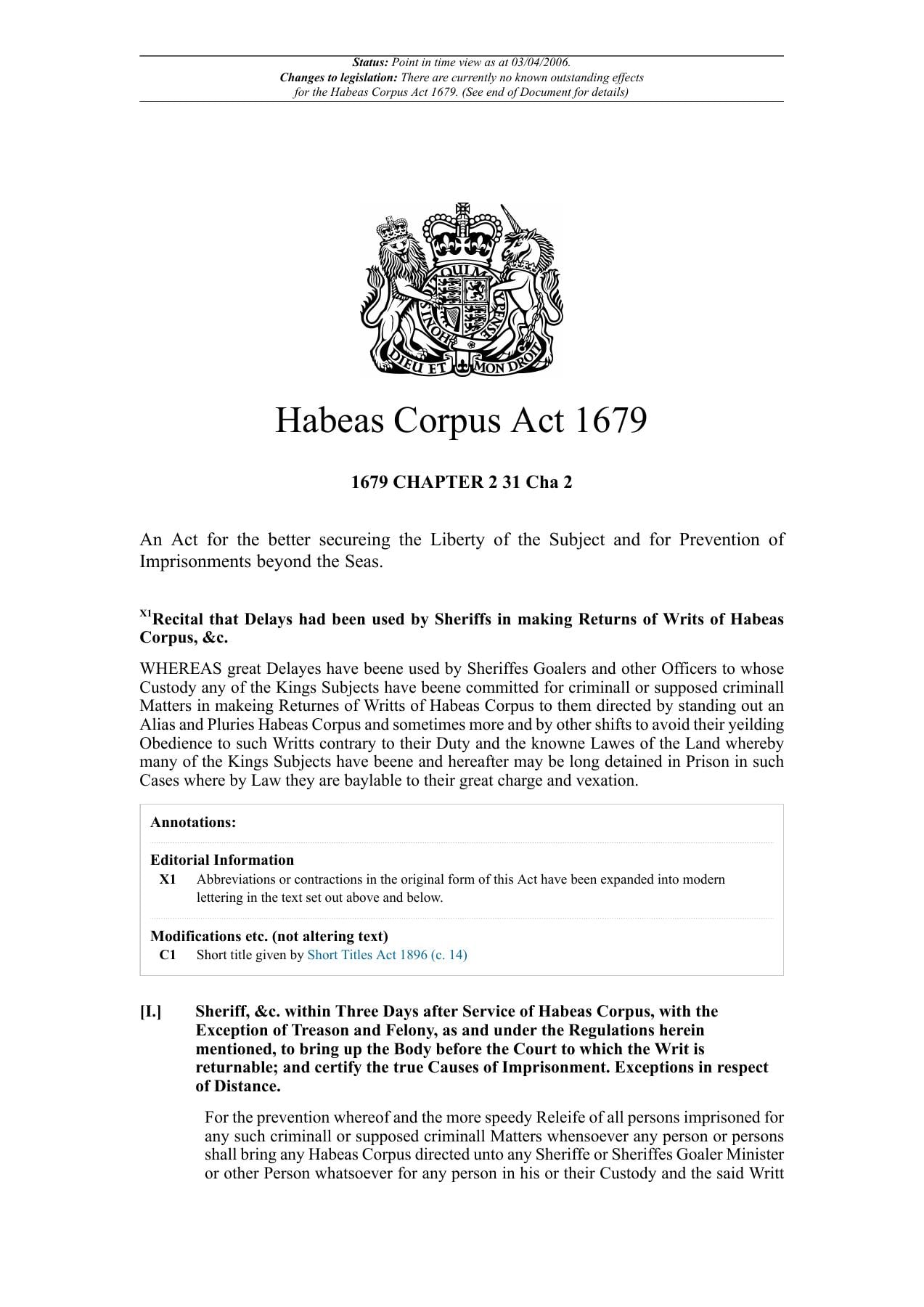
The English Habeas Corpus Act of 1679 addressed a practical weakness in the right to challenge imprisonment: officials could delay producing a prisoner in court. The act described tactics such as repeated writs and slow returns that could keep people detained even when the law allowed them to seek relief. Parliament imposed deadlines for responding to writs and penalties for disobedience. Habeas corpus existed before 1679; the act strengthened the process by limiting delays. It is an early example of lawmakers closing a procedural gap that could make a legal right ineffective.
5. The Income-Shifting Strategy Behind Joint Tax Returns
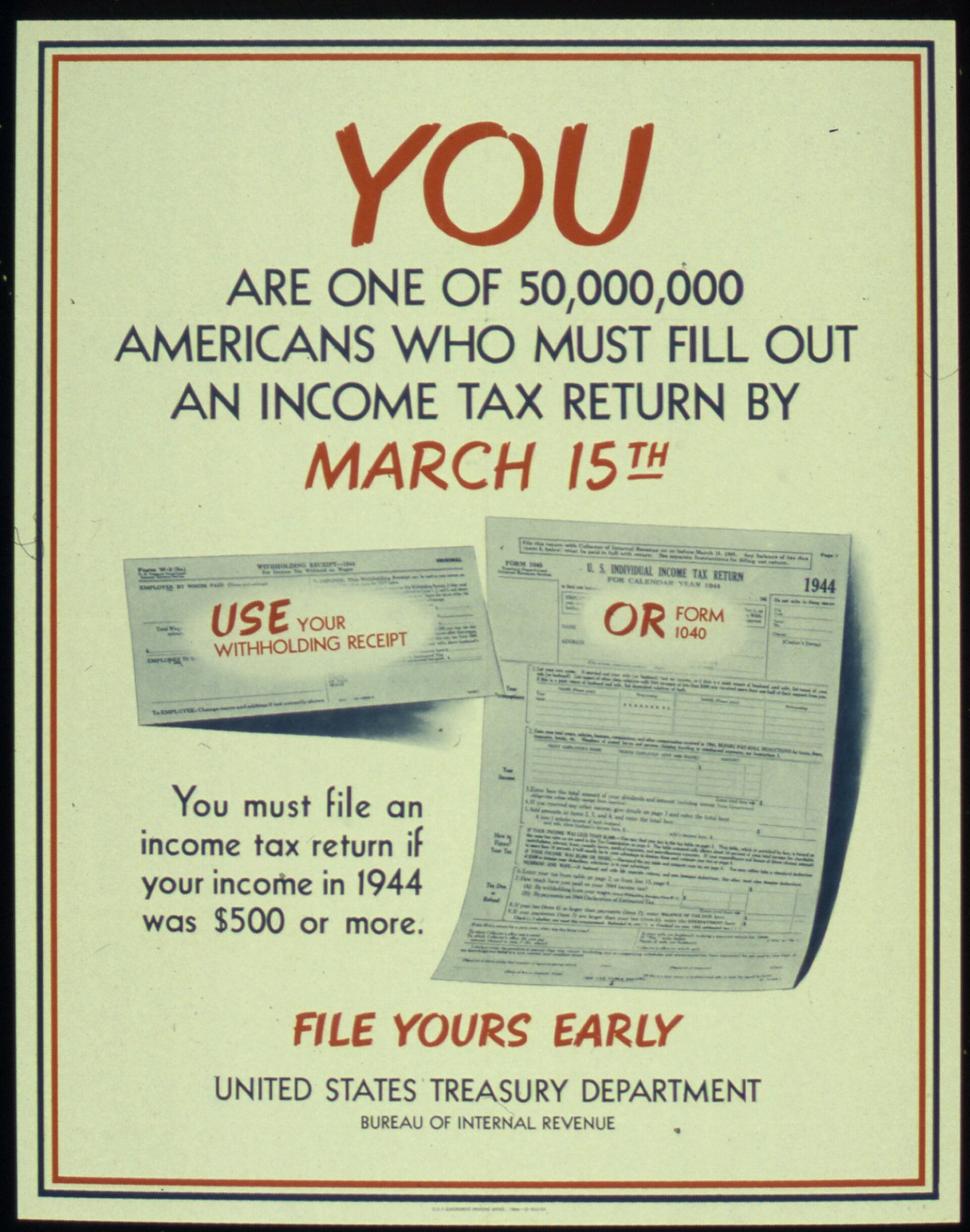
When the federal income tax began in 1913, married couples in community-property states could divide certain income between spouses under state law. That could reduce a household’s federal tax compared with couples in states where one spouse’s earnings were treated differently. Court rulings upheld community-property income splitting, and Congress responded with the Revenue Act of 1948, which let married couples filing jointly split income nationwide. A difference in state property rules had created unequal federal tax outcomes—and those outcomes helped push Congress to change the system.
Trending on The Scroller


6. The Texas Airline Strategy That Challenged Federal Regulation

In the late 1960s, Southwest Airlines applied to fly routes entirely within Texas. That mattered because the Civil Aeronautics Board regulated interstate carriers, while Texas could authorize intrastate service. The state approved Southwest’s application in 1968, but rival airlines won a court order that delayed the launch. After years of legal fights, Southwest began intrastate service in 1971. It was not a universal exemption from aviation law: the company remained subject to state oversight and court rulings. The state-line distinction nevertheless gave a new airline room to enter a heavily regulated industry.
7. The Fantasy Sports Carve-Out That Fueled a Legal Debate
Daily fantasy sports operators grew in a patchwork of state gambling laws, but one federal provision also shaped the debate. The 2006 Unlawful Internet Gambling Enforcement Act excluded certain qualifying fantasy or simulation contests from its definition of unlawful internet gambling, subject to conditions involving skill, prizes, and real-world performance statistics. That carve-out did not make every fantasy contest legal in every state. States still decided how their gambling laws applied, leading to regulatory disputes and new rules. The episode shows how a narrow statutory exception can create an opening for a large industry—and years of argument over its limits.
8. The Prescription Exception That Kept Whiskey Available
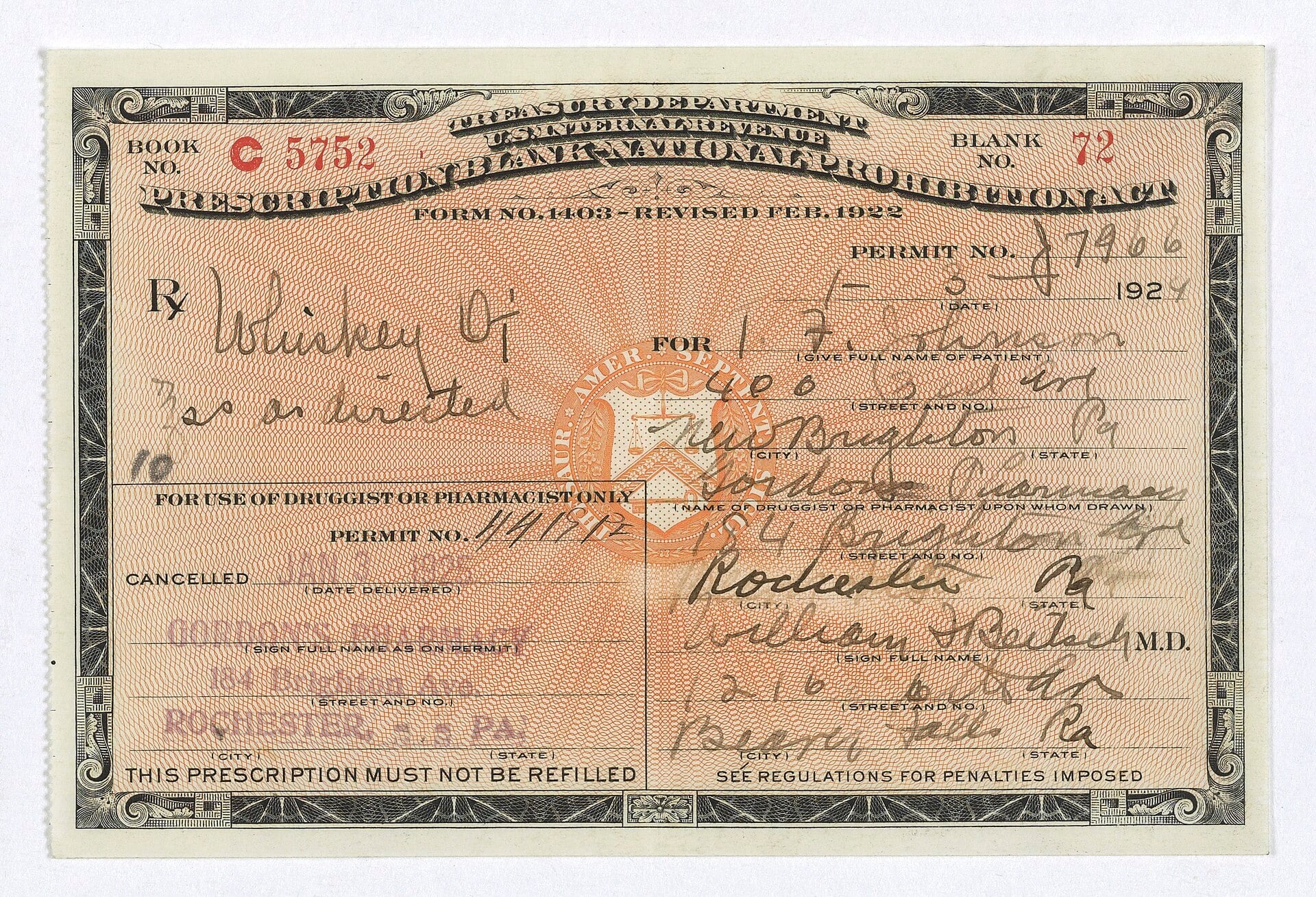
During U.S. Prohibition, federal law allowed alcohol to be prescribed for medicinal purposes under a permit system. Doctors could write qualifying prescriptions, and authorized pharmacies could dispense the liquor. The exception created a legal channel for whiskey while ordinary sales were banned, and distilleries with medicinal licenses could continue limited operations. It was not an unrestricted way to buy alcohol: prescriptions and permits were regulated, and illicit sales remained illegal. Still, the medicine cabinet became one of the most visible examples of how a sweeping ban could coexist with carefully defined exceptions.
Sign up for our newsletter
9. The Religious-Wine Exception During Prohibition

Prohibition also allowed sacramental wine for religious use through a regulated permit system. The exception let congregations continue their rites while most commercial alcohol sales were prohibited. Officials tried to control production and distribution, and allegations of misuse prompted scrutiny. But religious use itself was permitted; it should not be confused with fraud. The carve-out reveals a challenge that comes with broad bans: lawmakers may have to preserve protected practices, then build oversight around the exception without treating every lawful user as a bad actor.
10. The Near-Beer Threshold That Helped Brewers Survive
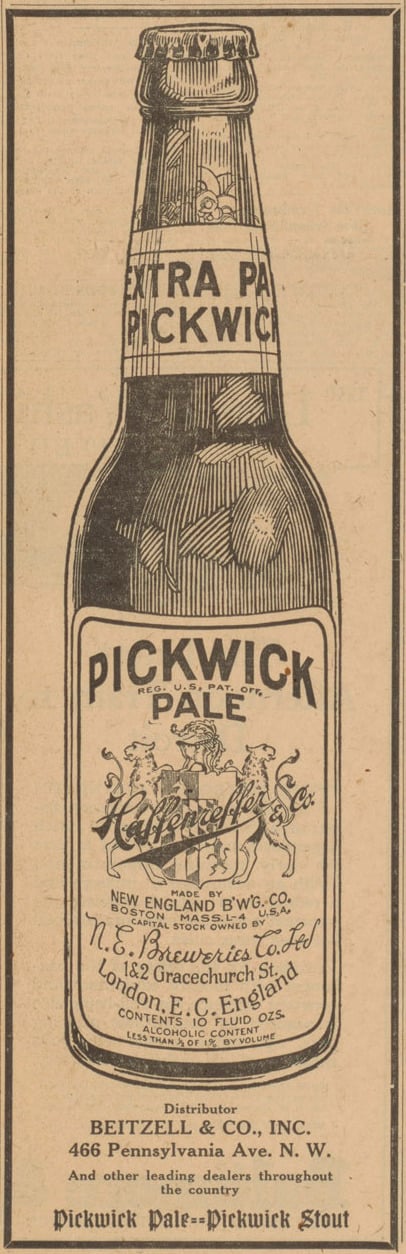
Federal Prohibition rules treated beverages above a defined alcohol level as intoxicating liquor, leaving room for “near beer” at or below one-half of one percent alcohol by volume under federal law. Breweries used that threshold to keep selling beer-like products when full-strength beer was banned. The product was not a loophole that let companies sell ordinary beer legally, and state restrictions could differ. It was a narrow line in the law that gave breweries a way to keep facilities and brands alive until repeal. In this case, a fraction of a percentage point mattered.
11. The Patent Battle That Helped Shape Hollywood
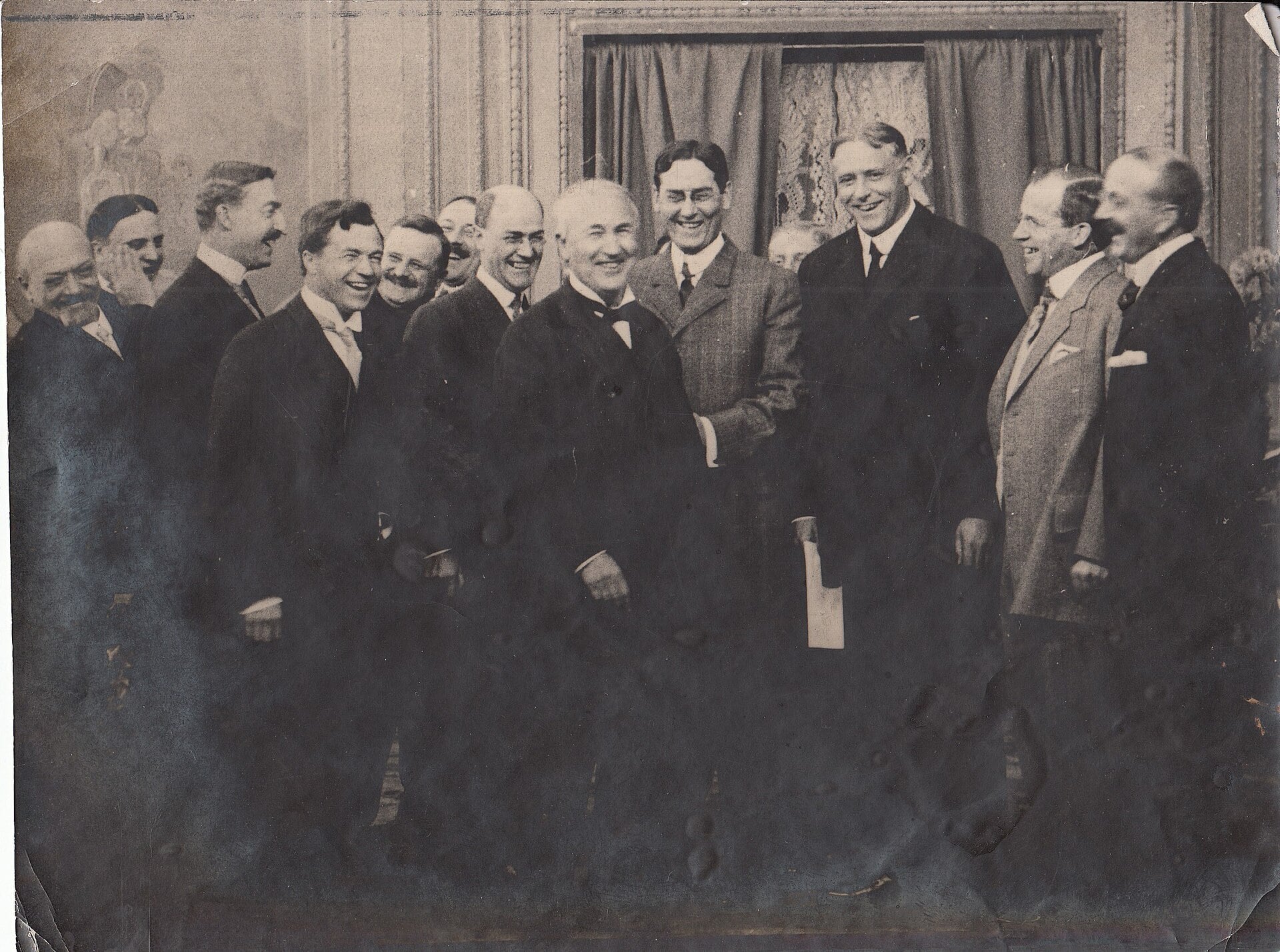
In 1908, major film companies formed the Motion Picture Patents Company, pooling patents and licensing equipment to a limited group of producers. Independent filmmakers faced litigation and restricted access to film stock and theaters. Some moved production west, including to Los Angeles, where distance from the New York-centered trust could make enforcement harder. California was not a patent-free zone, and climate, labor, and scenery also mattered. But the patent conflict helped push early film production toward Hollywood and shaped the industry’s geography and business practices.
12. The Copyright Gap That Shaped American Publishing
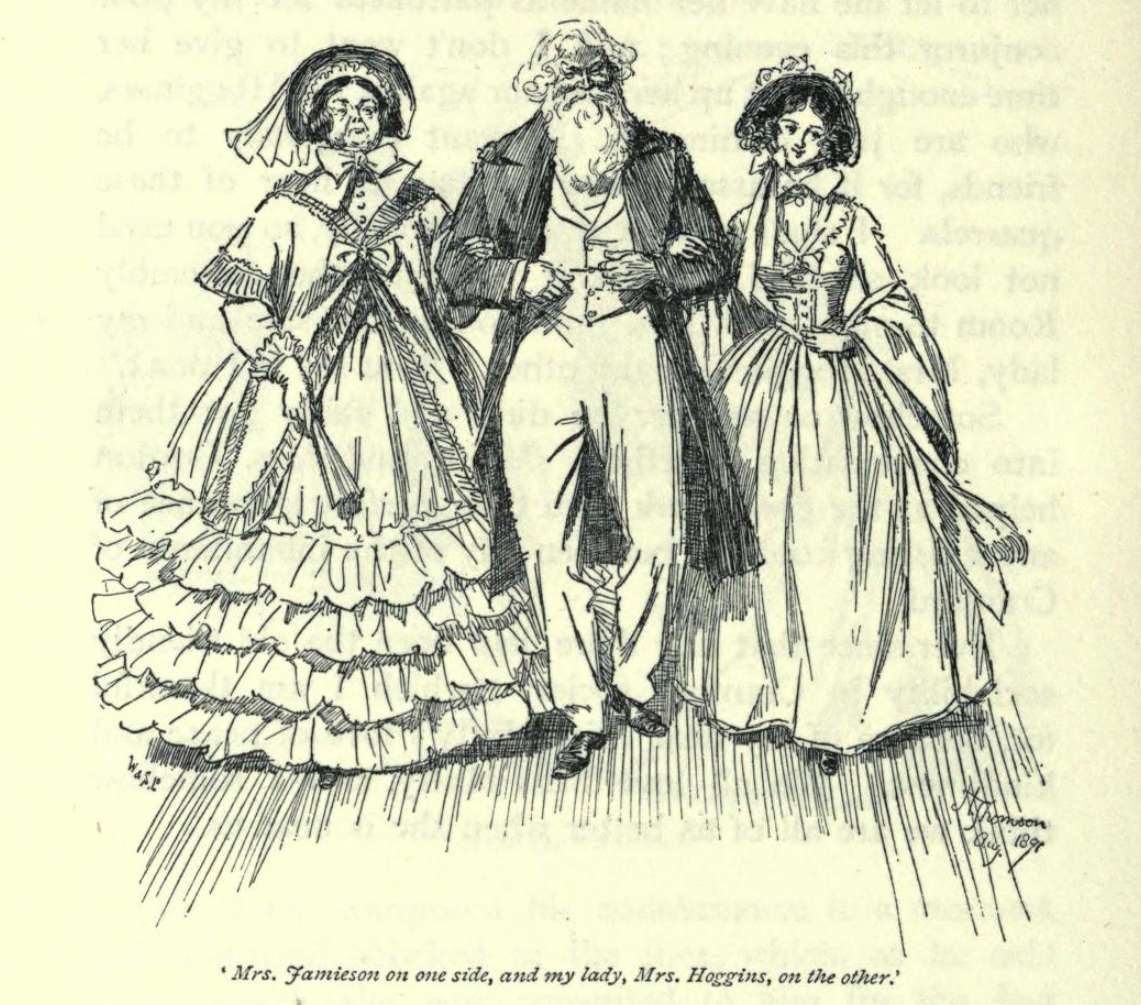
For much of the nineteenth century, U.S. copyright law generally did not protect foreign authors on the same basis as American writers. Publishers could reproduce many British books in the United States without permission or royalties, making inexpensive reprints widely available while leaving foreign authors with little control over the American market. The arrangement also angered U.S. authors who argued that it rewarded publishers for copying rather than paying creators. The International Copyright Act of 1891 established a path for copyright relations with foreign countries, changing the rules for publishers and authors.
13. The Flag-of-Convenience Route Around Shipping Rules
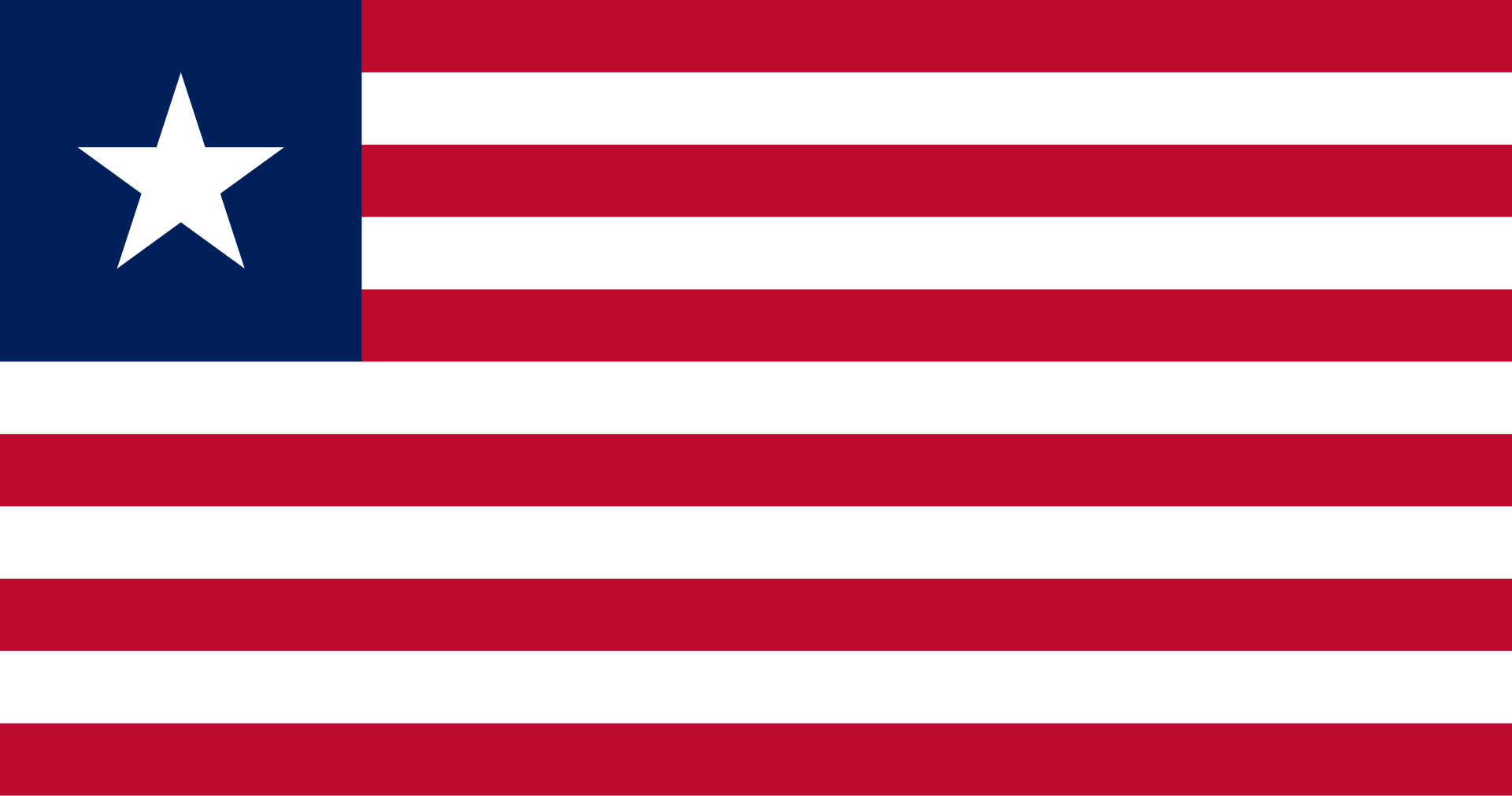
A ship’s flag determines which country’s laws apply to its registration and can affect taxes, labor rules, and safety oversight. Shipowners began registering vessels in countries such as Panama and Liberia to operate under rules different from those of their home countries. This practice, known as a flag of convenience, became a lasting feature of international shipping. It is not automatically illegal: the vessel must follow the laws and treaties that apply to its flag and voyages. The arrangement nevertheless lets owners choose a regulatory system, raising enduring questions about accountability at sea.
14. The Incorporation Choice That Made Delaware a Corporate Magnet
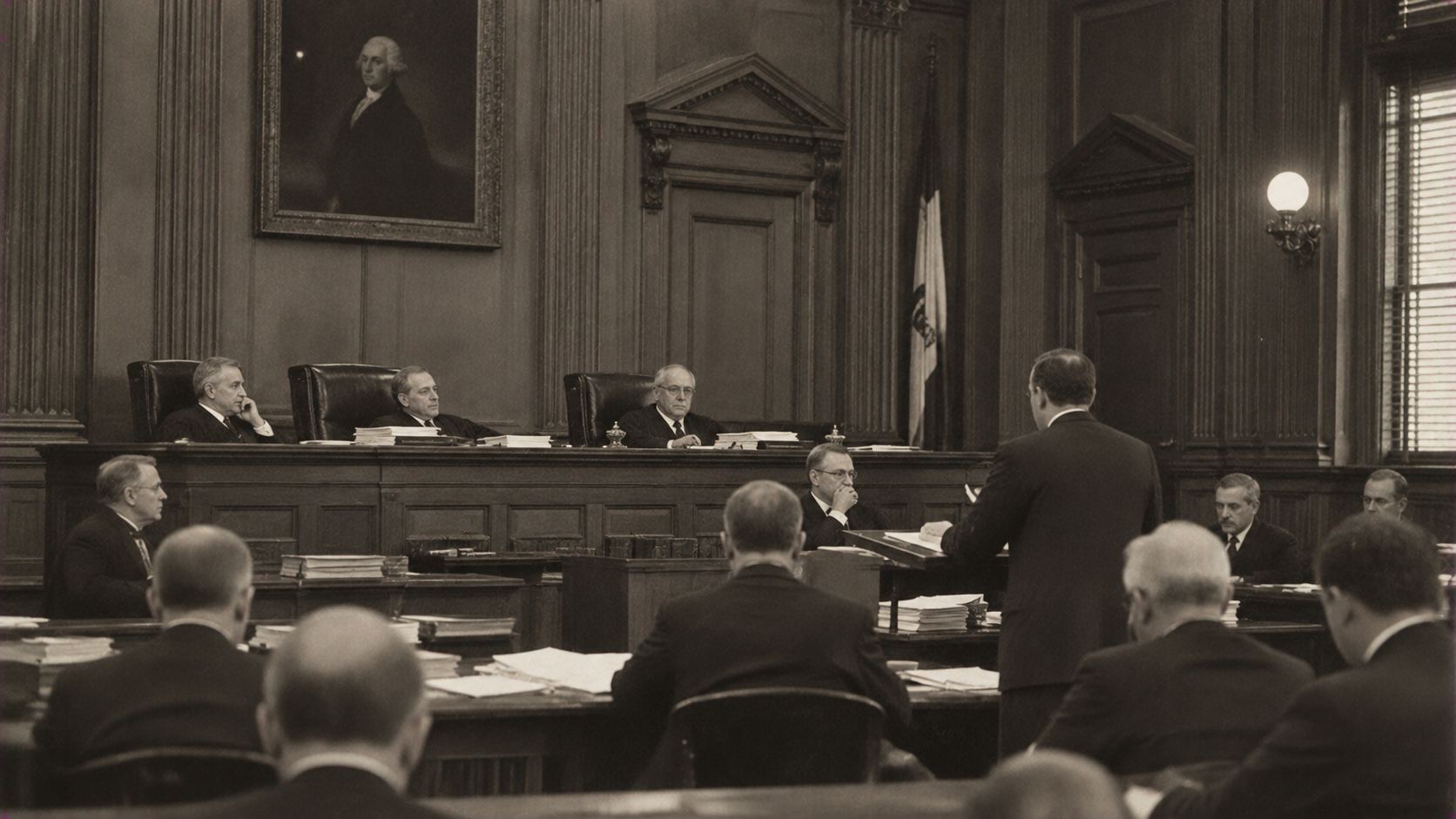
A company can choose its state of incorporation even when its offices and operations are elsewhere. Delaware became especially attractive after its 1897 constitution and 1899 general corporation law created a flexible framework for businesses; its Court of Chancery also developed expertise in corporate disputes. This is more accurately described as jurisdiction shopping than a secret loophole. Companies still have to follow the law and answer to courts, but choosing a legal home can shape how internal disputes are handled. Delaware’s model changed the way American businesses think about corporate domicile.
15. The Corporate Trust Structure Antitrust Law Had to Catch Up With
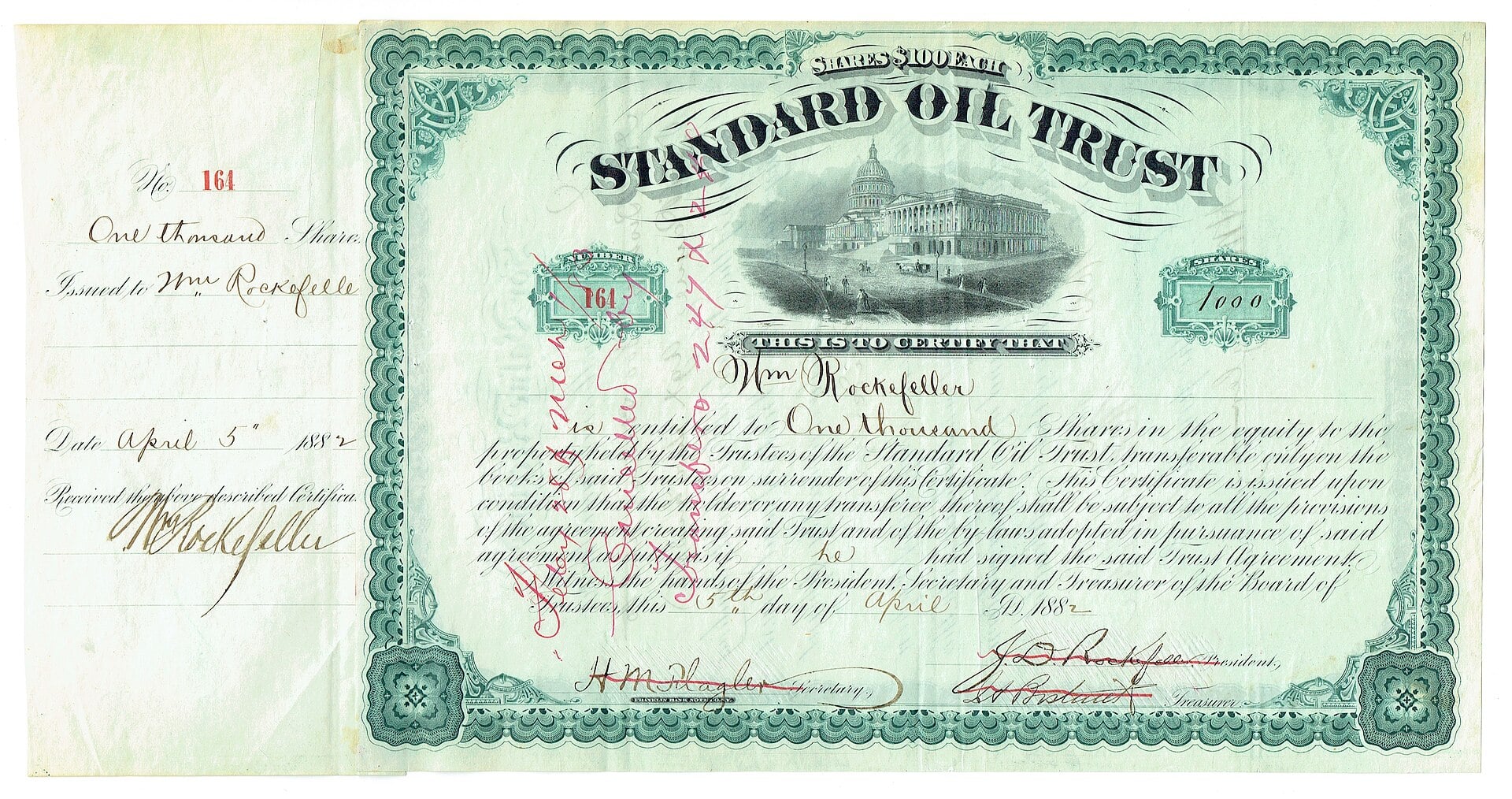
In the late nineteenth century, Standard Oil used a trust arrangement to centralize control over multiple companies. Shareholders transferred stock to trustees, who then coordinated the companies as one powerful organization. The structure helped consolidate market influence without simply merging every business into one corporation. It was not a legal escape forever: the Sherman Antitrust Act and later court action challenged the concentration of power, and the Supreme Court ordered Standard Oil’s breakup in 1911. The trust became a landmark example of how corporate structures can test the reach of competition law.
16. The Rotten Boroughs That Helped Trigger Electoral Reform
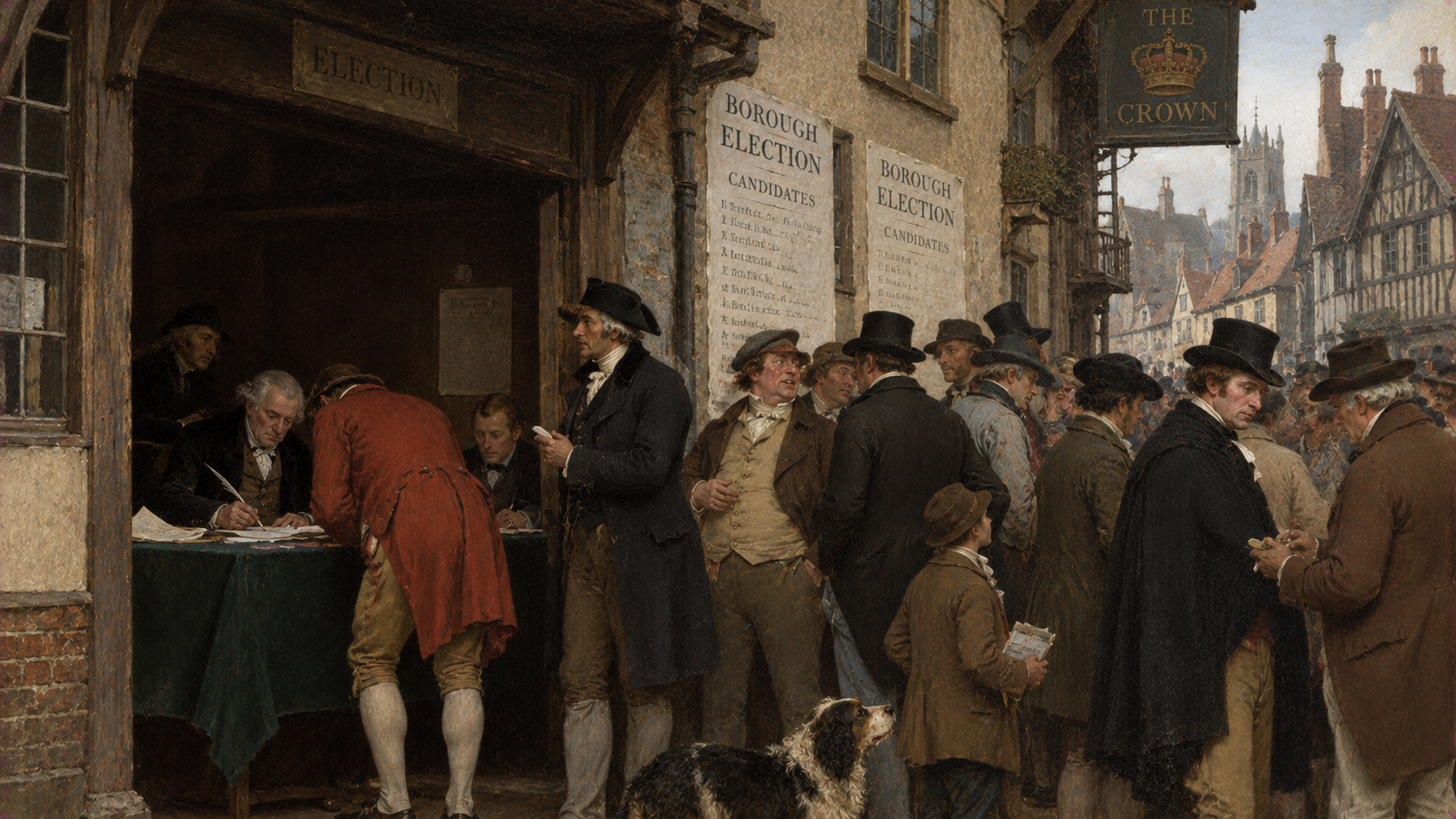
Before Britain’s 1832 Reform Act, some parliamentary boroughs had very few voters but still sent representatives to Parliament, while fast-growing towns had little or no direct representation. In places known as “rotten boroughs,” a small electorate and the absence of a secret ballot made influence and vote-buying easier. The system followed formal rules, but those rules produced a deeply uneven distribution of political power. The 1832 Act abolished dozens of boroughs, reduced representation in others, and created new constituencies. The controversy helped make electoral reform a national political issue.
17. The Offshore Radio Gap That Led Britain to Change the Law
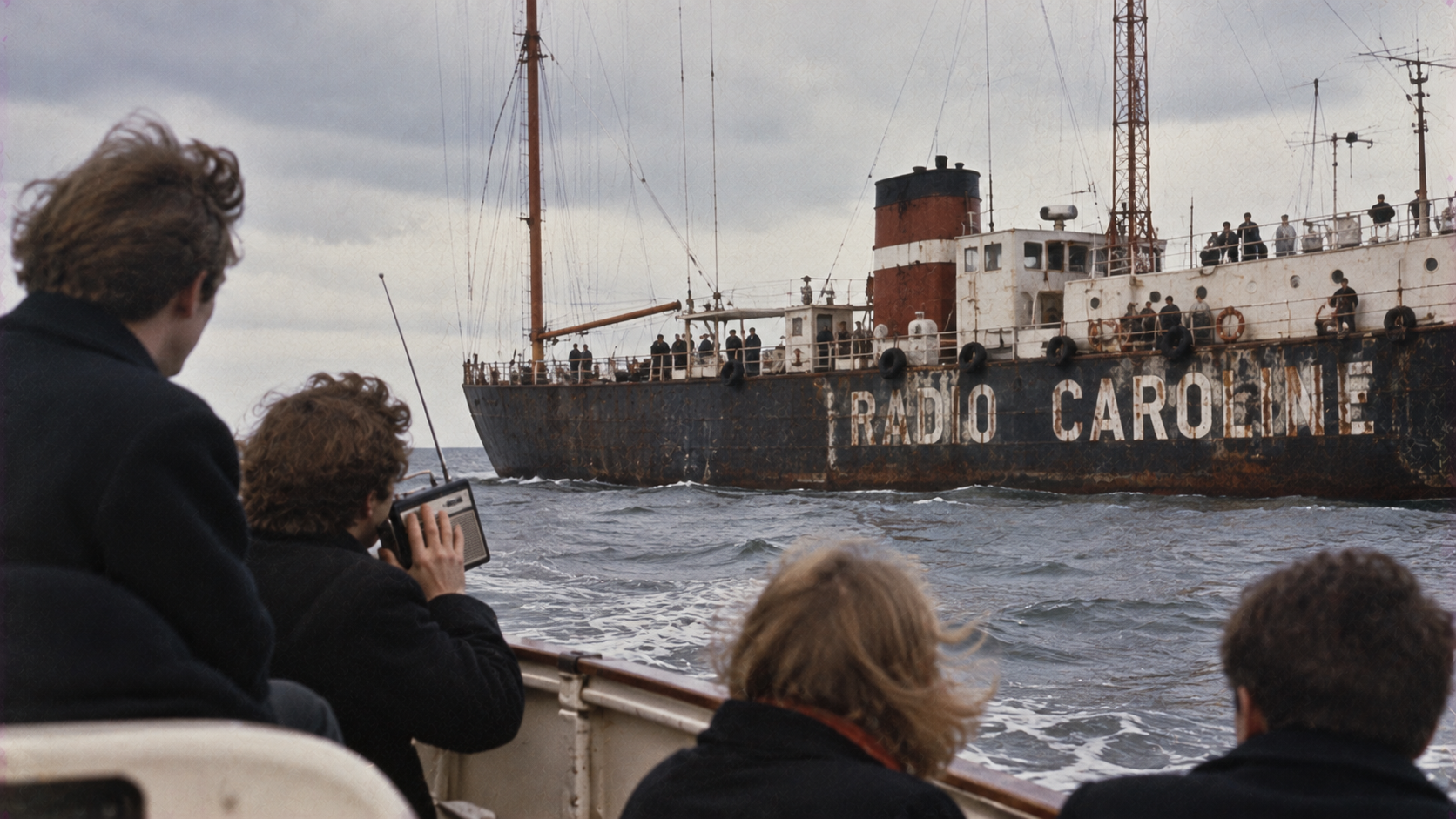
In 1964, Radio Caroline began broadcasting from a ship anchored off the English coast, outside the reach of some domestic broadcasting rules. Offshore stations drew large audiences and challenged the BBC-centered radio landscape. Britain responded with the Marine etc. Broadcasting (Offences) Act of 1967, which made it an offense for people in the U.K. to assist certain unlicensed broadcasts from ships outside national territory. The stations had exposed a jurisdictional gap, and lawmakers widened the law to close it. Their popularity also helped show the demand for more varied radio programming.
18. The Grandfather Clause in the 22nd Amendment
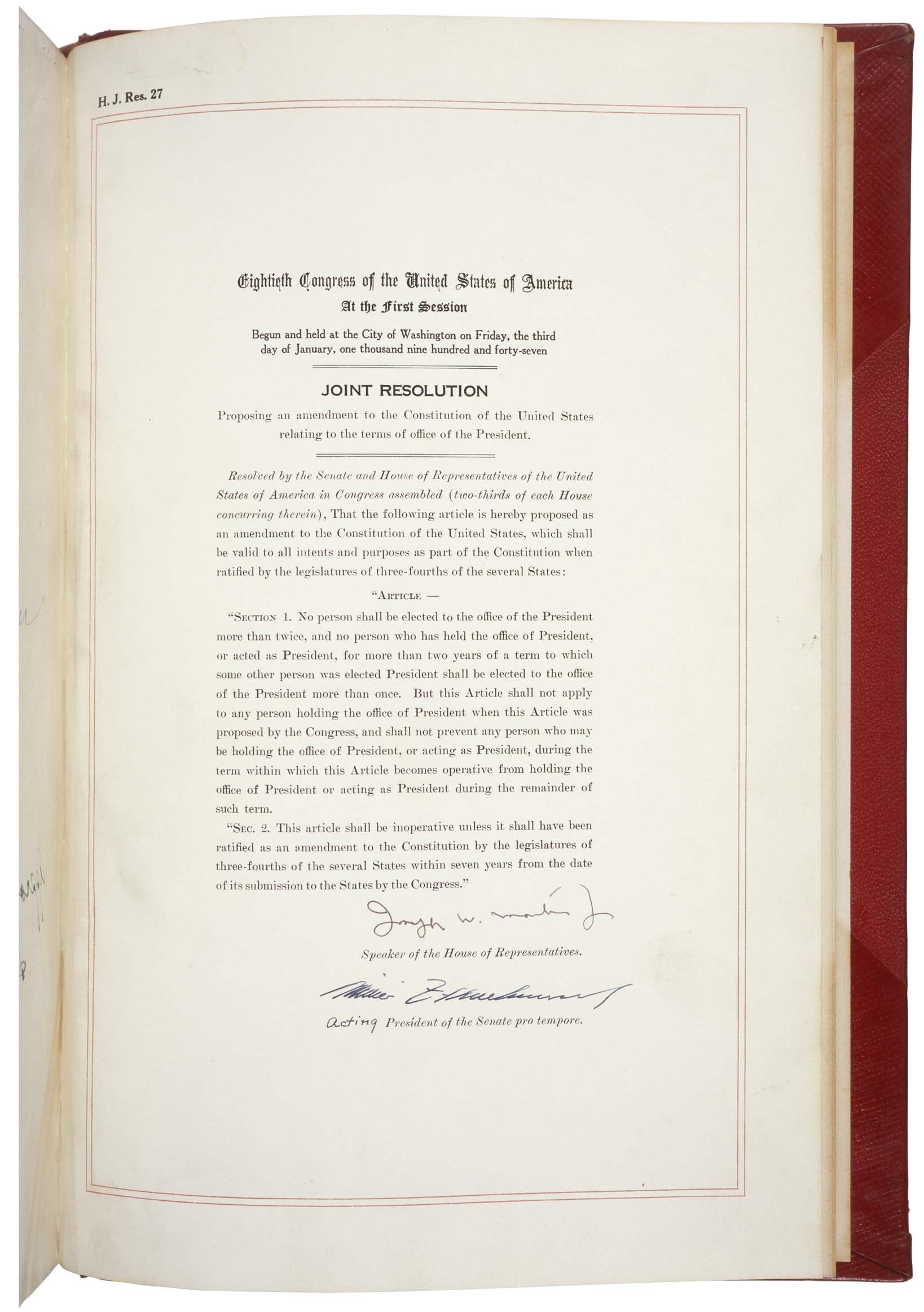
The 22nd Amendment limits how many times a person may be elected president, but it contains an explicit exception: the restriction did not apply to the person holding the office when Congress proposed the amendment in 1947. That meant Harry Truman was not barred by the new rule from seeking another elected term. This was not a hidden loophole; it was a grandfather clause written directly into the amendment. It is included here as a reminder that legal exceptions can be deliberate and public, even when they produce an unusual result.
19. The Legal Gray Area That Fueled Early Ridesharing
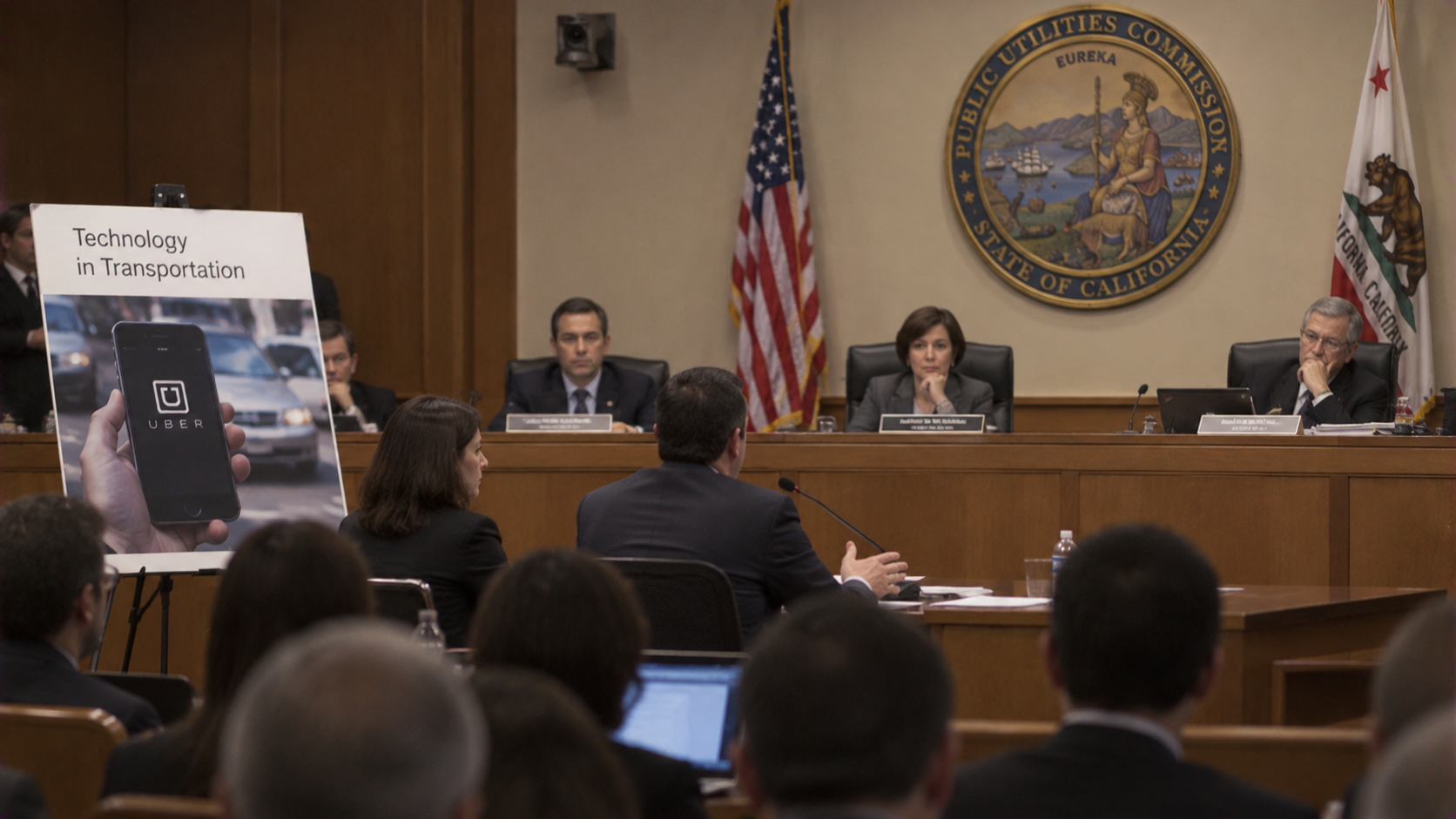
When app-based rides began competing with taxis, regulators had to decide whether the companies were transportation providers or technology platforms connecting drivers and passengers. In California, early services faced cease-and-desist letters and penalties under rules written before app-arranged rides existed. In 2013, after a public rulemaking process, the California Public Utilities Commission created a new category called transportation network companies. The services were not automatically legal during the uncertainty, but the gap between old rules and new technology forced regulators to rewrite the framework for urban rides.
20. The Electoral Count Gap That Helped Decide the 1876 Election
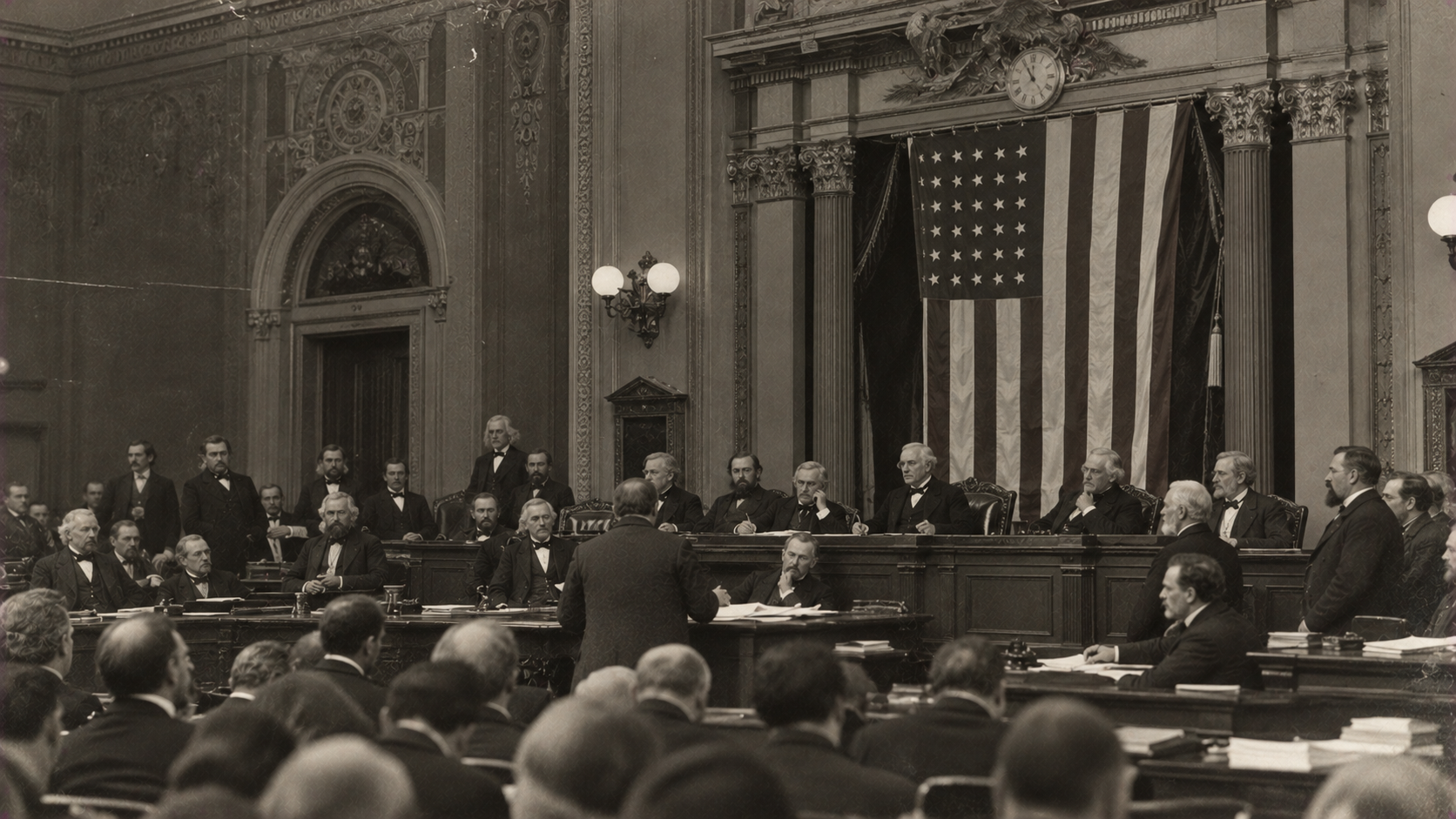
The presidential election of 1876 left four states with disputed electoral returns and no agreed process for deciding which votes Congress should count. Congress created a special Electoral Commission to settle the conflict. It awarded the disputed votes to Rutherford B. Hayes, giving him a 185–184 Electoral College victory over Samuel Tilden. The crisis exposed how little guidance existed for resolving competing returns. Congress later passed the Electoral Count Act of 1887 to establish procedures for future disputes. A gap in election law had put the outcome of a presidential contest in doubt.
History does not always turn on a dramatic courtroom showdown. Sometimes it changes because one deadline is missed, a law stops at a border, or lawmakers leave a procedure unfinished. These cases show why legal loopholes need careful labels: a statutory gap, an explicit exception, and an illegal evasion are different things—and each can leave a lasting mark.
Keep Exploring The Scroller
Think legal history is all dusty books and complicated courtroom arguments? There’s plenty more where these stories came from. Keep exploring The Scroller for forgotten controversies, surprising historical turning points, and the strange details that changed how the world works:
16 Things That Were Perfectly Legal Until One Disaster Changed the Rules