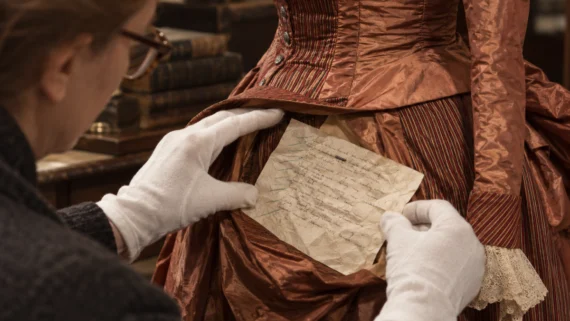
Throughout history, the clothes you wore did much more than simply protect you from the elements. Long before designer logos and expensive luxury cars existed, specific fashion accessories served as an instant billboard for your personal wealth and political power. Society was so strictly divided by class that certain decorative items were legally restricted by royal decrees, meaning wearing the wrong belt or hat could literally result in prison time.
Aristocrats and royals constantly invented bizarre styling trends purely to prove they did not have to perform any manual labor. If an accessory was highly uncomfortable, extremely fragile, or ridiculously expensive to maintain, it immediately became a mandatory staple for the ruling elite. Exploring these extinct stylistic trends offers a fascinating glimpse into how our ancestors aggressively flaunted their social dominance. Here are twelve historical accessories that perfectly revealed exactly where someone stood on the social ladder.
1. Chopines
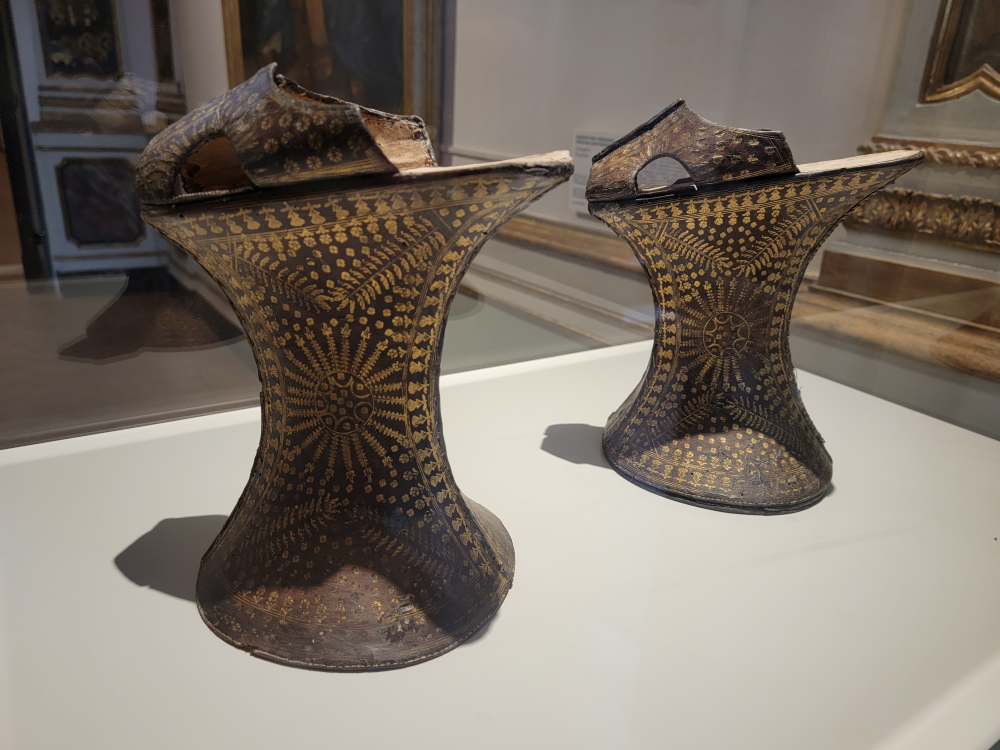
During the late fifteenth century, Venetian noblewomen wore towering platform shoes called chopines to protect their expensive silk dresses from muddy streets. These ridiculous wooden platforms could reach up to twenty inches in height, forcing wealthy ladies to rely entirely on two accompanying servants just to maintain their balance while walking across town.
2. Starched lace ruffs
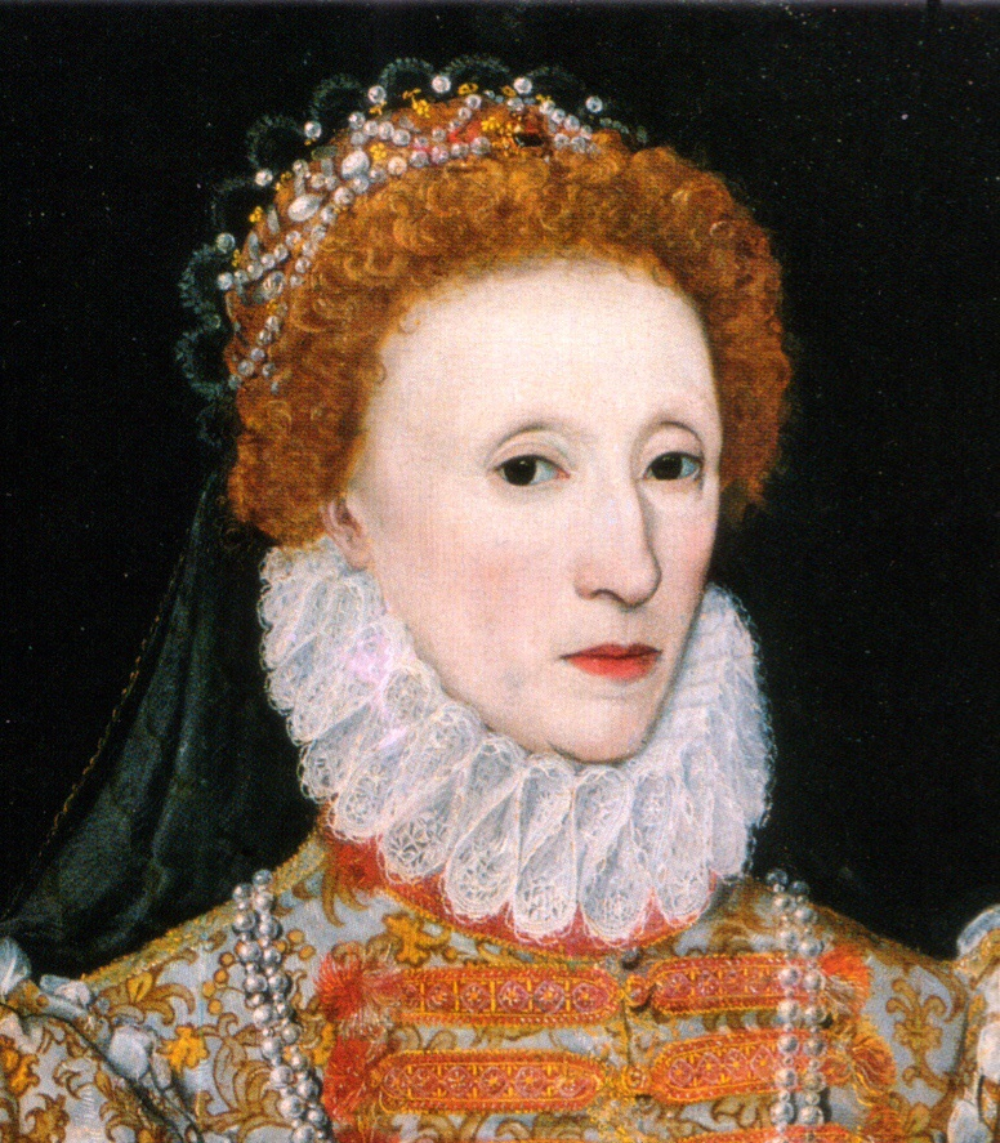
Popularized by Queen Elizabeth I in the 1560s, these massive corrugated neck collars required hours of meticulous pleating and highly expensive imported starch. Because wearing a stiff ruff made physical exertion completely impossible, the accessory became the ultimate visual proof that the wearer relied entirely on servants for daily survival.
3. Poulaines
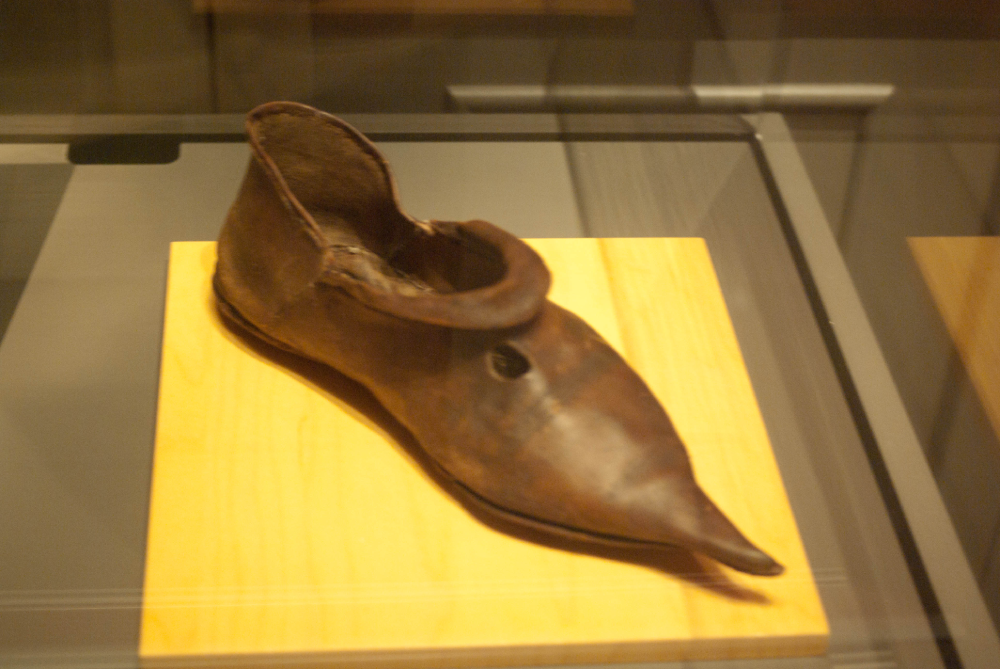
Also known as Crakows, these leather shoes featured incredibly long, pointed toes that became a massive obsession across medieval courts. In 1363, King Edward III actually passed strict sumptuary laws dictating that only wealthy nobles with massive incomes were legally permitted to wear shoe tips exceeding two inches in length.
4. Powdered wigs
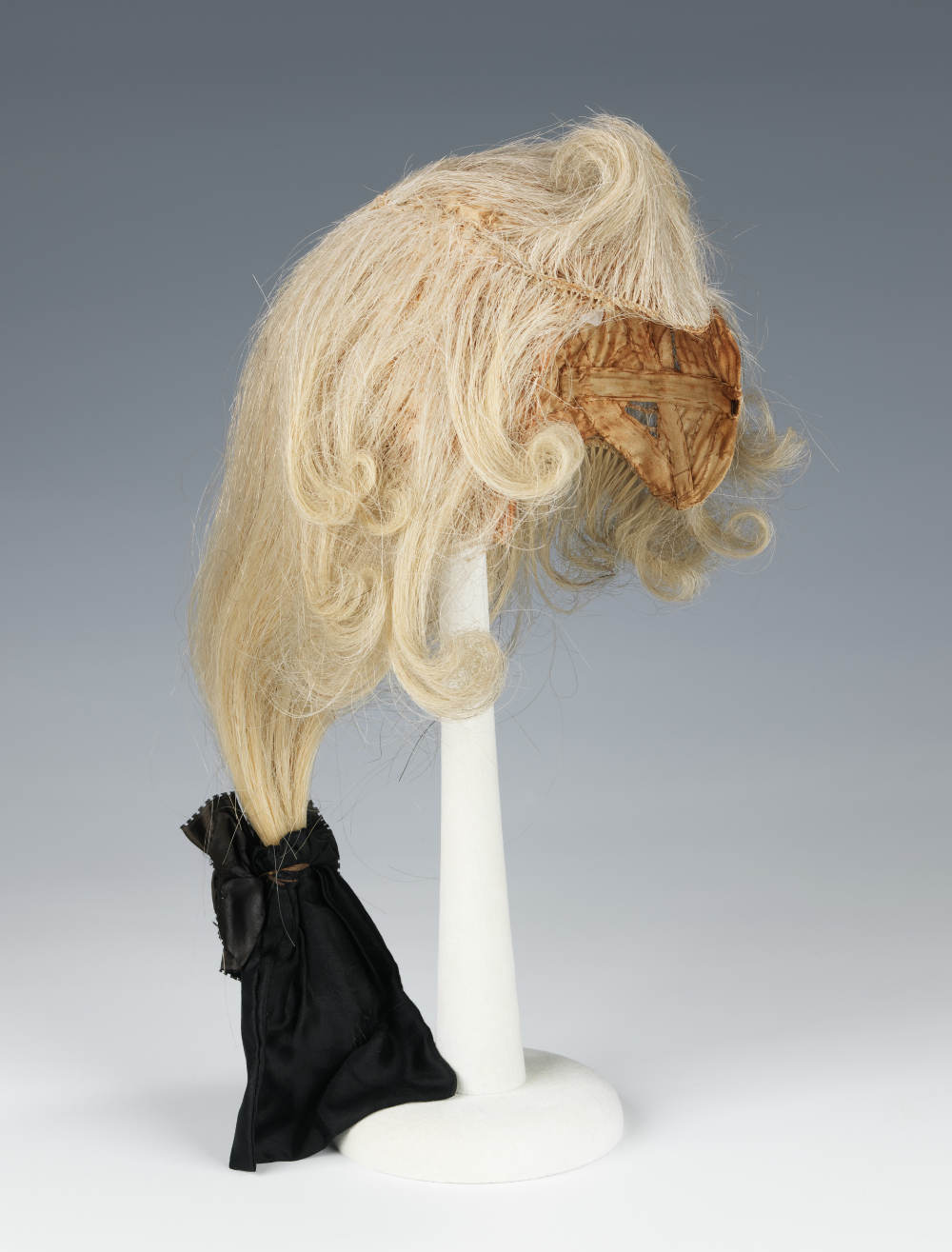
When King Louis XIV began losing his hair to syphilis in the 1650s, he hired nearly fifty royal wigmakers to aggressively cover up his baldness. The massive artificial hairpieces quickly became a mandatory status symbol for the European aristocracy, requiring expensive white powder made of finely ground flour and scented lavender to mask terrible odors.
5. Tyrian purple garments
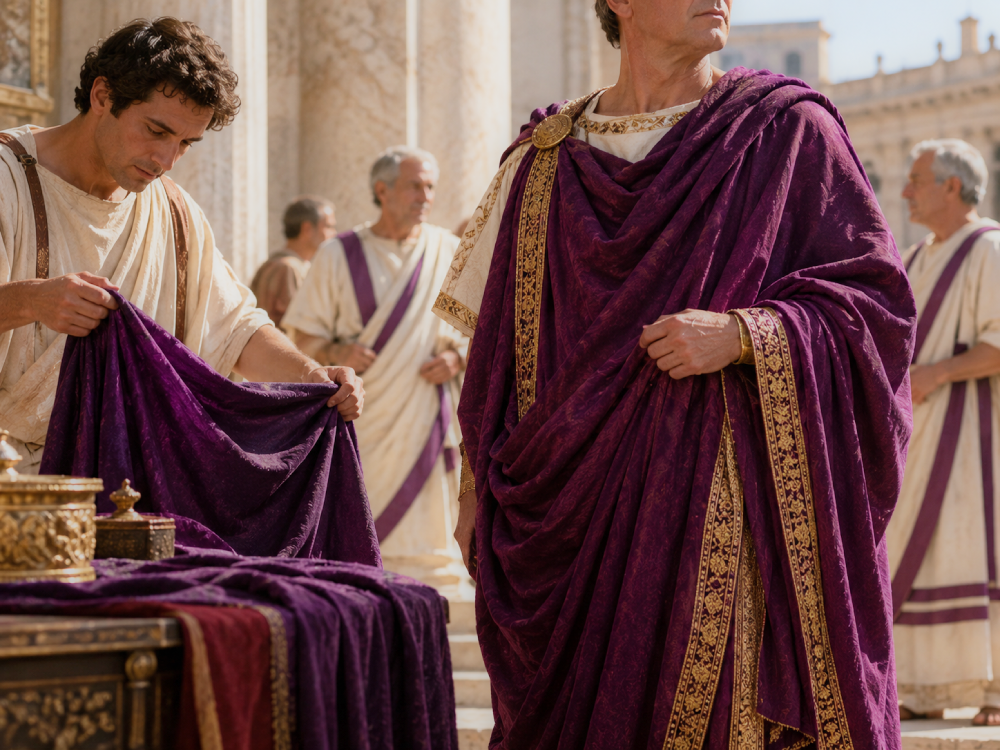
True purple dye was painstakingly extracted from thousands of rotting Murex sea snails in the ancient Mediterranean, making it far more expensive than solid gold. Julius Caesar strictly enforced sumptuary laws decreeing that only the reigning Roman emperor was allowed to wear a fully purple toga, while lesser senators could only display a single purple stripe.
Trending on The Scroller


6. Decorative walking canes
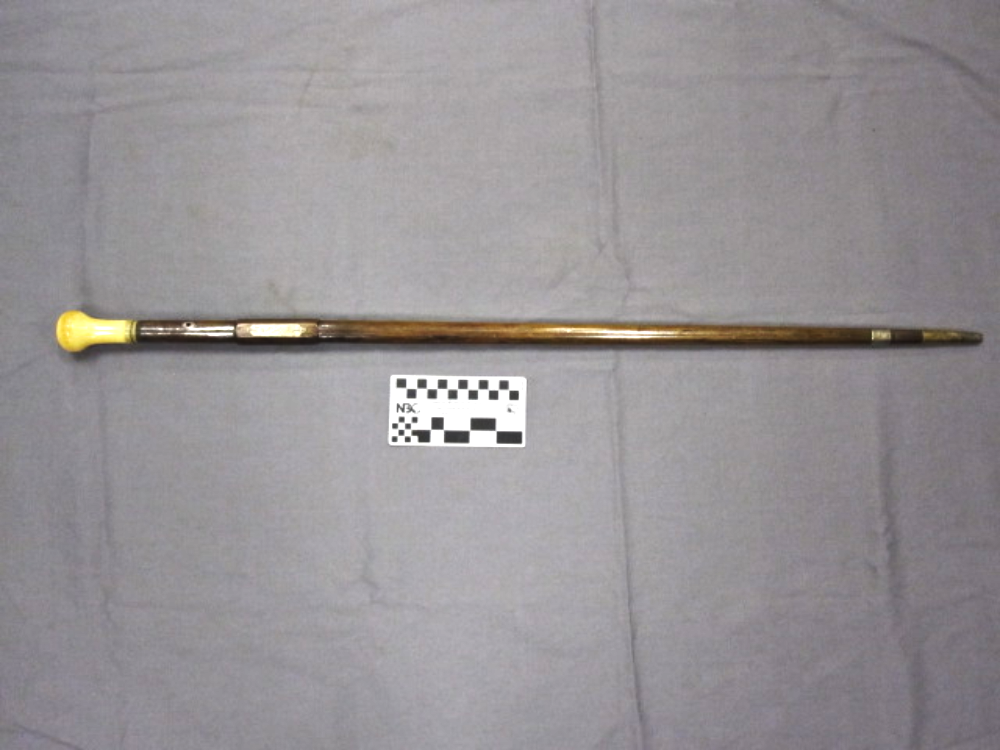
By the late nineteenth century, a heavy wooden walking stick completely transitioned from a medical mobility aid into a mandatory decorative prop for elite gentlemen. Famous socialites like Oscar Wilde carried bespoke canes topped with solid gold, carved ivory, or hidden flasks to loudly advertise their immense wealth and leisurely lifestyle.
7. Jeweled snuff boxes
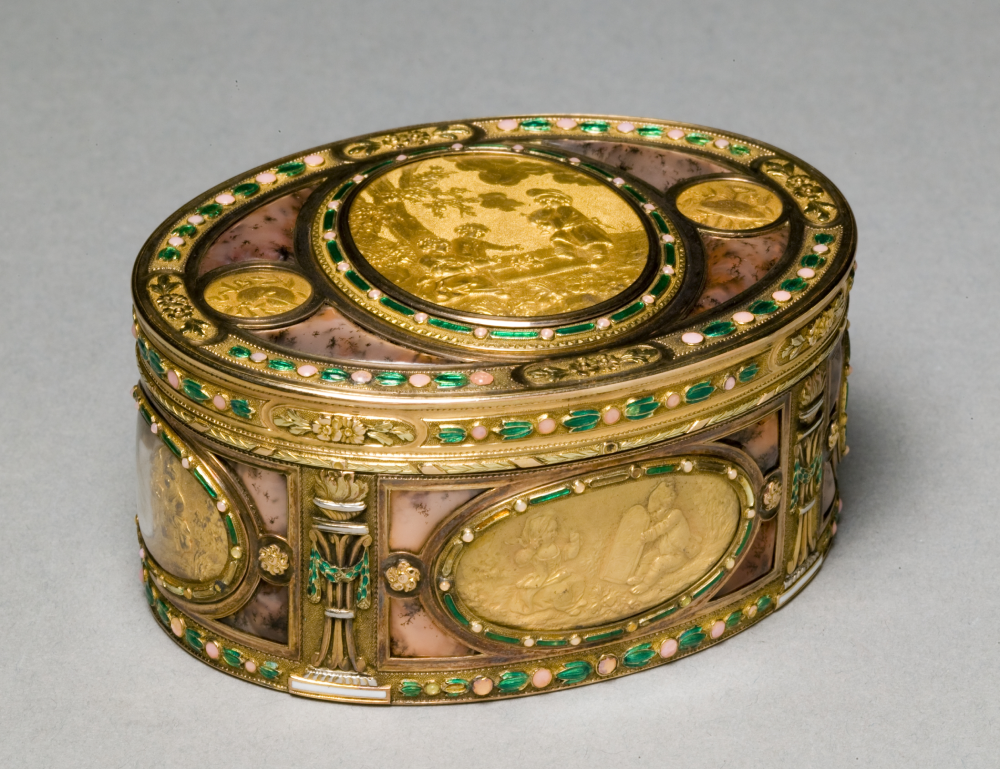
Taking inhaled powdered tobacco became a massive aristocratic fad during the eighteenth century, leading European royals to commission incredibly elaborate pocket containers. King Frederick the Great of Prussia was famously obsessed with this trend, carrying diamond-encrusted gold boxes in his coat pockets that cost more than an entire rural farming estate.
8. Chatelaines
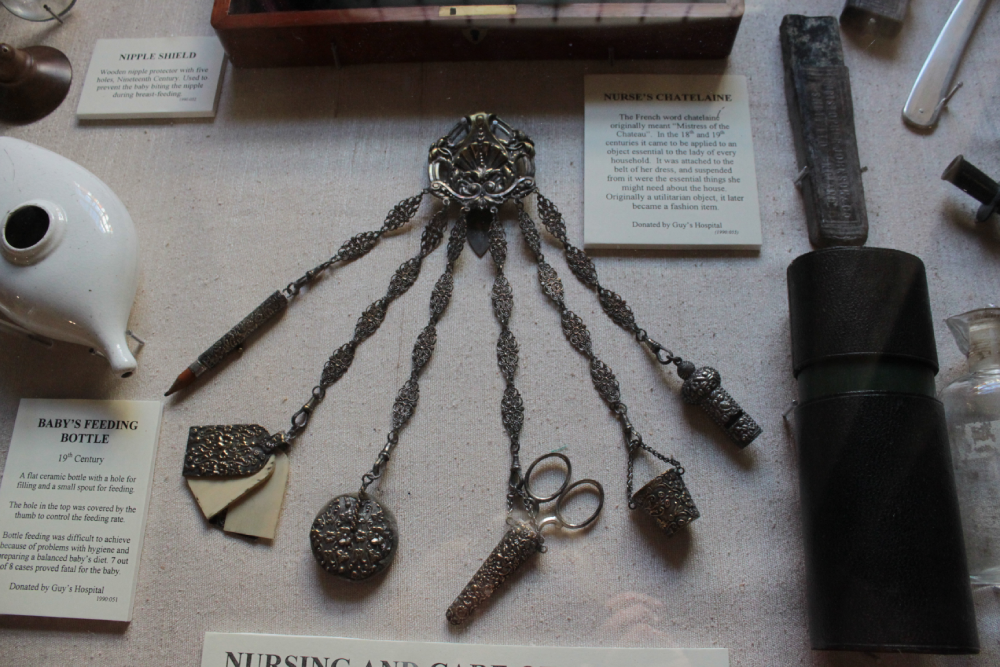
Before modern handbags were invented, elite Victorian housekeepers and noblewomen wore decorative silver chains hooked directly to their waistbands. These elaborate metal clips held essential daily items like keys, scissors, and tiny notebooks, instantly signaling to guests that the wearer held absolute financial control over a massive domestic staff.
Sign up for our newsletter
9. Silk parasols
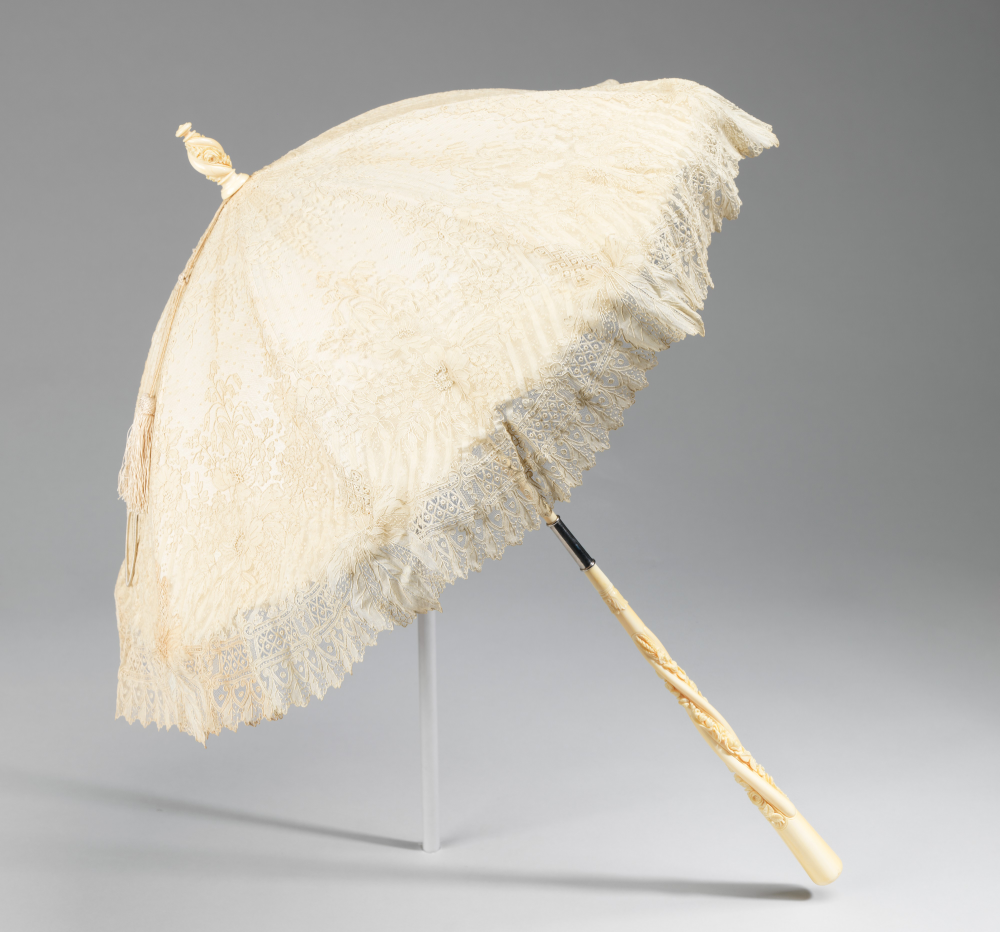
Throughout the 1800s, carrying a delicate, lace-trimmed umbrella was the absolute best way for a wealthy woman to maintain a perfectly pale complexion. This fragile accessory instantly communicated that the lady possessed enough inherited wealth to avoid grueling outdoor agricultural labor under the harsh summer sun.
10. Gold pocket watches
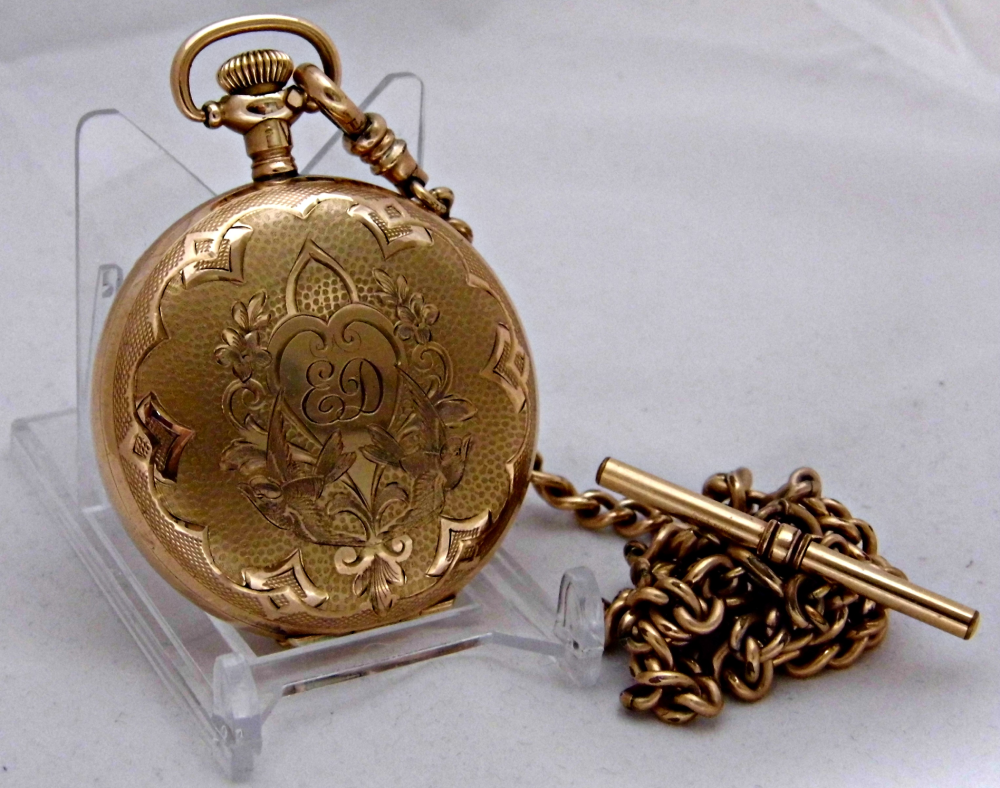
Before the era of cheap industrial manufacturing, owning a precision mechanical timepiece was an extreme luxury reserved strictly for wealthy bankers and aristocrats. Following the marriage of Queen Victoria in 1840, elite men proudly wore their expensive watches attached to a heavy gold Albert chain draped visibly across their silk waistcoats.
11. Painted hand fans
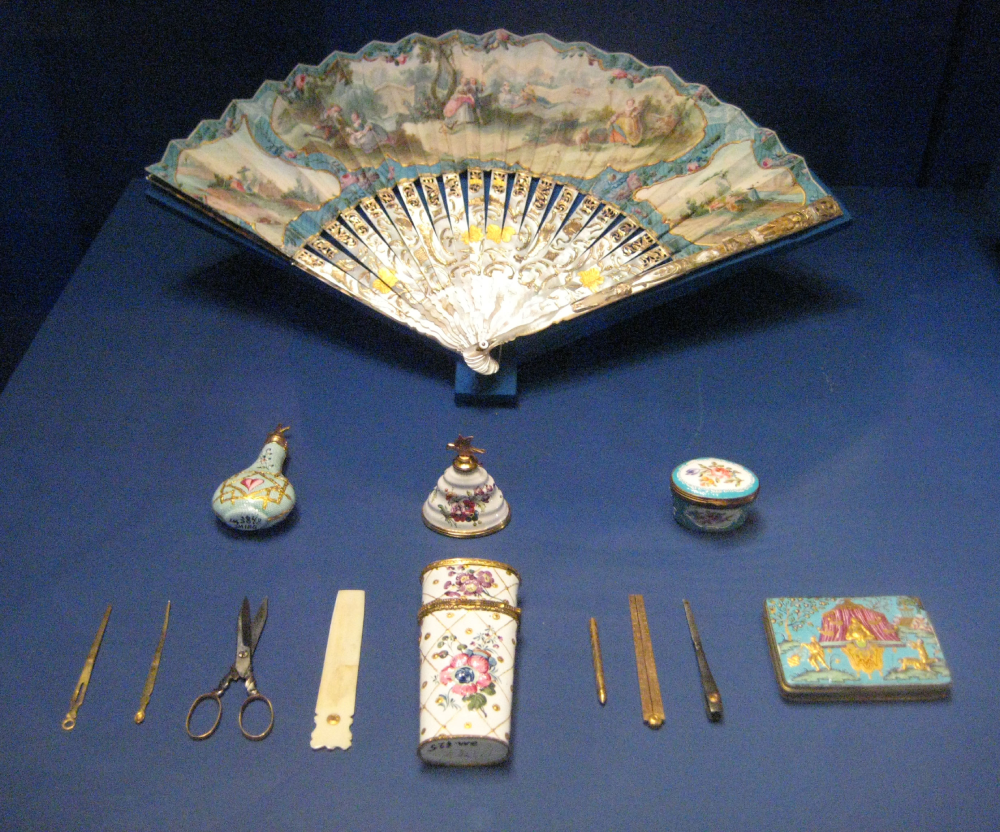
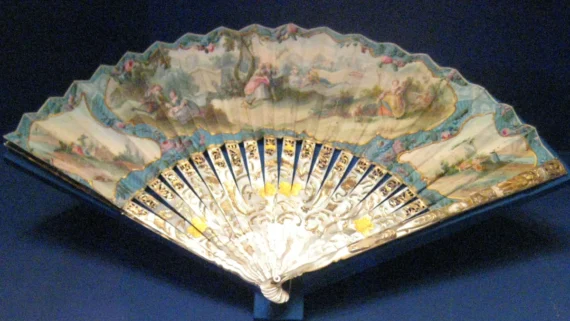
At the glittering court of Versailles, Queen Marie Antoinette utilized folding fans made from precious mother-of-pearl and hand-painted silk. These delicate accessories were not just for cooling down, as elite women developed a highly complex secret language using their fans to silently communicate romantic interest or deep social disdain across crowded ballrooms.
12. Lorgnettes
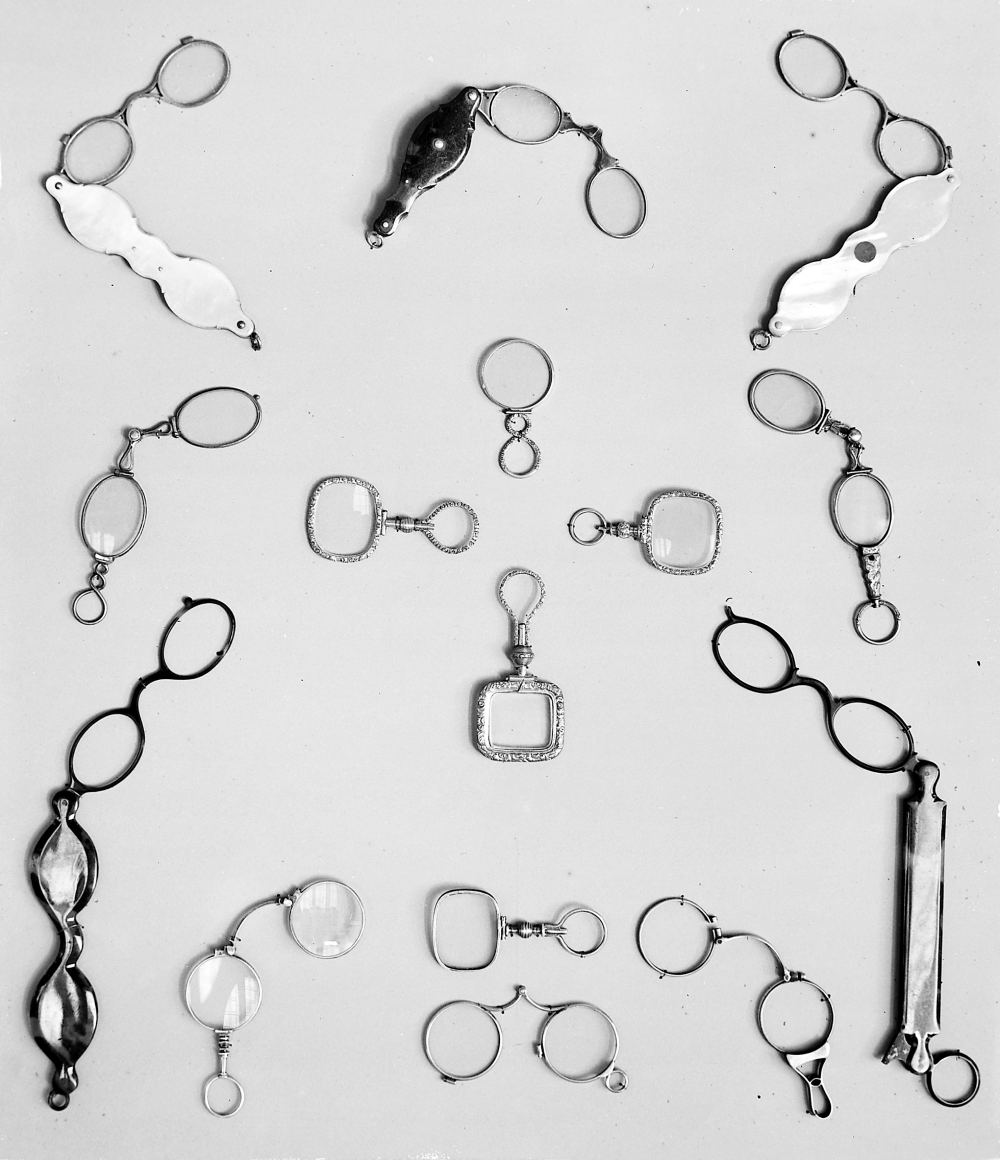
Instead of wearing regular spectacles, wealthy socialites in the 1800s preferred these elegant magnifying glasses mounted on an extended decorative handle. Opera patrons and elite theatergoers used these gold-plated optical accessories to dramatically scrutinize other guests from across the room, turning a basic vision aid into an aggressive tool of high society judgment.
Explore more fashion stories from the past:
It is fascinating to realize how much pain and financial ruin our ancestors willingly endured just to look vastly superior to their neighbors. While modern society has traded towering wooden platform shoes for designer sneakers and luxury smartwatches, the fundamental human desire to broadcast our success remains incredibly strong. If you love diving into bizarre historical trends, make sure to explore these 14 Historic Fashion Trends That Were Seriously Dangerous or these 20 Absurd Fashion Trends From The Past. You may also like these 16 Fashion Choices From Old Photos That Defined Past Eras.