The visual evolution of fashion choices has established some of the most fascinating and incredibly extreme cultural milestones across the centuries. Walking into a modern boutique or watching a contemporary runway show reveals a streamlined focus on textile engineering, synthetic fabrics, and athletic functionality designed for everyday movement. However, looking back at the ancestral history of high society clothing choices reveals a landscape dominated by agonizing structural cages, toxic cosmetic pastes, and gravity-defying hair pieces that required hours of meticulous manual construction. Elite aristocrats willingly sacrificed their daily physical comfort, personal safety, and respiratory health simply to broadcast their immense generational wealth and superior political standing to the public.
The remarkable reality of these archaic luxury aesthetics highlights just how radically our global standard of beauty can change over a few generations. The truth is that when we choose to study the history of global fashion, the most prominent style movements often relied on the dangerous subversion of nature, utilizing highly restrictive designs that routinely resulted in physical injury or death for the wearer. Before contemporary textile regulations and consumer safety boards standardized the global clothing industry, looking glamorous meant navigating the world with toxic heavy metals on your skin, oversized platforms on your feet, and highly flammable wire frames around your waist. Let’s take a look at fourteen unforgettable historical style trends that defy all modern logic, capturing the absolute extremes of vintage vanity.
1. Wheat-flour powdered wigs – Europe, 18th Century
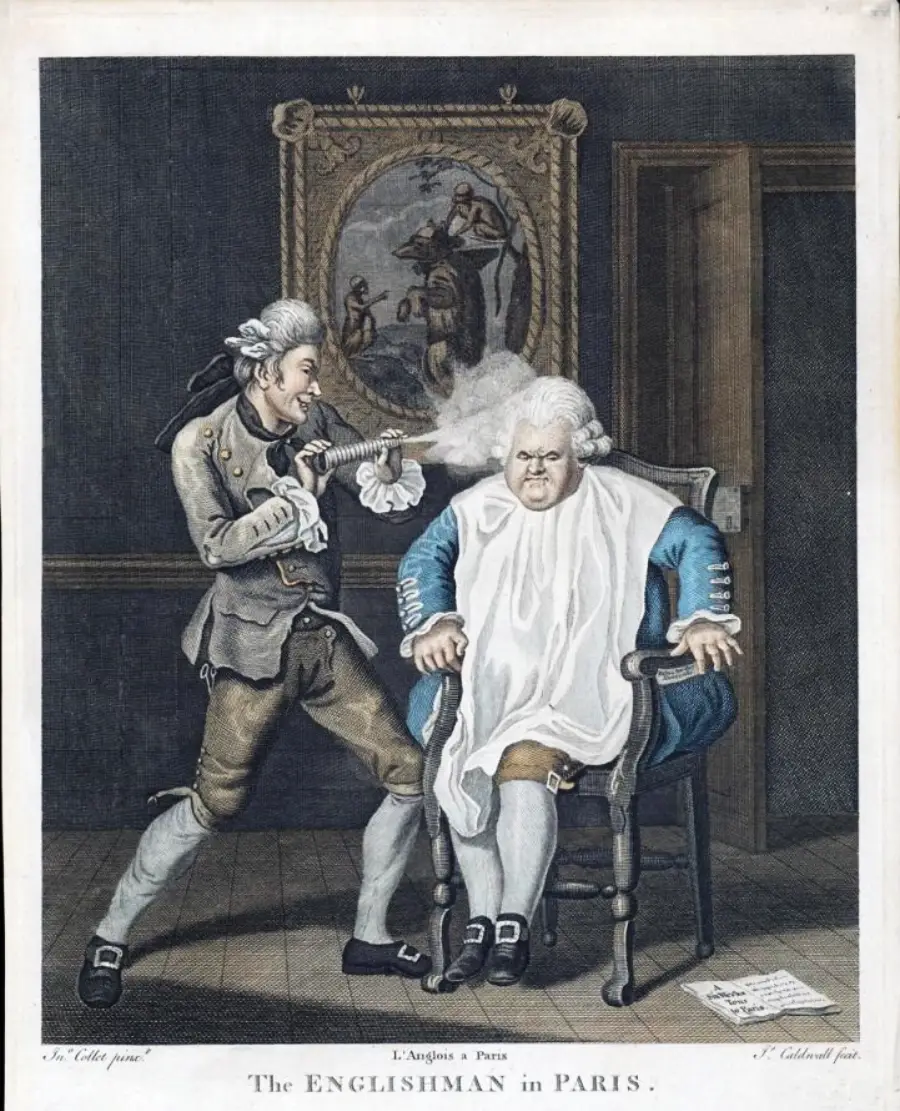
The towering, chalky-white hair displays popularized by European aristocrats were not naturally grey, but rather heavily coated in thick layers of ground wheat flour or potato starch to achieve their signature matte tone. During the devastating grain shortages of 1795, the British government enacted a massive luxury tax on hair powder because wealthy nobles were wastefully dumping primary food supplies onto their scalps while impoverished citizens actively starved in the streets.
2. Lethal Victorian crinolines – Victorian Era, 1850s/1860s
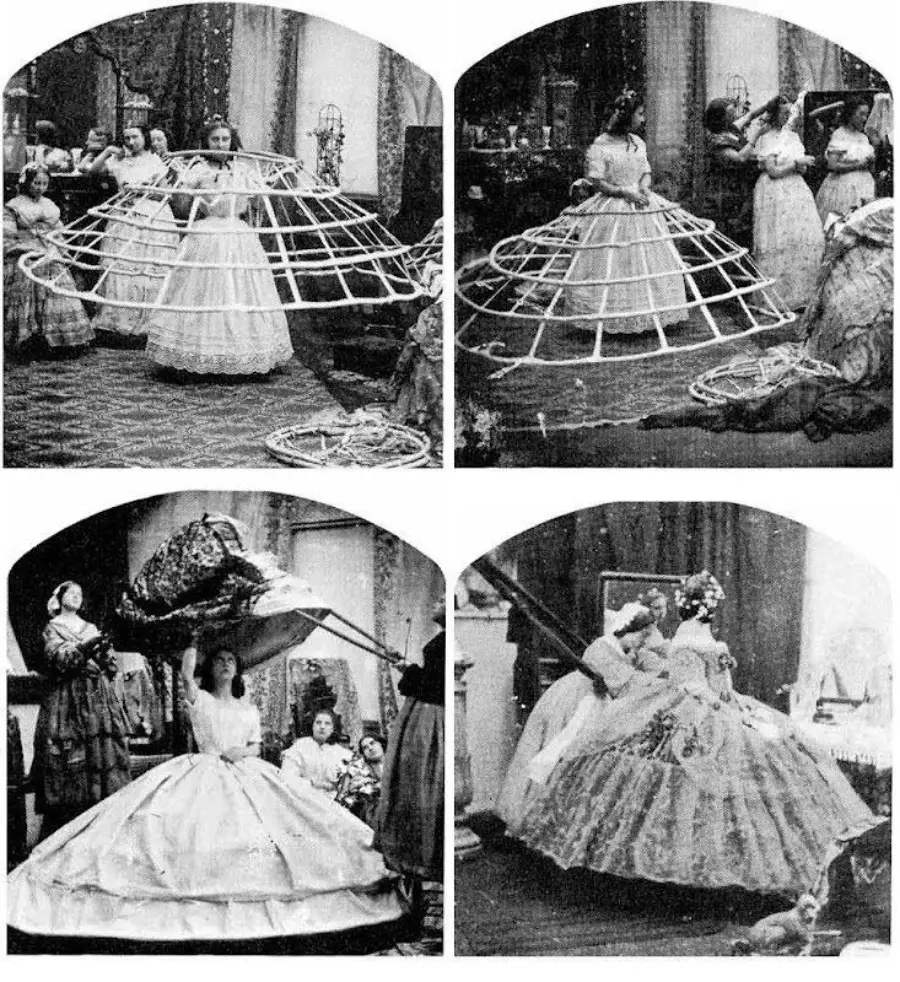
The voluminous, dome-shaped skirts worn by nineteenth-century women were supported by expansive structural cages made of high-tensile steel bands or heavy horsehair webbing. These massive, sweeping structures caused hundreds of documented real-world fatalities, as frantic wearers routinely became trapped in closing heavy doors, entangled in speeding carriage wheels, or caught in open fireplace drafts that instantly ignited the highly flammable fabric layers.
3. Chain-linked poulaines – Medieval Europe, 14th/15th Century
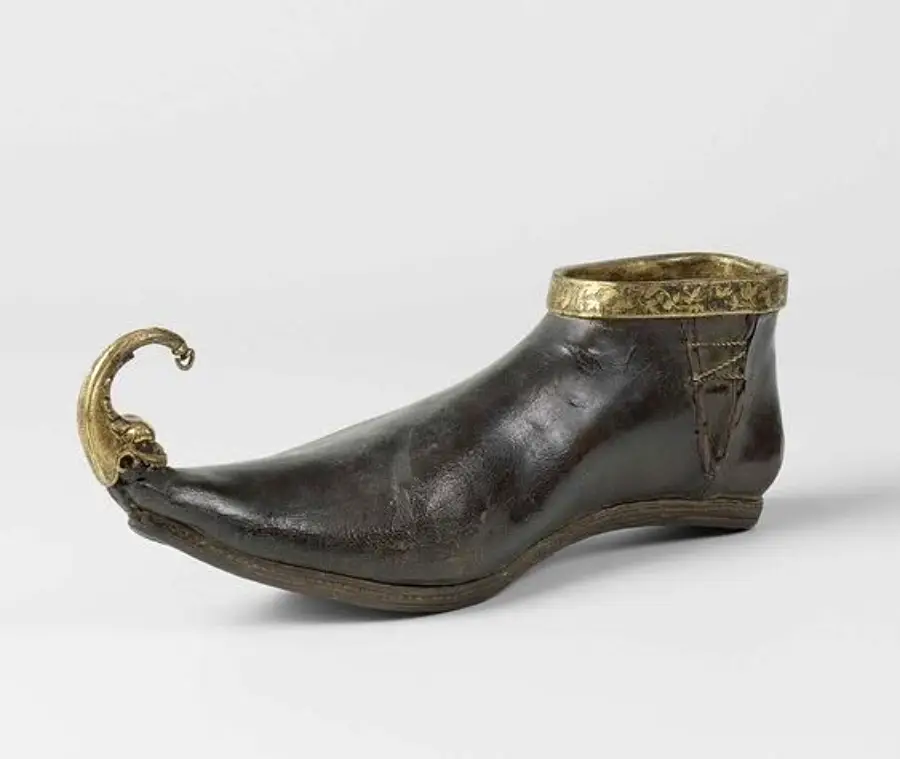
Long, pointed leather footwear known as poulaines or crakows became such an extreme status symbol that the extended tips could stretch up to sixty centimeters beyond the wearer’s actual toes. To make walking across stone castle floors physically possible, extreme dressers were forced to anchor silver chains stretching from the tip of the shoe directly up to a band tied around the knee. The absolute length of the pointed toe served as a rigid legal marker of social hierarchy, with the highest nobility legally entitled to wear the longest tips.
4. Shaved eyebrows and high hairlines – Europe, 15th Century
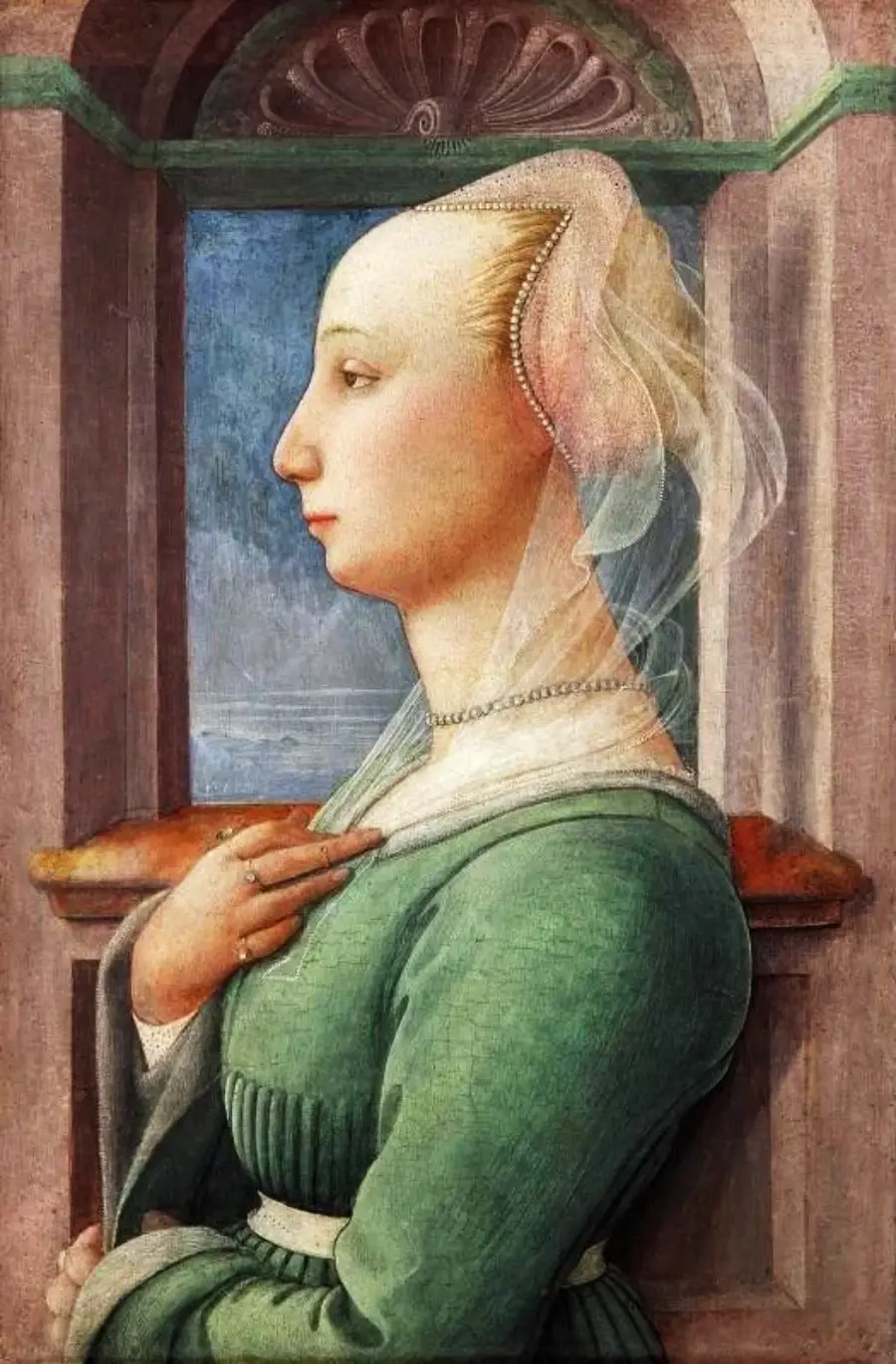
Early Renaissance women systematically plucked out every single strand of their natural eyebrows and aggressively shaved the front perimeter of their hairlines to achieve an impossibly high, exposed forehead. This dramatic facial look was universally celebrated across the continent as the ultimate symbol of high intelligence, aristocratic breeding, and feminine elegance. The iconic, browless aesthetic is permanently captured across nearly every major elite portrait painted during the era.
5. Masculine corsetry – Regency and Victorian Eras, 1800s
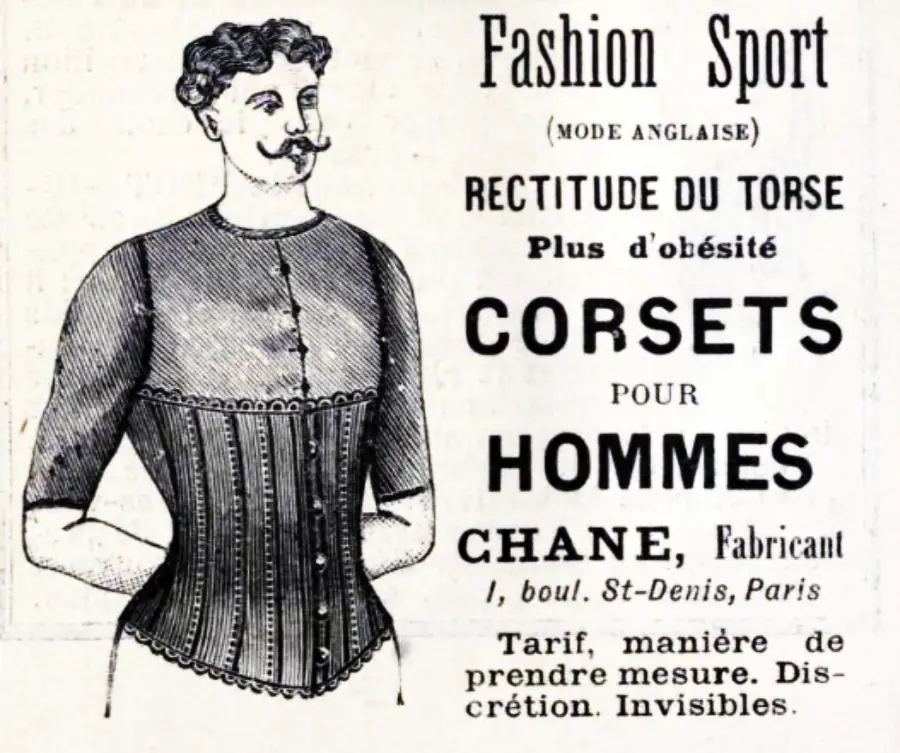
The highly restrictive practice of tight-lacing internal midsection supports was definitely not an exclusively female routine during the nineteenth century. Elite military officers and upper-class dandies aggressively utilized stiffened internal waist binders to achieve a highly stylized, narrow wasp-waist silhouette that was deemed exceptionally martial and elegant. The legendary Duke of Wellington and numerous high-ranking officers in the British military routinely wore these specialized corsets beneath their tailored dress uniforms.
Trending on The Scroller
6. Toxic white lead makeup – 16th/18th Century
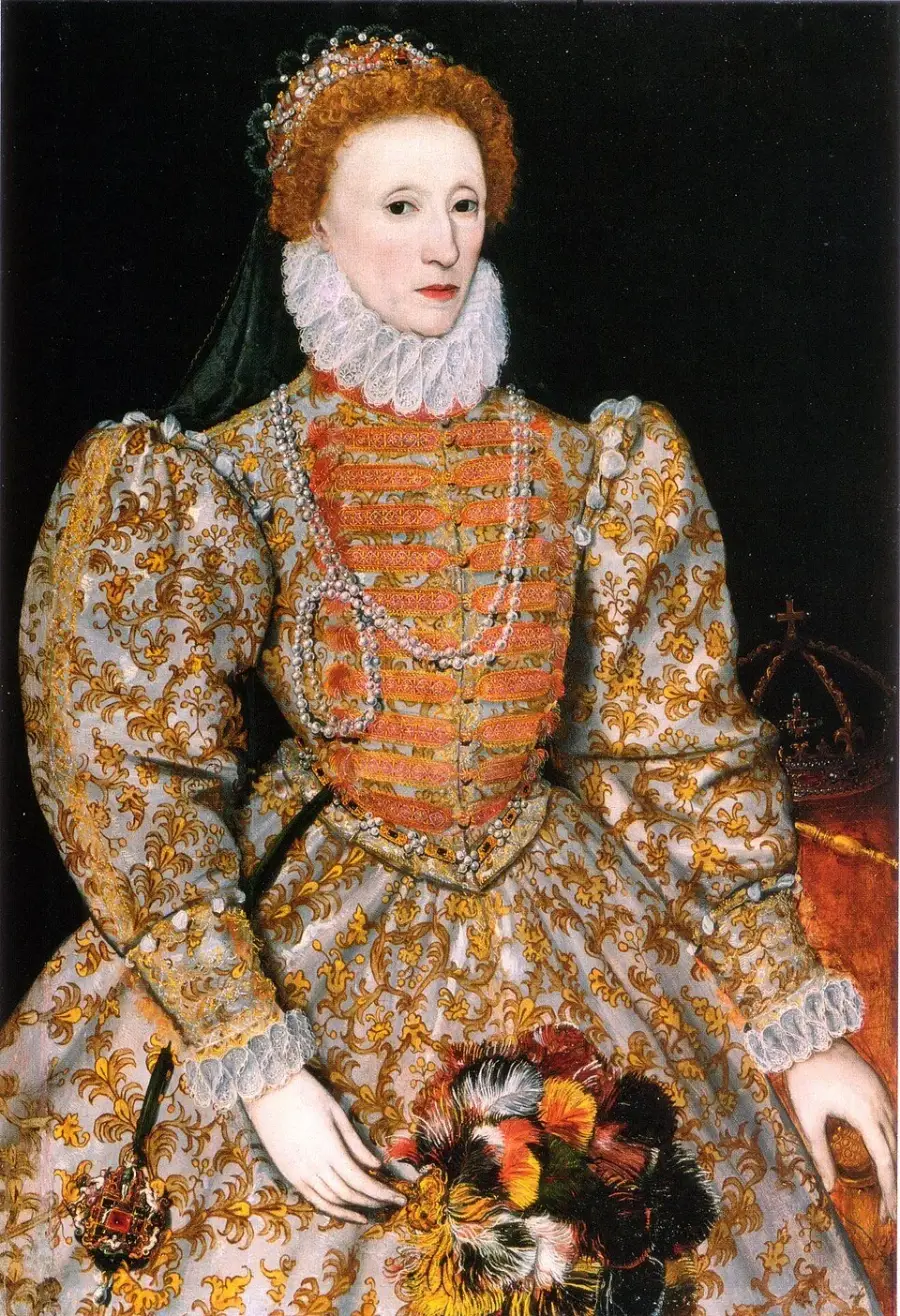
To secure an impossibly pale complexion that broadcast total freedom from manual outdoor labor, noblemen and women caked their faces in ceruse, a cosmetic paste made of toxic lead carbonate. Because lead is a highly cumulative poison, prolonged use triggered systemic hair loss, tooth decay, advanced neurological damage, and eventual organ failure. Queen Elizabeth I of England was a notorious, lifelong user of the cosmetic, and her historical portraits document the progressive, severe deterioration of her actual skin beneath the heavy mask of makeup.
7. Chair-sized skirt bustles – Victorian Era, 1870s/1880s
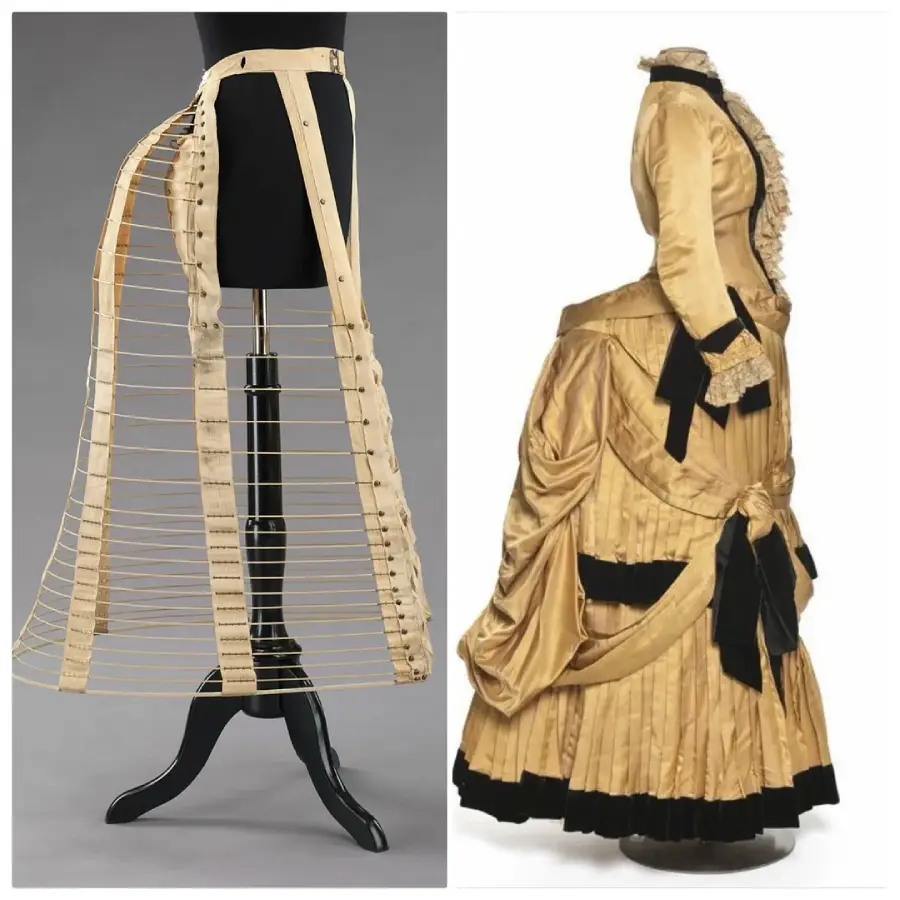
The bustle was an elaborate internal skeletal frame constructed of wire coils, whalebone loops, or horsehair padding designed to artificially project a woman’s skirt outward behind her hips at an extreme angle. At the absolute peak of the trend, these rigid posterior shelves were so cartoonishly prominent that women were physically blocked from sitting flat against a conventional chair back. The contemporary press frequently parodied the absurd look, describing the silhouette as resembling a mermaid’s tail or a walking furniture piece.
8. Suffocating ruffle ruffs – Europe, 16th Century
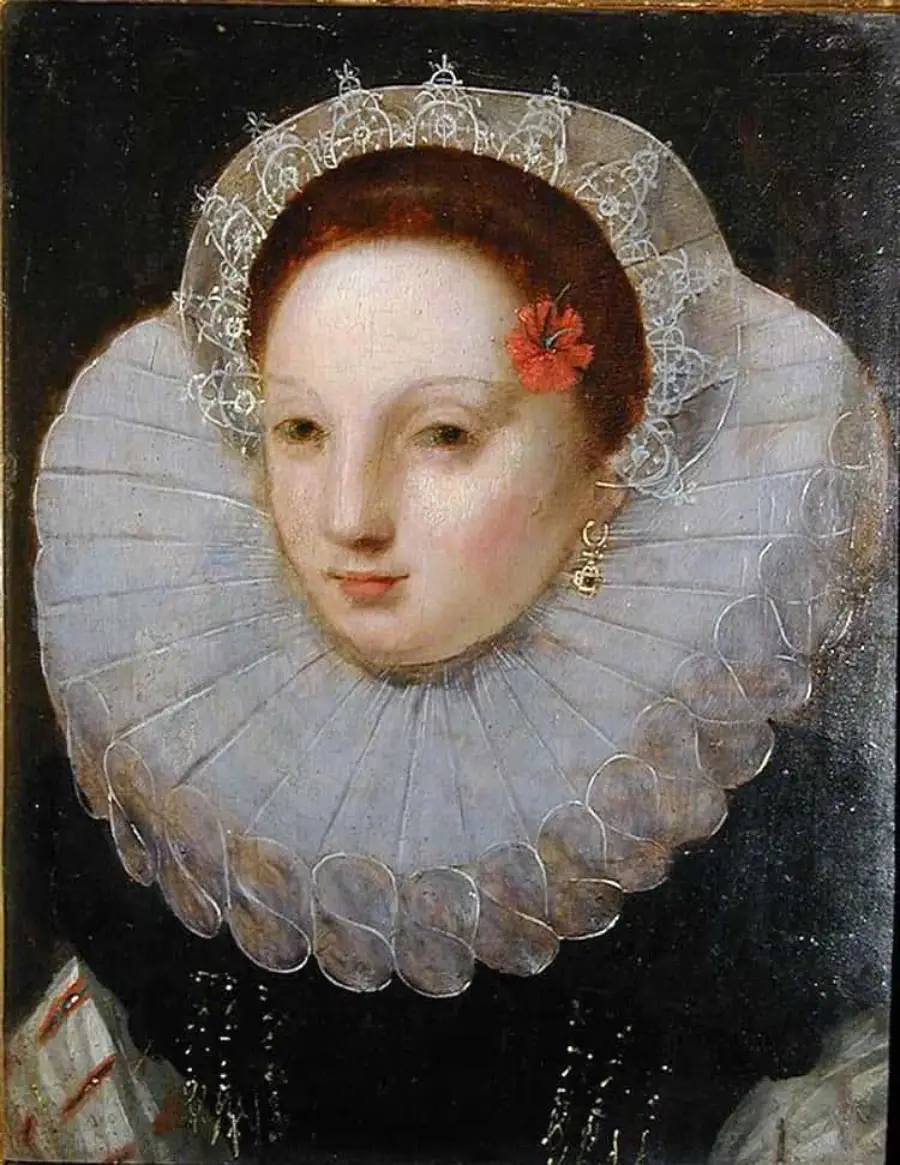
Starched linen neck ruffs expanded to such ridiculous dimensions during the late sixteenth century that the circular collars routinely reached up to thirty centimeters in diameter. These massive, pleated rings were so intensely rigid and restrictive that wealthy banquet diners could not bring food to their mouths using standard human arms. Courtiers were forced to develop specialized, elongated forks and spoons to bypass the wide lace barriers without crushing the expensive starched fabric.
Sign up for our newsletter
9. Intentionally ingested arsenic pastilles – Victorian Era
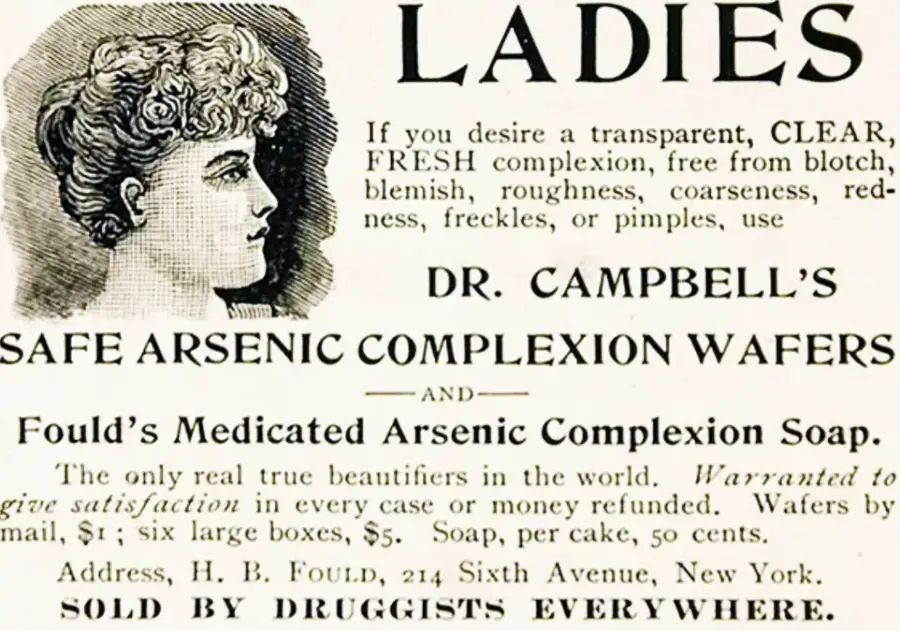
Victorian pharmacies openly sold toxic arsenic wafers as an everyday over-the-counter beauty supplement, promising to grant users an incredibly smooth, clear, and pale complexion. The dangerous cosmetics trend was heavily inspired by the famous arsenic-eaters of the Austrian Tyrol mountains, whose seemingly glowing, flawless skin was celebrated throughout Europe. Driven by the pursuit of aesthetic perfection, users ignored the progressive neurological destruction, internal bleeding, and deadly poison buildup that quietly destroyed their bodies from within.
10. Half-meter Venetian chopines – Venice, 16th Century
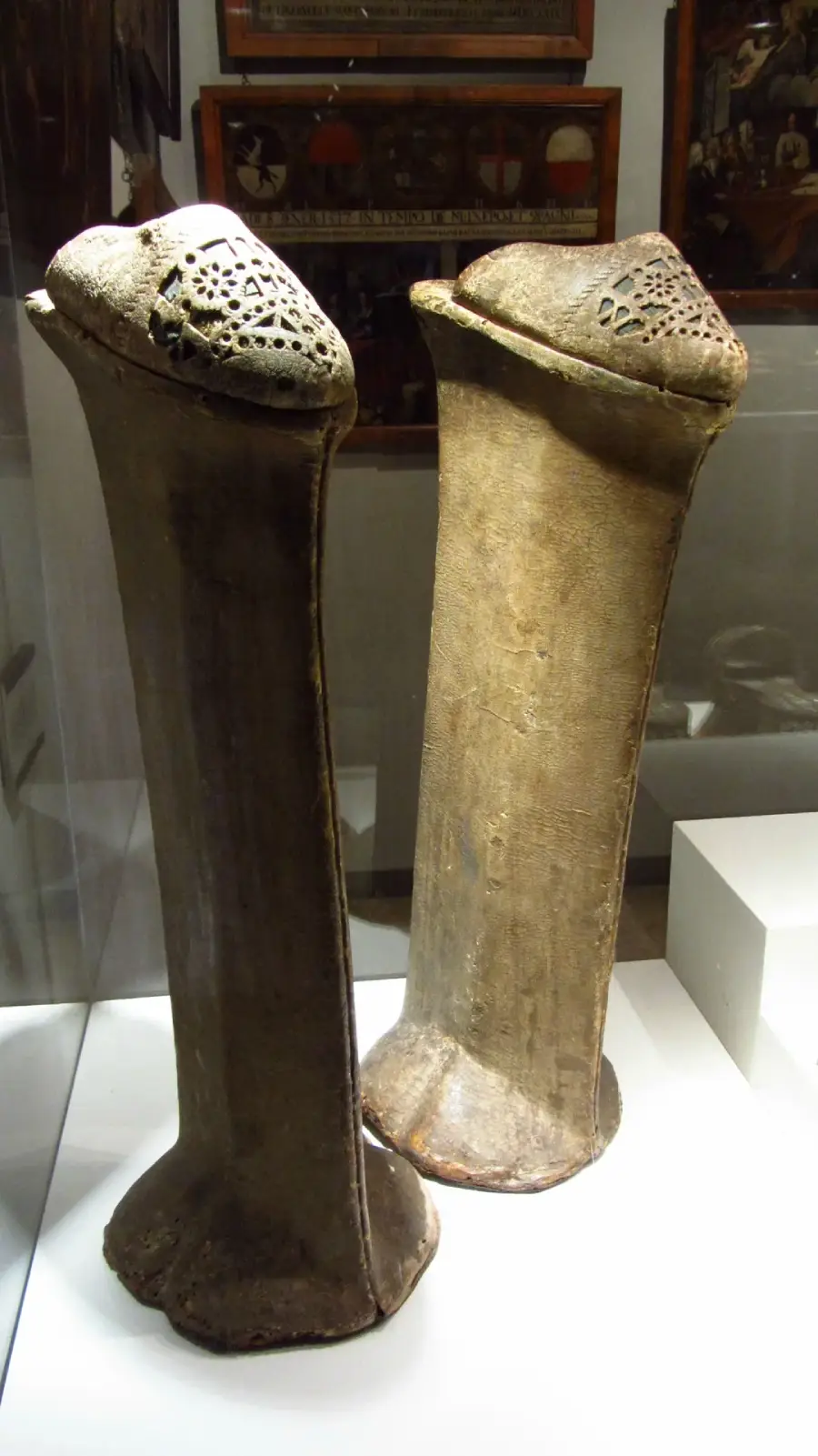
Noble Venetian women flaunted their immense wealth by balancing on top of chopines, which were stacked wooden or cork platform shoes that could reach a staggering fifty centimeters in height. The absurdly tall footwear served the practical purpose of keeping delicate silk dresses out of the muddy city streets, while simultaneously demonstrating that the wearer could afford to never walk unassisted. Elite women required two servants, one walking on each side, to physically support them to prevent a catastrophic fall during public outings.
11. Battleship-themed royal hairpieces – France, 18th Century
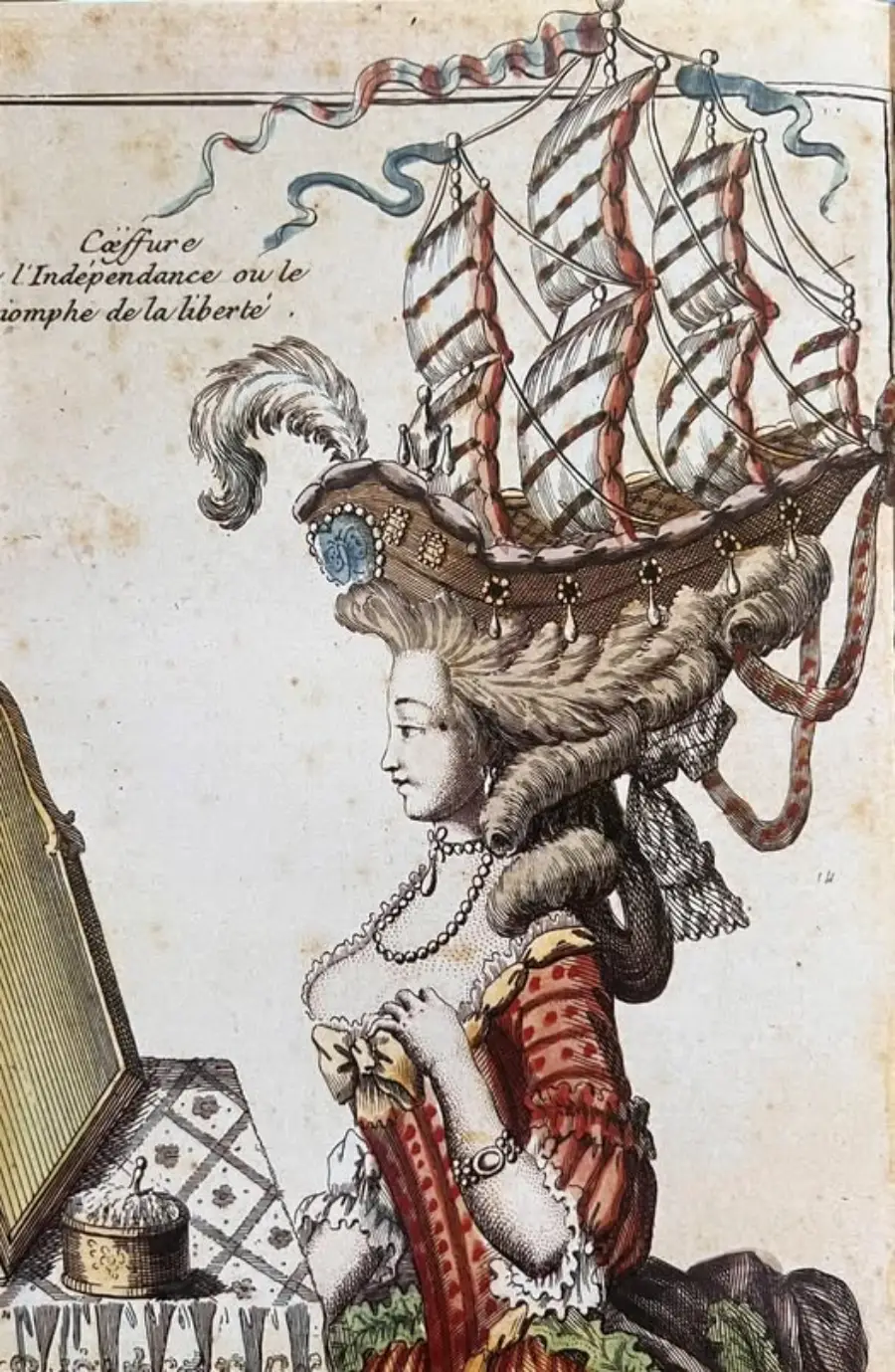
Within the highly competitive royal court of Versailles, aristocratic women engaged in an absolute arms race of hair styling that involved packing cushions, wire mesh, and animal fats onto their scalps to hold historical extensions. Queen Marie Antoinette popularized these extreme compositions alongside her official royal stylist, Léonard Autié, creating structural towers that reached up to a meter in height. These structural feats were famously decorated with miniature glass models of sailing warships, functional mechanical birdcages, and tiny replica gardens.
12. Ohaguro teeth blackening – Japan, 8th/19th Century
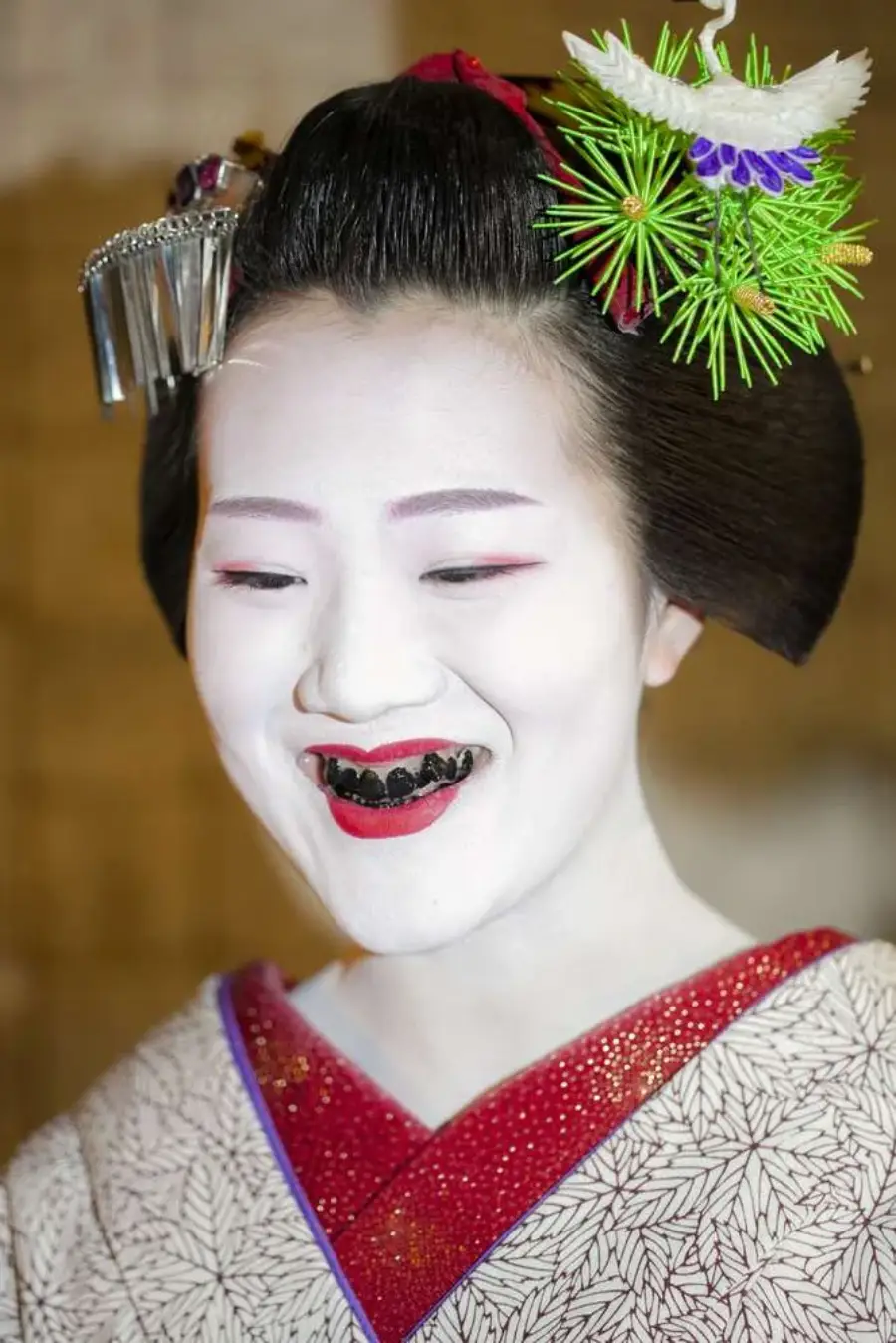
For over a thousand years, Japanese married women, samurai, and elite geishas systematically dyed their teeth pitch-black using a toxic, fermented mixture of iron filings dissolved in tea and tannic acid. This distinct cosmetic choice was celebrated as a supreme marker of personal maturity, high social status, and refined beauty. Natural white teeth were viewed as animalistic and highly vulgar, prompting high society to maintain the jet-black smile tradition until the government officially banned the practice in 1870.
13. Floor-dragging liripipe sleeves – Medieval Europe, 14th Century
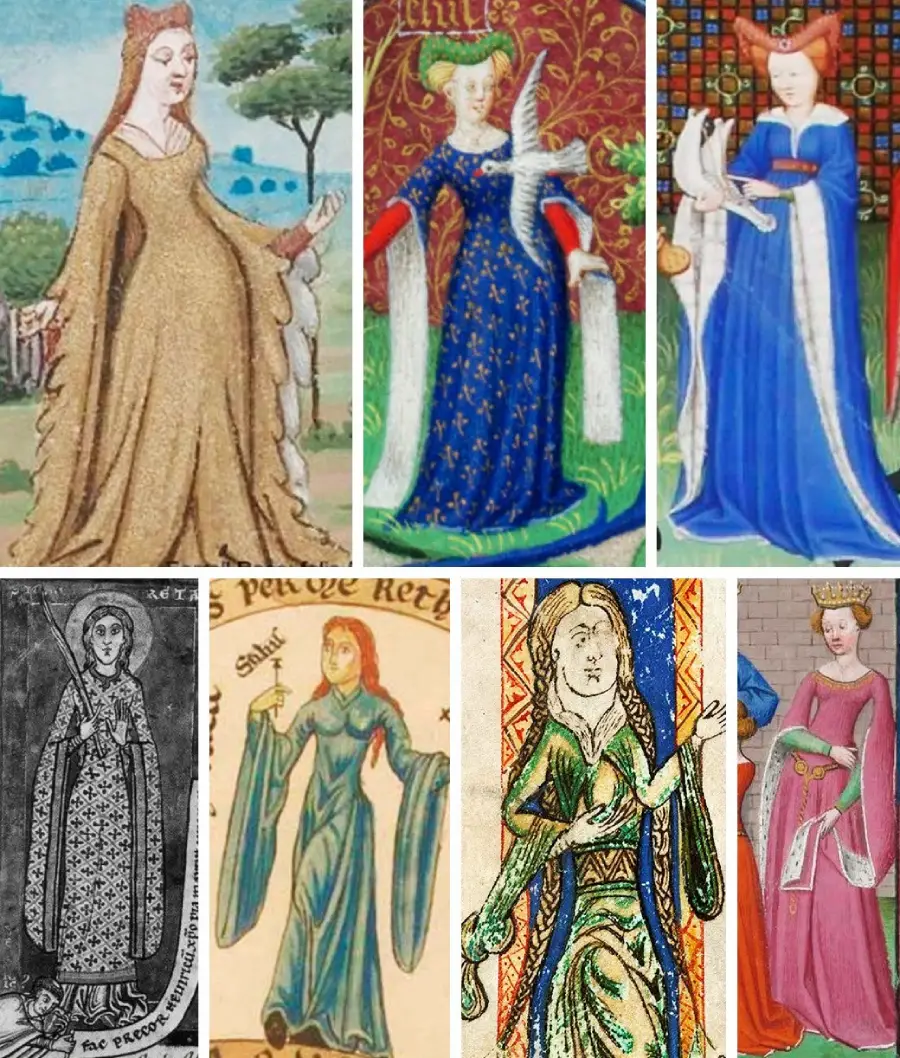
The aristocratic classes of the fourteenth century embraced highly impractical garments featuring decorative fabric extensions, known as liripipes or tippets, that dangled all the way to the dirt floor. These elongated fabric tubes were entirely useless for any form of real-world activity, which was precisely the core point of the design. Wearing them served as a direct visual declaration that the individual was far too wealthy to ever engage in manual labor with their hands.
14. Gravity-defying waxed mustaches – Europe and America, 1880s/1910s
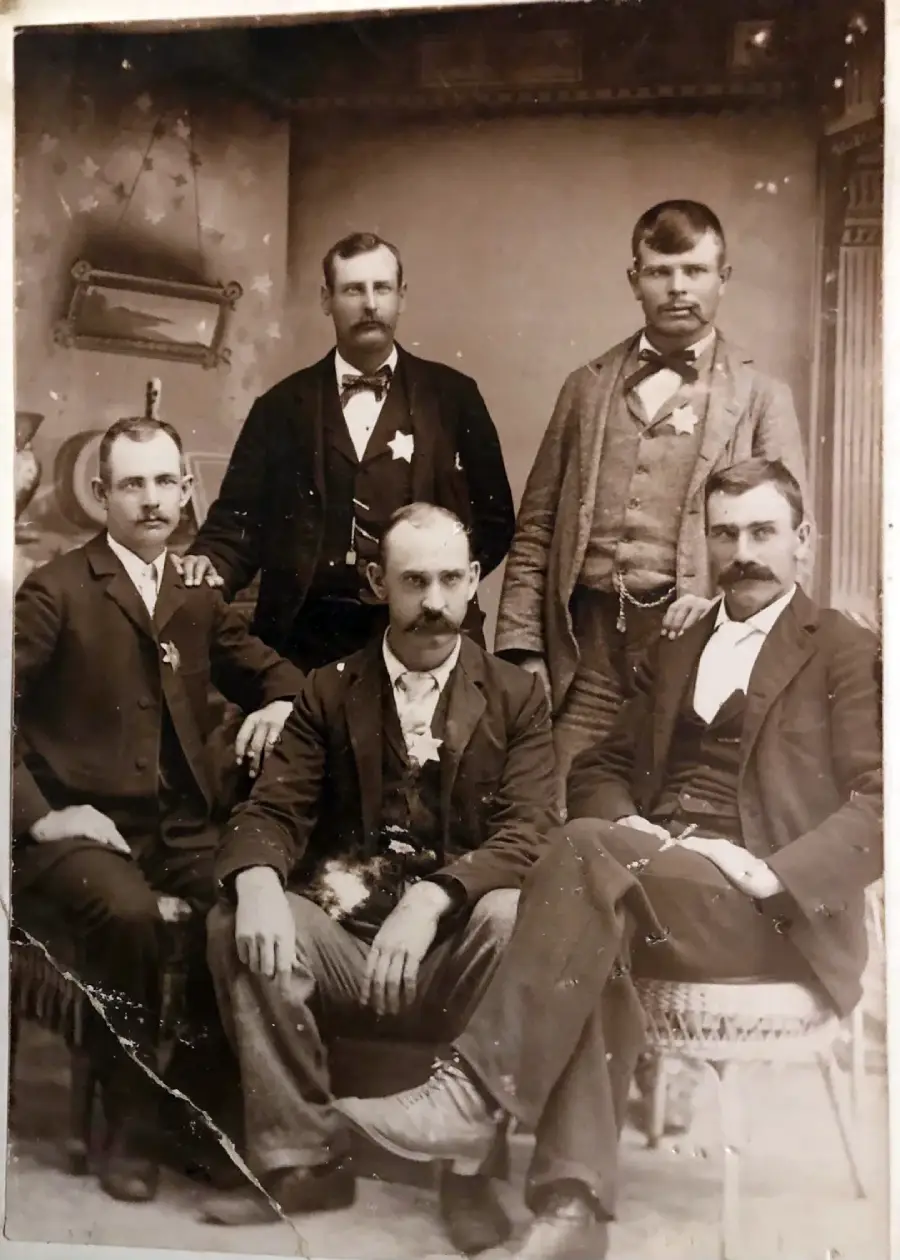
Before the outbreak of the First World War, gentlemen’s facial hair operated as a canvas for complex engineering, requiring heavy, specialized waxes, nocturnal shaping presses, and curling irons to hold rigid shapes. Men sculpted their mustaches into gravity-defying horizontal handlebars, tight spiral corkscrews, or sharp upward hooks that matched military standards. The trend birthed exclusive international mustache clubs across Europe, where certified judges utilized formal metrics to rank the stiffness and symmetry of the wax creations.
15. Artificial male hip and calf padding – Europe, 17th/18th Century
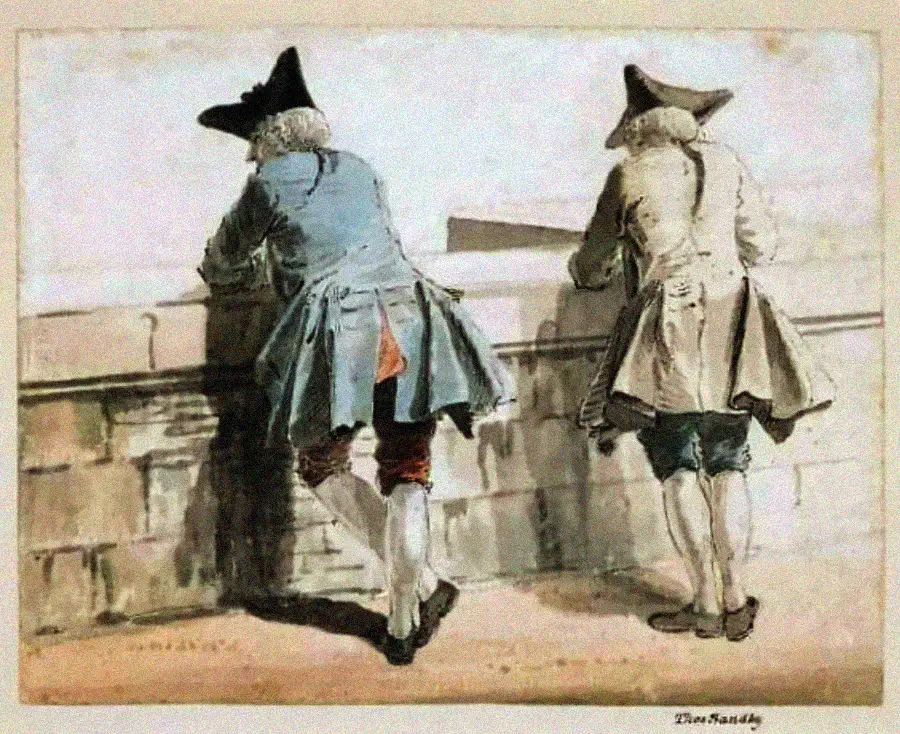
Just as women utilized expansive crinolines and bustles to artificially widen their lower bodies, Baroque-era gentlemen packed their tailored breeches and stockings with heavy padding made of horsehair, wool, or even wheat bran. The ideal masculine silhouette of the era aggressively emphasized dramatically rounded hips and highly muscular, shapely calves to project athletic prowess and high noble breeding. Men who were not naturally blessed with thick legs or prominent structures simply purchased custom-shaped internal inserts directly from their local tailor shops to pad their profiles beneath their silk shorts.
16. Velvet beauty patches as a secret social code – France and England, 17th/18th Century
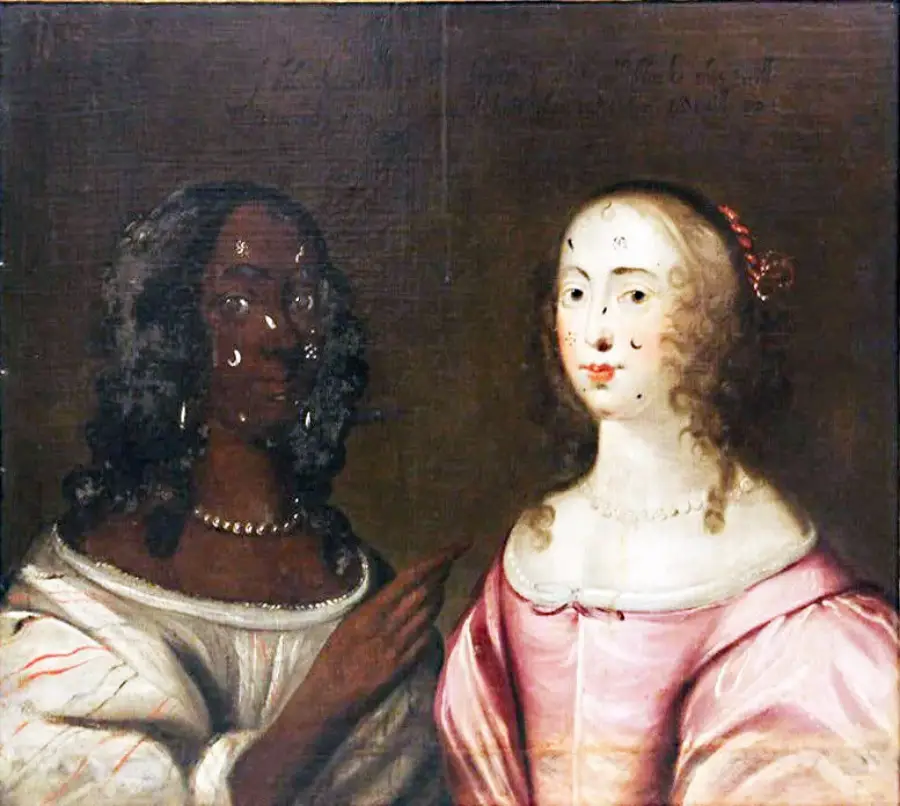
Known as mouches or beauty flies, these tiny decorative patches made of premium black velvet or silk fabric were meticulously glued onto various sections of the face, neck, and upper chest by both men and women. Far from operating as a purely decorative choice to mask smallpox scars, the precise anatomical placement of these fake moles functioned as a highly sophisticated, silent communication network. Affixing a patch onto the right cheek signaled that the wearer was legally married, placing it on the left cheek indicated an active engagement, positioning it close to the lips broadcast romantic availability, and wearing it on the cleavage area declared a wild willingness to engage in a secret affair.
Want more weirdness?
Revisiting these shocking fashion choices from across the centuries serves as an excellent reminder of the unique, fast-paced transitions that define how human societies express status, beauty, and identity. Looking back over these toxic lead foundations, life-threatening steel crinolines, and floor-dragging medieval sleeves proves that while manufacturing machinery and contemporary textile materials change completely across the generations, the desire to stand out remains entirely constant. When we choose to look past the modern convenience of our current comfortable wardrobes to appreciate the rigorous, often dangerous history of historical high fashion, we gain a much richer understanding of cultural history. If you enjoyed this detailed look back at the bizarre lifestyle choices that defined past generations, make sure to explore these 16 Weird Objects Found in Ancient Ruins or 55 of the Dumbest Vehicle Designs in Automotive History. You may also like these 20 Pets With Weird Features That Make Them Unforgettable.