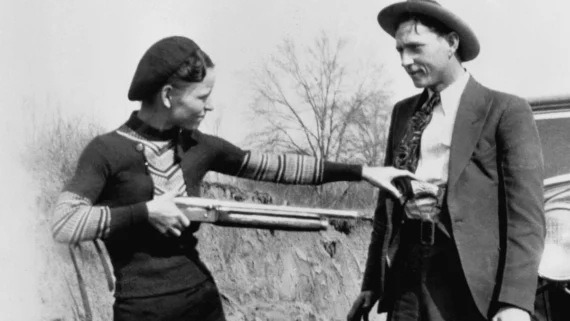
Throughout history, spies, prisoners, and revolutionaries have relied on completely mundane items to transport highly classified information right under the noses of their enemies. A completely ordinary pocket watch or a simple piece of embroidered fabric can easily conceal a secret message that has the power to topple entire empires. Before the invention of encrypted digital networks, keeping communications safe meant hiding physical notes in plain sight where guards and censors would never think to look.
Crafting these physical illusions required incredible ingenuity and a deep understanding of human psychology. Operatives meticulously hollowed out fake coins to hold microfilm, while desperate prisoners of war tapped out Morse code through their blinking eyes on national television. These brilliant acts of deception transformed everyday accessories into powerful tools of resistance and espionage. Uncovering the clever methods behind these hidden communications provides a thrilling glimpse into the high-stakes world of historical spycraft. Here are twelve ordinary objects that successfully concealed vital information during times of crisis.
1. Jeremiah Denton’s blinking eyes
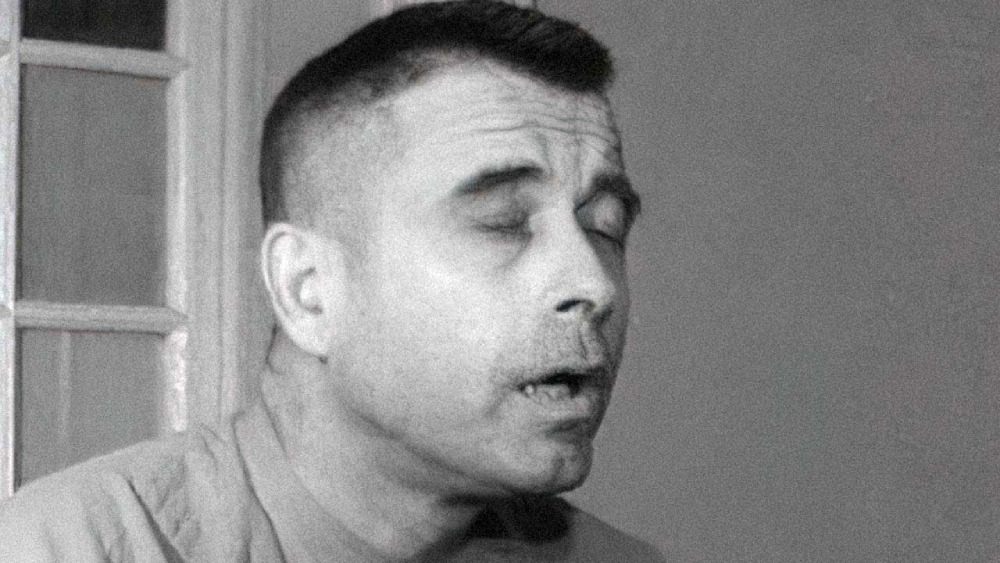
During a televised propaganda interview broadcast by his North Vietnamese captors in 1966, American prisoner of war Jeremiah Denton feigned sensitivity to the bright studio lights. As he answered the interviewer’s questions, he intentionally blinked his eyes in precise Morse code to spell out the word “T-O-R-T-U-R-E,” instantly alerting the United States military to the brutal conditions inside the Hỏa Lò Prison.
2. The hollow nickel of Rudolf Abel
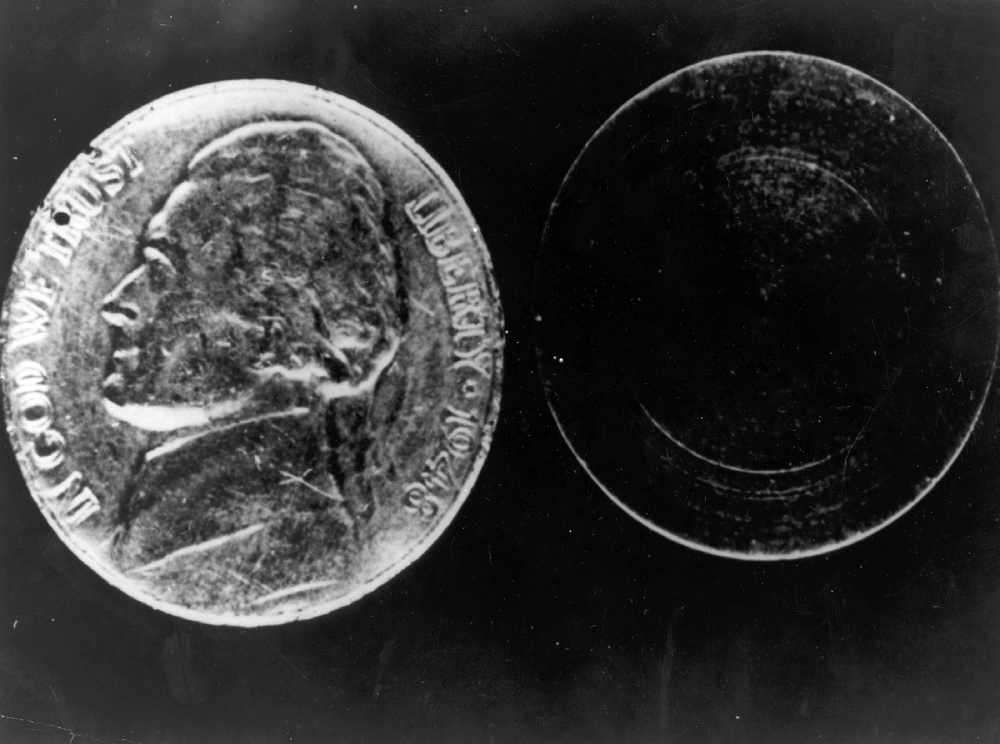
A Brooklyn newspaper boy named Jimmy Bozart accidentally dropped a Jefferson nickel in 1953, completely shattering the coin to reveal a tiny piece of encrypted microfilm hidden inside. The FBI spent four years deciphering the microscopic numerical code, eventually tracing the brilliant espionage tool directly back to KGB intelligence officer Rudolf Abel operating deep undercover in New York City.
3. Mary Queen of Scots’ beer barrels
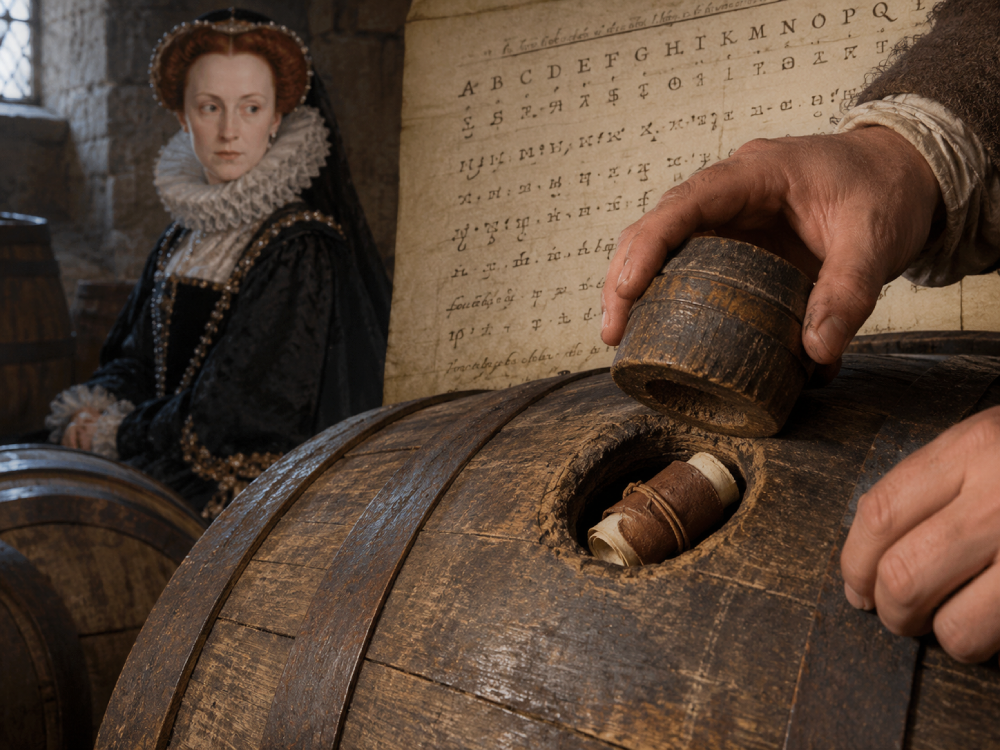
While imprisoned by Queen Elizabeth I at Chartley Castle in 1586, Mary Stuart desperately communicated with her Catholic supporters using encrypted letters rolled into tight leather packets. She cleverly smuggled these treasonous notes in and out of the heavily guarded fortress by hiding them inside the waterproof bungs of empty beer barrels delivered by a local brewer named Mr. Gifford.
4. The steganographic music of John Wilkins
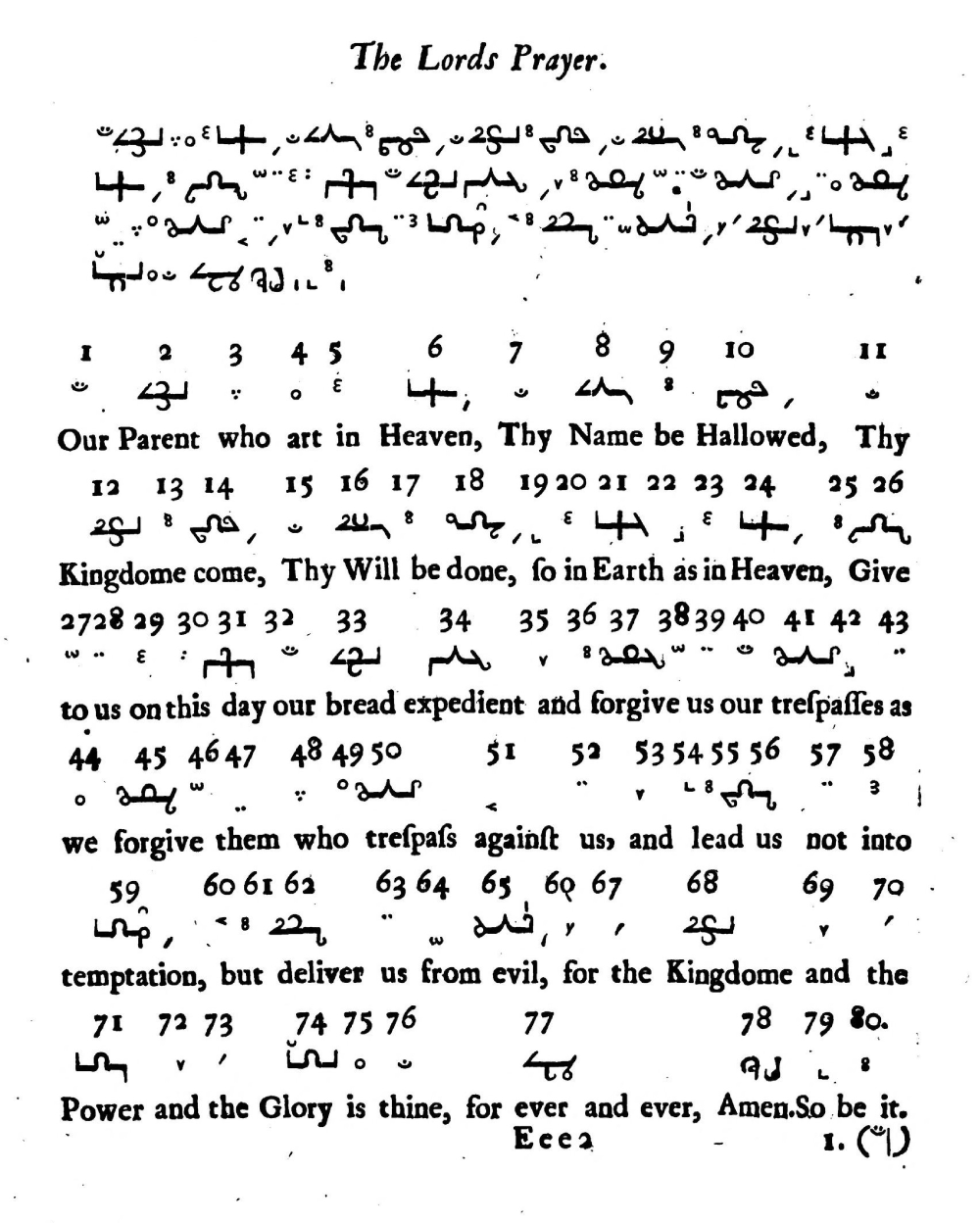
In his groundbreaking seventeenth-century cryptography manual Mercury, English clergyman John Wilkins devised a brilliant system for hiding written text inside ordinary musical sheet notation in 1641. By assigning specific alphabet letters to exact notes on a standard musical staff, he allowed correspondents to send highly sensitive political messages that just looked like a simple, harmless melody to any intercepted courier.
5. René Carmille’s punch cards
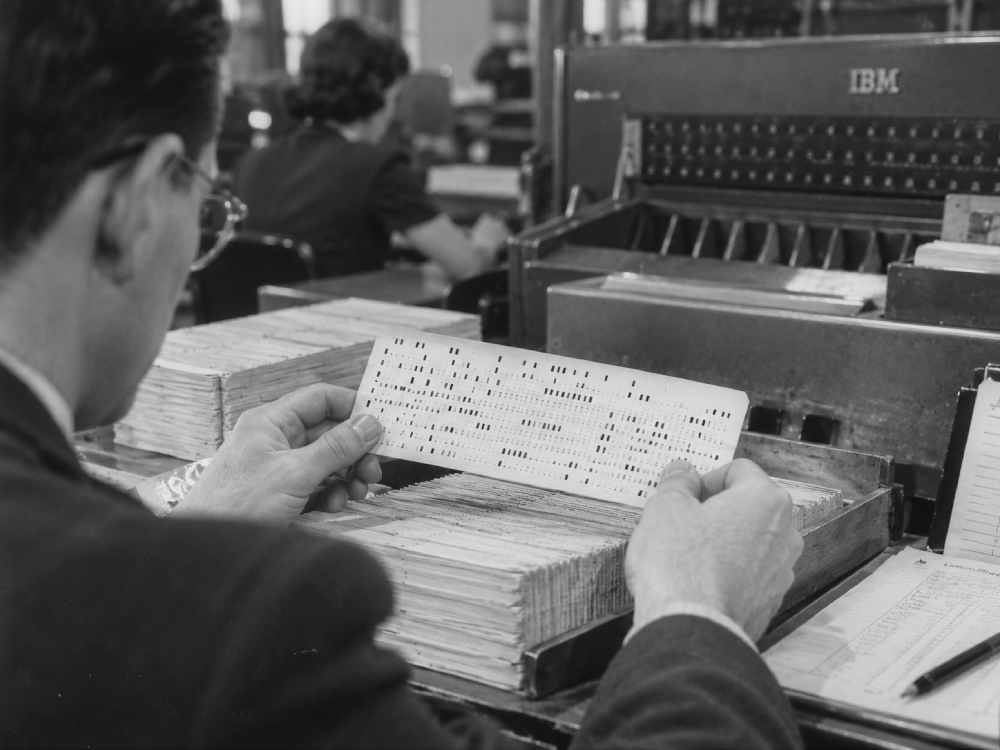
As the head of the French national demographic service during World War II, Rene Carmille famously weaponized massive IBM Hollerith punch card tabulators against the invading Nazi regime. He secretly instructed his programming team to never punch the specific column indicating Jewish ancestry on millions of census cards, actively saving thousands of citizens from deportation before he was tragically caught and sent to Dachau in 1944.
Trending on The Scroller


6. The dead drop spike
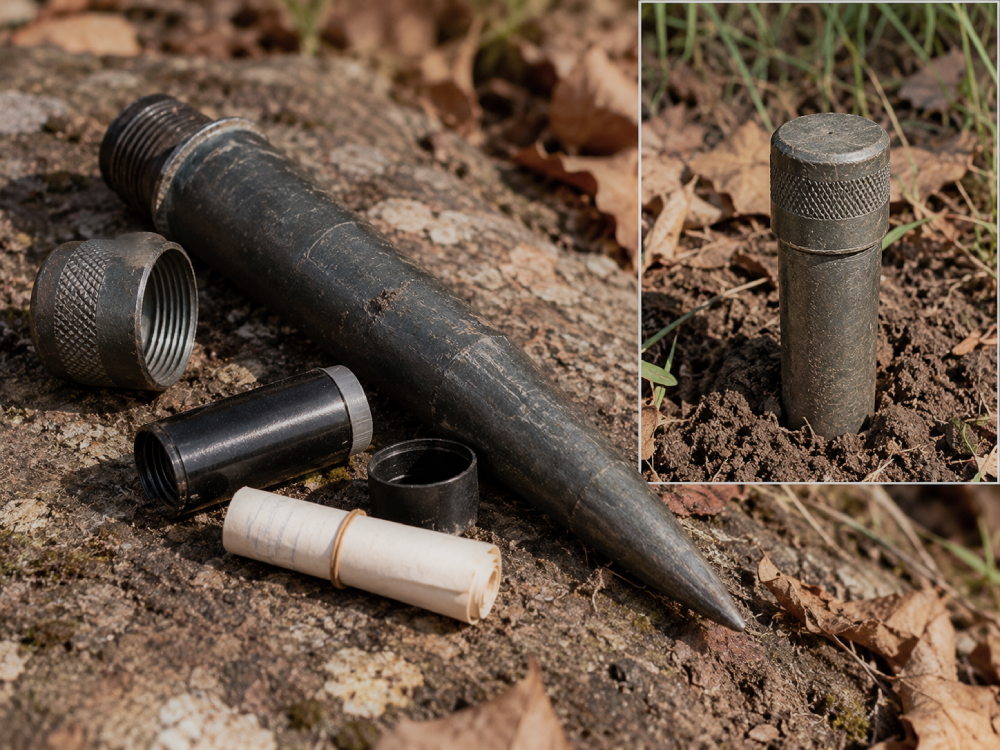
During the height of the Cold War, the CIA issued operatives completely ordinary-looking metal ground spikes designed to be casually pushed into the mud of a local park or hiking trail. These hollowed-out concealment devices could securely hold tightly rolled documents or film canisters, allowing spies to exchange vital intelligence without ever having to risk a highly dangerous face-to-face meeting.
7. Major John André’s boot
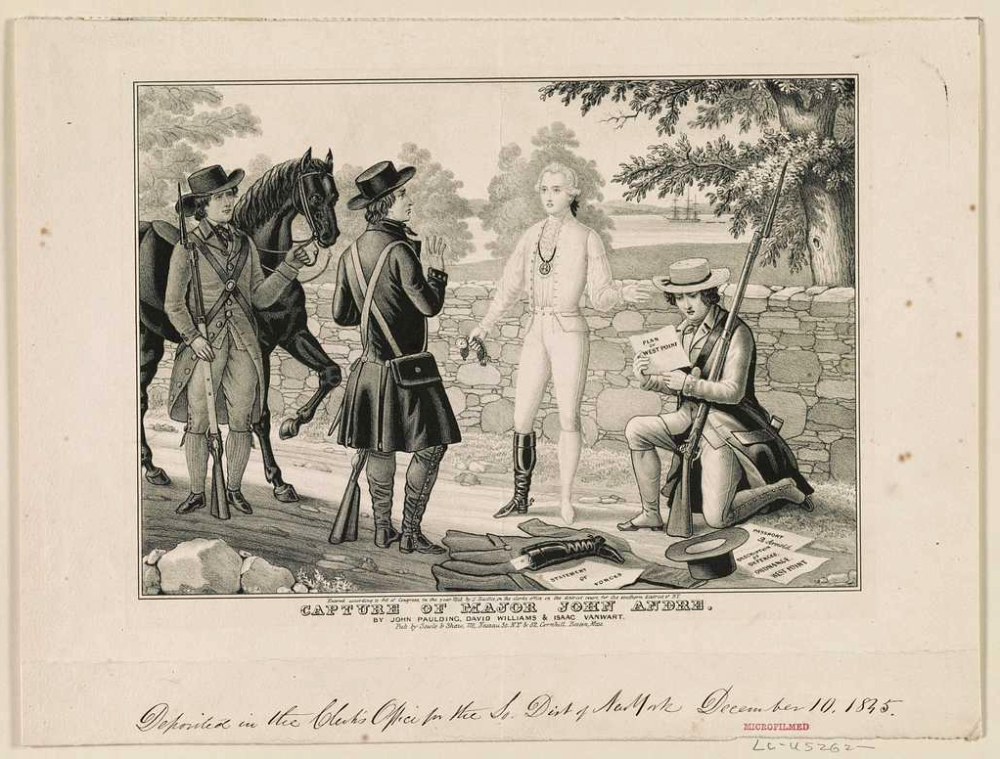
British intelligence officer John André was captured by colonial militiamen in New York after successfully meeting with the infamous American traitor Benedict Arnold in 1780. When his captors forced him to remove his heavy riding boots, they discovered six highly detailed documents detailing the American defenses at West Point tucked securely beneath his stockings, leading directly to his execution as a spy.
8. The knitted codes of Phyllis Latour
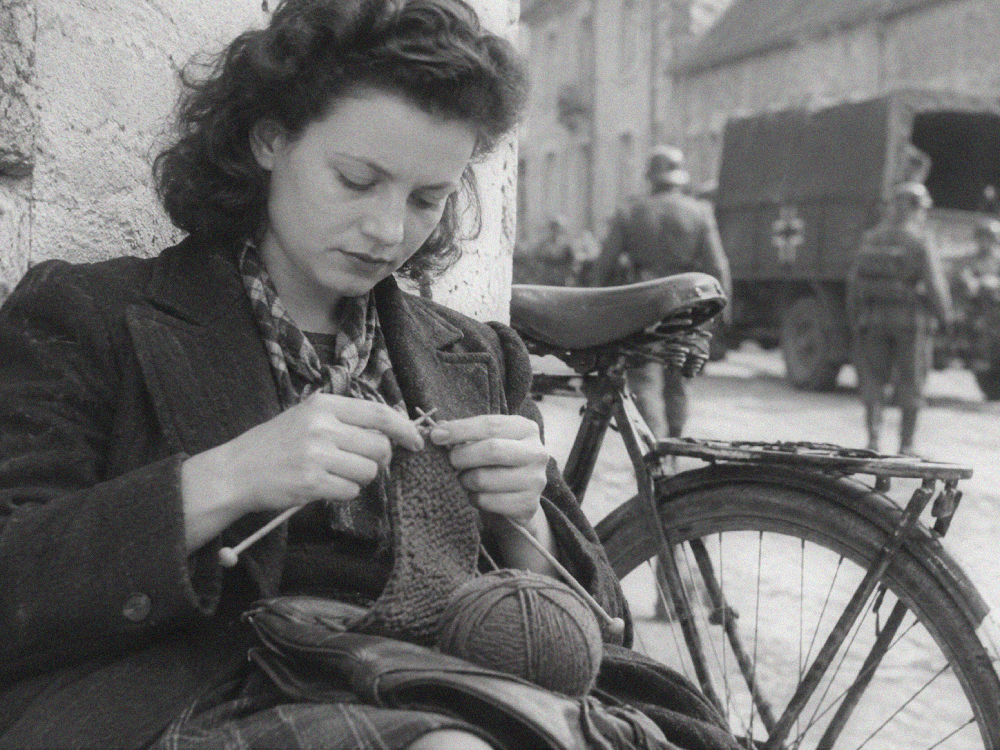
Operating behind enemy lines in Normandy just months before the massive D-Day invasion, British Special Operations Executive agent Phyllis Latour posed as an innocent French schoolgirl riding a bicycle. She constantly carried a small ball of yarn and knitting needles, using complex sequences of knit and purl stitches to permanently record thousands of German troop movements without carrying a single piece of incriminating paper.
Sign up for our newsletter
9. The microdot on a typewriter ribbon
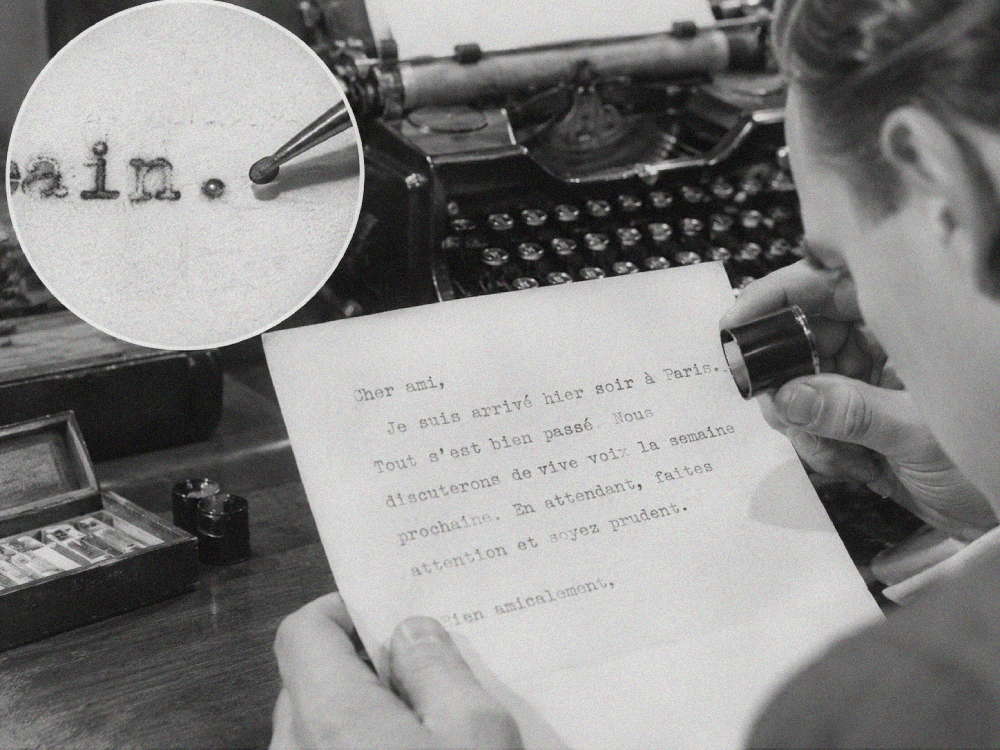
German intelligence agents operating under the direction of double agent Dusko Popov utilized microscopic photography in 1941 to shrink full pages of text down to the exact size of a printed period. These tiny film dots were then carefully glued directly onto the typed punctuation marks of completely ordinary letters, allowing spies to mail massive amounts of classified data internationally without raising any postal suspicion.
10. The Scytale of Sparta
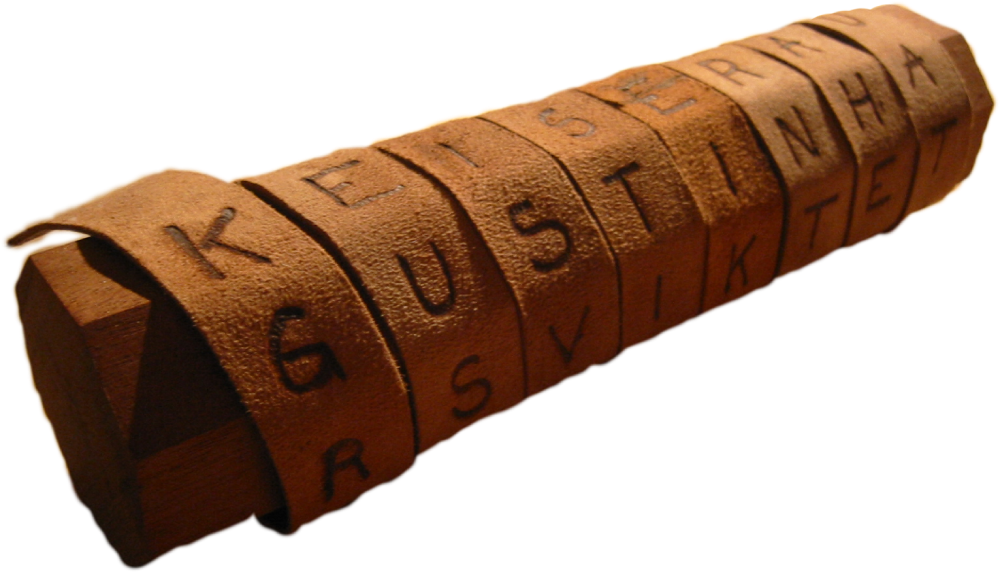
Ancient Greek military commanders communicated across active battlefields around 400 BC by tightly wrapping a long, narrow strip of parchment diagonally around a highly specific wooden cylinder called a scytale. They wrote their message straight across the wrapped cylinder, meaning the unwound leather strip appeared to contain only random, meaningless letters until it was wrapped around an identically sized baton by the receiving general.
11. Flute melodies of the underground railroad
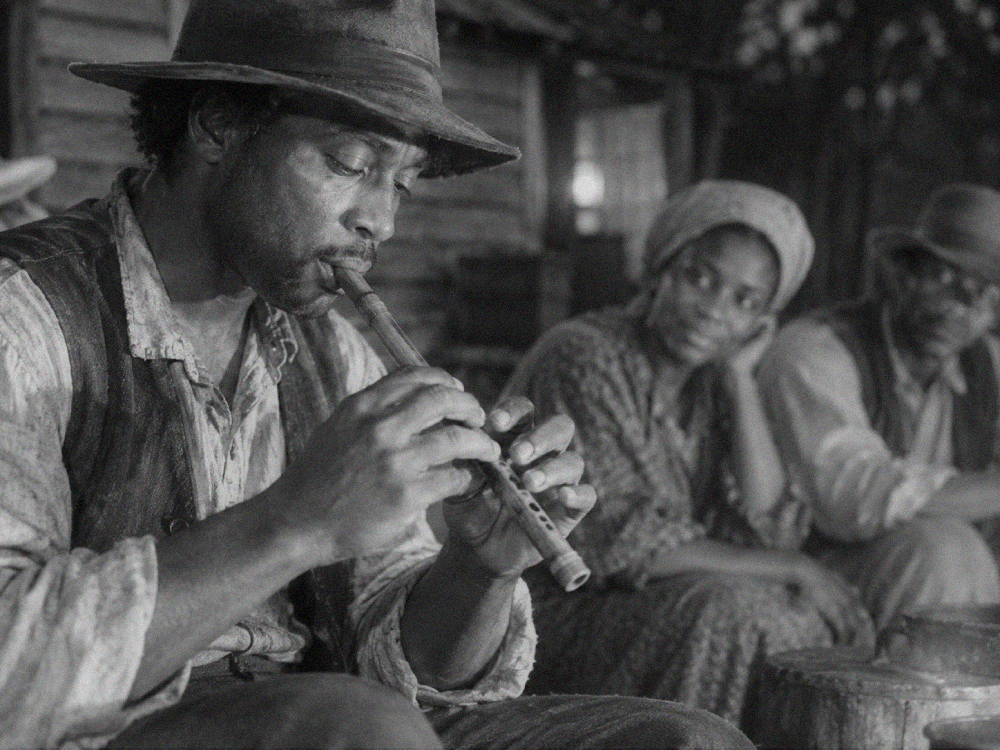
Enslaved people seeking freedom in the mid-nineteenth century frequently relied on heavily coded spiritual songs and musical instruments to transmit navigational directions right in front of their overseers. Conductors often played specific, repeating melodies on small wooden flutes to secretly signal that it was safe to move toward the Ohio River, completely masking their escape plans as casual evening entertainment.
12. The silk dress cryptogram
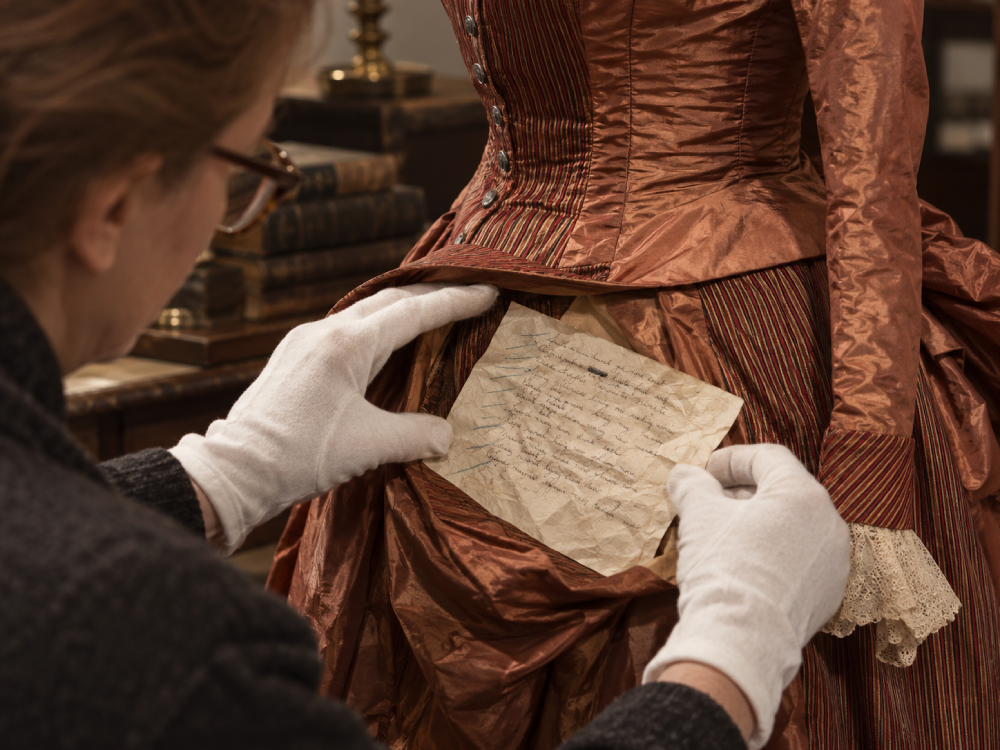
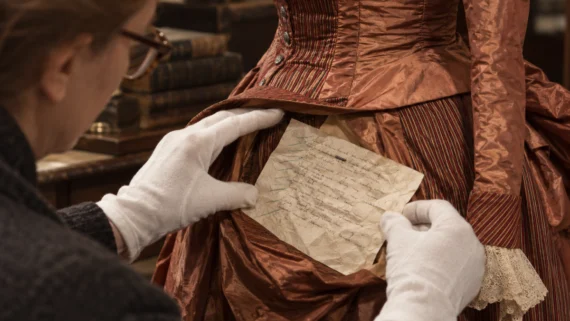
In 2013, an antique collector purchased a stunning bronze colored silk bustle dress from a Maine vintage shop and discovered a crumpled ball of paper hidden deep inside a concealed pocket. The paper contained lines of mysterious text that data analysts eventually identified as an 1888 telegraphic weather code used by the US Army Signal Corps to transmit complex meteorological data across the country.
Check out more fascinating stories:
Discovering how people manipulated everyday objects to communicate under intense pressure proves that human ingenuity truly shines during desperate times. From hollowed-out nickels to coded knitting patterns, these brilliant historical artifacts show us that the most important information is often hiding right in plain sight. If you love unraveling historical mysteries, exploring true crime myths, and uncovering forgotten stories, make sure to check out these 12 Tiny Pieces of Evidence That Solved Major Historic Crimes or these 12 Famous Forgeries That Fooled the World. You can also explore these Ocean Floor Relics: 12 Objects Recovered From the Titanic.