The art and historical antiquities markets are built almost entirely on trust, but occasionally, incredibly convincing forgeries manage to slip past the world’s top authenticators. For decades, highly skilled con artists have successfully fabricated lost masterpieces, ancient artifacts, and handwritten historical documents that completely rewrote accepted academic history. Exposing these massive deceptions often takes years of scientific testing, intense detective work, and an eventual confession from the masterminds themselves.
From a fake map charting early Viking explorations to fraudulent paintings that tricked high ranking Nazi officials during World War II, these elaborate hoaxes prove that even the most educated experts can be blinded by a strong desire to discover something incredible. These clever fabricators used everything from household lubricants to modern whitening chemicals to artificially age their creations and fool the biggest museums on the planet. Here are twelve famous fakes that successfully altered history before the truth finally came to light.
1. Han van Meegeren’s Vermeers
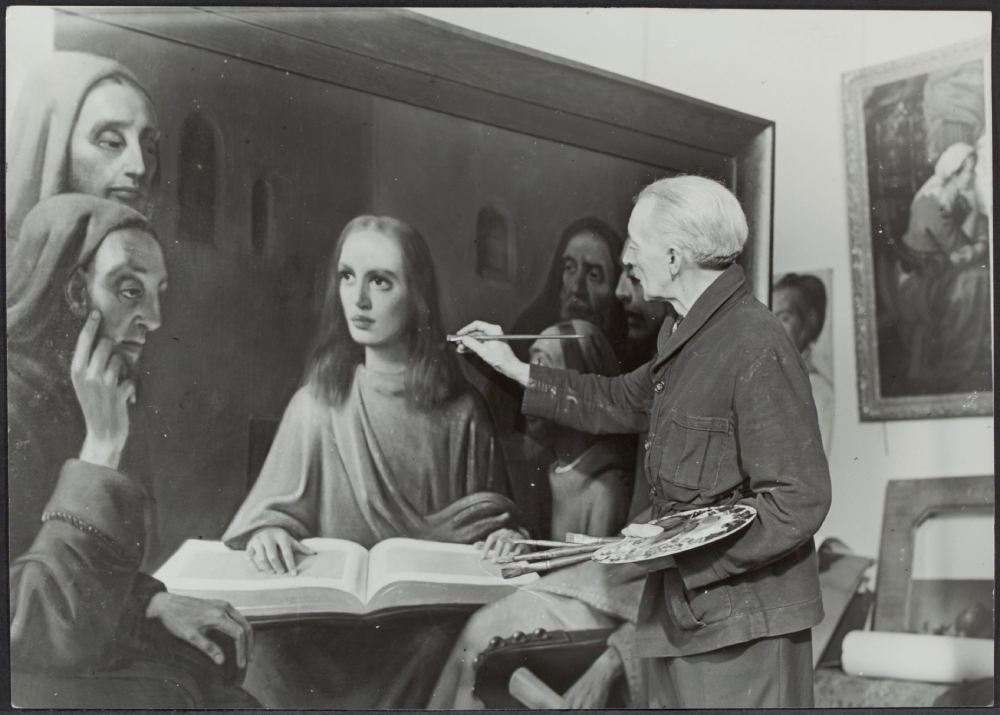
Dutch painter Han van Meegeren successfully forged Johannes Vermeer’s “The Supper at Emmaus” in 1937, carefully baking his canvas in an oven to perfectly replicate centuries of dried, cracked paint. He famously sold another fake Vermeer titled “Christ and the Adulteress” to top Nazi official Hermann Göring in 1942, eventually confessing to the massive art fraud only to avoid being executed for treason after the war ended.
2. The Piltdown Man
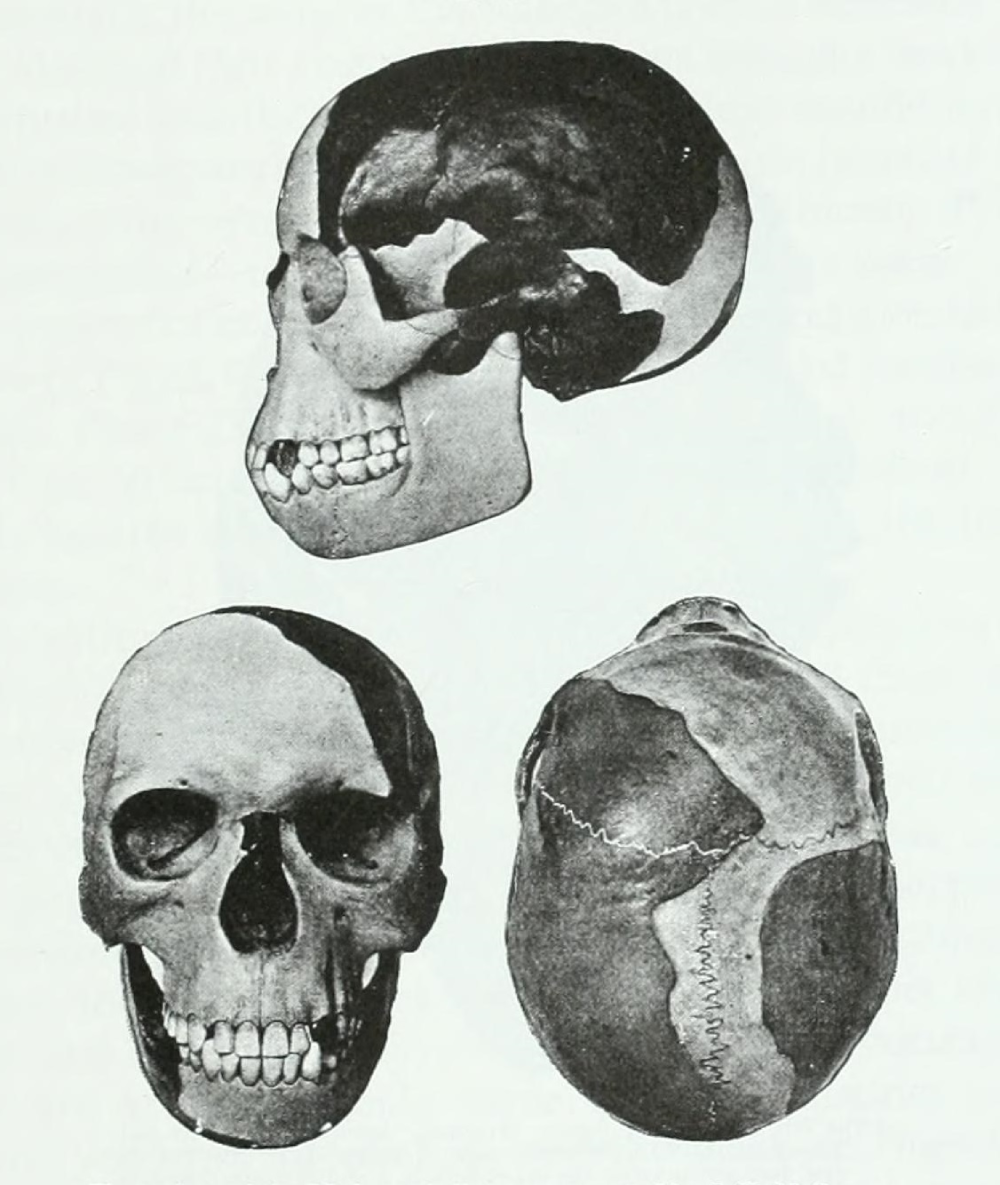
In 1912, amateur archaeologist Charles Dawson presented a reconstructed skull found in a gravel pit in Piltdown, England, claiming it was the ultimate evolutionary missing link between apes and humans. It took scientists forty-one years to finally run fluoride tests in 1953, revealing the supposed prehistoric fossil was actually a medieval human skull artificially stained with iron and attached to a filed down orangutan jaw.
3. The Vinland map
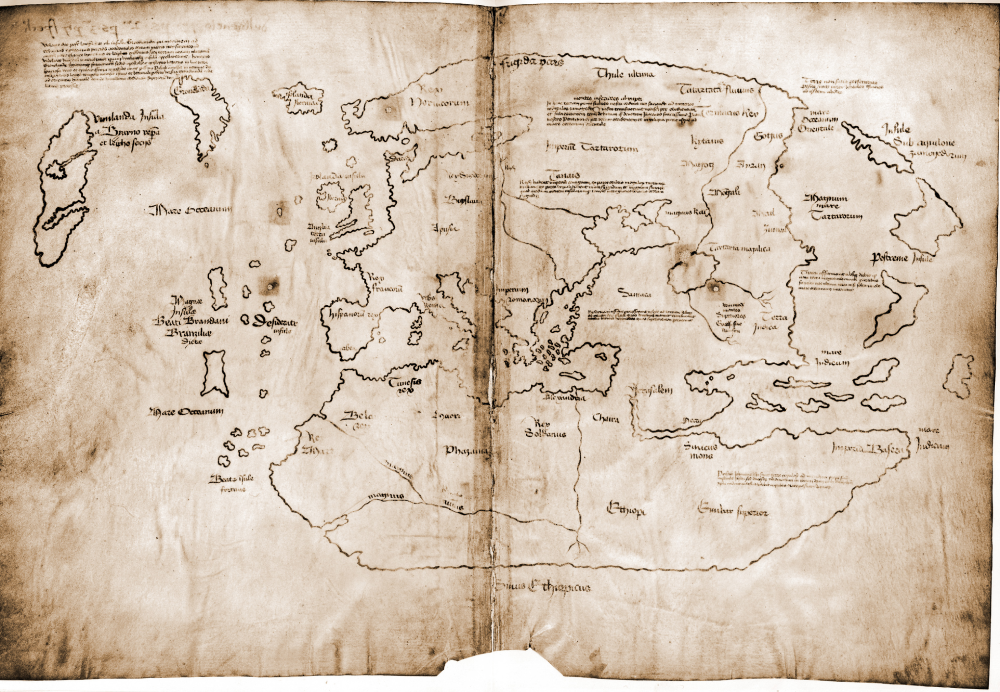
Yale University proudly unveiled a map in 1965 purportedly drawn in the fifteenth century that showed a pre-Columbian Viking exploration of the North American coastline. After decades of intense academic debate, advanced spectroscopy testing in 2021 finally proved that the yellow ink contained anatase, a synthetic titanium dioxide compound that was not commercially manufactured until the 1920s.
4. The Cottingley Fairies
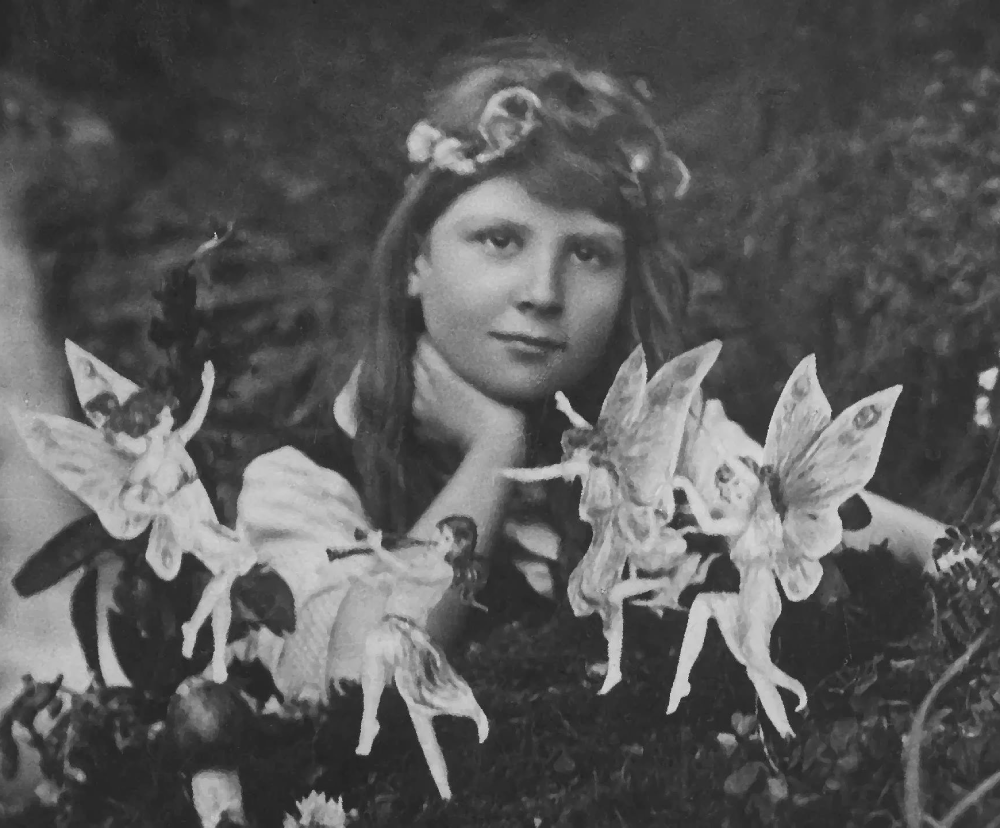
Two young cousins named Elsie Wright and Frances Griffiths used a simple quarter-plate camera in 1917 to capture images of themselves playing with tiny winged fairies near a Yorkshire stream. The whimsical photos famously convinced Sherlock Holmes creator Sir Arthur Conan Doyle of their authenticity, and the girls only admitted in 1983 that they had simply used cardboard cutouts secured with long hatpins.
5. Elmyr de Hory’s post-impressionist art
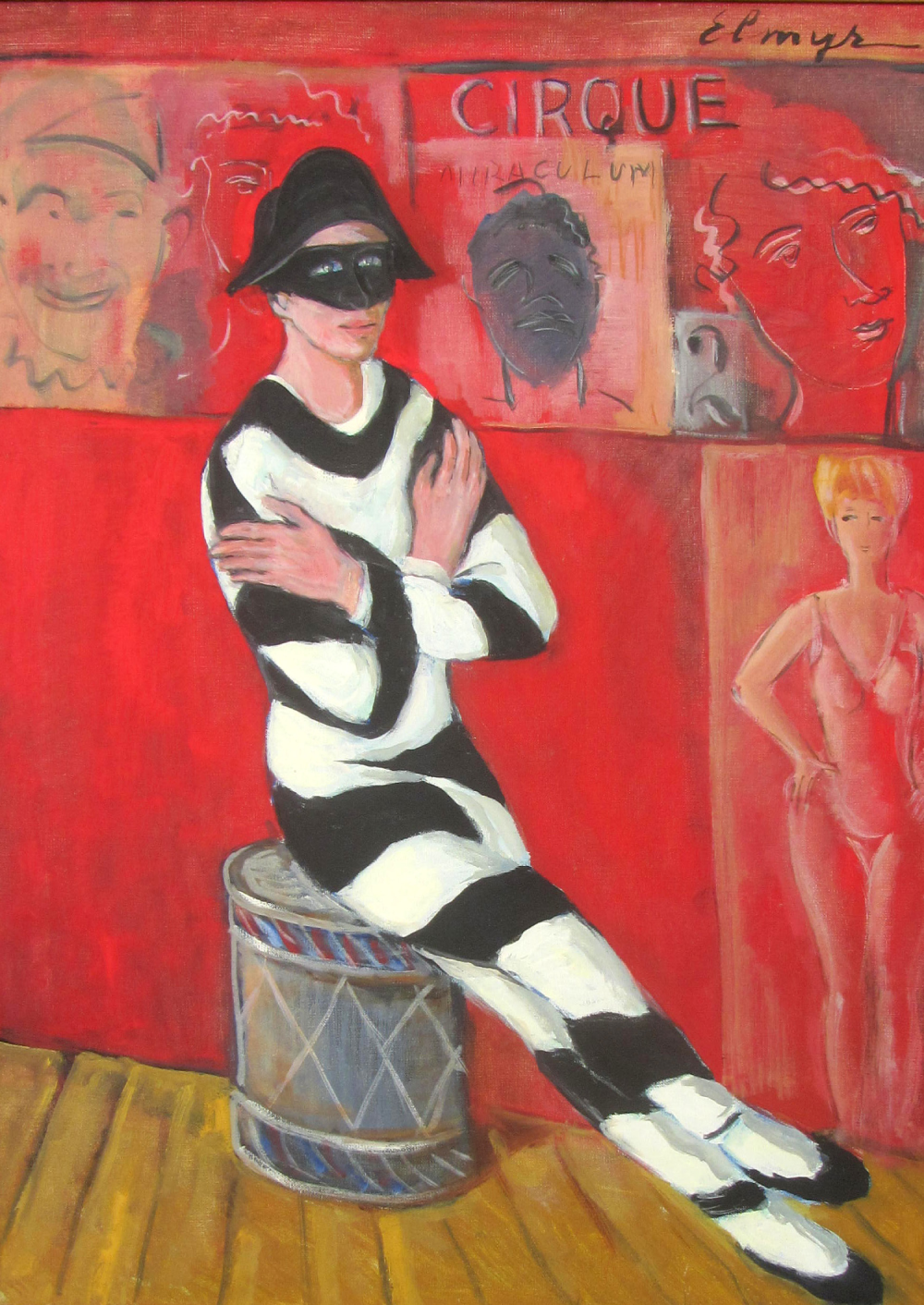
Hungarian born artist Elmyr de Hory painted over a thousand incredibly convincing fakes of modern masters like Pablo Picasso, Henri Matisse, and Amedeo Modigliani during the 1950s and 1960s. He managed to infiltrate the highest levels of the global art market by selling the fraudulent canvases without signatures, tricking greedy dealers into applying the forged names themselves before reselling them to major museums.
Trending on The Scroller

6. The Cardiff giant
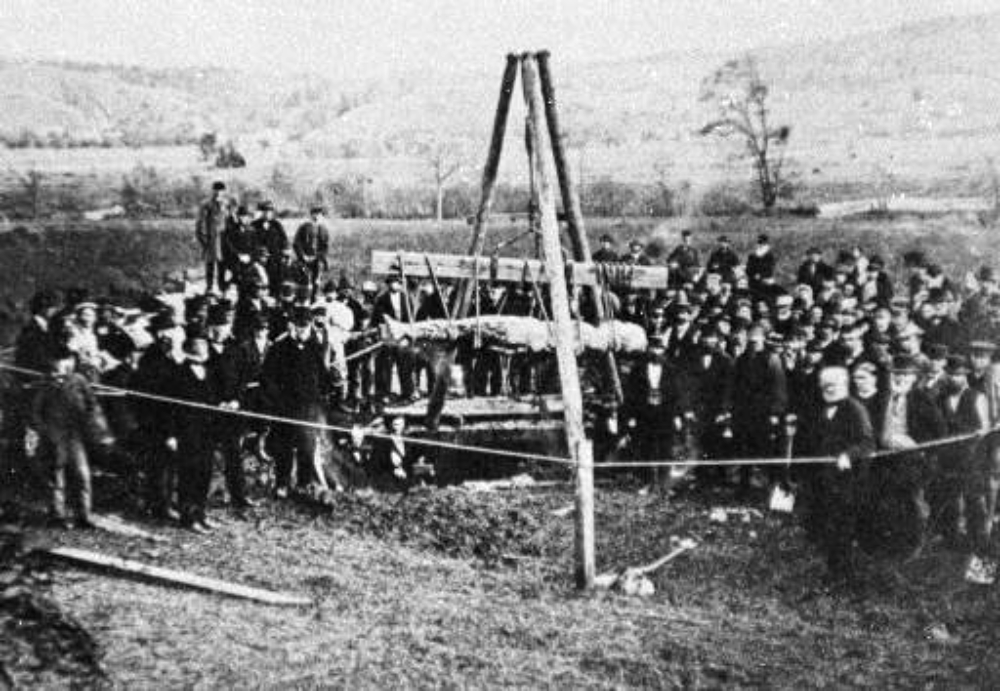
In 1869, tobacco tobacconist George Hull hired stonecutters to carve a massive ten-foot-tall petrified man out of gypsum, which he then secretly buried on a farm in Cardiff, New York. When the giant was miraculously discovered by well diggers, thousands of tourists paid fifty cents each to view the biblical Goliath, prompting P.T. Barnum to create his own successful plaster replica of the fake.
7. John Myatt’s twentieth century fakes

Between 1986 and 1995, British artist John Myatt painted hundreds of fake Marc Chagall and Alberto Giacometti pieces using standard household emulsion paint mixed with K-Y Jelly to mimic the texture of historical oils. His partner John Drewe successfully tricked prestigious auction houses like Sotheby’s and Christie’s by physically sneaking fake provenance records directly into the official historical archives of the Tate Gallery.
8. The tiara of Saitaphernes
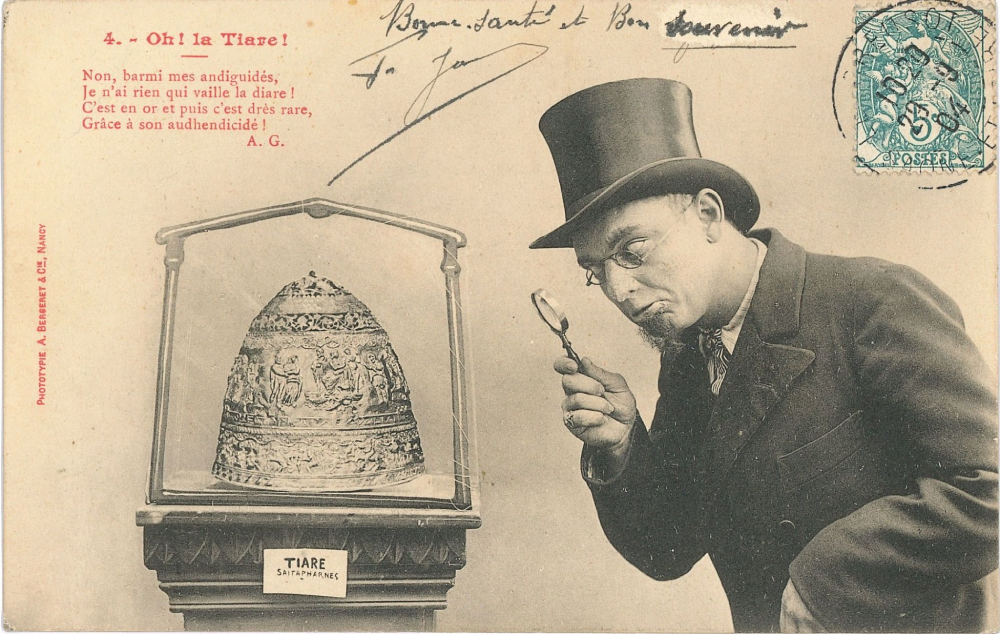
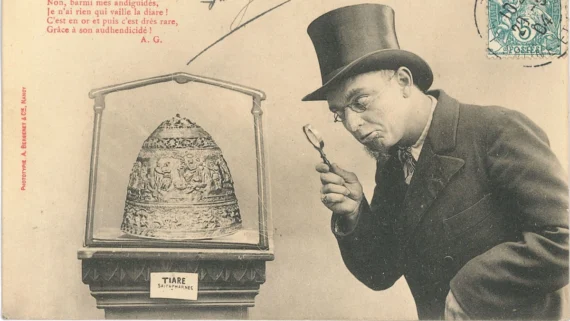
The Louvre in Paris purchased a magnificent, solid gold ceremonial crown in 1896 for a staggering 200,000 francs, believing it was a priceless third-century artifact belonging to an ancient Scythian king. The museum proudly displayed the masterpiece for seven years until a Russian jeweler named Israel Rouchomovsky arrived in France in 1903 and proved he had recently crafted the piece from scratch using modern tools.
Sign up for our newsletter
9. Shinichi Fujimura’s Paleolithic tools

Known as “God’s Hands” in the Japanese archaeological community, Shinichi Fujimura repeatedly discovered some of the oldest stone tools ever found in East Asia throughout the 1980s and 1990s. His incredibly lucky streak violently ended in 2000 when hidden cameras captured the celebrated researcher sneaking into an excavation site at dawn to secretly bury modern, altered rocks directly into the prehistoric dirt layers.
10. The Ossuary of James
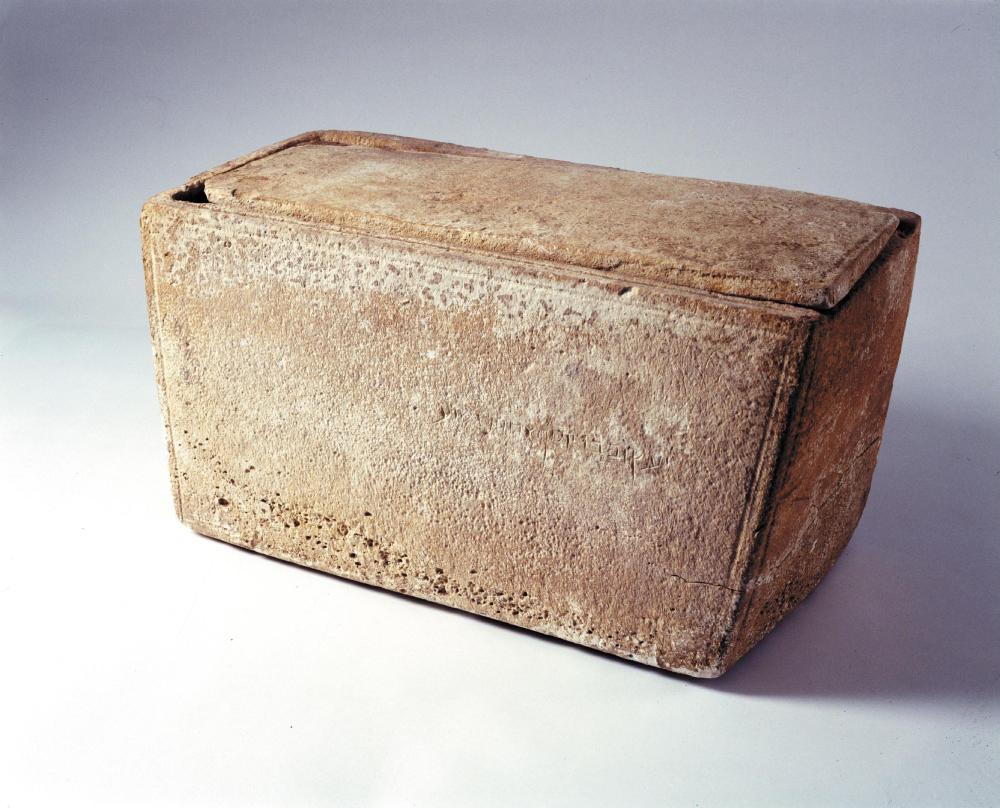
A limestone burial box emerged in Israel in 2002 bearing an incredible Aramaic inscription that translated to “James, son of Joseph, brother of Jesus,” thrilling biblical scholars worldwide. While the stone box itself dated back to the first century, the Israel Antiquities Authority later concluded that the second half of the crucial inscription was a modern addition carved recently to artificially inflate its financial value.
11. Mark Hofmann’s mormon documents
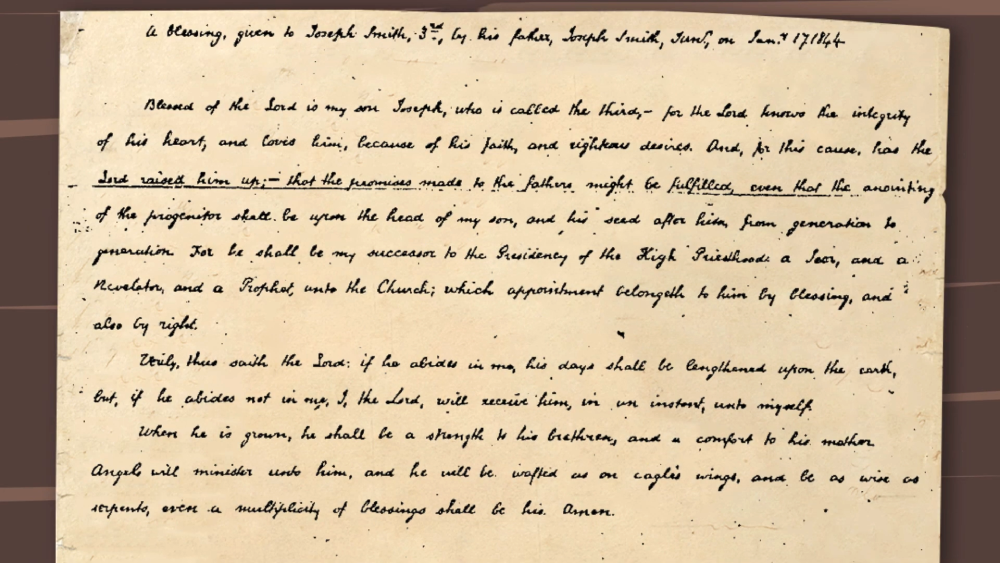
Operating out of Salt Lake City in the early 1980s, Mark Hofmann forged dozens of historically devastating documents, most notably the “Salamander Letter,” which threatened to completely upend the foundational history of the Latter-day Saint movement. To prevent his massive financial deception from being uncovered by authenticators, Hofmann resorted to mailing deadly pipe bombs in 1985 to silence his increasingly suspicious buyers.
12. The Etruscan terracotta warriors
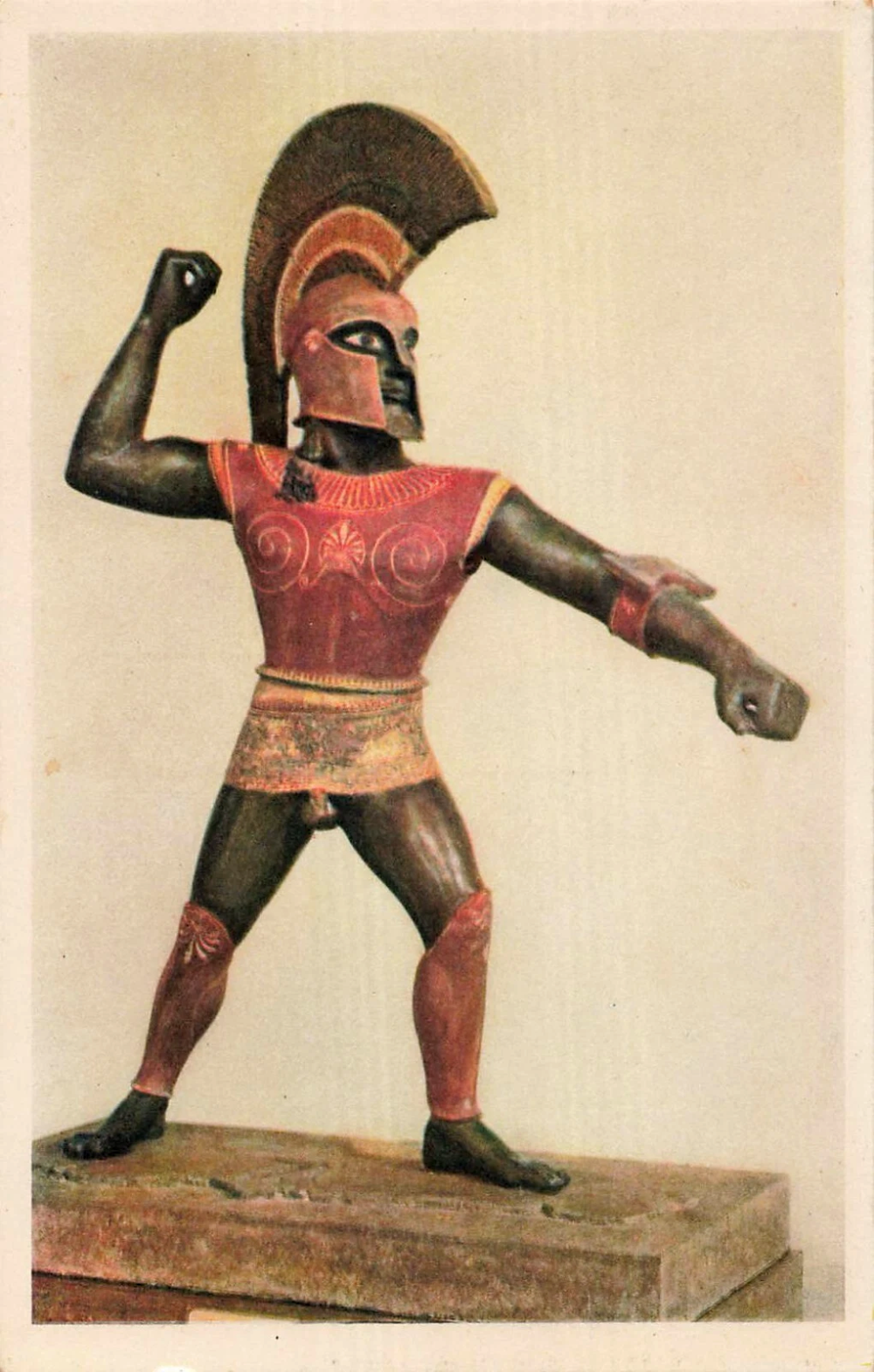
Between 1915 and 1921, the prestigious Metropolitan Museum of Art in New York purchased three massive terracotta statues that were globally celebrated as priceless masterpieces of ancient Etruscan art. It took until 1961 for advanced chemical analysis and a dramatic confession from Italian forger Alfredo Fioravanti to finally prove the heroic figures were actually sculpted and artificially aged in a modern Roman workshop.
Explore more fascinating stories:
It is absolutely incredible to realize how much time, money, and academic prestige was wasted evaluating a piece of cardboard or a rock buried just a few hours prior. These massive deceptions serve as a brilliant reminder that when a historical discovery seems far too perfect to be true, it is usually just a very clever scam. If you love exploring bizarre historical mysteries, vintage lifestyle oddities, and forgotten cultural trends, make sure to check out these 18 Strange Last Meal Requests From Notorious Criminals or these Ocean Floor Relics: 12 Objects Recovered From the Titanic. You may also like these 10 Unsolved Heist Cases From the Not-So-Distant Past.