History is filled with notorious outlaws and brilliant heists, but over time, many of these true crime stories mutate into towering legends that completely overshadow the actual historical facts. When Hollywood directors and sensational newspaper reporters get hold of a thrilling criminal case, they rarely let the boring truth stand in the way of a fantastic narrative. Decades of highly exaggerated rumors often transform completely incompetent thieves into brilliant masterminds or romanticize ruthless killers into noble folk heroes.
Separating the cold, hard evidence from centuries of dramatic storytelling reveals a fascinating disconnect between what actually happened and what the public prefers to believe. Digging into police archives and old court transcripts usually exposes a much messier, far less glamorous reality hidden beneath the popular myth. Exploring these deeply misunderstood historical cases offers a thrilling look at how collective memory completely alters the truth. Here are twelve infamous criminal figures whose towering fictional reputations entirely swallowed their real histories.
1. The noble mafia code of silence
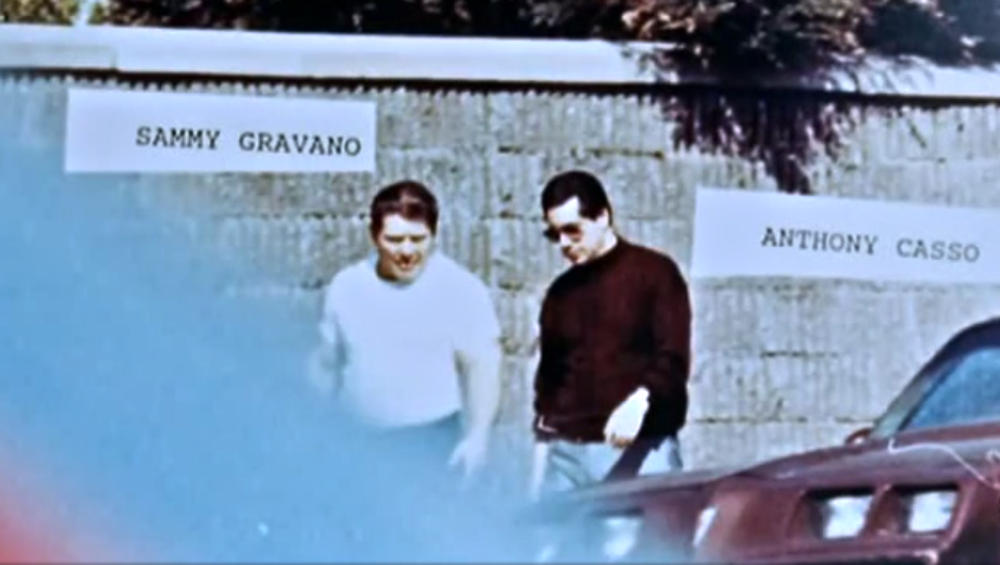
The strict Italian American mafia code of omertà is heavily romanticized in popular culture as an unbreakable blood oath of ultimate loyalty and honor. Court transcripts from the 1980s and 1990s prove that nearly every high-ranking mobster, including notorious Lucchese underboss Anthony Casso and Gambino boss Sammy Gravano, immediately broke this sacred rule and aggressively cooperated with the FBI to save themselves from prison.
2. The brilliance of Jack the Ripper
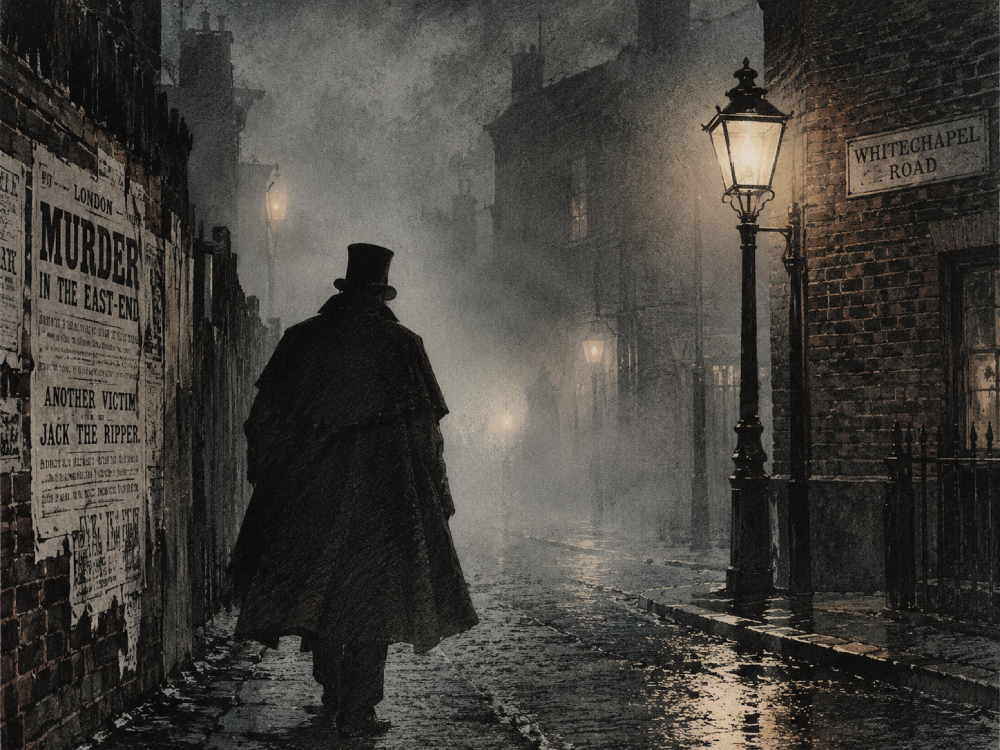
The unidentified serial killer who terrorized the Whitechapel district of London in 1888 is often depicted in popular culture as a wealthy, top-hat-wearing aristocratic surgeon. Modern criminal profilers and historical investigators largely agree that the culprit was likely an impoverished, socially isolated local slaughterhouse worker who simply took advantage of the heavy fog and complete lack of outdoor gas lighting.
3. Al Capone’s Valentine’s Day invincibility
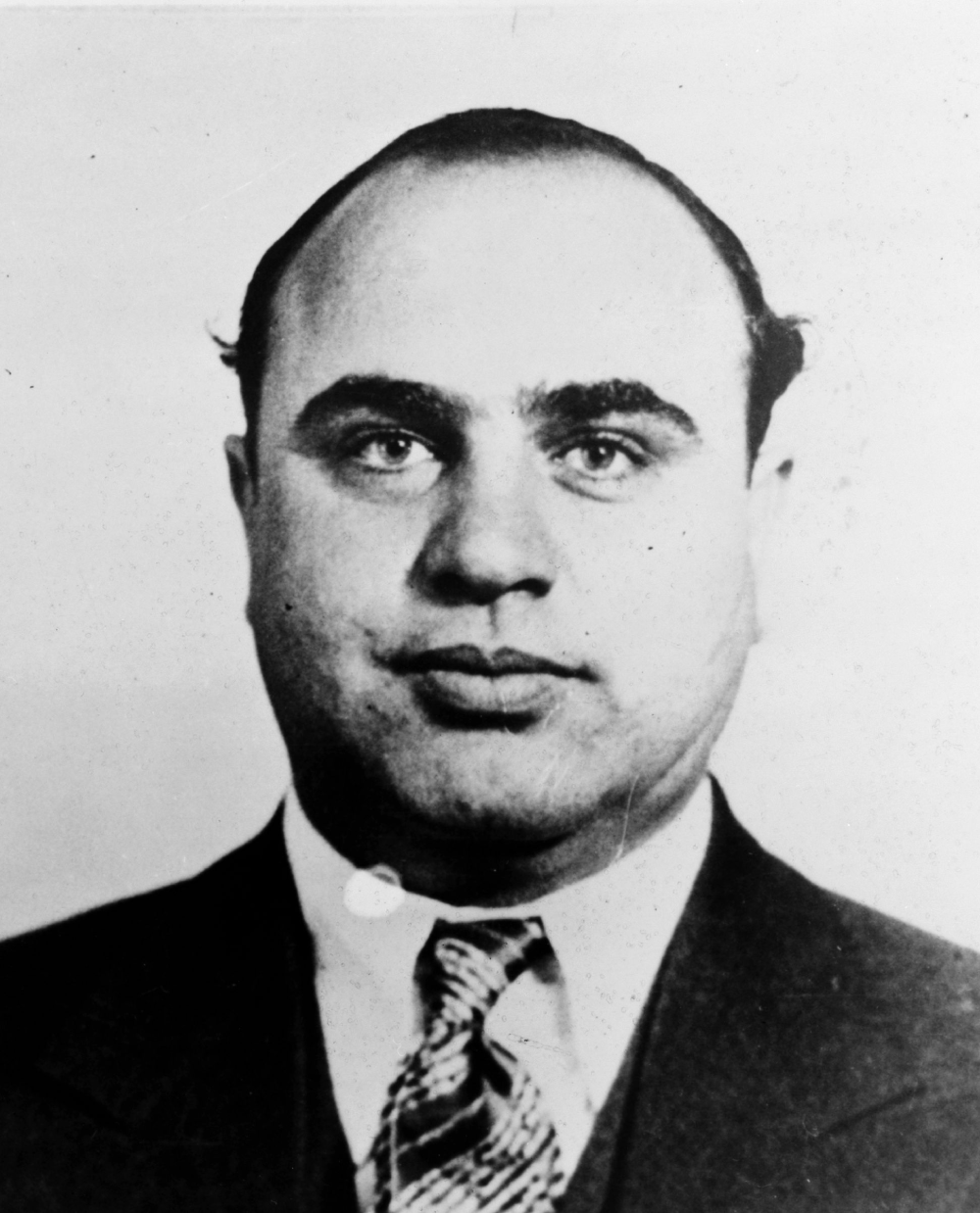
The legendary Chicago mob boss is widely credited with personally orchestrating the brutal 1929 St. Valentine’s Day Massacre that wiped out seven members of the rival North Side Gang. In reality, Capone was vacationing at his sprawling Palm Island estate in Florida during the murders, and federal prosecutors actually struggled for years to definitively link him to the hit before finally settling on tax evasion charges in 1931.
4. Billy the Kid’s twenty-one victims
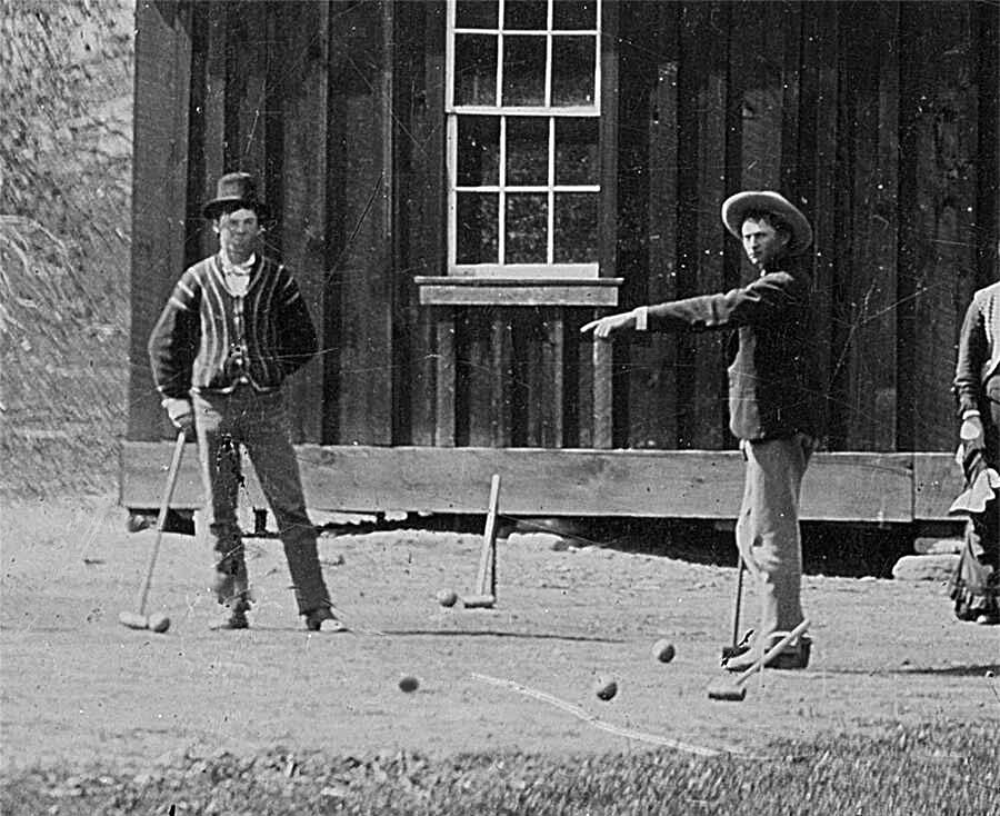
The famous Wild West outlaw born Henry McCarty is universally mythologized as a lethal teenage gunslinger who killed exactly twenty-one men before his twenty-first birthday in 1881. Historical records from the Lincoln County War in New Mexico prove that the young cowboy actually killed only four to nine people, with several of those deaths occurring during chaotic, multi-person shootouts where attributing the fatal bullet was completely impossible.
5. The Robin Hood myth of John Dillinger
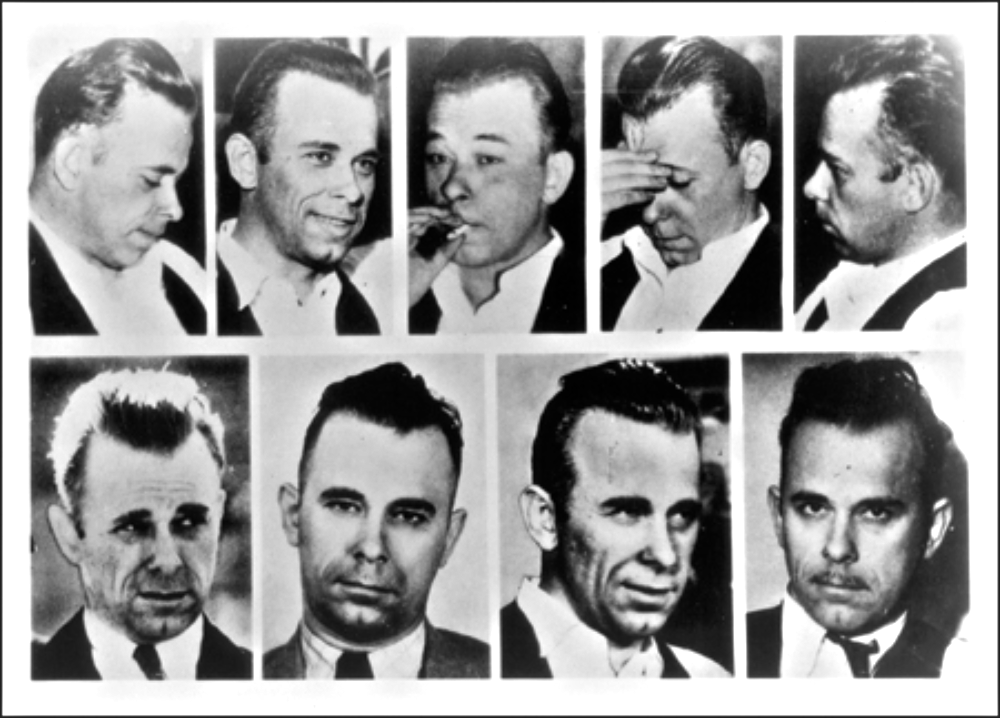
During the Great Depression, American newspapers painted bank robber John Dillinger as a noble champion of the poor who only stole from greedy financial institutions in 1933. While the charismatic outlaw did occasionally destroy mortgage ledgers during his violent raids, he ruthlessly murdered local police officers and hoarded the stolen cash strictly to fund his own lavish lifestyle and extensive plastic surgery operations.
Trending on The Scroller


6. Frank Abagnale Jr.’s Catch Me If You Can exploits

The charismatic con artist famously claimed to have expertly forged millions of dollars in Pan Am payroll checks and successfully impersonated a doctor and lawyer before his twenty-first birthday in 1969. Recent investigations into historical prison records and airline flight logs reveal that Abagnale actually spent the vast majority of his teenage years locked inside the Great Meadow Correctional Facility in New York.
7. The genius of the Great Train Robbery
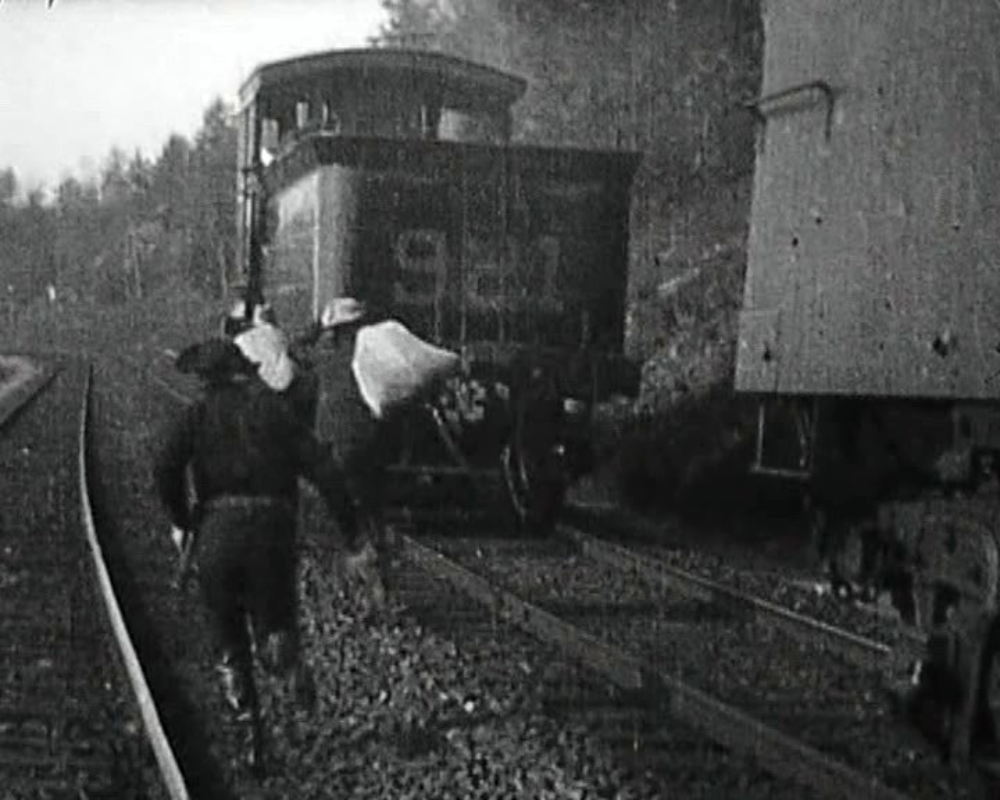
The 1963 heist of a Royal Mail train in Buckinghamshire is heavily romanticized as a perfectly executed, gentlemanly operation led by mastermind Bruce Reynolds. The reality was incredibly messy, as the panicked thieves violently bludgeoned train driver Jack Mills with an iron bar, left their fingerprints all over a Monopoly board at their Leatherslade Farm hideout, and were almost all swiftly arrested by Scotland Yard.
8. Blackbeard’s savage bloodlust
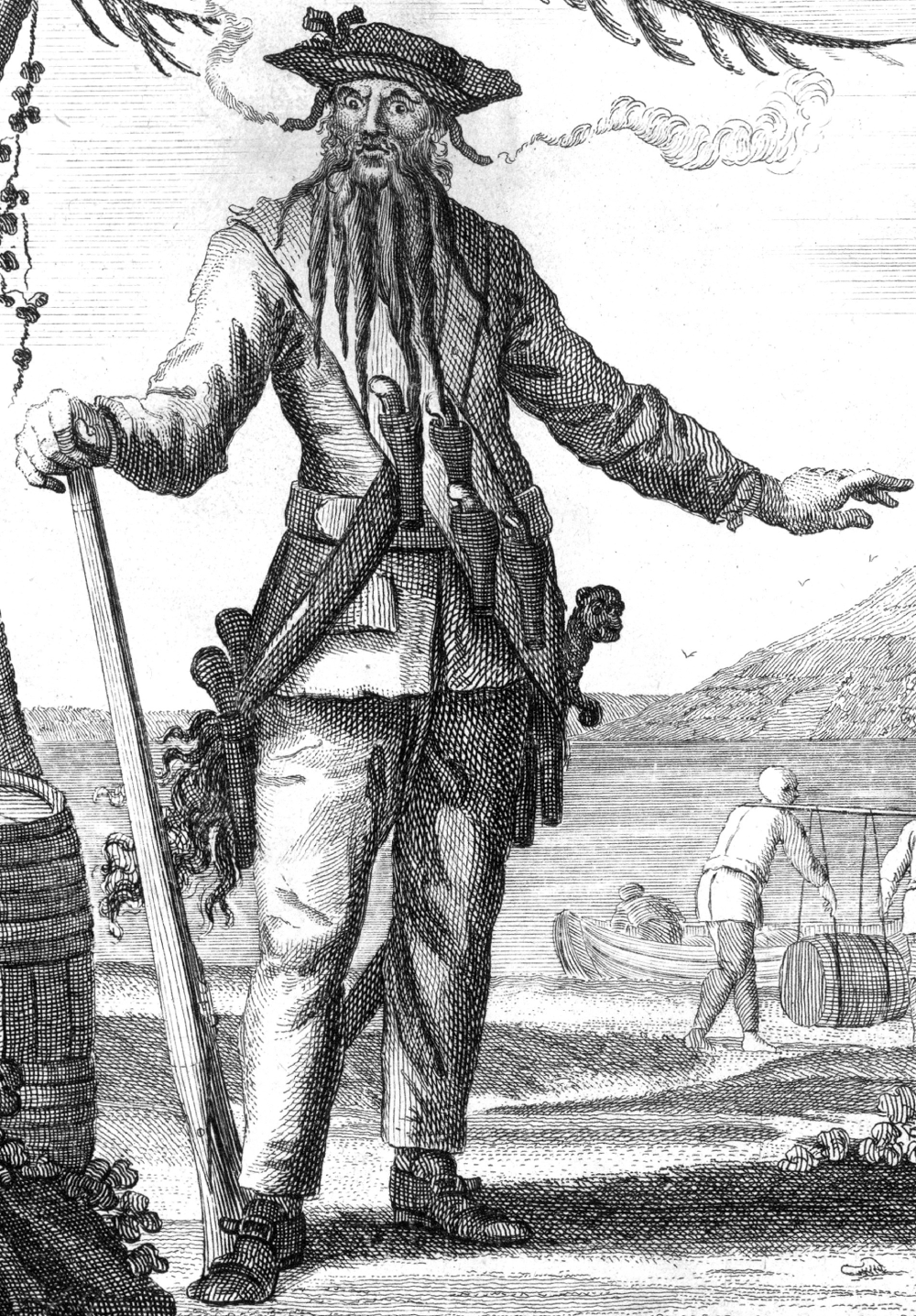
Edward Teach cultivated a terrifying reputation across the Caribbean in 1717 by weaving slow-burning hemp fuses into his massive beard to appear like a smoking demon during naval engagements. Despite this incredibly theatrical intimidation tactic designed specifically to force merchant ships into surrendering peacefully, there is absolutely no historical record of the infamous pirate ever murdering a single captive before his final fatal battle at Ocracoke Inlet.
Sign up for our newsletter
9. The inescapable Alcatraz mystery

When Frank Morris and the Anglin brothers famously vanished from the federal penitentiary on Alcatraz Island in June 1962, the public quickly assumed they had successfully reached San Francisco. However, modern oceanographic flow models of the freezing, turbulent San Francisco Bay currents heavily suggest the three escapees drowned almost immediately, and pieces of their makeshift raincoat raft were eventually found washed up on Angel Island.
10. The curse of the Hope diamond

The legendary 45-carat blue diamond currently housed in the Smithsonian is supposedly cursed to bring brutal financial ruin and violent death to anyone who owns it. This entire supernatural narrative was actually completely fabricated in 1909 by Parisian jeweler Pierre Cartier, who explicitly invented the tragic fictional backstory just to convince wealthy American socialite Evalyn Walsh McLean to purchase the expensive gem.
11. The poisoned Halloween candy crisis

Throughout the 1980s, American parents were absolutely terrified by widespread urban myths claiming that anonymous strangers were actively handing out poisoned candy and razor-laced apples to trick-or-treaters. Criminologist Joel Best thoroughly researched decades of hospital records and police reports, proving that virtually every single documented case was actually an elaborate hoax orchestrated by the child or a tragic accident completely unrelated to strangers.
12. Bonnie and Clyde’s mastermind status
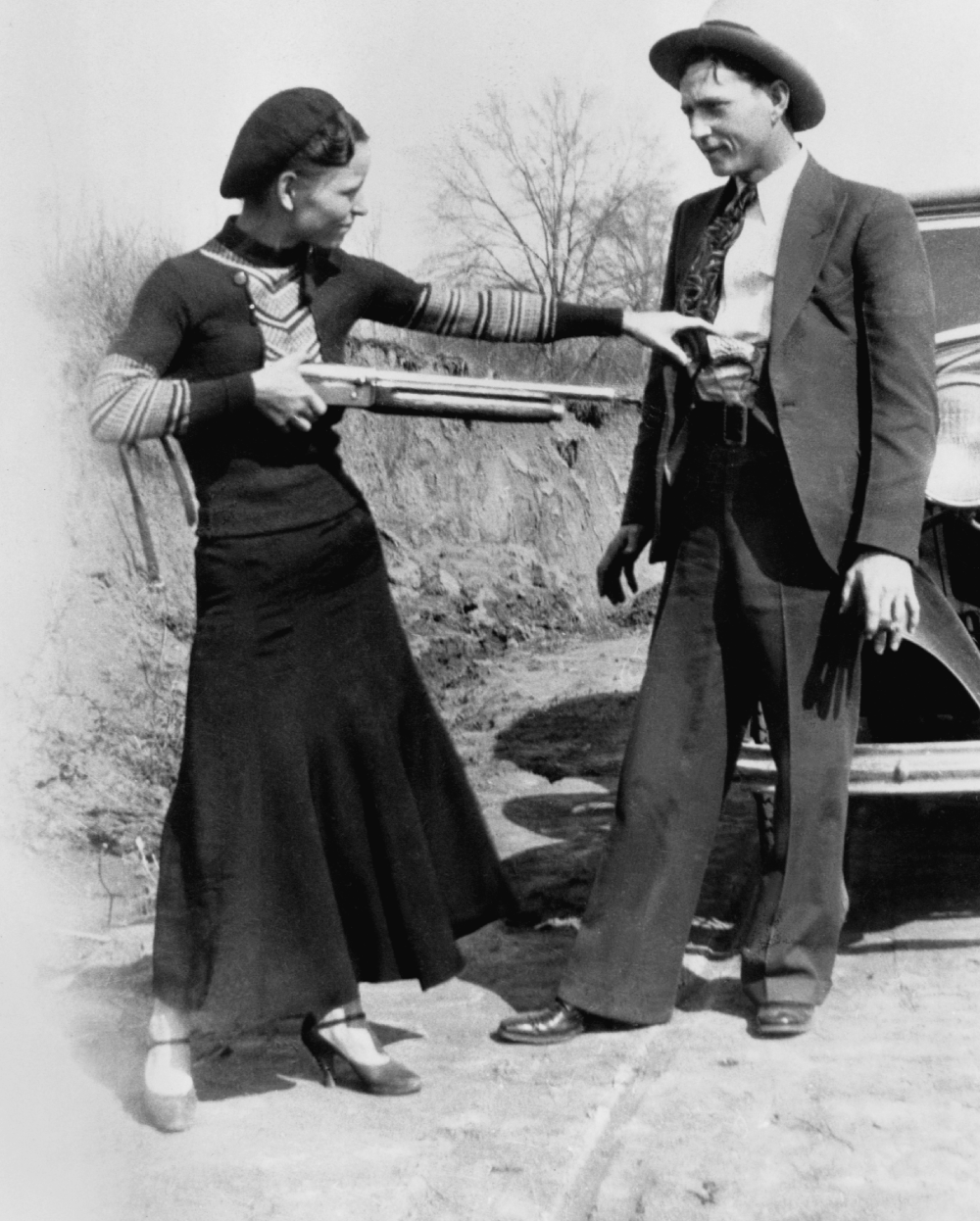
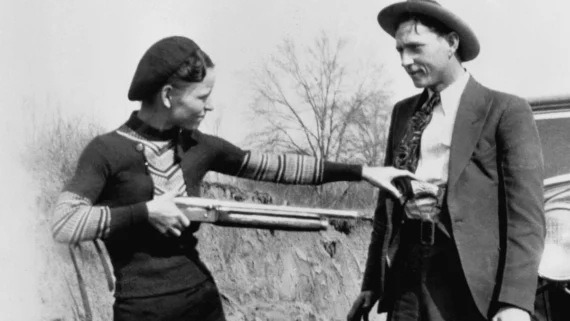
Despite being immortalized by Arthur Penn’s glamorous 1967 film starring Faye Dunaway and Warren Beatty, Bonnie Parker and Clyde Barrow were actually highly incompetent criminals. During their infamous early 1930s crime spree across Texas and the Midwest, the disorganized gang mostly robbed tiny rural gas stations for petty change and frequently slept in stolen Ford V8s because they lacked the money to afford cheap motels.
In the mood for more crime stories?
It is absolutely fascinating how a few embellished newspaper headlines or a dramatic Hollywood screenplay can permanently rewrite historical truth. The real events behind these infamous crimes are often far less glamorous, but they offer a much more authentic look at human flaws, sloppy mistakes, and the incredible power of a good story. If you love diving into historical myths and unraveling long-standing crime mysteries, make sure to check out these 12 Tiny Pieces of Evidence That Solved Major Historic Crimes or these 19 Eerie Photos of Speakeasy Crime and Mob Enforcers. You can also explore these 12 Famous Forgeries That Fooled the World.