Behind jazz basements and whispered passwords, speakeasy crime ran on muscle, money, and men who made the rules with a nod (or a gun). From boardwalk bosses to barrel-smashing feds, these are the faces and stories that turned Prohibition into an industry.
Meet 19 mob enforcers, bootleg masterminds, and the relentless agents who kept the booze flowing -or shut it down- one back door at a time.
1. Al Capone, a career written in booking sheets
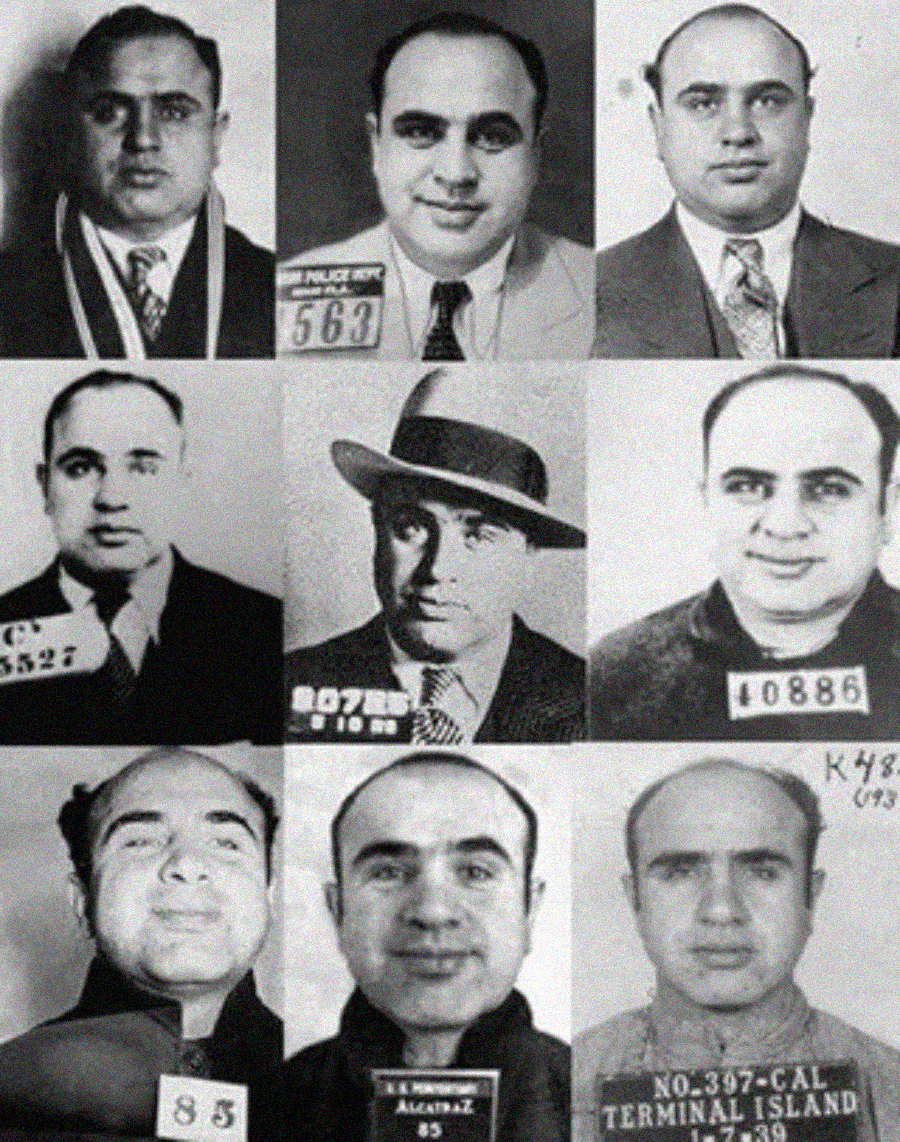
Capone centralized Chicago’s bootlegging with breweries, trucks, and precinct friends; and used fear to keep the books balanced. As pressure mounted, lawyers and accountants did as much damage as gunmen. In the end, tax charges cracked what bullets couldn’t: a years-long empire built to feed speakeasies.
2. Frank Nitti, the man who made orders stick
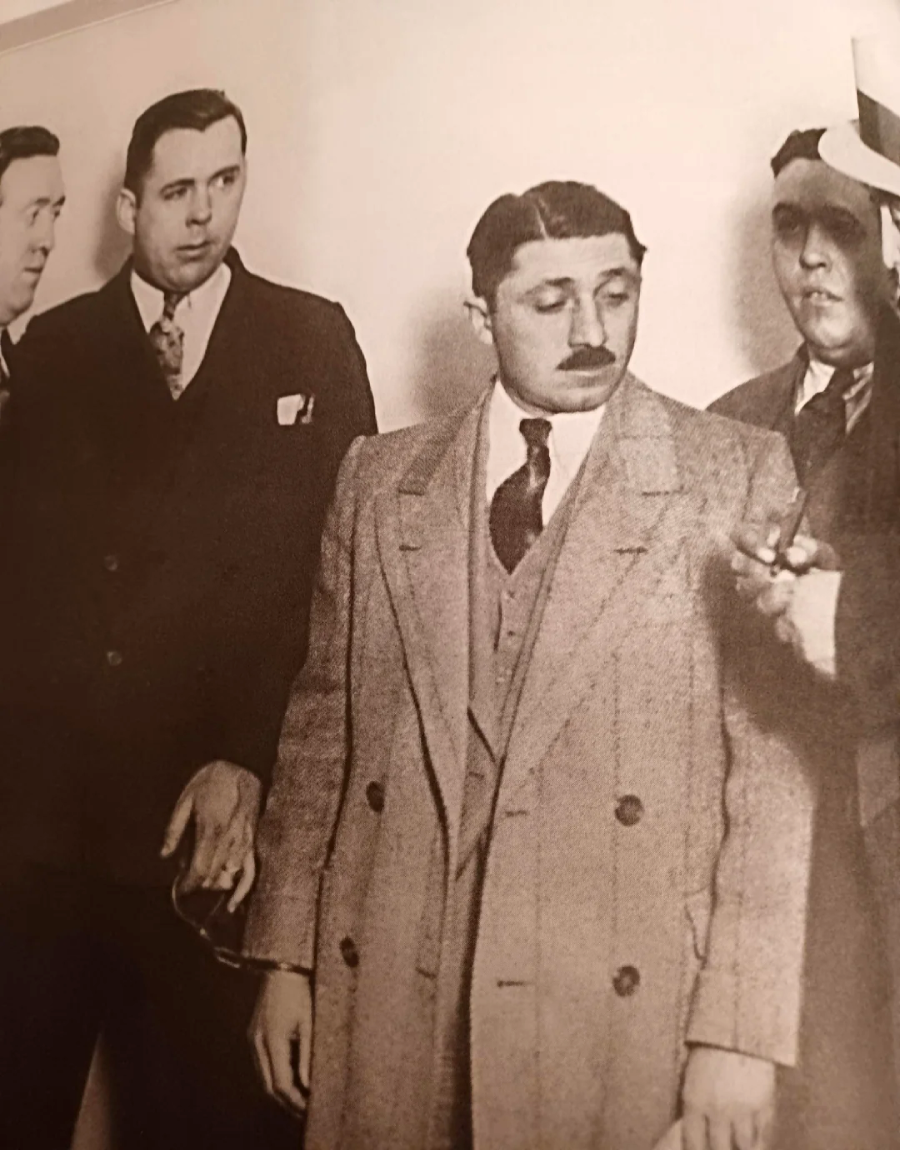
Capone’s enforcer-turned-boss kept the Outfit (Capone’s organization) running with quiet meetings and sudden consequences. Nitti protected routes, disciplined crews, and kept taps flowing through the worst crackdowns. If a speakeasy needed “insurance”, he sold the policy.
3. Bugs Moran, the North Side’s last hard stare
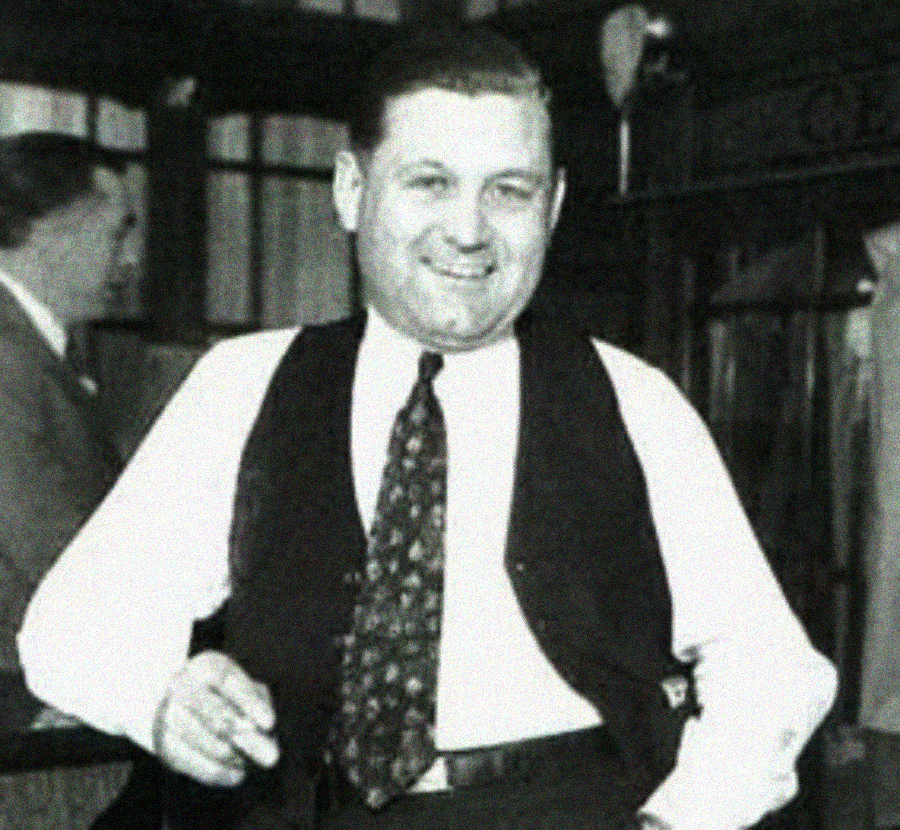
Moran fought the Outfit with hijacks, alliances, and stubborn turf claims. His crews battered Capone’s revenue streams and paid for it when the war escalated. The feud became Prohibition’s cautionary tale: keep your back to a brick wall.
4. Dean O’Banion, the florist whose front-page murder escalated Chicago
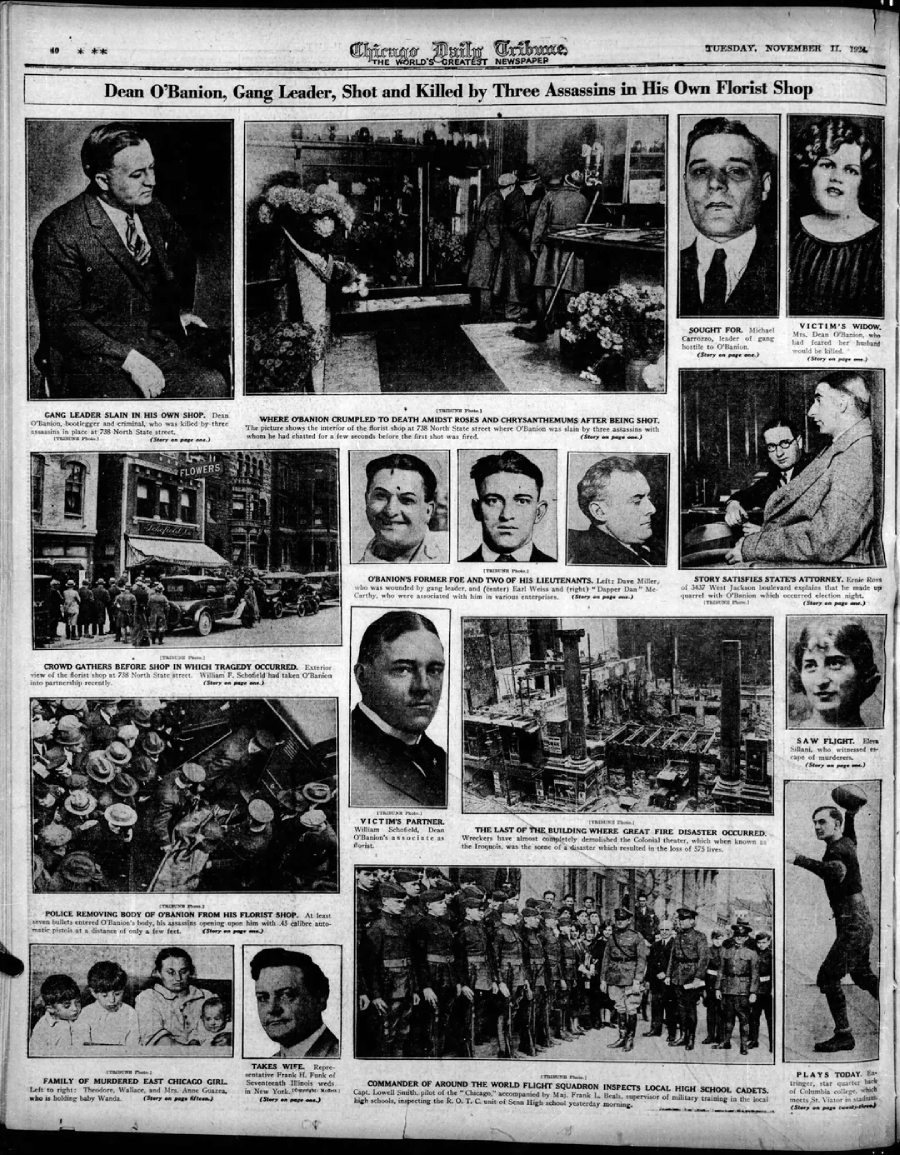
From his flower shop, O’Banion brokered beer, cut deals, and needled rivals until the price came due. His assassination became a headline and a turning point, pushing the city toward open war. In Prohibition Chicago, bouquets and bootlegging rode the same trucks… and the same risks.
5. Johnny Torrio, architect of the calm, and the cut
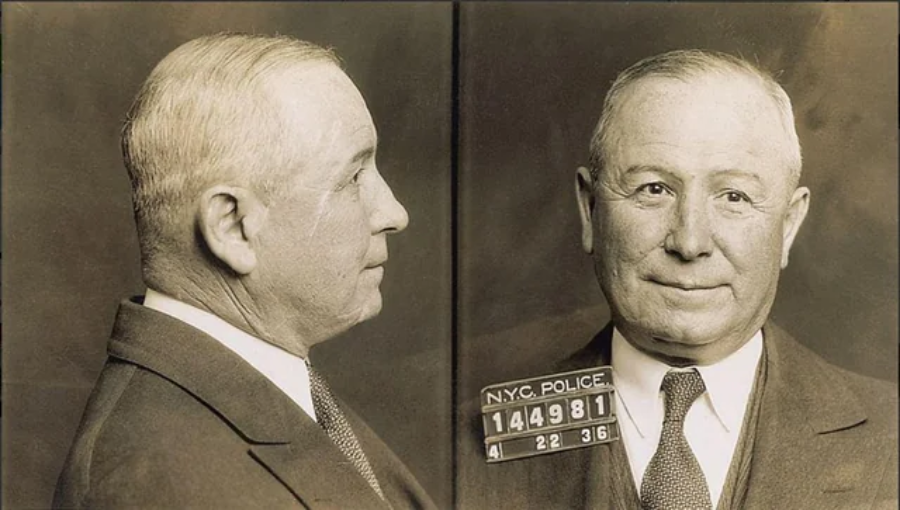
Torrrio built syndicate logic into chaotic beer wars, preferring profit splits to public bloodshed. He scaled breweries, carved out territories, and taught protégés to count first, shoot last. When he bowed out after an attempt on his life, the machine kept humming.
Trending on The Scroller
6. Jack “Machine Gun” McGurn, reputation with a drum magazine
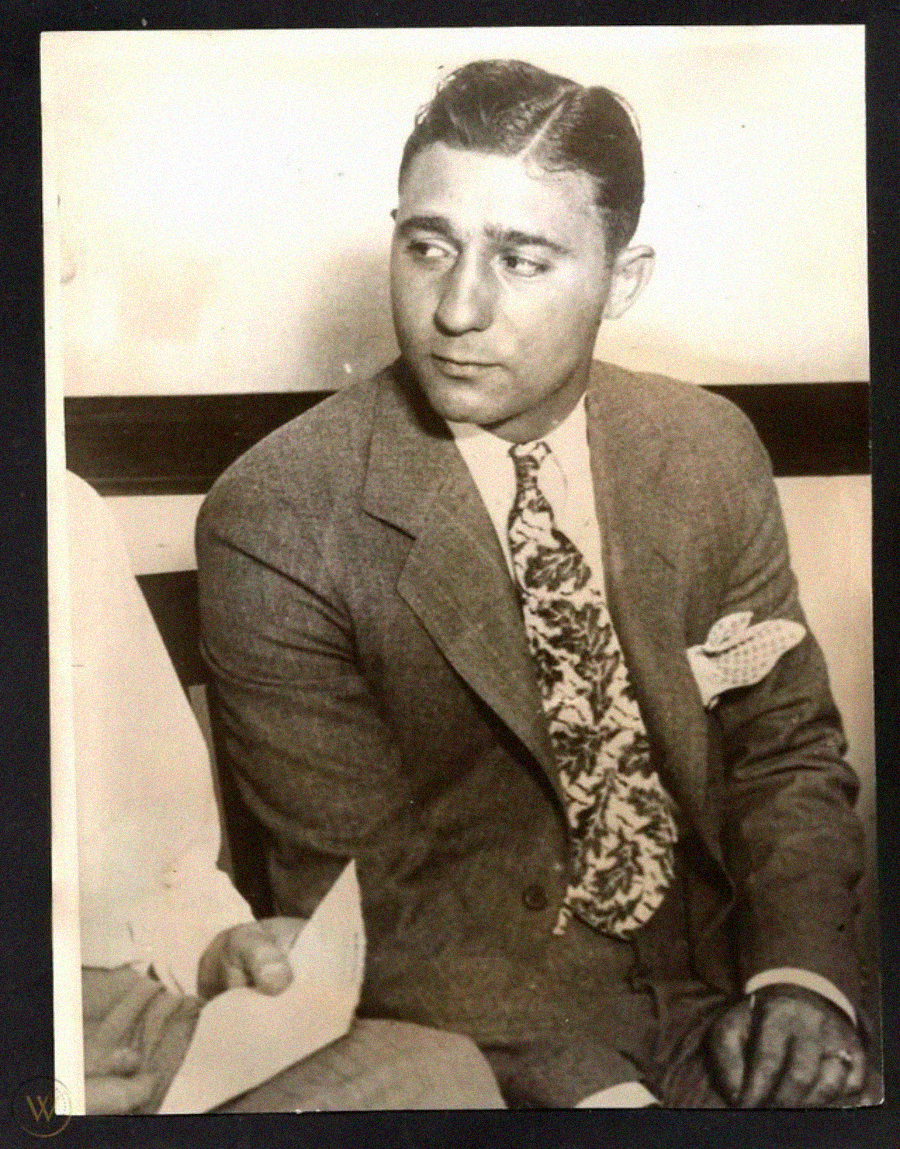
McGurn protected Outfit interests with the Thompson and the telephone, depending on the problem. He was the message when contracts needed emphasis and rival bars needed reminders. In Prohibition Chicago, noise often settled the argument.
7. Eliot Ness, the brand that breweries feared
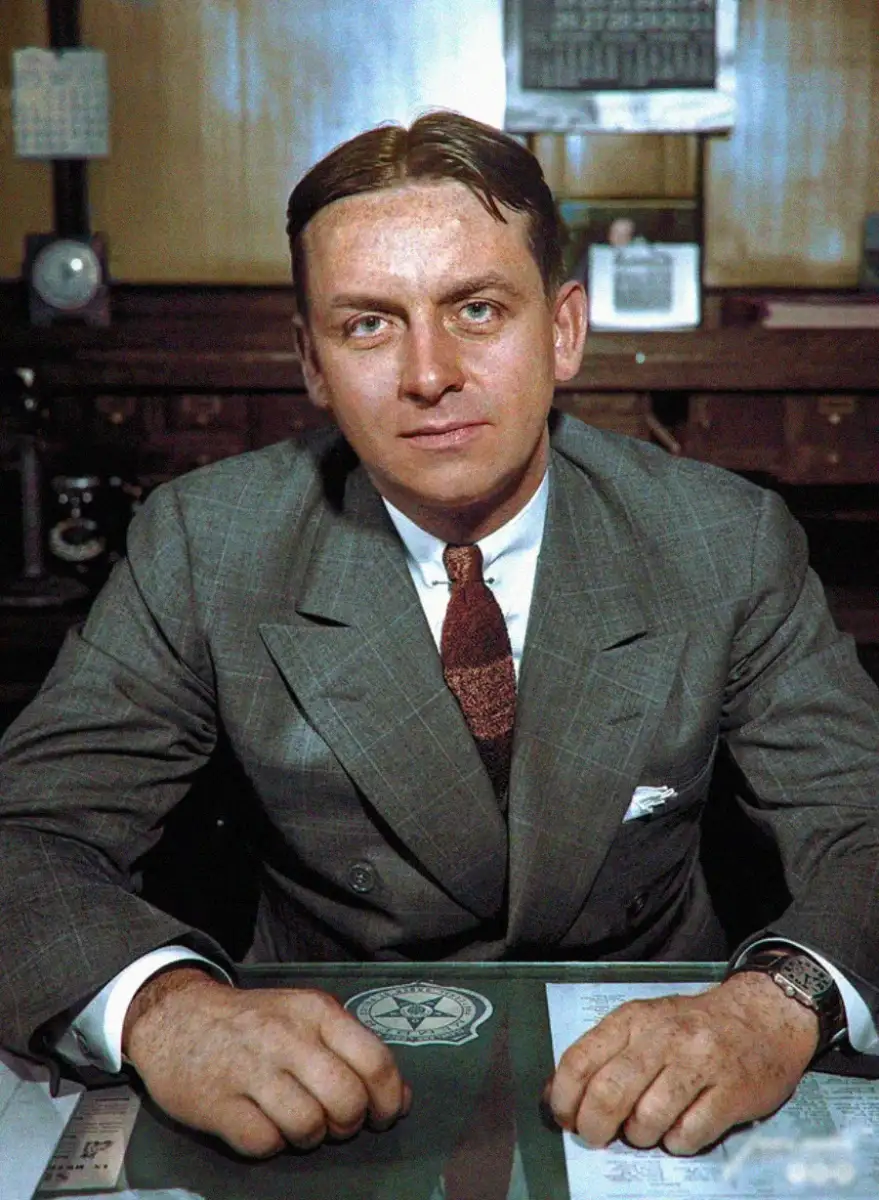
Ness built a small, bribe-proof unit and aimed straight at supply: breweries, bottling lines, and distribution hubs. Raids and airtight paperwork starved speakeasies more effectively than street scuffles. The method was boring by design, until it wasn’t.
8. Izzy Einstein and Moe Smith, kings of the undercover knock
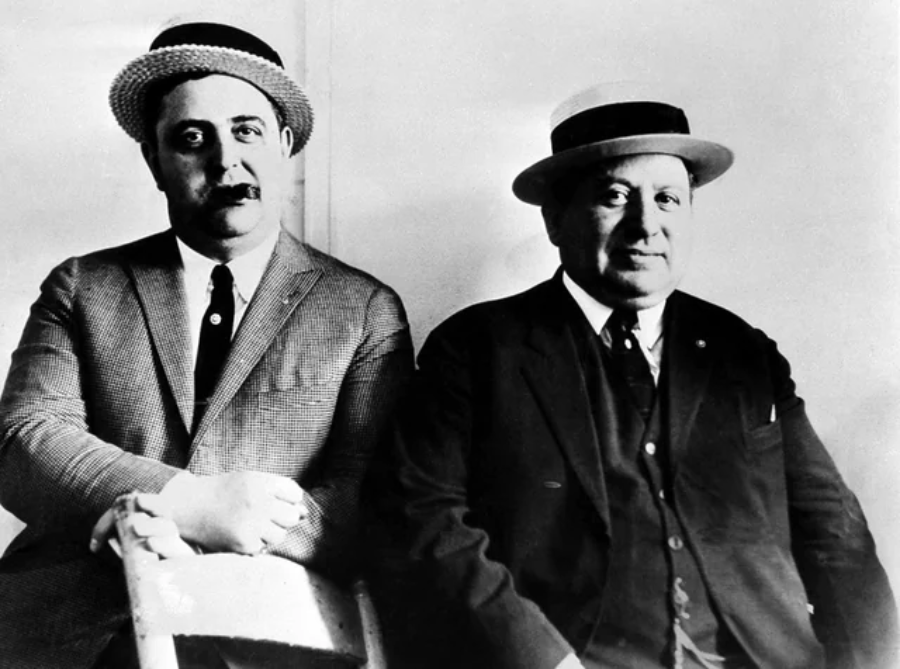
Disguises, jokes, and a phenomenal arrest record defined this Prohibition duo. They slipped into speakeasies with passwords picked up from cabbies and bartenders, then blew the whistle with a grin. Underneath the showmanship sat meticulous notes and airtight cases.
Sign up for our newsletter
9. Nucky Johnson, boardwalk broker with Outfit connections
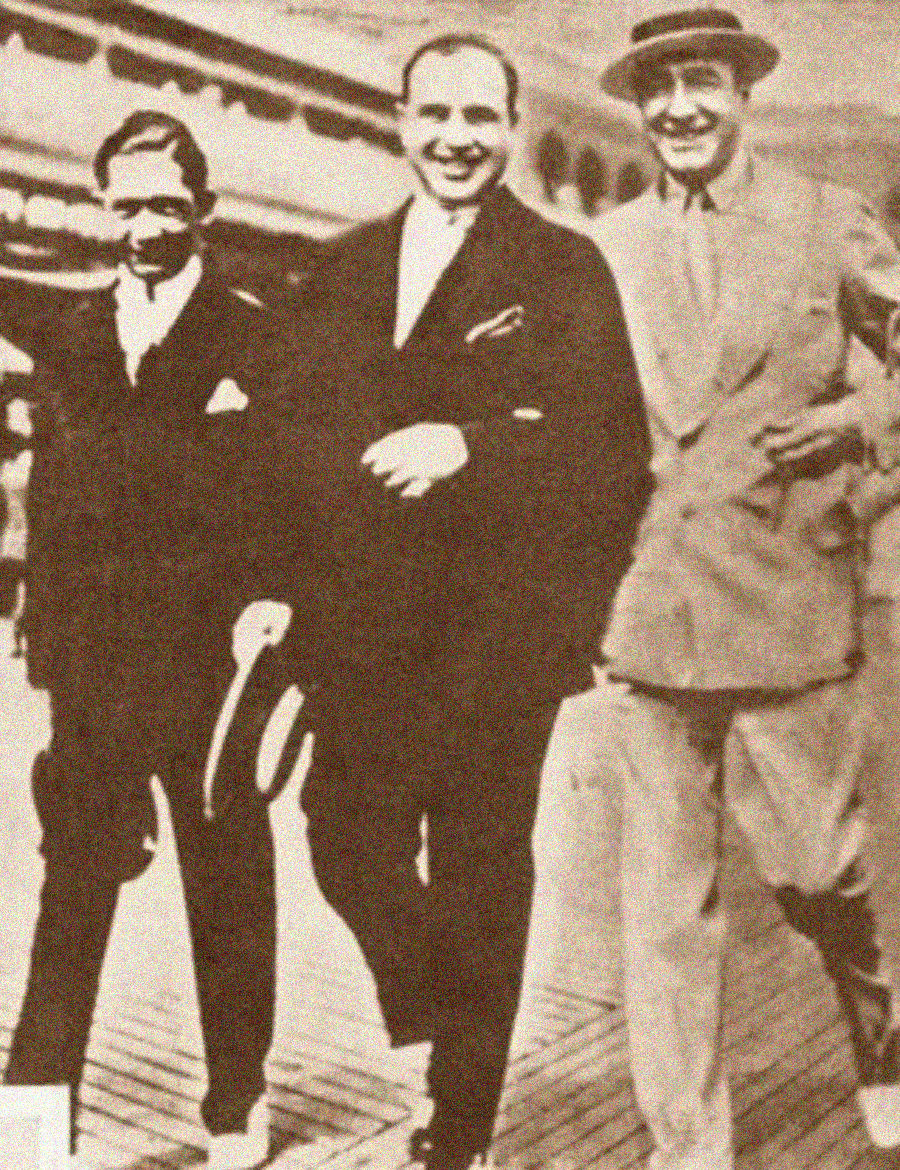
Atlantic City’s fixer turned hotels, clubs, and conventions into one ledger by smoothing disputes before tourists heard the noise. His reach pulled in big names, Chicago included, proving that shore glamour ran on quiet arrangements. On the boards, power walked in pairs.
10. Arnold Rothstein, the bank behind the bar
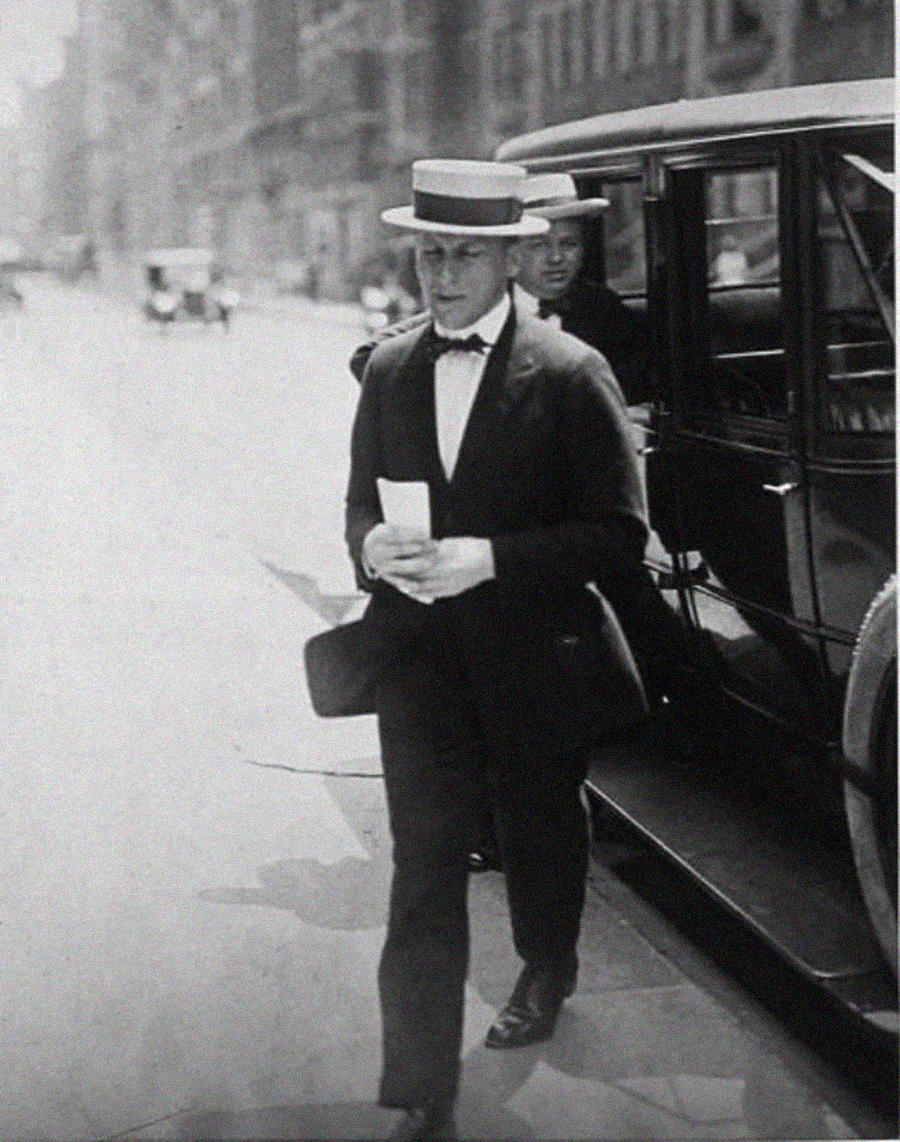
Rothstein financed operations that others merely dreamed about, laundering cash and buying silence. He preferred chess to fistfights and turned loans into leashes. In a business of heat, he stayed cool enough to move markets.
11. “Lucky” Luciano, accused in the Rothstein aftermath, then he reorganized the game
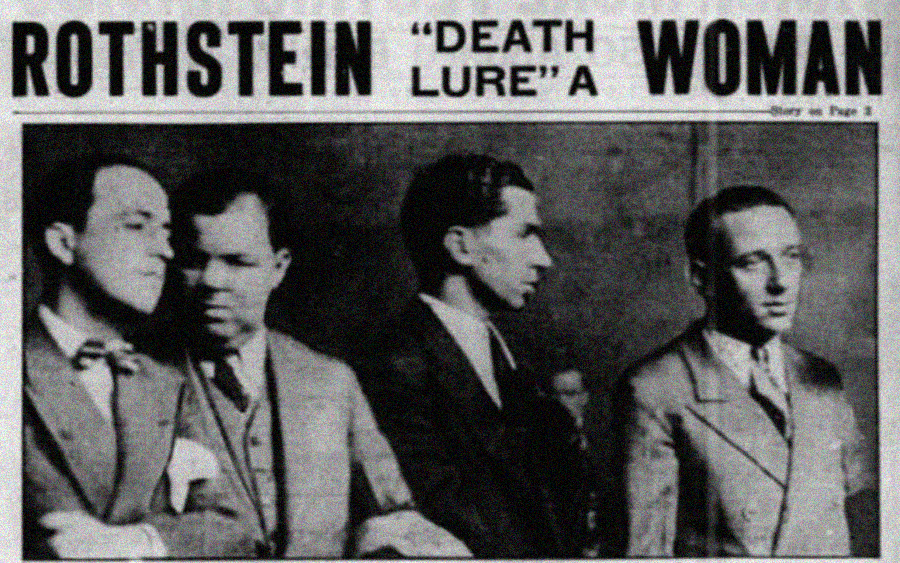
Questioned in the 1928 probe after Arnold Rothstein’s killing, Luciano kept climbing by swapping neighborhood grudges for national logistics. He knitted unions, trucks, and protection into dependable pipelines. Speakeasies needed a steady supply, and he made it policy.
12. Dutch Shultz, the taxman’s worst client
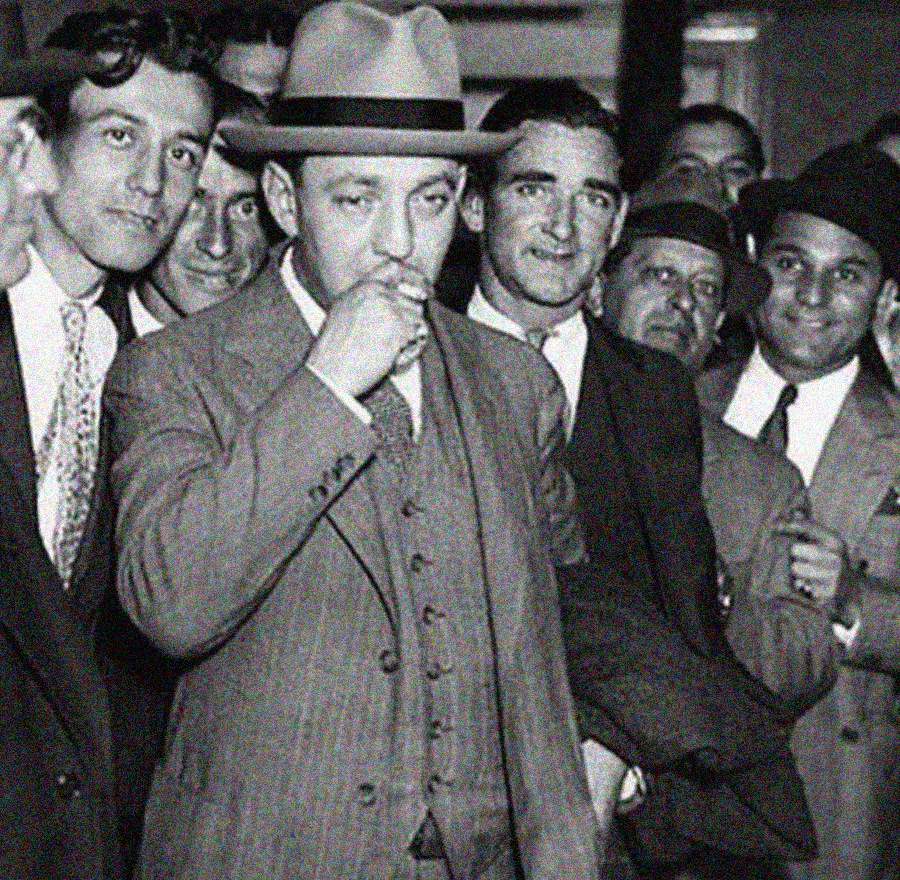
Shultz ran beer and numbers with a volcanic temper and iron routines. He leaned hard on judges and witnesses, betting he could outspend the law. When courtrooms closed in, paranoia did the rest.
13. Owney Madden, tuxedo muscle at the Cotton Club
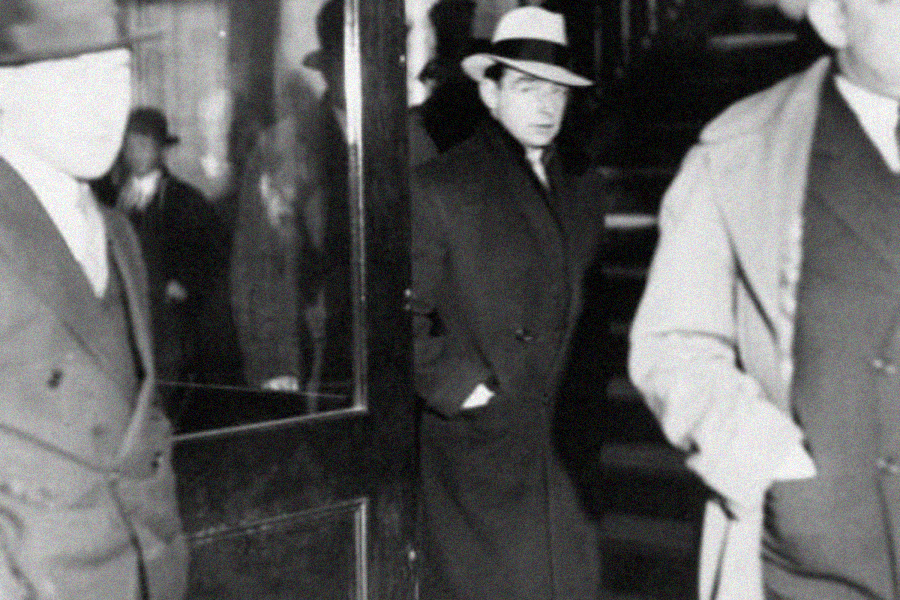
Madden wrapped extortion and enforcement in nightclub glamour. He guarded his stages, his shipments, and his reputation with equal intensity. For many patrons, the danger was part of the ticket price.
14. The Purple Gang, Detroit’s young old pros
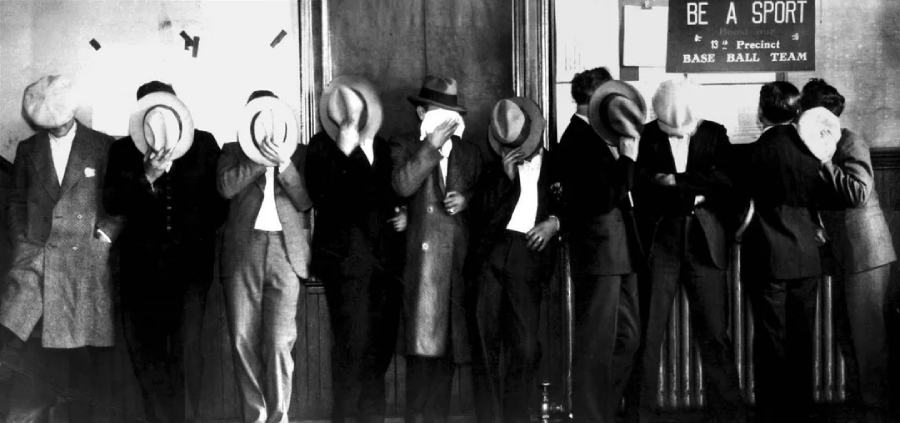
Sharp suits, quick tempers, and a lock on river routes defined this crew. They wholesaled liquor to speakeasies from Detroit to Chicago, with violence as the surcharge. Even seasoned rivals gave the Purples spaces at the curb.
15. Rum-runners vs. Coast Guard: Montauk to Watch Hill, 1930
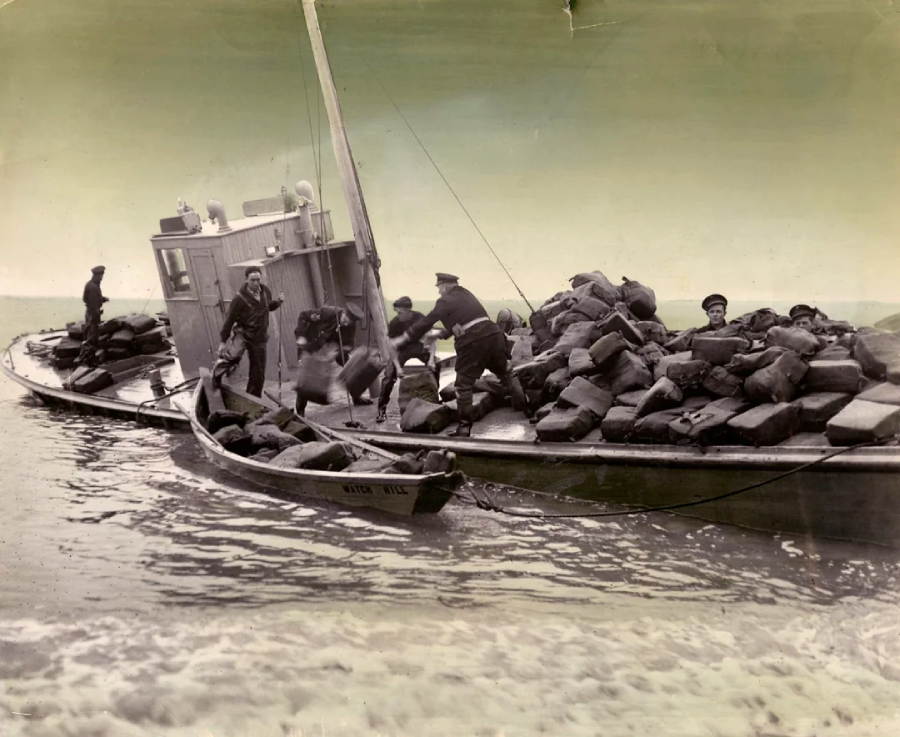
A speedboat packed with cases bolted up the coast; cutters answered with radios, spotlights, and gunfire. The seizure off Watch Hill showed how fast the cat-and-mouse had become. Every crate was a race against tide tables and federal patience.
16. Boston’s “most elaborate” blind: 153 Causeway Street, 1932
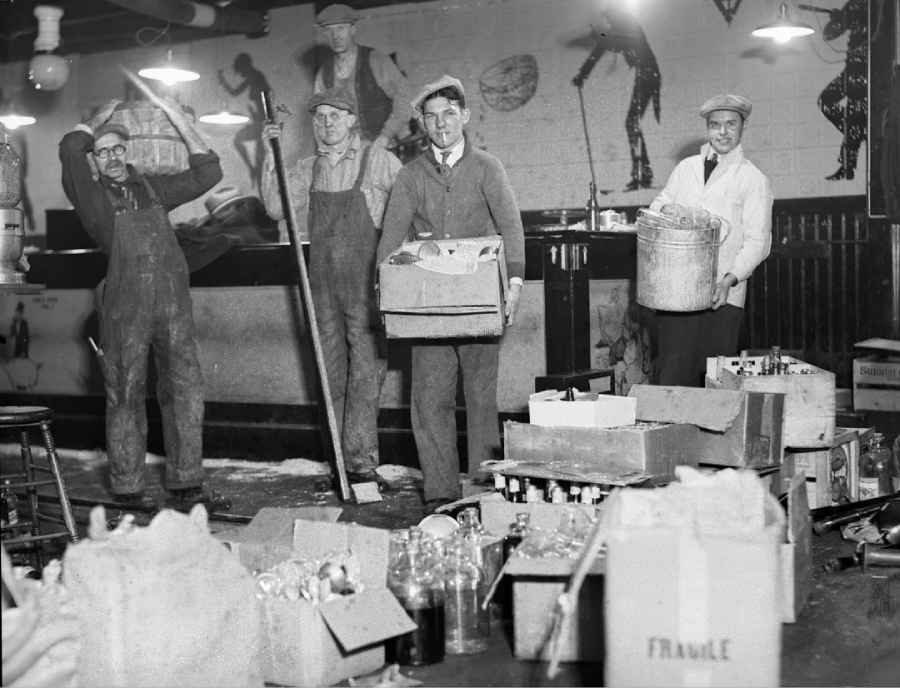
Federal agents cracked passwords, pried into traprooms, and folded the joint with warrants to match. The bust proved that hidden doors and bottle chutes couldn’t outrun ledgers and locks. One raid sent a message to twenty more.
17. George Remus, lawyer of liquor empires
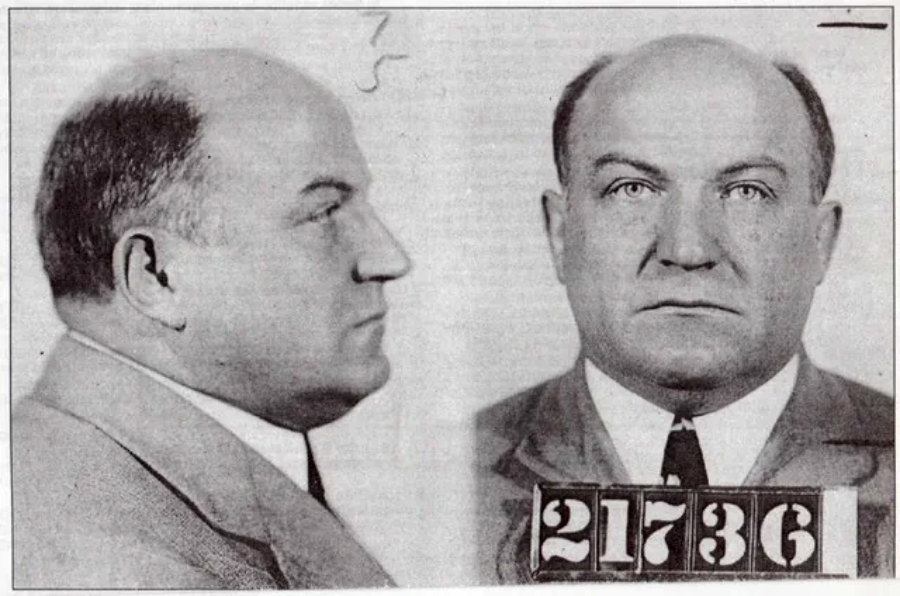
Remus built legal loopholes into wholesale, buying “medicinal” stocks and moving them into speakeasy pipelines. He threw lavish parties to cement alliances and dared prosecutors to untangle his paper trail. The case that finally did became Prohibition’s favorite law-school lesson.
18. Roy and Elise Olmstead, polite empire toppled by wiretaps
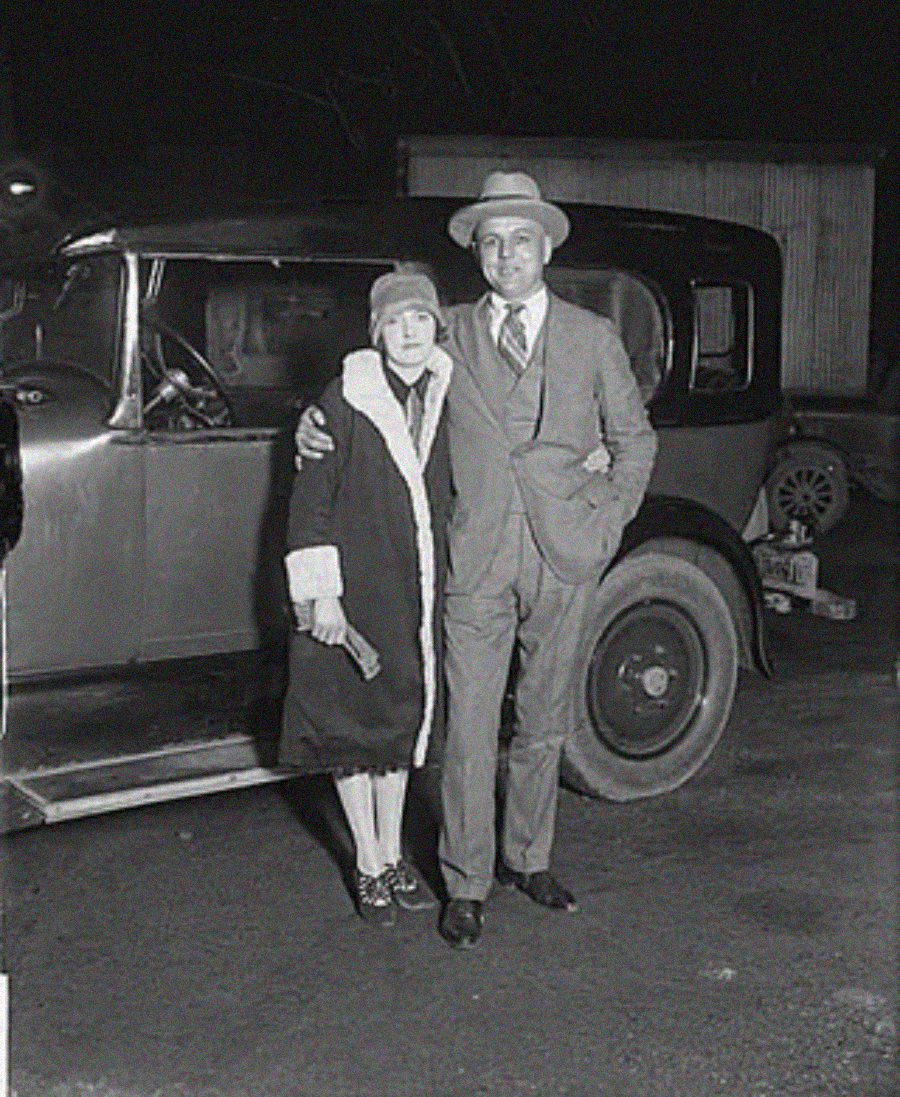
Seattle’s gentleman bootlegger ran punctual fleets and preferred quiet to theatrics, until wiretaps mapped the whole operation. The arrest that followed set headlines and legal arguments humming. Even a courteous syndicate collapses when every call is a breadcrumb.
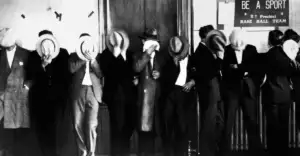
19. St. Valentine’s Day on Clark Street, the aftermath that froze a city

The 1929 killings turned turf lines into red-lined warnings and rivals into rumors. Whether every whisper was true mattered less than the effect: witnesses went silent, speakeasies chose sides, and fear did enforcement’s work. Chicago never read the date the same way again.
Explore more historical content:
Pull back the curtain on speakeasy crime and you find the same engines: money, muscle, and the people who could move both on command. If you want more character-driven dives, try these 15 Historic Criminals Who Inspired Hollywood Villains, or these 24 Vintage Photos That Perfectly Capture the Prohibition Era. You may also like these 17 Photos of History’s Most Feared Lawmen.